Introduction: The Role of Integrated Servo Motors in Robotic Grippers
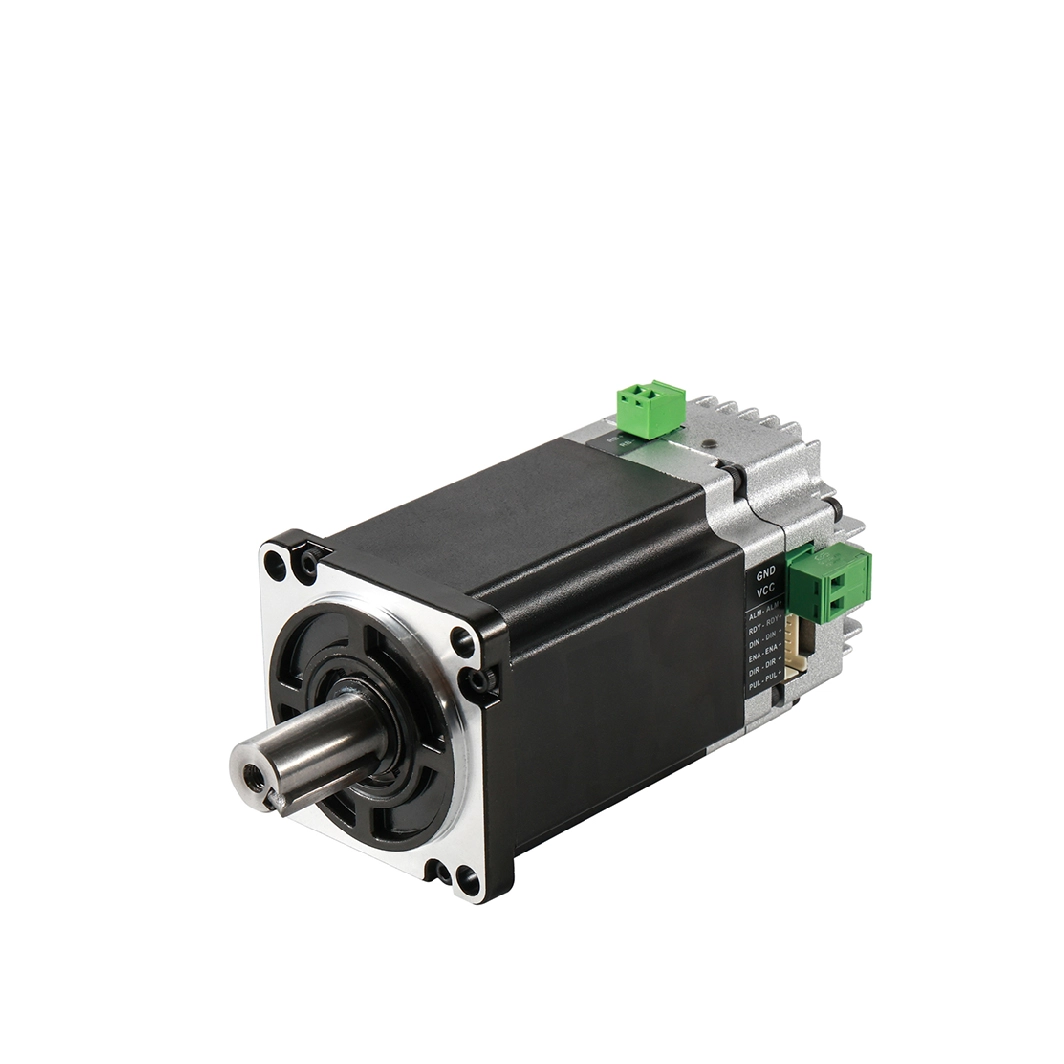
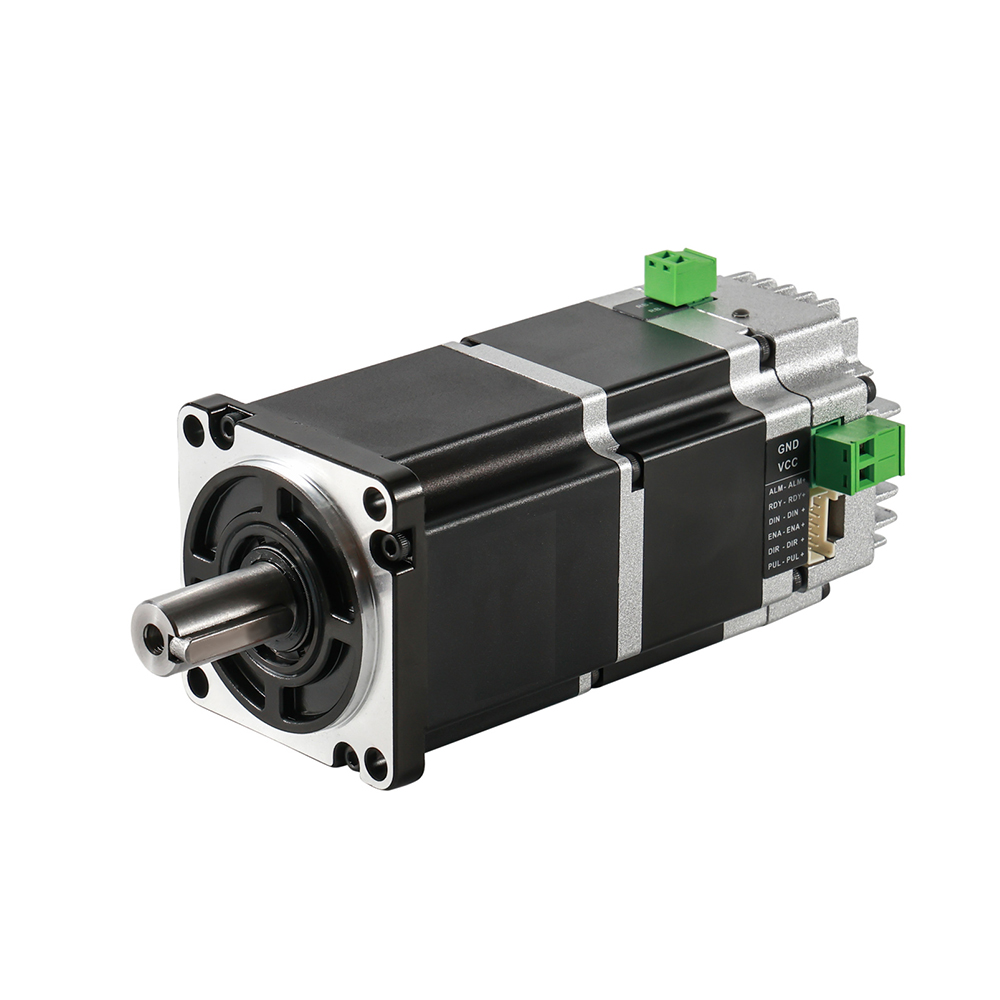
BESFOC integrated servo motors for robotic grippers provide compact, precise, and intelligent motion control solutions. With integrated drive and feedback systems, they improve robotic gripping accuracy, efficiency, and reliability for industrial automation applications.
The rapid development of industrial automation, collaborative robots, and intelligent manufacturing has increased the demand for more compact, precise, and efficient motion control solutions. Among the key components that determine robotic performance, the robotic gripper actuator system plays an essential role in achieving accurate object handling, reliable gripping force, and flexible automation.
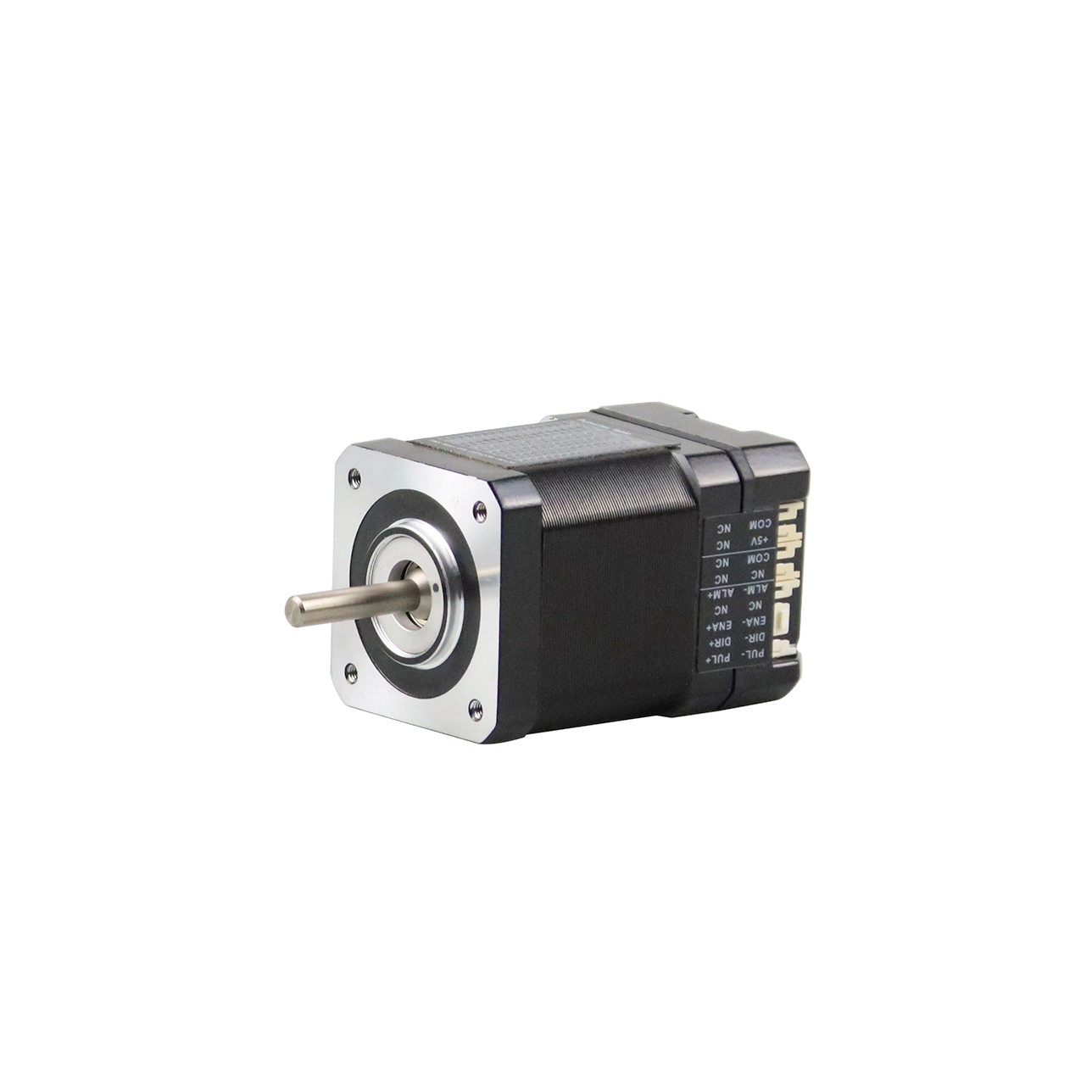
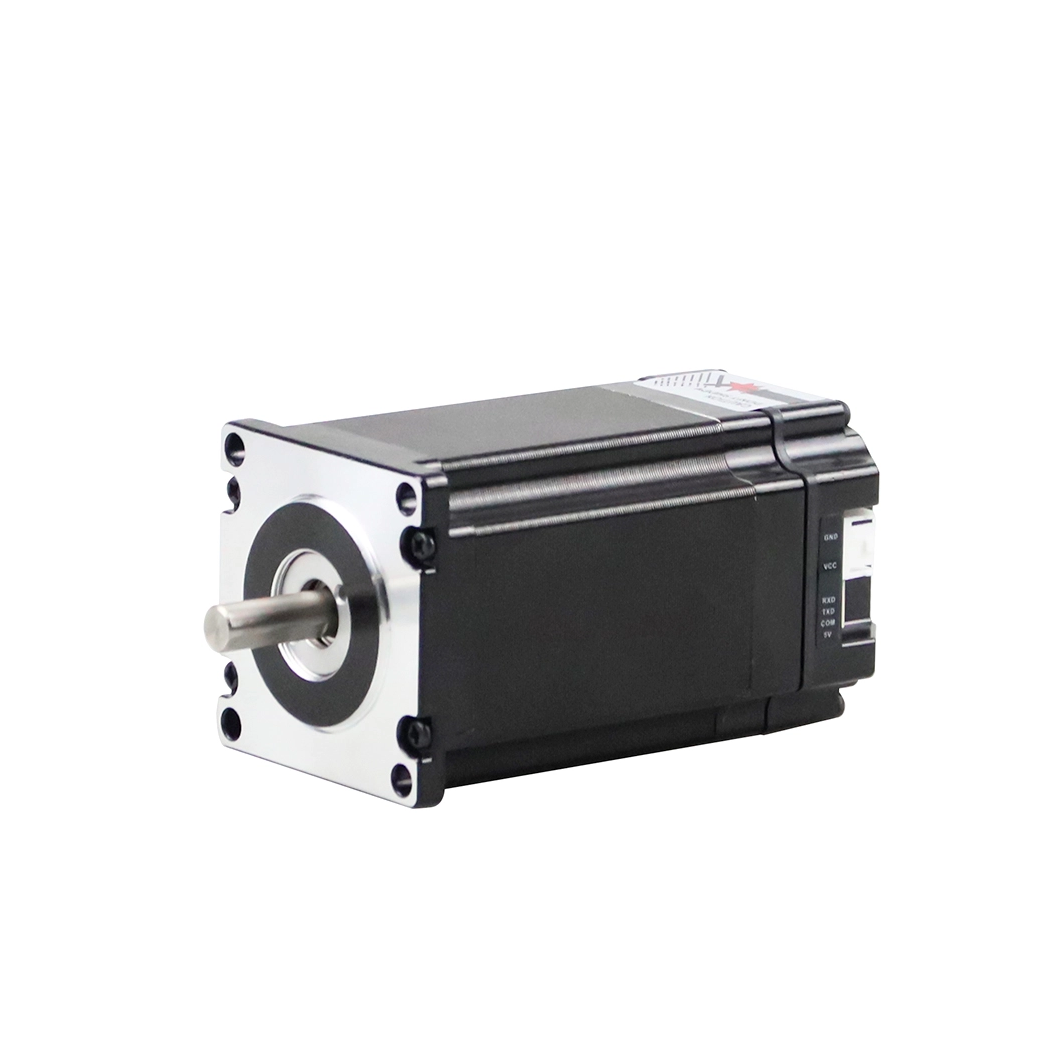
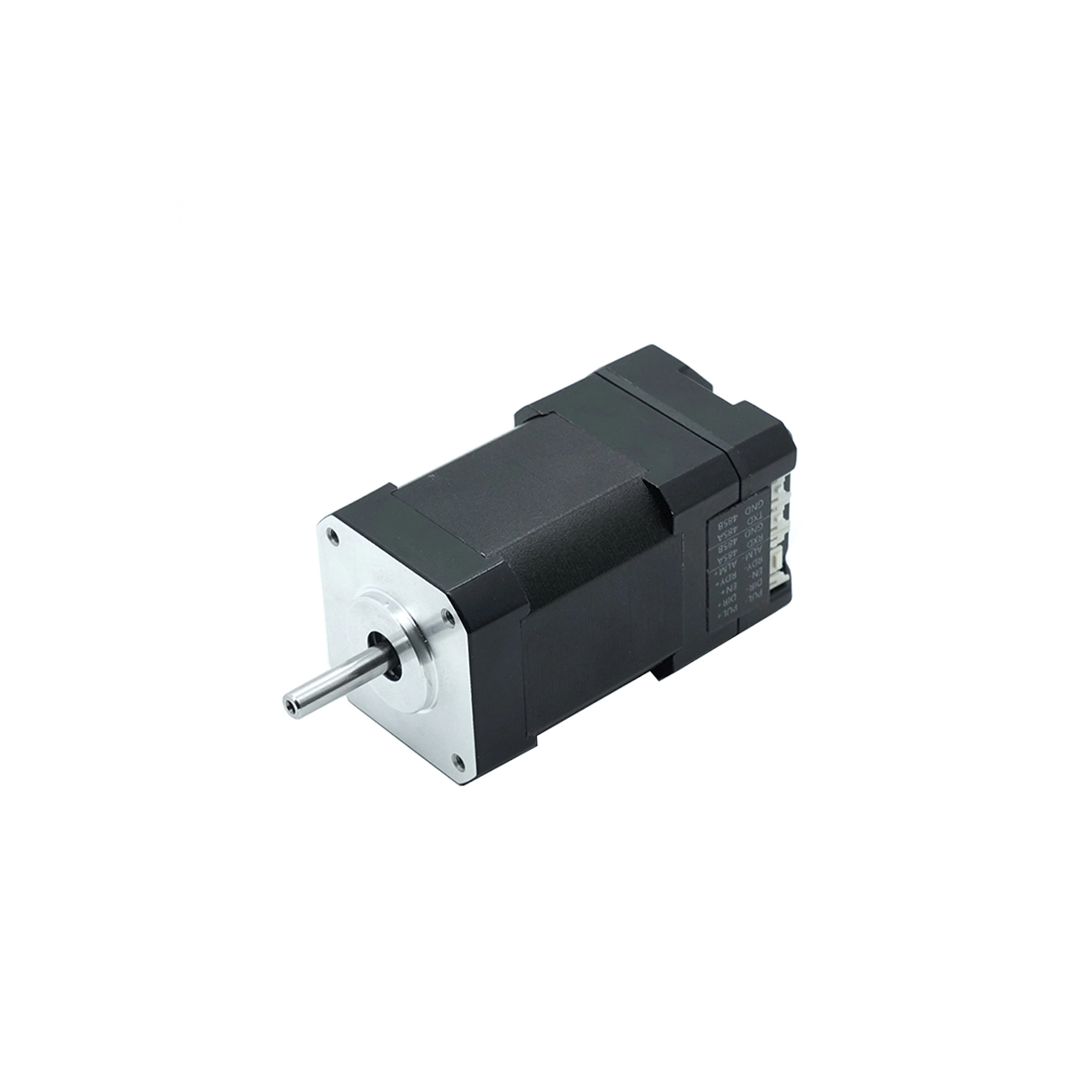
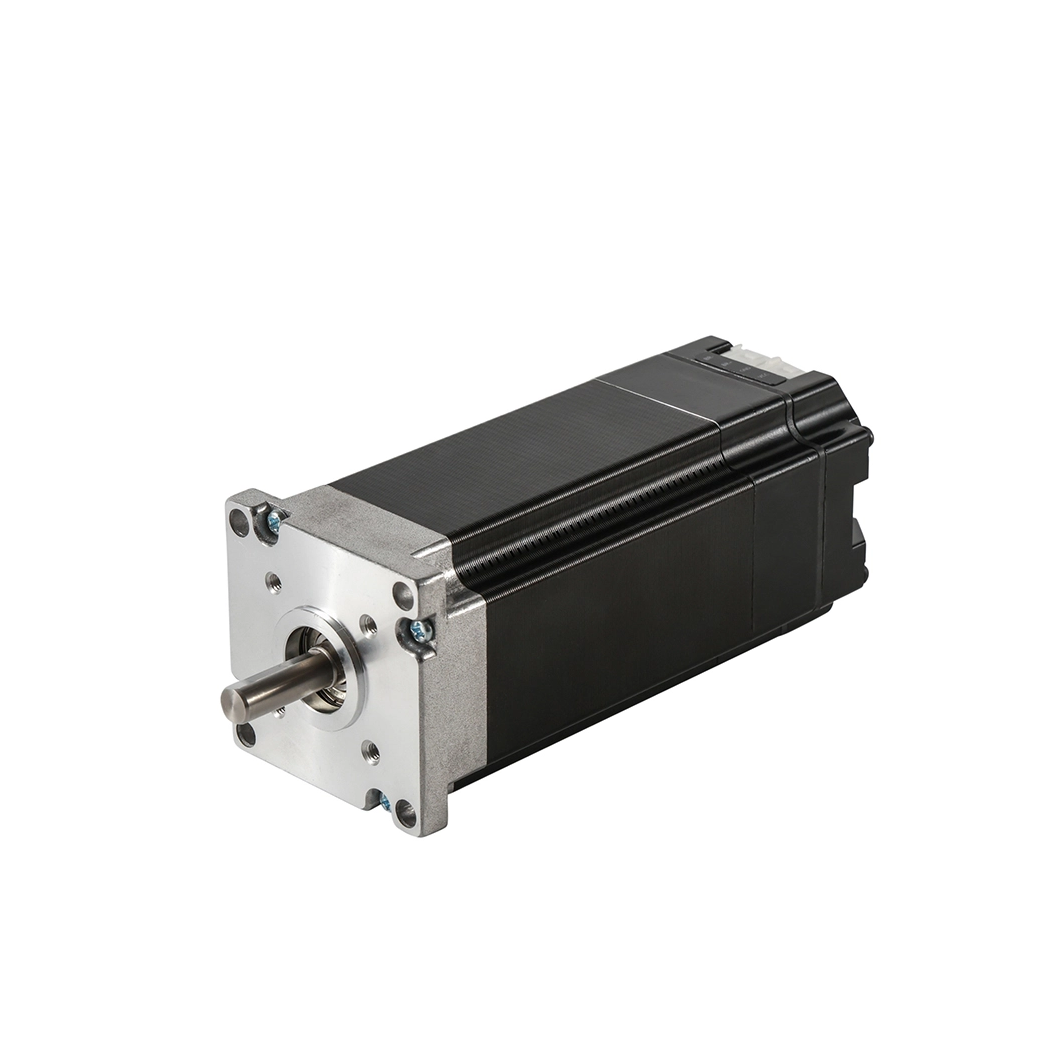
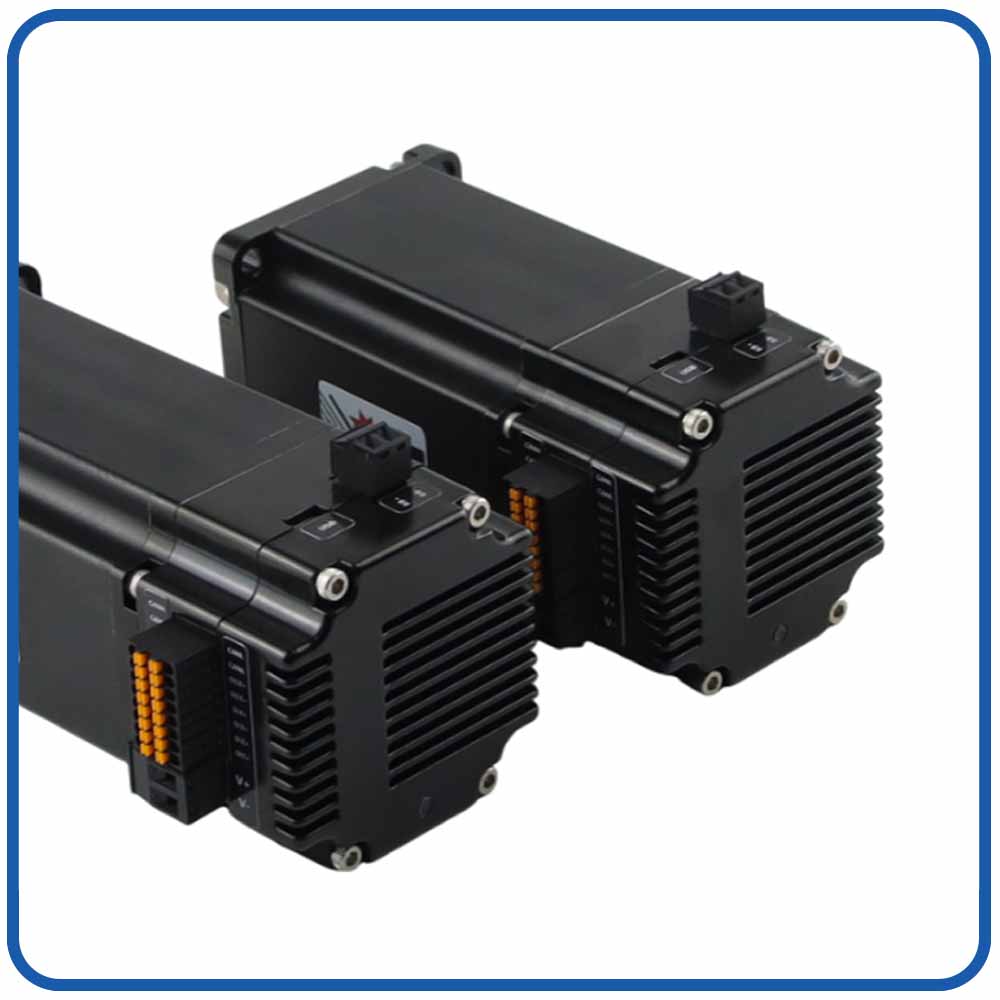
Traditional robotic gripper systems usually require separate motors, drivers, controllers, and complex wiring systems. This structure increases installation difficulty, reduces system reliability, and limits the flexibility of robotic designs. The emergence of the integrated servo motor for robotic grippers provides a new solution by combining the motor, driver, encoder, and control electronics into one compact unit.
An integrated servo motor enables robotic grippers to achieve high-precision positioning, real-time feedback control, fast response, and simplified mechanical design, making it widely used in industrial robots, collaborative robots (cobots), automated assembly systems, smart logistics, and precision manufacturing equipment.
What Is an Integrated Servo Motor for Robotic Gripper?
An integrated servo motor is a motion control device that integrates multiple components into a single compact assembly, including:
Brushless DC servo motor or servo motor
Servo drive electronics
High-resolution encoder
Motion controller interface
Communication system
Position and speed control algorithm
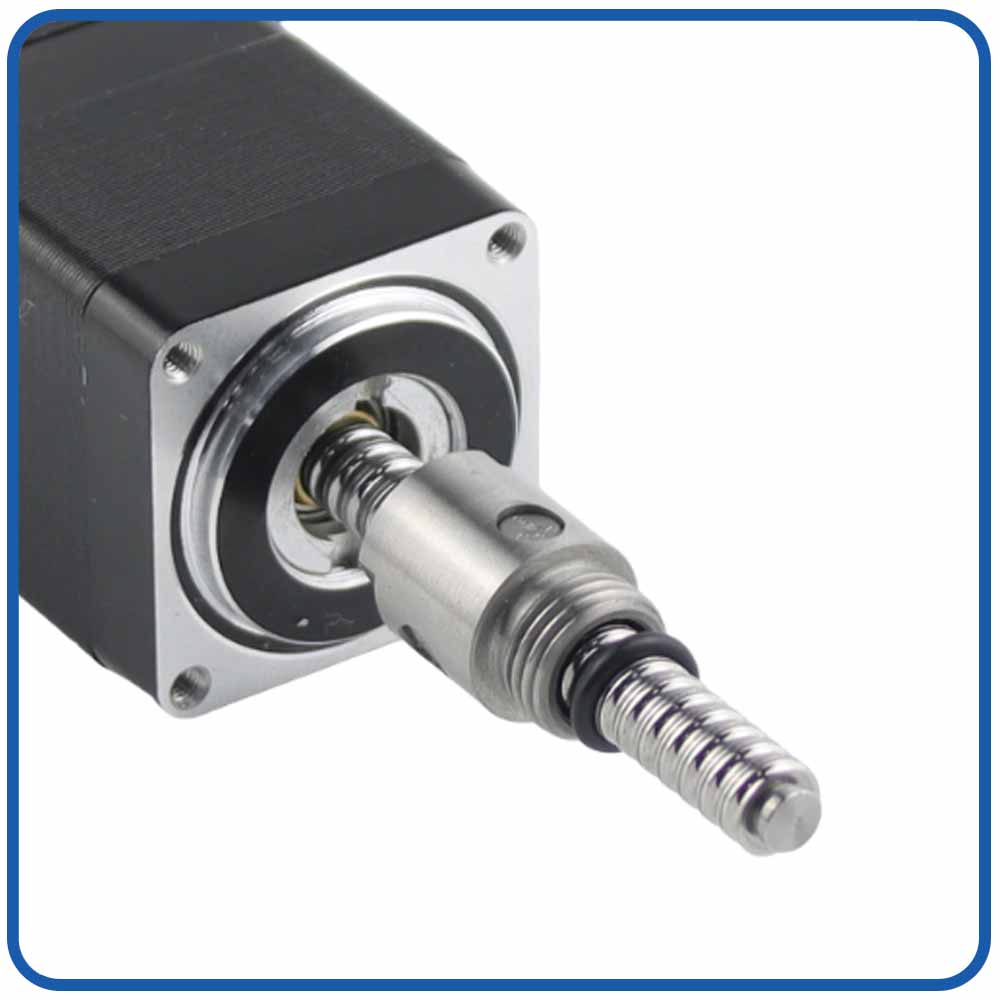
When applied to a robotic gripper, the integrated servo motor directly controls the opening, closing, gripping force, and positioning accuracy of the gripper mechanism.
Compared with conventional servo systems that require external servo drives and additional wiring, an integrated servo motor provides a more compact and efficient architecture.
The motor can receive commands from the robot controller and automatically adjust torque, speed, and position according to feedback signals from the encoder. This allows robotic grippers to handle different objects with greater accuracy and stability.
Robotic grippers are often required to handle products with different sizes, shapes, and materials. Whether picking electronic components, automotive parts, medical devices, or packaging products, the gripper must precisely control movement.
An integrated servo motor provides:
High positioning accuracy
Closed-loop control
Real-time error correction
Stable repeatability
The built-in encoder continuously monitors motor position and sends feedback signals to the control system. If there is any position deviation, the servo system automatically compensates to maintain accurate motion.
This is especially important for applications requiring micron-level or millimeter-level precision, such as semiconductor assembly and precision inspection systems.
2. Compact Design for Modern Robotic Systems
Modern robots are becoming smaller, lighter, and more intelligent. Traditional motor systems often require:
External servo drives
Large control cabinets
Complex wiring
Additional connectors
These components increase installation space and maintenance costs.
The integrated servo motor for robotic gripper applications reduces system complexity by combining the drive and motor into one package.
Benefits include:
Reduced robot arm weight
Smaller mechanical structure
Easier installation
Lower wiring requirements
Improved system reliability
For robotic end effectors, where available space is limited, compact integrated servo solutions provide significant advantages.
3. Adjustable and Intelligent Gripping Force Control
A major challenge for robotic grippers is controlling the correct gripping force.
Too much force may damage fragile products, while insufficient force may cause objects to slip.
Integrated servo motors support intelligent torque control, allowing robotic grippers to adjust force according to application requirements.
For example:
Handling glass products requires gentle gripping
Automotive components require stronger holding force
Medical equipment requires precise and stable movement
Through closed-loop torque control, the integrated servo motor can maintain consistent gripping pressure and improve product quality.
4. Faster Response and Higher Automation Efficiency
In high-speed production environments, robotic systems must complete repetitive operations quickly and accurately.
Integrated servo motors provide:
Fast acceleration and deceleration
High dynamic response
Smooth motion control
Reduced operating delays
For automated assembly lines, faster gripper response directly improves production efficiency.
Applications such as:
Pick-and-place robots
Packaging robots
Sorting systems
Assembly robots
benefit from the rapid response characteristics of integrated servo technology.
Key Advantages of Integrated Servo Motor for Robotic Gripper Applications
The adoption of integrated servo motors in robotic gripper applications brings significant improvements in motion control, system efficiency, and automation performance. By combining the motor, servo drive, encoder, and control electronics into a single compact unit, integrated servo solutions provide a more flexible and reliable alternative to traditional motor systems.
1. Compact Design and Space Saving
One of the biggest advantages of an integrated servo motor for robotic grippers is its compact structure. Traditional servo systems usually require separate motors, drives, controllers, and complex wiring, which increases installation space and system complexity.
Integrated servo motors combine multiple components into one unit, helping robotic manufacturers achieve:
Reduced actuator size
Lower robot arm weight
Simplified mechanical design
Easier installation in limited spaces
This compact design is especially valuable for collaborative robots, lightweight robotic arms, and end-of-arm tooling systems, where space and weight are critical factors.
2. High-Precision Motion Control
Robotic grippers require accurate positioning to pick, place, and assemble different objects. Integrated servo motors provide closed-loop control through built-in encoders, allowing real-time monitoring and correction of motor position.
Key benefits include:
High positioning accuracy
Improved repeatability
Reduced positioning errors
Stable gripping performance
Compared with open-loop motor solutions, integrated servo motors can automatically compensate for load changes and external disturbances, ensuring more reliable robotic operations.
3. Intelligent Gripping Force Control
Different products require different gripping forces. Fragile components need gentle handling, while heavier parts require stronger holding force.
Integrated servo motors support precise torque control, allowing robotic grippers to adjust gripping force according to application requirements.
This enables robots to safely handle:
Electronic components
Glass products
Medical devices
Automotive parts
Packaging materials
Accurate force control helps reduce product damage and improves production consistency.
4. Faster Response and Higher Operating Efficiency
Modern automation systems require robots to complete tasks quickly while maintaining accuracy. Integrated servo motors offer excellent dynamic performance with fast acceleration, deceleration, and response speed.
Advantages include:
Shorter operation cycles
Faster gripping and releasing actions
Smooth motion transitions
Improved production efficiency
For high-speed applications such as automated assembly lines, sorting systems, and robotic picking equipment, faster motor response directly improves overall productivity.
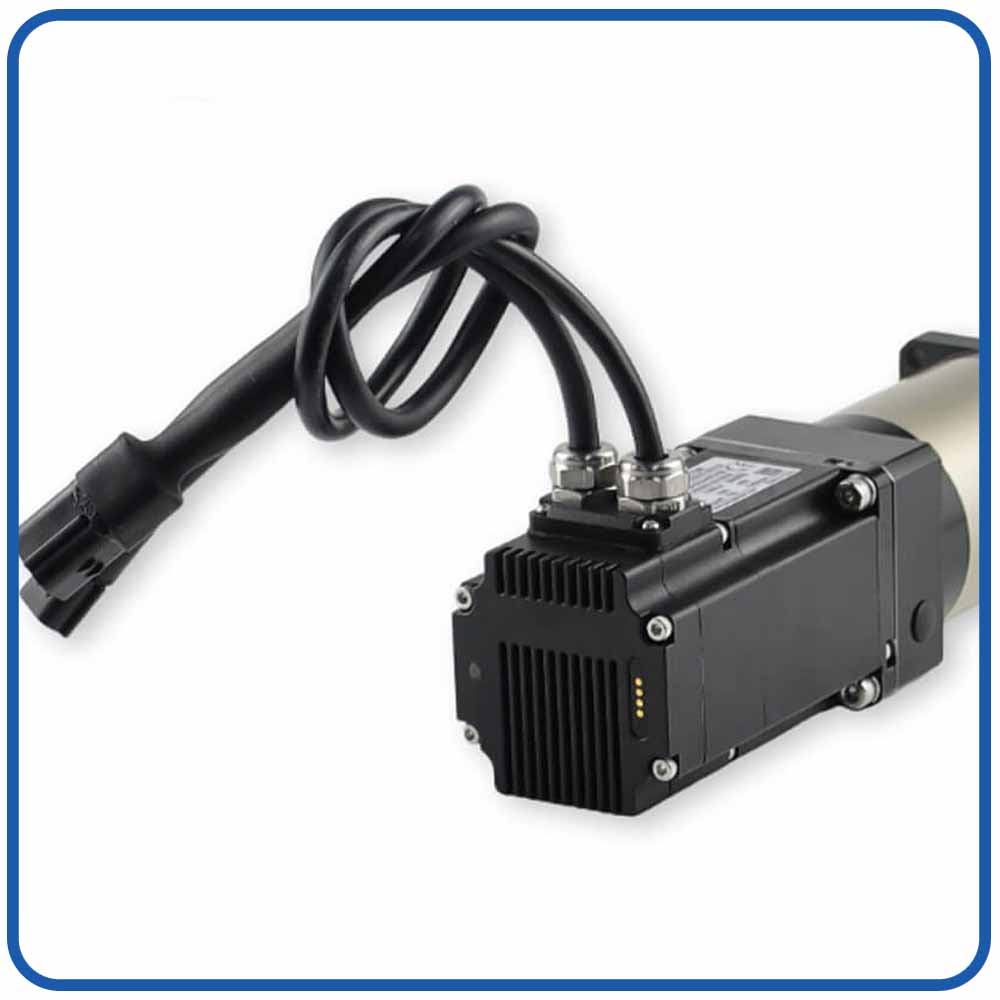
5. Reduced Wiring and Easier System Integration
Traditional servo systems often involve complicated wiring between motors, drives, controllers, and feedback devices. This increases installation time and maintenance difficulty.
Integrated servo motors simplify system architecture by reducing:
Power cables
Encoder cables
External drive connections
Control cabinet requirements
With communication interfaces such as CANopen, RS485, Modbus, or EtherCAT, integrated servo motors can be easily connected with industrial robots and automation controllers.
Conclusion
The key advantages of integrated servo motors for robotic gripper applications include compact design, precise motion control, intelligent force management, fast response, easy integration, and improved reliability. By simplifying the actuator structure while enhancing performance, integrated servo motors help robotic systems achieve higher efficiency and greater flexibility.
For industries seeking advanced automation solutions, integrated servo motors provide an effective way to improve robotic gripper performance and support the continued development of smart manufacturing.
Integrated Servo Motor vs Traditional Servo System for Robotic Gripper
Feature
Integrated Servo Motor
Traditional Servo System
Motor and driver
Integrated
Separate
Installation
Simple
Complex
Wiring
Reduced
More cables
Size
Compact
Larger
Maintenance
Easier
More complicated
System flexibility
High
Moderate
Application suitability
Robotics, automation, compact equipment
Large industrial machines
For robotic gripper applications where space, weight, and response speed are critical, integrated servo motors provide a more efficient solution.
Applications of Integrated Servo Motors in Robotic Grippers
1. Industrial Robot Grippers
Industrial robots used in manufacturing require reliable gripping systems for repetitive operations.
Integrated servo motors help robotic grippers achieve:
Accurate part positioning
Stable gripping force
Long-term operation reliability
Common applications include:
Automotive manufacturing
Electronics assembly
Metal processing
Machine tending
2. Collaborative Robot (Cobot) Grippers
Collaborative robots work closely with humans and require safer, more intelligent motion control.
Integrated servo motors support:
Smooth movement
Force adjustment
Compact robot design
They are suitable for:
Flexible production lines
Laboratory automation
Small-batch manufacturing
3. Smart Logistics and Warehouse Automation
Automated warehouse robots often require grippers to handle different packages and products.
Integrated servo motor solutions improve:
Sorting accuracy
Handling speed
System reliability
They can be used in:
Robotic picking systems
Automated storage systems
Intelligent sorting equipment
4. Medical and Laboratory Robots
Medical automation requires extremely precise movement.
Integrated servo motors provide:
Accurate positioning
Low vibration operation
Reliable control
Applications include:
Laboratory sample handling
Medical device assembly
Research automation platforms
How to Select an Integrated Servo Motor for Robotic Gripper
Selecting the right integrated servo motor for a robotic gripper is essential for achieving accurate gripping, stable operation, and long-term reliability. A suitable servo motor must match the mechanical requirements of the gripper, including torque, speed, precision, size, communication method, and working environment.
Unlike traditional motor systems, an integrated servo motor combines the motor, driver, encoder, and control electronics into one compact unit, making the selection process more focused on performance matching and system compatibility.
The following factors should be considered when choosing an integrated servo motor for robotic gripper applications.
1. Determine the Required Gripping Torque
The first step in selecting an integrated servo motor is calculating the required torque.
The motor torque directly affects the gripping force and the ability of the robotic gripper to securely hold objects.
Important factors include:
Weight of the workpiece
Gripper mechanical structure
Friction coefficient between gripper fingers and object
Transmission efficiency
Safety margin
A motor with insufficient torque may cause:
Object slipping
Unstable gripping
Reduced positioning accuracy
A motor with excessive torque may increase:
System cost
Power consumption
Mechanical load
Choosing the correct torque range ensures both performance and efficiency.
2. Evaluate Position Accuracy and Repeatability Requirements
Robotic grippers often perform repetitive operations such as picking, placing, assembling, and sorting. Therefore, motion accuracy is a critical selection factor.
An integrated servo motor with a high-resolution encoder provides:
Accurate position feedback
Closed-loop motion control
Real-time error correction
Improved repeatability
For applications such as:
Electronic component assembly
Medical automation
Precision manufacturing
a higher encoder resolution and better servo control performance are recommended.
3. Select the Appropriate Motor Size and Installation Space
Robotic grippers usually have limited installation space, especially when mounted at the end of a robotic arm.
The selected integrated servo motor should consider:
Motor diameter
Motor length
Weight
Mounting method
Mechanical interface
A compact servo motor design helps achieve:
Lightweight robot end-effectors
Faster robotic movement
Lower inertia
Easier mechanical integration
For collaborative robots and compact automation equipment, size optimization is especially important.
4. Consider Required Speed and Motion Performance
Different robotic gripper applications require different operating speeds.
When selecting an integrated servo motor, evaluate:
Opening and closing speed
Acceleration requirements
Cycle time
Continuous operating frequency
High-speed applications such as automated sorting or packaging require servo motors with:
Fast response
High acceleration capability
Stable operation at dynamic loads
A proper balance between speed and torque ensures efficient robotic performance.
5. Choose the Correct Control Method and Communication Interface
Integrated servo motors need to communicate with the robot controller or automation system.
Common communication options include:
CANopen
RS485
Modbus RTU
EtherCAT
Pulse and direction control
The communication method should match the existing robotic control architecture.
For example:
Simple automation equipment may use pulse control
Multi-axis robotic systems may require EtherCAT communication
Distributed automation systems may use CANopen networks
Selecting the correct interface improves integration efficiency and system compatibility.
6. Check the Feedback System and Encoder Type
The encoder is a key component that determines servo motor accuracy.
Common encoder options include:
Incremental encoder
Magnetic encoder
Optical encoder
Absolute encoder
For robotic grippers, the encoder should provide:
Reliable position feedback
Stable operation
Fast response
High resolution
Applications requiring precise gripping and positioning usually benefit from higher-performance feedback systems.
7. Analyze the Working Environment
The operating environment directly affects servo motor reliability.
Consider conditions such as:
Temperature range
Dust exposure
Humidity
Vibration
Continuous operation time
For harsh industrial environments, choose integrated servo motors with:
Strong protection design
Better heat dissipation
Higher durability
For example, robotic systems used in food processing, outdoor automation, or industrial production lines may require enhanced environmental protection.
8. Consider Power Supply Requirements
Before selecting an integrated servo motor, confirm compatibility with the available power supply.
Common factors include:
Voltage rating
Current requirements
Power consumption
Electrical connection method
A suitable power supply ensures:
Stable motor operation
Reduced overheating risk
Longer service life
9. Evaluate Load Characteristics
The load type of the robotic gripper affects motor selection.
Different applications may involve:
Constant Load
The motor operates with a relatively stable force requirement.
Variable Load
The gripping force changes depending on different products.
High-Inertia Load
The gripper structure or payload creates additional inertia.
For variable or high-inertia applications, selecting an integrated servo motor with strong dynamic response and torque adjustment capability is recommended.
10. Select a Reliable Integrated Servo Motor Supplier
Beyond technical specifications, supplier capability also affects system performance.
A reliable supplier should provide:
Motor customization options
Technical support
Application guidance
Product testing
Long-term service capability
For robotic gripper applications, customization may be required for:
Motor dimensions
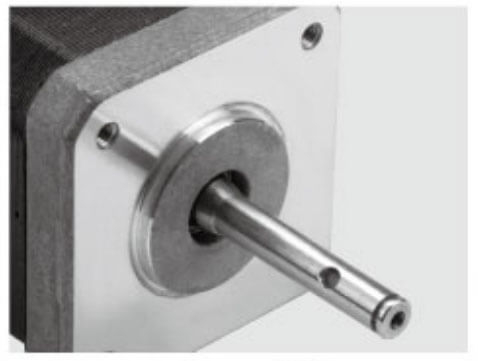
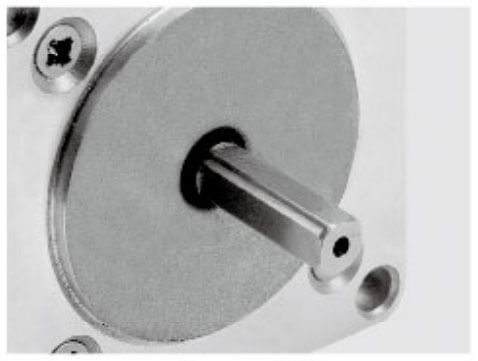
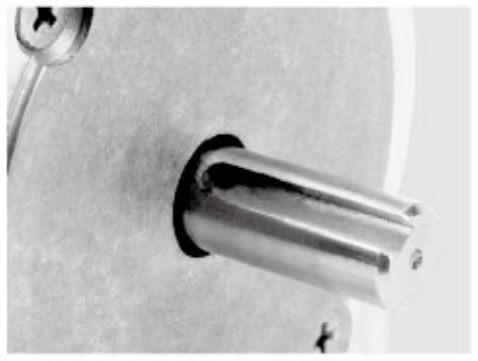
Output shaft design
Communication protocols
Encoder options
Mounting structures
Recommended Selection Process for Robotic Gripper Servo Motors
A practical selection process includes:
Step 1: Define Application Requirements
Identify:
Gripper type
Payload weight
Required gripping force
Operating speed
Step 2: Calculate Motor Specifications
Determine:
Required torque
Speed range
Power rating
Accuracy requirements
Step 3: Match Mechanical and Electrical Parameters
Check:
Motor size
Voltage
Communication method
Installation compatibility
Step 4: Test Performance
Verify:
Motion accuracy
Response speed
Load capability
Long-term stability
Final
Choosing the right integrated servo motor for robotic gripper applications requires careful consideration of torque, accuracy, speed, size, communication, feedback, and operating conditions.
A properly selected integrated servo motor can provide:
Precise gripping control
Higher automation efficiency
Reliable robotic performance
Simplified system integration
By matching motor specifications with the actual requirements of the robotic gripper, manufacturers can build smarter, faster, and more reliable robotic automation systems.
Future Development of Integrated Servo Motors for Robotic Grippers
With the growth of Industry 4.0 and intelligent automation, integrated servo motors will continue evolving toward higher intelligence and efficiency.
Future trends include:
Smarter Motion Control
Artificial intelligence and advanced algorithms will enable robots to automatically optimize gripping strategies based on object recognition and real-time feedback.
More Compact Integrated Designs
Servo motors will continue becoming smaller while providing higher torque output.
Improved Energy Efficiency
Advanced motor technology will reduce energy consumption and improve operating efficiency.
Greater Networking Capability
Integrated servo motors will become more connected through industrial communication networks, supporting intelligent factory systems.
Conclusion: Integrated Servo Motor Drives the Future of Robotic Gripping Technology
The integrated servo motor for robotic grippers provides a powerful combination of compact structure, precise control, intelligent feedback, and simplified system integration.
By combining the motor, driver, and encoder into one solution, integrated servo technology helps robotic systems achieve higher performance while reducing complexity.
For modern automation industries requiring fast, accurate, and reliable gripping solutions, integrated servo motors are becoming an essential motion control technology that supports the next generation of intelligent robotics.
FAQs
1. What is an integrated servo motor for robotic gripper?
BESFOC Answer: An integrated servo motor for robotic gripper is a compact motion control solution that combines the motor, servo drive, encoder, and control electronics into one unit. BESFOC integrated servo motors are designed to provide precise position control, stable torque output, and fast response for robotic gripper applications. Compared with traditional servo systems, they reduce wiring complexity, save installation space, and improve overall system reliability.
2. What are the advantages of using an integrated servo motor in robotic gripper applications?
BESFOC Answer: BESFOC integrated servo motors offer several advantages for robotic grippers, including high precision, compact design, intelligent control, and easy integration. The built-in encoder enables closed-loop control for accurate positioning and repeatable operation. The integrated structure reduces external components and wiring, making the robotic system more compact, efficient, and easier to maintain.
3. How does an integrated servo motor improve robotic gripper performance?
BESFOC Answer: An integrated servo motor improves robotic gripper performance by providing accurate motion control, adjustable gripping force, and fast dynamic response. BESFOC servo motors can precisely control speed, position, and torque, allowing robotic grippers to handle different objects safely and efficiently. This makes them suitable for applications such as industrial robots, collaborative robots, automated assembly, and intelligent manufacturing systems.
4. What applications can use BESFOC integrated servo motors for robotic grippers?
BESFOC Answer: BESFOC integrated servo motors are widely used in various robotic gripper applications, including industrial automation, robotic arms, collaborative robots, smart manufacturing equipment, warehouse automation, and precision assembly systems. Their compact size and reliable control performance make them suitable for applications requiring accurate gripping, positioning, and repetitive motion.
5. How to select the right integrated servo motor for a robotic gripper?
BESFOC Answer: When selecting an integrated servo motor for a robotic gripper, important factors include required torque, speed, positioning accuracy, motor size, communication method, and working environment. BESFOC provides different integrated servo motor solutions and customization options to meet specific robotic application requirements, helping customers achieve reliable and efficient motion control.

 English
 العربية
 Français
 Русский
 Español
 Português
 Deutsch
 italiano
 日本語
日本語 한국어
한국어 Nederlands
 Tiếng Việt
 ไทย
ไทย Polski
 Türkçe
 ພາສາລາວ
 ភាសាខ្មែរ
 Bahasa Melayu
 ဗမာစာ
ဗမာစာ Filipino
 Bahasa Indonesia
 magyar
 Română
 Čeština
 Монгол
 қазақ
қазақ Српски
 हिन्दी
 فارسی
فارسی Slovenčina
 Slovenščina
 Norsk
Norsk Svenska
 українська
 Ελληνικά
 Suomi
Suomi Հայերեն
 עברית
עברית Latine
 Dansk
Dansk Shqip
Shqip বাংলা
বাংলা Hrvatski
 Afrikaans
 Gaeilge
 Eesti keel
 Oʻzbekcha
 latviešu
 Azərbaycan dili
 Български
 Català