Commercial blenders used in restaurants, cafés, juice bars, hotels, and food processing environments require motors that can deliver high torque, continuous operation, energy efficiency, and reliable performance under demanding conditions. Unlike household blenders that typically operate for short periods, commercial blending equipment must handle heavy workloads, dense ingredients, frequent starts and stops, and extended operating cycles.
This is where Brushless DC motors (BLDC motors) provide significant advantages. With their advanced electromagnetic design, electronic commutation, high power density, and precise speed control capabilities, BLDC motors have become an ideal motor solution for high-power commercial blenders that require superior performance, durability, and efficiency.
Understanding the Role of Motors in Commercial Blenders
The motor is the core power component of a commercial blender, directly affecting its blending performance, efficiency, and reliability. Unlike household blenders, commercial models must handle frequent operation, heavy ingredients, and high-load conditions, requiring motors with strong and stable performance.
A high-performance commercial blender motor needs to provide several key advantages:
High starting torque to quickly crush hard ingredients such as ice, nuts, and frozen fruits.
Stable speed control to maintain consistent blending results under changing loads.
Fast response capability to adapt to sudden increases in resistance.
High efficiency to reduce energy consumption and heat generation.
Long service life to support continuous commercial operation.
Traditional brushed motors may experience brush wear and efficiency loss over time, while BLDC motors offer improved performance through brushless operation, electronic control, and high power density.
By providing reliable torque output, precise speed regulation, and efficient operation, BLDC motors help commercial blenders achieve faster processing, smoother performance, and longer operating life, making them an ideal choice for modern professional blending equipment.
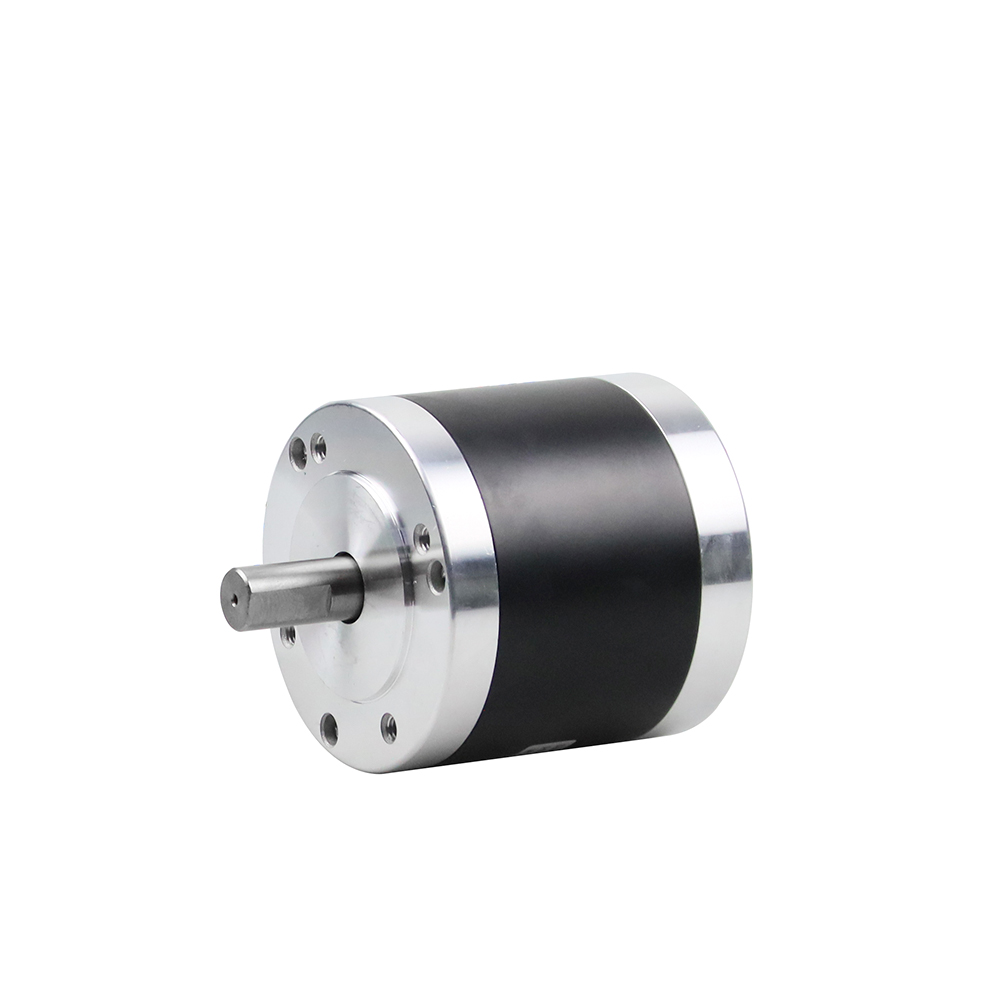
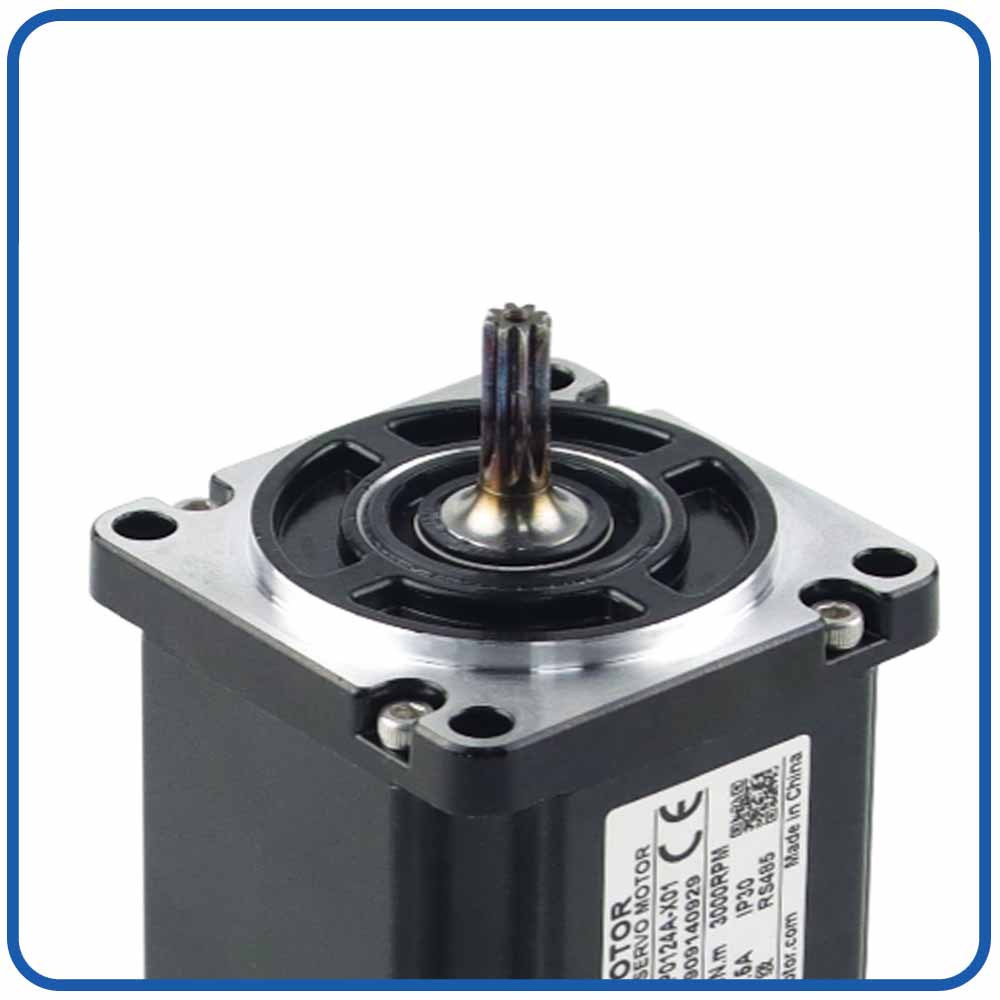
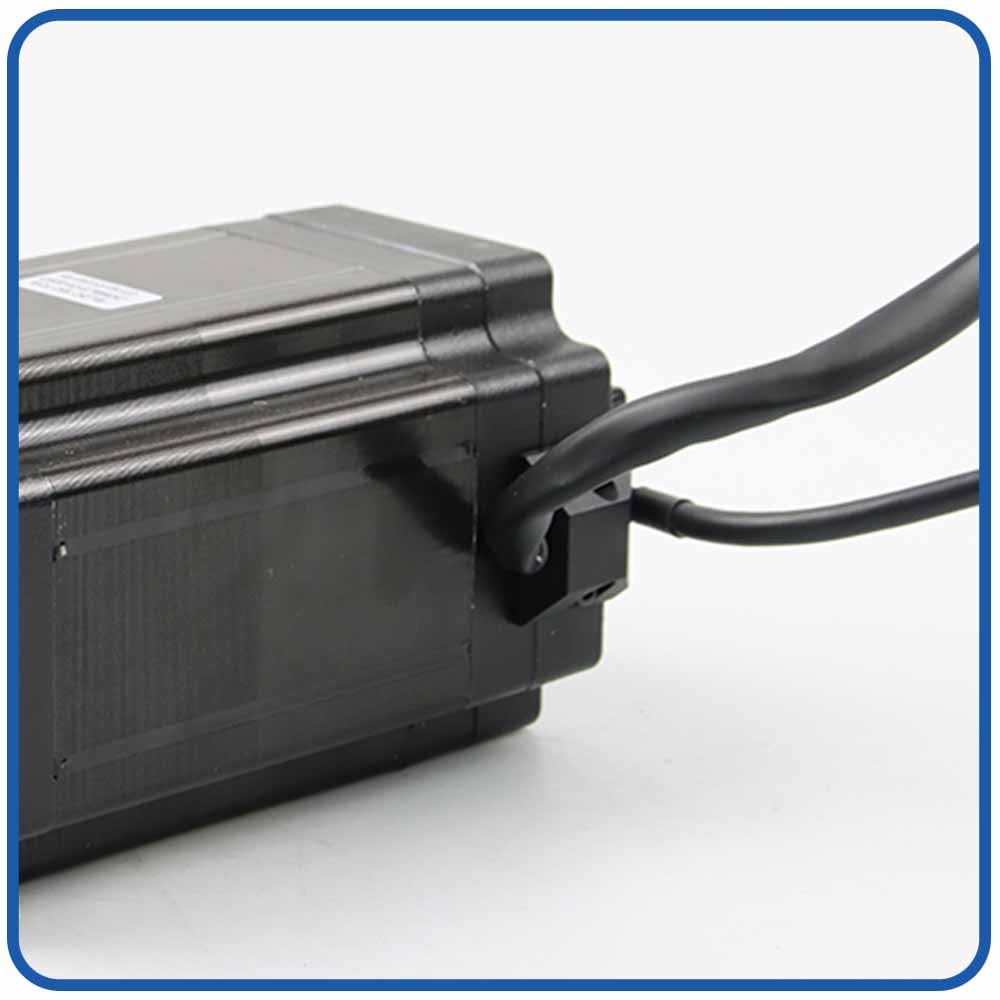
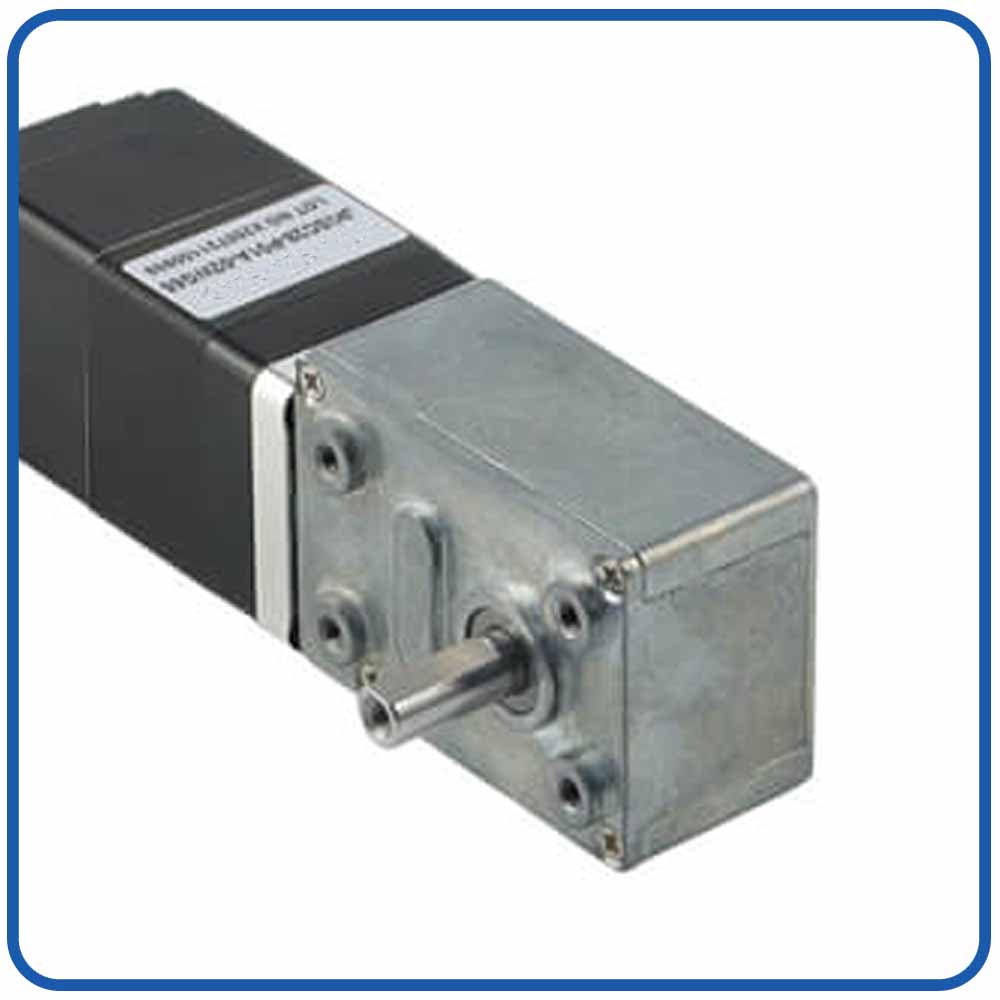
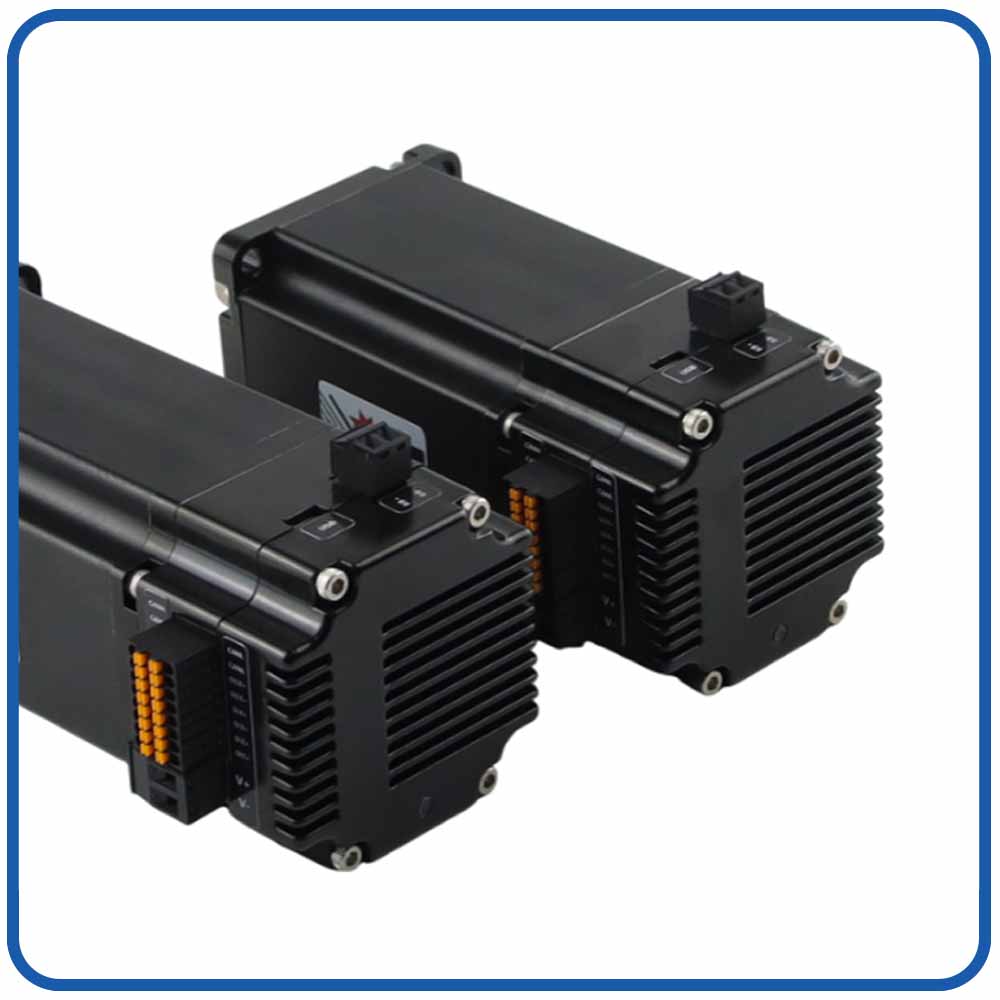
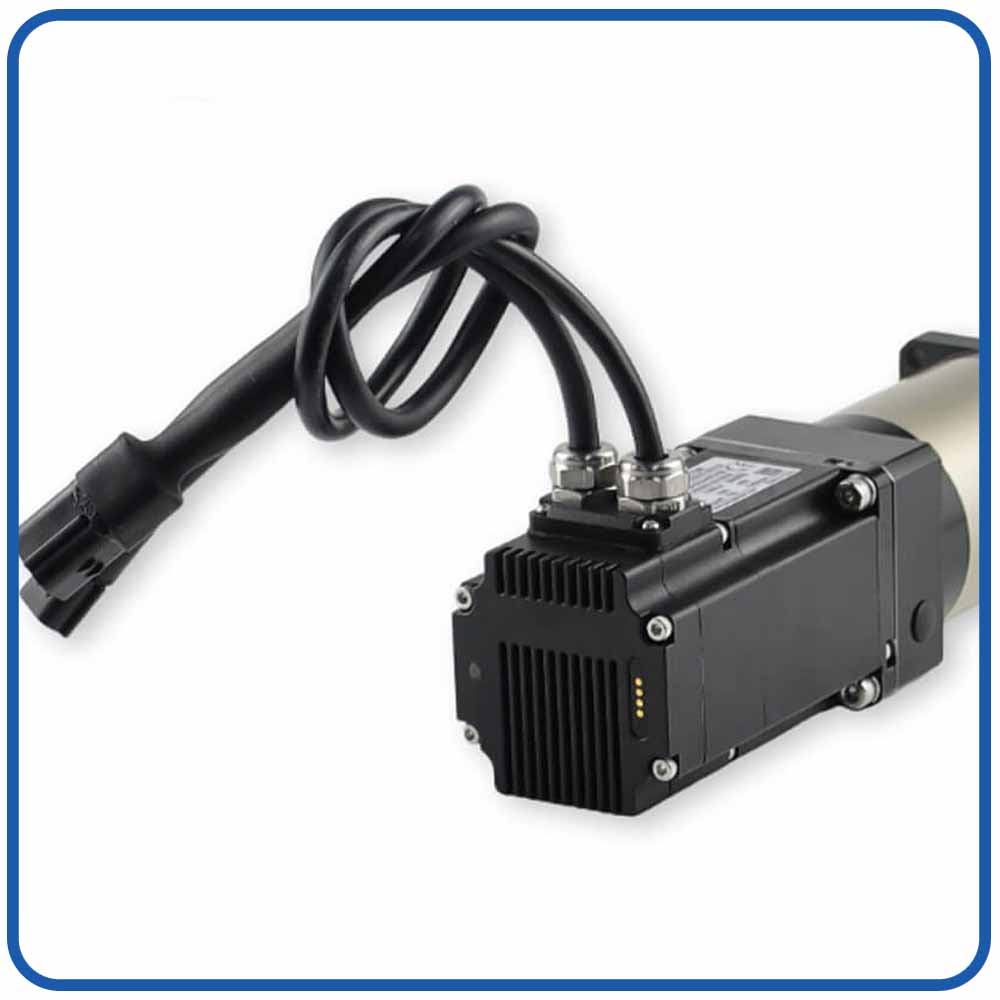
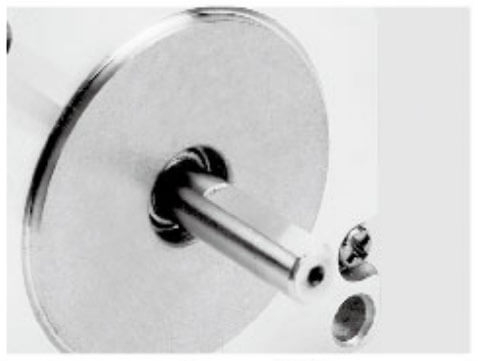
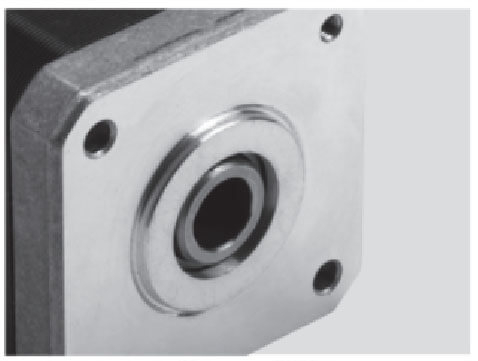
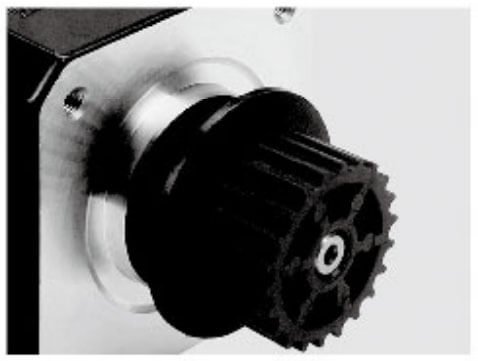
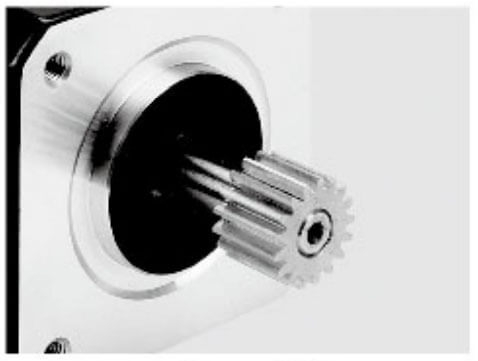
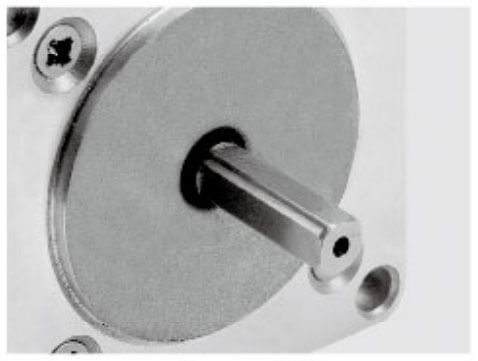
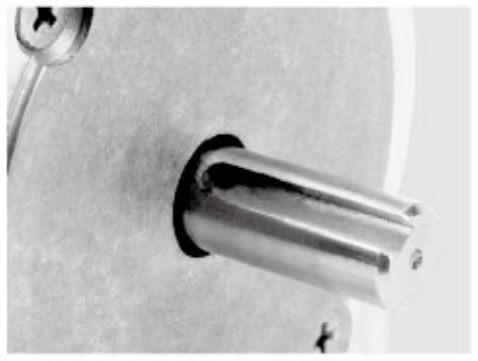
80BLS01 BLDC Motor — Compact, Intelligent, and Reliable Brushless Motor Drive System
Product Overview:The BF80BLS Brushless DC Motor is a compact, high-efficiency motor designed for precision motion applications. Featuring reliable performance, low noise operation, and excellent speed control, it provides stable power output for automation equipment, robotics, medical devices, and other space-constrained systems requiring efficient and durable motion solutions.
Key Technical Highlights
Compact 80mm Frame Size: Provides a space-saving design while delivering reliable torque output for compact automation and motion systems.
High Efficiency Brushless Design: Ensures low energy consumption, reduced heat generation, and longer service life compared with traditional brushed motors.
Low Noise & Smooth Operation: Optimized electromagnetic design enables stable rotation and quiet performance for precision applications.
Excellent Speed Control Capability: Supports accurate speed regulation and responsive dynamic performance for various motion requirements.
Durable & Maintenance-Free Operation: The brushless structure eliminates brush wear, improving reliability and reducing maintenance needs.
Wide Application Flexibility: Suitable for robotics, automation equipment, medical devices, and other compact motion control systems.
Typical Applications
Robotics and Automation Equipment – Provides precise and stable driving power for robotic mechanisms and automated systems.
Medical Devices – Suitable for compact medical instruments requiring quiet, reliable, and maintenance-free operation.
Laboratory and Testing Equipment – Delivers smooth speed control and consistent performance for precision motion applications.
3D Printers and CNC Equipment – Supports efficient and stable movement in compact manufacturing systems.
BF80BLS Series Integrated Brushless Dc Motor Parameters
Why BLDC Motors Are Ideal for High-Power Commercial Blenders
1. High Torque Output for Crushing Tough Ingredients
One of the most important requirements for commercial blenders is the ability to process hard and dense materials such as ice, frozen fruits, nuts, seeds, and fibrous vegetables. These applications create significant resistance against the blender blades, requiring strong torque output from the motor.
BLDC motors provide high torque density through optimized permanent magnet rotor technology. Unlike traditional motors that rely on mechanical brushes and commutators, BLDC motors use electronic switching to generate a more efficient magnetic field, allowing the motor to produce strong torque even at low speeds.
For commercial blender applications, this means:
Faster crushing performance
More consistent blending results
Reduced risk of motor overload
Better handling of sudden load increases
The high torque capability of BLDC motors ensures that commercial blenders can maintain stable operation even when processing challenging ingredients.
2. High Power Density in a Compact Motor Design
Commercial kitchen equipment often requires powerful performance while maintaining a compact footprint. A large motor increases equipment size, weight, and manufacturing costs, making compact high-performance solutions increasingly important.
BLDC motors offer excellent power-to-weight ratios due to their efficient electromagnetic structure.
The permanent magnets inside the rotor generate strong magnetic fields without requiring additional electrical energy for excitation. This allows BLDC motors to achieve higher output power within a smaller physical size compared with many conventional motor designs.
For high-power commercial blenders, compact BLDC motors provide:
Smaller machine dimensions
Reduced equipment weight
Easier integration into countertop designs
Improved thermal management
This makes BLDC technology especially suitable for professional blending machines where space efficiency and performance are equally important.
3. Superior Energy Efficiency Reduces Operating Costs
Commercial blenders often operate dozens or even hundreds of cycles per day. Energy consumption becomes an important factor for restaurants, beverage shops, and industrial food processing facilities.
BLDC motors achieve higher efficiency because they eliminate brush friction losses and improve electrical conversion efficiency.
Compared with brushed motors, BLDC motors reduce energy waste caused by:
Mechanical friction between brushes and commutators
Electrical losses during current transfer
Excessive heat generation
Higher motor efficiency provides several benefits:
Lower electricity consumption
Reduced operating costs
Less heat buildup inside the blender housing
Improved overall system reliability
For businesses operating multiple commercial blenders, the energy savings from BLDC motor technology can become significant over the equipment’s lifetime.
4. Precise Speed Control for Different Blending Applications
Different ingredients require different blending speeds. Smooth sauces, protein shakes, frozen drinks, and ice crushing all have different motor control requirements.
A major advantage of BLDC motors is their precise electronic speed control capability. By using advanced motor controllers, BLDC motors can accurately regulate speed, torque, and acceleration according to operating conditions.
Commercial blender manufacturers can implement features such as:
Variable speed adjustment
Programmable blending cycles
Soft-start operation
Constant-speed control under changing loads
When the blade encounters harder materials, the control system can automatically adjust motor performance to maintain stable operation and prevent sudden speed drops.
5. Long Lifespan and Low Maintenance Requirements
Commercial equipment must operate reliably for years, often under intensive daily use. Motor failure can result in downtime, maintenance costs, and reduced productivity.
Traditional brushed motors use carbon brushes that physically contact the rotating commutator. Over time, these components wear down and require replacement. Brush wear can also generate dust, electrical noise, and reduced motor performance.
BLDC motors eliminate brushes completely, resulting in a maintenance-free motor structure.
Advantages include:
No brush replacement
Reduced mechanical wear
Longer operating life
Improved reliability
Lower maintenance requirements
For commercial blender manufacturers and operators, BLDC motors provide a more durable solution for continuous professional use.
6. Lower Noise and Reduced Vibration Performance
Noise is an important consideration in modern commercial environments such as cafés, hotels, and open kitchens. Excessive motor noise can negatively affect customer experience and workplace comfort.
BLDC motors operate more quietly because they do not use mechanical brushes. The electronic commutation system eliminates brush friction noise and reduces mechanical disturbances.
Additional benefits include:
Smoother motor rotation
Reduced vibration transmission
Improved user experience
Better acoustic performance
By combining BLDC motors with optimized blade structures and vibration isolation designs, commercial blenders can achieve powerful performance while maintaining quieter operation.
7. Improved Thermal Performance for Continuous Operation
High-power commercial blenders generate significant heat during operation. If heat cannot be effectively managed, motor efficiency decreases and component lifespan may be shortened.
BLDC motors offer improved thermal characteristics because of their efficient design and reduced internal friction.
Many commercial blender BLDC motor systems incorporate:
High-efficiency winding designs
Aluminum housing for heat dissipation
Temperature monitoring sensors
Intelligent overload protection
Better thermal management allows the motor to operate for longer periods without overheating, making BLDC technology suitable for professional environments with frequent blending cycles.
8. Intelligent Control Integration for Smart Commercial Blenders
Modern commercial appliances are becoming increasingly intelligent. Features such as automatic programs, digital displays, safety monitoring, and connected control systems require motors that can communicate effectively with electronic systems.
BLDC motors are naturally compatible with intelligent control platforms because they require electronic drivers.
Motor controllers can monitor and adjust:
Speed feedback
Current consumption
Torque output
Temperature status
Overload conditions
This enables manufacturers to develop smarter commercial blenders with improved safety, performance, and user convenience.
BLDC Motor Structure Used in Commercial Blender Applications
A BLDC motor system used in commercial blenders consists of several key components that work together to deliver high torque, efficient operation, and precise speed control.
1. Permanent Magnet Rotor
The rotor contains high-performance permanent magnets that generate a strong magnetic field. This design improves torque output, energy efficiency, and motor responsiveness, allowing the blender to handle heavy loads such as ice, frozen fruits, and dense ingredients.
2. Stator with Precision Windings
The stator is equipped with electromagnetic windings that create a rotating magnetic field when energized. Optimized winding designs help the motor achieve high power density, stable operation, and efficient heat management during continuous blending cycles.
3. Electronic Motor Controller
Unlike brushed motors, BLDC motors use an electronic controller instead of mechanical brushes for commutation. The controller precisely manages current switching to regulate speed, torque, acceleration, and overall motor performance.
4. Rotor Position Detection System
BLDC motors typically use Hall sensors or sensorless control technology to detect rotor position. This feedback enables accurate speed adjustment and ensures smooth operation under changing loads.
5. Cooling and Protection System
High-power commercial blender motors often include thermal management features such as heat-dissipating housings, temperature sensors, and overload protection. These designs help prevent overheating and extend motor service life.
The integrated structure of permanent magnets, efficient windings, intelligent control electronics, and protection systems allows BLDC motors to provide the high performance, durability, and reliability required for modern commercial blender applications.
BLDC Motors vs Traditional Motors for Commercial Blenders
Feature
BLDC Motor
Brushed DC Motor
Induction Motor
Efficiency
High
Medium
Medium
Maintenance
Very Low
High
Low
Torque Density
Excellent
Good
Moderate
Noise Level
Low
Higher
Moderate
Speed Control
Precise
Limited
More Complex
Lifespan
Long
Shorter
Long
Heat Generation
Lower
Higher
Moderate
For high-power commercial blenders, BLDC motors provide a balanced combination of performance, efficiency, and reliability.
Future Development of BLDC Motors in Commercial Blending Equipment
As commercial blending equipment continues to demand higher efficiency, smarter operation, and improved reliability, BLDC motor technology will play an increasingly important role in future blender designs.
1. More Intelligent Motor Control
Future commercial blenders will integrate advanced control systems that enable real-time monitoring and automatic performance adjustment. BLDC motors can work with intelligent controllers to optimize speed, torque, and energy consumption based on ingredient conditions.
2. Higher Power Density and Compact Designs
Advancements in magnetic materials, winding technology, and thermal management will allow BLDC motors to deliver higher output power in smaller sizes. This will help manufacturers develop more compact commercial blenders without sacrificing blending performance.
3. Improved Energy Efficiency
With increasing focus on energy-saving equipment, future BLDC motors will achieve even higher efficiency through optimized electromagnetic designs and advanced control algorithms, reducing operating costs for restaurants, cafés, and food processing businesses.
4. Smart and Connected Commercial Blenders
BLDC motors are naturally compatible with digital control systems, making them ideal for smart appliances. Future commercial blending equipment may include features such as IoT connectivity, remote monitoring, automatic fault detection, and intelligent maintenance alerts.
5. Longer Service Life and Better Reliability
Continuous improvements in motor materials, cooling structures, and protection technologies will further enhance BLDC motor durability. This will enable commercial blenders to operate longer under demanding conditions with reduced maintenance requirements.
With advantages including high efficiency, precise control, compact structure, and long lifespan, BLDC motors will continue to drive the development of next-generation commercial blending equipment, providing more powerful, reliable, and intelligent solutions for professional food processing applications.
Conclusion: Why BLDC Motors Are the Preferred Choice for High-Power Commercial Blenders
BLDC motors are highly suitable for high-power commercial blenders because they provide high torque, excellent efficiency, precise speed control, long service life, low noise operation, and reliable performance under heavy workloads.
Compared with traditional motor technologies, BLDC motors offer significant advantages for professional blending applications where consistent power output and durability are essential.
As commercial blender manufacturers continue to demand higher efficiency, smarter control, and better user experiences, brushless DC motor technology will remain a key driving force behind the next generation of high-performance commercial blending equipment.
FAQ
1. Why are BLDC motors suitable for high-power commercial blenders?
BLDC motors are suitable for high-power commercial blenders because they provide high torque, high efficiency, precise speed control, and long operating life. Their brushless design reduces mechanical wear while delivering stable power output for demanding tasks such as crushing ice, frozen fruits, nuts, and other dense ingredients.
2. What advantages do BLDC motors offer compared with traditional blender motors?
BLDC motors offer several advantages over traditional brushed or induction motors, including higher energy efficiency, lower noise, better speed regulation, reduced maintenance, and longer service life. These features make them ideal for commercial blenders that require frequent and continuous operation.
3. Can BLDC motors provide enough torque for crushing ice and hard ingredients?
Yes. BLDC motors deliver high torque density, especially at low and medium speeds, allowing commercial blenders to handle high-resistance loads such as ice, frozen materials, and thick mixtures. The electronic control system also helps maintain stable torque during sudden load changes.
4. How does a BLDC motor improve the efficiency of commercial blenders?
A BLDC motor improves efficiency by eliminating brush friction losses and using permanent magnet technology to achieve better electrical energy conversion. This results in lower power consumption, reduced heat generation, and improved overall blender performance.
5. Do BLDC motors require regular maintenance in commercial blender applications?
No. Since BLDC motors do not use mechanical brushes, they experience significantly less wear compared with brushed motors. This reduces maintenance requirements and extends the motor lifespan, making them suitable for professional kitchen environments.
6. How does speed control work in a BLDC motor used for commercial blenders?
BLDC motors use electronic controllers to precisely adjust motor speed and torque. Through sensor feedback or sensorless control technology, the motor can maintain stable rotation speed, smooth acceleration, and consistent blending performance under different load conditions.
7. Are BLDC motors quieter than traditional motors in commercial blenders?
Yes. BLDC motors operate with lower mechanical friction because they do not use brushes and commutators. This results in reduced operating noise, lower vibration, and improved user experience, which is especially beneficial for cafés, restaurants, and open kitchen environments.
8. How do BLDC motors handle continuous operation in commercial blending equipment?
BLDC motors are designed for continuous operation through efficient electromagnetic structures and improved thermal management. Features such as optimized windings, heat dissipation systems, and overload protection help prevent overheating during intensive blending cycles.
9. What is the structure of a BLDC motor used in commercial blenders?
A commercial blender BLDC motor typically consists of a permanent magnet rotor, stator windings, electronic controller, position sensors, and cooling protection systems. These components work together to provide high power output, precise control, and reliable operation.
10. What is the future development trend of BLDC motors in commercial blender applications?
Future BLDC motors for commercial blenders will focus on higher power density, smarter control systems, improved energy efficiency, and intelligent connectivity. Advanced motor technology will help create more compact, powerful, and energy-saving professional blending equipment.

 English
 العربية
 Français
 Русский
 Español
 Português
 Deutsch
 italiano
 日本語
日本語 한국어
한국어 Nederlands
 Tiếng Việt
 ไทย
ไทย Polski
 Türkçe
 ພາສາລາວ
 ភាសាខ្មែរ
 Bahasa Melayu
 ဗမာစာ
ဗမာစာ Filipino
 Bahasa Indonesia
 magyar
 Română
 Čeština
 Монгол
 қазақ
қазақ Српски
 हिन्दी
 فارسی
فارسی Slovenčina
 Slovenščina
 Norsk
Norsk Svenska
 українська
 Ελληνικά
 Suomi
Suomi Հայերեն
 עברית
עברית Latine
 Dansk
Dansk Shqip
Shqip বাংলা
বাংলা Hrvatski
 Afrikaans
 Gaeilge
 Eesti keel
 Oʻzbekcha
 latviešu
 Azərbaycan dili
 Български
 Català