Outdoor autonomous shuttle carts, also known as autonomous transfer carts, self-driving transport vehicles, or outdoor AGVs (Automated Guided Vehicles), are becoming increasingly important in smart factories, logistics parks, industrial campuses, airports, warehouses, and public transportation environments. These vehicles are designed to move materials, equipment, or passengers automatically while operating continuously in complex outdoor conditions.
At the core of these autonomous vehicles, the drive motor system plays a critical role in determining performance, reliability, energy efficiency, and operational stability. Among various motor technologies, Brushless DC motors (BLDC motors) have become the preferred choice for outdoor autonomous shuttle carts due to their high efficiency, excellent torque characteristics, precise control capability, and long service life.
Unlike traditional brushed motors, brushless DC motors eliminate mechanical brushes and commutators, reducing wear and improving reliability. Combined with advanced motor controllers, encoders, and intelligent control systems, BLDC motors provide the precise motion control required for modern autonomous transportation systems.
The Role of Motors in Outdoor Autonomous Shuttle Carts
Outdoor autonomous shuttle carts rely on electric drive systems to achieve automatic movement, accurate positioning, speed regulation, and safe operation. The motor directly affects several key functions:
Vehicle acceleration and deceleration
Load transportation capability
Climbing ability on ramps
Positioning accuracy
Energy consumption
Operating noise
Maintenance frequency
In outdoor applications, autonomous shuttle carts often need to operate on uneven roads, concrete surfaces, ramps, and long-distance routes. These conditions require a motor system that can deliver high torque at low speeds, maintain stable performance under variable loads, and withstand continuous operation.
A poorly selected motor may cause problems such as insufficient traction, overheating, excessive maintenance, unstable speed control, and reduced battery endurance. Therefore, manufacturers increasingly choose BLDC motors for outdoor autonomous shuttle carts to meet demanding operational requirements.
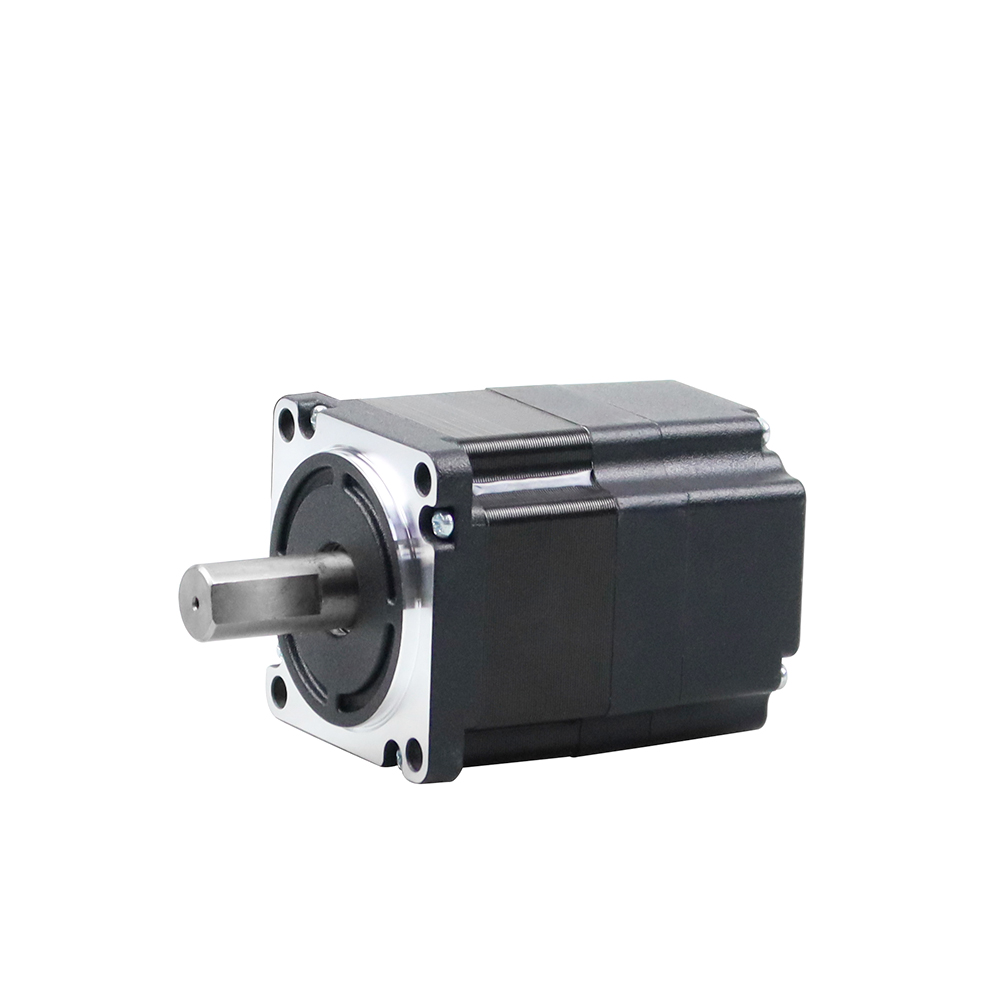
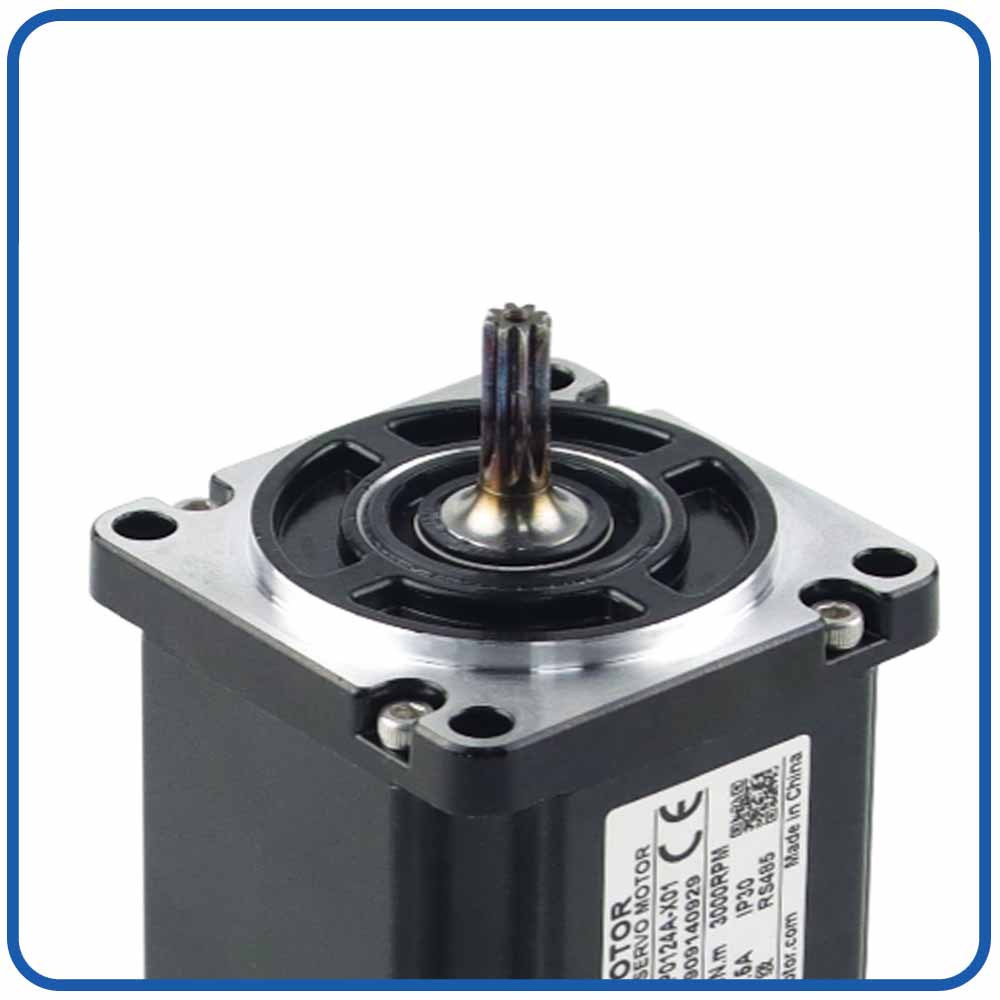
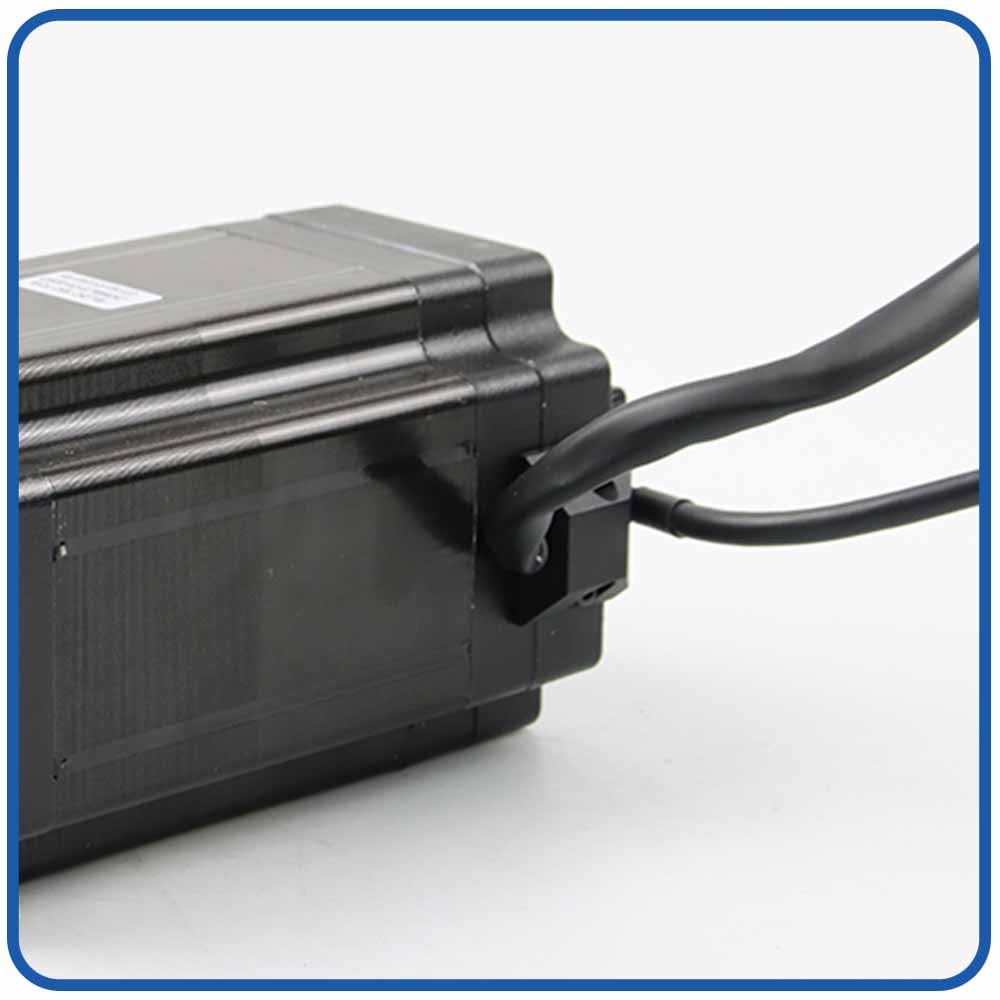
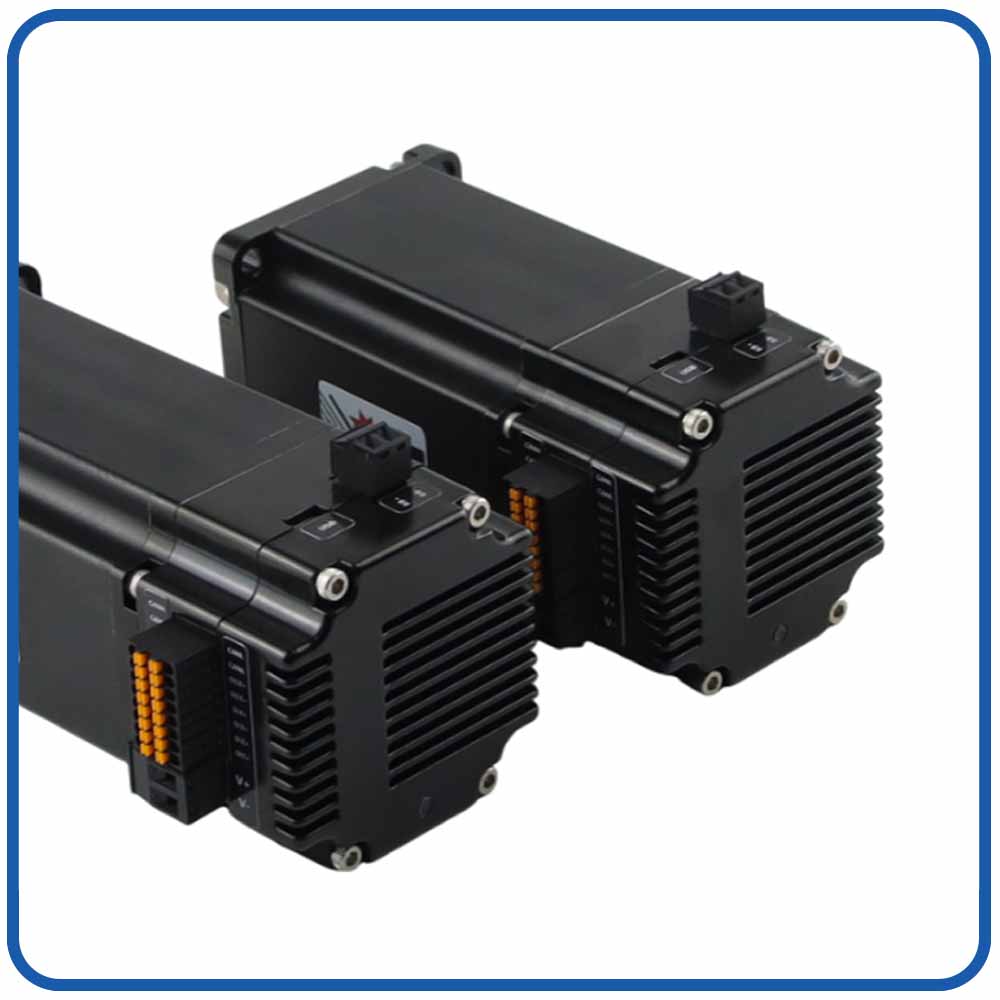
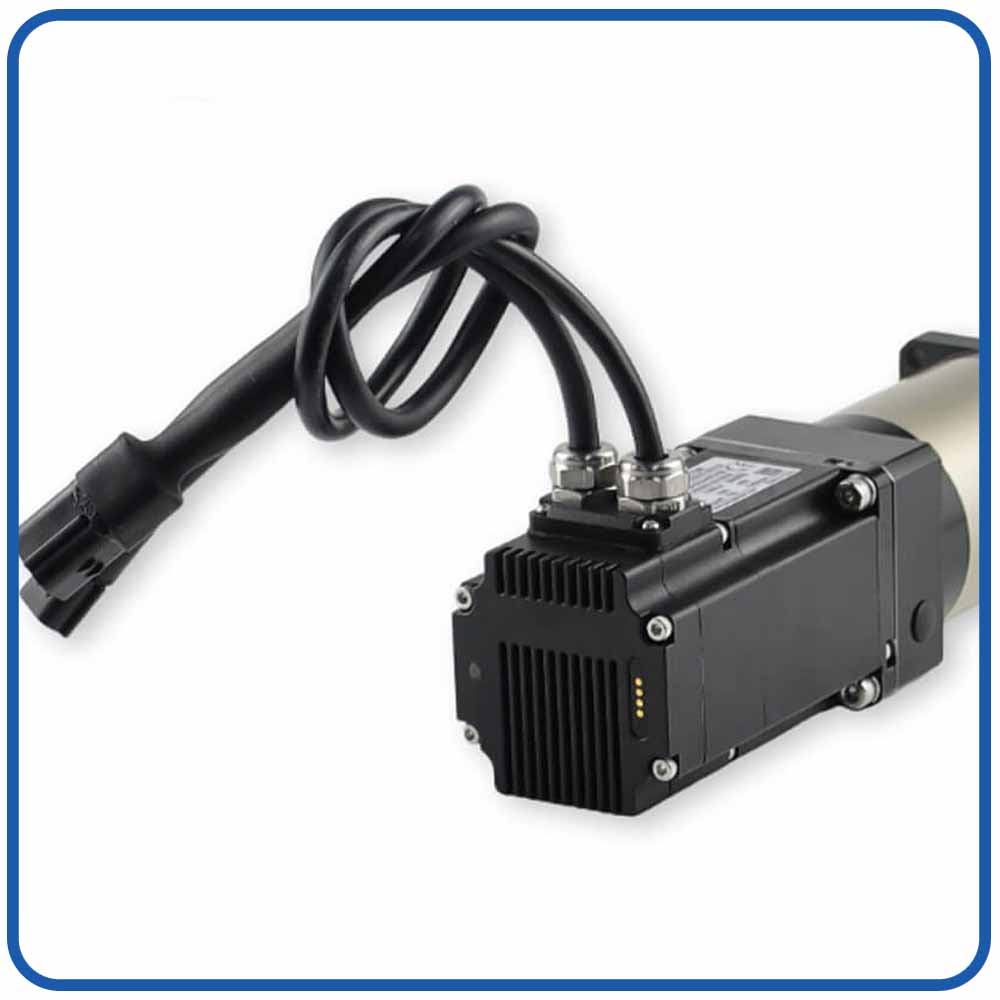
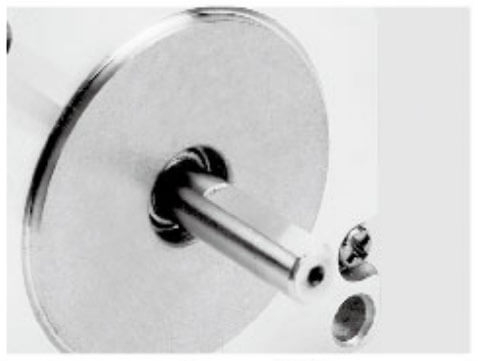
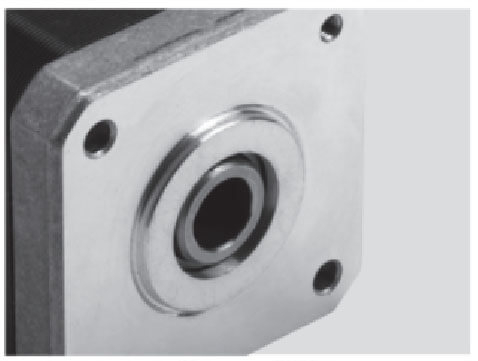
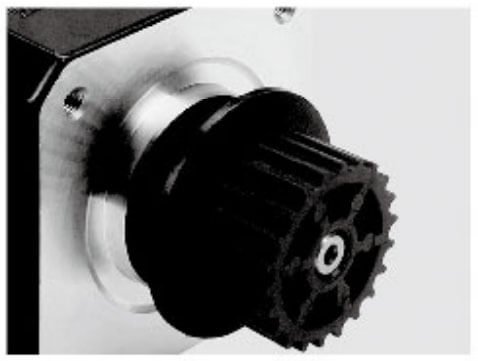
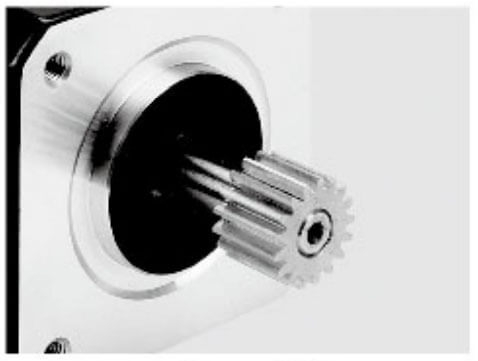
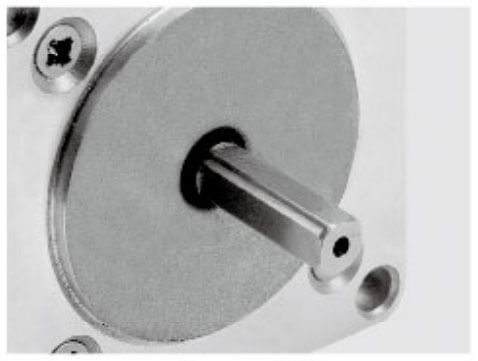
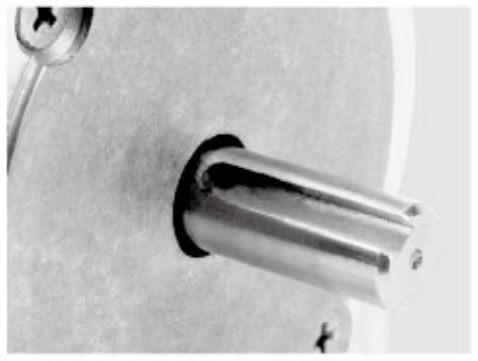
60BLS01 BLDC Motor — Compact, Intelligent, and Reliable Brushless Motor Drive System
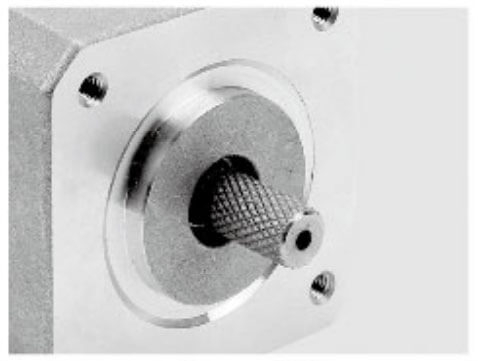
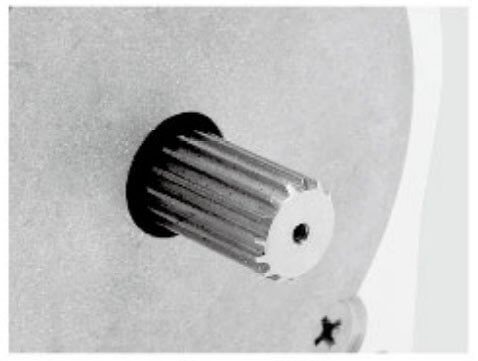
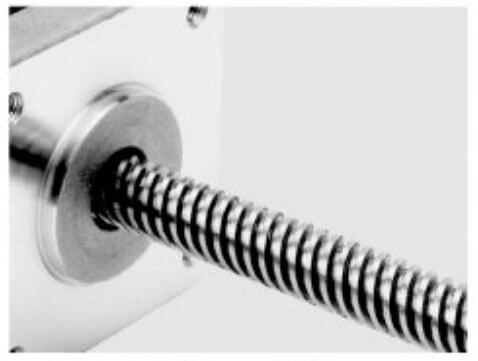
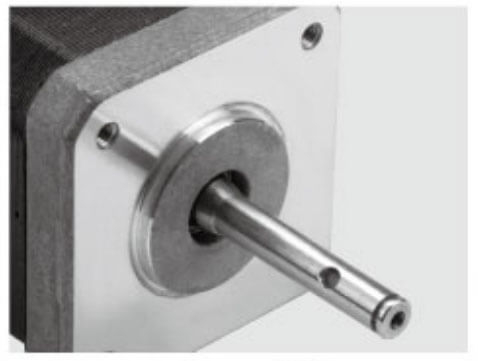
Product Overview:The NEMA24 BF60BLS Brushless DC Motor is a compact, high-efficiency motor designed for precision motion applications. Featuring reliable performance, low noise operation, and excellent speed control, it provides stable power output for automation equipment, robotics, medical devices, and other space-constrained systems requiring efficient and durable motion solutions.
Key Technical Highlights
Compact NEMA 24 Frame Size: Provides a space-saving design while delivering reliable torque output for compact automation and motion systems.
High Efficiency Brushless Design: Ensures low energy consumption, reduced heat generation, and longer service life compared with traditional brushed motors.
Low Noise & Smooth Operation: Optimized electromagnetic design enables stable rotation and quiet performance for precision applications.
Excellent Speed Control Capability: Supports accurate speed regulation and responsive dynamic performance for various motion requirements.
Durable & Maintenance-Free Operation: The brushless structure eliminates brush wear, improving reliability and reducing maintenance needs.
Wide Application Flexibility: Suitable for robotics, automation equipment, medical devices, and other compact motion control systems.
Typical Applications
Robotics and Automation Equipment – Provides precise and stable driving power for robotic mechanisms and automated systems.
Medical Devices – Suitable for compact medical instruments requiring quiet, reliable, and maintenance-free operation.
Laboratory and Testing Equipment – Delivers smooth speed control and consistent performance for precision motion applications.
3D Printers and CNC Equipment – Supports efficient and stable movement in compact manufacturing systems.
BF60BLS Series Integrated Brushless Dc Motor Parameters
Why Brushless DC Motors Are Ideal for Outdoor Autonomous Shuttle Carts
1. High Efficiency Improves Battery Life and Operating Range
One of the biggest advantages of brushless DC motors is their high energy efficiency. Since BLDC motors do not use physical brushes for electrical switching, they reduce friction losses and mechanical energy waste.
For autonomous shuttle carts powered by batteries, energy efficiency directly determines operating time. Higher motor efficiency allows the vehicle to:
Travel longer distances with the same battery capacity
Reduce charging frequency
Improve overall transportation efficiency
Lower operating costs
Outdoor autonomous shuttle carts often require continuous operation for many hours. The high efficiency of BLDC motors helps maximize battery utilization, making them suitable for applications such as:
Factory logistics transportation
Outdoor warehouse transfer systems
Airport baggage transportation
Industrial campus shuttles
Smart manufacturing logistics networks
Compared with traditional brushed DC motors, brushless DC motors provide better energy conversion efficiency and generate less heat, which improves system reliability during long-term operation.
2. High Torque Output for Heavy Load Transportation
Outdoor autonomous shuttle carts frequently transport heavy loads, requiring strong starting torque and stable driving force.
BLDC motors provide excellent torque performance, especially at low and medium speeds. This characteristic allows autonomous carts to:
Start smoothly under heavy loads
Handle ramps and slopes
Maintain stable movement on uneven surfaces
Provide sufficient traction during acceleration
For example, an autonomous transfer cart operating in an industrial park may need to transport several hundred kilograms of materials between production areas. The motor must overcome rolling resistance, vehicle weight, and environmental factors.
A BLDC motor combined with a suitable gear reduction system can significantly increase output torque while maintaining compact dimensions. This combination provides the ideal balance between:
Motor speed
Output torque
Vehicle acceleration
Load capacity
3. Precise Speed and Position Control for Autonomous Navigation
Autonomous shuttle carts depend on accurate motion control to follow predefined routes and avoid obstacles. The motor system must respond quickly to commands from the vehicle control system.
Brushless DC motors are commonly integrated with:
Hall sensors
Magnetic encoders
Incremental encoders
Absolute encoders
Intelligent motor controllers
These feedback systems allow real-time monitoring of:
Motor position
Rotation speed
Torque output
Operating status
With closed-loop control technology, BLDC motors enable autonomous shuttle carts to achieve:
Accurate stopping positions
Smooth acceleration and braking
Stable low-speed operation
Improved navigation accuracy
This is especially important for outdoor autonomous vehicles that require precise docking, loading, unloading, or passenger boarding.
4. Long Service Life and Reduced Maintenance Requirements
Outdoor autonomous shuttle carts are often designed for 24/7 operation. Frequent maintenance can increase downtime and operating costs.
Traditional brushed motors use carbon brushes that physically contact the commutator. Over time, these components wear down and require replacement. Brush wear can also create:
Electrical noise
Reduced motor performance
Increased maintenance requirements
In contrast, brushless DC motors use electronic commutation, eliminating brush-related failures.
The advantages include:
Longer operating lifespan
Lower maintenance frequency
More stable performance
Reduced downtime
For autonomous transportation systems operating in factories, logistics centers, and outdoor environments, this reliability is a major advantage.
5. Compact Design and High Power Density
Space is often limited in autonomous shuttle carts. The drive system must provide sufficient power without increasing vehicle size and weight.
BLDC motors offer a high power-to-weight ratio, allowing manufacturers to design compact and lightweight drive modules.
A compact BLDC motor system provides:
Smaller installation space
Reduced vehicle weight
Easier mechanical integration
Improved energy efficiency
Many modern autonomous carts use integrated BLDC servo motors, which combine:
Brushless DC motor
Encoder
Motor driver
Control electronics
into a single compact unit.
This integrated design reduces wiring complexity, improves system reliability, and simplifies installation.
6. Excellent Environmental Adaptability for Outdoor Applications
Outdoor autonomous shuttle carts must operate under challenging environmental conditions, including:
Dust
Rain
Temperature fluctuations
Outdoor vibration
Long operating cycles
BLDC motors are highly adaptable because they have fewer mechanical wear components and can be designed with protective structures such as:
IP65 or higher protection ratings
Sealed housing designs
Improved thermal management systems
These features allow BLDC motors to maintain stable operation in outdoor environments.
For applications such as autonomous delivery carts, industrial transport vehicles, and outdoor logistics robots, environmental durability is essential.
7. Low Noise Operation for Modern Smart Transportation
Noise reduction is becoming increasingly important in modern industrial and commercial environments.
Because BLDC motors operate without mechanical brushes, they produce less friction noise and vibration compared with traditional motors.
Low-noise operation benefits:
Factory workers
Campus environments
Residential areas
Indoor-outdoor hybrid logistics systems
A quieter autonomous shuttle cart creates a better user experience while improving workplace conditions.
How Brushless DC Motors Work in Outdoor Autonomous Shuttle Carts
Brushless DC motors (BLDC motors) provide the driving power for outdoor autonomous shuttle carts by converting electrical energy from the battery into mechanical motion. Through electronic commutation, motor controllers, and feedback sensors, BLDC motors achieve smooth, efficient, and precise vehicle movement.
1. Power Supply and Motor Control
The battery system supplies DC power to the BLDC motor controller. The controller regulates the current sent to the motor windings based on vehicle commands, controlling:
Speed
Torque
Acceleration
Braking
This allows the autonomous shuttle cart to move smoothly under different load conditions.
2. Electronic Commutation Generates Rotation
Unlike traditional brushed motors, BLDC motors use electronic commutation instead of mechanical brushes. The controller switches the current direction in the motor windings, creating a rotating magnetic field.
This magnetic interaction between the stator and rotor generates continuous rotation, driving the vehicle wheels.
3. Encoder Feedback Enables Precise Motion Control
Outdoor autonomous shuttle carts require accurate positioning and stable operation. BLDC motors are often equipped with:
Hall sensors
Incremental encoders
Absolute encoders
These sensors provide real-time feedback on motor speed and position, allowing the control system to adjust movement accurately.
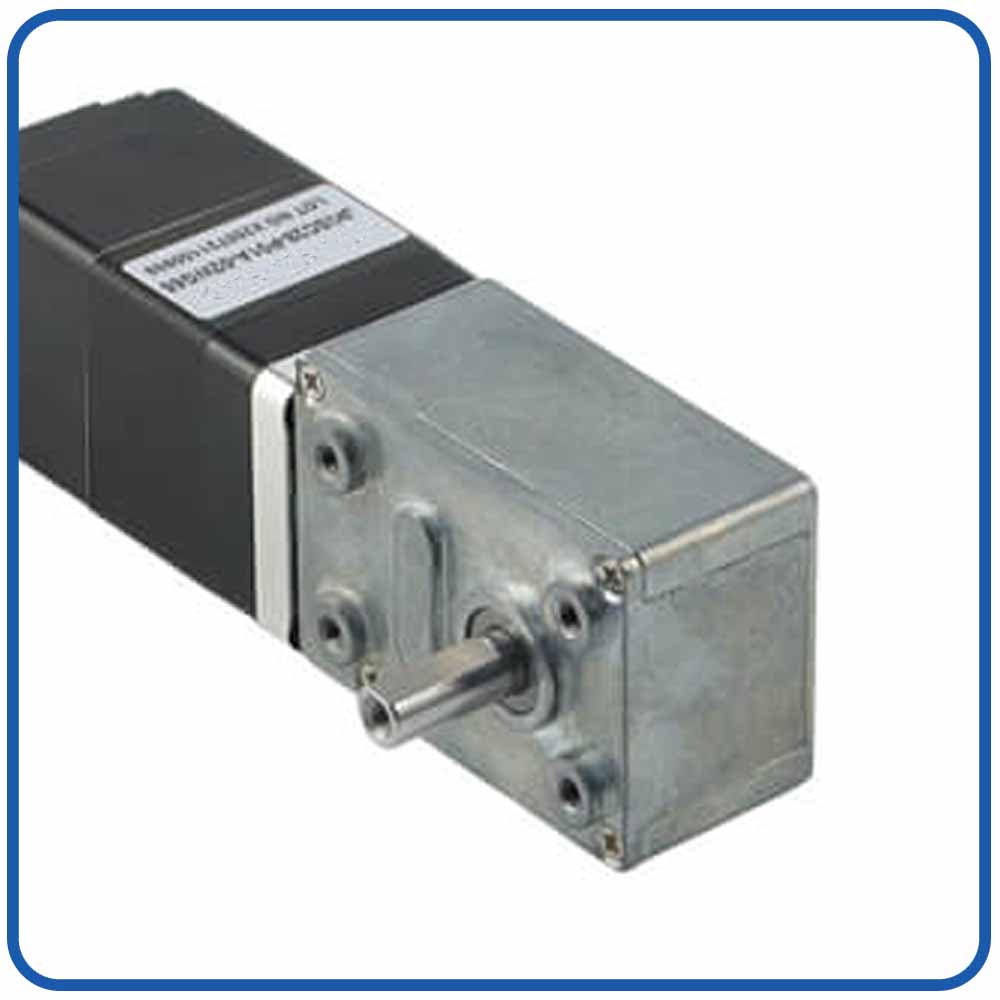
4. Gear Reduction Increases Driving Torque
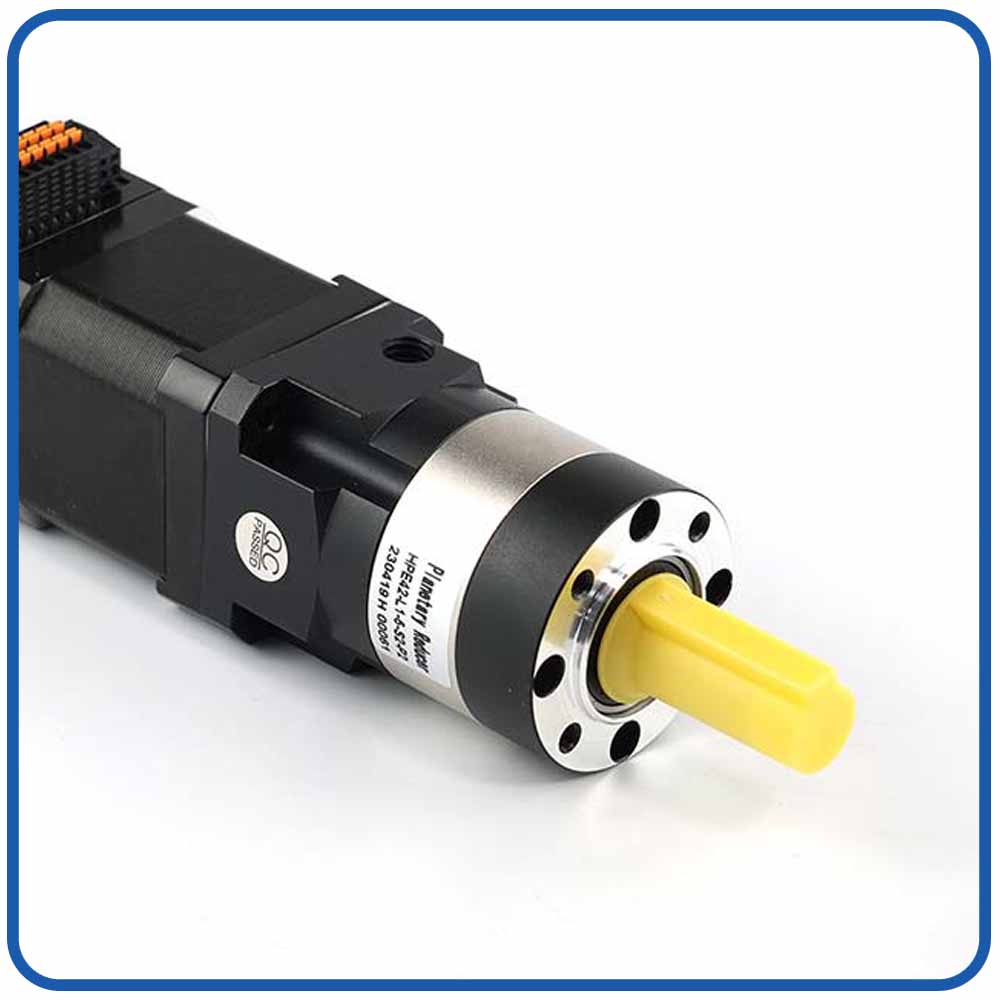
Most autonomous shuttle carts use a gearbox with BLDC motors to increase output torque. The motor provides high-speed rotation, while the gearbox reduces speed and increases torque for:
Heavy load transportation
Slope climbing
Stable low-speed movement
5. Integrated BLDC Servo Motor Simplifies System Design
Many modern outdoor autonomous carts use integrated BLDC servo motors, which combine the motor, encoder, and controller into one compact unit.
Benefits include:
Easier installation
Reduced wiring
Better motion control
Higher system reliability
6. Continuous Operation in Outdoor Environments
With high efficiency, low heat generation, and durable construction, BLDC motors can operate reliably in outdoor conditions such as dust, vibration, and temperature changes.
This makes them ideal for:
Outdoor AGVs
Autonomous logistics carts
Industrial shuttle vehicles
Smart transportation systems
In outdoor autonomous shuttle carts, BLDC motors provide efficient power conversion, precise control, and reliable performance, enabling safe and intelligent autonomous transportation.
Why Integrated BLDC Servo Motors Are Becoming Popular in Autonomous Shuttle Carts
Traditional motor systems often require separate installation of:
Motor
Driver
Encoder
Wiring harness
This increases system complexity and installation difficulty.
An integrated BLDC servo motor combines these components into one compact solution. For autonomous shuttle carts, this provides several benefits:
Simplified wiring
Reduced installation time
Improved electromagnetic compatibility
Better motion control performance
Smaller control cabinet requirements
Integrated servo motors are especially suitable for compact autonomous vehicles where space, reliability, and intelligent control are important.
Applications of BLDC Motors in Outdoor Autonomous Shuttle Carts
Brushless DC motors are widely used in different autonomous transportation applications, including:
Industrial Outdoor AGVs
Used for transporting raw materials, components, and finished products between buildings and production areas.
Autonomous Logistics Carts
Used in warehouses, distribution centers, and smart factories for automatic material handling.
Airport Autonomous Vehicles
Used for luggage transportation and passenger transfer systems requiring reliable continuous operation.
Campus and Industrial Shuttle Vehicles
Used for short-distance passenger transportation with quiet and efficient operation.
Solar Farm Inspection and Maintenance Vehicles
Used for autonomous movement across large outdoor areas requiring strong traction and weather resistance.
How to Select the Right BLDC Motor for an Outdoor Autonomous Shuttle Cart
Choosing the right BLDC motor for an outdoor autonomous shuttle cart is essential for achieving reliable operation, sufficient driving power, and long service life. The motor must match the vehicle’s load, speed requirements, operating environment, and control system.
1. Calculate Required Motor Torque
Torque is one of the most important factors when selecting a BLDC motor. The motor must provide enough force to move the vehicle, carry payloads, and overcome road resistance.
Consider:
Total vehicle weight
Maximum payload
Wheel diameter
Road conditions
Slope climbing requirements
Acceleration performance
A high-torque BLDC motor combined with a suitable gearbox can provide stable movement for heavy-duty autonomous shuttle carts.
2. Match Motor Speed with Vehicle Requirements
The motor speed should match the required travel speed of the shuttle cart.
Key factors include:
Maximum vehicle speed
Wheel size
Gear reduction ratio
Operating cycle
A gearbox is often used to reduce motor speed while increasing output torque, allowing the vehicle to achieve smooth and controlled movement.
3. Select the Correct Voltage and Power Rating
The BLDC motor voltage should match the vehicle’s battery system.
Common voltage options include:
24V DC
36V DC
48V DC
72V DC
The motor power rating should be selected according to:
Vehicle load capacity
Working hours
Driving frequency
Operating environment
Proper power selection prevents overheating and improves energy efficiency.
4. Choose a Motor with Closed-Loop Control
Outdoor autonomous shuttle carts require accurate positioning and stable speed control. A closed-loop BLDC servo motor with encoder feedback is recommended.
Advantages include:
Precise speed regulation
Accurate stopping position
Smooth acceleration and braking
Improved navigation performance
Encoders such as Hall sensors, incremental encoders, or absolute encoders provide real-time motor feedback.
5. Consider Environmental Protection Requirements
Outdoor shuttle carts operate in conditions involving dust, moisture, vibration, and temperature changes.
The BLDC motor should have suitable protection features, such as:
IP65 or higher protection rating
Sealed housing design
Efficient heat dissipation
Corrosion-resistant materials
A durable motor design ensures reliable operation in outdoor environments.
6. Consider Integrated BLDC Servo Motors
For compact autonomous vehicles, integrated BLDC servo motors are becoming a preferred solution. They combine the motor, driver, and encoder into one unit.
Benefits include:
Reduced wiring complexity
Smaller installation space
Easier maintenance
Improved system reliability
This integrated design helps simplify the development of autonomous shuttle carts.
7. Evaluate Efficiency and Maintenance Requirements
Since autonomous shuttle carts often operate continuously, motor efficiency directly affects battery life and operating costs.
A high-efficiency BLDC motor provides:
Longer operation time
Lower energy consumption
Reduced heat generation
Less maintenance
The brushless design also eliminates brush wear, increasing service life compared with traditional motors.
Summary
Selecting the right BLDC motor for an outdoor autonomous shuttle cart requires careful consideration of torque, speed, voltage, control accuracy, environmental protection, and efficiency.
A properly selected high-torque, closed-loop BLDC servo motor can provide reliable power, precise motion control, and long-term performance for outdoor autonomous transportation applications.
Conclusion: Why Outdoor Autonomous Shuttle Carts Choose Brushless DC Motors
Brushless DC motors are the preferred drive solution for outdoor autonomous shuttle carts because they deliver high efficiency, strong torque, precise control, long service life, and excellent environmental adaptability.
As autonomous transportation continues to develop, the demand for compact, intelligent, and energy-efficient drive systems will continue to increase. By combining BLDC motor technology with advanced controllers, encoders, and integrated servo solutions, outdoor autonomous shuttle carts can achieve safer operation, higher transportation efficiency, and lower maintenance costs.
For modern autonomous logistics and transportation systems, BLDC motors provide the reliability and performance required for the next generation of smart mobility solutions.
FAQs:
1: Why do outdoor autonomous shuttle carts use brushless DC motors?
Answer: Outdoor autonomous shuttle carts use brushless DC motors (BLDC motors) because they provide high efficiency, high torque, precise speed control, and long service life. BLDC motors help autonomous vehicles achieve stable transportation performance while reducing energy consumption and maintenance requirements.
2: What advantages do BLDC motors provide for outdoor autonomous shuttle carts?
Answer: BLDC motors offer several advantages for outdoor autonomous shuttle carts, including high power density, low noise operation, excellent reliability, and accurate motion control. These features allow shuttle carts to handle heavy loads, operate continuously, and adapt to complex outdoor environments.
3: How do brushless DC motors improve the efficiency of autonomous shuttle carts?
Answer: Brushless DC motors improve efficiency by using electronic commutation instead of mechanical brushes, which reduces friction and energy loss. Higher motor efficiency helps extend battery life, increase operating time, and lower the overall energy consumption of autonomous shuttle carts.
4: Do outdoor autonomous shuttle carts require high-torque BLDC motors?
Answer: Yes. Outdoor autonomous shuttle carts often transport heavy loads and operate on uneven surfaces or slopes, requiring high starting torque and stable driving force. A high-torque BLDC motor combined with a gearbox can provide sufficient traction and reliable movement performance.
5: How do BLDC motors achieve precise control in autonomous shuttle carts?
Answer: BLDC motors achieve precise control through integrated feedback systems such as Hall sensors, incremental encoders, or absolute encoders. These components monitor motor speed and position in real time, enabling accurate acceleration, braking, positioning, and navigation.
6: Can BLDC motors operate in outdoor environments?
Answer: Yes. BLDC motors can be designed for outdoor applications with features such as sealed housings, high IP protection ratings, and improved thermal management. These designs allow reliable operation in environments with dust, moisture, vibration, and temperature variations.
7: Why are integrated BLDC servo motors used in autonomous shuttle carts?
Answer: Integrated BLDC servo motors combine the motor, controller, and encoder into one compact unit. This reduces wiring complexity, saves installation space, improves control performance, and increases system reliability, making them suitable for modern autonomous shuttle cart designs.
8: What voltage BLDC motors are commonly used for outdoor autonomous shuttle carts?
Answer: Outdoor autonomous shuttle carts commonly use BLDC motors with battery voltages such as 24V, 36V, 48V, and 72V DC. The correct voltage depends on vehicle size, load capacity, driving requirements, and battery system configuration.
9: Do BLDC motors require less maintenance than traditional motors?
Answer: Yes. BLDC motors require less maintenance because they do not use carbon brushes or mechanical commutators. The brushless structure reduces wear, extends service life, and minimizes downtime, making them ideal for continuous autonomous transportation applications.
10: How do you choose the right BLDC motor for an outdoor autonomous shuttle cart?
Answer: Selecting the right BLDC motor requires evaluating factors such as vehicle weight, payload capacity, required torque, operating speed, battery voltage, environmental conditions, and control accuracy. A properly matched BLDC servo motor ensures efficient, stable, and reliable vehicle operation.

 English
 العربية
 Français
 Русский
 Español
 Português
 Deutsch
 italiano
 日本語
日本語 한국어
한국어 Nederlands
 Tiếng Việt
 ไทย
ไทย Polski
 Türkçe
 ພາສາລາວ
 ភាសាខ្មែរ
 Bahasa Melayu
 ဗမာစာ
ဗမာစာ Filipino
 Bahasa Indonesia
 magyar
 Română
 Čeština
 Монгол
 қазақ
қазақ Српски
 हिन्दी
 فارسی
فارسی Slovenčina
 Slovenščina
 Norsk
Norsk Svenska
 українська
 Ελληνικά
 Suomi
Suomi Հայերեն
 עברית
עברית Latine
 Dansk
Dansk Shqip
Shqip বাংলা
বাংলা Hrvatski
 Afrikaans
 Gaeilge
 Eesti keel
 Oʻzbekcha
 latviešu
 Azərbaycan dili
 Български
 Català