Automated Guided Vehicles (AGVs) are widely used in intelligent factories, warehouses, logistics centers, and manufacturing systems because they provide reliable material transportation with high efficiency and reduced labor costs. At the core of every AGV motion system, the AGV motor plays a critical role in converting electrical energy into mechanical movement. However, during long-term operation, motor overheating is one of the most common problems affecting AGV performance, reliability, and service life.
Understanding why AGV motors overheat during continuous operation is essential for selecting the correct motor, optimizing the drive system, and preventing unexpected downtime. Overheating is usually caused by a combination of factors, including excessive load, insufficient cooling, improper motor selection, high current consumption, mechanical resistance, and control system issues.
1. Excessive Load Causes AGV Motor Overheating
One of the primary reasons for AGV motor overheating is operating beyond the motor’s designed load capacity. Every AGV drive motor has a specific rated torque, continuous power output, and thermal limit. When the actual working load exceeds these parameters, the motor must generate higher torque, which requires more electrical current.
The relationship between motor current and heat generation is directly connected through copper losses:
Heat Loss = I⊃2; × R
where:
I represents motor current
R represents winding resistance
When the AGV carries excessive payloads, climbs slopes frequently, or accelerates aggressively, the motor draws higher current. Since heat increases proportionally to the square of current, even a small increase in current can significantly raise motor temperature.
Common overload situations include:
AGV carrying materials heavier than the rated capacity
Frequent starting and stopping cycles
Continuous operation at maximum torque
Incorrect calculation of required wheel torque
Increased friction caused by mechanical wear
To prevent overheating, AGV manufacturers should calculate the required motor torque based on:
Vehicle weight
Maximum payload
Wheel diameter
Floor conditions
Travel speed
Acceleration requirements
Operating cycle duration
Selecting a motor with sufficient torque margin helps maintain stable temperature during long-term operation.
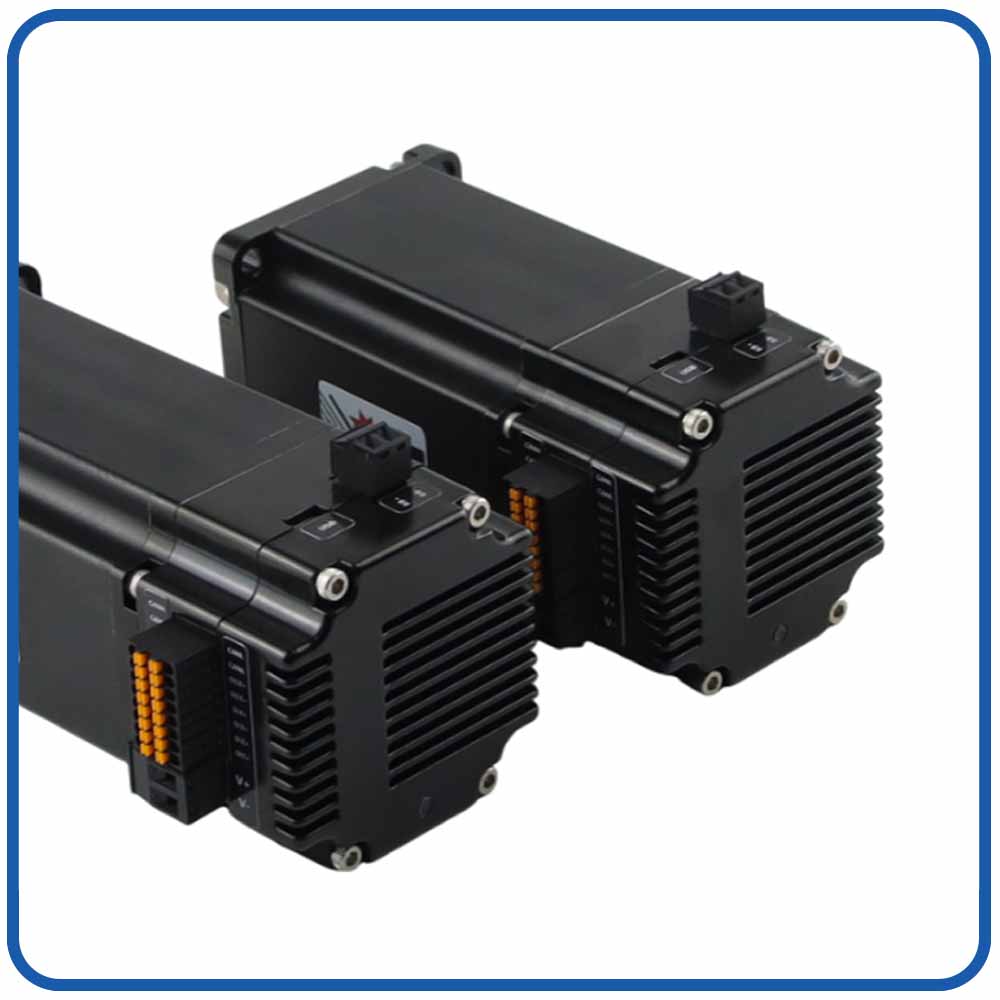
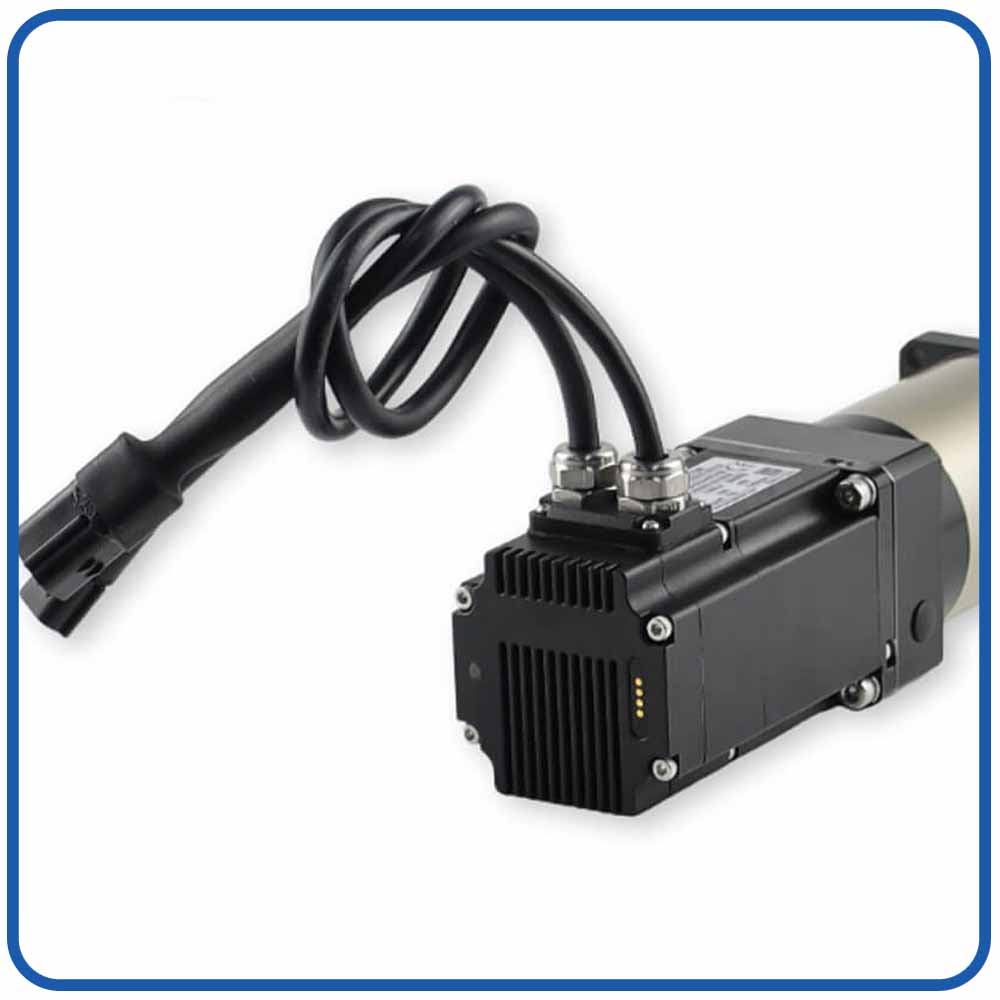
IDC60 Integrated BLDC Servo Motor — High-Efficiency, Compact, and Smart Closed-Loop Motion Control Solution
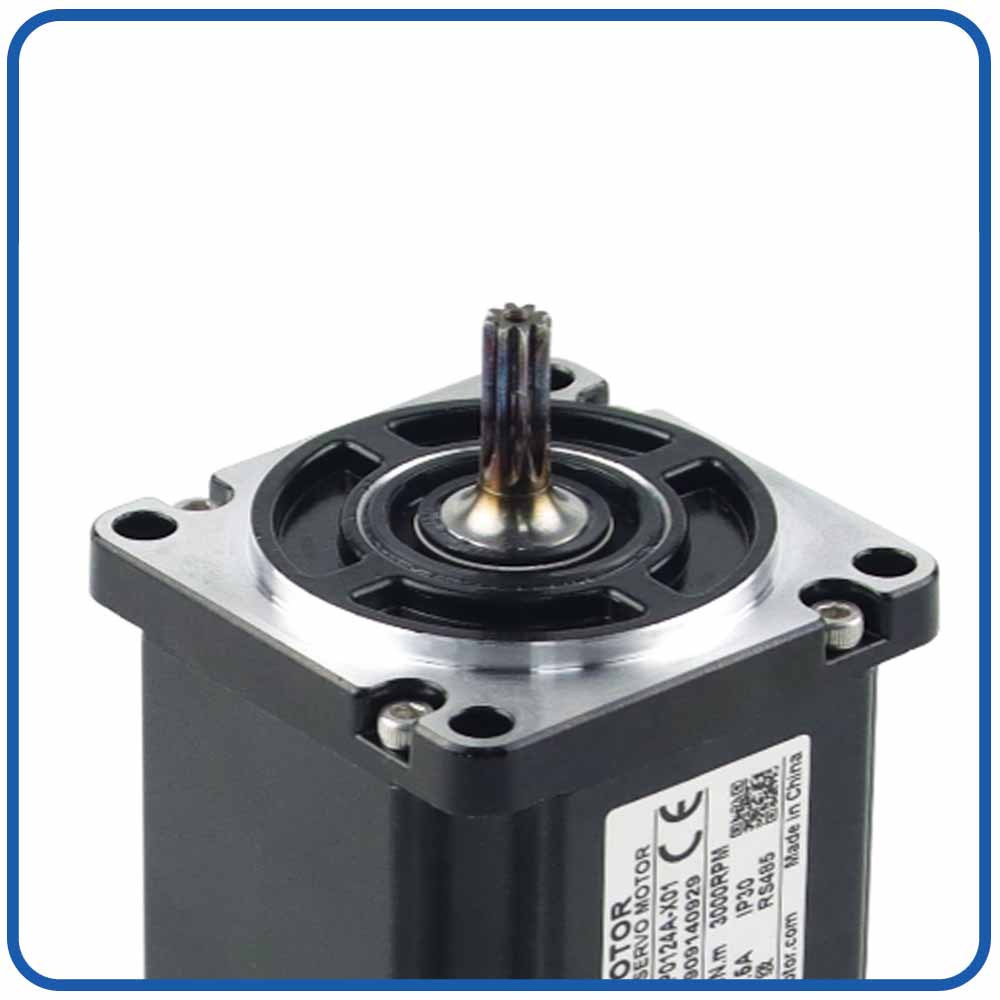
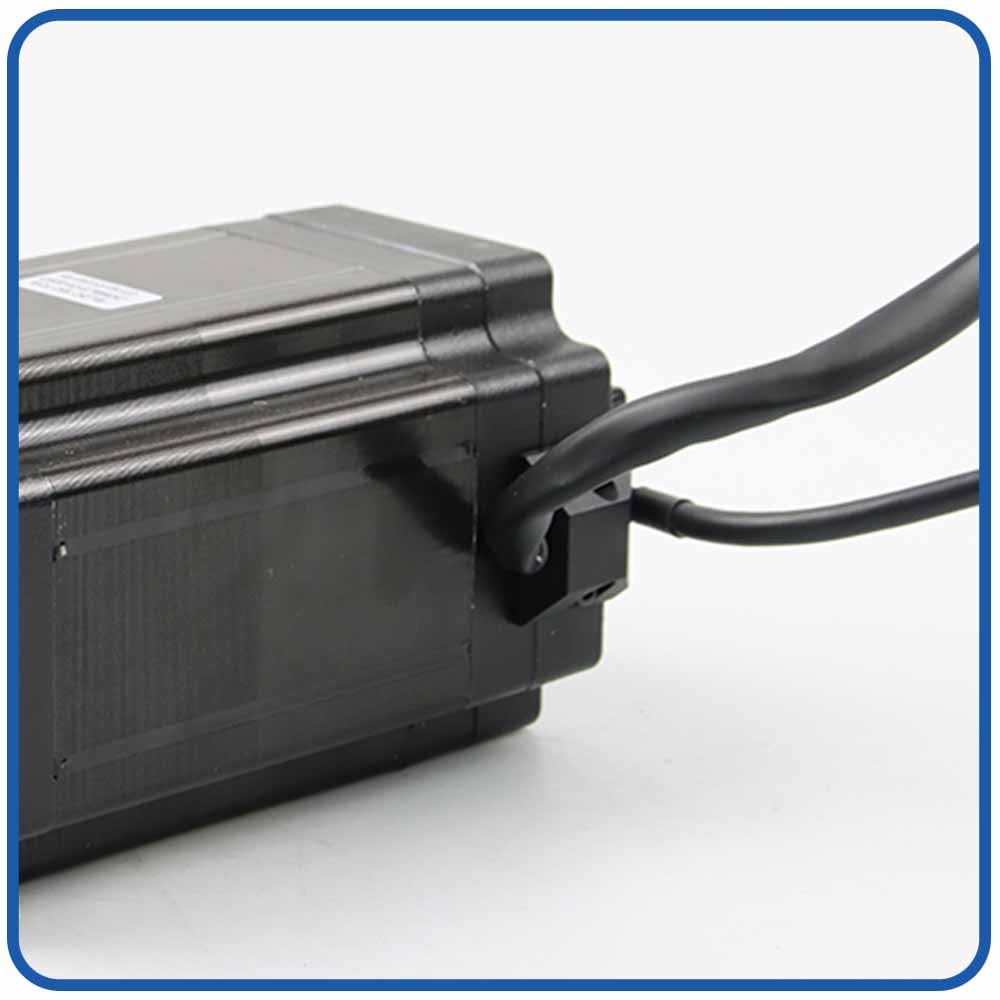
Product Overview:The IDC60 integrated BLDC servo motor from Besfoc is a compact NEMA 24 solution combining motor, drive, and encoder in one unit. It provides precise closed-loop control, stable torque, and fast response. Its integrated design reduces wiring, saves space.
Key Technical Highlights
Integrated All-in-One Design Combines BLDC motor, servo drive, and encoder in a compact unit, reducing wiring complexity and improving installation efficiency.
High-Precision Closed-Loop Control Ensures accurate position, speed, and torque regulation with real-time feedback for stable and smooth motion performance.
Powerful Modular Customization (OEM/ODM) Supports flexible customization options, including voltage, torque, communication protocols, and encoder resolution to meet diverse application requirements.
High Efficiency & Compact Structure Delivers strong torque density with optimized thermal performance, making it ideal for space-limited automation and robotics systems.
Typical Applications
Pipeline Inspection Robots Provides stable low-speed torque and precise motion control for navigating narrow, curved, and complex pipeline environments.
Automated Guided Vehicles (AGVs) Ensures smooth acceleration, accurate positioning, and reliable operation in logistics and smart warehouse systems.
Robotic Automation Systems Ideal for robotic arms, grippers, and compact motion modules requiring high precision and fast response.
Smart Manufacturing Equipment Supports high-accuracy motion control in assembly lines, packaging machines, and precision industrial automation devices.
IDC60 Series Key Specifications for AGV Applications
2. Incorrect AGV Motor Selection Leads to Thermal Problems
Choosing an unsuitable motor is another major reason for overheating. An AGV motor must match the vehicle’s mechanical requirements and operating environment. A motor that is too small may operate near its maximum capability continuously, causing excessive heat accumulation.
For AGV applications, motor selection should consider:
Rated Torque and Peak Torque
The motor must provide enough continuous torque for normal operation while also supporting peak torque during:
Starting
Acceleration
Turning
Load changes
A motor that frequently operates close to peak torque will generate more heat and experience faster aging.
Continuous Duty Rating
AGVs often operate for many hours per day. Therefore, the motor should have an appropriate duty rating, such as:
S1 continuous operation
S2 short-time operation
S3 intermittent periodic operation
Using a motor designed for short-term operation in a 24/7 AGV system can easily cause overheating.
Motor Efficiency
Higher-efficiency motors generate less heat because less electrical energy is wasted. Modern brushless DC motors (BLDC motors) and servo motors are commonly used in AGV systems because they provide:
High efficiency
Low heat generation
Precise speed control
Long service life
3. Poor Cooling Design Increases AGV Motor Temperature
A poor cooling design is one of the common causes of AGV motor overheating during long-term operation. Even when the motor works within its rated load, insufficient heat dissipation can cause continuous temperature buildup and reduce motor efficiency and service life.
AGV motors generate heat from several sources, including:
Copper losses from motor windings
Iron losses from the magnetic core
Bearing friction
Gearbox mechanical losses
Motor driver switching losses
If the generated heat cannot be released effectively, the motor temperature will gradually increase and may lead to insulation damage, performance reduction, or unexpected failure.
Common Cooling Problems in AGV Motor Applications
Poor heat dissipation is often caused by:
Limited installation space around the motor
Insufficient airflow inside the AGV structure
Dust or debris blocking ventilation areas
High ambient temperatures
Poor contact between the motor housing and mounting structure
Compact AGV designs often place motors, controllers, and batteries in enclosed spaces, making thermal management more challenging.
How to Improve AGV Motor Cooling Performance
To reduce overheating risks, AGV systems can adopt:
Aluminum alloy motor housings for better heat transfer
Optimized mounting structures to improve heat dissipation
Cooling fans or forced air systems for high-power motors
Temperature sensors for real-time monitoring
Proper motor selection based on duty cycle and operating environment
For heavy-duty AGV applications, selecting motors with efficient thermal designs, such as high-efficiency BLDC motors or servo motors, helps maintain stable performance during continuous operation.
A well-designed cooling system ensures the AGV motor operates reliably, improves energy efficiency, and extends overall service life.
4. High Current Consumption from Motor Controller Problems
The AGV motor controller or drive system directly affects motor temperature. An incorrectly configured controller can force the motor to operate inefficiently and generate excessive heat.
Common controller-related causes include:
Incorrect Current Settings
If the motor driver provides excessive current, the motor may produce unnecessary heat even when the mechanical load is normal.
Poor Parameter Configuration
Servo motors and integrated AGV motors require proper configuration of:
Motor rated current
Maximum speed
Acceleration time
Torque limits
Encoder settings
Control mode
Incorrect parameters may cause:
Excessive torque compensation
Motor vibration
Current fluctuations
Increased power consumption
Communication Problems
Modern AGV systems often use communication protocols such as:
CANopen
EtherCAT
Modbus RTU
RS485
Communication errors may cause unstable motor control, repeated acceleration commands, or abnormal operation, increasing motor temperature.
5. Mechanical Resistance and Transmission Issues
AGV motor overheating is not always caused by electrical problems. Mechanical issues can significantly increase the workload of the motor.
Typical mechanical causes include:
Wheel and Bearing Problems
Damaged bearings or improper lubrication increase rolling resistance. The motor must generate more torque to maintain movement, causing higher current consumption.
Gearbox Problems
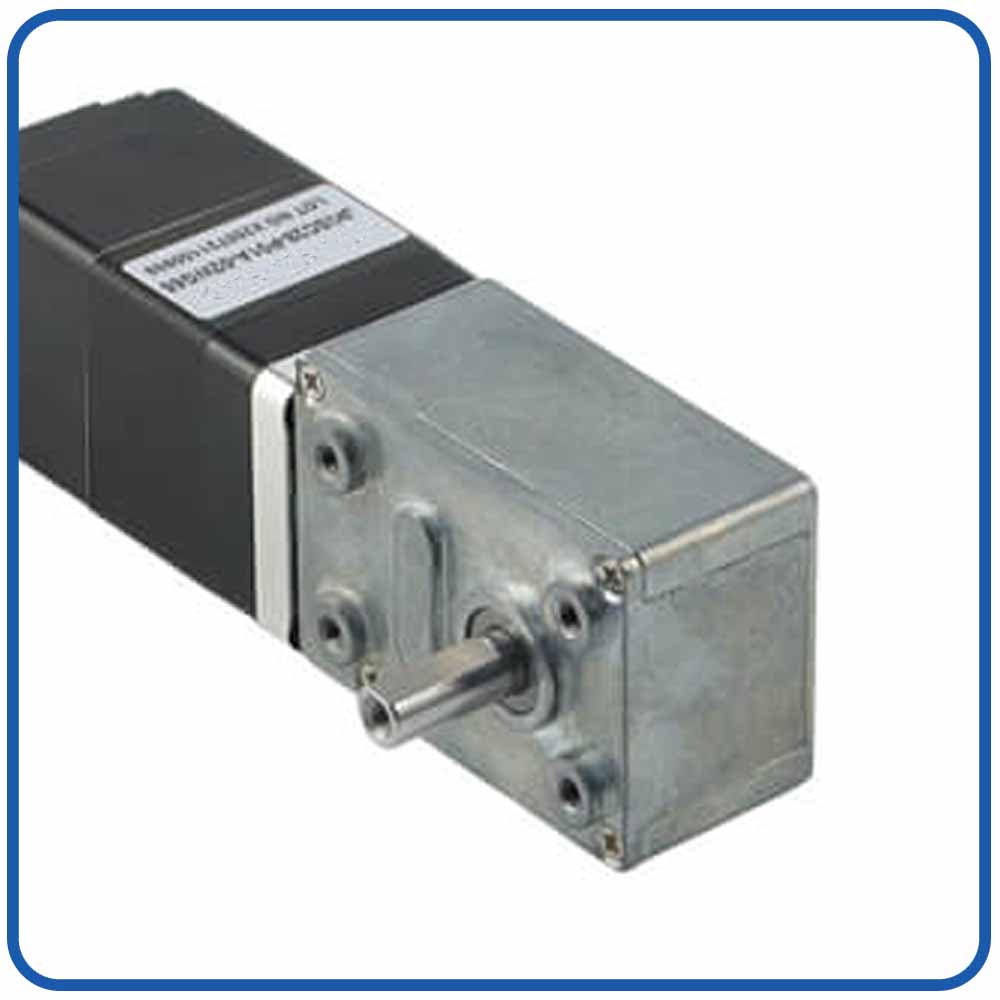
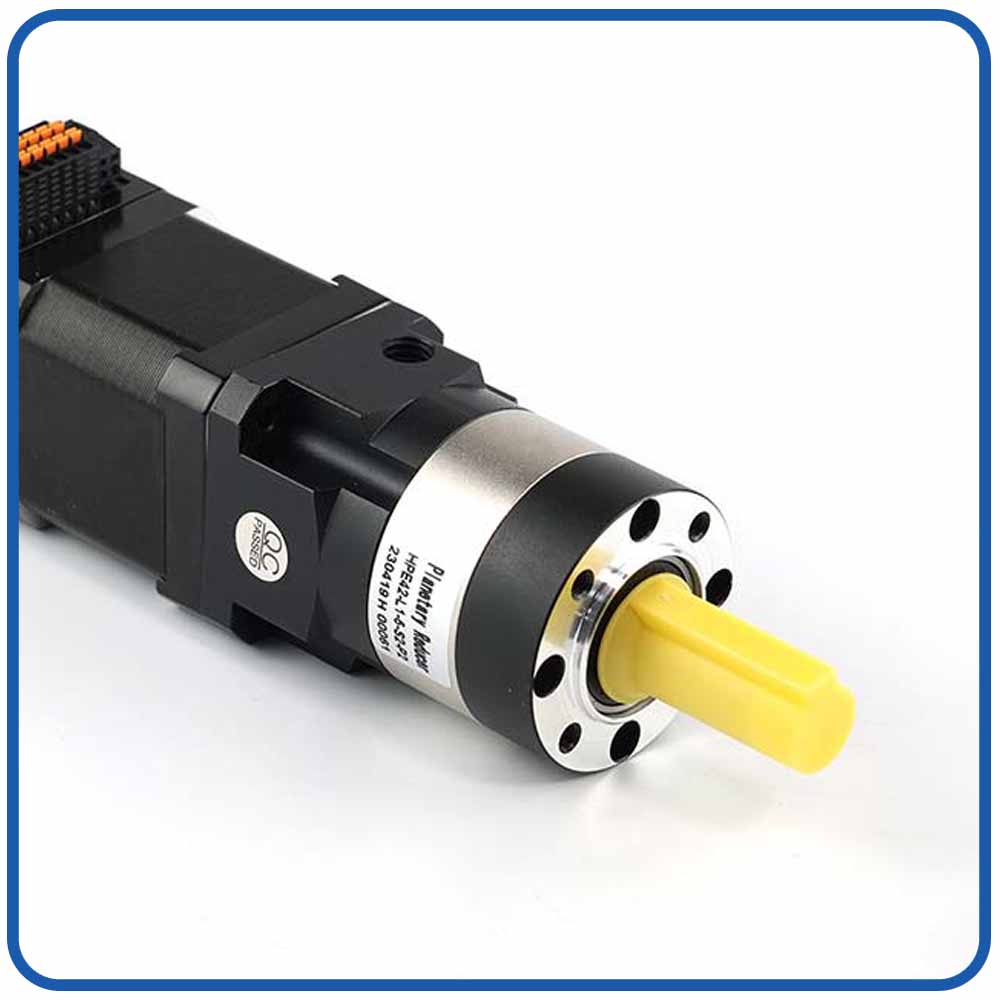
Many AGVs use geared motors or wheel hub motors to achieve higher torque. Gearbox problems such as:
Insufficient lubrication
Gear wear
Incorrect gear ratio
Internal friction
can increase operating temperature.
Incorrect Wheel Alignment
Misaligned wheels create additional resistance and force the motor to compensate continuously.
Regular mechanical inspection helps reduce unnecessary motor loading and prevents overheating.
6. Operating Environment Can Increase AGV Motor Heat
The working environment has a significant impact on AGV motor temperature.
Factors that increase overheating risks include:
High Ambient Temperature
When the surrounding temperature is already high, the motor has less ability to release heat. For example, an AGV operating in a 40°C factory environment will reach higher temperatures than one operating in a 20°C warehouse.
Dust and Contamination
Industrial environments may contain:
Dust
Oil particles
Metal debris
Chemical contaminants
These materials can reduce cooling efficiency and damage motor components.
Limited Installation Space
Compact AGV designs often place motors, controllers, and batteries in restricted spaces. Poor ventilation can cause heat accumulation inside the vehicle.
Selecting motors with suitable protection ratings, such as IP65 or IP67, can improve reliability in demanding environments.
7. Encoder and Feedback Problems Cause Abnormal Motor Operation
In modern AGV motor control systems, encoders provide real-time feedback of motor position, speed, and direction. When encoder signals are inaccurate or unstable, the motor controller may fail to adjust output correctly, causing abnormal operation and increased heat generation.
A faulty feedback system can make the motor continuously compensate for incorrect information, resulting in higher current consumption, vibration, and overheating during long-term operation.
Common Encoder and Feedback Issues in AGV Motors
Typical problems include:
Encoder signal interference caused by electrical noise or poor wiring
Incorrect encoder configuration in the motor controller
Loose or damaged encoder connections
Encoder calibration errors
Sensor failure caused by vibration or harsh environments
These issues may lead to:
Unstable speed control
Positioning errors
Motor vibration
Excessive current fluctuations
Increased motor temperature
How to Prevent Encoder-Related Motor Problems
To improve AGV motor reliability, manufacturers should:
Use high-quality encoders with strong noise resistance
Ensure proper cable shielding and grounding
Configure encoder parameters correctly
Perform regular inspection of wiring connections
Calibrate the motor feedback system during installation
For high-precision AGV applications, servo motors with integrated encoders provide accurate feedback control, improving motion stability, reducing unnecessary
8. How to Prevent AGV Motor Overheating During Long-Term Operation
Preventing AGV motor overheating requires proper motor selection, optimized control settings, effective cooling design, and regular maintenance. Since AGVs often operate continuously in warehouses and factories, thermal management is essential for ensuring stable performance and extending motor service life.
Choose the Right AGV Motor Specification
Selecting a suitable motor based on actual working conditions is the first step in preventing overheating. The motor should match:
Required torque and speed
Maximum AGV payload
Operating time and duty cycle
Acceleration and braking requirements
Working environment conditions
A motor that operates close to its maximum capacity for long periods will generate excessive heat. Choosing a motor with sufficient torque margin helps maintain lower operating temperatures.
Optimize Motor Control Parameters
The motor controller directly affects heat generation. Incorrect settings can cause unnecessary current consumption and increase motor temperature.
Important parameters include:
Current limits
Acceleration and deceleration settings
Speed control parameters
Torque output limits
Encoder configuration
Proper tuning allows the motor to operate efficiently while reducing electrical losses.
Adding heat sinks or forced cooling when necessary
Keeping motor surfaces clean from dust and debris
Good thermal design prevents heat accumulation and improves long-term reliability.
Perform Regular Inspection and Maintenance
Regular maintenance helps identify problems before they cause overheating. Key inspection items include:
Checking wheel and gearbox resistance
Inspecting motor bearings and lubrication
Cleaning cooling surfaces
Checking cable and connector conditions
Monitoring motor temperature changes
Early detection of abnormal conditions can reduce downtime and prevent motor damage.
Use Real-Time Temperature Monitoring
Advanced AGV systems can integrate temperature sensors to monitor motor conditions continuously. Real-time monitoring helps operators:
Detect overheating risks early
Adjust operating parameters
Prevent unexpected failures
Improve maintenance planning
By combining proper motor selection, optimized control, effective cooling, and preventive maintenance, AGV systems can maintain reliable operation and ensure the AGV motor performs efficiently during long-term industrial applications.
Conclusion
AGV motor overheating during long-term operation is usually caused by excessive load, improper motor selection, insufficient cooling, controller configuration problems, mechanical resistance, or harsh operating environments. Since AGVs often operate continuously in industrial automation systems, thermal management is a key factor affecting reliability and efficiency.
Choosing a properly sized AGV drive motor, optimizing the control system, improving heat dissipation, and performing regular maintenance can significantly reduce overheating risks. With the increasing adoption of intelligent manufacturing and automated logistics, reliable and thermally optimized AGV motor solutions will continue to play an essential role in next-generation automation systems.
FAQ:
FAQ 1: Why does an AGV motor overheat during long-term operation?
An AGV motor may overheat during long-term operation due to excessive load, incorrect motor selection, poor cooling design, high current consumption, mechanical resistance, or improper controller settings. Continuous operation near the motor’s maximum capacity increases heat generation and reduces motor efficiency and service life.
FAQ 2: What are the main causes of AGV motor overheating?
The main causes of AGV motor overheating include:
Overloading the AGV beyond its rated capacity
Selecting a motor with insufficient torque
Poor heat dissipation or limited airflow
Incorrect motor controller parameters
Mechanical friction from wheels, bearings, or gearboxes
Encoder or feedback system problems
High ambient operating temperatures
FAQ 3: How does excessive load affect AGV motor temperature?
When an AGV carries excessive loads, the motor requires higher torque output, which increases current consumption. Since motor heat generation is related to I⊃2;R losses, higher current causes a significant rise in temperature. Long-term overload operation can damage motor insulation and shorten service life.
FAQ 4: How can I choose the right motor to prevent AGV overheating?
To prevent overheating, the AGV motor should be selected according to:
Required continuous torque
Peak torque requirements
AGV weight and payload
Travel speed
Duty cycle
Acceleration and braking frequency
Working environment
Choosing a motor with sufficient torque margin ensures stable operation under long-term working conditions.
FAQ 5: Can poor cooling design cause an AGV motor to overheat?
Yes. Poor cooling is one of the major reasons for AGV motor overheating. If heat generated from motor windings, bearings, and mechanical components cannot be effectively dissipated, the temperature will continue increasing. Proper ventilation, aluminum housing, and optimized mounting structures can improve heat dissipation.
FAQ 6: How does the motor controller affect AGV motor overheating?
The motor controller directly controls current, speed, and torque output. Incorrect parameters, excessive current limits, or unstable communication signals can force the motor to work inefficiently, increasing heat generation. Proper controller tuning helps reduce unnecessary power losses.
FAQ 7: Do encoder problems cause AGV motor overheating?
Yes. Encoder failures or incorrect feedback signals can cause abnormal motor operation. When the controller receives inaccurate position or speed information, it may continuously compensate, resulting in current fluctuations, vibration, and increased motor temperature.
FAQ 8: How can I reduce AGV motor overheating during continuous operation?
To reduce overheating risks, AGV systems should:
Select the correct motor size
Optimize controller parameters
Improve cooling performance
Monitor motor temperature
Maintain wheels, gearboxes, and bearings regularly
Avoid continuous operation under overload conditions
FAQ 9: What temperature is too high for an AGV motor?
The maximum safe temperature depends on the motor design, insulation class, and manufacturer specifications. Generally, continuous operation above the rated temperature range may accelerate insulation aging, reduce efficiency, and shorten motor lifespan. Temperature monitoring is recommended for industrial AGV applications.
FAQ 10: Which type of motor is suitable for long-term AGV operation?
For long-term AGV applications, BLDC motors, servo motors, and integrated servo motors are commonly used because they offer:
High efficiency
Low heat generation
Precise speed and position control
Long service life
Easy integration with CANopen, EtherCAT, and other communication systems
The final motor choice depends on AGV load requirements, control accuracy, and operating environment.

 English
 العربية
 Français
 Русский
 Español
 Português
 Deutsch
 italiano
 日本語
日本語 한국어
한국어 Nederlands
 Tiếng Việt
 ไทย
ไทย Polski
 Türkçe
 ພາສາລາວ
 ភាសាខ្មែរ
 Bahasa Melayu
 ဗမာစာ
ဗမာစာ Filipino
 Bahasa Indonesia
 magyar
 Română
 Čeština
 Монгол
 қазақ
қазақ Српски
 हिन्दी
 فارسی
فارسی Slovenčina
 Slovenščina
 Norsk
Norsk Svenska
 українська
 Ελληνικά
 Suomi
Suomi Հայերեն
 עברית
עברית Latine
 Dansk
Dansk Shqip
Shqip বাংলা
বাংলা Hrvatski
 Afrikaans
 Gaeilge
 Eesti keel
 Oʻzbekcha
 latviešu
 Azərbaycan dili
 Български
 Català