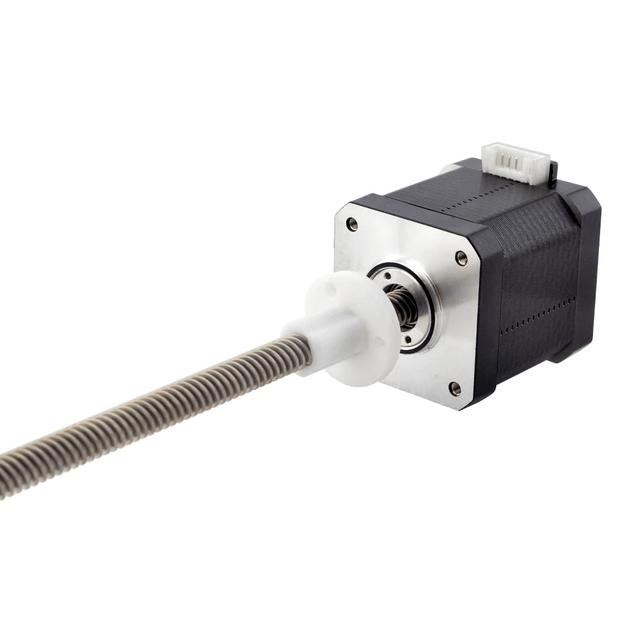
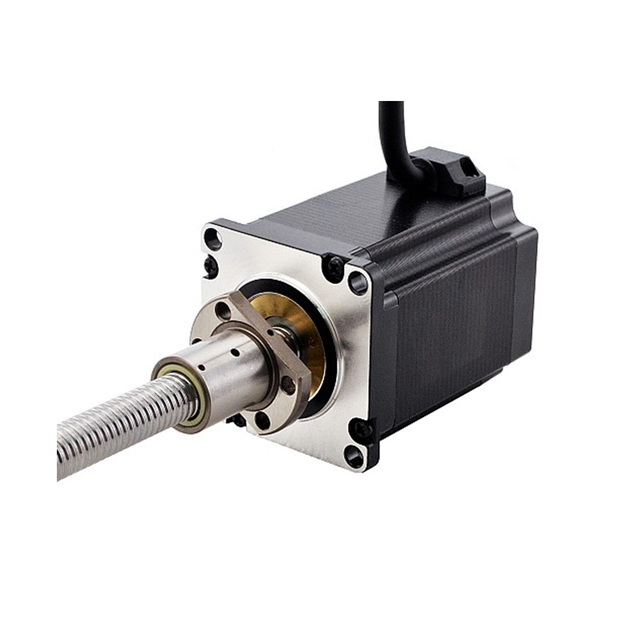
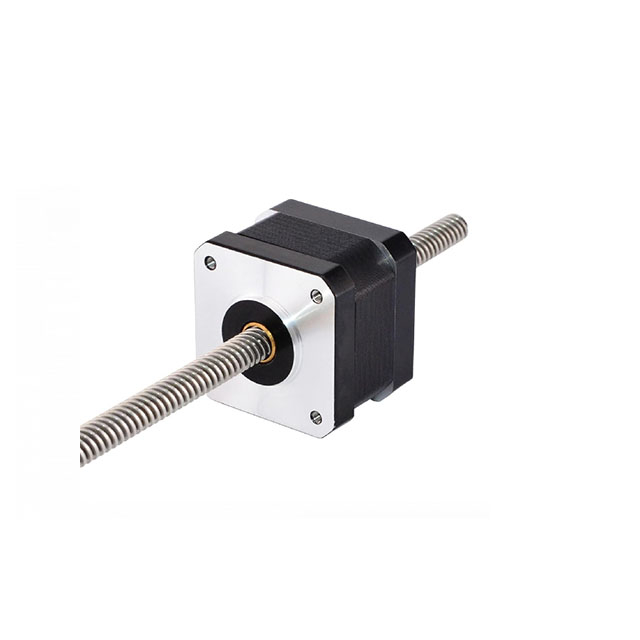
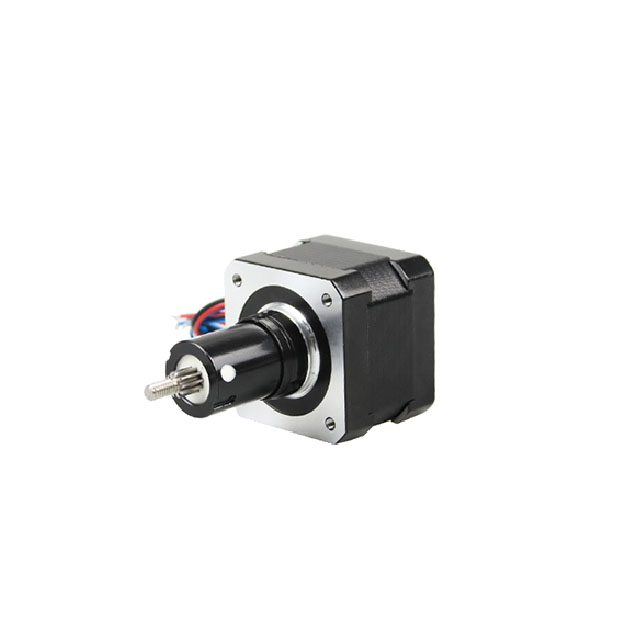
Linear stepper motors are increasingly becoming essential components in precision motion control systems across industries including medical automation, semiconductor manufacturing, laboratory robotics, packaging equipment, and agricultural automation. When engineers design systems using linear stepper motors, multiple critical factors influence performance, reliability, efficiency, and long-term operational stability.
This comprehensive guide explores everything engineers must consider when designing with linear stepper motors, providing detailed insights that support optimal system performance and superior engineering outcomes.
Linear stepper motors are precision motion devices that convert electrical pulse signals directly into linear movement. Unlike traditional rotary motors that require mechanical components such as lead screws, belts, or gear systems to convert rotational motion into linear motion, linear stepper motors eliminate intermediate mechanisms, resulting in higher efficiency, improved accuracy, and simplified mechanical design.
This direct-drive mechanism makes linear stepper motors particularly suitable for automation systems, medical equipment, laboratory instruments, semiconductor machinery, and robotics applications where precise positioning and repeatability are critical.
How Linear Stepper Motors Work
Linear stepper motors operate based on electromagnetic principles. When electrical pulses are applied to the motor windings, the motor moves in precise linear increments, commonly referred to as steps. Each pulse generates a fixed linear movement, allowing engineers to precisely control position, speed, and acceleration without requiring feedback systems in many applications.
The motion process typically involves:
Electrical pulse input from a controller pulse input** from a controller
Magnetic field generation inside the motor
Linear displacement of the shaft or nut
Accurate positioning based on step count
Because the motion is digitally controlled, linear stepper motors provide:
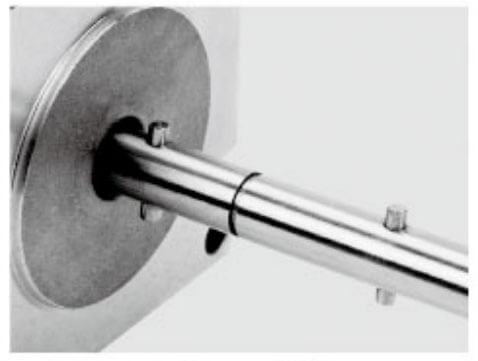
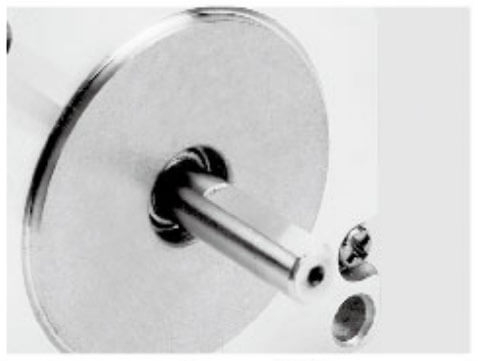
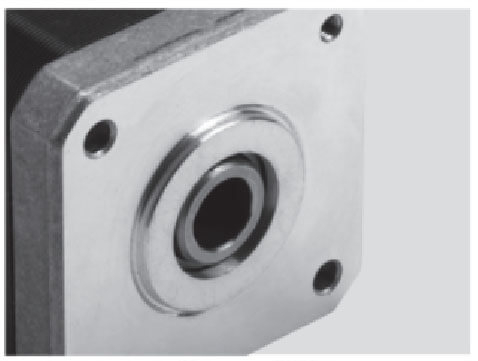
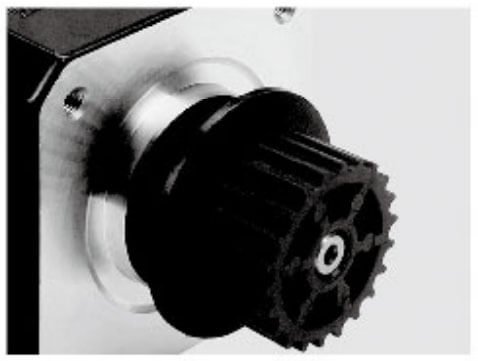
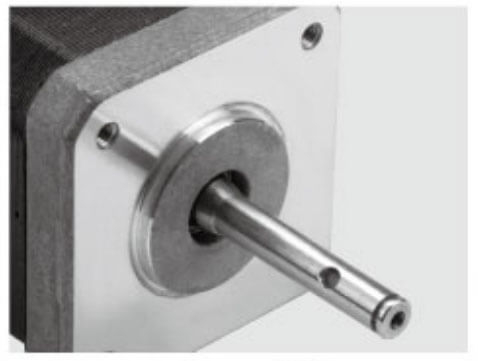
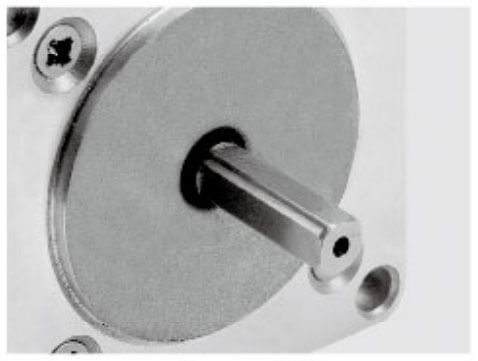
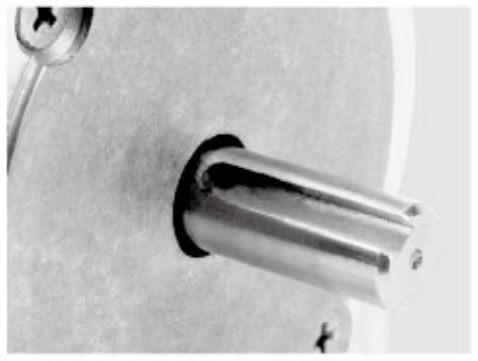
Engineers designing motion systems must understand the three primary types of linear stepper motors, each offering unique advantages depending on application requirements.
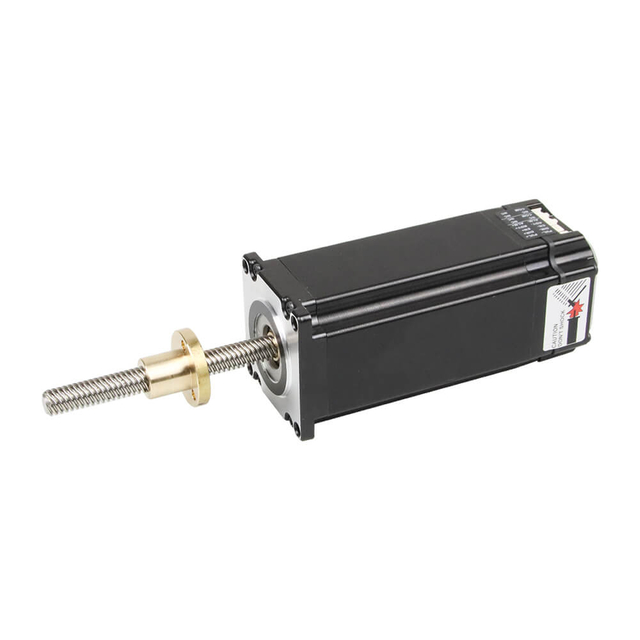
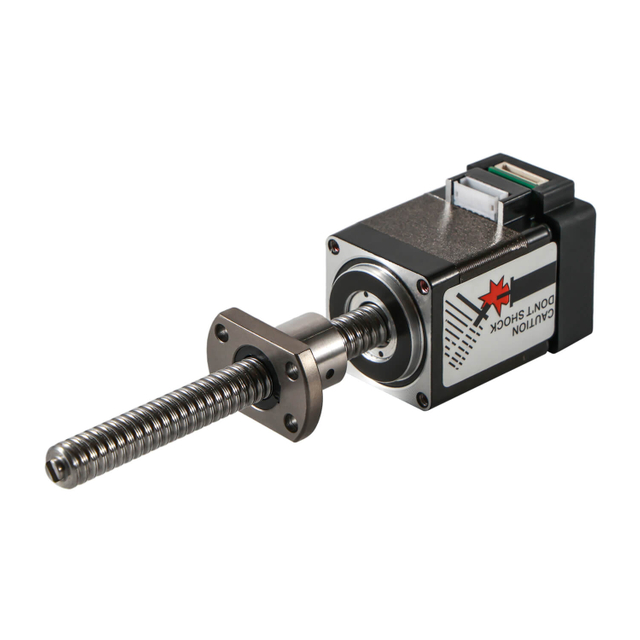
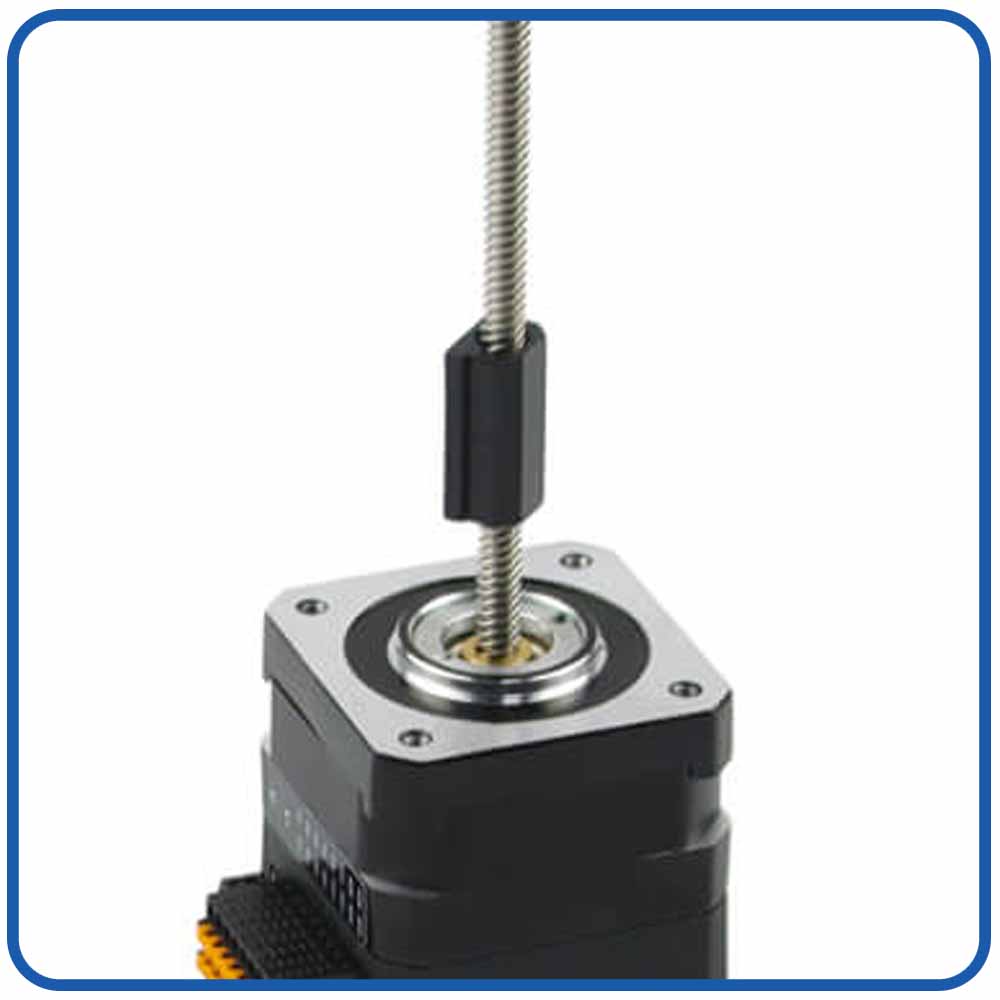
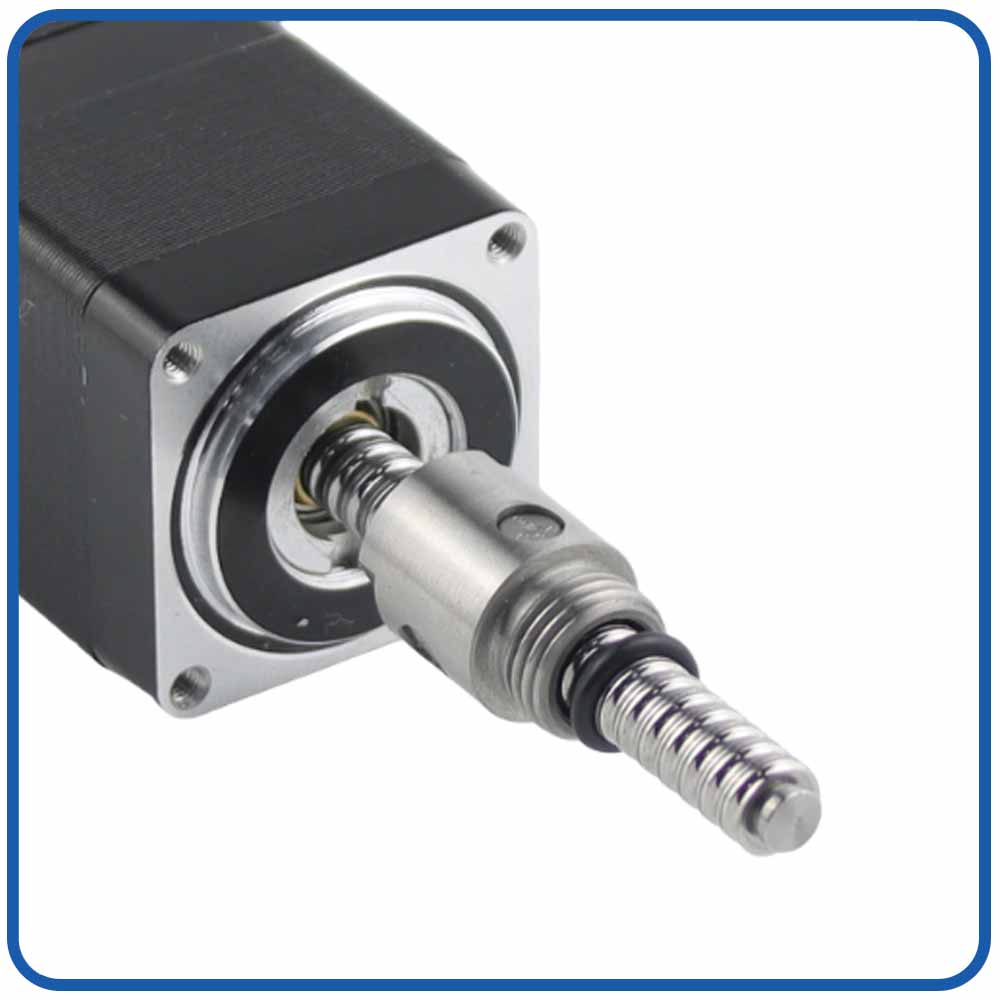
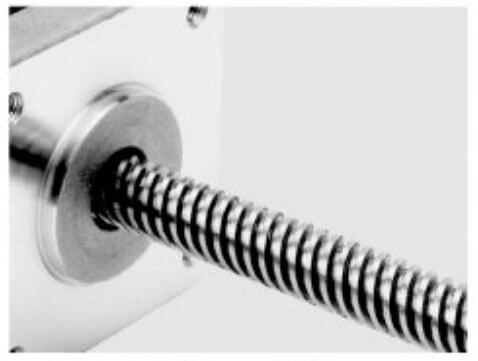
Captive linear stepper motors feature an integrated lead screw and captive shaft that moves linearly while preventing rotation. This configuration offers:
Compact design
High precision
Built-in guidance
Simple installation
Captive linear stepper motors are commonly used in:
Non-captive linear stepper motors allow the shaft to move freely in and out of the motor body. Engineers must provide external guidance systems to prevent rotation and maintain alignment.
Working with experienced linear stepper motor manufacturers ensures optimal customization.
Application Examples of Linear Stepper Motor Design
Medical Automation Equipment
Requirements:
High precision
Low noise
Compact size
Reliable operation
Laboratory Automation Systems
Requirements:
Smooth motion
Repeatable accuracy
Long lifecycle
Industrial Packaging Machines
Requirements:
High speed
High load capacity
Continuous operation
Agricultural Robotics
Requirements:
Harsh environment resistance
High reliability
Long stroke capability
Advantages of Using Linear Stepper Motors in Engineering Design
Linear stepper motors provide direct, precise, and reliable linear motion, making them an excellent choice for modern engineering applications. Their design simplifies system architecture while delivering high positioning accuracy and repeatable performance across various industries.
Direct Linear Motion Without Mechanical Conversion
Linear stepper motors generate linear movement directly, eliminating the need for belts, gears, or rotary-to-linear conversion mechanisms. This results in:
Reduced mechanical complexity
Lower maintenance requirements
Improved system efficiency
Compact mechanical design
High Positioning Accuracy and Repeatability
Engineers benefit from precise incremental movement controlled by electrical pulses. This allows:
Micron-level positioning accuracy
Consistent repeatability
Smooth and controlled motion
Reliable performance in precision applications
These features are critical in medical devices, laboratory automation, and semiconductor equipment.
Compact and Space-Saving Design
Linear stepper motors integrate motion components into a single compact unit, helping engineers:
Reduce overall system size
Simplify mechanical layouts
Improve integration flexibility
Optimize equipment footprint
Compact designs are particularly valuable in robotics and portable automation systems.
Simplified Control System
Linear stepper motors operate using digital pulse control, which enables:
Easy integration with controllers
Open-loop positioning capability
Reduced need for feedback devices
Lower system cost
This simplicity accelerates design and implementation timelines.
Low Maintenance and Long Service Life
With fewer moving parts, linear stepper motors offer:
Reduced wear and tear
Minimal lubrication requirements
Long operational lifespan
Reliable continuous operation
These advantages are essential for industrial automation and high-duty-cycle applications.
Flexible Customization Options
Linear stepper motors can be tailored to meet specific engineering requirements, including:
Custom stroke lengths
Different lead screw pitches
Special mounting configurations
Integrated sensors or encoders
Customization improves system compatibility and performance optimization.
Excellent Cost-Performance Ratio
Engineers choose linear stepper motors for their balance between performance and cost, offering:
High precision at competitive pricing
Reduced component count
Lower installation costs
Efficient system operation
This makes them suitable for both high-end and cost-sensitive applications.
Wide Range of Application Suitability
Linear stepper motors perform effectively in:
Medical automation equipment
Laboratory robotics
Packaging machinery
Industrial automation systems
Agricultural robots
Optical alignment devices
Their versatility supports diverse engineering design requirements.
Improved System Reliability
Direct-drive architecture and precise control contribute to:
Stable motion performance
Reduced mechanical failure points
Consistent operation under load
Enhanced overall system reliability
These benefits help engineers design robust and dependable motion control systems.
Future Trends in Linear Stepper Motor Design
As automation, robotics, and precision equipment continue to evolve, linear stepper motor technology is advancing rapidly. Engineers are increasingly demanding higher precision, smarter control, compact designs, and improved efficiency, driving innovation in linear stepper motor development.
Smarter Integrated Motion Solutions
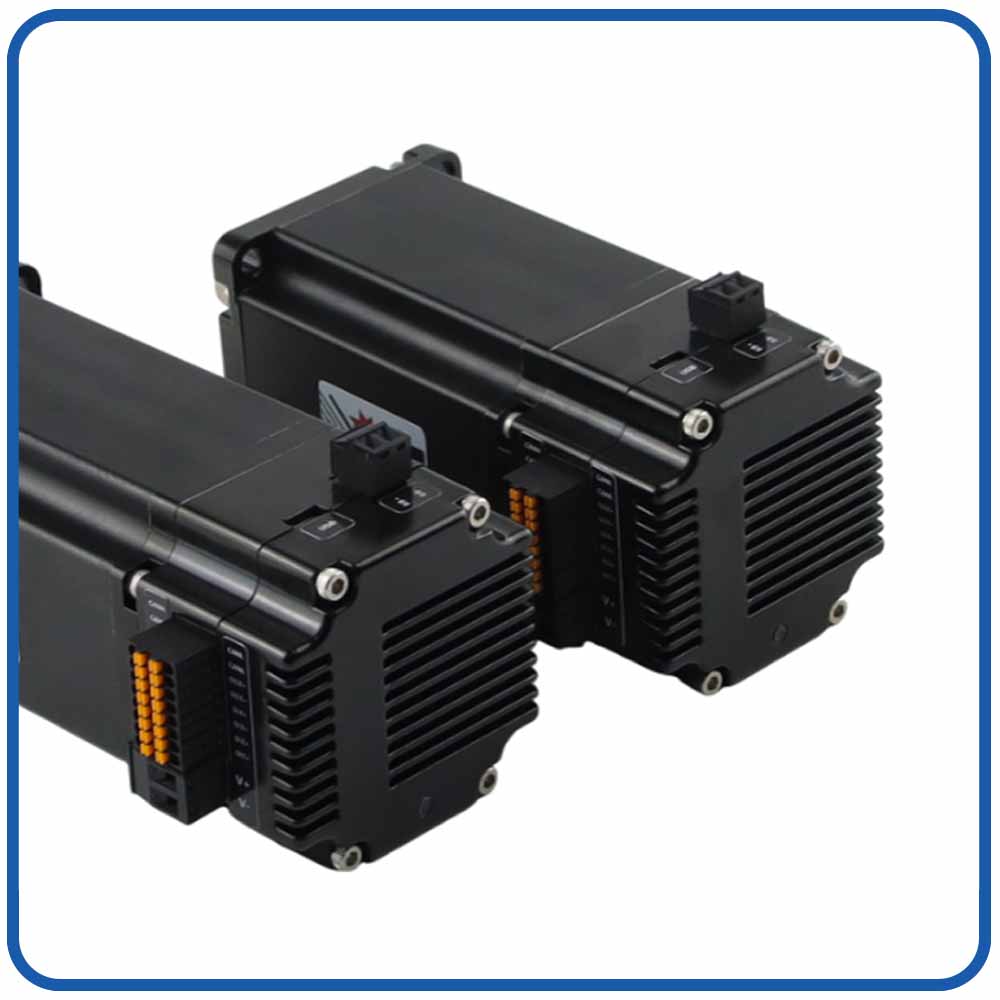
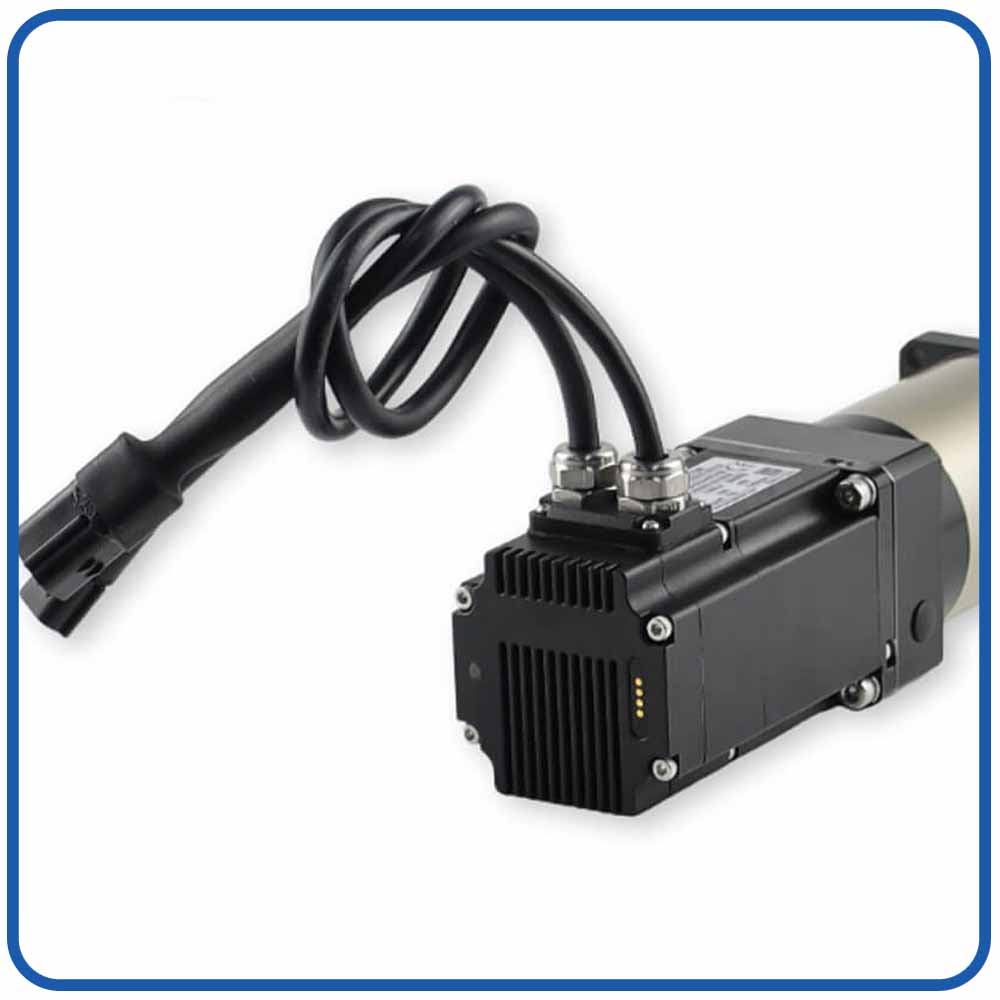
Modern linear stepper motors are moving toward integrated motion systems that combine:
Motor
Driver
Controller
Feedback sensors
This integration provides:
Simplified wiring
Reduced installation time
Compact system architecture
Improved reliability
Integrated linear stepper motors are especially beneficial for robotics, medical devices, and laboratory automation where space and efficiency are critical.
Higher Precision and Micro-Positioning Capability
Future linear stepper motors are being designed to deliver ultra-high precision motion control, including:
Smaller step increments
Enhanced microstepping performance
Reduced vibration
Improved repeatability
These improvements support applications such as:
ability**
These improvements support applications such as:
Semiconductor manufacturing
Optical alignment systems
Medical diagnostic equipment
Precision laboratory automation
Higher precision enables engineers to achieve smoother and more accurate motion control.
Miniaturization and Compact Designs
Equipment manufacturers increasingly demand smaller and lighter motion components. Linear stepper motor designers are focusing on:
Miniaturized motor structures
Compact lead screw integration
Lightweight materials
Space-saving configurations
Miniaturized motors are ideal for:
Portable medical devices
Small robotic systems
Compact laboratory equipment
Consumer electronics automation
Smaller motors help engineers design more efficient and flexible systems.
Improved Energy Efficiency
Energy-efficient motion solutions are becoming a key focus in linear stepper motor design. New developments include:
Optimized coil designs
Lower power consumption
Reduced heat generation
Advanced current control
Energy-efficient motors provide:
Longer operational lifespan
Reduced cooling requirements
Lower operating costs
Improved system sustainability
These advantages are particularly important for continuous operation industrial systems.
Closed-Loop Control Integration
Closed-loop linear stepper motors are gaining popularity by combining stepper motor simplicity with servo-level performance. This trend includes:
Integrated encoders
Position feedback systems
Automatic error correction
Improved motion stability
Closed-loop technology offers:
Higher positioning accuracy
Reduced missed steps
Better dynamic response
Enhanced reliability
This trend is widely adopted in high-performance automation equipment.
Enhanced Durability for Harsh Environments
Future linear stepper motors are being designed to operate in challenging environments, including:
High humidity
Dust exposure
Temperature variations
Chemical environments
Improvements include:
Sealed motor structures
Corrosion-resistant materials
Improved lubrication systems
IP-rated protection
These features expand the use of linear stepper motors in:
Agricultural automation
Industrial manufacturing
Outdoor robotics
Medical sterilization environments
Customization and Modular Design
Manufacturers are offering more flexible customization options to meet diverse engineering requirements:
Custom stroke lengths
Multiple lead screw options
Integrated sensors
Custom mounting solutions
Modular designs allow engineers to:
Accelerate development time
Reduce engineering complexity
Improve system compatibility
Customization is becoming a key competitive advantage in motion system design.
Smart Connectivity and Industry 4.0 Integration
Linear stepper motors are increasingly being designed for smart factory environments. Future motors may include:
IoT connectivity
Real-time monitoring
Predictive maintenance capabilities
Remote diagnostics
Smart features help engineers achieve:
Improved operational efficiency
Reduced downtime
Better system monitoring
Enhanced productivity
These capabilities support Industry 4.0 and intelligent automation systems.
Higher Thrust Density and Performance Optimization
Future linear stepper motors will provide higher force output in smaller sizes, allowing:
Compact high-performance systems
Improved load handling
Better acceleration capability
Enhanced motion efficiency
This trend supports heavy-duty automation applications while maintaining compact designs.
Expanding Application Opportunities
As technology advances, linear stepper motors are expanding into:
Agricultural robots
Autonomous mobile robots
Laboratory automation systems
Medical robotics
Semiconductor equipment
Packaging automation
Their flexibility, precision, and reliability make them ideal for next-generation automation systems.
Summary
Future linear stepper motor designs are focused on smarter integration, higher precision, compact size, improved efficiency, and enhanced reliability. These innovations enable engineers to develop more advanced, efficient, and intelligent motion control systems, supporting the growing demands of modern automation and robotics industries.
Conclusion: Designing with Linear Stepper Motors for Maximum Performance
When designing with linear stepper motors, engineers must carefully evaluate load requirements, speed, precision, environmental conditions, power consumption, and customization needs. By considering these factors, engineers can achieve high-performance motion control systems with superior reliability and precision.
Selecting the right linear stepper motor significantly improves system efficiency, operational stability, and long-term performance, making it a critical component in modern automation and robotics applications.

 English
 العربية
 Français
 Русский
 Español
 Português
 Deutsch
 italiano
 日本語
日本語 한국어
한국어 Nederlands
 Tiếng Việt
 ไทย
ไทย Polski
 Türkçe
 ພາສາລາວ
 ភាសាខ្មែរ
 Bahasa Melayu
 ဗမာစာ
ဗမာစာ Filipino
 Bahasa Indonesia
 magyar
 Română
 Čeština
 Монгол
 қазақ
қазақ Српски
 हिन्दी
 فارسی
فارسی Slovenčina
 Slovenščina
 Norsk
Norsk Svenska
 українська
 Ελληνικά
 Suomi
Suomi Հայերեն
 עברית
עברית Latine
 Dansk
Dansk Shqip
Shqip বাংলা
বাংলা Hrvatski
 Afrikaans
 Gaeilge
 Eesti keel
 Oʻzbekcha
 latviešu
 Azərbaycan dili
 Български
 Català