Integrated Servo Motors & Linear Motions Supplier 

-Tel
86- 18761150726
-Whatsapp
86-13218457319
-E-mail
Home / Blog / Stepper Motor / Why Choose A Linear Stepper Motor Instead of A Rotary Stepper Motor?

Why Choose A Linear Stepper Motor Instead of A Rotary Stepper Motor?

Views: 0     Author: Site Editor     Publish Time: 2026-04-20      Origin: Site

Why Choose A Linear Stepper Motor Instead of A Rotary Stepper Motor?

A Linear Stepper Motor eliminates mechanical transmission components, delivering higher precision, zero backlash, and lower total system cost.

Compared to rotary stepper motor systems, linear stepper motors simplify integration, reduce BOM, and improve reliability — making them the preferred choice for precision automation.

In modern automation systems, engineers are increasingly replacing traditional rotary stepper motor + lead screw assemblies with direct-drive linear stepper motors. The reason is straightforward: fewer components, higher accuracy, and lower Total Cost of Ownership (TCO).

When space, reliability, and precision matter, linear stepper motors outperform rotary-based systems in nearly every measurable engineering metric.

1. The Fundamental Difference: Transmission Paths

The core distinction between Linear Stepper Motors vs Rotary Stepper Motors lies in how motion is generated and transmitted.

Rotary Stepper Motor Motion Path

  • Motor

  • Coupling

  • External Lead Screw

  • Linear Motion Output

Weakness: Secondary Motion Conversion

Rotary stepper motors do not generate linear motion directly. Instead, they rely on external mechanical components:

  • Couplings introduce alignment issues

  • External lead screws create backlash risk

  • Bearings add friction and wear

  • Assembly creates tolerance stack-up

Each additional component increases failure points, cost, and precision loss.

Linear Stepper Motor Motion Path

  • Integrated Rotor Nut

  • Direct Lead Screw

  • Linear Motion Output

Strength: Direct Drive Linear Motion

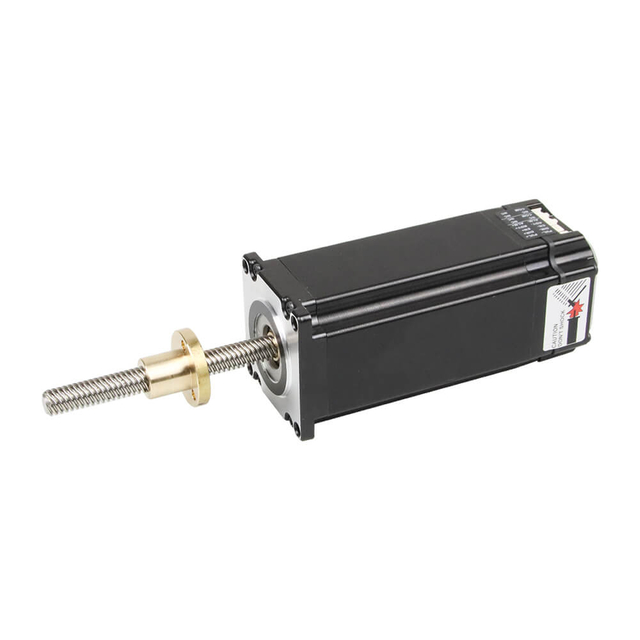
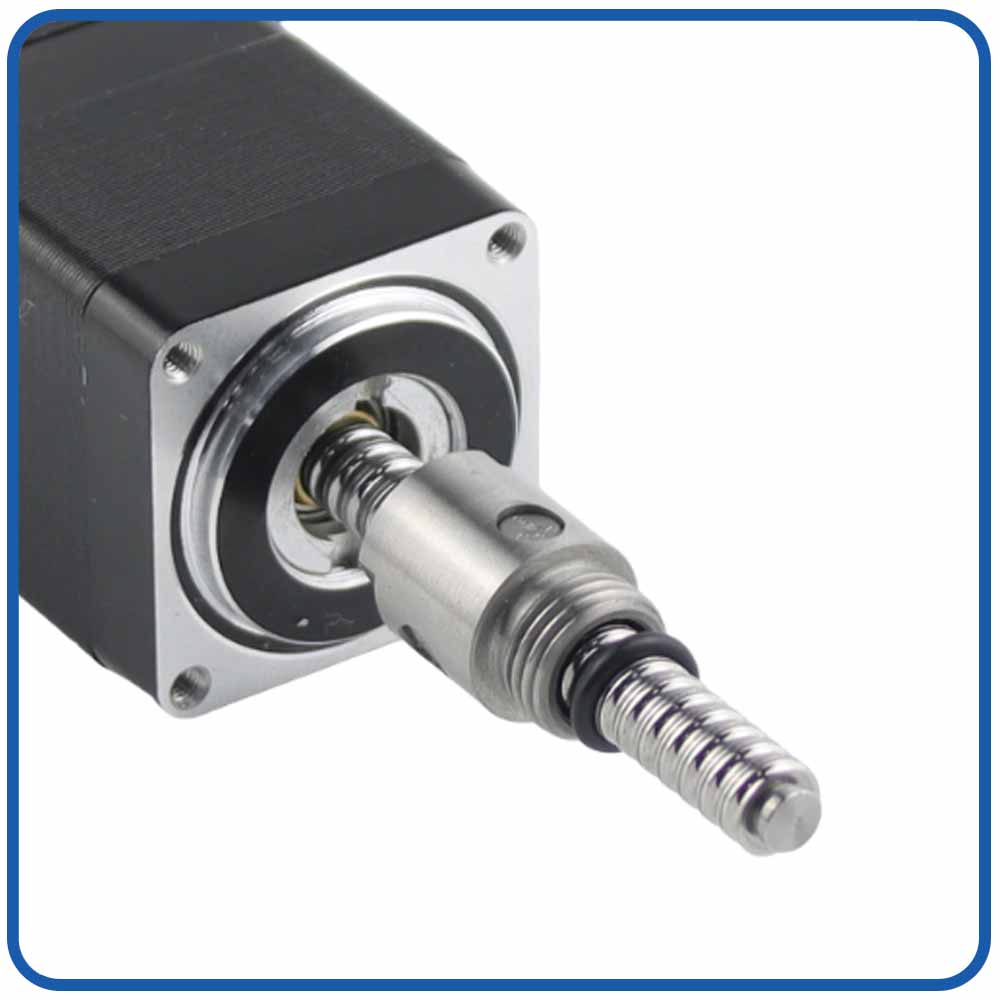
A Linear Stepper Motor integrates the lead screw directly inside the motor. This creates a direct drive linear motor architecture with:

  • Zero backlash

  • Fewer mechanical interfaces

  • Higher repeatability

  • Lower maintenance requirements

This direct-drive architecture is the primary reason engineers choose linear stepper motor linear actuators over traditional rotary systems.

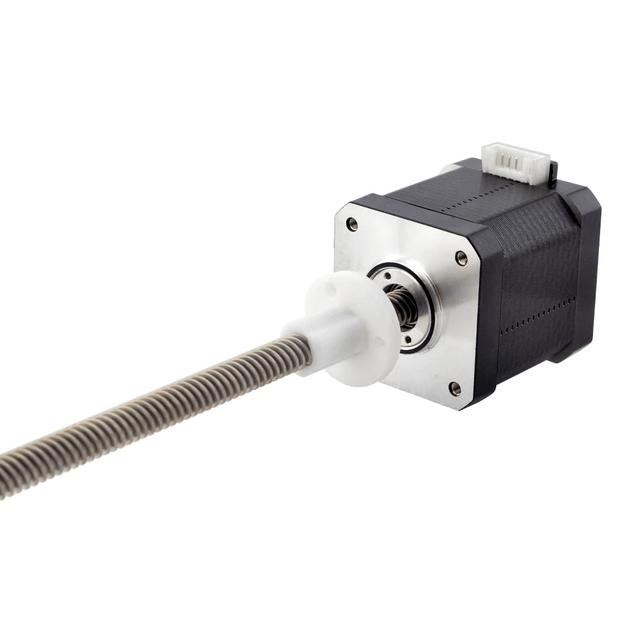
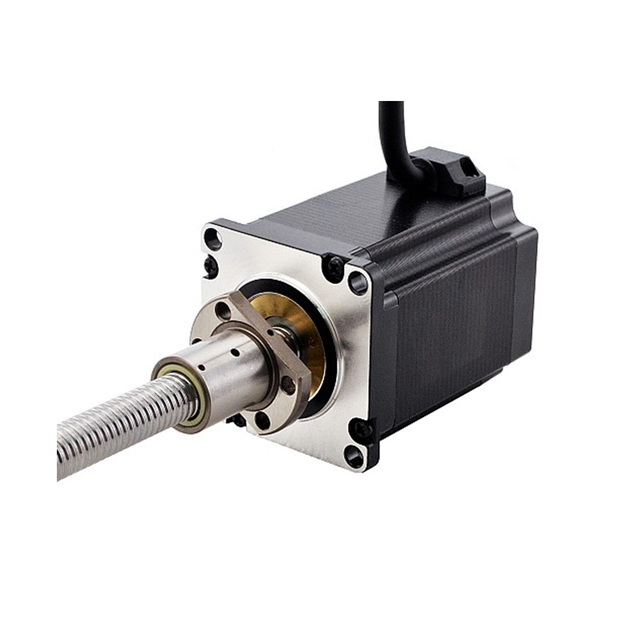
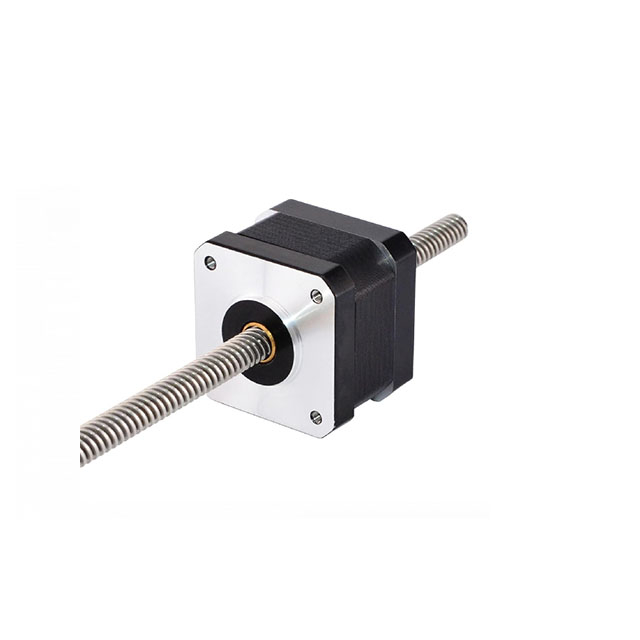
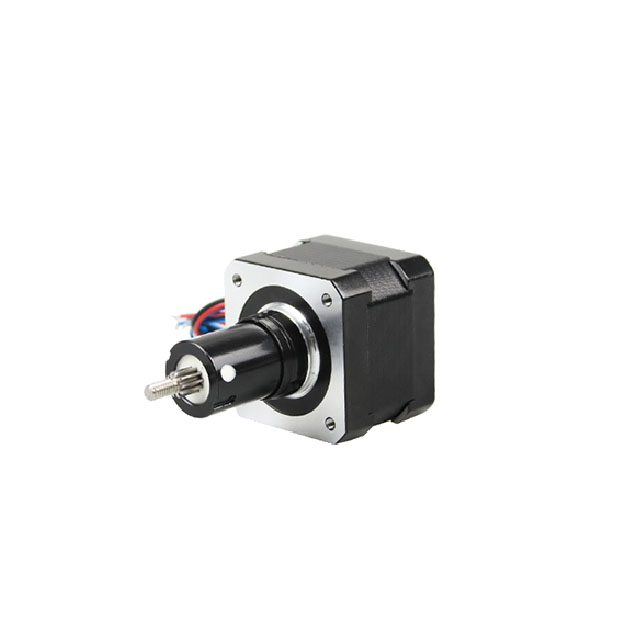
Linear Stepper Motor Types: Integrated Transmission Designs

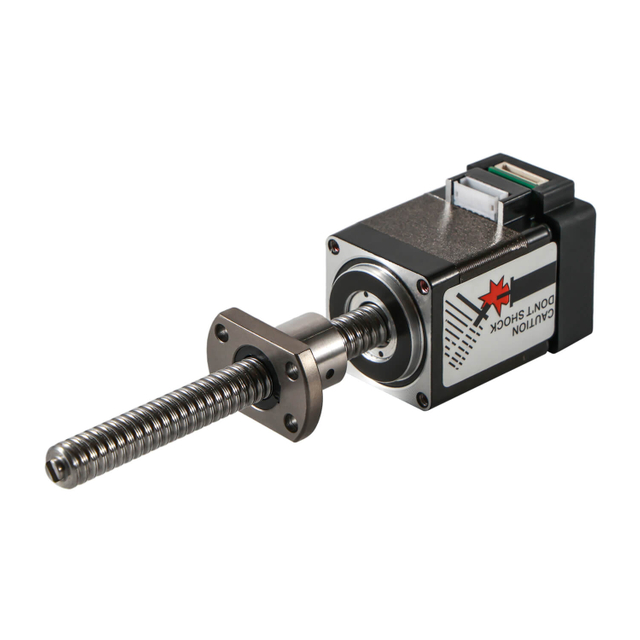
Linear stepper motors integrate motion conversion internally, eliminating external transmission components.

Three primary designs exist: Non-Captive, External, and Captive, each optimized for different engineering constraints.

Design Type

Mechanical Structure

Best For (Engineering Advantage)

Non-Captive (Through-Shaft)

Lead screw passes through motor. Rotor nut drives shaft linearly. External anti-rotation required.

Unlimited stroke length for long-travel positioning systems

External (External Drive)

Rotor rotates integrated lead screw. External nut travels along screw. Load supported externally.

Higher load flexibility for custom mechanical assemblies

Captive (Fixed Shaft)

Lead screw constrained internally. Shaft moves linearly with built-in anti-rotation.

Compact plug-and-play precision for space-limited devices

Why This Integration Matters for Engineers

  • Fewer components reduce tolerance stack-up and backlash risk

  • Integrated design shortens assembly and alignment time

  • Direct-drive architecture improves reliability and precision

Besfoc Linear Stepper Motor Products

2. Core Engineering Advantages of Going Linear

Eliminated Tolerance Stack-Up (Zero Backlash)

Every mechanical connection introduces tolerance errors. Rotary stepper systems typically include:

  • Couplings

  • Bearings

  • Mounting brackets

  • External lead screws

These components create stacked tolerances that reduce positioning accuracy.

Linear stepper motors eliminate these components entirely.

Benefits include:

  • Zero backlash motion

  • Sub-micron positioning precision

  • Improved repeatability

  • Reduced vibration

  • Higher motion stability

This makes linear stepper motors ideal for:

  • Medical devices

  • Optical alignment systems

  • Semiconductor equipment

  • Micro-dispensing applications

Precision improvements are not theoretical — they are mechanically guaranteed through simplified architecture.

The Problem: Rotary Tolerance Stack-Up

Rotary stepper motor systems introduce multiple mechanical interfaces. Each interface adds positioning error.

  • Coupling windup — torsional flex creates delayed motion response

  • Bearing play — radial clearance introduces micro-positioning errors

  • External lead screw backlash — nut-to-screw clearance reduces repeatability

These combined tolerances accumulate into measurable position drift, vibration, and inconsistent motion accuracy.

The Solution: Linear Direct Drive

Linear stepper motors integrate motion conversion directly inside the motor. This removes external transmission components.

  • Integrated rotor nut eliminates coupling torsion and windup

  • Direct screw alignment removes external bearing-induced play

  • Preloaded internal screw design minimizes or eliminates backlash

The result is zero backlash motion, higher repeatability, and stable micro-positioning performance.

Ultra-Compact Footprint

Modern automation systems demand maximum performance in minimal space. Linear stepper motors provide an all-in-one design:

Instead of:

  • Motor

  • Coupling

  • Lead screw

  • Bearing housing

  • Mounting bracket

You get:

This delivers:

  • Reduced installation space

  • Simplified mechanical design

  • Lower system weight

  • Improved thermal efficiency

Industries that benefit most:

  • Medical syringe pumps

  • Laboratory automation

  • Optical focusing systems

  • Compact robotics

  • Microfluidic devices

For space-constrained applications, linear stepper motors are often the only practical solution.

Streamlined Supply Chain (Reduced BOM)

Procurement teams prefer simplified bill of materials (BOM).

Rotary-based systems require sourcing:

Each vendor introduces:

  • Lead time risk

  • Quality variability

  • Inventory complexity

Linear stepper motors reduce BOM dramatically:

  • One motor

  • One supplier

  • One part number

This results in:

  • Reduced procurement overhead

  • Lower inventory costs

  • Faster production cycles

  • Improved supplier reliability

For high-volume production, BOM reduction directly improves profit margins.

3. Head-to-Head Comparison: Quick Selection Data

Feature

Rotary Stepper Motor System

Linear Stepper Motor

Mechanical Complexity

High (multiple components)

Low (integrated design)

Backlash Risk

Medium to High

Zero Backlash

Integration Space

Large footprint

Ultra-Compact

Assembly & Alignment Time

Time-consuming

Plug-and-Play

Maintenance Requirements

Frequent alignment checks

Minimal maintenance

Tolerance Stack-Up

High risk

Eliminated

BOM Components

Multiple vendors

Single component

System Reliability

Moderate

High

Precision Repeatability

Limited

Sub-micron capable

This comparison highlights why linear stepper motors are becoming the industry standard in precision automation.

4. Application Scenarios: Which Fits Your Project?

Choosing between Linear Stepper Motor vs Rotary Stepper Motor depends on application requirements.

Choose Linear Stepper Motors For:

Medical Syringe Pumps

  • Precise fluid delivery

  • Zero backlash requirement

  • Compact integration

Micro-Fluidic Dispensers

  • Sub-micron positioning

  • Smooth motion

  • Low vibration

Laboratory Automation

  • Sample handling

  • Pipetting systems

  • Diagnostic equipment

Precision Z-Axis Applications

  • 3D printing upgrades

  • Optical focusing

  • Semiconductor inspection

High-End DIY & 3D Printing Enthusiasts

  • Improved layer precision

  • Reduced vibration artifacts

  • Compact upgrades

Stick with Rotary Stepper Motors For:

Long-Stroke Conveyor Systems

  • Long travel distance

  • Lower precision requirement

High-Speed Macro Positioning

  • Fast movements

  • Large mechanical systems

Heavy Gantry Systems

  • High load capacity

  • Industrial scale motion

Rotary stepper motors remain effective for large-scale motion, while linear stepper motors dominate precision motion.

5. Cost Analysis: The TCO (Total Cost of Ownership) Perspective

A Linear Stepper Motor often carries a higher upfront unit price than a standalone rotary stepper motor. However, when evaluating the entire motion system, the total system cost is significantly lower due to reduced hardware, faster assembly, and minimal maintenance requirements.

For procurement teams and system designers, Total Cost of Ownership (TCO) is the decisive factor.

1. BOM Reduction (Hardware Savings)

Linear stepper motors integrate motion conversion internally, eliminating multiple external mechanical components.

  • What You Save: Cost of external lead screws, couplings, bearing blocks, motor mounts, and additional mechanical hardware

Fewer components also reduce supplier management, inventory handling, and procurement complexity.

2. Eliminated Assembly & Alignment Time

Rotary systems require manual alignment between the motor, coupling, and lead screw, increasing labor time and risk of misalignment.

  • What You Save: Assembly labor, alignment calibration time, fixture costs, and production delays

Linear stepper motors provide plug-and-play installation, reducing production cycle time and manufacturing variability.

3. Long-Term Maintenance

External transmission components wear over time, requiring periodic maintenance and recalibration.

  • What You Save: Maintenance labor, replacement couplings, bearing wear components, and downtime costs

Integrated linear stepper motors reduce moving interfaces, delivering longer service life and stable long-term accuracy.

Besfoc Linear Stepper Motor System Customized Service

轴定制
压线壳定制
涡轮减速箱定制
行星减速箱定制
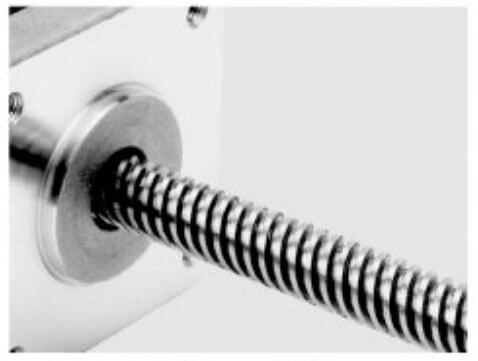
Lead Screw

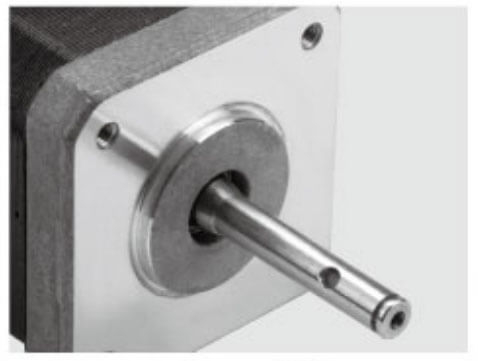
Shaft

Terminal housing

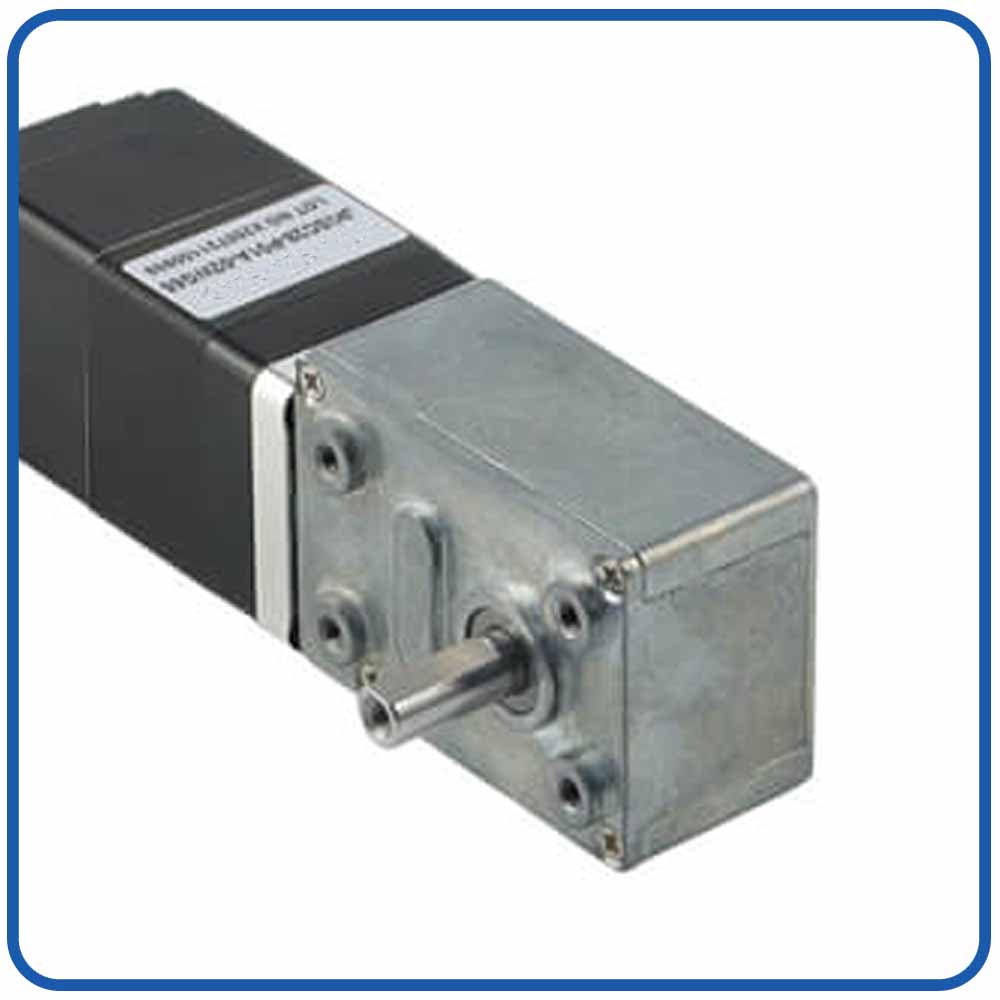
Worm Gearbox

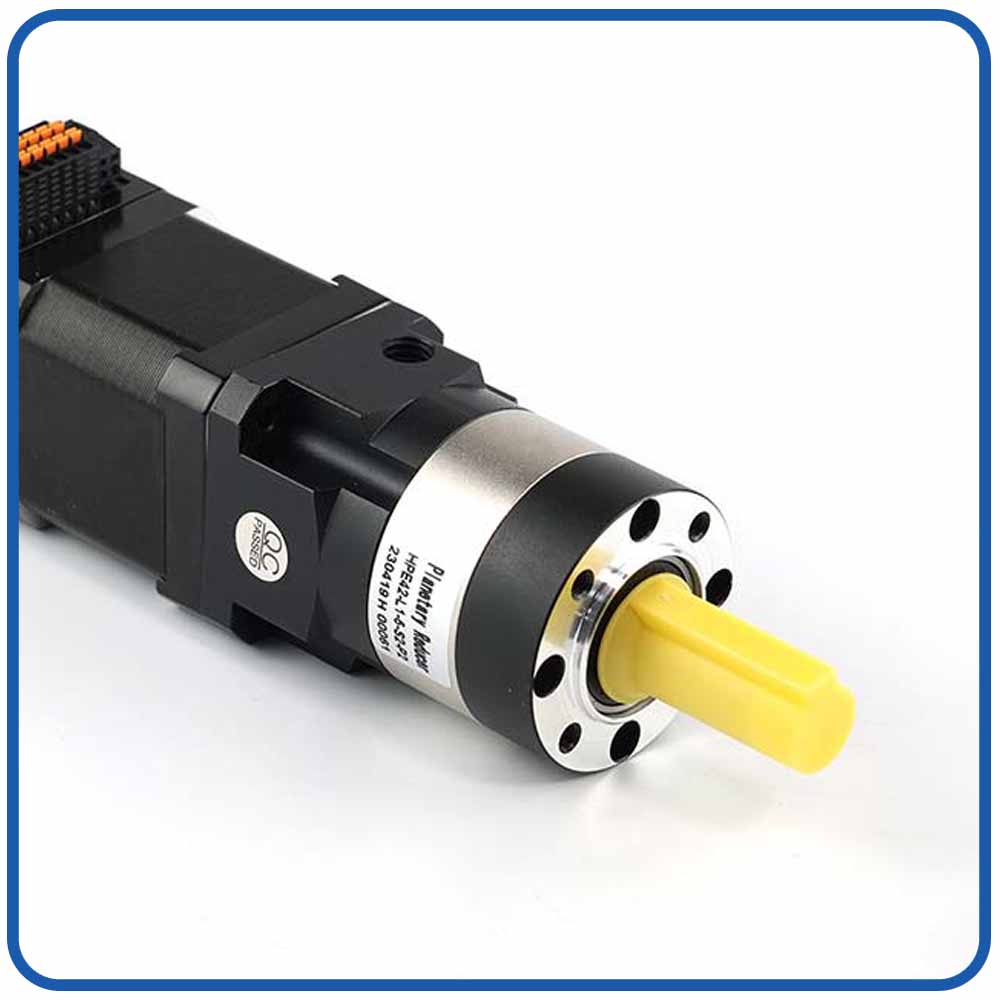
Planetary Gearbox

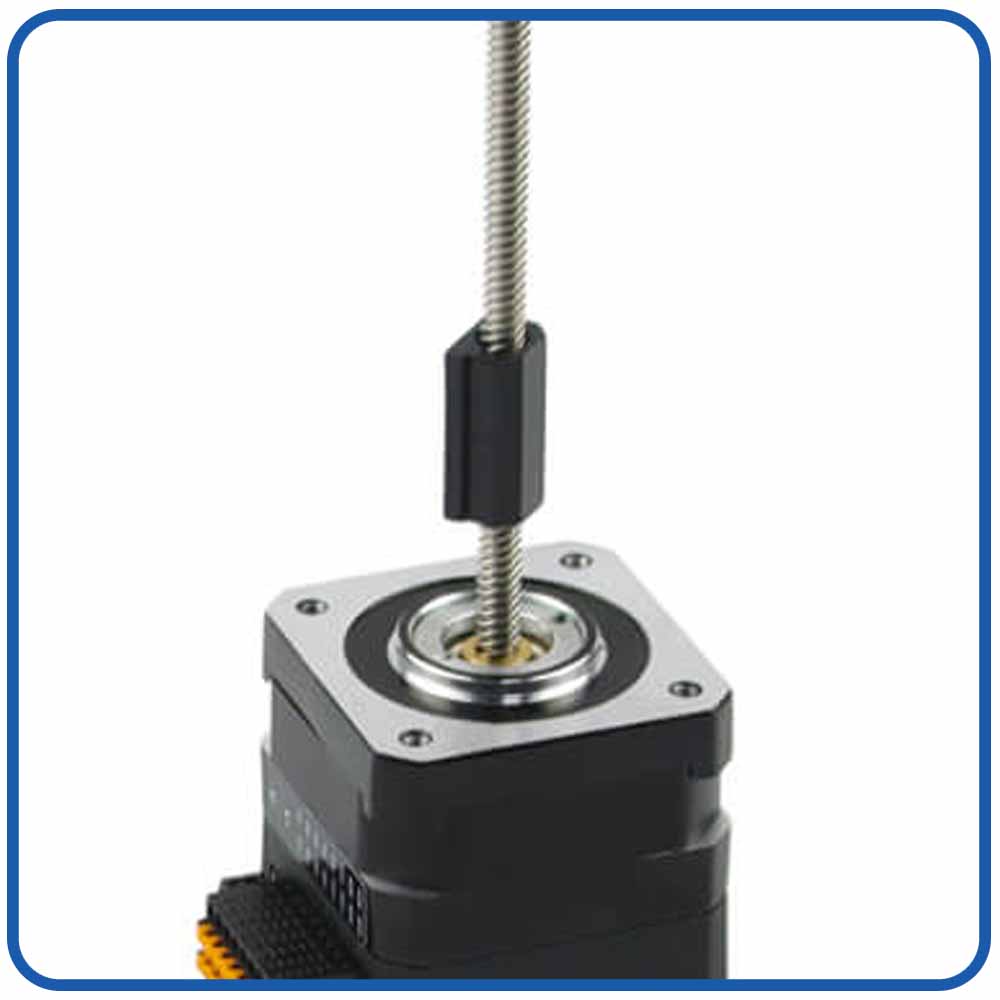
Lead Screw

滑块模组定制
推杆定制
刹车定制
防水定制
Professional BLDC Motor Manufacturer - Besfoc

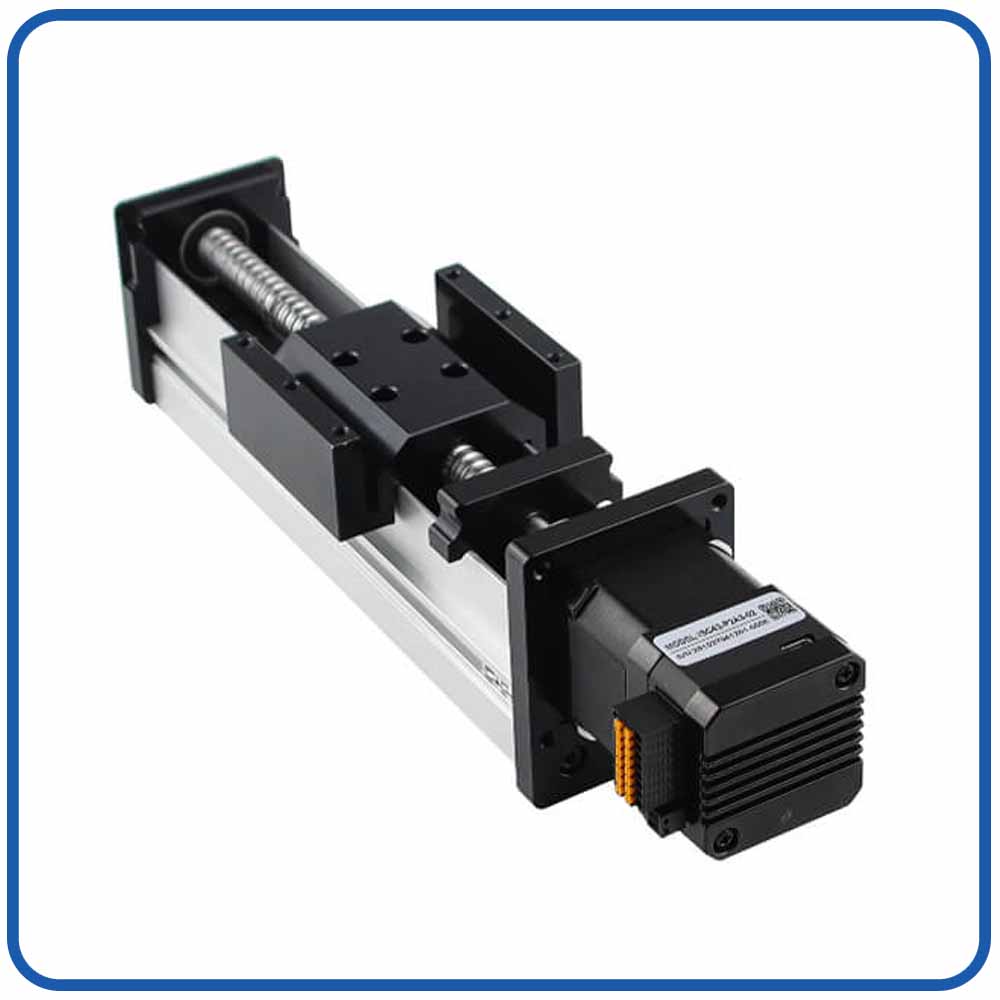
Linear Motion

Ball Screw

Brake

IP-Level

More Products

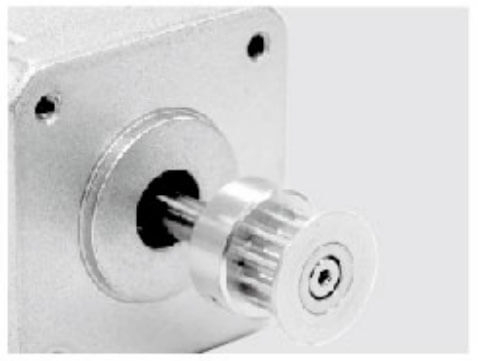
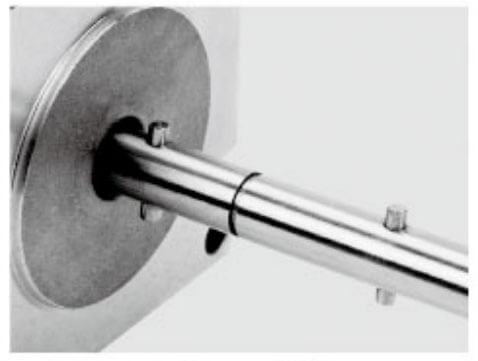
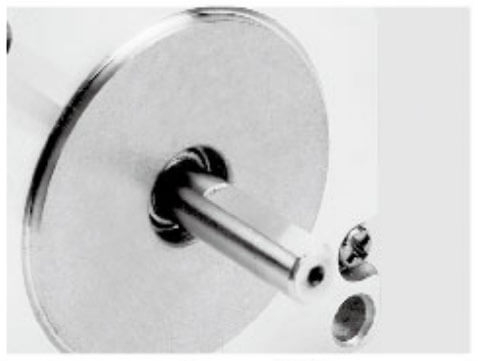
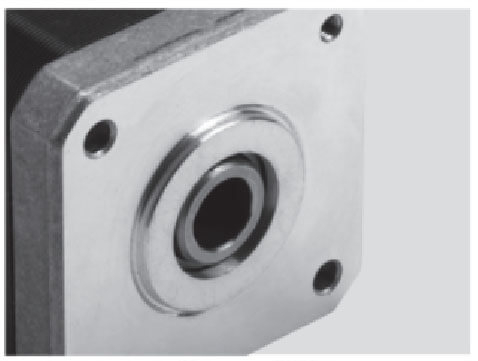
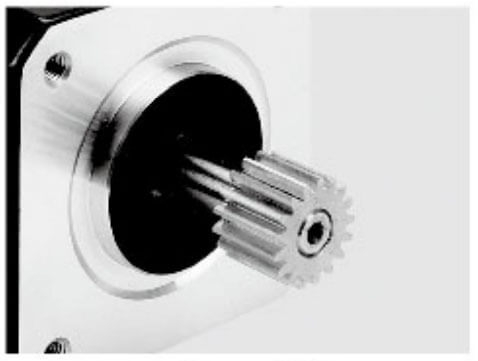
Besfoc Shaft Customized Service

粘贴的图片
粘贴的图片
粘贴的图片
粘贴的图片
粘贴的图片
粘贴的图片

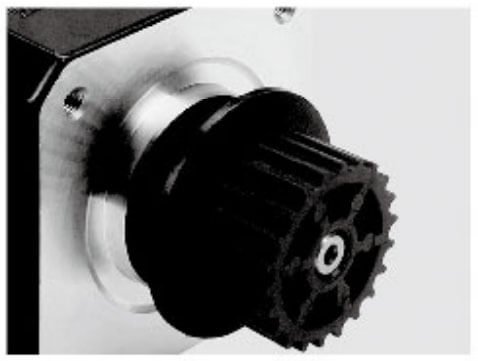
Aluminum Pulley

Shaft Pin

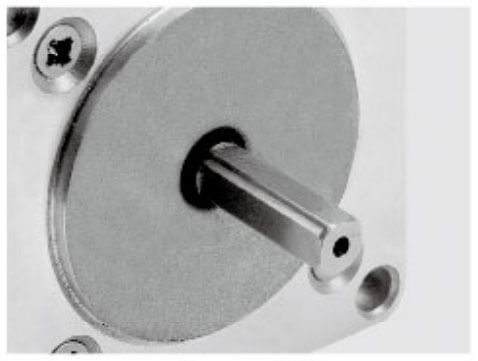
Single D Shaft

Hollow Shaft

Plastic Pulley

Gear

粘贴的图片
粘贴的图片
粘贴的图片
粘贴的图片
粘贴的图片
粘贴的图片

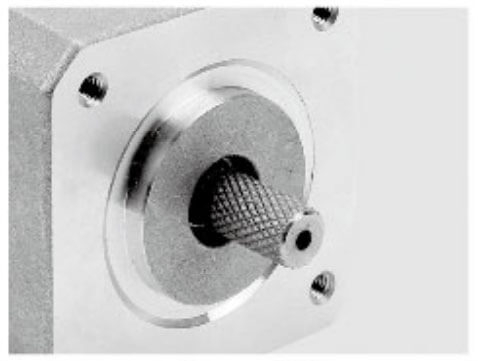
Knurling

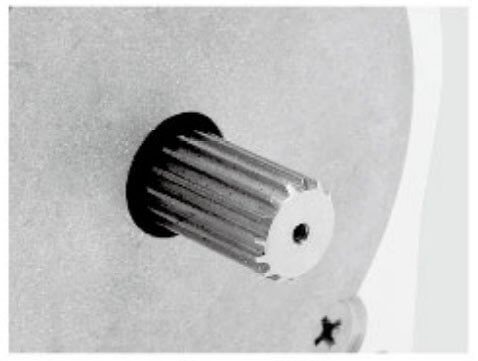
Hobbing Shaft

Screw Shaft

Hollow Shaft

Double D Shaft

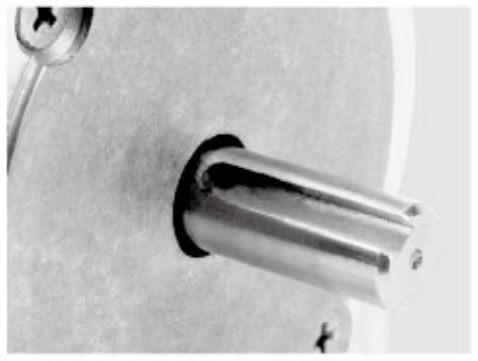
Keyway

Conclusion & Next Steps

Linear stepper motors provide higher precision, reduced mechanical complexity, and lower total cost of ownership compared to rotary stepper systems.

By eliminating backlash, reducing BOM, and simplifying integration, they offer a superior motion control solution for modern automation.

For engineers focused on performance, reliability, and compact design, linear stepper motors are the clear choice.

Download our Linear Stepper Motor Selection Guide or contact our engineering team today to receive a customized motion control solution tailored to your application.

Leading Integrated Servo Motors & Linear Motions Supplier
Products
Links
Inquiry Now

© COPYRIGHT 2024 CHANGZHOU BESFOC MOTOR CO., LTD ALL RIGHTS RESERVED.