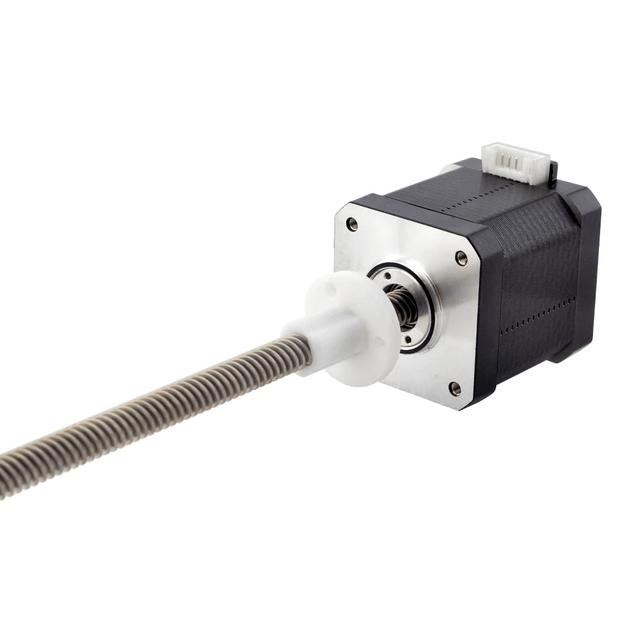
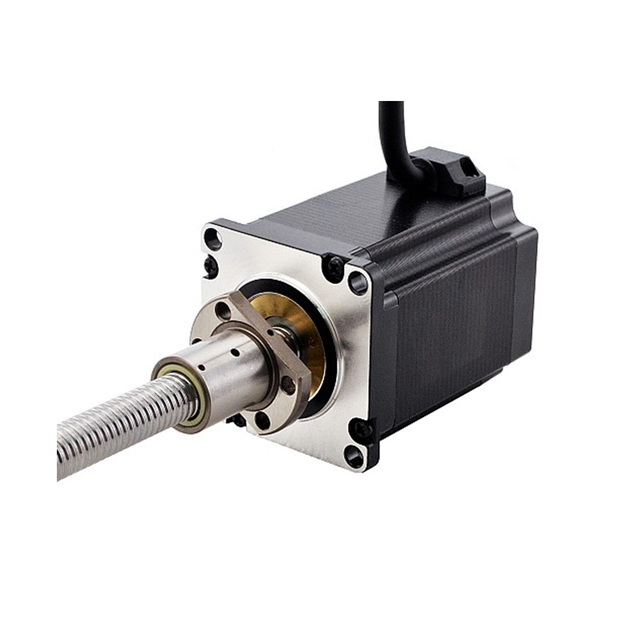
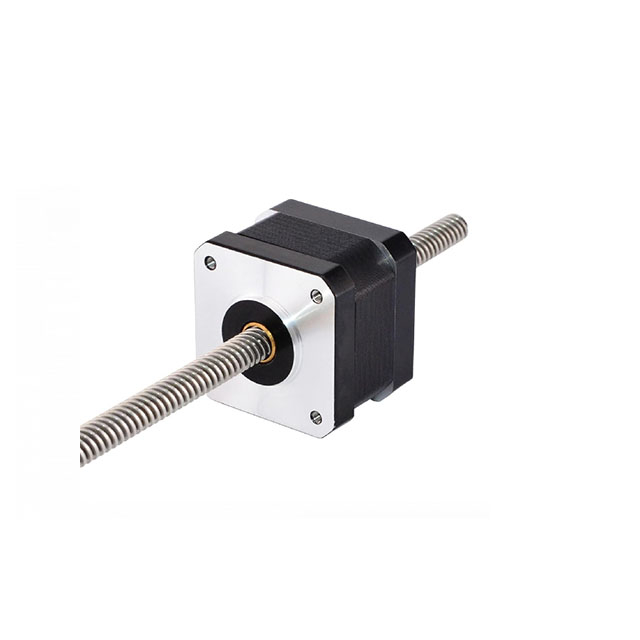
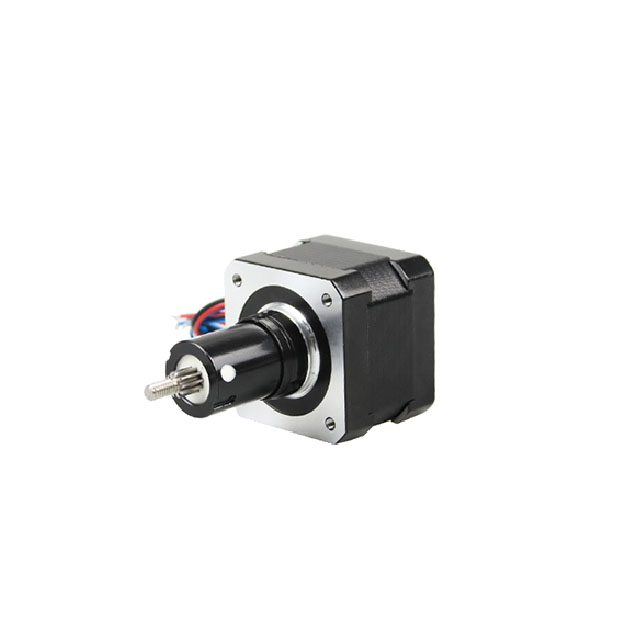
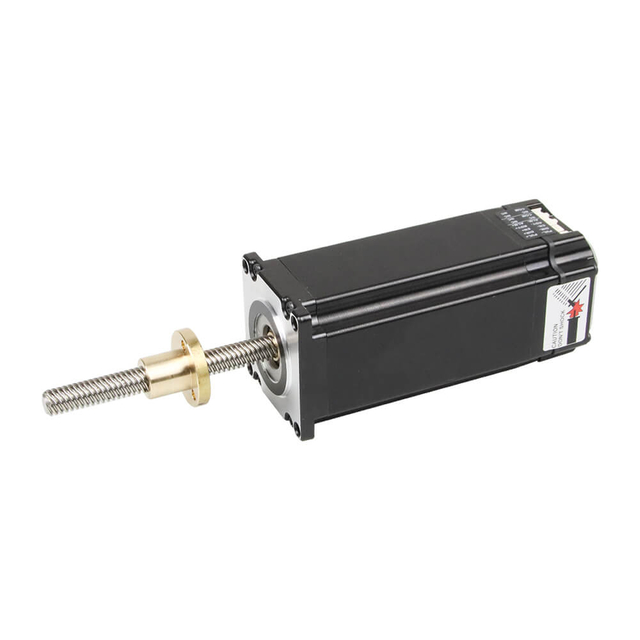
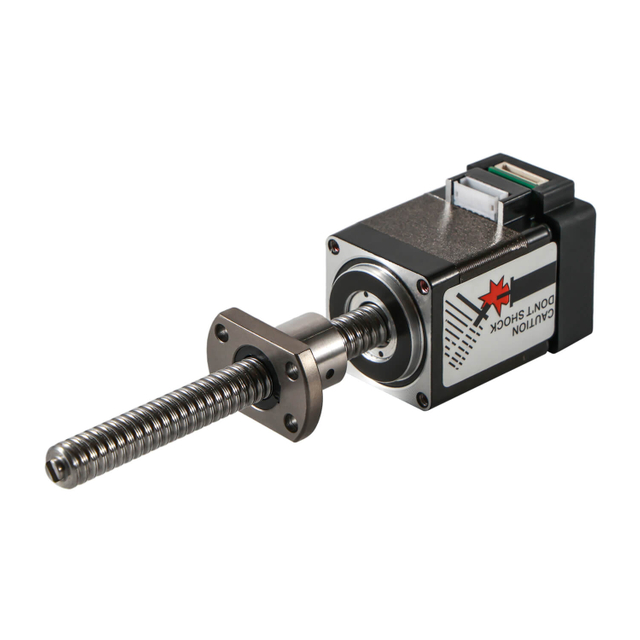
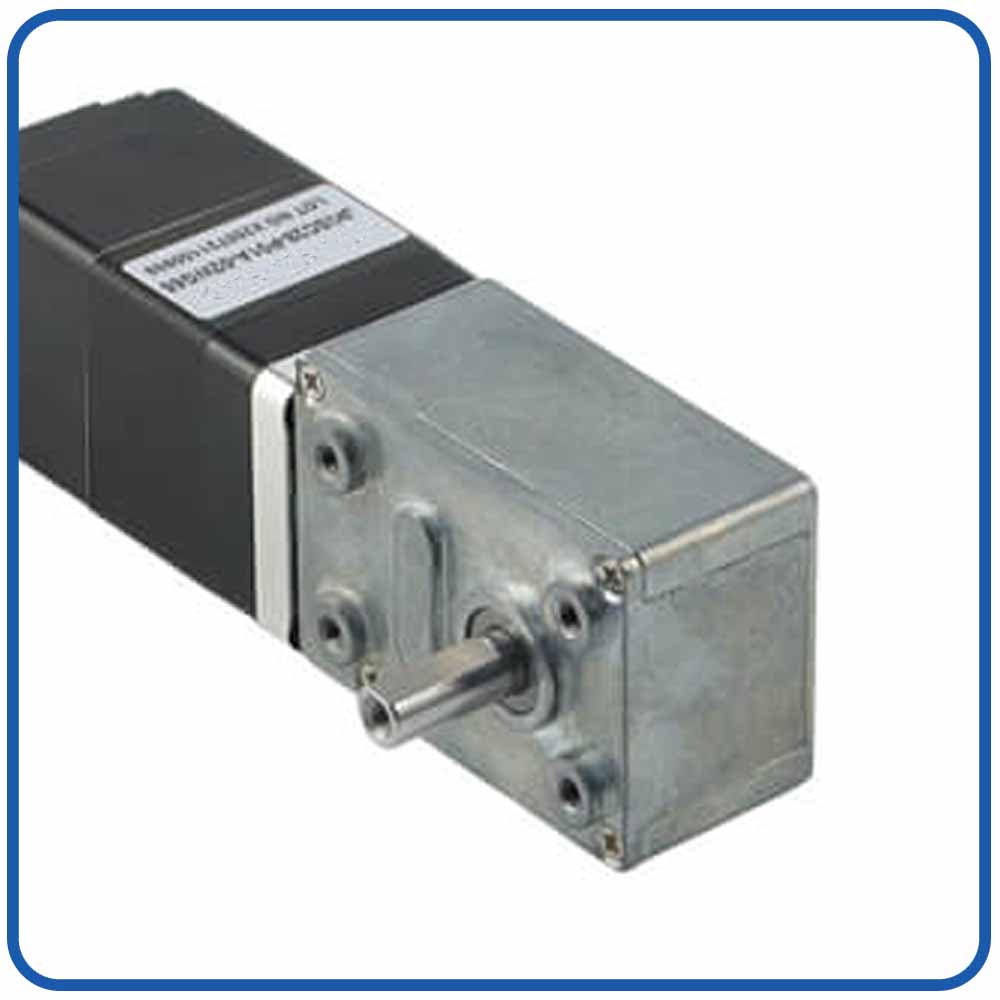
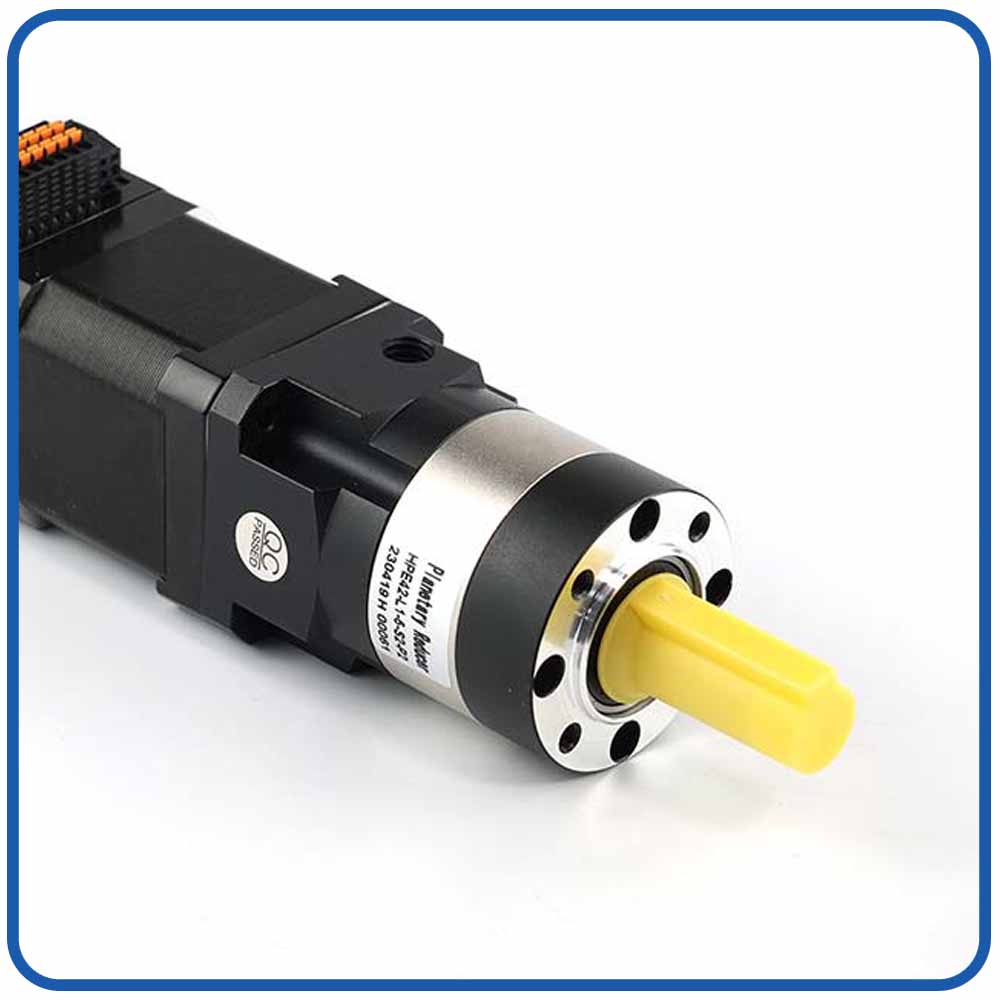
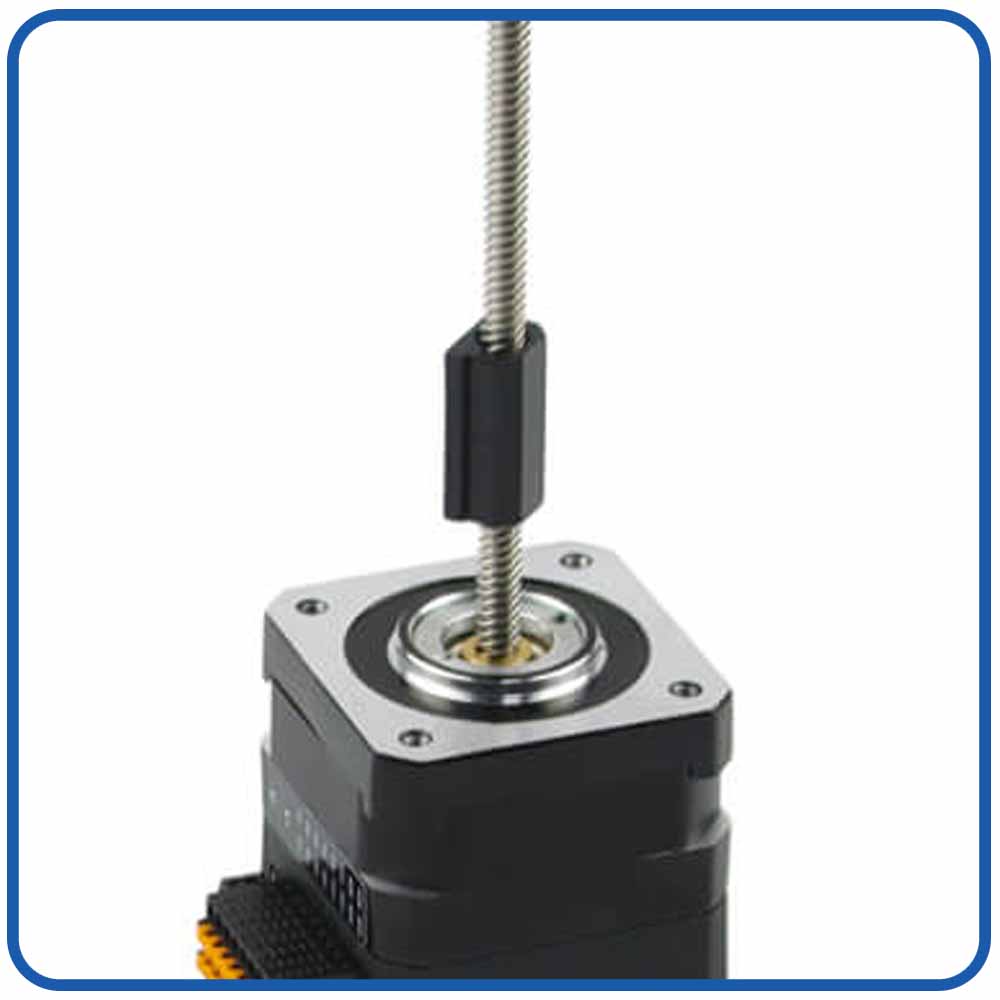
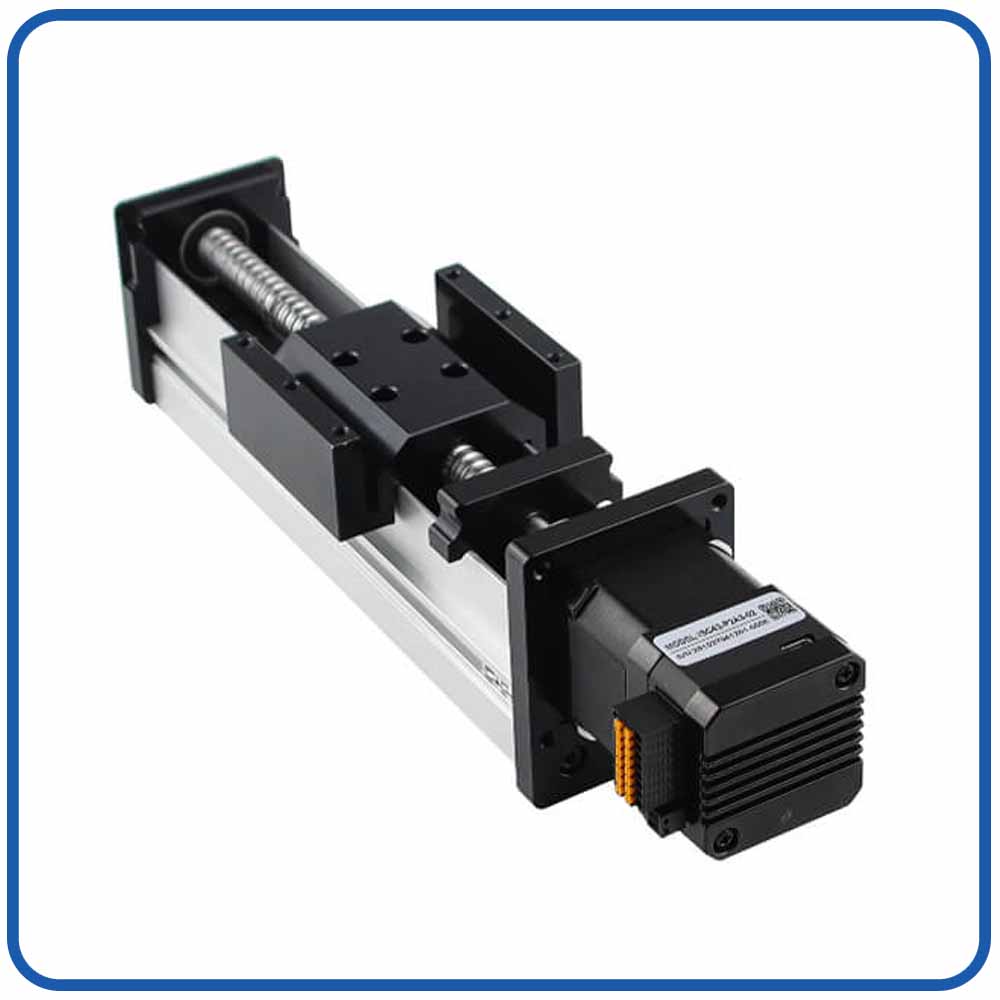
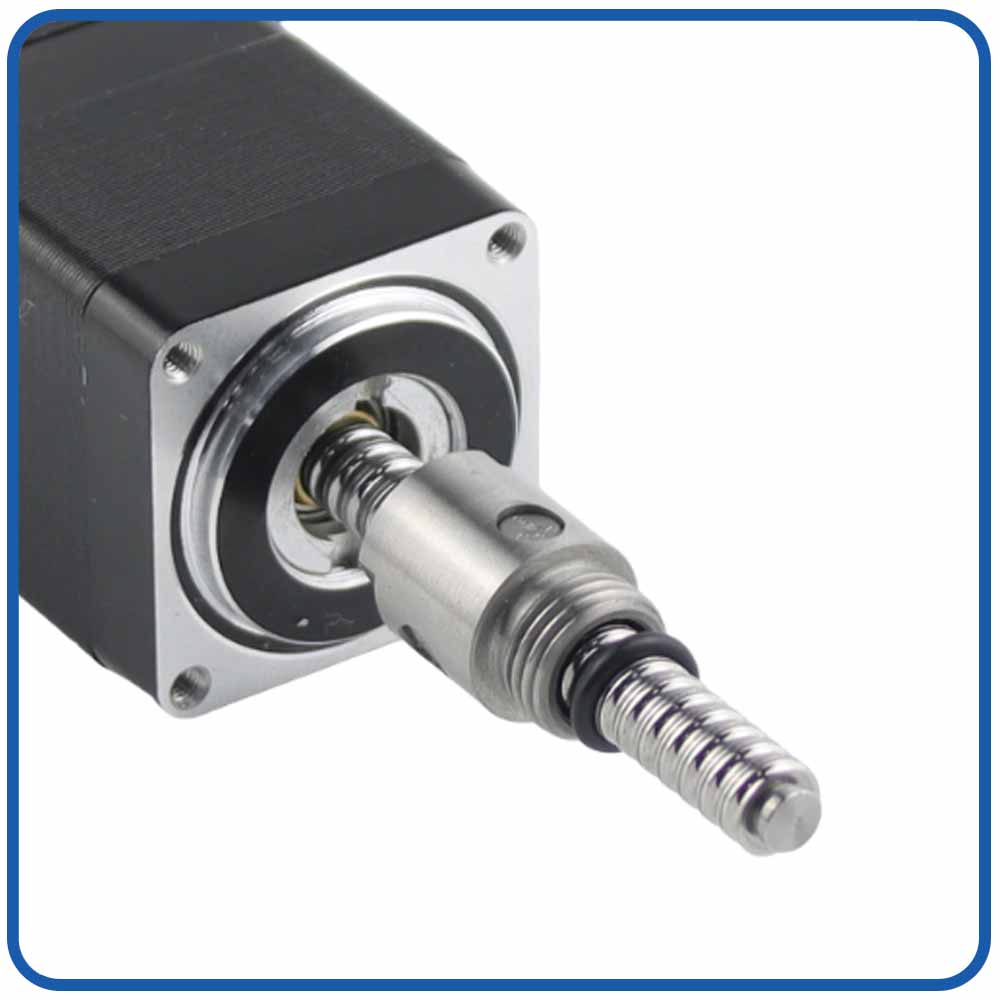
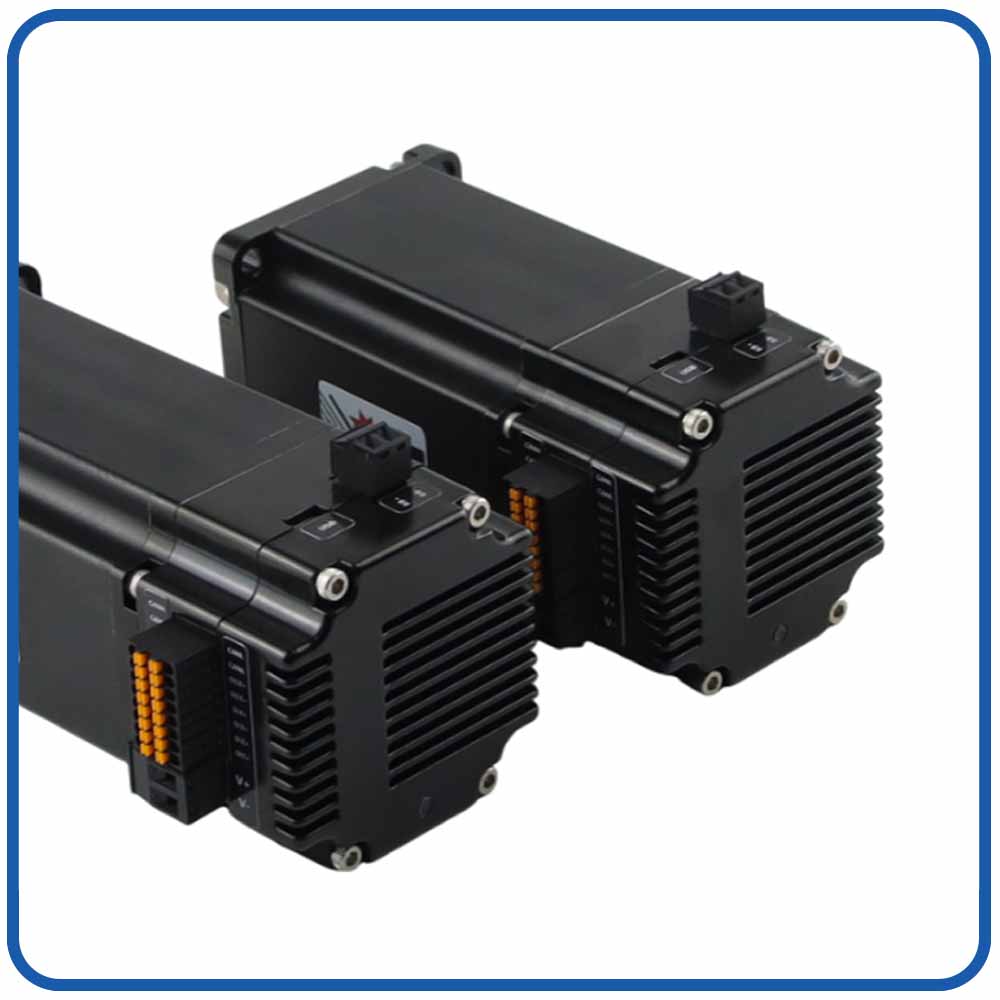
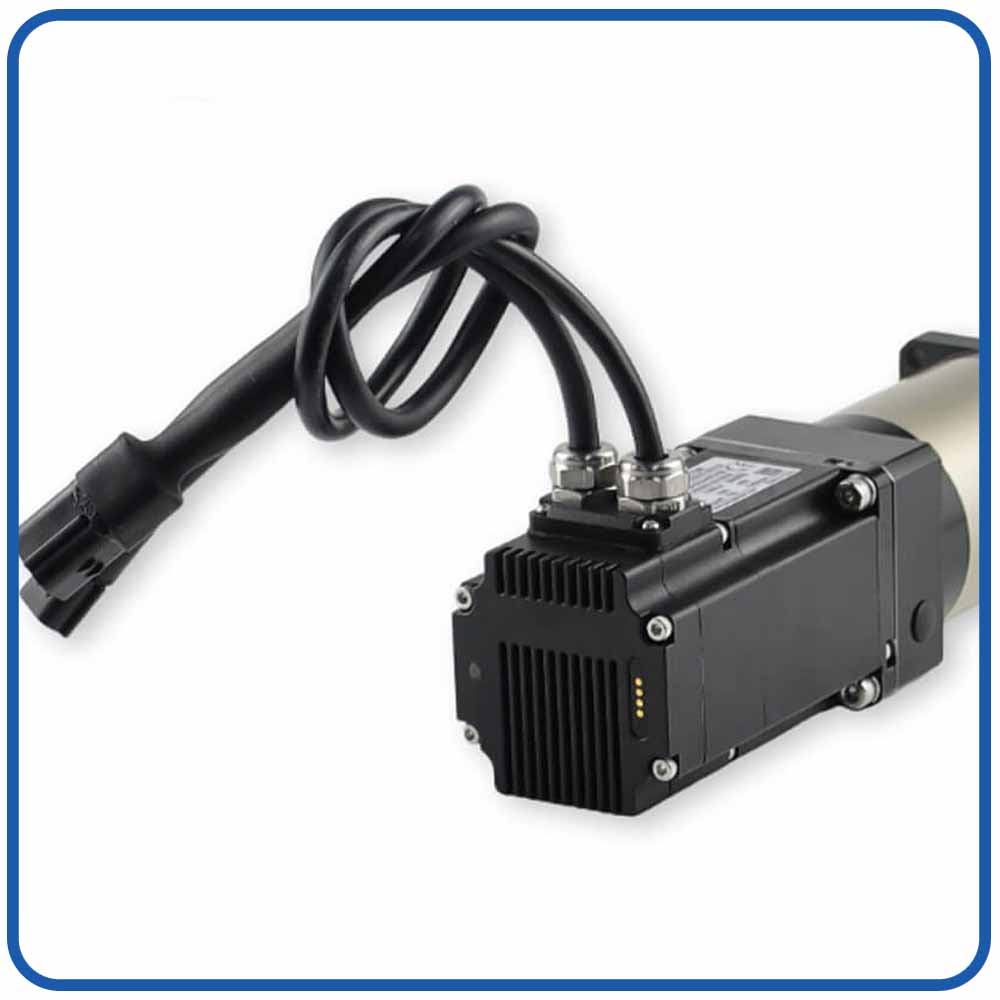
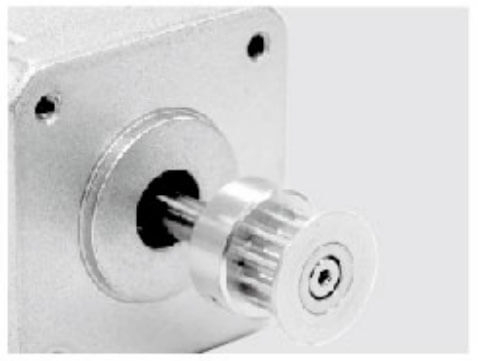
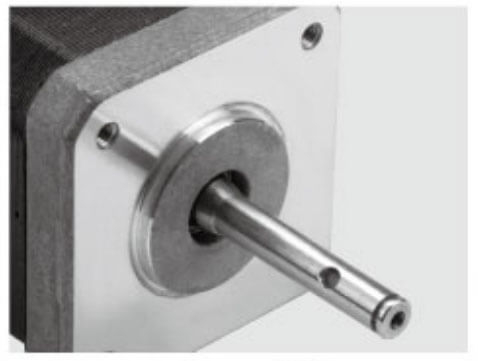
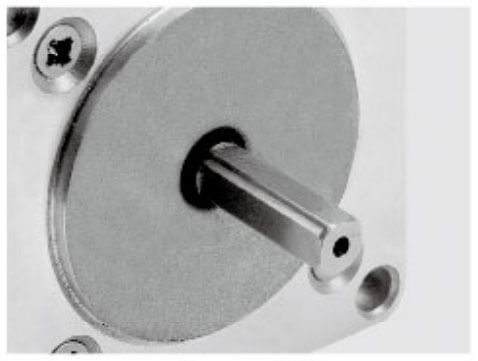
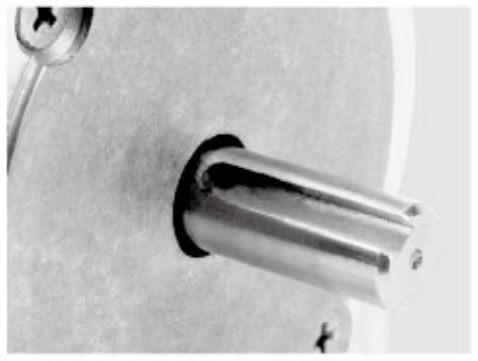
Linear stepper motor accuracy depends on mechanical precision, proper driver configuration, load control, and environmental stability. Besfoc enhances performance through optimized design, anti-backlash structures, and advancedfoc enhances performance through optimized design, anti-backlash structures, and advanced control solutions, ensuring reliable and repeatable positioning.
In this article, we explore the root causes of accuracy loss in linear stepper motors and present proven engineering solutions to restore and enhance performance in demanding applications.
Accuracy in linear stepper motors defines how precisely the motor can translate electrical pulse commands into exact linear displacement. In high-performance motion systems, accuracy is not a single parameter but a combination of positioning accuracy, repeatability, and resolution, all of which directly influence system reliability and output quality.
Positioning Accuracy vs. Repeatability
It is essential to distinguish between two closely related but fundamentally different metrics:
Positioning Accuracy refers to how close the motor comes to the intended target position after a commanded move.
Repeatability describes the motor’s ability to return to the same position consistently over multiple cycles.
A system may exhibit excellent repeatability while still having poor absolute accuracy due to systematic errors such as lead screw pitch variation or thermal expansion. In industrial applications, repeatability is often more critical, but high-end systems demand both.
Resolution and Step Size
The resolution of a linear stepper motor is determined by its step angle and lead screw pitch, defining the smallest incremental movement the motor can achieve.
Smaller step sizes provide finer control and smoother motion
Microstepping further divides each full step into smaller increments
However, microstepping improves smoothness more than absolute accuracy
It is important to note that while higher resolution enhances motion quality, it does not automatically guarantee improved positioning accuracy due to factors like torque nonlinearity and load variation.
Mechanical Transmission Influence
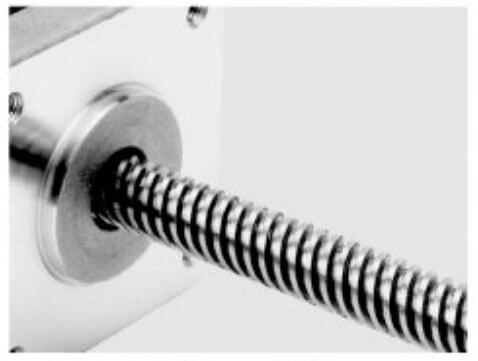
Linear stepper motors rely on mechanical components such as lead screws, nuts, and guides to convert rotary motion into linear displacement. These components introduce variables that directly affect accuracy:
Lead screw pitch tolerance determines linear travel precision
Backlash introduces positional lag during direction changes
Friction and wear impact motion consistency over time
High-precision applications typically use ground ball screws or anti-backlash mechanisms to minimize these effects.
Load and Force Considerations
The applied load plays a critical role in determining motor accuracy. When operating under varying loads:
Excessive load can cause missed steps
Uneven load distribution leads to mechanical deflection
Dynamic loads introduce vibration and instability
Proper system design ensures that the motor operates within its optimal torque range, maintaining stable and predictable motion.
Thermal Effects on Accuracy
Temperature changes can significantly influence linear stepper motor performance:
Materials expand or contract, altering effective travel distance
Heat generated during operation affects magnetic and electrical characteristics
Long-duration operations may result in gradual positional drift
To maintain accuracy, systems often incorporate thermal compensation techniques or operate in controlled environments.
Electrical Control and Signal Integrity
The precision of a linear stepper motor is also dependent on the quality of its control signals:
Inconsistent current supply leads to uneven step execution
Poor signal integrity can cause missteps or jitter
Advanced drivers with current regulation and waveform optimization significantly improve motion stability and accuracy.
System Integration and Alignment
Accuracy is not determined by the motor alone but by the entire motion system:
Misalignment between components causes binding and uneven wear
Structural rigidity affects positional stability
External vibrations can degrade precision performance
Careful integration, including rigid mounting and precise alignment, ensures that the motor operates within its designed accuracy limits.
Summary
Understanding accuracy in linear stepper motors requires a comprehensive view of mechanical, electrical, and environmental factors. True precision is achieved not only through high-quality components but through system-level optimization, where every element—from driver configuration to mechanical alignment—works in harmony to deliver consistent, repeatable, and accurate linear motion.
Primary Causes of Accuracy Loss in Linear Stepper Motors
1. Mechanical Wear and Backlash
Over time, mechanical components such as lead screws, nuts, and bearings experience wear. This introduces backlash, which is the unwanted play between mating parts.
Leads to position lag during direction changes
Reduces repeatability and consistency
Common in high-duty cycle applications
Solution:
We recommend using anti-backlash nuts, precision-ground screws, and preloaded assemblies. Regular inspection and replacement schedules significantly reduce mechanical degradation.
2. Missed Steps Due to Overloading
Linear stepper motors operate in open-loop systems, meaning they do not inherently detect position errors. When the load exceeds the motor’s torque capacity:
The motor fails to complete commanded steps
Position errors accumulate silently
System performance becomes unreliable
Solution:
Proper motor sizing is critical. We ensure:
Torque margins of at least 30–50%
Use of closed-loop stepper systems with feedback encoders
Implementation of acceleration/deceleration profiles to prevent sudden load spikes
3. Improper Driver Settings
Driver misconfiguration is a common but often overlooked issue. Incorrect settings can result in:
Inconsistent current supply
Poor microstepping performance
Increased vibration and resonance
Solution:
We optimize driver parameters including:
Current limiting
Microstepping resolution
Decay modes
Advanced digital drivers with auto-tuning capabilities can significantly improve motion smoothness and positional accuracy.
4. Thermal Expansion and Heat Build-Up
Temperature variations cause thermal expansion of motor components, particularly the lead screw and housing.
Alters effective travel distance per step
Causes dimensional drift
Impacts precision in long-duration operations
Solution:
We mitigate thermal effects through:
Temperature-controlled environments
Use of low thermal expansion materials
Integration of cooling systems or heat sinks
Real-time compensation using feedback systems
5. Electrical Noise and Signal Interference
In industrial environments, electromagnetic interference (EMI) can disrupt control signals:
Leads to step misinterpretation
Causes erratic motion or skipped steps
Affects communication between controller and driver
Solution:
We implement:
Shielded cables and proper grounding
Separation of power and signal wiring
Use of noise filters and ferrite cores
Industrial-grade controllers with robust signal integrity
6. Resonance and Vibration Issues
Stepper motors are prone to resonance at certain speeds, which can cause:
Loss of synchronization
Increased noise and vibration
Reduced positioning accuracy
Solution:
We address resonance through:
Microstepping techniques
Mechanical dampers
Optimized motion profiles
Switching to hybrid or servo-based systems when necessary
7. Misalignment and Installation Errors
Improper installation can introduce:
Axial or radial misalignment
Uneven load distribution
Increased friction and wear
Solution:
We ensure:
Precision alignment during installation
Use of flexible couplings
Rigid mounting structures
Laser alignment tools for high-precision systems
8. Inadequate Lubrication
Friction is a major contributor to accuracy loss. Without proper lubrication:
Components wear faster
Motion becomes inconsistent
Energy efficiency decreases
Solution:
We establish routine lubrication schedules using application-specific lubricants:
Dry lubricants for cleanroom environments
High-viscosity oils for heavy loads
Automated lubrication systems for continuous operation
Advanced Solutions to Restore and Enhance Accuracy
Achieving and maintaining high accuracy in linear stepper motor systems requires more than basic configuration—it demands advanced engineering strategies, intelligent control, and precision optimization across the entire motion system. The following solutions are designed to eliminate error sources, improve stability, and ensure long-term positioning performance in demanding applications.
Closed-Loop Stepper Systems for Real-Time Correction
One of the most effective upgrades is transitioning from open-loop to closed-loop control by integrating encoders:
Provides real-time position feedback
Automatically corrects missed steps and deviations
Enhances performance under variable loads and high speeds
Closed-loop stepper systems combine the cost-efficiency of steppers with the accuracy and reliability of servo systems, making them ideal for precision-critical applications.
High-Precision Mechanical Components
Accuracy is fundamentally tied to mechanical quality. Upgrading core components significantly reduces inherent errors:
Ground ball screws for minimal pitch error and smooth motion
Anti-backlash nuts to eliminate positional play
Preloaded linear guides for enhanced rigidity and alignment
Low-tolerance couplings to reduce transmission error
These improvements ensure consistent linear displacement and reduced mechanical drift over time.
Advanced Microstepping and Driver Optimization
Modern drivers offer sophisticated control capabilities that directly impact accuracy:
High-resolution microstepping for smoother motion profiles
Optimized current waveforms to reduce torque ripple
Adjustable decay modes for stable current control
Intelligent anti-resonance algorithms
Proper driver tuning minimizes vibration, noise, and step irregularities, resulting in more precise positioning.
Dynamic Motion Profiling
Abrupt motion changes are a major source of inaccuracy. Implementing advanced motion profiles improves system behavior:
Adaptive speed control maintains stability across operating ranges
These techniques ensure that motion remains smooth, predictable, and repeatable, even in high-speed applications.
Thermal Management and Compensation
Temperature-induced errors can be mitigated through both design and control strategies:
Use of low thermal expansion materials
Integration of heat sinks and active cooling systems
Real-time thermal compensation algorithms in controllers
Monitoring of motor and driver temperature for predictive adjustments
Effective thermal control preserves dimensional stability and positional accuracy during continuous operation.
Vibration and Resonance Suppression
Resonance is a critical factor that undermines stepper motor accuracy. Advanced solutions include:
Electronic damping via anti-resonance drivers
Mechanical dampers or isolators
Operating outside known resonant frequency ranges
Increasing system rigidity to reduce vibration amplification
By stabilizing motion, these measures ensure consistent step execution and improved accuracy.
Precision Alignment and Structural Optimization
Mechanical alignment plays a decisive role in maintaining accuracy:
Use of laser alignment tools during installation
Implementation of rigid mounting frameworks
Application of flexible couplings to absorb minor misalignments
Minimization of over-constrained assemblies
A well-aligned system reduces friction, wear, and positional deviation, enabling optimal motor performance.
Noise Immunity and Signal Integrity
Electrical noise can degrade control precision, especially in industrial environments. Enhancements include:
Shielded and twisted-pair cables
Proper grounding and isolation techniques
Separation of power and signal lines
Use of industrial-grade controllers with robust EMI resistance
Maintaining clean signal transmission ensures accurate pulse interpretation and stable motor response.
Smart Controllers and Automation Integration
Next-generation motion controllers bring intelligence to accuracy management:
Real-time error detection and correction
Multi-axis synchronization for coordinated motion
Integration with PLC and industrial networks
Adaptive control based on load and environmental feedback
These systems enable automated precision tuning, reducing manual intervention and improving consistency.
Predictive Maintenance and Monitoring
Preventing accuracy loss is as important as correcting it. Advanced monitoring systems provide:
Continuous tracking of position deviation and motor performance
Early detection of wear, overheating, or misalignment
Data-driven maintenance scheduling
Integration with IoT platforms for remote diagnostics
Predictive maintenance ensures that systems operate at peak accuracy with minimal downtime.
Conclusion
Restoring and enhancing accuracy in linear stepper motor systems requires a holistic approach that combines mechanical excellence, advanced electronics, and intelligent control strategies. By implementing these advanced solutions, we achieve superior positioning precision, enhanced reliability, and long-term operational stability, even in the most demanding industrial environments.
Using cleanroom-compatible components when required
Preventive Maintenance Strategies
Consistency is achieved through proactive maintenance. We implement:
Scheduled inspection of mechanical components
Monitoring of motor current and temperature
Calibration routines for long-term stability
Replacement of worn parts before failure
Key Design Considerations for Maximum Accuracy
Designing a linear stepper motor system for maximum accuracy requires a system-level engineering approach, where mechanical design, electrical control, and environmental conditions are optimized together. The following considerations are essential to achieving consistent, repeatable, and high-precision linear motion in demanding applications.
Precise Load Analysis and Safety Margins
Accurate motion begins with a clear understanding of the load:
Evaluate static and dynamic forces, including friction, inertia, and external resistance
Maintain a torque safety margin of 30–50% to prevent missed steps
Consider load orientation (horizontal vs. vertical) and gravitational effects
Operating within the motor’s optimal range ensures stable step execution and eliminates hidden positioning errors.
Optimal Motor and Lead Screw Selection
The motor and mechanical transmission must be carefully matched:
Select the appropriate step angle and resolution based on positioning requirements
Choose lead screw pitch to balance speed and precision
Use high-precision screws (rolled vs. ground) depending on tolerance needs
Ensure compatibility between motor torque curve and application speed
Proper selection directly impacts linear displacement accuracy and system responsiveness.
Minimizing Backlash and Mechanical Play
Backlash is one of the most significant contributors to inaccuracy:
Integrate anti-backlash nuts or preloaded mechanisms
Use precision couplings to reduce transmission gaps
Avoid loose fits in assembly
Reducing mechanical play ensures accurate positioning during direction changes and improved repeatability.
High-Rigidity Structural Design
System rigidity determines how well the system resists deformation:
Use stiff mounting structures to prevent flexing
Select high-quality linear guides with preload options
Minimize cantilevered loads that introduce bending moments
A rigid system maintains positional stability under varying loads and dynamic conditions.
Advanced Driver and Control Configuration
Electrical control is equally critical for accuracy:
Well-configured electronics ensure precise step generation and consistent motor behavior.
Thermal Stability and Heat Management
Temperature variations can introduce dimensional changes:
Select materials with low thermal expansion coefficients
Incorporate heat dissipation mechanisms such as heat sinks
Maintain stable operating temperatures in precision environments
Thermal control prevents drift and maintains long-term positional accuracy.
Precision Alignment and Assembly
Even the best components fail without proper alignment:
Ensure coaxial alignment between motor and lead screw
Use alignment tools or fixtures during installation
Apply flexible couplings to compensate for minor misalignments
Accurate assembly reduces friction, wear, and unintended positional errors.
Vibration and Resonance Control
Uncontrolled vibration can severely impact accuracy:
Avoid operating at resonant frequencies
Use damping elements or anti-resonance drivers
Optimize motion profiles to minimize excitation
Controlling vibration ensures smooth motion and precise positioning.
Environmental Adaptation
External conditions must be accounted for in the design:
Protect against dust, moisture, and contaminants with proper sealing (e.g., IP ratings)
Use cleanroom-compatible designs for sensitive industries
Isolate systems from external mechanical vibrations
Adapting to the environment preserves system integrity and measurement accuracy.
Maintenance Accessibility and Lifecycle Planning
Long-term accuracy depends on maintainability:
Design for easy access to critical components
Establish routine lubrication and inspection schedules
Monitor wear-prone parts such as nuts and bearings
Plan for component replacement without full system disassembly
Proactive maintenance ensures sustained accuracy and reduced downtime.
Final Insight
Maximum accuracy in linear stepper motor systems is achieved when every design element is optimized as part of an integrated whole. By carefully balancing mechanical precision, electrical control, and environmental stability, we create systems capable of delivering exceptional positioning performance, long-term reliability, and consistent operational excellence.
Conclusion: Achieving Long-Term Precision in Linear Motion Systems
Linear stepper motor accuracy is not a static attribute—it is the result of careful design, precise configuration, and continuous optimization. By addressing the root causes of accuracy loss—ranging from mechanical wear to electrical interference—we can ensure consistent, high-performance motion control in even the most demanding applications.
Through the integration of advanced control technologies, robust mechanical design, and disciplined maintenance practices, we achieve unmatched positioning accuracy, reliability, and operational efficiency in modern linear motion systems.
FAQs
Q: Why do linear stepper motors lose accuracy over time?
A: Linear stepper motors typically lose accuracy due to mechanical wear, backlash, thermal expansion, and missed steps caused by overloading or improper drive settings. At Besfoc, we mitigate these issues through precision-engineered lead screws, optimized driver matching, and robust structural design to ensure long-term stability.
Q:What is the most common cause of positioning error in linear stepper motors?
A: The most common cause is missed steps, usually triggered by insufficient torque or excessive load conditions. Besfoc addresses this by recommending proper motor sizing with safety margins and offering closed-loop stepper solutions for real-time correction.
Q: How does backlash affect linear stepper motor accuracy?
A: Backlash introduces positional delay when reversing direction, reducing repeatability. Besfoc minimizes this through anti-backlash nut designs and preloaded mechanical assemblies, ensuring consistent bidirectional accuracy.
Q: Can driver settings impact motor accuracy?
A: Yes, incorrect driver settings can cause unstable current output, vibration, and step inconsistency. Besfoc provides optimized driver solutions with precise current control and microstepping capabilities to enhance motion smoothness and accuracy.
Q:How does temperature affect linear stepper motor performance?
A: Temperature changes lead to material expansion or contraction, causing dimensional drift. Besfoc designs motors with thermal stability in mind and recommends controlled environments or compensation strategies for high-precision applications.
Q: What role does microstepping play in accuracy?
A: Microstepping improves motion smoothness and resolution, but it does not fully eliminate mechanical errors. Besfoc integrates high-quality drivers and optimized current waveforms to maximize the benefits of microstepping while maintaining stability.
Q: How can resonance and vibration affect positioning accuracy?
A: Resonance can cause loss of synchronization and inconsistent motion. Besfoc reduces these effects through advanced driver algorithms, damping techniques, and optimized motion profiles.
Q: Is closed-loop control necessary for high accuracy?
A: While not always required, closed-loop systems significantly enhance accuracy by providing real-time feedback and automatic error correction. Besfoc offers integrated closed-loop stepper solutions for demanding precision applications.
Q: How important is mechanical alignment in maintaining accuracy?
A: Proper alignment is critical. Misalignment leads to increased friction, uneven wear, and positioning errors. Besfoc emphasizes precision assembly standards and compatible mechanical integration to ensure optimal alignment.
Q: What maintenance practices help preserve accuracy?
A: Regular maintenance such as lubrication, inspection of wear components, and system calibration is essential. Besfoc recommends preventive maintenance schedules and high-durability components to extend system accuracy and lifespan.

 English
 العربية
 Français
 Русский
 Español
 Português
 Deutsch
 italiano
 日本語
日本語 한국어
한국어 Nederlands
 Tiếng Việt
 ไทย
ไทย Polski
 Türkçe
 ພາສາລາວ
 ភាសាខ្មែរ
 Bahasa Melayu
 ဗမာစာ
ဗမာစာ Filipino
 Bahasa Indonesia
 magyar
 Română
 Čeština
 Монгол
 қазақ
қазақ Српски
 हिन्दी
 فارسی
فارسی Slovenčina
 Slovenščina
 Norsk
Norsk Svenska
 українська
 Ελληνικά
 Suomi
Suomi Հայերեն
 עברית
עברית Latine
 Dansk
Dansk Shqip
Shqip বাংলা
বাংলা Hrvatski
 Afrikaans
 Gaeilge
 Eesti keel
 Oʻzbekcha
 latviešu
 Azərbaycan dili
 Български
 Català