Precision motion control systems rely heavily on accuracy, repeatability, positioning stability, and torque transmission efficiency. In these systems, backlash is one of the most critical mechanical characteristics affecting overall performance. Whether used in CNC machines, semiconductor equipment, robotics, medical devices, packaging automation, or optical positioning systems, understanding how much backlash is acceptable in a precision geared stepper motor system directly impacts system reliability and motion quality.
Backlash cannot be completely eliminated in most gear transmission systems. However, minimizing and controlling it within acceptable limits is essential for achieving high-performance motion control.
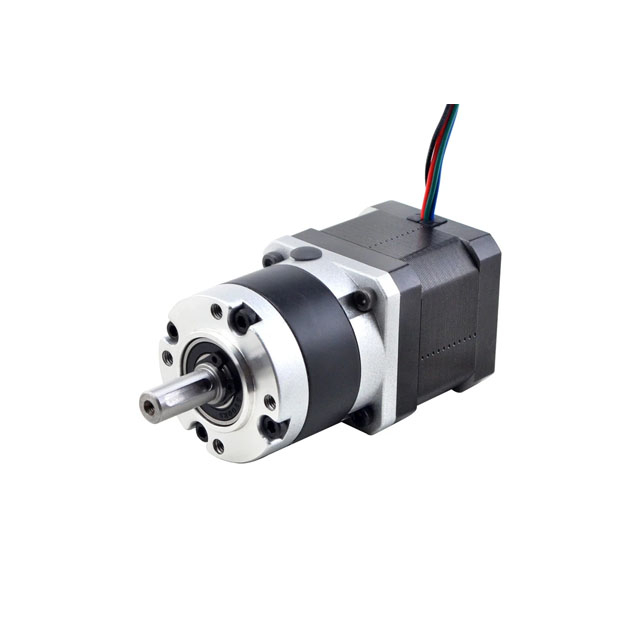
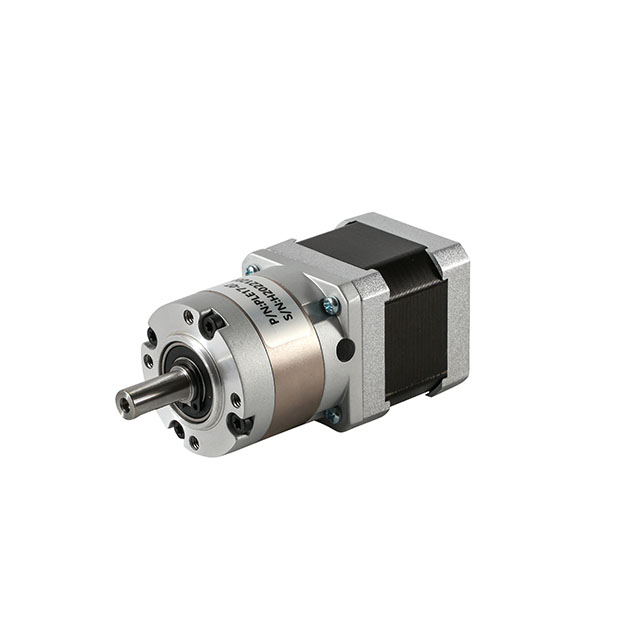
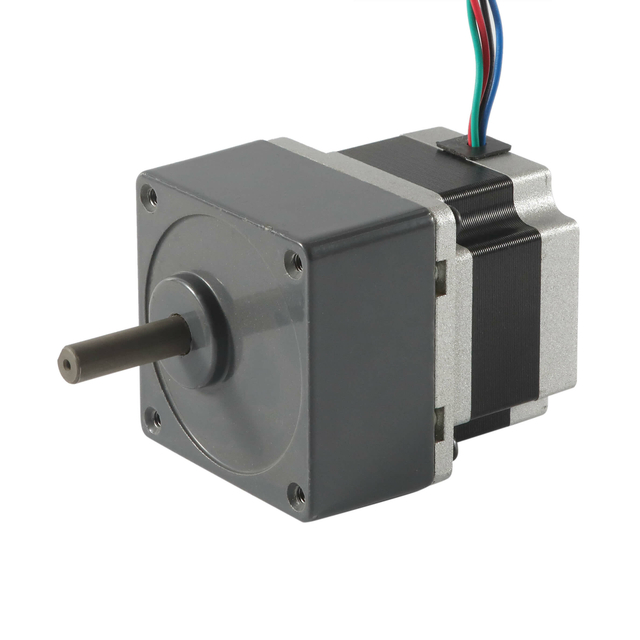
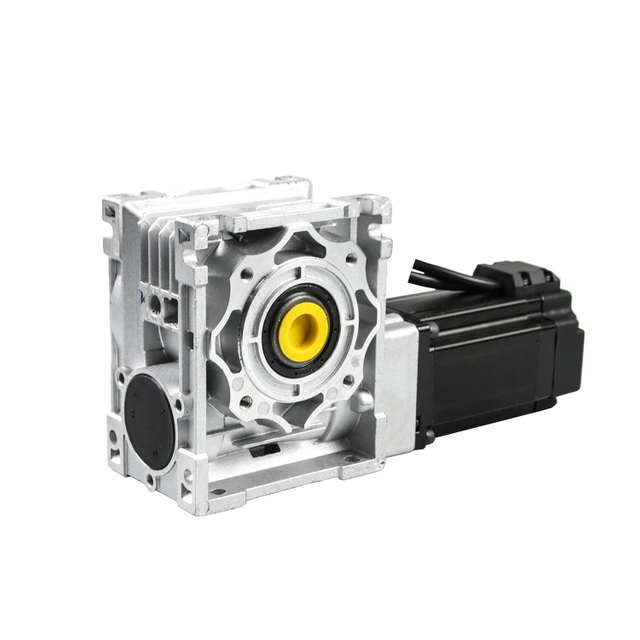
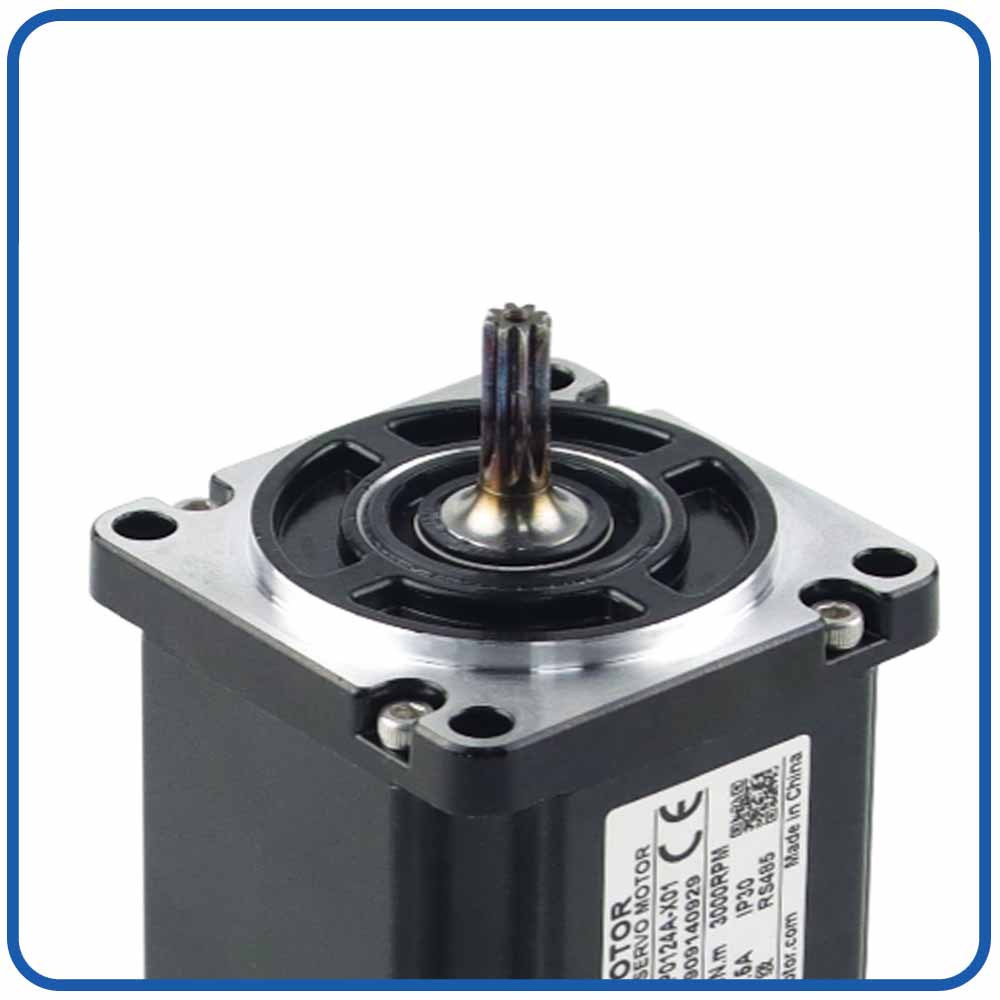
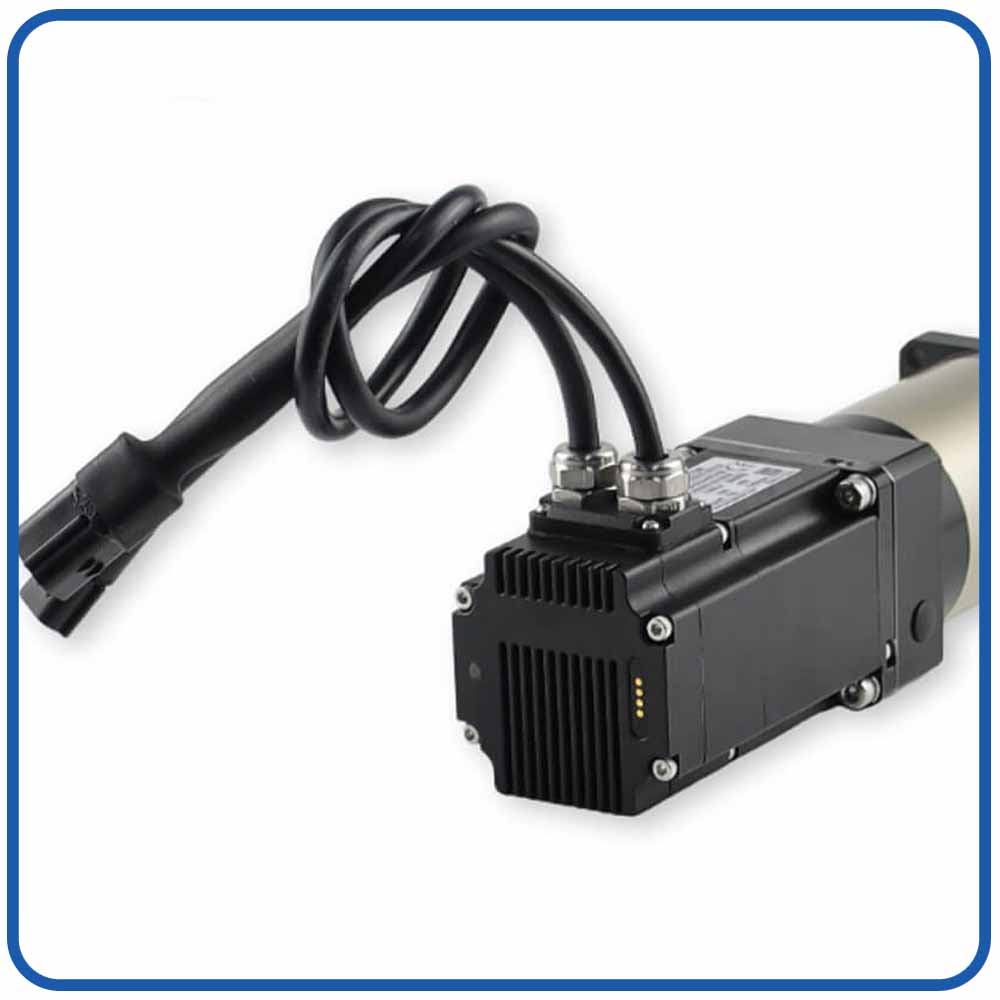
Besfoc Geared Stepper Motors
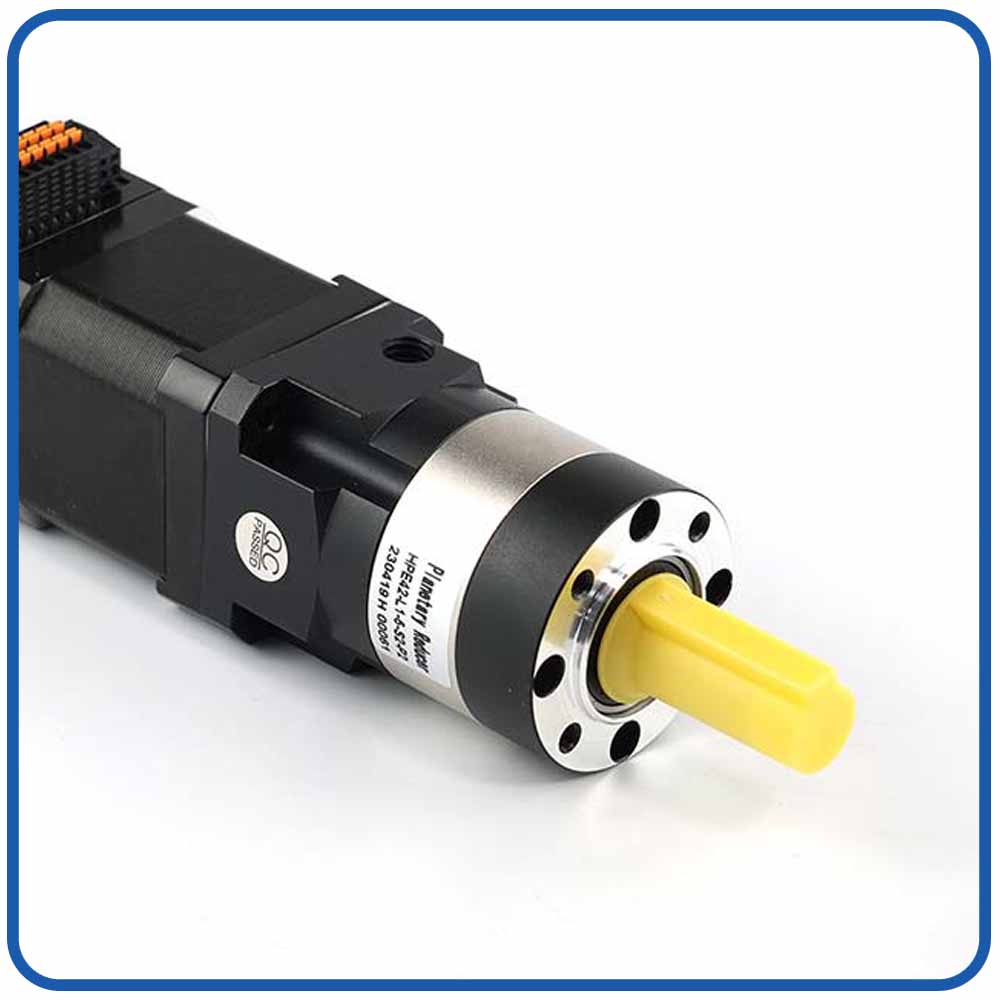
Common Planetary Geared Stepper Motor
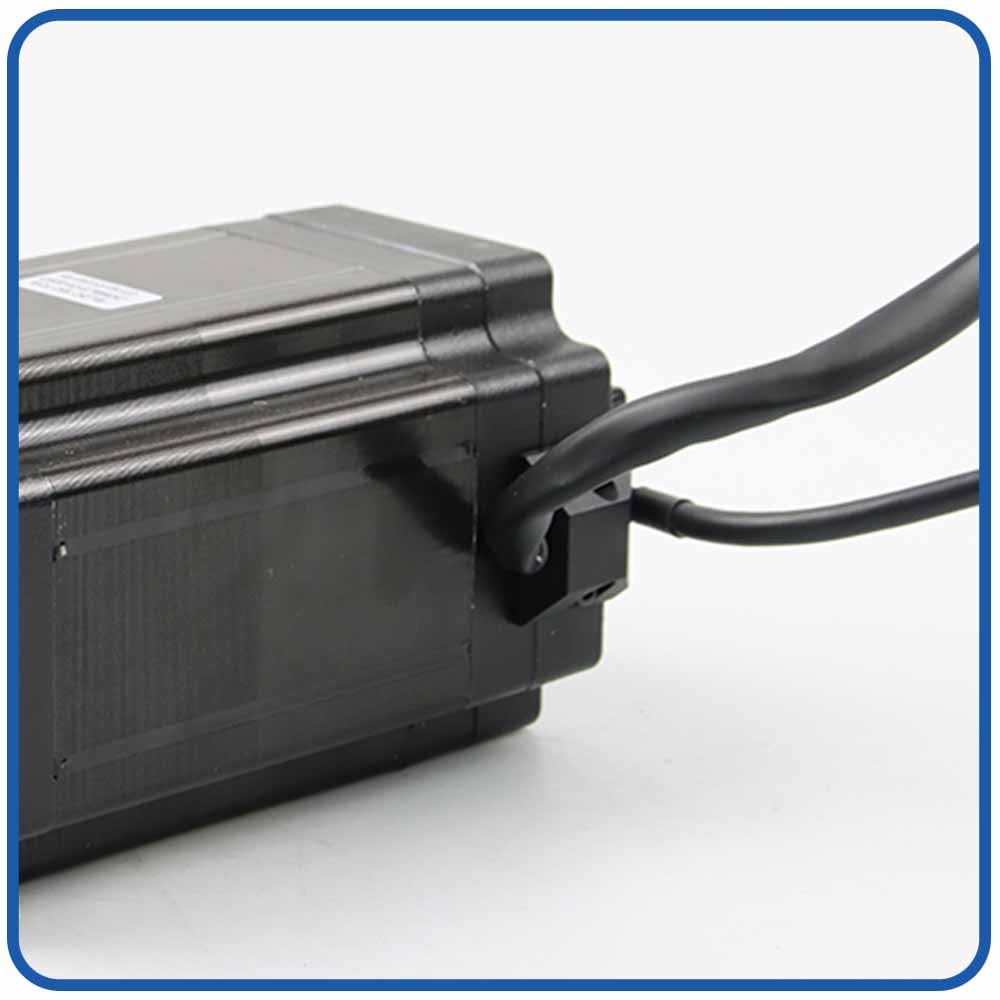
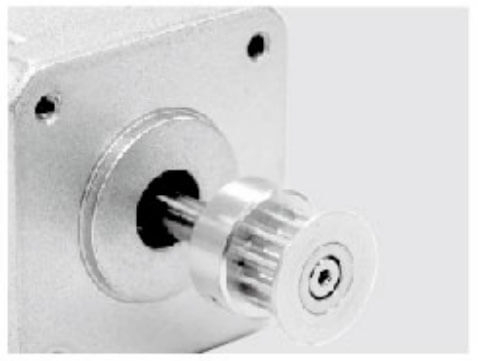
High Precision Geared Stepper Motor
Eccentric Spur Gearbox
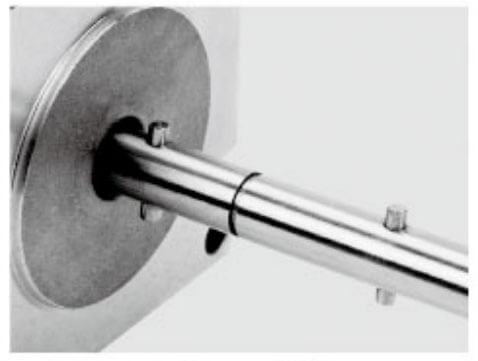
Stepper Motor
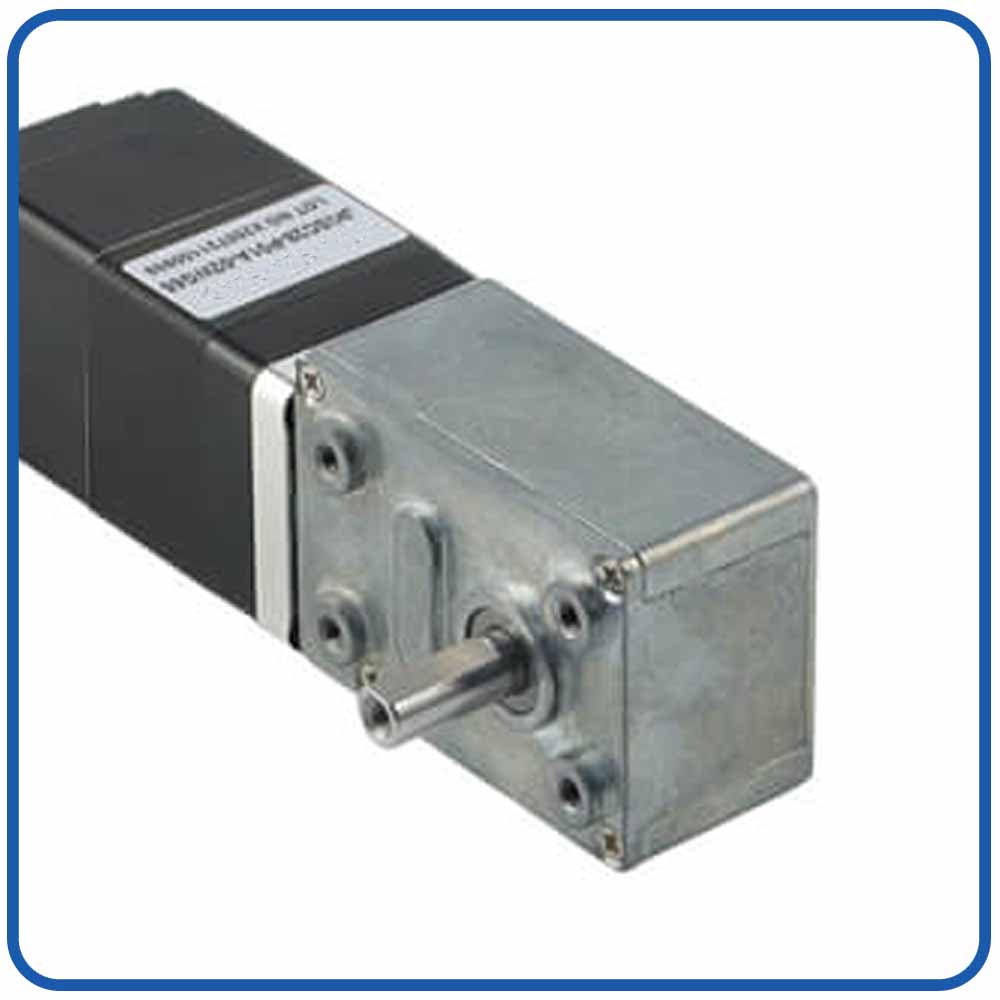
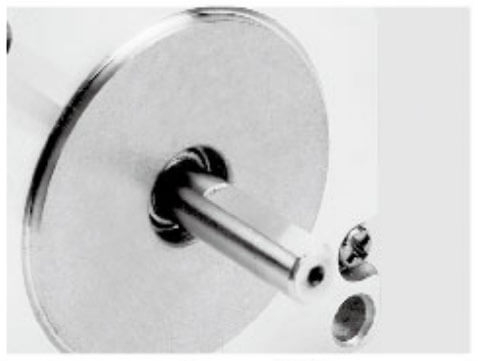
Worm Gearbox
Stepper Motor
What Is Backlash in a Geared Stepper Motor System?
Backlash refers to the small amount of lost motion or angular play between meshing gear teeth when the direction of rotation changes. In a geared stepper motor system, backlash occurs between the gearbox gears, coupling interfaces, shafts, and mechanical transmission components.
When the motor changes direction, a slight delay occurs before the output shaft begins moving. This delay is caused by the clearance between mating mechanical parts.
In precision applications, even microscopic backlash can lead to:
Positioning errors
Reduced repeatability
Oscillation and vibration
Poor contouring accuracy
Increased settling time
Servo instability
Mechanical wear
Why Backlash Matters in Precision Motion Control
In standard industrial equipment, a small amount of backlash may be acceptable. However, in high-precision systems, backlash directly influences:
The acceptable amount of backlash depends entirely on the application requirements.
General Backlash Classification
Application Type
Acceptable Backlash
Low Precision Industrial Systems
1° to 2°
General Automation
30 to 60 arc-min
CNC Equipment
5 to 15 arc-min
Robotics and Semiconductor Equipment
1 to 5 arc-min
Ultra-Precision Systems
Less than 1 arc-min
Understanding Arc-Minute Measurements
Backlash is commonly measured in arc-minutes.
1 degree = 60 arc-minutes
1 arc-minute = 1/60 of a degree
For example:
30 arc-minutes = 0.5°
5 arc-minutes = 0.083°
In high-precision geared stepper motor systems, even 3 arc-minutes of backlash can significantly affect positioning accuracy during repeated directional changes.
How Backlash Affects Stepper Motor Accuracy
Backlash is one of the most important mechanical factors influencing the accuracy of a stepper motor system. In geared stepper motors, backlash refers to the small amount of free movement between mating gear teeth when the motor changes rotational direction. Although stepper motors are known for precise incremental positioning, backlash can reduce the actual positioning accuracy at the output shaft.
In high-precision automation systems, even a small amount of backlash can lead to cumulative motion errors, inconsistent positioning, and unstable machine performance.
Loss of Position During Direction Reversal
The most noticeable effect of backlash occurs when the motor reverses direction.
When a stepper motor rotates in one direction, the gear teeth remain engaged on one side. As soon as the motor changes direction, the gears must travel through the clearance gap before torque is transferred again. During this short interval, the motor shaft moves but the output shaft does not immediately respond.
This creates:
Lost motion
Delayed positioning
Angular error
Reduced synchronization
For example, a CNC positioning table may overshoot or undershoot its target position after reversing movement because the mechanical system must first absorb the gearbox clearance.
Reduced Positioning Accuracy
Stepper motors are designed to move in fixed step increments. A standard 1.8° stepper motor moves 200 steps per revolution. However, backlash introduces mechanical play that prevents the output from following these precise increments accurately.
Example:
System Condition
Output Result
No Backlash
Precise movement
Moderate Backlash
Small positional deviation
Excessive Backlash
Significant positioning error
In precision systems such as:
Semiconductor equipment
Medical devices
Optical inspection systems
Robotic arms
even a few arc-minutes of backlash can compromise performance.
Poor Repeatability
Repeatability refers to the ability of a system to return to the same position consistently.
Backlash negatively affects repeatability because the output position may vary slightly each time the motor changes direction. This inconsistency becomes especially problematic in cyclic motion applications.
Common symptoms include:
Uneven product quality
Inconsistent cutting paths
Pick-and-place errors
Misalignment during assembly
A system with unstable backlash often produces unpredictable motion behavior.
Increased Vibration and Oscillation
Backlash can introduce vibration into the mechanical transmission system.
When gear teeth re-engage after directional reversal, sudden impact forces may occur. These impacts create:
Mechanical shock
Noise
Oscillation
Resonance
At high speeds or during rapid acceleration, backlash-related vibration may become more severe and affect overall machine stability.
Reduced Motion Smoothness
Smooth motion is critical in many applications such as:
3D printing
Laser engraving
Camera positioning
Precision dispensing
Backlash interrupts smooth motion transitions because the output shaft momentarily loses mechanical engagement during reversals.
This can produce:
Jerky movement
Surface defects
Uneven trajectories
Motion lag
In contouring applications, backlash may create visible defects or dimensional inaccuracies.
Accumulation of Position Errors
In multi-axis systems, backlash errors can accumulate across different motion axes.
For example:
X-axis backlash
Y-axis backlash
Rotary axis backlash
may combine to create significant positioning deviation at the tool center point.
This is especially critical in:
CNC machining
Robotic automation
Coordinate measuring systems
Electronic assembly equipment
Small mechanical errors can quickly compound into major accuracy problems.
Impact on Closed-Loop Control Systems
Closed-loop stepper systems use encoders to monitor motor position. However, backlash still affects the relationship between motor rotation and actual load movement.
The encoder may detect accurate motor rotation while the output mechanism experiences delayed movement due to gear clearance.
This can lead to:
Control instability
Overshoot
Hunting behavior
Increased settling time
Although software compensation can reduce backlash effects, mechanical backlash itself cannot be completely eliminated through control algorithms alone.
Effects on Torque Transmission
Backlash also influences torque transmission efficiency.
Before gear teeth fully engage, part of the motor movement does not transmit usable torque to the load. Under dynamic conditions, this may reduce:
Acceleration performance
Load responsiveness
Motion consistency
In heavy-load systems, backlash may cause sudden shock loading when the clearance gap closes abruptly.
How to Minimize Backlash Effects
Several engineering methods help reduce backlash-related accuracy problems.
Use Low-Backlash Gearboxes
Precision planetary or harmonic gearboxes significantly reduce gear clearance.
Apply Mechanical Preloading
Preloaded gears maintain constant tooth engagement and minimize free play.
Increase Structural Rigidity
Rigid frames, bearings, and couplings reduce system flex and improve positioning stability.
Use Backlash Compensation
Modern motion controllers can apply software correction during directional changes.
Select Closed-Loop Stepper Systems
Encoder feedback improves positional correction and enhances repeatability.
Typical Backlash Levels and Accuracy Impact
Backlash Level
Accuracy Impact
<1 arc-min
Ultra-precision performance
3–5 arc-min
High-precision automation
10–20 arc-min
Standard industrial precision
>30 arc-min
Noticeable positioning error
The acceptable backlash level depends entirely on the application's precision requirements.
Conclusion
Backlash directly affects stepper motor accuracy by introducing lost motion, positioning errors, vibration, and reduced repeatability. Its impact becomes especially significant during directional changes and high-precision positioning tasks. While some backlash is unavoidable in geared systems, minimizing it through precision gearbox design, preload mechanisms, rigid mechanical structures, and advanced motion control techniques is essential for achieving reliable and accurate stepper motor performance.
Closed-loop stepper motors integrate encoders for feedback correction.
Benefits include:
Position error compensation
Improved repeatability
Better dynamic performance
Reduced lost motion effects
Closed-loop systems cannot eliminate mechanical backlash entirely, but they can reduce its positioning impact.
Implement Backlash Compensation
Modern motion controllers often include backlash compensation algorithms.
The controller adds corrective movement during directional changes.
This method is common in:
CNC controllers
Robotic systems
Precision automation equipment
However, compensation works best when backlash remains stable over time.
When Is Backlash Too Much?
Backlash becomes excessive when it negatively affects:
Product quality
Positional repeatability
Process consistency
Motion smoothness
Cycle time
Signs of Excessive Backlash
Common symptoms include:
Inconsistent positioning
Mechanical knocking
Oscillation after reversal
Poor contour accuracy
Increased vibration
Reduced machining quality
Encoder mismatch errors
If these symptoms appear, gearbox wear or improper system design may be responsible.
Backlash vs Repeatability
A critical engineering misconception is assuming low backlash automatically guarantees high repeatability.
This is not always true.
A system may exhibit:
Moderate backlash
Excellent repeatability
if backlash remains constant and predictable.
Conversely, variable backlash caused by wear or poor assembly creates severe positioning instability.
Therefore, engineers evaluate both:
Absolute positioning accuracy
Bidirectional repeatability
when selecting geared stepper systems.
Choosing the Right Backlash Level
The ideal backlash specification depends on the application.
Recommended Backlash Targets
Application
Recommended Backlash
Conveyor Systems
<1°
Packaging Equipment
<30 arc-min
CNC Machines
<10 arc-min
Robotics
<5 arc-min
Optical Positioning
<1 arc-min
Semiconductor Equipment
<1 arc-min
Over-specifying ultra-low backlash may unnecessarily increase cost.
The best engineering approach balances:
Precision
Cost
Durability
Torque requirements
Dynamic response
Future Trends in Low-Backlash Motion Systems
As industrial automation continues evolving toward higher precision, faster response, and smarter control, the demand for low-backlash motion systems is increasing rapidly. Industries such as robotics, semiconductor manufacturing, aerospace, medical automation, and precision CNC machining now require motion platforms capable of delivering near-zero positioning error with exceptional repeatability.
Traditional mechanical transmission systems are being redesigned with advanced materials, intelligent control technologies, and innovative drive architectures to minimize backlash while improving overall system efficiency and durability.
The future of low-backlash motion systems is being shaped by several important technological trends.
Growth of Near-Zero Backlash Gear Technologies
One of the strongest trends is the adoption of gear technologies specifically designed to minimize or eliminate mechanical play.
Harmonic Drive Systems
Harmonic drives continue gaining popularity in high-precision automation because they provide:
Near-zero backlash
High reduction ratios
Compact size
Excellent repeatability
These systems are widely used in:
Collaborative robots
Surgical robots
Semiconductor equipment
Aerospace actuators
Future harmonic drives are expected to feature:
Higher torque density
Improved fatigue resistance
Reduced friction losses
Longer service life
Advanced flexible spline materials and optimized tooth geometry are helping manufacturers further reduce microscopic backlash effects.
Modern precision planetary gearboxes now incorporate:
Optimized gear tooth profiles
Precision grinding technology
Integrated preload systems
Advanced bearing arrangements
Future developments aim to achieve:
Sub-arc-minute backlash
Lower acoustic noise
Higher torsional rigidity
Improved thermal stability
These improvements are particularly important for high-speed automation systems requiring precise dynamic response.
Expansion of Direct-Drive Motor Technology
Direct-drive systems are becoming one of the most important long-term solutions for backlash elimination.
Unlike traditional geared systems, direct-drive motors connect directly to the load without mechanical transmission components.
This completely removes:
Gear backlash
Mechanical wear between gears
Transmission compliance
Gear-related vibration
Advantages of Direct-Drive Systems
Feature
Benefit
No Gearbox
Zero backlash
Direct Torque Transfer
Higher accuracy
Fewer Mechanical Components
Lower maintenance
High Dynamic Response
Faster positioning
Reduced Noise
Smoother operation
Direct-drive torque motors and linear motors are increasingly used in:
Semiconductor lithography
High-end CNC machines
Optical inspection systems
Precision medical devices
As motor technology improves and manufacturing costs decrease, direct-drive systems are expected to become more accessible across broader industrial markets.
Use of Advanced Materials and Manufacturing
Material science is playing a major role in reducing backlash and improving transmission rigidity.
Advanced Gear Materials
Future gear systems increasingly use:
High-strength alloy steels
Ceramic composites
Carbon-fiber reinforced materials
Specialized surface coatings
These materials provide:
Reduced wear
Lower thermal expansion
Higher stiffness
Improved fatigue resistance
As a result, backlash remains more stable throughout the gearbox lifespan.
Precision Manufacturing Technologies
Modern manufacturing techniques significantly improve gear accuracy.
These include:
CNC precision grinding
Laser-assisted machining
Additive manufacturing
Ultra-fine gear finishing
Improved manufacturing precision allows:
Tighter gear tolerances
Better tooth engagement
Reduced transmission error
Lower cumulative backlash
Future micro-machining technologies may enable extremely compact gear systems with ultra-low backlash performance.
Rise of Integrated Motion Systems
Motion systems are becoming more integrated and compact.
The robotics industry is accelerating innovation in low-backlash motion systems.
Modern robots require:
Precise joint positioning
Smooth trajectory control
Fast directional changes
High repeatability
Collaborative robots, humanoid robots, and autonomous systems demand extremely low backlash to achieve natural and accurate motion behavior.
Future robotic joints are expected to use:
Compact harmonic drives
Direct-drive actuators
Smart embedded sensors
Adaptive control systems
to achieve near-human motion precision.
Development of Digital Twin Technology
Digital twin technology is becoming an important tool in motion system optimization.
A digital twin creates a real-time virtual model of the mechanical system.
This allows engineers to:
Simulate backlash behavior
Predict wear patterns
Optimize compensation algorithms
Improve maintenance planning
Digital twins help manufacturers maintain long-term positioning accuracy while reducing downtime.
Miniaturization of Precision Motion Systems
Miniaturization is another major trend.
Industries such as:
Medical robotics
Electronics assembly
Optical instrumentation
Micro-automation
require compact motion systems with extremely low backlash.
Future miniature gear systems will provide:
High torque density
Micro-scale precision
Reduced inertia
Ultra-compact footprints
This trend is driving innovation in micro-gearing and miniature direct-drive technologies.
Conclusion
Acceptable backlash in a precision geared stepper motor system depends entirely on the application's positioning requirements, repeatability targets, and motion dynamics. While standard industrial automation may tolerate 30–60 arc-minutes of backlash, high-precision systems often require less than 5 arc-minutes, and ultra-precision applications demand near-zero backlash.
Selecting the correct gearbox technology, improving mechanical rigidity, implementing preload mechanisms, and using advanced motion compensation strategies are essential for minimizing backlash effects. Precision planetary gearboxes and harmonic drives remain the preferred solutions for demanding positioning systems where accuracy and repeatability are critical.
By carefully balancing backlash specifications with system cost and performance goals, engineers can design highly reliable geared stepper motor systems capable of delivering exceptional precision in modern automation environments.

 English
 العربية
 Français
 Русский
 Español
 Português
 Deutsch
 italiano
 日本語
日本語 한국어
한국어 Nederlands
 Tiếng Việt
 ไทย
ไทย Polski
 Türkçe
 ພາສາລາວ
 ភាសាខ្មែរ
 Bahasa Melayu
 ဗမာစာ
ဗမာစာ Filipino
 Bahasa Indonesia
 magyar
 Română
 Čeština
 Монгол
 қазақ
қазақ Српски
 हिन्दी
 فارسی
فارسی Slovenčina
 Slovenščina
 Norsk
Norsk Svenska
 українська
 Ελληνικά
 Suomi
Suomi Հայերեն
 עברית
עברית Latine
 Dansk
Dansk Shqip
Shqip বাংলা
বাংলা Hrvatski
 Afrikaans
 Gaeilge
 Eesti keel
 Oʻzbekcha
 latviešu
 Azərbaycan dili
 Български
 Català