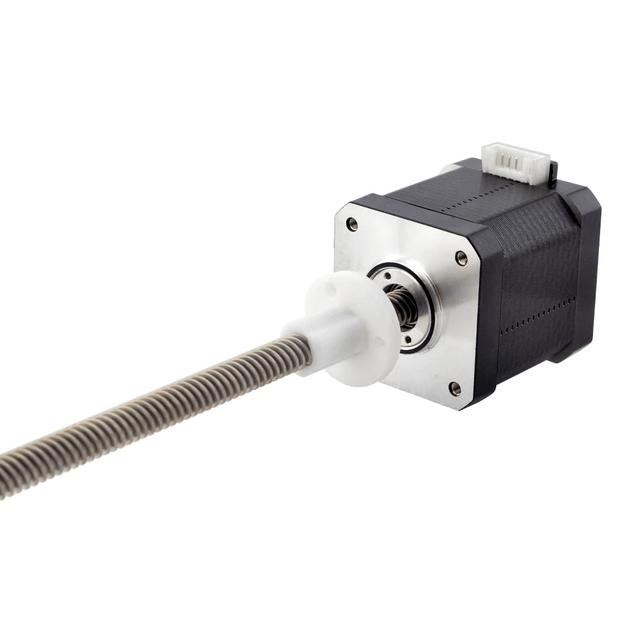
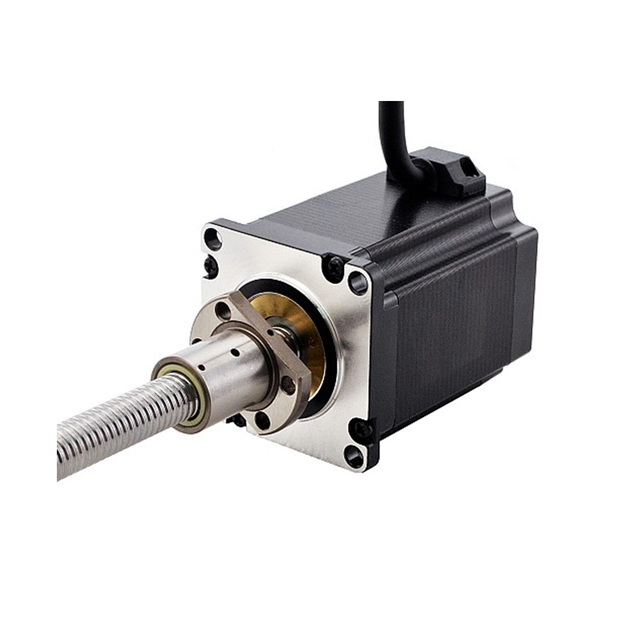
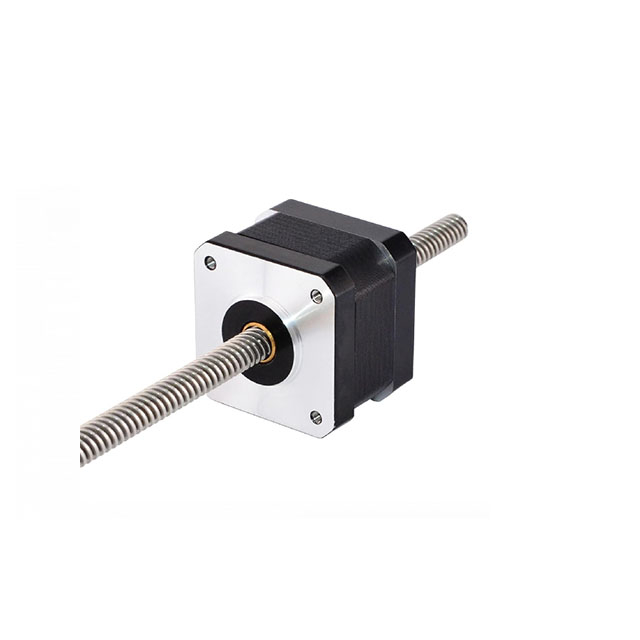
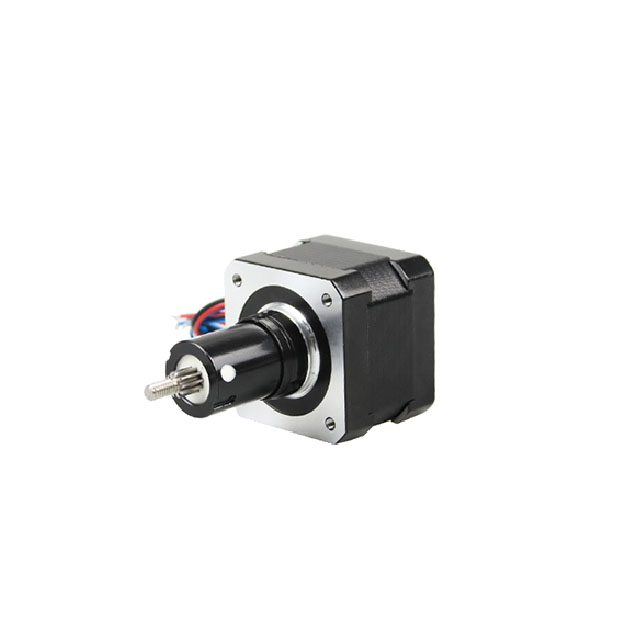
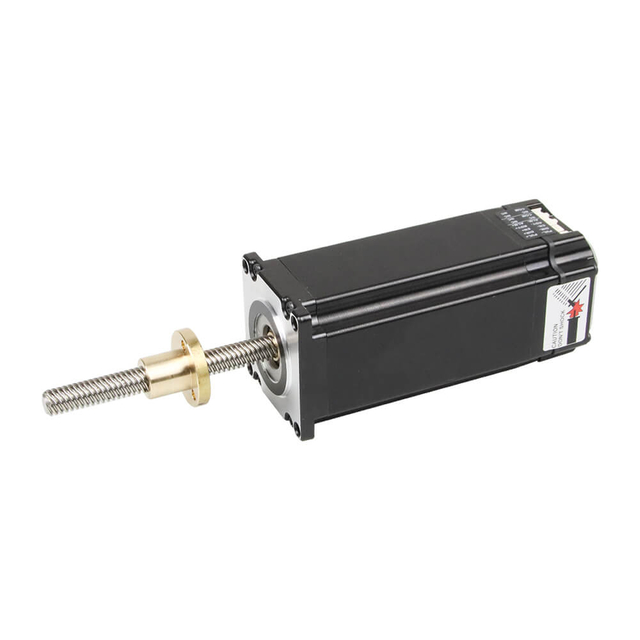
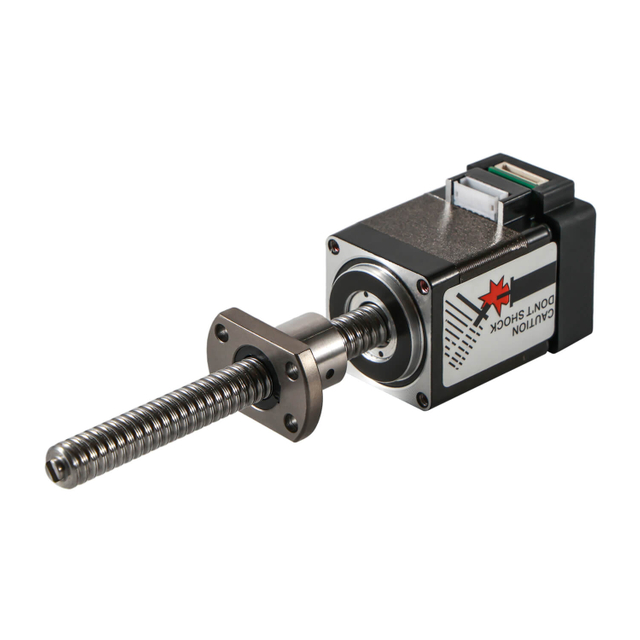
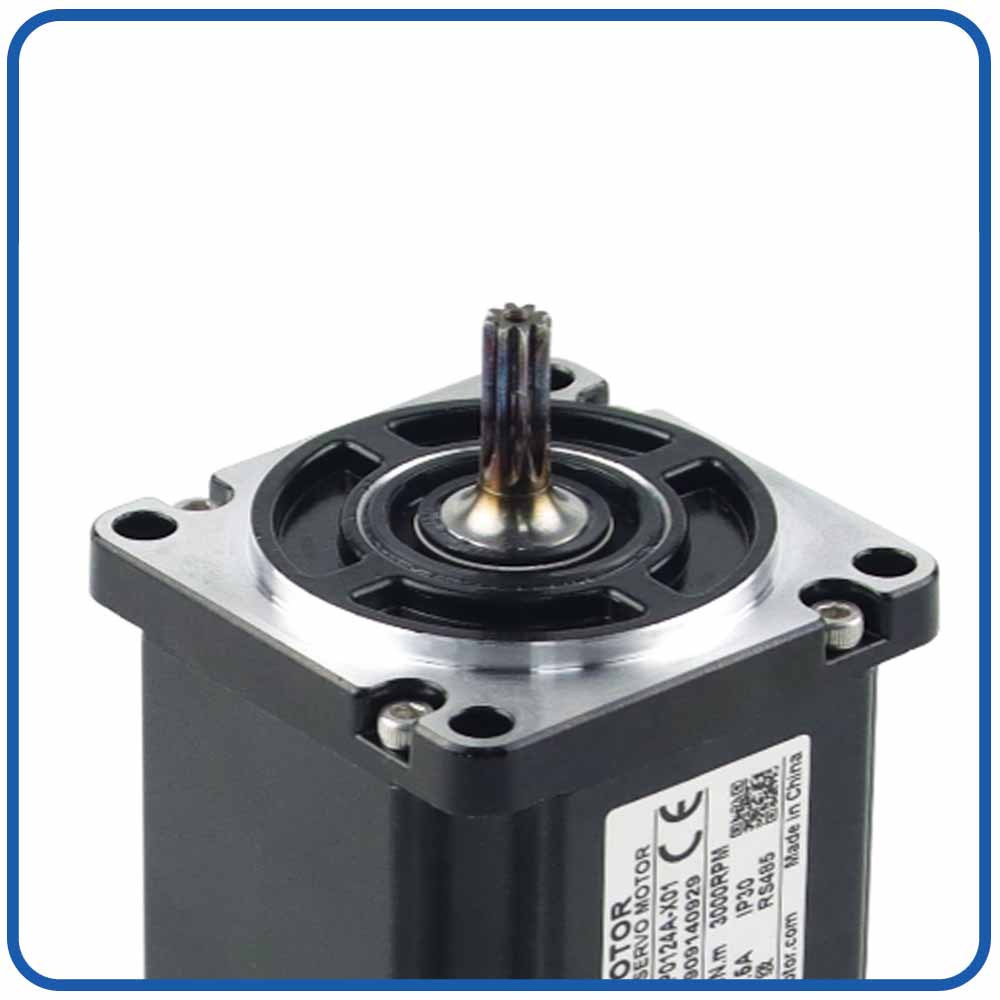
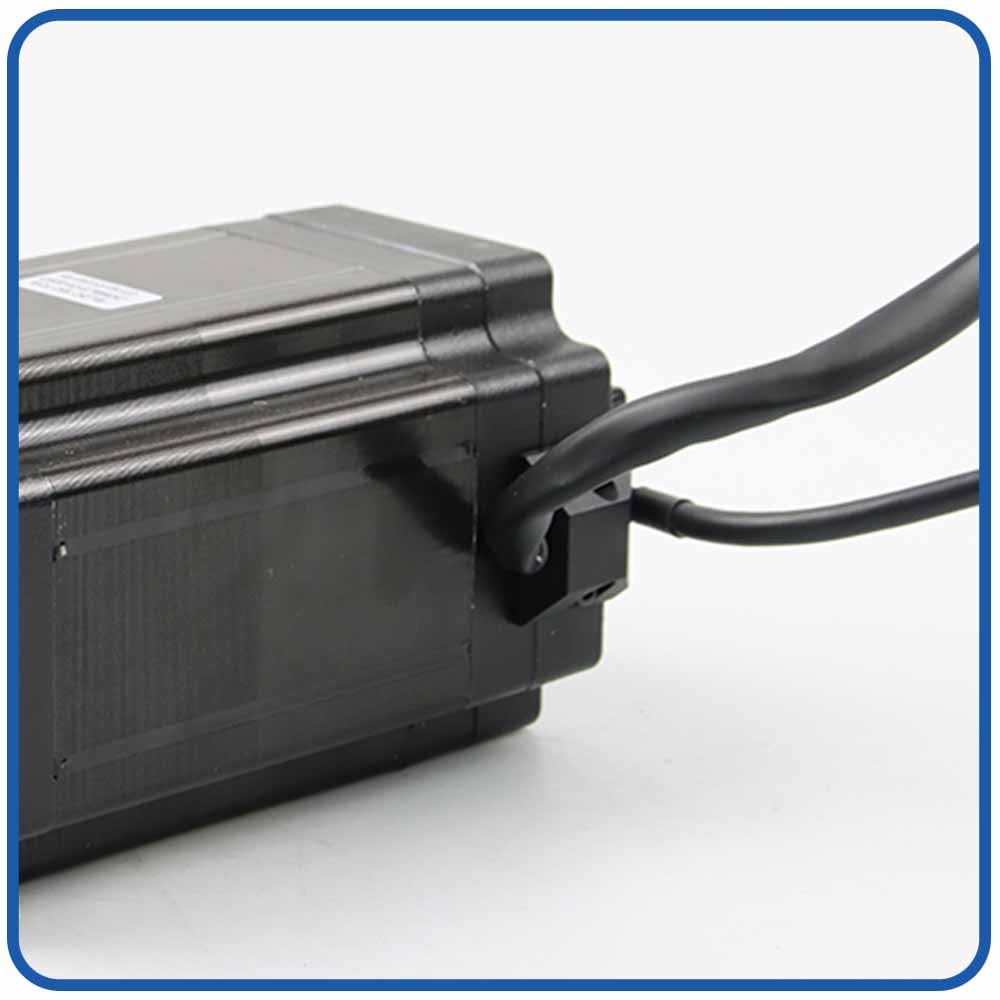
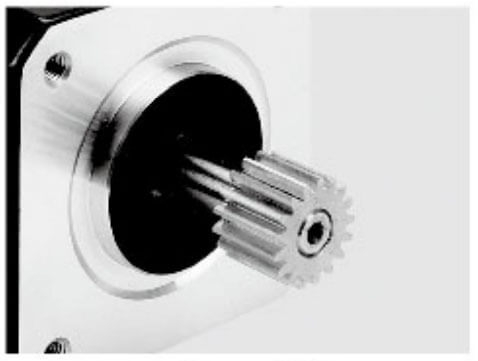
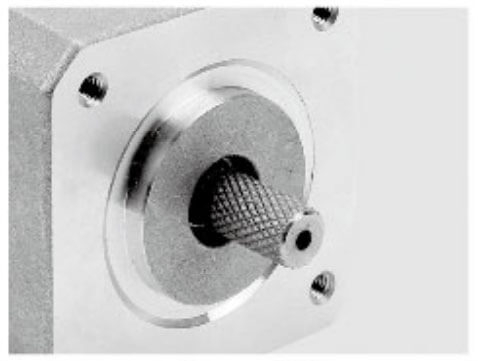
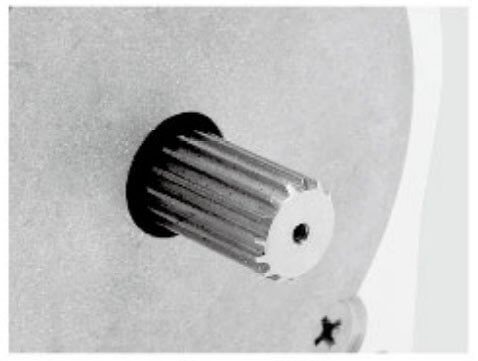
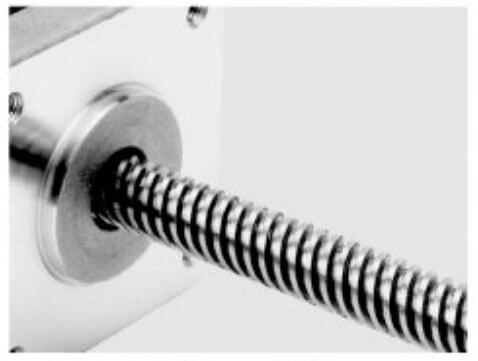
Linear stepper motors have become a critical motion solution in modern automation systems where precision, repeatability, compact structure, and direct linear motion are essential. From semiconductor manufacturing and medical devices to CNC equipment and industrial robotics, these motors are widely used in applications requiring stable force and highly accurate positioning. However, one of the most important engineering considerations is how a linear stepper motor performs under high load conditions.
Understanding the relationship between load, force output, efficiency, speed, and thermal behavior is essential for selecting the right linear motion system. Under demanding operating environments, a properly designed linear stepper motor can deliver exceptional reliability and consistent performance without requiring complex feedback systems.
Understanding Linear Stepper Motor Operating Principles
Linear stepper motors are precision motion devices designed to convert electrical pulse signals directly into accurate linear movement. Unlike traditional rotary motors that require belts, gears, or lead screws to create straight-line motion, linear stepper motors generate motion along a linear axis without complex mechanical transmission systems. This direct-drive structure improves positioning accuracy, reduces mechanical wear, and enhances system reliability.
These motors are widely used in industrial automation, semiconductor manufacturing, medical devices, laboratory instruments, packaging systems, and CNC machinery where precise positioning and repeatable motion are essential.
Basic Working Principle of Linear Stepper Motors
A linear stepper motor operates based on the principle of electromagnetic attraction and repulsion. The motor contains a series of stator windings and a moving shaft, slider, or platen. When electrical pulses are applied to the windings in a controlled sequence, a magnetic field is generated that moves the motor incrementally along a straight path.
Each electrical pulse corresponds to a fixed linear displacement, commonly referred to as a “step.” By controlling the number and frequency of pulses, the motor can achieve highly accurate motion control.
The movement process typically follows these steps:
The driver sends pulse signals to the motor windings.
Energized coils create magnetic fields.
The magnetic interaction produces linear force.
The shaft or forcer moves one precise increment.
Repeated pulse sequences generate continuous linear motion.
Because motion is digitally controlled, linear stepper motors provide excellent repeatability and positioning consistency.
The stator contains electromagnetic coils responsible for generating the magnetic field. When energized in sequence, these coils create controlled movement.
2. Forcer or Slider
The forcer is the moving component that responds to the changing magnetic field. It travels along the motor’s axis with high precision.
3. Lead Screw or Magnetic Track
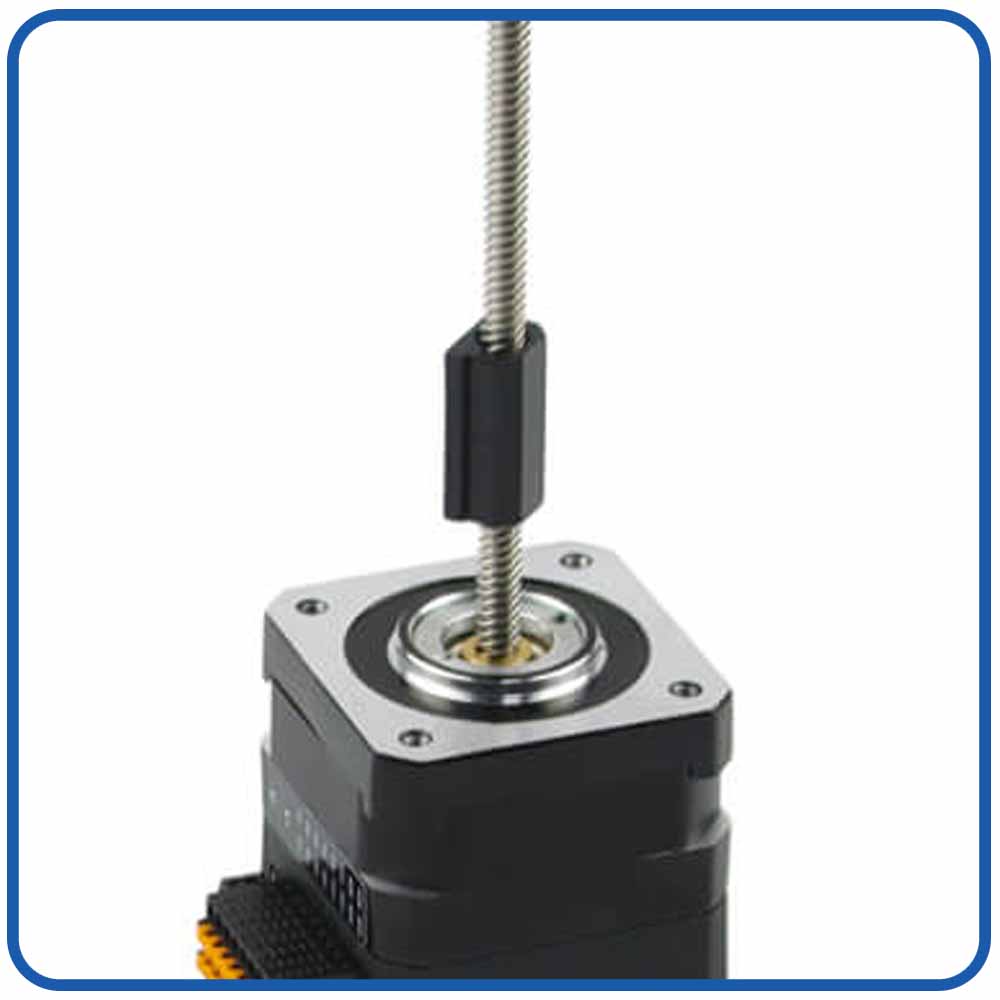
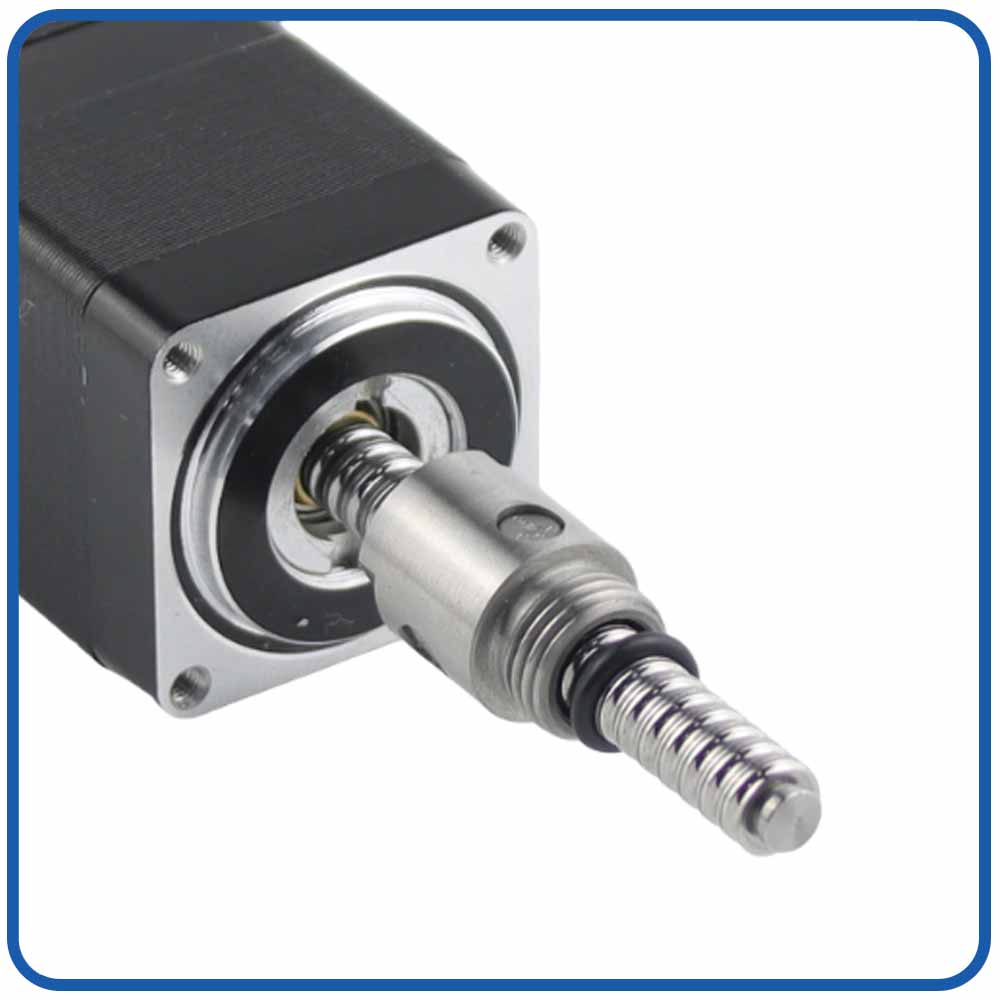
Some linear stepper motors use integrated lead screws to transform rotary stepping motion into linear travel, while others use direct electromagnetic linear drive systems with magnetic tracks.
4. Motor Driver
The driver controls pulse timing, current regulation, and phase switching. It determines motor speed, direction, and stepping resolution.
Types of Linear Stepper Motors
Permanent Magnet Linear Stepper Motors
These motors use permanent magnets to create motion. They offer:
Good holding force
Simple structure
Moderate positioning accuracy
They are commonly used in low-cost automation equipment.
Hybrid Linear Stepper Motors
Hybrid designs combine permanent magnets with toothed stator structures for improved precision and higher force density.
Advantages include:
High positioning accuracy
Better efficiency
Strong thrust force
Smooth operation
Hybrid linear stepper motors are widely used in high-precision industrial systems.
Variable Reluctance Linear Stepper Motors
These motors operate by minimizing magnetic reluctance between stator and moving parts.
Key benefits include:
Fast response speed
Simple construction
Low rotor inertia
However, they generally provide lower holding force compared to hybrid models.
How Motion Is Controlled
Linear stepper motor motion is determined by pulse signals from the controller.
Pulse Frequency
Pulse frequency controls motor speed:
Higher frequency = faster movement
Lower frequency = slower movement
Pulse Count
The number of pulses determines travel distance:
More pulses = longer movement
Fewer pulses = shorter movement
Phase Sequence
Changing the energizing sequence changes motion direction:
Clockwise pulse sequence = forward motion
Reverse sequence = backward motion
This digital control method enables accurate positioning without requiring complex feedback systems in many applications.
Microstepping Technology
Modern linear stepper motors often use microstepping drivers to divide standard steps into smaller increments.
Benefits include:
Smoother motion
Reduced vibration
Lower operating noise
Improved positioning resolution
Microstepping is especially useful in applications requiring ultra-precise movement and stable low-speed operation.
Advantages of Linear Stepper Motor Technology
High Positioning Accuracy
Each pulse generates a predictable movement increment, allowing precise control in automation systems.
Direct Linear Motion
The absence of belts and gears reduces backlash and improves mechanical efficiency.
Excellent Repeatability
Linear stepper motors consistently return to the same position, making them ideal for repetitive tasks.
Compact Structure
Integrated motion design reduces machine size and simplifies installation.
Low Maintenance
Fewer moving mechanical parts reduce wear and maintenance requirements.
Common Industrial Applications
Linear stepper motors are widely used in industries that require accurate and reliable linear positioning.
Semiconductor Equipment
Wafer positioning
Inspection stages
Alignment systems
Medical Devices
Syringe pumps
Diagnostic analyzers
Imaging systems
Industrial Automation
Pick-and-place machines
Packaging equipment
Material handling systems
CNC and Precision Machinery
Engraving systems
Cutting machines
Tool positioning platforms
Performance Factors
Several factors affect linear stepper motor performance:
Load Conditions
Excessive loads may reduce speed and positioning accuracy.
Drive Voltage
Higher voltage improves high-speed performance.
Current Settings
Proper current adjustment balances force output and heat generation.
Cooling Efficiency
Good heat dissipation improves operational stability and lifespan.
Motion Profile
Smooth acceleration and deceleration reduce vibration and step loss.
Conclusion
Linear stepper motors provide an efficient and highly accurate solution for modern linear motion control systems. Their ability to convert digital pulse signals directly into controlled linear movement makes them ideal for precision automation applications across multiple industries.
With advantages such as direct-drive operation, compact design, high repeatability, and simplified control, linear stepper motors continue to play a vital role in advanced manufacturing and intelligent motion systems. Proper driver selection, motion optimization, and load management ensure stable performance and long-term reliability in demanding industrial environments.
How High Loads Affect Linear Stepper Motor Performance
1. Reduced Speed Capability Under Heavy Loads
One of the most direct effects of increased load is reduced operating speed. As the load force rises, the motor requires greater electromagnetic thrust to maintain synchronization.
At higher speeds:
Coil inductance limits current rise time
Available torque or thrust decreases
Rotor or forcer synchronization becomes more difficult
This results in a lower maximum achievable speed under heavy loads.
In practical industrial applications, engineers often use load-speed curves to determine safe operating regions. If the applied load exceeds the motor’s dynamic thrust capability at a given speed, the motor may experience:
Missed steps
Positioning errors
Stall conditions
Excessive vibration
Therefore, proper motor sizing is essential for high-load applications.
2. Increased Heat Generation
High load operation requires higher current output to generate greater electromagnetic force. Increased current inevitably causes:
Higher copper losses
Increased winding temperature
Thermal expansion
Reduced efficiency
Continuous heavy-load operation can significantly increase motor temperature. If thermal management is insufficient, overheating may lead to:
Insulation degradation
Reduced motor lifespan
Permanent magnet demagnetization
Driver overload protection activation
Advanced linear stepper motor systems often integrate:
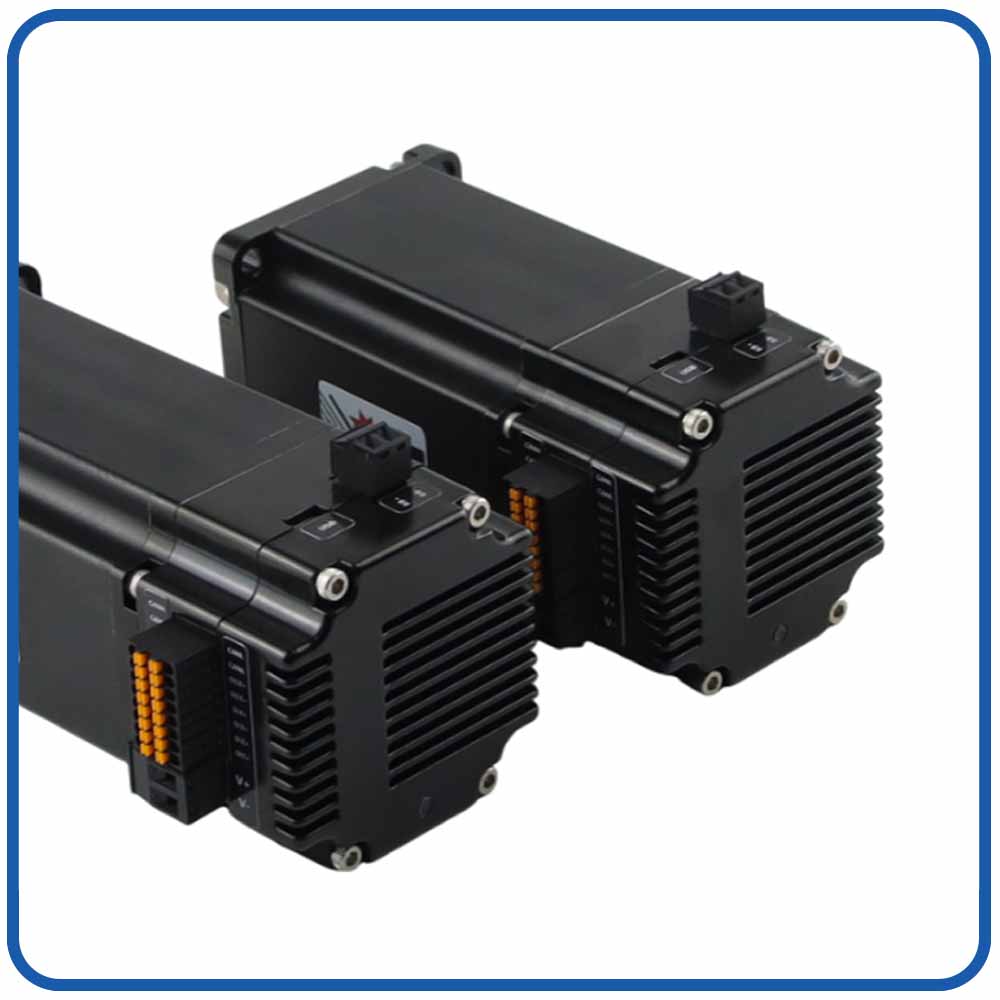
Aluminum heat sinks
Forced air cooling
Closed-loop current regulation
Temperature monitoring systems
These features improve stability during sustained high-force operation.
3. Enhanced Vibration and Resonance Risks
Linear stepper motors inherently operate through discrete stepping motion. Under high load conditions, resonance effects become more noticeable, especially at low and medium speeds.
Common symptoms include:
Audible noise
Mechanical vibration
Motion instability
Reduced positioning accuracy
Microstepping drive technology helps minimize these issues by dividing full steps into smaller increments, resulting in:
Smoother movement
Lower vibration
Improved load handling
Better low-speed stability
High-performance drivers with advanced current control algorithms significantly improve motion quality under demanding loads.
Static Load vs Dynamic Load Performance
Static Load Capability
Static load refers to the maximum force a linear stepper motor can hold when stationary. Holding force is one of the major advantages of stepper technology.
Under static conditions, linear stepper motors can:
Maintain precise position without drift
Resist external disturbances
Hold vertical loads without brakes in some applications
This makes them ideal for applications such as:
Vertical positioning stages
Medical analyzers
Automated dispensing systems
Precision inspection platforms
Higher holding force ratings improve resistance against external load movement.
Dynamic Load Capability
Dynamic load performance describes the motor’s ability to move loads during acceleration, deceleration, and constant-speed motion.
Dynamic operation is more demanding because the motor must simultaneously overcome:
Load inertia
Friction
Acceleration force
External process force
As dynamic loads increase, acceleration capability decreases. Engineers must carefully balance:
Speed
Acceleration
Payload mass
Positioning accuracy
Oversized loads can cause synchronization loss during rapid motion transitions.
Factors That Determine High Load Performance
Motor Size and Frame Design
Larger linear stepper motors typically provide:
Greater thrust force
Better heat dissipation
Higher load capacity
Improved stability
Common factors include:
Magnet strength
Coil design
Air gap precision
Stack length
Longer magnetic structures usually generate stronger electromagnetic interaction and higher force output.
Drive Voltage and Current
Higher drive voltage improves current response at elevated speeds, allowing the motor to maintain thrust under dynamic load conditions.
Proper current tuning is essential because:
Insufficient current reduces force
Excessive current increases heating
Poor tuning causes instability
Modern digital stepper drivers use sophisticated algorithms to optimize motor efficiency during heavy-load operation.
Lead Screw Selection
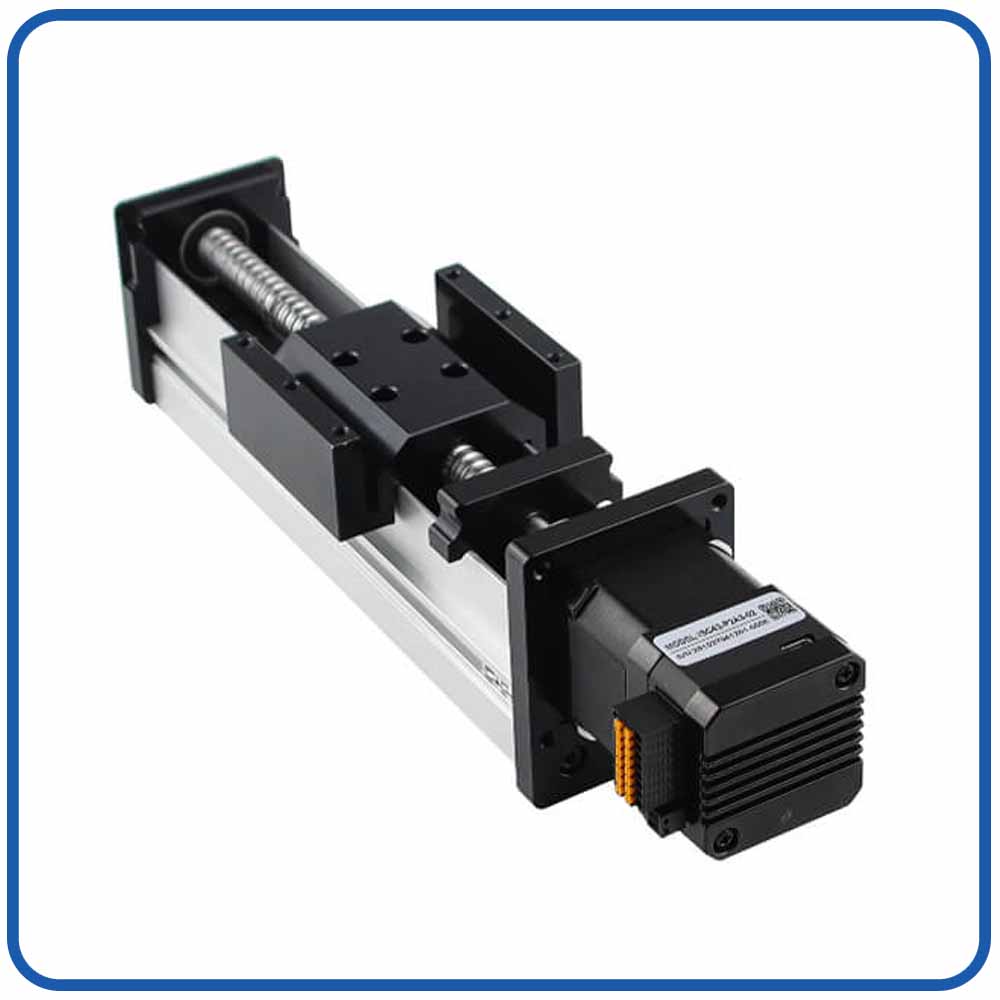
Many external linear stepper motors use integrated lead screws to generate linear motion. Screw parameters significantly influence load performance.
Fine Pitch Lead Screws
Provide:
Higher thrust force
Better load capability
Improved positioning resolution
However, they reduce maximum linear speed.
Coarse Pitch Lead Screws
Provide:
Higher travel speed
Faster motion
But lower mechanical advantage and reduced load force.
Choosing the proper lead screw pitch is critical for balancing speed and load requirements.
Motion Profile Optimization
Abrupt acceleration creates large inertial forces that can exceed motor thrust capability. Optimized motion profiles improve high-load performance through:
Controlled acceleration ramps
Smooth deceleration
Reduced mechanical shock
Lower resonance excitation
S-curve acceleration profiles are commonly used in precision automation systems to maintain synchronization under heavy loads.
Advantages of Linear Stepper Motors in High Load Applications
Direct Drive Simplicity
Unlike rotary motors combined with belts or gears, linear stepper motors eliminate mechanical transmission losses.
Benefits include:
Higher mechanical efficiency
Reduced wear components
Lower maintenance
Better reliability
This simplicity is especially valuable in industrial automation systems operating continuously under heavy loads.
Excellent Positioning Accuracy
Even under high loads, properly sized linear stepper motors maintain precise incremental positioning.
This is particularly useful in confined industrial environments.
Challenges of High Load Operation
Linear stepper motors are widely valued for their precision, repeatability, and direct-drive efficiency. However, operating under high load conditions introduces several technical challenges that can affect performance, stability, and long-term reliability. Understanding these limitations is essential for designing efficient motion control systems and preventing operational failures in industrial applications.
Reduced Speed Performance
One of the most common challenges during high load operation is reduced speed capability. As the mechanical load increases, the motor requires greater electromagnetic force to maintain synchronized movement. At higher speeds, the motor may struggle to generate sufficient thrust because coil inductance limits current response time.
This often results in:
Lower maximum operating speed
Slower acceleration
Reduced motion efficiency
Increased risk of stalling
If the load exceeds the motor’s dynamic force capability, the motor can lose synchronization and fail to reach the commanded position accurately.
Step Loss and Positioning Errors
Linear stepper motors typically operate in open-loop systems, meaning the controller assumes the motor follows every pulse command without feedback verification. Under excessive load conditions, the motor may miss steps if the required force exceeds available thrust.
Common causes of step loss include:
Sudden load increases
Rapid acceleration
Mechanical resistance
Excessive payload weight
Missed steps can lead to:
Position inaccuracies
Production defects
Alignment problems
System instability
Closed-loop control systems with encoders are often used in high-load applications to detect and correct positioning errors automatically.
Increased Heat Generation
Heavy loads require higher current output to generate stronger electromagnetic force. Increased current produces more heat within the motor windings and driver electronics.
Excessive heat can cause:
Reduced efficiency
Insulation damage
Thermal expansion
Reduced motor lifespan
Driver overheating
Continuous operation at elevated temperatures may also weaken permanent magnets in hybrid stepper motors, reducing overall performance.
To manage thermal challenges, many systems use:
Heat sinks
Cooling fans
Temperature sensors
Optimized current control
Proper thermal management is critical for maintaining stable operation during continuous heavy-duty cycles.
Mechanical Wear and Stress
High load conditions place additional stress on mechanical components connected to the motor system. In lead screw-driven linear stepper motors, continuous heavy loads accelerate wear on:
Screw threads
Bearings
Nuts
Couplings
Excessive mechanical stress may lead to:
Reduced positioning precision
Increased backlash
Premature component failure
Higher maintenance requirements
Using high-quality materials, proper lubrication, and correct load sizing significantly improves durability.
Power Supply Limitations
High-load operation increases power consumption because the motor requires more current to maintain force output. Inadequate power supplies may lead to:
Voltage drops
Driver instability
Reduced thrust force
Unexpected shutdowns
Selecting an appropriately rated power supply is essential for reliable high-load operation.
Noise During Heavy Load Operation
High loads often increase operational noise due to stronger magnetic forces and greater mechanical stress. Noise may originate from:
Motor vibration
Lead screw friction
Resonance frequencies
Mechanical coupling movement
Reducing noise typically involves:
Improved driver technology
Mechanical damping
Better alignment
Optimized motion tuning
Quiet operation is especially important in medical, laboratory, and office automation equipment.
System Design Complexity
Designing a linear stepper motor system for heavy loads requires careful engineering analysis. Important considerations include:
Load mass
Speed requirements
Duty cycle
Cooling capacity
Driver compatibility
Safety margins
Improper system design may result in poor reliability, overheating, or insufficient force output. result in poor reliability, overheating, or insufficient force output. Engineers must balance performance, cost, and durability when selecting components for high-load applications.
Summary
Although linear stepper motors offer exceptional precision and direct-drive advantages, high load operation introduces challenges such as heat generation, vibration, reduced speed capability, mechanical wear, and potential step loss. Proper motor sizing, advanced driver technology, thermal management, and optimized motion control are essential for maintaining stable and reliable performance under demanding conditions.
By addressing these challenges through careful engineering and system optimization, linear stepper motors can successfully deliver accurate, efficient, and durable motion control in heavy-load industrial applications.
Best Applications for High Load Linear Stepper Motors
Linear stepper motors excel in applications requiring moderate-to-high force with precise control.
Typical industries include:
Industrial Automation
Pick-and-place systems
Packaging equipment
Conveyor positioning
Material handling
Medical Equipment
Diagnostic analyzers
Syringe pumps
Imaging systems
Laboratory robotics
Semiconductor Manufacturing
Wafer positioning
Inspection stages
Precision alignment
CNC and Precision Machinery
Tool positioning
Automated cutting systems
Engraving equipment
How to Improve High Load Performance
Linear stepper motors are widely used in industrial automation, medical systems, semiconductor equipment, and precision machinery because of their excellent positioning accuracy and direct-drive motion capability. However, when operating under high load conditions, motor performance can decline if the system is not properly optimized. Heavy loads can increase vibration, reduce speed, generate excessive heat, and even cause step loss.
Select the Correct Motor Size
One of the most important steps in improving high load performance is choosing the correct motor size. An undersized motor may struggle to generate enough thrust force, while an oversized motor can increase system cost and energy consumption.
When selecting a motor, engineers should consider:
Load weight
Required speed
Acceleration rate
Duty cycle
Friction force
Vertical or horizontal movement
A properly sized motor should include a safety margin to handle sudden load changes and dynamic motion requirements. In most industrial systems, maintaining 30% to 50% additional force capacity improves operational reliability.
Use Higher Drive Voltage
Drive voltage has a significant impact on motor performance, especially at high speeds and heavy loads. Higher voltage allows current to rise more quickly in the motor windings, improving electromagnetic force generation.
Benefits of higher drive voltage include:
Better high-speed performance
Faster current response
Improved acceleration capability
Reduced torque drop at higher speeds
However, voltage levels must remain within the motor and driver specifications to prevent overheating or component damage.
Optimize Current Settings
Current control directly affects thrust force and thermal performance. Increasing current improves force output, but excessive current generates additional heat and reduces efficiency.
Proper current tuning helps achieve:
Stable operation
Improved load handling
Lower vibration
Reduced temperature rise
Modern digital stepper drivers often include automatic current adjustment features that optimize motor performance under changing load conditions.
Implement Closed-Loop Control Systems
Traditional open-loop stepper systems cannot detect missed steps. Under heavy loads, synchronization loss may occur if the motor cannot follow command pulses accurately.
Closed-loop systems use encoders to provide real-time position feedback. This allows the controller to:
Detect positioning errors
Correct missed steps
Improve acceleration control
Prevent motor stalling
Closed-loop linear stepper motors significantly improve reliability and accuracy in demanding applications.
Optimize Motion Profiles
Abrupt acceleration and deceleration create large inertial forces that increase stress on the motor system. Smooth motion profiles reduce sudden load changes and improve synchronization.
Recommended motion optimization methods include:
Gradual acceleration ramps
Controlled deceleration
S-curve motion profiles
Reduced shock loading
These techniques improve positioning stability and reduce the likelihood of step loss during rapid movement.
Reduce Mechanical Friction
Mechanical resistance increases the load placed on the motor. Minimizing friction improves efficiency and reduces required thrust force.
Important methods include:
Proper lubrication
High-quality bearings
Accurate alignment
Low-friction guide rails
Precision mechanical assembly
Reduced friction also lowers wear on moving components and improves long-term reliability.
Choose the Proper Lead Screw Design
For screw-driven linear stepper motors, lead screw selection strongly affects load performance.
Fine Pitch Lead Screws
Provide:
Higher thrust force
Better positioning resolution
Improved heavy-load capability
However, they reduce maximum travel speed.
Coarse Pitch Lead Screws
Provide:
Faster linear movement
Higher travel speed
But lower force output under heavy loads.
Selecting the proper screw pitch ensures the correct balance between speed and load capacity.
Use High-Quality Drivers and Controllers
Advanced drivers improve motor efficiency and motion control precision.
Modern driver features may include:
Digital signal processing
Adaptive current control
Anti-resonance algorithms
Automatic tuning
Overload protection
High-quality controllers help maintain stable performance during demanding operating conditions.
Summary
Improving high load performance in linear stepper motors requires a complete system optimization approach. Proper motor sizing, advanced driver technology, closed-loop feedback, thermal management, and optimized motion control all play critical roles in maintaining stable and accurate operation.
By reducing vibration, controlling heat, minimizing friction, and selecting suitable mechanical components, linear stepper motors can achieve excellent reliability and precision even under demanding industrial loads. These improvements help maximize efficiency, extend service life, and ensure consistent performance in modern automation systems.
Conclusion
Linear stepper motors can perform exceptionally well under high load conditions when properly selected and optimized. Their ability to deliver precise linear positioning, strong holding force, compact construction, and reliable direct-drive motion makes them ideal for demanding industrial applications.
Although high loads introduce challenges such as heat generation, resonance, and reduced dynamic speed, these issues can be effectively managed through correct motor sizing, optimized drive control, advanced cooling methods, and closed-loop feedback systems.
As automation systems continue evolving toward higher precision and greater efficiency, linear stepper motors remain one of the most effective motion control solutions for applications requiring stable performance under substantial mechanical loads.
FAQs
Q: How do linear stepper motors handle high load conditions?
A:Besfoc linear stepper motors are engineered to maintain stable thrust force and accurate positioning under high load conditions. By combining optimized magnetic circuit design, high-efficiency windings, and precision lead screw systems, our motors can deliver smooth motion and reliable operation even in demanding industrial automation environments.
Q: What factors affect the load capacity of a linear stepper motor?
A:The load capacity of a linear stepper motor depends on several factors, including motor size, drive current, voltage, lead screw pitch, cooling efficiency, and motion profile. Besfoc Motor provides customized solutions to help customers achieve the ideal balance between speed, thrust force, and positioning accuracy.
Q: Can linear stepper motors maintain positioning accuracy under heavy loads?
A:Yes. Besfoc linear stepper motors are designed for high repeatability and precise incremental motion. With proper motor sizing and driver tuning, they can maintain excellent positioning accuracy even when operating with substantial loads in precision equipment and automated systems.
Q:Do high loads reduce the speed performance of linear stepper motors?
A:High loads can reduce maximum operating speed because the motor requires more electromagnetic force to maintain synchronization. Besfoc Motor addresses this challenge by optimizing motor structure, drive parameters, and voltage control to improve dynamic performance under heavy loads.
Q: How can overheating be prevented during high load operation?
A:Besfoc Motor recommends using proper current settings, heat dissipation systems, and optimized duty cycles to reduce thermal buildup. Our motors are manufactured with high-quality materials and efficient thermal designs to ensure long-term reliability during continuous heavy-duty operation.
Q: Are closed-loop systems better for high load applications?
A:Yes. Closed-loop linear stepper systems provide real-time position feedback, allowing automatic correction of missed steps and improved load handling capability. Besfoc closed-loop solutions significantly enhance stability, precision, and anti-stall performance in high-load industrial applications.
Q:What role does microstepping play in high load performance?
A:Microstepping improves motion smoothness by dividing full motor steps into smaller increments. This reduces vibration, resonance, and noise during heavy-load operation. Besfoc Motor integrates advanced microstepping driver technology to improve positioning stability and motion quality.
Q:Which industries commonly use high-load linear stepper motors?
A:Besfoc linear stepper motors are widely used in semiconductor equipment, medical devices, CNC machinery, packaging systems, laboratory automation, robotics, and industrial positioning platforms where precise motion and reliable heavy-load performance are required.
Q:How important is lead screw selection in high-load applications?
A:Lead screw design directly affects thrust force, speed, and positioning resolution. Fine-pitch screws provide higher force and better load capability, while coarse-pitch screws offer faster travel speed. Besfoc Motor helps customers select the most suitable lead screw configuration for their application needs.
Q: How can users improve the high load performance of linear stepper motors?
A:To improve performance, Besfoc Motor recommends proper motor sizing, optimized acceleration profiles, advanced drivers, sufficient cooling systems, and closed-loop control technology. These measures help reduce vibration, improve efficiency, and maintain stable operation under demanding loads.

 English
 العربية
 Français
 Русский
 Español
 Português
 Deutsch
 italiano
 日本語
日本語 한국어
한국어 Nederlands
 Tiếng Việt
 ไทย
ไทย Polski
 Türkçe
 ພາສາລາວ
 ភាសាខ្មែរ
 Bahasa Melayu
 ဗမာစာ
ဗမာစာ Filipino
 Bahasa Indonesia
 magyar
 Română
 Čeština
 Монгол
 қазақ
қазақ Српски
 हिन्दी
 فارسی
فارسی Slovenčina
 Slovenščina
 Norsk
Norsk Svenska
 українська
 Ελληνικά
 Suomi
Suomi Հայերեն
 עברית
עברית Latine
 Dansk
Dansk Shqip
Shqip বাংলা
বাংলা Hrvatski
 Afrikaans
 Gaeilge
 Eesti keel
 Oʻzbekcha
 latviešu
 Azərbaycan dili
 Български
 Català