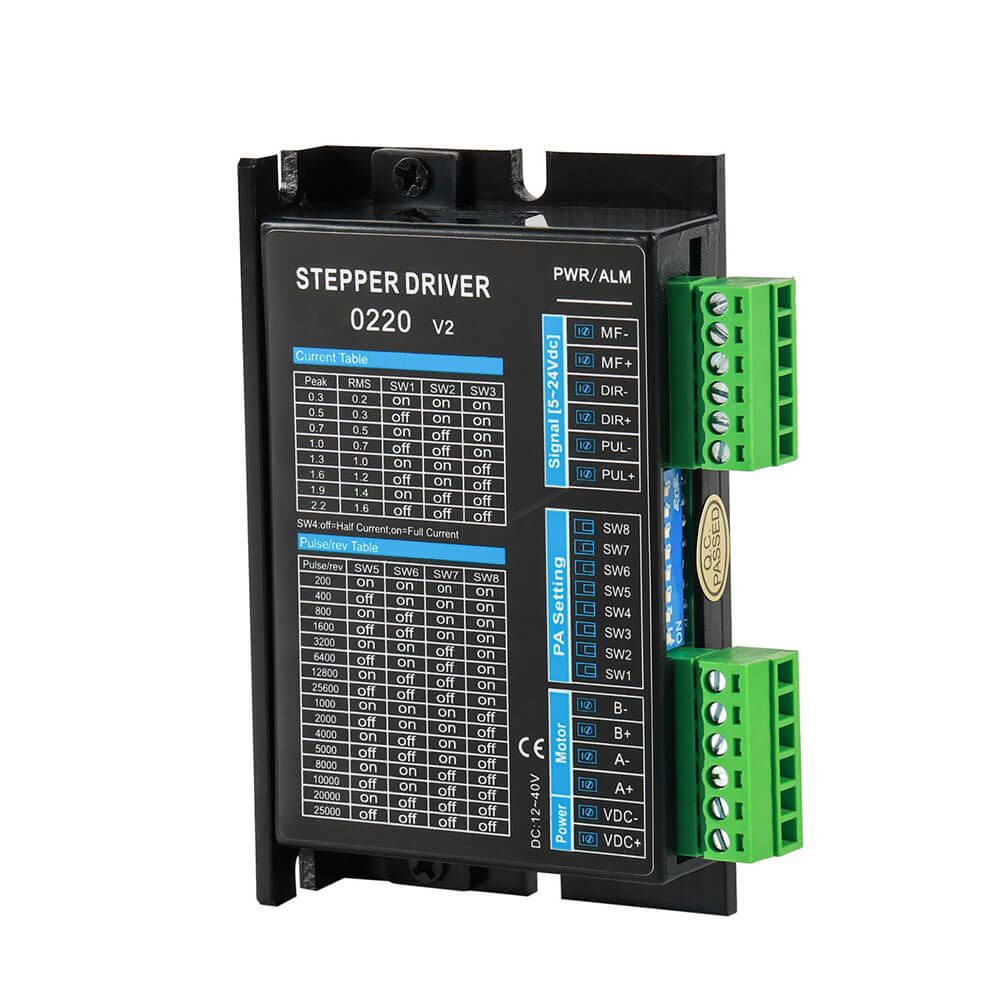
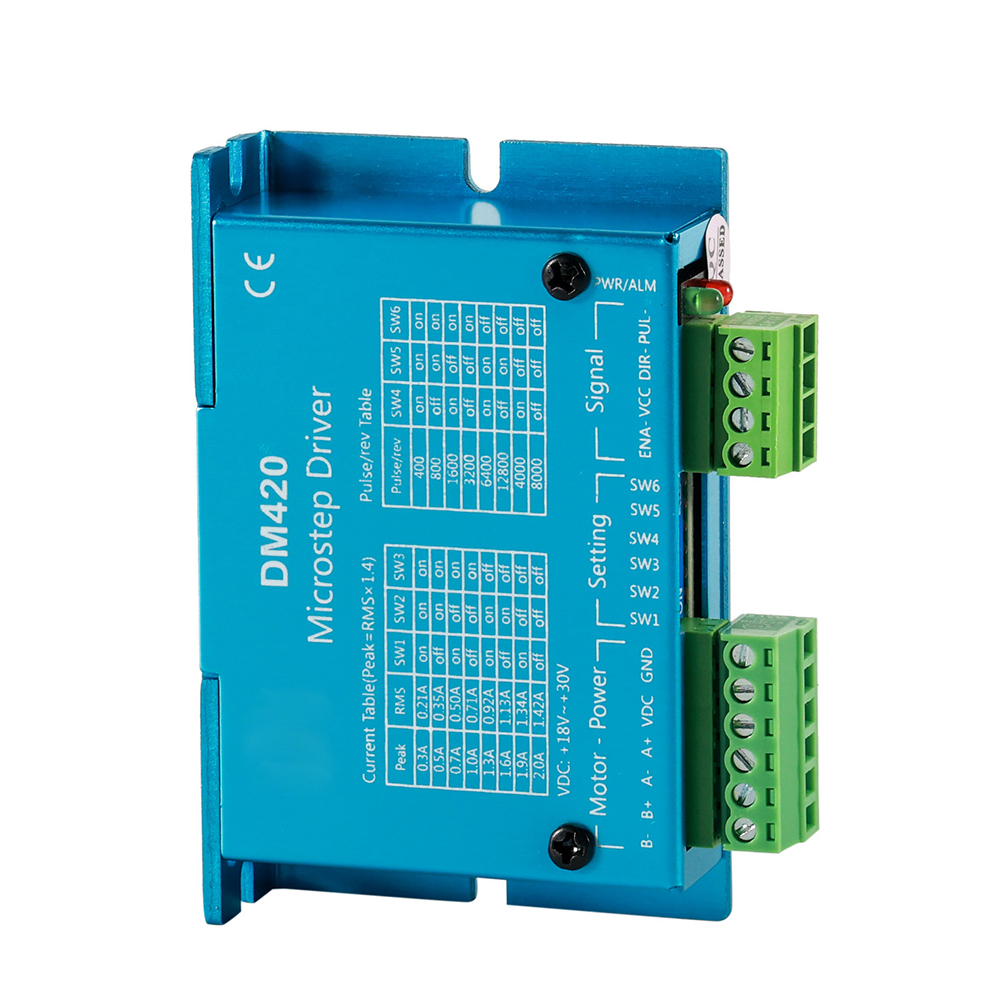
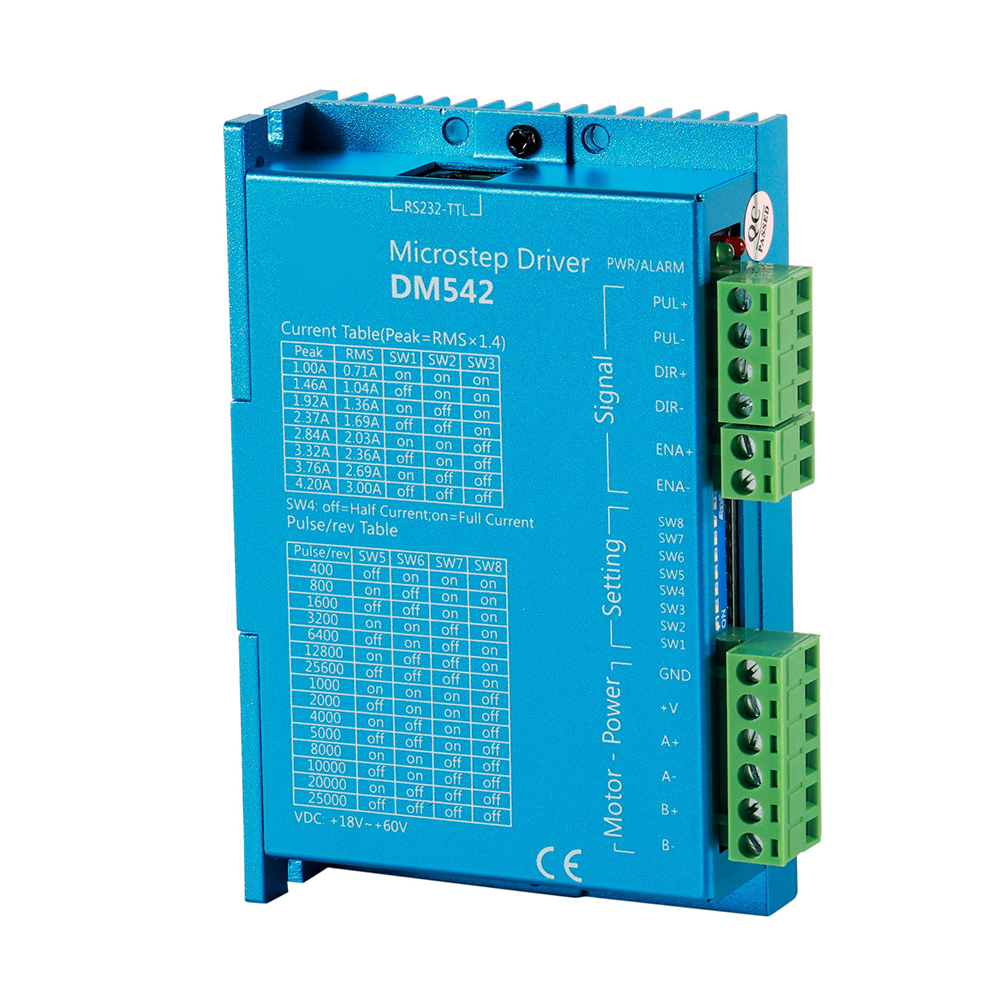
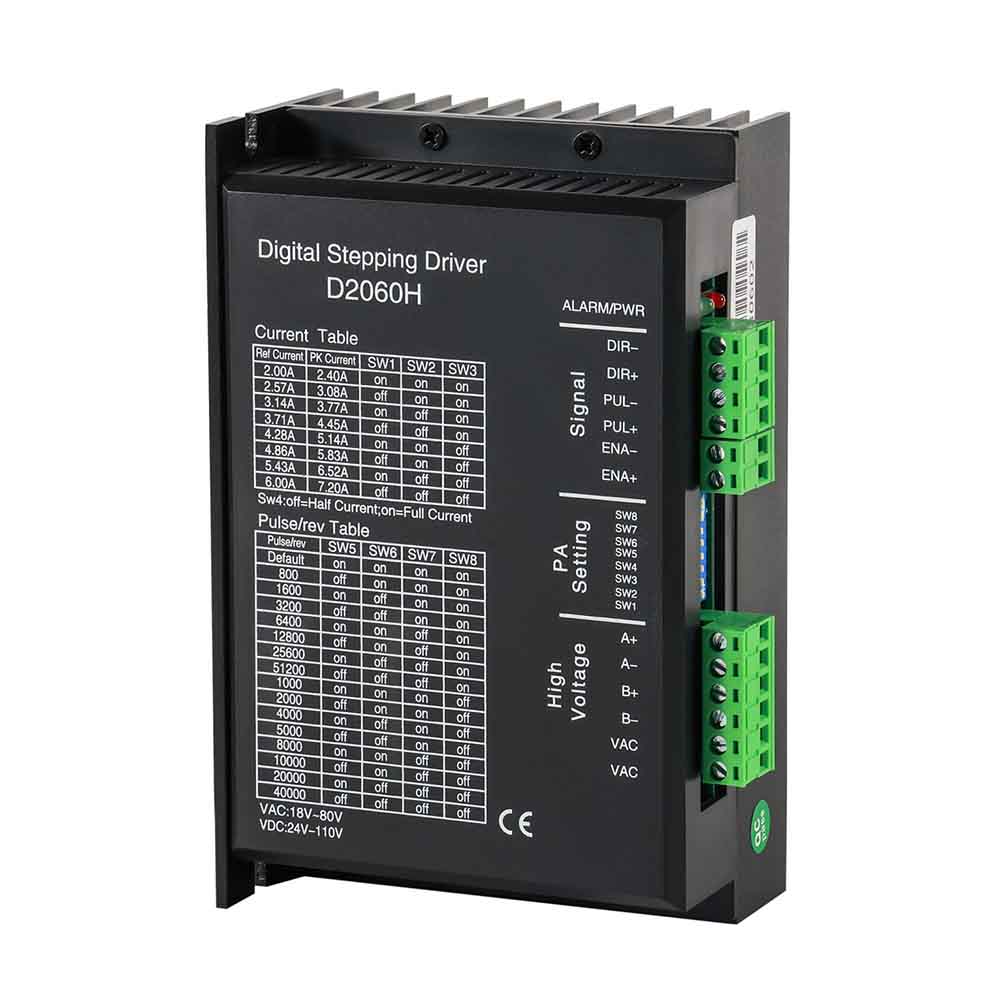
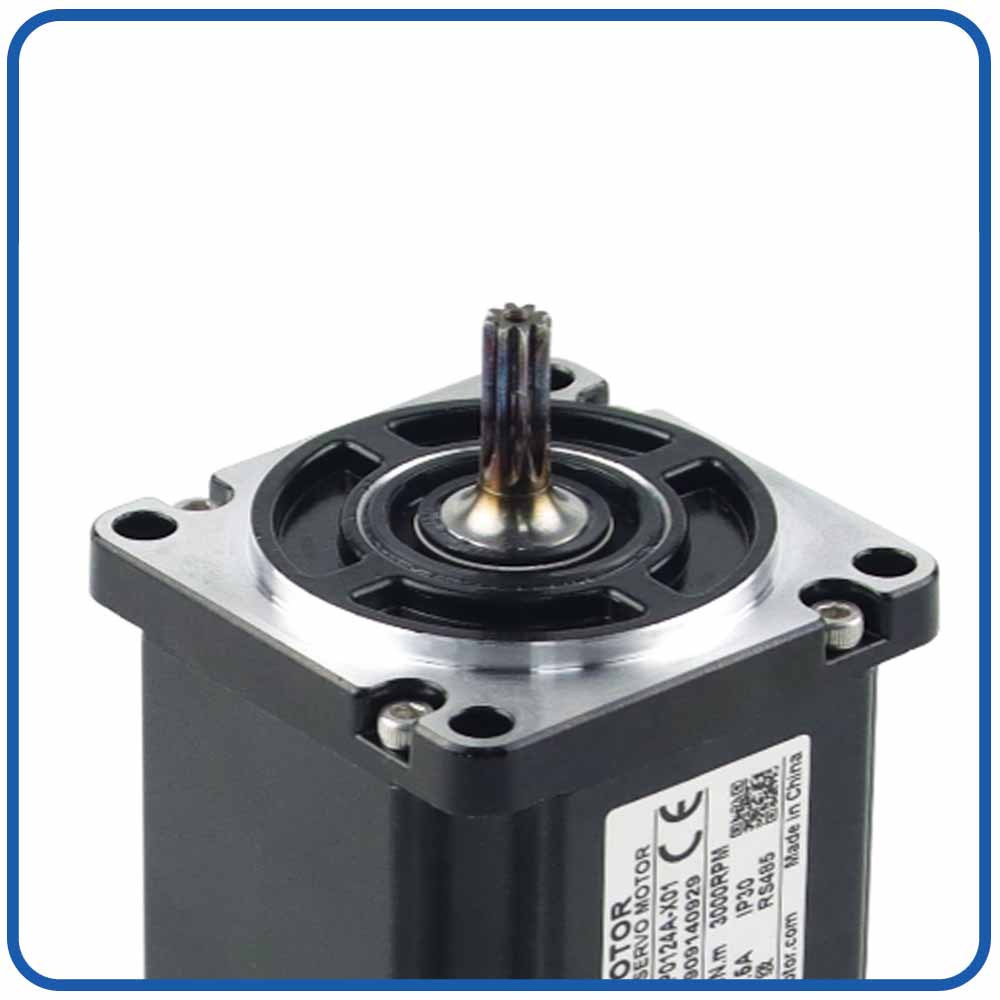
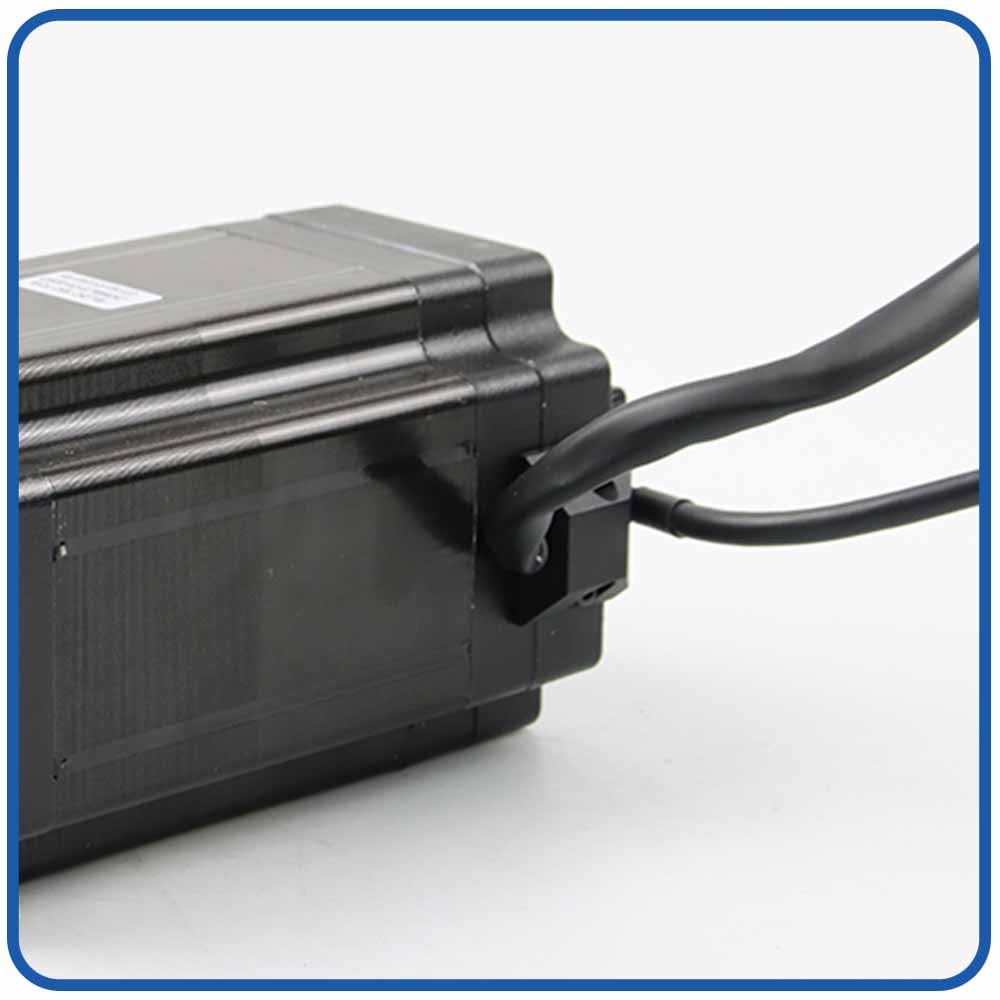
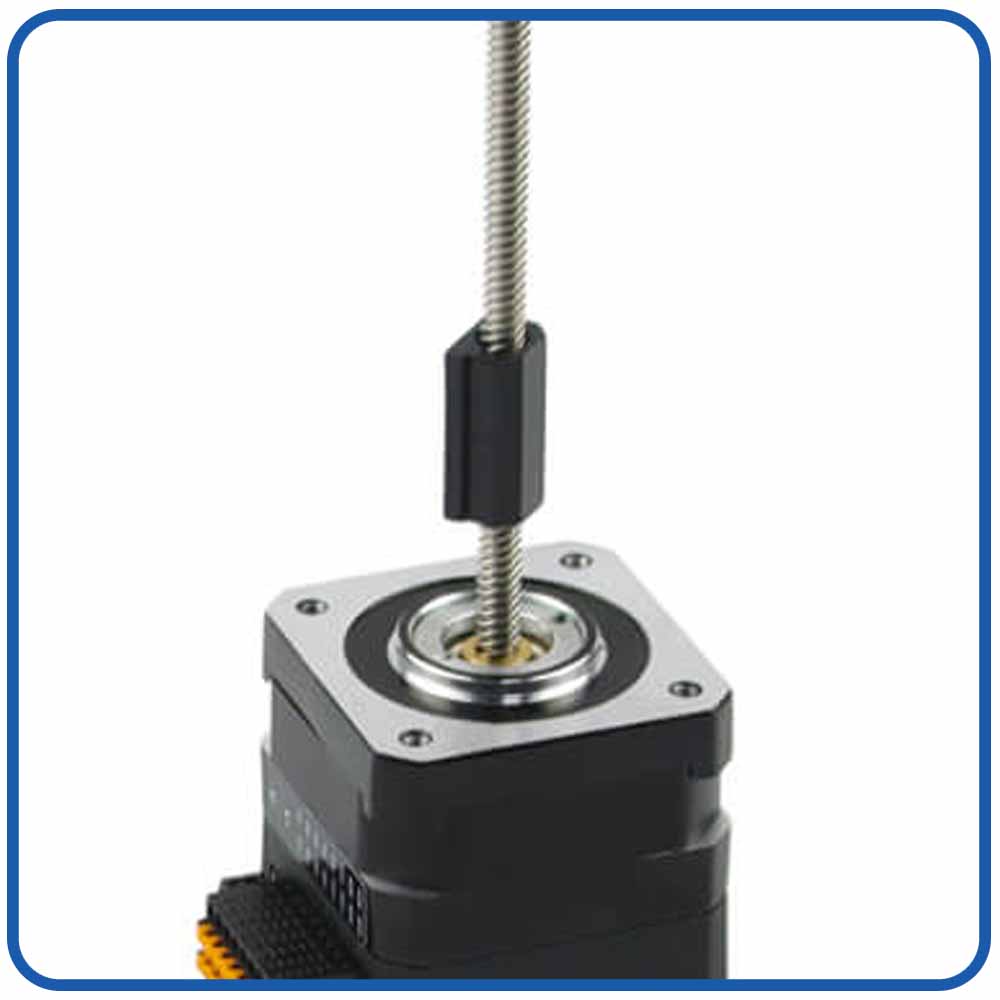
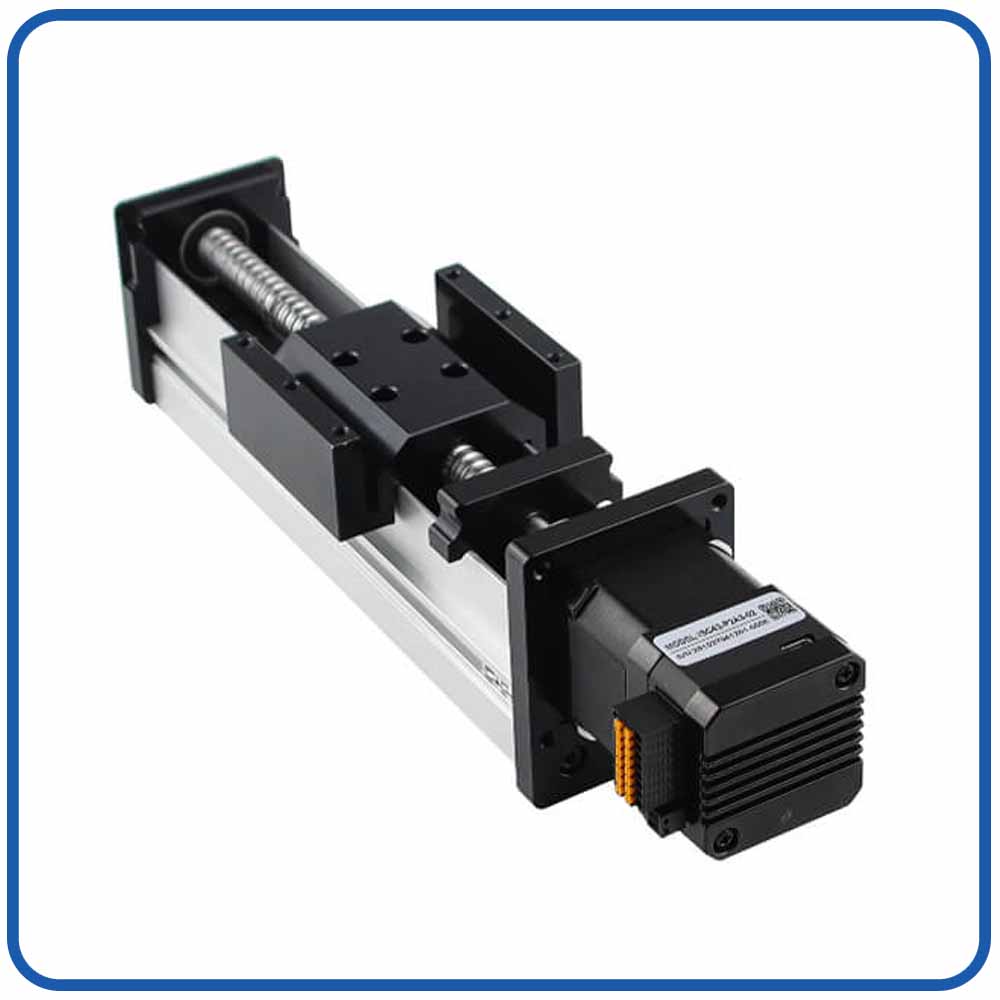
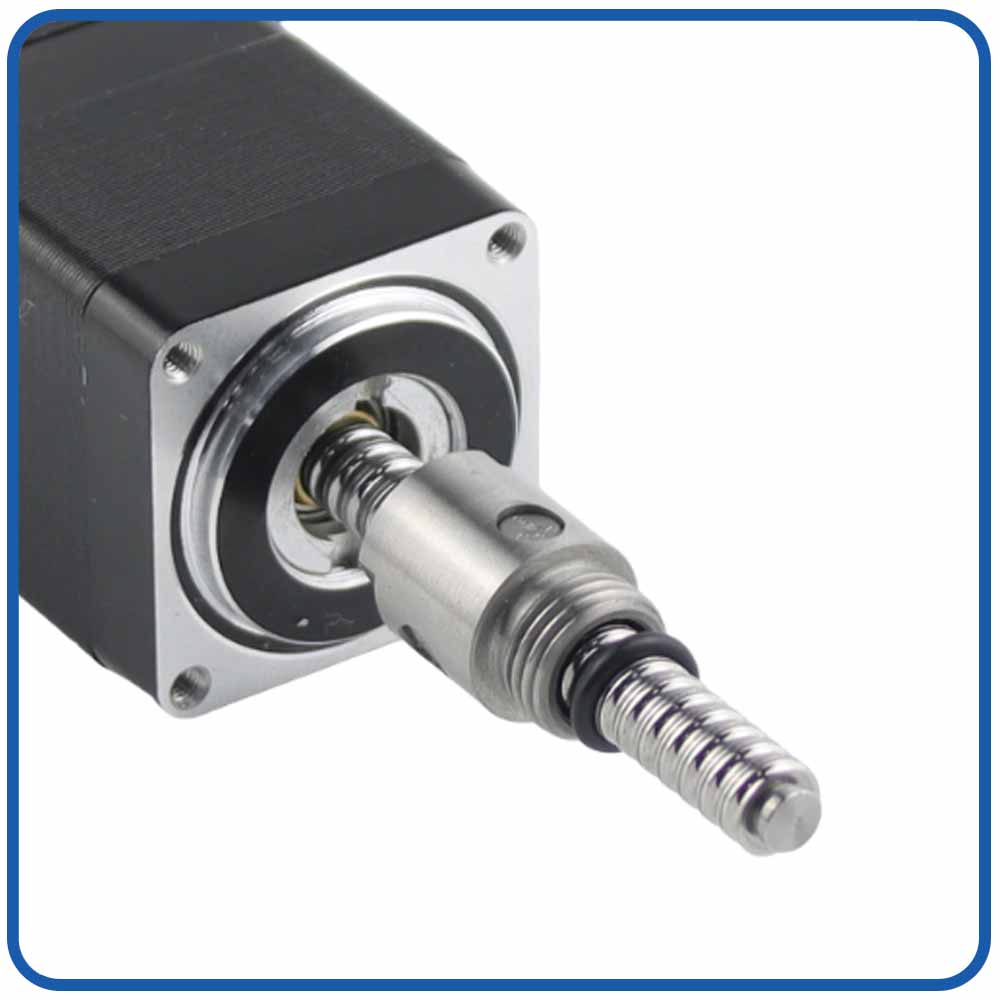
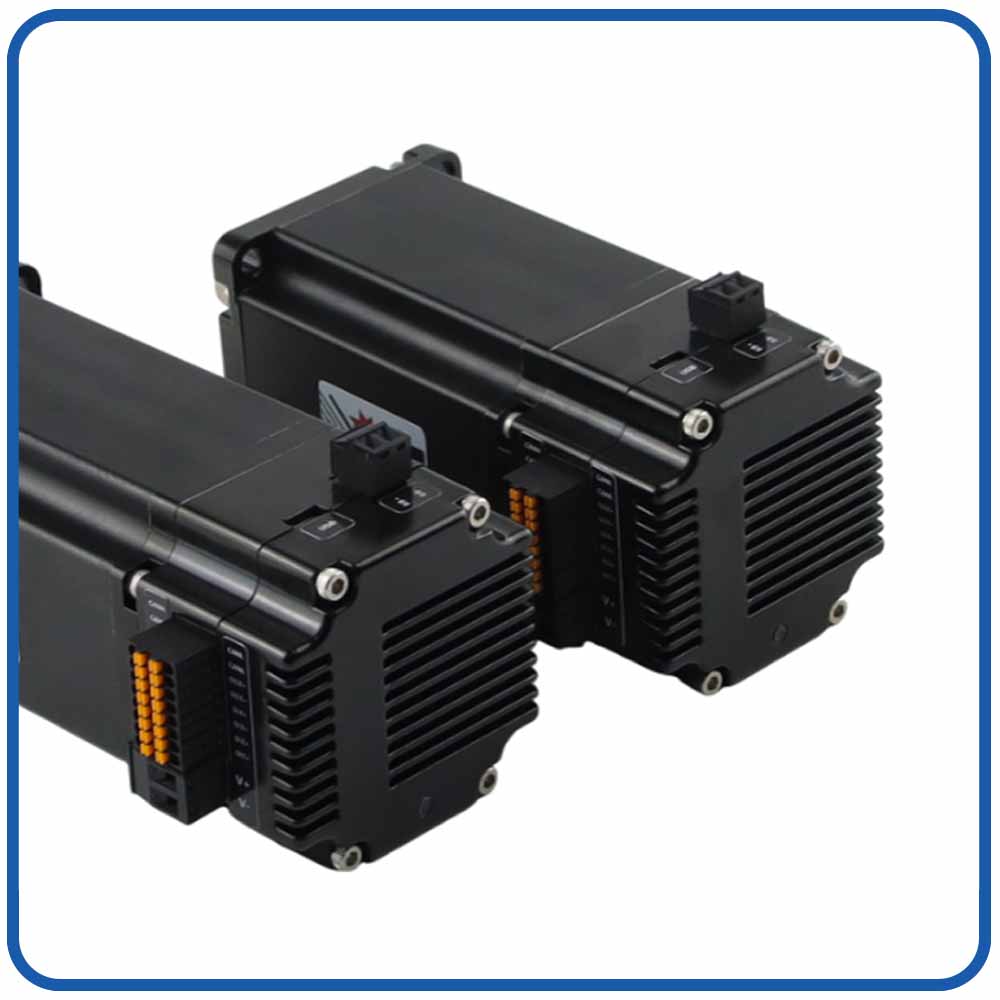
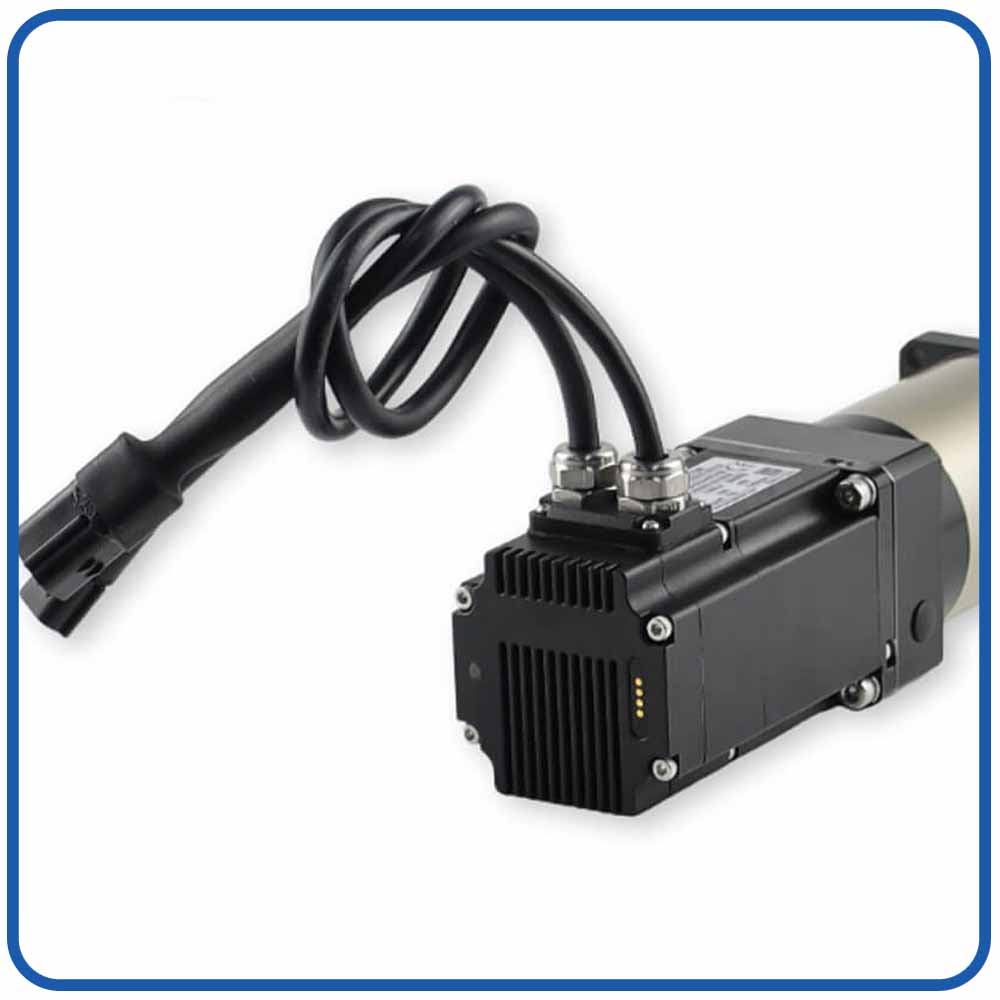
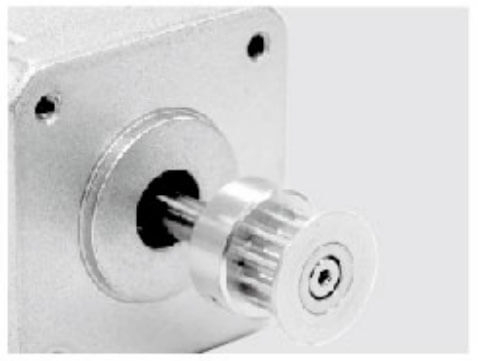
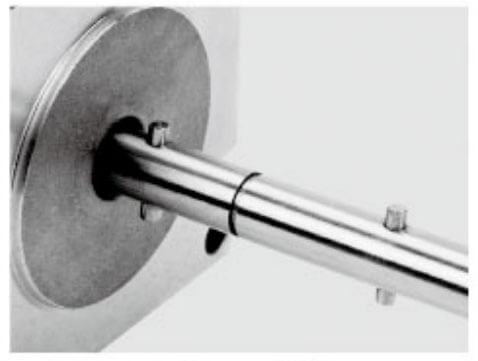
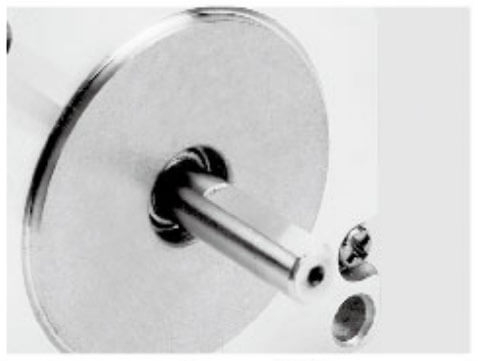
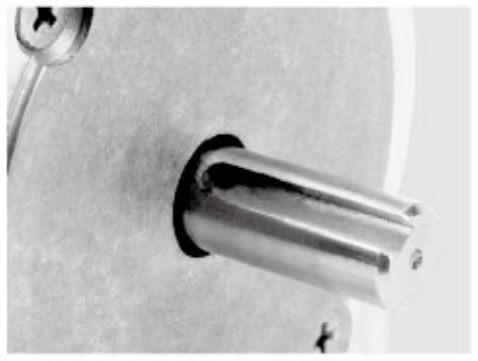
High torque geared stepper motors are widely used in industrial automation, robotics, CNC systems, medical equipment, textile machinery, packaging systems, and precision positioning applications. However, achieving stable performance, high positioning accuracy, low vibration, and reliable torque output depends heavily on selecting the correct driver and controller combination.
Improper matching between the geared stepper motor, driver, and motion controller often leads to missed steps, overheating, excessive noise, torque loss, resonance, unstable acceleration, and reduced service life. To maximize system efficiency and ensure long-term operational reliability, every electrical and mechanical parameter must be carefully evaluated.
This guide explains how to correctly match drivers and controllers with high torque geared stepper motors for industrial-grade performance.
Understanding High Torque Geared Stepper Motors
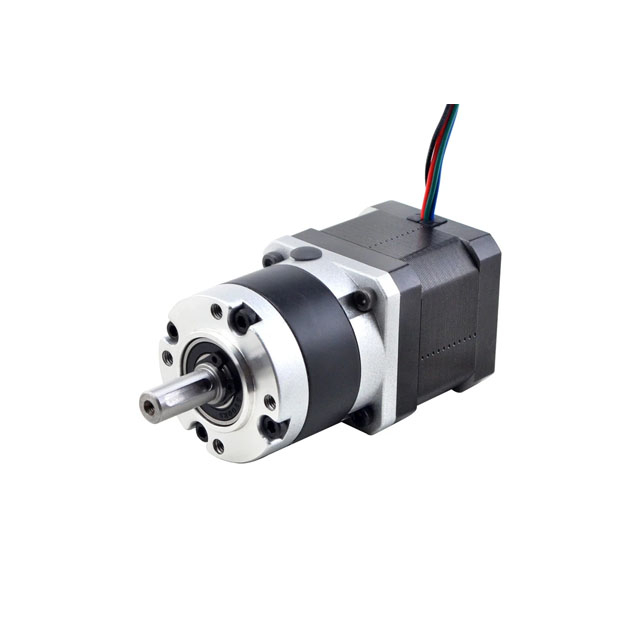
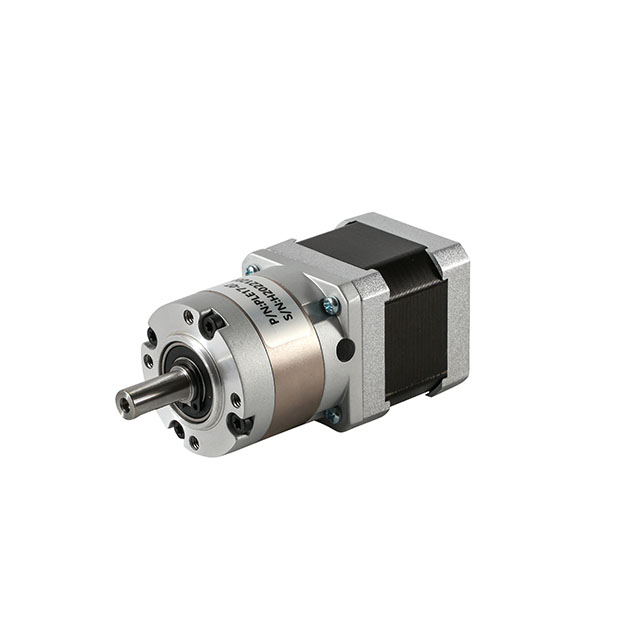
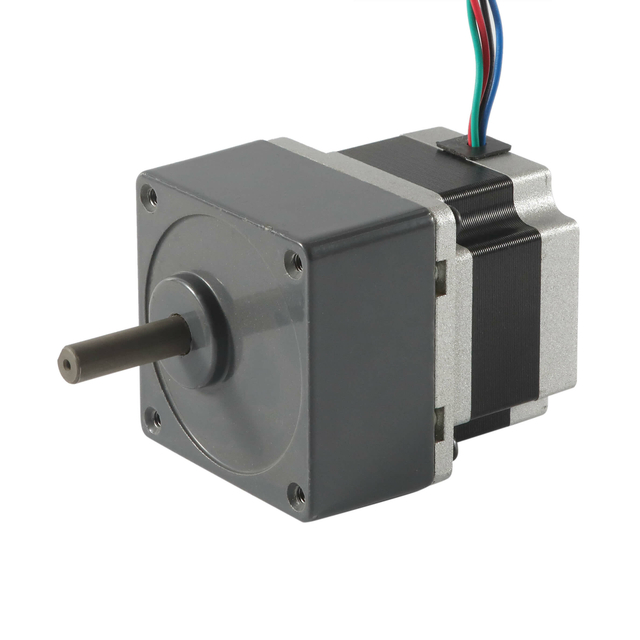
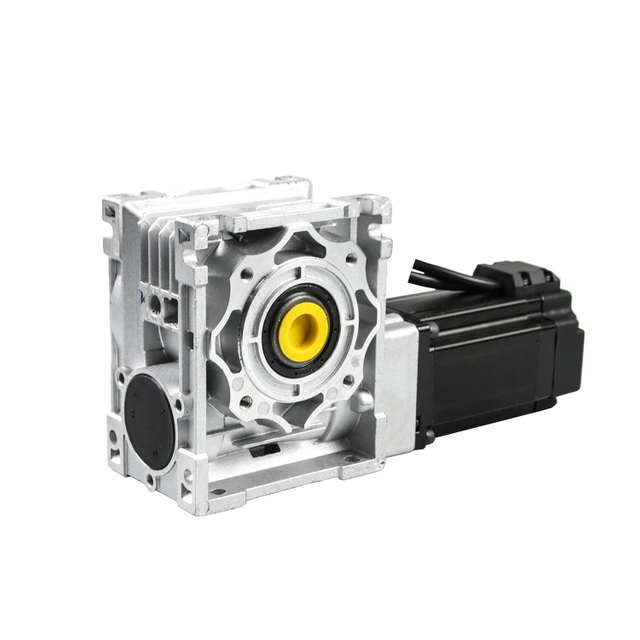
A high torque geared stepper motor combines a traditional stepper motor with a gearbox to increase output torque while reducing speed. The gearbox multiplies torque output and improves load-handling capability, making these motors ideal for applications requiring:
High holding torque
Low-speed precision movement
Increased positioning accuracy
Heavy-load operation
Compact transmission systems
Common gearbox types include:
Gearbox Type
Characteristics
Typical Applications
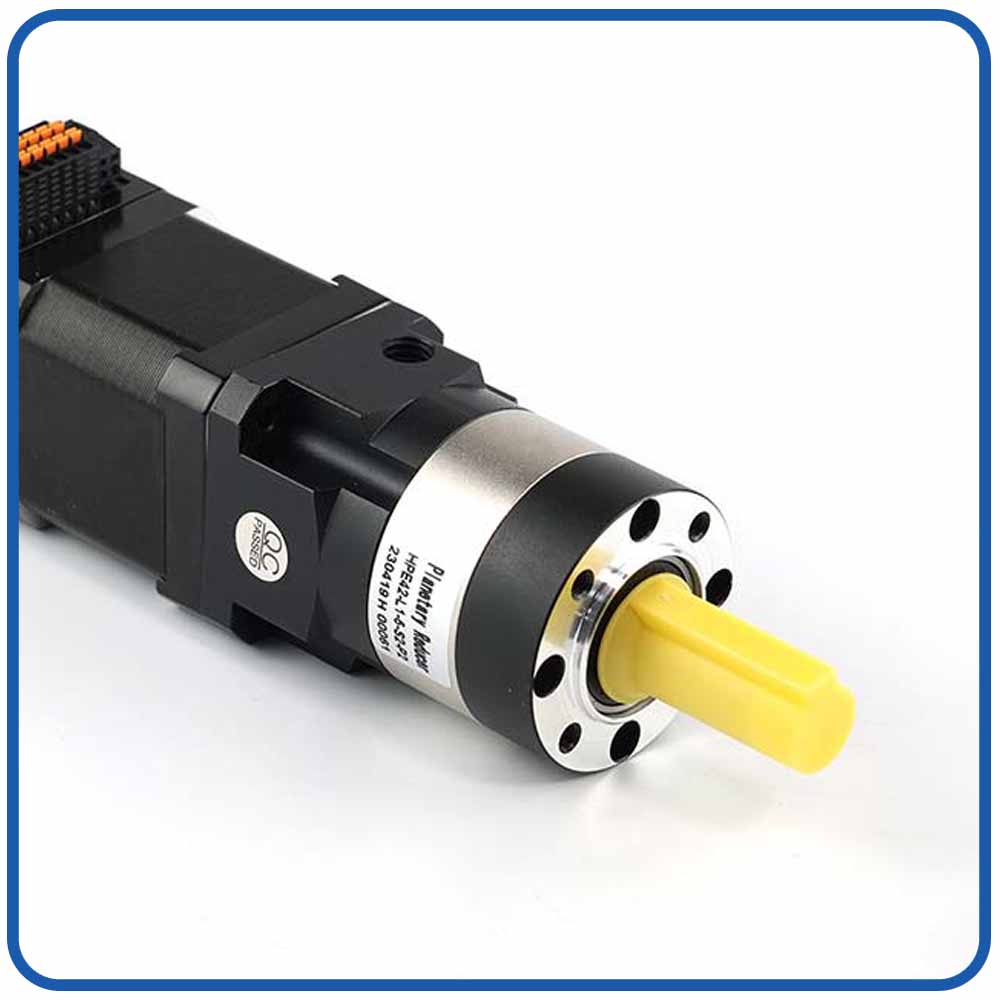
Planetary Gearbox
High precision, compact, low backlash
Robotics, CNC
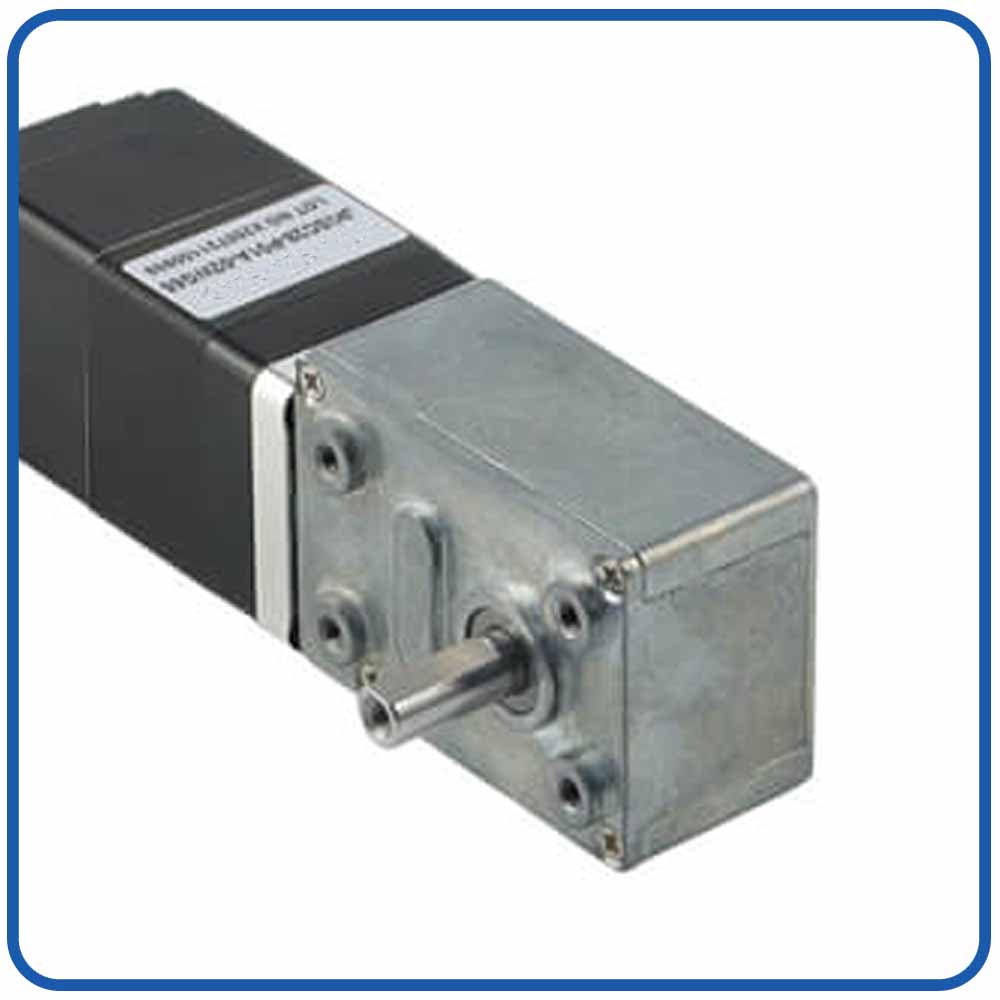
Worm Gearbox
Self-locking, high reduction ratio
Valves, lifting systems
Spur Gearbox
Economical, simple structure
Conveyors
Helical Gearbox
Quiet operation, smooth transmission
Automation equipment
Because geared stepper motors introduce additional inertia and torque amplification, the driver and controller selection process becomes more critical than with standard stepper motors.
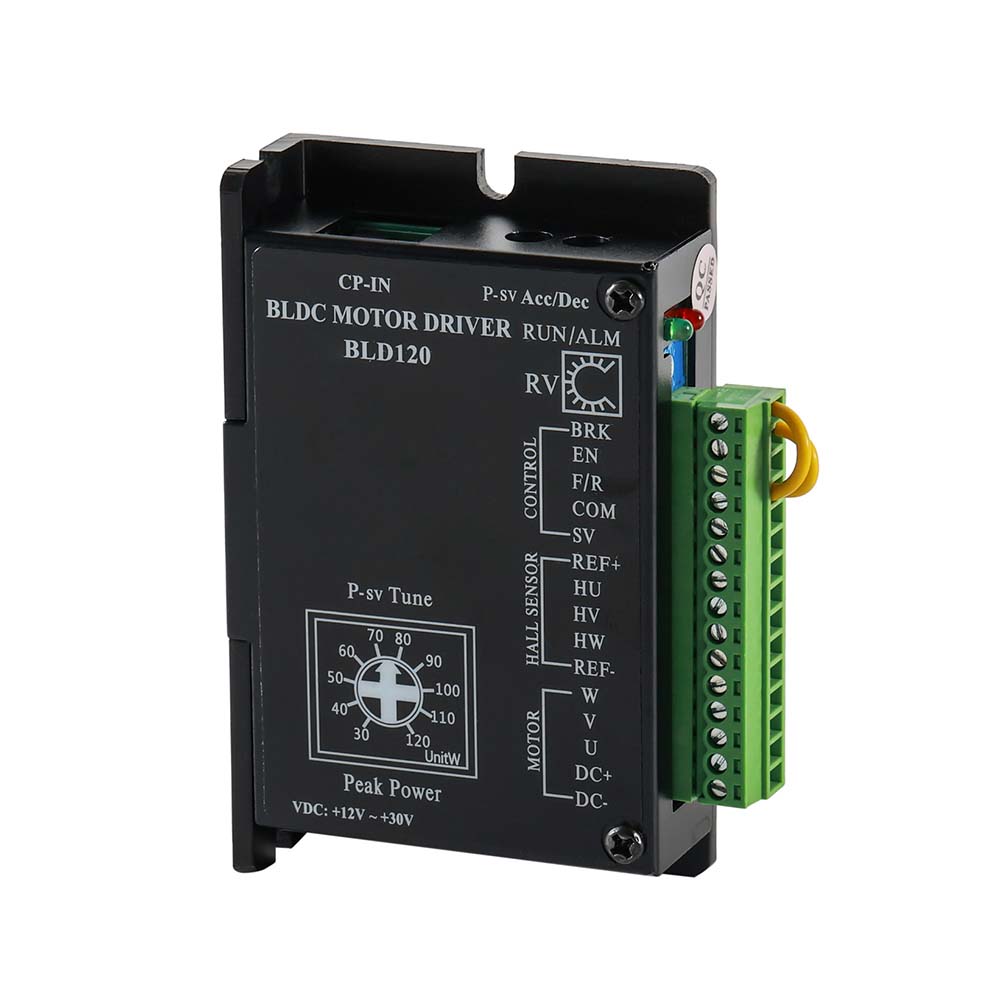
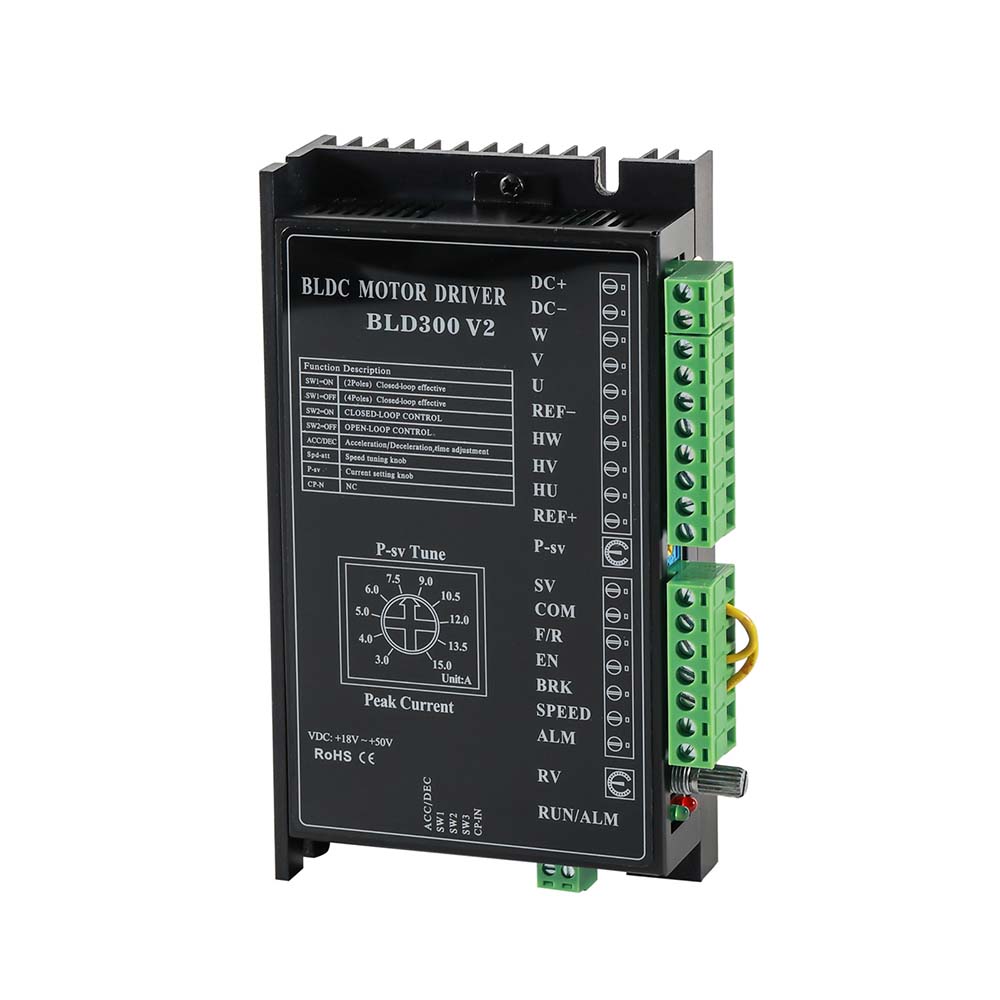
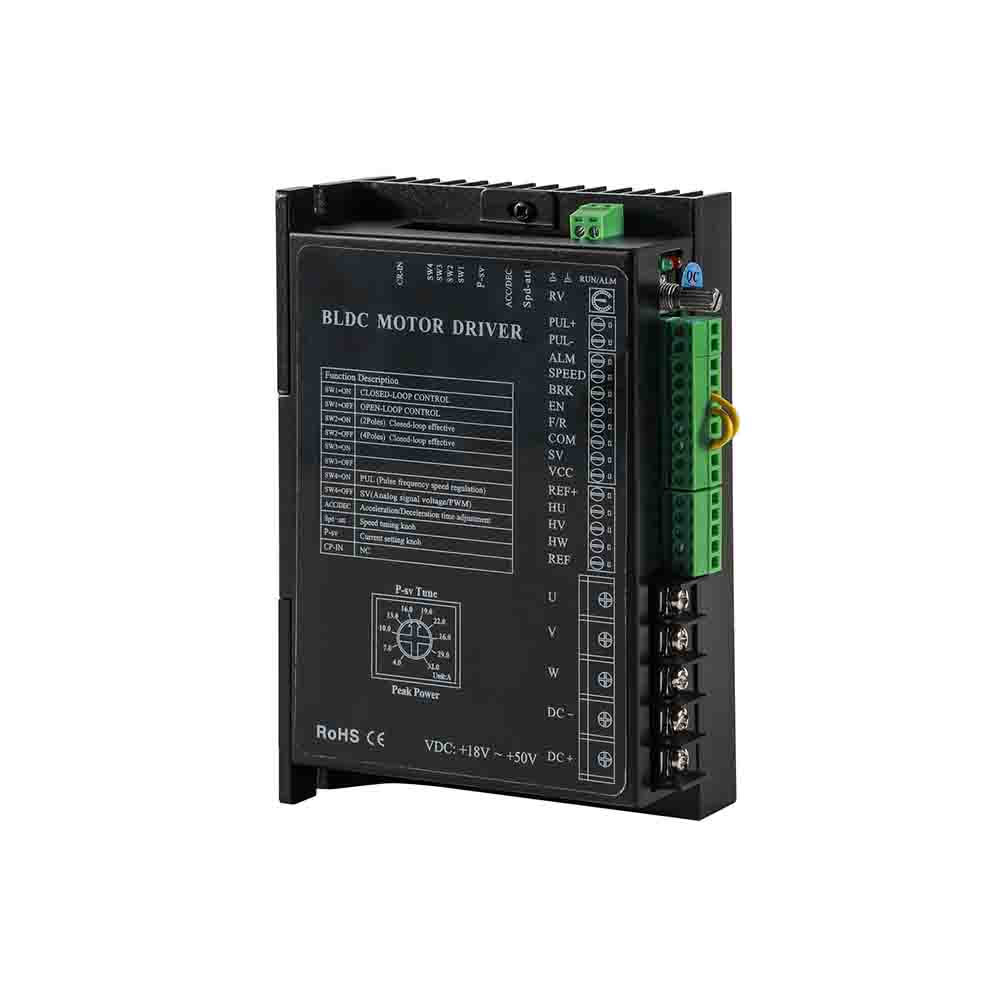
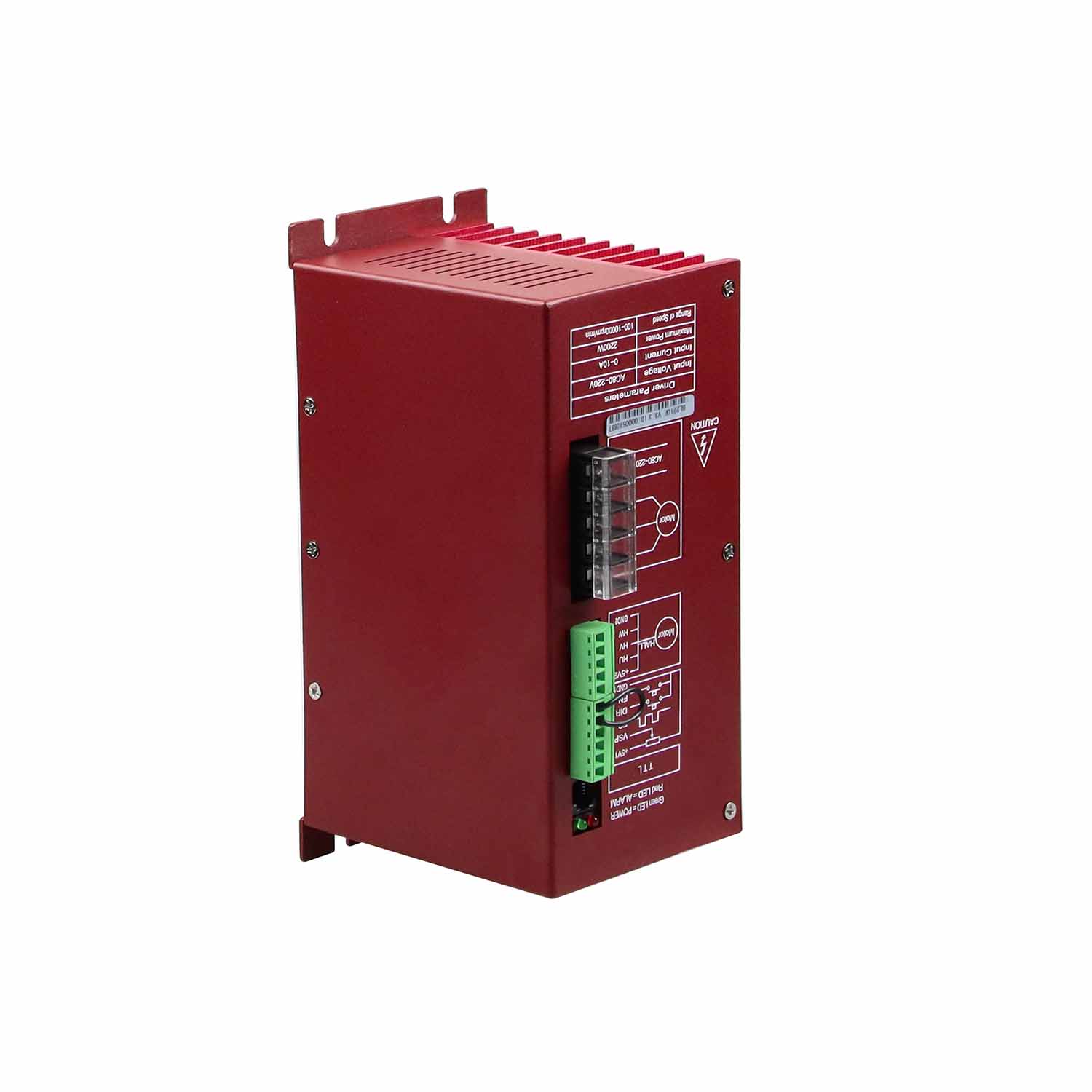
The driver acts as the power interface between the controller and the motor. It regulates current, pulse signals, microstepping, acceleration, and motor phase excitation.
A poorly matched driver can cause:
Torque instability
Step loss
Excessive motor heating
Gearbox wear
Reduced positioning accuracy
Audible resonance
Shortened motor lifespan
Correct driver selection ensures:
Smooth current regulation
Stable low-speed operation
High-speed torque retention
Reduced vibration
Precise microstepping control
Better thermal efficiency
Key Parameters for Matching Stepper Motor Drivers
1. Motor Rated Current
The driver’s output current must match the motor’s rated phase current.
Example:
Motor rated current: 4.2A
Recommended driver current range: 4.0–4.5A
If the current is too low:
Torque output decreases
Acceleration capability weakens
Step loss becomes likely
If the current is too high:
Motor overheating occurs
Insulation degradation accelerates
Gearbox lubrication may fail prematurely
Always configure the driver current according to the motor manufacturer’s specifications.
2. Motor Voltage and Driver Supply Voltage
Stepper motors perform better at higher voltages because current rises faster inside the motor windings.
For high torque geared stepper motors:
Low voltage systems suit low-speed applications
Higher voltage improves high-speed torque performance
Typical driver voltage ranges:
Motor Size
Recommended Driver Voltage
NEMA 17
24V–36V
NEMA 23
24V–48V
NEMA 34
48V–80V
Higher voltage drivers enable:
Faster acceleration
Improved dynamic response
Reduced torque drop at high speed
However, excessive voltage can increase heating and electromagnetic interference.
3. Microstepping Compatibility
Microstepping divides full motor steps into smaller increments for smoother motion and better positioning precision.
Common microstep resolutions:
1/2 step
1/4 step
1/8 step
1/16 step
1/32 step
1/64 step
Benefits of microstepping include:
Reduced vibration
Lower noise
Improved motion smoothness
Enhanced positioning resolution
For geared stepper motors used in precision applications, 1/16 or 1/32 microstepping is commonly recommended.
However, extremely high microstepping settings may reduce usable torque if the controller pulse frequency is insufficient.
4. Driver Type Selection
Different driver technologies significantly affect motor performance.
Open-Loop Drivers
Advantages:
Cost-effective
Simple wiring
Easy integration
Suitable for:
Basic automation systems
Low-to-medium precision applications
Limitations:
No position feedback
Risk of missed steps under overload
Closed-Loop Stepper Drivers
Advantages:
Encoder feedback
Automatic position correction
Reduced heat generation
Higher efficiency
Improved reliability
Suitable for:
CNC equipment
Robotics
Semiconductor machinery
High-load precision systems
Closed-loop systems are increasingly preferred for high torque geared stepper motor applications because they greatly reduce step loss and resonance.
How to Match Controllers with Geared Stepper Motors
The controller generates pulse and direction signals to command motor movement. Controller compatibility directly impacts positioning precision and motion stability.
Selecting the Correct Pulse Frequency
Pulse frequency determines motor speed.
Formula:
Motor Speed = (Pulse Frequency × 60) ÷ (Steps per Revolution × Microstep Setting × Gear Ratio)
High reduction gearboxes require higher pulse counts for the same output speed.
If the controller cannot generate sufficient pulse frequency:
Maximum speed becomes limited
Motion becomes unstable
Acceleration performance suffers
For high-speed industrial applications, controllers should support high-frequency pulse output, typically:
100 kHz
200 kHz
500 kHz or higher
Controller Communication Interface Compatibility
Modern stepper systems often use industrial communication protocols for integrated automation control.
Common interfaces include:
Interface
Advantages
Pulse + Direction
Simple, widely supported
RS-485
Long-distance communication
CANopen
Industrial networking
EtherCAT
Real-time high-speed control
Modbus RTU
Cost-effective industrial integration
For advanced motion synchronization, EtherCAT and CANopen controllers provide superior performance.
Matching Acceleration and Deceleration Profiles
Geared stepper motors generate high torque but also experience increased reflected inertia due to the gearbox.
Improper acceleration settings may cause:
Gear backlash shock
Mechanical vibration
Step loss
Excessive current spikes
Recommended practices:
Use S-curve acceleration
Avoid instant starts/stops
Gradually ramp motor speed
Tune acceleration experimentally
Smooth motion profiles significantly extend gearbox life.
Importance of Load Inertia Matching
Load inertia strongly affects stepper motor performance.
Ideal inertia ratio:
Load Inertia : Motor Inertia ≤ 10:1
If inertia mismatch becomes excessive:
Motor oscillation increases
Response slows
Positioning errors appear
Gear wear accelerates
Planetary gearboxes help optimize inertia matching by reducing reflected load inertia to the motor side.
Power Supply Selection for Stepper Systems
The power supply must support both the motor driver and transient acceleration demands.
Key considerations:
Stable DC voltage
Sufficient current reserve
Low ripple output
Overcurrent protection
Recommended sizing:
Power Supply Current = Motor Current × Number of Motors × 1.3
A 30% safety margin improves stability during acceleration peaks.
Reducing Resonance in Geared Stepper Motor Systems
Stepper motors naturally generate resonance at certain speeds.
Common resonance symptoms:
Audible noise
Torque instability
Vibration
Step skipping
Solutions include:
Using microstepping drivers
Increasing driver voltage
Applying dampers
Using closed-loop drivers
Optimizing acceleration curves
Modern DSP-based digital drivers significantly reduce resonance problems compared to traditional analog drivers.
Thermal Management Considerations
Thermal management is one of the most critical factors affecting the performance, reliability, and lifespan of high torque geared stepper motor systems. During continuous operation, stepper motors and drivers generate significant heat due to electrical resistance, magnetic losses, mechanical friction, and load-related stress. If this heat is not properly controlled, it can reduce torque output, damage internal components, accelerate gearbox wear, and cause unexpected system failures.
Effective thermal management ensures stable operation, consistent positioning accuracy, and long-term durability in industrial automation environments.
Why High Torque Geared Stepper Motors Generate Heat
Unlike conventional DC motors, stepper motors continuously consume current even when holding position. This constant current flow produces heat inside the motor windings and driver electronics.
Major sources of heat include:
Heat Source
Description
Copper Losses
Resistance in motor windings generates heat
Iron Losses
Magnetic hysteresis and eddy currents inside the stator
Driver Switching Losses
Heat produced by MOSFET switching inside the driver
Mechanical Friction
Gearbox friction and bearing resistance
Load Stress
High torque operation increases current demand
In geared stepper motors, the gearbox itself can also contribute to thermal buildup, especially under heavy loads or continuous low-speed operation.
Effects of Excessive Heat on Stepper Motor Systems
Overheating negatively impacts both the motor and the gearbox assembly.
1. Torque Reduction
As motor temperature rises, magnetic efficiency decreases. This can cause noticeable torque loss during operation, especially at higher speeds.
2. Insulation Degradation
Motor winding insulation has a maximum temperature rating. Prolonged overheating accelerates insulation aging and may eventually lead to short circuits.
3. Driver Protection Shutdown
Most modern digital drivers include thermal protection functions. Excessive driver temperature may trigger automatic shutdown or current limiting.
4. Gearbox Lubrication Breakdown
High temperatures can degrade gearbox grease or lubricants, increasing friction and accelerating gear wear.
5. Reduced Bearing Life
Bearings exposed to excessive heat experience faster lubricant evaporation and surface fatigue.
Recommended Operating Temperature Ranges
Typical safe temperature ranges include:
Component
Recommended Temperature
Stepper Motor Housing
Below 80°C
Driver Surface Temperature
Below 70°C
Gearbox Housing
Below 75°C
Ambient Environment
0°C to 40°C
Some industrial-grade motors use Class B, F, or H insulation systems capable of withstanding higher internal temperatures, but maintaining lower operating temperatures always improves system reliability.
Selecting the Proper Driver Current
One of the most effective ways to reduce heat generation is correct current tuning.
If the driver current is set too high:
Motor overheating increases rapidly
Torque saturation occurs
Energy efficiency decreases
If current is too low:
Torque becomes insufficient
Step loss may occur under load
The ideal driver current setting should closely match the motor’s rated phase current specified by the manufacturer.
Modern digital drivers often support:
Automatic current adjustment
Dynamic current reduction
Idle current reduction modes
These features significantly reduce unnecessary heat generation during standby conditions.
Importance of Adequate Ventilation
Proper airflow is essential for heat dissipation.
Natural Convection Cooling
Suitable for:
Low-power applications
Intermittent operation
Small motor systems
This method relies on passive airflow around the motor housing.
Forced Air Cooling
Recommended for:
High torque applications
Continuous-duty systems
Enclosed machinery
Cooling fans improve heat transfer and maintain stable operating temperatures.
Best practices include:
Direct airflow across motor fins
Ventilated control cabinets
Separate airflow channels for drivers and power supplies
Using Heat Sinks and Metal Mounting Surfaces
Motor heat can be transferred efficiently through conductive mounting structures.
Recommended methods:
Aluminum mounting plates
Integrated heat sinks
Thermally conductive brackets
A rigid metal mounting structure not only improves cooling but also reduces vibration and enhances system stability.
Thermal Management for Stepper Drivers
Drivers often generate more concentrated heat than the motor itself due to high-frequency switching components.
Key driver cooling strategies include:
Cooling Method
Benefits
Heat Sink Installation
Improves heat dissipation
Cooling Fans
Reduces internal cabinet temperature
Ventilated Enclosures
Prevents heat accumulation
Thermal Interface Pads
Improves thermal conductivity
Proper Spacing
Avoids heat concentration between drivers
When multiple drivers are installed inside a control cabinet, sufficient spacing is critical to prevent thermal stacking.
require enhanced cooling solutions and regular maintenance.
Gearbox Thermal Considerations
The gearbox in a high torque geared stepper motor introduces additional thermal factors.
Low-Speed High-Torque Operation
At low speed with heavy loads:
Mechanical friction increases
Lubricant shear stress rises
Gear contact temperatures elevate
Lubrication Quality
High-quality industrial grease improves:
Thermal stability
Wear resistance
Efficiency
Service life
Synthetic lubricants are often preferred for demanding automation applications.
Monitoring Temperature in Real Time
Advanced automation systems increasingly use thermal monitoring for predictive maintenance.
Common monitoring solutions include:
Temperature sensors
Thermal switches
Infrared monitoring
Driver temperature feedback
PLC alarm systems
Real-time monitoring allows operators to detect abnormal heating before failures occur.
Reducing Heat Through Motion Optimization
Motion profile tuning can significantly reduce motor heating.
Recommended optimization methods:
Smooth Acceleration Curves
Sudden acceleration causes current spikes and rapid heat buildup.
S-curve acceleration profiles reduce:
Torque shock
Heat generation
Mechanical stress
Idle Current Reduction
Many drivers automatically reduce holding current when the motor is stationary.
Benefits include:
Lower standby temperature
Reduced power consumption
Longer motor lifespan
Avoiding Oversized Motors
Oversized motors often consume excessive current unnecessarily.
Correct motor sizing improves:
Energy efficiency
Thermal performance
Motion responsiveness
Closed-Loop Systems and Heat Reduction
Closed-loop stepper systems dynamically adjust current output according to actual load conditions.
Advantages include:
Reduced heat generation
Improved efficiency
Lower power consumption
Enhanced torque stability
Compared with traditional open-loop systems, closed-loop drivers typically operate cooler under variable loads.
Best Practices for Long-Term Thermal Stability
For optimal thermal management, industrial users should follow these recommendations:
Match driver current correctly
Use adequate ventilation
Install cooling fans when necessary
Avoid enclosed unventilated cabinets
Monitor operating temperatures regularly
Maintain clean airflow paths
Use quality lubricants
Reduce unnecessary holding current
Select efficient digital drivers
Perform routine maintenance inspections
Conclusion
Thermal management plays a vital role in maintaining the efficiency, precision, and reliability of high torque geared stepper motor systems. Excessive heat can reduce torque performance, damage insulation, shorten gearbox life, and trigger driver failures. By combining proper driver configuration, efficient cooling methods, optimized motion control, and real-time temperature monitoring, industrial automation systems can achieve stable long-term operation with minimal downtime and improved energy efficiency.
Industrial environments contain electromagnetic interference that can disrupt controller signals.
Best practices include:
Shielded motor cables
Proper grounding
Separate power and signal wiring
Ferrite cores
Differential signaling
Stable signal transmission ensures accurate pulse delivery and prevents false triggering.
Application-Specific Driver and Controller Matching
CNC Machines
Recommended:
Closed-loop drivers
High-voltage operation
EtherCAT controllers
Fine microstepping
Robotics
Recommended:
Low-backlash planetary gearbox
High-speed communication
Precise acceleration tuning
Encoder feedback systems
Packaging Machinery
Recommended:
Moderate microstepping
Fast acceleration response
Multi-axis synchronization
Stable pulse output
Medical Equipment
Recommended:
Low-noise drivers
High positioning precision
Thermal optimization
Smooth low-speed operation
Common Driver Matching Mistakes
Avoid these frequent system integration errors:
Mistake
Result
Undersized driver current
Torque loss
Excessive microstepping
Reduced usable torque
Low supply voltage
Poor high-speed performance
Improper grounding
Signal interference
Weak power supply
Driver reset and instability
Incorrect acceleration settings
Step loss and vibration
Correct system design prevents expensive downtime and maintenance issues.
Future Trends in Stepper Motor Control
Stepper motor control technology is rapidly evolving as industrial automation systems demand higher precision, faster response, greater efficiency, and smarter integration. Modern high torque geared stepper motors are no longer limited to basic open-loop positioning systems. Today’s motion control solutions increasingly combine intelligent electronics, digital communication, feedback systems, and energy optimization technologies to improve overall machine performance.
As Industry 4.0 and smart manufacturing continue to expand, stepper motor control systems are becoming more connected, adaptive, and efficient.
Shift from Open-Loop to Closed-Loop Control
Traditional open-loop stepper systems operate without position feedback. While cost-effective, they may experience:
Step loss
Position drift
Excessive heat
Torque instability under heavy loads
Modern closed-loop stepper systems integrate encoders that continuously monitor motor position and automatically correct errors in real time.
Key advantages include:
Feature
Benefit
Real-Time Position Feedback
Improved positioning accuracy
Automatic Error Correction
Reduced step loss
Dynamic Current Adjustment
Lower heat generation
Higher Efficiency
Reduced power consumption
Stable High-Speed Operation
Better motion reliability
Closed-loop technology is becoming the standard solution for high-performance automation equipment.
Digital DSP-Based Drivers
Modern stepper drivers increasingly use Digital Signal Processing (DSP) technology instead of traditional analog control methods.
DSP drivers provide:
Smoother current control
Better microstepping accuracy
Reduced vibration
Lower operating noise
Improved torque stability
Compared with older analog drivers, digital drivers can automatically optimize motor performance across different speed ranges and load conditions.
This technology is especially valuable in:
CNC machinery
Semiconductor equipment
Medical automation
Precision robotics
Higher Microstepping Resolution
Advanced microstepping technology continues to improve motion smoothness and positioning precision.
Future systems increasingly support:
1/64 microstepping
1/128 microstepping
1/256 microstepping
Benefits include:
Reduced resonance
Lower vibration
Smoother low-speed operation
Improved positioning resolution
High-resolution microstepping is particularly important for applications requiring ultra-fine movement control.
Integration with Industrial Ethernet Networks
Modern factories require seamless communication between motors, controllers, PLCs, sensors, and industrial computers.
Future stepper motor systems increasingly support advanced industrial communication protocols such as:
Protocol
Application Advantage
EtherCAT
Ultra-fast real-time control
CANopen
Reliable multi-axis networking
Modbus RTU
Simple industrial integration
PROFINET
Factory-wide communication
Ethernet/IP
High-speed industrial automation
These communication systems improve synchronization, remote diagnostics, and centralized machine management.
Energy-Efficient Motion Control
Energy efficiency has become a major priority in industrial automation.
Modern stepper motor control systems now include:
Dynamic current reduction
Idle current optimization
Smart power management
Regenerative energy technologies
These improvements help reduce:
Power consumption
Motor heating
Operating costs
Environmental impact
Energy-efficient control systems are especially important for large-scale automated production lines operating continuously.
Integrated Motor and Driver Solutions
Integrated stepper motor systems combine:
Motor
Driver
Encoder
Controller
Communication interface
into a single compact unit.
Advantages include:
Simplified wiring
Reduced installation time
Lower electromagnetic interference
Compact machine design
Easier maintenance
Integrated systems are becoming increasingly popular in robotics, medical devices, laboratory automation, and compact industrial equipment.
Improved Resonance Suppression Technologies
Resonance remains one of the primary challenges in stepper motor systems.
Future control technologies use advanced algorithms to:
Detect resonance zones
Automatically adjust current waveforms
Optimize switching frequencies
Minimize vibration dynamically
These improvements result in:
Quieter operation
Smoother motion
Higher positional stability
Better mechanical lifespan
Predictive Maintenance and Condition Monitoring
Industrial automation is moving toward predictive maintenance rather than reactive repairs.
Modern stepper motor systems increasingly include sensors for monitoring:
Temperature
Vibration
Load conditions
Driver status
Current consumption
Real-time diagnostics allow operators to identify potential failures before they cause production downtime.
Predictive maintenance improves:
Equipment reliability
Maintenance scheduling
Production efficiency
Overall system lifespan
Miniaturization and High Power Density
Manufacturers continue developing smaller motors with higher torque output.
This trend supports the growing demand for compact automation systems in industries such as:
Robotics
Aerospace
Medical technology
Semiconductor manufacturing
Advanced Motion Synchronization
Future automation systems increasingly require precise multi-axis coordination.
Modern controllers now support:
Real-time trajectory synchronization
Multi-axis interpolation
Coordinated robotic motion
High-speed path correction
These technologies improve performance in:
CNC systems
Pick-and-place robots
Automated assembly lines
Packaging equipment
Cloud Connectivity and Smart Manufacturing
Industry 4.0 is driving greater connectivity between factory equipment and cloud platforms.
Future stepper motor systems may support:
Remote diagnostics
Cloud-based performance monitoring
Centralized maintenance management
Real-time production analysis
Smart factories use connected motion systems to improve productivity and reduce downtime across entire manufacturing operations.
Summary
Future stepper motor control technologies are moving toward smarter, faster, and more efficient automation systems. Closed-loop control, digital drivers, AI-assisted optimization, industrial networking, and predictive maintenance are transforming the capabilities of high torque geared stepper motor systems.
As industrial automation continues to advance, modern stepper motor control solutions will provide higher precision, improved reliability, lower energy consumption, and greater integration within intelligent manufacturing environments.
Conclusion
Properly matching drivers and controllers with high torque geared stepper motors is essential for achieving maximum efficiency, positioning accuracy, torque stability, and operational reliability. Current matching, voltage selection, microstepping configuration, controller pulse capability, acceleration tuning, and communication compatibility all play critical roles in overall system performance.
Industrial automation systems that use carefully optimized motor-driver-controller combinations benefit from smoother operation, lower vibration, higher precision, longer gearbox lifespan, and significantly reduced maintenance costs. By selecting compatible components and tuning them correctly, engineers can unlock the full performance potential of high torque geared stepper motor systems in demanding industrial environments.
FAQs:
Q: How do I choose the right driver current for a high torque geared stepper motor?
A:The driver current should closely match the motor’s rated phase current specified in the motor datasheet. Setting the current too low can reduce torque output and cause step loss, while excessive current may lead to overheating and shorten motor lifespan. BESFOC recommends using digital drivers with adjustable current settings for optimal performance and thermal stability.
Q: Why is driver voltage important in geared stepper motor systems?
A:Driver voltage directly affects motor speed performance and dynamic response. Higher voltage allows current to rise faster in the motor windings, improving high-speed torque and acceleration capability. BESFOC typically recommends 24V–80V driver systems depending on motor size and application requirements.
Q: What type of driver is best for high torque geared stepper motors?
A:Closed-loop digital stepper drivers are generally the best choice for high torque geared stepper motors because they provide encoder feedback, automatic error correction, lower heat generation, and improved motion stability. For basic applications, open-loop drivers may still provide cost-effective operation.
Q: How does microstepping affect geared stepper motor performance?
A:Microstepping improves motion smoothness, reduces vibration, and enhances positioning accuracy by dividing full motor steps into smaller increments. BESFOC commonly recommends 1/16 or 1/32 microstepping for industrial automation applications to balance precision and torque performance.
Q:Why do high torque geared stepper motors sometimes lose steps?
A:Step loss may occur due to insufficient driver current, incorrect acceleration settings, overload conditions, low supply voltage, or mechanical resonance. BESFOC recommends proper driver tuning, controlled acceleration profiles, and closed-loop control systems to minimize missed steps.
Q:What communication interfaces are commonly used with stepper motor controllers?
A:Modern stepper motor systems often use Pulse/Direction, RS-485, Modbus RTU, CANopen, and EtherCAT communication interfaces. BESFOC provides compatible driver and controller solutions for various industrial automation platforms and multi-axis motion control systems.
Q: How important is acceleration tuning in geared stepper motor applications?
A:Acceleration tuning is extremely important because sudden starts or stops can cause vibration, mechanical shock, and step loss. BESFOC recommends using smooth S-curve acceleration and deceleration profiles to improve motion stability and extend gearbox lifespan.
Q: Can closed-loop stepper systems improve energy efficiency?
A:Yes. Closed-loop systems dynamically adjust motor current based on actual load conditions, reducing unnecessary power consumption and heat generation. BESFOC closed-loop stepper solutions improve efficiency while maintaining stable torque and positioning accuracy.
Q: What causes overheating in geared stepper motor systems?
A:Overheating is usually caused by excessive driver current, poor ventilation, continuous heavy-load operation, or inadequate cooling. BESFOC recommends proper thermal management, including cooling fans, heat dissipation structures, and optimized driver settings.
Q: Why is controller pulse frequency important for stepper motors?
A:Pulse frequency determines motor speed and motion resolution. If the controller cannot output sufficient pulse frequency, the motor may experience limited speed and unstable operation. BESFOC recommends high-speed controllers for applications requiring precise high-speed positioning and smooth multi-axis synchronization.

 English
 العربية
 Français
 Русский
 Español
 Português
 Deutsch
 italiano
 日本語
日本語 한국어
한국어 Nederlands
 Tiếng Việt
 ไทย
ไทย Polski
 Türkçe
 ພາສາລາວ
 ភាសាខ្មែរ
 Bahasa Melayu
 ဗမာစာ
ဗမာစာ Filipino
 Bahasa Indonesia
 magyar
 Română
 Čeština
 Монгол
 қазақ
қазақ Српски
 हिन्दी
 فارسی
فارسی Slovenčina
 Slovenščina
 Norsk
Norsk Svenska
 українська
 Ελληνικά
 Suomi
Suomi Հայերեն
 עברית
עברית Latine
 Dansk
Dansk Shqip
Shqip বাংলা
বাংলা Hrvatski
 Afrikaans
 Gaeilge
 Eesti keel
 Oʻzbekcha
 latviešu
 Azərbaycan dili
 Български
 Català