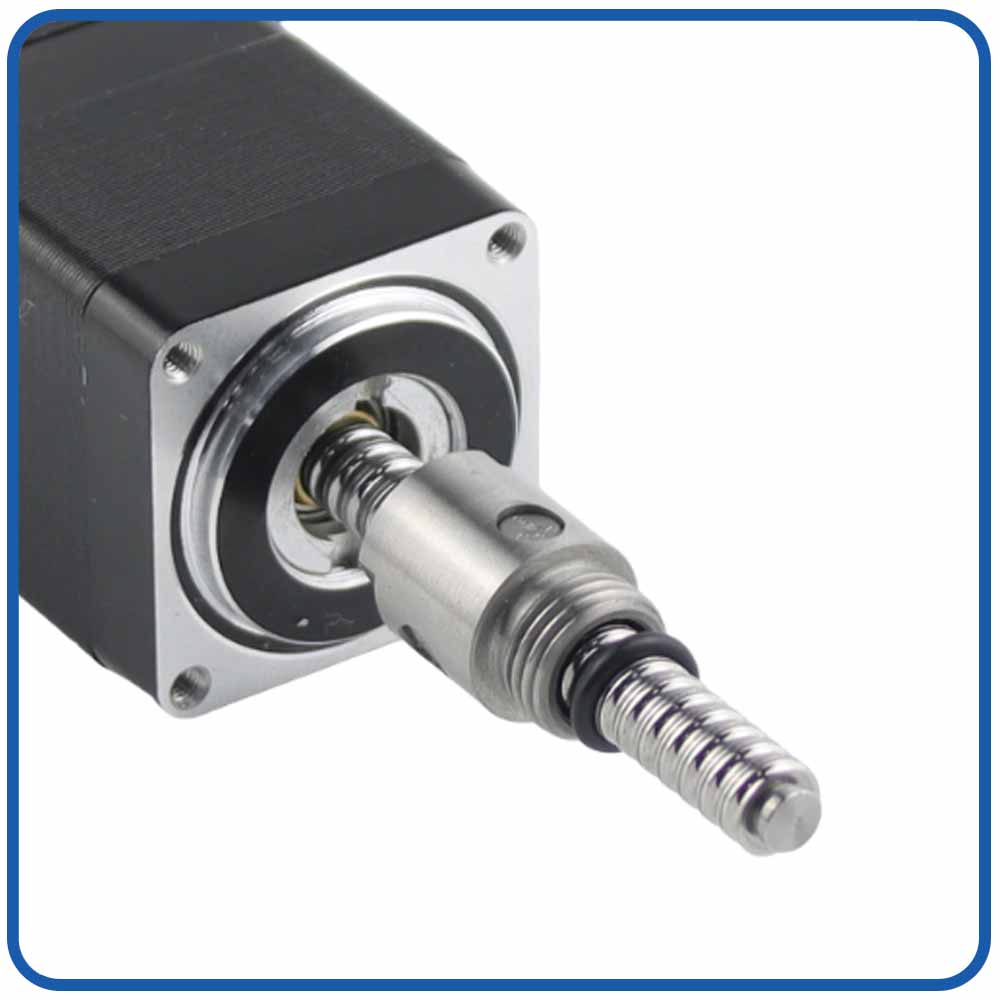
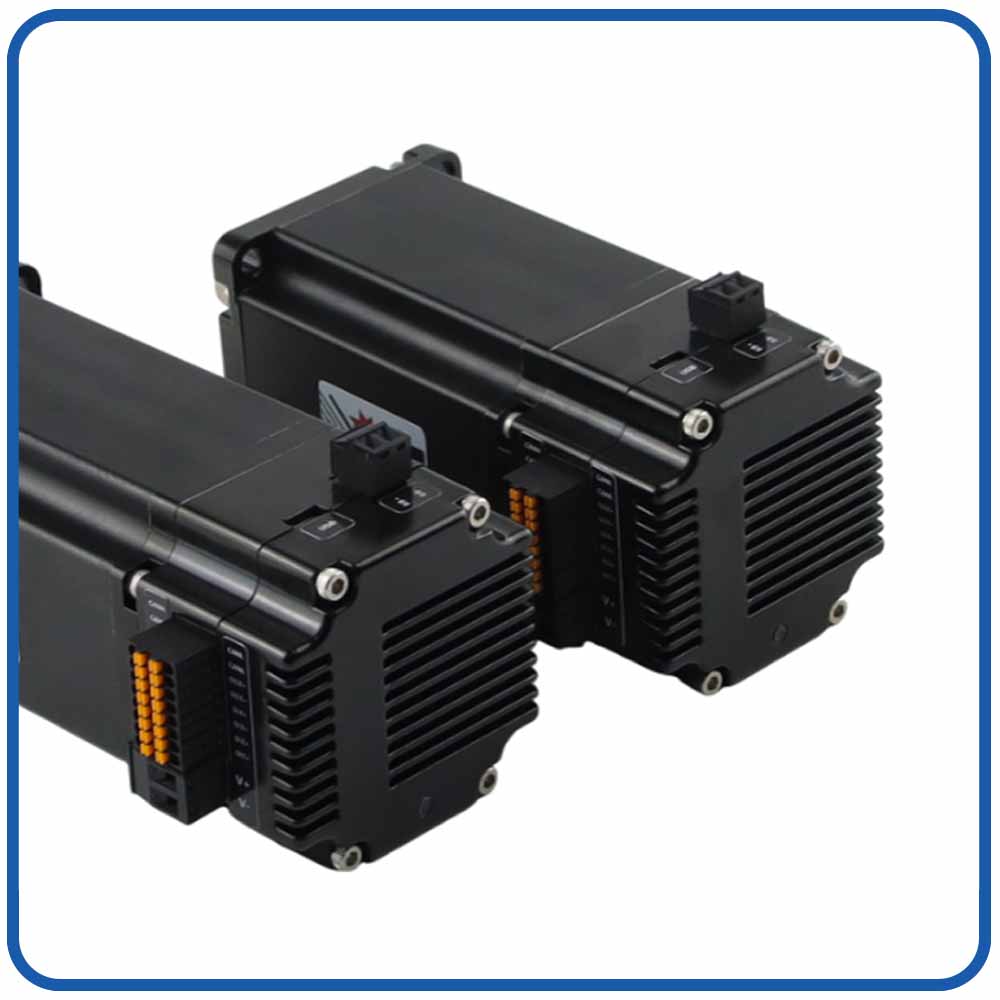
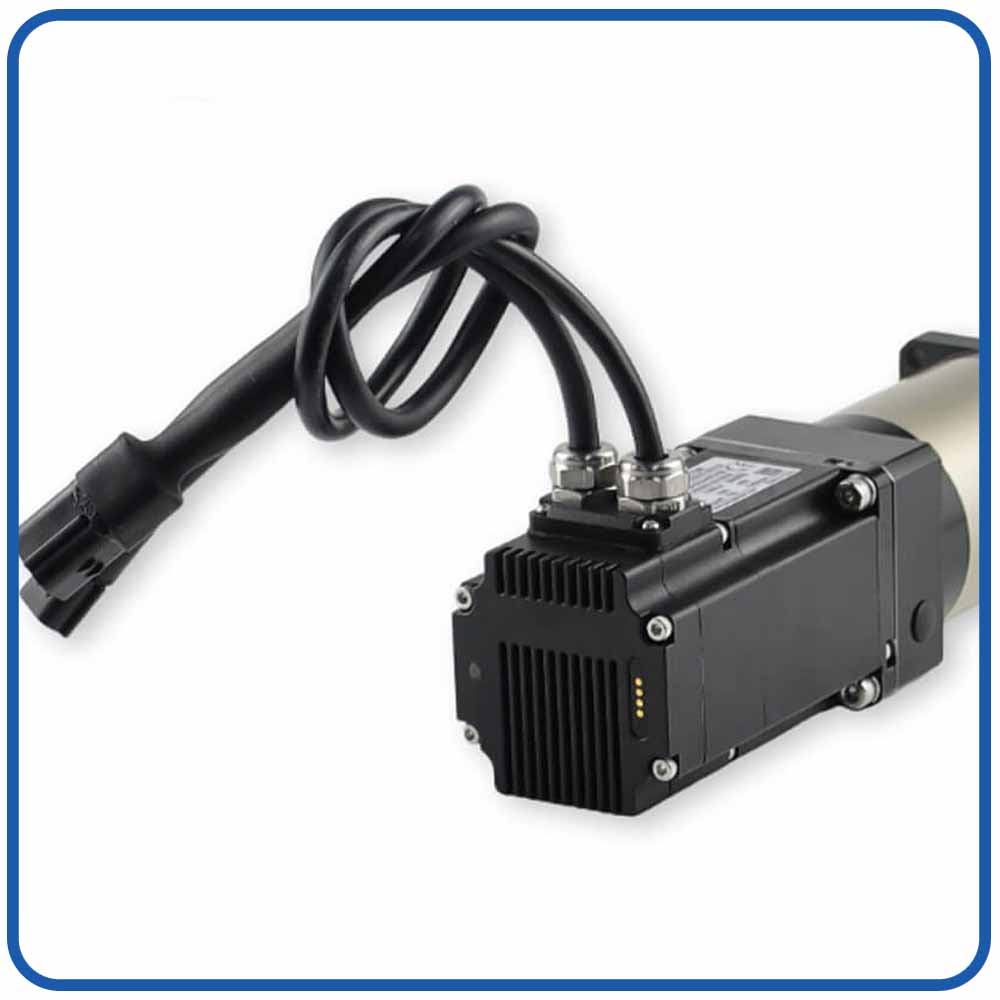
Choosing a reliable linear stepper motor manufacturer requires evaluating engineering strength, customization capability, quality standards, and production reliability. Besfoc Motor stands out by delivering precision-engineered, application-specific solutions with consistent quality and global compliance.
Understanding the Importance of Manufacturer Reliability
A linear stepper motor is often a core component in applications such as medical devices, semiconductor equipment, automation systems, and precision instruments. Any inconsistency in quality can lead to:
Positioning errors
Reduced lifespan
Increased maintenance costs
System downtime
We must prioritize manufacturers who demonstrate stable production capability, strict quality control, and engineering expertise. Reliability is not a feature—it is a system built across design, materials, and manufacturing processes.
A manufacturer’s engineering and design capabilities define the real-world performance, reliability, and adaptability of a linear stepper motor. We must assess how effectively a supplier can transform application requirements into precise, scalable, and production-ready motion solutions.
Depth of In-House Engineering
We prioritize manufacturers with fully integrated engineering teams covering mechanical design, electromagnetics, and application engineering. This structure enables:
Faster development cycles without external dependencies
Tighter quality control from concept to production
Seamless coordination between design and manufacturing
An in-house team signals accountability and the ability to solve complex motion challenges efficiently.
Electromagnetic and Mechanical Design Expertise
High-performance linear stepper motors depend on precise electromagnetic design and mechanical alignment. We should verify the manufacturer’s ability to optimize:
Magnetic flux density for consistent thrust output
Winding configurations for efficiency and thermal stability
Lead screw geometry to balance speed, force, and resolution
Anti-backlash mechanisms to improve positioning accuracy
This level of design refinement directly impacts motion smoothness, repeatability, and lifespan.
Advanced Simulation and Validation Tools
Leading manufacturers rely on digital engineering tools to validate designs before physical production. These include:
Finite Element Analysis (FEA) for magnetic circuit optimization
Thermal simulation to manage heat under continuous load
Dynamic modeling to reduce vibration and resonance
Lifecycle prediction tools for durability assurance
Simulation-driven design reduces risk and ensures predictable, repeatable performance in real applications.
Customization for Application-Specific Performance
We require manufacturers capable of delivering highly customized solutions, not just standard catalog products. Key customization areas include:
Stroke length and actuator form factor
Lead screw pitch and travel speed optimization
Mounting interfaces and integration features
Electrical characteristics matched to drive systems
This flexibility allows precise alignment with system-level requirements in industries such as medical devices, robotics, and semiconductor equipment.
Design for Manufacturability (DFM)
Engineering excellence must extend into production. Manufacturers that apply Design for Manufacturability (DFM) principles ensure:
Stable quality across large production volumes
Reduced tolerance stack-up and assembly errors
Efficient, repeatable manufacturing processes
DFM bridges the gap between prototype performance and mass production consistency.
Precision Engineering and Tolerance Control
Linear stepper motors demand micron-level precision. We evaluate whether the manufacturer can consistently achieve:
Tight dimensional tolerances in critical components
High alignment accuracy between motor and lead screw
Minimal mechanical play and backlash
These factors are essential for applications requiring accurate positioning and smooth linear motion.
System Integration Expertise
A capable manufacturer understands that motors operate within a broader system. We should look for support in:
Driver matching and electrical tuning
Microstepping optimization for smoother motion
Guidance on load conditions and duty cycles
This system-level insight ensures optimal performance when the motor is integrated into complex equipment.
Prototype Development and Iterative Testing
Reliable manufacturers adopt an iterative development approach, including:
Rapid prototyping for early validation
Load-based performance testing under real conditions
Continuous design refinement based on test results
This process ensures the final product is not only well-designed but field-proven and application-ready.
Commitment to Innovation
We should prioritize manufacturers investing in continuous research and development, demonstrated by:
Compact, high-thrust motor designs
Improved thermal efficiency and energy savings
Integration with smart control technologies
Innovation ensures long-term competitiveness and adaptability to evolving industry demands.
Technical Documentation and Transparency
Engineering capability is reflected in the quality of documentation. A reliable manufacturer provides:
Comprehensive datasheets with performance curves
Detailed CAD models for integration
Clear electrical and mechanical specifications
Transparent documentation reduces integration risk and accelerates system design.
Conclusion
Evaluating engineering and design capabilities allows us to identify manufacturers that deliver more than standard products. By selecting a partner with strong technical expertise, advanced design tools, and customization flexibility, we ensure our linear motion systems achieve maximum precision, reliability, and long-term performance.
Assess Product Range and Specialization
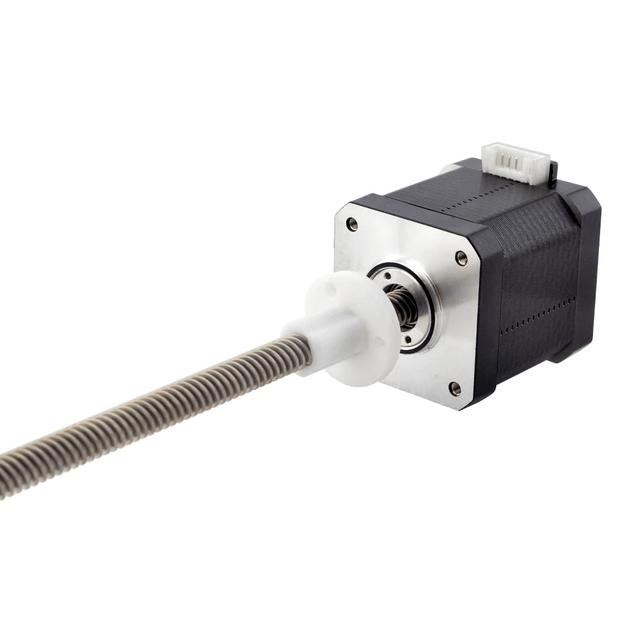
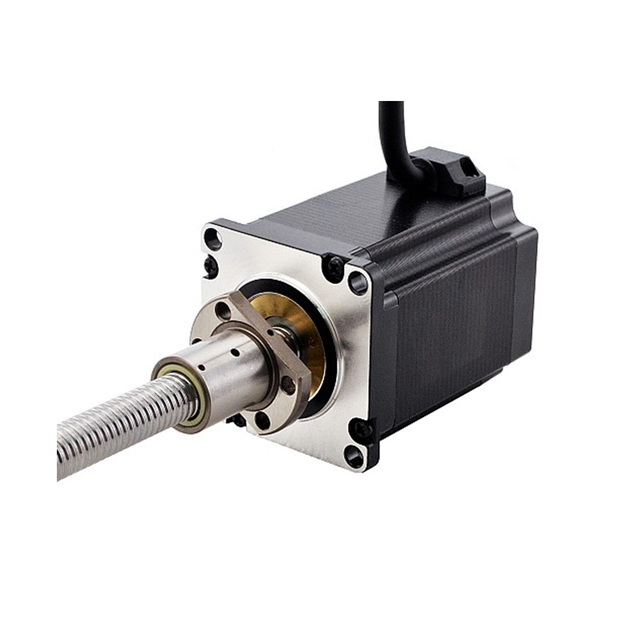
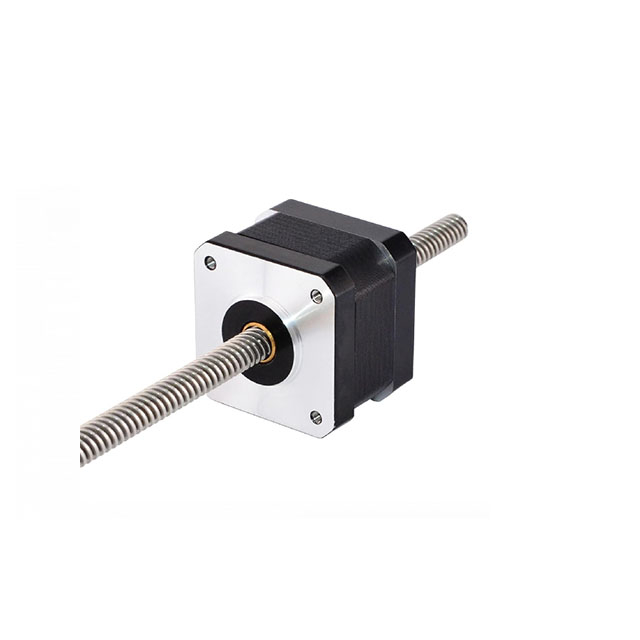
A reliable manufacturer typically offers a comprehensive portfolio of linear stepper motor types, including:
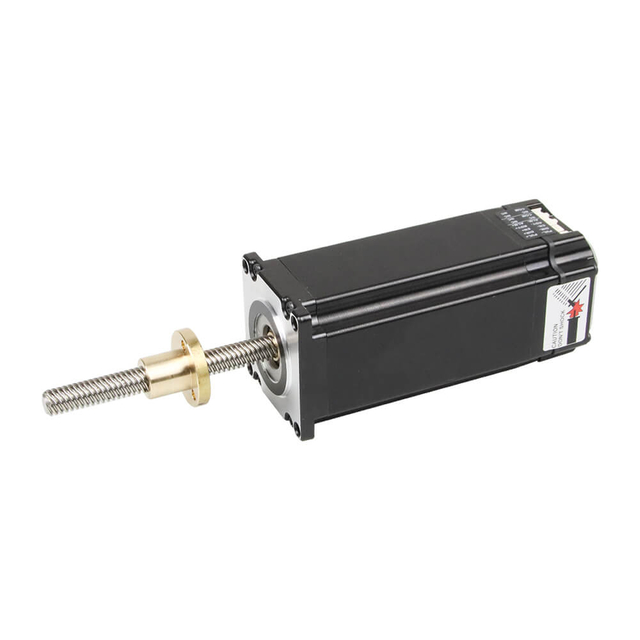
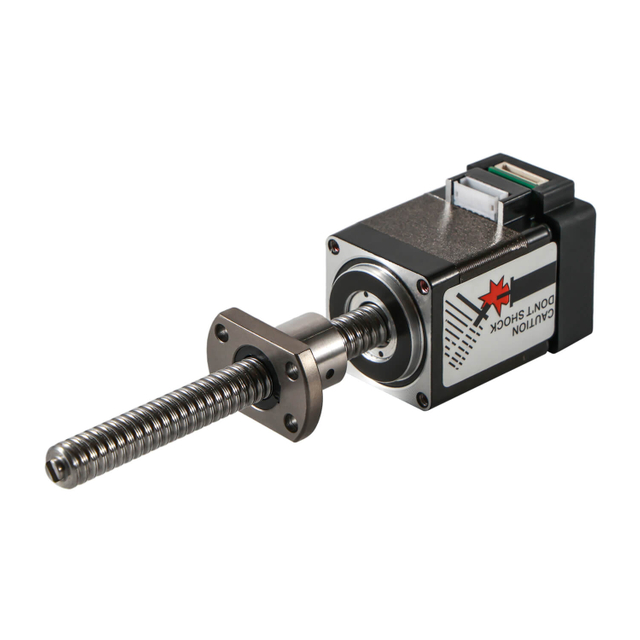
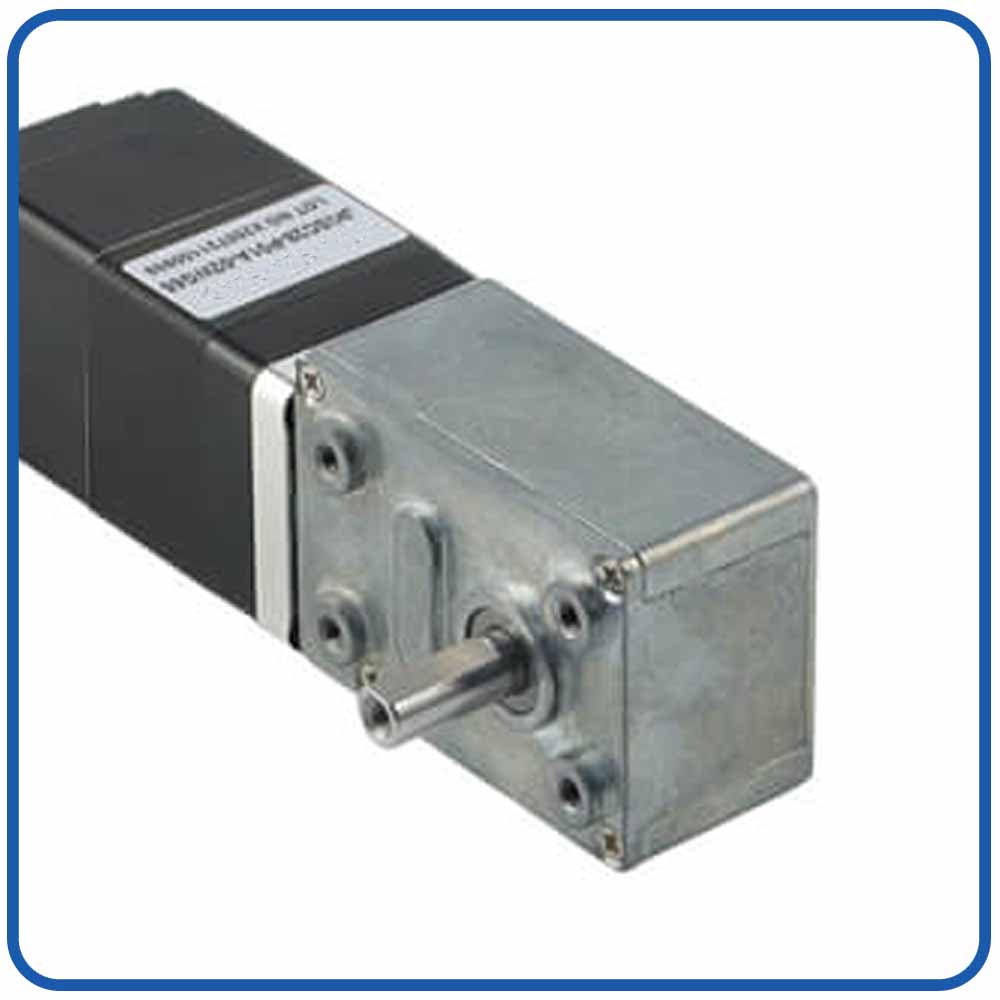
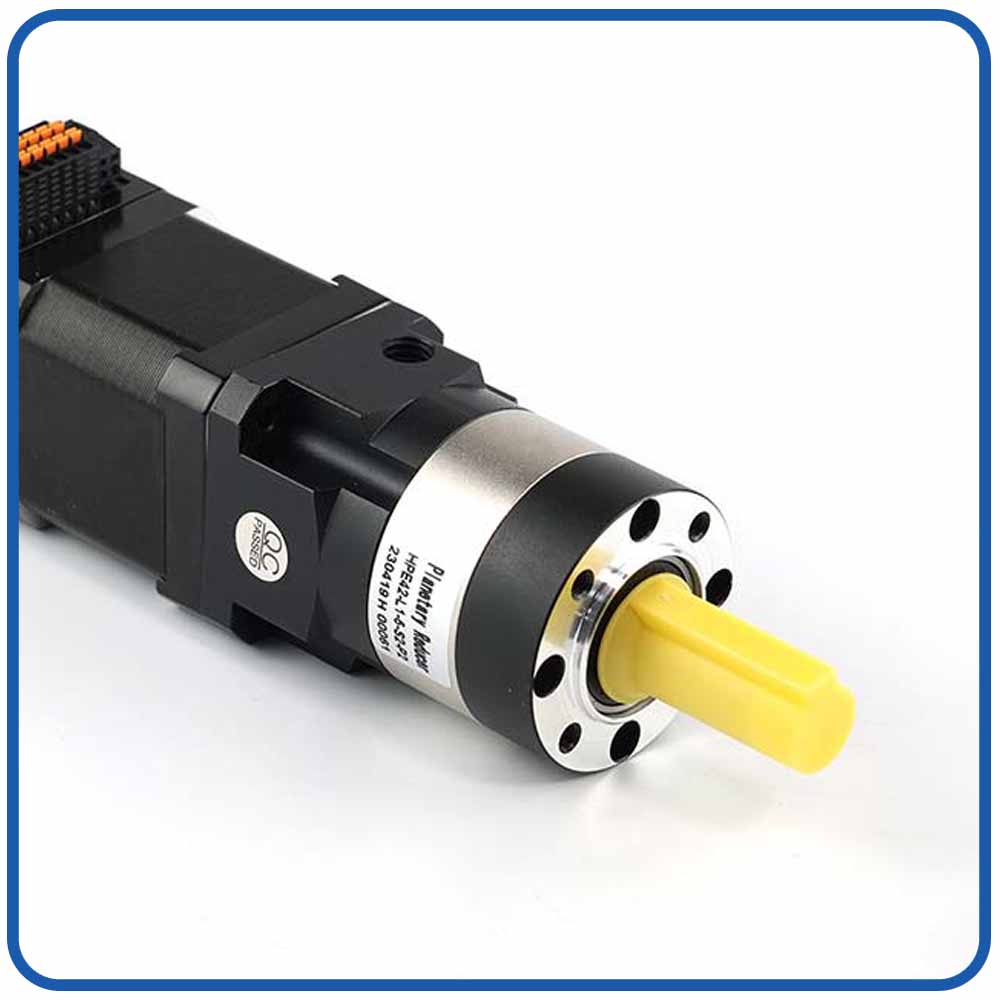
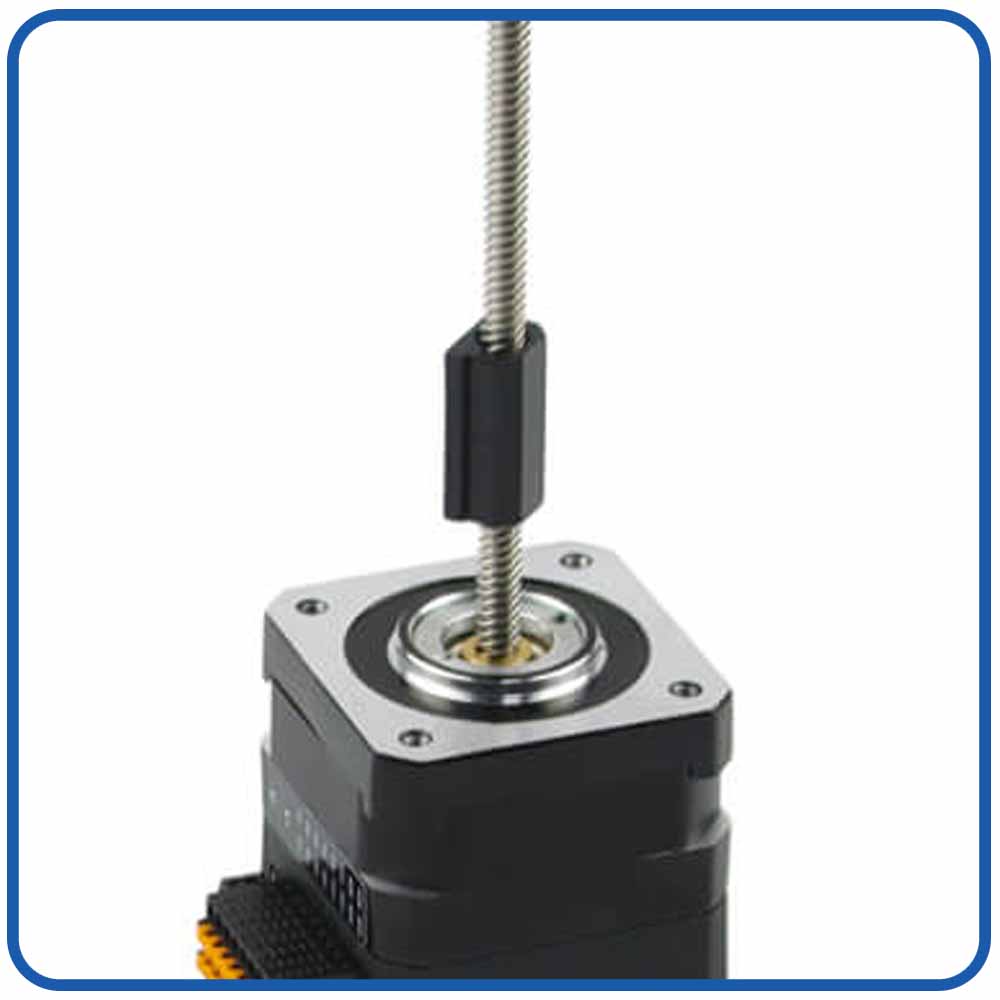
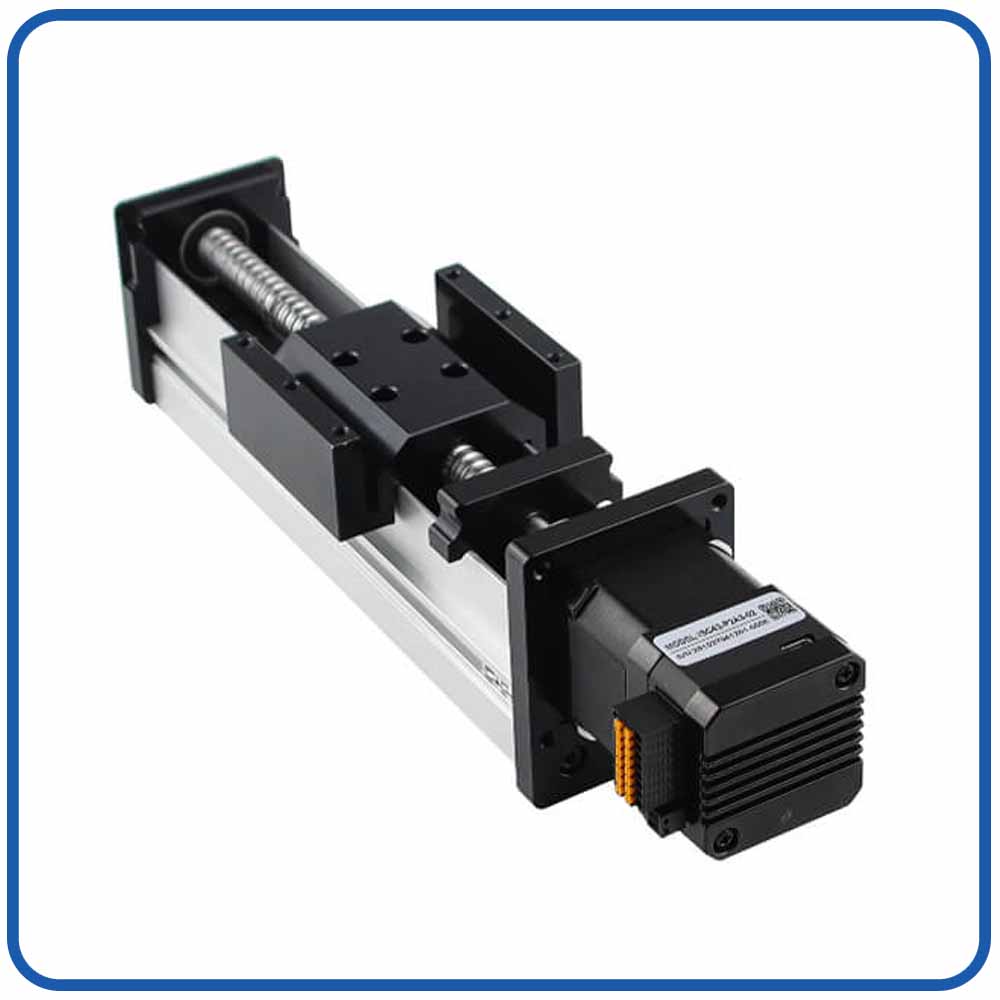
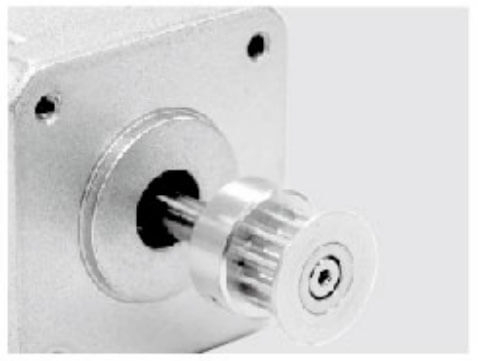
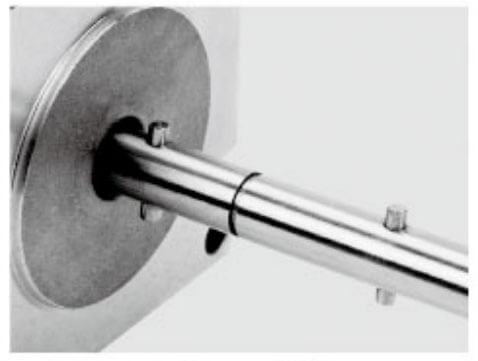
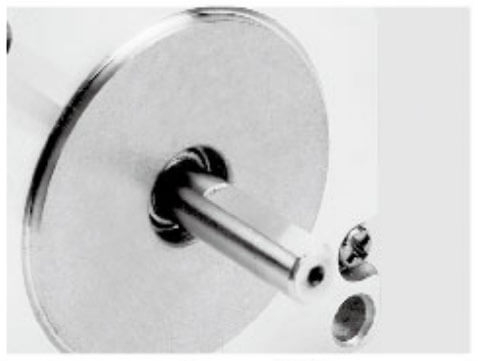
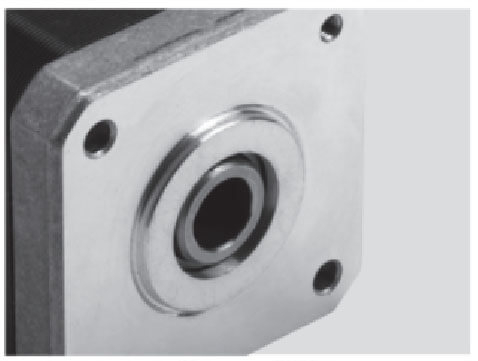
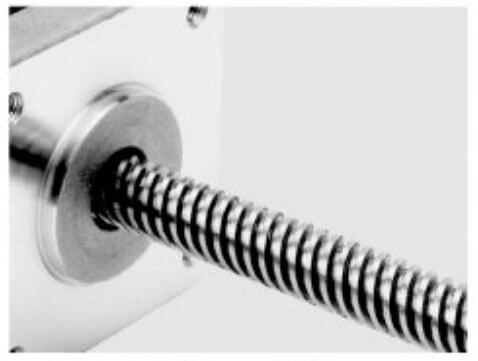
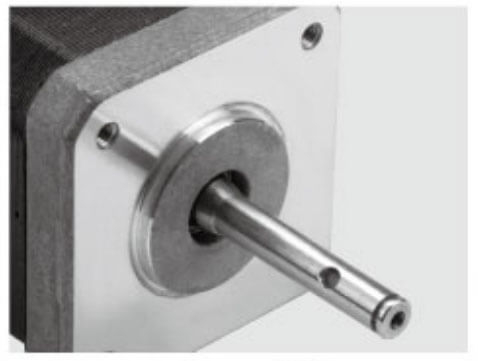
Non-captive linear stepper motors (for flexible stroke control)
Captive linear stepper motors (for guided linear motion)
External nut linear stepper motors (for high-load applications)
A diverse product range indicates technical maturity and manufacturing flexibility. It also ensures that you can scale or adapt your design without switching suppliers.
Verify Manufacturing Standards and Quality Control
Quality assurance is the backbone of a trustworthy manufacturer. We should look for:
ISO certifications (such as ISO 9001)
Incoming material inspection processes
In-process quality monitoring
Final performance testing (force, speed, accuracy)
Advanced manufacturers will also utilize:
Automated assembly lines
Precision CNC machining
Laser measurement systems
Consistency across batches is critical, especially for OEM and high-volume production.
Analyze Material Selection and Component Quality
The durability and performance of a linear stepper motor depend heavily on the materials used in its construction.
Key indicators of high-quality manufacturing:
High-grade magnetic materials for stable torque output
Precision lead screws with minimal backlash
Wear-resistant nuts and coatings for extended lifespan
Thermal-resistant insulation for long operating hours
We should avoid manufacturers that lack transparency in material sourcing or cannot provide detailed specifications.
Examine Customization and OEM/ODM Services
A reliable linear stepper motor manufacturer must deliver far more than standard catalog products. In modern automation systems, we require application-specific motion solutions that align precisely with mechanical design, control architecture, and environmental demands. This is where customization capabilities and OEM/ODM services become decisive factors.
Depth of Customization Capabilities
We should prioritize manufacturers that offer deep, engineering-driven customization, rather than superficial modifications. True customization involves redesigning critical elements of the motor to meet exact performance targets.
Key areas of advanced customization include:
Lead screw design optimization: Adjusting pitch, diameter, and material to balance speed, thrust, and resolution
Stroke length configuration: Tailoring travel distance to match application constraints
Motor size and form factor: Adapting dimensions for compact or space-limited systems
Mounting interfaces: Designing flanges, brackets, and connection points for seamless integration
This level of flexibility ensures the motor becomes a perfect fit within the system, not a compromise.
Electrical and Performance Customization
Beyond mechanical design, high-quality manufacturers provide precise electrical customization to optimize motor behavior under real operating conditions.
This includes:
Winding configuration adjustments for specific torque and speed profiles
Voltage and current matching to existing drive systems
Resistance and inductance tuning for improved efficiency and responsiveness
Such refinements enable smooth motion control, reduced heat generation, and enhanced energy efficiency.
Environmental and Application-Specific Adaptation
Industrial environments vary significantly, and a reliable manufacturer must deliver motors designed for specific operating conditions.
Customization options should include:
IP-rated sealing for dust and water resistance
Corrosion-resistant coatings for harsh or chemical environments
Low-noise and low-vibration designs for medical and laboratory use
Cleanroom-compatible configurations for semiconductor applications
These adaptations ensure long-term durability and stable performance under demanding conditions.
OEM Services: Precision Manufacturing to Your Specifications
OEM (Original Equipment Manufacturer) services focus on producing motors based on your exact design requirements. A capable OEM partner will:
Manufacture according to client-provided drawings and specifications
Maintain strict confidentiality and IP protection
Ensure consistent quality across large production volumes
Provide traceability and quality documentation
OEM services are ideal when you already have a validated design and require a reliable production partner.
ODM Services: From Concept to Complete Product
ODM (Original Design Manufacturer) services go further by offering end-to-end product development, transforming your concept into a fully engineered solution.
A strong ODM partner provides:
Concept evaluation and feasibility analysis
Complete motor and actuator design
Prototype development and validation testing
Design optimization for performance and cost efficiency
This approach is particularly valuable when internal engineering resources are limited or when entering new application domains.
Rapid Prototyping and Iteration
Speed and flexibility in development are critical. We should assess whether the manufacturer supports:
Rapid prototype production for early-stage validation
Short iteration cycles based on testing feedback
Engineering collaboration during refinement
Fast prototyping reduces development risk and accelerates time-to-market, especially in competitive industries.
Scalability from Prototype to Mass Production
Customization must extend seamlessly into production. A reliable manufacturer ensures:
Smooth transition from prototype to volume manufacturing
Stable process control to maintain consistency
Flexible production capacity for varying order sizes
This scalability prevents delays and quality issues when moving from development to commercialization.
Integration with System-Level Requirements
Customization is most valuable when aligned with the broader system. We should look for manufacturers who understand:
Mechanical integration constraints within your equipment
Compatibility with drivers and controllers
Load characteristics and duty cycles
This system-level awareness ensures the customized motor performs optimally within the complete motion solution.
Documentation, Validation, and Approval Processes
A professional manufacturer provides structured support throughout customization, including:
Detailed drawings and 3D CAD models
Performance validation reports
Approval samples before mass production
Clear documentation ensures alignment between design intent and final output, minimizing risk.
Long-Term Support and Product Lifecycle Management
Customization does not end after delivery. Reliable manufacturers offer:
Lifecycle support for long-term projects
Engineering updates and redesign options as requirements evolve
Spare parts and replacement continuity
This long-term partnership approach ensures your system remains operational and competitive over time.
Conclusion
By thoroughly examining customization and OEM/ODM services, we identify manufacturers capable of delivering tailored, high-performance motion solutions. A partner with strong customization expertise, flexible development processes, and scalable production ensures that every linear stepper motor is engineered for precision, built for reliability, and optimized for your exact application needs.
Check Production Capacity and Lead Time Stability
Scalability is often overlooked but critical. A manufacturer must demonstrate:
Stable production capacity for both small and large orders
Consistent lead times even during peak demand
Supply chain resilience for key components
Delays in motor supply can halt entire production lines. Reliable partners maintain buffer inventory and efficient logistics systems to prevent disruptions.
Review Testing and Performance Validation
Performance claims must be backed by rigorous testing data. Reliable manufacturers conduct:
Load testing
Speed and acceleration testing
Noise and vibration analysis
Lifetime endurance testing
We should request detailed test reports and performance curves, ensuring the motor meets real-world application requirements rather than theoretical values.
Evaluate Industry Experience and Application Cases
Experience in relevant industries is a strong indicator of reliability. Manufacturers with proven track records in sectors such as:
Medical automation
Semiconductor equipment
Robotics
Packaging machinery
are more likely to understand precision requirements, compliance standards, and operational challenges.
Case studies and client references provide valuable insight into actual performance and long-term reliability.
Assess Technical Support and Communication
A reliable manufacturer provides more than products—they offer ongoing technical support.
Important factors include:
Fast response times
Clear technical documentation
Engineering consultation during integration
After-sales troubleshooting support
Strong communication ensures issues are resolved quickly, minimizing downtime and operational risk.
Compare Cost vs. Total Value
While pricing is important, we must focus on total cost of ownership (TCO) rather than unit price alone.
Low-cost motors often result in:
Higher failure rates
Increased maintenance
Reduced efficiency
A reliable manufacturer delivers long-term value through durability, precision, and reduced operational costs.
Inspect Certifications and Compliance
Depending on your application, compliance may be mandatory. Look for:
CE certification for European markets
RoHS compliance for environmental standards
UL certification for safety requirements
Certified manufacturers demonstrate adherence to global quality and safety benchmarks.
Consider Innovation and Future Readiness
Technology evolves rapidly, and your manufacturer should evolve with it. Leading manufacturers invest in:
Integrated motor solutions
Smart motion control systems
Energy-efficient designs
Miniaturization technologies
Partnering with an innovative company ensures your products remain competitive in the long term.
Red Flags to Avoid When Selecting a Manufacturer
We should be cautious of manufacturers that:
Provide incomplete technical data
Lack certifications or quality documentation
Offer inconsistent pricing without justification
Have poor communication or slow response times
Cannot support customization requests
These warning signs often indicate unstable quality and unreliable service.
Final Checklist for Choosing the Right Manufacturer
Before making a final decision, confirm that the manufacturer meets the following criteria:
Proven engineering expertise
Comprehensive product portfolio
Strict quality control systems
Strong customization capabilities
Reliable production and delivery performance
Transparent testing and validation data
Responsive technical support
A manufacturer that satisfies all these points is well-positioned to become a long-term strategic partner.
Conclusion: Build a Partnership, Not Just a Supply Chain
Choosing a reliable linear stepper motor manufacturer is a strategic decision that directly impacts your product quality and market success. By focusing on engineering strength, manufacturing quality, customization capability, and long-term reliability, we ensure that every motion system performs with precision and consistency.
The right partner does more than deliver components—they enable innovation, reduce risk, and strengthen your competitive edge in an increasingly demanding market.
A:We recommend evaluating a manufacturer based on engineering capability, product consistency, customization flexibility, and quality certifications. At Besfoc Motor, we combine in-house R&D, strict quality control, and application-specific design support to ensure long-term reliability.
Q:What certifications should a linear stepper motor manufacturer have?
A:A reliable manufacturer should hold certifications such as ISO 9001, CE, and RoHS compliance. Besfoc Motor adheres to internationally recognized standards to guarantee product safety, environmental compliance, and consistent quality.
Q:Why is customization important for linear stepper motors?
A:Customization ensures the motor perfectly matches your system’s load, speed, stroke, and environmental requirements. Besfoc Motor provides tailored solutions, including lead screw design, mounting interfaces, and electrical parameters, to optimize system performance.
Q:What types of linear stepper motors are available?
A:Common types include non-captive, captive, and external nut linear stepper motors. Besfoc Motor offers a full range of these designs, allowing customers to select the most suitable configuration for their application.
Q:How important is quality control in motor manufacturing?
A:Quality control is critical to ensure precision, durability, and consistency. Besfoc Motor implements strict inspection processes, including material checks, in-process monitoring, and final performance testing.
A:Linear stepper motors are widely used in medical devices, semiconductor equipment, automation systems, robotics, and laboratory instruments. Besfoc Motor supports diverse industries with high-precision motion solutions.
Q:How can I verify a manufacturer’s engineering capability?
A:You should review their design tools, customization experience, technical documentation, and application cases. Besfoc Motor provides comprehensive engineering support, including CAD models, simulations, and application consultation.
A:OEM refers to manufacturing based on customer designs, while ODM involves complete product development from concept to production. Besfoc Motor offers both services, enabling flexible collaboration models.
Q:How do lead time and production capacity affect supplier reliability?
A:Stable lead times and scalable production ensure uninterrupted supply chains. Besfoc Motor maintains efficient manufacturing systems and supply chain management to deliver consistent and timely production.
Q: What should I look for in after-sales support?
A:Reliable after-sales support includes technical assistance, troubleshooting, and long-term product support. Besfoc Motor provides responsive service and ongoing engineering support to ensure optimal performance.

 English
 العربية
 Français
 Русский
 Español
 Português
 Deutsch
 italiano
 日本語
日本語 한국어
한국어 Nederlands
 Tiếng Việt
 ไทย
ไทย Polski
 Türkçe
 ພາສາລາວ
 ភាសាខ្មែរ
 Bahasa Melayu
 ဗမာစာ
ဗမာစာ Filipino
 Bahasa Indonesia
 magyar
 Română
 Čeština
 Монгол
 қазақ
қазақ Српски
 हिन्दी
 فارسی
فارسی Slovenčina
 Slovenščina
 Norsk
Norsk Svenska
 українська
 Ελληνικά
 Suomi
Suomi Հայերեն
 עברית
עברית Latine
 Dansk
Dansk Shqip
Shqip বাংলা
বাংলা Hrvatski
 Afrikaans
 Gaeilge
 Eesti keel
 Oʻzbekcha
 latviešu
 Azərbaycan dili
 Български
 Català