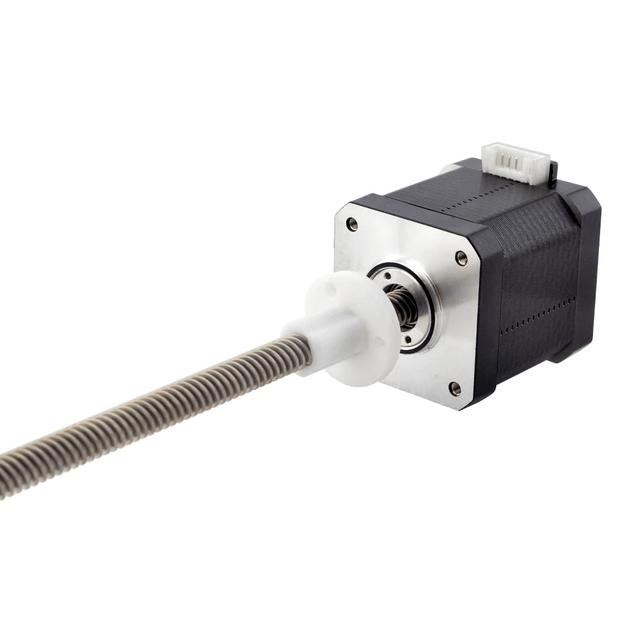
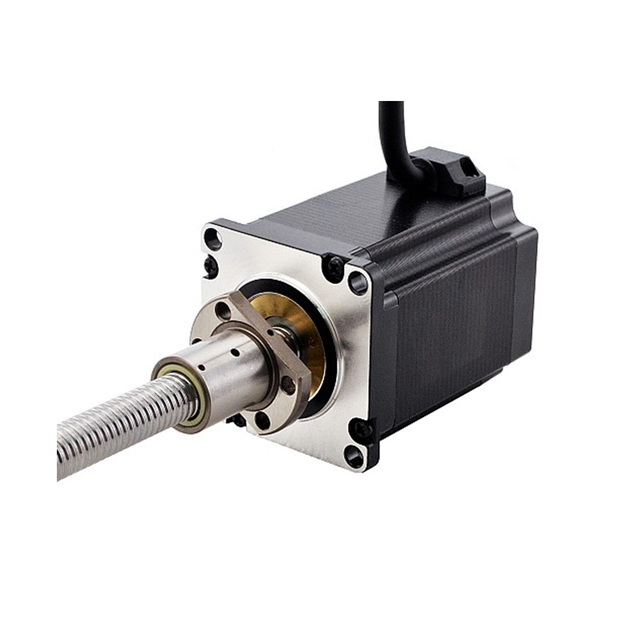
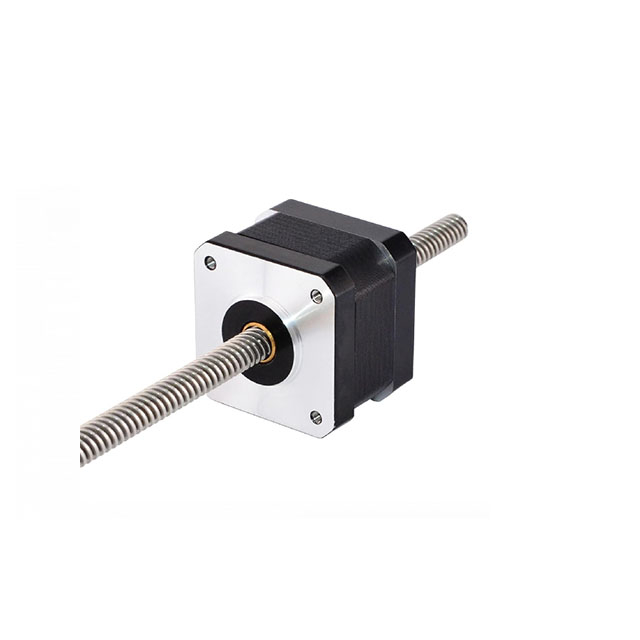
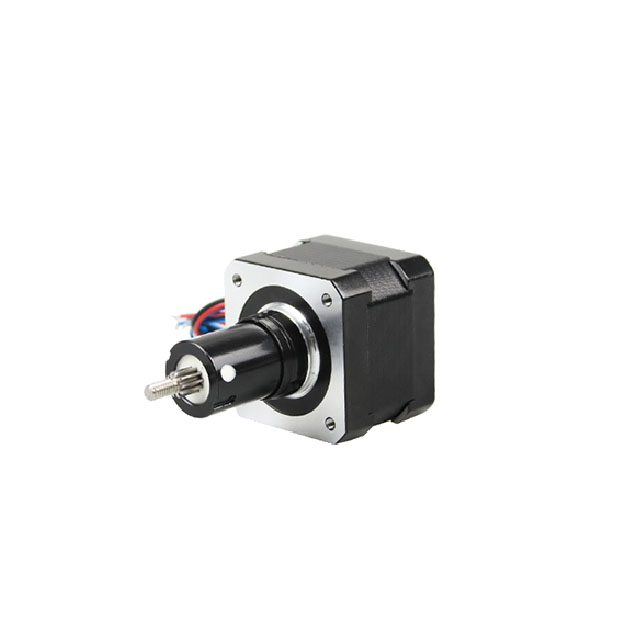
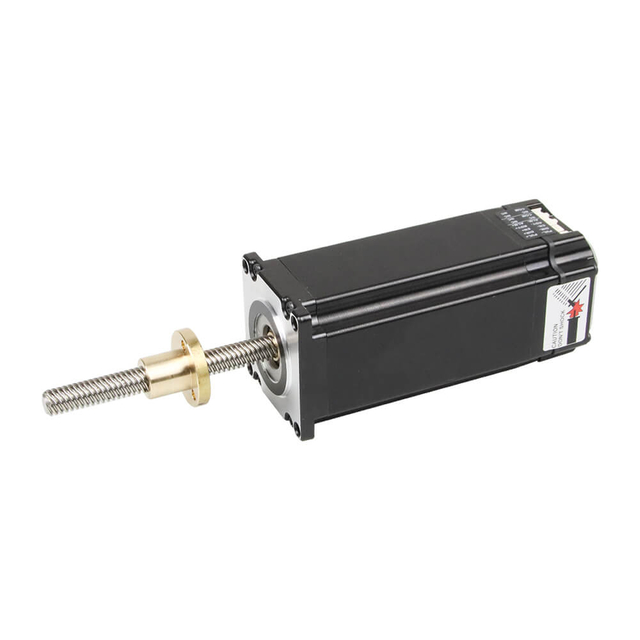
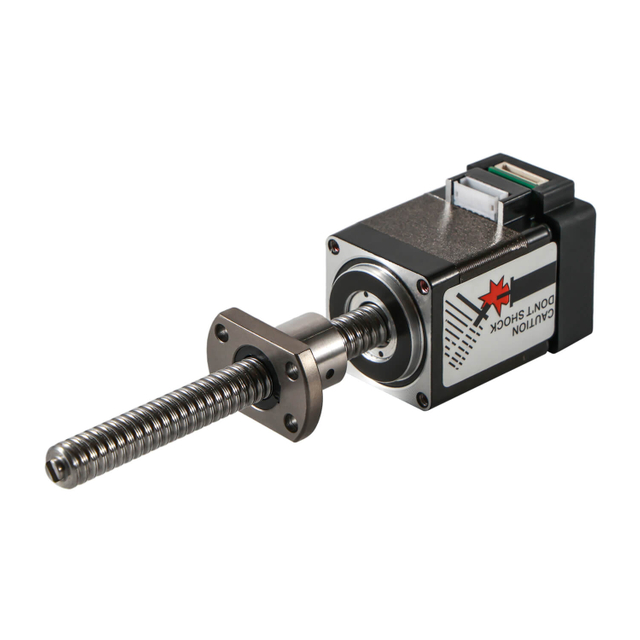
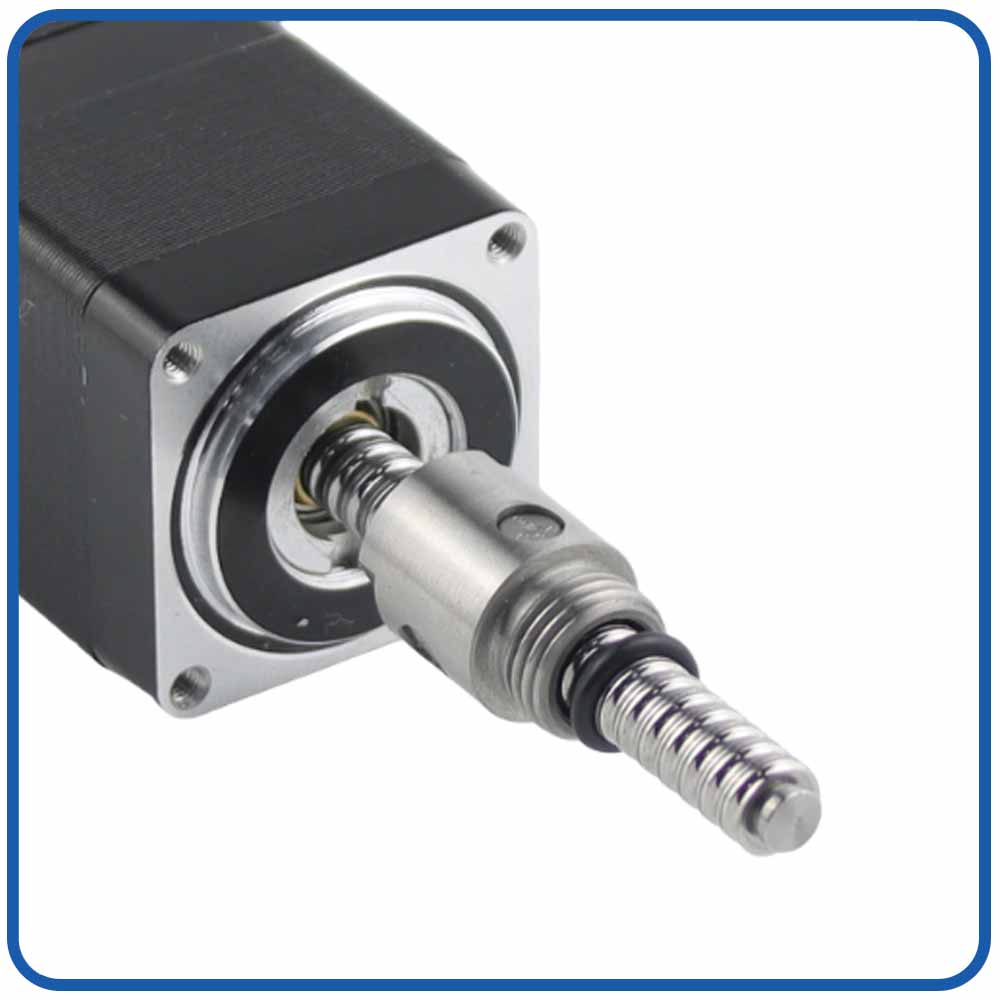
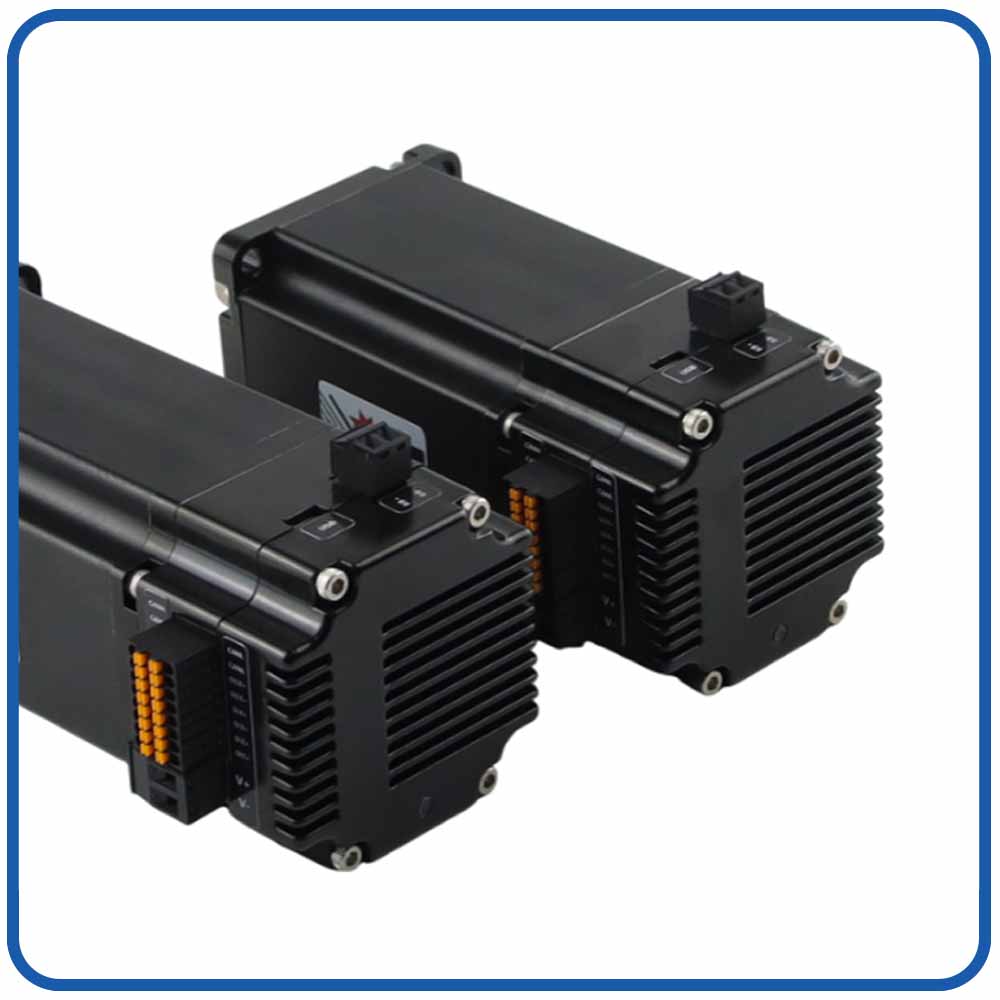
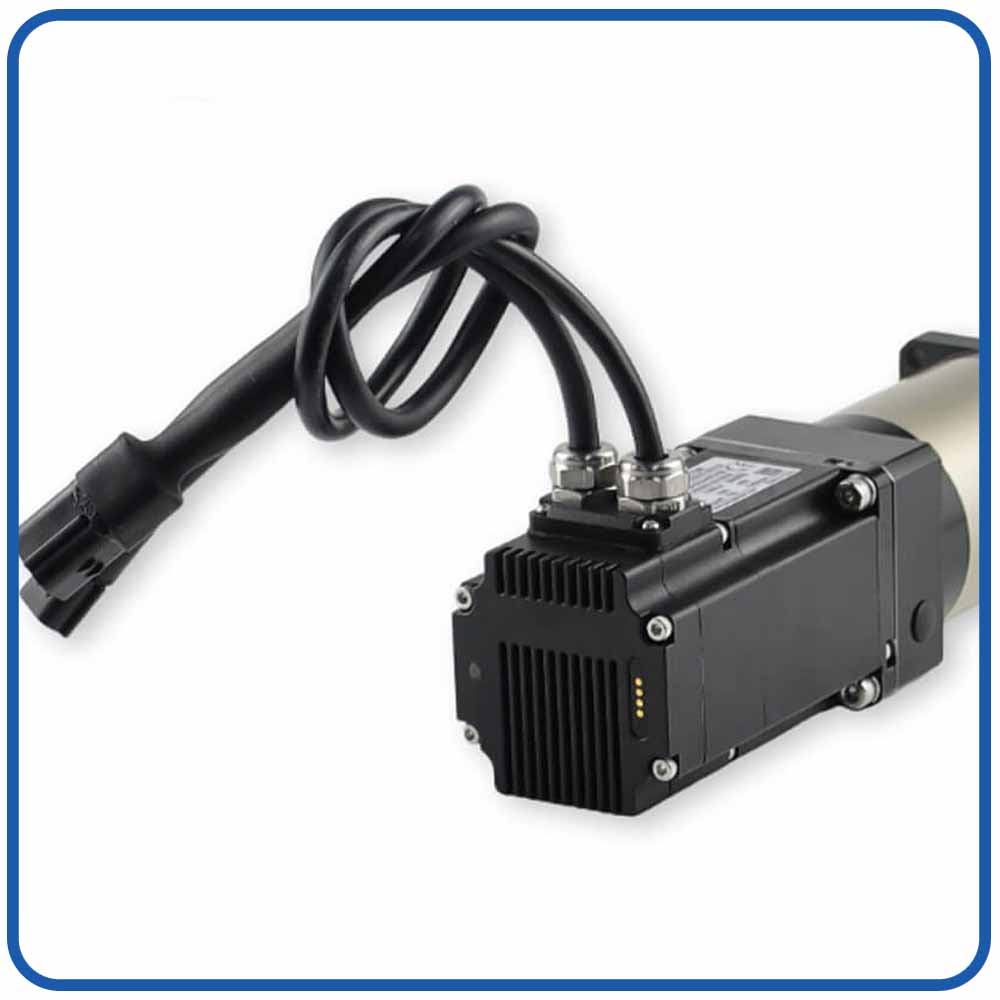
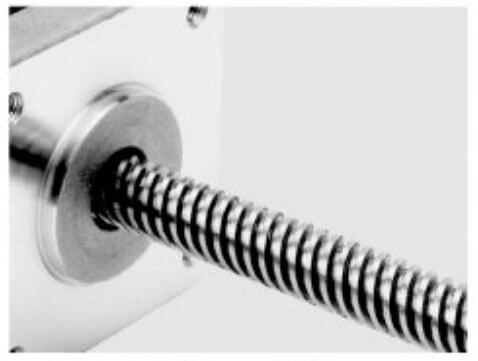
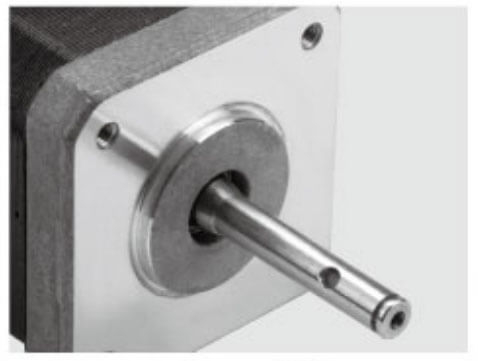
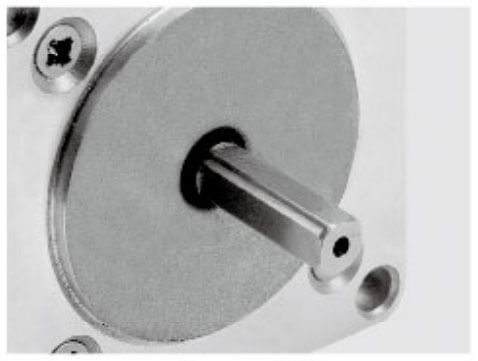
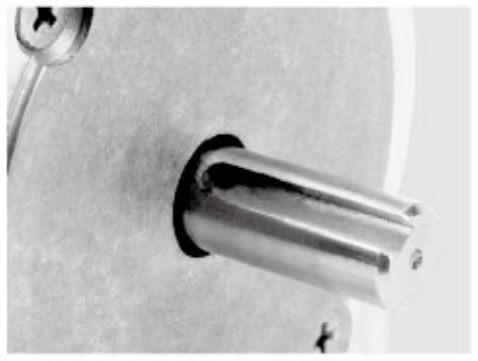
Besfoc linear stepper motor systems improve energy efficiency through optimized current control, closed-loop technology, intelligent drivers, and reduced mechanical losses, helping industrial automation equipment achieve lower power consumption, higher precision, and longer operational life.
Linear stepper motor systems are widely used in industrial automation, semiconductor manufacturing, medical devices, packaging machinery, robotics, CNC equipment, and precision positioning applications. While these motors provide excellent positioning accuracy and repeatability, inefficient system design can lead to excessive power consumption, overheating, shortened component lifespan, and reduced operational efficiency.
Optimizing power consumption in a linear stepper motor system is not simply about lowering electricity usage. It involves improving the overall performance of the motion system while maintaining precision, stability, and reliability. Proper optimization results in lower operating costs, higher efficiency, reduced thermal stress, and longer service life.
This guide explores the most effective methods for reducing energy consumption in linear stepper motor systems while maximizing operational performance.
Understanding Power Consumption in Linear Stepper Motors
Power consumption in linear stepper motors directly affects system efficiency, operating temperature, and long-term reliability. In industrial automation, optimizing energy usage helps reduce operating costs while improving motion performance and equipment lifespan.
Linear stepper motors consume electrical energy to generate precise linear motion through controlled electromagnetic force. The amount of power required depends on several key factors, including motor size, load conditions, driver settings, motion speed, and duty cycle.
Main Factors Affecting Power Consumption
Motor Current
Current is the primary factor influencing power usage. Higher current increases thrust force but also generates more heat and energy loss. Proper current tuning helps balance performance and efficiency.
Supply Voltage
Voltage affects motor speed and dynamic response. Excessive voltage may increase heat generation, while insufficient voltage can reduce performance and cause instability.
Load Conditions
Heavier loads require greater thrust force, leading to higher current demand and increased energy consumption.
Motion Speed and Acceleration
Rapid acceleration and high-speed operation require more power. Smooth motion profiles reduce current spikes and improve efficiency.
Holding Torque Requirements
Linear stepper motors often consume power even when stationary to maintain holding force. Reducing holding current during idle periods can significantly lower energy usage.
Sources of Energy Loss
Several factors contribute to inefficient power consumption in linear stepper systems:
Source of Loss
Impact
Excessive current settings
Increased heat generation
Mechanical friction
Higher motor load
Resonance and vibration
Wasted energy
Inefficient drivers
Power conversion losses
Poor thermal management
Reduced efficiency
Minimizing these losses improves overall system performance and reliability.
Importance of Efficient Driver Control
Modern digital drivers help optimize power consumption by regulating current more accurately. Features such as microstepping, automatic idle-current reduction, and closed-loop feedback improve efficiency while maintaining smooth and precise motion.
Closed-loop systems are especially effective because they dynamically adjust power output based on real-time load conditions instead of continuously operating at maximum current.
Thermal Management and Efficiency
Heat is one of the clearest indicators of wasted energy in a linear stepper system. Poor cooling and excessive current increase motor temperature, reduce efficiency, and shorten component lifespan.
Effective thermal management includes:
Proper ventilation
Heat sinks or cooling fans
Optimized current settings
Efficient driver electronics
Lower operating temperatures improve both energy efficiency and system stability.
Conclusion
Adopting closed-loop linear stepper systems is one of the most effective ways to optimize power consumption while improving motion accuracy and operational reliability. By dynamically adjusting current based on real-time feedback, these systems reduce energy waste, minimize heat generation, eliminate lost steps, and deliver superior positioning performance.
For modern automation equipment requiring precision, efficiency, and long-term reliability, closed-loop linear stepper technology provides a highly effective and future-ready motion control solution.
One of the biggest causes of inefficient power usage is motor oversizing.
A motor that is significantly larger than required will consume more current and generate unnecessary heat. Conversely, an undersized motor may stall or lose steps, forcing the system to operate inefficiently.
A properly sized motor operates closer to its optimal efficiency range and reduces wasted energy.
Key Sizing Considerations
Parameter
Impact on Power Consumption
Excessive holding force
Increases idle current
Oversized motor frame
Higher continuous power draw
Excessive acceleration
Larger peak current demand
Heavy moving loads
Increased energy usage
Long stroke applications
Higher total operating power
Using accurate load calculations significantly improves efficiency and prevents unnecessary energy waste.
Optimize Current Settings
Current control is the most critical factor in reducing power consumption.
Many systems operate with default driver settings that provide far more current than required. Excessive current increases:
Heat generation
Power loss
Driver stress
Motor vibration
Energy costs
Modern microstepping drivers allow precise current tuning for both running and holding states.
Reduce Holding Current
Linear stepper motors frequently remain stationary while maintaining position. During these periods, full current is often unnecessary.
Reducing holding current to 30%–70% of running current can dramatically lower power consumption while still maintaining sufficient holding force.
Benefits include:
Lower motor temperature
Reduced electricity usage
Longer motor life
Improved driver reliability
Automatic idle-current reduction is one of the simplest and most effective optimization techniques.
Use High-Efficiency Stepper Drivers
The driver plays a major role in overall system efficiency.
Older drivers waste substantial power due to inefficient switching and poor current regulation. Modern digital drivers use advanced control algorithms to optimize current delivery.
Advantages of Modern Digital Drivers
Microstepping Technology
Microstepping reduces current spikes and improves motion smoothness, lowering energy waste caused by vibration and resonance.
Dynamic Current Adjustment
Advanced drivers automatically adjust output current based on load conditions.
Anti-Resonance Control
Reducing resonance improves efficiency and minimizes unnecessary energy losses.
Closed-Loop Feedback
Closed-loop linear stepper systems consume only the current required to maintain accurate motion.
Digital drivers significantly outperform older analog designs in energy efficiency.
Implement Proper Voltage Selection
Higher voltage can improve high-speed performance, but excessive voltage increases switching losses and heat generation.
Selecting the proper supply voltage is essential for balancing:
Speed capability
Torque performance
System efficiency
Thermal stability
Voltage Optimization Guidelines
Application Type
Recommended Voltage Strategy
Low-speed precision systems
Moderate voltage
High-speed positioning systems
Higher voltage with optimized current
Continuous-duty systems
Balanced voltage for thermal efficiency
Compact equipment
Lower voltage to reduce heat
Matching the voltage to the application prevents unnecessary power dissipation.
Reduce Mechanical Friction
Mechanical inefficiencies force the motor to consume more power to overcome resistance.
Even the most efficient linear stepper motor cannot compensate for poor mechanical design.
Common Sources of Friction
Misaligned guide rails
Poor lubrication
Excessive preload
Worn bearings
Contaminated motion components
Improper coupling alignment
Reducing friction lowers required thrust force and decreases motor current demand.
Best Practices
Use high-quality linear guides
Maintain proper lubrication schedules
Minimize unnecessary contact pressure
Ensure precise alignment during installation
Regularly inspect moving components
Mechanical optimization often delivers substantial energy savings without modifying the electrical system.
Optimize Motion Profiles
Aggressive acceleration and deceleration settings increase peak current demand and waste energy.
S-curve motion profiles reduce sudden current spikes and minimize mechanical shock.
Avoid Unnecessary Rapid Starts
Frequent stop-start cycles increase overall energy consumption.
Reduce Excessive Speeds
Running faster than necessary increases power usage and heat generation.
Minimize Idle Holding Time
If position holding is not required, disable current during inactive periods.
Carefully tuned motion parameters improve both energy efficiency and positioning stability.
Adopt Closed-Loop Linear Stepper Systems
Closed-loop technology combines the simplicity of stepper motors with servo-like feedback control.
Traditional open-loop systems continuously provide current regardless of actual load conditions. Closed-loop systems dynamically adjust current based on real-time feedback.
Benefits of Closed-Loop Optimization
Lower average current consumption
Reduced heat generation
Improved positional accuracy
Elimination of lost steps
Higher system efficiency
Better high-speed performance
In many industrial applications, closed-loop systems reduce energy usage by 20%–40% compared to conventional open-loop configurations.
Improve Thermal Management
Heat is a direct indicator of wasted energy.
Poor thermal management forces motors and drivers to operate less efficiently and can increase electrical resistance over time.
Effective Cooling Strategies
Passive Cooling
Aluminum mounting surfaces
Heat sinks
Thermal conductive materials
Active Cooling
Cooling fans
Forced-air systems
Liquid cooling for high-power applications
Environmental Control
Reduce ambient temperature
Prevent dust accumulation
Ensure proper ventilation
Lower operating temperatures improve overall efficiency and system reliability.
Use Energy-Efficient Power Supplies
The power supply itself can become a source of energy loss.
Low-quality power supplies often generate:
Voltage instability
Excess heat
Inefficient power conversion
Increased ripple current
Recommended Features
High conversion efficiency
Stable DC output
Overcurrent protection
Low ripple voltage
Proper wattage matching
Efficient power supplies improve the performance of the entire motion system.
Reduce Resonance and Vibration
Resonance causes energy waste, noise, instability, and excessive current consumption.
Smoother motion directly translates into lower power consumption and improved positioning accuracy.
Leverage Intelligent Control Algorithms
Modern automation systems increasingly use intelligent motion control to optimize energy usage dynamically.
Advanced controllers can:
Adjust current based on load
Disable idle phases
Optimize acceleration automatically
Reduce unnecessary holding torque
Synchronize multi-axis movements efficiently
Smart motion control systems are becoming essential for high-performance, low-energy industrial equipment.
Perform Preventive Maintenance
Poor maintenance gradually increases system power consumption.
Dust, wear, contamination, and misalignment all force the motor to work harder over time.
Preventive Maintenance Checklist
Maintenance Task
Efficiency Benefit
Lubricate guides
Reduces friction
Inspect bearings
Prevents drag
Tighten mechanical assemblies
Improves motion stability
Clean contaminants
Reduces resistance
Verify alignment
Minimizes side loading
Check driver settings
Prevents overcurrent operation
Routine maintenance preserves long-term efficiency and prevents unexpected power increases.
Applications That Benefit Most from Power Optimization
Energy-efficient linear stepper systems are particularly valuable in:
Semiconductor manufacturing equipment
Medical automation systems
Laboratory instruments
Packaging machinery
Pick-and-place robots
Textile machinery
3D printers
CNC positioning systems
Automated inspection systems
In high-duty-cycle applications, even small efficiency improvements can generate significant long-term savings.
Future Trends in Energy-Efficient Linear Stepper Technology
As industrial automation continues advancing toward smarter, faster, and more sustainable manufacturing, energy-efficient linear stepper technology is evolving rapidly. Manufacturers increasingly demand motion systems that not only provide precise positioning and reliable performance but also reduce operational costs, heat generation, and overall energy consumption.
Modern linear stepper motor systems are no longer designed solely for motion control. They are becoming intelligent, adaptive, and highly optimized platforms capable of delivering superior efficiency across a wide range of industrial applications.
The future of energy-efficient linear stepper technology is being shaped by innovations in intelligent control systems, advanced materials, digital connectivity, and integrated automation solutions.
AI-Driven Motion Optimization
Artificial intelligence is becoming a major force in next-generation motion control systems. Future linear stepper platforms will increasingly use AI algorithms to analyze operating conditions and optimize motor performance automatically.
AI-enabled systems can dynamically adjust:
Motor current
Acceleration profiles
Motion speed
Holding torque
Power consumption
Thermal management
By continuously learning from operating data, intelligent controllers can reduce unnecessary energy usage while maintaining high positioning accuracy and stable motion.
Benefits of AI-Based Optimization
Feature
Efficiency Advantage
Adaptive current control
Lower energy consumption
Predictive motion tuning
Reduced vibration and resonance
Real-time load analysis
Optimized torque delivery
Automated efficiency balancing
Reduced heat generation
AI-driven optimization will play a critical role in future smart factories and autonomous production systems.
Advanced Closed-Loop Control Systems
Closed-loop linear stepper technology is expected to become standard in high-performance automation equipment.
Future systems will feature:
Higher-resolution encoders
Faster feedback processing
Improved synchronization algorithms
Real-time correction capabilities
Intelligent fault detection
These advancements will further reduce power waste by ensuring motors only consume the exact amount of energy required for each movement.
Emerging Closed-Loop Innovations
Sensorless feedback systems
Integrated encoder-motor assemblies
Ultra-fast response control loops
Adaptive anti-resonance technology
The combination of closed-loop intelligence and energy optimization will significantly improve both system efficiency and motion stability.
Integration with Industrial IoT (IIoT)
Industrial Internet of Things (IIoT) connectivity is transforming modern automation systems. Future energy-efficient linear stepper motors will increasingly feature built-in communication and monitoring capabilities.
Connected motion systems will allow manufacturers to:
Monitor real-time energy usage
Analyze operational efficiency
Predict maintenance requirements
Optimize production performance remotely
Detect abnormal power consumption instantly
Benefits of Smart Connectivity
IIoT Capability
Operational Benefit
Remote diagnostics
Reduced downtime
Energy analytics
Lower operating costs
Predictive maintenance
Extended system lifespan
Cloud-based monitoring
Improved factory efficiency
Smart connected motion systems will become essential for Industry 4.0 manufacturing environments.
Adaptive Current and Power Management
Traditional stepper systems often operate with fixed current settings that waste energy during low-load conditions. Future linear stepper technologies will incorporate highly adaptive power management systems.
These systems will automatically adjust:
Running current
Holding current
Peak power delivery
Idle-state energy usage
Real-time optimization will significantly reduce unnecessary power consumption during partial-load operation.
Key Advantages
Reduced electrical waste
Lower motor temperature
Increased driver efficiency
Improved overall system reliability
Adaptive power control will become a core feature in energy-conscious automation systems.
High-Efficiency Driver Electronics
Driver technology continues evolving rapidly to improve motor efficiency and reduce energy loss.
Future driver systems will include:
Faster switching frequencies
Advanced digital signal processors
Low-loss semiconductor components
Intelligent waveform optimization
Improved microstepping accuracy
Wide-bandgap semiconductor technologies such as silicon carbide (SiC) and gallium nitride (GaN) are expected to improve driver efficiency even further.
Future Driver Benefits
Driver Innovation
Result
GaN power devices
Lower switching losses
Intelligent current shaping
Reduced heat generation
Advanced microstepping
Smoother motion
Digital motion optimization
Improved efficiency
These developments will help create more compact, cooler, and energy-efficient motion systems.
Ultra-Low Heat Linear Motion Systems
Thermal management is becoming increasingly important in compact automation equipment and high-precision applications.
Future energy-efficient linear stepper systems will focus heavily on minimizing heat generation through:
Improved electromagnetic design
Better winding materials
Advanced cooling technologies
Intelligent current reduction
Optimized magnetic circuits
Lower operating temperatures improve efficiency while extending component lifespan and maintaining stable positioning accuracy.
Lightweight and Advanced Materials
Material science is contributing significantly to future efficiency improvements.
New lightweight materials reduce moving mass, allowing motors to consume less power during acceleration and deceleration.
Advanced materials include:
High-performance magnetic alloys
Lightweight aluminum structures
Carbon fiber motion assemblies
Low-friction composite materials
Reduced system inertia lowers energy demand while improving dynamic performance.
Miniaturization of Precision Motion Systems
As industries demand smaller and more compact automation equipment, miniaturized linear stepper systems are becoming increasingly important.
Future compact motion platforms will deliver:
High thrust density
Reduced energy consumption
Smaller installation footprints
Improved integration flexibility
Miniaturization trends are especially important in:
Medical devices
Semiconductor equipment
Optical inspection systems
Laboratory automation
Consumer electronics manufacturing
Compact and efficient motion systems will continue driving next-generation precision automation.
Regenerative Energy Technologies
Future linear motion systems may increasingly incorporate regenerative energy recovery systems.
During deceleration or downward motion, regenerative technology can convert unused kinetic energy back into electrical energy for reuse within the system.
Potential Benefits
Reduced total power consumption
Improved system efficiency
Lower operational costs
Reduced thermal losses
Although regenerative technology is currently more common in servo systems, its adoption in advanced linear stepper platforms is expected to grow.
Hybrid Stepper-Servo Architectures
Hybrid motion systems are becoming a major trend in industrial automation.
These systems combine:
Stepper motor precision
Servo feedback intelligence
Advanced energy management
High-speed performance
Hybrid architectures deliver improved efficiency while maintaining the simplicity and cost advantages of traditional stepper systems.
Advantages of Hybrid Systems
Hybrid Feature
Benefit
Closed-loop feedback
Reduced power waste
Servo-style correction
Improved accuracy
Dynamic current adjustment
Lower energy usage
Enhanced torque control
Better performance
Hybrid motion platforms are expected to dominate many future automation applications.
Predictive Maintenance and Self-Diagnostics
Future energy-efficient linear stepper systems will increasingly feature built-in diagnostics and predictive maintenance capabilities.
Intelligent monitoring systems will analyze:
Current consumption trends
Vibration patterns
Thermal behavior
Mechanical resistance
Motion consistency
By identifying efficiency losses early, manufacturers can prevent failures and maintain optimal energy performance.
Predictive Maintenance Benefits
Reduced downtime
Lower repair costs
Increased equipment lifespan
Improved operational efficiency
Stable long-term energy consumption
Self-monitoring motion systems will become standard in advanced industrial automation.
Sustainability and Green Manufacturing Initiatives
Global manufacturing is shifting toward sustainable production and carbon reduction goals. Energy-efficient linear stepper technology will play a critical role in achieving these objectives.
Future motion systems will focus on:
Lower power consumption
Reduced material waste
Longer operational lifespan
Environmentally friendly manufacturing processes
Recyclable components
Energy-efficient automation equipment helps manufacturers meet both environmental regulations and operational cost targets.
Summary
The future of energy-efficient linear stepper technology is centered around intelligent automation, adaptive power control, advanced driver electronics, IIoT connectivity, and closed-loop precision systems. As industries continue demanding higher efficiency, lower operating costs, and smarter manufacturing solutions, linear stepper systems will evolve into highly optimized motion platforms capable of delivering exceptional performance with minimal energy consumption.
Emerging technologies such as AI-driven control, regenerative energy recovery, predictive maintenance, and hybrid stepper-servo architectures will redefine the next generation of precision linear motion systems. Manufacturers that adopt these innovations early will gain significant advantages in productivity, reliability, sustainability, and long-term operational efficiency.
Conclusion
Optimizing power consumption in linear stepper motor systems requires a combination of proper motor sizing, intelligent current control, efficient drivers, optimized motion profiles, reduced friction, thermal management, and preventive maintenance.
Modern high-efficiency linear stepper systems can dramatically reduce operating costs while improving precision, stability, and service life. By implementing advanced control strategies and energy-efficient hardware, manufacturers can achieve superior automation performance with significantly lower power usage.
Efficient linear motion systems are no longer optional in modern automation—they are essential for achieving higher productivity, lower operating costs, and sustainable industrial performance.
FAQs
Q:Why is power consumption optimization important in linear stepper motor systems?
A:Optimizing power consumption helps reduce operating costs, lower heat generation, improve system stability, and extend the lifespan of both the motor and driver. Energy-efficient linear stepper systems also provide smoother motion and higher reliability in industrial automation applications.
Q: What factors affect the power consumption of a linear stepper motor?
A:The main factors include motor current, supply voltage, load conditions, acceleration and deceleration settings, motion speed, driver efficiency, friction, and holding torque requirements. Proper system design and parameter optimization can significantly reduce unnecessary energy usage.
Q: How can reducing motor current improve efficiency?
A:Excessive current increases heat and electrical losses. By setting the motor current according to actual load requirements, the system can maintain stable performance while reducing energy consumption and operating temperature.
Q: Does microstepping help reduce power consumption?
A:Yes. Microstepping technology improves motion smoothness, reduces vibration and resonance, and allows more efficient current control. This minimizes wasted energy and improves overall system efficiency.
Q: Why is holding current reduction important in linear stepper motors?
A:Linear stepper motors often consume power while stationary to maintain position. Reducing holding current during idle periods lowers energy usage, decreases heat generation, and extends motor life without affecting positioning stability.
Q: How do closed-loop linear stepper systems save energy?
A:Closed-loop systems use encoder feedback to adjust current dynamically based on real-time load conditions. This prevents unnecessary power consumption, improves positioning accuracy, reduces heat, and eliminates lost steps.
Q: Can mechanical design affect motor power consumption?
A:Yes. Poor alignment, excessive friction, worn bearings, and improper lubrication increase mechanical resistance, forcing the motor to consume more power. Optimized mechanical structures improve efficiency and motion stability.
Q: What role does the driver play in energy efficiency?
A:High-efficiency digital drivers provide accurate current regulation, anti-resonance control, and intelligent motion optimization. Advanced drivers reduce power loss, improve thermal performance, and deliver smoother operation.
Q: How does thermal management improve system efficiency?
A:Lower operating temperatures reduce electrical resistance and improve motor efficiency. Proper cooling, ventilation, and heat dissipation help maintain stable performance while preventing excessive energy loss.
Q: What industries benefit most from energy-efficient linear stepper motors?
A:Industries such as semiconductor manufacturing, medical automation, packaging equipment, robotics, CNC machinery, laboratory instruments, and precision inspection systems benefit greatly from efficient linear motion solutions due to their high precision and continuous operation requirements.

 English
 العربية
 Français
 Русский
 Español
 Português
 Deutsch
 italiano
 日本語
日本語 한국어
한국어 Nederlands
 Tiếng Việt
 ไทย
ไทย Polski
 Türkçe
 ພາສາລາວ
 ភាសាខ្មែរ
 Bahasa Melayu
 ဗမာစာ
ဗမာစာ Filipino
 Bahasa Indonesia
 magyar
 Română
 Čeština
 Монгол
 қазақ
қазақ Српски
 हिन्दी
 فارسی
فارسی Slovenčina
 Slovenščina
 Norsk
Norsk Svenska
 українська
 Ελληνικά
 Suomi
Suomi Հայերեն
 עברית
עברית Latine
 Dansk
Dansk Shqip
Shqip বাংলা
বাংলা Hrvatski
 Afrikaans
 Gaeilge
 Eesti keel
 Oʻzbekcha
 latviešu
 Azərbaycan dili
 Български
 Català