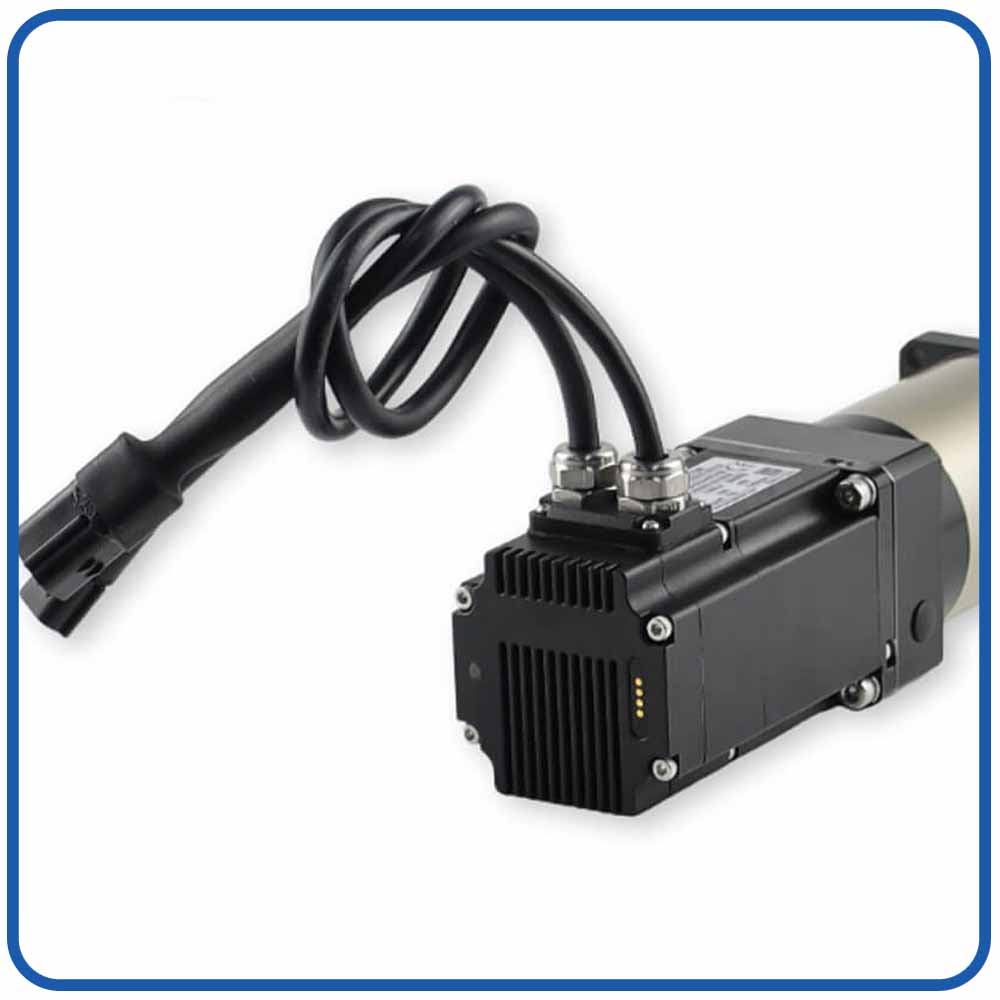
Selecting the right integrated stepper servo motor for an SMT placement machine is critical for achieving high-speed positioning, stable component placement, accurate motion control, and reliable long-term operation. Surface Mount Technology (SMT) placement machines operate through highly coordinated movements involving feeders, placement heads, X-Y tables, conveyor systems, component handling mechanisms, and Z-axis positioning systems.
The motor used in these motion systems must provide more than simple rotation. It must deliver precise positioning, rapid acceleration and deceleration, low vibration, sufficient torque, reliable feedback, and efficient communication with the machine controller.
An integrated stepper servo motor combines the motor, encoder, servo drive, and motion-control electronics into a compact unit. This architecture can significantly simplify the design of SMT equipment while reducing wiring, cabinet space, and system integration complexity.
This guide explains the most important factors we consider when choosing an integrated stepper servo motor for SMT placement machines, including motor size, torque, speed, encoder resolution, control method, acceleration, positioning accuracy, thermal performance, communication, and installation requirements.
What Is an Integrated Stepper Servo Motor?
An integrated stepper servo motor is a closed-loop motion-control motor that combines a stepper motor, encoder, servo drive, and control electronics into a single compact unit. Unlike a conventional open-loop stepper motor, it continuously monitors the motor's actual position through encoder feedback and adjusts operation when the commanded and actual positions differ.
This integrated architecture combines the high torque and simple control characteristics of a stepper motor with the feedback, positioning reliability, and dynamic control of a servo system.
How Does an Integrated Stepper Servo Motor Work?
During operation, the controller sends a motion command to the integrated motor. The built-in driver supplies current to the stepper motor, while the encoder continuously detects the rotor's actual position and speed.
The internal control system compares the commanded position with the feedback position. If a deviation occurs because of load changes, acceleration, or external disturbance, the controller can adjust motor current and motion to maintain accurate positioning.
This allows the motor to operate more reliably than a traditional open-loop stepper motor in applications where position accuracy, speed, and dynamic response are important.
Key Components of an Integrated Stepper Servo Motor
A typical integrated stepper servo motor contains four primary elements:
Stepper Motor – Provides the mechanical torque required to drive the load.
Encoder – Detects rotor position and provides real-time feedback.
Integrated Servo Drive – Controls motor current and closed-loop operation.
Motion-Control Electronics – Processes commands and manages motor performance.
By integrating these components, the system requires fewer external components and can significantly simplify machine wiring and installation.
Integrated Stepper Servo Motor vs. Traditional Stepper Motor
The main difference is closed-loop feedback. A conventional stepper motor normally operates without continuously verifying whether the commanded position has actually been achieved. An integrated stepper servo motor uses an encoder to monitor actual movement.
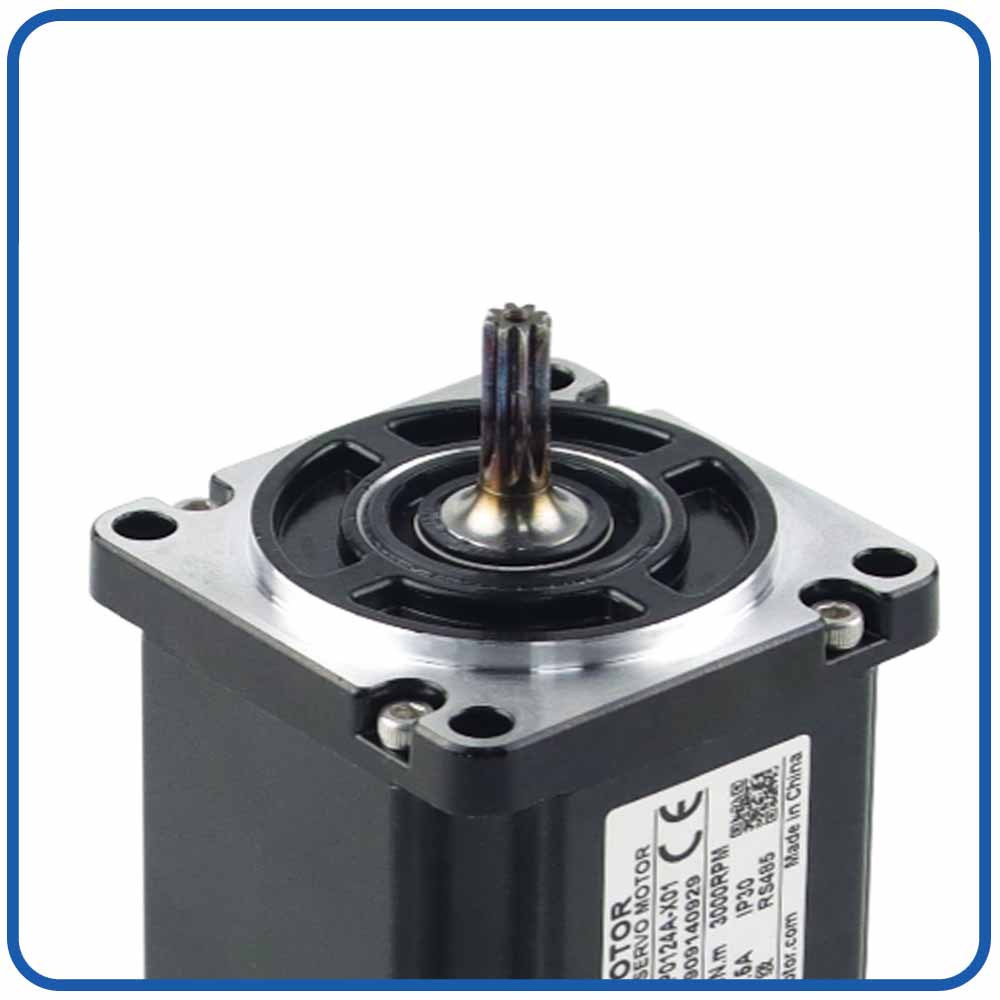
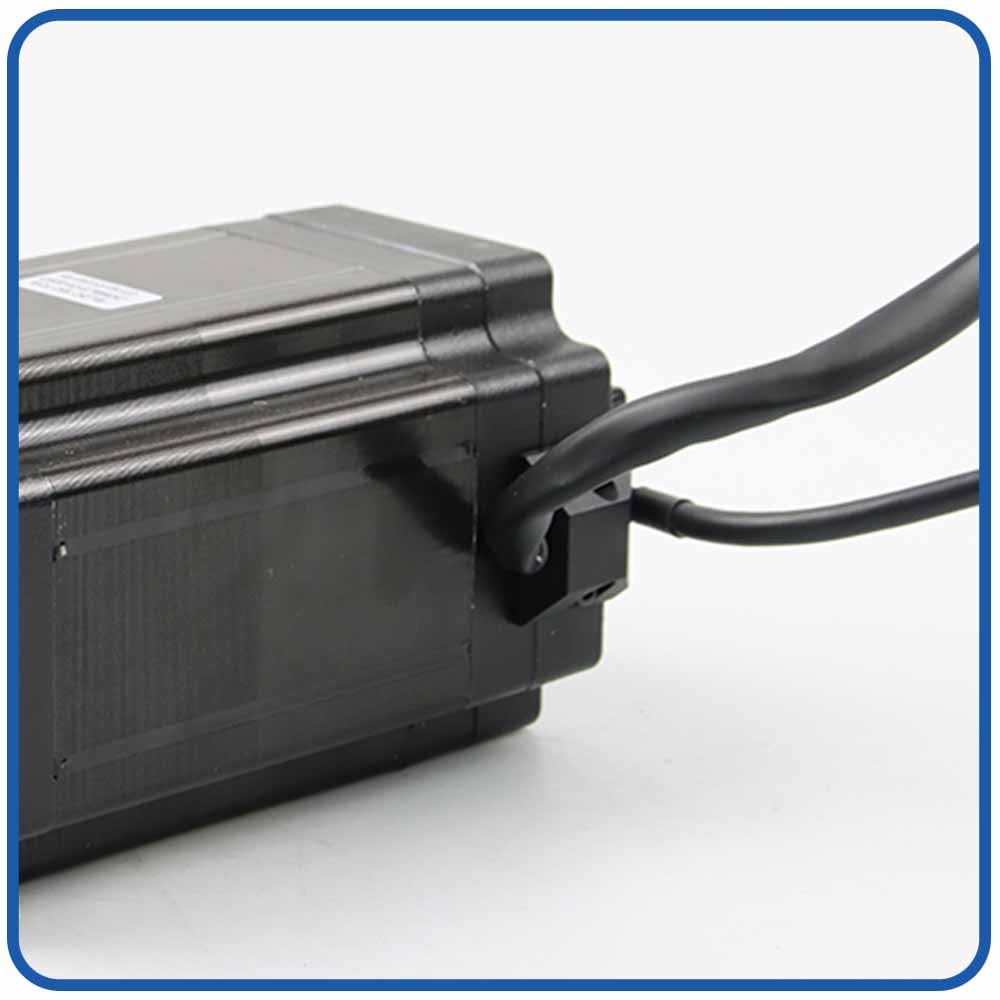
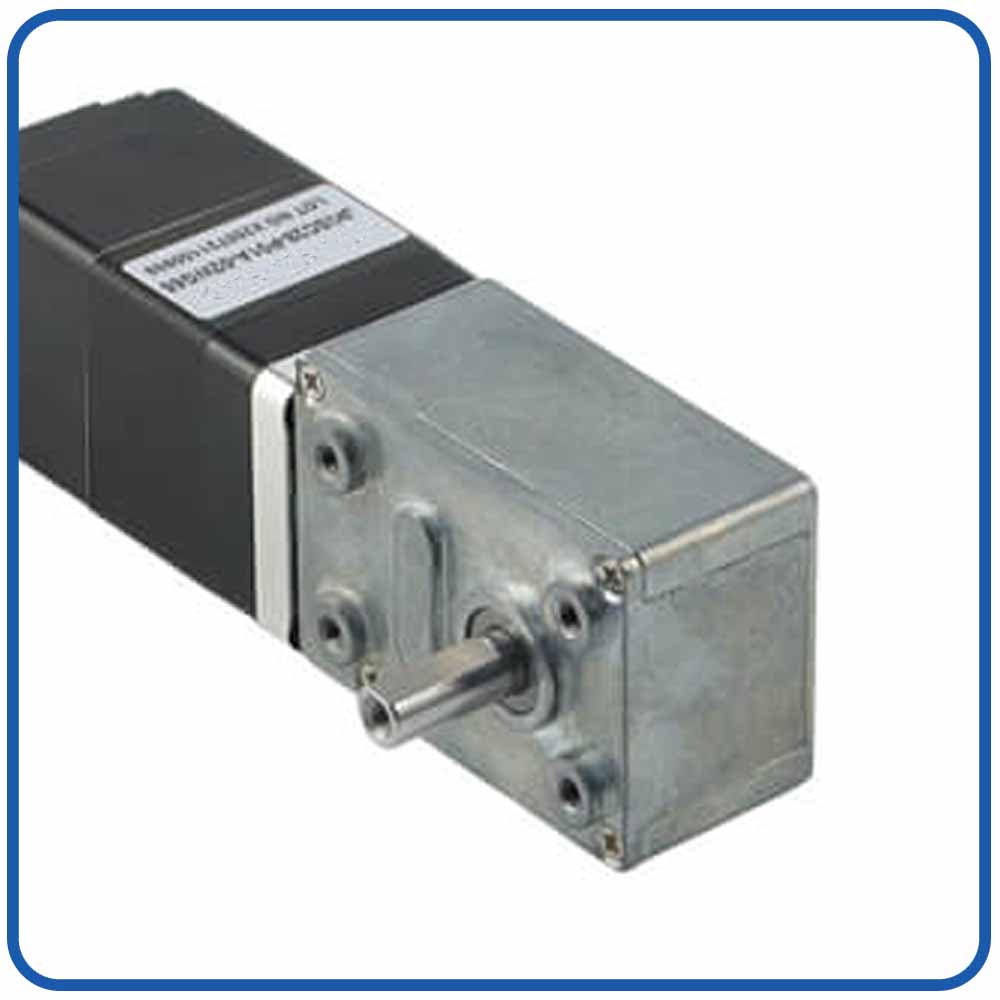
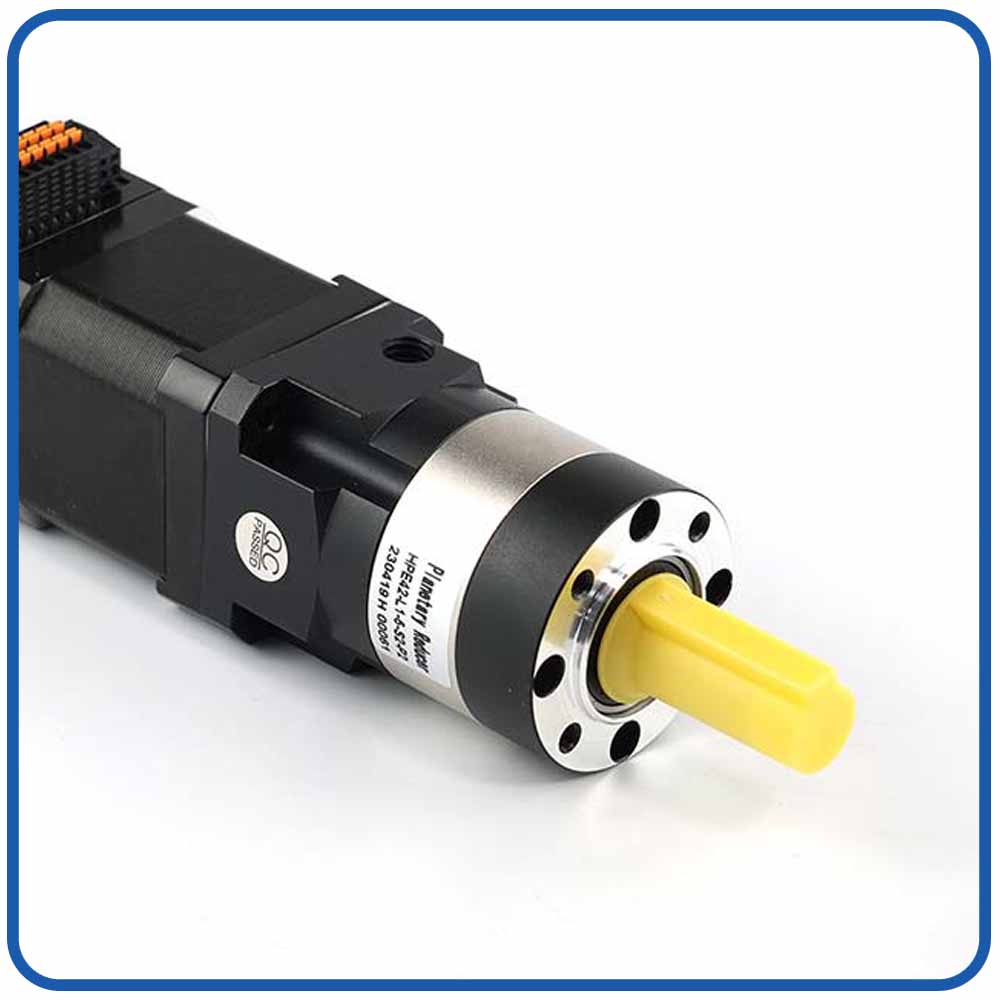
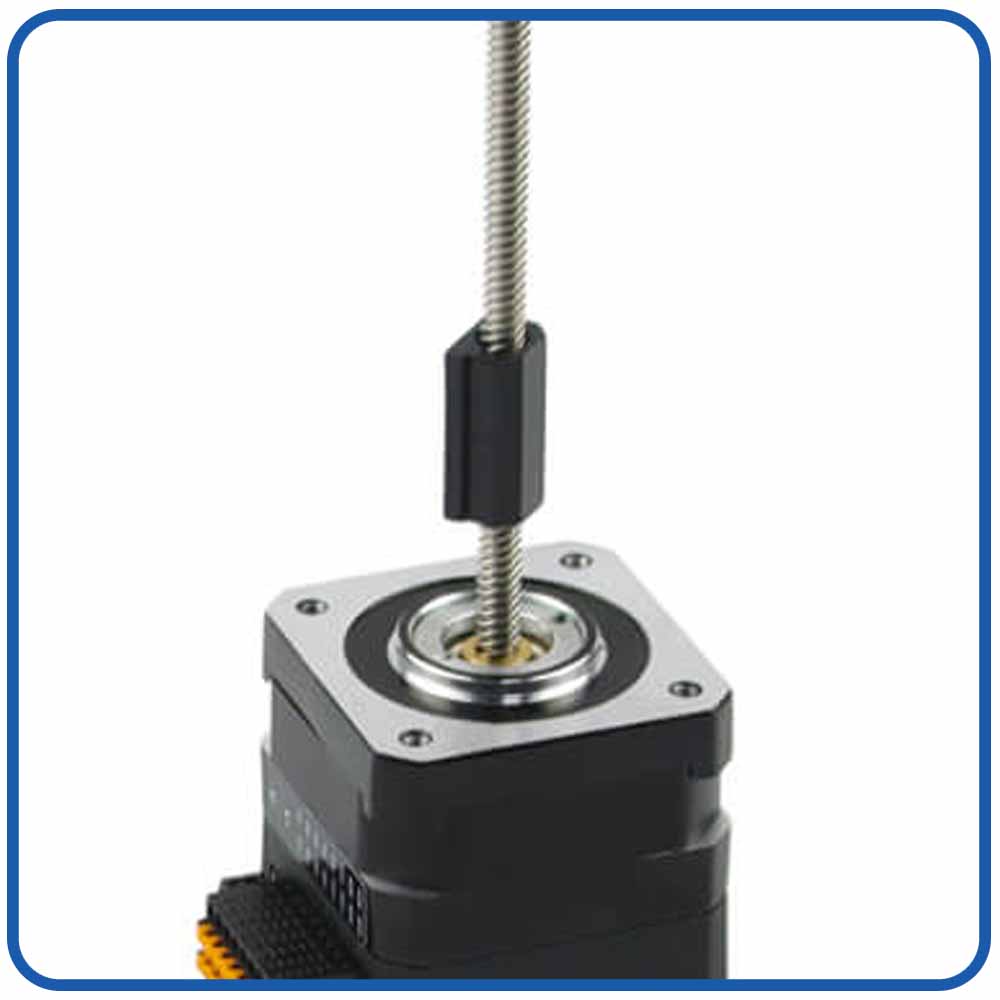
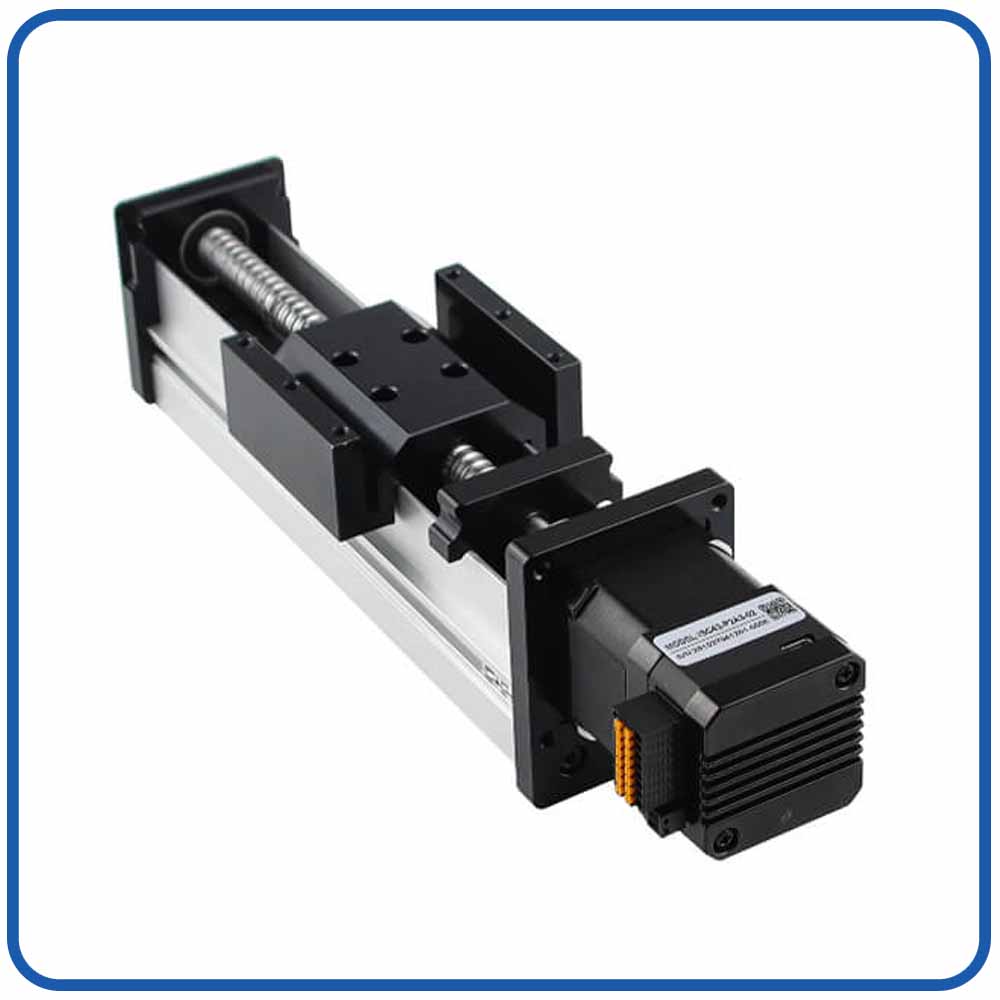
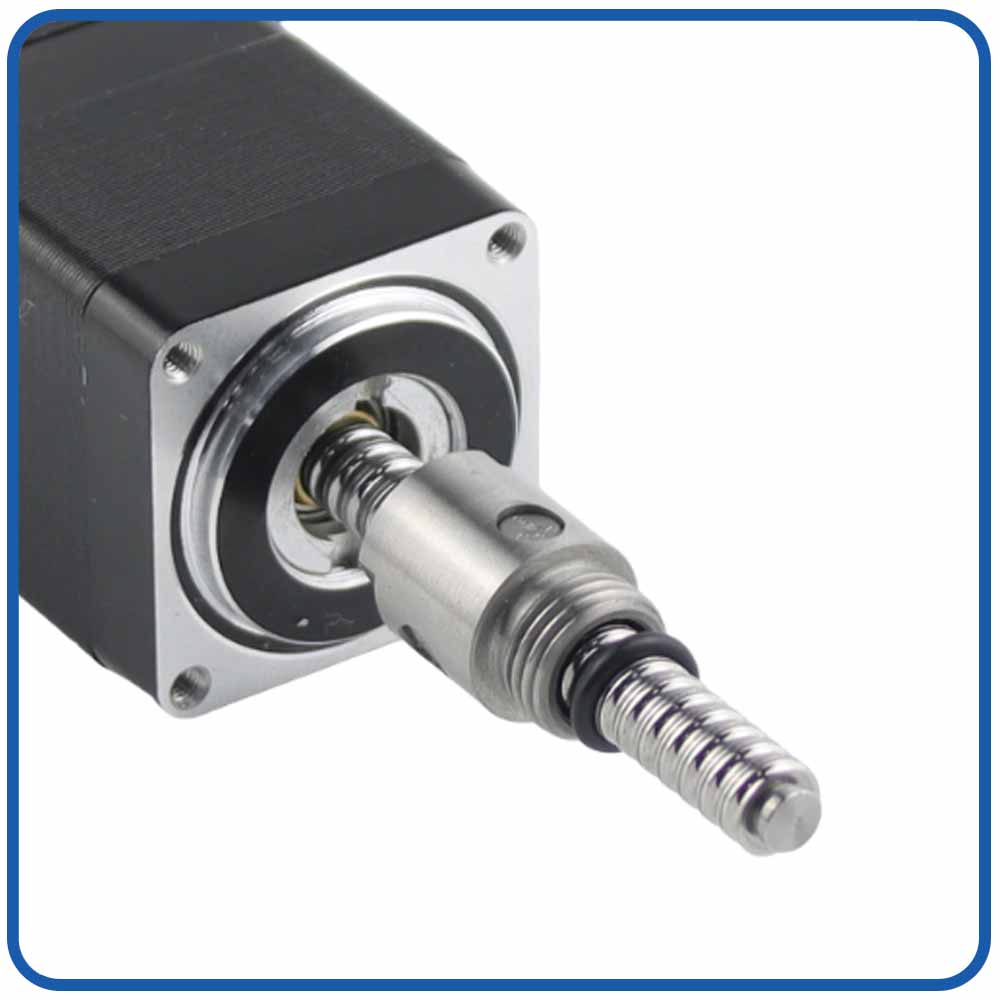
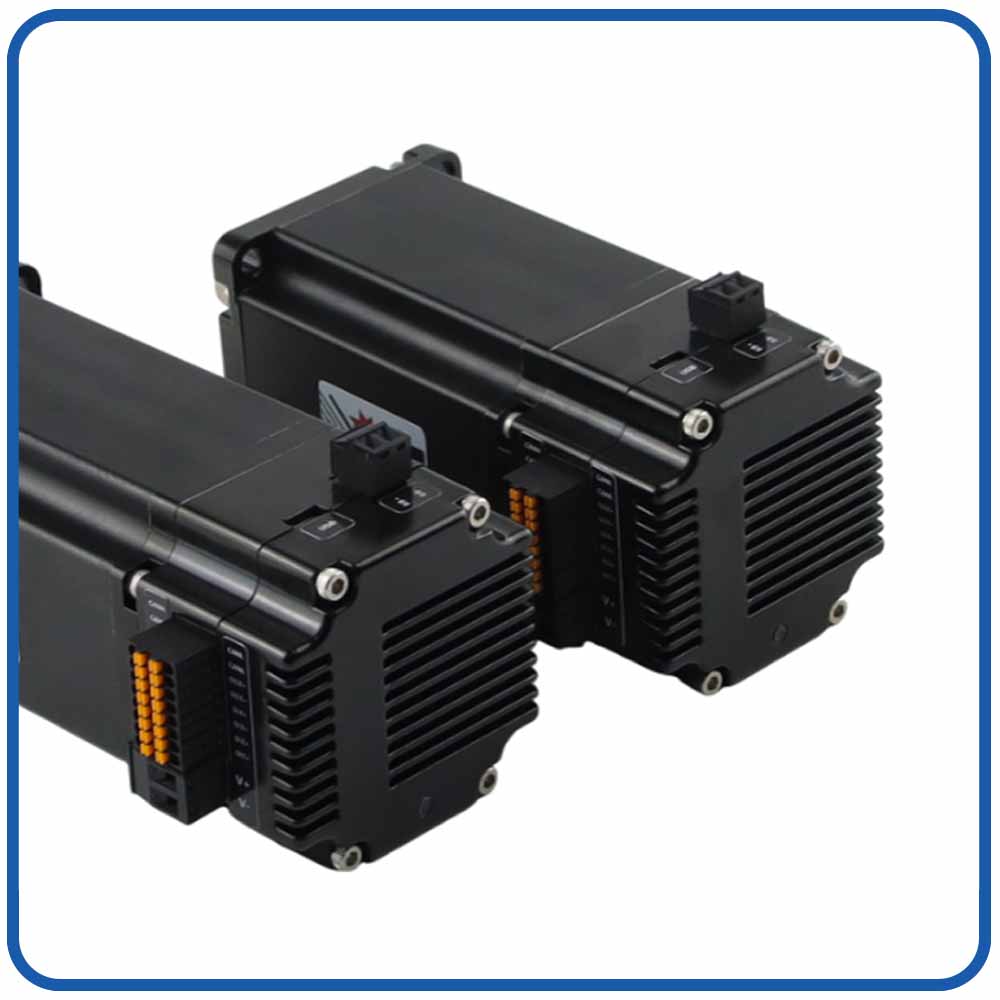
ISC28 Integrated Stepper Servo Motor — High-Efficiency, Compact, and Smart Closed-Loop Motion Control Solution
Product Overview:The NEMA 11 BFISC28-P1A3 integrated stepper servo motor combines a compact stepper motor, encoder, and intelligent drive in one package, delivering precise positioning, closed-loop control, and space-saving installation.
Key Technical Highlights
Integrated Closed-Loop Control:
Combines motor, encoder, and driver electronics into a compact unit, providing accurate positioning, reduced wiring, and reliable closed-loop operation for demanding motion-control applications.
Compact NEMA 11 Design:
The small NEMA 11 frame minimizes installation space while maintaining practical motion performance, making it suitable for compact equipment, laboratory instruments, and precision automation systems.
High Positioning Accuracy:
Encoder-based feedback continuously monitors motor movement and corrects positioning errors, improving motion accuracy, repeatability, and operational reliability compared with conventional open-loop stepper systems.
Simplified System Integration:
Integrated electronics reduce external components, cabling, and control-panel requirements, helping engineers achieve cleaner machine layouts, faster installation, and more efficient motion-system integration.
Typical Applications
Laboratory Automation Equipment:
Provides precise and repeatable rotary motion for automated laboratory instruments, sample-handling mechanisms, and compact positioning systems requiring reliable closed-loop motion control.
Medical and Analytical Instruments:
Suitable for compact medical or analytical equipment where accurate positioning, stable operation, and integrated electronics are important for automated testing and fluid-handling mechanisms.
3D Printers and Desktop Automation:
Delivers controlled positioning for compact 3D printers, desktop machines, and automated mechanisms requiring accurate movement, simplified wiring, and dependable motion performance.
Precision Robotics and Small Mechanisms:
Supports compact robotic joints, linear stages, indexing mechanisms, and other precision automation systems where space efficiency, positioning accuracy, and integrated servo functionality are essential.
ISC28 Series Key Specifications for Blood Analyzer
Why Integrated Stepper Servo Motors Are Suitable for SMT Placement Machines
SMT placement machines require multiple motion axes to operate with high repeatability. A placement head may move rapidly across an X-Y coordinate system, pick components from feeders, rotate components, and accurately place them onto a PCB.
The motor therefore needs to maintain controlled motion under changing loads.
An integrated stepper servo motor can combine the high holding torque characteristics of a stepper motor with closed-loop feedback and servo-like control.
Key advantages include:
Feature
Benefit for SMT Machines
Closed-loop encoder
Detects position errors and helps prevent missed-step problems
Integrated driver
Reduces external electronics and wiring
High torque density
Supports compact machine designs
Precise positioning
Helps achieve accurate component placement
Fast dynamic response
Supports rapid pick-and-place cycles
Low vibration control
Improves placement stability
Compact construction
Saves installation space
Digital control
Simplifies integration with machine controllers
The correct motor, however, must still be selected according to the actual mechanical and electrical requirements of each axis.
1. Determine the Required Torque and Load Capacity
The first step is to calculate the actual torque required by the SMT placement mechanism.
We should consider:
Moving mass
Mechanical transmission type
Acceleration and deceleration
Friction and mechanical resistance
Vertical or horizontal movement
Required safety margin
Maximum operating speed
For example, an integrated stepper servo motor driving a ball screw or belt-driven positioning axis may experience substantially different loads from a rotary feeder mechanism.
The selected motor should provide sufficient continuous and peak torque throughout the operating speed range. We generally recommend maintaining an appropriate torque margin rather than selecting a motor that operates continuously at its maximum capability.
Insufficient torque can result in position errors, missed steps, vibration, overheating, and reduced machine reliability.
2. Match Motor Speed to SMT Placement Cycle Requirements
SMT placement machines are designed for high-speed repetitive motion. Motor selection therefore needs to consider both torque and rotational speed.
A motor that provides high holding torque but cannot maintain sufficient torque at high speed may not be suitable for a fast placement axis.
When selecting an integrated stepper servo motor, we should evaluate:
Rated speed
Maximum speed
Torque-speed characteristics
Acceleration capability
Deceleration capability
Required positioning cycle time
For high-speed SMT applications, the motor should maintain stable operation during frequent acceleration and deceleration.
The objective is not simply to choose the fastest motor, but to select a motor capable of achieving the required cycle time while maintaining positioning accuracy and thermal stability.
3. Prioritize Positioning Accuracy and Repeatability
Placement machines require precise and repeatable movement. Even small positioning errors can affect component placement quality, especially when handling fine-pitch components.
An integrated stepper servo motor uses encoder feedback to monitor rotor position. The drive can compare commanded motion with actual motor position and compensate for deviations.
We should examine:
Encoder resolution
Position feedback accuracy
Repeatability
Closed-loop response
Position error detection
Mechanical backlash
For precision SMT axes, a closed-loop integrated stepper servo motor can provide a significant advantage over an open-loop stepper motor because the system can detect and correct motion deviations instead of assuming that every commanded step has been completed correctly.
4. Select the Appropriate Encoder Resolution
The encoder is a critical component of an integrated stepper servo system.
Higher encoder resolution can provide more detailed rotor-position feedback, which is valuable for precision motion control. However, encoder resolution should be selected according to the actual mechanical requirements rather than simply choosing the highest available specification.
We should match encoder performance with:
Required positioning accuracy
Motor speed
Control resolution
Mechanical transmission ratio
Feedback bandwidth
Application cost
For SMT placement machines, the appropriate encoder should provide reliable feedback during rapid motion while maintaining stable closed-loop control.
A properly matched encoder helps the system achieve accurate positioning, stable operation, and reliable error detection.
5. Evaluate Acceleration, Deceleration, and Dynamic Response
SMT placement machines frequently perform short-distance, high-frequency movements. This means the motor must respond quickly to changing commands.
Dynamic performance is especially important for:
Pick-and-place heads
PCB positioning axes
Component feeders
Linear positioning stages
Rotary indexing mechanisms
We should examine the motor's acceleration capability, control response, inertia matching, and current control performance.
A motor with excessive rotor inertia may respond more slowly to rapid changes in command. Conversely, a properly sized motor can accelerate and decelerate efficiently without generating excessive vibration.
For high-cycle SMT equipment, dynamic response can be just as important as static torque.
6. Choose the Correct Motor Size and Installation Configuration
Space is often limited inside SMT placement equipment. The motor must provide the required performance without creating unnecessary mechanical bulk.
Common considerations include:
NEMA frame size
Motor length
Mounting dimensions
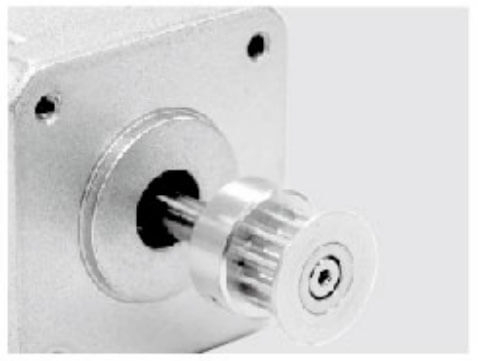
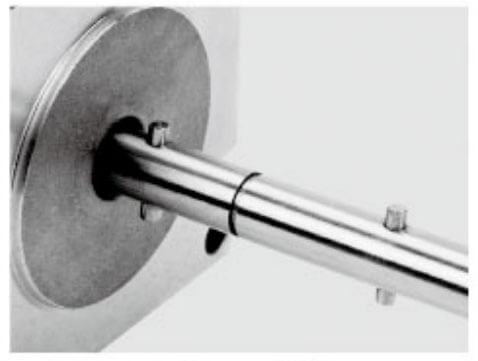
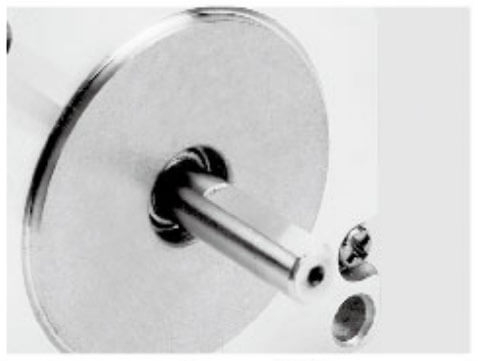
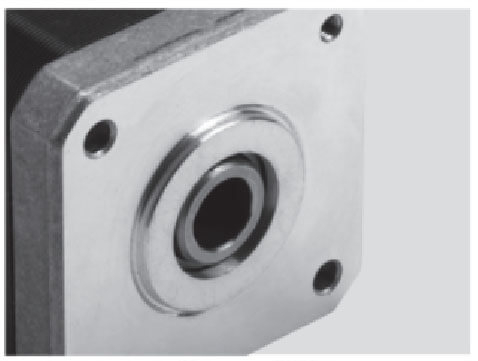
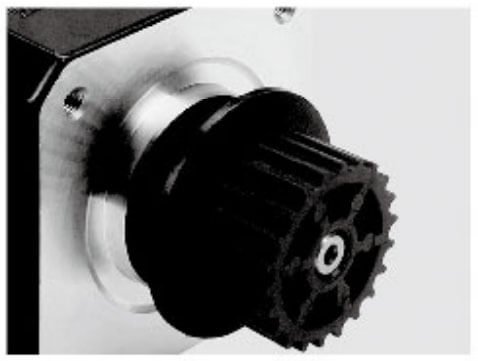
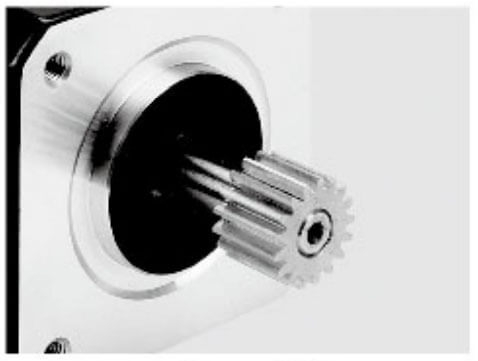
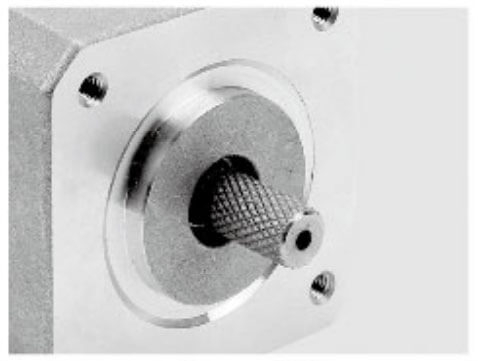
Shaft diameter
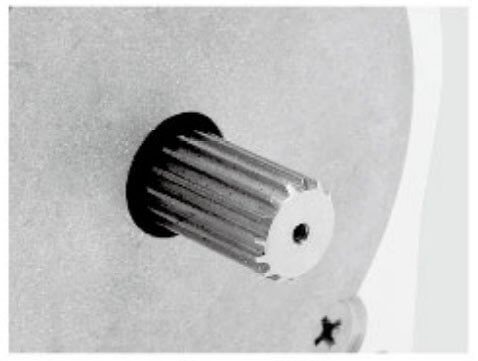
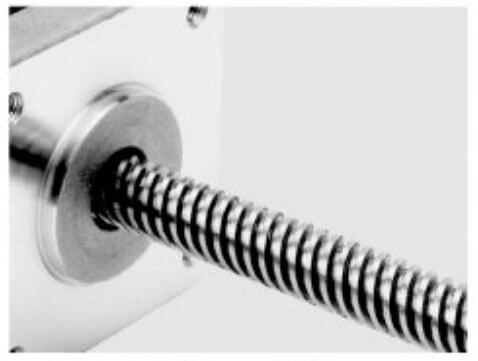
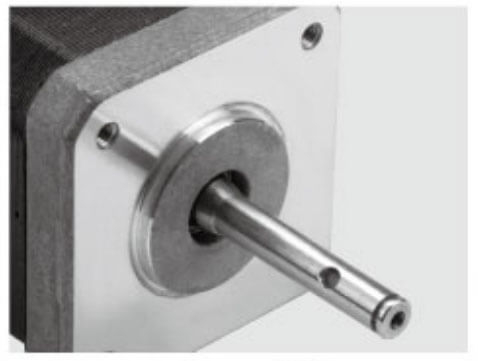
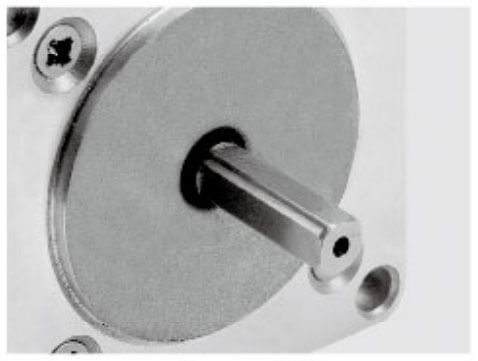
Shaft configuration
Connector position
Cable routing
Integrated electronics dimensions
An integrated stepper servo motor can reduce the footprint of a motion-control system because the motor and driver are combined into one unit.
This can simplify machine architecture and reduce the amount of external control hardware required.
For compact SMT equipment, selecting the correct motor frame size can also improve cable management and simplify mechanical integration.
7. Consider Communication and Control Interfaces
The integrated servo motor must communicate effectively with the SMT machine's motion controller or PLC.
Depending on the machine architecture, we may need interfaces such as:
Pulse and direction
RS-485
CANopen
Modbus
EtherCAT
Other industrial communication interfaces
The appropriate interface depends on the required synchronization, communication speed, control architecture, and number of motion axes.
For multi-axis SMT machines, network-based control can simplify system integration and improve coordination between motors.
Before selecting a motor, we should verify that its control interface and communication protocol are compatible with the existing machine controller.
8. Control Vibration and Resonance
Vibration is a major concern in precision SMT motion systems.
Excessive vibration can affect:
Component placement accuracy
Pick-and-place head stability
Mechanical service life
Noise levels
Positioning repeatability
Machine throughput
Traditional stepper motors can experience resonance in certain operating ranges. An integrated stepper servo motor with closed-loop control can use encoder feedback and advanced current-control algorithms to achieve smoother operation.
We should therefore evaluate the motor's:
Microstepping capability
Current-control technology
Closed-loop algorithm
Resonance suppression
Acceleration profile
Load adaptation
For precision SMT applications, smooth motion is essential for maintaining placement consistency at high operating speeds.
9. Check Thermal Performance and Continuous-Duty Reliability
SMT placement machines often operate for extended periods, making thermal performance an important selection factor.
We should consider:
Continuous operating current
Motor temperature rise
Driver efficiency
Ambient temperature
Installation ventilation
Duty cycle
Continuous operating speed
An integrated stepper servo motor should maintain stable performance under the machine's expected operating conditions.
Excessive heat can reduce component life and potentially cause performance degradation. Therefore, we should evaluate the motor based on its actual continuous operating conditions, rather than relying only on short-term peak torque.
Proper thermal management contributes to stable operation and longer service life.
10. Evaluate Integration, Reliability, and Total System Cost
The final selection should consider the entire motion system rather than the motor alone.
A conventional stepper system may require:
Motor + Encoder + External Driver + Control Wiring + Additional Components
An integrated stepper servo motor can combine several of these functions into a single compact package:
Motor + Encoder + Servo Drive + Closed-Loop Control
This architecture can reduce wiring complexity, cabinet space, installation time, and potential connection points.
For SMT placement machines, we should evaluate the total system based on:
Motor performance
Driver functionality
Encoder reliability
Installation complexity
Communication compatibility
Maintenance requirements
Energy efficiency
Long-term operating cost
A slightly higher initial motor price can be justified when the integrated architecture reduces the overall cost and complexity of the machine.
Recommended Selection Process for an SMT Placement Machine
A practical selection workflow can be divided into the following steps:
Step 1: Define the Axis
Determine whether the motor will drive the X, Y, Z, theta, feeder, conveyor, or another mechanism.
Step 2: Calculate the Mechanical Load
Determine mass, friction, acceleration, transmission efficiency, and external forces.
Step 3: Calculate Required Torque
Calculate continuous and peak torque requirements.
Step 4: Determine Required Speed
Establish the maximum and continuous operating speeds.
Step 5: Select Encoder Resolution
Match encoder feedback performance to the required positioning accuracy and control architecture.
Step 6: Select Control Interface
Confirm compatibility with the SMT machine PLC, motion controller, or industrial network.
Step 7: Verify Dimensions
Check flange size, shaft dimensions, mounting pattern, connector location, and available installation space.
Step 8: Evaluate Thermal Performance
Confirm that the motor can operate continuously within its specified temperature range.
Step 9: Test Dynamic Performance
Evaluate acceleration, deceleration, vibration, positioning, and settling time.
Step 10: Validate Long-Term Reliability
Conduct extended operating tests representative of actual production conditions.
Common Mistakes When Selecting an Integrated Stepper Servo Motor
Several selection mistakes can reduce SMT machine performance.
Choosing Only by Holding Torque
Holding torque does not represent available torque at high operating speed.
Ignoring Acceleration Requirements
High-speed placement systems often spend a significant portion of their cycle accelerating and decelerating.
Selecting Excessively Large Motors
Oversized motors may increase mass, inertia, cost, and energy consumption without providing meaningful benefits.
Ignoring Encoder Resolution
Insufficient feedback resolution can limit closed-loop positioning performance.
Ignoring Thermal Conditions
A motor that performs well during short tests may overheat during continuous production.
Using an Incompatible Communication Interface
The motor's control protocol must match the machine's controller architecture.
Ignoring Mechanical Backlash
A high-resolution encoder cannot completely eliminate errors caused by mechanical backlash or structural deformation.
Integrated Stepper Servo Motor Selection Checklist
Selecting the right integrated stepper servo motor requires matching the motor's electrical, mechanical, feedback, and control characteristics with the actual application requirements. The following checklist can help engineers evaluate a motor before integrating it into an SMT placement machine or other precision automation equipment.
1. Load and Required Torque
Calculate the actual load torque under normal operating conditions.
Consider friction, transmission efficiency, and external resistance.
Include acceleration and deceleration torque requirements.
Maintain an appropriate torque safety margin to prevent overload and positioning errors.
2. Operating Speed
Define the required continuous and maximum motor speed.
Check the motor's torque-speed curve rather than evaluating rated torque alone.
Ensure sufficient torque remains available at the required operating speed.
Consider frequent acceleration and deceleration in high-cycle applications.
3. Positioning Accuracy and Repeatability
Determine the required positioning accuracy and repeatability.
Check encoder resolution and feedback performance.
Consider mechanical backlash, transmission accuracy, and coupling tolerance.
Select a closed-loop system capable of detecting and correcting positioning deviations.
4. Encoder and Feedback
Confirm the encoder type and resolution.
Verify that feedback performance meets the application's positioning requirements.
Check the encoder's operating speed and environmental specifications.
For precision applications, ensure reliable real-time position feedback.
5. Dynamic Response
Evaluate acceleration and deceleration requirements.
Check rotor inertia and load inertia compatibility.
Consider the frequency of short, repetitive positioning movements.
Select a motor with sufficient dynamic response for the required machine cycle time.
6. Motor Size and Mechanical Compatibility
Verify the motor frame size and mounting dimensions.
Check shaft diameter, shaft length, and mounting-hole configuration.
Confirm compatibility with couplings, gears, ball screws, belts, or other transmission components.
Ensure the motor fits within the available machine installation space.
7. Control Interface and Communication
Confirm compatibility with the machine controller or PLC.
Check available interfaces such as pulse/direction, RS-485, CANopen, Modbus, or EtherCAT, depending on the motor model.
Verify communication speed and multi-axis synchronization requirements.
Make sure the control architecture supports the required motion profile.
8. Vibration and Motion Smoothness
Evaluate microstepping and current-control performance.
Check resonance suppression and closed-loop control functions.
Consider vibration during rapid acceleration and deceleration.
For SMT placement equipment, prioritize smooth and stable motion to maintain placement consistency.
9. Thermal Performance and Reliability
Check rated current, temperature rise, and continuous-duty capability.
Evaluate ambient temperature and available ventilation.
Consider the machine's daily operating hours and duty cycle.
Confirm that the motor can maintain stable performance during prolonged operation.
10. Overall System Integration and Cost
Compare the complete system rather than the motor price alone.
Consider the cost of external drivers, encoders, cables, control cabinets, and installation.
Evaluate wiring complexity and maintenance requirements.
Select a solution that provides the best balance of performance, reliability, installation efficiency, and total cost of ownership.
Quick Selection Checklist
Selection Factor
Key Question
Torque
Is sufficient torque available under the maximum load?
Speed
Can the motor maintain torque at the required operating speed?
Accuracy
Does the positioning accuracy meet machine requirements?
Encoder
Is the feedback resolution sufficient?
Dynamic Response
Can the motor handle rapid acceleration and deceleration?
Size
Does the motor fit the mechanical installation space?
Interface
Is it compatible with the existing controller or PLC?
Vibration
Can it provide smooth, stable motion?
Thermal Performance
Can it operate continuously without excessive heating?
Integration Cost
Does the complete system provide a cost-effective solution?
For SMT placement machines, the most critical factors are generally positioning accuracy, dynamic response, torque-speed performance, encoder feedback, vibration control, and long-term reliability. Evaluating these parameters together helps ensure that the integrated stepper servo motor delivers stable performance throughout the machine's operating cycle.
Conclusion: How to Choose the Right Integrated Stepper Servo Motor for SMT Placement Machines
Choosing the right integrated stepper servo motor for an SMT placement machine requires more than selecting a motor based on frame size or nominal torque.
The correct solution must match the complete motion system, including load, speed, acceleration, positioning accuracy, encoder resolution, mechanical transmission, control interface, thermal conditions, and installation constraints.
For high-speed SMT applications, the most important characteristics are typically stable closed-loop positioning, sufficient dynamic torque, fast response, low vibration, reliable feedback, compact integration, and long-term thermal reliability.
An integrated stepper servo motor can provide a practical combination of motor, encoder, driver, and intelligent control technology in one compact package. This architecture can reduce wiring complexity, simplify machine integration, save cabinet space, and support decentralized motion-control designs.
By calculating the actual mechanical requirements, reviewing torque-speed performance, verifying encoder and communication compatibility, and testing the motor under realistic SMT operating conditions, we can select a motion solution that supports high-speed placement, repeatable positioning, reliable operation, and efficient machine design.
For manufacturers developing or upgrading SMT placement equipment, the best motor is ultimately the one that provides the required speed, torque, accuracy, feedback, reliability, and integration capability while maintaining sufficient engineering margin for real production conditions.
FAQ
1. What is an integrated stepper servo motor for an SMT placement machine?
An integrated stepper servo motor for an SMT placement machine combines a stepper motor, encoder, driver, and control electronics in one compact unit. Closed-loop feedback improves positioning reliability, motion control, and operational stability.
2. Why are integrated stepper servo motors used in SMT placement machines?
Integrated stepper servo motors are used because they provide precise positioning, closed-loop feedback, high torque, compact installation, and simplified wiring. These characteristics make them suitable for high-speed and repetitive SMT positioning applications.
3. How do I choose the correct torque for an SMT placement machine?
We should calculate the required torque based on the moving load, transmission mechanism, friction, acceleration, operating speed, and duty cycle. An appropriate torque margin should also be included to accommodate variations in operating conditions.
4. What encoder resolution is suitable for an SMT placement machine?
The required encoder resolution depends on the machine's positioning accuracy, transmission ratio, motor speed, and control requirements. Higher resolution can provide more detailed feedback, but the encoder should ultimately be matched to the complete mechanical and control system.
5. What motor speed is required for SMT placement equipment?
The required motor speed depends on the machine's motion profile and target cycle time. We should evaluate the torque-speed curve, acceleration, deceleration, and continuous operating speed rather than selecting a motor based only on its maximum RPM.
6. What control interfaces are available for integrated stepper servo motors?
Depending on the motor model, integrated stepper servo motors may support pulse/direction, RS-485, CANopen, Modbus, EtherCAT, and other industrial control interfaces. The interface should be selected according to the SMT machine's controller and multi-axis communication requirements.
7. Can an integrated stepper servo motor detect missed steps?
Yes. Because the motor uses an encoder for closed-loop feedback, the control system can monitor the difference between commanded and actual motor position. This allows position errors or abnormal operating conditions to be detected and, depending on the control system, corrected.
8. How can an integrated stepper servo motor reduce SMT machine wiring?
An integrated stepper servo motor combines the motor, encoder, and driver electronics into one unit. This reduces the need for separate external drivers and can simplify wiring, control-cabinet layout, installation, and maintenance.
9. How does an integrated stepper servo motor reduce vibration in SMT applications?
Closed-loop control, optimized current control, microstepping, and resonance-suppression functions can contribute to smoother motor operation. Proper motor sizing and acceleration profiles are also important for minimizing vibration during rapid SMT positioning movements.
10. What should we consider when selecting an integrated stepper servo motor for SMT placement machines?
Key factors include torque, speed, positioning accuracy, encoder resolution, acceleration, motor size, control interface, vibration, thermal performance, and total system cost. The motor should be selected according to the complete mechanical and motion-control requirements of the SMT machine.

 English
 العربية
 Français
 Русский
 Español
 Português
 Deutsch
 italiano
 日本語
日本語 한국어
한국어 Nederlands
 Tiếng Việt
 ไทย
ไทย Polski
 Türkçe
 ພາສາລາວ
 ភាសាខ្មែរ
 Bahasa Melayu
 ဗမာစာ
ဗမာစာ Filipino
 Bahasa Indonesia
 magyar
 Română
 Čeština
 Монгол
 қазақ
қазақ Српски
 हिन्दी
 فارسی
فارسی Slovenčina
 Slovenščina
 Norsk
Norsk Svenska
 українська
 Ελληνικά
 Suomi
Suomi Հայերեն
 עברית
עברית Latine
 Dansk
Dansk Shqip
Shqip বাংলা
বাংলা Hrvatski
 Afrikaans
 Gaeilge
 Eesti keel
 Oʻzbekcha
 latviešu
 Azərbaycan dili
 Български
 Català