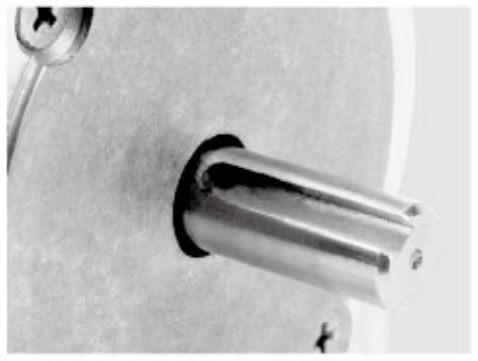
Medical infusion pumps require precise, stable, and highly reliable motion control to deliver fluids, medications, nutrients, or other therapeutic substances at controlled rates. At the heart of many infusion mechanisms is a motor-driven system responsible for controlling displacement, pressure, flow, or the movement of pumping components. Selecting the right integrated stepper servo motor for a medical infusion pump therefore requires more than simply choosing a motor based on frame size or rated torque.
We evaluate the motor, feedback system, integrated driver, control interface, operating environment, thermal performance, and mechanical transmission as one complete motion-control solution. An appropriately selected integrated stepper servo motor can provide the precision of closed-loop motion control, compact system integration, stable low-speed operation, and simplified wiring required by modern medical equipment.
What Is an Integrated Stepper Servo Motor for a Medical Infusion Pump?
An integrated stepper servo motor is a compact motion-control unit that combines a stepper motor with an encoder, servo driver, and control electronics. In medical infusion pumps, it drives mechanisms such as lead screws, syringes, or peristaltic pumping systems to achieve precise and controlled fluid delivery.
Key Features
Closed-Loop Feedback: The integrated encoder monitors motor position and helps detect position errors, overload, or stalling.
Precise Motion Control: Provides accurate and repeatable rotation for maintaining consistent flow rate and fluid volume.
Compact Integration: Combines multiple motion-control components into one unit, reducing wiring, external electronics, and installation space.
Smooth Low-Speed Operation: Suitable for the controlled, stable movement commonly required by infusion-pump mechanisms.
Flexible Control: Can support different control interfaces and programmable motion functions depending on the motor configuration.
Overall, an integrated stepper servo motor provides a compact, precise, and feedback-controlled motion solution for medical infusion pump applications.
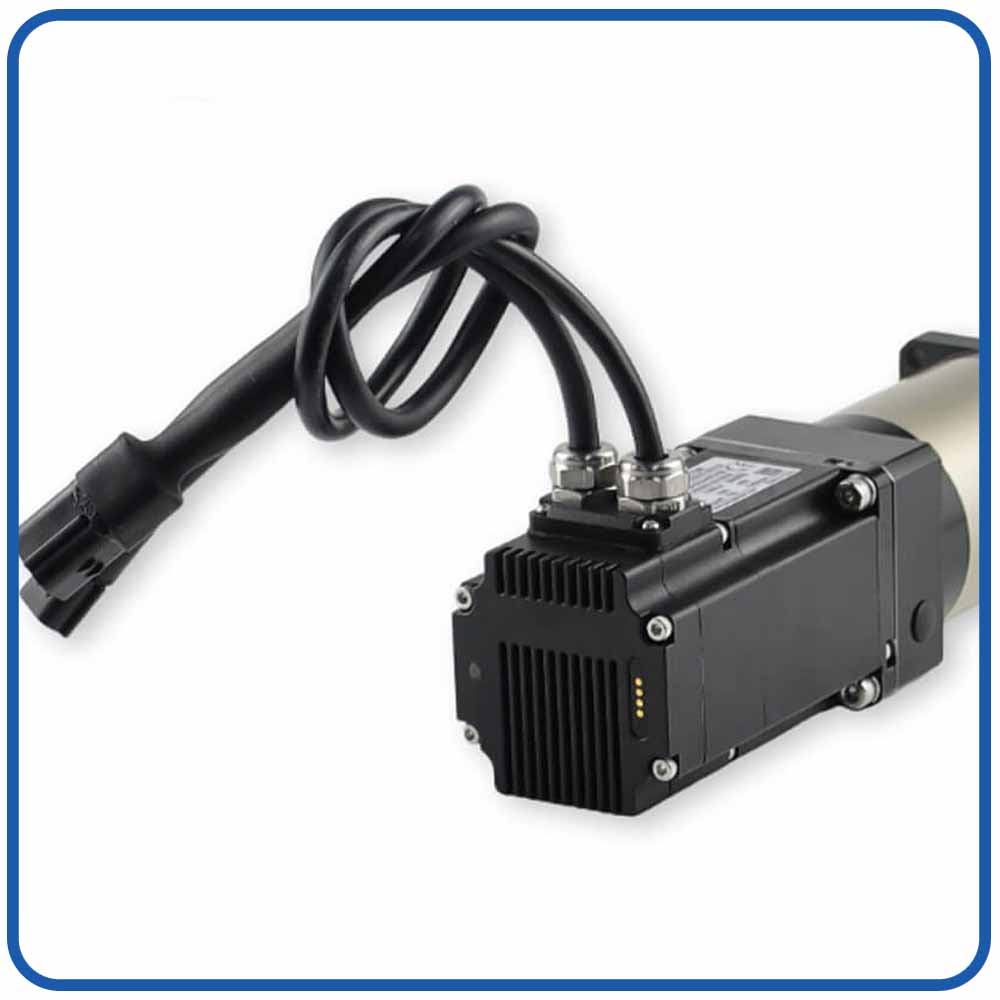
ISC28 Integrated Stepper Servo Motor — High-Efficiency, Compact, and Smart Closed-Loop Motion Control Solution
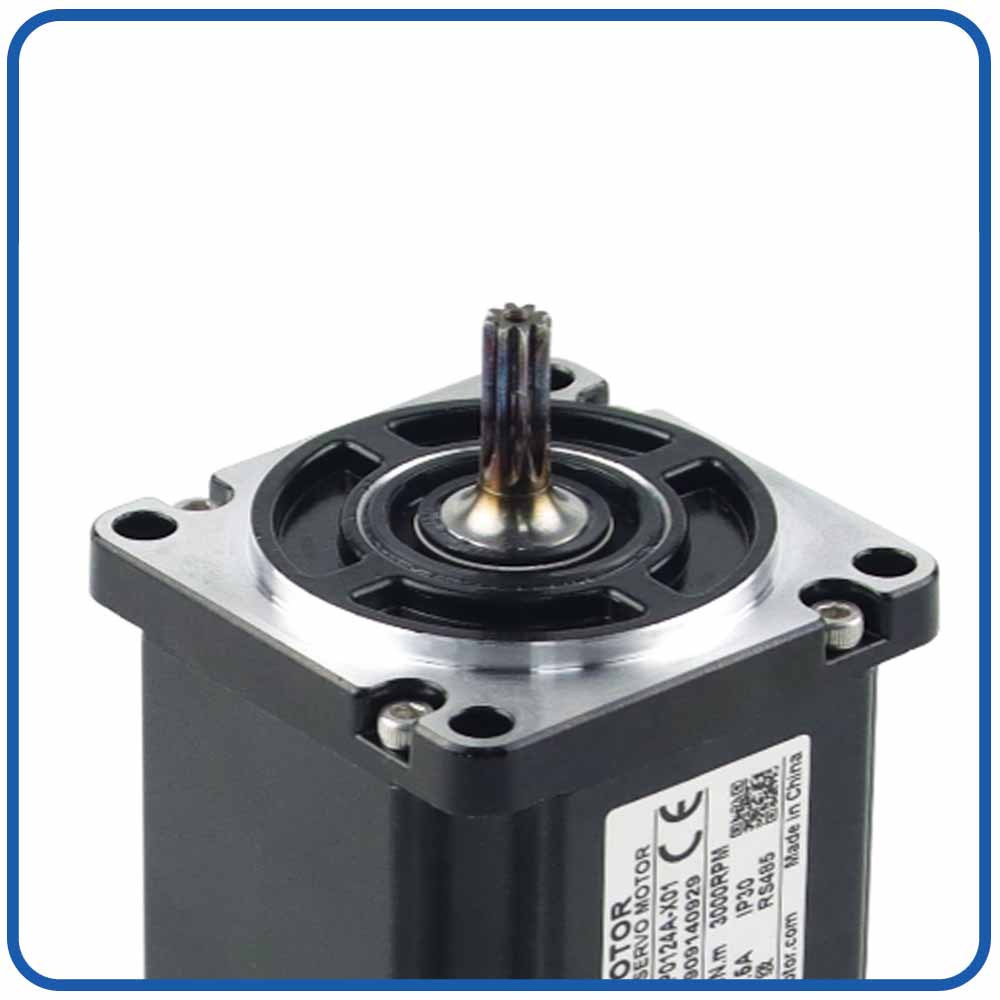
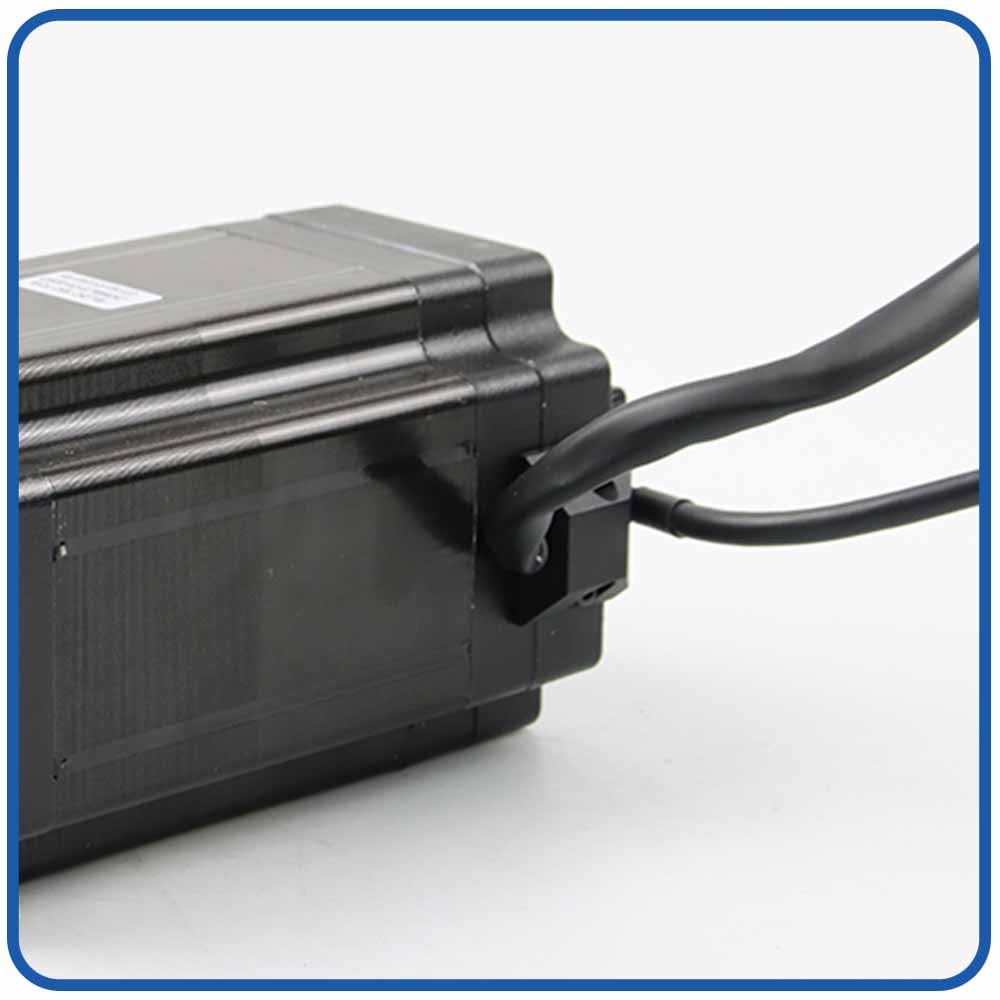
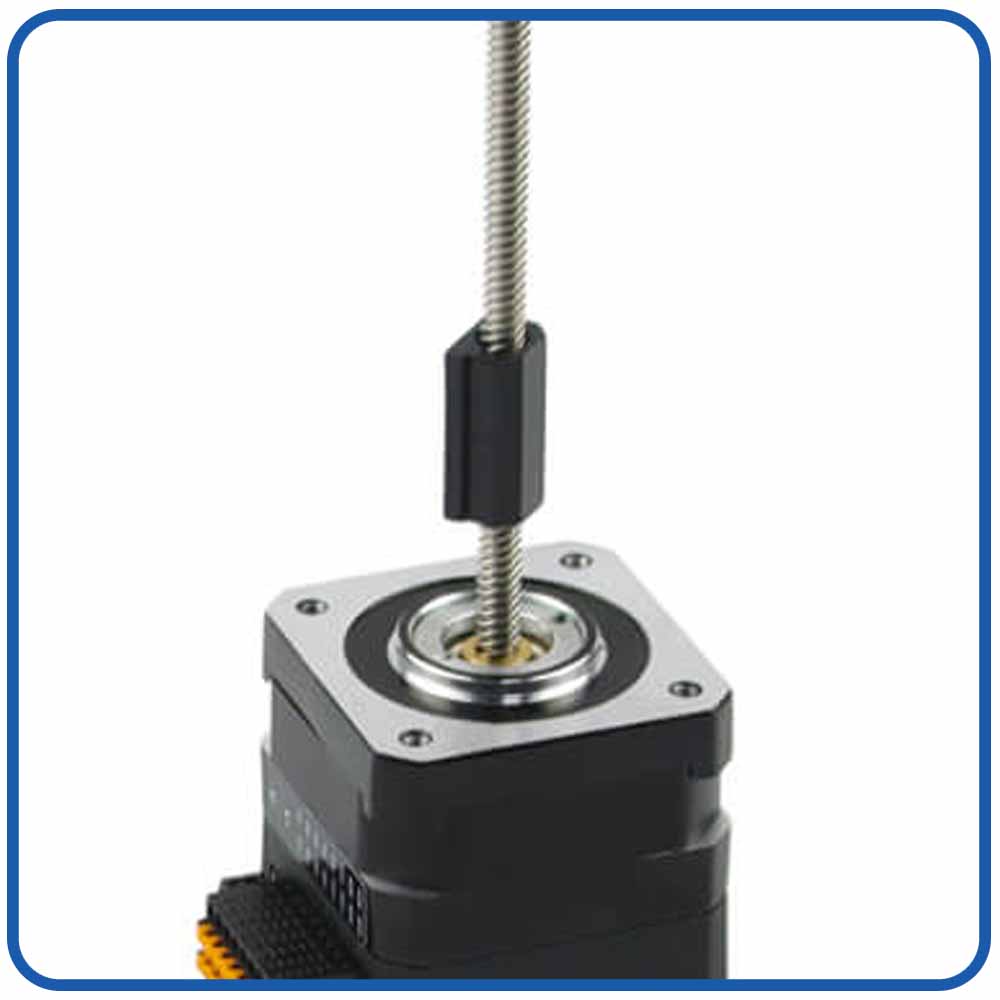
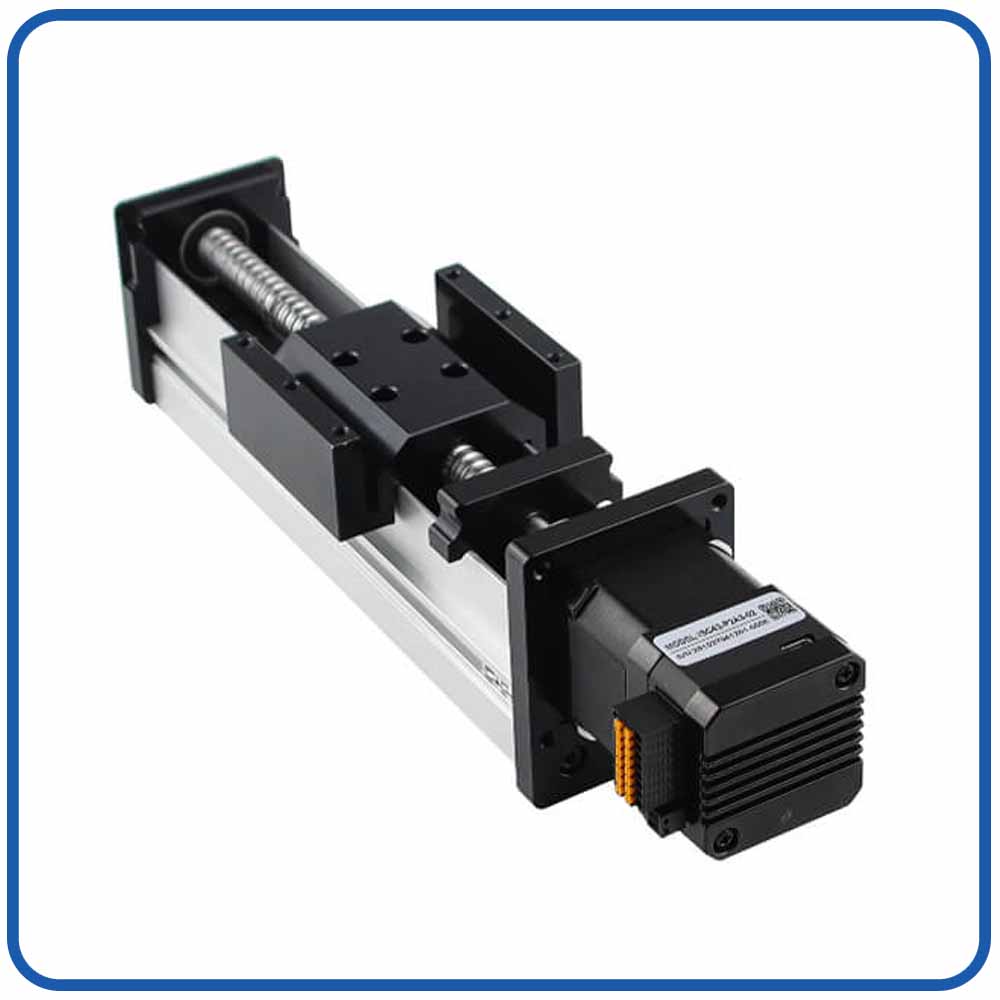
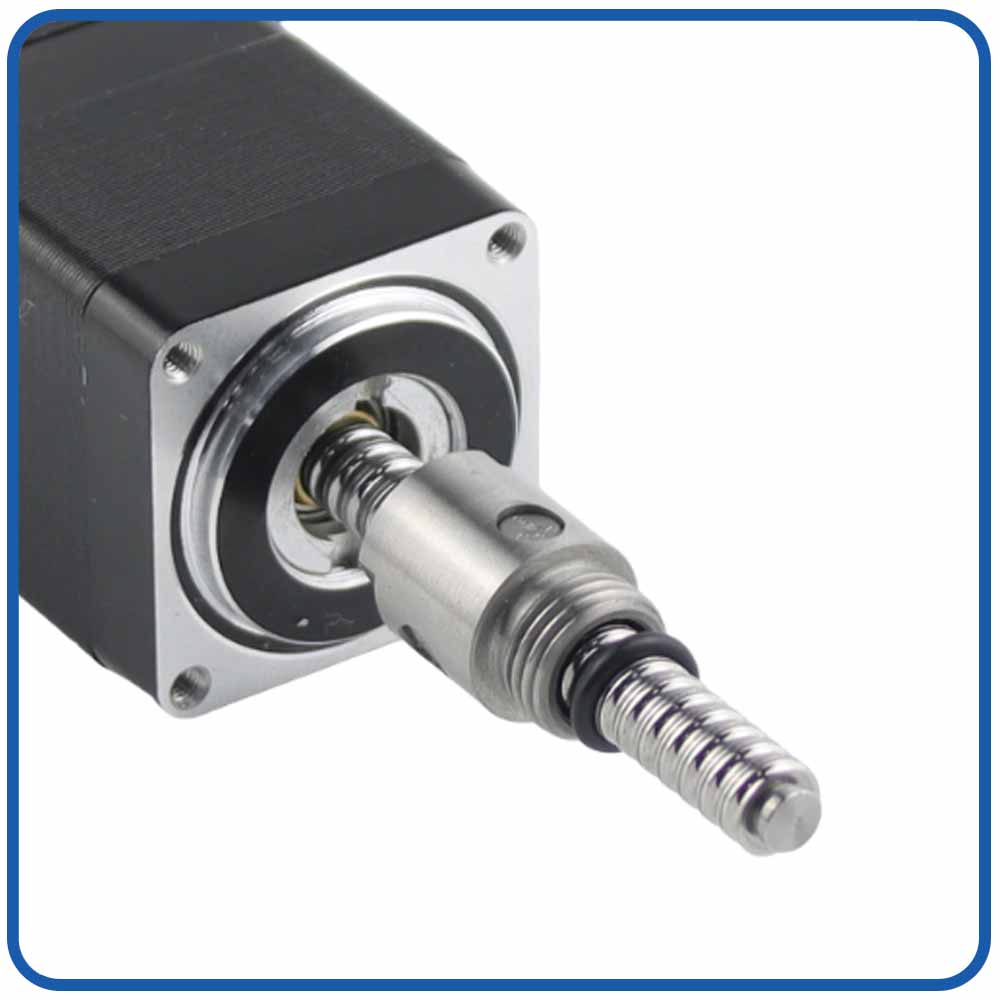
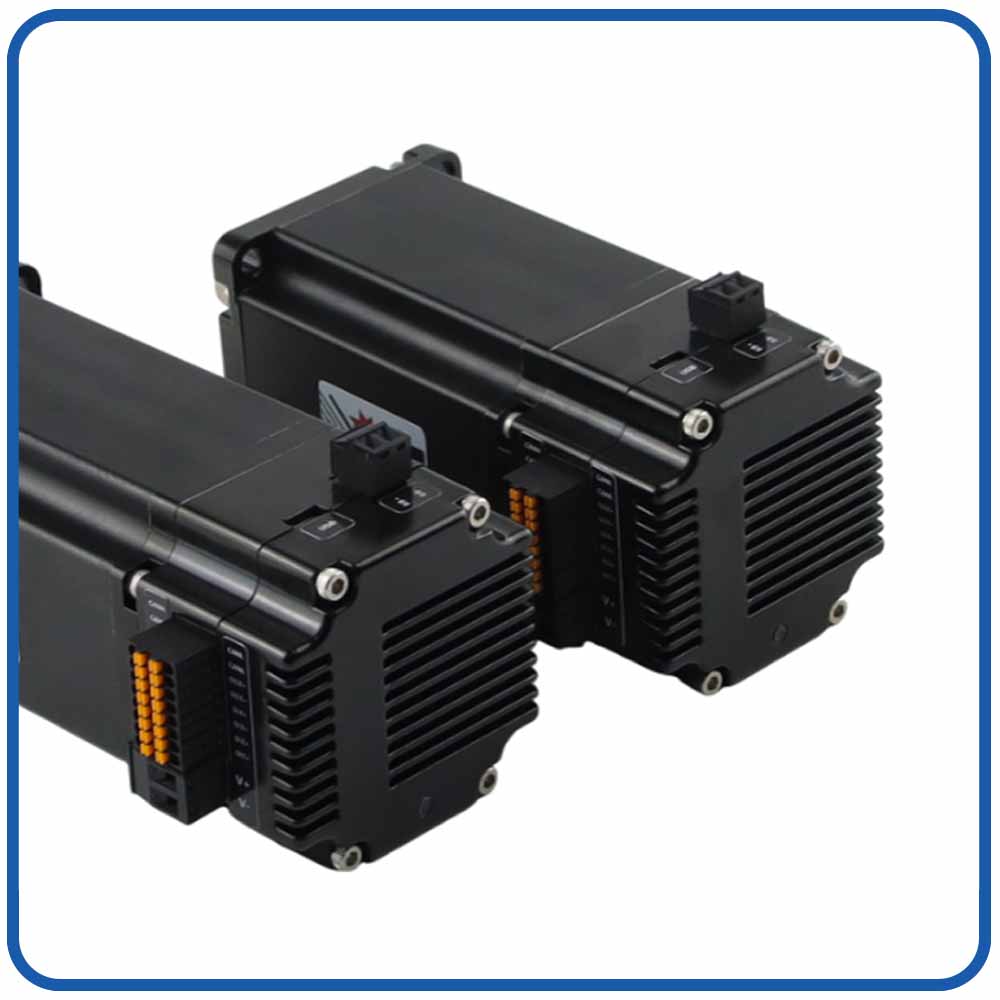
Product Overview:The NEMA 11 BFISC28-P1A3 integrated stepper servo motor combines a compact stepper motor, encoder, and intelligent drive in one package, delivering precise positioning, closed-loop control, and space-saving installation.
Key Technical Highlights
Integrated Closed-Loop Control:
Combines motor, encoder, and driver electronics into a compact unit, providing accurate positioning, reduced wiring, and reliable closed-loop operation for demanding motion-control applications.
Compact NEMA 11 Design:
The small NEMA 11 frame minimizes installation space while maintaining practical motion performance, making it suitable for compact equipment, laboratory instruments, and precision automation systems.
High Positioning Accuracy:
Encoder-based feedback continuously monitors motor movement and corrects positioning errors, improving motion accuracy, repeatability, and operational reliability compared with conventional open-loop stepper systems.
Simplified System Integration:
Integrated electronics reduce external components, cabling, and control-panel requirements, helping engineers achieve cleaner machine layouts, faster installation, and more efficient motion-system integration.
Typical Applications
Laboratory Automation Equipment:
Provides precise and repeatable rotary motion for automated laboratory instruments, sample-handling mechanisms, and compact positioning systems requiring reliable closed-loop motion control.
Medical and Analytical Instruments:
Suitable for compact medical or analytical equipment where accurate positioning, stable operation, and integrated electronics are important for automated testing and fluid-handling mechanisms.
3D Printers and Desktop Automation:
Delivers controlled positioning for compact 3D printers, desktop machines, and automated mechanisms requiring accurate movement, simplified wiring, and dependable motion performance.
Precision Robotics and Small Mechanisms:
Supports compact robotic joints, linear stages, indexing mechanisms, and other precision automation systems where space efficiency, positioning accuracy, and integrated servo functionality are essential.
ISC28 Series Key Specifications for Blood Analyzer
The first selection parameter should be the required fluid delivery rate and its relationship to motor speed.
An infusion pump does not usually require the motor to operate at extremely high speeds. Instead, it often needs controlled and repeatable low-speed movement. The motor speed must correspond to the displacement produced by the pump mechanism.
The relationship can be expressed conceptually as:
Flow Rate = Pump Displacement per Revolution × Motor Speed
For a peristaltic, syringe, or other positive-displacement mechanism, the actual relationship depends on the mechanical architecture.
We therefore recommend determining:
Required minimum flow rate
Required maximum flow rate
Continuous operating speed
Acceleration and deceleration requirements
Pump displacement per revolution
Required flow-rate resolution
Mechanical transmission ratio
A motor that operates efficiently throughout the required speed range will generally provide better control than one selected only according to its maximum rated speed.
2. Select the Correct Torque
Torque is one of the most important motor-selection parameters for an infusion pump.
The motor must generate sufficient torque to overcome the mechanical resistance of the pumping mechanism while maintaining stable operation. Resistance may come from tubing compression, syringe plunger force, gear transmission, friction, fluid pressure, or mechanical preload.
The required motor torque should be evaluated under the worst-case operating condition, rather than under normal laboratory conditions.
A practical selection process considers:
Pumping torque
Transmission efficiency
Frictional torque
Acceleration torque
Pressure-related load
Mechanical tolerances
Safety margin
Selecting a motor with insufficient torque can result in position errors, unstable operation, excessive heating, or failure to maintain the required flow rate.
At the same time, excessive motor capacity can increase system size, power consumption, cost, and thermal load. The objective is therefore to select a motor with an appropriate continuous and peak torque capability.
3. Choose Closed-Loop Feedback for Higher Reliability
For medical infusion equipment, motion accuracy and fault detection can be critical. An integrated stepper servo motor with an encoder provides a significant advantage over an open-loop stepper motor.
In an open-loop system, the controller assumes that the motor has followed the commanded position. If the motor encounters excessive load and loses synchronism, the controller may not immediately know that a positioning error has occurred.
A closed-loop integrated stepper servo motor continuously monitors motor position through its encoder.
This enables functions such as:
Position-error detection
Stall detection
Closed-loop correction
Overload protection
Improved positioning consistency
Reduced risk of accumulated positioning errors
For infusion pumps, these capabilities can help improve the reliability of the mechanical pumping process.
4. Evaluate Encoder Resolution
Encoder selection should correspond to the actual precision requirements of the infusion mechanism.
A higher encoder resolution can provide more detailed position feedback, but encoder resolution should not be evaluated independently from the mechanical transmission, controller, pump displacement, and required flow resolution.
For example, if a motor drives a lead screw or precision transmission mechanism, the relationship between encoder counts and linear displacement becomes important.
The system designer should evaluate:
Encoder Resolution → Motor Rotation → Transmission Movement → Pump Displacement → Fluid Volume
This complete chain determines the practical motion resolution of the infusion system.
The encoder should also provide sufficient reliability and environmental stability for continuous equipment operation.
5. Consider Low-Speed Smoothness
Infusion pumps frequently require stable operation at relatively low speeds. Motor smoothness can therefore be more important than maximum rotational speed.
Torque ripple, resonance, vibration, and abrupt speed changes may influence the consistency of the pumping mechanism.
A suitable integrated stepper servo motor should provide:
Smooth low-speed operation
Low vibration
Stable torque output
Controlled acceleration
Controlled deceleration
Reliable positioning
Advanced current-control algorithms and closed-loop control can help improve motor behavior across the operating range.
6. Check Motor Size and Mechanical Integration
Medical equipment often has strict space constraints. Infusion pumps may require motors to fit into compact housings while leaving room for tubing, sensors, batteries, control electronics, and other components.
The motor should therefore be evaluated according to:
Frame size
Motor length
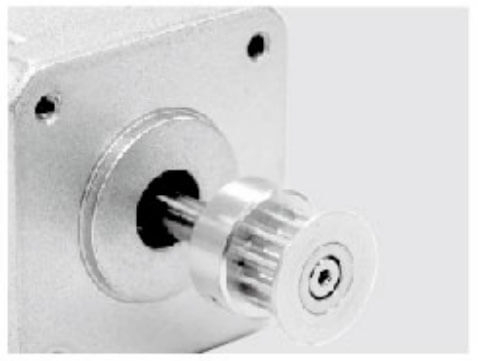
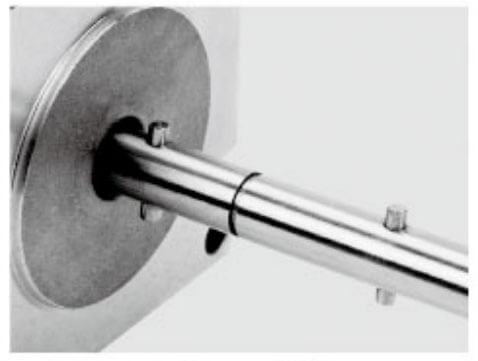
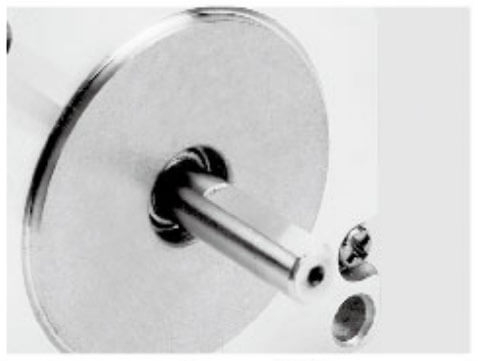
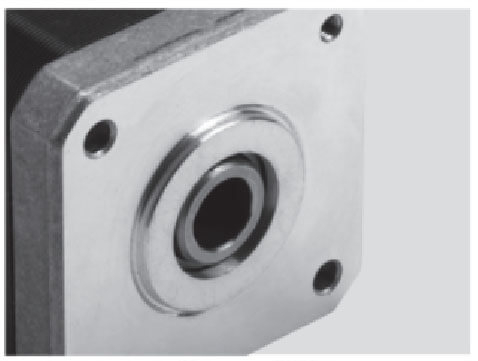
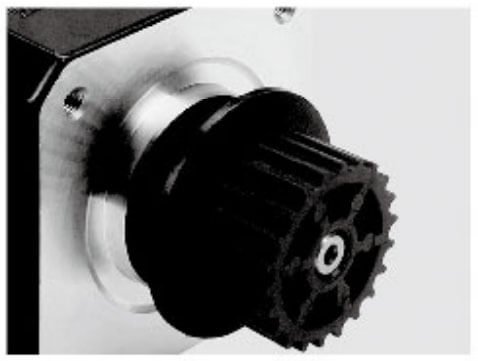
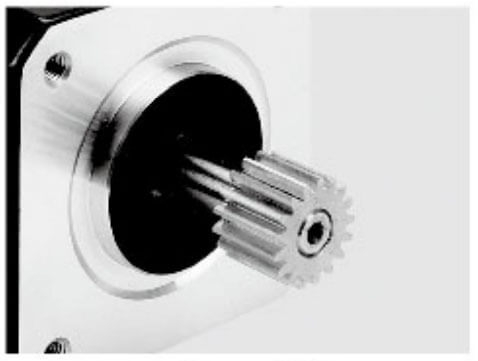
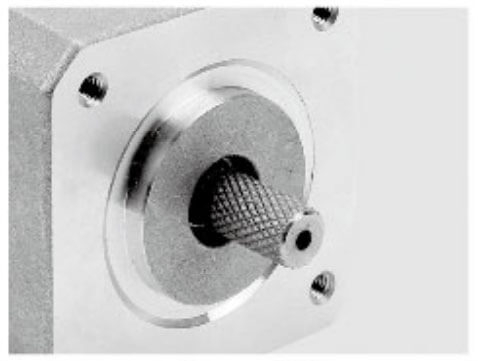
Shaft diameter
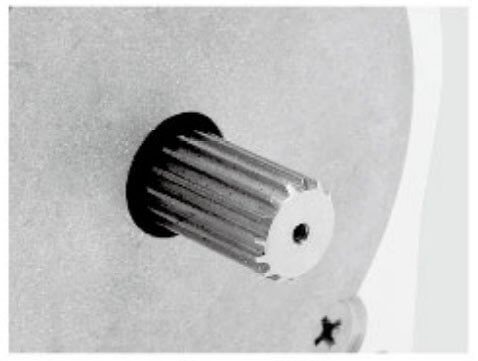
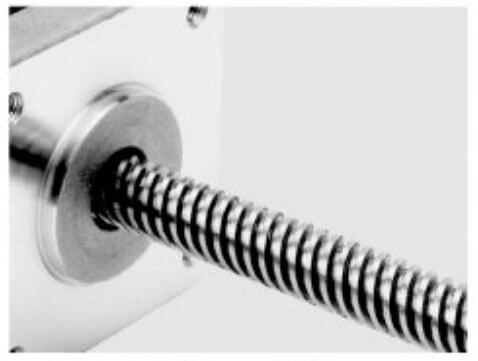
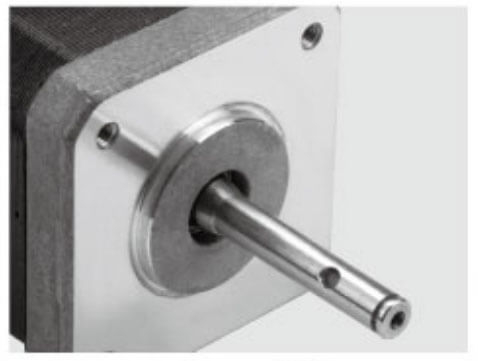
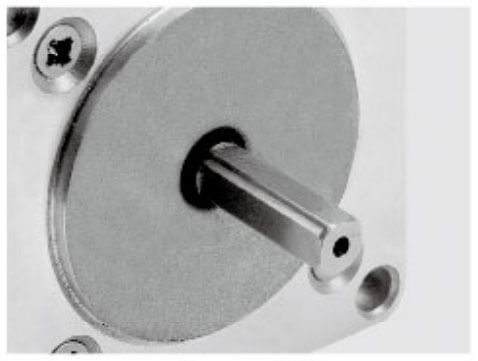
Shaft configuration
Mounting-hole pattern
Connector position
Overall weight
Heat dissipation requirements
An integrated motor can reduce the need for a separate external driver, potentially simplifying the mechanical and electrical architecture.
For compact medical equipment, motor integration can be an important system-level advantage.
7. Evaluate the Integrated Driver and Control Interface
The integrated driver is another important consideration.
Different infusion-pump architectures may use different control methods, including pulse and direction, analog commands, digital I/O, serial communication, or other motion-control interfaces.
Before selecting a motor, we verify compatibility between the integrated servo motor and the pump's main control system.
Important questions include:
Which control interface is required?
What input voltage is available?
What current range is required?
Is position control performed externally or internally?
Is communication feedback required?
Are programmable acceleration and deceleration functions available?
Can alarm and fault signals be monitored?
A motor with a compatible integrated control architecture can reduce development complexity.
8. Consider Power Consumption and Thermal Performance
Portable infusion pumps may operate from batteries, making energy efficiency particularly important.
Motor power consumption depends on motor size, load, speed, current-control strategy, duty cycle, and operating conditions. Continuous operation can also produce heat that must be managed within the equipment enclosure.
The motor should maintain reliable performance without creating excessive thermal stress for surrounding electronics or mechanical components.
For battery-powered medical devices, efficient current control and appropriate motor sizing can contribute to longer operating time.
9. Evaluate Noise and Vibration
Noise and vibration are important considerations in medical equipment, especially equipment intended for hospitals, clinics, laboratories, or home-care environments.
A poorly selected motor can generate audible noise or mechanical vibration that affects user experience and potentially influences sensitive mechanisms.
An integrated stepper servo motor designed for smooth operation can help reduce:
Mechanical vibration
Audible motor noise
Resonance
Sudden movement
Torque fluctuation
The complete system should be tested with the actual pump mechanism because gearbox, tubing, lead screw, syringe, and structural components can all influence final noise and vibration.
10. Consider Operating Environment and Reliability
Medical equipment may operate continuously for long periods. Motor reliability should therefore be assessed according to the actual application environment.
We consider:
Operating temperature
Storage temperature
Humidity
Continuous-duty requirements
Mechanical vibration
Expected service life
Connector reliability
Encoder reliability
Driver protection functions
Where applicable, the motor system should be evaluated within the applicable medical-device development and regulatory framework. Motor compliance alone does not make an entire infusion pump a compliant medical device; system-level design, validation, risk management, and applicable regulatory requirements must also be addressed.
Integrated Stepper Servo Motor vs. Traditional Stepper Motor
A conventional open-loop stepper motor can offer simple control and relatively high holding torque. However, it cannot directly confirm whether the commanded position has actually been achieved.
An integrated stepper servo motor adds encoder feedback and closed-loop control.
Feature
Open-Loop Stepper Motor
Integrated Stepper Servo Motor
Position feedback
No
Yes
Stall detection
Limited
Yes
Closed-loop correction
No
Yes
External driver
Usually required
Integrated
Wiring complexity
Higher
Potentially lower
Low-speed control
Good
Excellent when properly tuned
System integration
More components
More compact architecture
For applications where position accuracy, fault detection, compact integration, and stable operation are priorities, an integrated stepper servo motor can be a strong candidate.
Recommended Selection Process for Infusion Pump Motor Design
Define Flow Rate and Speed Requirements Determine the required minimum and maximum flow rates, pump displacement, motor speed range, acceleration, and deceleration requirements.
Calculate Torque Requirements Evaluate pumping resistance, friction, transmission losses, pressure load, and acceleration torque to ensure sufficient continuous and peak motor torque.
Select Encoder and Feedback Resolution Choose an appropriate encoder resolution based on the required positioning accuracy, flow-rate resolution, transmission ratio, and overall pump mechanism.
Verify Electrical and Mechanical Compatibility Check motor dimensions, shaft configuration, mounting options, input voltage, current, control interface, communication method, and available installation space.
Evaluate Reliability and System Performance Test thermal performance, low-speed stability, noise, vibration, power consumption, fault detection, and long-term reliability under actual infusion-pump operating conditions.
Why Integrated Stepper Servo Motors Are Suitable for Medical Infusion Pumps
Integrated stepper servo motors are well suited for medical infusion pumps because they combine precise motion control, encoder feedback, integrated drive electronics, and compact construction in a single motion-control solution. These characteristics help infusion pump manufacturers achieve stable fluid delivery while simplifying system integration.
High-Precision Motion Control Integrated stepper servo motors provide accurate and repeatable positioning, helping infusion pumps maintain consistent fluid delivery and precise flow rates.
Closed-Loop Feedback Built-in encoder feedback continuously monitors motor position, enabling error detection, stall detection, and real-time motion correction for improved operational reliability.
Smooth and Stable Low-Speed Operation Infusion pumps often require controlled low-speed movement. Integrated servo control helps reduce vibration, resonance, and torque fluctuations during precise pumping operations.
Compact and Integrated Design Combining the motor, encoder, and driver into one unit reduces external components, wiring, and installation space, making the solution suitable for compact medical equipment.
Reliable and Flexible Performance Integrated stepper servo motors can support programmable motion control, overload protection, and multiple control interfaces, providing a flexible solution for different medical infusion pump designs and operating requirements.
Final
The suitability of an integrated stepper servo motor for a medical infusion pump comes from the combination of precision, closed-loop feedback, stable low-speed performance, compact integration, fault detection, and flexible motion control.
For infusion-pump manufacturers, selecting the correct integrated stepper servo motor can help create a more compact, controllable, and reliable pumping mechanism while reducing the complexity of the overall motion-control system.
Final Checklist for Selecting an Integrated Stepper Servo Motor
Before approving an integrated stepper servo motor for an infusion pump, we recommend confirming the following:
Required flow range is supported.
Motor speed matches the pumping mechanism.
Continuous and peak torque are sufficient.
Encoder resolution meets the motion requirement.
Closed-loop control provides adequate error detection.
Low-speed operation is stable and smooth.
Motor dimensions fit the available space.
Shaft and mounting specifications are compatible.
Input voltage and current meet system requirements.
Control interface is compatible with the main controller.
Thermal performance is acceptable for continuous operation.
Noise and vibration are within system requirements.
Protection and fault-detection functions meet the design requirements.
Reliability and lifetime targets are achievable.
Complete-system validation has been performed.
Conclusion
Selecting the right integrated stepper servo motor for a medical infusion pump requires a system-level approach. Flow rate, motor speed, torque, encoder resolution, low-speed smoothness, driver integration, power consumption, thermal performance, mechanical dimensions, and reliability all influence the final result.
Rather than selecting a motor solely by frame size or rated torque, we evaluate the complete relationship between motor rotation, feedback resolution, transmission movement, pumping displacement, and fluid delivery.
A properly matched integrated stepper servo motor can provide a compact and controllable motion solution for infusion-pump mechanisms, particularly where precise positioning, closed-loop feedback, stable low-speed operation, and simplified integration are important design objectives.
FAQ:
1. What is an integrated stepper servo motor for a medical infusion pump?
An integrated stepper servo motor combines a stepper motor, encoder, driver, and motion-control electronics into one compact unit. It provides precise, closed-loop motion control for infusion-pump mechanisms and helps maintain consistent fluid delivery.
2. Why are integrated stepper servo motors suitable for medical infusion pumps?
Integrated stepper servo motors provide precise positioning, closed-loop feedback, smooth low-speed operation, compact integration, and reliable motion control. These characteristics make them suitable for applications requiring accurate and repeatable fluid delivery.
3. How do I select the right torque for an infusion pump motor?
The required motor torque should be calculated from the pumping load, friction, transmission efficiency, pressure resistance, and acceleration requirements. We recommend selecting sufficient continuous and peak torque with an appropriate safety margin for the actual operating conditions.
4. What motor speed is required for a medical infusion pump?
The required motor speed depends on the pump mechanism, displacement per revolution, transmission ratio, and target flow rate. The motor should provide stable operation throughout the required minimum and maximum flow range rather than being selected only by its maximum speed.
5. Why is encoder feedback important in an infusion pump?
An encoder provides real-time motor-position feedback. An integrated servo system can use this information to detect position errors, overload conditions, or stalls and make appropriate corrections, improving motion-control reliability.
6. What encoder resolution should be used for an infusion pump?
The required encoder resolution depends on the desired positioning accuracy, pump displacement, transmission mechanism, and required fluid-delivery resolution. Encoder resolution should be evaluated together with the complete mechanical and motion-control system.
7. Can an integrated stepper servo motor operate smoothly at low speed?
Yes. Integrated stepper servo motors can provide stable and controlled low-speed operation when the motor, driver, encoder, and control parameters are properly matched to the pump mechanism. This can help reduce vibration and motion fluctuations during precise fluid delivery.
8. What are the advantages of using an integrated motor instead of a separate motor and driver?
An integrated stepper servo motor combines key motion-control components into one assembly, potentially reducing wiring, installation space, external components, and system integration complexity. It can also simplify the overall motion-control architecture.
9. What factors should be considered when choosing an infusion pump motor?
Important factors include flow rate, motor speed, torque, encoder resolution, positioning accuracy, motor dimensions, power consumption, thermal performance, control interface, noise, vibration, and operating reliability. The motor should be evaluated together with the complete pumping mechanism.
10. How can I verify whether an integrated stepper servo motor is suitable for my infusion pump?
Verify the motor against the pump's required speed, torque, displacement, flow-rate accuracy, mechanical dimensions, electrical supply, control interface, and operating environment. Final suitability should be confirmed through testing with the actual pump mechanism and system requirements.

 English
 العربية
 Français
 Русский
 Español
 Português
 Deutsch
 italiano
 日本語
日本語 한국어
한국어 Nederlands
 Tiếng Việt
 ไทย
ไทย Polski
 Türkçe
 ພາສາລາວ
 ភាសាខ្មែរ
 Bahasa Melayu
 ဗမာစာ
ဗမာစာ Filipino
 Bahasa Indonesia
 magyar
 Română
 Čeština
 Монгол
 қазақ
қазақ Српски
 हिन्दी
 فارسی
فارسی Slovenčina
 Slovenščina
 Norsk
Norsk Svenska
 українська
 Ελληνικά
 Suomi
Suomi Հայերեն
 עברית
עברית Latine
 Dansk
Dansk Shqip
Shqip বাংলা
বাংলা Hrvatski
 Afrikaans
 Gaeilge
 Eesti keel
 Oʻzbekcha
 latviešu
 Azərbaycan dili
 Български
 Català