Blood analyzers are precision laboratory instruments designed to process biological samples quickly, consistently, and accurately. Whether used in hematology analyzers, biochemical analyzers, immunoassay systems, or automated sample-processing equipment, these machines depend on precise motion control to move samples, reagents, probes, pumps, valves, and mechanical assemblies.
One increasingly important motion solution is the integrated stepper servo motor. By combining a stepper motor, encoder, servo drive, and control electronics into a compact motor assembly, integrated stepper servo technology can provide the positioning accuracy, compactness, reliability, and control flexibility required by modern blood analyzer systems.
What Is an Integrated Stepper Servo Motor?
An integrated stepper servo motor is a closed-loop motion-control system that combines a stepper motor, encoder, servo driver, and control electronics into a single compact motor assembly. Unlike a conventional open-loop stepper motor, it continuously monitors the motor’s actual position through encoder feedback and automatically adjusts operation when a position error or load change is detected.
The basic architecture typically includes:
Stepper motor – Generates precise rotary motion and provides high holding torque.
Encoder – Detects the motor shaft’s actual position and movement.
Integrated servo drive – Processes encoder feedback and regulates motor current, speed, and position.
Motion-control electronics – Executes the required motion commands and control logic.
Communication or I/O interface – Connects the motor to the main machine controller.
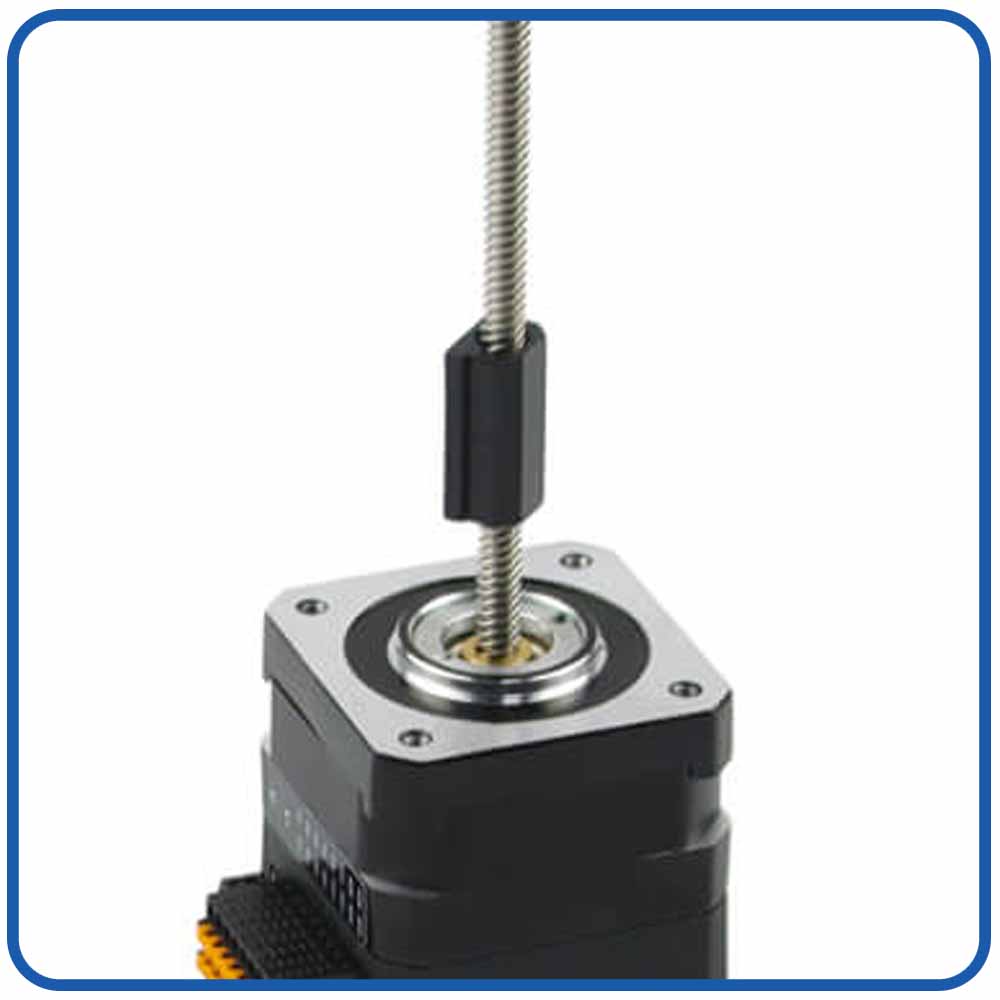
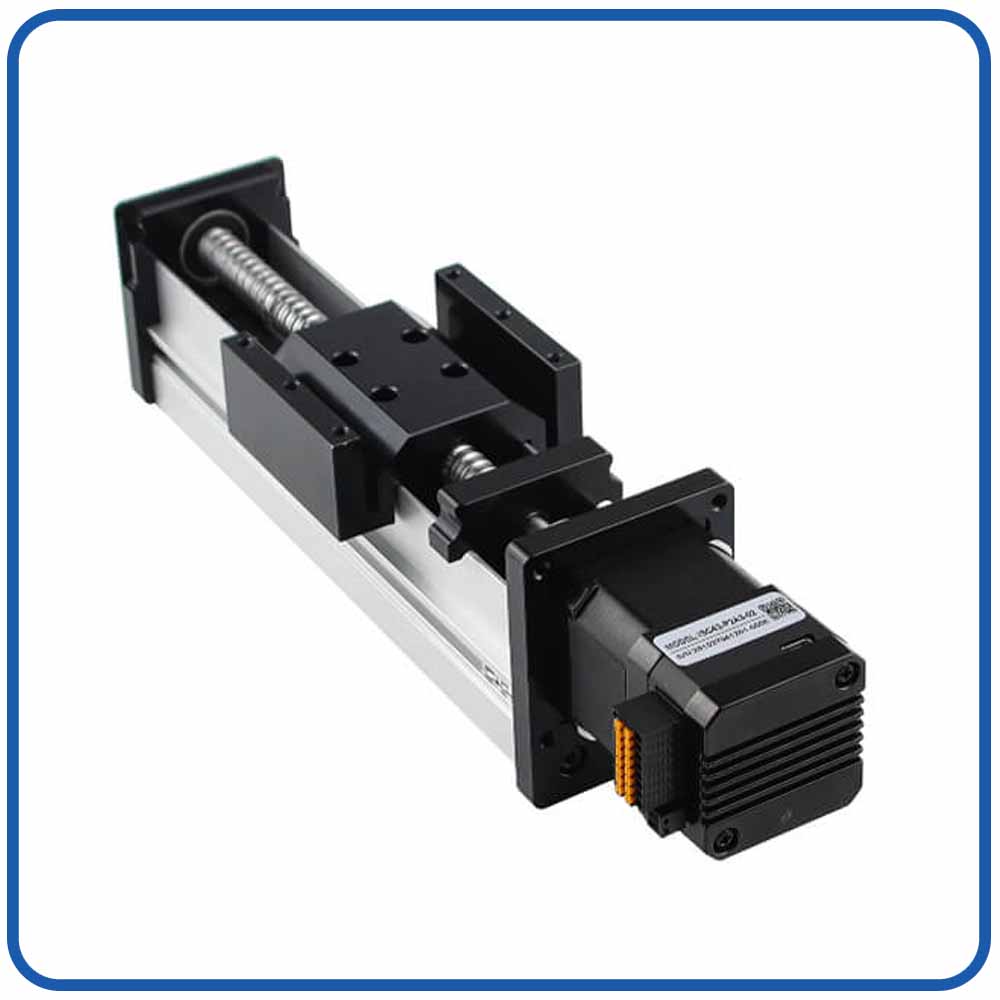
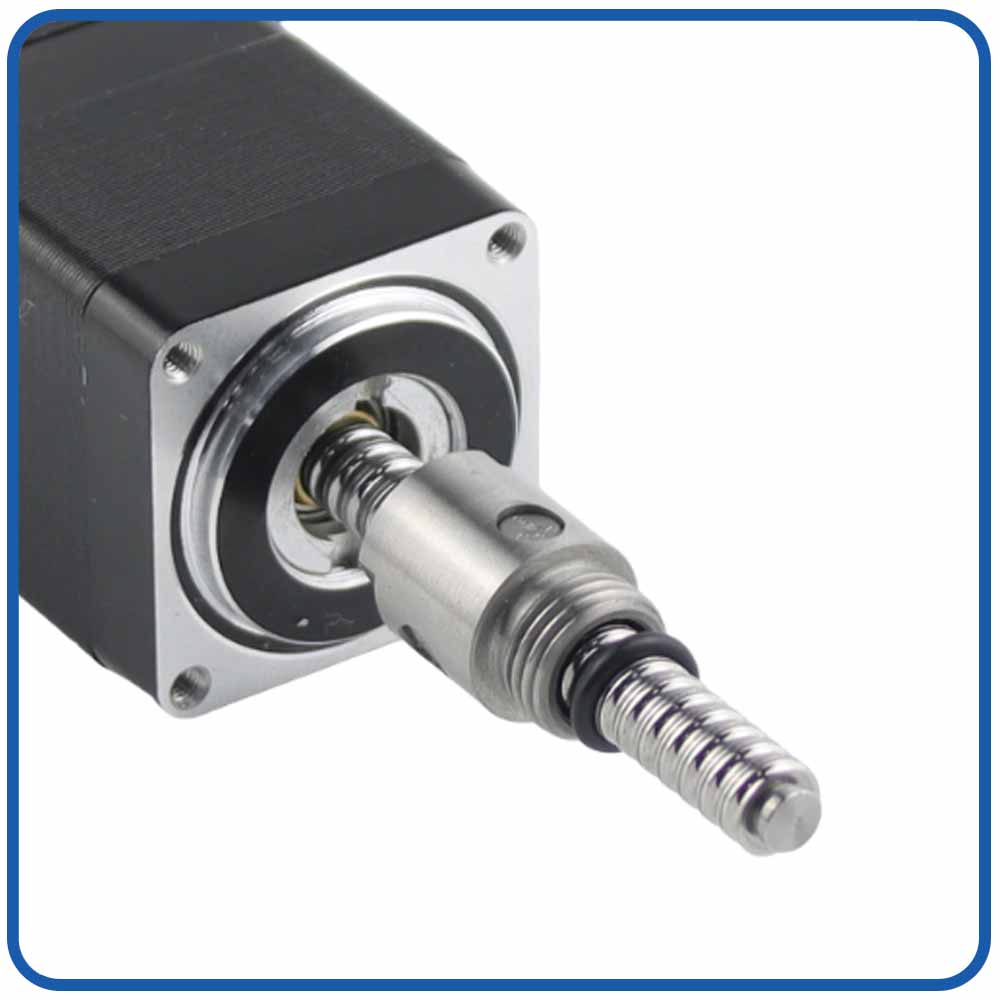
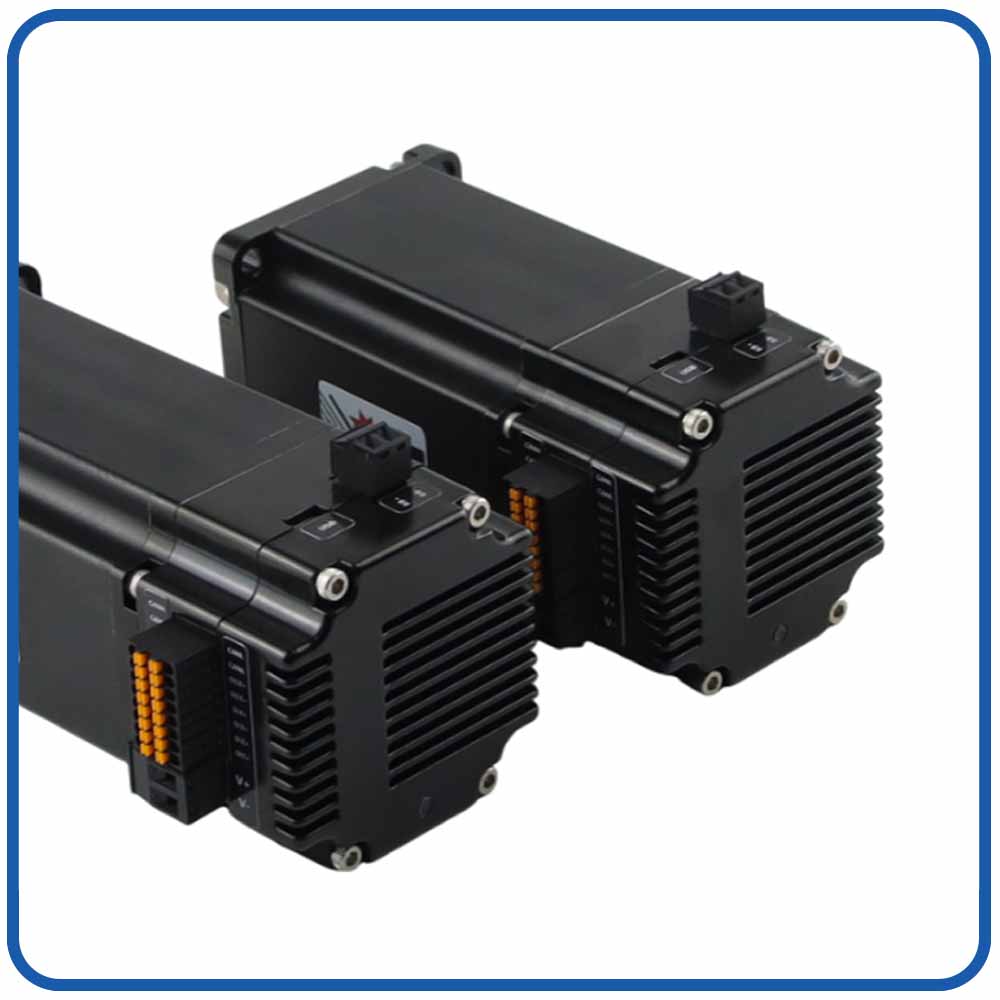
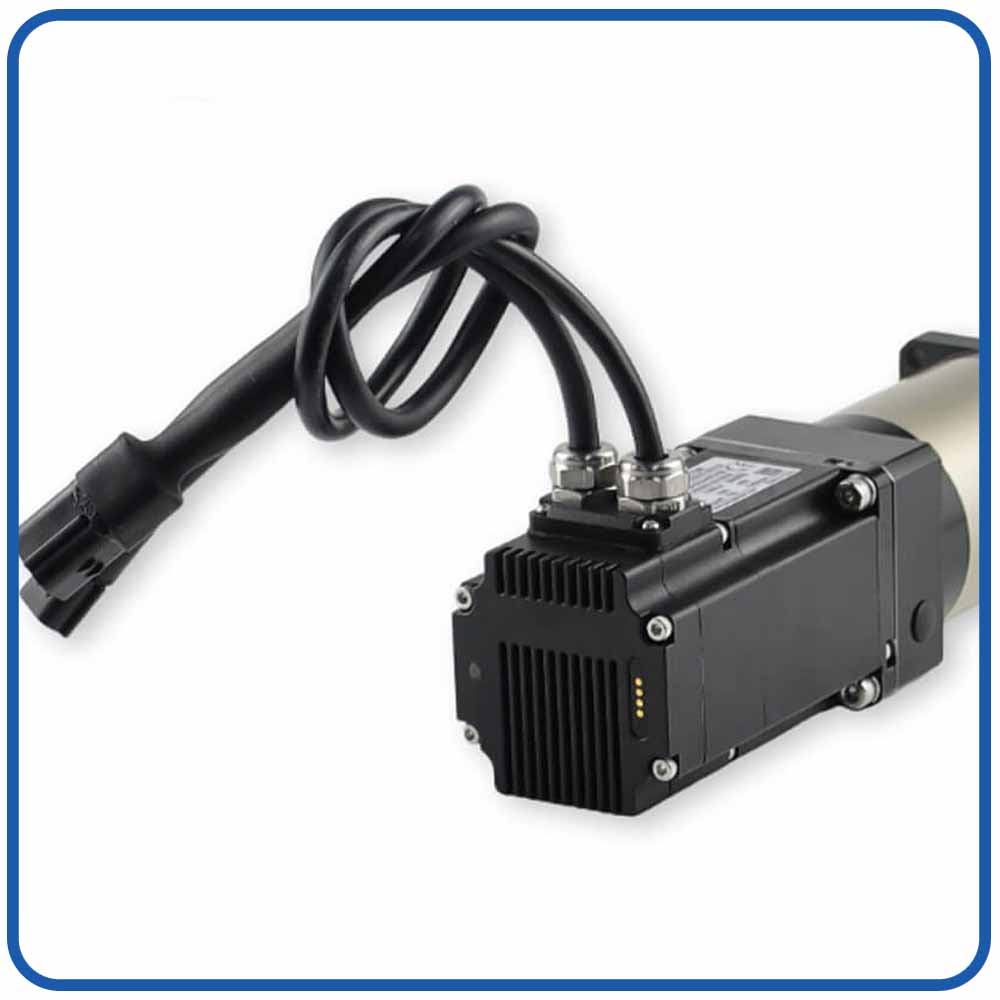
ISC28 Integrated Stepper Servo Motor — High-Efficiency, Compact, and Smart Closed-Loop Motion Control Solution
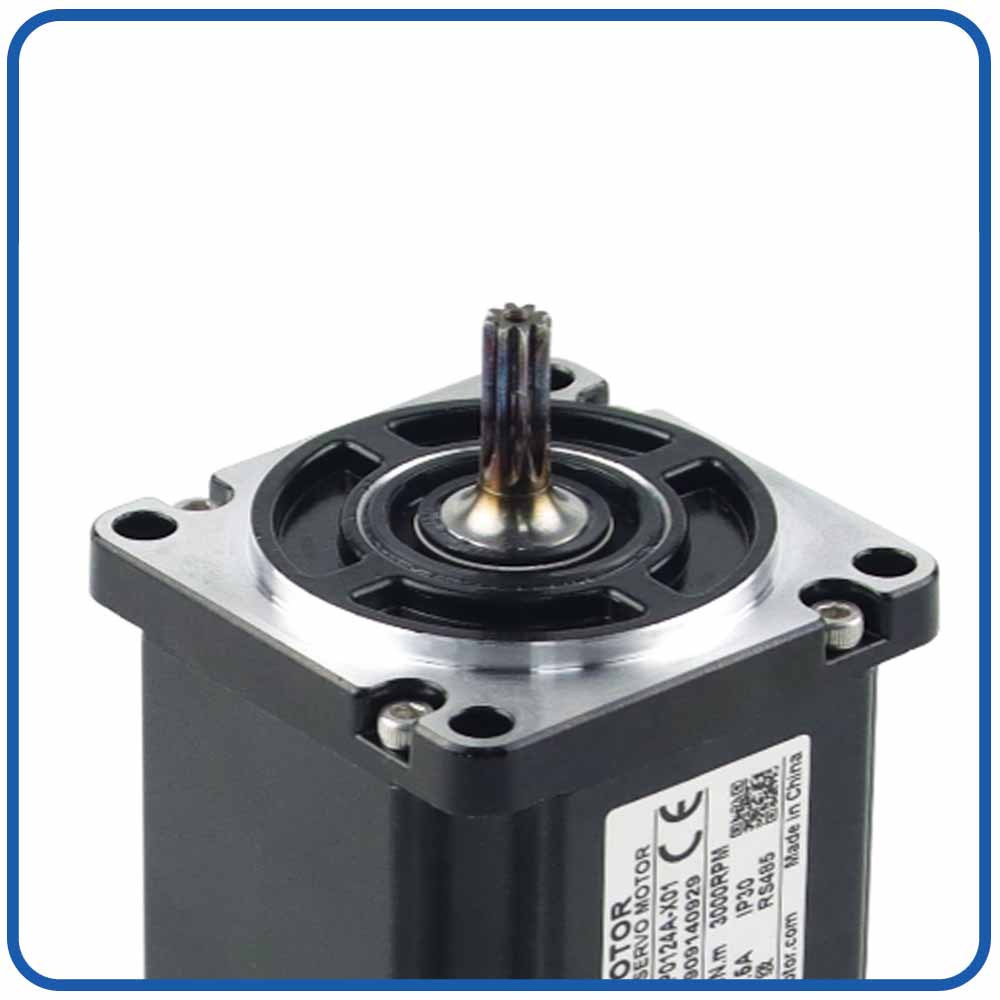
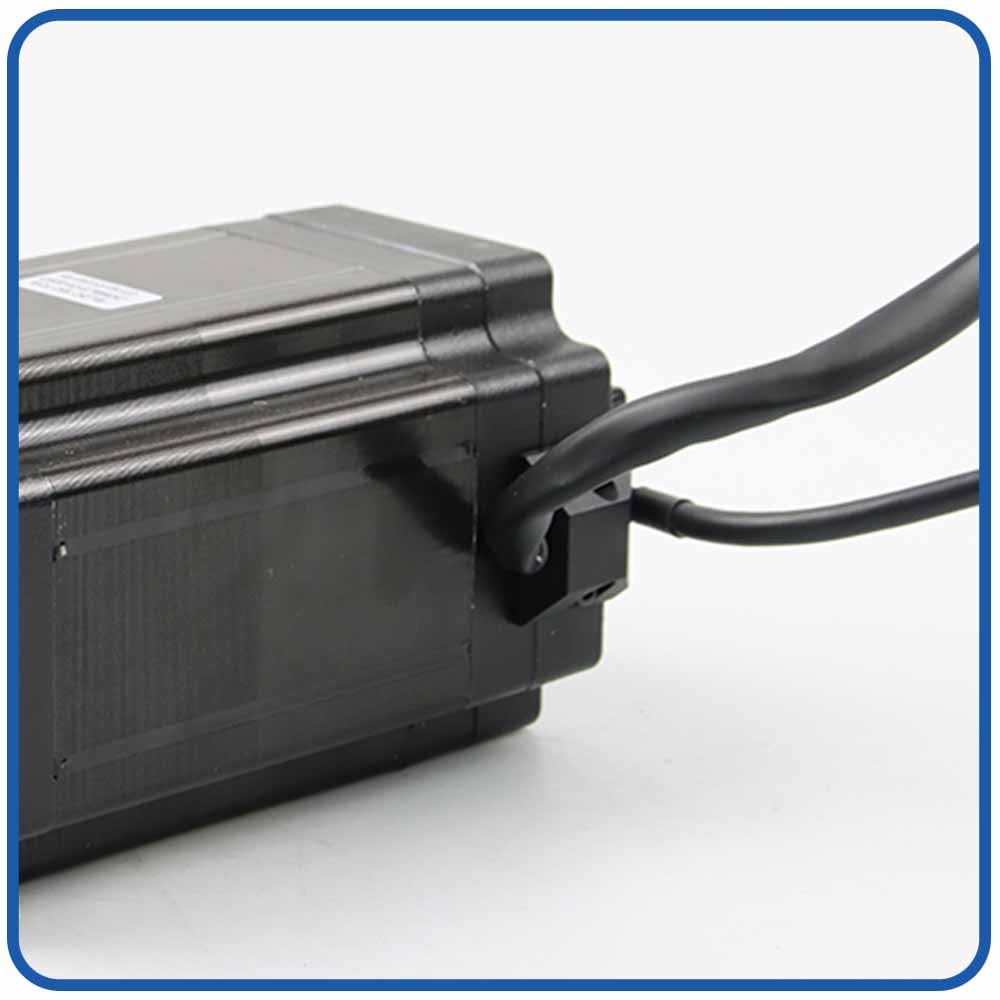
Product Overview:The NEMA 11 BFISC28-P1A3 integrated stepper servo motor combines a compact stepper motor, encoder, and intelligent drive in one package, delivering precise positioning, closed-loop control, and space-saving installation.
Key Technical Highlights
Integrated Closed-Loop Control:
Combines motor, encoder, and driver electronics into a compact unit, providing accurate positioning, reduced wiring, and reliable closed-loop operation for demanding motion-control applications.
Compact NEMA 11 Design:
The small NEMA 11 frame minimizes installation space while maintaining practical motion performance, making it suitable for compact equipment, laboratory instruments, and precision automation systems.
High Positioning Accuracy:
Encoder-based feedback continuously monitors motor movement and corrects positioning errors, improving motion accuracy, repeatability, and operational reliability compared with conventional open-loop stepper systems.
Simplified System Integration:
Integrated electronics reduce external components, cabling, and control-panel requirements, helping engineers achieve cleaner machine layouts, faster installation, and more efficient motion-system integration.
Typical Applications
Laboratory Automation Equipment:
Provides precise and repeatable rotary motion for automated laboratory instruments, sample-handling mechanisms, and compact positioning systems requiring reliable closed-loop motion control.
Medical and Analytical Instruments:
Suitable for compact medical or analytical equipment where accurate positioning, stable operation, and integrated electronics are important for automated testing and fluid-handling mechanisms.
3D Printers and Desktop Automation:
Delivers controlled positioning for compact 3D printers, desktop machines, and automated mechanisms requiring accurate movement, simplified wiring, and dependable motion performance.
Precision Robotics and Small Mechanisms:
Supports compact robotic joints, linear stages, indexing mechanisms, and other precision automation systems where space efficiency, positioning accuracy, and integrated servo functionality are essential.
ISC28 Series Key Specifications for Blood Analyzer
A conventional stepper motor normally operates in an open-loop configuration. The controller sends a predetermined number of pulses, assuming that the motor follows the commanded position.
An integrated stepper servo motor adds real-time position feedback to this process. The encoder continuously reports the motor's actual position to the integrated driver. The drive compares the commanded position with the actual position and can compensate for deviations by adjusting the motor current and motion.
The operating principle can be simplified as:
Motion Command → Integrated Driver → Stepper Motor → Mechanical Movement → Encoder Feedback → Position Correction
This closed-loop architecture allows the motor to combine the high torque density and precise incremental motion of a stepper motor with the feedback and error-correction capabilities normally associated with servo systems.
Integrated Stepper Servo vs. Conventional Stepper Motor
Feature
Conventional Stepper Motor
Integrated Stepper Servo Motor
Control mode
Usually open-loop
Closed-loop
Encoder
Typically not included
Integrated
Driver
External
Integrated
Position feedback
No real-time feedback
Real-time feedback
Position error detection
Limited
Yes
Wiring
More components
Simplified
System integration
Requires additional components
More compact
Diagnostics
Limited
More comprehensive
Response to load changes
Limited
Automatically compensates
The integrated architecture is particularly useful in applications where accurate positioning, compact installation, repetitive motion, and reliable operation are important.
Why Do Blood Analyzers Require Precise Motion Control?
Blood analyzers perform highly repetitive mechanical operations. A sample may need to be transported to a specific testing position, a probe may need to enter a precise depth, or a reagent mechanism may need to rotate to a designated location.
Small positioning errors can affect the repeatability of these operations.
For example, automated laboratory equipment may use motors for:
Sample tube positioning
Sample rack transportation
Probe movement
Reagent positioning
Rotary valve operation
Pipetting mechanisms
Optical module positioning
Mixing mechanisms
Carriage movement
Automated loading and unloading
These applications require controlled acceleration, repeatable positioning, stable speed, and predictable operation.
Therefore, the motor cannot simply provide rotational movement. It must provide controlled and repeatable motion under changing operating conditions.
1. Closed-Loop Position Feedback Improves Accuracy
One of the main reasons integrated stepper servo motors are used in blood analyzers is their closed-loop feedback capability.
The integrated encoder detects the actual motor position and provides feedback to the control system. If the commanded position differs from the actual position, the drive can respond accordingly.
This is particularly valuable in blood analyzer mechanisms where repeated positioning is critical.
Compared with conventional open-loop stepper motors, an integrated stepper servo system can provide:
Position-error detection
Improved positioning reliability
Better motion consistency
Reduced risk of accumulated positioning errors
Improved response to mechanical disturbances
For automated laboratory equipment, this additional feedback can help maintain stable operation over long periods of repetitive testing.
2. Integrated Electronics Reduce System Complexity
A conventional motion system may require a separate motor, encoder, driver, controller interface, and associated wiring.
An integrated stepper servo motor consolidates many of these components into a single assembly.
This can simplify the architecture of a blood analyzer.
Instead of designing a system around multiple discrete components, equipment manufacturers can use an integrated motor solution with fewer external connections.
The result can include:
Simplified wiring
Reduced control-panel space
Fewer external components
Easier mechanical integration
Reduced installation complexity
More compact machine architecture
For laboratory instruments where internal space is limited, this integration can be particularly advantageous.
3. Compact Size Is Important for Laboratory Equipment
Modern blood analyzers are increasingly designed to provide greater testing capacity while maintaining a relatively compact footprint.
This creates strict requirements for internal component size.
An integrated stepper servo motor can combine the motor and control electronics into a compact package, reducing the amount of space required for external drive components.
This allows engineers to position motors closer to the mechanism they control.
For example, a compact integrated motor can be installed directly within:
Sample handling modules
Reagent systems
Probe mechanisms
Rotary positioning assemblies
Compact linear-motion mechanisms
Space-efficient motion control can therefore contribute to the overall miniaturization of laboratory equipment.
4. High Positioning Repeatability Supports Automated Testing
Blood analyzers often perform hundreds or thousands of repetitive mechanical movements during continuous operation.
A motor used for sample handling or probe positioning must therefore provide consistent movement from one cycle to the next.
Integrated stepper servo motors combine the inherent positioning characteristics of stepper motors with encoder-based feedback.
This can improve the repeatability of operations such as:
Move → Position → Dispense → Return → Repeat
Consistent motion is important because mechanical positioning can influence sample handling, reagent dispensing, mixing, and other processes.
By maintaining predictable movement profiles, integrated stepper servo motors can help engineers develop repeatable automated workflows.
Blood analyzers contain sensitive mechanical and fluid-handling systems. Excessive vibration or sudden mechanical movement can negatively affect the overall machine design.
Integrated stepper servo systems can use controlled acceleration and deceleration profiles to achieve smoother movement.
Depending on the drive and motor configuration, motion-control parameters can be optimized for:
Acceleration
Deceleration
Speed
Torque
Position
Current
Microstepping
Resonance suppression
Smooth movement is particularly useful for mechanisms that interact with liquid samples, probes, tubes, or other precision assemblies.
A carefully optimized motion profile can reduce unnecessary mechanical shock and contribute to more stable equipment operation.
6. Reliable Operation During Repetitive Workloads
Blood analyzers may operate continuously in hospitals, clinical laboratories, diagnostic centers, and testing facilities.
The motor system must therefore withstand frequent start-stop cycles and repeated positioning commands.
Integrated stepper servo motors are well suited to applications requiring:
Frequent positioning
Repetitive motion
Controlled speed
Moderate-to-high duty cycles
Reliable torque generation
Closed-loop position monitoring
The encoder also provides an additional layer of operational feedback.
If the mechanism encounters unexpected resistance or a movement error, the control system can detect abnormal behavior instead of operating entirely without position verification.
7. Torque Control Helps Handle Variable Mechanical Loads
Mechanical loads inside blood analyzers are not always constant.
For example, the resistance experienced by a sample-handling mechanism can change depending on the position, mechanical friction, acceleration profile, or attached components.
An integrated stepper servo motor can dynamically regulate motor current according to operating requirements.
This allows the system to provide appropriate torque while avoiding unnecessary motor current during lighter-load conditions.
The resulting control strategy can contribute to:
Improved energy efficiency
Reduced motor heating
Better dynamic response
More stable operation
Improved motor utilization
For compact medical equipment, managing heat is especially important because excessive internal temperature can affect surrounding electronics and mechanical components.
8. Reduced Wiring Can Improve System Integration
Wiring is an often-overlooked part of motion-system design.
A conventional servo or stepper system may require separate connections between the motor, encoder, drive, and controller.
With an integrated stepper servo motor, many electronic functions are located within the motor assembly.
This can significantly simplify the electrical architecture.
For blood analyzer manufacturers, reduced wiring can help with:
Electrical integration → Assembly → Maintenance → System reliability
Fewer external components and cables can also make machine assembly more straightforward.
9. Flexible Communication and Control
Modern blood analyzers require sophisticated coordination between mechanical modules and the main system controller.
Depending on the motor architecture, integrated stepper servo motors can support different control methods, such as pulse and direction signals, digital I/O, or industrial communication interfaces.
This flexibility allows engineers to select a control architecture according to the requirements of the analyzer.
For example, a motor can be configured for precise point-to-point positioning in one mechanism while another application may require coordinated motion and status feedback.
The ability to integrate motion control and feedback into the same motor platform can simplify communication between the motion subsystem and the main equipment controller.
10. Integrated Stepper Servo Motors Can Improve Diagnostic Capability
Medical laboratory equipment benefits from early detection of mechanical abnormalities.
A conventional open-loop motor may continue receiving commands even if the mechanism encounters unexpected resistance.
An integrated stepper servo motor with encoder feedback can monitor actual movement and identify discrepancies between commanded and actual positions.
Depending on the drive design, the system may monitor conditions such as:
Position error
Overload
Overcurrent
Motor temperature
Encoder status
Stall or following error
Communication status
These diagnostic capabilities can help equipment designers develop more intelligent fault-handling strategies.
Integrated Stepper Servo Motor vs. Conventional Stepper Motor
Feature
Conventional Stepper Motor
Integrated Stepper Servo Motor
Position feedback
Typically open-loop
Closed-loop
Encoder
Usually external or absent
Integrated
Driver
External
Integrated
Position error detection
Limited
Available
Wiring
More components and cables
Simplified
Installation
More complex
More compact
Motion control
Pulse-based/open-loop
Closed-loop control
Diagnostics
Limited
More advanced
System integration
Moderate
High
The integrated solution is particularly attractive when precision, compactness, feedback, and simplified integration are important design requirements.
Common Blood Analyzer Applications
Integrated stepper servo motors are widely suited to blood analyzers because these systems require accurate positioning, repeatable motion, compact installation, and reliable operation. Typical applications include:
1. Sample Handling
Motors can precisely move sample tubes, racks, trays, and carriers between loading, testing, and unloading positions. Closed-loop feedback helps maintain consistent positioning during repetitive cycles.
2. Probe Positioning
Integrated stepper servo motors can control the movement of sampling and reagent probes, providing accurate linear or rotary positioning for liquid aspiration and dispensing.
3. Reagent Handling
Motors can drive reagent trays, reagent carousels, and positioning mechanisms, ensuring that the required reagent is accurately aligned with the operating position.
4. Pipetting and Liquid Handling
Precision motion is essential for automated pipetting systems. Servo feedback helps control the movement of pipetting mechanisms and supports repeatable sample and reagent handling.
5. Rotary Valves and Mechanisms
Integrated motors can provide precise indexing for rotary valves, discs, and automated positioning assemblies, where accurate angular movement is required.
6. Mixing Mechanisms
Controlled motor speed and positioning can be used for automated mixing operations, helping achieve consistent and repeatable sample processing.
7. Optical and Detection Modules
Some blood analyzers use motorized mechanisms to adjust or position optical components and detection assemblies, where precise movement can support stable measurement conditions.
Why Integrated Stepper Servo Motors Are Suitable
Across these applications, the key advantages include:
Closed-loop position feedback
High positioning repeatability
Compact motor-and-driver integration
Reduced wiring
Smooth and controlled motion
Overload and position-error detection
Reliable repetitive operation
These characteristics make integrated stepper servo motors a practical motion-control solution for modern automated blood analyzers and laboratory diagnostic equipment.
How to Select an Integrated Stepper Servo Motor for a Blood Analyzer
Selecting the right integrated stepper servo motor for a blood analyzer requires matching the motor to the mechanical load, positioning requirements, operating speed, and control architecture. The following factors are particularly important.
1. Required Torque
Calculate the continuous and peak torque required by the mechanism, considering load weight, friction, acceleration, and transmission efficiency. Select a motor with sufficient torque margin to avoid overload during continuous operation.
2. Positioning Accuracy
Determine the required positioning accuracy and repeatability for the application. Mechanisms such as sample positioning, probe movement, and reagent handling may require higher feedback resolution and more precise motion control.
3. Encoder Resolution
The encoder provides real-time feedback of the motor position. A suitable encoder resolution helps the integrated servo system detect position errors and maintain consistent movement.
4. Operating Speed
Select a motor that provides sufficient torque across the required speed range. For blood analyzer mechanisms, the motor should support the required acceleration, deceleration, indexing, and continuous operating speed.
5. Motor Size and Installation Space
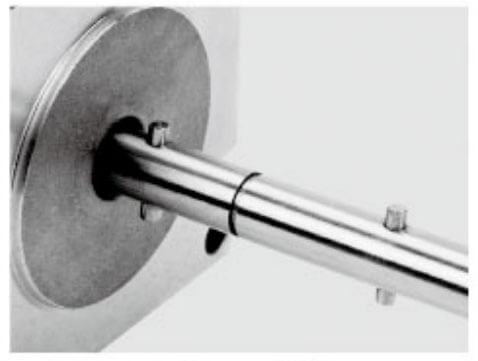
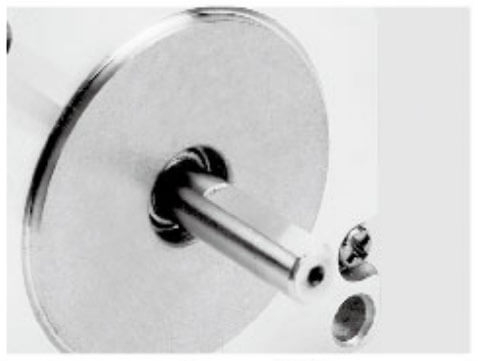
Laboratory equipment often has limited internal space. Check the motor's frame size, length, shaft dimensions, mounting pattern, and connector position to ensure proper mechanical integration.
6. Control Interface
Verify compatibility with the analyzer's main controller. Depending on the system architecture, the motor may require pulse/direction, digital I/O, or a communication interface for motion commands and status feedback.
7. Duty Cycle and Reliability
Blood analyzers may perform thousands of repetitive movements. Choose a motor designed for the required duty cycle, operating temperature, acceleration frequency, and continuous workload.
8. Gearbox Requirements
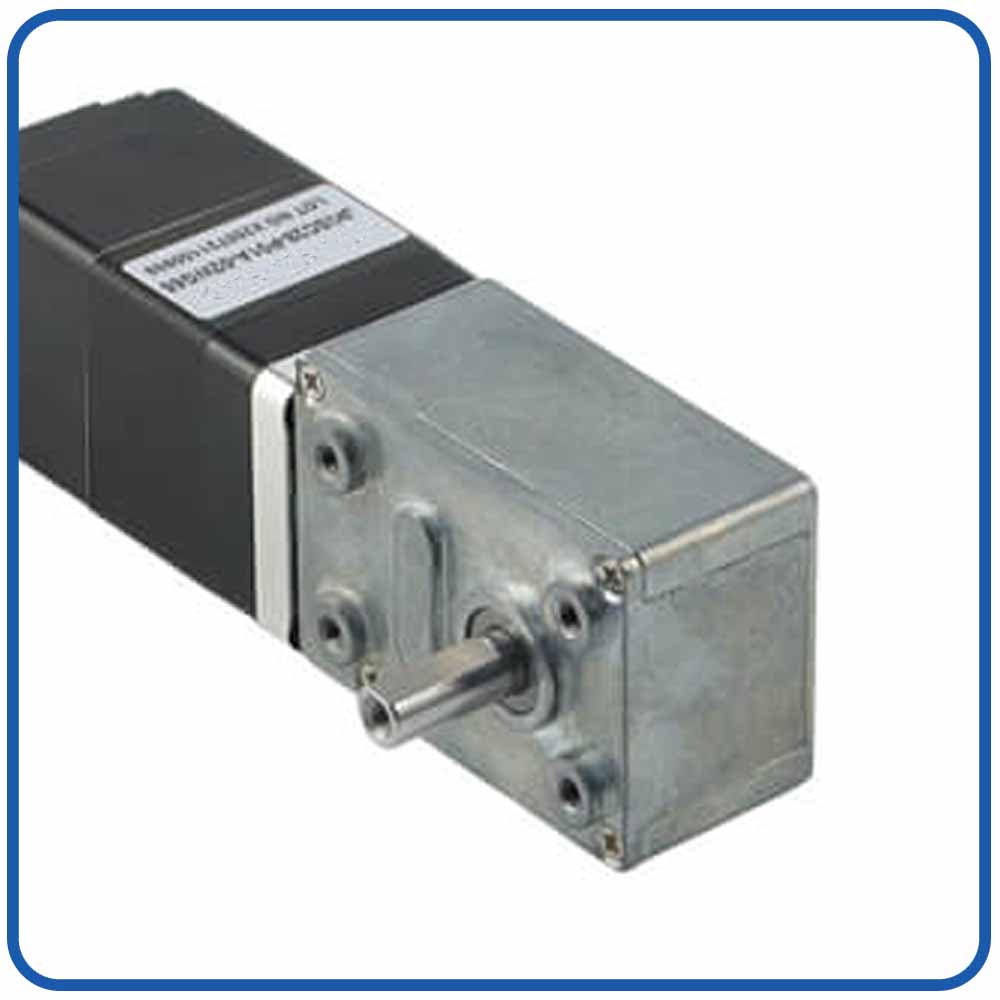
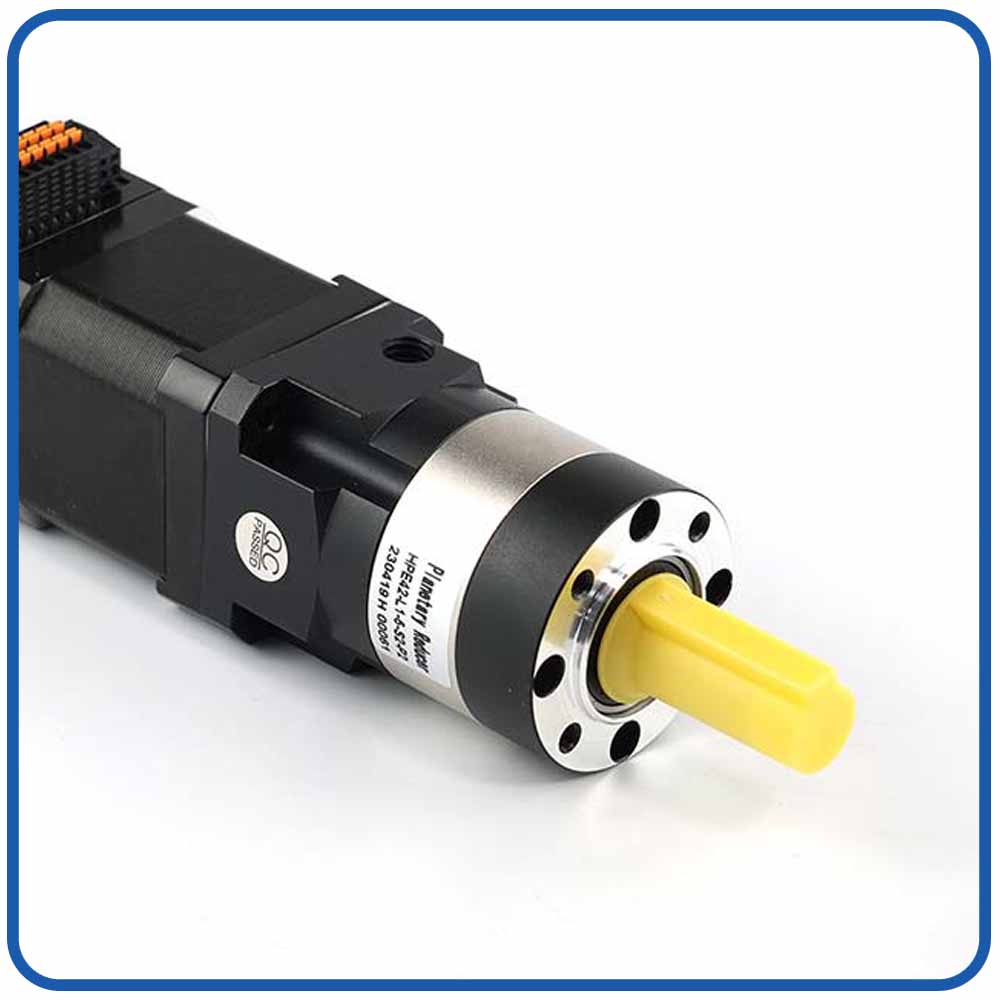
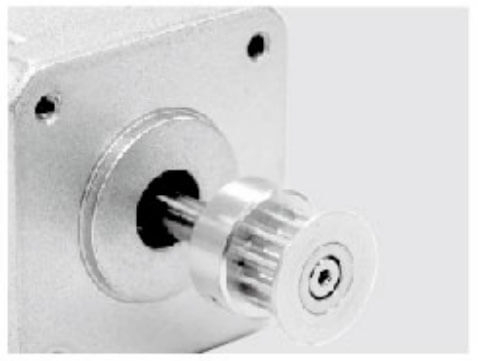
If the application requires higher output torque, lower speed, or greater positioning resolution, an integrated stepper servo motor with a planetary gearbox can be considered. The reduction ratio should be selected according to the required output speed and torque.
9. Protection and Operating Environment
Consider the temperature, dust, humidity, vibration, and cleaning conditions inside the analyzer. The motor's protection rating, thermal performance, and operating temperature range should match the equipment environment.
Key Selection Criteria
Parameter
What to Consider
Torque
Continuous and peak load
Speed
Required operating and peak speed
Accuracy
Positioning and repeatability
Encoder
Resolution and feedback requirements
Size
Available installation space
Interface
Pulse, I/O, or communication
Duty cycle
Frequency of repetitive movement
Gearbox
Output torque and speed requirements
Environment
Temperature, vibration, and protection
By evaluating these parameters together, we can select an integrated stepper servo motor that provides the required precision, reliability, and compact integration for blood analyzer applications.
Why Integrated Stepper Servo Motors Are a Strong Choice for Blood Analyzers
The fundamental advantage of an integrated stepper servo motor is that it brings motor power, feedback, and motion control into one compact system.
For blood analyzers, this can address several important engineering requirements simultaneously:
Precise positioning
Closed-loop feedback
Compact mechanical integration
Reduced wiring
Stable repetitive motion
Improved diagnostics
Flexible control
Efficient torque management
Reliable automated operation
As laboratory automation becomes more sophisticated, motion systems must become smaller, smarter, and more reliable. Integrated stepper servo motors provide a practical solution for achieving these objectives without requiring a large collection of separate motion-control components.
Conclusion
Integrated stepper servo motors are used in blood analyzers because they combine precise stepper-motor motion with encoder-based closed-loop control and integrated drive electronics. This architecture is well suited to automated laboratory equipment that requires repeatable positioning, compact dimensions, reliable operation, and simplified system integration.
From sample handling and probe positioning to reagent management and automated mechanical indexing, these motors can provide the controlled motion required by modern diagnostic equipment.
For blood analyzer manufacturers, the most suitable motor should be selected according to the required torque, speed, positioning accuracy, encoder resolution, mechanical dimensions, control interface, duty cycle, and environmental conditions. When properly matched to the mechanism, an integrated stepper servo motor can become an important component in building compact, accurate, and dependable blood analysis systems.
FAQ
FAQ 1: Why are integrated stepper servo motors used in blood analyzers?
Integrated stepper servo motors are used in blood analyzers because they provide precise positioning, closed-loop feedback, compact integration, and reliable repetitive motion for sample handling, probe positioning, reagent management, and other automated mechanisms.
FAQ 2: What is an integrated stepper servo motor?
An integrated stepper servo motor combines a stepper motor, encoder, servo driver, and control electronics into one compact unit. Encoder feedback allows the motor to monitor actual position and correct motion errors during operation.
FAQ 3: How does encoder feedback improve blood analyzer motion control?
Encoder feedback continuously monitors the motor's actual position. The integrated driver compares the actual position with the commanded position and can compensate for deviations, improving positioning accuracy and motion repeatability.
FAQ 4: What blood analyzer mechanisms use integrated stepper servo motors?
Common applications include sample handling, probe positioning, reagent trays, pipetting mechanisms, rotary valves, mixing systems, and automated positioning assemblies that require controlled and repeatable movement.
FAQ 5: Are integrated stepper servo motors suitable for repetitive blood analyzer operation?
Yes. Their closed-loop feedback and integrated drive architecture make them suitable for frequent start-stop cycles, repeated positioning, indexing, and continuous automated laboratory operations.
FAQ 6: What are the advantages of integrated stepper servo motors over conventional stepper motors?
Key advantages include closed-loop position feedback, error detection, improved motion reliability, integrated electronics, reduced wiring, compact installation, and enhanced diagnostic capabilities compared with conventional open-loop stepper motors.
FAQ 7: How do integrated stepper servo motors reduce blood analyzer system complexity?
The motor, encoder, and driver are integrated into one assembly, reducing the need for separate external drive components and associated wiring. This can simplify electrical integration, installation, maintenance, and internal space utilization.
FAQ 8: How do you select an integrated stepper servo motor for a blood analyzer?
Selection should consider required torque, operating speed, positioning accuracy, encoder resolution, motor dimensions, control interface, duty cycle, power supply, operating environment, and gearbox requirements.
FAQ 9: Can an integrated stepper servo motor be used with a planetary gearbox?
Yes. An integrated stepper servo motor can be combined with a planetary gearbox when an application requires higher output torque, lower output speed, or a different mechanical transmission ratio. The gearbox ratio should match the required load and motion profile.
FAQ 10: What makes integrated stepper servo motors suitable for laboratory automation?
Their combination of precise motion, closed-loop feedback, compact design, integrated electronics, and reliable repetitive operation makes them suitable for laboratory automation equipment where accurate and consistent mechanical movement is required.

 English
 العربية
 Français
 Русский
 Español
 Português
 Deutsch
 italiano
 日本語
日本語 한국어
한국어 Nederlands
 Tiếng Việt
 ไทย
ไทย Polski
 Türkçe
 ພາສາລາວ
 ភាសាខ្មែរ
 Bahasa Melayu
 ဗမာစာ
ဗမာစာ Filipino
 Bahasa Indonesia
 magyar
 Română
 Čeština
 Монгол
 қазақ
қазақ Српски
 हिन्दी
 فارسی
فارسی Slovenčina
 Slovenščina
 Norsk
Norsk Svenska
 українська
 Ελληνικά
 Suomi
Suomi Հայերեն
 עברית
עברית Latine
 Dansk
Dansk Shqip
Shqip বাংলা
বাংলা Hrvatski
 Afrikaans
 Gaeilge
 Eesti keel
 Oʻzbekcha
 latviešu
 Azərbaycan dili
 Български
 Català