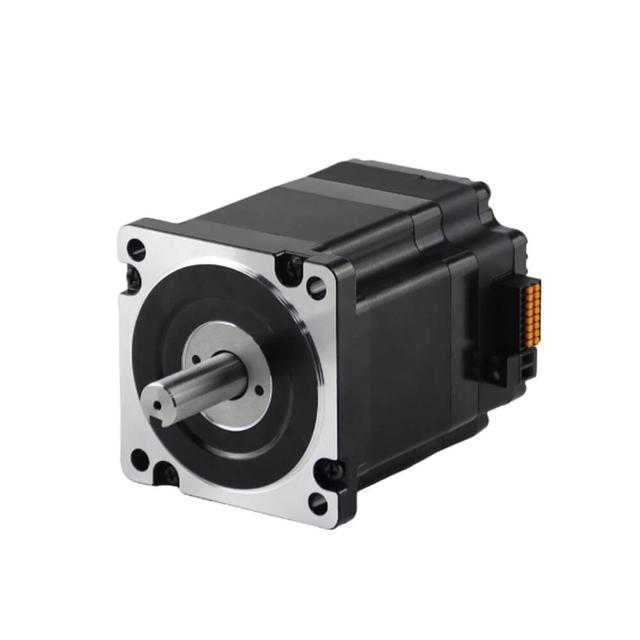
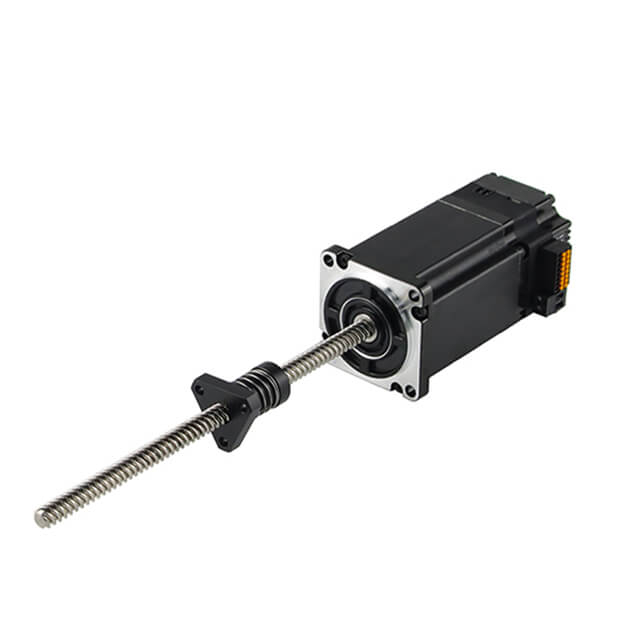
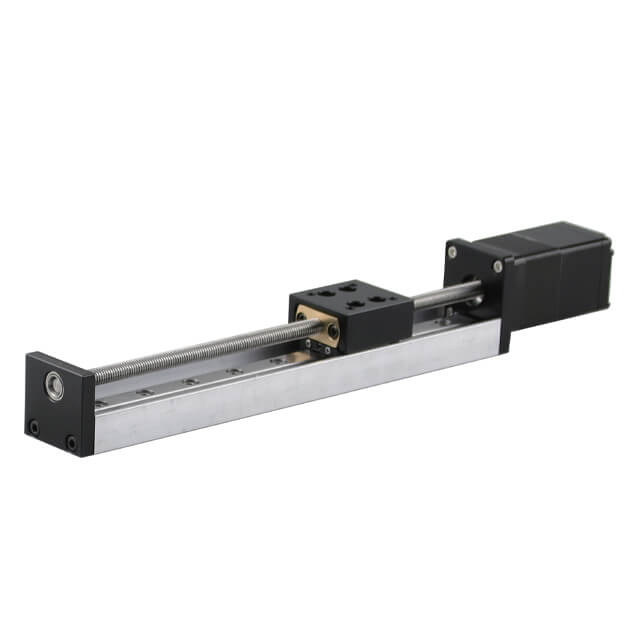
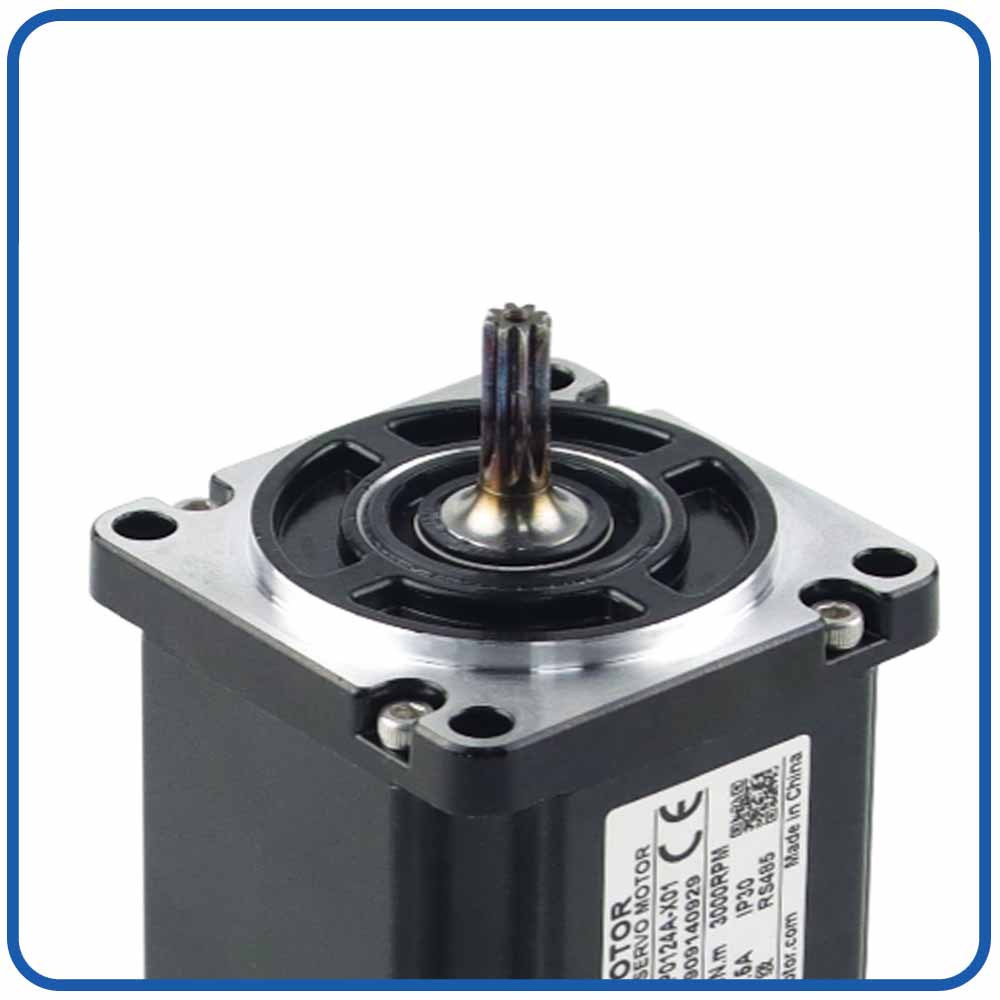
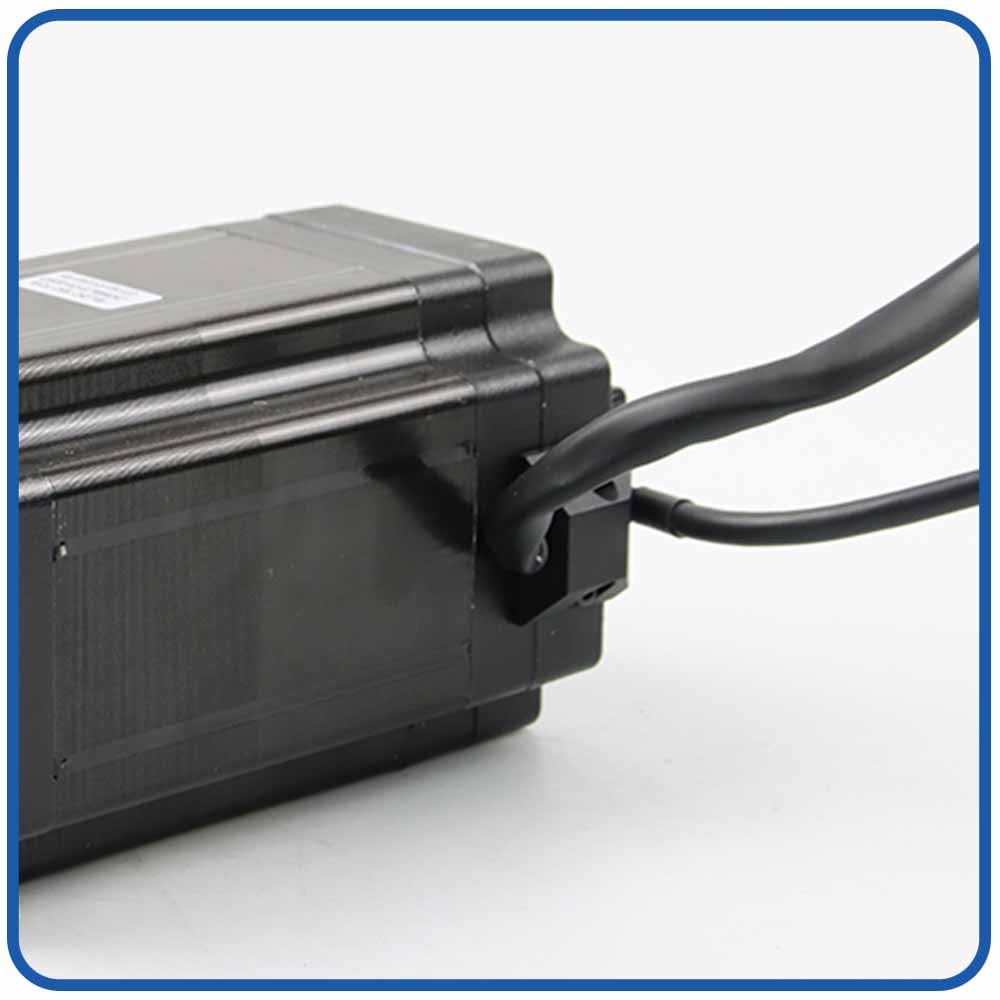
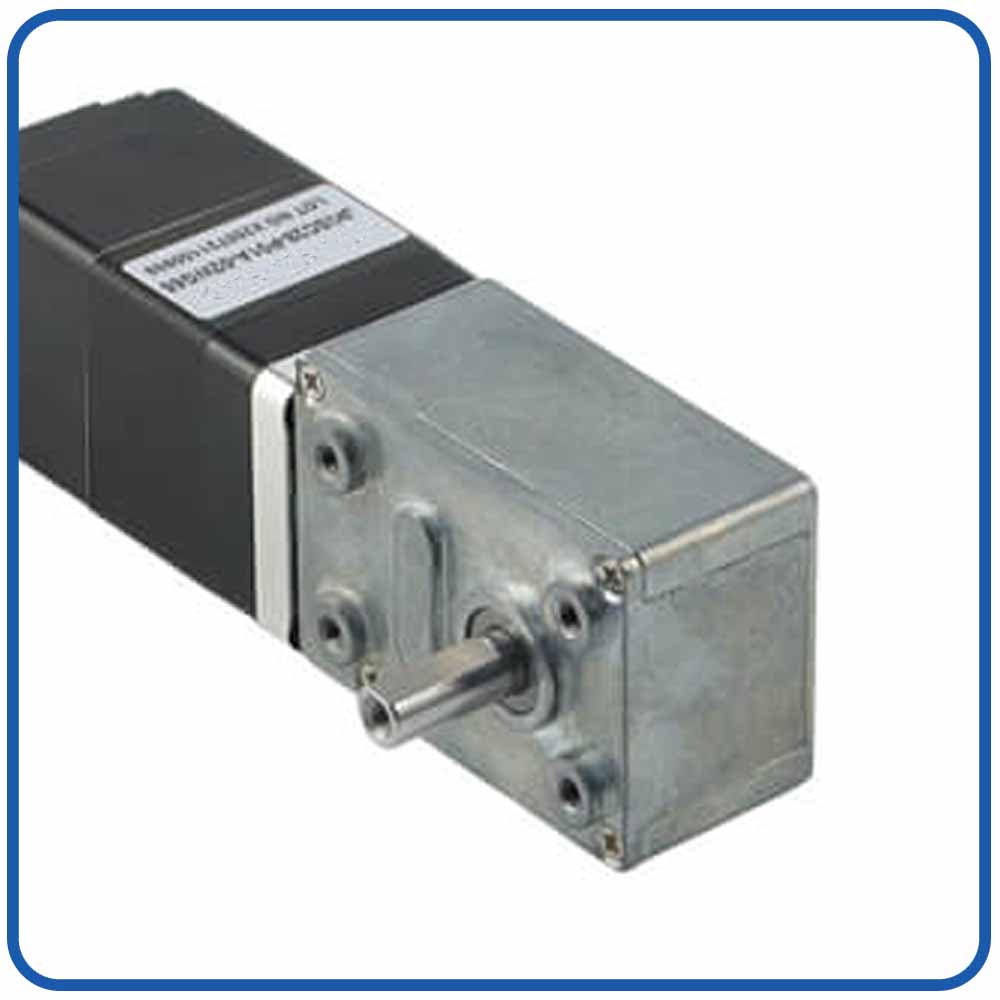
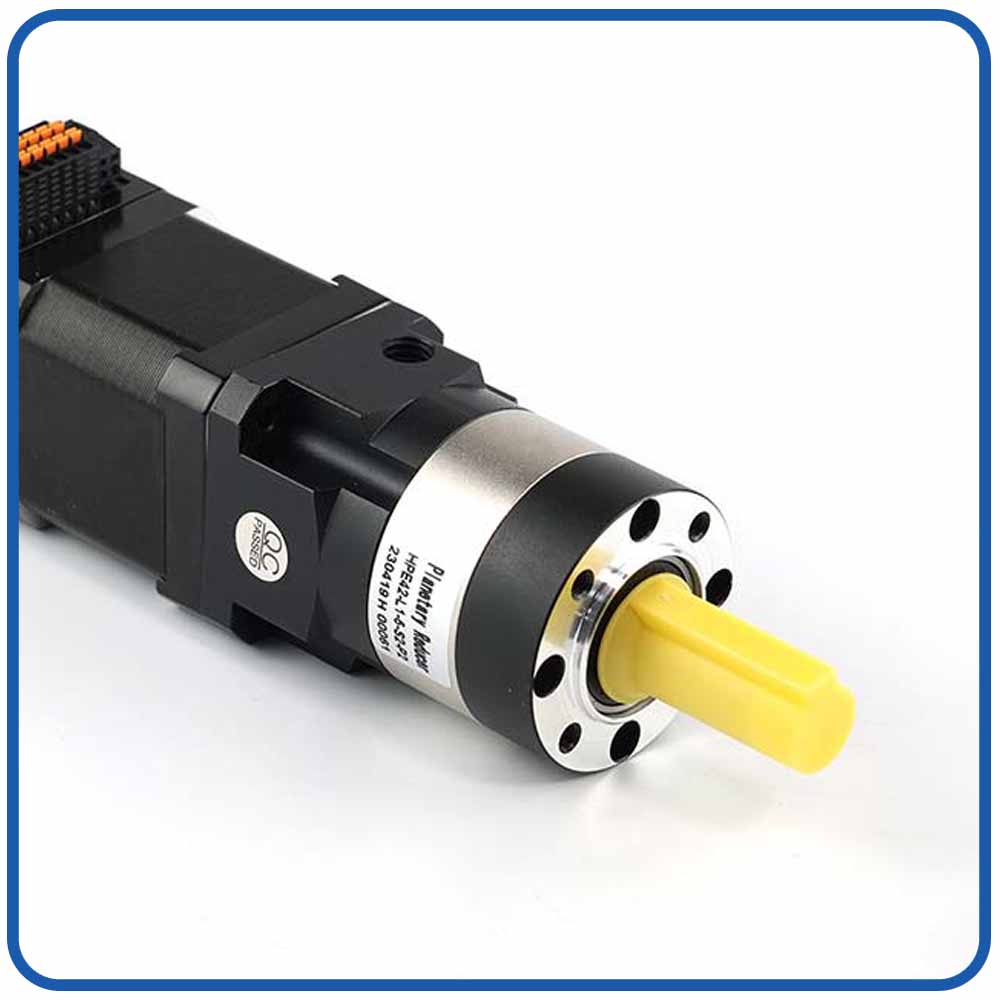
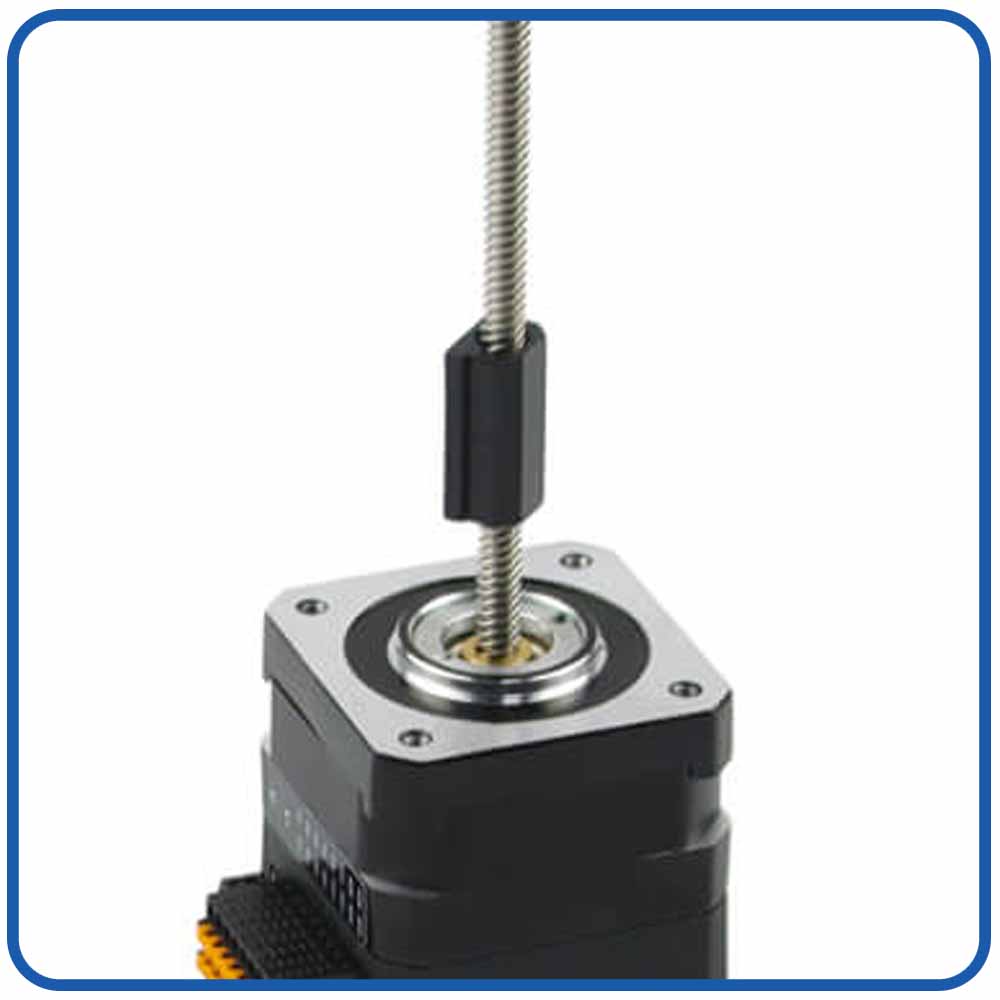
Automated Guided Vehicles (AGVs) are essential to modern material handling, smart warehousing, and industrial automation. As AGV systems become more compact, energy-efficient, and intelligent, engineers increasingly evaluate integrated motor control technologies to simplify drive architectures and improve operational safety. One important question is whether an AGV can rely on Safe Torque Off (STO) without a mechanical brake.
The answer depends on the AGV's mechanical design, operating environment, stopping requirements, and functional safety architecture. STO can prevent a motor from generating torque, but it does not actively brake the motor or guarantee that a moving AGV will stop immediately. When the vehicle is traveling on a slope, carrying a heavy load, or operating in an environment where uncontrolled movement presents a hazard, a mechanical brake or another engineered stopping mechanism may be necessary.
To determine whether an AGV can operate safely without a mechanical brake, we need to distinguish between torque removal, controlled deceleration, and mechanical holding. We must also consider how integrated servo motors, safety controllers, and emergency stop systems work together to protect people, equipment, and transported goods.
What Is Safe Torque Off (STO) in an AGV?
Safe Torque Off (STO) is a functional safety feature integrated into many servo drives and motor control systems. In an Automated Guided Vehicle (AGV), STO prevents the motor drive from generating torque when a safety-related condition is detected, helping reduce the risk of hazardous movement.
STO is particularly important in AGV applications where autonomous navigation, obstacle detection, and emergency stop functions must work together to protect operators, equipment, and transported materials. When a safety controller activates STO, the drive disables its torque-producing capability through the designated safety circuitry. However, STO does not actively brake the motor or guarantee that the AGV will stop immediately. The vehicle may continue moving because of inertia, external forces, or gravity, especially when operating on a slope.
How Does STO Work in an AGV Drive System?
A typical AGV motion control system integrates several components to manage movement and safety:
Safety controller: Monitors safety-related inputs, such as emergency stop buttons and protective scanner signals, and initiates the required safety response.
Integrated servo motor: Generates the torque required for AGV acceleration, deceleration, and travel.
STO safety circuit: Disables the drive's ability to produce motor torque when the STO function is activated.
Emergency stop system: Initiates a safety-related stop when a hazardous situation occurs or an operator requests an emergency stop.
Mechanical brake, if required: Provides physical braking or holding capability to prevent uncontrolled movement under specified conditions.
During normal operation, the servo drive regulates motor torque and speed to maintain the AGV's commanded motion. When STO is triggered, the drive prevents further torque generation, independently of ordinary motion commands. The vehicle's actual stopping behavior then depends on its existing momentum, drivetrain resistance, braking mechanisms, and operating environment.
For example, an AGV traveling along a level warehouse aisle may gradually slow down after STO activation because of rolling resistance. However, an AGV traveling downhill may continue moving under gravity if no suitable braking mechanism is available.
What Is the Difference Between STO and a Mechanical Brake?
Although STO and mechanical brakes both contribute to machine safety, they perform different functions.
Feature
Safe Torque Off (STO)
Mechanical Brake
Primary function
Prevents motor torque generation
Produces physical braking or holding force
Active deceleration
No, not by STO itself
Possible only if the brake is designed and rated for dynamic braking
Static holding
Does not guarantee holding
Can hold a load within its rated capacity
Response to torque removal
Disables torque-producing capability
May operate independently, depending on brake design
Typical application
Safety-related torque removal
Stopping or preventing unintended mechanical movement
STO is not a direct replacement for a mechanical brake. If an AGV must maintain its position on a ramp, prevent movement after power loss, or stop within a specified distance, engineers must evaluate whether a mechanical brake or another suitable braking solution is necessary.
Why Is STO Important for AGV Safety?
STO provides an important safety function in automated material handling systems because it helps prevent unintended motor torque when a hazardous condition occurs. When correctly integrated into the AGV's safety architecture, it can reduce reliance on ordinary motion-control commands for the torque-removal function.
However, the safety of the complete AGV depends on more than the drive's STO capability. Engineers must evaluate stopping distance, vehicle speed, maximum payload, floor conditions, slope operation, and the possibility of power loss. The design should also account for the response time of sensors, safety controllers, and drive systems.
For AGVs operating near personnel or transporting heavy loads, STO should be treated as one component of a complete functional safety strategy, rather than as a standalone solution for stopping and holding the vehicle.
When selecting an integrated servo motor for an AGV, we recommend verifying the drive's STO implementation, reviewing the manufacturer's safety documentation, and determining whether additional braking functions are required to meet the application's stopping and holding requirements.
Can an AGV Rely on STO Without a Mechanical Brake?
An AGV can potentially operate without a mechanical brake, but only when its risk assessment and system design demonstrate that the resulting stopping and holding behavior is acceptable under all relevant operating conditions.
The absence of a mechanical brake does not automatically make an AGV unsafe. Some low-speed, low-risk applications may be designed around controlled deceleration, passive resistance, and a validated safety strategy. However, relying exclusively on STO introduces limitations that must be addressed.
When Operating Without a Mechanical Brake May Be Acceptable
A brake-free AGV design may be considered when the following conditions are satisfied:
The AGV operates on a level surface.
A vehicle operating on a flat, controlled factory floor may have a lower risk of uncontrolled movement after torque removal than a vehicle operating on an inclined surface. Nevertheless, residual momentum, floor contamination, wheel friction, and external pushing forces must still be evaluated.
The vehicle operates at relatively low speeds.
Lower operating speeds generally reduce kinetic energy and can make the stopping problem easier to manage. However, low speed alone does not establish that STO without braking is safe.
The application does not require positive holding.
If the AGV does not need to maintain its position against gravity or other external forces during a safety-related stop, a mechanical holding brake may not be necessary. This condition must be verified rather than assumed.
The stopping distance remains within the available safety envelope.
The complete stopping behavior must be evaluated against the AGV's maximum permitted travel distance after a safety demand. The design must account for detection delays, controller response, drive response, vehicle inertia, payload, and available braking forces.
A suitable alternative stopping mechanism is available.
A validated safety-related controlled stop, a separate braking system, or another engineered arrangement may provide the necessary stopping performance. The design must ensure that torque removal does not leave the AGV in an uncontrolled or hazardous state.
Even when these conditions appear to be satisfied, we must verify the system under foreseeable fault conditions and worst-case operating circumstances.
When an AGV Should Not Rely on STO Alone
A mechanical brake or another suitable braking solution is generally necessary when the AGV must stop or remain stationary under conditions that STO cannot reliably address.
Operating condition
Why STO alone may be insufficient
Inclined ramps
Gravity may cause the vehicle to roll after torque removal.
Heavy payloads
Increased mass raises kinetic energy and may increase stopping distance.
High-speed transportation
The vehicle may travel a significant distance before coming to rest.
Vertical lifting mechanisms
Gravity can cause a suspended or elevated load to descend.
Frequent emergency stops
Repeated uncontrolled coasting may create unacceptable operational risks.
Position-holding requirements
STO does not actively maintain the motor's position.
Personnel operating nearby
Uncontrolled movement may expose workers to crushing or collision hazards.
The essential principle is that STO can be sufficient for a specific torque-removal safety function without necessarily being sufficient for the AGV's complete stopping and holding requirements.
Can STO Replace the Emergency Stop Function in an AGV?
No. STO is a drive safety function, whereas an emergency stop is a safety-related command or function intended to bring hazardous machine operation to a safe state.
An emergency stop system may use STO as part of its implementation, but the required stopping behavior depends on the application and the risk assessment.
Two commonly referenced stopping categories are particularly relevant.
Category 0 Stop: Immediate Torque Removal
A Category 0 stop involves stopping through immediate removal of power to the machine actuators, with stopping achieved by removing energy rather than by a controlled deceleration sequence.
In a drive implementing STO, the STO function may be used to achieve the required torque-removal behavior.
For a moving AGV, the vehicle may coast until it stops. If this stopping distance is unacceptable, torque removal alone is insufficient.
Category 1 Stop: Controlled Deceleration Followed by Torque Removal
A Category 1 stop involves a controlled stopping process followed by removal of power to the actuators.
For example, an AGV may first decelerate through its motor drive and then activate STO after reaching a safe stopped condition or completing the intended deceleration sequence.
This approach can reduce stopping distance and improve predictability, provided the controlled-stop function and its safety-related implementation meet the application's requirements.
The exact architecture must be designed and validated against applicable machinery safety standards, including relevant provisions of IEC 60204-1 and ISO 13850.
Importantly, a normal software stop followed by STO should not automatically be assumed to provide a safety-rated controlled stop. Where the controlled deceleration itself is safety-critical, an appropriately designed and validated safety function is required.
How to Calculate AGV Stopping Distance Without a Mechanical Brake
When evaluating an AGV without a mechanical brake, stopping distance is a critical factor in determining whether STO alone can meet the application's safety requirements. Since STO removes motor torque without actively braking the vehicle, the AGV may continue moving due to inertia, rolling resistance, or gravity.
Key Factors Affecting AGV Stopping Distance
Several factors influence how far an AGV travels after STO activation:
Vehicle speed: Higher speeds generally result in longer stopping distances.
Total mass: A heavier AGV or payload increases kinetic energy.
System response time: The vehicle continues traveling while sensors, safety controllers, and the drive respond.
Floor conditions: Surface friction and wheel resistance affect passive deceleration.
Operating slope: Gravity may extend stopping distance or cause the AGV to accelerate downhill.
How to Estimate Stopping Distance
A practical estimate should include two components: the distance traveled during system response and the distance traveled while the AGV coasts to a stop.
For example, consider an AGV traveling at 1.5 m/s with a system response time of 0.15 seconds. During this response period, the vehicle travels approximately 0.23 meters.
If the AGV then decelerates at an assumed rate of 0.3 m/s² due to passive resistance, it may travel another 3.75 meters before stopping. The estimated total stopping distance is therefore approximately 4 meters.
This example is illustrative only. Actual stopping distance depends on the vehicle design, payload, floor conditions, drivetrain resistance, and operating environment. Passive deceleration should be measured and validated under worst-case conditions rather than assumed to remain constant.
How Can Engineers Improve Stopping Safety?
When designing an AGV without a mechanical brake, engineers should verify the worst-case stopping distance and ensure that sufficient protective distance is available. If passive deceleration cannot meet the required stopping performance, possible solutions include reducing the maximum travel speed, detecting hazards earlier, implementing a suitable controlled-stop function, or adding an appropriate braking mechanism.
The key principle is that STO stops torque generation, not vehicle motion. A safe AGV design must account for the distance traveled after STO activation and ensure that uncontrolled coasting or rolling does not create an unacceptable risk.
How Does an Integrated Servo Motor Affect AGV Brake Design?
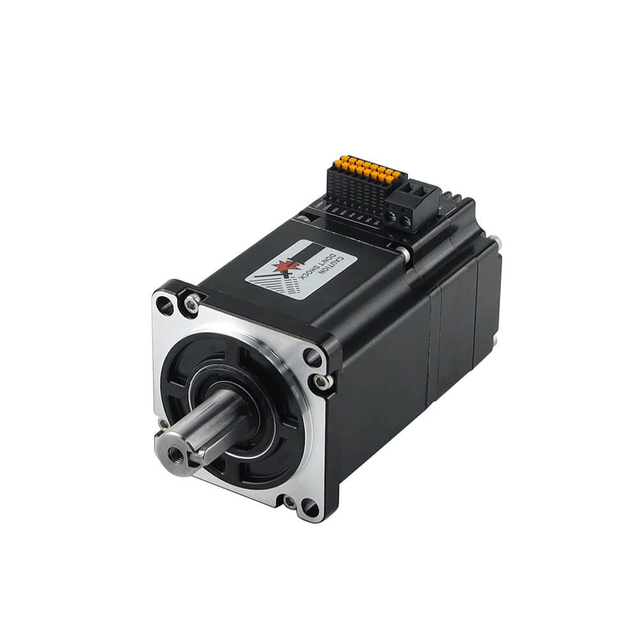
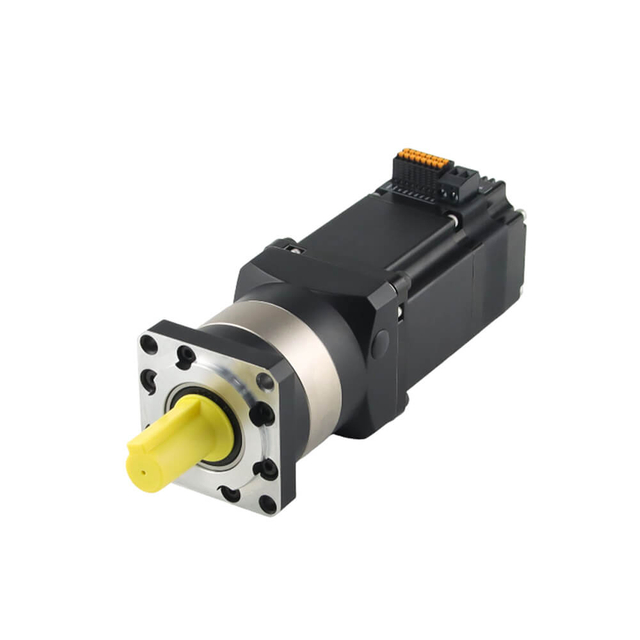
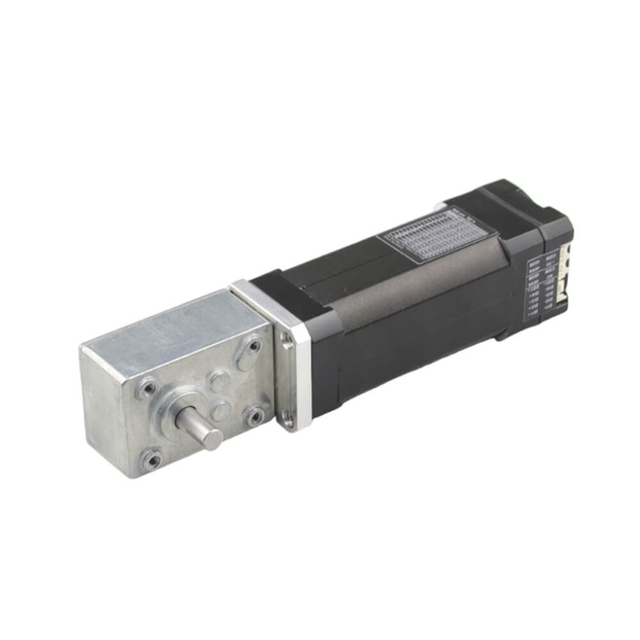
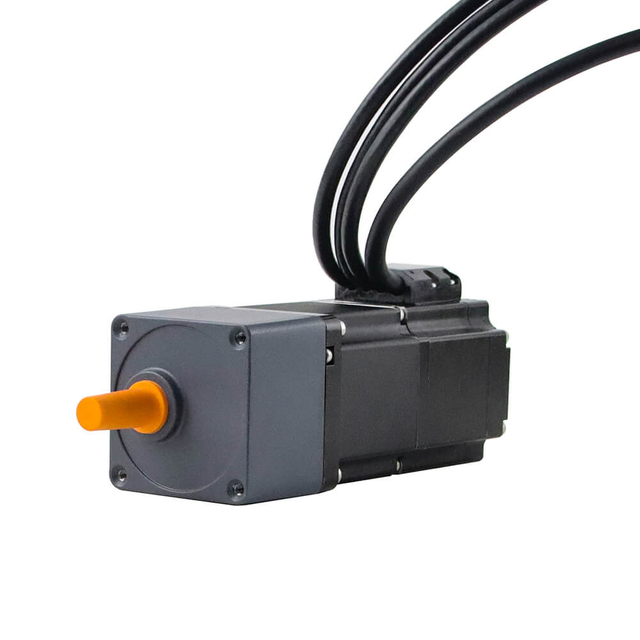
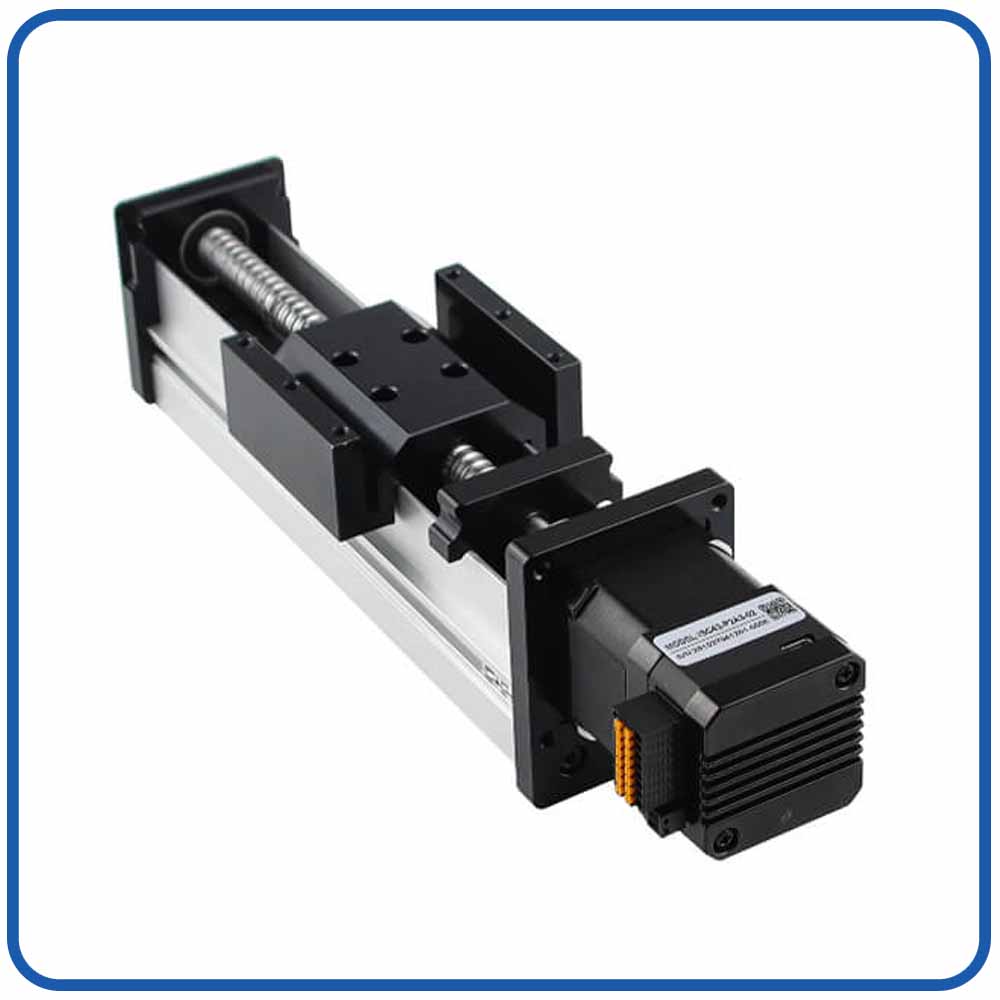
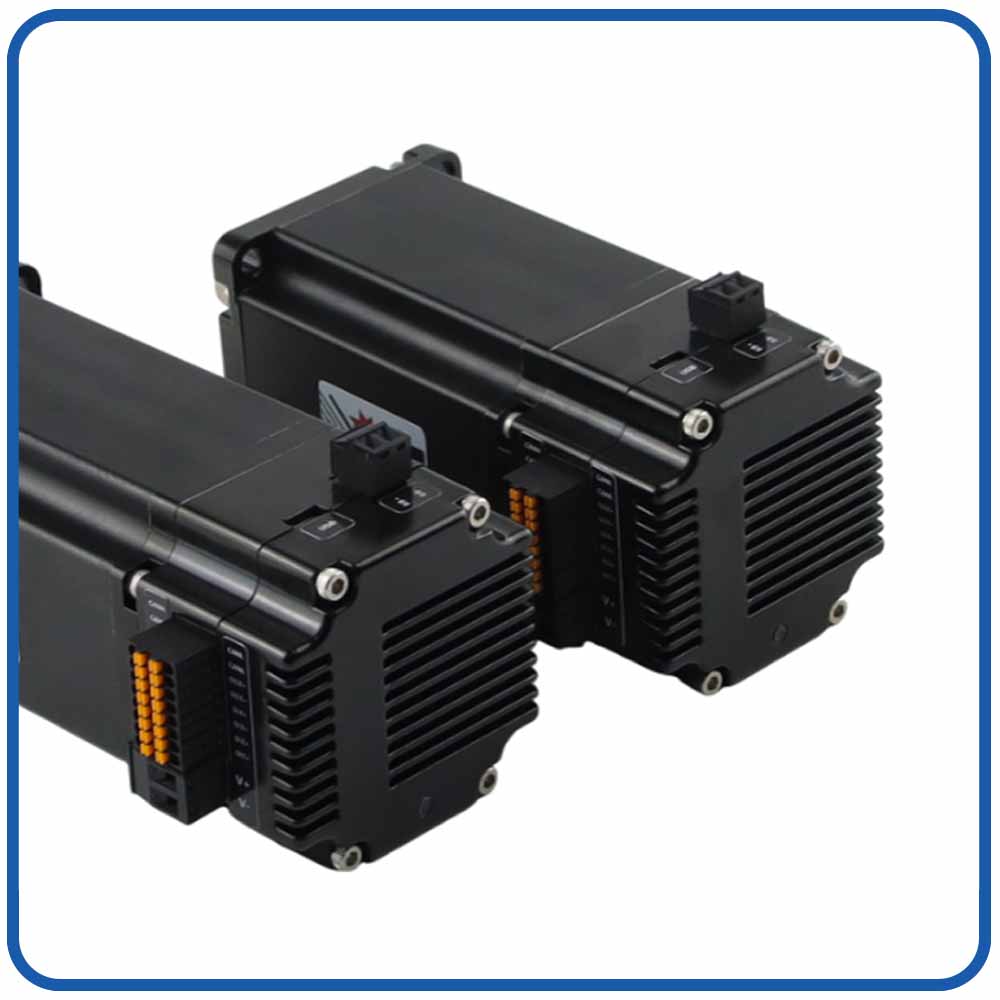
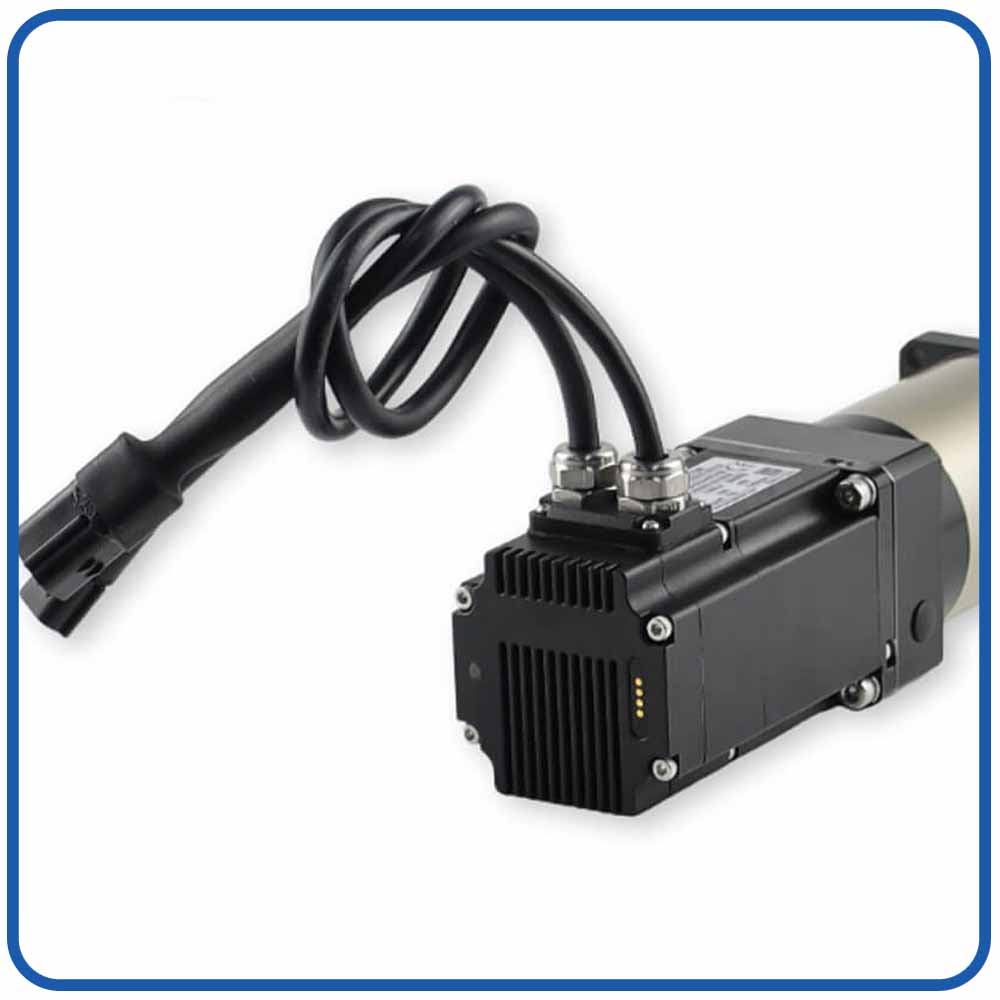
Integrated servo motors combine a motor with associated drive electronics and, depending on the product, feedback devices and communication interfaces. This architecture can simplify AGV drivetrain design by reducing external wiring and the number of separate components.
However, motor integration does not eliminate the need to evaluate braking and functional safety independently.
When selecting an integrated servo motor for an AGV, we recommend examining the following factors.
Integrated STO Capability
Confirm whether the drive supports STO and whether its implementation is suitable for the required safety function.
Review the manufacturer's safety documentation, including applicable safety integrity information, diagnostic coverage, fault response, and installation requirements.
Do not assume that every integrated servo motor includes certified STO merely because it incorporates a drive.
Mechanical Brake Compatibility
Determine whether the motor can be supplied with a holding brake or connected to an external braking mechanism.
The brake must be selected according to the required holding torque, shaft speed, engagement frequency, thermal limits, and drivetrain configuration.
For wheel-driven AGVs, engineers should evaluate the entire mechanical transmission rather than relying exclusively on the motor shaft brake rating.
Torque and Speed Characteristics
The motor must provide sufficient continuous and peak torque for acceleration, travel, and deceleration.
Where controlled stopping is required, the drive must also provide appropriate deceleration performance within its electrical, thermal, and mechanical limits.
An undersized motor may struggle to meet the required stopping profile, particularly when the vehicle carries a heavy load or travels on a gradient.
Communication and Safety Integration
AGVs often use industrial communication networks to coordinate navigation, motion control, and supervisory commands.
However, ordinary communication commands are not automatically safety-rated. The safety system must use suitable safety-related signals, hardware, or certified safety communication mechanisms where required by the design.
A communication failure must be handled according to the system's safety requirements rather than relying solely on an ordinary stop command.
Compactness Versus Functional Safety
Integrated servo motors can reduce installation space, simplify cable routing, and streamline commissioning. These advantages are especially useful for compact AGVs operating in narrow warehouse aisles.
Nevertheless, the smallest drive solution is not necessarily the safest or most suitable one.
A compact integrated servo motor with STO may be appropriate for one AGV design, while another vehicle may require an additional brake, a safety-rated controlled-stop function, or a dedicated braking subsystem.
The final selection should be based on validated application requirements rather than component integration alone.
What Happens When an AGV Loses Power Without a Mechanical Brake?
When an Automated Guided Vehicle (AGV) loses power without a mechanical brake, its motor may no longer provide controlled torque, but the vehicle does not necessarily stop immediately. The AGV may continue moving due to inertia or roll under gravity, depending on its speed, payload, drivetrain resistance, and operating environment.
For AGV manufacturers, understanding power-loss behavior is essential when evaluating Safe Torque Off (STO), selecting integrated servo motors, and designing a reliable safety system.
Power Loss on a Level Surface
When an AGV loses power on a level floor, it may gradually slow down because of wheel friction, rolling resistance, and drivetrain resistance. However, these forces vary with floor conditions, wheel materials, vehicle mass, and mechanical design.
Without a mechanical brake, the AGV's stopping distance may be unpredictable. If the vehicle operates in a narrow aisle or near personnel, continued movement after power loss may create collision or crushing hazards.
Power Loss on an Inclined Surface
An AGV operating on a ramp faces a greater risk because gravity can cause it to continue moving or accelerate downhill after motor torque is lost.
The heavier the AGV and its payload, the greater the gravitational force acting on the vehicle along the slope. Without sufficient braking or holding force, the vehicle may roll uncontrollably.
For this reason, AGVs operating on ramps or inclined surfaces often require a suitable mechanical brake or another engineered solution to prevent unintended movement.
Power Loss While Carrying a Heavy Load
A heavy payload increases the AGV's total moving mass and kinetic energy, potentially increasing stopping distance. Sudden power loss can therefore create additional risks, including collisions, load displacement, and damage to transported goods.
Engineers should evaluate power-loss scenarios under maximum payload and maximum operating speed rather than relying only on tests performed with an unloaded vehicle.
How Can Engineers Reduce Power-Loss Risks?
When designing an AGV without a mechanical brake, we recommend evaluating the following factors:
Stopping distance: Verify how far the vehicle travels after power loss under worst-case operating conditions.
Slope operation: Determine whether gravity can cause unintended movement.
Payload capacity: Assess stopping performance at maximum rated load.
Safety architecture: Confirm that STO and other safety functions address the identified hazards.
Holding requirements: Determine whether a mechanical brake or another suitable mechanism is necessary to keep the AGV stationary.
A spring-applied, electrically released brake may be appropriate when the AGV must resist movement after power loss. However, its holding torque, engagement time, and dynamic braking capability must be verified for the intended application.
The key point is that power loss does not guarantee that an AGV will stop safely. STO prevents motor torque generation when activated, but it does not dissipate kinetic energy or independently prevent gravity-driven movement. A reliable AGV design must account for both stopping performance and stationary holding to ensure safe operation under foreseeable fault conditions.
How to Choose Between STO-Only and STO With a Mechanical Brake
The appropriate configuration depends on the AGV's motion profile, risk assessment, mechanical design, and stopping requirements.
Selection factor
STO without a mechanical brake
STO with a mechanical brake
Torque removal
Supported when properly implemented
Supported when properly implemented
Active deceleration
Not provided by STO itself
Requires drive control or a brake rated for the required dynamic stopping duty
Static holding
Not guaranteed
Available when the brake is appropriately rated and engaged
Slope operation
Requires a validated alternative means of preventing hazardous movement
Often advantageous when a suitable brake is correctly integrated
Power-loss behavior
Vehicle may coast or roll
Brake may engage if designed to apply under the relevant power-loss conditions
System complexity
Potentially lower
Higher due to brake hardware and control integration
Maintenance
Fewer brake-related components
Requires brake inspection and maintenance
Safety validation
Must address uncontrolled movement and stopping distance
Must also validate brake performance, response, and failure behavior
The table highlights an important point: adding a mechanical brake does not automatically make an AGV safe. The brake must be correctly selected, installed, monitored where necessary, and incorporated into the overall safety strategy.
Similarly, omitting a brake is acceptable only when the complete design provides the required level of risk reduction.
Standards and Functional Safety Considerations for AGV STO
AGV manufacturers and system integrators should evaluate relevant machinery safety standards when designing STO-based stopping systems.
Several standards may be relevant, depending on the machine architecture, intended application, and jurisdiction.
IEC 61800-5-2: Addresses functional safety requirements for adjustable-speed electrical power drive systems, including safety-related drive functions such as STO and Safe Stop functions.
IEC 60204-1: Covers electrical equipment of machinery, including requirements relevant to machine stopping and electrical safety.
ISO 13850: Specifies principles for the design of emergency stop functions.
ISO 13849-1: Provides a methodology for designing and evaluating safety-related parts of control systems using Performance Levels.
IEC 61508: Provides a general framework for functional safety of electrical, electronic, and programmable electronic safety-related systems.
ISO 3691-4: Addresses safety requirements and verification for driverless industrial trucks and their systems, including many AGV and autonomous mobile robot applications.
The applicable requirements depend on the specific vehicle category, operating environment, and system design. Engineers should consult the current editions of the relevant standards and determine which provisions apply to their application.
STO Certification Does Not Validate the Entire AGV
A drive with certified STO can provide a defined safety function, but its certification does not automatically establish that the AGV as a whole meets its safety requirements.
The complete safety assessment must account for hazard detection, safety logic, communication, drive response, mechanical behavior, and the resulting risk reduction.
For example, an STO function may meet its specified performance requirements while the vehicle still travels too far after torque removal to avoid a collision.
Similarly, a certified STO circuit cannot prevent gravity-driven movement if the mechanical system lacks adequate holding capability.
Functional safety must therefore be evaluated at the system level, not solely at the motor or drive level.
Practical Design Recommendations for AGV Manufacturers
When developing an AGV with integrated servo motors, we recommend following a structured engineering process to determine whether a mechanical brake is required.
Step 1: Identify the Relevant Hazards
Assess collision risks, crushing hazards, ramp operation, payload movement, maintenance activities, and possible loss-of-power scenarios.
Consider both normal operation and foreseeable abnormal conditions.
Step 2: Define the Required Stopping Behavior
Determine whether the AGV must coast to a stop, decelerate in a controlled manner, stop within a defined distance, or remain stationary after stopping.
These are different engineering requirements and may require different safety functions.
Step 3: Calculate the Worst-Case Stopping Distance
Evaluate maximum speed, maximum payload, response time, effective deceleration, floor conditions, and slope.
Use measured and validated performance data rather than relying exclusively on theoretical friction assumptions.
Step 4: Evaluate Power-Loss and Holding Requirements
Determine whether the vehicle can roll under gravity or external forces when torque is removed.
If stationary holding is necessary, specify a suitable mechanical brake or another engineered solution that meets the required load and fault conditions.
Step 5: Select the Appropriate Motor and Drive
Verify motor torque, speed, thermal capacity, drive safety functions, brake compatibility, and communication requirements.
For integrated servo motors, confirm which safety functions are included and which must be implemented elsewhere in the system.
Step 6: Validate the Complete Safety Architecture
Test stopping behavior under representative worst-case conditions, including maximum load, maximum operating speed, relevant gradients, and applicable fault scenarios.
Document the safety functions, verification results, limitations, inspection requirements, and maintenance procedures.
This process helps prevent a common design error: assuming that a motor drive's STO capability automatically resolves all AGV stopping and holding risks.
Conclusion: Is STO Without a Mechanical Brake the Right Choice for an AGV?
An AGV can potentially operate without a mechanical brake, but the decision must be supported by a complete engineering assessment rather than the availability of STO alone.
STO prevents motor torque generation; it does not guarantee immediate stopping, controlled deceleration, or stationary holding. For AGVs operating on level floors with limited stopping demands, a brake-free architecture may be feasible if the resulting behavior is demonstrated to be safe. For vehicles traveling on slopes, transporting heavy loads, operating near personnel, or requiring reliable holding after power loss, a mechanical brake or another suitable braking solution may be essential.
When selecting an integrated servo motor for an AGV, we recommend evaluating STO capability, motor performance, brake compatibility, communication architecture, and system-level functional safety together.
The most effective design is not necessarily the one with the fewest components. It is the one that achieves the required stopping and holding performance while balancing functional safety, motion control accuracy, system reliability, maintenance requirements, and overall integration cost.
FAQ:
FAQ 1: Can an AGV operate without a mechanical brake if it uses STO?
Yes, an AGV can operate without a mechanical brake if a comprehensive risk assessment demonstrates that its stopping distance, power-loss behavior, and holding requirements can be met safely. STO prevents motor torque generation but does not actively stop the vehicle or guarantee stationary holding. Applications involving slopes, heavy loads, or hazardous uncontrolled movement may require an additional braking solution.
FAQ 2: What is the difference between STO and a mechanical brake in an AGV?
STO disables the motor drive's ability to generate torque, while a mechanical brake provides physical braking or holding force. STO does not actively dissipate kinetic energy, whereas a mechanical brake can stop or hold a vehicle if it is appropriately designed and rated for the required duty.
FAQ 3: Does STO stop an AGV immediately during an emergency stop?
No. STO removes the drive's torque-producing capability but does not guarantee an immediate stop. The AGV may continue moving because of inertia, rolling resistance, or gravity. If a shorter or controlled stopping distance is required, the system may need a suitable controlled-stop function or additional braking measures.
FAQ 4: Can an AGV roll downhill after STO is activated?
Yes. If an AGV operates on an inclined surface, gravity may cause it to continue moving or accelerate after STO activation. A suitable mechanical brake or another validated means of preventing unintended movement may be necessary to maintain safety.
FAQ 5: What happens when an AGV loses power without a mechanical brake?
The AGV may coast to a stop because of passive resistance, but its stopping distance can vary with speed, payload, floor conditions, and drivetrain characteristics. On a slope, the vehicle may roll under gravity. Engineers should evaluate worst-case power-loss scenarios to determine whether additional braking or holding measures are required.
FAQ 6: How do you calculate AGV stopping distance without a mechanical brake?
AGV stopping distance includes the distance traveled during safety-system response and the distance traveled while the vehicle decelerates. The estimate depends on vehicle speed, response time, total mass, passive deceleration, and operating conditions. Actual stopping performance should be measured and validated under representative worst-case conditions.
FAQ 7: Can a spring-applied brake replace STO in an AGV?
No. A spring-applied brake and STO perform different functions. A spring-applied brake can provide mechanical holding or braking when correctly designed, while STO prevents the drive from generating torque. Depending on the risk assessment, an AGV may require both functions within an appropriately designed safety architecture.
FAQ 8: Is STO sufficient for AGV emergency stop systems?
STO may form part of an AGV emergency stop system when torque removal provides the required stopping behavior. If the vehicle must decelerate in a controlled manner or stop within a defined distance, additional safety functions may be necessary. The complete emergency stop system must meet the applicable safety requirements.
FAQ 9: What should engineers consider when selecting an integrated servo motor for an AGV?
Engineers should evaluate rated and peak torque, operating speed, payload, drive safety functions, STO implementation, brake compatibility, communication interfaces, thermal performance, and environmental conditions. They should also verify the manufacturer's safety documentation and assess whether the complete AGV system meets its stopping and holding requirements.
FAQ 10: Which safety standards are relevant to STO and braking in AGVs?
Relevant standards may include IEC 61800-5-2 for functional safety of drive systems, IEC 60204-1 for electrical equipment of machinery, ISO 13850 for emergency stop functions, ISO 13849-1 for safety-related control systems, and ISO 3691-4 for driverless industrial trucks and their systems. The applicable standards depend on the AGV design, application, and jurisdiction.

 English
 العربية
 Français
 Русский
 Español
 Português
 Deutsch
 italiano
 日本語
日本語 한국어
한국어 Nederlands
 Tiếng Việt
 ไทย
ไทย Polski
 Türkçe
 ພາສາລາວ
 ភាសាខ្មែរ
 Bahasa Melayu
 ဗမာစာ
ဗမာစာ Filipino
 Bahasa Indonesia
 magyar
 Română
 Čeština
 Монгол
 қазақ
қазақ Српски
 हिन्दी
 فارسی
فارسی Slovenčina
 Slovenščina
 Norsk
Norsk Svenska
 українська
 Ελληνικά
 Suomi
Suomi Հայերեն
 עברית
עברית Latine
 Dansk
Dansk Shqip
Shqip বাংলা
বাংলা Hrvatski
 Afrikaans
 Gaeilge
 Eesti keel
 Oʻzbekcha
 latviešu
 Azərbaycan dili
 Български
 Català