Introduction: The Role of Motion Control in Modern Pipe Inspection Robots
Pipeline systems are essential infrastructure components used in industries such as oil and gas, chemical processing, water treatment, power generation, and urban utilities. However, many pipelines operate in environments that are difficult, dangerous, or impossible for human inspectors to access. To maintain safety and reliability, pipe inspection robots have become an increasingly important solution for detecting corrosion, cracks, blockages, deformation, and other potential failures.
The performance of a pipe inspection robot depends heavily on its motion control system. These robots must travel through complex pipeline environments, overcome friction and obstacles, maintain stable movement, and precisely control inspection equipment. Traditional motor solutions often struggle to meet these requirements due to limitations in size, response speed, efficiency, and integration.
This is why integrated servo motors are becoming a preferred motion solution for advanced pipe inspection robots. By combining the motor, driver, encoder, and control electronics into a compact unit, integrated servo motors provide higher precision, improved reliability, and simplified system design, making them ideal for demanding robotic inspection applications.
Challenges Faced by Pipe Inspection Robots
Pipe inspection robots are designed to operate in environments that are difficult, hazardous, or impossible for humans to access. They play an important role in maintaining the safety and reliability of pipelines used in industries such as oil and gas, chemical processing, water supply, sewage treatment, and power generation.
However, developing a reliable pipe inspection robot requires overcoming many technical challenges. These challenges involve mechanical design, motion control, power management, environmental adaptability, and inspection accuracy. A high-performance robotic system must be able to move efficiently through complex pipeline structures while collecting accurate inspection data.
1. Limited Installation Space Inside Pipelines
One of the biggest challenges for pipe inspection robots is the extremely limited working space inside pipelines.
Many inspection environments involve:
Small-diameter pipes
Narrow underground pipelines
Complex internal structures
Restricted movement areas
The robot must be compact enough to enter the pipeline while still providing sufficient power for movement and inspection operations.
Traditional motion systems often require separate components, including:
Motors
Servo drives
Encoders
Controllers
Additional wiring
These components increase the overall size and complexity of the robot.
To overcome this limitation, modern pipe inspection robots increasingly use integrated servo motors, which combine the motor, driver, encoder, and communication system into one compact unit. This allows engineers to design smaller robots while maintaining accurate motion control.
2. Difficult and Unpredictable Operating Environments
Pipe inspection robots often operate in harsh environments where conditions can change unexpectedly.
Common challenges include:
Water and moisture exposure
Oil contamination
Dust and debris
Corrosion
High or low temperatures
Mechanical vibration
Pressure variations
These conditions can affect motor performance, electronic components, and mechanical structures.
The robot’s drive system must maintain stable operation despite environmental disturbances. Motors used in these applications need excellent durability, protection, and thermal management to ensure long-term reliability.
Integrated servo motors with enclosed designs and intelligent control capabilities help improve system stability by continuously monitoring operating conditions and adjusting motor performance in real time.
3. Maintaining Stable and Precise Movement
Accurate movement is essential for pipe inspection because inspection results depend on the robot’s ability to reach specific locations and maintain consistent speed.
However, pipe inspection robots may experience:
Uneven surfaces
Slippery pipe walls
Changing friction levels
Obstacles inside pipelines
Wheel or track slippage
Without precise motion control, the robot may lose positioning accuracy or fail to collect reliable inspection data.
Servo-based motion systems solve this problem through closed-loop control technology. By using encoder feedback, the motor can monitor actual speed and position, automatically correcting errors and maintaining stable movement.
4. High Torque Requirements in Complex Pipeline Conditions
Moving inside a pipeline requires sufficient driving force. The robot must overcome resistance caused by:
Friction between wheels and pipe surfaces
Heavy inspection equipment
Inclined or vertical pipelines
Internal deposits or blockages
A motor with insufficient torque may cause:
Reduced movement speed
Robot stalling
Loss of traction
Inspection failure
Pipe inspection robots require motors that provide high torque while maintaining a compact size.
Integrated servo motors offer high torque density, allowing robots to achieve strong driving performance without increasing overall dimensions. This is particularly valuable for crawler robots and compact inspection platforms.
5. Limited Power Supply and Energy Efficiency Requirements
Many pipe inspection robots operate independently using battery power because pipelines usually do not provide external energy sources.
Limited battery capacity creates challenges such as:
Short operating time
Restricted inspection distance
Frequent battery replacement or charging
The motor system must maximize energy efficiency to extend operating time.
Energy-efficient integrated servo motors help reduce power consumption through:
Brushless motor technology
Intelligent current control
Optimized torque output
Reduced energy loss during operation
Improved efficiency allows inspection robots to travel farther and complete more inspection tasks on a single battery charge.
Conclusion
Pipe inspection robots face numerous challenges, including limited installation space, harsh operating environments, precise movement requirements, high torque demands, and energy limitations. Overcoming these challenges requires advanced motion technologies that provide both performance and reliability.
Integrated servo motors offer an effective solution by combining compact design, high precision, strong torque output, intelligent control, and energy efficiency. By improving robot mobility and inspection accuracy, integrated servo motors help create more reliable and intelligent pipeline inspection systems for modern industrial applications.
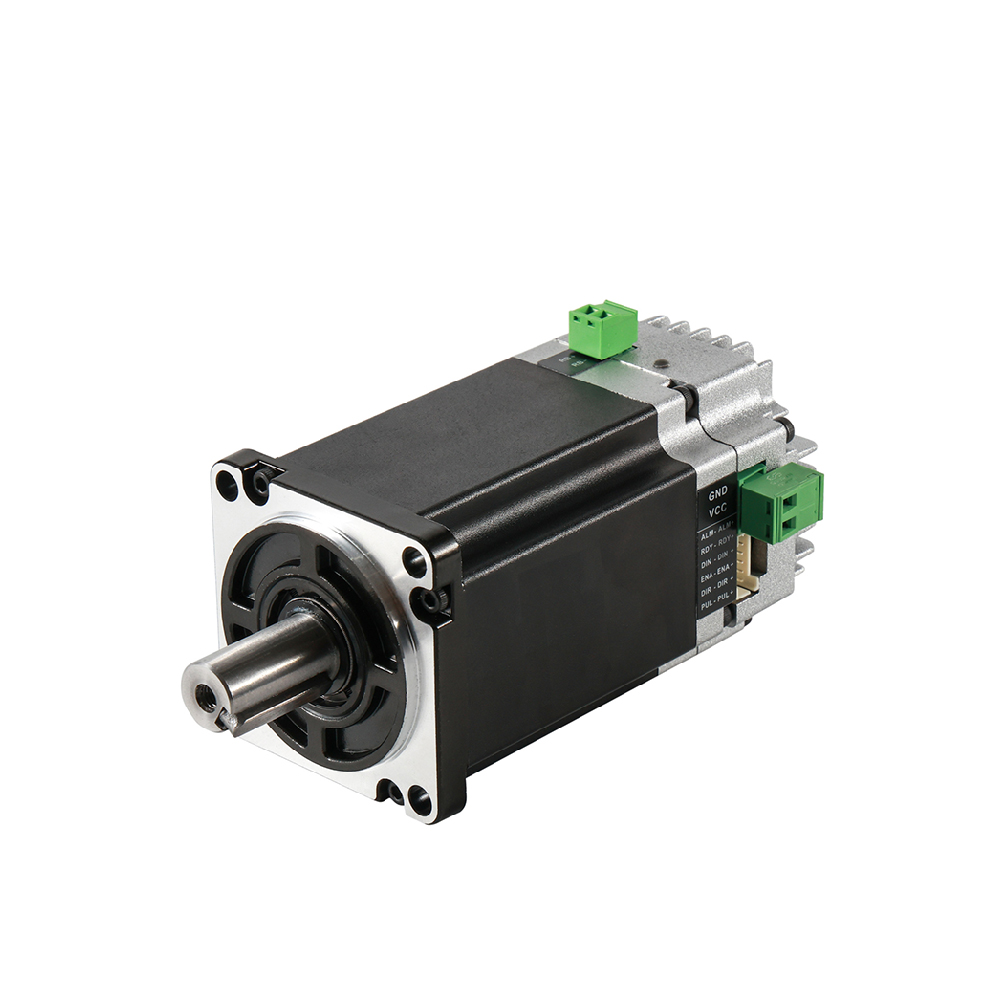
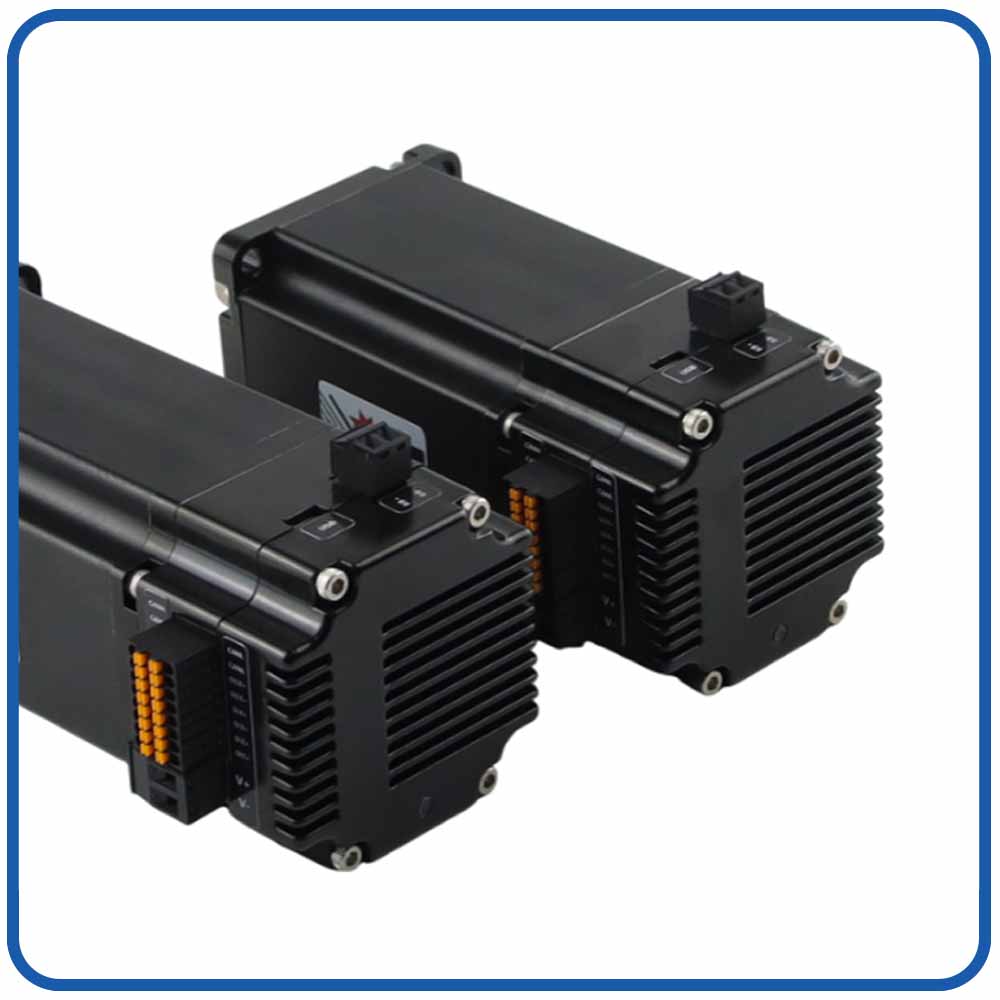
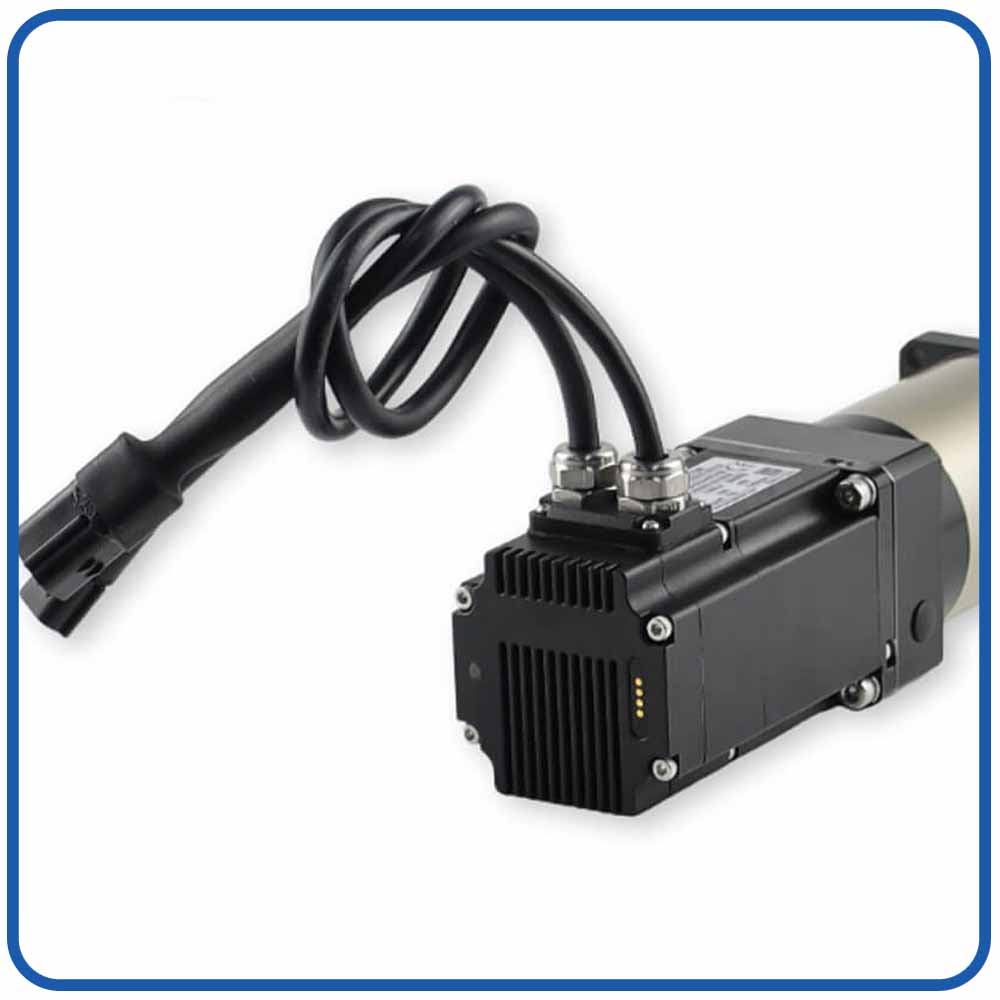
IDC60 Integrated BLDC Servo Motor — High-Efficiency, Compact, and Smart Closed-Loop Motion Control Solution
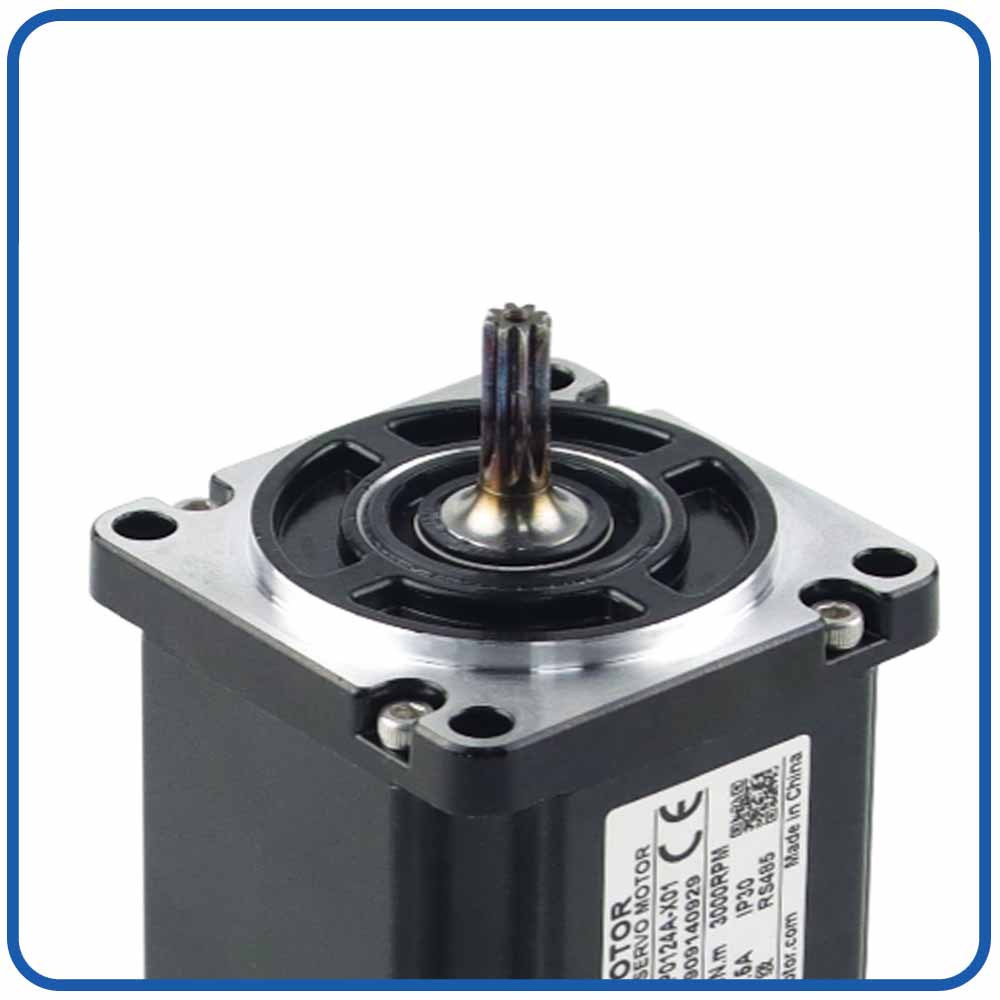
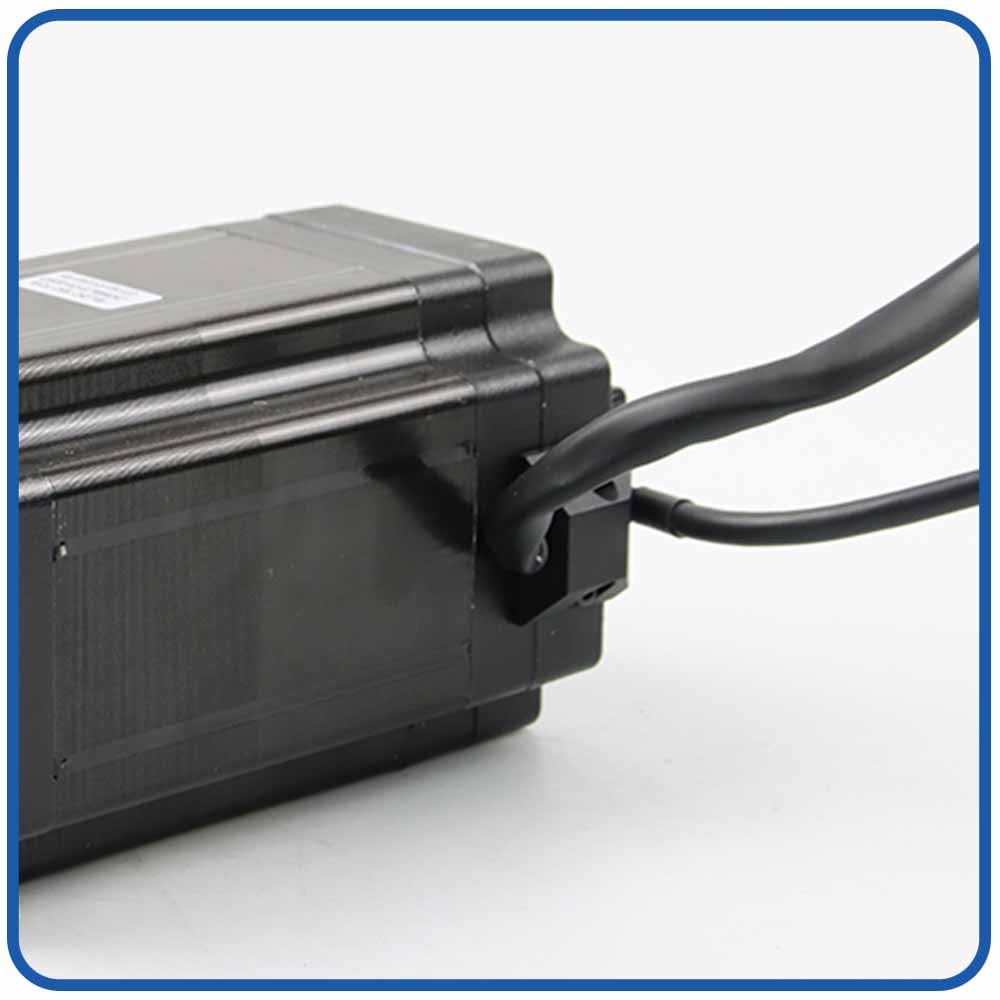
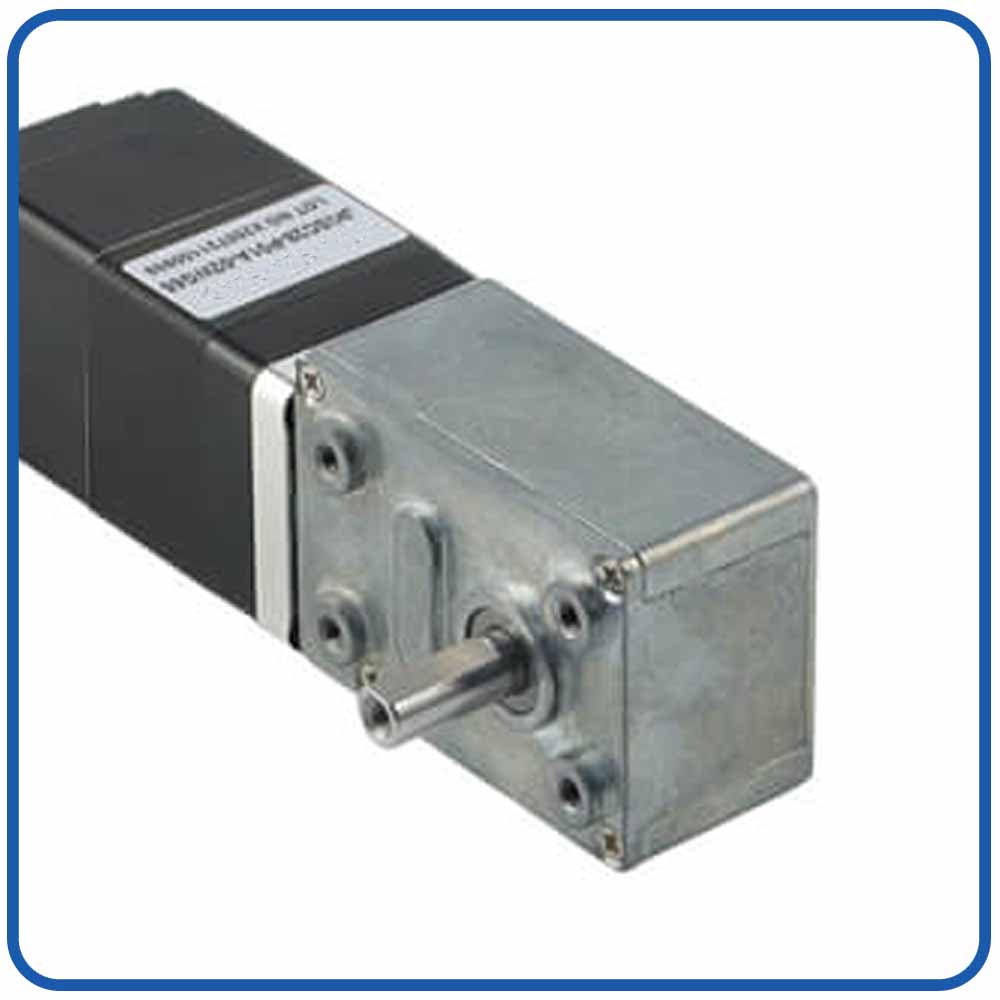
Product Overview:The IDS60 integrated BLDC servo motor from Besfoc is a compact NEMA 24 solution combining motor, drive, and encoder in one unit. It provides precise closed-loop control, stable torque, and fast response. Its integrated design reduces wiring, saves space.
Key Technical Highlights
Integrated All-in-One Design Combines BLDC motor, servo drive, and encoder in a compact unit, reducing wiring complexity and improving installation efficiency.
High-Precision Closed-Loop Control Ensures accurate position, speed, and torque regulation with real-time feedback for stable and smooth motion performance.
Powerful Modular Customization (OEM/ODM) Supports flexible customization options, including voltage, torque, communication protocols, and encoder resolution to meet diverse application requirements.
High Efficiency & Compact Structure Delivers strong torque density with optimized thermal performance, making it ideal for space-limited automation and robotics systems.
Typical Applications
Pipeline Inspection Robots Provides stable low-speed torque and precise motion control for navigating narrow, curved, and complex pipeline environments.
Automated Guided Vehicles (AGVs) Ensures smooth acceleration, accurate positioning, and reliable operation in logistics and smart warehouse systems.
Robotic Automation Systems Ideal for robotic arms, grippers, and compact motion modules requiring high precision and fast response.
Smart Manufacturing Equipment Supports high-accuracy motion control in assembly lines, packaging machines, and precision industrial automation devices.
IDS60 Series Integrated Brushless Dc Motor Parameters
How Integrated Servo Motors Improve Pipe Inspection Robots
1. Compact Design for Space-Limited Robotic Structures
One of the biggest advantages of integrated servo motors is their compact design.
A traditional servo system requires external wiring between the motor and drive controller. In contrast, an integrated servo motor combines:
Brushless DC motor
Servo drive
Encoder
Control module
Communication interface
into a single unit.
This integrated structure reduces:
Mechanical installation complexity
Electrical wiring requirements
Robot size
System weight
For pipe inspection robots, where every millimeter of space matters, this compact architecture allows engineers to design smaller and more flexible robotic platforms.
2. Precise Closed-Loop Control for Reliable Inspection
Unlike open-loop motors, servo motors use feedback systems to monitor actual motor operation.
The encoder continuously provides information about:
Position
Speed
Direction
Motor status
The controller compares the actual movement with the target command and automatically adjusts output performance.
For pipe inspection robots, this means:
More accurate movement
Reduced positioning errors
Better obstacle handling
Improved inspection consistency
When a robot travels through hundreds of meters of pipeline, precise motion control ensures that inspection data remains reliable throughout the entire operation.
3. High Torque Output in a Compact Package
Pipe inspection robots often require strong driving force because they must overcome:
Friction between wheels and pipe walls
Inclined pipeline sections
Heavy inspection equipment
Deposits or debris inside pipes
Integrated servo motors provide high torque density by optimizing motor design and control algorithms.
The combination of efficient brushless DC motor technology and intelligent servo control enables robots to achieve strong traction performance while maintaining a compact structure.
This is particularly important for:
Large-diameter pipeline robots
Crawling inspection robots
Magnetic pipe inspection robots
Wheeled robotic inspection platforms
4. Smooth Speed Regulation for Stable Inspection Results
Inspection robots need consistent movement speed to collect accurate inspection data.
If the robot moves too quickly, cameras and sensors may miss defects. If it moves too slowly, inspection efficiency decreases.
Integrated servo motors provide precise speed control, allowing robots to maintain stable travel speeds even when operating conditions change.
Benefits include:
Smooth acceleration and deceleration
Reduced mechanical vibration
Improved sensor accuracy
Higher inspection quality
This makes integrated servo motors especially suitable for robots equipped with cameras, ultrasonic sensors, laser scanners, and other precision inspection devices.
5. Improved Energy Efficiency for Longer Operating Time
Many pipe inspection robots operate using batteries because pipelines may not provide external power sources.
Energy efficiency directly affects operating time and inspection distance.
Integrated servo motors improve energy utilization through:
High-efficiency brushless motor technology
Intelligent current control
Reduced power consumption during low-load operation
Optimized torque output
A more efficient motor system allows inspection robots to operate longer before battery replacement or recharging is required.
6. Simplified System Integration and Maintenance
Robot manufacturers often face challenges when integrating multiple electrical components into limited spaces.
Traditional servo systems require engineers to manage:
Motor selection
Drive matching
Encoder compatibility
Wiring design
Communication configuration
Integrated servo motors simplify this process by providing a complete motion solution.
Advantages include:
Faster robot development
Reduced wiring complexity
Lower installation costs
Easier maintenance
Higher system reliability
For manufacturers developing customized pipe inspection robots, integrated servo motors shorten development cycles and improve product competitiveness.
7. Strong Communication Capability for Intelligent Robots
Modern inspection robots require communication between multiple systems, including:
Main controller
Sensors
Cameras
Navigation systems
Motor drives
Integrated servo motors typically support industrial communication protocols, enabling seamless integration with robotic control systems.
Common communication methods include:
CAN communication
RS485
Modbus
EtherCAT (depending on model)
This allows engineers to build smarter inspection robots with real-time monitoring and advanced control functions.
Applications of Integrated Servo Motors in Pipe Inspection Robots
Integrated servo motors play a critical role in improving the mobility, precision, and intelligence of modern pipe inspection robots. These robots must operate in complex underground pipelines, industrial piping systems, and confined environments where accurate movement and reliable control are essential. By combining a brushless DC motor, servo drive, encoder, and communication interface into a compact unit, integrated servo motors provide an efficient motion solution for various robotic subsystems.
The following are the main applications of integrated servo motors in pipe inspection robots.
1. Driving Wheels and Crawler Mechanisms
The most common application of integrated servo motors in pipe inspection robots is powering the robot’s driving wheels, crawler tracks, or walking mechanisms.
Pipe inspection robots often need to travel long distances inside pipelines while overcoming challenges such as:
Internal pipe friction
Inclined or vertical pipeline sections
Uneven surfaces
Rust deposits and debris
Changes in pipe diameter
Integrated servo motors provide the required high torque output and precise speed control to ensure stable movement.
With encoder feedback and closed-loop control, the motor can continuously adjust torque according to the actual operating conditions. This allows the robot to maintain consistent traction and prevent issues such as wheel slipping or unstable movement.
Typical applications include:
Wheeled pipeline inspection robots
Crawler-type inspection robots
Underground pipe inspection vehicles
Oil and gas pipeline inspection systems
2. Robot Steering and Direction Control
Pipeline environments are rarely completely straight. Inspection robots often need to navigate through:
Pipe bends
Branch connections
Narrow passages
Complex pipeline networks
Integrated servo motors are widely used in steering mechanisms to achieve accurate directional control.
By controlling steering wheels, differential drive systems, or articulated joints, integrated servo motors allow robots to adjust their direction smoothly and accurately.
The advantages include:
Fast response to control commands
Precise angle adjustment
Improved navigation capability
Reduced mechanical complexity
This is especially important for autonomous pipe inspection robots that rely on sensors and navigation algorithms to move through unknown environments.
3. Camera Rotation and Inspection Device Positioning
Modern pipe inspection robots are equipped with advanced inspection tools, including:
HD cameras
Pan-tilt camera systems
Ultrasonic sensors
Laser scanners
Magnetic inspection sensors
Integrated servo motors enable precise positioning and movement of these inspection devices.
For example, a servo motor can rotate a camera to inspect the entire inner surface of a pipeline or adjust sensor angles to detect specific defects.
Benefits include:
360° inspection coverage
Accurate positioning
Smooth rotation movement
Improved defect detection accuracy
The precise control provided by servo motors ensures that inspection equipment can capture detailed data even in challenging pipeline environments.
4. Robotic Arm and Manipulator Control
Some advanced pipe inspection robots include robotic arms or mechanical manipulators for performing additional tasks, such as:
Removing obstacles
Collecting samples
Positioning sensors
Performing minor maintenance operations
Integrated servo motors provide precise joint control for these robotic mechanisms.
Compared with traditional motors, integrated servo motors offer:
Accurate position control
High repeatability
Compact installation
Lower wiring complexity
This makes them suitable for small robotic arms where installation space is limited but precise movement is required.
5. Pipe Diameter Adjustment Mechanisms
Many pipeline inspection robots are designed to work in pipes with different diameters. To maintain stable contact with the pipe wall, these robots often use adjustable structures.
Integrated servo motors can drive:
Expandable wheels
Telescopic support arms
Adjustable crawler systems
Mechanical positioning mechanisms
The motor can precisely control the expansion and contraction process, ensuring that the robot maintains proper contact pressure.
This improves:
Robot stability
Driving efficiency
Inspection accuracy
Adaptability to different pipeline sizes
6. Sensor Deployment and Retraction Systems
Some inspection robots require movable sensor modules that can extend into specific areas of the pipeline.
Integrated servo motors can control sensor deployment systems, allowing inspection devices to:
Extend toward damaged areas
Adjust measurement positions
Retract during movement
Avoid obstacles
The closed-loop control capability ensures accurate positioning and prevents mechanical damage caused by excessive movement.
7. Autonomous Navigation and Intelligent Motion Control
Modern pipe inspection robots increasingly use autonomous navigation technologies, including:
Artificial intelligence algorithms
LiDAR systems
Inertial measurement units (IMUs)
Position tracking sensors
Integrated servo motors support these intelligent systems by providing accurate and responsive motion control.
Through communication protocols such as CAN, RS485, Modbus, or EtherCAT, servo motors can exchange real-time data with the robot’s main controller.
This enables:
Automatic speed adjustment
Real-time movement correction
Intelligent obstacle avoidance
Precise route control
As pipe inspection robots become more autonomous, integrated servo motors provide the necessary motion foundation for advanced robotic functions.
8. Battery-Powered Mobile Inspection Robots
Many pipe inspection robots operate without external power sources and rely on batteries. Therefore, energy efficiency is a key requirement.
Integrated servo motors help extend operating time through:
High-efficiency brushless motor technology
Optimized current control
Low standby power consumption
Intelligent torque adjustment
Longer battery life allows robots to inspect longer pipeline sections with fewer interruptions, improving inspection efficiency and reducing maintenance costs.
Conclusion
Integrated servo motors are used throughout pipe inspection robots, from driving systems and steering mechanisms to inspection equipment positioning and intelligent navigation control. Their compact structure, high precision, strong torque capability, and efficient operation make them an ideal motion solution for robotic inspection applications.
As pipeline inspection technology continues to move toward automation and intelligence, integrated servo motors will remain a key component in developing smaller, smarter, and more reliable inspection robots.
Why Choose Integrated Servo Motors Instead of Traditional Motors for Pipe Inspection Robots?
Compared with conventional DC motors or stepper motors, integrated servo motors provide significant advantages.
Feature
Traditional Motor
Integrated Servo Motor
Position Control
Limited
High precision closed-loop control
System Size
Larger with external drives
Compact integrated structure
Feedback
Usually unavailable
Encoder-based feedback
Installation
Complex wiring
Simplified integration
Efficiency
Lower optimization
Intelligent energy control
Reliability
More components
Fewer connection points
For demanding robotic inspection applications, integrated servo motors provide a more complete and reliable motion solution.
Conclusion: Integrated Servo Motors Enable More Reliable Pipe Inspection Robots
Pipe inspection robots require advanced motion systems that can deliver precise control, strong torque output, compact installation, and reliable operation in harsh environments. Integrated servo motors provide the ideal combination of motor performance, intelligent control, and simplified integration.
By integrating the motor, driver, encoder, and communication functions into one compact solution, integrated servo motors help pipe inspection robots achieve higher efficiency, better accuracy, and longer operating reliability.
As pipeline inspection technology continues to advance toward smarter automation, integrated servo motors will play an increasingly important role in improving the performance and intelligence of robotic inspection systems.
FAQs
1. Why do pipe inspection robots need integrated servo motors?
Answer: Pipe inspection robots require integrated servo motors because they need precise motion control, compact size, and reliable operation in complex pipeline environments. Integrated servo motors combine the motor, driver, encoder, and control electronics into one compact unit, reducing installation space and wiring complexity. They provide accurate position control, stable speed regulation, and high torque output, enabling inspection robots to move smoothly through pipelines while improving inspection accuracy and operational reliability.
2. What advantages do integrated servo motors provide for pipe inspection robots?
Answer: Integrated servo motors provide several advantages for pipe inspection robots, including high precision, compact design, improved efficiency, and simplified system integration. Their closed-loop control system allows real-time feedback and automatic adjustment of speed and position. This helps robots maintain stable movement, overcome pipeline resistance, reduce energy consumption, and achieve more accurate inspection results in challenging environments.
3. How do integrated servo motors improve the performance of pipe inspection robots?
Answer: Integrated servo motors improve pipe inspection robot performance by providing accurate motion control and strong driving capability. The built-in encoder enables precise feedback of speed and position, allowing the robot to maintain consistent movement even when facing friction, obstacles, or uneven pipeline surfaces. Their high torque density also helps robots travel through long pipelines and complex sections while maintaining reliable operation.
4. What challenges can integrated servo motors solve in pipe inspection robot applications?
Answer: Integrated servo motors help solve several challenges faced by pipe inspection robots, including limited installation space, unstable movement, complex wiring, and insufficient motion accuracy. Traditional motor systems often require separate drives and controllers, increasing system size and complexity. By integrating multiple components into one unit, integrated servo motors simplify robot design while improving reliability, response speed, and overall system performance.
5. Why are integrated servo motors better than traditional motors for pipe inspection robots?
Answer: Integrated servo motors are better suited for pipe inspection robots because they offer closed-loop control, higher efficiency, better precision, and easier integration compared with traditional motors. Conventional motors may lack accurate feedback and require additional control components, while integrated servo motors provide a complete motion solution in a compact package. This makes them ideal for robotic systems that require precise positioning, continuous operation, and reliable performance in confined pipeline environments.

 English
 العربية
 Français
 Русский
 Español
 Português
 Deutsch
 italiano
 日本語
日本語 한국어
한국어 Nederlands
 Tiếng Việt
 ไทย
ไทย Polski
 Türkçe
 ພາສາລາວ
 ភាសាខ្មែរ
 Bahasa Melayu
 ဗမာစာ
ဗမာစာ Filipino
 Bahasa Indonesia
 magyar
 Română
 Čeština
 Монгол
 қазақ
қазақ Српски
 हिन्दी
 فارسی
فارسی Slovenčina
 Slovenščina
 Norsk
Norsk Svenska
 українська
 Ελληνικά
 Suomi
Suomi Հայերեն
 עברית
עברית Latine
 Dansk
Dansk Shqip
Shqip বাংলা
বাংলা Hrvatski
 Afrikaans
 Gaeilge
 Eesti keel
 Oʻzbekcha
 latviešu
 Azərbaycan dili
 Български
 Català