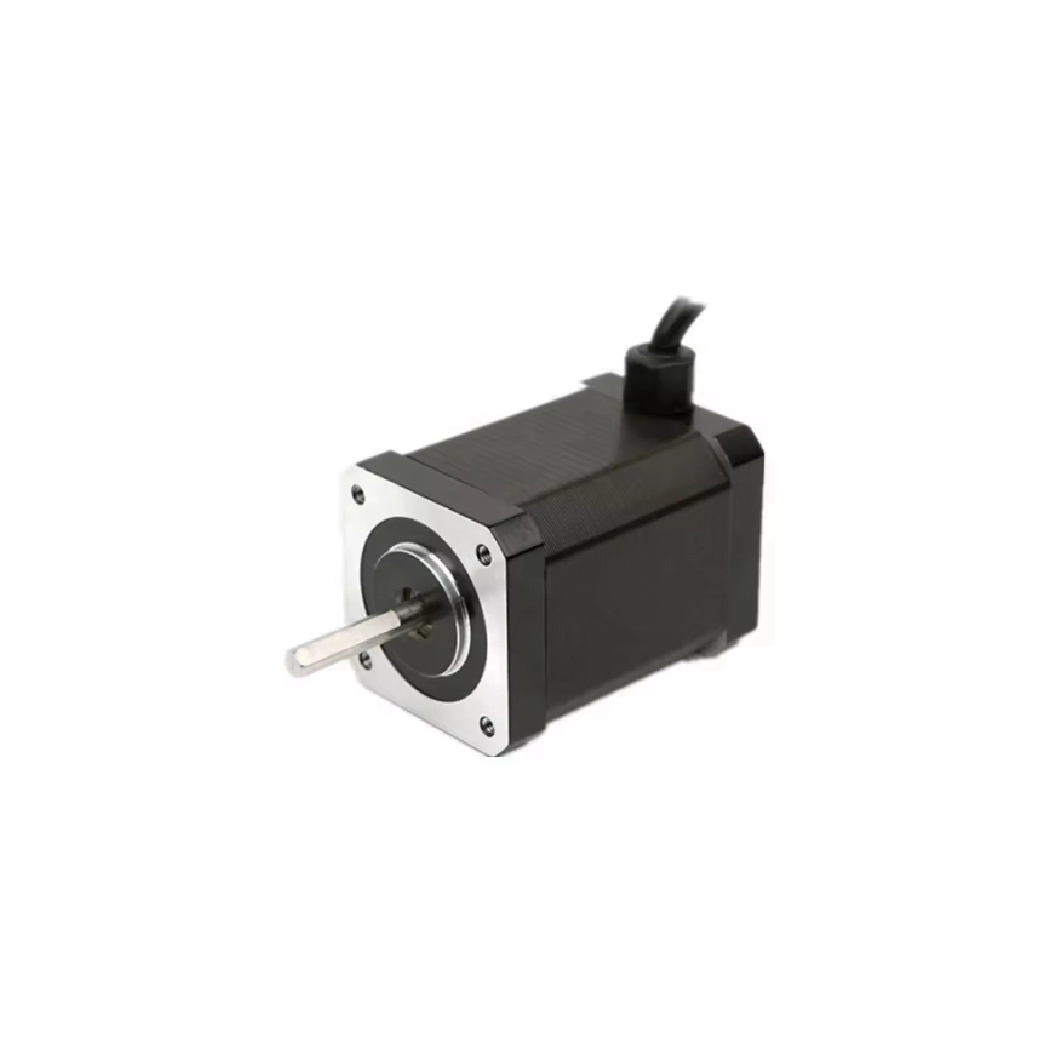
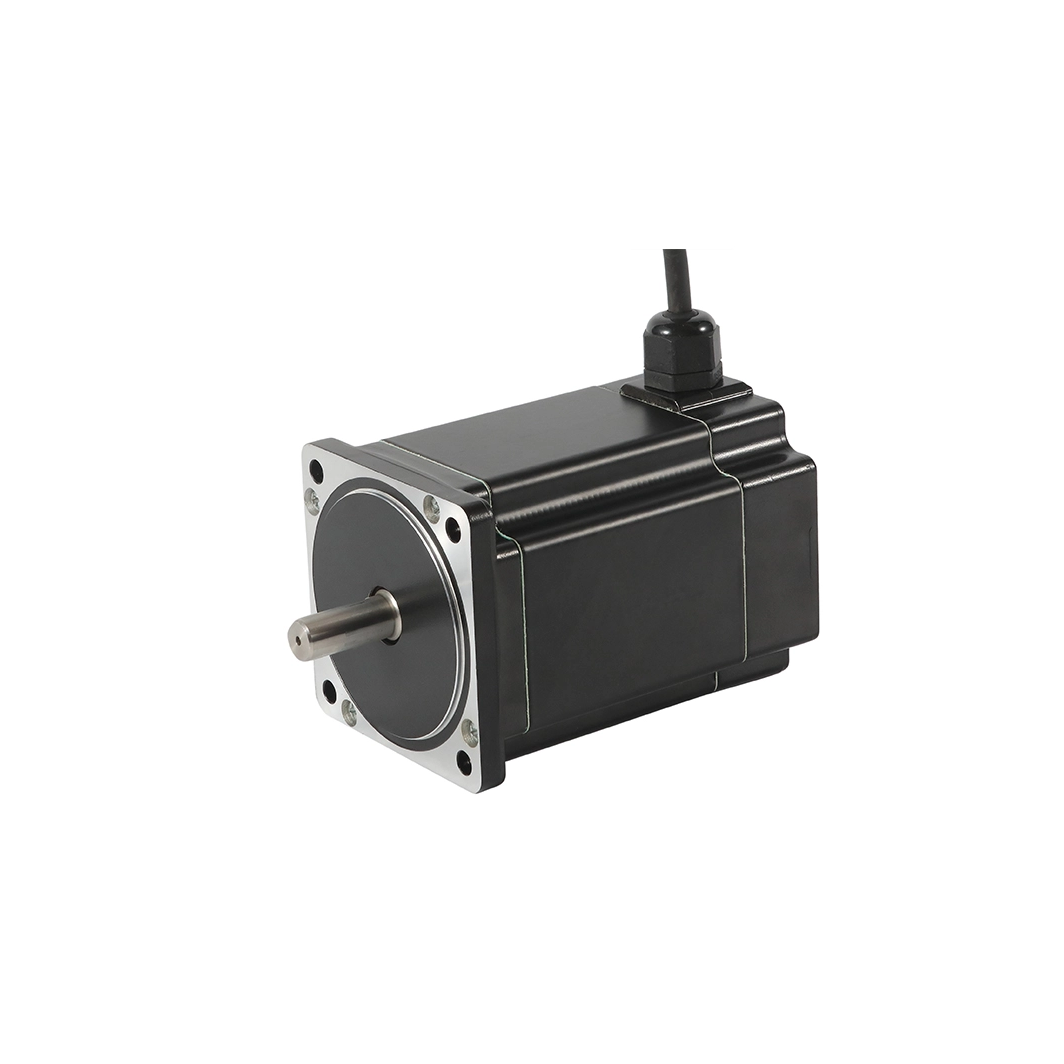
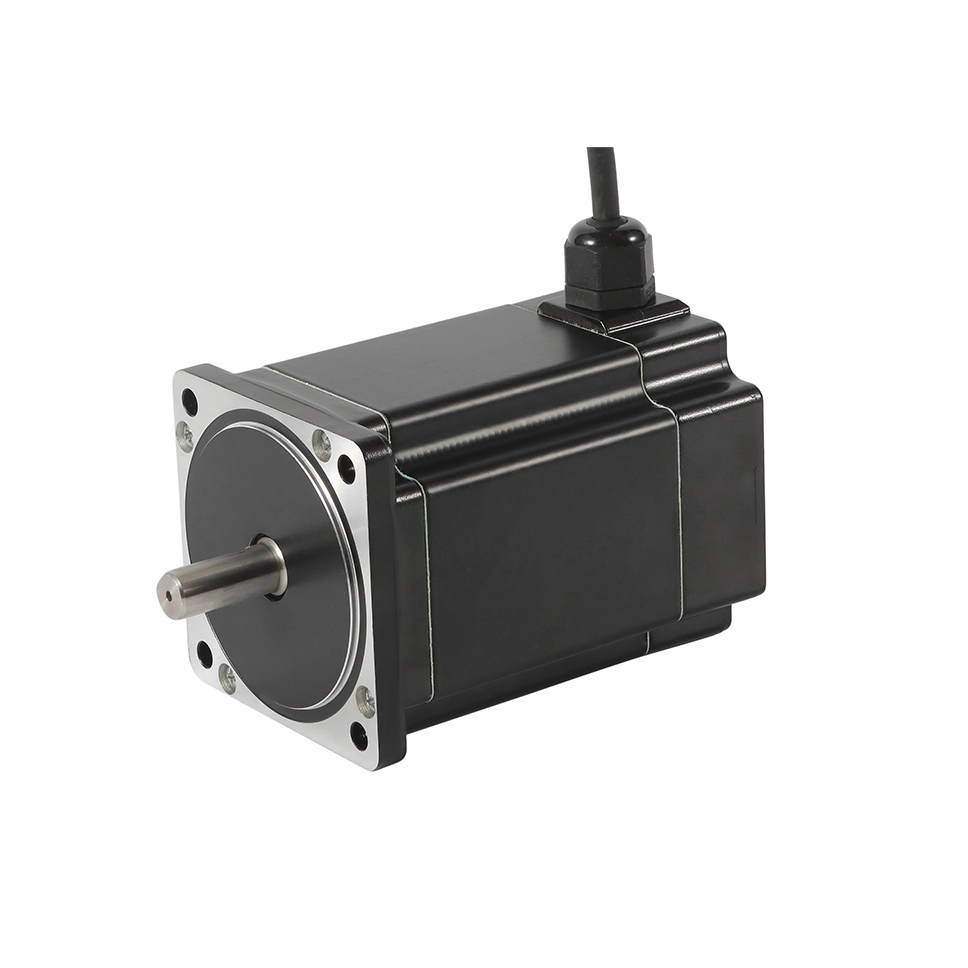
Selecting the right IP rating for a waterproof stepper motor is an important step when designing motion control systems that operate in environments with moisture, dust, cleaning processes, or outdoor exposure. A stepper motor with insufficient protection may experience issues such as corrosion, insulation failure, reduced performance, or shortened service life.
For applications such as medical equipment, food processing machines, automation systems, outdoor devices, and industrial equipment, engineers need to consider not only the motor’s torque and accuracy but also its ability to withstand environmental conditions.
A waterproof stepper motor is designed to provide reliable positioning performance while offering enhanced protection against external elements. The correct IP protection level depends on the actual application environment, including water exposure, dust conditions, cleaning requirements, and installation location.
Understanding IP Ratings for Waterproof Stepper Motors
The IP rating (Ingress Protection rating) is defined by the IEC 60529 standard and indicates how well an electrical device is protected against solid particles and water.
The rating consists of two numbers:
IPXY
First digit (X): Protection against solid objects
Second digit (Y): Protection against water
For example:
IP65 Waterproof Stepper Motor
6: Completely dust-tight
5: Protected against water jets from any direction
IP67 Waterproof Stepper Motor
6: Completely dust-tight
7: Protected against temporary immersion in water
A higher IP rating generally means stronger environmental protection, but the correct choice should match the actual working conditions rather than simply selecting the highest level.
Common IP Ratings for Waterproof Stepper Motor Applications
IP54 Stepper Motor: Suitable for Light Protection Requirements
An IP54-rated stepper motor provides basic protection against dust and water splashes.
It can be used in:
Indoor automation equipment
Office devices
General mechanical systems
However, it is not ideal for applications involving frequent water exposure or cleaning.
IP65 Stepper Motor: A Practical Choice for Industrial Applications
An IP65 stepper motor is one of the most commonly used waterproof stepper motor solutions in industrial environments.
It provides:
Full dust protection
Protection against low-pressure water jets
Improved resistance to humidity and contamination
This makes IP65 stepper motors suitable for applications such as:
Industrial automation equipment
Packaging machinery
Medical devices
Laboratory equipment
CNC-related systems
Precision motion control applications
For many applications where the motor may encounter occasional splashing water, oil mist, or cleaning processes, an IP65-rated motor provides a practical balance between protection and performance.
IP67 Stepper Motor: For More Demanding Water Environments
When equipment may be exposed to temporary immersion or heavy moisture, an IP67 waterproof stepper motor offers additional protection.
Typical applications include:
Outdoor automation systems
Mobile equipment
Inspection robots
Equipment exposed to rain or condensation
Compared with IP65, IP67 provides stronger resistance against temporary water immersion, making it suitable for environments where water exposure is difficult to avoid.
How to Choose the Right IP Rating for a Waterproof Stepper Motor
Choosing the correct IP rating for a waterproof stepper motoris an important part of designing a reliable motion control system. The IP rating determines how well the motor is protected against dust, water, moisture, and external contaminants, which directly affects the motor’s operating stability and service life.
A waterproof stepper motor with an unsuitable IP rating may not provide enough protection in harsh environments, while selecting a higher protection level than necessary may increase cost without providing additional benefits. The right choice depends on the actual application conditions, including water exposure, cleaning requirements, installation environment, and operating conditions.
1. Evaluate the Level of Water Exposure
The first step in selecting an IP rating is understanding how the stepper motor will be exposed to water.
Different environments require different levels of protection:
Light moisture or occasional splashing: IP54 or IP55 may be sufficient
Water spray, cleaning processes, or humid environments: IP65 is commonly used
Heavy water exposure or temporary immersion risk: IP67 is recommended
Continuous immersion applications: IP68 may be required
For most industrial automation applications, an IP65 waterproof stepper motor provides a practical balance between protection and performance. It can prevent dust ingress and withstand water jets, making it suitable for many factory and equipment applications.
2. Consider Dust and Contamination Conditions
Water is not the only environmental factor that can affect motor reliability. Dust, particles, and contaminants may also enter the motor structure and damage internal components.
Applications that require stronger dust protection include:
Manufacturing equipment
Packaging machinery
CNC systems
Outdoor automation equipment
Industrial production lines
A motor with a first IP digit of 6 provides complete protection against dust ingress, which is why many industrial waterproof stepper motors use ratings such as IP65 or IP67.
3. Understand Cleaning and Maintenance Requirements
Some industries require frequent cleaning procedures, which can influence the required IP rating.
For example:
Food Processing Equipment
Motors may experience:
Water washing
High humidity
Frequent cleaning cycles
An IP65 or higher waterproof stepper motor can provide better protection against these conditions.
Medical and Laboratory Equipment
Motors may need to withstand:
Liquid exposure
Cleaning fluids
Strict maintenance procedures
In these applications, environmental protection is important for maintaining reliable positioning performance.
4. Check the Installation Environment
The installation location of the motor also affects the required IP rating.
Consider:
Is the motor installed indoors or outdoors?
Is it exposed to rain or condensation?
Is it close to liquid processing areas?
Is the motor mounted vertically or horizontally?
Even a high IP-rated motor requires correct installation to maintain protection performance. Cable connections, connectors, and mounting methods should also match the environmental requirements.
5. Compare IP65 and IP67 Waterproof Stepper Motors
Two of the most common waterproof stepper motor ratings are IP65 and IP67.
Feature
IP65 Waterproof Stepper Motor
IP67 Waterproof Stepper Motor
Dust protection
Fully dust-tight
Fully dust-tight
Water spray resistance
Yes
Yes
Temporary immersion
No
Yes
Typical environment
Industrial automation
Outdoor or wet environments
Cost level
Generally lower
Generally higher
An IP65 stepper motor is suitable for applications where the motor may encounter water spray, humidity, or occasional cleaning.
An IP67 stepper motor is more suitable when equipment may experience rain, accidental water exposure, or temporary immersion.
6. Consider the Motor’s Operating Requirements
The IP rating should be selected together with the motor’s performance requirements.
A waterproof stepper motor still needs to meet:
Required torque
Speed requirements
Load capacity
Duty cycle
Positioning accuracy
For example, a medical device may require both precise positioning and liquid resistance, while an outdoor automation system may prioritize environmental durability.
The best motor selection combines mechanical performance with the required protection level.
7. Choose a Waterproof Stepper Motor Designed for the Application
A reliable waterproof stepper motor usually includes design features such as:
Sealed motor housing
Protected cable connections
Improved insulation structure
Enhanced resistance to moisture and contamination
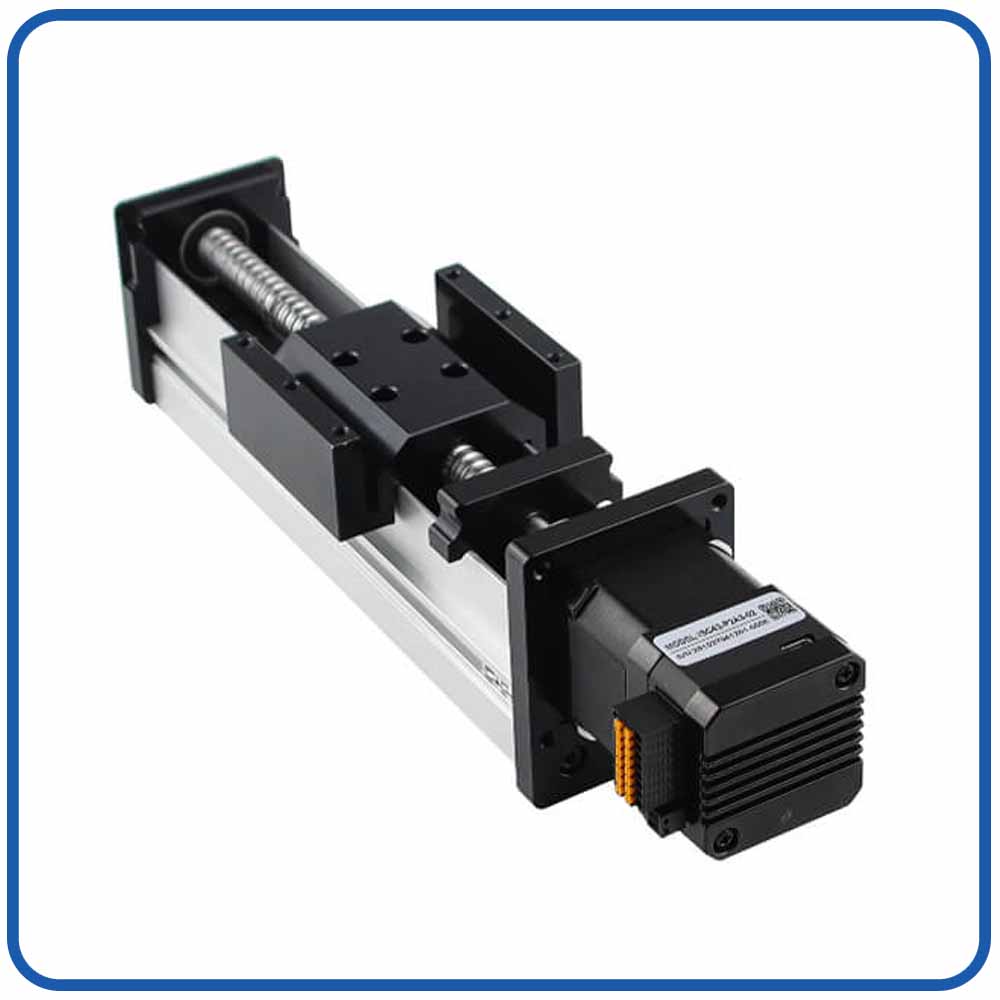
BESFOC waterproof stepper motors are designed for applications where stepper motor precision and environmental protection are both required. They can be used in systems such as automation equipment, medical devices, industrial machinery, and other applications where dust and water resistance are important considerations.
Summary
Choosing the right IP rating for a waterproof stepper motor requires evaluating the actual working environment rather than selecting a rating based only on the highest protection level.
Choose IP65 for most industrial applications requiring dust protection and water resistance.
Choose IP67 for environments with higher moisture exposure or possible temporary immersion.
Consider IP68 for specialized applications involving continuous water exposure.
By matching the IP rating with application conditions, engineers can achieve more reliable motion control, reduce maintenance requirements, and improve the overall service life of equipment.
BESFOC Waterproof Stepper Motor Solution
For applications requiring improved environmental protection, BESFOC provides waterproof stepper motor solutions designed for applications where dust and moisture resistance are required.
BESFOC waterproof stepper motors are developed based on the needs of industrial motion systems that require:
Reliable stepper motor positioning
Protection against dust and water exposure
Stable operation in demanding environments
The waterproof stepper motor series can be used in applications where standard open-frame stepper motors may not provide enough environmental protection.
Depending on application requirements, BESFOC waterproof stepper motors can be selected for systems that need improved sealing performance, including automation equipment, medical devices, outdoor equipment, and other precision motion applications.
Key Design Features of a Waterproof Stepper Motor
A reliable waterproof stepper motor requires more than a sealed outer cover. The motor structure, cable design, and internal protection all influence waterproof performance.
Sealed Motor Housing
A sealed housing helps reduce the risk of:
Dust entering internal components
Moisture affecting electrical parts
Environmental contamination
This is especially important in industrial environments where motors operate for long periods.
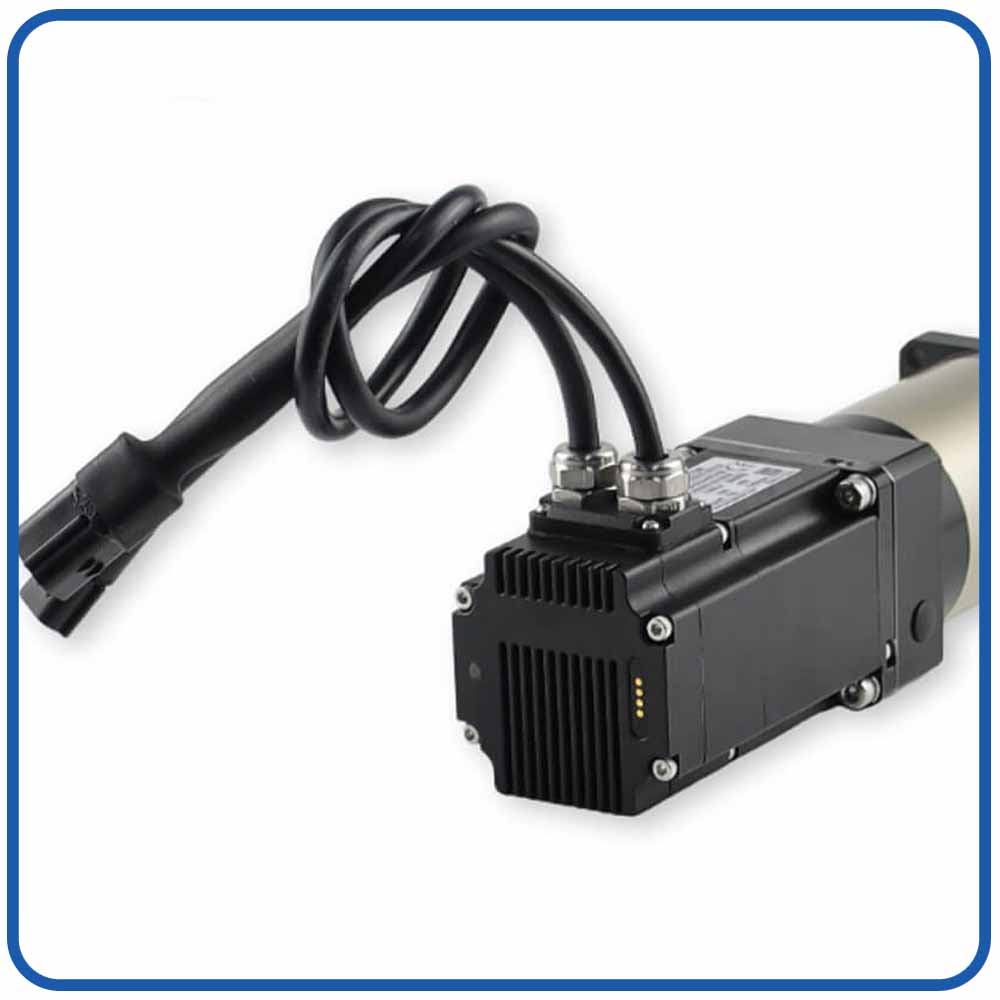
Waterproof Cable and Connection Design
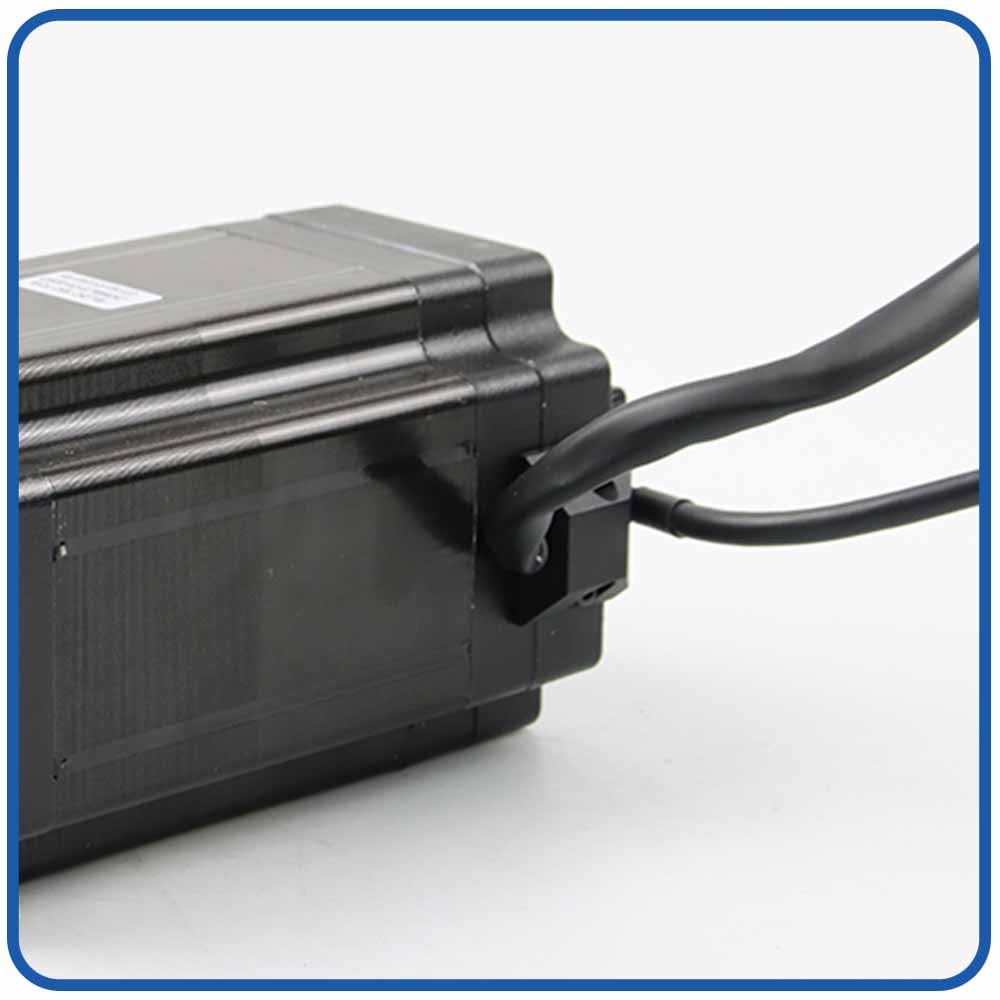
Cable connections are often one of the most sensitive areas for water protection.
A waterproof stepper motor design should consider:
Cable sealing
Connector protection
Stable electrical insulation
Proper cable protection helps maintain reliable operation in humid environments.
Protected Internal Components
Waterproof stepper motors typically require additional attention to:
Bearings
Insulation materials
Internal sealing structures
These design considerations help maintain consistent motor performance.
Waterproof Stepper Motor Applications
Medical Equipment
Precision motion is essential in medical systems.
Waterproof stepper motors can be applied in:
Fluid handling equipment
Laboratory automation
Medical positioning systems
The motor needs to provide accurate movement while handling environments where cleaning and moisture resistance are required.
Industrial Automation
Automation systems often require motors that can operate reliably near:
Production equipment
Processing machinery
Humid environments
Waterproof stepper motors provide an option when standard motors may face environmental limitations.
Food Processing Machinery
Food equipment commonly requires components that can tolerate:
Regular cleaning
Moisture
High-frequency operation
A suitable waterproof stepper motor helps support reliable machine movement.
Outdoor Equipment
Outdoor applications may experience:
Rain
Dust
Temperature changes
A higher protection level can improve long-term motor reliability.
IP65 vs IP67 Waterproof Stepper Motor: Which One Should You Choose?
Feature
IP65 Stepper Motor
IP67 Stepper Motor
Dust protection
Fully dust-tight
Fully dust-tight
Water spray protection
Yes
Yes
Temporary immersion
No
Yes
Suitable environment
Industrial equipment
Outdoor or wet environments
Typical application
Automation systems
More demanding environments
For most industrial automation applications, an IP65 waterproof stepper motor is usually sufficient.
When temporary water immersion or heavy moisture exposure is possible, an IP67 stepper motor may be a better choice.
How Waterproof Stepper Motors Improve System Reliability
In industrial motion control systems, reliability depends on more than performance parameters such as torque, speed, and positioning accuracy. The operating environment also matters. Exposure to water, dust, humidity, oil mist, and contaminants can damage a standard stepper motor’s internal components, leading to degraded performance or unexpected downtime.
A waterproof stepper motor improves reliability by providing stronger environmental protection while preserving the precise positioning required in automation. With effective sealing, protected electrical components, and better resistance to external conditions, waterproof stepper motors help ensure stable operation in demanding environments.
1. Protection Against Moisture and Water Damage
Moisture is one of the most common causes of motor issues. Water entering the motor housing may affect:
Electrical insulation
Internal wiring
Bearings
Magnetic components
Circuit connections
A waterproof stepper motor with an appropriate IP protection rating, such as IP65 or IP67, helps prevent water ingress and reduces the risk of electrical failures.
For equipment operating in humid environments, exposed to cleaning processes, or installed outdoors, improved water resistance helps maintain consistent motor performance over a longer service life.
2. Reduced Risk of Dust and Contamination
Industrial environments often contain dust, particles, and other contaminants that can enter mechanical components.
A sealed waterproof stepper motor helps protect internal parts from:
Dust accumulation
Industrial debris
Fine particles
External pollutants
This is especially valuable in applications such as:
Factory automation equipment
Packaging machinery
CNC systems
Outdoor automation devices
Reducing contamination helps minimize maintenance needs and supports more stable operation.
3. Improved Performance in Harsh Working Environments
Many modern automation systems operate in environments where motors must withstand changing conditions.
Industrial systems operating near production processes
A waterproof stepper motor allows engineers to improve environmental adaptability without sacrificing precise motion control.
4. Longer Service Life and Lower Maintenance Requirements
Environmental damage can shorten motor lifespan by causing:
Corrosion
Bearing wear
Electrical insulation problems
Mechanical failures
By preventing moisture and contaminants from reaching sensitive components, waterproof stepper motors can reduce the frequency of maintenance and replacement.
For systems that require continuous operation, improved protection can help reduce downtime and increase overall equipment availability.
5. More Stable Motion Control Performance
Stepper motors are widely used in applications requiring accurate positioning. However, environmental factors can affect performance consistency over time.
A properly protected waterproof stepper motor helps maintain:
Stable torque output
Reliable positioning accuracy
Consistent operating performance
This is important for precision applications such as:
Medical automation
Laboratory equipment
Robotics
Industrial motion systems
6. Better Adaptability for Different Applications
The reliability advantages of waterproof stepper motors make them suitable for a wide range of applications.
Common examples include:
Medical devices: where cleanliness and resistance to liquids are important
Food processing equipment: where regular washing and humidity exposure occur
Automation systems: where dust and contaminants are present
Outdoor equipment: where weather conditions are unpredictable
By selecting the appropriate IP rating and motor specification, engineers can match the motor to the actual operating environment.
Final
A waterproof stepper motor improves system reliability by protecting critical internal components from water, dust, and environmental contamination. With improved sealing and suitable IP protection levels, it helps maintain stable operation, reduce maintenance needs, and extend equipment service life.
For applications where standard stepper motors may face environmental limitations, waterproof stepper motors provide a practical solution that combines precise motion control with enhanced durability.
Conclusion: Choosing the Right Waterproof Stepper Motor for Your Application
The right IP rating depends on the environment where the stepper motor will operate.
IP65 waterproof stepper motors are suitable for most industrial applications requiring dust protection and water resistance.
IP67 waterproof stepper motors are designed for applications with higher moisture exposure or temporary immersion risks.
Higher protection levels may be required for specialized environments.
A suitable waterproof stepper motor helps maintain accurate motion control while improving reliability in challenging working conditions. BESFOC waterproof stepper motor solutions provide an option for applications that require both precision movement and enhanced environmental protection, helping engineers select a motor that matches their specific operating requirements.
FAQs
1. What IP rating should I choose for a waterproof stepper motor application?
BESFOC Answer: The suitable IP rating depends on the actual working environment of the application. For most industrial applications, an IP65 waterproof stepper motor is commonly selected because it provides complete dust protection and resistance against water jets. If the motor may be exposed to temporary water immersion, an IP67 waterproof stepper motor may be more suitable. For special applications requiring continuous underwater operation, a higher protection level such as IP68 may be considered.
2. What is the difference between IP65 and IP67 waterproof stepper motors?
BESFOC Answer: Both IP65 and IP67 stepper motors provide complete protection against dust. The main difference is water protection. An IP65 stepper motor can withstand water jets from different directions, while an IP67 stepper motor can also handle temporary immersion in water. The choice depends on whether the application involves regular water exposure, cleaning processes, or possible immersion conditions.
3. Is an IP65 stepper motor waterproof?
BESFOC Answer: Yes. An IP65 stepper motor provides protection against dust and low-pressure water jets, making it suitable for many industrial environments. It is commonly used in automation equipment, medical devices, packaging machinery, and other applications where the motor may encounter moisture, splashing water, or cleaning procedures.
4. When should I choose an IP67 waterproof stepper motor?
BESFOC Answer: An IP67 waterproof stepper motor is recommended for applications where stronger environmental protection is required. It is suitable for outdoor equipment, mobile systems, inspection devices, and applications where the motor may experience heavy moisture or temporary immersion. IP67 provides additional protection compared with IP65 when water exposure cannot be fully controlled.
5. Why is IP protection important for stepper motors?
BESFOC Answer: IP protection helps prevent water, dust, and contaminants from entering the motor structure. A suitable IP-rated waterproof stepper motor can reduce risks such as corrosion, insulation failure, and component damage. This helps maintain stable positioning performance and improves the reliability of motion control systems.
6. Can waterproof stepper motors be used in industrial automation applications?
BESFOC Answer: Yes. Waterproof stepper motors are widely used in industrial automation systems where motors may be exposed to humidity, dust, cleaning processes, or industrial contaminants. Applications include packaging equipment, precision automation systems, medical equipment, laboratory devices, and other motion control systems requiring reliable operation.
7. What factors should be considered when selecting an IP rating for a stepper motor?
BESFOC Answer: When selecting an IP rating, consider factors including water exposure level, dust conditions, cleaning requirements, installation environment, and operating conditions. The motor’s torque, speed, load, and duty cycle should also be evaluated to ensure the selected waterproof stepper motor meets the complete application requirements.
8. Does a higher IP rating always mean a better waterproof stepper motor?
BESFOC Answer: A higher IP rating provides stronger environmental protection, but it does not always mean it is the best choice for every application. The ideal waterproof stepper motor should match the actual operating environment. Selecting an unnecessarily high IP rating may increase cost without improving system performance.
9. What applications commonly use waterproof stepper motors?
BESFOC Answer: Waterproof stepper motors are commonly used in applications requiring both precision motion control and environmental protection, including medical equipment, laboratory automation, food processing machinery, outdoor automation systems, robotics, and industrial equipment exposed to moisture or dust.
10. How does a waterproof stepper motor improve system reliability?
BESFOC Answer: A waterproof stepper motor improves reliability by protecting internal components from moisture, dust, and contamination. With proper sealing structures and suitable IP protection, it helps maintain stable motor performance, reduce maintenance requirements, and extend equipment service life in demanding environments.

 English
 العربية
 Français
 Русский
 Español
 Português
 Deutsch
 italiano
 日本語
日本語 한국어
한국어 Nederlands
 Tiếng Việt
 ไทย
ไทย Polski
 Türkçe
 ພາສາລາວ
 ភាសាខ្មែរ
 Bahasa Melayu
 ဗမာစာ
ဗမာစာ Filipino
 Bahasa Indonesia
 magyar
 Română
 Čeština
 Монгол
 қазақ
қазақ Српски
 हिन्दी
 فارسی
فارسی Slovenčina
 Slovenščina
 Norsk
Norsk Svenska
 українська
 Ελληνικά
 Suomi
Suomi Հայերեն
 עברית
עברית Latine
 Dansk
Dansk Shqip
Shqip বাংলা
বাংলা Hrvatski
 Afrikaans
 Gaeilge
 Eesti keel
 Oʻzbekcha
 latviešu
 Azərbaycan dili
 Български
 Català