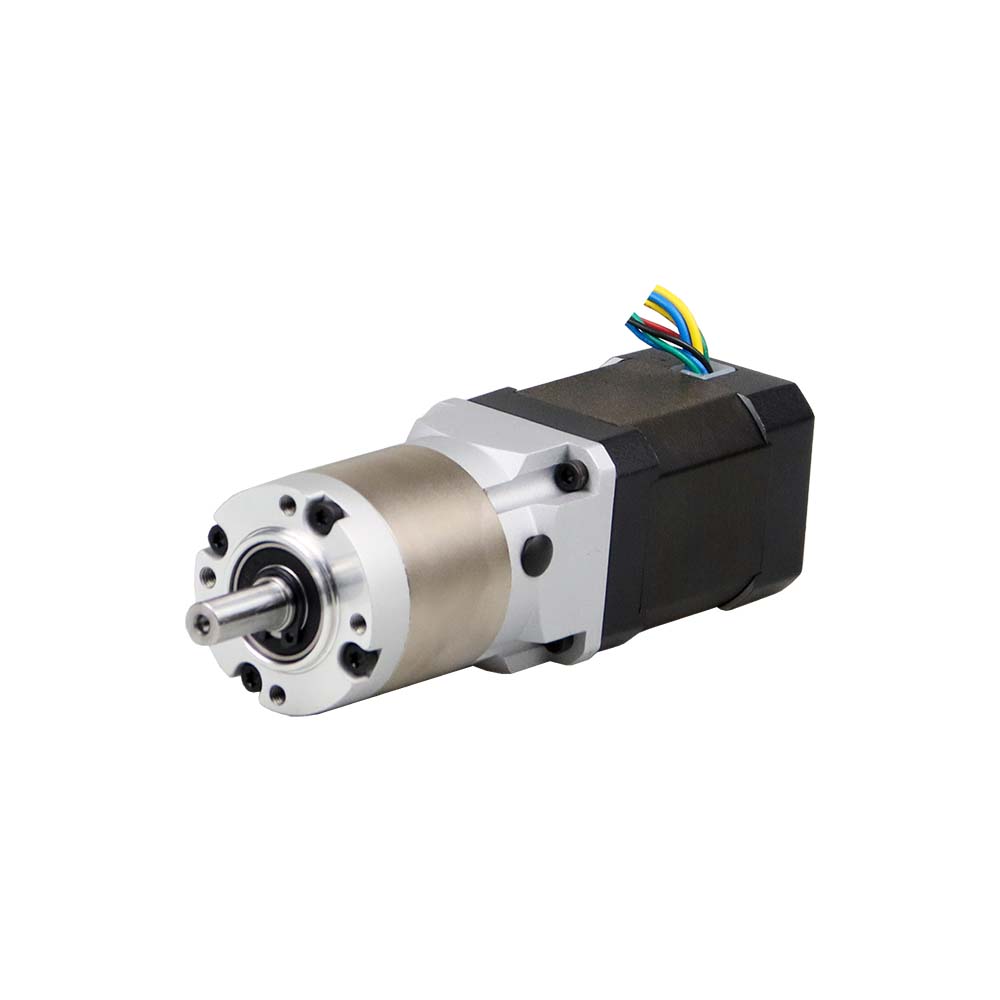
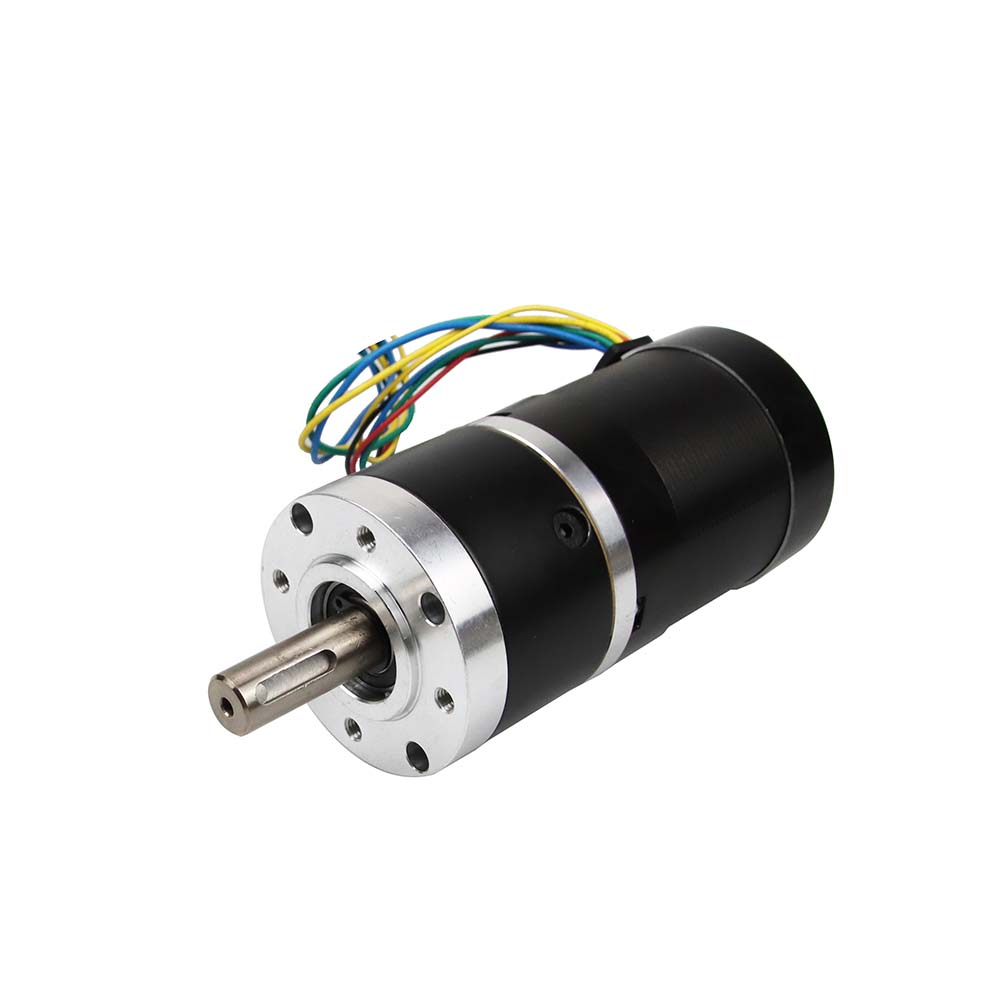
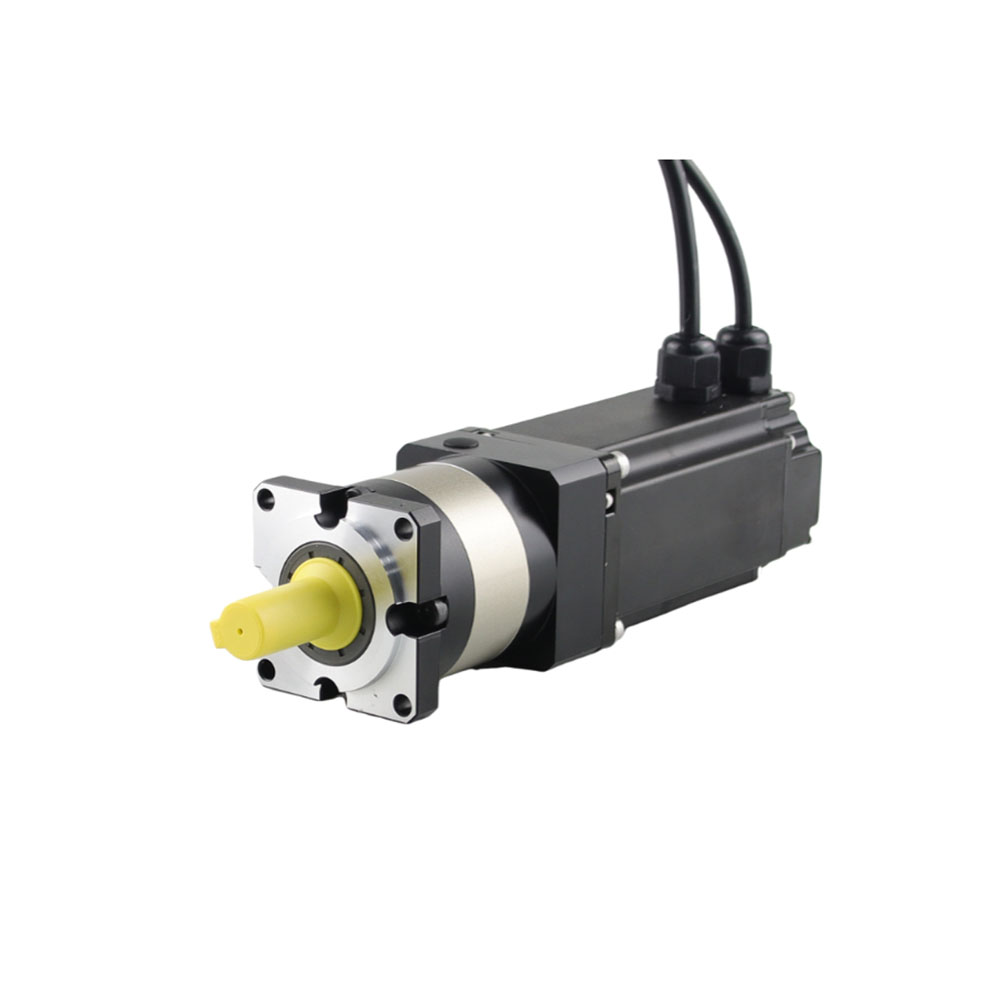
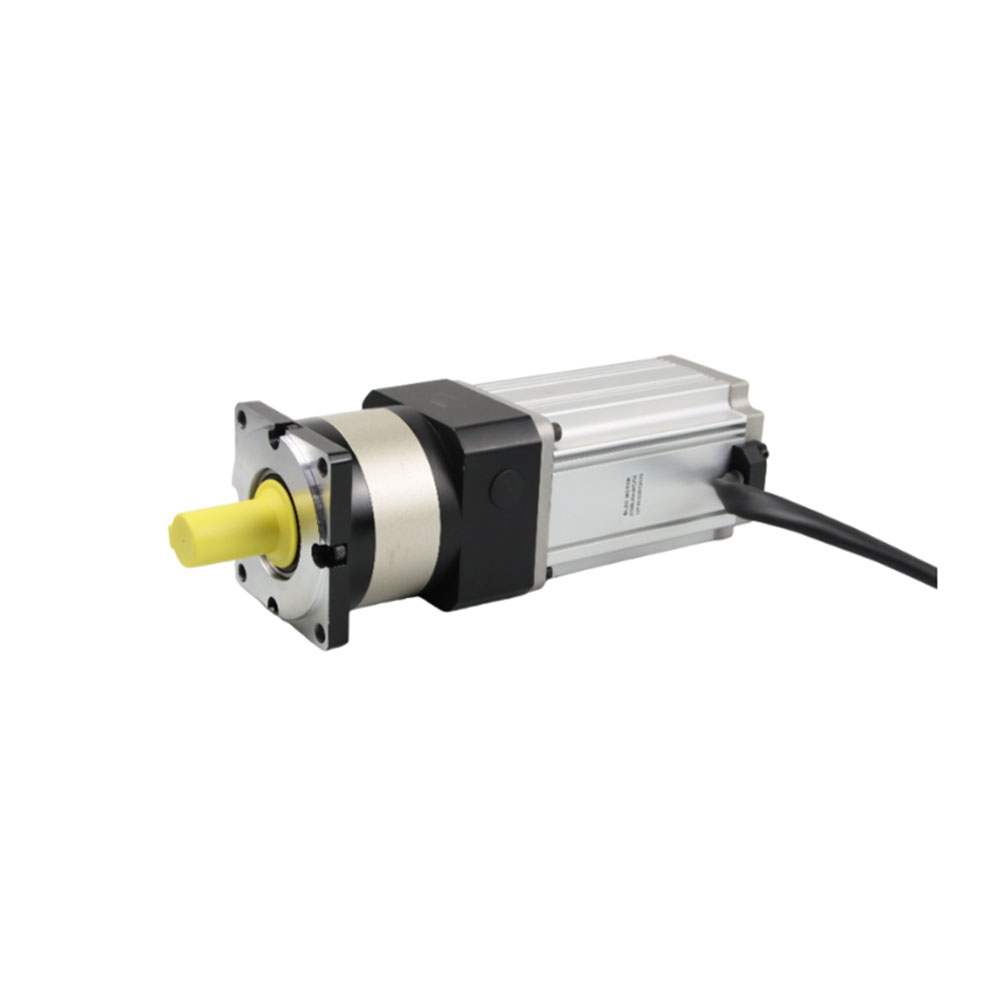
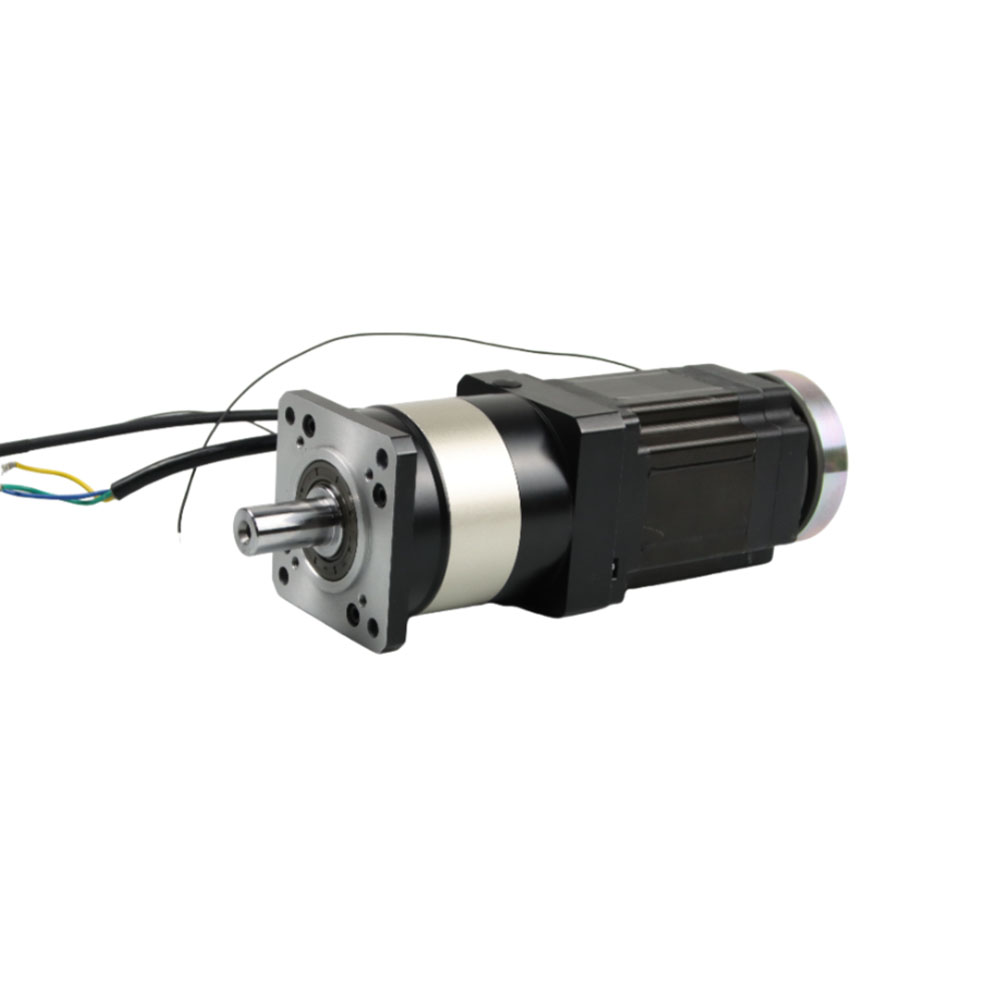
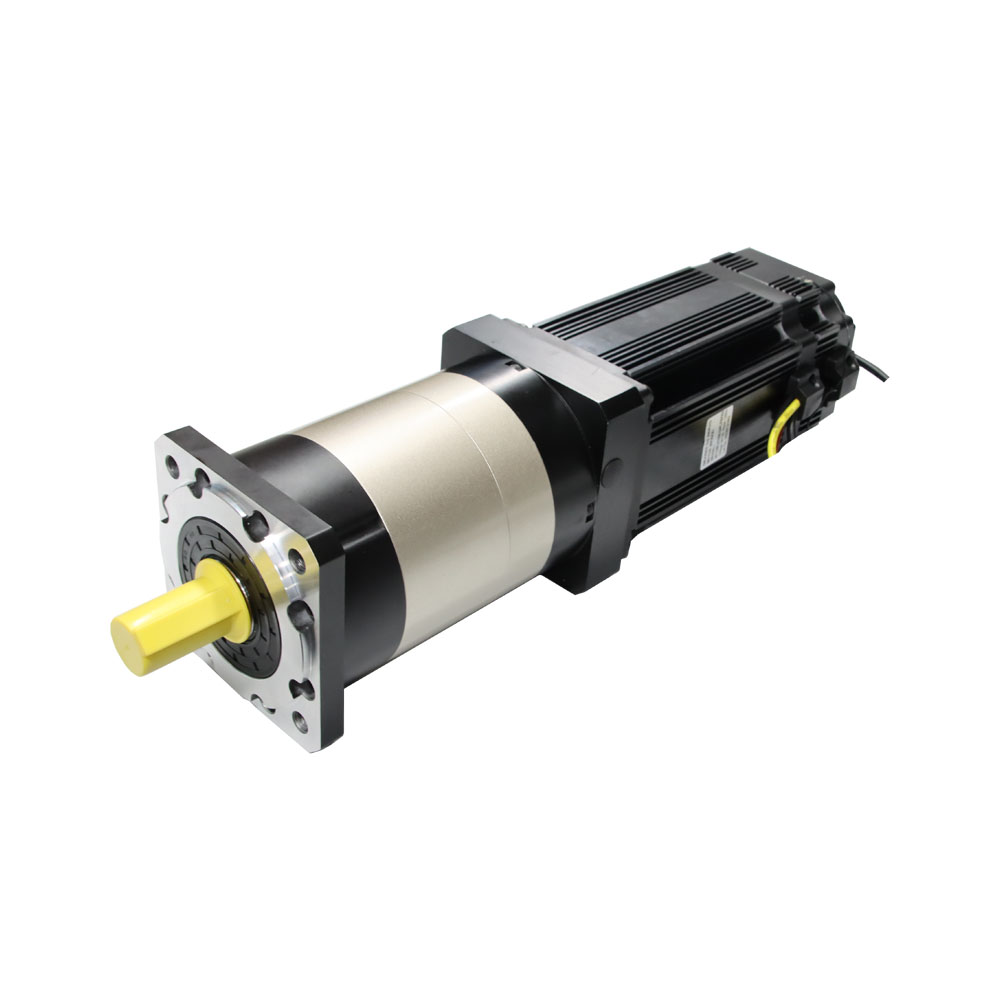
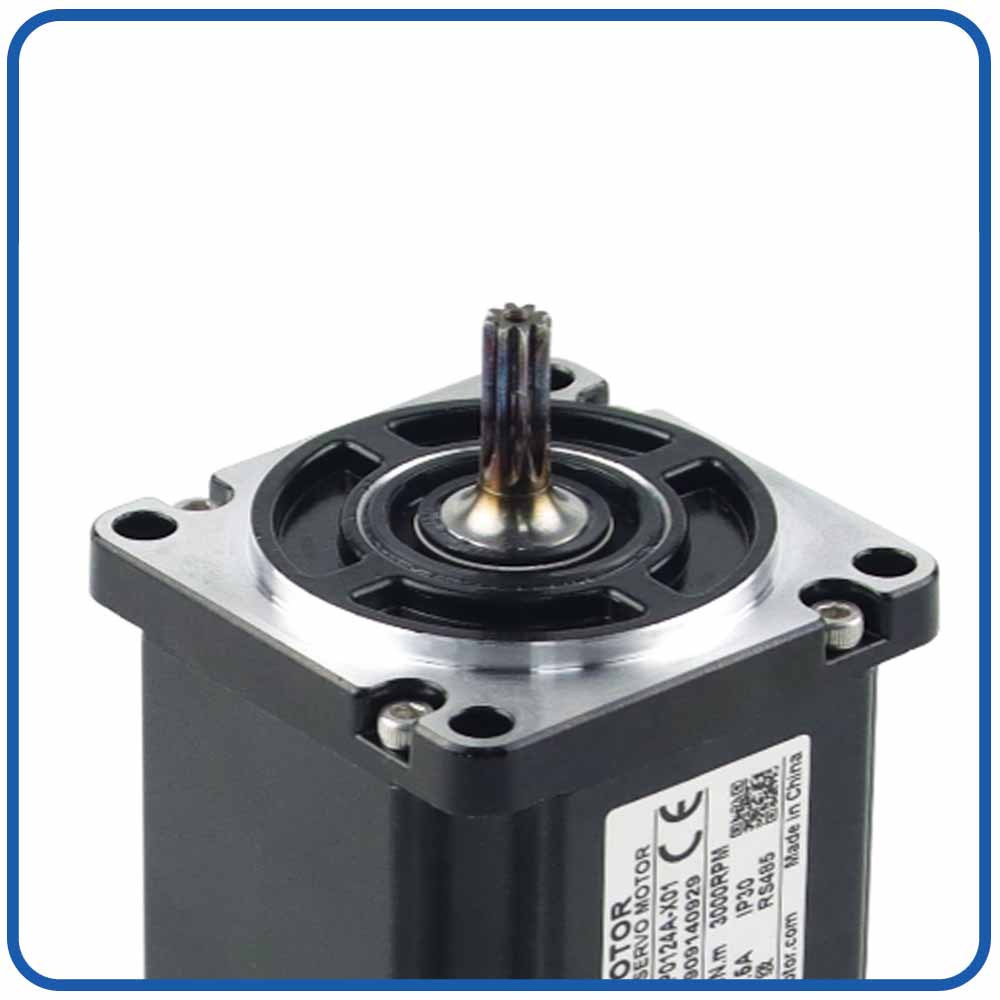
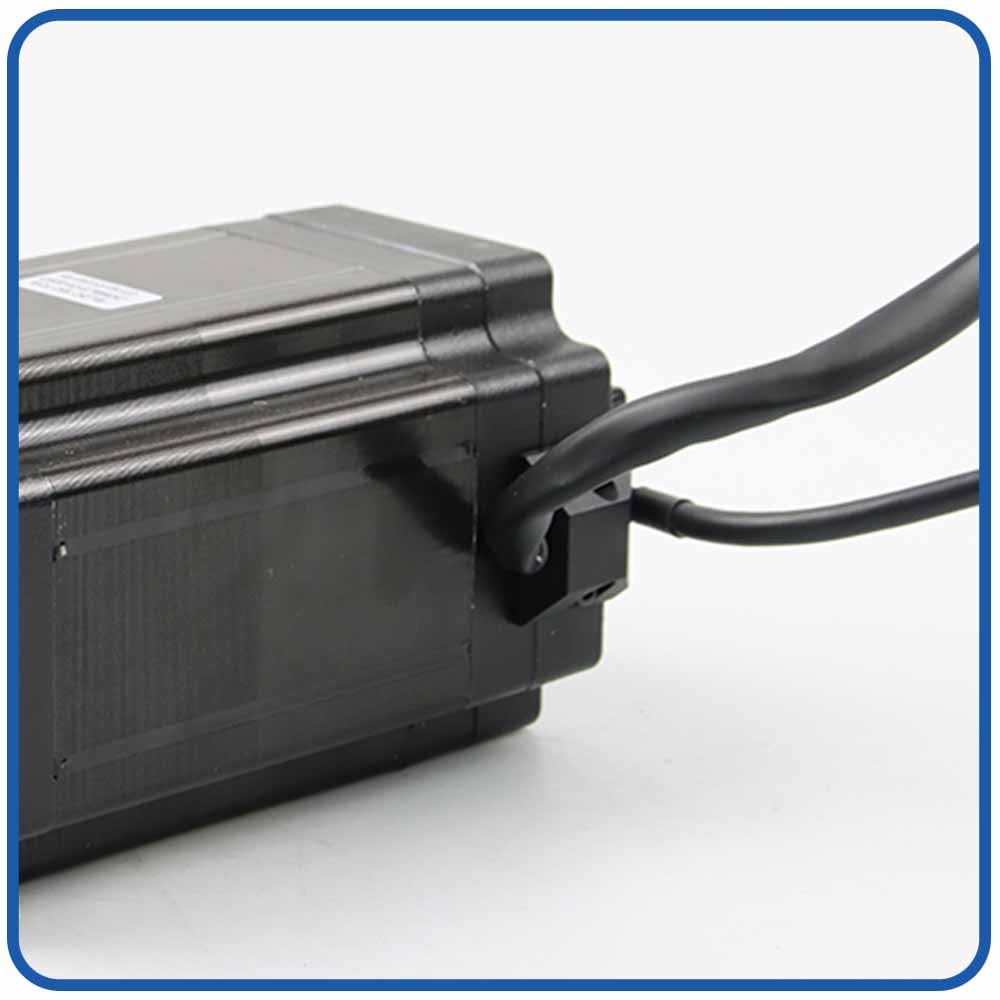
Brushless DC (BLDC) motor systems are widely used in industrial automation, robotics, AGVs, AMRs, medical devices, semiconductor equipment, packaging machinery, and precision motion-control applications. Selecting the correct gear reduction ratio is one of the most critical design decisions because it directly affects torque output, speed, efficiency, positioning accuracy, thermal performance, system responsiveness, and overall lifecycle cost.
While increasing gear reduction is often viewed as a straightforward way to multiply torque and improve load-handling capability, there is a point where a higher gear ratio begins to create more disadvantages than benefits. Understanding where this threshold lies is essential for engineers and procurement professionals seeking optimal system performance rather than simply maximizing output torque.
Understanding Gear Reduction in BLDC Motor Systems
A gearbox reduces the rotational speed of the motor while proportionally increasing torque at the output shaft. The relationship is relatively straightforward:
Higher gear ratio = Lower output speed
Higher gear ratio = Higher output torque
Higher gear ratio = Greater reflected inertia reduction
For example:
Gear Ratio
Output Speed
Output Torque
5:1
Moderate
Moderate
20:1
Lower
Higher
100:1
Very Low
Very High
At first glance, increasing the ratio appears beneficial. However, real-world systems involve mechanical losses, backlash, heat generation, dynamic performance limitations, and efficiency considerations that complicate the equation.
The Point Where Higher Gear Reduction Stops Adding Value
Increasing the gear reduction ratio is a common strategy for boosting output torque in BLDC motor systems. However, beyond a certain point, the benefits begin to diminish while the drawbacks become more significant. The ideal gear ratio is not necessarily the highest one available—it is the ratio that delivers the best balance between torque, speed, efficiency, precision, and system responsiveness.
When Does Gear Reduction Become Counterproductive?
A higher gear reduction ratio may become counterproductive when it causes one or more of the following issues:
Reduced mechanical efficiency
Excessive heat generation
Slower acceleration and response times
Increased gearbox backlash
Lower maximum output speed
Greater mechanical wear
More complex servo tuning
Higher system costs
At this stage, additional torque gains no longer justify the compromises in overall system performance.
Signs That the Gear Ratio Is Too High
Engineers should evaluate whether a gearbox is oversized by monitoring the following indicators:
Warning Sign
Potential Impact
Slow motion response
Reduced machine productivity
Excessive gearbox temperature
Lower efficiency and shorter lifespan
Noticeable backlash
Reduced positioning accuracy
Limited output speed
Inability to meet cycle-time requirements
Frequent maintenance
Increased operating costs
Servo instability
Difficult tuning and poor motion quality
If several of these symptoms appear, the selected gear ratio may be higher than necessary.
The Trade-Off Between Torque and Performance
Higher gear reduction ratios increase output torque, but they also affect other critical performance parameters.
Higher Gear Ratio Effect
Result
More torque multiplication
Improved load capacity
Lower output speed
Reduced productivity in speed-sensitive applications
More gear stages
Increased friction losses
Greater inertia reduction
Easier motor control in some cases
More mechanical components
Higher backlash and wear potential
A well-designed BLDC motor system balances these factors rather than maximizing torque alone.
Application Examples
Where Higher Ratios Make Sense
Electric lifting systems
Industrial actuators
Rotary indexing tables
Heavy-duty positioning equipment
These applications prioritize torque over speed and can benefit from higher reduction ratios.
Where Higher Ratios Can Be Harmful
AGV and AMR drive systems
Pick-and-place robots
Semiconductor equipment
Packaging machinery
High-speed automation systems
These applications require fast response, precise positioning, and efficient operation, making excessive reduction less desirable.
Finding the Optimal Balance
Instead of asking, "How much torque can the gearbox provide?", engineers should ask:
What is the required output speed?
What acceleration is needed?
How much positioning accuracy is required?
What efficiency target must be achieved?
What is the expected duty cycle?
The optimal gear ratio is the one that meets all performance requirements while minimizing energy loss, backlash, heat generation, and mechanical wear.
In most BLDC motor systems, higher gear reduction stops adding value when the gains in torque are outweighed by losses in efficiency, speed, precision, and dynamic performance. The best solution is typically a balanced combination of motor sizing and gearbox reduction rather than relying on extreme gear ratios alone.
Efficiency Losses Increase with Higher Gear Ratios
One of the most overlooked drawbacks of high-ratio gearboxes is efficiency loss.
Every gear stage introduces friction between:
Gear teeth
Bearings
Lubricants
Seals
As reduction ratios increase, additional gear stages are usually required.
Typical gearbox efficiencies:
Gearbox Type
Single Stage Efficiency
Planetary Gearbox
95%–98%
Spur Gearbox
94%–97%
Helical Gearbox
94%–98%
Worm Gearbox
50%–90%
For example:
One planetary stage: ~97%
Two stages: ~94%
Three stages: ~91%
Four stages: ~88%
Although the motor may deliver sufficient torque, more energy is lost as heat, reducing overall system efficiency and increasing operating costs.
In battery-powered AGVs, mobile robots, and autonomous systems, these losses can significantly shorten runtime.
Reduced Dynamic Response and Acceleration
Modern automation systems increasingly require rapid acceleration and deceleration.
High gear reductions can negatively affect:
Velocity changes
Motion responsiveness
Settling time
Cycle time performance
Although gearboxes reduce reflected load inertia seen by the motor, excessive reduction can make the system feel mechanically sluggish.
Applications such as:
Pick-and-place robots
Semiconductor handlers
Collaborative robots
Precision assembly systems
often prioritize dynamic responsiveness over maximum torque.
A gearbox ratio that is too high may prevent the machine from achieving required acceleration profiles, ultimately reducing throughput.
Backlash Becomes More Noticeable
Backlash is the angular movement that occurs between meshing gear teeth before torque transmission begins.
As reduction ratios increase:
More gear stages are added
More gear interfaces are introduced
Cumulative backlash grows
Even premium planetary gearboxes can exhibit measurable backlash.
Typical values:
Gearbox Class
Backlash
Standard
15–30 arc-min
Precision
5–10 arc-min
Ultra-Precision
<3 arc-min
In high-ratio systems, backlash may become amplified during direction changes.
This is particularly problematic for:
CNC equipment
Semiconductor wafer handling
Vision-guided robotics
Medical positioning systems
Inspection platforms
When precision positioning is a primary requirement, excessive reduction can compromise accuracy.
Heat Generation Increases Significantly
Mechanical losses inside the gearbox are converted directly into heat.
As reduction ratios increase:
Friction increases
Lubrication stress rises
Bearing loads grow
Internal temperatures rise
Heat negatively impacts:
Lubricant life
Bearing lifespan
Gear tooth wear
Motor efficiency
In enclosed environments where cooling is limited, high-ratio gearboxes may become thermal bottlenecks.
Continuous-duty applications such as conveyors, industrial transport systems, and automated warehouses are particularly vulnerable to this issue.
Mechanical Wear Accelerates
A gearbox operating under high torque multiplication experiences greater internal loading.
Potential consequences include:
Gear tooth fatigue
Bearing degradation
Lubricant breakdown
Increased maintenance requirements
Although premium planetary gearboxes are designed for long service life, operating continuously at extreme reductions often accelerates wear mechanisms.
This can increase:
Downtime
Maintenance expenses
Replacement frequency
Total cost of ownership
In many cases, selecting a slightly larger BLDC motor with a lower gear ratio provides a longer-lasting and more reliable solution.
Maximum Output Speed Becomes a Limitation
Every application has a required operating speed range.
A high reduction ratio drastically limits output shaft speed.
Example:
Motor Speed
Gear Ratio
Output Speed
3000 RPM
10:1
300 RPM
3000 RPM
50:1
60 RPM
3000 RPM
100:1
30 RPM
Many engineers focus primarily on torque calculations and overlook future speed requirements.
The result may be a system capable of generating enormous torque but incapable of meeting production targets.
Applications such as:
Conveyor systems
Automated guided vehicles
Mobile robots
Packaging equipment
often require a balanced combination of speed and torque.
Over-reduction can severely limit productivity.
Control Stability Challenges in Servo BLDC Systems
Servo-controlled BLDC motors depend on precise feedback loops.
Excessive reduction ratios can introduce:
Compliance
Torsional stiffness issues
Mechanical resonance
Control lag
These factors complicate servo tuning.
Symptoms may include:
Oscillation
Overshoot
Hunting behavior
Longer settling times
In advanced motion-control environments, lower gear ratios often provide superior control characteristics and smoother motion profiles.
When High Gear Reduction Is Actually Beneficial
Despite the disadvantages, high reduction ratios remain valuable in specific applications.
Examples include:
Heavy-Duty Lifting Systems
Applications requiring extremely high torque at low speed benefit from significant reduction.
Examples:
Electric hoists
Lift mechanisms
Industrial actuators
Position-Holding Applications
High-ratio gearboxes help maintain position under heavy loads.
Examples:
Valve control systems
Solar tracking systems
Industrial positioning platforms
Compact Space Constraints
A high-ratio gearbox can allow engineers to use a smaller motor while still meeting torque requirements.
Examples:
Medical devices
Portable automation equipment
Compact robotic joints
The key is ensuring that efficiency, speed, and precision requirements remain acceptable.
How to Determine the Optimal Gear Ratio
The most effective approach involves evaluating the complete motion system rather than focusing solely on torque multiplication.
Key factors include:
Required Output Torque
Calculate:
Continuous torque
Peak torque
Starting torque
Avoid oversizing solely for safety margins.
Required Output Speed
Verify:
Normal operating speed
Peak operating speed
Future expansion requirements
Duty Cycle
Consider:
Continuous operation
Intermittent operation
Frequent start-stop cycles
Positioning Accuracy
Evaluate:
Backlash requirements
Repeatability requirements
Servo stability
System Efficiency
Analyze:
Battery consumption
Power consumption
Thermal management
The ideal gear ratio achieves all performance targets simultaneously rather than maximizing a single parameter.
Planetary Gearboxes vs. Extremely High Ratios
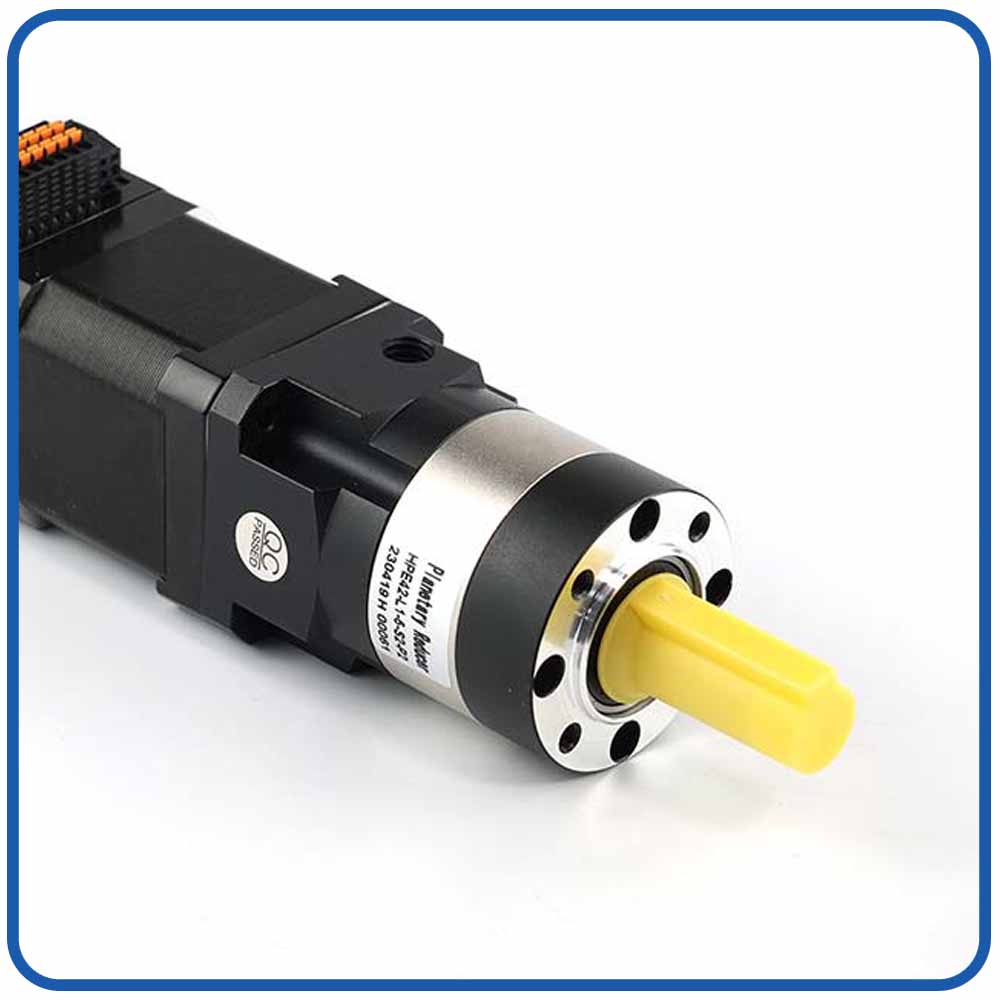
Planetary gearboxes are widely recognized as one of the most efficient and compact transmission solutions for BLDC motor systems. Their unique design distributes load across multiple planetary gears, allowing them to deliver high torque density, excellent efficiency, low backlash, and long service life. However, even high-performance planetary gearboxes have practical limitations when extremely high reduction ratios are used.
Why Planetary Gearboxes Are Preferred
Compared with traditional gear technologies, planetary gearboxes offer several advantages:
High torque transmission capacity
Compact and lightweight design
High mechanical efficiency (typically 90–98%)
Low backlash options for precision applications
Excellent load distribution across multiple gears
Long operational lifespan
Smooth and stable motion control
These characteristics make planetary gearboxes a preferred choice for:
Industrial automation equipment
AGVs and AMRs
Collaborative robots
Medical devices
Semiconductor machinery
Packaging and material handling systems
What Happens as Gear Ratios Increase?
Achieving higher reduction ratios usually requires additional gearbox stages.
Reduction Ratio
Typical Number of Stages
3:1 – 10:1
Single Stage
15:1 – 30:1
Two Stages
40:1 – 100:1
Three Stages
Above 100:1
Multiple Stages
While each additional stage increases torque multiplication, it also introduces:
More friction losses
Greater heat generation
Increased backlash accumulation
Reduced overall efficiency
Higher manufacturing costs
Larger gearbox dimensions
As a result, the performance gains become progressively smaller while the disadvantages become more noticeable.
Efficiency Comparison Across Different Ratios
Even highly efficient planetary gearboxes experience cumulative losses as stages are added.
Gearbox Configuration
Typical Efficiency
Single Stage
95–98%
Two Stage
92–96%
Three Stage
88–94%
Four Stage or More
Below 90% in many cases
For battery-powered equipment such as AGVs, mobile robots, and autonomous systems, these efficiency losses can significantly impact energy consumption and operating time.
Impact on Precision and Backlash
Planetary gearboxes are known for low backlash, but backlash increases as more gear stages are introduced.
Low-Ratio Planetary Systems
Faster response
Higher positioning accuracy
Better servo performance
Reduced lost motion
Extremely High-Ratio Systems
Greater cumulative backlash
Increased positioning errors
Reduced repeatability
More difficult motion control tuning
This becomes especially important in applications such as:
Semiconductor wafer handling
CNC machinery
Optical inspection systems
Precision robotics
Where micron-level positioning accuracy is required, excessive gear reduction can negatively affect overall system performance.
Dynamic Performance Considerations
Modern automation systems demand rapid acceleration and deceleration.
Higher gear ratios can:
Reduce output speed
Increase settling time
Slow system responsiveness
Limit machine throughput
For example, a robot joint using a 100:1 gearbox may generate substantial torque but respond much slower than the same system using a 20:1 or 30:1 ratio paired with a properly sized BLDC motor.
Applications that prioritize dynamic motion often benefit from moderate gear ratios rather than extreme reductions.
Thermal and Reliability Factors
As gear ratios increase, internal mechanical losses generate more heat.
Potential consequences include:
Lubricant degradation
Bearing wear
Gear tooth fatigue
Reduced service life
In continuous-duty applications, excessive heat can become a major reliability concern, particularly in enclosed or poorly ventilated environments.
A lower-ratio gearbox combined with a larger motor often provides a more durable and energy-efficient solution over the long term.
Recommended Ratio Ranges for BLDC Motor Applications
The optimal ratio depends on application requirements, but the following guidelines are commonly used:
Application Type
Recommended Ratio Range
High-Speed Automation
3:1 – 10:1
Robotics and Servo Systems
5:1 – 30:1
General Industrial Automation
10:1 – 50:1
Heavy-Duty Positioning
30:1 – 100:1
Specialized High-Torque Applications
Above 100:1 (with careful evaluation)
These ranges help balance torque output, efficiency, speed, precision, and reliability.
When Extremely High Ratios Are Justified
Very high reduction ratios may still be appropriate in specific situations:
Heavy lifting equipment
Industrial actuators
Valve automation systems
Solar tracking mechanisms
Low-speed positioning devices
In these applications, maximum torque and holding capability are often more important than speed or dynamic response.
Key Takeaway
Planetary gearboxes offer an outstanding combination of efficiency, precision, compactness, and torque density, making them the preferred gearbox solution for most BLDC motor systems. However, extremely high gear ratios are not always the best choice. As reduction ratios increase, efficiency losses, backlash, heat generation, and response limitations become more pronounced. For most industrial and automation applications, a moderate planetary gearbox ratio paired with a properly sized BLDC motor delivers the best balance of performance, reliability, and long-term operating efficiency.
Common Signs That a Gear Ratio Is Too High
Selecting a gear ratio that is excessively high can lead to performance issues that are often mistaken for motor, controller, or application-related problems. While higher reduction ratios increase output torque, they can also create limitations that negatively affect efficiency, speed, precision, and system reliability.
Below are the most common indicators that a gearbox ratio may be higher than necessary for a BLDC motor system.
1. Slow System Response and Reduced Productivity
One of the first signs of over-reduction is sluggish machine performance.
Symptoms:
Slow acceleration and deceleration
Longer cycle times
Delayed response to control commands
Reduced machine throughput
Why It Happens:
A high gear ratio significantly lowers output speed. Although torque increases, the system may become too slow to meet application requirements, especially in dynamic automation environments.
Commonly Affected Applications:
Pick-and-place robots
Packaging machinery
AGVs and AMRs
High-speed assembly equipment
2. Excessive Gearbox Heat Generation
An overheating gearbox often indicates excessive mechanical losses.
Symptoms:
Gearbox housing becomes unusually hot
Increased cooling requirements
Lubricant degradation
Higher energy consumption
Why It Happens:
Higher gear ratios typically require multiple gear stages, creating additional friction between gears, bearings, and seals. The resulting energy losses are converted into heat.
Potential Consequences:
Shortened gearbox lifespan
Increased maintenance costs
Reduced overall efficiency
3. Limited Maximum Output Speed
Machines that struggle to reach their target operating speed may be over-geared.
Symptoms:
Inability to achieve required RPM
Reduced production rates
Speed limitations during peak demand
Example:
Motor Speed
Gear Ratio
Output Speed
3000 RPM
10:1
300 RPM
3000 RPM
50:1
60 RPM
3000 RPM
100:1
30 RPM
As the gear ratio increases, available output speed decreases proportionally.
4. Noticeable Backlash During Direction Changes
Backlash becomes more pronounced as additional gearbox stages are added.
Symptoms:
Delayed motion reversal
Positioning inaccuracies
Vibration during direction changes
Reduced repeatability
Why It Matters:
In precision motion-control systems, backlash can directly impact product quality and operational accuracy.
Critical Applications:
CNC machinery
Semiconductor equipment
Medical devices
Precision robotics
5. Servo Tuning Becomes More Difficult
High gear ratios can complicate closed-loop control performance.
Symptoms:
Oscillation or vibration
Overshoot during positioning
Longer settling times
Unstable motion profiles
Why It Happens:
Additional mechanical compliance and drivetrain complexity can make it harder for the servo controller to achieve smooth and accurate motion.
This issue is particularly important in systems requiring precise positioning and rapid response.
6. Energy Consumption Is Higher Than Expected
Many engineers assume that higher gear ratios automatically improve efficiency. In reality, excessive reduction often increases energy losses.
Symptoms:
Higher operating costs
Increased battery drain
Reduced runtime in mobile systems
Commonly Affected Equipment:
AGVs
AMRs
Autonomous robots
Battery-powered automation systems
If energy usage continues to rise despite adequate motor sizing, the gearbox ratio should be reviewed.
7. Increased Maintenance Requirements
An over-reduced drivetrain may experience accelerated wear.
Symptoms:
Frequent lubrication replacement
Bearing failures
Gear wear
Increased downtime
Why It Happens:
Higher torque multiplication places greater stress on internal gearbox components, especially during continuous-duty operation.
Over time, this can significantly increase the total cost of ownership.
8. The Motor Is Running Far Below Its Optimal Speed Range
BLDC motors generally operate most efficiently within a specific speed range.
Symptoms:
Motor rarely reaches efficient operating speeds
Reduced system efficiency
Underutilized motor capabilities
Why It Matters:
A gearbox ratio that is too high may force the motor to operate outside its ideal performance zone, reducing both efficiency and responsiveness.
9. Excessive Torque That the Application Never Uses
Sometimes the gearbox provides far more torque than the application actually requires.
Symptoms:
Large safety margins that remain unused
Oversized drivetrain components
Higher equipment costs
Reduced overall efficiency
Example:
A machine requiring 30 Nm of torque may be designed with a gearbox capable of delivering 100 Nm or more. While this may seem beneficial, the added reduction can introduce unnecessary performance compromises.
10. A Larger Motor with a Lower Ratio Performs Better
A strong indication of excessive reduction is when a larger BLDC motor paired with a lower gear ratio delivers better overall results.
Benefits Often Include:
Faster response
Higher efficiency
Better servo performance
Lower backlash
Reduced heat generation
Longer component life
In many industrial applications, optimizing motor size and gearbox ratio together produces superior performance compared to relying solely on a very high reduction ratio.
Quick Diagnostic Checklist
If your BLDC motor system exhibits several of the following conditions, the gear ratio may be too high:
✅ Slow acceleration and response
✅ Excessive gearbox temperature
✅ Limited output speed
✅ Noticeable backlash
✅ Difficult servo tuning
✅ High energy consumption
✅ Frequent maintenance issues
✅ Underutilized motor performance
✅ Excessive torque reserve
✅ Reduced overall system efficiency
Key Takeaway
A gear ratio is too high when additional torque no longer improves application performance and instead introduces trade-offs such as slower motion, higher energy losses, increased backlash, excessive heat, and greater maintenance requirements. The most effective BLDC motor systems achieve a balanced combination of torque, speed, efficiency, precision, and reliability, ensuring that the gearbox ratio supports the application rather than limiting it.
Conclusion
A higher gear reduction ratio is not always synonymous with better BLDC motor performance. While torque multiplication increases with gear ratio, excessive reduction introduces efficiency losses, backlash, heat generation, slower response, speed limitations, and greater mechanical wear. The most effective BLDC motor systems are designed around a balanced combination of torque, speed, accuracy, efficiency, and reliability. By selecting the optimal gearbox ratio rather than the highest available ratio, engineers can achieve superior motion control, longer service life, lower operating costs, and improved system performance across demanding industrial applications.
FAQs:
1. What is gear reduction in a BLDC motor system?
Besfoc Answer: Gear reduction is the process of using a gearbox to decrease the motor's output speed while increasing its output torque. In BLDC motor systems, gearboxes such as planetary gearboxes allow a motor to drive heavier loads more efficiently by optimizing the balance between speed and torque.
2. Why do engineers use higher gear reduction ratios?
Besfoc Answer: Engineers use higher gear reduction ratios to achieve greater output torque, improve load-handling capability, reduce reflected inertia, and enable smaller BLDC motors to drive demanding applications. Higher ratios are commonly used in robotics, industrial automation, and positioning systems that require substantial torque at lower speeds.
3. When does a higher gear reduction become counterproductive?
Besfoc Answer: A higher gear reduction becomes counterproductive when the increase in torque is outweighed by negative effects such as lower efficiency, reduced output speed, increased backlash, excessive heat generation, slower dynamic response, and higher maintenance requirements. The optimal ratio should balance torque, speed, precision, and efficiency.
4. How does a high gear ratio affect gearbox efficiency?
Besfoc Answer: As gear ratios increase, additional gearbox stages are often required. Each stage introduces mechanical losses from gear meshing, bearings, and lubrication. This reduces overall efficiency and increases energy consumption, particularly in battery-powered equipment such as AGVs, AMRs, and mobile robots.
5. Can excessive gear reduction reduce positioning accuracy?
Besfoc Answer: Yes. Higher gear ratios typically involve more gear stages, which can increase cumulative backlash. Excessive backlash may reduce positioning accuracy, repeatability, and motion quality in precision applications such as semiconductor equipment, CNC machinery, medical devices, and robotic systems.
6. Does a higher gear ratio generate more heat?
Besfoc Answer: Yes. Higher gear reduction ratios create additional friction within the gearbox, leading to greater heat generation. Increased operating temperatures can affect lubricant performance, accelerate component wear, and reduce the overall lifespan of the gearbox and motor system.
7. How does gear reduction impact the speed of a BLDC motor system?
Besfoc Answer: Gear reduction lowers output speed in direct proportion to the gear ratio. While torque increases, excessively high ratios can limit maximum machine speed and reduce productivity in applications requiring fast motion, rapid acceleration, or short cycle times.
8. What are the warning signs that a gear ratio is too high?
Besfoc Answer: Common warning signs include slow acceleration, excessive gearbox heating, limited top speed, noticeable backlash, difficult servo tuning, increased energy consumption, frequent maintenance, and overall reduced system responsiveness. These indicators suggest the gearbox ratio may be larger than necessary.
9. Are planetary gearboxes suitable for high gear reduction applications?
Besfoc Answer: Yes. Planetary gearboxes are highly efficient, compact, and capable of handling high torque loads. However, extremely high reduction ratios should be carefully evaluated because additional stages can introduce efficiency losses, backlash, and response limitations. Besfoc recommends selecting the lowest ratio that meets application requirements.
10. What is the best way to choose a gear reduction ratio for a BLDC motor?
Besfoc Answer: The best approach is to evaluate the application's required torque, speed, duty cycle, positioning accuracy, efficiency targets, and operating environment. Rather than maximizing torque alone, engineers should select a gear ratio that delivers balanced performance, reliability, and long-term operating efficiency.

 English
 العربية
 Français
 Русский
 Español
 Português
 Deutsch
 italiano
 日本語
日本語 한국어
한국어 Nederlands
 Tiếng Việt
 ไทย
ไทย Polski
 Türkçe
 ພາສາລາວ
 ភាសាខ្មែរ
 Bahasa Melayu
 ဗမာစာ
ဗမာစာ Filipino
 Bahasa Indonesia
 magyar
 Română
 Čeština
 Монгол
 қазақ
қазақ Српски
 हिन्दी
 فارسی
فارسی Slovenčina
 Slovenščina
 Norsk
Norsk Svenska
 українська
 Ελληνικά
 Suomi
Suomi Հայերեն
 עברית
עברית Latine
 Dansk
Dansk Shqip
Shqip বাংলা
বাংলা Hrvatski
 Afrikaans
 Gaeilge
 Eesti keel
 Oʻzbekcha
 latviešu
 Azərbaycan dili
 Български
 Català