Introduction: The Rise of Intelligent Agricultural Automation
Modern agriculture is rapidly evolving into a data-driven, precision-controlled ecosystem where automated irrigation and fertilization systems play a critical role in maximizing yield while minimizing resource waste. In this transformation, motion control technology becomes a foundational element that determines system reliability, accuracy, and long-term efficiency.
Among the various motion solutions available, waterproof stepper motors have emerged as a preferred choice for irrigation and fertilization automation. Their ability to operate reliably in wet, dusty, and chemically aggressive environments makes them indispensable in smart farming systems.
We explore why these specialized motors are becoming the backbone of next-generation agricultural automation and how they enhance performance, durability, and operational intelligence.
Understanding Waterproof Stepper Motors in Agricultural Applications
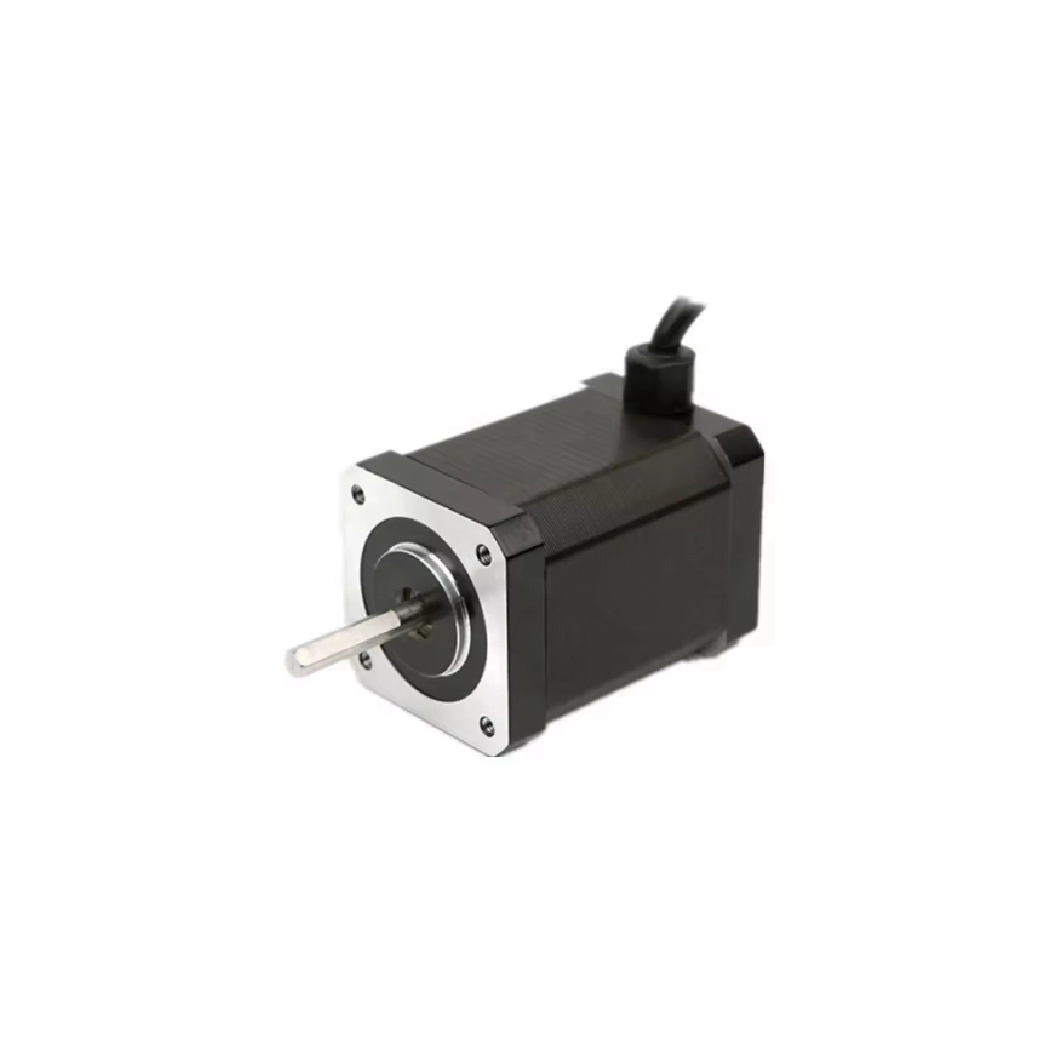
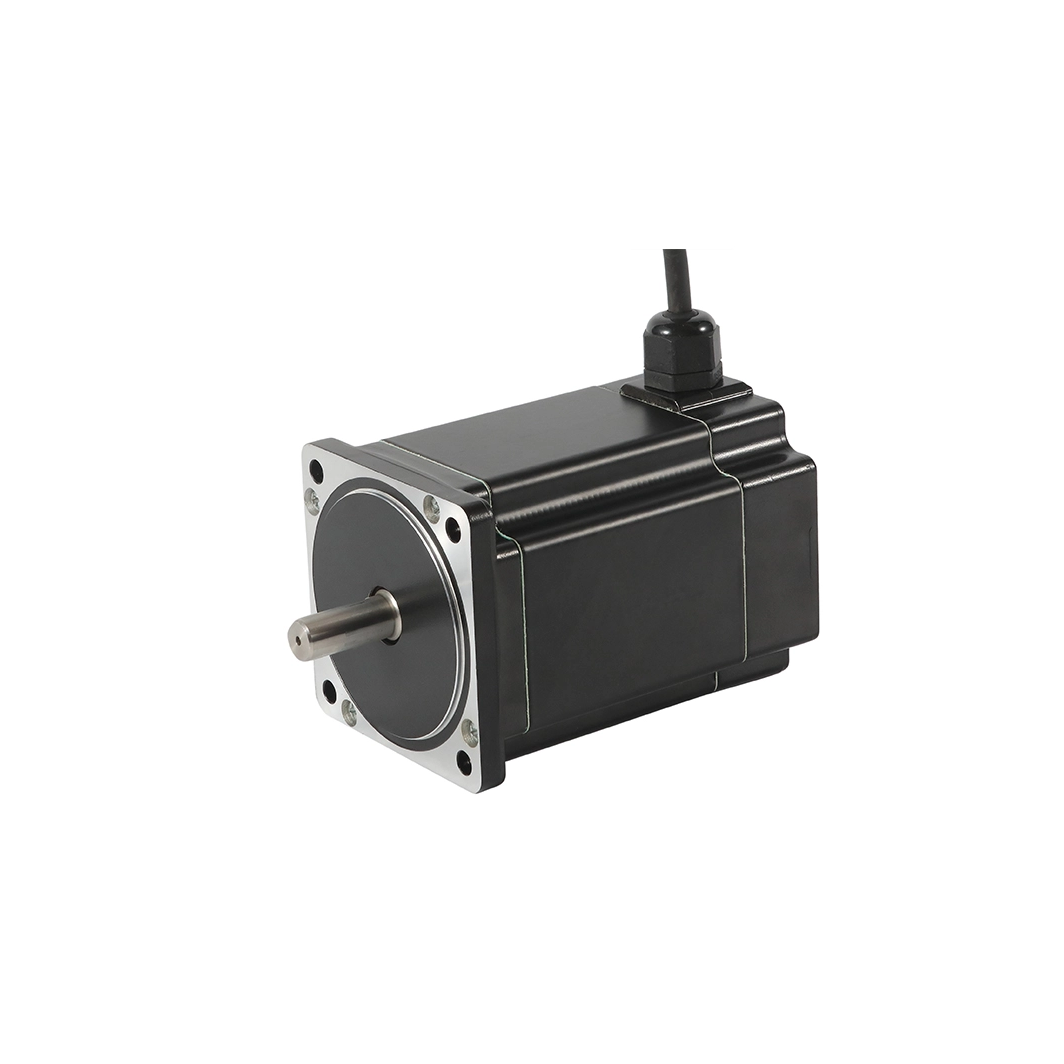
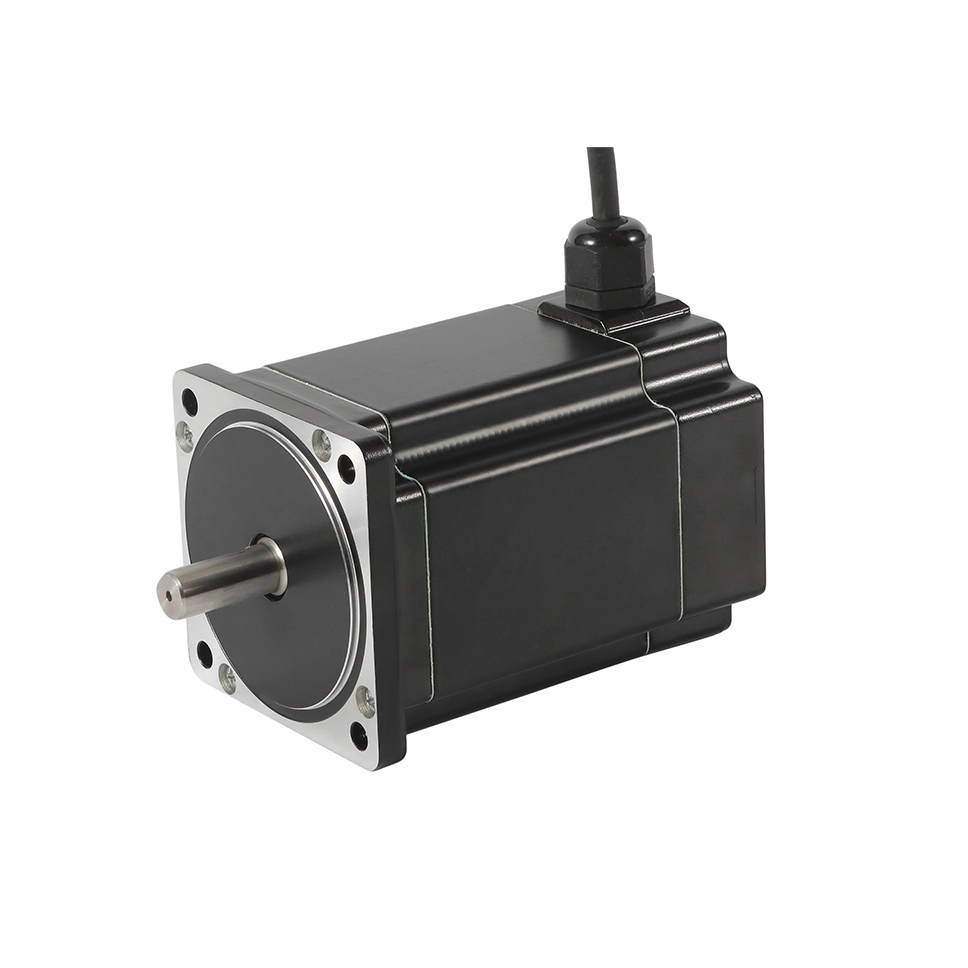
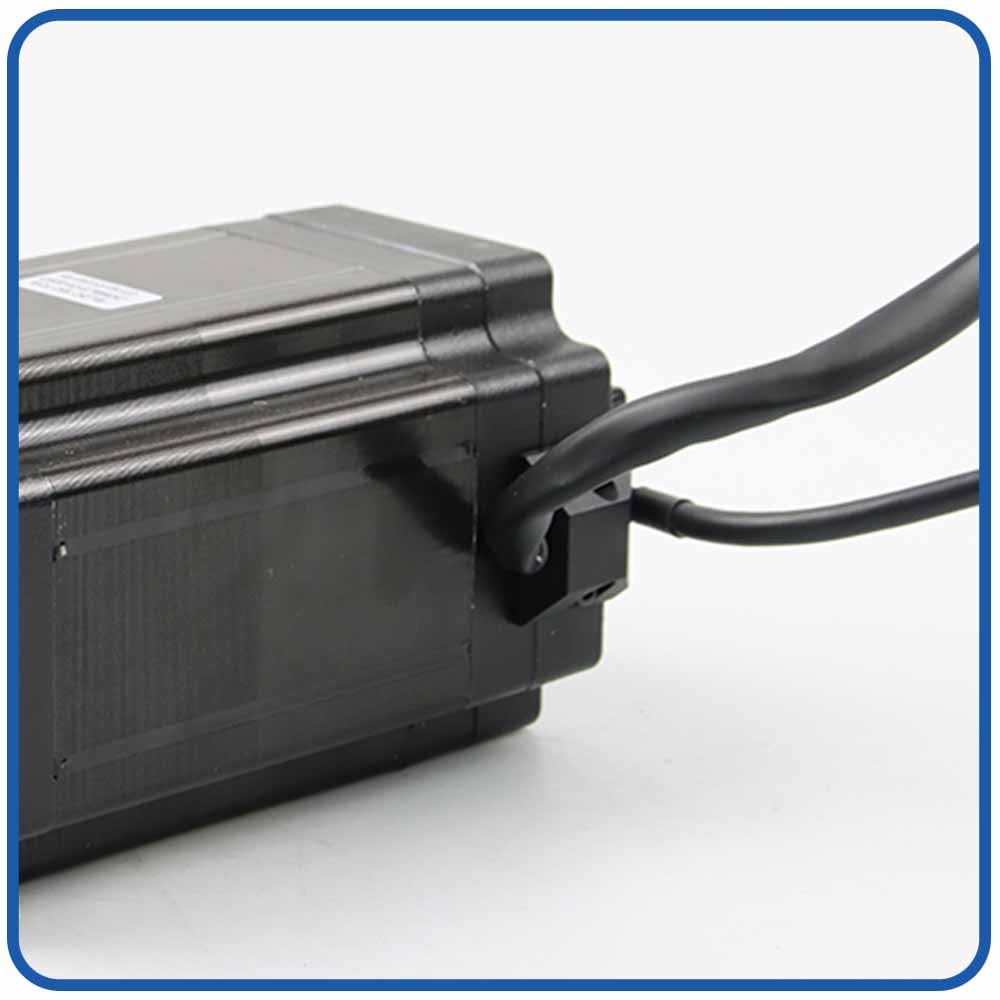
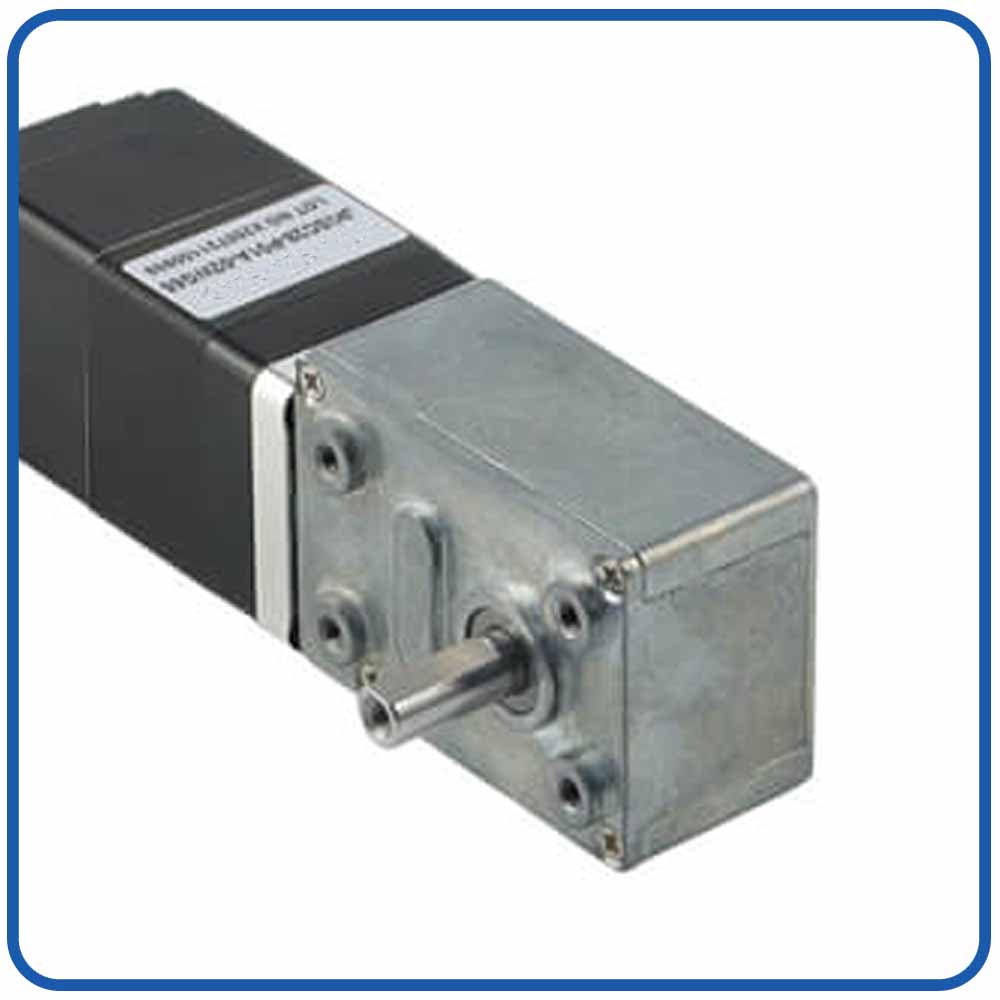
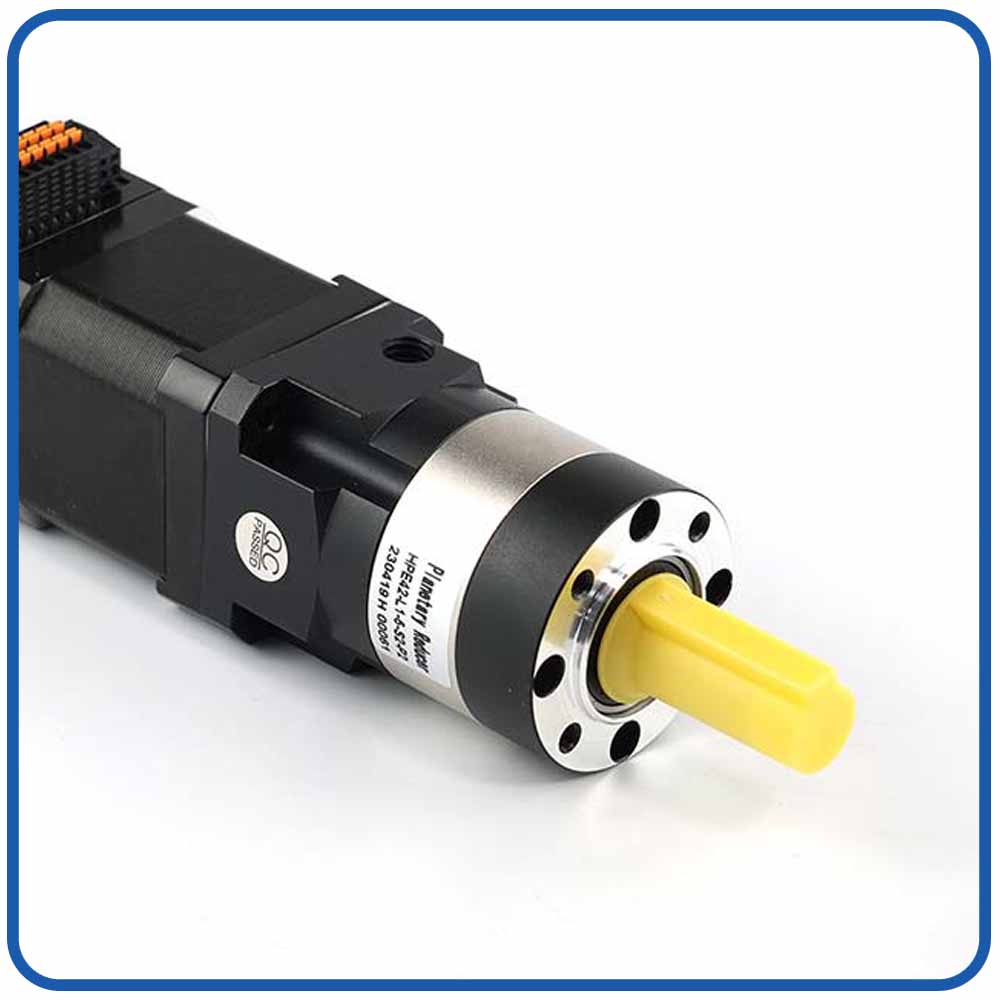
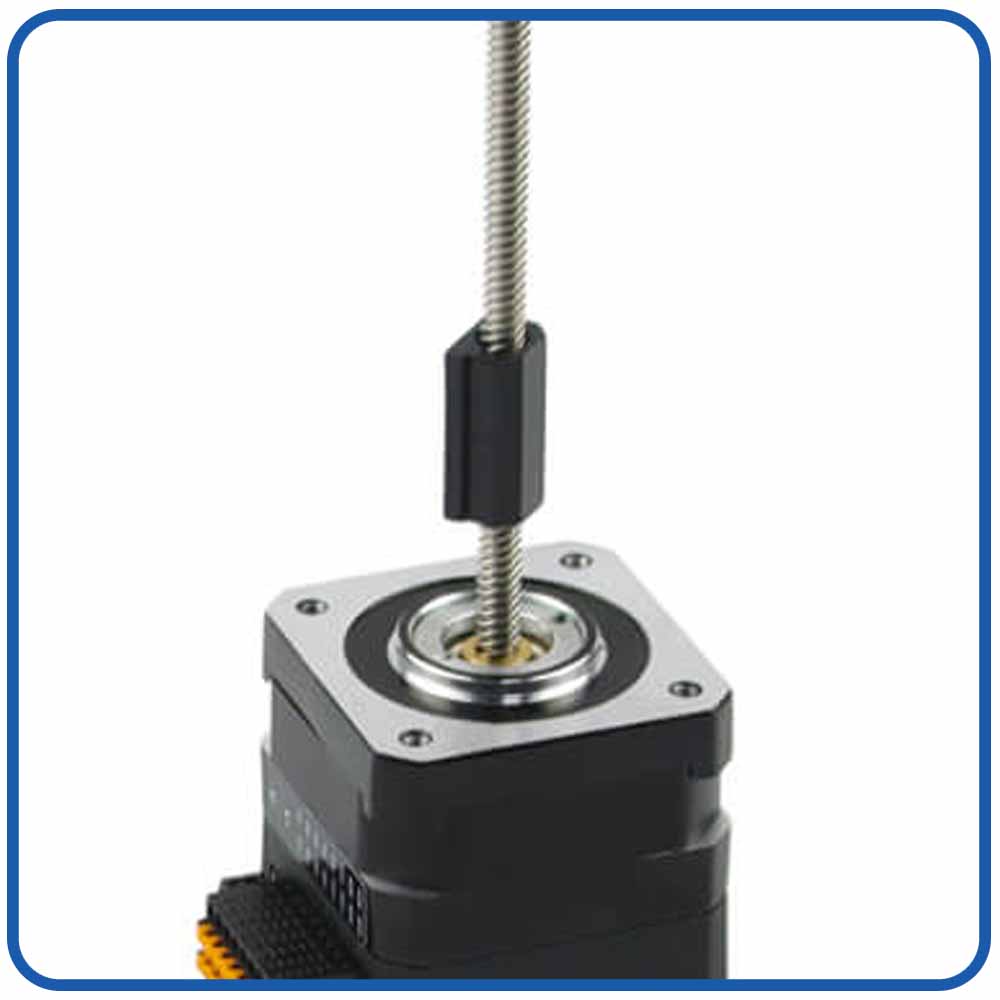
A waterproof stepper motor is a precision electromechanical device designed to convert electrical pulses into controlled mechanical motion while being fully protected against moisture, dust, and environmental contaminants.
In automated irrigation and fertilization systems, these motors are commonly used to:
Control valves for water distribution
Drive fertilizer injection pumps
Operate sprinkler positioning systems
Manage flow regulation mechanisms
Enable precision dosing systems
Their sealed structure, often rated IP65, IP67, or higher, ensures stable performance even under continuous exposure to water, soil particles, fertilizers, and outdoor weather conditions.
Why Environmental Protection Matters in Irrigation Systems
Environmental protection is not a secondary feature in modern irrigation systems—it is a core engineering requirement. Irrigation infrastructure operates in one of the most demanding environments in industrial automation, where water, soil, chemicals, and temperature variations constantly challenge system reliability.
Without proper environmental protection, even high-performance components degrade quickly, leading to inefficiency, downtime, and increased operational costs. This is why robust design strategies—especially in motion control components like motors, valves, and actuators—are essential for long-term agricultural success.
1. Constant Exposure to Water and Moisture
Irrigation systems are inherently water-intensive. Components are frequently exposed to:
Continuous sprinkler spray
High-pressure water jets
Drip irrigation leakage and condensation
Humid greenhouse environments
Impact of Water Exposure
Without protection, moisture can penetrate electrical and mechanical systems, causing:
Short circuits in control electronics
Rust and corrosion of metal parts
Lubrication failure in moving components
Reduced insulation resistance
Why Protection is Critical
A properly sealed system ensures:
Stable electrical performance
Long-term mechanical durability
Consistent operation during wet cycles
This is especially important for automation systems that must run continuously without manual intervention.
2. Fertilizer and Chemical Corrosion Risks
Modern irrigation systems often integrate fertigation (fertilizer + irrigation), which introduces chemically active substances into the system.
Common chemicals include:
Nitrogen-based fertilizers
Phosphates and potassium compounds
Acidic or alkaline nutrient solutions
How Chemicals Damage Equipment
When not properly protected, these substances can:
Accelerate metal corrosion
Degrade rubber seals and insulation materials
Contaminate internal mechanical assemblies
Cause long-term structural weakening
Engineering Requirement
Environmental protection ensures that:
Chemical exposure does not penetrate critical components
Seals and coatings resist aggressive substances
System performance remains stable over time
3. Soil, Dust, and Particulate Contamination
Outdoor irrigation systems are constantly exposed to airborne and ground-level contaminants such as:
Dust particles from dry soil
Sand and fine debris
Organic matter and plant residues
Operational Risks
These particles can infiltrate mechanical systems and cause:
Abrasive wear on moving parts
Blockage of precision valves and pumps
Increased friction and energy consumption
Reduced positioning accuracy in actuators
Protection Benefits
With proper environmental sealing:
Internal mechanisms remain clean
Mechanical wear is significantly reduced
System efficiency is maintained over long periods
4. Temperature Fluctuations and Weather Conditions
Agricultural environments experience extreme temperature variations, including:
Hot daytime conditions in open fields
Cold nighttime temperatures
Seasonal humidity shifts
Direct UV exposure
Effects on Irrigation Systems
Temperature stress can lead to:
Expansion and contraction of mechanical components
Seal failure due to material fatigue
Electrical resistance changes
Reduced motor efficiency in extreme conditions
Importance of Environmental Design
Robust protection ensures:
Thermal stability of components
Resistance to UV degradation
Consistent performance across seasons
5. Reliability in Unattended and Remote Operations
Many modern irrigation systems operate in:
Remote farmland locations
Large-scale agricultural fields
Automated greenhouse environments
These systems often run with minimal human supervision.
Why This Increases Environmental Demands
Because maintenance access is limited:
Failures become costly and time-consuming
Downtime directly impacts crop health
Emergency repairs are difficult to execute
Resulting Requirement
Systems must be designed for:
Long-term autonomous operation
High resistance to environmental stress
Minimal maintenance intervention
6. Impact on System Efficiency and Crop Yield
Environmental degradation does not only affect hardware—it directly influences agricultural output.
Poor Protection Leads To:
Uneven water distribution
Incorrect fertilizer dosing
System timing inaccuracies
Reduced crop consistency
Well-Protected Systems Deliver:
Stable irrigation cycles
Precise nutrient delivery
Optimized water usage
Higher crop yield and quality
7. Role of Sealing and Protection Standards
To ensure reliability, irrigation system components often adopt protection ratings such as:
IP65 – Protection against dust and water jets
IP66 – Strong water resistance under heavy spraying
IP67 – Temporary immersion resistance
IP68 – Long-term water submersion protection
These standards define how well a component can survive in agricultural environments.
Conclusion: Environmental Protection as a Foundation of Modern Irrigation
Environmental protection is not simply an added feature—it is the foundation that enables reliable, precise, and efficient irrigation automation. In systems exposed to water, chemicals, dust, and extreme weather, unprotected components quickly become a point of failure.
By integrating robust sealing, corrosion resistance, and environmental engineering principles, modern irrigation systems achieve:
Long-term operational stability
Reduced maintenance requirements
Higher precision in water and fertilizer delivery
Improved agricultural productivity
Ultimately, environmental protection ensures that irrigation systems remain dependable tools for sustainable and high-efficiency farming.
Key Advantages of Waterproof Stepper Motors in Automated Agriculture
The rapid development of smart agriculture and automated farming systems has increased the demand for motion control components that can deliver high precision, reliability, and durability under challenging environmental conditions. Agricultural equipment often operates in environments exposed to water, humidity, dust, fertilizer chemicals, and temperature changes, making traditional motors vulnerable to performance degradation.
Waterproof stepper motors provide an ideal solution for automated agriculture by combining accurate motion control with strong environmental protection. Their sealed construction, stable torque performance, and precise positioning capabilities make them widely used in irrigation systems, fertilizer equipment, greenhouse automation, and other intelligent farming applications.
1. Excellent Protection Against Water and Moisture
One of the most important advantages of waterproof stepper motors is their ability to operate reliably in wet agricultural environments.
Automated farming systems frequently encounter:
Irrigation water spray
High humidity conditions
Rain exposure in outdoor installations
Water leakage around equipment areas
Traditional motors may experience electrical failures or corrosion when exposed to moisture over time. Waterproof stepper motors use sealed housing structures and protective designs to prevent water from entering critical internal components.
Benefits include:
Reduced risk of short circuits
Improved insulation protection
Longer service life in humid environments
Stable performance during continuous irrigation cycles
This makes them particularly suitable for automatic watering systems, greenhouse equipment, and outdoor agricultural machinery.
2. High Precision for Smart Irrigation and Fertilization Control
Precision is essential in modern agriculture. Incorrect water or fertilizer distribution can negatively affect crop growth and increase resource waste.
Waterproof stepper motors provide accurate control through:
Precise step positioning
Programmable movement control
Stable low-speed operation
Repeatable positioning accuracy
They can precisely adjust:
Irrigation valves
Fertilizer dosing mechanisms
Flow control systems
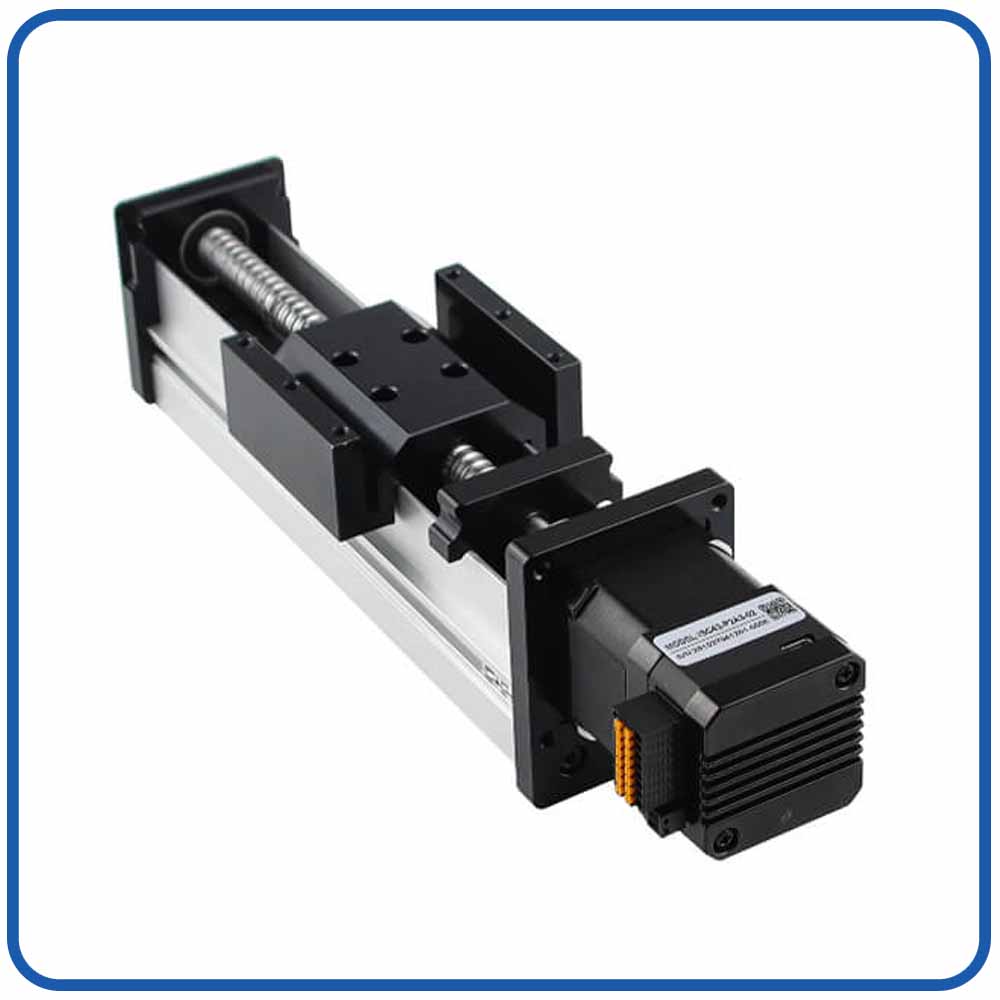
Linear actuators
This enables automated agricultural equipment to deliver the exact amount of water and nutrients required for different crops and growth stages.
3. Reliable Performance in Harsh Agricultural Environments
Agricultural environments are more demanding than many industrial applications because equipment is exposed to multiple external factors simultaneously.
Waterproof stepper motors are designed to withstand:
Dust and soil particles
Fertilizer residue
Outdoor temperature changes
Long operating hours
Their protective structure helps prevent contamination from affecting internal components, ensuring consistent operation even in challenging conditions.
This reliability helps agricultural systems achieve:
Less unexpected downtime
More stable production processes
Reduced equipment maintenance frequency
4. Reduced Maintenance Requirements and Operating Costs
Maintenance is a major concern for large-scale agricultural operations. Equipment installed in fields or remote areas can be difficult and expensive to repair.
Waterproof stepper motors help reduce maintenance demands by providing:
Better corrosion resistance
Improved mechanical protection
Longer operating lifespan
Fewer component failures
By reducing repair frequency, farmers and equipment manufacturers can achieve lower overall operating costs while maintaining system efficiency.
5. Stable Low-Speed Torque Performance
Many agricultural automation applications require controlled and precise movement rather than high-speed rotation.
For example:
Opening and closing irrigation valves
Adjusting fertilizer flow rates
Positioning greenhouse systems
Controlling automated planting equipment
Waterproof stepper motors provide excellent low-speed torque characteristics, allowing equipment to move smoothly and accurately even at slow operating speeds.
Key performance advantages:
Strong holding torque
Smooth motion control
Accurate positioning without complex feedback systems
Reliable operation under changing loads
6. Improved Energy Efficiency for Sustainable Agriculture
Energy efficiency is becoming increasingly important in modern farming. Waterproof stepper motors support sustainable agricultural solutions by providing efficient motion control.
Compared with traditional drive solutions, they can offer:
Controlled energy consumption
Efficient operation during positioning tasks
Reduced unnecessary mechanical movement
For solar-powered irrigation systems or remote agricultural equipment, energy-efficient motors help extend system operating time and improve overall sustainability.
Conclusion: Why Waterproof Stepper Motors Are Essential for Automated Agriculture
As agriculture continues moving toward intelligent and precision-based production, reliable motion control solutions become increasingly important. Waterproof stepper motors provide the combination of accuracy, durability, environmental resistance, and easy integration required for modern agricultural automation.
From smart irrigation and fertilizer management to greenhouse systems and agricultural robotics, these motors help improve operational efficiency, reduce maintenance costs, and support more sustainable farming practices.
By choosing waterproof stepper motors, automated agriculture systems can achieve higher reliability and precision while meeting the challenges of today’s demanding agricultural environments.
Applications of Waterproof Stepper Motors in Irrigation and Fertilization
1. Precision Drip Irrigation Systems
In drip irrigation, every drop matters. Waterproof stepper motors regulate micro-valves that control water flow to specific plant zones, ensuring:
Uniform moisture distribution
Reduced water waste
Targeted irrigation for different crop zones
2. Automated Fertilizer Injection Systems
Fertilizer dosing systems rely heavily on accuracy. Stepper motors control pump strokes and valve positions to ensure:
Precise nutrient concentration
Consistent mixing ratios
Reduced chemical overuse
This directly improves soil health and crop quality.
Their quiet and precise operation is ideal for sensitive greenhouse ecosystems.
4. Smart Sprinkler Positioning Systems
For large-scale farming fields, sprinkler positioning systems require accurate directional control. Stepper motors allow:
Programmable spray angles
Zone-based irrigation mapping
Automated field coverage optimization
5. Hydroponic and Vertical Farming Systems
In soilless farming environments, nutrient delivery must be extremely precise. Waterproof stepper motors ensure:
Accurate nutrient flow regulation
Stable recirculation control
High-frequency dosing adjustments
Design Features That Make Waterproof Stepper Motors Ideal
Sealed Housing Technology
Advanced sealing techniques prevent external contaminants from entering the motor body. This is essential for fertilizer-rich environments where chemical exposure is high.
High-Torque Output at Low Speeds
Agricultural systems often require slow, controlled movement rather than high-speed rotation. Stepper motors excel in:
Low-speed torque stability
Holding position without drift
Fine micro-stepping control
Corrosion-Resistant Materials
Manufacturers use:
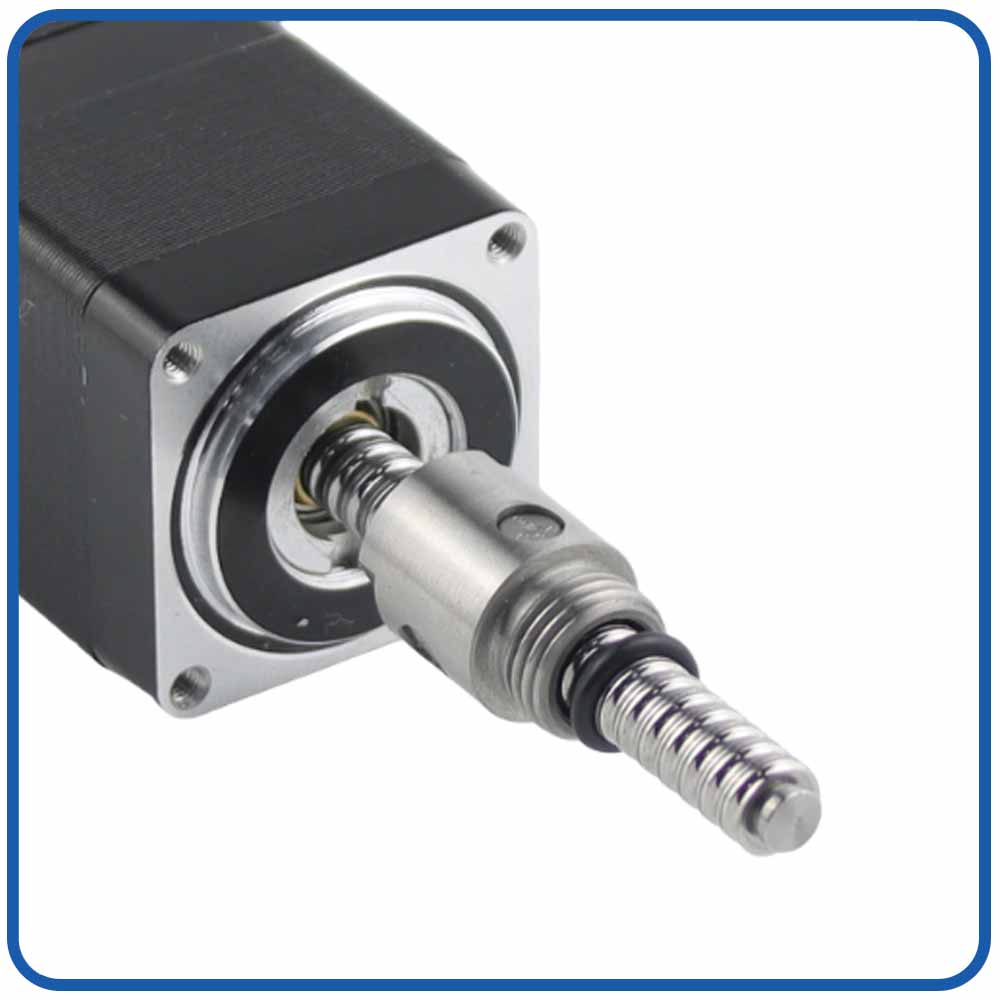
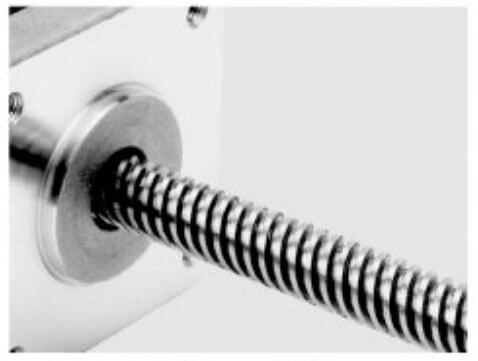
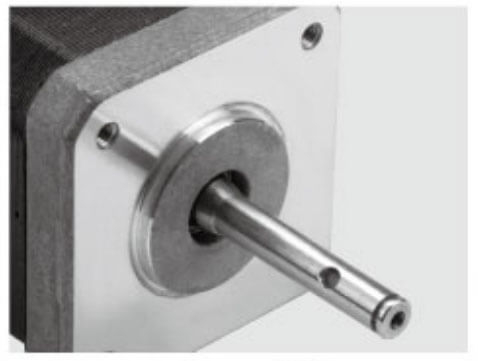
Stainless steel shafts
Anti-corrosion coatings
Industrial-grade insulation materials
These materials ensure long-term reliability in harsh farming conditions.
Energy-Efficient Operation
Waterproof stepper motors consume energy only when movement is required, making them highly efficient for solar-powered or off-grid agricultural systems.
Challenges Solved by Waterproof Stepper Motors
Modern agricultural automation, industrial equipment, and outdoor motion control systems often operate in environments where water, dust, chemicals, and continuous operation create significant challenges. Traditional motors may struggle to maintain performance under these harsh conditions, leading to frequent maintenance, reduced accuracy, and unexpected equipment downtime.
Waterproof stepper motors are specifically designed to overcome these challenges by combining precise motion control with strong environmental protection. Their sealed structure, reliable torque output, and durable construction help automated systems achieve stable performance even in demanding operating environments.
1. Solving Water Damage and Moisture-Related Failures
Water exposure is one of the biggest challenges for equipment used in irrigation, agriculture, food processing, and outdoor automation systems.
Traditional motors may experience:
Electrical short circuits
Insulation damage
Internal corrosion
Reduced motor efficiency
Complete system failure after prolonged moisture exposure
Waterproof stepper motors solve these problems through:
Sealed motor housings
Protective insulation designs
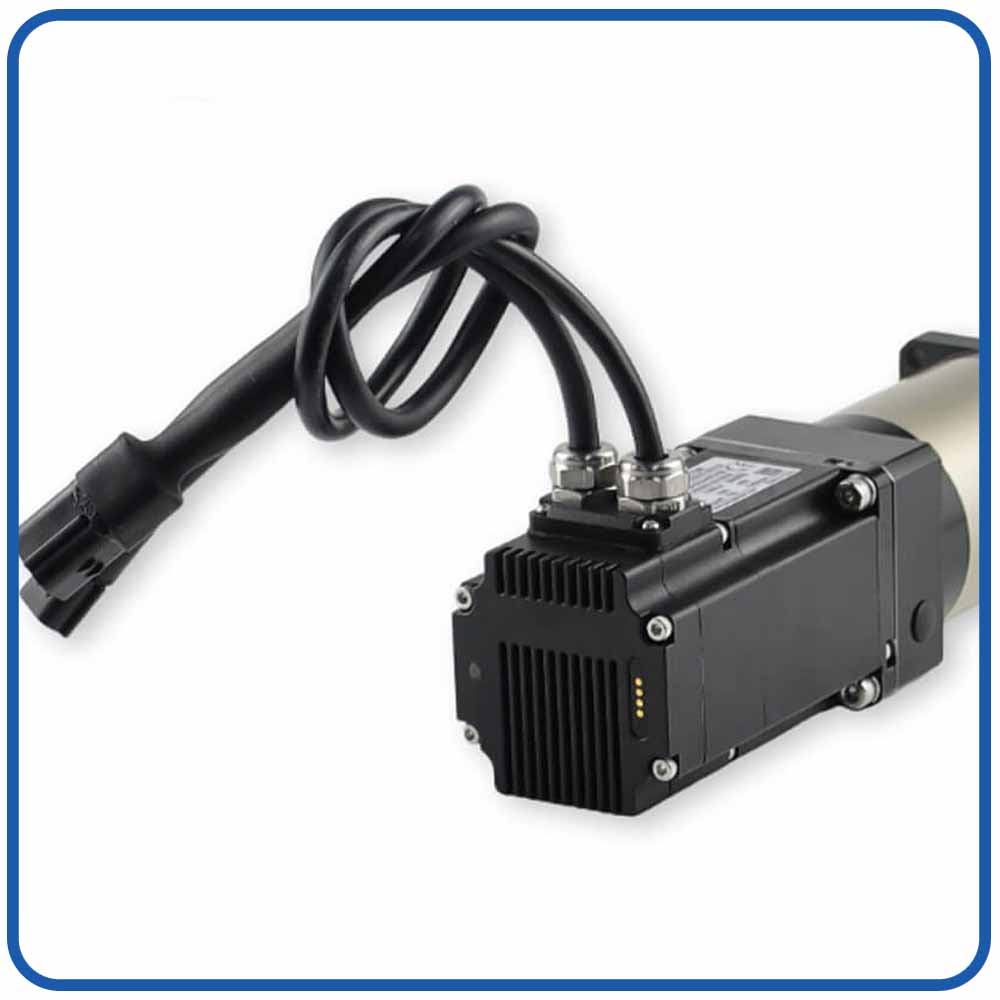
Waterproof connectors and components
Corrosion-resistant materials
This allows motors to operate reliably in environments with frequent water contact, such as:
Automated irrigation systems
Agricultural machinery
Washing equipment
Outdoor positioning systems
2. Reducing Corrosion Caused by Fertilizers and Chemicals
Many automated agricultural systems use fertilizers, pesticides, and chemical solutions that can accelerate equipment degradation.
Chemical exposure can cause:
Metal oxidation
Material deterioration
Reduced mechanical strength
Shortened equipment lifespan
Waterproof stepper motors address these issues by using protective structures and durable materials that resist chemical contamination.
Benefits include:
Longer service life in agricultural environments
Reduced replacement frequency
More stable operation in fertilizer systems
Improved reliability of automated dosing equipment
This makes them especially valuable in fertigation systems, where precise fertilizer delivery is required.
3. Improving Motion Accuracy in Precision Agriculture
Automation requires accurate movement control. In irrigation and fertilization systems, small positioning errors can affect water distribution and nutrient delivery.
Common problems with traditional systems include:
Inconsistent valve adjustment
Incorrect fertilizer dosing
Poor repeatability
Unstable flow control
Waterproof stepper motors solve these challenges through:
Precise step-by-step movement
High positioning accuracy
Excellent repeatability
Stable low-speed control
They enable precise control of:
Water valves
Pump adjustment mechanisms
Linear motion systems
Automated agricultural equipment
4. Minimizing Equipment Downtime in Remote Locations
Many agricultural systems are installed in areas where maintenance is difficult, including:
Large farms
Greenhouses
Outdoor irrigation fields
Remote agricultural facilities
When motor failures occur, repairs can be time-consuming and expensive.
Waterproof stepper motors help reduce downtime by providing:
Higher environmental resistance
Reliable long-term operation
Reduced maintenance requirements
Better protection against external damage
This improves the availability of automated farming systems and reduces interruptions during critical growing periods.
5. Maintaining Performance Under Dust and Dirt Exposure
Agricultural and outdoor environments contain large amounts of dust, soil particles, and debris. These contaminants can enter unprotected motors and cause:
Mechanical wear
Bearing damage
Increased friction
Reduced positioning accuracy
Waterproof stepper motors provide protection against dust intrusion through sealed designs.
This helps maintain:
Smooth operation
Stable torque output
Consistent motion accuracy
Longer mechanical lifespan
6. Supporting Continuous Operation Requirements
Many automated systems require motors to operate for extended periods with minimal human supervision.
Examples include:
Automatic irrigation schedules
Greenhouse climate control
Fertilizer distribution systems
Smart farming robots
Waterproof stepper motors solve continuous operation challenges by providing:
Stable torque performance
Reliable thermal management
Strong mechanical durability
Consistent operation cycles
Their robust design supports long-term automation without frequent intervention.
Conclusion: Waterproof Stepper Motors Provide Reliable Solutions for Harsh Environments
Waterproof stepper motors solve many of the critical challenges faced by modern automation systems, including water damage, chemical corrosion, dust contamination, inaccurate positioning, high maintenance costs, and operational downtime.
By combining environmental protection with precise motion control, they provide a dependable solution for automated irrigation, fertilization systems, greenhouse equipment, and smart agriculture applications.
As industries continue to demand more reliable and intelligent automation, waterproof stepper motors will remain an essential technology for achieving efficient, durable, and high-performance motion control in challenging environments.
Future Trends in Smart Irrigation Automation
The future of agriculture is moving toward fully autonomous and AI-driven systems. Waterproof stepper motors will play a central role in:
AI-based adaptive irrigation scheduling
Fully automated fertigation optimization
Solar-powered smart farming systems
Sensor-integrated closed-loop irrigation control
As agriculture becomes more digitized, demand for reliable motion control solutions in harsh environments will continue to grow rapidly.
Conclusion: A Critical Component in Precision Agriculture
We recognize that the success of automated irrigation and fertilization systems depends heavily on the reliability of their motion control components. Waterproof stepper motors provide the durability, precision, and environmental resistance required to ensure consistent agricultural performance.
Their ability to operate seamlessly in wet, corrosive, and demanding outdoor environments makes them a foundational technology for modern smart farming systems focused on efficiency, sustainability, and high crop yield optimization.

 English
 العربية
 Français
 Русский
 Español
 Português
 Deutsch
 italiano
 日本語
日本語 한국어
한국어 Nederlands
 Tiếng Việt
 ไทย
ไทย Polski
 Türkçe
 ພາສາລາວ
 ភាសាខ្មែរ
 Bahasa Melayu
 ဗမာစာ
ဗမာစာ Filipino
 Bahasa Indonesia
 magyar
 Română
 Čeština
 Монгол
 қазақ
қазақ Српски
 हिन्दी
 فارسی
فارسی Slovenčina
 Slovenščina
 Norsk
Norsk Svenska
 українська
 Ελληνικά
 Suomi
Suomi Հայերեն
 עברית
עברית Latine
 Dansk
Dansk Shqip
Shqip বাংলা
বাংলা Hrvatski
 Afrikaans
 Gaeilge
 Eesti keel
 Oʻzbekcha
 latviešu
 Azərbaycan dili
 Български
 Català