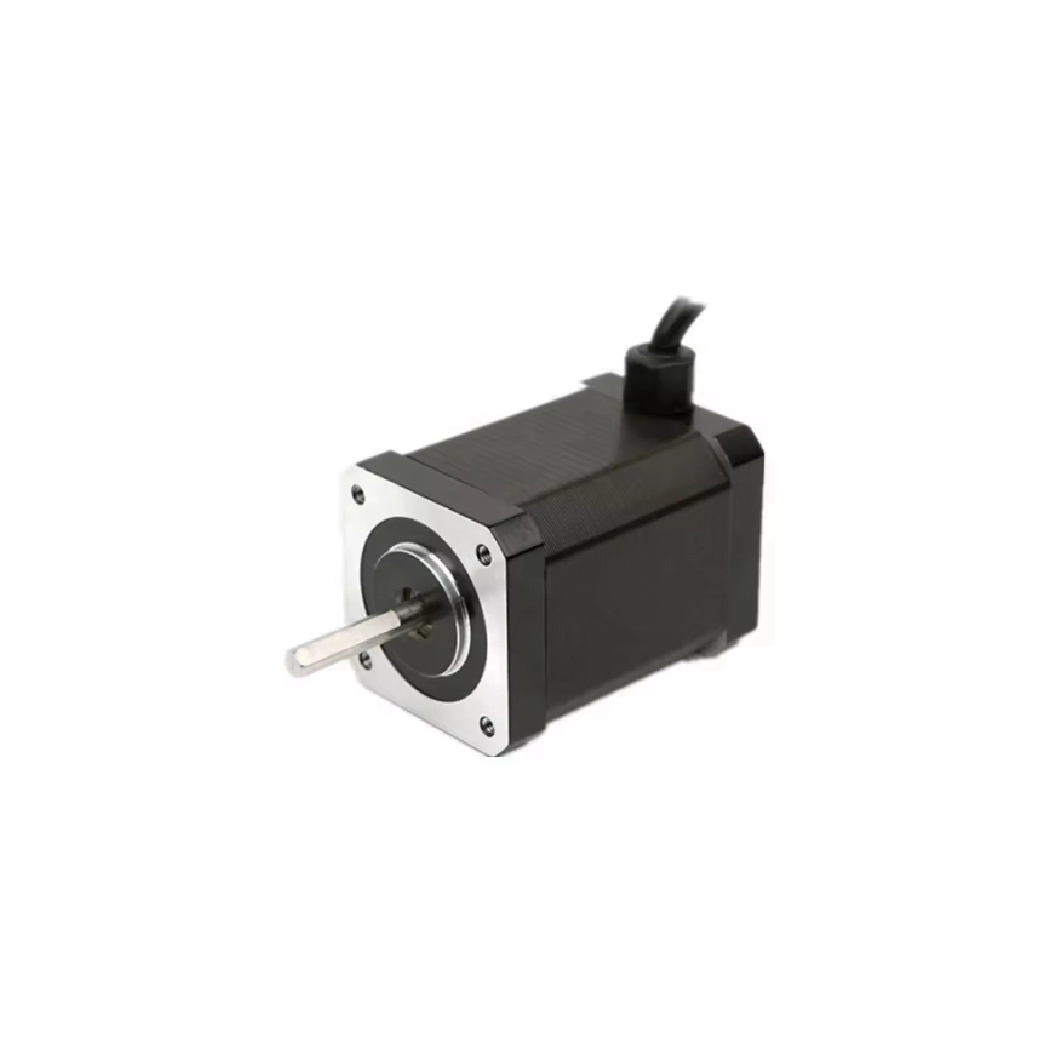
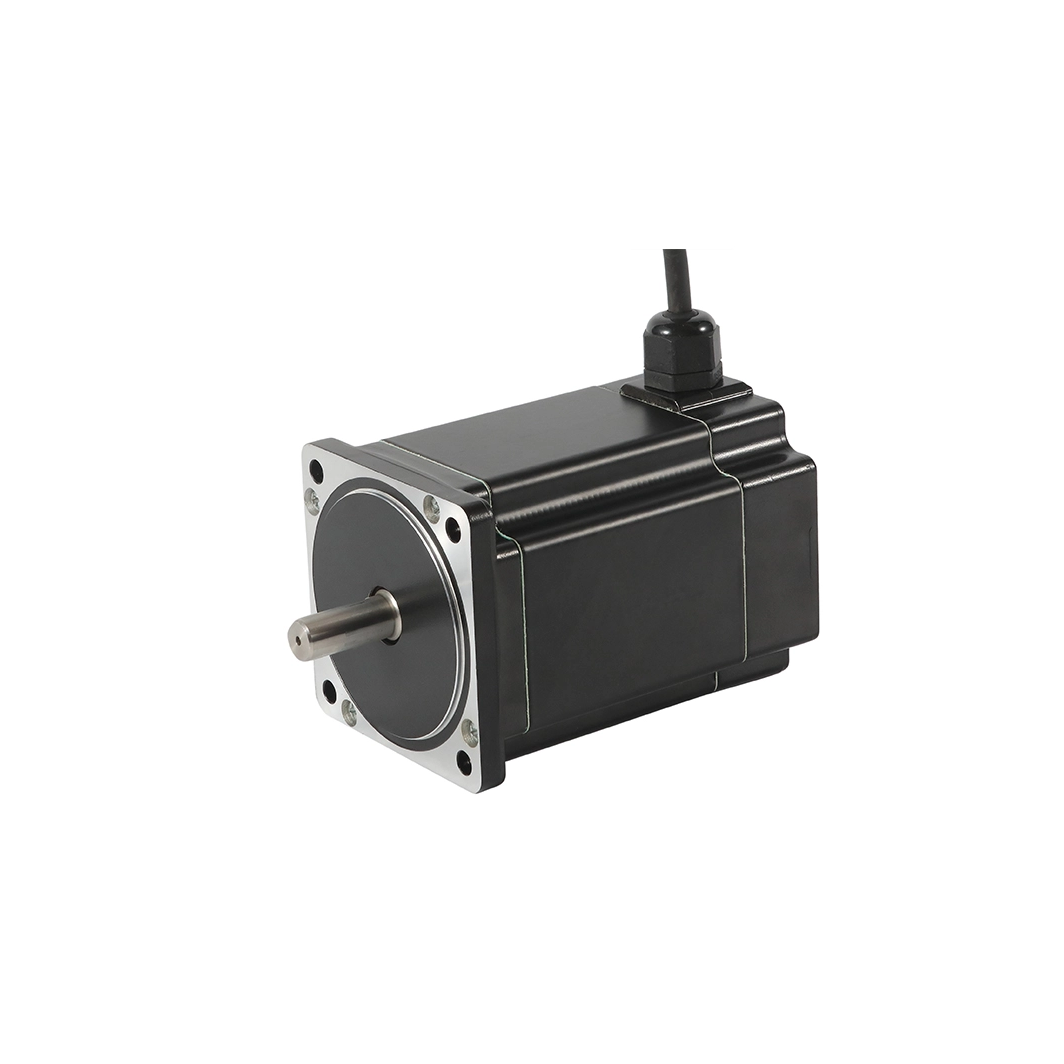
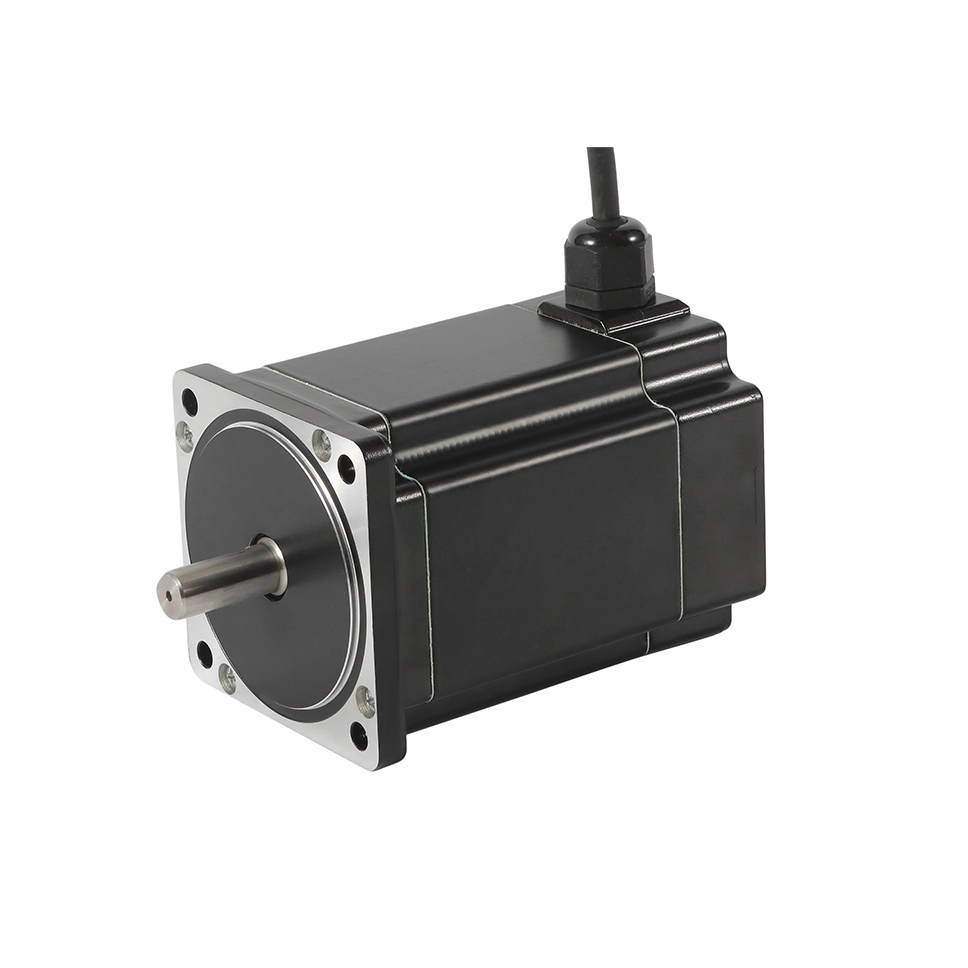
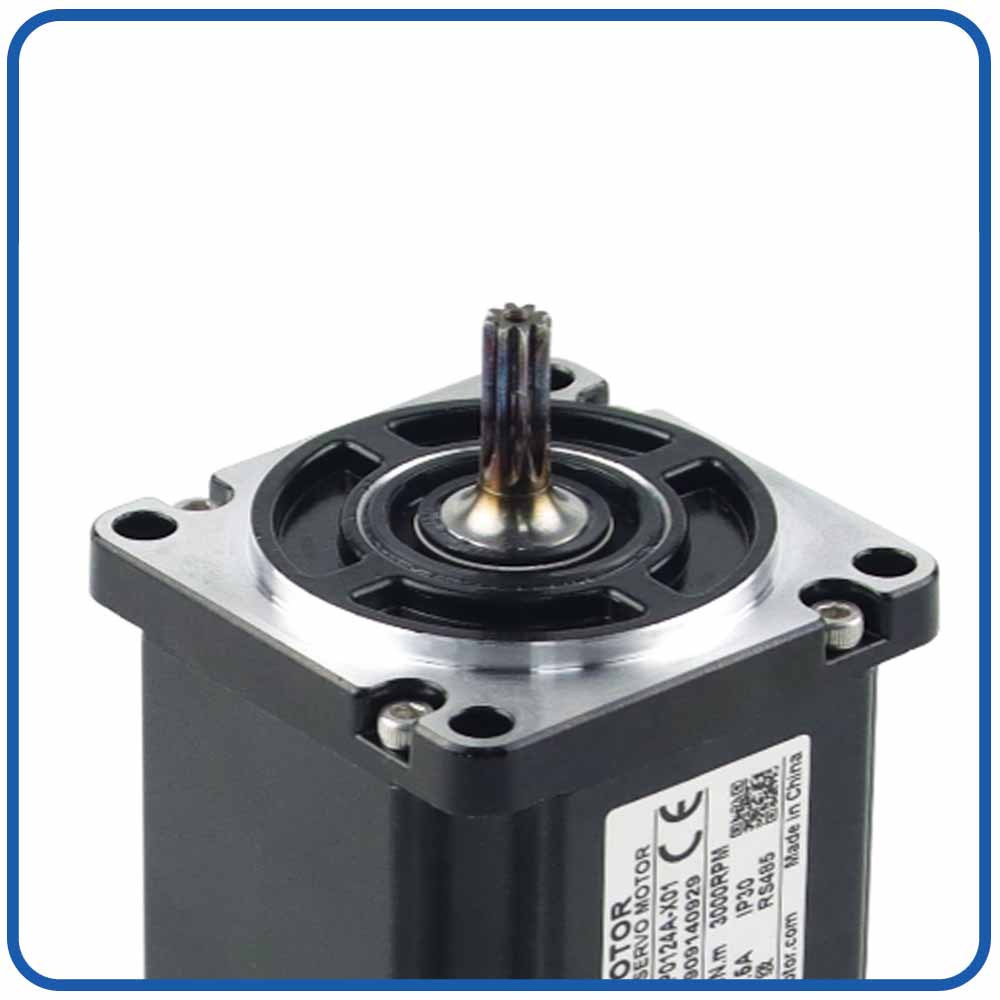
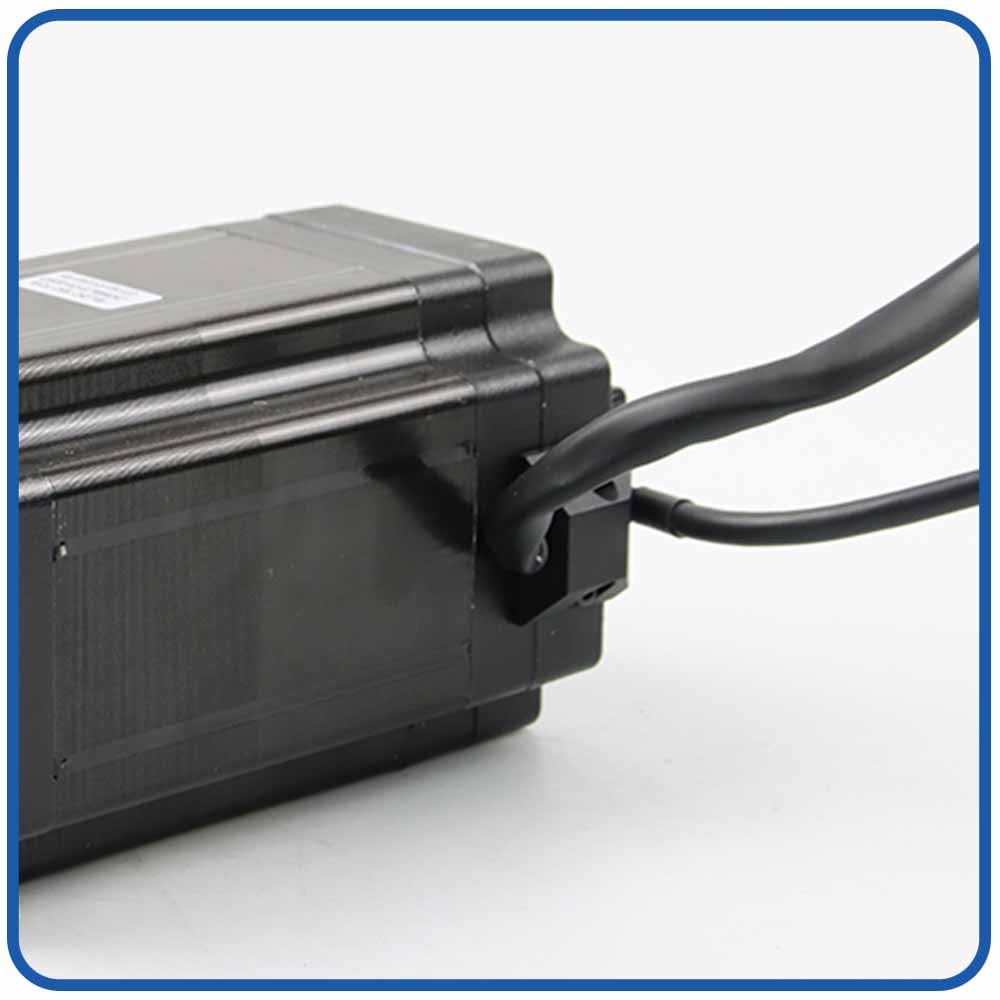
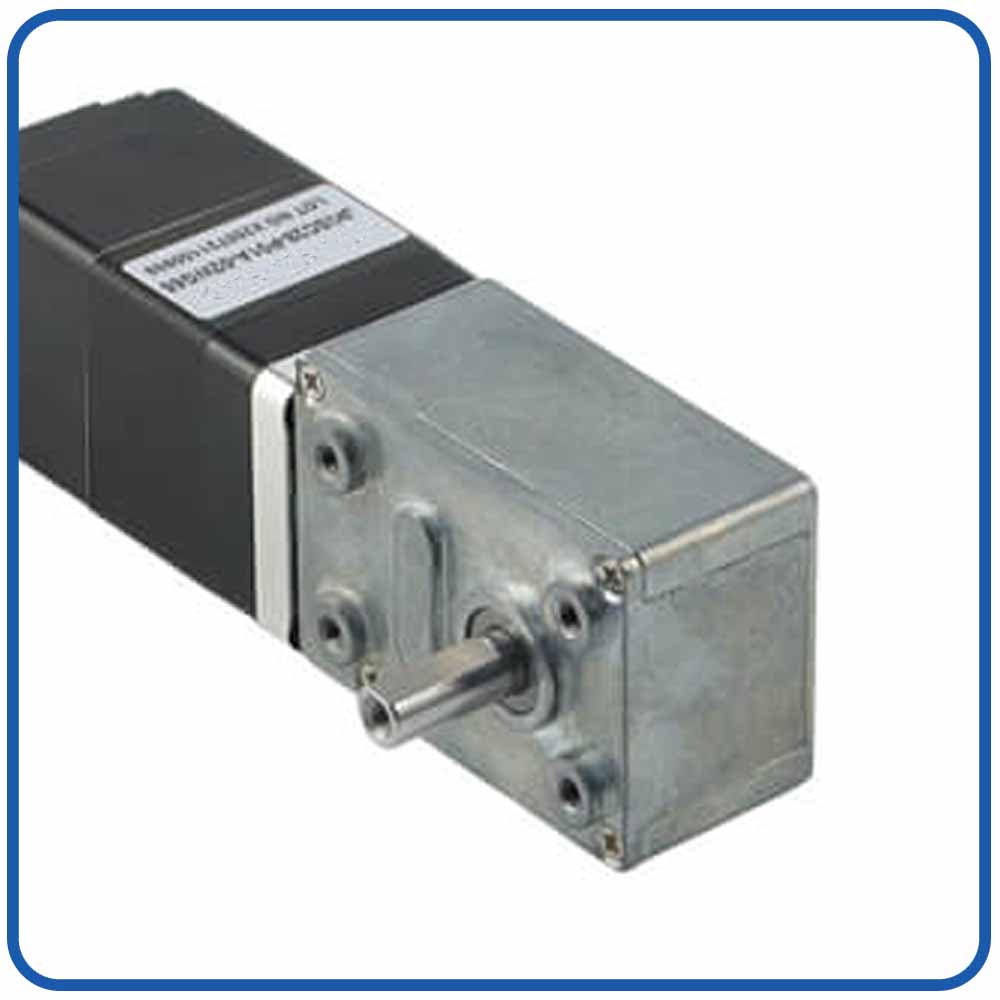
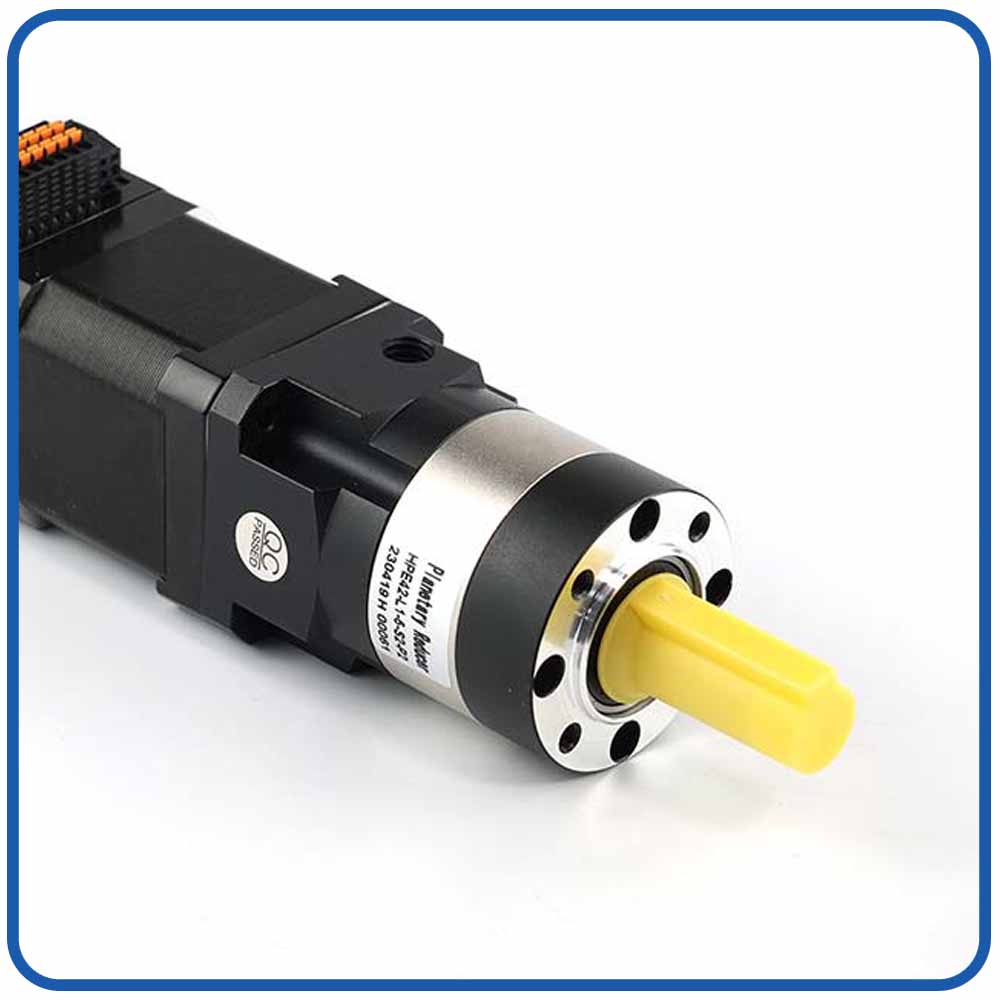
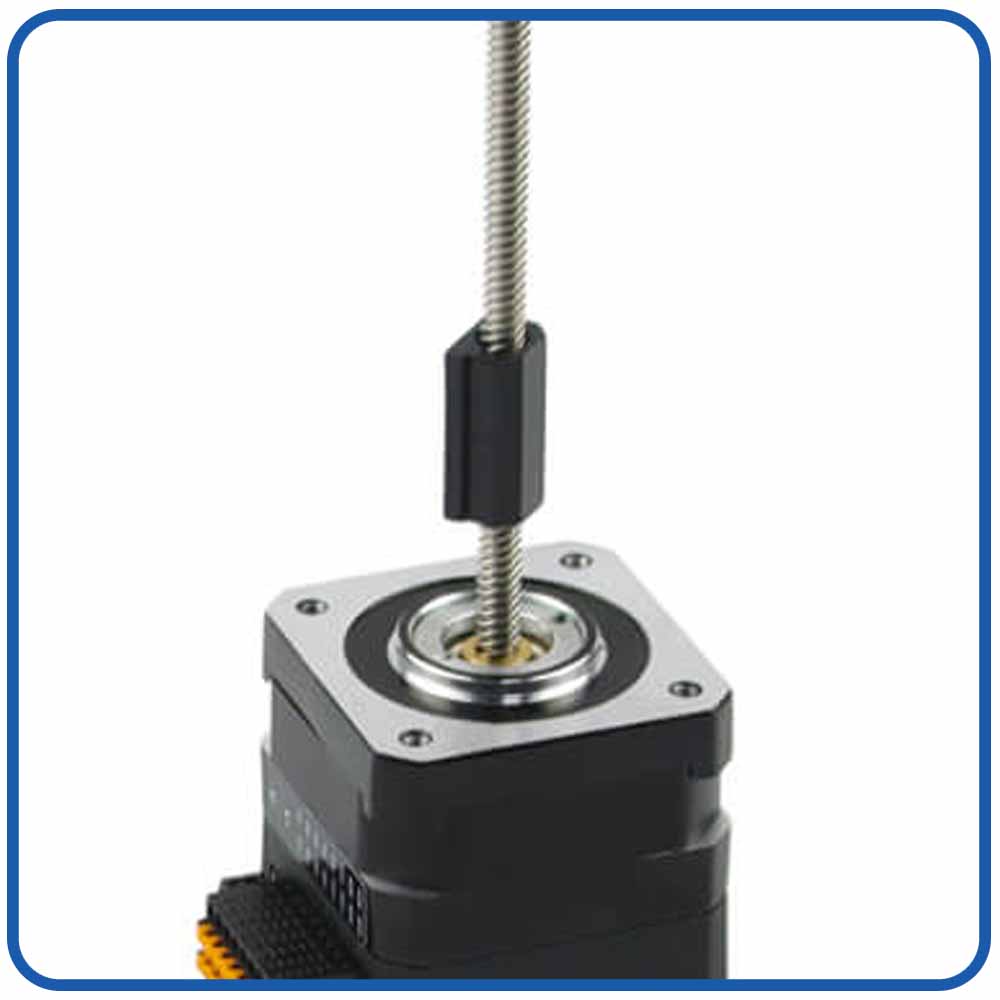
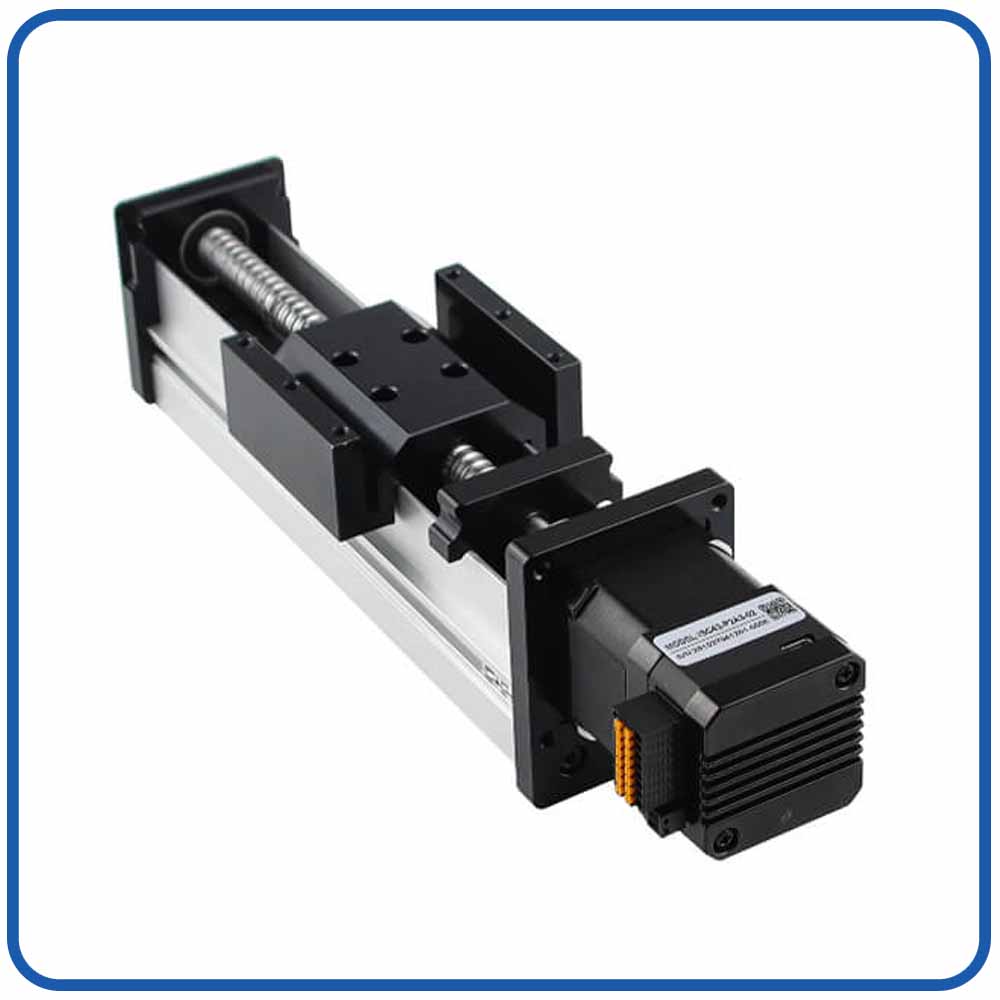
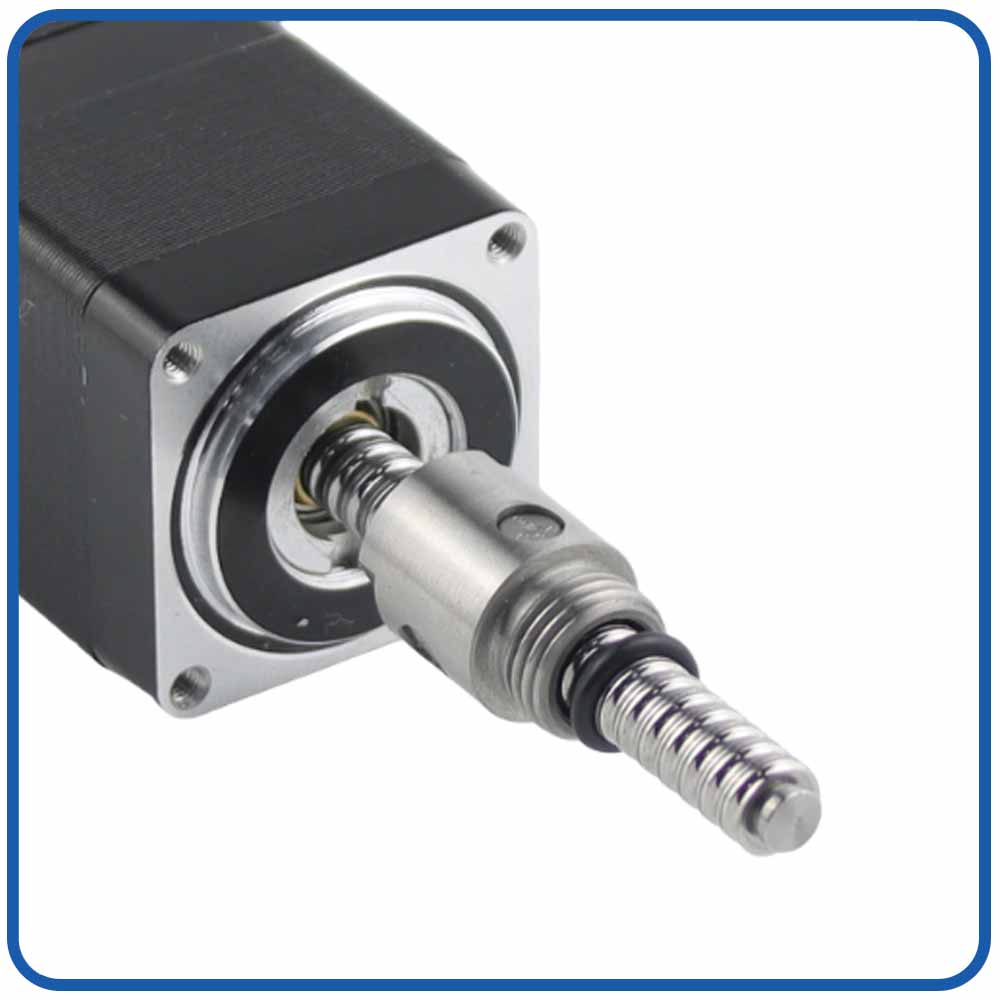
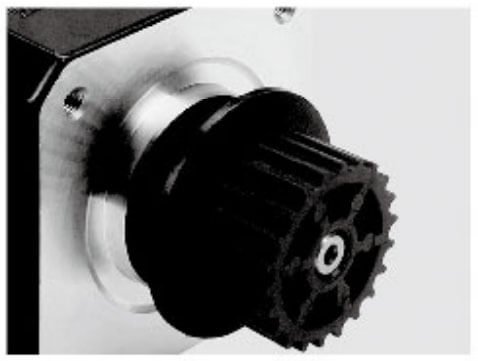
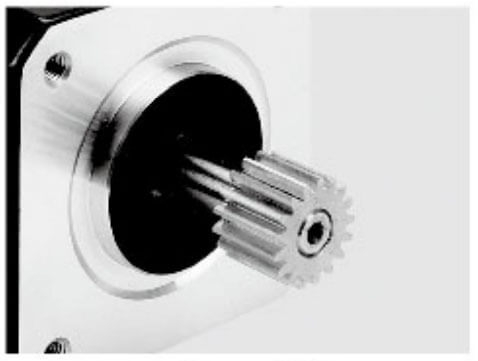
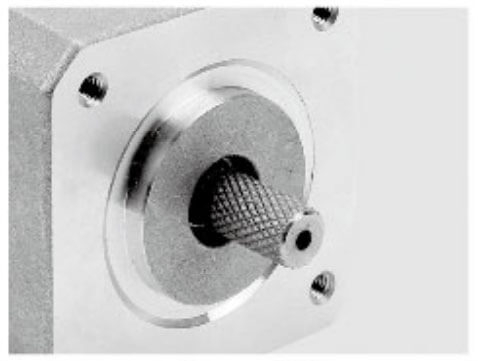
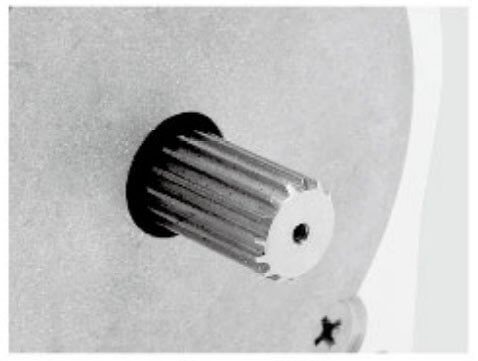
Water treatment and filtration systems require highly reliable motion control components to ensure accurate operation, stable performance, and long service life. In these demanding environments, waterproof stepper motors play an essential role by providing precise movement control while resisting moisture, splashing water, chemicals, and harsh operating conditions.
From automated valves and dosing pumps to filtration adjustment mechanisms and wastewater processing equipment, waterproof stepper motors help improve system efficiency and reliability. Their ability to deliver accurate positioning, controlled speed, and repeatable movement makes them a valuable solution for modern water management applications.
Why Waterproof Stepper Motors Are Important in Water Treatment Applications
Water treatment systems often operate in environments where traditional motors may face performance issues. Continuous exposure to humidity, water droplets, cleaning chemicals, and corrosive substances can damage electrical components and reduce motor lifespan.
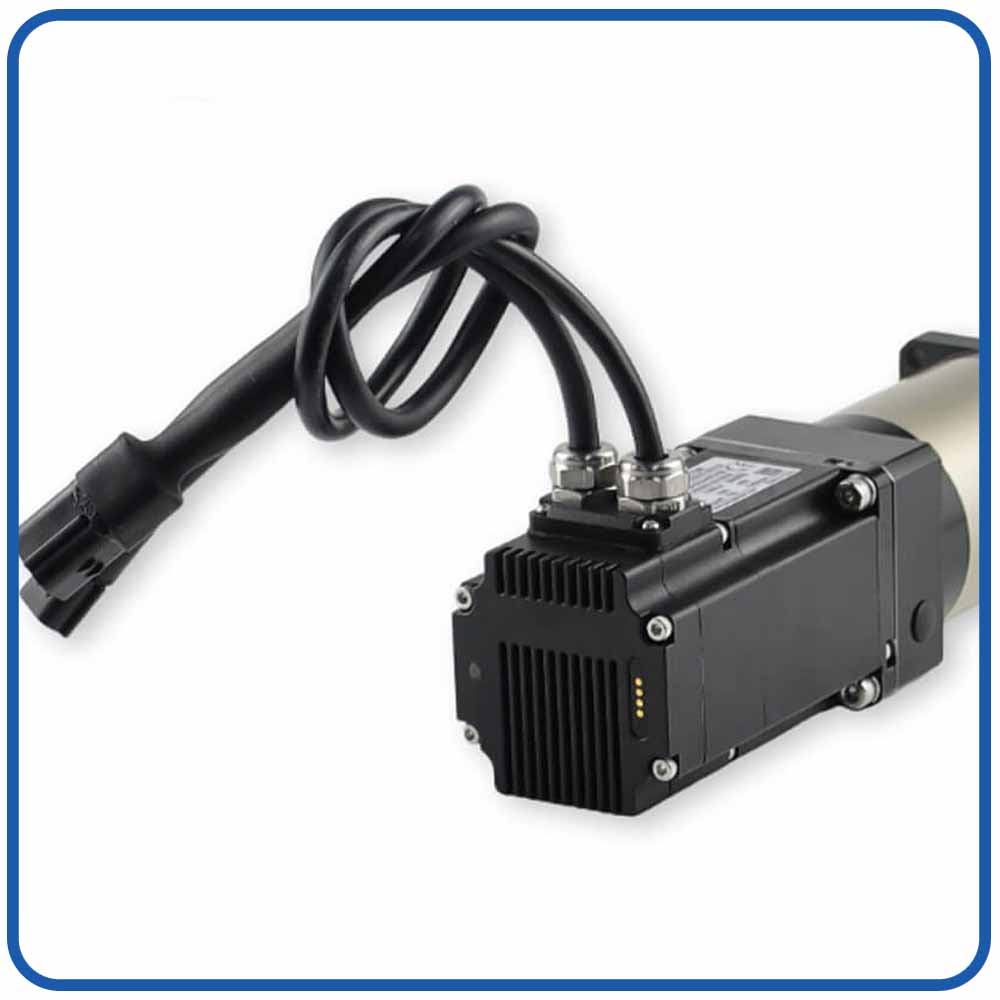
A waterproof stepper motor is designed with enhanced sealing structures and protective housing to prevent water intrusion. Depending on the application requirements, motors can be developed with different IP protection ratings, such as IP65, IP67, or higher levels of protection, allowing them to operate safely in wet environments.
The main advantages of waterproof stepper motors in water treatment systems include:
Protection against moisture and water exposure
Stable operation in humid environments
High positioning accuracy
Reliable long-term performance
Reduced maintenance requirements
Compatibility with automated control systems
These features make waterproof stepper motors suitable for equipment that requires consistent operation under challenging environmental conditions.
Applications of Waterproof Stepper Motors in Water Treatment and Filtration Systems
1. Automated Valve Control Systems
Valves are critical components in water treatment facilities. They regulate water flow, chemical distribution, filtration cycles, and pressure control.
Traditional manual valve systems are gradually being replaced by automated solutions that require precise motor control. Waterproof stepper motors provide accurate rotational movement, allowing valves to open and close according to programmed instructions.
In applications such as:
Reverse osmosis systems
Industrial filtration equipment
Water purification machines
Wastewater treatment plants
waterproof stepper motors enable precise valve positioning and improve overall system automation.
The step-by-step movement of these motors allows controllers to accurately adjust valve angles, ensuring optimized water flow and reducing unnecessary energy consumption.
2. Chemical Dosing and Metering Pumps
Chemical dosing is an important process in water treatment. Systems often need to inject precise amounts of chemicals, including disinfectants, pH adjustment agents, and filtration additives.
Waterproof stepper motors are commonly used in dosing pumps because they provide:
Precise flow adjustment
Repeatable positioning
Accurate speed control
Smooth operation at low speeds
For example, a stepper motor can control the movement of a pump diaphragm or peristaltic mechanism, ensuring that the correct chemical volume is delivered into the water system.
The waterproof design protects the motor from accidental chemical splashes and high-humidity conditions, improving equipment reliability.
3. Filter Cleaning and Backwashing Systems
Many filtration systems require automatic cleaning cycles to remove accumulated particles and maintain filtration efficiency.
Because these systems frequently operate with direct water exposure, motors must maintain stable performance even when exposed to moisture.
A waterproof stepper motor provides the precise movement needed for automatic cleaning operations while minimizing downtime caused by motor failure.
4. UV Water Sterilization Equipment
UV sterilization systems use ultraviolet light to eliminate microorganisms in water. Some systems include adjustable mechanisms for positioning UV components or controlling related moving parts.
Waterproof stepper motors support these systems by providing reliable motion control in environments where water vapor and humidity are common.
Their compact size and accurate positioning capability make them suitable for:
UV lamp adjustment systems
Automated inspection mechanisms
Water flow control devices
5. Wastewater Treatment Equipment
Wastewater treatment environments are often more demanding due to exposure to contaminants, chemicals, and moisture.
Equipment used in wastewater processing requires components that can withstand harsh conditions. Waterproof stepper motors help drive mechanisms involved in:
Sampling systems
Flow adjustment devices
Automated gates
Mechanical filtration systems
The sealed structure reduces the risk of internal corrosion and electrical damage, supporting continuous operation in industrial environments.
Key Features of Waterproof Stepper Motors for Water Systems
High Protection Against Water and Dust
The most important feature of waterproof stepper motors is their protective construction.
A properly sealed motor prevents water and dust from entering critical internal components, including:
Windings
Bearings
Electrical connections
Rotor and stator assemblies
This protection extends operating life and reduces maintenance frequency.
Precise Motion Control
Water treatment equipment often requires accurate movement rather than simply high speed.
Stepper motors operate through controlled electrical pulses, allowing precise control of:
Rotation angle
Position
Speed
Acceleration and deceleration
This makes them ideal for applications where small adjustments can affect system performance.
Strong Low-Speed Performance
Many water treatment mechanisms operate slowly and require stable torque output.
Waterproof stepper motors provide excellent low-speed control without requiring complex feedback systems. This allows equipment manufacturers to design reliable and cost-effective automation solutions.
Compact and Flexible Design
Modern water treatment equipment often requires compact components due to limited installation space.
Waterproof stepper motors are available in various sizes and configurations, making them suitable for:
Small filtration devices
Laboratory water systems
Industrial processing equipment
Commercial purification machines
How Waterproof Stepper Motors Improve System Reliability
In modern water treatment and filtration systems, reliability is a critical factor that directly affects operational efficiency, maintenance costs, and equipment lifespan. These systems often operate in environments where motors are exposed to water, humidity, chemicals, and continuous working cycles. Traditional motors may experience performance degradation under such conditions, while waterproof stepper motors provide a more durable and stable motion control solution.
By combining precise positioning capability with enhanced environmental protection, waterproof stepper motors help improve the reliability of automated water processing equipment, including filtration systems, dosing pumps, valve control mechanisms, and wastewater treatment machines.
1. Reducing the Risk of Water and Moisture Damage
One of the biggest challenges in water treatment equipment is preventing electrical and mechanical failures caused by moisture exposure.
Waterproof stepper motors are designed with protective structures that reduce the risk of water entering internal components such as:
Motor windings
Bearings
Electrical connections
Rotor and stator assemblies
With improved sealing technology and protective housing, these motors can maintain stable operation in environments with frequent water contact, splashing, or high humidity.
This protection is especially important for applications such as:
Industrial water filtration systems
Outdoor purification equipment
Wastewater treatment facilities
Automatic cleaning systems
By preventing moisture-related damage, waterproof stepper motors help reduce unexpected equipment failures and improve overall system uptime.
2. Extending Equipment Service Life
A reliable water treatment system requires components that can operate continuously for long periods. Exposure to moisture and chemicals can accelerate corrosion, insulation damage, and mechanical wear.
Waterproof stepper motors improve service life through:
Corrosion-resistant materials
Sealed motor structures
Stable electrical performance
Reduced contamination risks
In harsh operating environments, these features help maintain consistent motor performance and reduce the frequency of component replacement.
Longer motor lifespan means fewer interruptions, lower maintenance expenses, and improved reliability for the entire water treatment system.
3. Providing Precise and Repeatable Motion Control
Reliability in water treatment is not only about durability; it also depends on accurate operation.
Many water processing systems require precise control of mechanical movements, such as:
Opening and closing valves
Adjusting flow rates
Controlling dosing pumps
Positioning filtration components
Waterproof stepper motors operate through controlled step movements, allowing accurate positioning without complex feedback systems in many applications.
This precise control helps ensure that equipment performs the same operation repeatedly, improving process stability and reducing errors caused by inconsistent movement.
4. Improving Automated Valve and Flow Control Performance
Automated valves are widely used in water treatment systems to regulate water flow, pressure, and filtration cycles.
A waterproof stepper motor allows valves to move accurately according to programmed instructions. This improves reliability by ensuring:
Correct valve positioning
Stable water flow management
Accurate filtration switching
Consistent system operation
For example, in a reverse osmosis filtration system, precise valve control helps maintain proper pressure and flow conditions, improving filtration efficiency and protecting sensitive components.
5. Increasing Reliability of Chemical Dosing Systems
Chemical dosing requires extremely accurate control because incorrect chemical quantities can affect water quality and treatment results.
Waterproof stepper motors improve dosing system reliability by providing:
Accurate pump movement
Stable low-speed operation
Repeatable dosing cycles
Smooth adjustment capability
The motor can precisely control the movement of diaphragm pumps or peristaltic pump mechanisms, ensuring consistent chemical delivery.
This improves treatment accuracy while reducing chemical waste and operational instability.
6. Minimizing Maintenance Requirements
Frequent maintenance can increase operating costs and reduce productivity, especially in industrial water treatment applications.
Waterproof stepper motors help minimize maintenance needs because they are designed to withstand demanding environments.
Benefits include:
Less corrosion damage
Reduced exposure-related failures
Longer replacement intervals
More stable operation
A more reliable motor reduces downtime and allows technicians to focus on system optimization rather than frequent repairs.
7. Supporting Continuous Operation in Harsh Environments
Many water treatment systems operate continuously, sometimes 24 hours a day. Any motor failure can interrupt important processes.
Waterproof stepper motors are suitable for continuous operation because they provide:
Stable torque output
Reliable movement control
Strong environmental resistance
Consistent performance over time
This makes them ideal for applications such as:
Municipal water treatment
Industrial wastewater processing
Aquaculture filtration systems
Automated purification equipment
8. Improving Overall System Efficiency
Reliable motor performance directly contributes to better system efficiency.
When waterproof stepper motors provide accurate and stable movement, water treatment equipment can operate with improved control over:
Flow adjustment
Filtration cycles
Chemical usage
Energy consumption
Precise automation reduces unnecessary operation and helps equipment achieve better performance with fewer resources.
Summary
Waterproof stepper motors improve water treatment system reliability by providing strong protection against moisture, precise motion control, long service life, and stable operation in challenging environments. Their ability to withstand water exposure, chemical conditions, and continuous operation makes them an ideal choice for automated filtration systems, dosing equipment, valve control applications, and wastewater treatment solutions.
As water treatment technology continues to advance toward higher automation and efficiency, waterproof stepper motors will remain an important component for building more reliable, durable, and intelligent water management systems.
Choosing the Right Waterproof Stepper Motor for Water Treatment Equipment
Selecting the correct motor depends on several application factors.
Important considerations include:
Environmental Protection Requirements
The required IP rating should match the working environment. Equipment exposed to direct water spray may require higher waterproof protection compared with indoor systems.
Torque Requirements
The motor must provide enough torque to operate valves, pumps, or mechanical components effectively.
Operating Speed
Different applications require different speed ranges. Some systems need slow, precise movement, while others require faster adjustment.
Size and Installation Space
Compact motor dimensions are important for equipment where space is limited.
Control Compatibility
The motor should work efficiently with the existing controller, PLC system, or automation platform.
Future Trends of Waterproof Stepper Motors in Water Treatment
As global demand for clean water, efficient filtration, and automated water management systems continues to grow, waterproof stepper motors are becoming increasingly important in next-generation water treatment equipment. Future developments will focus on improving durability, intelligence, energy efficiency, and integration capabilities to meet the requirements of more advanced water processing systems.
1. Higher Waterproof Protection and Corrosion Resistance
Future waterproof stepper motors will continue to improve their ability to operate in harsh water treatment environments. Traditional sealing technologies are being upgraded with advanced materials and improved manufacturing processes to provide stronger protection against:
Continuous water exposure
Chemical splashes
High humidity
Saltwater corrosion
Cleaning agents
More applications will require motors with higher IP protection ratings, such as IP67 and IP68, especially in industrial wastewater treatment, outdoor filtration systems, and marine-related water processing equipment.
Enhanced corrosion-resistant materials, stainless steel components, and optimized sealing structures will help extend motor service life and reduce maintenance requirements.
2. Integration with Smart Water Treatment Systems
The future of water treatment is moving toward intelligent automation. Waterproof stepper motors will increasingly be combined with smart controllers, sensors, and industrial communication systems.
Advanced motors may support:
Real-time operating monitoring
Remote control and adjustment
Predictive maintenance
Fault detection
Automated performance optimization
By connecting waterproof stepper motors with IoT-based water management platforms, operators can monitor equipment conditions and improve system reliability.
For example, a smart filtration system can automatically adjust valve positions or dosing pump operation based on water quality data, improving treatment accuracy and reducing resource waste.
3. More Energy-Efficient Motor Designs
Energy consumption is a major concern in modern water treatment facilities. Future waterproof stepper motors will focus on achieving higher efficiency while maintaining accurate motion control.
Improved motor designs may include:
Lower power consumption operation
Optimized electromagnetic structures
Reduced heat generation
More efficient drivers
Energy-efficient waterproof stepper motors will help reduce operating costs for applications such as large-scale filtration systems, wastewater processing equipment, and automated pumping solutions.
4. Compact and Integrated Motor Solutions
Water treatment equipment is becoming smaller, smarter, and more modular. This trend will increase demand for compact waterproof stepper motors with integrated features.
Future motor solutions may combine:
Stepper motor
Motor driver
Controller
Communication interface
Protection system
into a single integrated unit.
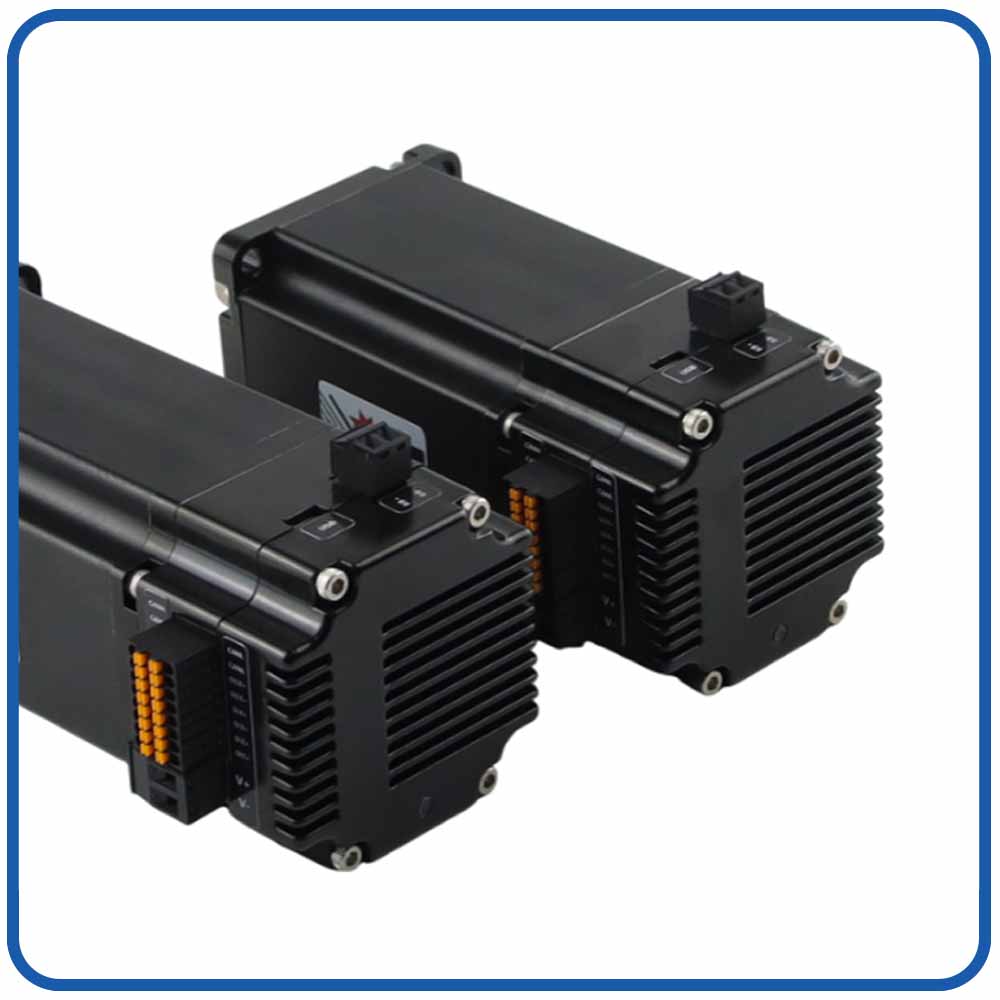
Integrated waterproof stepper motors can simplify equipment design, reduce wiring complexity, and improve installation efficiency. They are especially suitable for compact purification systems, laboratory water equipment, and commercial filtration machines.
5. Improved Precision for Automated Water Control
Modern water treatment systems require increasingly accurate control of fluid movement, chemical dosing, and filtration processes.
Future waterproof stepper motors will provide improved:
Position accuracy
Repeatability
Speed control
Torque stability
Higher precision will benefit applications such as:
Automatic valve adjustment
Precision chemical dosing pumps
Membrane filtration systems
Water quality control equipment
More accurate motor control can help maintain stable treatment processes and improve overall system performance.
6. Greater Adaptability for Different Water Treatment Applications
Water treatment covers a wide range of environments, from household purification systems to large industrial facilities. Future waterproof stepper motors will be developed with more application-specific designs.
Customized solutions may include:
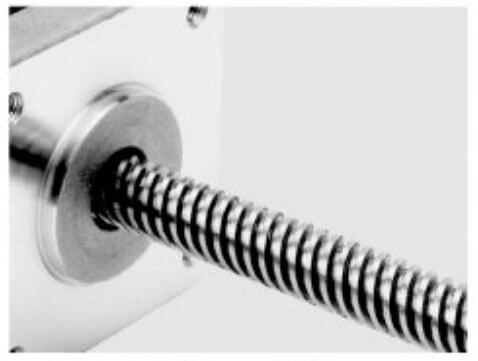
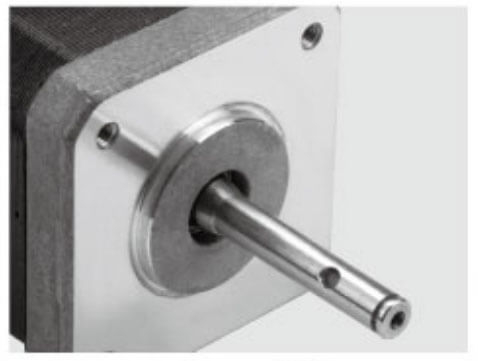
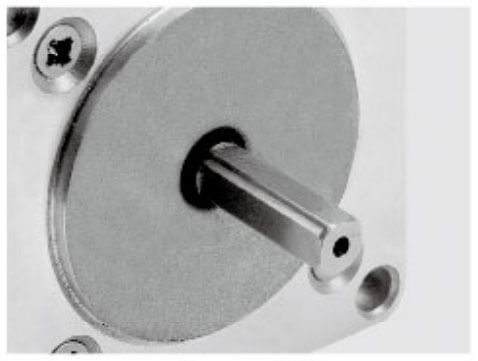
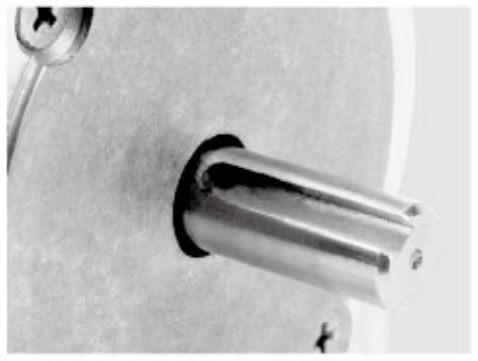
Different shaft configurations
Various torque ranges
Compact installation options
Special environmental protection designs
This flexibility will allow manufacturers to select motors that match specific operating conditions rather than relying on standard solutions.
7. Increased Use in Sustainable Water Management
Sustainability is becoming a major focus in water treatment industries. Waterproof stepper motors will contribute to greener solutions by improving automation efficiency and reducing unnecessary energy and material consumption.
Applications supporting sustainable water management include:
Solar-powered water purification systems
Smart irrigation equipment
Automated recycling water systems
Energy-efficient wastewater treatment plants
By enabling precise control of pumps, valves, and filtration mechanisms, waterproof stepper motors help optimize water usage and reduce operational waste.
8. Development of More Durable Materials and Manufacturing Technologies
Future improvements in waterproof stepper motors will also come from advances in materials and production techniques.
Potential developments include:
Advanced polymer sealing materials
Improved insulation technology
High-performance magnetic materials
Precision CNC manufacturing processes
These innovations will allow motors to maintain reliable operation under more extreme conditions, including high temperatures, chemical exposure, and continuous operation cycles.
Summary
The future of waterproof stepper motors in water treatment systems will be driven by smarter automation, stronger protection, higher efficiency, and more compact designs. As filtration and water management technologies continue to evolve, these motors will provide more reliable and precise motion control solutions for valves, pumps, filtration mechanisms, and wastewater equipment.
With advancements in intelligent control, energy-saving technologies, and durable materials, waterproof stepper motors will continue to support the development of more efficient, sustainable, and automated water treatment systems.
Conclusion
Waterproof stepper motors play a critical role in modern water treatment and filtration systems by providing accurate, reliable, and durable motion control in wet environments. Their ability to resist moisture, maintain precise positioning, and operate consistently makes them ideal for applications such as valve automation, dosing pumps, filtration systems, wastewater equipment, and sterilization solutions.
As water treatment technology continues to move toward higher levels of automation, waterproof stepper motors will remain an important component for improving efficiency, reliability, and long-term system performance.

 English
 العربية
 Français
 Русский
 Español
 Português
 Deutsch
 italiano
 日本語
日本語 한국어
한국어 Nederlands
 Tiếng Việt
 ไทย
ไทย Polski
 Türkçe
 ພາສາລາວ
 ភាសាខ្មែរ
 Bahasa Melayu
 ဗမာစာ
ဗမာစာ Filipino
 Bahasa Indonesia
 magyar
 Română
 Čeština
 Монгол
 қазақ
қазақ Српски
 हिन्दी
 فارسی
فارسی Slovenčina
 Slovenščina
 Norsk
Norsk Svenska
 українська
 Ελληνικά
 Suomi
Suomi Հայերեն
 עברית
עברית Latine
 Dansk
Dansk Shqip
Shqip বাংলা
বাংলা Hrvatski
 Afrikaans
 Gaeilge
 Eesti keel
 Oʻzbekcha
 latviešu
 Azərbaycan dili
 Български
 Català