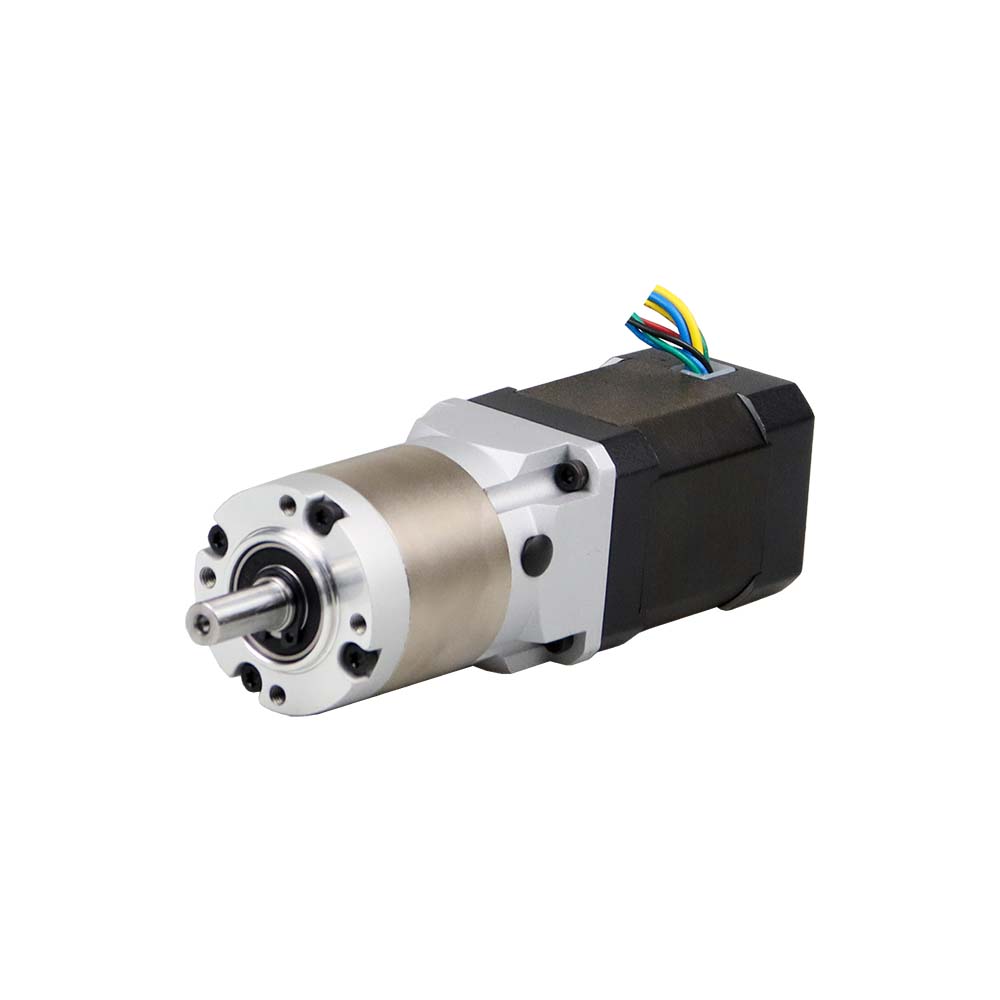
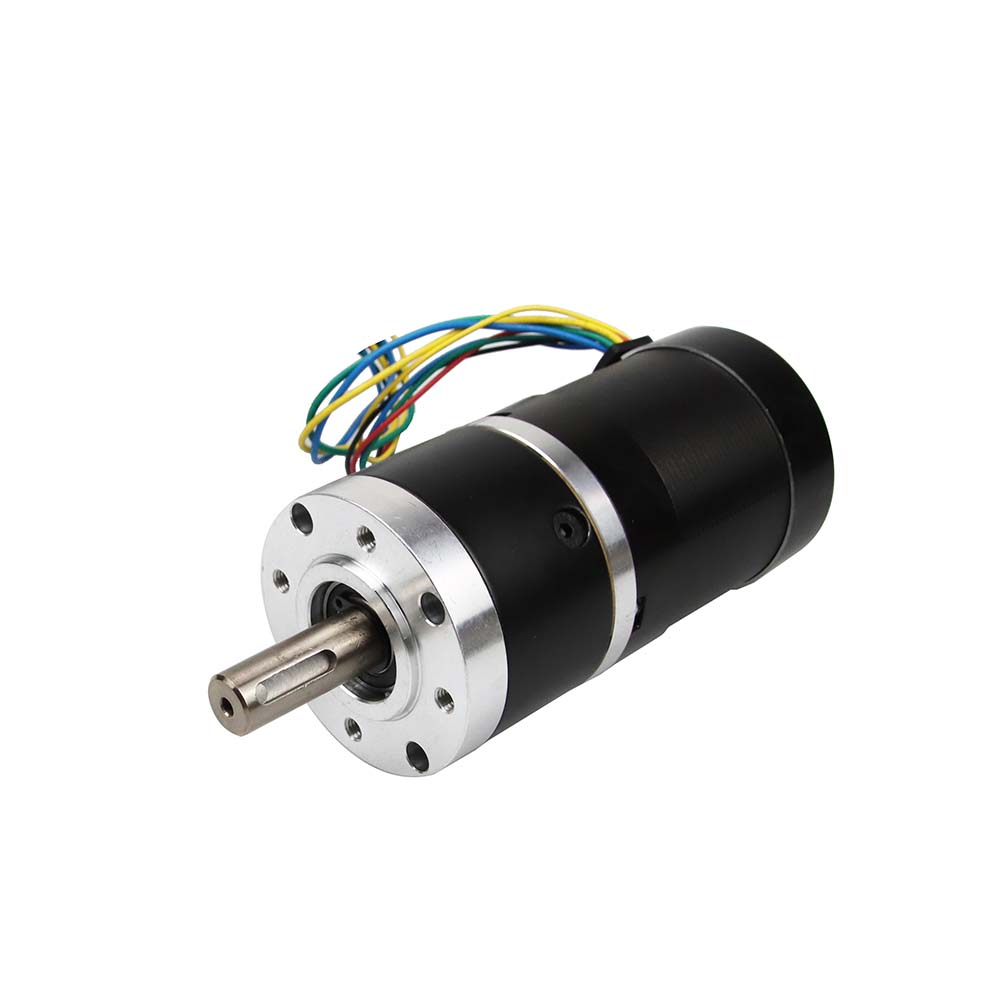
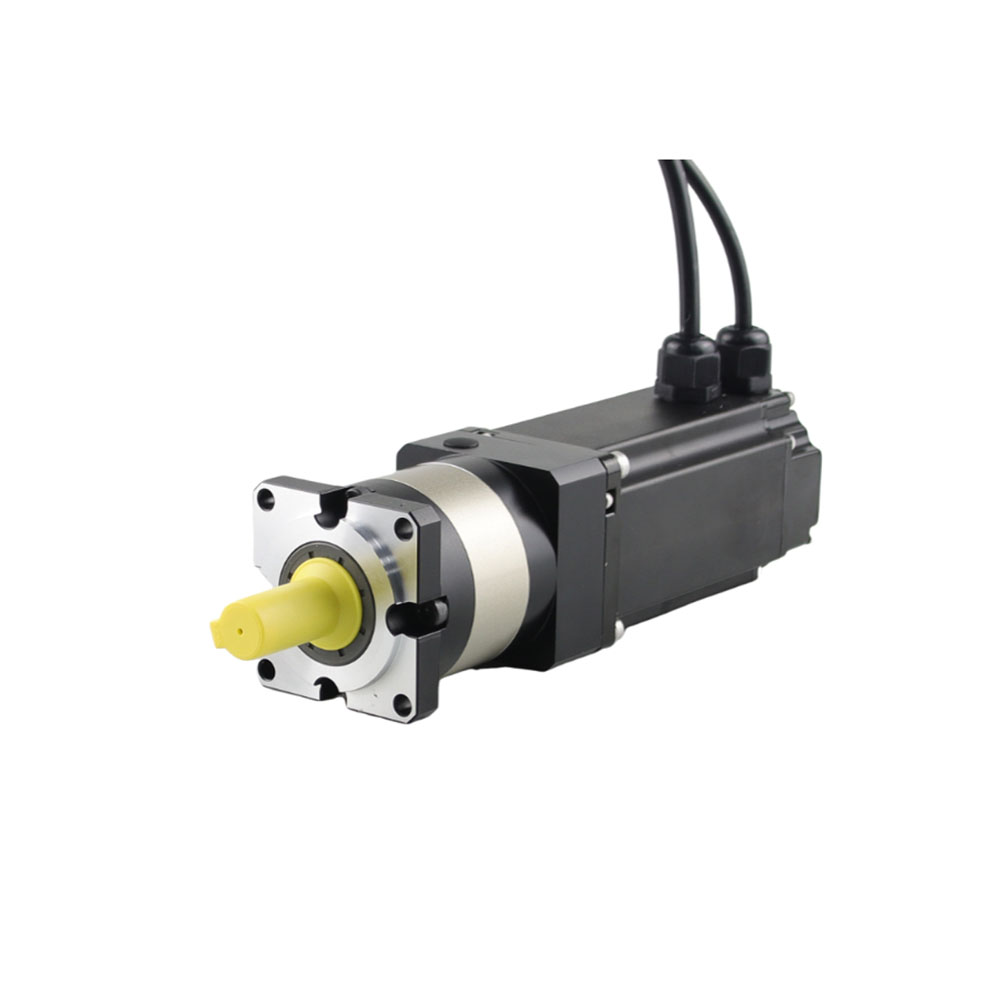
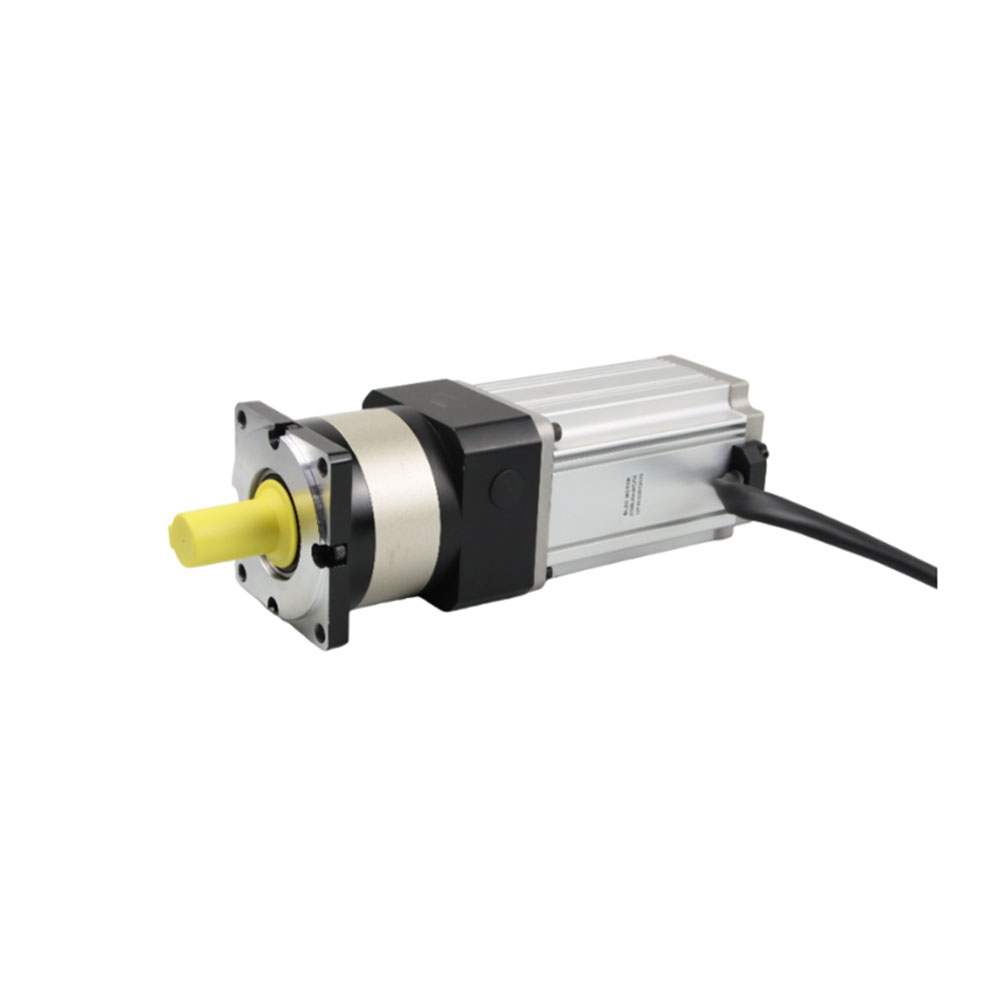
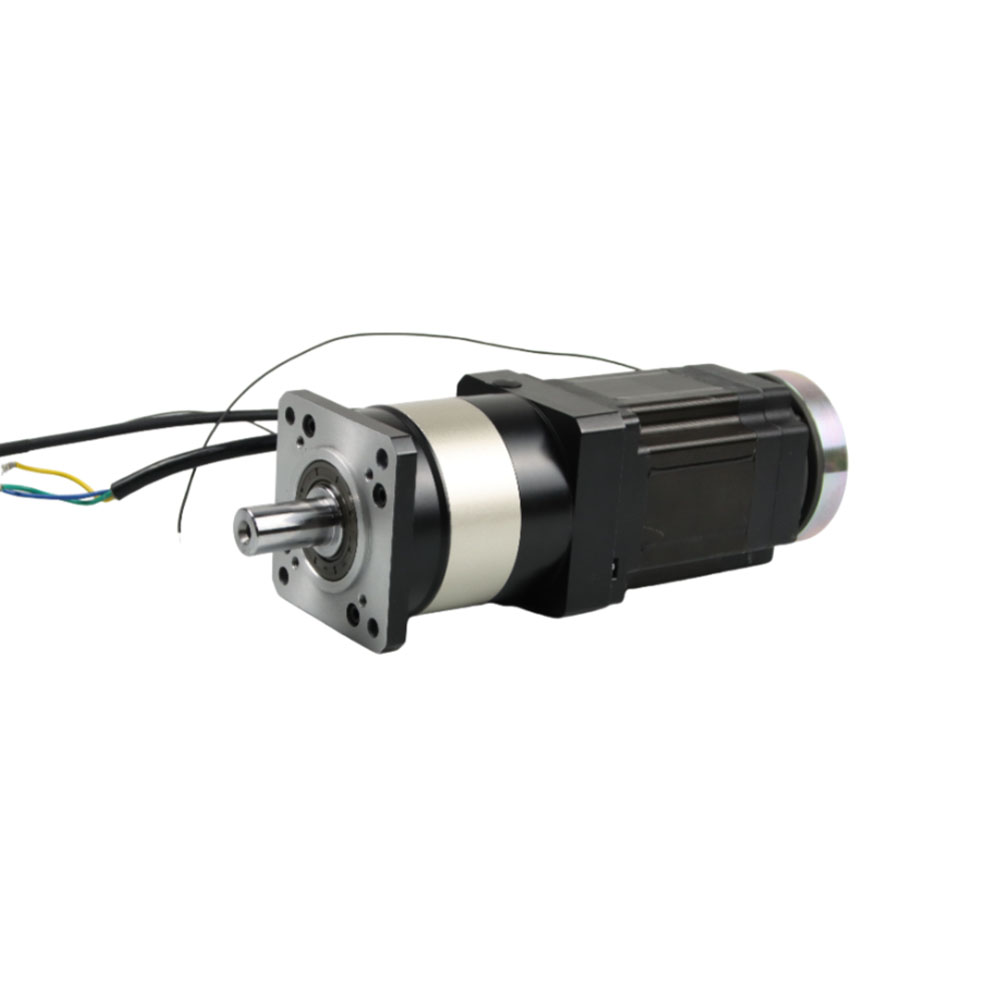
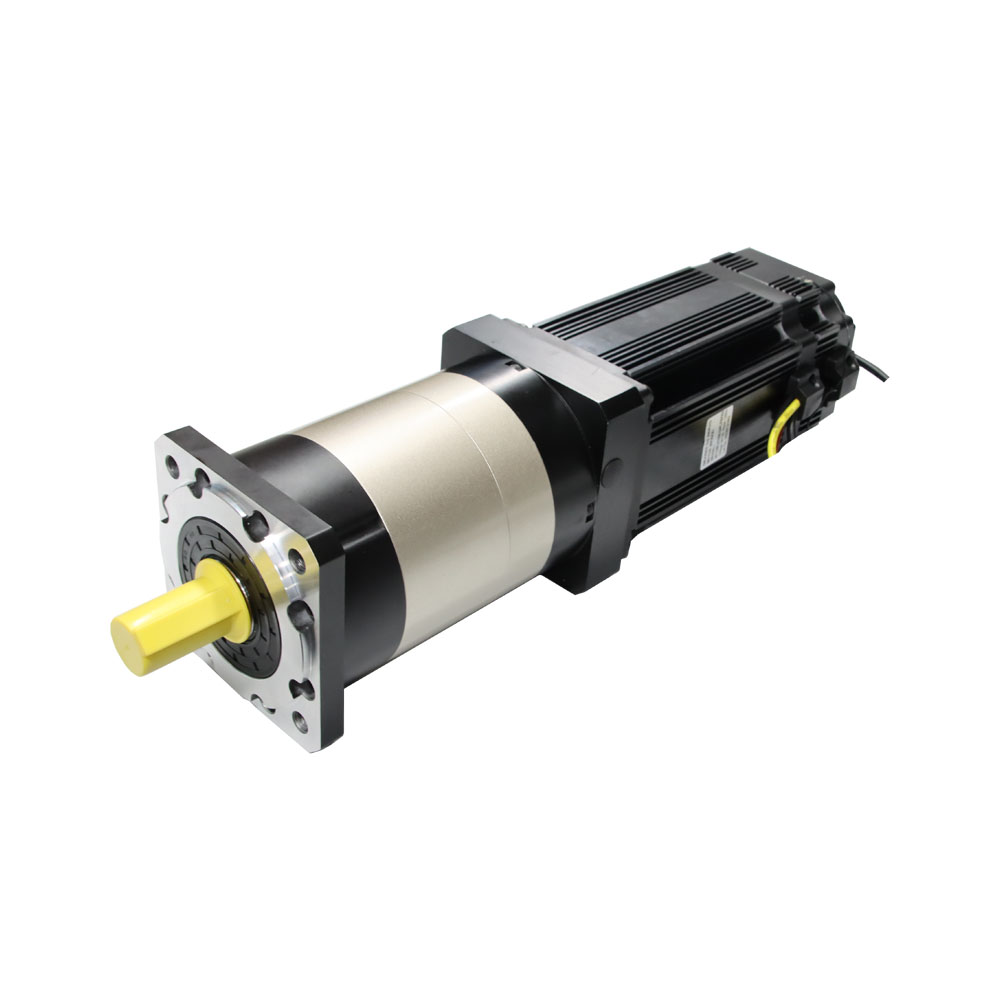
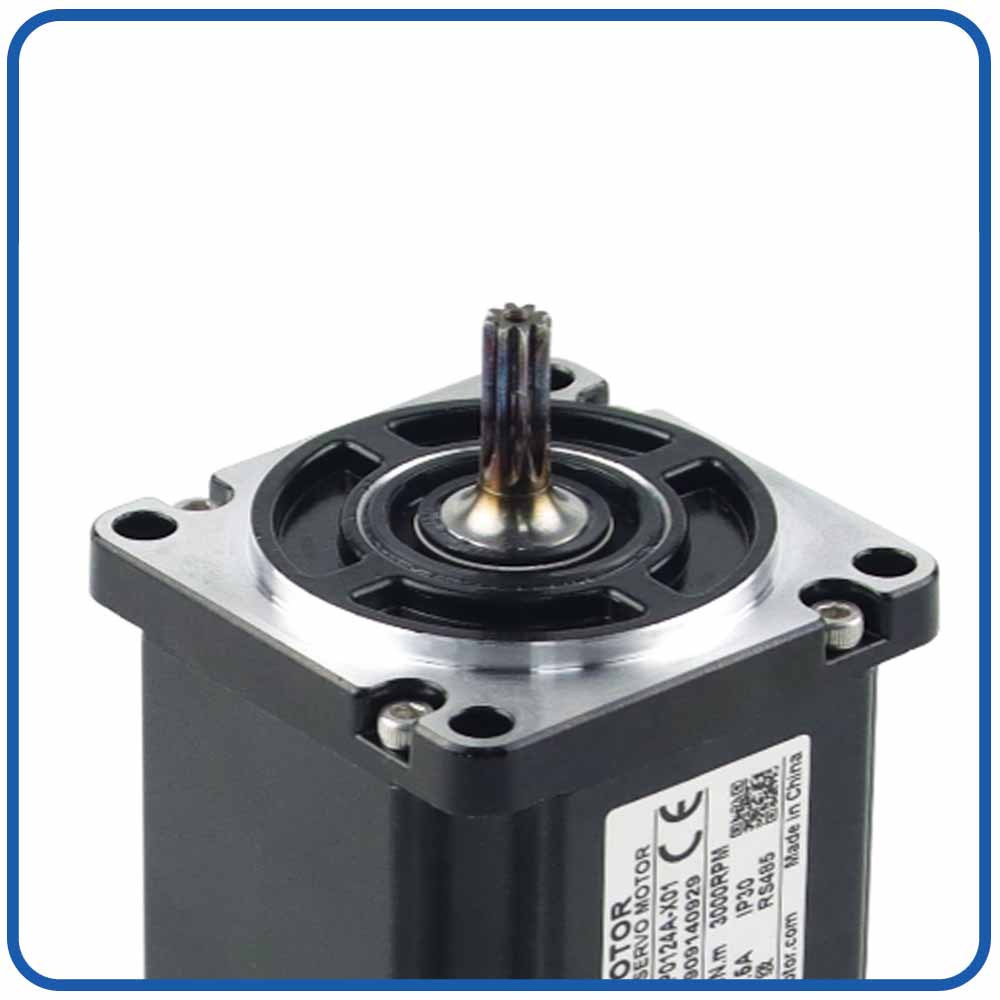
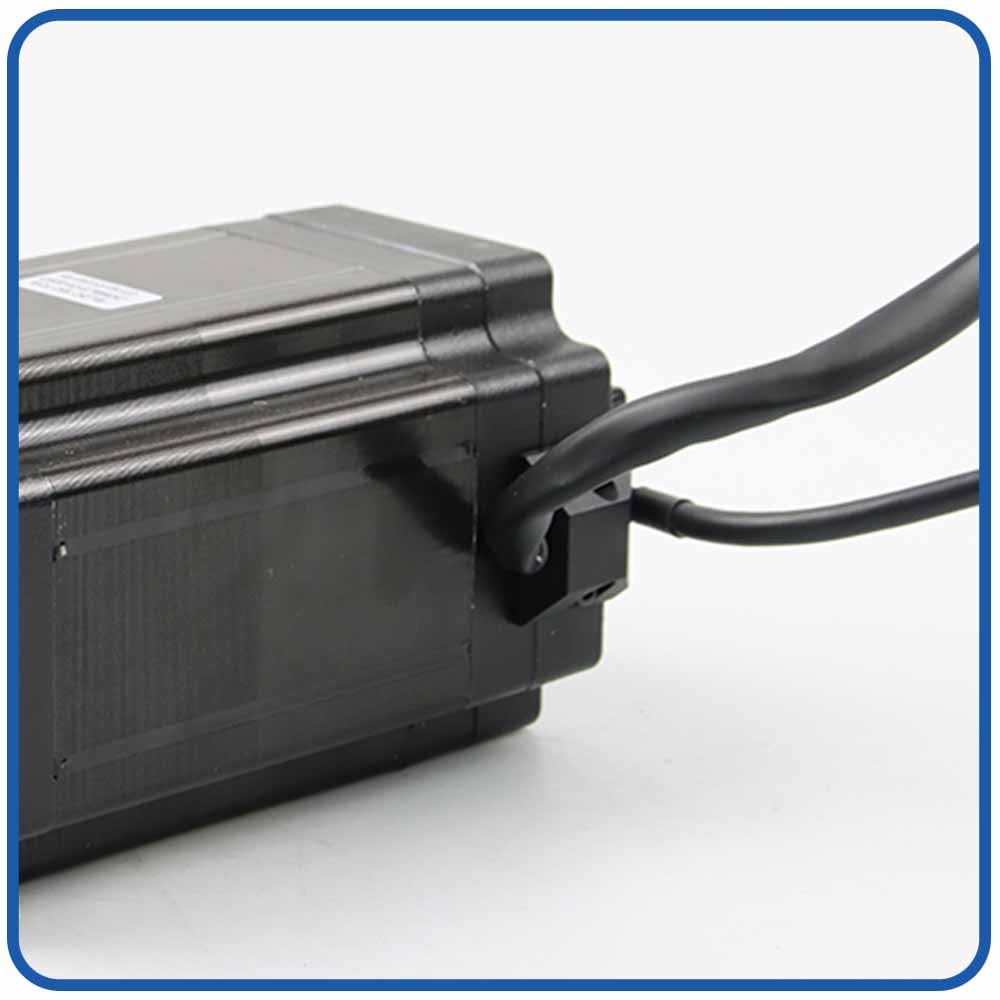
Brushless DC (BLDC) motors have become the preferred motion solution across industries ranging from robotics and automation to medical devices, electric vehicles, laboratory equipment, and industrial machinery. Their high efficiency, long service life, low maintenance requirements, and excellent speed control make them an ideal choice for modern motion systems. However, many applications require more than just motor performance alone. This is where a gearbox becomes essential.
A gearbox paired with a BLDC motor transforms motor output into application-specific performance by optimizing torque, speed, efficiency, positioning accuracy, and load-handling capability. In many engineering applications, a BLDC motor without a gearbox simply cannot provide the required torque or operating characteristics needed for reliable performance.
This article explores the technical reasons why gearboxes are commonly used with BLDC motors and how this combination creates highly efficient and powerful drive systems.
Understanding the Role of a Gearbox in a BLDC Motor System
A gearbox is a mechanical transmission device installed between the motor shaft and the driven load. Its primary function is to modify the relationship between speed and torque.
When a gearbox is attached to a BLDC motor:
Output speed decreases
Output torque increases
Load inertia is optimized
Motor efficiency improves
Motion control becomes more precise
The gearbox allows engineers to use a smaller and more efficient motor while still achieving the required output performance.
Without a gearbox, a motor may need to be significantly larger, heavier, and more expensive to deliver the same torque directly.
One of the primary reasons for integrating a gearbox with a BLDC motor is torque multiplication.
BLDC motors naturally operate at relatively high speeds. While they are efficient in generating rotational motion, many industrial applications require high torque at low speeds.
The gearbox converts high-speed motor rotation into increased output torque.
Example
Consider a BLDC motor producing:
Speed: 3000 RPM
Torque: 0.5 Nm
Using a 10:1 gearbox:
Output speed becomes approximately 300 RPM
Output torque increases to approximately 5 Nm (minus gearbox efficiency losses)
This torque multiplication enables compact motors to drive:
Robotic joints
Conveyor systems
Automated guided vehicles (AGVs)
Electric actuators
Packaging machinery
Medical automation equipment
Without the gearbox, achieving the same torque would require a much larger motor.
Reducing Output Speed for Precise Motion Control
BLDC motors are designed to operate efficiently at high rotational speeds.
Many applications, however, require controlled and accurate low-speed operation.
A gearbox reduces output speed while maintaining smooth operation.
This enables:
Better positioning accuracy
More stable motion
Reduced overshoot
Improved control resolution
As a result, the gearbox becomes a critical component in systems that demand precision movement.
Improving Positioning Accuracy
Modern automation systems rely heavily on accurate positioning.
When a gearbox is combined with a BLDC motor and encoder, the effective positioning resolution increases significantly.
For example:
A motor encoder may provide:
1000 counts per revolution
With a 20:1 gearbox:
Effective output resolution becomes 20,000 counts per output revolution
This increase in resolution enables:
Precise robotic movement
Accurate valve control
Fine adjustment mechanisms
High-precision inspection systems
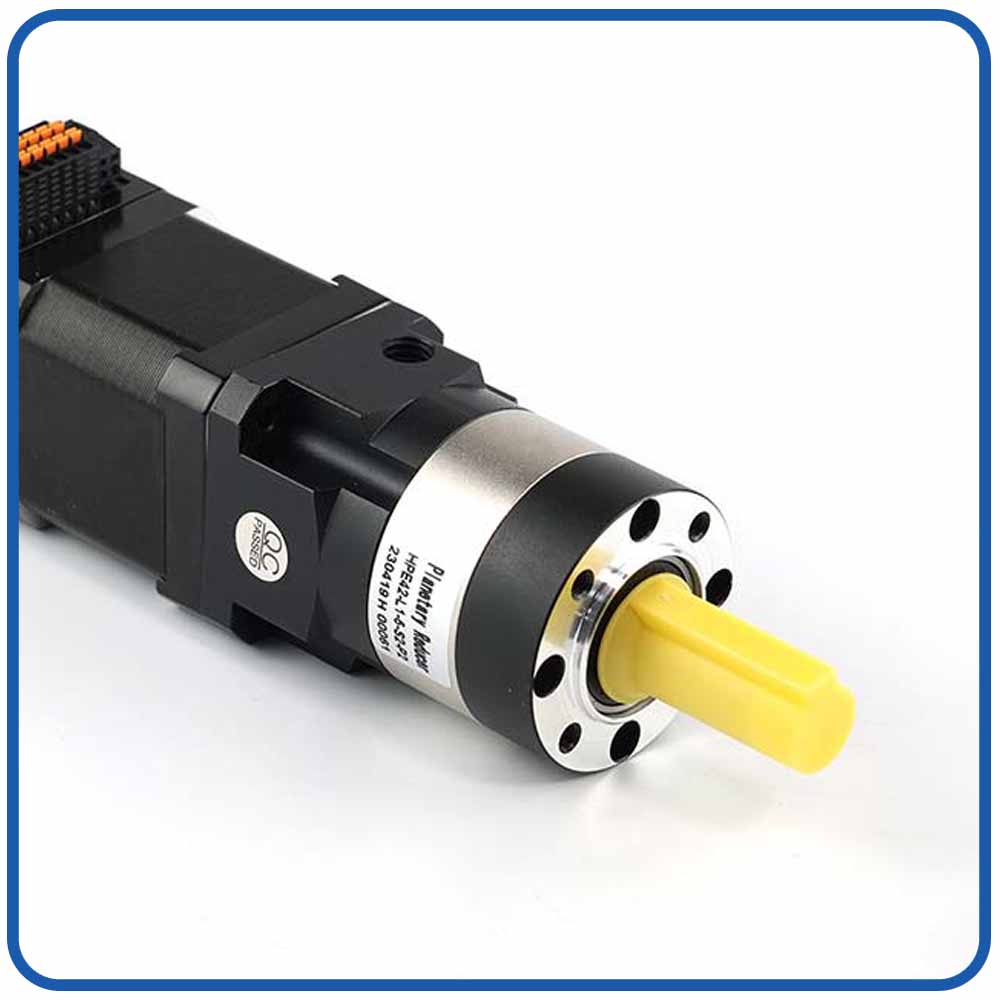
Planetary gearboxes are particularly popular in precision applications because they offer low backlash and high positioning repeatability.
Matching Motor Characteristics to Load Requirements
Every application has unique speed, torque, and load demands. While BLDC motors perform most efficiently within specific operating ranges, the driven load may require lower speeds and higher torque than the motor can provide directly.
A gearbox helps bridge this gap by matching the motor's characteristics to the application's requirements. By reducing speed and increasing torque, the motor can operate closer to its optimal efficiency range while delivering the performance needed at the output shaft.
Benefits of Proper Motor-to-Load Matching
Improved system efficiency
Lower power consumption
Reduced motor heating
Better dynamic performance
Extended motor service life
Typical Applications
Motor-to-load matching is especially important in:
Robotics
Automated guided vehicles (AGVs)
Conveyor systems
Medical equipment
Industrial automation machinery
By using a gearbox to optimize the relationship between motor output and load demand, engineers can achieve smoother operation, higher efficiency, and more reliable long-term performance.
Allowing the Use of Smaller Motors
A gearbox enables engineers to use a smaller BLDC motor while still achieving the torque required by the application. Instead of selecting a larger motor to generate high torque directly, a gearbox multiplies the motor's output torque through gear reduction.
For example, a compact BLDC motor operating at high speed can be paired with a gearbox to deliver significantly greater torque at the output shaft. This approach often provides the same performance as a larger direct-drive motor but with a smaller footprint.
By combining a gearbox with a BLDC motor, manufacturers can achieve high torque output without increasing motor size, making the system more compact, efficient, and cost-effective.
Enhancing Starting Performance
Many applications experience high starting loads.
Examples include:
Conveyor belts
Material handling equipment
Mobile robots
Industrial doors
Automated storage systems
Direct-drive motors may require substantial starting current to overcome inertia.
A gearbox increases available starting torque, enabling smoother startup performance.
Advantages include:
Reduced current spikes
Less stress on motor windings
Improved reliability
Faster acceleration
This is particularly valuable in systems that frequently start and stop throughout the day.
Improving Load Inertia Matching
In motion control engineering, inertia matching is a critical design factor.
When load inertia greatly exceeds motor inertia:
Response becomes sluggish
Stability decreases
Control tuning becomes difficult
A gearbox effectively reflects the load inertia back to the motor at a reduced value.
The reflected inertia decreases according to the square of the gear ratio.
For example:
A 10:1 gearbox can reduce reflected load inertia by a factor of 100.
Benefits include:
Better servo performance
Faster response times
Improved control stability
Enhanced dynamic behavior
This is why geared BLDC motors are widely used in advanced automation systems.
Reducing Mechanical Stress
High-torque applications place significant stress on motor components.
Without a gearbox:
Bearings experience greater loads
Shafts experience higher torsional stress
Windings operate at higher current levels
A gearbox distributes the mechanical load more effectively.
As a result:
Motor stress decreases
Component life increases
Reliability improves
Maintenance requirements are reduced
This contributes directly to lower total ownership costs over the equipment lifecycle.
Supporting Heavy-Duty Industrial Applications
Industrial systems often require substantial torque output.
Applications include:
Packaging equipment
Textile machinery
Agricultural automation
Industrial conveyors
Automated warehouses
Machine tools
These systems demand:
Continuous operation
High torque
Long service life
A geared BLDC motor provides the necessary power density to meet these requirements while maintaining excellent efficiency.
Planetary gearboxes are particularly popular because they offer:
High torque capacity
Compact dimensions
Excellent load distribution
High efficiency
Improving Energy Efficiency
Many people assume adding a gearbox reduces efficiency.
While gearboxes do introduce some mechanical losses, the overall system efficiency often improves.
This occurs because the motor can operate closer to its optimal efficiency range.
Benefits include:
Lower energy consumption
Reduced battery drain
Lower operating costs
Less heat generation
For electric mobility systems and autonomous robots, these efficiency gains can significantly extend operating runtime.
Consider temperature, humidity, shock, and vibration levels.
Proper gearbox selection ensures maximum performance and long-term reliability.
Conclusion
A gearbox is used with a BLDC motor because it transforms high-speed motor output into practical, application-specific performance. By increasing torque, reducing speed, improving positioning accuracy, optimizing inertia matching, enhancing efficiency, and enabling smaller motor designs, the gearbox becomes a critical component in modern motion-control systems.
Whether used in robotics, industrial automation, medical devices, autonomous vehicles, or precision machinery, a geared BLDC motor delivers the ideal balance of power, efficiency, compactness, and control. This combination allows engineers to achieve superior performance while reducing system size, energy consumption, and overall operating costs, making geared BLDC motors one of the most effective drive solutions available today.
FAQs:
1. Why is a gearbox used with a BLDC motor?
BESFOC Answer: A gearbox is used with a BLDC motor to reduce output speed while increasing output torque. This allows the motor to meet the performance requirements of applications that need high torque at low speeds, such as robotics, automation equipment, AGVs, and medical devices. A geared BLDC motor also improves efficiency, controllability, and overall system performance.
2. How does a gearbox increase the torque of a BLDC motor?
BESFOC Answer: A gearbox multiplies the motor's output torque through gear reduction. When the rotational speed decreases according to the gear ratio, the available output torque increases proportionally, minus minor efficiency losses. This enables a compact BLDC motor to drive heavier loads without requiring a larger motor.
3. Does a gearbox reduce the speed of a BLDC motor?
BESFOC Answer: Yes. A gearbox lowers the output speed by a specific gear ratio. For example, a 10:1 gearbox reduces a motor running at 3,000 RPM to approximately 300 RPM at the output shaft while significantly increasing torque. This makes the motor suitable for applications requiring controlled and precise motion.
4. What types of gearboxes are commonly used with BLDC motors?
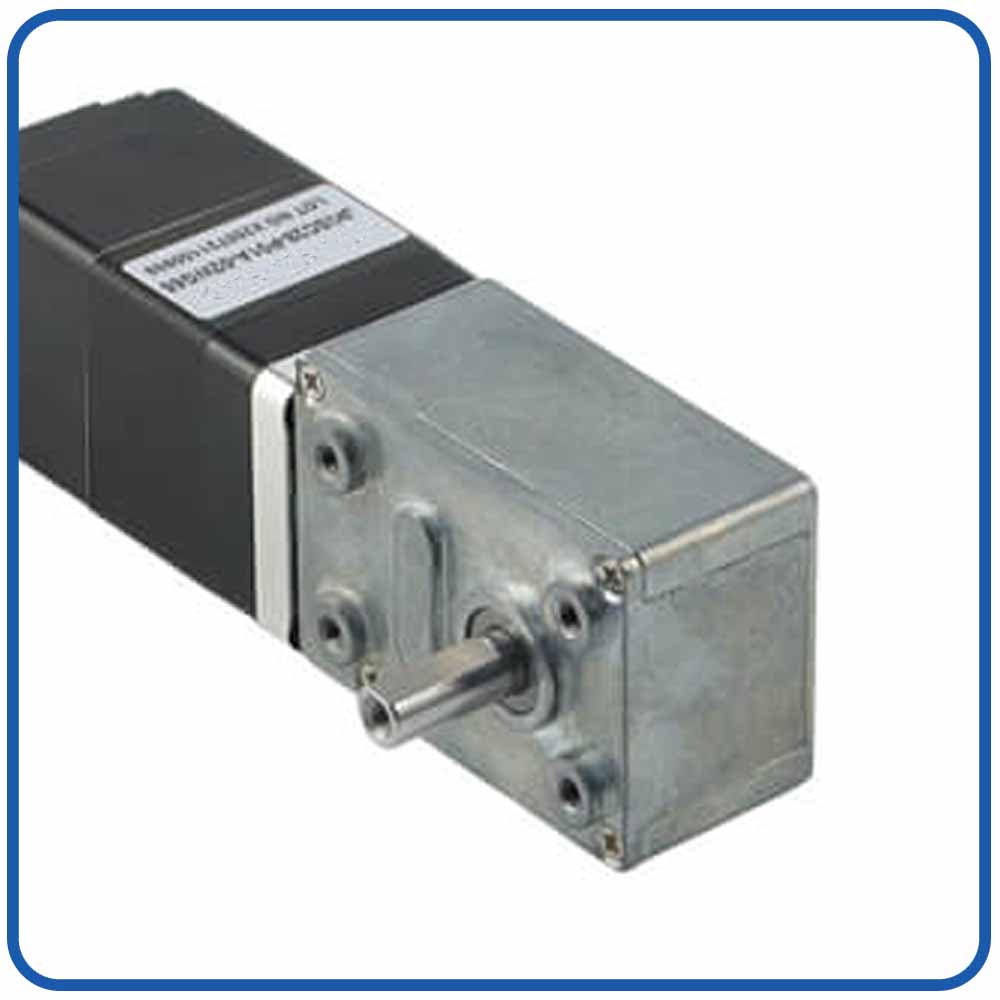
BESFOC Answer: The most common gearbox types used with BLDC motors include planetary gearboxes, spur gearboxes, worm gearboxes, and helical gearboxes. Among these, planetary gearboxes are widely preferred because of their compact size, high torque density, high efficiency, and low backlash characteristics.
5. Can a gearbox improve positioning accuracy?
BESFOC Answer: Yes. By reducing output speed and increasing effective resolution, a gearbox improves positioning accuracy and repeatability. When combined with an encoder and motor controller, a geared BLDC motor can achieve highly precise motion control required in robotics, medical equipment, and industrial automation systems.
6. Why not simply use a larger BLDC motor instead of a gearbox?
BESFOC Answer: Using a larger motor increases system size, weight, and cost. A gearbox allows a smaller BLDC motor to generate the required torque while maintaining a compact and efficient design. This approach often delivers better overall performance and reduces installation space requirements.
7. Does a gearbox improve energy efficiency?
BESFOC Answer: In many applications, yes. Although gearboxes introduce some mechanical losses, they allow the BLDC motor to operate closer to its optimal efficiency range. This can reduce current consumption, lower heat generation, and improve the overall energy efficiency of the drive system.
8. What applications commonly use geared BLDC motors?
BESFOC Answer: Geared BLDC motors are widely used in service robots, collaborative robots, AGVs, AMRs, medical devices, laboratory automation, smart vending machines, electric mobility equipment, industrial conveyors, and packaging machinery. These applications benefit from high torque, compact size, and precise speed control.
9. How does a gearbox affect motor lifespan?
BESFOC Answer: A properly selected gearbox can reduce mechanical stress on the motor by allowing it to operate within its optimal performance range. Lower current draw, reduced heat generation, and improved load matching help extend motor life and enhance overall system reliability.
10. What should be considered when selecting a gearbox for a BLDC motor?
BESFOC Answer: Key factors include required output torque, speed, gear ratio, backlash, efficiency, duty cycle, load characteristics, and environmental conditions. Selecting the right gearbox ensures optimal performance, long service life, and reliable operation in the intended application.

 English
 العربية
 Français
 Русский
 Español
 Português
 Deutsch
 italiano
 日本語
日本語 한국어
한국어 Nederlands
 Tiếng Việt
 ไทย
ไทย Polski
 Türkçe
 ພາສາລາວ
 ភាសាខ្មែរ
 Bahasa Melayu
 ဗမာစာ
ဗမာစာ Filipino
 Bahasa Indonesia
 magyar
 Română
 Čeština
 Монгол
 қазақ
қазақ Српски
 हिन्दी
 فارسی
فارسی Slovenčina
 Slovenščina
 Norsk
Norsk Svenska
 українська
 Ελληνικά
 Suomi
Suomi Հայերեն
 עברית
עברית Latine
 Dansk
Dansk Shqip
Shqip বাংলা
বাংলা Hrvatski
 Afrikaans
 Gaeilge
 Eesti keel
 Oʻzbekcha
 latviešu
 Azərbaycan dili
 Български
 Català