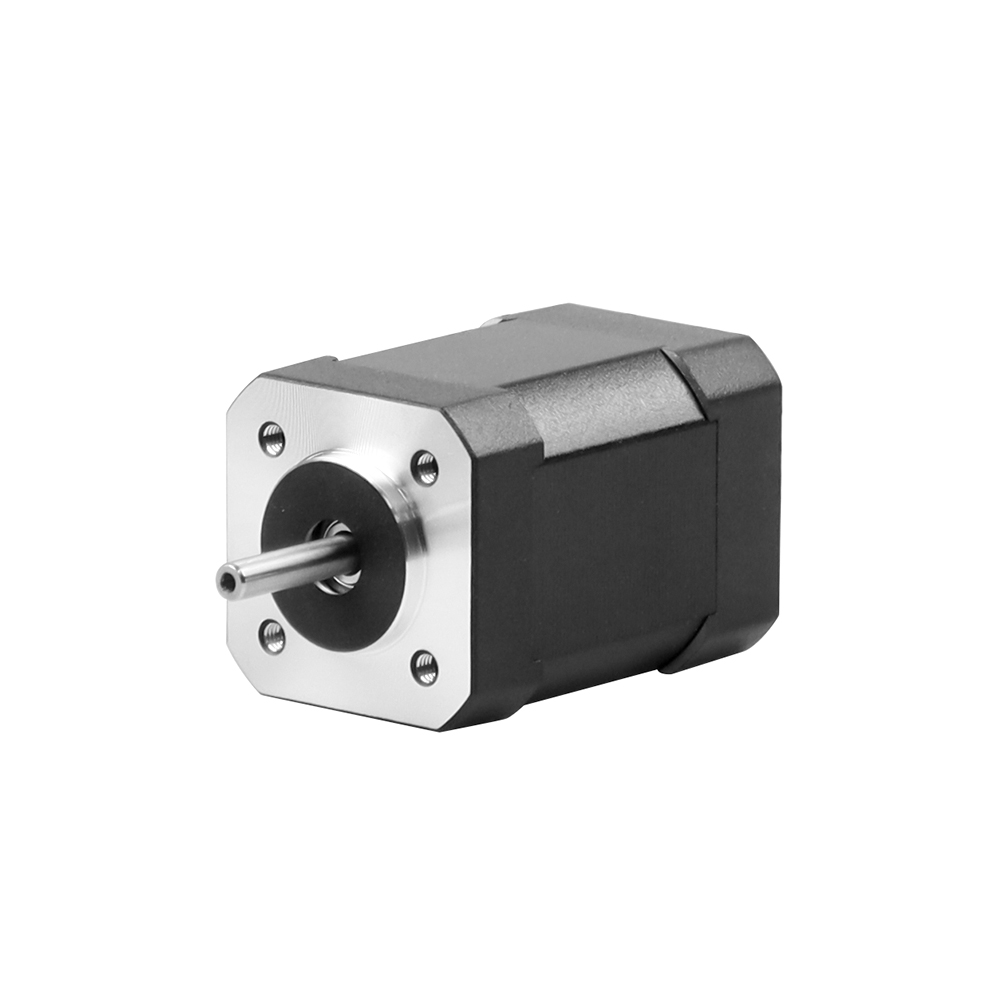
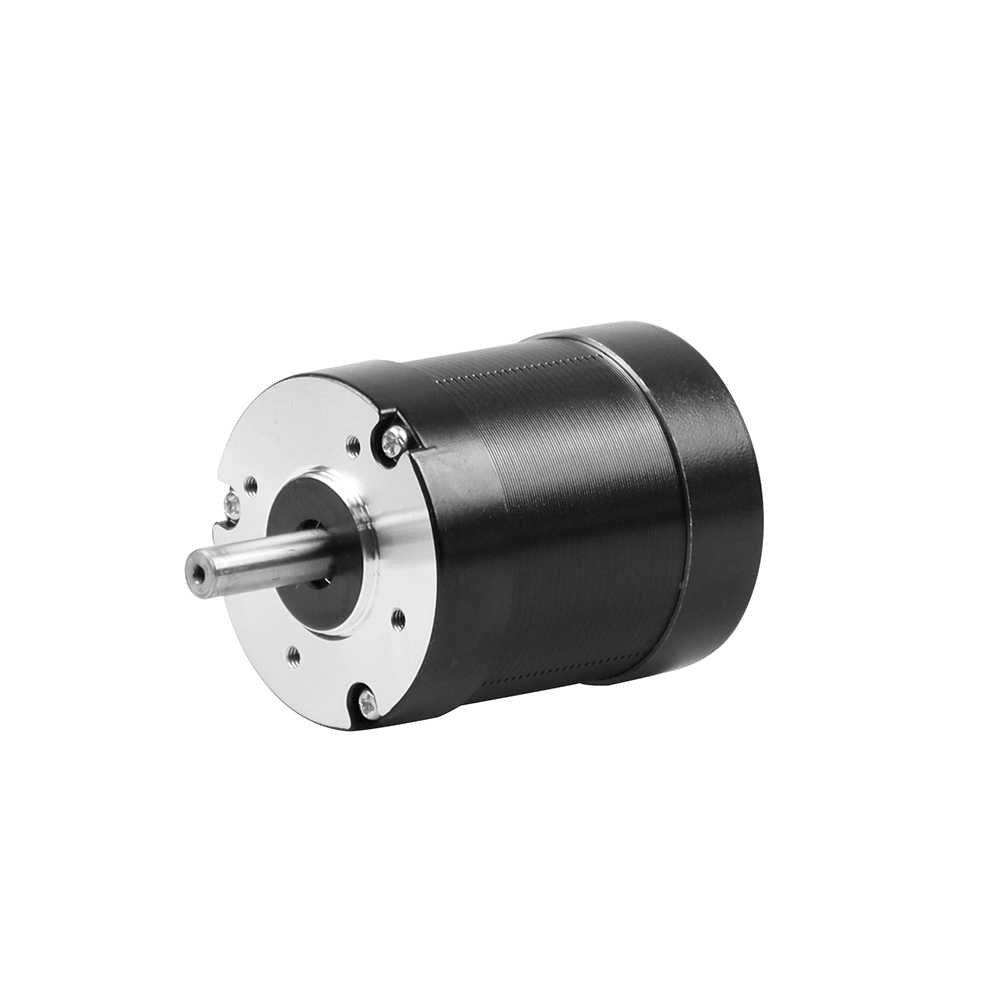
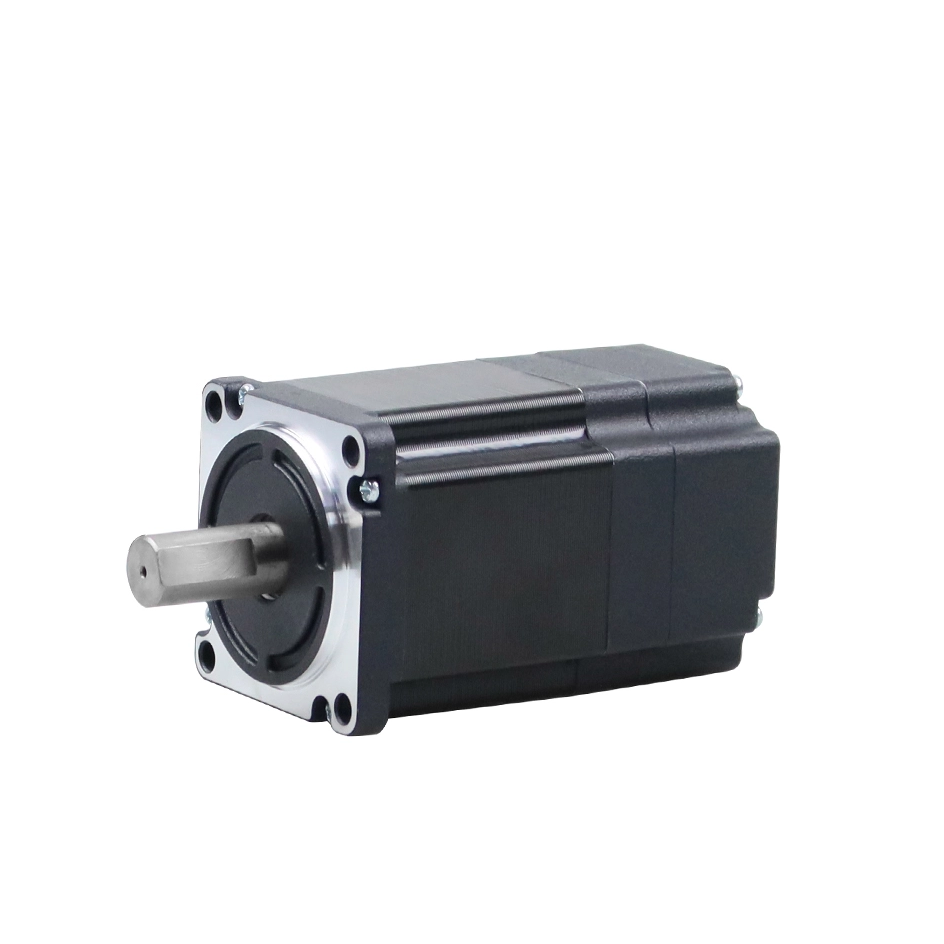
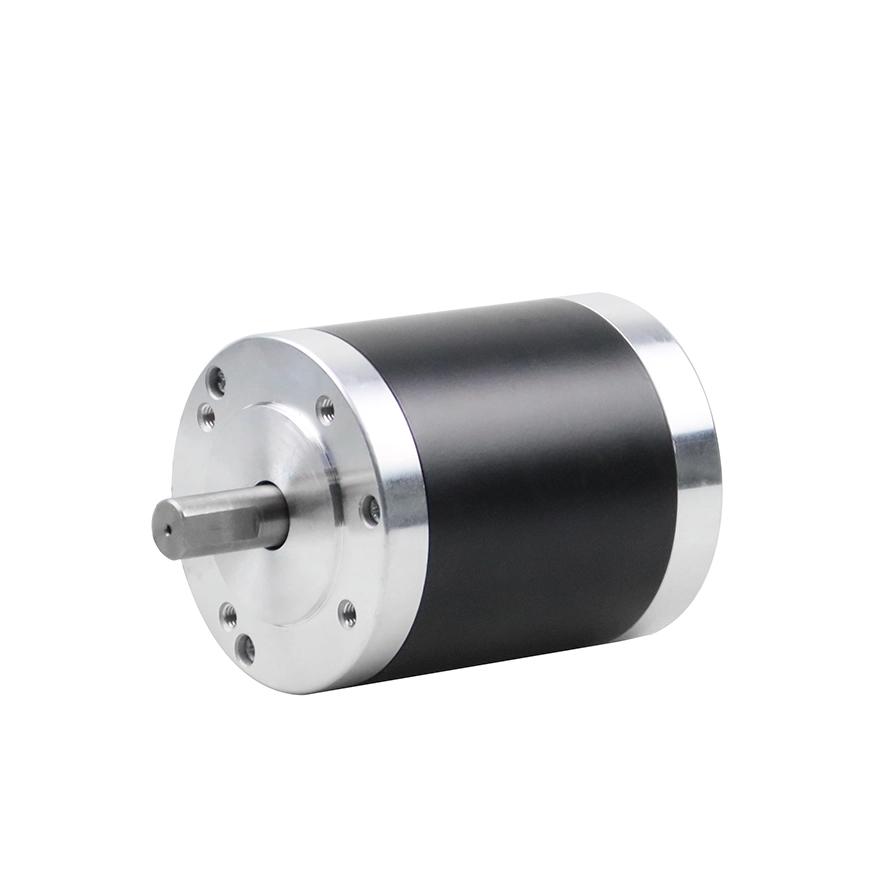
Introduction: Understanding the Difference Between BLDC Motors, Servo Motors, and Inverters
BLDC motors, servo motors, and inverters serve different motion control requirements. BLDC motors provide efficient and reliable rotation, servo motors deliver high-precision motion control, and inverters offer flexible speed regulation for AC motors. The right choice depends on application needs such as accuracy, speed, torque, and system cost.
In modern automation, robotics, industrial machinery, and smart manufacturing systems, choosing the right motor and control technology directly affects performance, efficiency, reliability, and overall system cost. Three commonly discussed technologies are Brushless DC (BLDC) motors, servo motors, and inverters. Although they are often compared together, they serve different purposes and solve different engineering challenges.
A Brushless DC motor is primarily designed for efficient continuous rotation with excellent speed performance. A servo motor is developed for precise position, speed, and torque control in motion control applications. An inverter, also known as a variable frequency drive (VFD), is not a motor itself but a power electronics device used to control AC motor speed and operation.
Understanding the differences between BLDC motors vs servo motors vs inverters helps engineers select the most suitable solution for applications such as robotics, CNC machines, automation equipment, conveyors, medical devices, packaging systems, and industrial production lines.
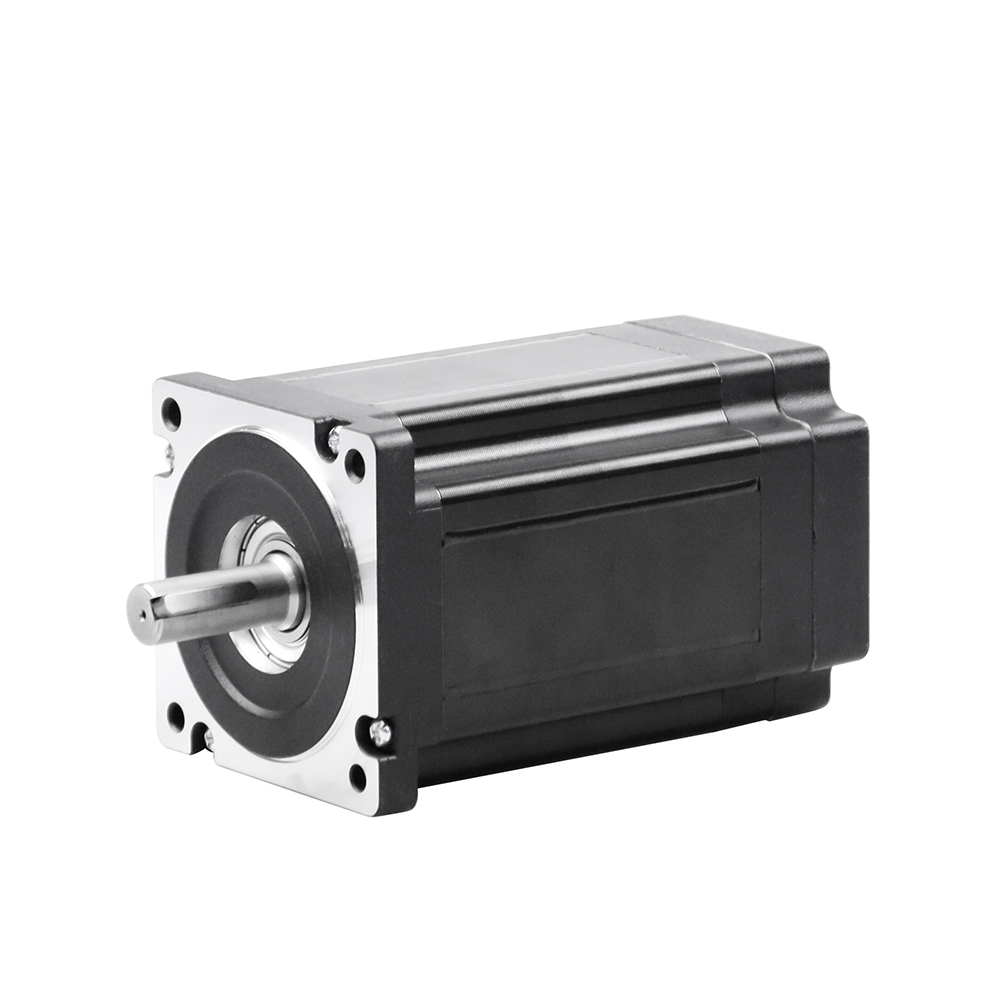
A Brushless DC motor (BLDC motor) is an electronically commutated motor that uses permanent magnets on the rotor and electronic controllers instead of mechanical brushes. Unlike traditional brushed DC motors, BLDC motors eliminate brush friction and wear, providing higher efficiency and longer service life.
The basic operating principle of a BLDC motor involves electronic switching of current through the stator windings. The controller determines rotor position through sensors such as Hall sensors or encoders and adjusts the magnetic field to produce continuous rotation.
Key Features of Brushless DC Motors
1. High Efficiency
BLDC motors typically provide higher efficiency compared with brushed motors because they reduce mechanical losses caused by brush friction and electrical losses.
2. Low Maintenance
Since BLDC motors do not contain carbon brushes, there is no brush replacement requirement, making them suitable for long-term operation.
3. High-Speed Capability
BLDC motors are widely used in applications requiring high rotational speed, including:
Cooling fans
Pumps
Electric tools
Drones
Automation equipment
Medical devices
4. Compact Design
The high power-to-weight ratio makes BLDC motors suitable for applications where space and weight are limited.
Limitations of BLDC Motors
Although BLDC motors offer excellent performance, they have some limitations:
Require electronic controllers
Position control accuracy depends on feedback systems
Less suitable for extremely precise positioning without additional control systems
Torque performance may decrease at very low speeds
What Is a Servo Motor?
A servo motor is a high-performance motor system designed for accurate motion control. A servo system typically includes:
Motor
Encoder or feedback device
Servo drive
Controller
Unlike a standard motor that simply rotates, a servo motor continuously monitors feedback signals and adjusts operation to achieve accurate control of:
Position
Speed
Torque
Acceleration
Servo motors are widely used in applications where precision and dynamic response are critical.
Key Advantages of Servo Motors
1. High Precision Position Control
The biggest advantage of servo motors is their ability to achieve accurate positioning.
For example:
Industrial robots require exact movement
CNC machines need micron-level positioning
Packaging machines require synchronized motion
Servo motors use encoder feedback to correct errors instantly.
2. Excellent Torque Control
Servo motors can maintain stable torque even under changing loads. This makes them ideal for:
Robotic arms
Injection molding machines
Automated assembly systems
3. Fast Dynamic Response
Servo motors can accelerate and decelerate quickly, making them suitable for high-speed automation.
4. Closed-Loop Operation
A servo system constantly compares the target command with actual motor performance and automatically compensates for differences.
What Is an Inverter (Variable Frequency Drive)?
An inverter or variable frequency drive (VFD) is an electronic device used to control the speed and torque of AC motors by adjusting frequency and voltage.
Unlike BLDC motors and servo motors, an inverter is not a motor technology. It is a motor control solution.
A typical inverter system includes:
AC power input
Power conversion circuit
Frequency control module
Motor output
The inverter changes the electrical supply frequency to regulate motor speed.
Advantages of Inverters
1. Simple Speed Control
Inverters allow traditional AC motors to operate at variable speeds without mechanical speed reducers.
2. Energy Saving
By adjusting motor speed according to load requirements, inverters can significantly reduce energy consumption.
3. Cost Effective
For applications that do not require precise positioning, inverter-controlled motors are often more economical.
Common applications include:
Pumps
Fans
HVAC systems
Conveyors
Compressors
Brushless DC Motors vs Servo Motors vs Inverters: Main Differences
Feature
BLDC Motor
Servo Motor
Inverter System
Main Function
Efficient rotation
Precision motion control
AC motor speed regulation
Control Type
Open-loop or closed-loop
Closed-loop feedback
Frequency control
Position Accuracy
Medium
Excellent
Low to medium
Speed Control
Good
Excellent
Good
Torque Control
Good
Excellent
Medium
Feedback Requirement
Optional
Required
Usually optional
Cost
Medium
Higher
Lower
Maintenance
Very low
Low
Low
Best Application
Continuous motion
Precision automation
Variable-speed motors
BLDC Motor vs Servo Motor: Which One Should We Choose?
Choosing between a Brushless DC (BLDC) motor and a servo motor depends on the specific requirements of the application, including motion accuracy, speed control, torque performance, system complexity, and cost. Although both motors use permanent magnet technology and electronic control, they are designed for different purposes.
A BLDC motor focuses on efficient, reliable, and high-speed rotation, while a servo motor is designed for precise motion control with closed-loop feedback. Understanding their differences helps engineers select the right motor solution for industrial automation, robotics, medical equipment, smart devices, and manufacturing systems.
Advantages of BLDC Motors
1. High Efficiency and Energy Saving
BLDC motors have lower mechanical losses because they do not use brushes. This allows them to achieve higher efficiency compared with traditional DC motors.
They are widely used in:
Electric vehicles
Cooling fans
Pumps
Automation equipment
Battery-powered devices
2. Long Service Life
Because there is no brush wear, BLDC motors require less maintenance and can operate for thousands of hours.
This makes them suitable for applications where reliability is important, such as:
Medical equipment
Industrial machines
Smart home devices
3. High-Speed Performance
BLDC motors can operate at high rotational speeds while maintaining stable performance.
Typical applications include:
High-speed spindles
Blowers
Centrifugal equipment
Small robotic systems
4. Compact Size and High Power Density
BLDC motors provide strong output in a compact structure, making them suitable for space-limited designs.
Limitations of BLDC Motors
Although BLDC motors have many advantages, they also have limitations:
Position accuracy is lower compared with servo systems
For applications requiring frequent start-stop motion or accurate positioning, a standard BLDC motor may not be the best choice.
Advantages of Servo Motors
1. High Precision Position Control
The biggest advantage of servo motors is accurate positioning.
Servo motors are commonly used in:
CNC machines
Industrial robots
Pick-and-place systems
Semiconductor equipment
They can precisely control movement even under changing loads.
2. Excellent Torque Control
Servo motors maintain stable torque output across different operating conditions.
This is important for:
Robotic arms
Automated assembly machines
Packaging equipment
3. Fast Response and Acceleration
Servo motors can quickly accelerate, decelerate, and change direction.
This makes them ideal for dynamic motion applications requiring rapid movement cycles.
4. Closed-Loop Feedback System
A servo motor continuously compares the target position with the actual position.
If there is an error, the controller automatically adjusts the motor operation.
This provides:
Higher accuracy
Better stability
Improved repeatability
BLDC Motor vs Servo Motor: Key Differences
Feature
BLDC Motor
Servo Motor
Main Purpose
Efficient rotation
Precision motion control
Control Method
Open-loop or simple feedback
Closed-loop feedback
Position Accuracy
Medium
Very high
Speed Control
Good
Excellent
Torque Control
Good
Excellent
Feedback System
Optional
Required
Response Speed
Moderate
Very fast
Cost
Lower
Higher
System Complexity
Simple
More complex
Maintenance
Very low
Low
When Should We Choose a BLDC Motor?
A BLDC motor is the better choice when the application requires:
Continuous Rotation
If the motor mainly needs to rotate continuously at a stable speed, BLDC motors provide excellent performance.
Examples:
Fans
Pumps
Compressors
Cooling systems
High Efficiency and Long Operation Time
For battery-powered or energy-sensitive systems, BLDC motors provide excellent efficiency.
Examples:
AGV mobile robots
Electric tools
Portable equipment
Compact and Cost-Effective Design
When precision positioning is not the main requirement, BLDC motors provide a more economical solution.
When Should We Choose a Servo Motor?
A servo motor is recommended when the application requires:
High Accuracy
Applications requiring precise movement should use servo motors.
Examples:
CNC machining
Robotics
Automated inspection equipment
Frequent Position Changes
Servo motors are ideal for systems that repeatedly move between different positions.
Examples:
Packaging machines
Printing equipment
Pick-and-place robots
High Dynamic Performance
If the machine requires fast acceleration, quick stopping, and precise synchronization, servo motors provide better performance.
BLDC Motor Applications
Common BLDC motor applications include:
Autonomous mobile robots (AMR/AGV)
Medical devices
Cooling systems
Electric pumps
Drones
Smart appliances
Small automation equipment
BLDC motors are especially popular where efficiency, reliability, and compact size are priorities.
Servo Motor Applications
Servo motors are widely used in:
Industrial robots
CNC machines
Packaging machinery
Semiconductor manufacturing equipment
Injection molding machines
Automated production lines
They are the preferred choice for precision automation.
Can a BLDC Motor Replace a Servo Motor?
In some applications, a BLDC motor can replace a servo motor if the system does not require high positioning accuracy.
For example:
A conveyor system that only needs speed control may use a BLDC motor instead of a servo motor.
However, for applications requiring:
Precise positioning
Complex motion profiles
Real-time error correction
High repeatability
a servo motor remains the better choice.
Conclusion: BLDC Motor or Servo Motor?
The choice between a BLDC motor and a servo motor depends on the application requirements.
Choose a BLDC motor when you need:
High efficiency
Low maintenance
Compact design
High-speed rotation
Cost-effective operation
Choose a servo motor when you need:
Precise positioning
High torque control
Fast response
Complex motion control
For simple rotation applications, BLDC motors provide an excellent balance between performance and cost. For advanced automation systems requiring precision and reliability, servo motors remain the preferred solution.
Servo Motor vs Inverter: Different Control Concepts
Although servo motors and inverters (VFDs) are both used to control motor operation, they are designed for fundamentally different purposes. A servo system focuses on precise motion control, while an inverter is primarily used for speed regulation and energy savings in AC motor applications.
Understanding these differences is essential when selecting the right solution for industrial automation, manufacturing equipment, conveyors, pumps, and robotics.
Key Differences Between Servo Motors and Inverters
Feature
Servo Motor System
Inverter System
Main Purpose
Precision motion control
Variable speed control
Control Type
Closed-loop
Open-loop or simple feedback
Position Control
Excellent
Limited
Speed Accuracy
Very high
Moderate
Torque Control
Excellent
Basic
Response Speed
Fast
Slower
Cost
Higher
Lower
Typical Use
Robotics & CNC
Pumps & Fans
When to Choose a Servo Motor
A servo motor is the best choice when the application requires:
Accurate positioning
Fast acceleration and deceleration
Precise torque control
High repeatability
Complex motion profiles
Examples include robotic arms, CNC equipment, and automated assembly systems.
When to Choose an Inverter
An inverter is ideal when the application mainly requires:
Adjustable motor speed
Energy savings
Simple operation
Lower system cost
Examples include fans, pumps, conveyors, and HVAC equipment.
Servo Motor vs Inverter: Which Is Better?
Neither solution is universally better. The correct choice depends on the application.
Choose a servo motor for precision, synchronization, and dynamic motion control.
Choose an inverter for efficient speed regulation and cost-effective motor operation.
In modern industrial systems, both technologies are often used together, with servo motors handling precise motion tasks and inverter-controlled motors managing auxiliary equipment and material handling systems.
Conclusion
The main difference between a servo motor and an inverter lies in their control objectives. Servo systems are designed for high-precision position, speed, and torque control, while inverters are designed for efficient speed adjustment of AC motors. Selecting the right technology ensures optimal machine performance, energy efficiency, and overall system reliability.
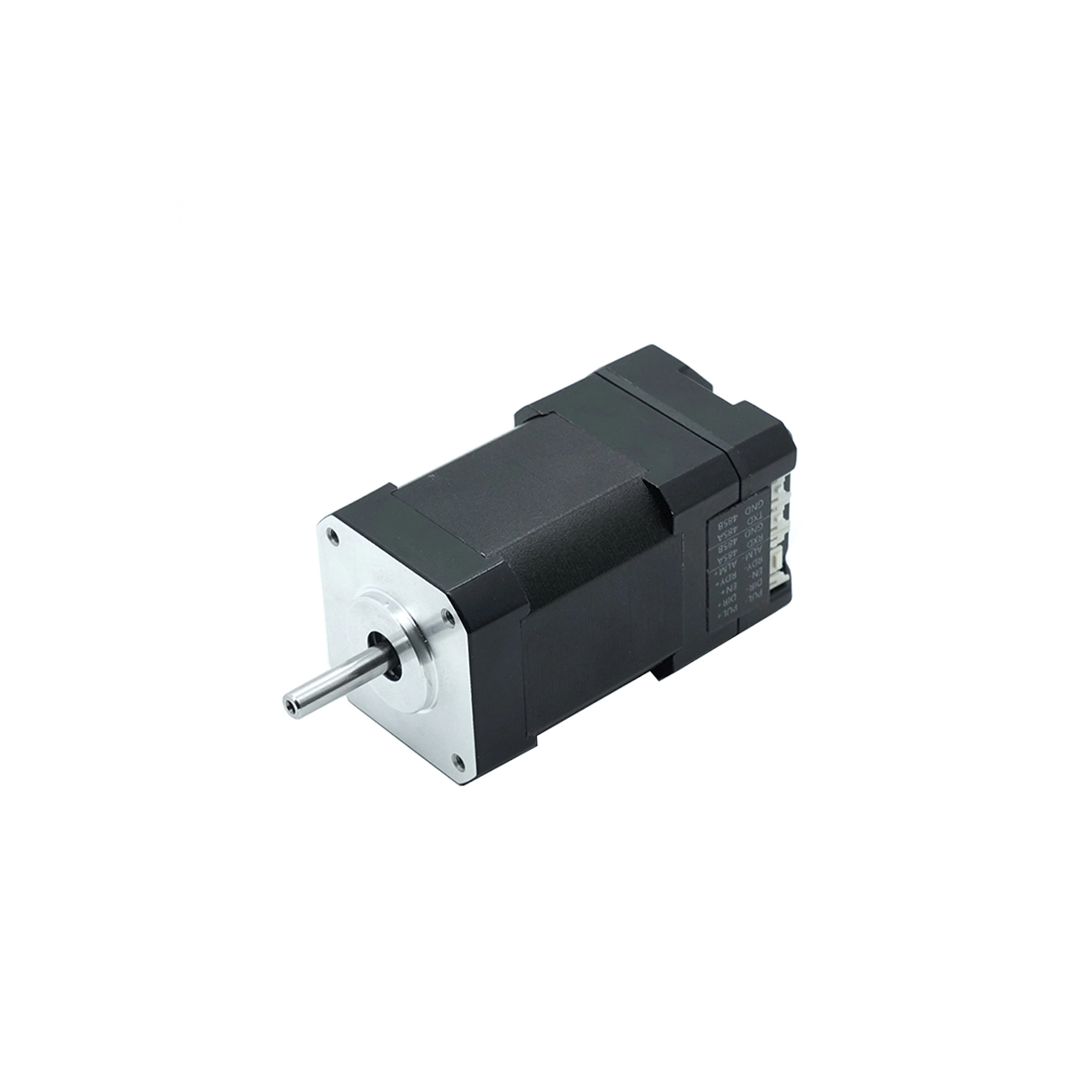
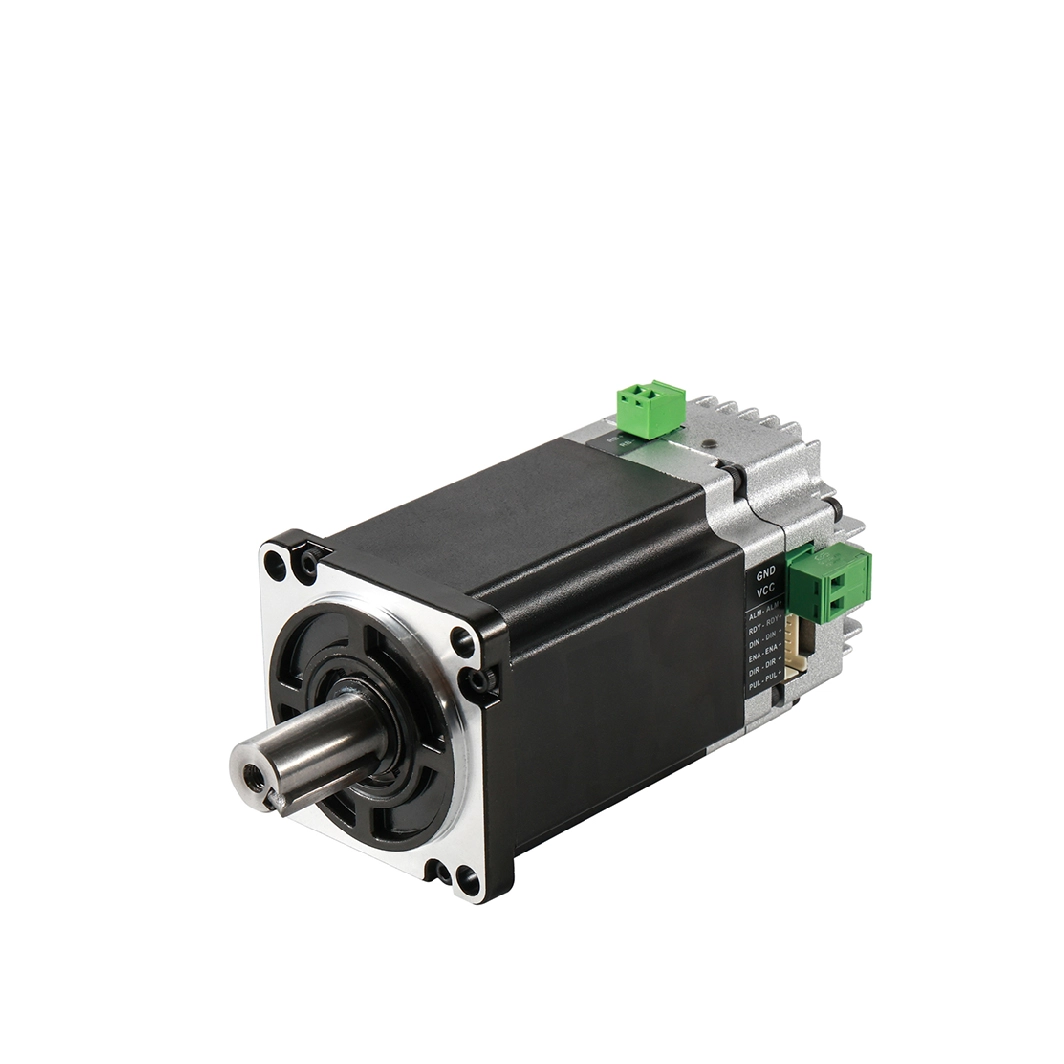
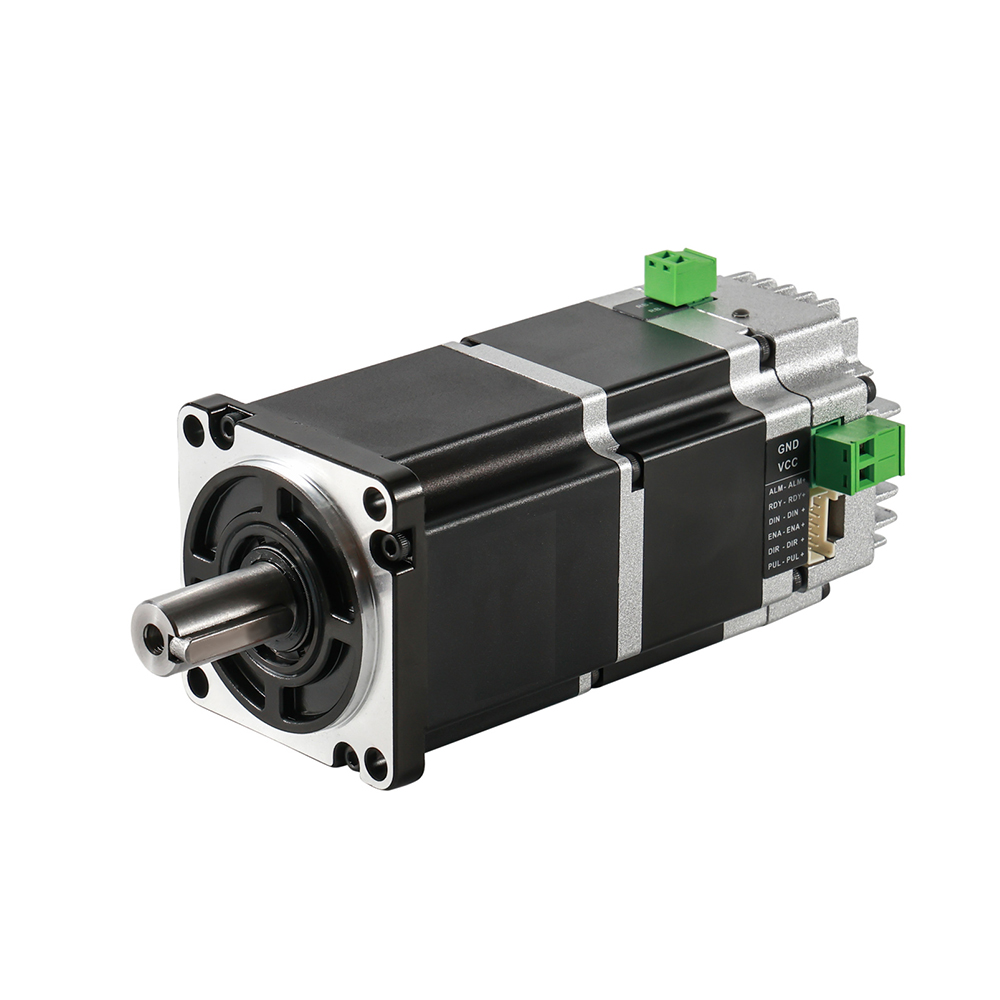
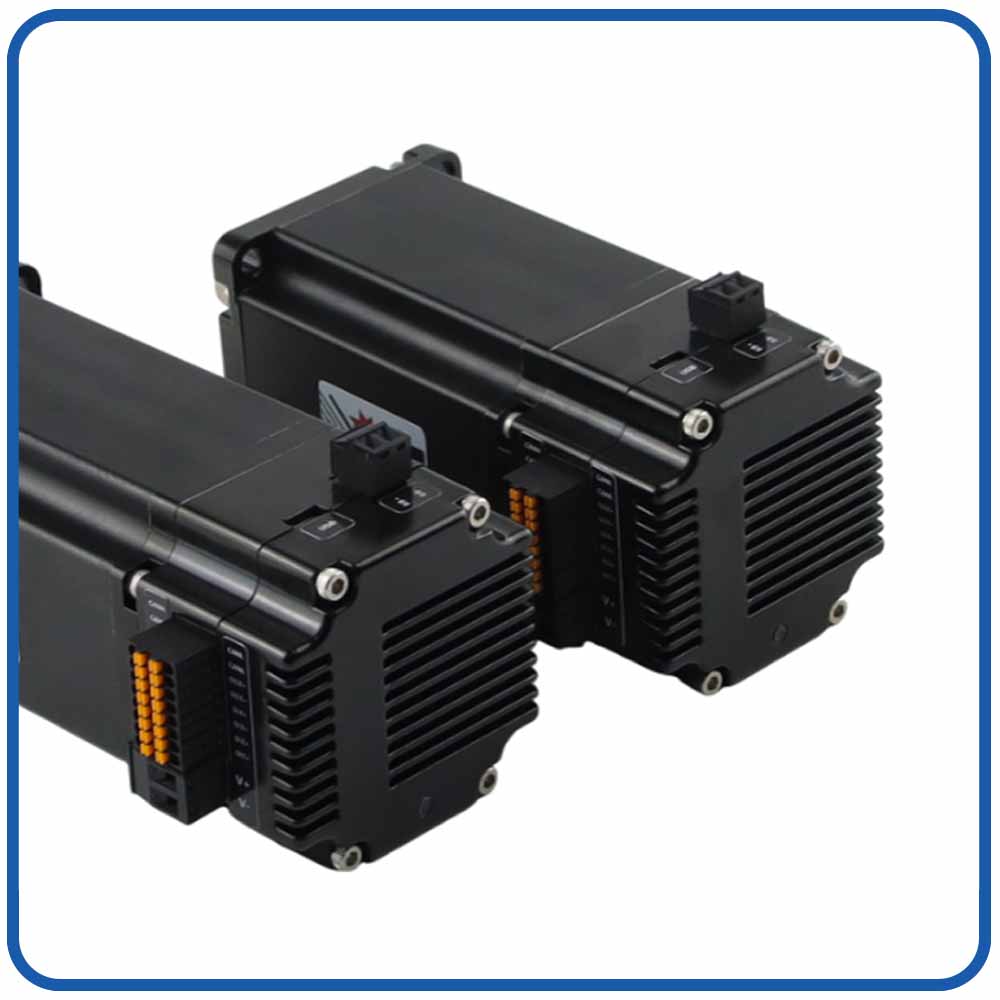
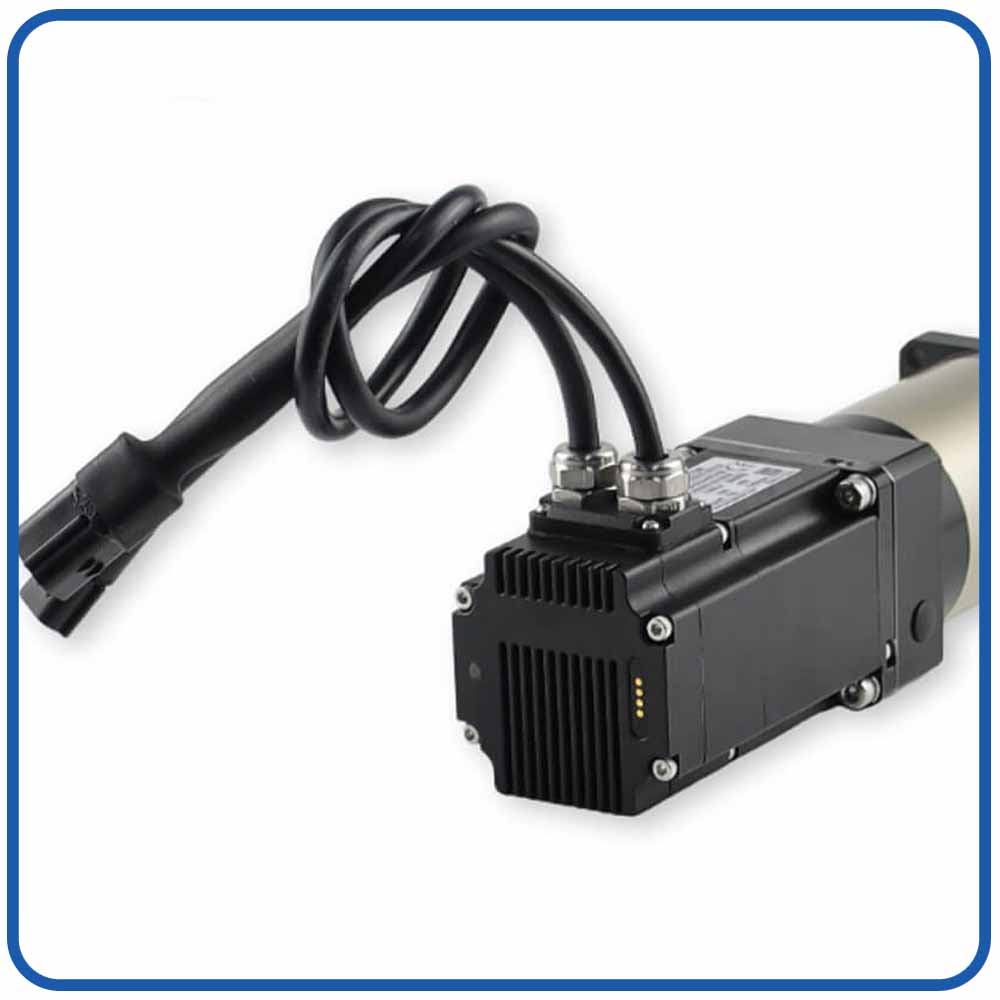
Modern systems increasingly combine BLDC motors with:
Built-in drivers
Encoders
Communication interfaces
Integrated servo motors reduce wiring complexity and improve system efficiency.
Smart Servo Systems
Servo motors are becoming more intelligent with:
AI-based monitoring
Predictive maintenance
Industrial communication networks
Advanced Inverter Technology
New-generation inverters focus on:
Higher energy efficiency
Smaller size
Better motor protection
Smart control functions
Conclusion: Choosing Between BLDC Motors, Servo Motors, and Inverters
The comparison of Brushless DC motors vs Servo motors vs Inverters shows that each technology has its own advantages.
BLDC motors are ideal for efficient, reliable, and compact rotational applications.
Servo motors are the best choice for high-precision motion control.
Inverters provide economical speed regulation for AC motor applications.
The correct selection depends on the required accuracy, torque, speed range, control method, and system requirements. By understanding these differences, engineers can design more efficient, reliable, and cost-effective automation solutions.
FAQs:
1. What is the difference between a BLDC motor, servo motor, and inverter?
A BLDC motor focuses on efficient rotation and high-speed operation, a servo motor provides precise position, speed, and torque control, while an inverter controls AC motor speed by adjusting frequency and voltage.
2. Is a BLDC motor better than a servo motor?
A BLDC motor is better for applications requiring high efficiency, compact size, and continuous rotation. A servo motor is better when accurate positioning and dynamic motion control are required.
3. What are the main advantages of brushless DC motors?
Brushless DC motors offer high efficiency, low maintenance, long service life, low noise, and compact design, making them suitable for automation, robotics, and smart devices.
4. Why are servo motors used in industrial automation?
Servo motors are widely used in industrial automation because they provide high precision, fast response, accurate positioning, and excellent torque control through closed-loop feedback systems.
5. Can a BLDC motor replace a servo motor?
A BLDC motor can replace a servo motor in applications that mainly require speed control and continuous rotation. However, servo motors are preferred for applications requiring precise positioning.
6. What is the main function of an inverter?
An inverter, also called a variable frequency drive (VFD), controls AC motor speed and operation by changing output frequency and voltage to improve efficiency and performance.
7. Are servo motors more accurate than inverter-controlled motors?
Yes. Servo motors use encoder feedback and closed-loop control, providing much higher positioning accuracy compared with inverter-controlled motors.
8. Which applications use BLDC motors?
BLDC motors are commonly used in AGV/AMR robots, pumps, fans, medical equipment, drones, and automation devices where efficiency and reliability are important.
9. Which applications require servo motors instead of inverters?
Servo motors are required for applications such as robotic arms, CNC machines, packaging equipment, and precision manufacturing systems that need accurate motion control.
10. How do we choose between a BLDC motor, servo motor, and inverter?
Choose a BLDC motor for efficient rotation, a servo motor for precision motion control, and an inverter for economical variable-speed control of AC motors.

 English
 العربية
 Français
 Русский
 Español
 Português
 Deutsch
 italiano
 日本語
日本語 한국어
한국어 Nederlands
 Tiếng Việt
 ไทย
ไทย Polski
 Türkçe
 ພາສາລາວ
 ភាសាខ្មែរ
 Bahasa Melayu
 ဗမာစာ
ဗမာစာ Filipino
 Bahasa Indonesia
 magyar
 Română
 Čeština
 Монгол
 қазақ
қазақ Српски
 हिन्दी
 فارسی
فارسی Slovenčina
 Slovenščina
 Norsk
Norsk Svenska
 українська
 Ελληνικά
 Suomi
Suomi Հայերեն
 עברית
עברית Latine
 Dansk
Dansk Shqip
Shqip বাংলা
বাংলা Hrvatski
 Afrikaans
 Gaeilge
 Eesti keel
 Oʻzbekcha
 latviešu
 Azərbaycan dili
 Български
 Català