Servo motors are widely used in industrial automation, robotics, CNC machines, medical equipment, packaging systems, and precision motion control applications. One of the most common questions when selecting a servo system is: Do servo motors use AC or DC?
The answer is: servo motors can use both AC and DC power, depending on the motor design, application requirements, and control system. However, modern industrial servo systems are increasingly dominated by AC servo motors, especially in applications requiring high speed, high precision, reliability, and continuous operation.
Understanding the differences between AC servo motors and DC servo motors helps engineers choose the right motion solution for their equipment.
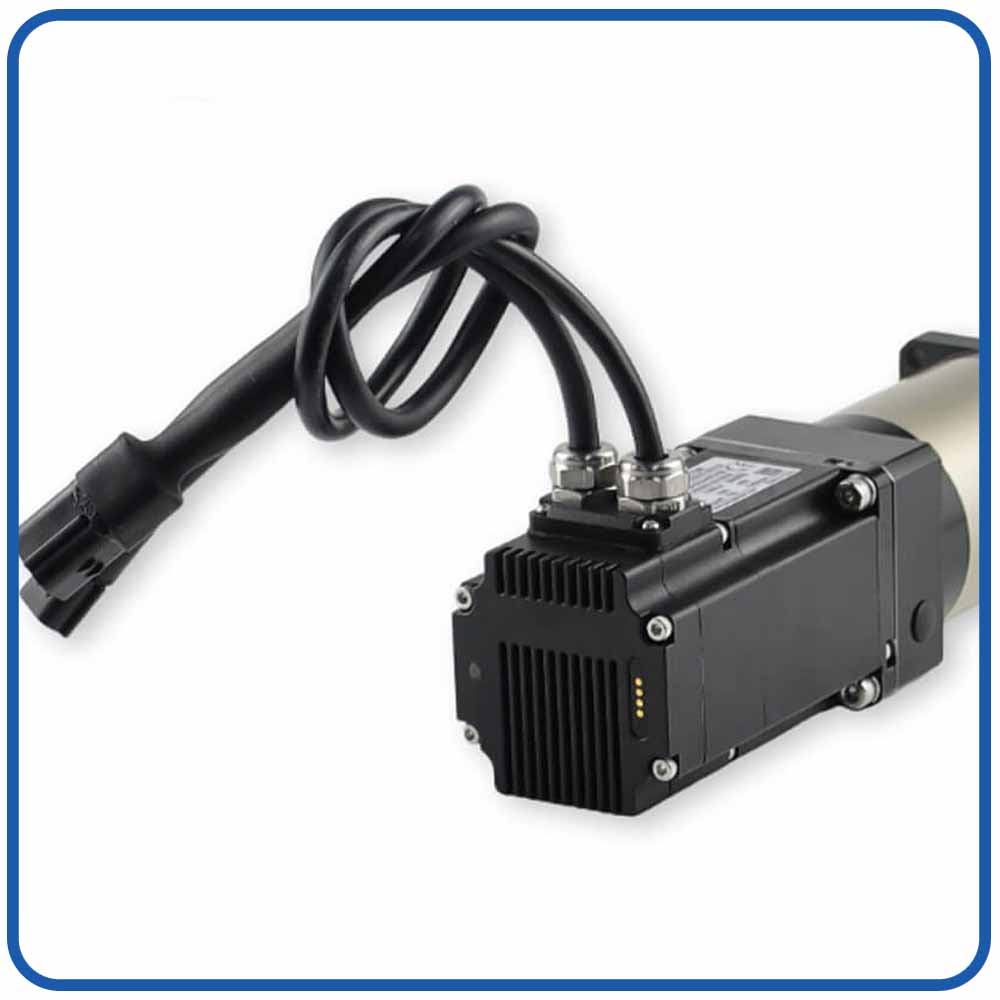
A servo motor is a high-precision electric motor designed to provide accurate control of position, speed, and torque in automated systems. Unlike a standard motor that simply rotates when electrical power is applied, a servo motor works together with a servo drive and feedback system to achieve precise and controlled movement.
Servo motors are widely used in industries that require reliable and accurate motion control, including robotics, CNC machines, industrial automation, medical equipment, packaging machinery, and semiconductor manufacturing systems.
A typical servo motor system consists of three main components:
Servo motor – Converts electrical energy into mechanical movement.
Servo drive – Controls the voltage, current, and frequency supplied to the motor.
Feedback device (encoder) – Monitors the motor’s actual position and speed, allowing the system to make real-time adjustments.
Through this closed-loop control system, servo motors can quickly correct movement errors and maintain high positioning accuracy.
How Does a Servo Motor Work?
A servo motor operates based on the principle of closed-loop feedback control. The controller sends a command signal to the servo drive, which provides the required power to the motor.
During operation:
The controller sends a target position, speed, or torque command.
The servo drive regulates electrical power to the motor.
The motor rotates and produces mechanical movement.
The encoder detects the actual motor position.
The feedback signal is compared with the target value.
The system automatically adjusts operation to eliminate errors.
This continuous feedback process allows servo motors to achieve fast response times and precise motion control.
Main Features of Servo Motors
1. High Positioning Accuracy
One of the biggest advantages of servo motors is their ability to achieve precise positioning.
With encoder feedback and advanced control algorithms, servo motors can accurately control:
Rotation angle
Linear movement
Speed changes
Acceleration and deceleration
This makes them essential for applications where even small positioning errors can affect product quality.
2. Precise Speed and Torque Control
Servo motors are not only used for positioning. They can also maintain stable speed and provide controlled torque under changing loads.
This is important for:
Robotic arms
Automated assembly systems
Industrial machinery
Motion platforms
3. Fast Dynamic Response
Servo motors can accelerate, stop, and change direction quickly.
Compared with traditional motors, servo systems offer:
Faster response
Smoother operation
Better control during frequent movement changes
This improves production efficiency in high-speed automation equipment.
4. Closed-Loop Operation
The feedback system is what makes servo motors different from ordinary motors.
A traditional motor operates mainly based on applied power, while a servo motor constantly monitors performance and adjusts itself.
The closed-loop design provides:
Higher accuracy
Better stability
Reduced positioning errors
Improved reliability
Types of Servo Motors
Servo motors are generally classified according to their power source and construction.
AC Servo Motors
AC servo motors are the most common type used in modern industrial automation.
They typically use permanent magnet synchronous motor technology and are known for:
High efficiency
High speed capability
Low maintenance
Long operating life
Applications include:
CNC machines
Industrial robots
Automated production lines
DC Servo Motors
DC servo motors use direct current power and were widely used in earlier servo systems.
Advantages include:
Simple control
Good starting torque
Smooth low-speed operation
However, brushed DC servo motors require more maintenance due to brush wear.
Brushless DC Servo Motors (BLDC Servo Motors)
Brushless DC servo motors remove the need for mechanical brushes by using electronic commutation.
They provide:
Long service life
Low noise
High efficiency
Compact design
They are commonly used in:
Robotics
Medical devices
Precision automation equipment
Where Are Servo Motors Used?
Servo motors are essential in many industries that require accurate and repeatable movement.
Industrial Robotics
Robotic systems use servo motors to control multiple axes with high precision. They allow robots to perform tasks such as:
Welding
Assembly
Material handling
Pick-and-place operations
CNC Machines
CNC equipment requires accurate tool positioning and smooth movement.
Servo motors control:
Machine axes
Cutting operations
Tool positioning
Packaging Equipment
Modern packaging machines rely on servo motors for fast and accurate operations, including:
Filling
Sealing
Labeling
Conveyor control
Medical Equipment
Servo motors are used in medical systems where accuracy and reliability are critical, such as:
Medical imaging equipment
Laboratory automation
Surgical devices
Servo Motor vs Standard Motor
The main difference between a servo motor and a standard motor is the level of control.
Feature
Servo Motor
Standard Motor
Control method
Closed-loop control
Usually open-loop
Position accuracy
Very high
Limited
Feedback system
Encoder included
Usually none
Speed control
Precise
Basic
Response speed
Fast
Slower
Application
Precision automation
General motion
A standard motor is suitable for simple rotation tasks, while a servo motor is designed for applications requiring accurate and controlled movement.
Why Are Servo Motors Important in Automation?
With the development of smart manufacturing and Industry 4.0, servo motors have become a key technology for automated systems.
They enable machines to achieve:
Higher production efficiency
Improved product accuracy
Reduced mechanical errors
More flexible operation
Better energy management
From small precision devices to large industrial robots, servo motors provide the motion control needed for modern automated equipment.
Summary
A servo motor is a precision-controlled electric motor that uses feedback technology to accurately control position, speed, and torque. By working with servo drives and encoders, servo motors provide superior accuracy and performance compared with conventional motors.
Because of their reliability, fast response, and precise control capabilities, servo motors have become an essential component in robotics, industrial automation, CNC machinery, medical equipment, and intelligent manufacturing systems.
Do Servo Motors Run on AC or DC Power?
Servo motors can operate on both AC (Alternating Current) and DC (Direct Current) power, depending on their design and application requirements. However, AC servo motors are the most widely used in modern industrial automation due to their high efficiency, precision, and reliability.
AC Servo Motors
AC servo motors are commonly found in:
Industrial robots
CNC machines
Packaging equipment
Automated production lines
Advantages
High positioning accuracy
Fast response speed
Low maintenance
Long service life
Excellent performance at high speeds
Most modern AC servo motors use a brushless design, which reduces wear and increases reliability.
DC Servo Motors
DC servo motors operate using direct current and are often used in smaller or specialized systems.
In modern automation systems, AC servo motors are the preferred choice because they offer:
Better efficiency
Higher precision
Greater reliability
Reduced maintenance requirements
DC servo motors are still used in certain applications, but most new industrial equipment relies on AC servo technology.
Conclusion
Servo motors can run on either AC or DC power, depending on the motor type. While DC servo motors are suitable for some specialized applications, AC servo motors dominate today's industrial automation market because of their superior performance, durability, and motion control capabilities.
AC Servo Motors: The Most Common Industrial Choice
Modern industrial automation mainly uses AC servo motors because they provide excellent performance, durability, and efficiency.
An AC servo motor typically uses a permanent magnet synchronous motor (PMSM) design. The servo drive converts incoming electrical power into the correct voltage and frequency required to control the motor precisely.
How AC Servo Motors Work
AC servo motors operate by controlling the relationship between:
Current
Voltage
Magnetic field
Rotor position
The servo drive regulates the motor’s three-phase AC power supply, allowing precise control of:
Rotation speed
Acceleration
Position
Torque output
The encoder provides real-time feedback, allowing the system to correct errors instantly.
Advantages of AC Servo Motors
1. High Precision Motion Control
AC servo motors provide extremely accurate positioning, often reaching very small positioning errors.
This makes them suitable for:
CNC machines
Robot arms
Precision assembly equipment
2. High Efficiency and Low Maintenance
Most AC servo motors use a brushless design, meaning there are no carbon brushes that wear out over time.
Compared with traditional DC servo motors, AC servo motors offer:
Longer service life
Reduced maintenance requirements
Better reliability in continuous operation
3. Higher Speed Capability
AC servo motors can operate at very high speeds while maintaining accurate control.
This makes them ideal for:
High-speed packaging machines
Automated production lines
Motion platforms
4. Better Heat Management
Modern AC servo motors are designed for efficient thermal performance.
Advanced designs reduce heat generation and allow stable operation under demanding industrial conditions.
DC Servo Motors: Traditional Servo Technology
DC servo motors were widely used before AC servo technology became dominant.
A traditional DC servo motor uses direct current supplied to the motor armature. The magnetic field interaction creates rotation.
DC servo motors are usually divided into:
Brushed DC servo motors
Brushless DC servo motors
Brushed DC Servo Motors
Brushed DC servo motors use mechanical brushes and a commutator to transfer electrical current.
Advantages of Brushed DC Servo Motors
Simple control system
Good low-speed performance
High starting torque
Lower initial cost
Because of these advantages, they were historically popular in:
Laboratory equipment
Small automation systems
Older industrial machines
Disadvantages of Brushed DC Servo Motors
The main limitation is maintenance.
Because brushes physically contact the commutator, they experience wear.
Common issues include:
Brush replacement requirements
Electrical noise
Reduced lifespan
Maintenance downtime
For modern industrial automation, these disadvantages have caused many manufacturers to move toward AC and brushless servo solutions.
Brushless DC Servo Motors (BLDC Servo Motors)
A BLDC servo motor combines the advantages of DC motor control with a brushless structure.
Instead of mechanical brushes, BLDC motors use electronic commutation controlled by a driver.
They are widely used in applications requiring:
Compact size
High efficiency
Low noise
Long service life
Common applications include:
Robotics
Automation equipment
Medical devices
AGV systems
Precision instruments
AC Servo Motor vs DC Servo Motor: Key Differences
Feature
AC Servo Motor
DC Servo Motor
Power type
Alternating current
Direct current
Maintenance
Very low
Higher for brushed types
Brush structure
Usually brushless
Brushed or brushless
Speed capability
High
Moderate to high
Efficiency
Higher
Lower for brushed motors
Reliability
Excellent
Depends on design
Industrial popularity
Very common
Less common today
Why Are AC Servo Motors More Popular Today?
The development of modern servo drives and digital control technology has made AC servo motors the preferred solution for many industrial applications.
Several factors contribute to their popularity:
Advanced Servo Drives
Modern servo drives can precisely control AC motor operation through:
Vector control
Digital feedback processing
Real-time current regulation
This allows AC servo motors to achieve performance levels previously associated only with DC systems.
Improved Energy Efficiency
Energy efficiency is increasingly important in automated factories.
AC servo systems reduce energy consumption by:
Adjusting power output based on load requirements
Minimizing unnecessary energy loss
Improving overall machine efficiency
Better Environmental Resistance
Industrial equipment often operates in challenging environments.
AC servo motors can be designed for:
Dust resistance
Vibration resistance
High-temperature environments
Continuous duty operation
How to Choose Between AC and DC Servo Motors?
Selecting the right servo motor depends on the application requirements.
Choose an AC Servo Motor When You Need:
High-speed operation
High positioning accuracy
Long continuous operation
Low maintenance
Industrial automation performance
Typical applications:
Robots
CNC equipment
Automated machinery
Production lines
Choose a DC Servo Motor When You Need:
Simple control
Lower-cost solutions
Compact systems
Specific legacy equipment compatibility
Typical applications:
Small devices
Educational equipment
Older automation systems
Servo Motor Applications in Modern Automation
Servo motors are essential components in intelligent manufacturing.
Robotics
Robotic systems require precise control of multiple axes. Servo motors provide:
The development of servo motor technology is closely connected with the growth of industrial automation, robotics, smart manufacturing, and intelligent motion control systems. As industries demand higher precision, faster response, and improved energy efficiency, servo motors are evolving toward more compact, intelligent, and integrated solutions.
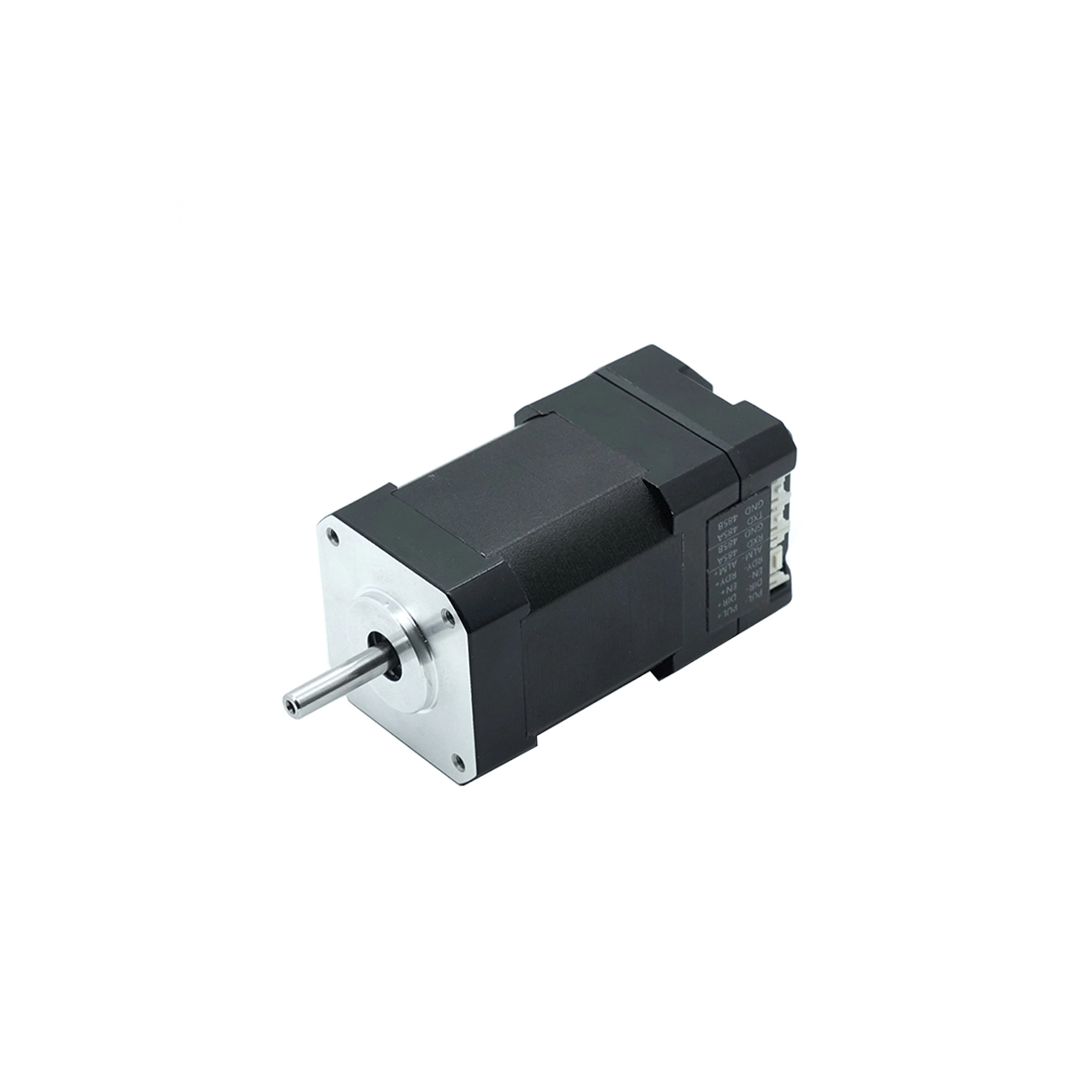
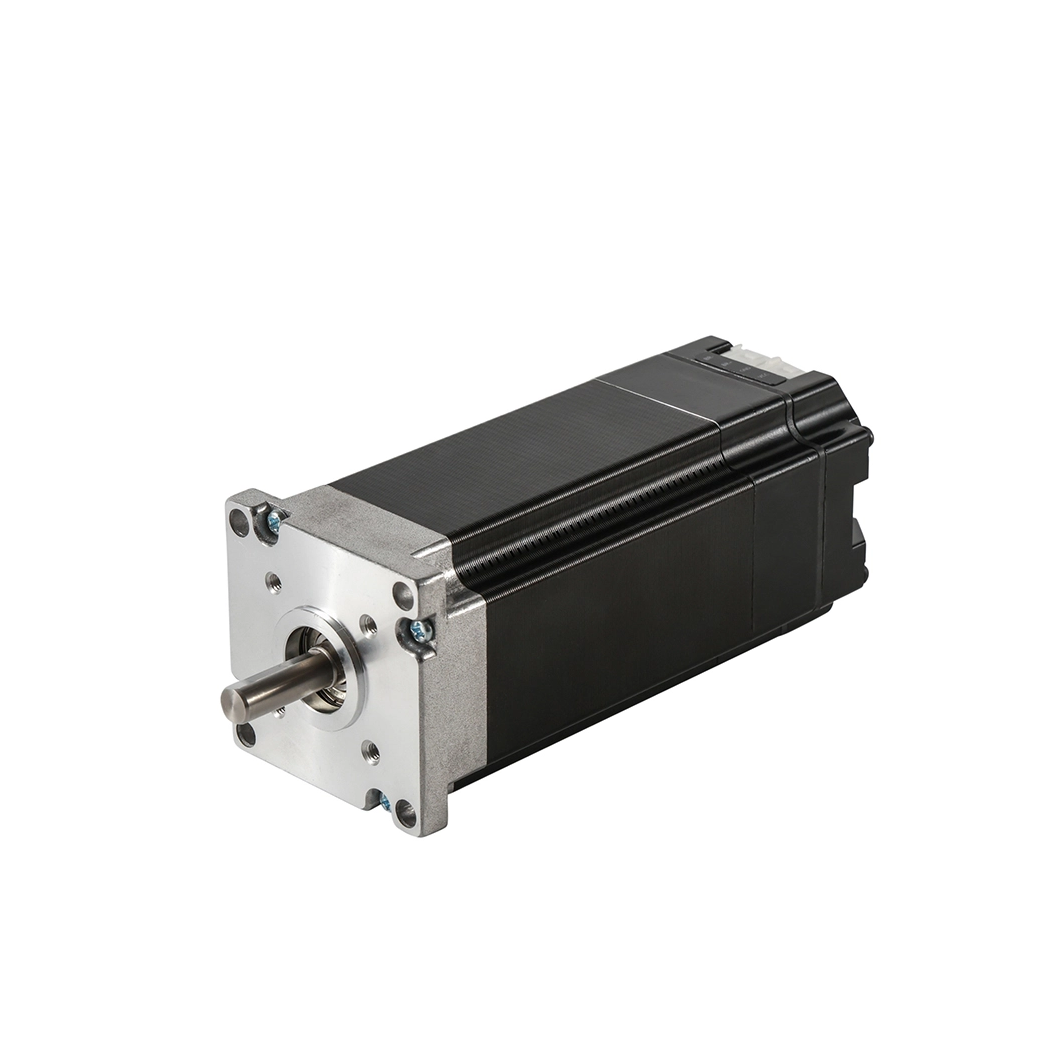
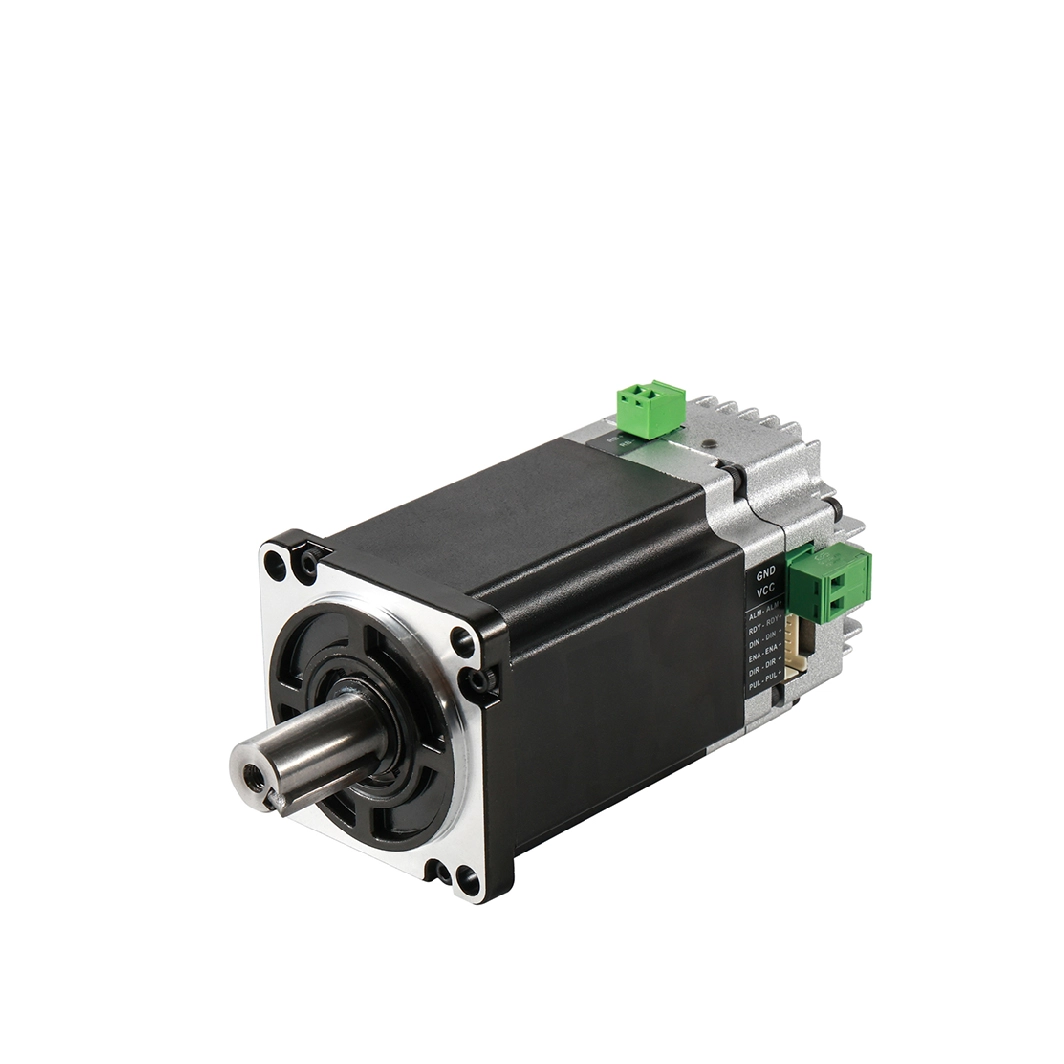
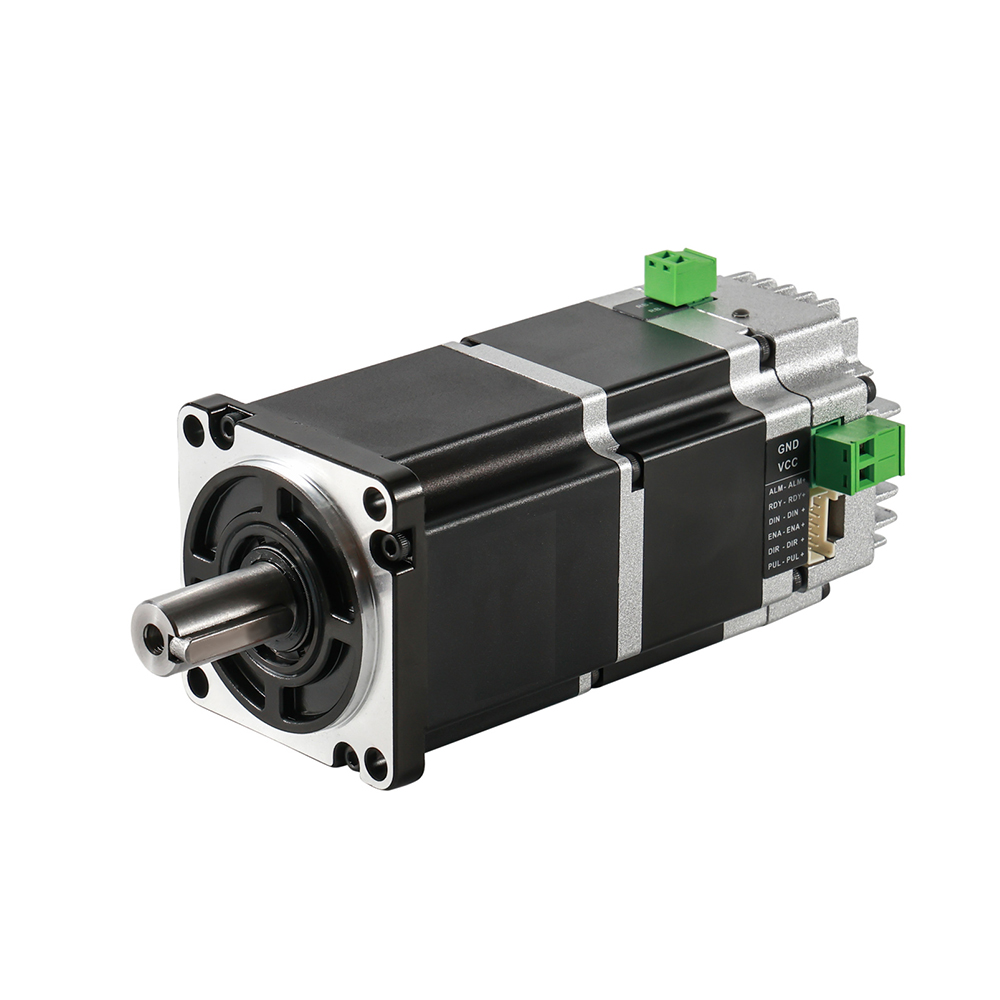
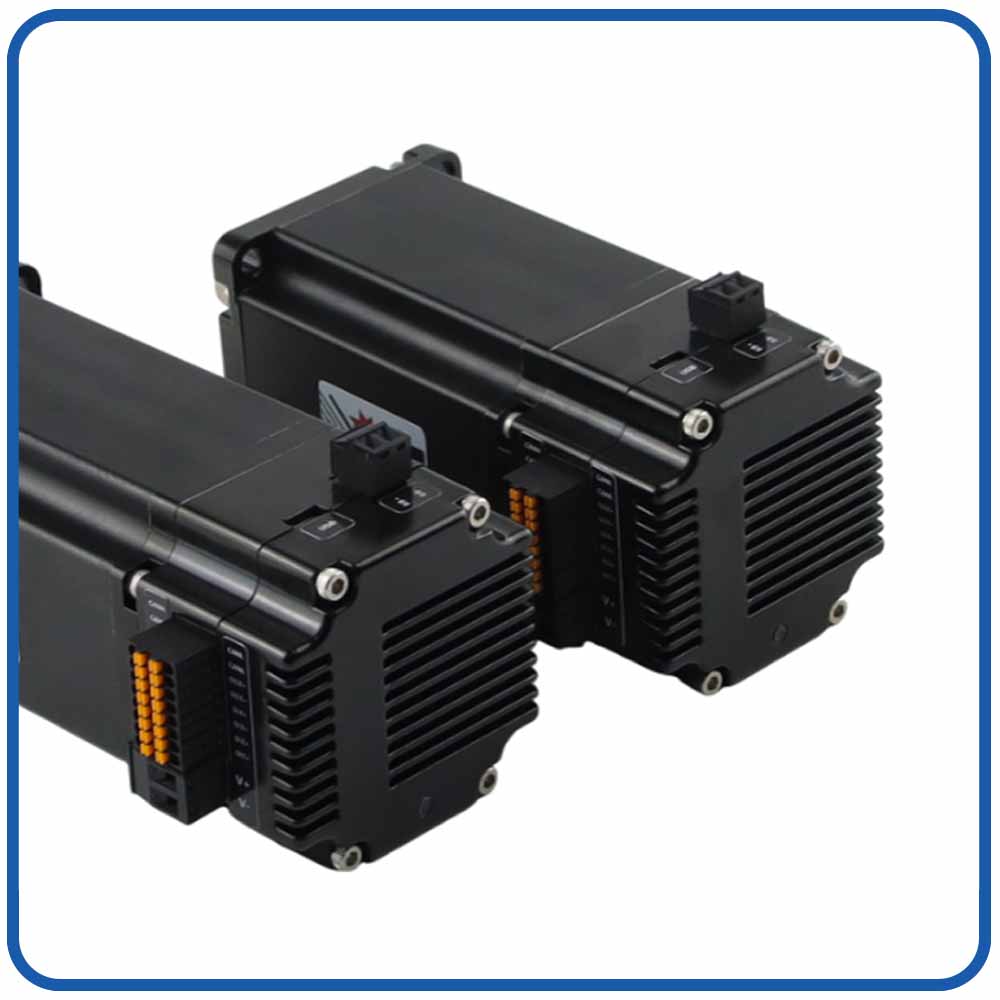
One of the major trends is the growth of integrated servo motors, which combine the motor, driver, encoder, and control electronics into a single compact unit.
Benefits include:
Reduced wiring complexity
Easier installation
Smaller system size
Faster machine design
Improved reliability
Integrated servo motors are becoming popular in applications such as:
Collaborative robots
Automated guided vehicles (AGVs)
Medical equipment
Compact industrial machines
2. Smarter Servo Motors with Digital Control
Future servo motors will become more intelligent through advanced control technologies and communication systems.
Smart servo motors can provide:
Real-time performance monitoring
Fault detection
Predictive maintenance
Remote diagnostics
By collecting operational data, machines can identify potential problems before failures occur, reducing downtime and improving productivity.
3. Higher Energy Efficiency
Energy efficiency is becoming a key requirement in modern manufacturing.
New servo motor designs focus on:
Lower power consumption
Improved motor efficiency
Reduced heat generation
Optimized torque performance
Efficient servo systems help companies reduce operating costs while supporting more sustainable production.
4. Smaller and More Powerful Designs
Automation equipment is becoming more compact, creating demand for miniaturized servo motors with higher power density.
Future servo motors will offer:
Smaller dimensions
Higher torque output
Better thermal performance
More flexible installation options
This trend is especially important for robotics, precision instruments, and compact automation systems.
5. Improved Communication and Connectivity
With the development of Industry 4.0, servo motors are increasingly connected with industrial networks.
Future servo systems will support advanced communication technologies such as:
Industrial Ethernet
Real-time data exchange
Cloud-based monitoring
Better connectivity enables smarter factories with improved production management and automation control.
6. More Applications in Robotics and Automation
The demand for servo motors will continue growing in industries such as:
Industrial robots
Humanoid robots
Smart logistics
Automated manufacturing
Medical robotics
As robots require more precise and flexible movement, servo motors will play an increasingly important role in achieving accurate motion control.
Final
The future of servo motor technology is moving toward greater intelligence, higher efficiency, compact design, and deeper integration with automation systems. With advancements in smart control, AI technology, and industrial connectivity, servo motors will continue to be a critical component in the development of next-generation automated equipment and intelligent manufacturing systems.
Conclusion: Are Servo Motors AC or DC?
Servo motors can operate using both AC and DC power, but the majority of modern industrial servo systems use AC servo motors because of their high efficiency, precision, reliability, and low maintenance requirements.
DC servo motors still have value in specific applications, especially where compact size or simple control is needed. However, for advanced automation, robotics, and industrial motion control, AC servo motors and brushless servo technologies have become the mainstream choice.
Choosing the correct servo motor type depends on factors such as speed, accuracy, operating environment, maintenance requirements, and system design goals. Understanding the differences between AC and DC servo motors helps engineers build more efficient and reliable motion control systems.I

 English
 العربية
 Français
 Русский
 Español
 Português
 Deutsch
 italiano
 日本語
日本語 한국어
한국어 Nederlands
 Tiếng Việt
 ไทย
ไทย Polski
 Türkçe
 ພາສາລາວ
 ភាសាខ្មែរ
 Bahasa Melayu
 ဗမာစာ
ဗမာစာ Filipino
 Bahasa Indonesia
 magyar
 Română
 Čeština
 Монгол
 қазақ
қазақ Српски
 हिन्दी
 فارسی
فارسی Slovenčina
 Slovenščina
 Norsk
Norsk Svenska
 українська
 Ελληνικά
 Suomi
Suomi Հայերեն
 עברית
עברית Latine
 Dansk
Dansk Shqip
Shqip বাংলা
বাংলা Hrvatski
 Afrikaans
 Gaeilge
 Eesti keel
 Oʻzbekcha
 latviešu
 Azərbaycan dili
 Български
 Català