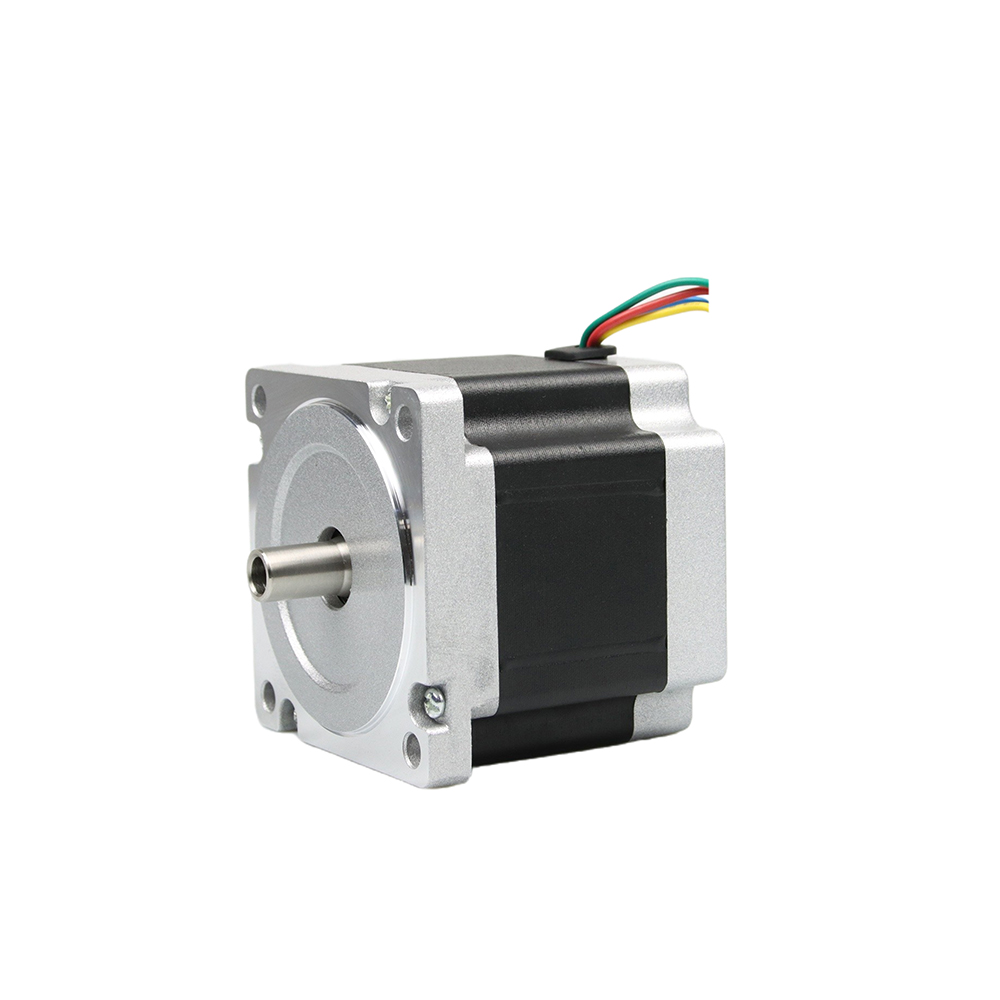
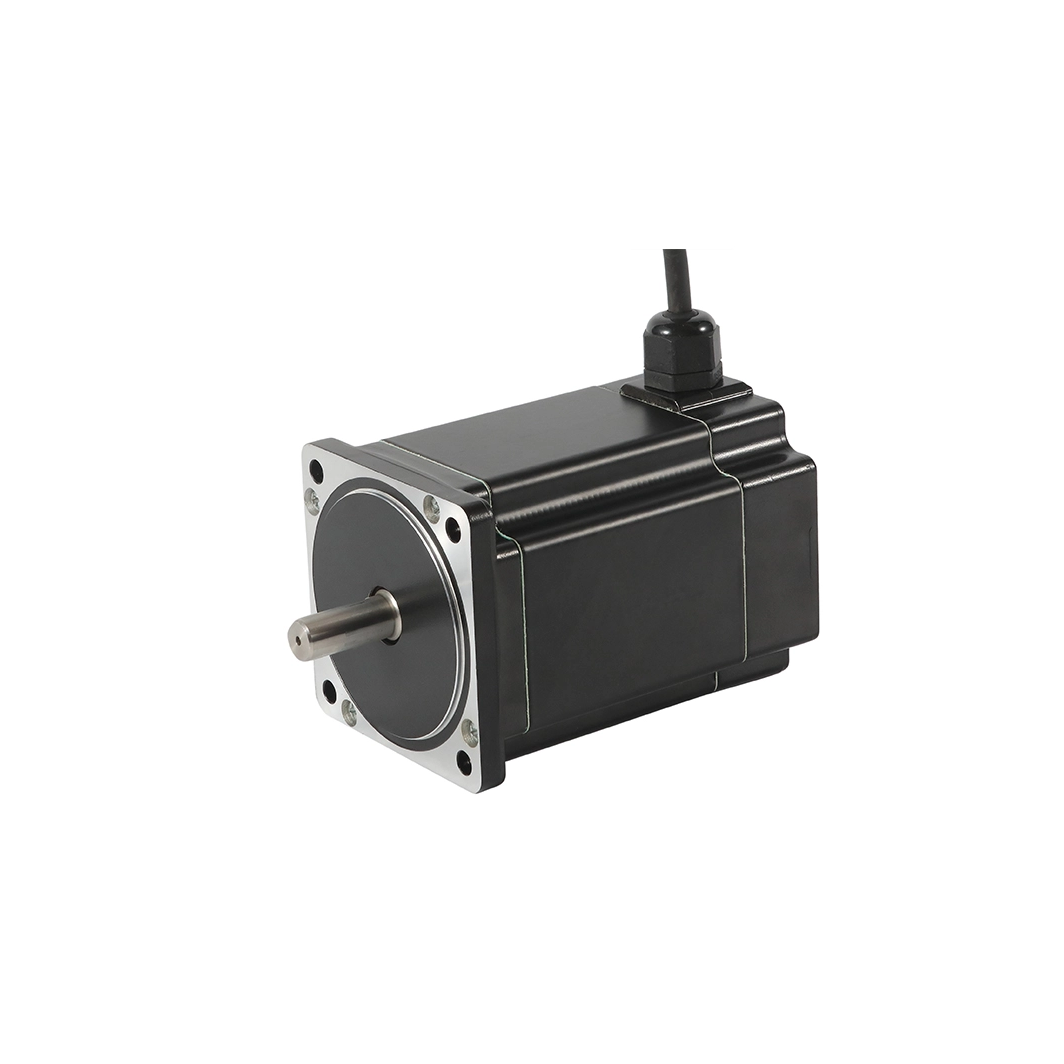
Introduction to Integrated Servo Motors in Modern SCARA Robotics
The rapid advancement of industrial automation has dramatically increased the demand for high-precision, compact, and efficient motion control systems. Among the various robotic architectures used in manufacturing environments, SCARA robots (Selective Compliance Assembly Robot Arms) are widely recognized for their exceptional speed, repeatability, and efficiency in assembly, pick-and-place, and precision handling applications.
As automation systems continue to evolve toward higher integration, reduced complexity, and smarter control, integrated servo motors have emerged as a transformative technology for SCARA robot motion systems. By combining the servo motor, drive, encoder, and control electronics into a single compact unit, integrated servo solutions deliver unmatched performance advantages compared to traditional separated motor-drive architectures.
In modern robotic engineering, integrated servo motors are redefining how SCARA robots are designed, installed, and operated, enabling manufacturers to achieve greater motion accuracy, simplified wiring, and improved system reliability.
The Evolution of Motion Control in SCARA Robots
The development of SCARA robots (Selective Compliance Assembly Robot Arms) has been closely linked to advances in motion control technology. From early industrial automation systems to today’s intelligent robotic platforms, motion control solutions have continuously evolved to deliver higher speed, greater precision, and improved reliability. As manufacturing industries demand faster production cycles and more compact automation equipment, the motion systems that power SCARA robots have undergone significant transformation.
Early Motion Control Systems in SCARA Robotics
When SCARA robots were first introduced in the late 1970s and early 1980s, motion control technologies were relatively limited compared to modern standards. Early robotic systems typically relied on basic DC motors or stepper motors paired with external control units. These configurations allowed for basic positioning tasks but lacked the advanced feedback and dynamic control capabilities required for high-speed automation.
The typical architecture included:
Although these early systems enabled the first generation of automated assembly, they had several limitations, including limited positioning accuracy, lower efficiency, and reduced operational flexibility. As industries such as electronics manufacturing began requiring faster and more precise robotic movements, these traditional motion control approaches quickly reached their performance limits.
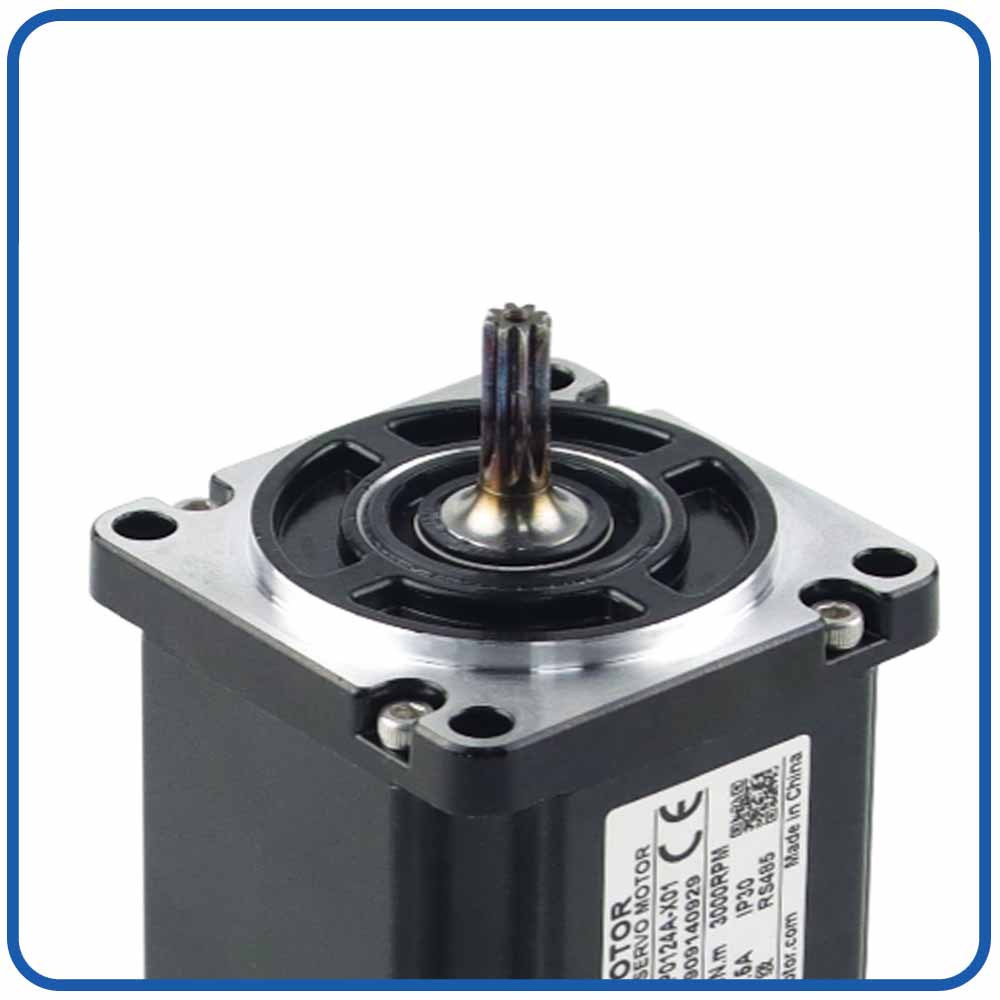
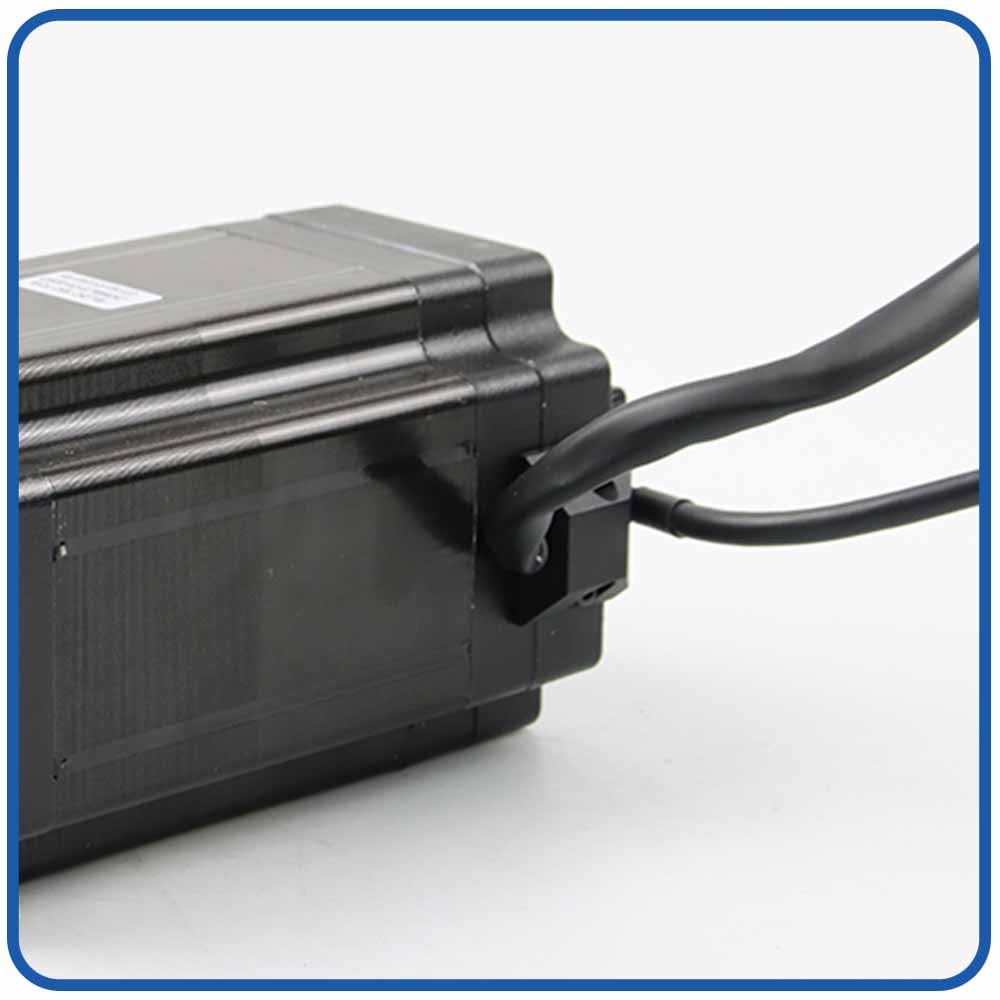
Besfoc Integrated Servo Motor System Customized Service
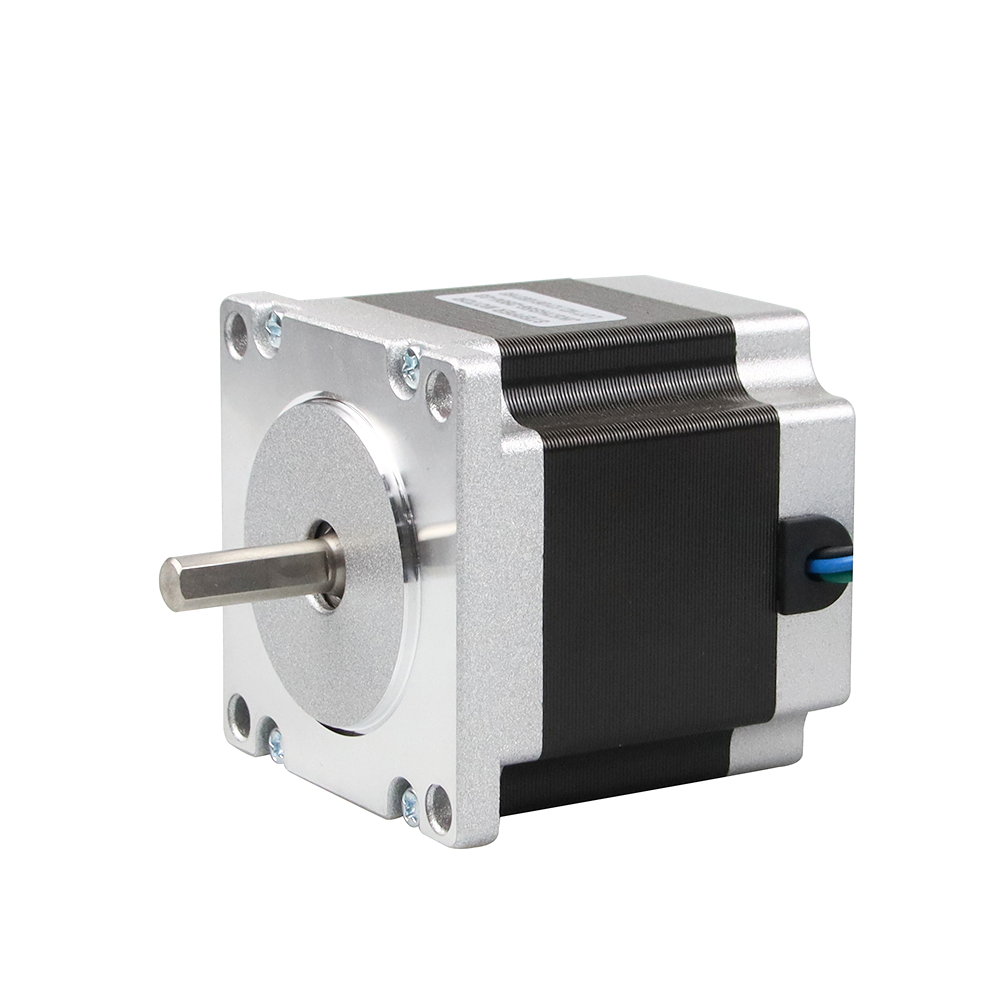
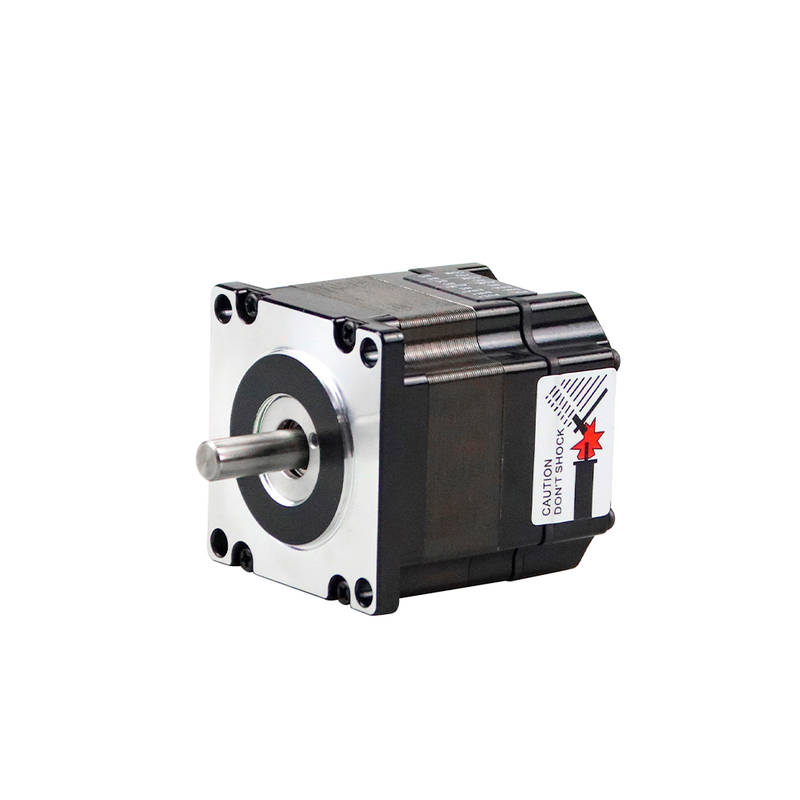
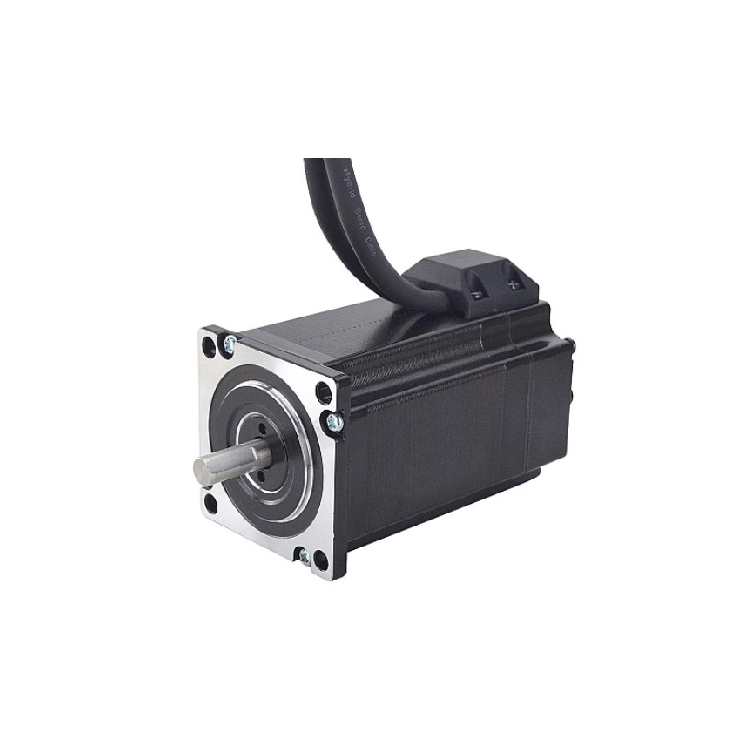
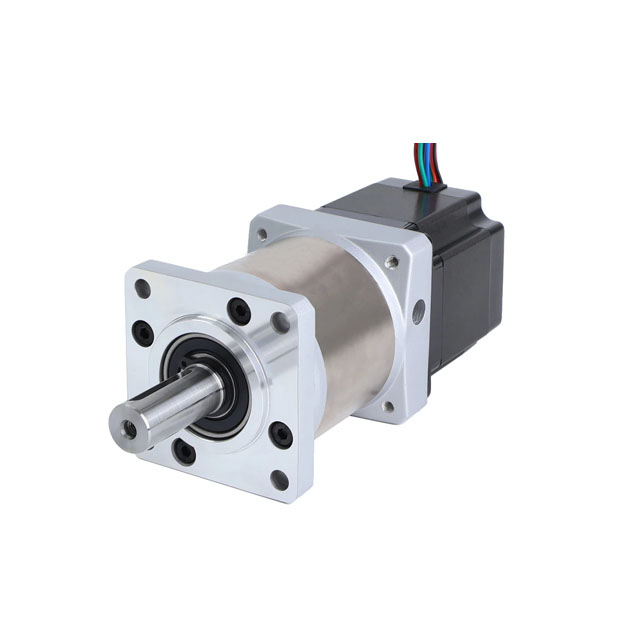
 |  | 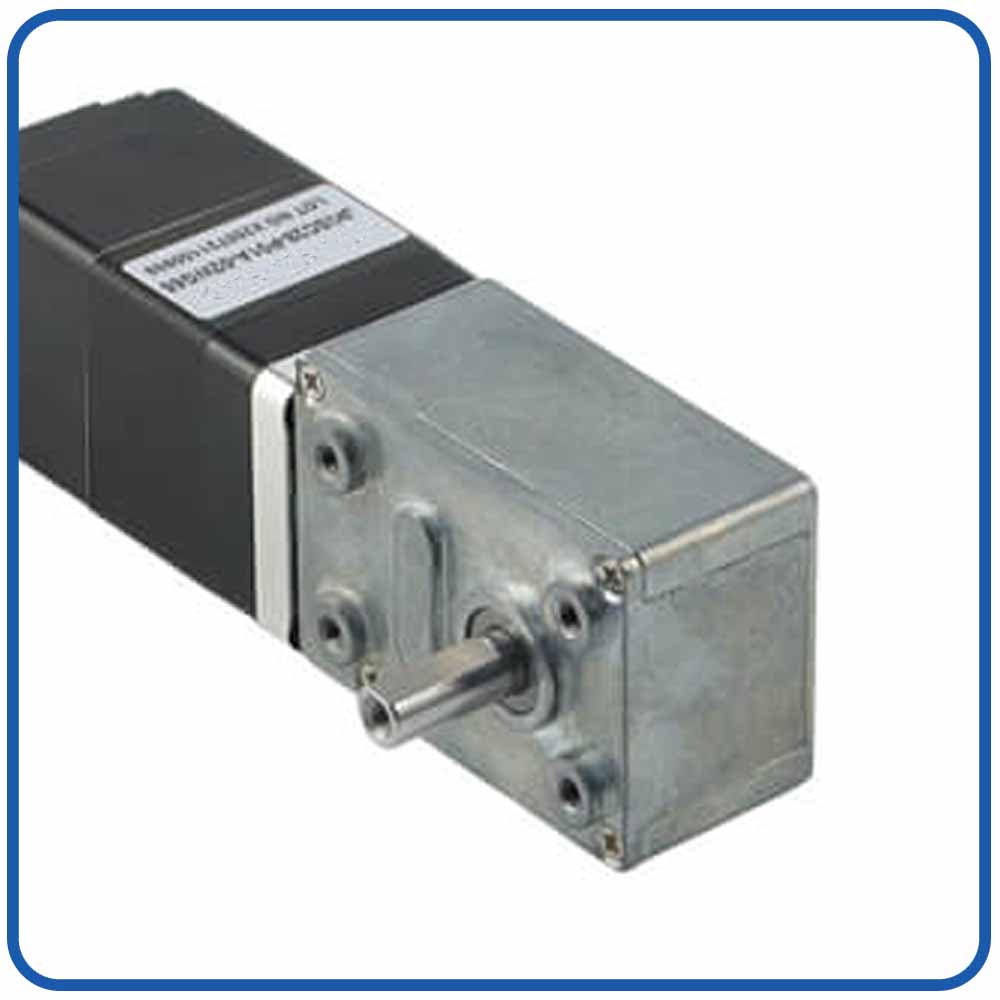 | 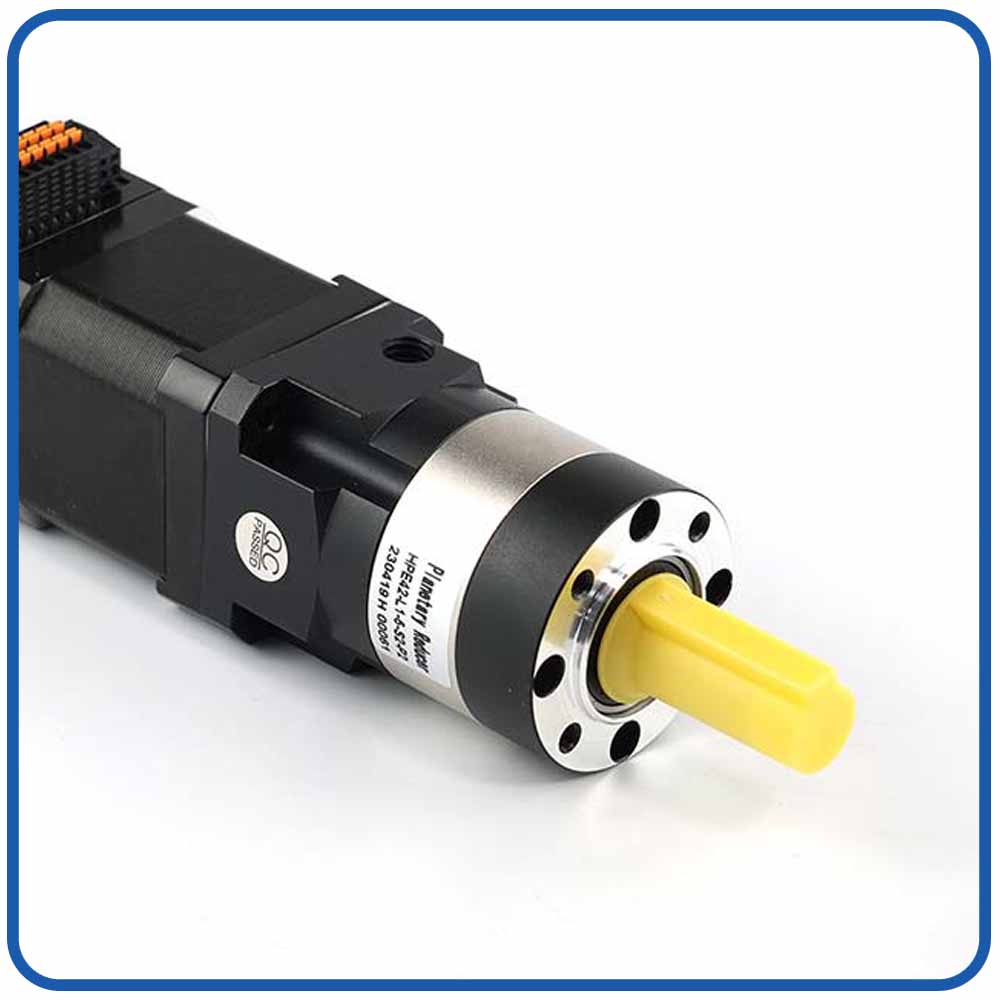 | 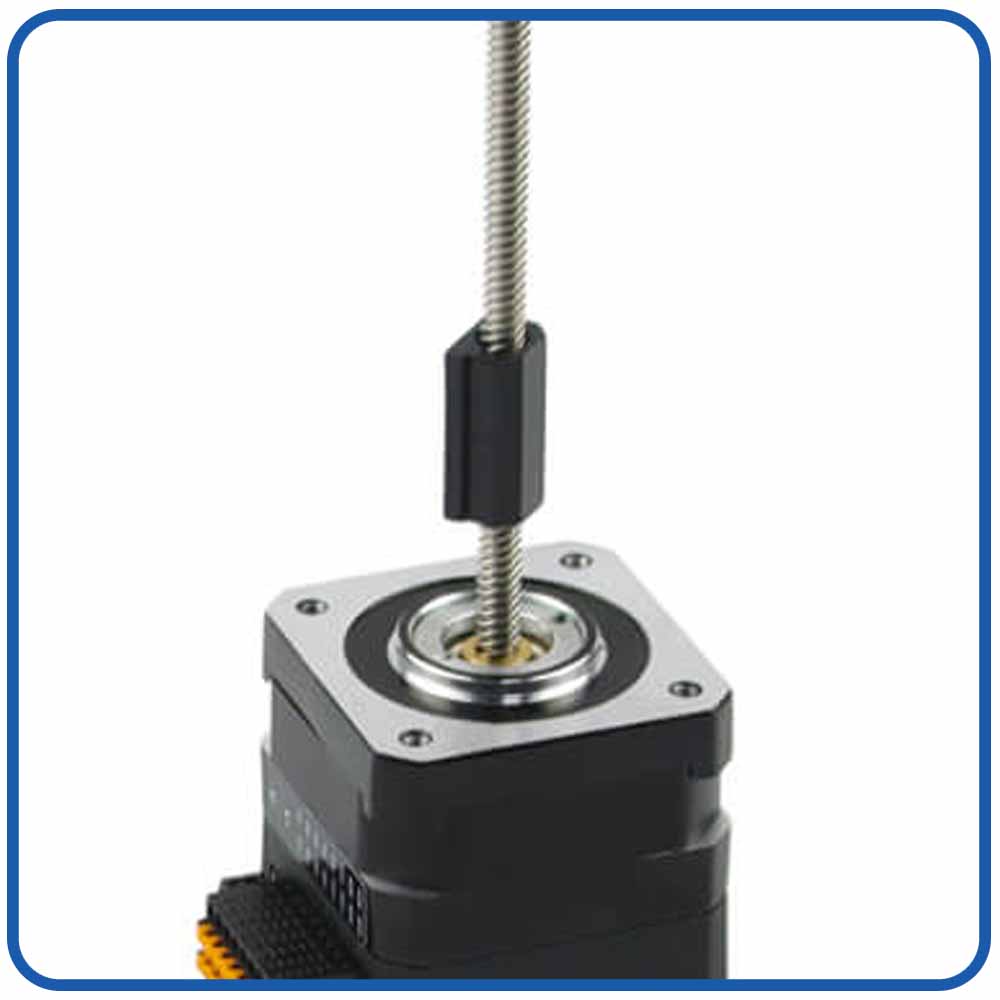 | BesFoc Customized Motors:
According to the application needs, provide a variety of customized motor solutions, common customization includes:
-
Sealed motor, suitable for dusty environment, dirty environment with small temperature change, etc
-
Special shaft, such as size, shape, etc
-
Belt wheels, gears and couplings etc
-
Encoders and other feedback components
-
Encoders and other feedback components. Lead length and customer use termination plug-in |
| Shaft | Terminal housing | Worm Gearbox | Planetary Gearbox | Lead Screw |
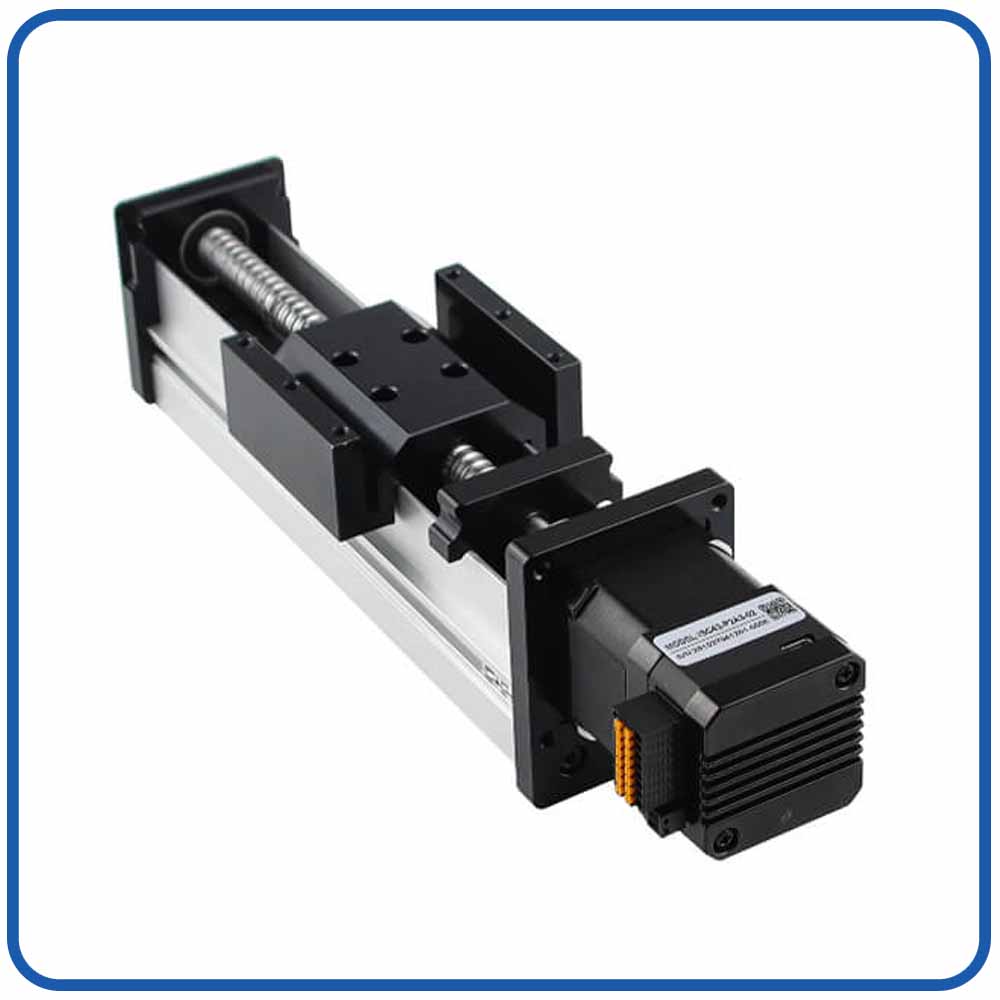 | 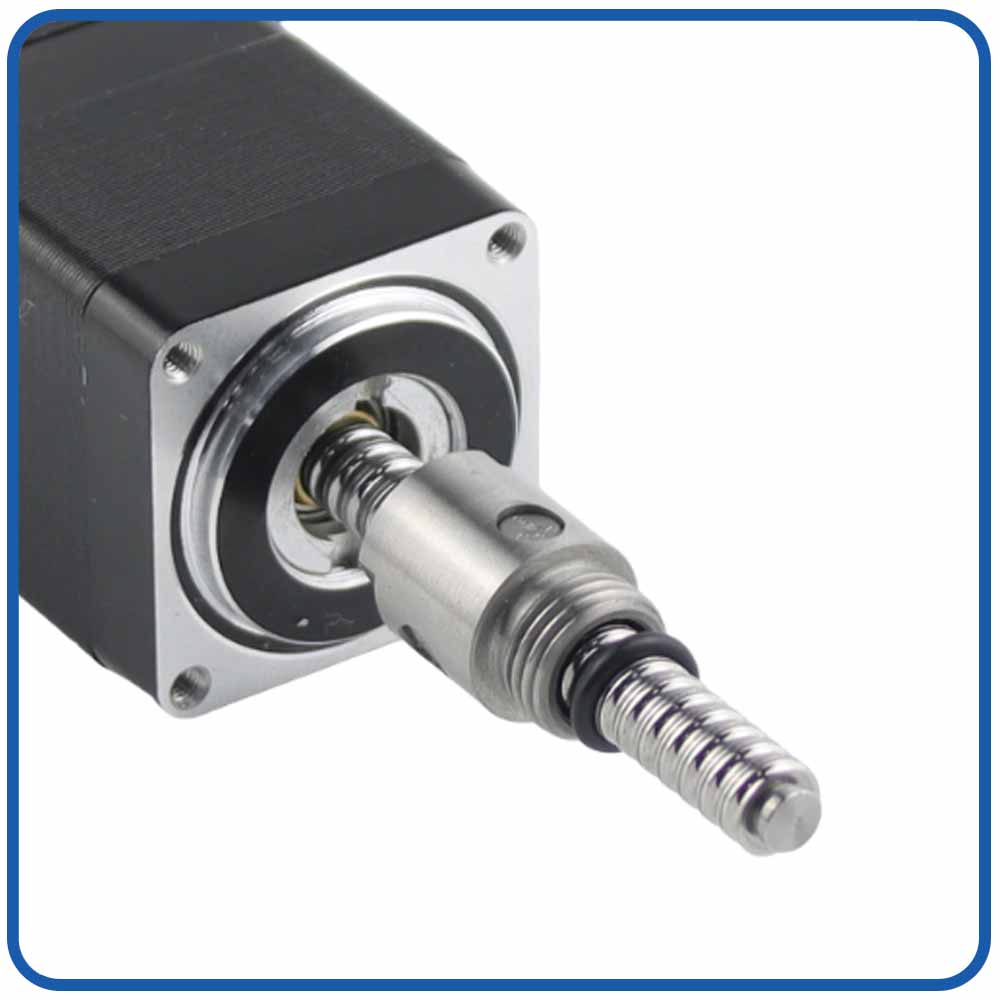 | 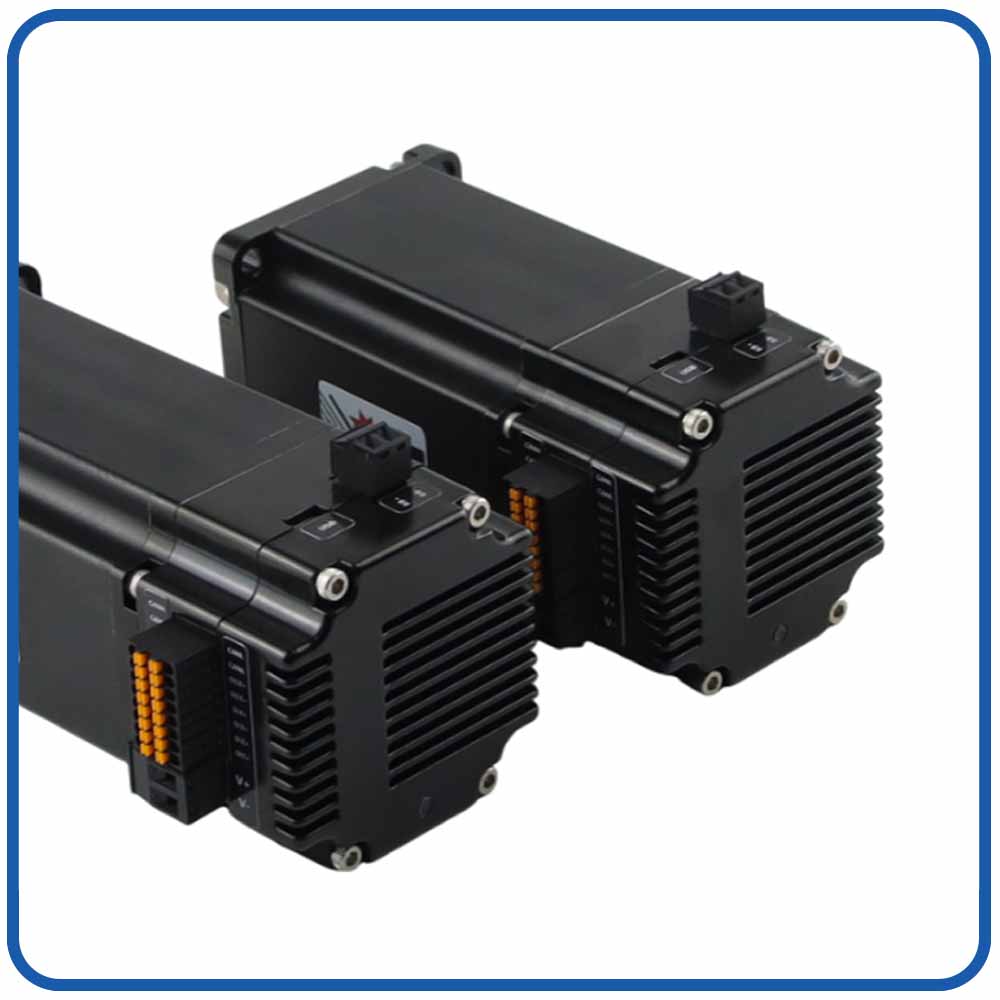 | 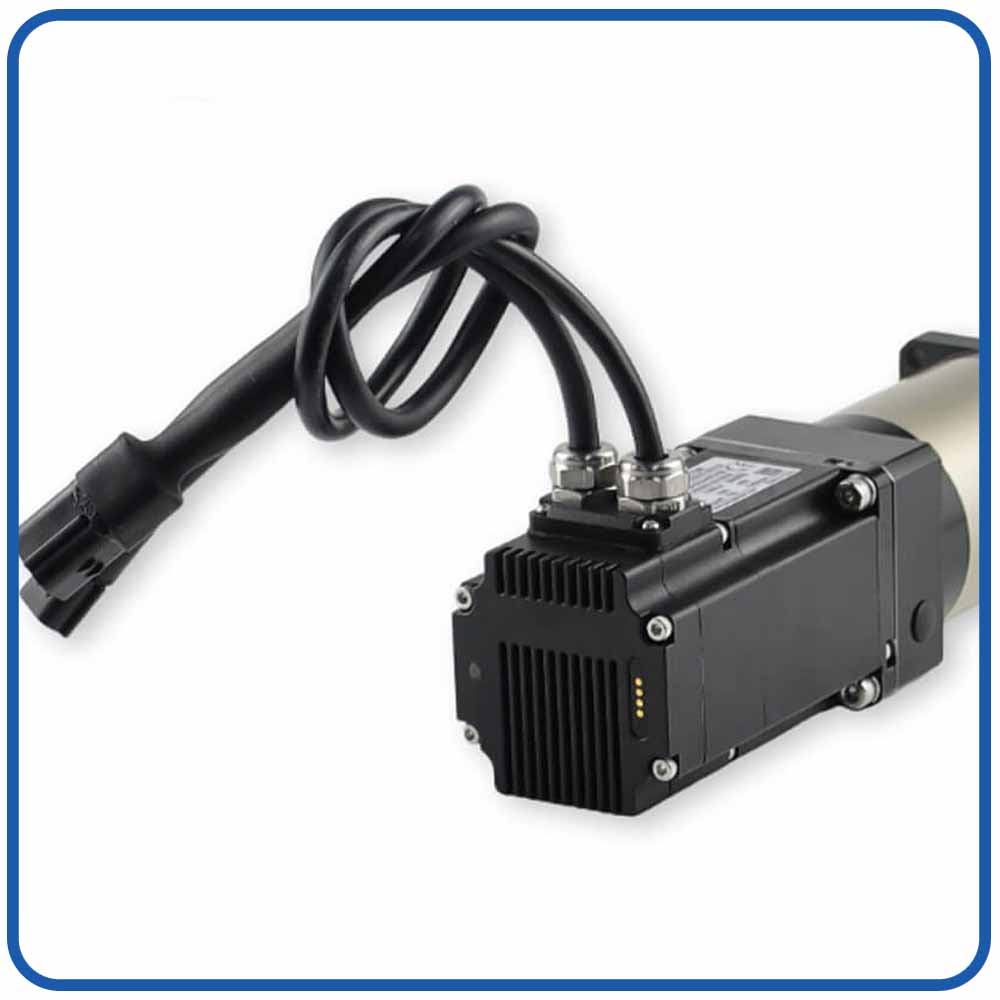 |  |
| Linear Motion | Ball Screw | Brake | IP-Level | More Products |
Besfoc Integrated servo Motor Shaft Customized Service
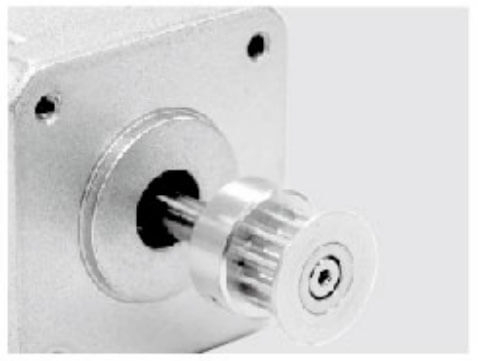 | 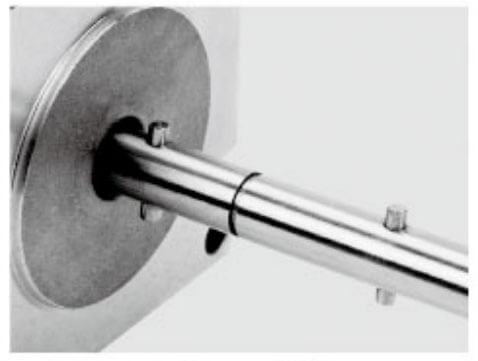 | 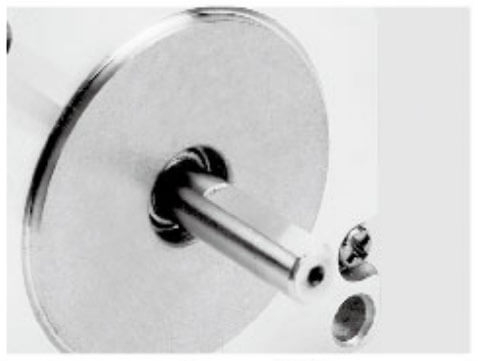 | 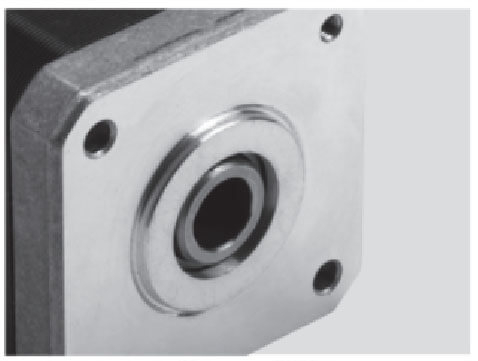 | 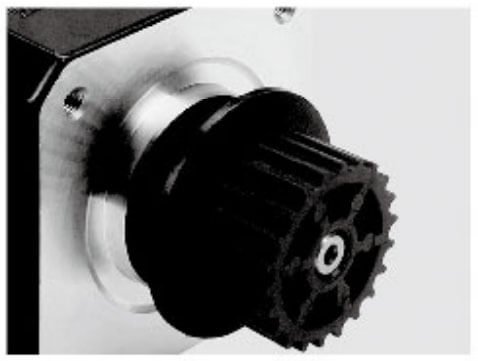 | 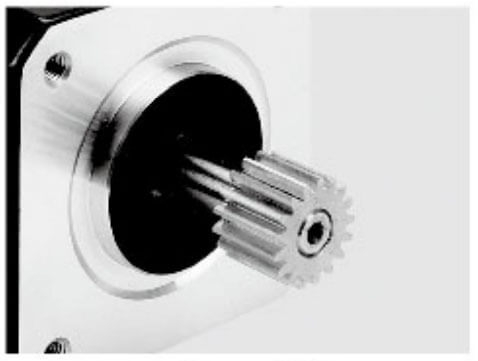 |
| Aluminum Pulley | Shaft Pin | Single D Shaft | Hollow Shaft | Plastic Pulley | Gear |
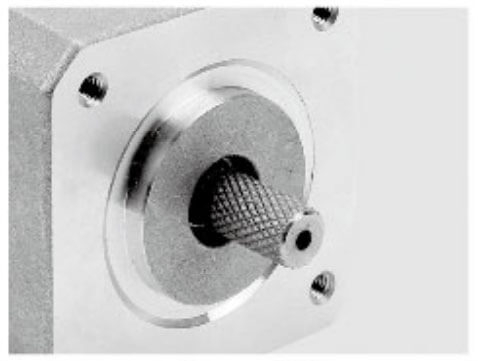 | 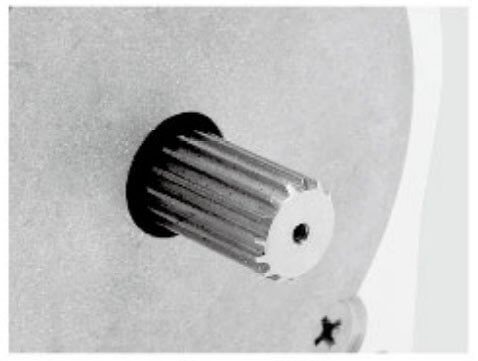 | 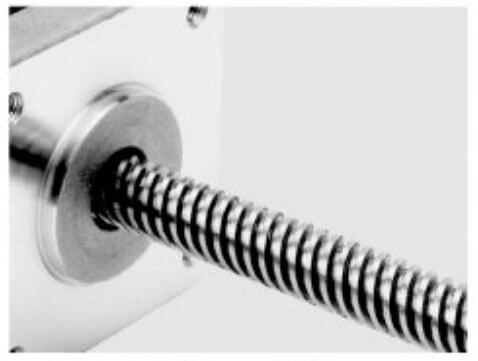 | 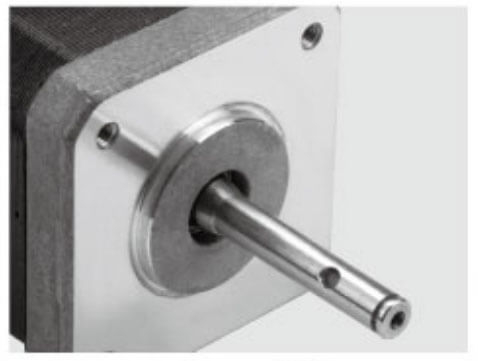 | 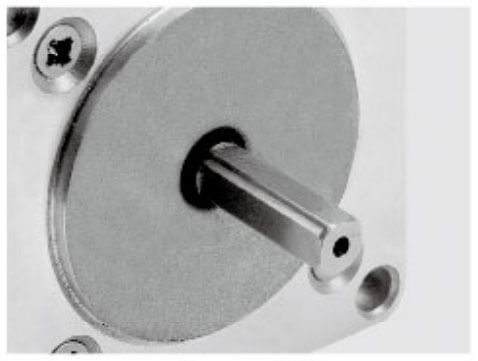 | 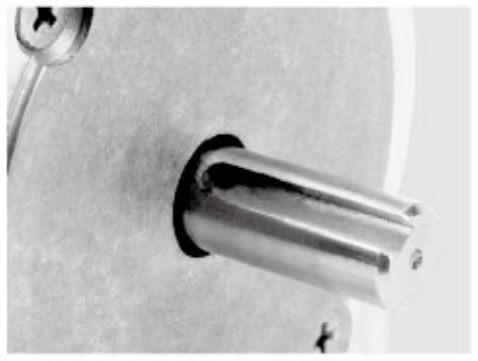 |
| Knurling | Hobbing Shaft | Screw Shaft | Hollow Shaft | Double D Shaft | Keyway |
Transition to Servo Motor Technology
The next major advancement in SCARA robot motion control came with the adoption of servo motor systems. Unlike stepper motors, servo motors operate using closed-loop feedback control, which allows the system to continuously monitor and adjust motor position, speed, and torque.
Servo-based motion systems introduced several key improvements:
By integrating encoders or resolvers as feedback devices, servo motors provided real-time position information to the controller. This allowed SCARA robots to perform precise assembly operations, high-speed pick-and-place tasks, and delicate handling processes with significantly improved reliability.
During this stage, the typical SCARA robot architecture included:
While this configuration delivered major performance improvements, it also introduced new challenges, particularly in terms of system complexity and installation requirements.
Challenges of Traditional Servo Architectures
As SCARA robots became more widely used across industries, engineers began encountering several limitations associated with traditional servo systems.
One of the most significant challenges was complex wiring infrastructure. Each robot axis required multiple cables connecting the motor to the servo drive and controller. These cables often included:
Power cables
Encoder feedback cables
Brake cables
Sensor cables
This wiring complexity increased installation time and raised the risk of signal interference, especially in high-speed manufacturing environments.
Another challenge was the large control cabinet space required for external servo drives. In multi-axis robotic systems, the accumulation of servo drives could occupy substantial cabinet space, limiting flexibility in factory layouts.
Maintenance was also more complicated because failures could occur at multiple points within the system, including connectors, cables, drives, or feedback components.
These challenges encouraged motion control engineers to search for more integrated and streamlined solutions.
The Emergence of Integrated Motion Systems
To address the limitations of traditional architectures, the robotics industry began moving toward integrated motion control systems. These systems combine several critical components into a single unit, including:
The servo motor
The servo drive
The feedback encoder
Communication interfaces
This integration significantly reduces the number of separate components required for each robot axis.
In SCARA robot applications, integrated motion systems offer multiple advantages:
Reduced wiring complexity
Smaller installation footprint
Improved electromagnetic compatibility
Faster installation and commissioning
By placing the drive electronics directly within the motor housing, integrated systems eliminate the need for long feedback cables and external drive modules.
Digital Control and Smart Motion Algorithms
Another important stage in the evolution of SCARA robot motion control is the development of advanced digital control algorithms. Modern servo systems incorporate powerful microprocessors capable of executing complex motion control strategies.
These advanced control technologies include:
Field-Oriented Control (FOC)
Real-time torque control
Adaptive load compensation
High-speed position loops
With these capabilities, SCARA robots can perform extremely precise movements while maintaining smooth operation at high speeds.
Digital motion control has also enabled features such as:
These improvements have allowed SCARA robots to achieve cycle times measured in fractions of a second, making them ideal for high-throughput manufacturing environments.
Integration with Industrial Communication Networks
As manufacturing systems evolve toward smart factories and Industry 4.0 environments, motion control systems have become increasingly connected.
Modern SCARA robot motion platforms now support high-speed industrial communication protocols, including:
EtherCAT
CANopen
Modbus
Profinet
These communication technologies allow servo motors and robot controllers to exchange data in real time, enabling precise multi-axis coordination and centralized production control.
Connectivity also enables remote monitoring and predictive maintenance, where system performance can be analyzed continuously to identify potential issues before they cause downtime.
The Role of Integrated Servo Motors in Modern SCARA Robots
Today, integrated servo motors represent the latest stage in the evolution of SCARA robot motion control. By combining motor, drive, feedback system, and communication interface into one compact package, these solutions offer a highly efficient motion platform.
Integrated servo motors provide several performance benefits for SCARA robots:
Compact mechanical design
Reduced cable routing complexity
Improved system reliability
Faster machine assembly
Higher motion precision
Because SCARA robots are designed for rapid horizontal movement and repeated high-speed cycles, the compact and efficient nature of integrated servo motors perfectly aligns with their performance requirements.
Future Direction of SCARA Motion Technology
The evolution of SCARA robot motion control continues as new technologies emerge. Future motion systems are expected to integrate additional capabilities such as:
Embedded diagnostic intelligence
AI-assisted motion optimization
Predictive maintenance algorithms
Enhanced energy management
As these technologies mature, integrated servo motors will play a central role in enabling faster, smarter, and more adaptive robotic systems.
The continuous advancement of motion control technology ensures that SCARA robots will remain a critical component of modern industrial automation, delivering the speed, precision, and efficiency required for next-generation manufacturing systems.
Compact Architecture Optimized for SCARA Robot Design
SCARA robots require lightweight yet powerful joint actuators to achieve high acceleration and rapid cycle times. Integrated servo motors offer a space-efficient solution that aligns perfectly with the structural requirements of these robots.
Reduced Mechanical Footprint
With the servo drive integrated directly into the motor housing, integrated servo motors eliminate the need for external drives and bulky control cabinets. This allows robot designers to:
Reduce robot arm weight
Optimize internal cable routing
Increase joint compactness
Improve mechanical balance
The result is a more streamlined SCARA robot structure capable of faster motion and improved energy efficiency.
Simplified System Layout
Traditional robotic systems often require separate power cables, encoder cables, and feedback wiring between the motor and drive. Integrated servo motors consolidate these into a minimal cable configuration, typically consisting of:
Power supply cable
Communication cable
This streamlined setup significantly reduces installation complexity and enhances system reliability.
Superior Precision and Motion Accuracy
Precision is a defining characteristic of SCARA robots, especially in industries such as:
Integrated servo motors are engineered with high-resolution feedback systems and advanced digital control algorithms, enabling extremely accurate positioning performance.
High-Resolution Encoder Integration
Most integrated servo motors feature absolute or incremental encoders with extremely fine resolution, allowing the controller to monitor the exact rotor position in real time. This results in:
Micron-level positioning accuracy
Highly stable motion control
Improved trajectory tracking
Reduced vibration during high-speed movement
Advanced Closed-Loop Control
Integrated servo drives implement sophisticated control techniques such as:
These technologies allow SCARA robots to achieve precise positioning even under varying compensation
These technologies allow SCARA robots to achieve precise positioning even under varying loads and rapid acceleration conditions.
Reduced Wiring and Faster Installatio
One of the most significant advantages of modern integrated servo motors in SCARA robot systems is the dramatic reduction in wiring complexity. In traditional robotic architectures, motors, drives, and feedback devices are installed as separate components, requiring multiple cables and connections between each element. This configuration not only increases installation time but also introduces additional points of potential failure within the automation system.
By integrating the servo motor, drive electronics, encoder feedback, and communication interface into a single compact unit, integrated servo motors simplify the electrical architecture of SCARA robots. This design approach reduces the number of external connections required for each robot axis, enabling faster deployment and more efficient system integration.
Traditional Wiring Challenges in SCARA Robots
Conventional servo systems used in SCARA robots typically require a complex network of cables connecting the motor to the external drive and controller. These connections often include:
When multiple axes are involved—as is common in SCARA robots—this wiring complexity multiplies quickly. The result is a dense cable structure that must be carefully routed through the robot arm and control cabinet. This increases both installation difficulty and system vulnerability.
Excessive wiring can lead to several operational challenges:
Higher risk of electromagnetic interference
Increased chances of connection failures
More time-consuming installation and troubleshooting
Greater maintenance demands over the lifecycle of the robot
These challenges have driven the industry toward more streamlined motion system architectures.
Integrated Servo Motors Simplify Electrical Architecture
Integrated servo motors address these issues by consolidating multiple motion control components within a single motor housing. Instead of requiring separate connections for power, feedback, and control signals, the system typically needs only a limited number of external cables, usually consisting of:
Because the encoder and drive electronics are internally connected, the need for long external feedback cables is eliminated. This greatly simplifies cable routing inside the robot arm and throughout the automation cell.
The simplified wiring architecture provides several immediate benefits:
Cleaner and more organized machine design
Reduced installation errors
Shorter commissioning times
Improved electrical reliability
For manufacturers building complex automation systems with multiple SCARA robots, these improvements can significantly streamline the entire deployment process.
Faster Installation and Commissioning
Reducing the number of cables required per axis directly translates into faster installation times. Traditional servo systems often require technicians to carefully route, shield, and terminate multiple cables for each motor. Each connection must be verified to ensure correct signal transmission and electrical safety.
With integrated servo motors, installation becomes far more straightforward. Because most internal connections are already completed within the motor assembly, technicians only need to connect the main power supply and communication interface.
This simplified process results in several operational advantages:
Reduced labor costs during installation
Faster system startup and commissioning
Lower risk of wiring mistakes
Quicker expansion or modification of robotic systems
For large-scale manufacturing environments where downtime and installation time are critical factors, this efficiency can provide a substantial productivity advantage.
Improved Reliability Through Fewer Connection Points
Every cable connector and wiring junction in a robotic system represents a potential point of failure. Over time, vibration, mechanical stress, and environmental conditions can degrade electrical connections, leading to intermittent faults or communication errors.
Integrated servo motors significantly reduce the number of these connection points. With fewer cables and connectors, the system becomes inherently more reliable.
Key reliability improvements include:
Reduced signal interference
Lower risk of loose or damaged cables
Enhanced resistance to vibration
More stable communication between motor and controller
These reliability improvements are particularly important for SCARA robots operating in high-speed, high-cycle production environments, where consistent performance is essential.
Optimized Cable Management Inside the Robot
SCARA robots are designed with compact mechanical structures that must accommodate internal cable routing. Traditional servo systems often require multiple cables passing through the robot arm joints, which can limit movement flexibility and increase mechanical wear.
Integrated servo motors reduce the number of cables running through the robot structure, allowing engineers to design more efficient cable management systems. This leads to several mechanical benefits:
With fewer cables moving inside the robotic joints, the risk of internal cable damage is significantly reduced, further enhancing system durability.
Supporting Modular and Scalable Automation Systems
Modern manufacturing systems increasingly rely on modular automation architectures that allow production lines to expand or adapt as needed. Integrated servo motors support this modular approach by simplifying the addition of new robot axes or automation modules.
Because the wiring structure is minimal and standardized, integrating additional motion components becomes much easier. Engineers can add new robotic stations or upgrade existing systems without redesigning large portions of the electrical infrastructure.
This flexibility supports:
Scalable automation systems
Rapid machine reconfiguration
Simplified equipment upgrades
Reduced engineering time for new installations
As factories move toward more agile production models, the simplified wiring and installation offered by integrated servo motors becomes an increasingly valuable advantage.
Conclusion
The ability to reduce wiring complexity and accelerate installation is a major reason why integrated servo motors are becoming the preferred motion solution for SCARA robot systems. By combining the motor, drive, feedback, and communication interfaces into a single compact unit, integrated servo technology eliminates many of the challenges associated with traditional servo architectures.
This streamlined design leads to simpler electrical layouts, faster commissioning, improved reliability, and more efficient robotic systems. For manufacturers seeking to optimize automation performance while minimizing installation effort, integrated servo motors provide a highly effective and forward-looking solution.
Enhanced Reliability and Maintenance Efficiency
Industrial production environments demand maximum uptime and minimal maintenance interruptions. Integrated servo motors contribute to system reliability through a fully optimized design.
Fewer Failure Points
Because the servo drive and motor are housed in a single enclosure, integrated servo systems eliminate many traditional failure points such as:
This architecture results in more stable long-term performance for SCARA robots operating in demanding industrial environments.
Built-In Protection Functions
Modern integrated servo motors include comprehensive protection features:
These integrated safeguards ensure safe operation and longer equipment lifespan.
Improved Energy Efficiency for High-Speed Automation
Energy efficiency is becoming a major focus in automated manufacturing systems. Integrated servo motors contribute to energy optimization through intelligent drive control and efficient motor design.
High-Efficiency Brushless Motor Technology
Integrated servo motors typically utilize permanent magnet synchronous motor (PMSM) technology, which offers:
These characteristics allow SCARA robots to achieve higher speeds with lower power consumption.
Smart Power Management
Advanced integrated servo drives incorporate energy-efficient control algorithms that optimize:
Current consumption
Acceleration profiles
Regenerative braking
Idle power usage
This results in reduced overall energy consumption across robotic production lines.
Flexible Communication for Smart Factory Integration
Modern SCARA robots are key components of Industry 4.0 manufacturing environments. Integrated servo motors are designed to support advanced communication protocols that enable seamless integration with industrial control networks.
Common communication interfaces include:
EtherCAT
CANopen
Modbus
RS485
Profinet
These interfaces allow integrated servo motors to communicate directly with robot controllers, PLC systems, and industrial automation platforms, enabling real-time data exchange and synchronized motion control.
Through digital networking, manufacturers can implement:
Scalability for Modular Robotic Systems
Integrated servo motors offer exceptional flexibility for modular robotic design. Because each motor contains its own drive electronics, system expansion becomes significantly easier.
For example, when designing multi-axis SCARA robots or automated assembly lines, engineers can simply add additional integrated servo units without requiring major control cabinet redesigns.
This modular approach supports:
Faster machine development
Simplified upgrades
Scalable automation systems
Flexible manufacturing cells
As factories increasingly move toward adaptive production systems, integrated servo motors provide the flexibility required for continuous innovation.
Future Trends Driving Integrated Servo Adoption in SCARA Robots
The global automation landscape is evolving rapidly as industries pursue higher productivity, smarter manufacturing systems, and more compact robotic solutions. Within this transformation, SCARA robots remain one of the most widely deployed robotic platforms due to their high-speed performance, excellent repeatability, and efficient horizontal movement capabilities. As manufacturers continue to optimize robotic systems for performance and flexibility, integrated servo motors are becoming a key enabling technology.
Several emerging technological and industrial trends are accelerating the adoption of integrated servo motors in SCARA robot motion systems. These trends reflect the growing demand for simplified system architecture, intelligent control, and scalable automation infrastructure.
Miniaturization of Robotic Components
Modern manufacturing environments are increasingly constrained by limited factory floor space and the need for highly efficient equipment layouts. As production lines become more compact and densely integrated, robotic components must deliver high performance while occupying minimal space.
Integrated servo motors directly support this trend through their high power density and compact design. By combining the motor, drive, encoder, and communication electronics within a single housing, these systems significantly reduce the physical footprint of motion control components.
For SCARA robot manufacturers, this miniaturization enables:
Smaller and lighter robotic arms
Improved mechanical balance and stability
More flexible robot installation options
Higher acceleration and faster cycle times
As factories continue to prioritize space efficiency and equipment density, compact integrated motion systems will become increasingly essential.
Growth of Smart Factory and Industry 4.0 Systems
The rise of Industry 4.0 and smart manufacturing is fundamentally transforming how robotic systems operate within production environments. Modern factories rely on highly connected devices capable of sharing operational data in real time to support intelligent decision-making and automated optimization.
Integrated servo motors are designed to operate seamlessly within these connected environments. operate seamlessly within these connected environments. Many advanced models support industrial communication protocols such as:
EtherCAT
CANopen
Profinet
Modbus
RS485
These communication interfaces allow integrated servo motors to exchange data directly with robot controllers, PLCs, and industrial IoT platforms.
As a result, SCARA robot systems can benefit from advanced capabilities including:
Real-time motion monitoring
Remote diagnostics and maintenance
Centralized production control
Automated performance optimization
The ability to integrate motion systems into intelligent factory networks is a key factor driving the widespread adoption of integrated servo technology.
Demand for Faster and More Precise Automation
Manufacturing industries such as electronics assembly, semiconductor production, medical device manufacturing, and precision packaging require robots capable of extremely fast and accurate motion.
SCARA robots are particularly suited for these applications due to their rapid horizontal movement and exceptional repeatability. However, achieving maximum performance requires highly responsive and accurate motion control systems.
Integrated servo motors support these performance requirements through:
High-resolution encoder feedback
Advanced digital control algorithms
Fast torque response
Smooth acceleration and deceleration profiles
These capabilities allow SCARA robots to execute complex motion trajectories with minimal vibration, precise positioning, and extremely short cycle times.
As global manufacturing continues to prioritize speed and accuracy, integrated servo motors will play a critical role in delivering the motion performance required for next-generation automation systems.
Simplification of Robotic System Architecture
Another major trend influencing servo technology adoption is the industry's movement toward simplified system architectures. Traditional robotic motion systems rely on separate components such as motors, drives, controllers, and feedback devices, which increases both installation complexity and maintenance requirements.
Integrated servo motors simplify this architecture by consolidating multiple motion control components into a single unit. This streamlined design reduces the number of cables, connectors, and external devices required for each robotic axis.
The resulting benefits include:
Reduced wiring complexity
Faster machine installation
Lower risk of connection failures
Simplified maintenance and troubleshooting
For machine builders and system integrators, this level of integration significantly reduces engineering effort while improving overall system reliability.
Predictive Maintenance and Intelligent Diagnostics
Modern automation systems increasingly rely on predictive maintenance strategies to minimize unplanned downtime and optimize production efficiency. Integrated servo motors are well positioned to support this approach because they often incorporate embedded monitoring and diagnostic capabilities.
Advanced integrated servo systems can monitor key operational parameters such as:
Motor temperature
Current consumption
Torque load
Vibration levels
Operating cycles
By continuously analyzing this data, automation systems can detect early signs of mechanical wear or abnormal performance. Maintenance teams can then address potential issues before they lead to system failures.
This capability supports a shift from traditional reactive maintenance to data-driven predictive maintenance, which improves equipment lifespan and reduces costly production interruptions.
Energy Efficiency and Sustainable Manufacturing
Sustainability and energy efficiency have become critical priorities across modern manufacturing industries. Companies are seeking automation solutions that reduce energy consumption while maintaining high productivity.
Integrated servo motors contribute to energy efficiency in several ways:
High-efficiency brushless motor technology
Optimized power electronics
Intelligent current control algorithms
Regenerative braking capabilities
These features allow SCARA robot systems to operate with lower electrical losses and improved energy utilization, supporting more sustainable manufacturing operations.
As environmental regulations tighten and companies pursue carbon reduction goals, energy-efficient motion systems will become a key factor in automation system design.
Modular and Scalable Automation Systems
Manufacturers increasingly require production lines that can adapt quickly to changing product demands and manufacturing processes. This has led to a shift toward modular automation architectures that allow equipment to be easily expanded or reconfigured.
Integrated servo motors support this modular approach because each motor contains its own drive electronics and control capabilities. Adding additional robot axes or motion modules does not require extensive redesign of centralized drive cabinets.
This flexibility enables:
Rapid system expansion
Simplified equipment upgrades
Faster machine development cycles
Flexible manufacturing cells
For system integrators and equipment manufacturers, integrated servo motors provide the scalability needed to build future-ready automation platforms.
Advancements in Intelligent Motion Control
Future robotic systems will increasingly incorporate AI-driven motion control technologies that optimize robotic performance based on real-time operating conditions. Integrated servo motors are ideally suited to support these innovations because they provide precise motion feedback and embedded control capabilities.
With intelligent motion control systems, SCARA robots will be able to:
Automatically adjust motion trajectories
Optimize acceleration profiles
Minimize mechanical stress
Improve cycle efficiency
These capabilities will further enhance the performance of integrated servo-driven robotic systems.
Summary
The continued advancement of industrial automation is driving strong demand for more compact, intelligent, and efficient motion control solutions. Integrated servo motors address these needs by delivering a highly optimized combination of motor performance, drive electronics, feedback systems, and communication technology within a single integrated platform.
As trends such as smart manufacturing, predictive maintenance, modular automation, and energy-efficient production continue to reshape industrial environments, integrated servo motors are becoming the preferred choice for SCARA robot motion systems.
By enabling simpler system architectures, superior motion precision, and seamless digital connectivity, integrated servo motors are positioned to play a central role in the next generation of high-performance SCARA robotic solutions.
Conclusion
Integrated servo motors represent a major advancement in robotic motion control technology. By combining motor, drive, feedback system, and communication interface into a single compact unit, they deliver unmatched benefits for SCARA robot applications.
From compact robot architecture and simplified wiring to high-precision motion control and improved energy efficiency, integrated servo motors enable manufacturers to build faster, smarter, and more reliable automation systems.
As the global automation industry continues to evolve toward high-speed manufacturing, intelligent factories, and modular robotics, integrated servo motors are rapidly becoming the preferred motion solution for next-generation SCARA robot systems.
Their ability to deliver precision, efficiency, and integration in one unified platform ensures that integrated servo technology will remain at the forefront of robotic innovation for years to come.

 English
 العربية
 Français
 Русский
 Español
 Português
 Deutsch
 italiano
 日本語
日本語 한국어
한국어 Nederlands
 Tiếng Việt
 ไทย
ไทย Polski
 Türkçe
 ພາສາລາວ
 ភាសាខ្មែរ
 Bahasa Melayu
 ဗမာစာ
ဗမာစာ Filipino
 Bahasa Indonesia
 magyar
 Română
 Čeština
 Монгол
 қазақ
қазақ Српски
 हिन्दी
 فارسی
فارسی Slovenčina
 Slovenščina
 Norsk
Norsk Svenska
 українська
 Ελληνικά
 Suomi
Suomi Հայերեն
 עברית
עברית Latine
 Dansk
Dansk Shqip
Shqip বাংলা
বাংলা Hrvatski
 Afrikaans
 Gaeilge
 Eesti keel
 Oʻzbekcha
 latviešu
 Azərbaycan dili
 Български
 Català