
Integrated Servo Motors & Linear Motions Supplier
- All
- Product Name
- Product Keyword
- Product Model
- Product Summary
- Product Description
- Multi Field Search
Views: 0 Author: Site Editor Publish Time: 2026-04-10 Origin: Site


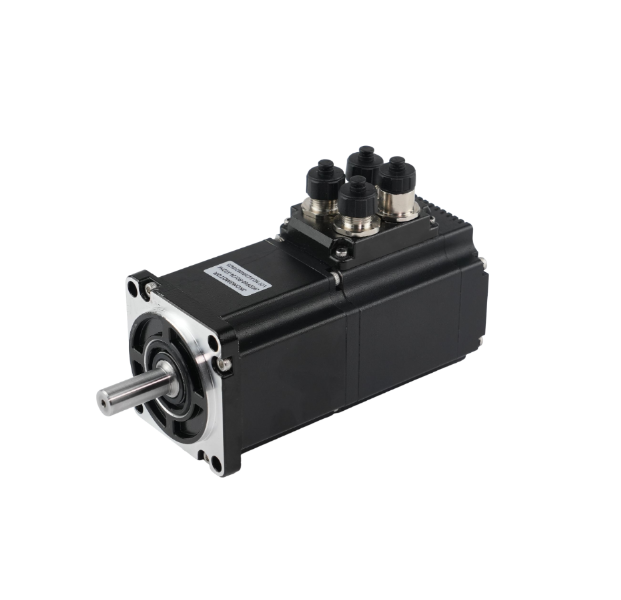
The rapid advancement of agricultural automation has accelerated the adoption of harvesting robots across modern farms, orchards, and greenhouse environments. As precision, speed, and reliability become increasingly important, the integrated servo motor has emerged as a critical component for robotic harvesting systems. These motors combine drive, controller, encoder, and communication interfaces into a compact unit, delivering superior performance for demanding agricultural applications.
To ensure optimal harvesting efficiency, we must compact unit, delivering superior performance for demanding agricultural applications.
To ensure optimal harvesting efficiency, we must carefully evaluate the essential features that an integrated servo motor for harvesting robots should provide. From precision control to environmental durability, each feature directly impacts productivity, accuracy, and operational reliability.
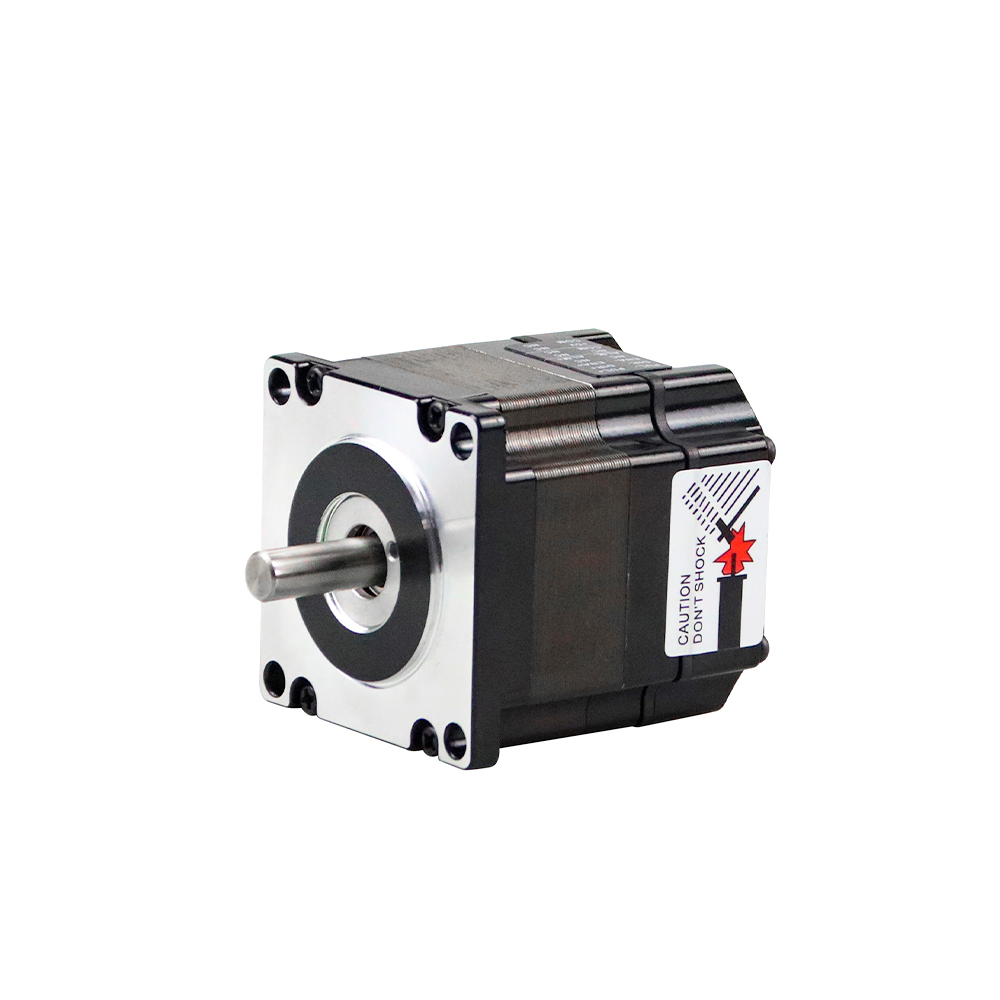 | 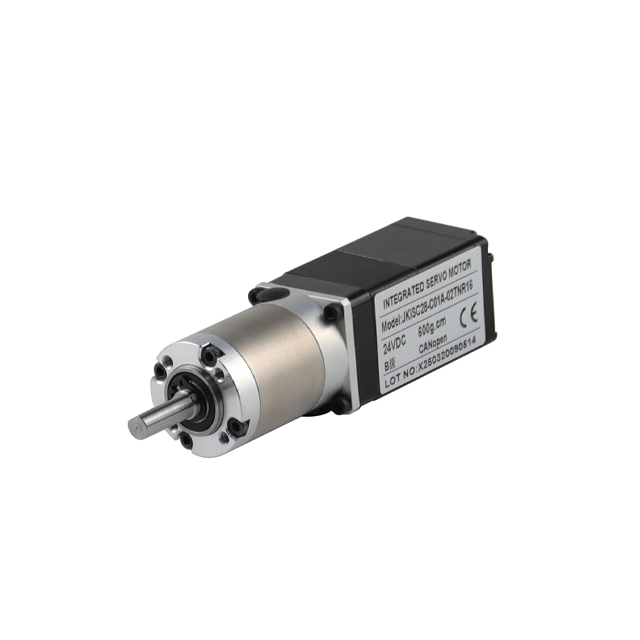 | 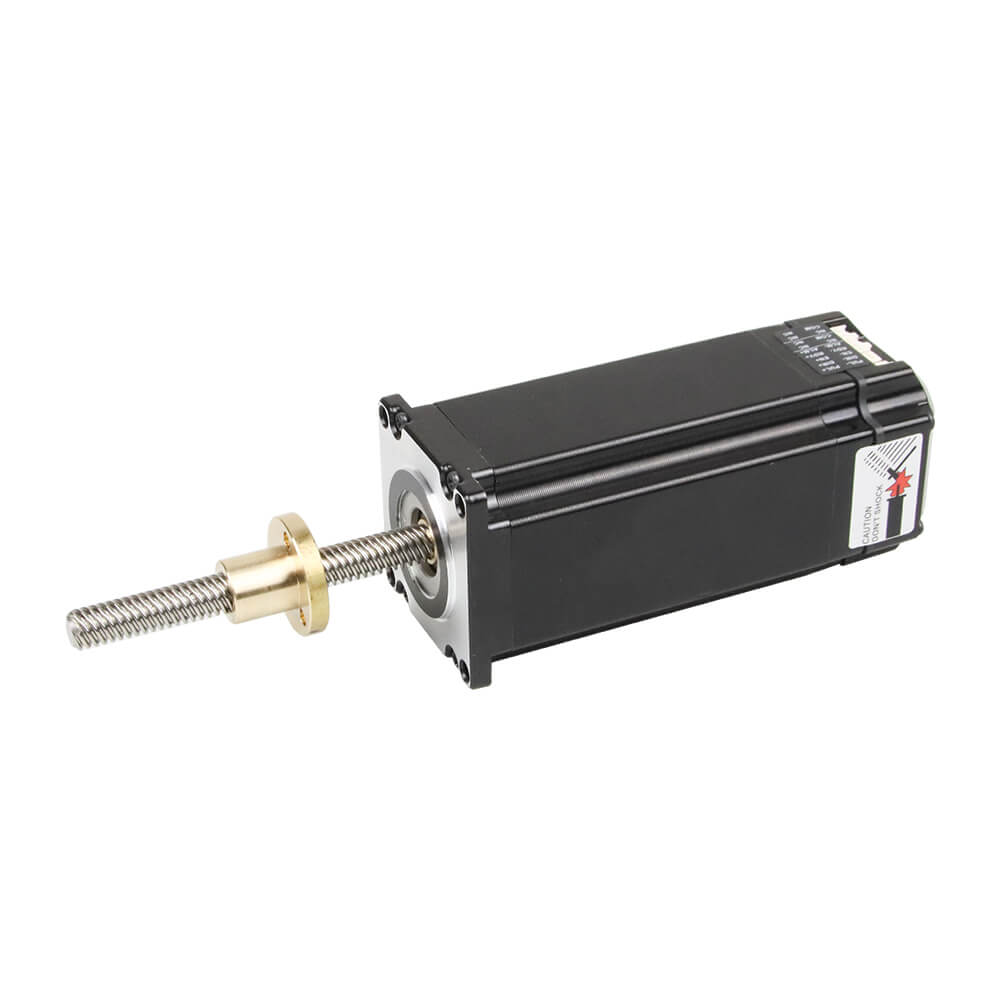 | 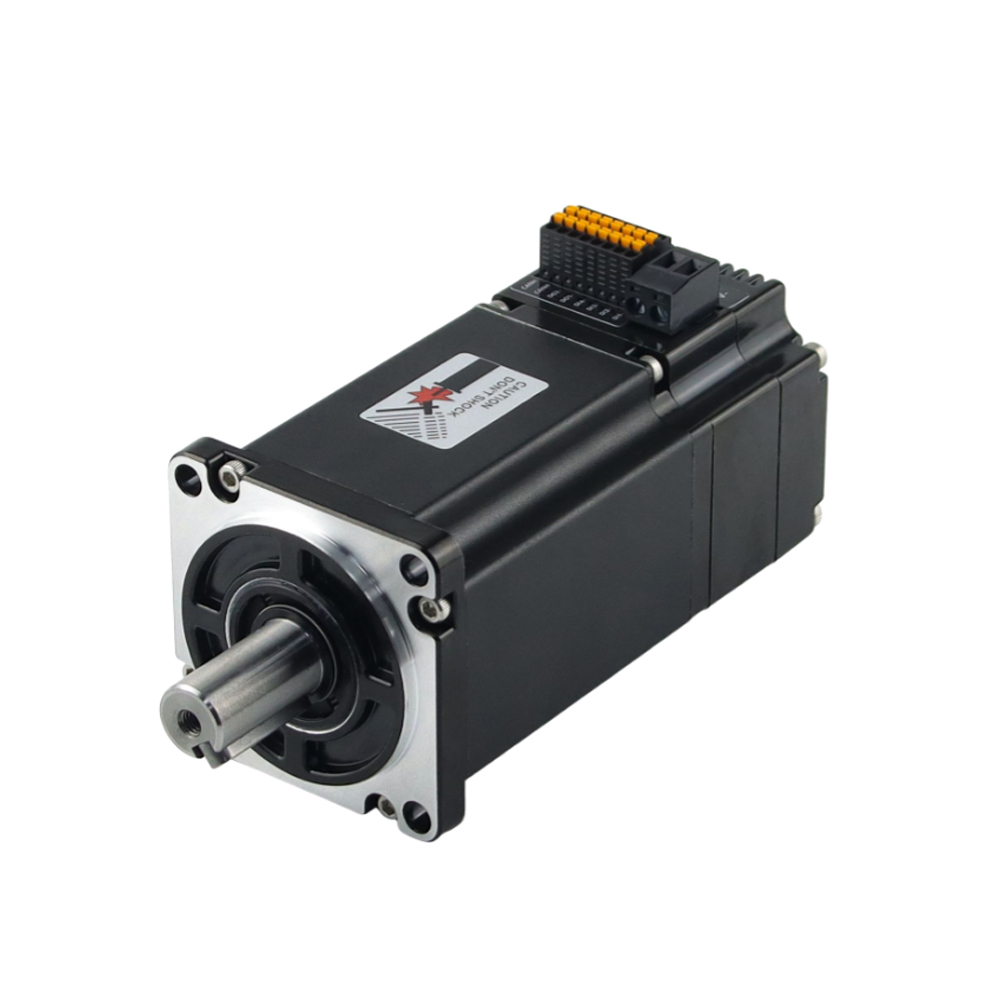 |  |  |
|---|---|---|---|---|---|
Harvesting robots often handle delicate fruits and vegetables such as strawberries, tomatoes, apples, and grapes. These products require precise motion control to avoid bruising or damaging the produce. Therefore, high-resolution encoders and accurate positioning capabilities are essential features in integrated servo motors.
Integrated servo motors designed for harvesting robots should offer:
High-resolution absolute encoders
Closed-loop feedback systems
Precise torque control
Smooth acceleration and deceleration
These capabilities allow robotic arms to carefully approach fruits, adjust grip strength, and perform accurate picking motions without causing damage. Precision positioning also improves harvesting consistency and reduces waste, which is crucial for large-scale agricultural operations.
 |  |  |  |  |
|---|---|---|---|---|
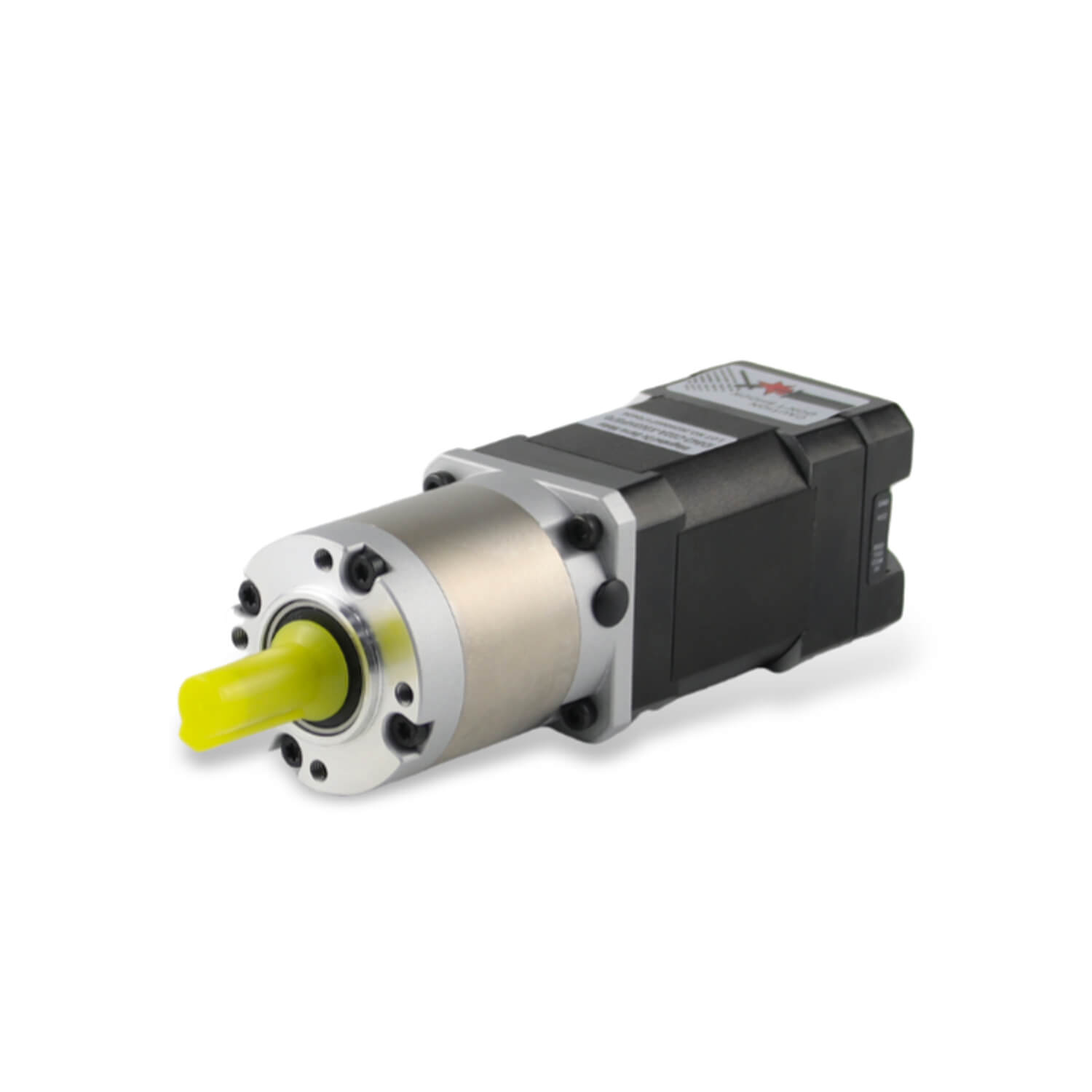
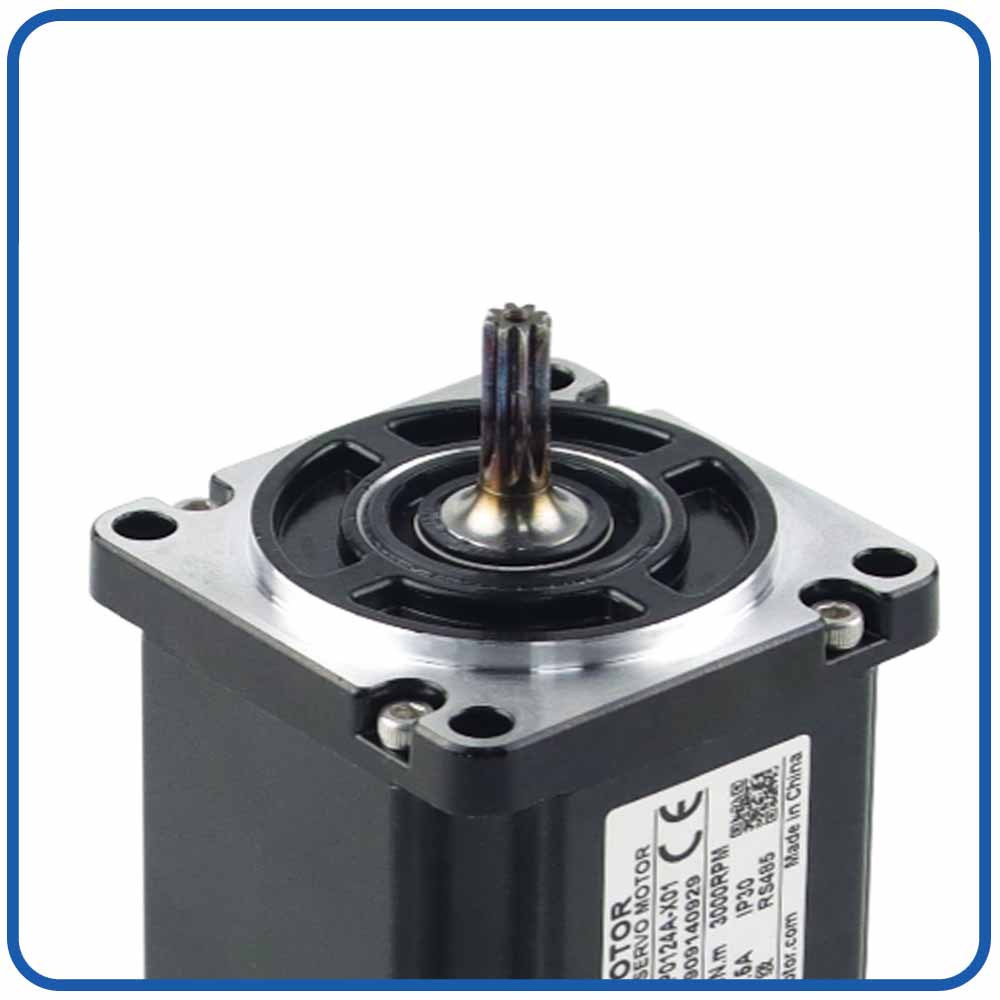
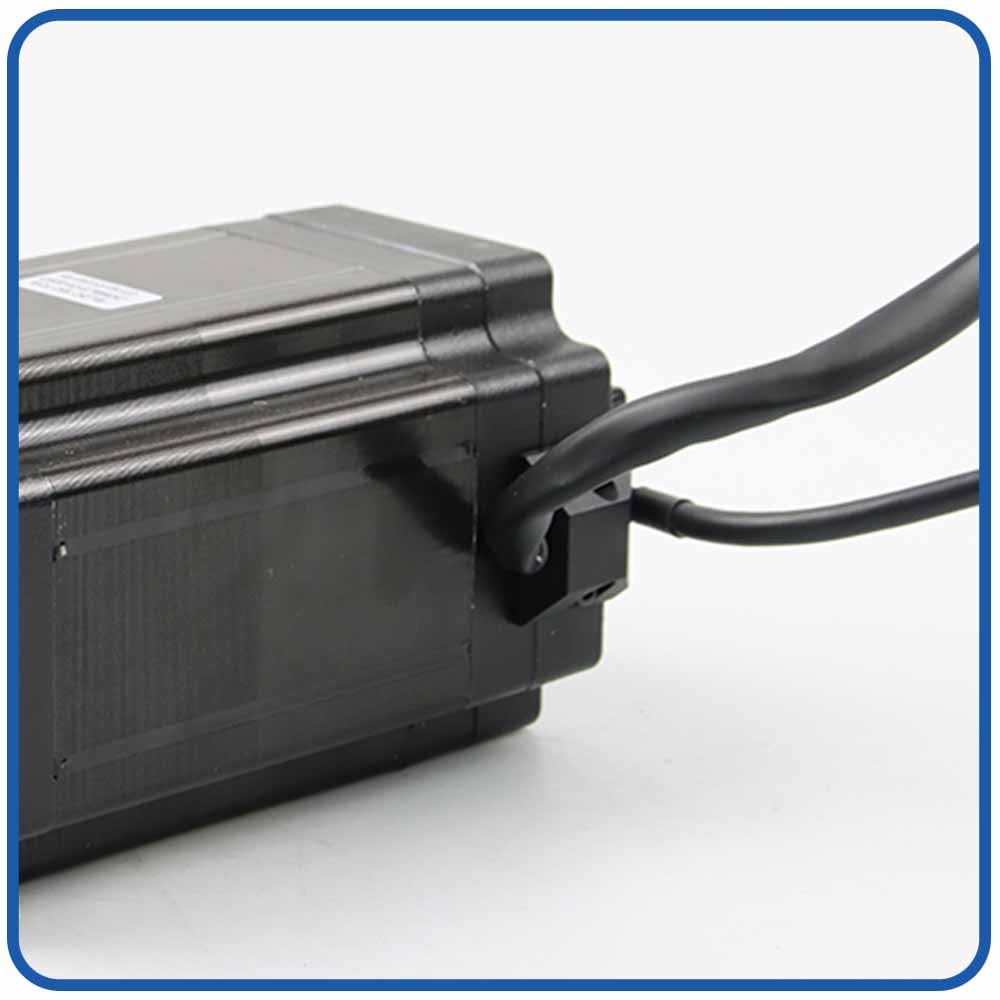
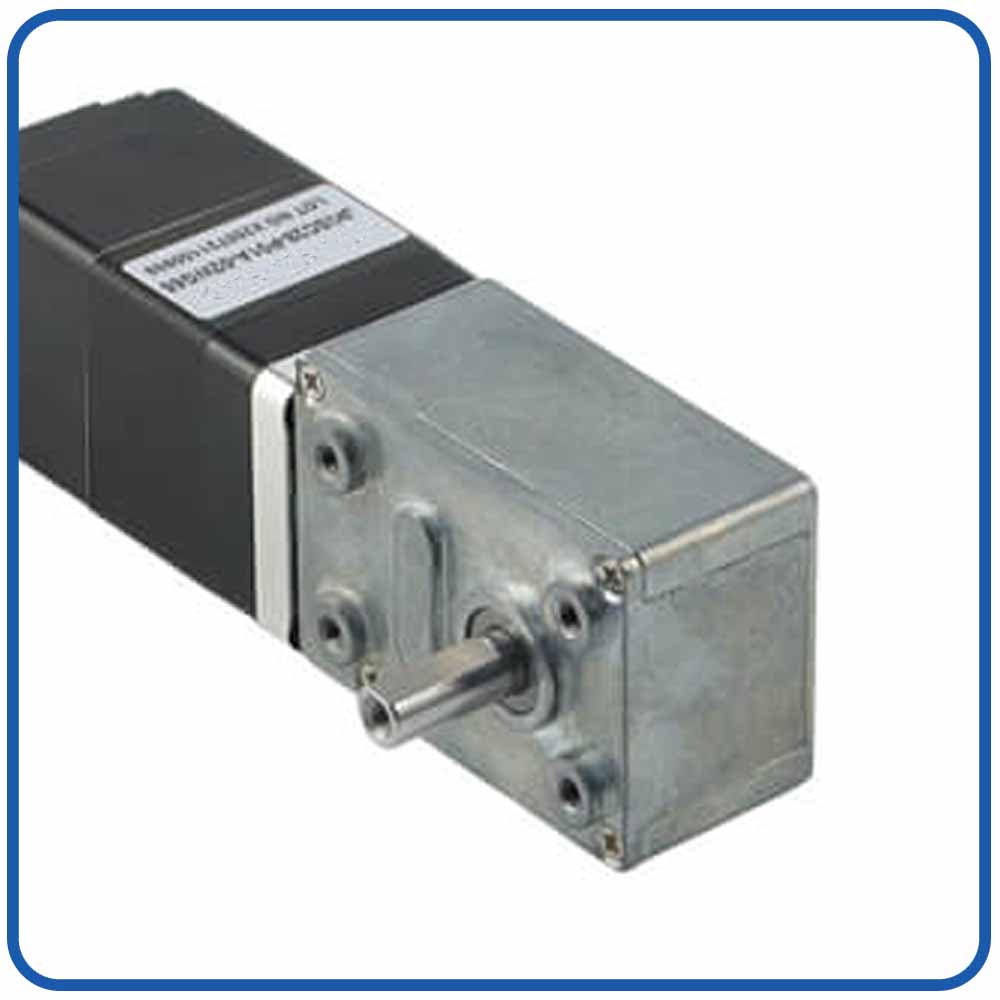
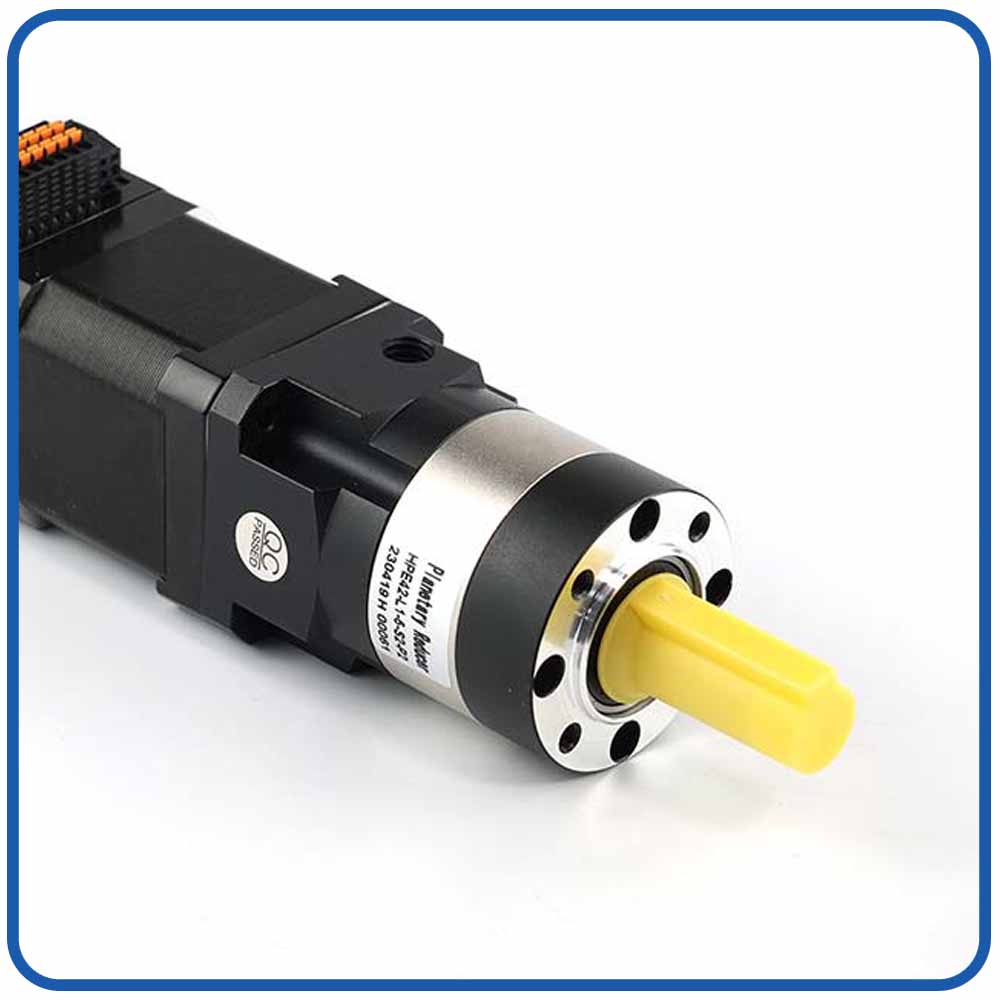
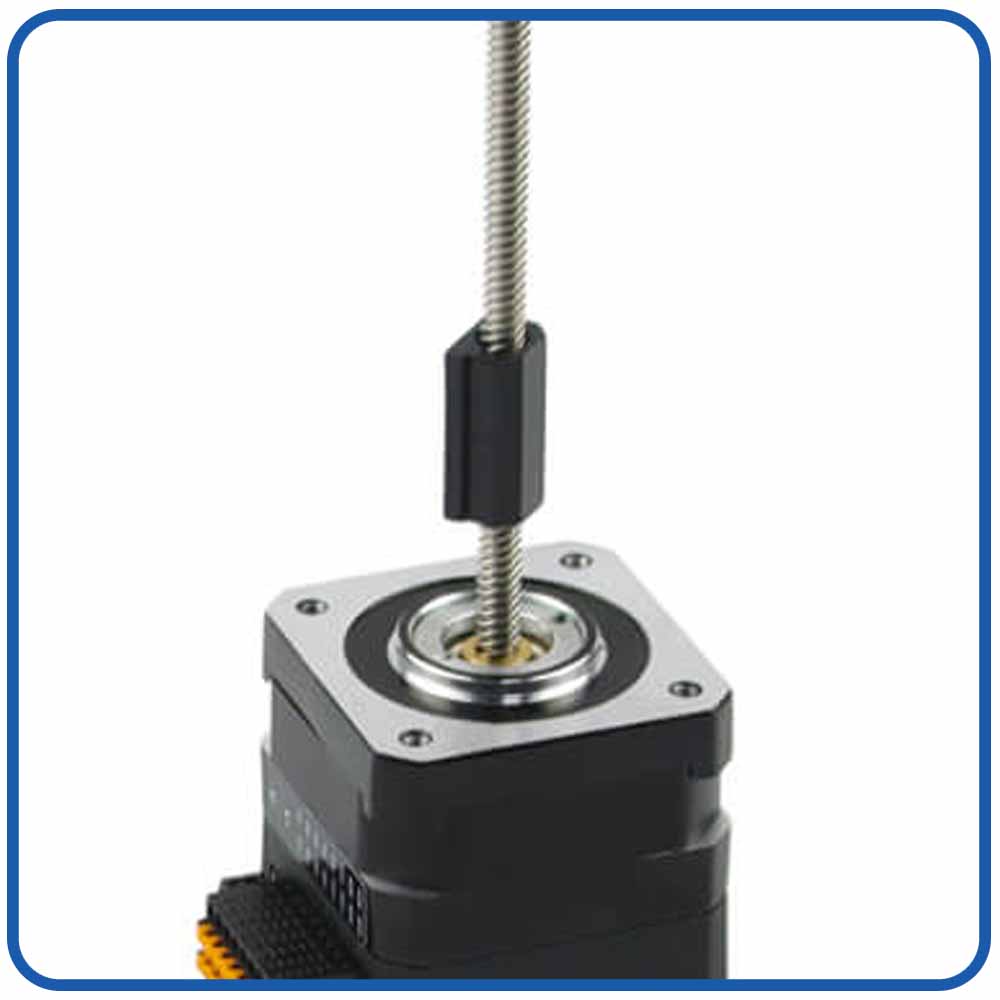
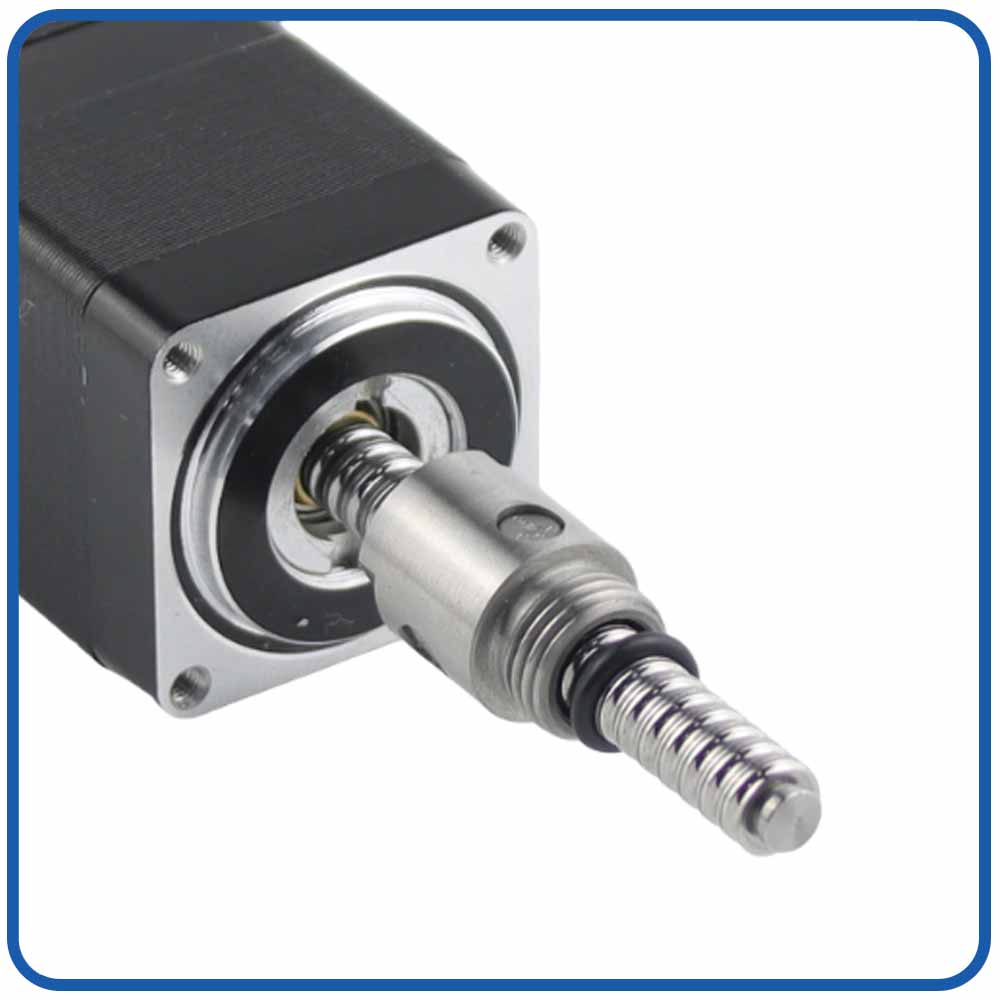
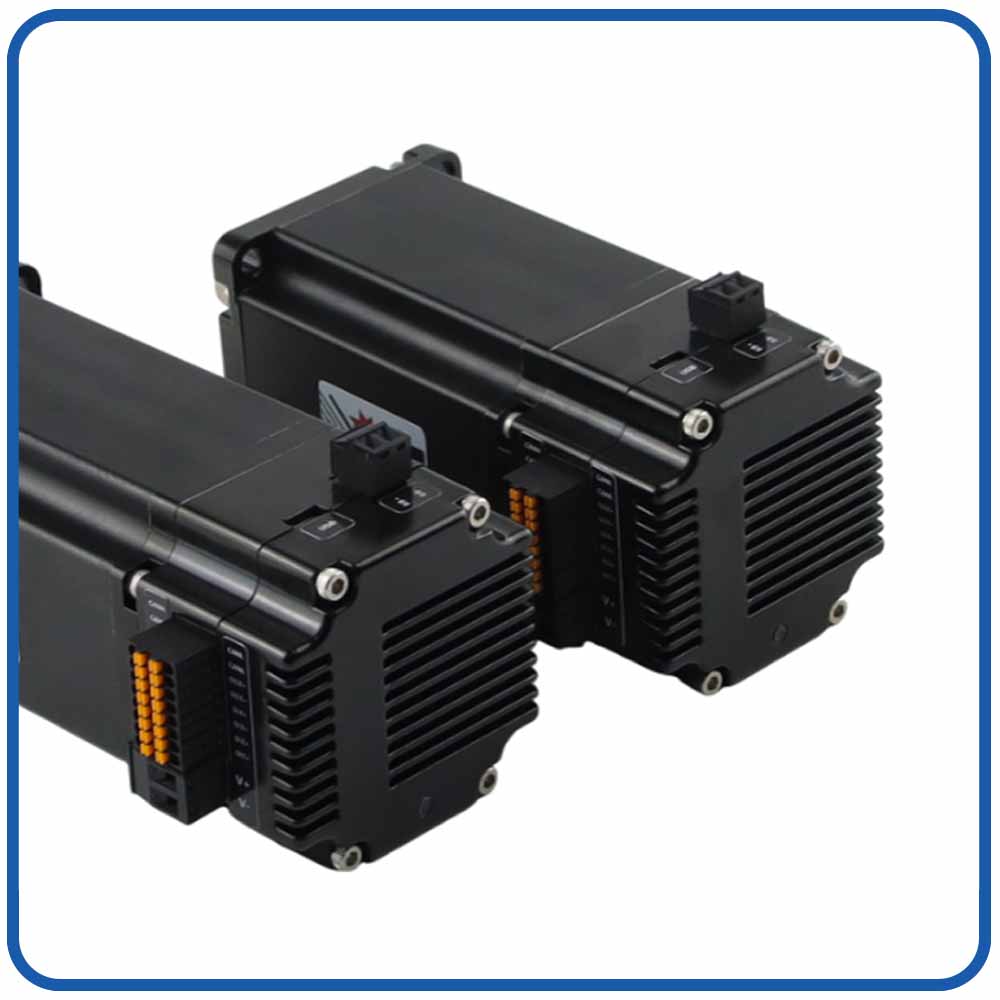
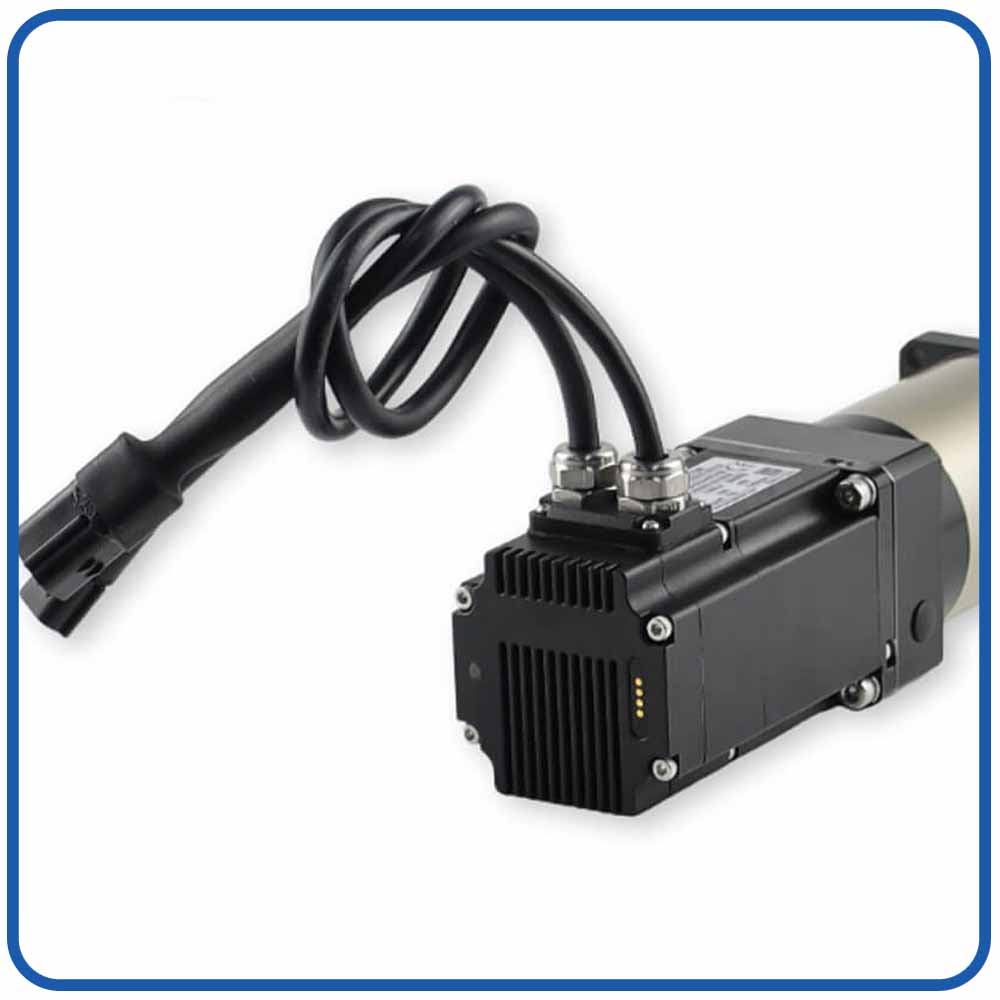
Shaft | Terminal housing | Worm Gearbox | Planetary Gearbox | Lead Screw |
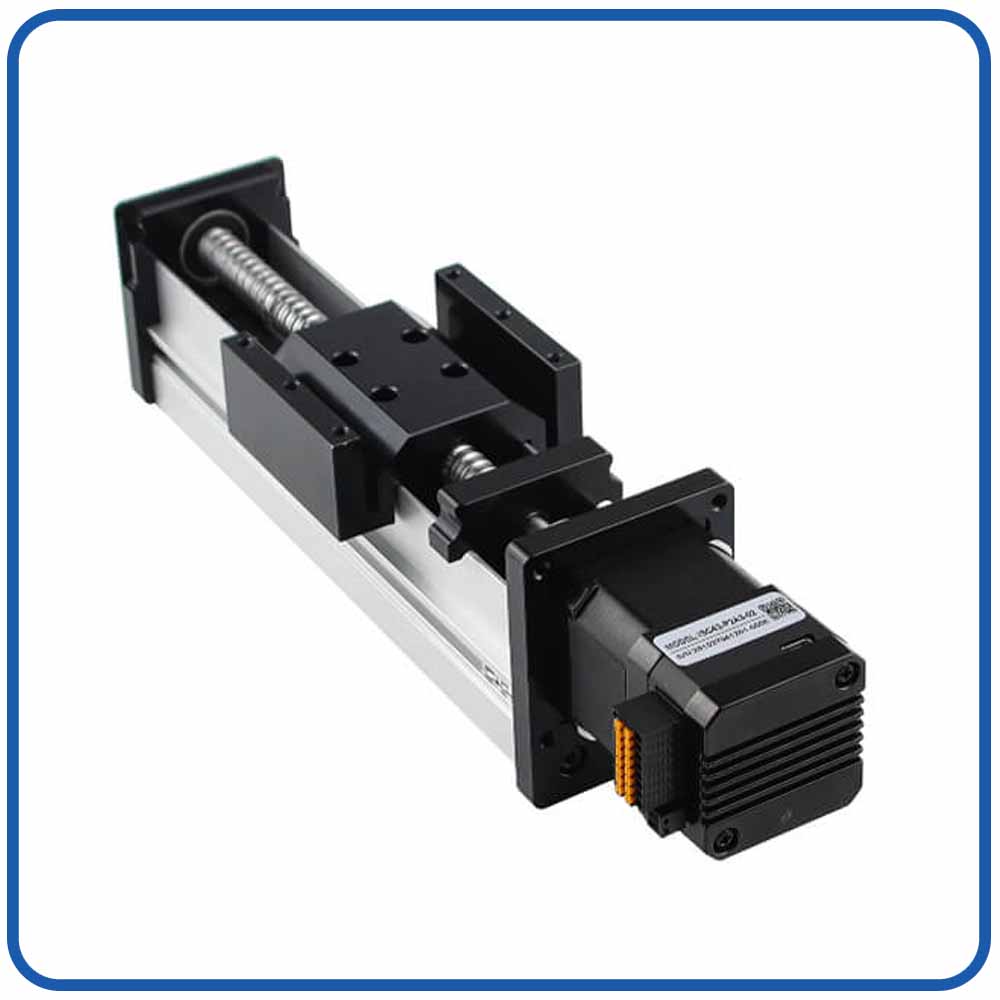 |  |  |  |  |
Linear Motion | Ball Screw | Brake | IP-Level |
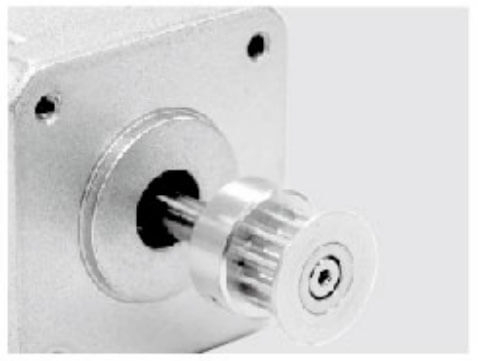 | 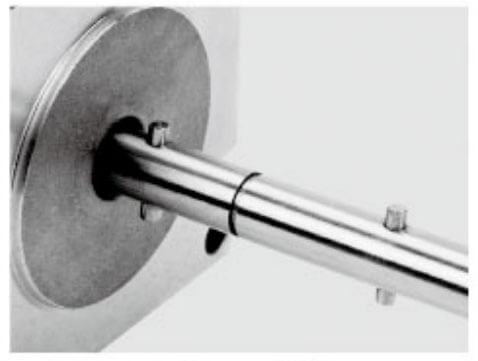 | 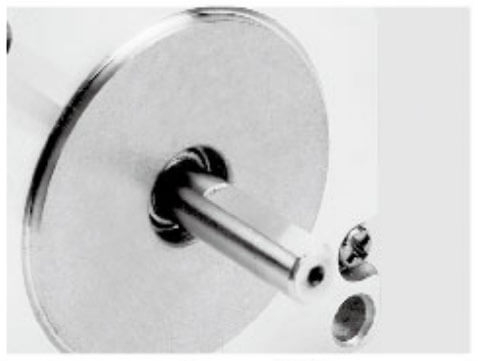 | 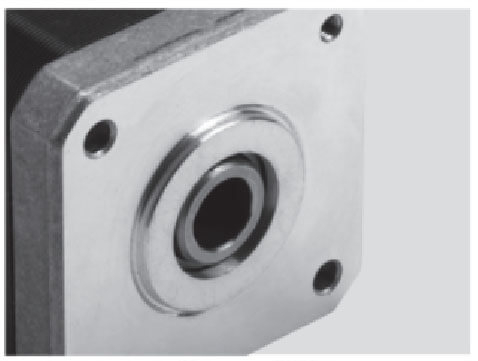 |  |  |
|---|---|---|---|---|---|
Aluminum Pulley | Shaft Pin | Single D Shaft | Hollow Shaft | Plastic Pulley | Gear |
 |  |  |  |  |  |
Knurling | Hobbing Shaft | Screw Shaft | Hollow Shaft | Double D Shaft | Keyway |
Harvesting robots often operate in tight spaces, including orchards, vertical farms, and greenhouse aisles. A compact integrated servo motor enables designers to build lightweight robotic arms and mobile platforms that move efficiently between plants.
Key compact design advantages include:
Reduced wiring complexity
Simplified installation
Lower overall system weight
Improved energy efficiency
By integrating driver and controller into the motor housing, manufacturers eliminate bulky control cabinets and reduce cable management requirements. This compact architecture enhances robot mobility and improves harvesting speed.
Lightweight motors also reduce mechanical stress on robotic joints, increasing system longevity and reducing maintenance costs.
Harvesting robots are designed to handle a wide variety of crops, ranging from delicate fruits to large, heavy agricultural produce. As a result, high torque density becomes one of the most critical features of an integrated servo motor for harvesting robots. High torque density refers to the ability of a motor to deliver greater torque output within a compact size, enabling powerful performance without increasing the robot's weight or footprint.
In agricultural harvesting environments, robots must perform complex movements such as lifting, gripping, rotating, and positioning crops with both strength and precision. Integrated servo motors with high torque density provide the required force to handle these demanding operations while maintaining smooth and controlled motion.
Harvesting robots often encounter larger fruits and vegetables such as pumpkins, melons, cabbages, and mangoes. These crops require strong lifting force and stable arm movement. High torque density motors ensure that robotic arms can:
Lift heavy produce without performance loss
Maintain stable positioning during harvesting
Reduce mechanical strain on robotic joints
Improve harvesting speed and efficiency
By delivering strong torque output, integrated servo motors allow harvesting robots to handle heavier loads without sacrificing accuracy or responsiveness.
In addition to lifting, harvesting robots must also securely grip crops before cutting or picking them. Insufficient torque may result in unstable gripping, leading to dropped or damaged produce.
Integrated servo motors with high torque density enable:
Precise gripping force control
Stable end-effector operation
Reduced slippage during harvesting
Improved crop handling reliability
This level of control is especially important when harvesting irregularly shaped produce or crops growing in dense plant environments.
Modern harvesting robots often use multi-axis robotic arms to perform complex picking movements. Each joint requires compact yet powerful motors to maintain flexibility and efficiency.
High torque density integrated servo motors offer:
Compact size with powerful output
Reduced robot arm weight
Improved multi-axis coordination
Higher overall system performance
Compact high-torque motors enable robotic designers to create lightweight and agile harvesting robots, improving navigation through tight agricultural spaces such as greenhouses and orchards.
Agricultural environments often include uneven terrain, variable crop resistance, and outdoor environmental factors. These conditions demand consistent torque output to ensure reliable operation.
High torque density integrated servo motors provide:
Stable performance under load variations
Smooth motion in uneven terrain
Reduced vibration during heavy-duty tasks
Reliable operation in outdoor conditions
This stability ensures harvesting robots maintain consistent performance even in challenging agricultural environments.
Although high torque is essential, energy efficiency remains equally important for battery-powered harvesting robots. Modern integrated servo motors are designed to deliver high torque while minimizing energy consumption.
Energy-efficient high torque motors provide:
Extended battery life
Reduced heat generation
Lower operational costs
Improved productivity per charge
This balance between power and efficiency makes high torque density integrated servo motors ideal for autonomous harvesting systems.
As farms increasingly adopt automation technologies, harvesting robots are expected to perform more demanding tasks. High torque density integrated servo motors support:
Automated fruit picking
Vegetable harvesting
Crop sorting and handling
Automated packaging operations
These capabilities help farms improve harvesting speed, reduce labor dependency, and increase overall productivity.
High torque density is therefore a fundamental requirement for integrated servo motors used in harvesting robots. By delivering powerful performance in a compact design, these motors enable robots to handle heavy-duty agricultural tasks with precision, stability, and efficiency, ensuring optimal results in modern automated farming environments.
Harvesting robots typically operate in harsh agricultural environments. Exposure to dust, moisture, temperature fluctuations, and chemicals requires integrated servo motors with robust protection features.
Essential environmental protection characteristics include:
IP65 or higher protection rating
Dustproof and waterproof housing
Corrosion-resistant materials
Wide operating temperature range
Outdoor farms often expose robots to rain, humidity, and soil particles, making durable motor construction essential. Motors designed with sealed enclosures and protective coatings maintain performance even under challenging conditions.
This durability reduces downtime, increases operational reliability, and ensures long-term performance in demanding agricultural environments.
Harvesting robots frequently operate using battery-powered systems, especially in autonomous mobile platforms. Therefore, energy-efficient integrated servo motors play a vital role in maximizing operational time.
Energy-efficient motors provide:
Lower power consumption
Reduced heat generation
Extended battery life
Improved overall system efficiency
Integrated servo motors equipped with intelligent power management and optimized motion algorithms significantly improve battery utilization. This enables robots to harvest more crops per charge, improving overall productivity.
Energy efficiency also supports sustainable agriculture, reducing energy costs and environmental impact.
Harvesting robots are frequently used to pick delicate fruits and vegetables such as strawberries, tomatoes, peaches, grapes, and apples. These crops are highly sensitive to sudden movements, excessive force, and vibration, which can lead to bruising, deformation, or product loss. Therefore, smooth motion control is a critical feature of integrated servo motors for harvesting robots.
Integrated servo motors with advanced motion control capabilities ensure precise, stable, and gentle movement during harvesting operations. This smooth performance allows robots to approach, grip, pick, and place fruits carefully, preserving crop quality and maximizing market value.
Smooth motion begins with controlled acceleration and deceleration. Integrated servo motors should support soft start and stop functionality, preventing sudden jerks that could damage crops.
Key benefits of controlled motion include:
Reduced fruit bruising and damage
Improved harvesting accuracy
Enhanced robot stability
Better end-effector positioning
With advanced motion algorithms, integrated servo motors allow robotic arms to gradually approach fruits, ensuring careful handling and improved picking success rates.
Excessive vibration can negatively affect fruit quality and sensor accuracy. Integrated servo motors designed for harvesting robots must provide low vibration performance to maintain stable movement.
Low vibration advantages include:
Gentle fruit handling
Improved machine vision accuracy
Stable gripping performance
Reduced mechanical wear
Low vibration operation is particularly important when harvesting soft fruits like strawberries and peaches, where even small vibrations can cause product damage.
Different crops require different picking speeds. Integrated servo motors with precise speed control allow harvesting robots to adjust motion based on crop type and environmental conditions.
Accurate speed control enables:
Flexible harvesting operations
**OptimizedAccurate speed control enables:
Flexible harvesting operations
Optimized picking speed
Consistent crop quality
Improved robotic coordination
For example, delicate fruits require slower movement, while more durable crops can be harvested at higher speeds. Integrated servo motors provide the flexibility needed for multi-crop harvesting systems.
Harvesting robots typically rely on multi-axis robotic arms to perform complex picking movements. Each axis must operate synchronously and smoothly to ensure gentle fruit handling.
Integrated servo motors support:
Synchronized multi-axis motion
Smooth trajectory planning
Accurate positioning control
Stable robotic movement
Smooth multi-axis coordination allows robots to approach fruits from optimal angles, improving picking success and reducing crop damage.
Agricultural environments are dynamic, with variations in fruit size, position, and plant structure. Integrated servo motors with adaptive motion control can adjust movement automatically to accommodate these variations.
Adaptive control features include:
Real-time motion adjustment
Force-sensitive movement
Intelligent trajectory correction
Dynamic load compensation
These capabilities ensure that harvesting robots maintain gentle handling performance even when working in complex agricultural environments.
After picking, fruits must be carefully placed into containers or sorting systems. Smooth motion control ensures that produce is gently transferred without dropping or stacking damage.
Smooth placement benefits include:
Reduced post-harvest damage
Improved packaging quality
Higher product value
Reduced waste
Integrated servo motors help robotic systems maintain precise control throughout the entire harvesting process, from picking to placement.
Smooth motion control also contributes to energy efficiency. Gradual acceleration and deceleration reduce power spikes and mechanical stress, improving overall system performance.
Energy efficiency advantages include:
Longer battery life
Reduced heat generation
Lower maintenance requirements
Extended system lifespan
This makes smooth motion control particularly beneficial for autonomous harvesting robots operating in large agricultural fields.
Smooth motion control is an essential feature of integrated servo motors for harvesting robots. By enabling precise acceleration, low vibration, accurate speed control, and adaptive movement, these motors ensure gentle fruit handling and consistent harvesting quality. As agricultural automation continues to evolve, integrated servo motors with advanced smooth motion capabilities will play a vital role in improving harvesting efficiency and reducing crop damage.
Modern harvesting robots operate within smart farming ecosystems. Therefore, integrated servo motors must support advanced communication protocols for seamless system integration.
Common communication options include:
CANopen
EtherCAT
Modbus
RS485
Ethernet-based communication
These communication protocols allow real-time control, data monitoring, and remote diagnostics. With smart communication capabilities, operators can monitor motor performance, detect faults, and optimize harvesting operations.
Integrated communication also enables AI-driven harvesting robots to adapt to changing crop conditions and improve efficiency.
Agricultural environments demand continuous operation during harvesting seasons. Integrated servo motors designed for low maintenance help minimize downtime and operational interruptions.
Low maintenance features include:
Brushless motor technology
Sealed bearing systems
Integrated electronics protection
Long service life components
Brushless servo motors eliminate the need for brush replacement, reducing maintenance requirements. Sealed components prevent contamination from dust and moisture, ensuring reliable long-term performance.
Reduced maintenance improves harvesting efficiency and lowers operational costs for agricultural businesses.
Efficiency is a key factor in automated harvesting. Integrated servo motors must deliver fast response times to maximize harvesting speed.
High-speed performance features include:
Rapid acceleration
Quick position correction
High dynamic response
Precise speed control
Fast response times enable robots to quickly move between plants, improving harvesting throughput. This is particularly important in large-scale farms where speed directly affects productivity.
High-speed servo motors also improve multi-axis coordination, ensuring smooth and synchronized robotic movement.
Harvesting robots are used across a wide range of agricultural applications, from soft fruits and vegetables to large and heavy crops. Each crop presents unique harvesting requirements, including different gripping forces, motion speeds, and positioning accuracy. Therefore, customizable integrated servo motors are essential for ensuring optimal performance across diverse harvesting environments.
Integrated servo motors designed with flexible configuration options allow manufacturers to tailor robotic systems for specific crops, improving harvesting efficiency, product quality, and operational reliability.
Different crops require varying levels of torque and power. For example, delicate fruits such as strawberries require low torque with precise control, while larger crops such as pumpkins or melons require higher torque output.
Customizable integrated servo motors provide:
Multiple torque ratings
Adjustable speed ranges
Variable power output
Optimized performance for specific crops
This flexibility allows harvesting robots to adapt to different agricultural applications without compromising precision or efficiency.
Harvesting robots come in different sizes and configurations, including mobile robots, robotic arms, and compact greenhouse systems. Integrated servo motors with customizable dimensions enable seamless integration into various robotic platforms.
Custom motor size options include:
Compact motors for small robotic arms
Medium-size motors for multi-axis systems
High-power motors for heavy-duty harvesting robots
These customization options help manufacturers design space-efficient robots suitable for greenhouses, orchards, and open-field agriculture.
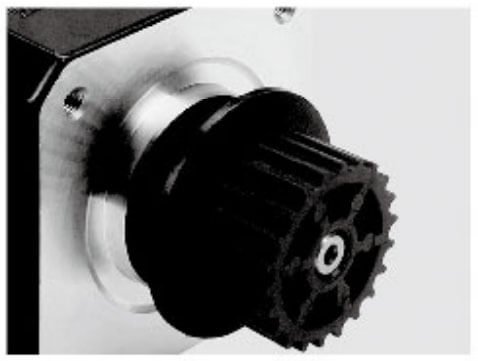
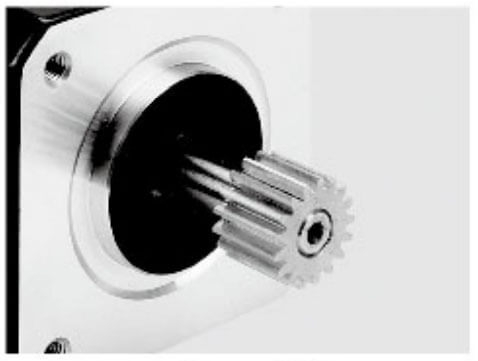
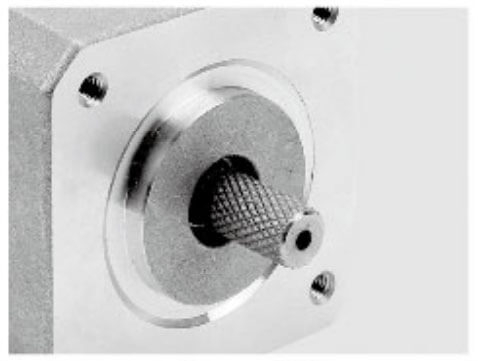
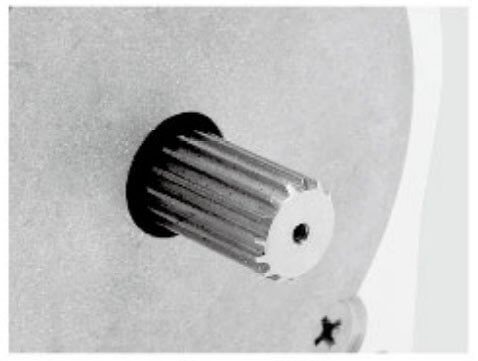
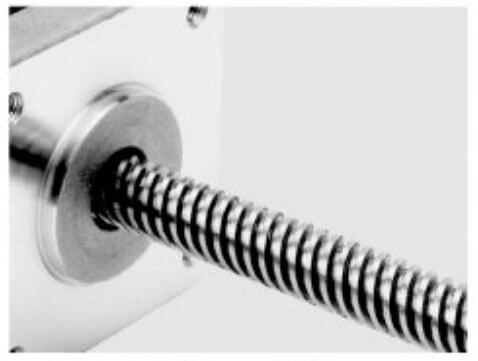
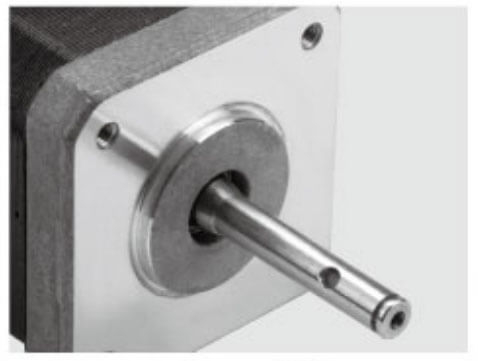
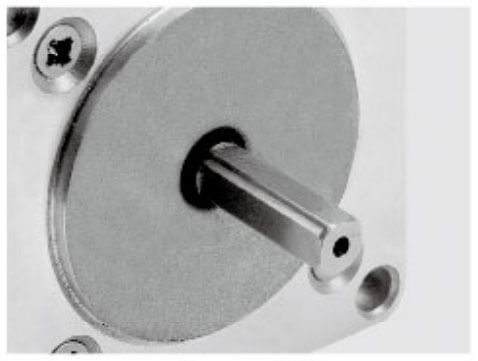
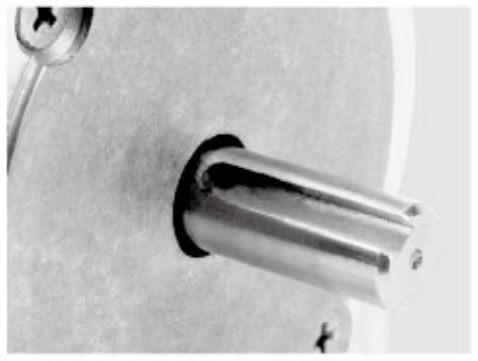
Different harvesting mechanisms require specialized mechanical connections. Integrated servo motors with custom shaft designs and mounting options improve compatibility with various harvesting tools.
Customization features include:
Hollow shaft designs
Solid shaft configurations
Custom flange mounting
Direct-drive compatibility
These options allow robotic designers to optimize mechanical structures, reduce system complexity, and improve harvesting accuracy.
Some harvesting robots operate in vertical farming systems or require precise holding positions during picking. Integrated servo motors with optional braking systems provide improved safety and stability.
Brake customization benefits include:
Secure holding during power loss
Stable vertical positioning
Improved safety for robotic arms
Enhanced precision during harvesting
Integrated brake options are particularly useful in multi-axis robotic arms and vertical harvesting systems.
Harvesting robots often require specific communication protocols for seamless integration with control systems and sensors. Integrated servo motors with customizable communication interfaces allow compatibility with various automation platforms.
Common communication customization options include:
CANopen
EtherCAT
Modbus
RS485
Ethernet-based communication
Flexible communication options allow harvesting robots to integrate with smart farming systems, enabling real-time monitoring and advanced automation.
Agricultural environments vary significantly, from humid greenhouses to dusty open fields. Customizable integrated servo motors can be designed with specific environmental protection features.
Environmental customization options include:
Higher IP protection ratings
Corrosion-resistant coatings
Wide temperature tolerance
Sealed connectors and cables
These features ensure reliable performance across different crop-growing environments.
Different harvesting tasks require varying levels of positioning accuracy. Integrated servo motors with custom encoder options provide flexibility for different crop applications.
Encoder customization options include:
Incremental encoders
Absolute encoders
High-resolution feedback systems
Multi-turn encoder options
These configurations improve precision harvesting and enhance robotic performance.
Modern farms often cultivate multiple crop types, requiring harvesting robots that can adapt to different tasks. Customizable integrated servo motors support scalable robotic solutions.
Scalability benefits include:
Easy system upgrades
Flexible robot configurations
Adaptation to new crops
Future automation expansion
This flexibility allows agricultural operations to maximize return on investment while maintaining high harvesting efficiency.
Customizable options are a key advantage of integrated servo motors for harvesting robots. By offering flexible torque configurations, custom sizes, mounting options, communication interfaces, and environmental protection, these motors enable optimized performance for different crop types. As agricultural automation continues to expand, customizable integrated servo motors will play a vital role in supporting efficient, adaptable, and intelligent harvesting solutions.
Safety is essential in automated farming environments. Integrated servo motors should include built-in safety features to protect equipment and crops.
Important safety features include:
Overload protection
Overtemperature protection
Emergency stop capability
Fault detection systems
These safety features prevent damage to robotic systems and ensure safe operation during harvesting tasks.
As farms expand automation capabilities, integrated servo motors must support scalable robotic systems.
Scalability advantages include:
Modular motor architecture
Easy system expansion
Multi-axis synchronization
Future upgrade compatibility
Scalable integrated servo motors enable farms to expand robotic operations without replacing existing equipment.
Selecting the right integrated servo motor for harvesting robots is essential for achieving precision, efficiency, and reliability in agricultural automation. Features such as high precision control, compact design, high torque density, environmental protection, energy efficiency, and advanced communication ensure optimal harvesting performance.
By implementing advanced integrated servo motor technology, harvesting robots can operate more efficiently, reduce crop damage, and increase productivity. As agricultural automation continues to evolve, integrated servo motors will remain a core component driving the future of smart harvesting robotics.


