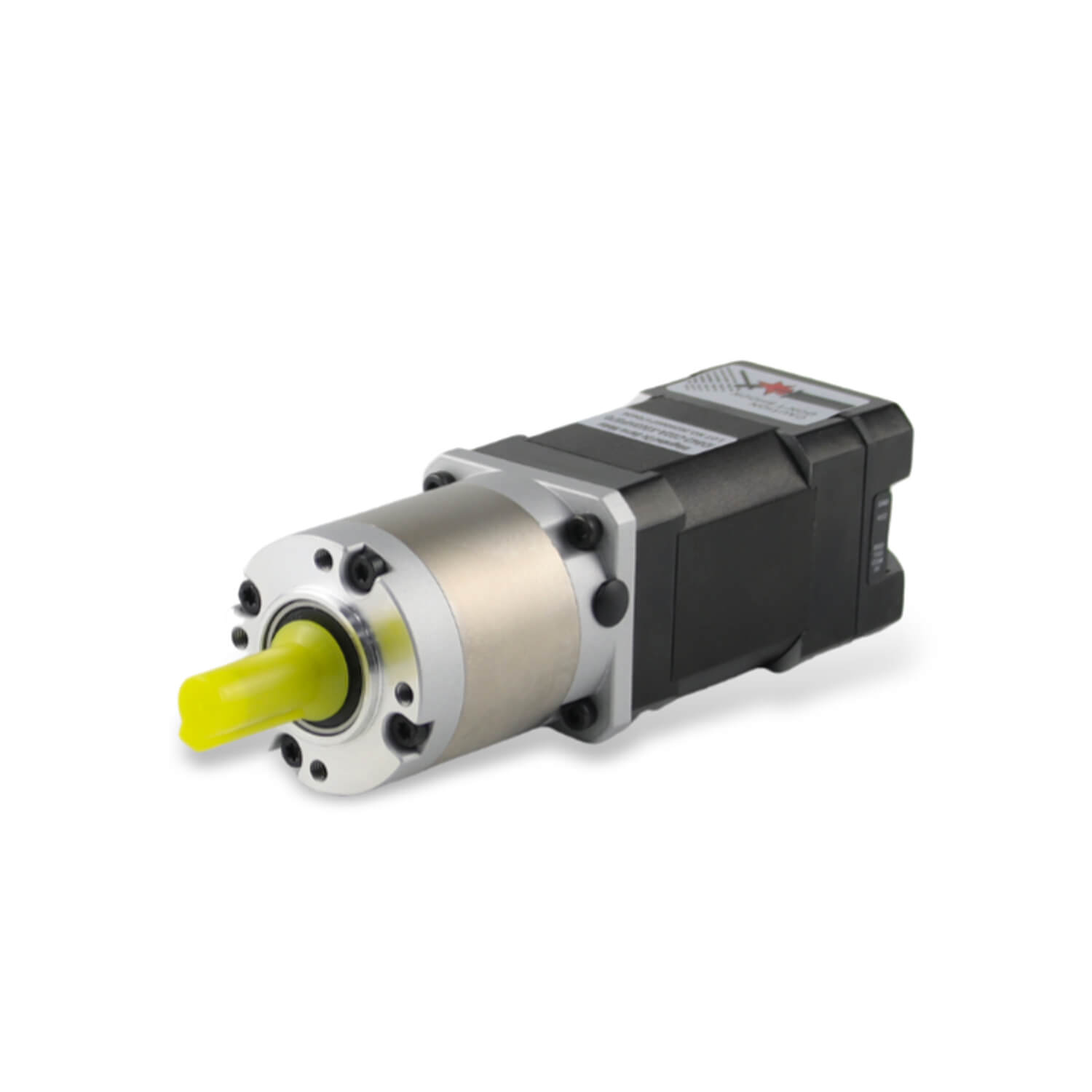
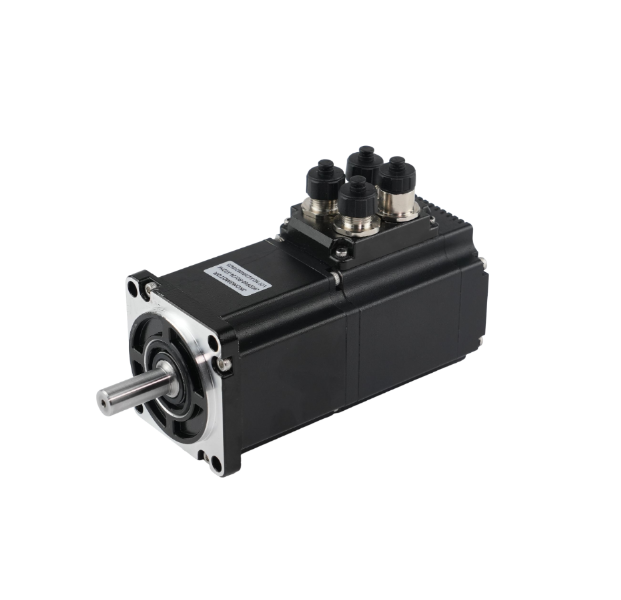
Understanding the Role of Integrated Servo Motors in Gantry Robots
In modern automation systems, gantry robots demand exceptional precision, speed, and repeatability. The choice of an integrated servo motor directly determines system performance, operational efficiency, and long-term reliability. By combining the servo motor, drive, and controller into a single compact unit, integrated solutions significantly reduce wiring complexity, installation time, and potential points of failure.
For gantry applications—such as CNC machining, pick-and-place systems, material handling, and inspection platforms—the motor must deliver high torque, accurate positioning, and smooth motion control across multiple axes. Selecting the right integrated servo motor is therefore a critical engineering decision.
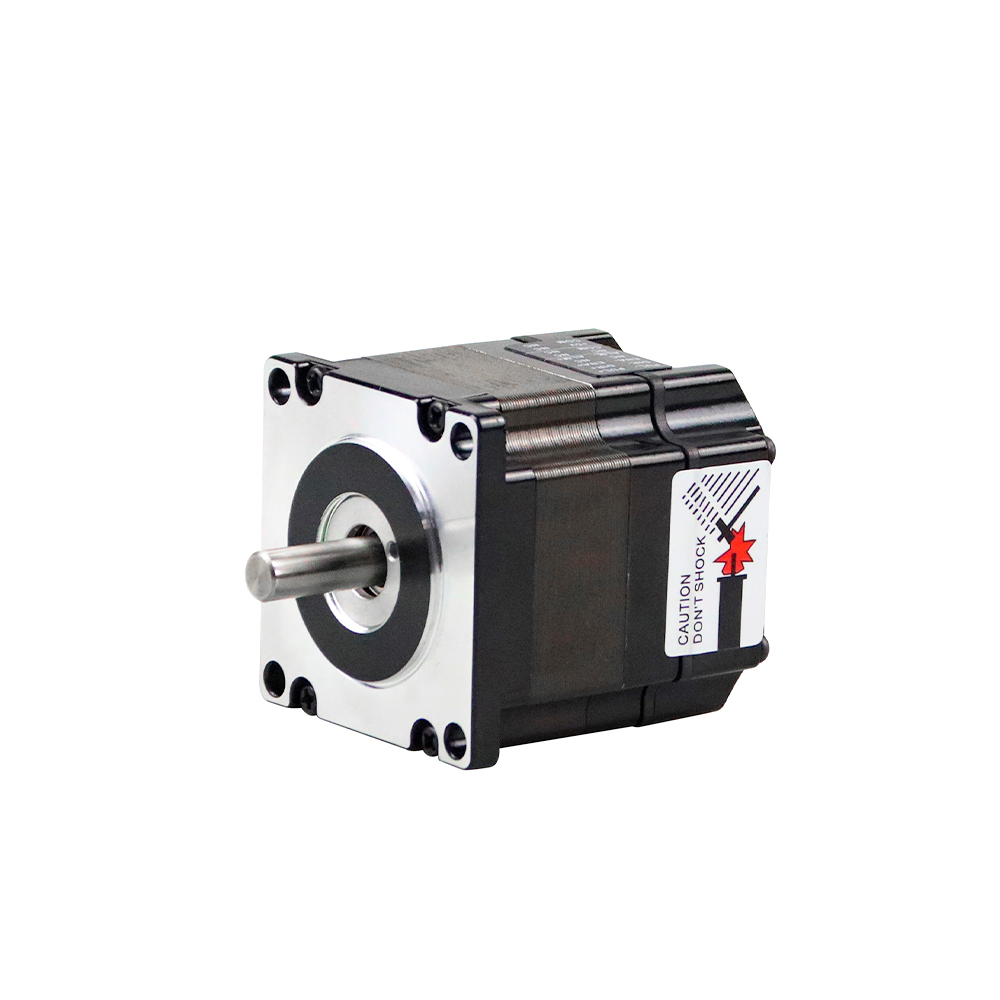
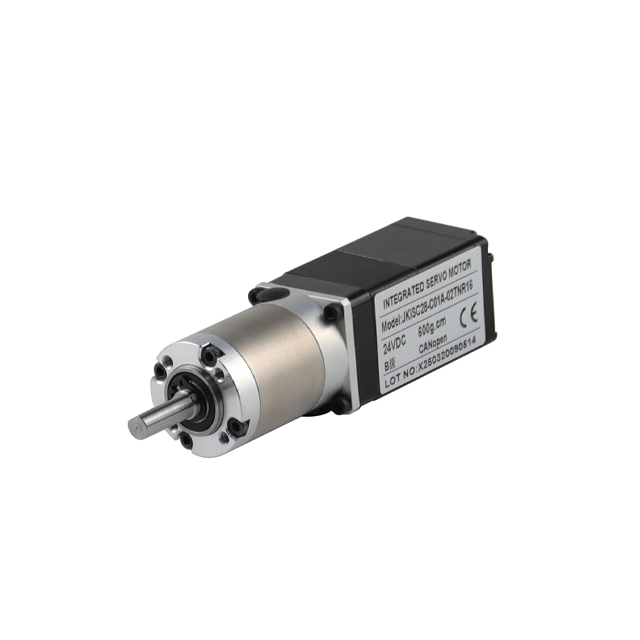
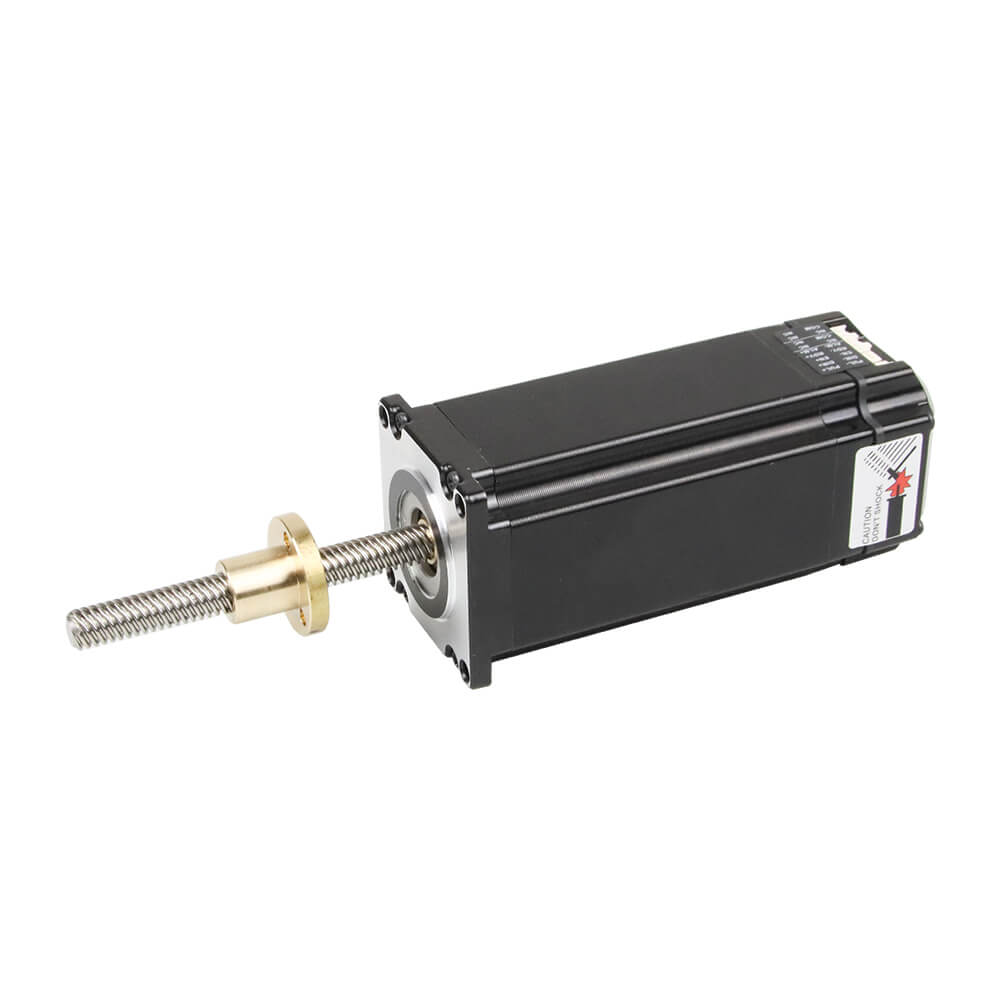
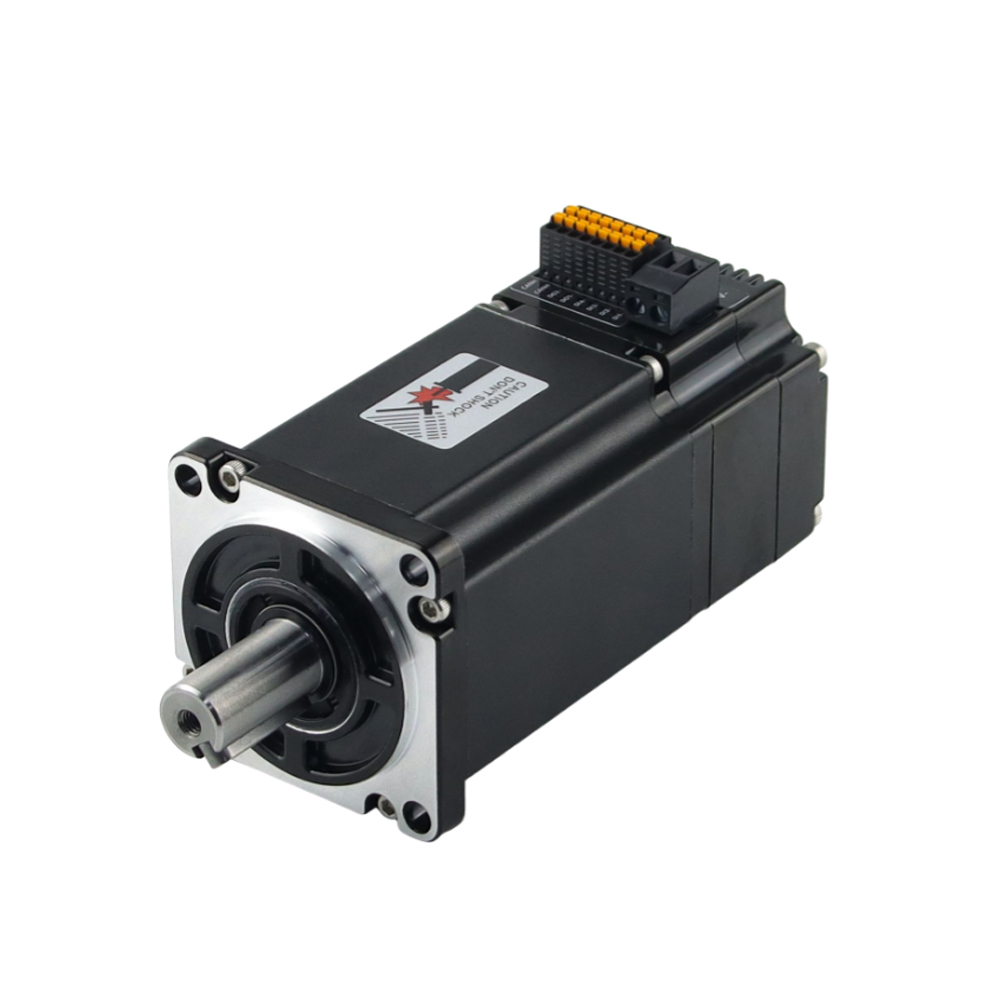
Besfoc Integrated servo motor Products
Key Performance Parameters for Gantry Robot Servo Motor Selection
1. Torque Requirements and Load Capacity
We begin by calculating the required torque based on:
A properly sized motor ensures:
For gantry robots, continuous torque and peak torque ratings must both be evaluated carefully. Peak torque is essential for rapid acceleration, while continuous torque ensures sustained performance.
2. Speed and Acceleration Performance
Gantry systems often require fast travel speeds combined with precise positioning. The integrated servo motor must provide:
High RPM capability for long-axis travel
Rapid acceleration and deceleration
Smooth speed transitions without vibration
We recommend selecting motors with high-resolution encoders and advanced motion algorithms to maintain accuracy even at high speeds.
3. Positioning Accuracy and Repeatability
Precision is the defining characteristic of gantry robots. The integrated servo motor must deliver:
High encoder resolution (17-bit, 23-bit, or higher)
Closed-loop feedback control
Minimal positioning error
This ensures:
Besfoc Integrated Servo Motor System Customized Service
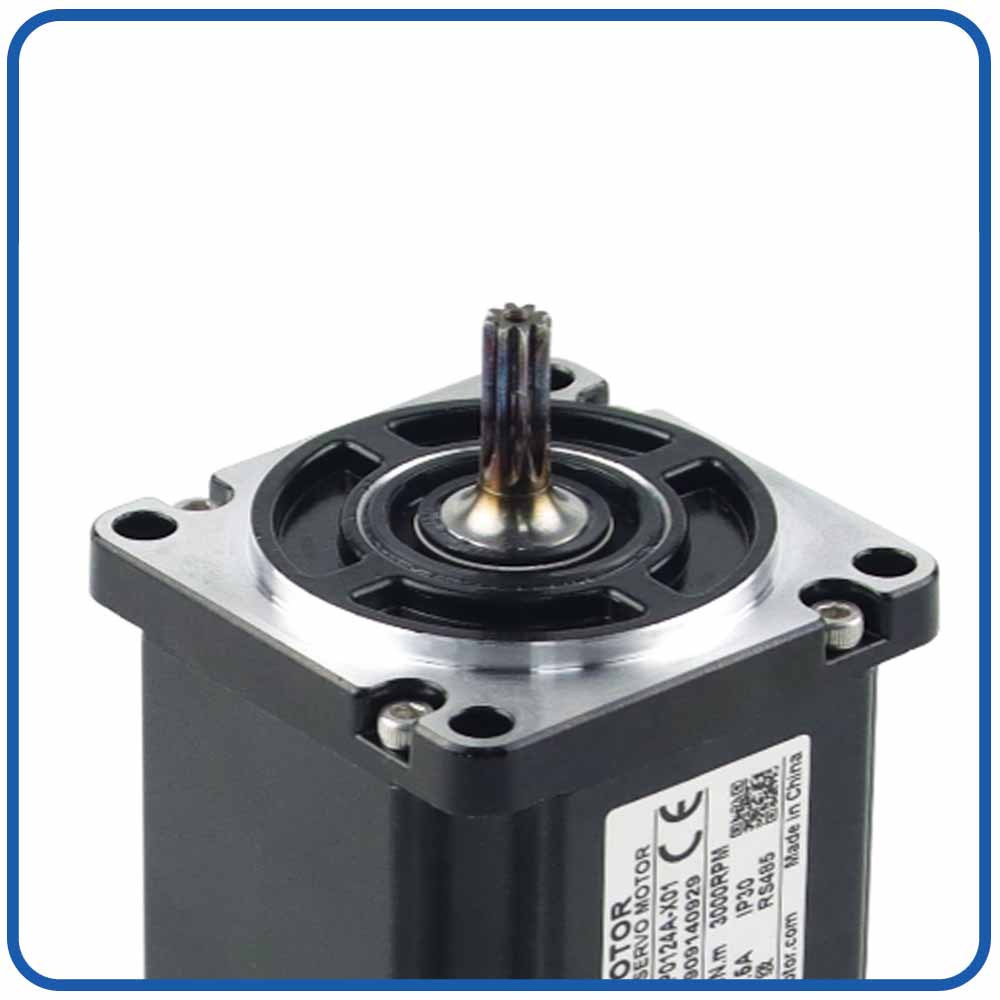 | 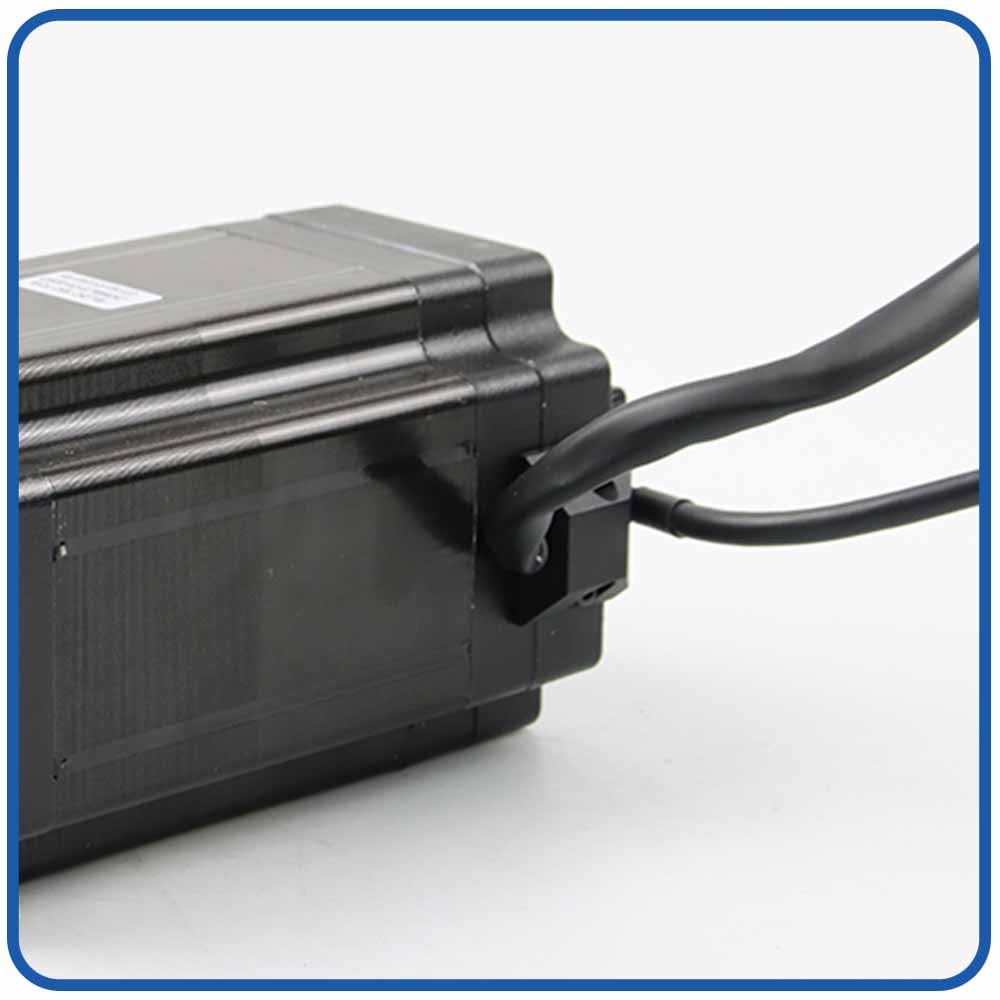 | 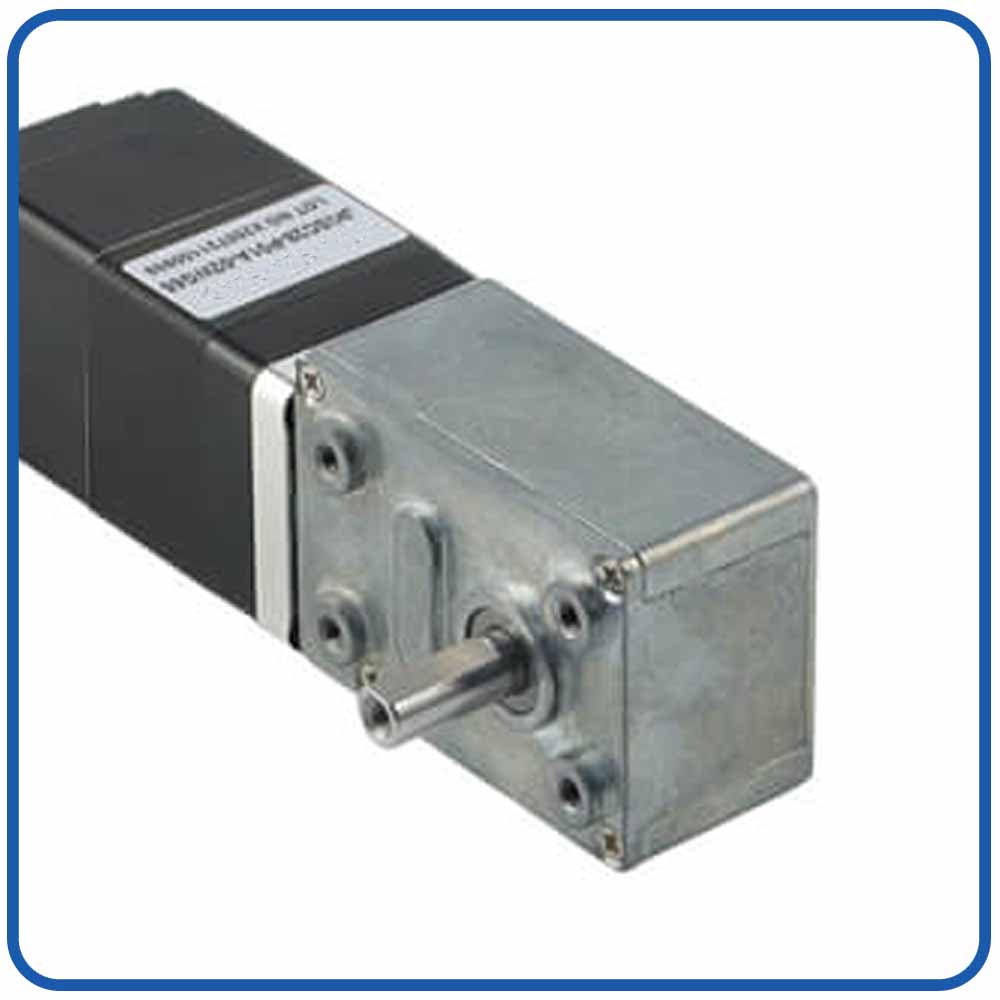 | 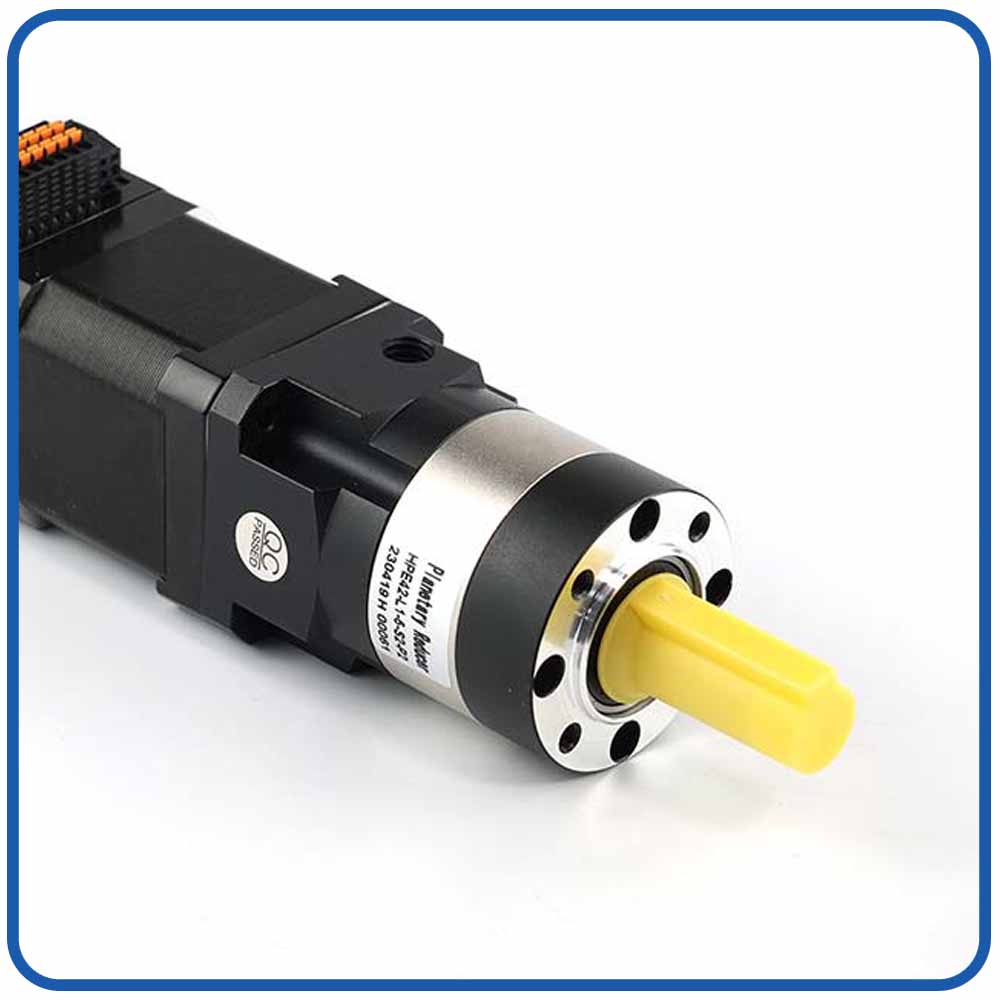 | 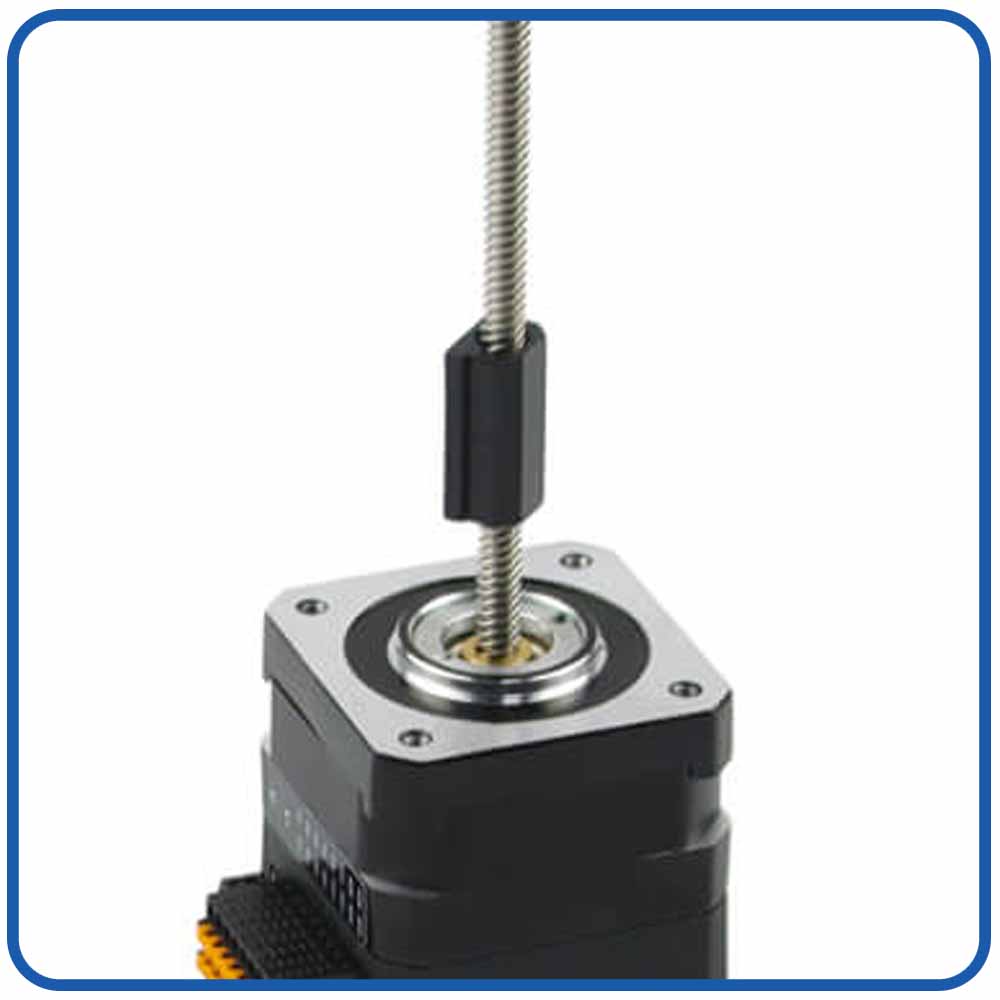 | BesFoc Customized Motors:
According to the application needs, provide a variety of customized motor solutions, common customization includes:
-
Sealed motor, suitable for dusty environment, dirty environment with small temperature change, etc
-
Special shaft, such as size, shape, etc
-
Belt wheels, gears and couplings etc
-
Encoders and other feedback components
-
Encoders and other feedback components. Lead length and customer use termination plug-in |
| Shaft | Terminal housing | Worm Gearbox | Planetary Gearbox | Lead Screw |
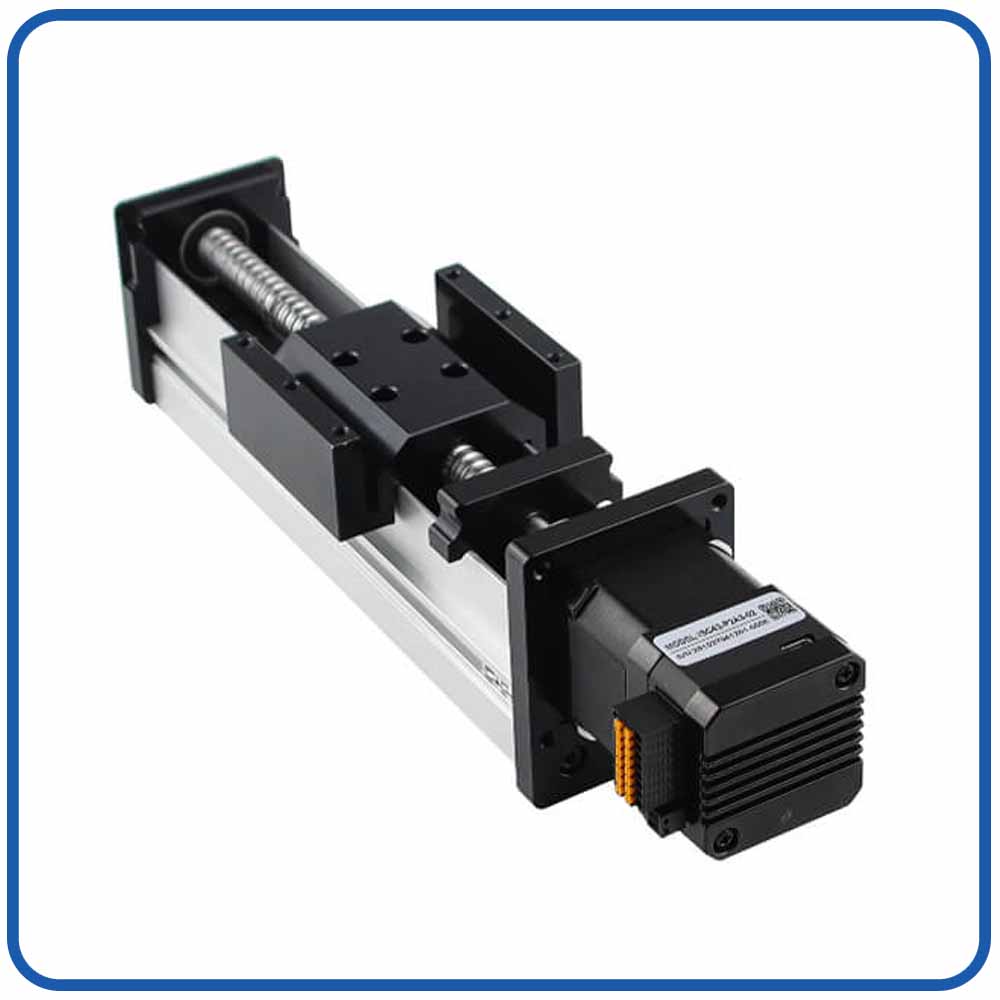 | 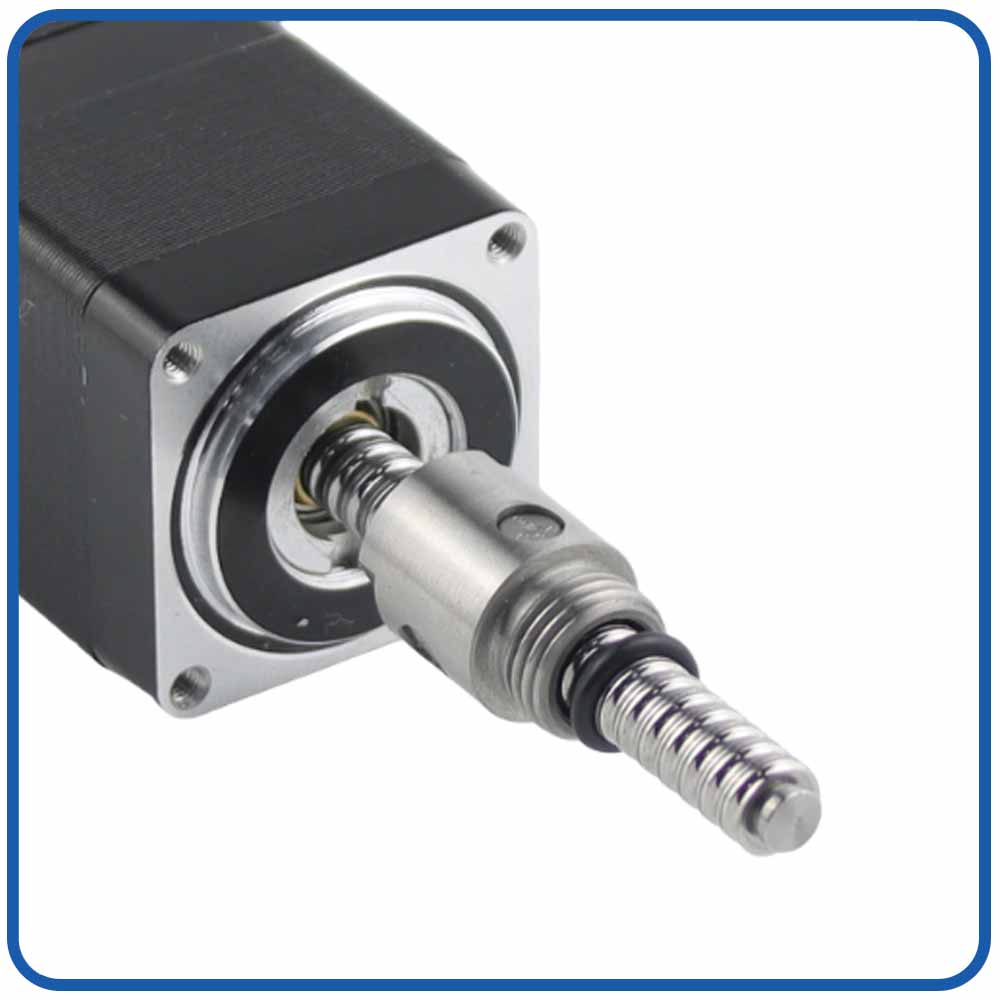 | 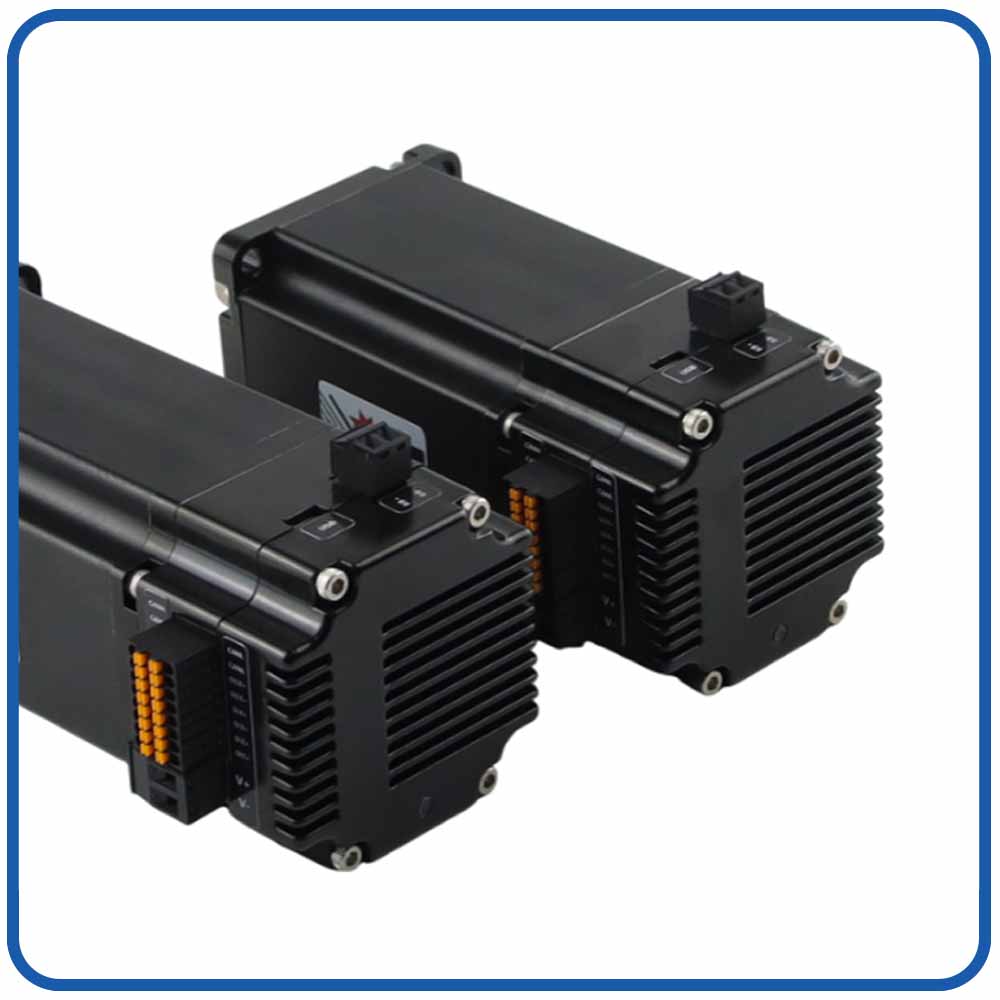 | 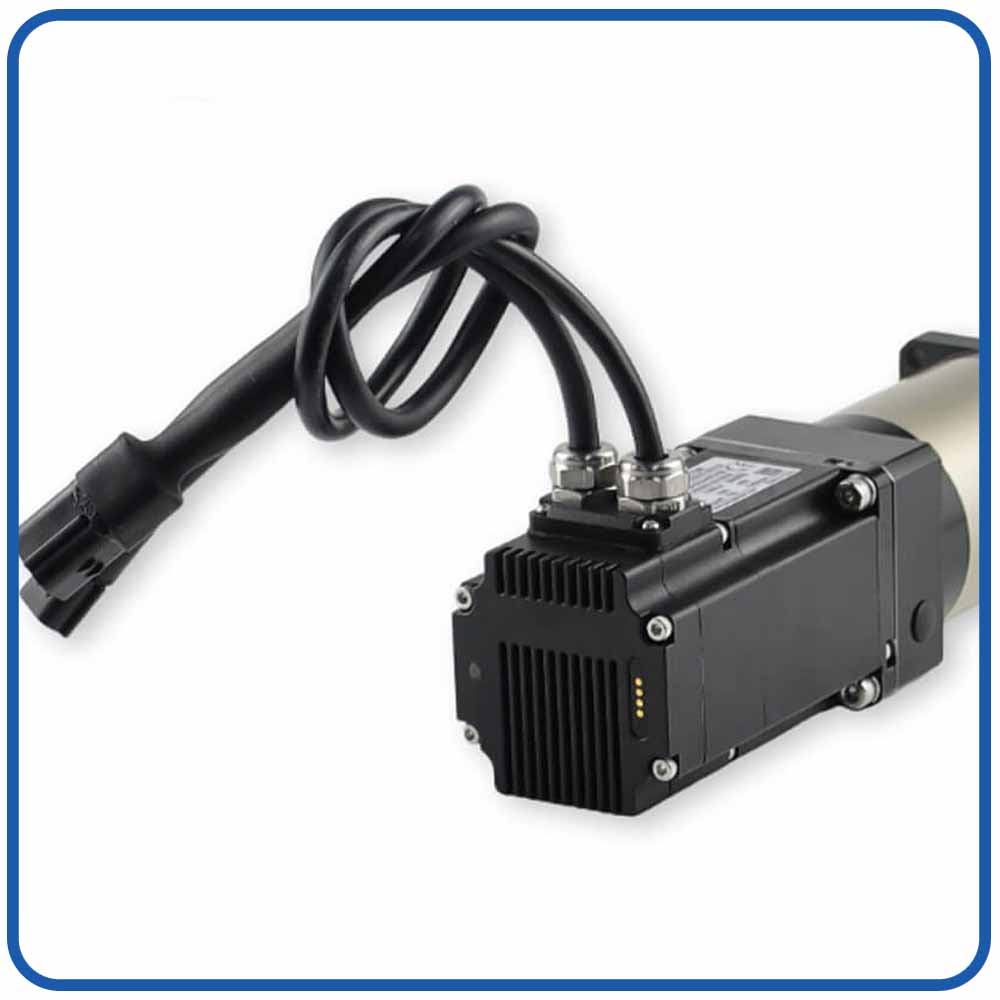 |  |
| Linear Motion | Ball Screw | Brake | IP-Level | More Products |
Besfoc Integrated servo Motor Shaft Customized Service
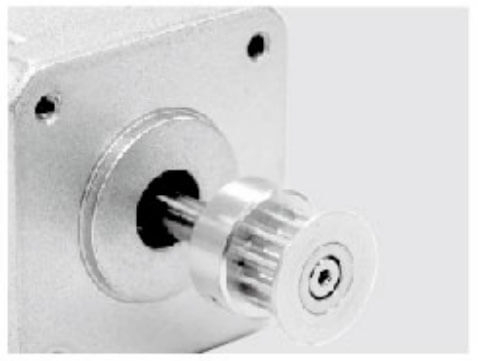 | 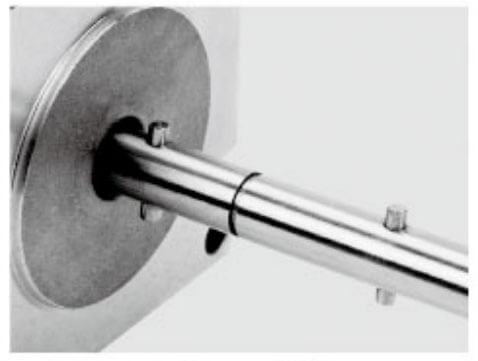 | 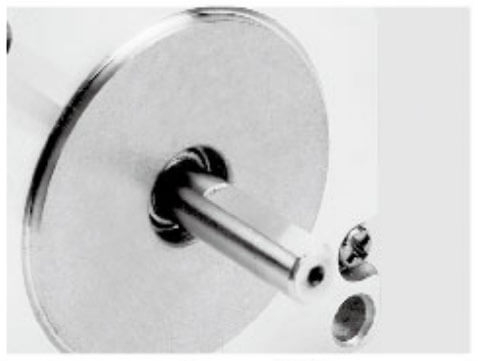 | 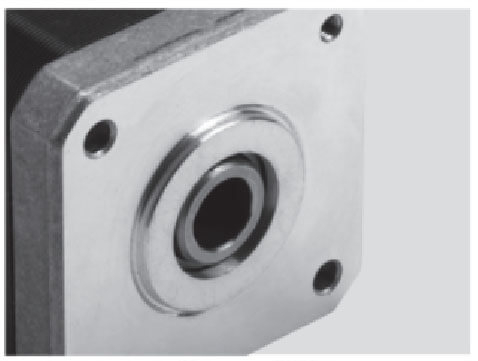 | 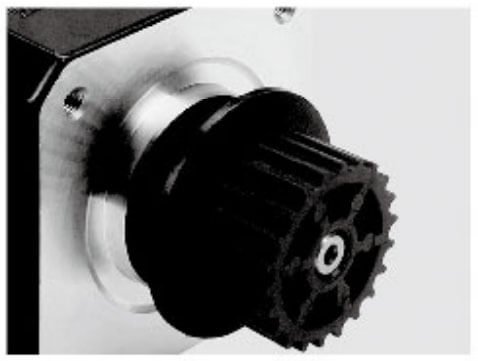 | 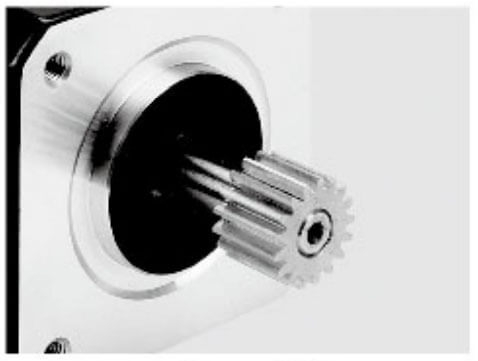 |
| Aluminum Pulley | Shaft Pin | Single D Shaft | Hollow Shaft | Plastic Pulley | Gear |
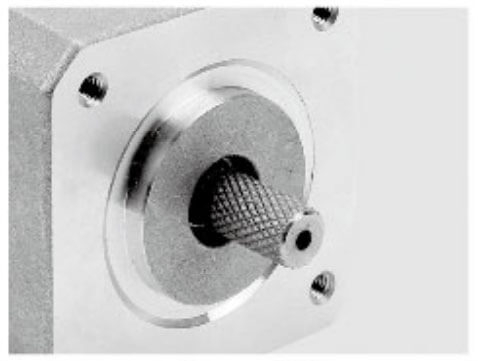 | 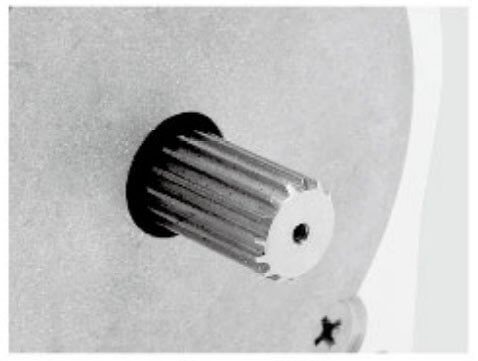 | 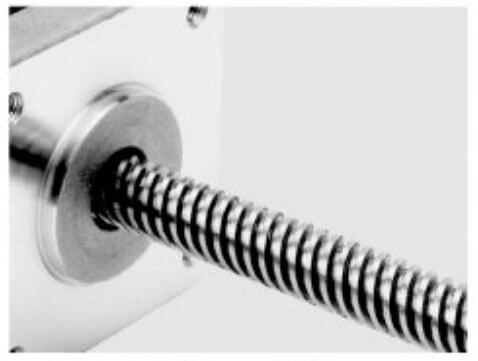 | 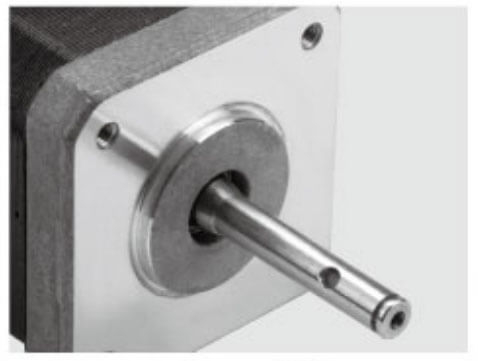 | 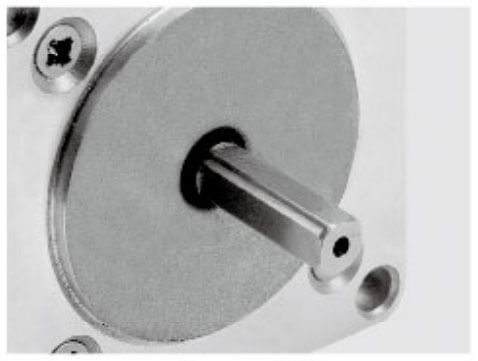 | 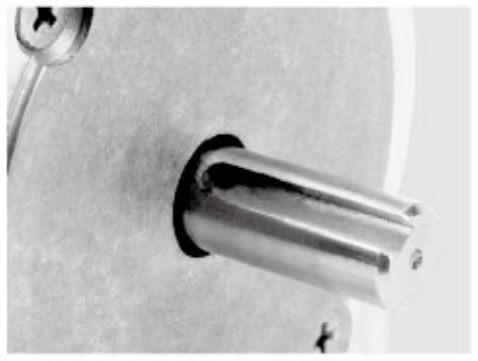 |
| Knurling | Hobbing Shaft | Screw Shaft | Hollow Shaft | Double D Shaft | Keyway |
Advantages of Integrated Servo Motors for Gantry Systems
Compact Design and Space Optimization
Integrated servo motors eliminate the need for external drives and excessive cabling. This results in:
Reduced control cabinet size
Simplified mechanical layout
Cleaner system architecture
For gantry robots with multiple axes, space savings become especially valuable.
Reduced Wiring and Faster Installation
Traditional servo systems require complex wiring between motor and drive. Integrated designs offer:
Plug-and-play connectivity
Lower risk of wiring errors
Shorter commissioning time
This translates into lower installation costs and faster deployment.
Improved System Reliability
Fewer components mean fewer failure points. Integrated servo motors provide:
For industrial gantry robots operating continuously, reliability is essential.
Environmental and Application Considerations
Selecting the right integrated servo motor for a gantry robot requires careful evaluation of the actual working environment and application-specific demands. These factors directly influence motor durability, performance stability, and long-term reliability in real-world industrial conditions.
Operating Environment Requirements
We must assess the environmental conditions in which the gantry robot will operate. Industrial environments often expose motors to challenging factors such as:
High or fluctuating temperatures
Humidity and moisture exposure
Dust, debris, or airborne particles
Oil, chemicals, or corrosive substances
To ensure reliable performance, the integrated servo motor should feature:
High protection ratings (IP65, IP67) for resistance against dust and water
Sealed housings and connectors to prevent contamination
Corrosion-resistant materials for harsh industrial environments
For applications such as CNC machining or metal processing, where debris and coolant are present, a fully enclosed and rugged motor design is essential.
Thermal and Cooling Considerations
Temperature control plays a critical role in maintaining motor efficiency and lifespan. In gantry systems with continuous operation, heat buildup can affect performance. We prioritize motors with:
Efficient heat dissipation structures
Integrated temperature sensors
Over-temperature protection mechanisms
For high-duty cycles, selecting a motor with enhanced thermal management ensures consistent torque output and prevents overheating-related failures.
Vibration and Mechanical Stress Factors
Gantry robots often operate at high speeds and accelerations, generating mechanical stress and vibration. The integrated servo motor must be capable of handling:
A robust motor design with precision-balanced rotors and reinforced bearings ensures:
Mounting and Installation Constraints
Each gantry system has unique mechanical requirements. We must ensure compatibility in terms of:
Mounting flange dimensions
Shaft type (keyway, smooth shaft, hollow shaft)
Alignment with transmission components (ball screw, belt drive, rack & pinion)
Compact integrated servo motors are especially beneficial where space is limited, allowing for:
Application-Specific Performance Demands
Different gantry robot applications impose varying requirements on servo motors. For example:
High-speed pick-and-place systems demand rapid acceleration and deceleration
Precision inspection systems require ultra-high positioning accuracy
Heavy-duty material handling requires high torque and load capacity
We must match the motor's specifications to the exact application to achieve:
Duty Cycle and Operational Load
Understanding the duty cycle is essential when selecting an integrated servo motor. Key considerations include:
Motors designed for high-duty applications should provide:
Electrical and Power Supply Conditions
Power supply stability can significantly affect servo motor performance. We ensure compatibility with:
Integrated servo motors with built-in protection features help prevent damage caused by:
Compliance and Industry Standards
For industrial deployment, the motor must comply with relevant certifications and standards, including:
CE certification for safety and performance
RoHS compliance for environmental safety
ISO standards for quality assurance
Compliance ensures that the integrated servo motor can be safely deployed in global industrial markets.
Scalability and Future Application Needs
We also consider the long-term adaptability of the motor within evolving gantry systems. A future-ready integrated servo motor should support:
Flexible configuration options
Software upgrades and parameter tuning
Compatibility with advanced automation systems
This ensures the system remains scalable and adaptable to future production requirements.
By thoroughly evaluating environmental and application considerations, we can select an integrated servo motor that delivers consistent performance, enhanced durability, and optimal efficiency, even in the most demanding gantry robot applications.
Communication Protocols and Control Integration
Industrial Communication Interfaces
Modern gantry robots rely on real-time communication protocols. The integrated servo motor should support:
EtherCAT
CANopen
Modbus
Profinet (if required)
These protocols enable:
Motion Control Capabilities
Advanced integrated servo motors include:
Built-in motion controllers
Programmable positioning modes
Electronic gearing and camming
This reduces dependency on external controllers and enhances system flexibility.
Energy Efficiency and Thermal Management
In gantry robot systems, energy efficiency and thermal management are critical factors that directly influence operational cost, system stability, and component lifespan. A well-designed integrated servo motor not only delivers precise motion control but also optimizes energy usage while maintaining safe operating temperatures under continuous and dynamic loads.
Optimizing Energy Efficiency in Integrated Servo Motors
Energy efficiency is a key consideration in modern automation, especially in high-duty-cycle gantry applications. We prioritize motors that incorporate:
High-efficiency electromagnetic design to minimize copper and iron losses
Advanced drive algorithms that optimize current and torque output in real time
Low standby power consumption for energy-saving during idle periods
Integrated servo motors with intelligent control systems can dynamically adjust power consumption based on load requirements, ensuring that only the necessary energy is used at any given time. This leads to:
Reduced electricity costs
Improved overall system efficiency
Lower carbon footprint in industrial operations
Regenerative Energy Utilization
In gantry robots, frequent acceleration and deceleration cycles generate excess energy. High-performance integrated servo motors are equipped with:
These features allow the motor to convert kinetic energy back into usable electrical energy, which can be reused within the system or dissipated safely. This not only enhances efficiency but also reduces:
Load Matching and Power Optimization
Proper motor sizing plays a crucial role in energy efficiency. An oversized motor leads to unnecessary energy consumption, while an undersized motor results in overload and inefficiency. We ensure:
Accurate torque and speed matching
Optimized motor selection for specific gantry loads
Balanced performance across all motion axes
This approach guarantees maximum output with minimal energy input, improving both performance and cost-effectiveness.
Thermal Management for Continuous Operation
Heat generation is inevitable in servo systems, especially under high-speed and high-load conditions. Effective thermal management ensures that the integrated servo motor maintains:
Key thermal management features include:
Efficient heat dissipation structures, such as optimized housing and internal airflow paths
High-quality insulation materials to withstand elevated temperatures
Built-in temperature sensors for real-time monitoring
Over-Temperature Protection and Safety Mechanisms
To prevent damage caused by excessive heat, integrated servo motors are designed with:
Automatic thermal shutdown functions
Temperature threshold alarms
Current limiting under high thermal load
These protections ensure that the motor operates within safe limits, reducing the risk of:
Component failure
Unexpected downtime
Maintenance costs
Cooling Methods and Design Considerations
Depending on the application, different cooling strategies may be required. Common approaches include:
Natural air cooling for standard environments with moderate loads
Forced air cooling for higher power density applications
Heat sink optimization to enhance passive cooling efficiency
For gantry robots operating in enclosed or high-temperature environments, selecting a motor with enhanced cooling capability is essential to maintain performance stability.
Impact of Thermal Stability on Precision
Temperature fluctuations can affect encoder accuracy, magnetic field stability, and mechanical tolerances. By maintaining consistent thermal conditions, we achieve:
Improved positioning accuracy
Reduced drift and error over time
Higher repeatability in precision tasks
This is particularly important in applications such as **CNC machining, semiconductor handling, and automated inspection systems as CNC machining, semiconductor handling, and automated inspection systems.
Long-Term Reliability and Maintenance Benefits
Efficient energy usage combined with proper thermal management results in:
This directly contributes to higher system uptime and improved production efficiency in gantry robot operations.
Sustainable and Future-Oriented Design
Energy-efficient integrated servo motors support modern sustainability goals by:
Reducing overall power consumption
Minimizing heat-related energy losses
Supporting eco-friendly industrial practices
In addition, advanced designs are compatible with smart energy monitoring systems, enabling manufacturers to track and optimize energy usage across the entire automation line.
By focusing on energy efficiency and thermal management, we ensure that the integrated servo motor not only delivers high-performance motion control but also operates with maximum efficiency, reliability, and long-term stability in demanding gantry robot applications.
Customization and OEM Flexibility
In the competitive landscape of industrial automation, Customization and OEM Flexibility are essential when selecting an integrated servo motor for gantry robots. Standard, off-the-shelf solutions often fail to meet the precise requirements of specialized applications. We focus on delivering tailored motor solutions that align perfectly with unique system designs, performance expectations, and integration constraints.
Tailored Mechanical Design for Seamless Integration
Every gantry robot system has distinct structural and mechanical requirements. Integrated servo motors must be adaptable in terms of:
Flange size and mounting configurations to match various gantry structures
Shaft types including keyed shafts, smooth shafts, and hollow shafts
Custom housing dimensions for compact or space-constrained installations
This level of customization ensures perfect mechanical compatibility, reducing installation complexity and improving system stability.
Flexible Electrical and Interface Options
OEM applications often require compatibility with diverse control architectures. We provide integrated servo motors with:
Multiple voltage options to suit regional and industrial standards
Custom connector types and cable lengths for simplified wiring
Support for industrial communication protocols such as EtherCAT, CANopen, Modbus, and Profinet
These flexible configurations enable seamless integration into existing automation systems, minimizing redesign efforts and deployment time.
Performance Customization for Application-Specific Needs
Different gantry applications demand different performance characteristics. We offer:
Customized torque and speed profiles based on load and motion requirements
Optimized acceleration and deceleration parameters
Special winding designs for enhanced efficiency or higher torque density
By fine-tuning these parameters, we ensure that the motor delivers maximum performance tailored to the exact application scenario.
Integrated Functional Options
To enhance system capability and simplify design, integrated servo motors can include additional features such as:
Electromagnetic brakes for vertical axis holding and safety
High-resolution encoders for ultra-precise positioning
Built-in motion controllers for decentralized control architectures
These integrated options reduce the need for external components, resulting in a more compact, efficient, and reliable gantry system.
Software and Firmware Customization
Modern automation systems require not only hardware flexibility but also software adaptability. We support:
Custom firmware development to meet specific motion control logic
Parameter pre-configuration for plug-and-play deployment
Application-specific motion profiles and tuning
This ensures that OEM customers can achieve fast commissioning and optimized performance without extensive on-site adjustments.
Branding and OEM Identity Support
For OEM manufacturers, product identity is critical. We offer:
Private labeling and branding options
Custom product markings and documentation
Tailored packaging solutions
These services allow OEM partners to maintain brand consistency and market differentiation while leveraging advanced servo technology.
Scalability for Mass Production
OEM projects often require scalability from prototype to mass production. Our integrated servo motor solutions support:
Consistent quality across large production volumes
Flexible manufacturing capacity
Short lead times for bulk orders
This ensures that customers can scale their operations efficiently without compromising performance or reliability.
Engineering Support and Co-Development
A strong OEM partnership goes beyond product supply. We provide:
Technical consultation during system design
Application engineering support
Rapid prototyping and testing services
By collaborating closely with OEM partners, we help optimize system performance and reduce development cycles, ensuring faster time-to-market for gantry robot solutions.
Future-Proof Customization Capabilities
As automation technology evolves, flexibility becomes even more important. Our integrated servo motors are designed with:
Upgradeable firmware and software architectures
Compatibility with Industry 4.0 and smart manufacturing systems
Support for advanced diagnostics and predictive maintenance
This ensures that OEM systems remain adaptable, scalable, and competitive in the long term.
By emphasizing Customization and OEM Flexibility, we empower manufacturers to develop gantry robot systems that are highly optimized, uniquely differentiated, and future-ready, ensuring superior performance and long-term success in demanding industrial environments.
Safety Features and Compliance Standards
Safety is a critical consideration in industrial automation. The integrated servo motor should include:
Overcurrent protection
Overvoltage and undervoltage protection
Emergency stop compatibility
Safe Torque Off (STO) functionality
Compliance with international standards such as:
CE certification
RoHS compliance
ISO safety requirements
ensures safe and reliable operation.
Cost vs. Performance: Making the Right Investment
While initial cost is important, we prioritize total cost of ownership (TCO):
Investing in a high-quality integrated servo motor results in greater long-term value and operational efficiency.
Future-Proofing Your Gantry Robot System
Selecting a future-ready solution ensures scalability and adaptability. Look for:
Firmware upgrade capability
Compatibility with Industry 4.0 systems
Support for smart diagnostics and predictive maintenance
These features enable long-term system evolution without major hardware changes.
Conclusion: Selecting the Optimal Integrated Servo Motor
Choosing the right integrated servo motor for a gantry robot requires a comprehensive evaluation of torque, speed, precision, communication, and environmental factors. By focusing on performance, reliability, and customization, we can achieve a highly efficient and scalable automation system.
A well-selected integrated servo motor not only enhances gantry robot accuracy and productivity but also reduces complexity and operational costs, delivering a powerful competitive advantage in modern industrial applications.

 English
 العربية
 Français
 Русский
 Español
 Português
 Deutsch
 italiano
 日本語
日本語 한국어
한국어 Nederlands
 Tiếng Việt
 ไทย
ไทย Polski
 Türkçe
 ພາສາລາວ
 ភាសាខ្មែរ
 Bahasa Melayu
 ဗမာစာ
ဗမာစာ Filipino
 Bahasa Indonesia
 magyar
 Română
 Čeština
 Монгол
 қазақ
қазақ Српски
 हिन्दी
 فارسی
فارسی Slovenčina
 Slovenščina
 Norsk
Norsk Svenska
 українська
 Ελληνικά
 Suomi
Suomi Հայերեն
 עברית
עברית Latine
 Dansk
Dansk Shqip
Shqip বাংলা
বাংলা Hrvatski
 Afrikaans
 Gaeilge
 Eesti keel
 Oʻzbekcha
 latviešu
 Azərbaycan dili
 Български
 Català