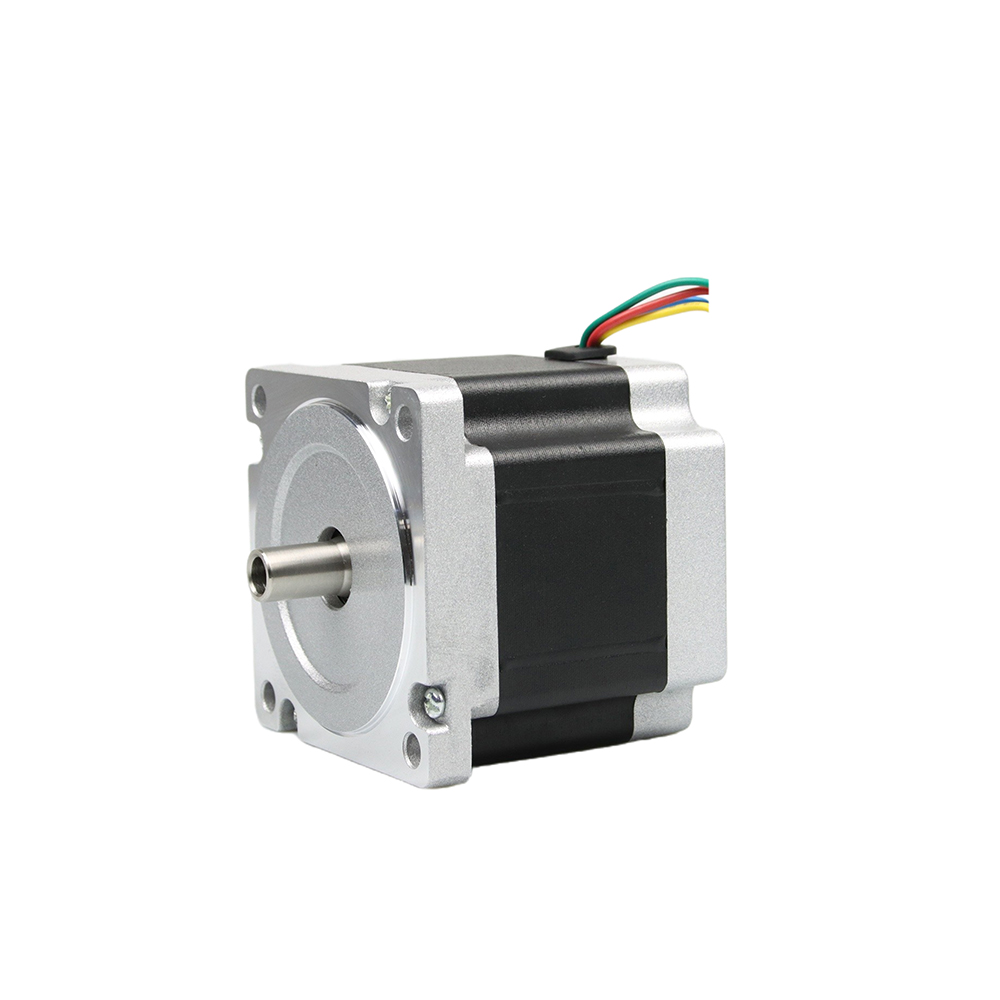
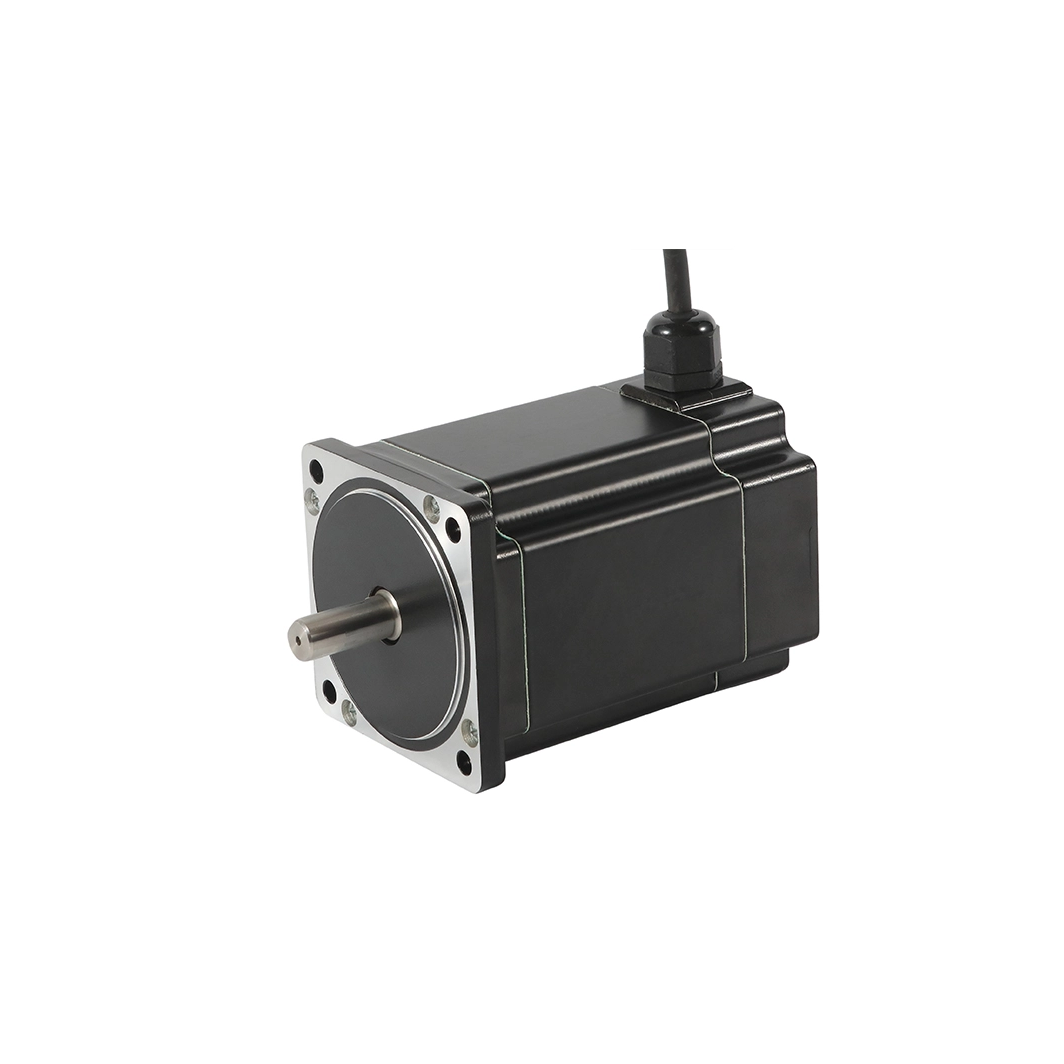
In modern textile manufacturing, precision, efficiency, and reliability define competitiveness. As production speeds increase and automation becomes more sophisticated, selecting the right integrated servo motor for textile machinery is no longer optional—it is a critical engineering decision that directly impacts fabric quality, throughput, and operational costs. We provide a comprehensive, technically grounded guide to help identify the optimal integrated servo solution tailored to textile applications.
Understanding Integrated Servo Motors in Textile Systems
An integrated servo motor combines the motor, drive, encoder, and control electronics into a single compact unit. This architecture eliminates complex wiring, reduces installation time, and improves system reliability—key advantages in textile environments where space, vibration, and continuous operation are critical factors.
In textile machinery such as weaving machines, knitting machines, spinning frames, and dyeing equipment, integrated servo motors deliver:
High-precision positioning
Accurate speed synchronization
Dynamic torque control
Reduced electrical noise and interference
This integration significantly enhances machine responsiveness and consistency, ensuring superior textile quality.
Besfoc Integrated Servo Motor System Customized Service
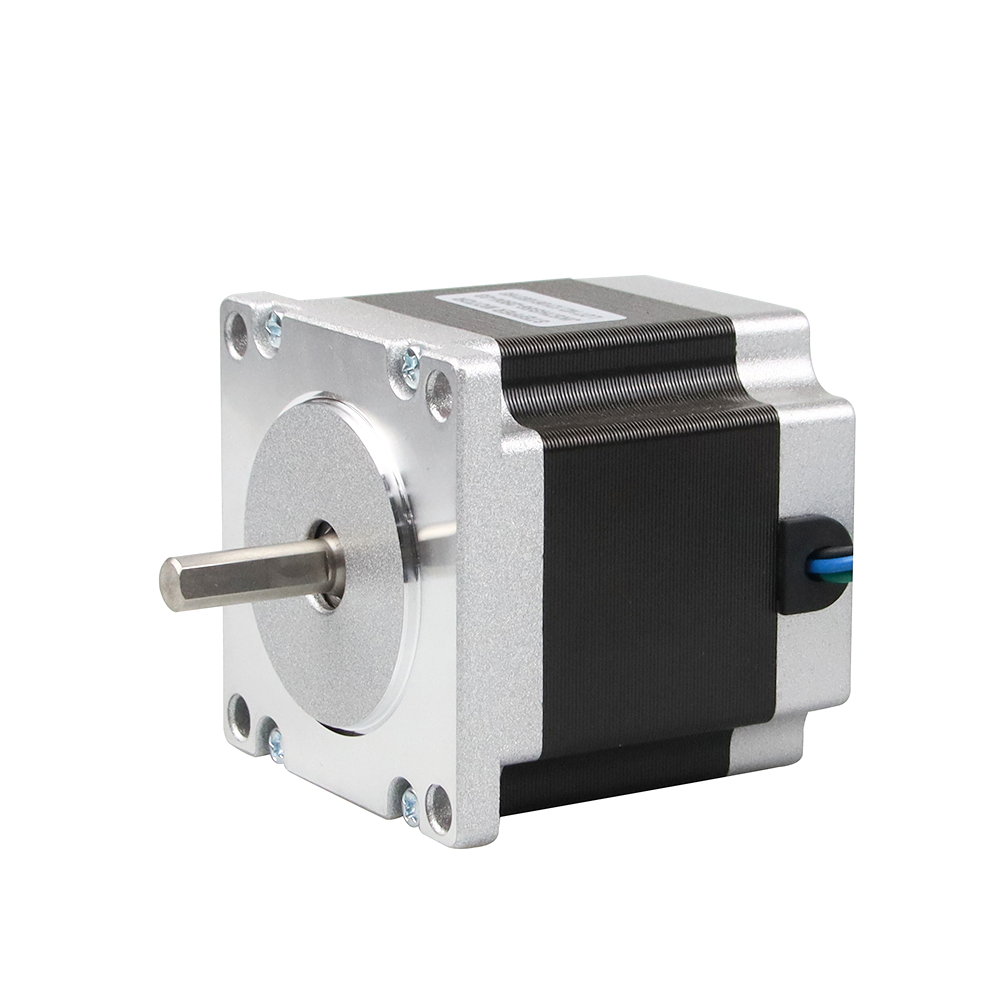
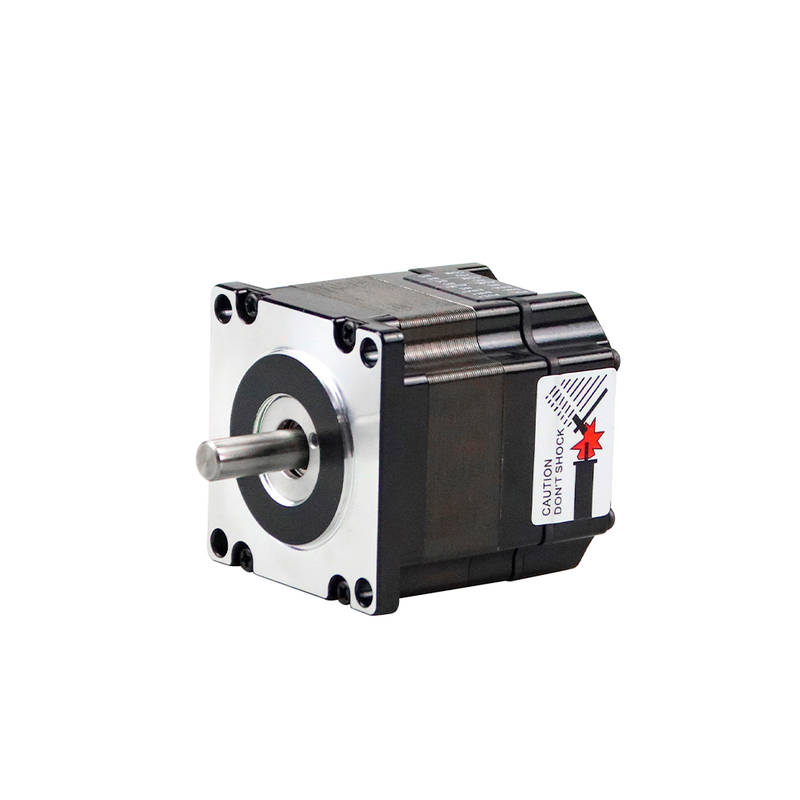
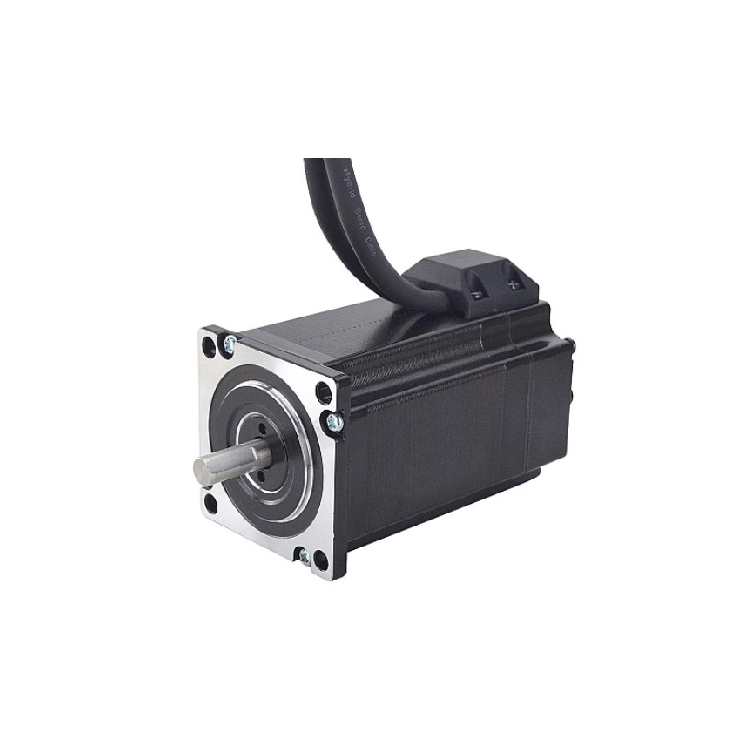
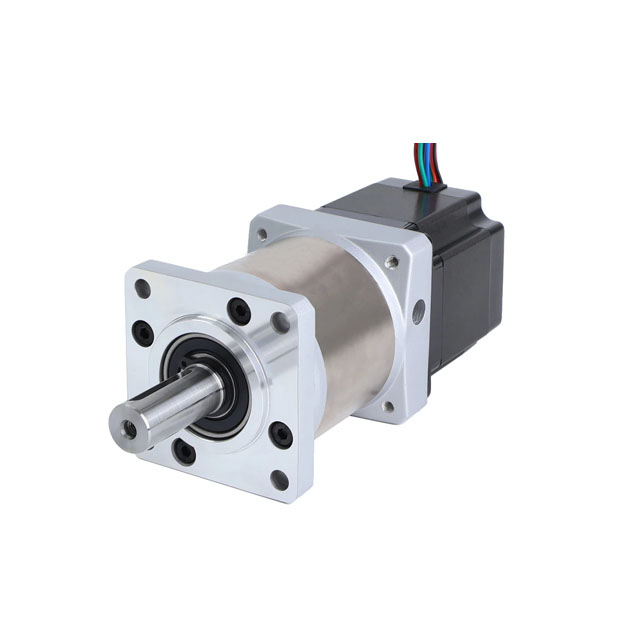
 |  | 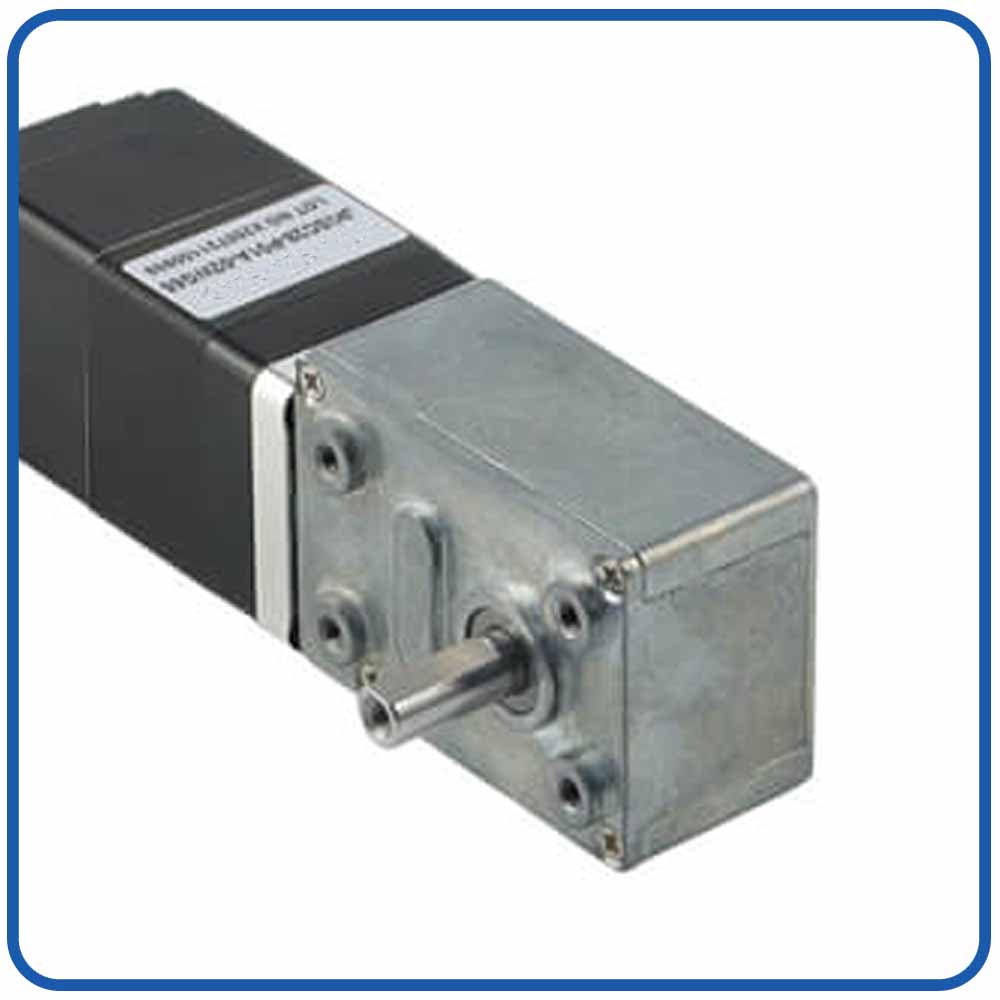 | 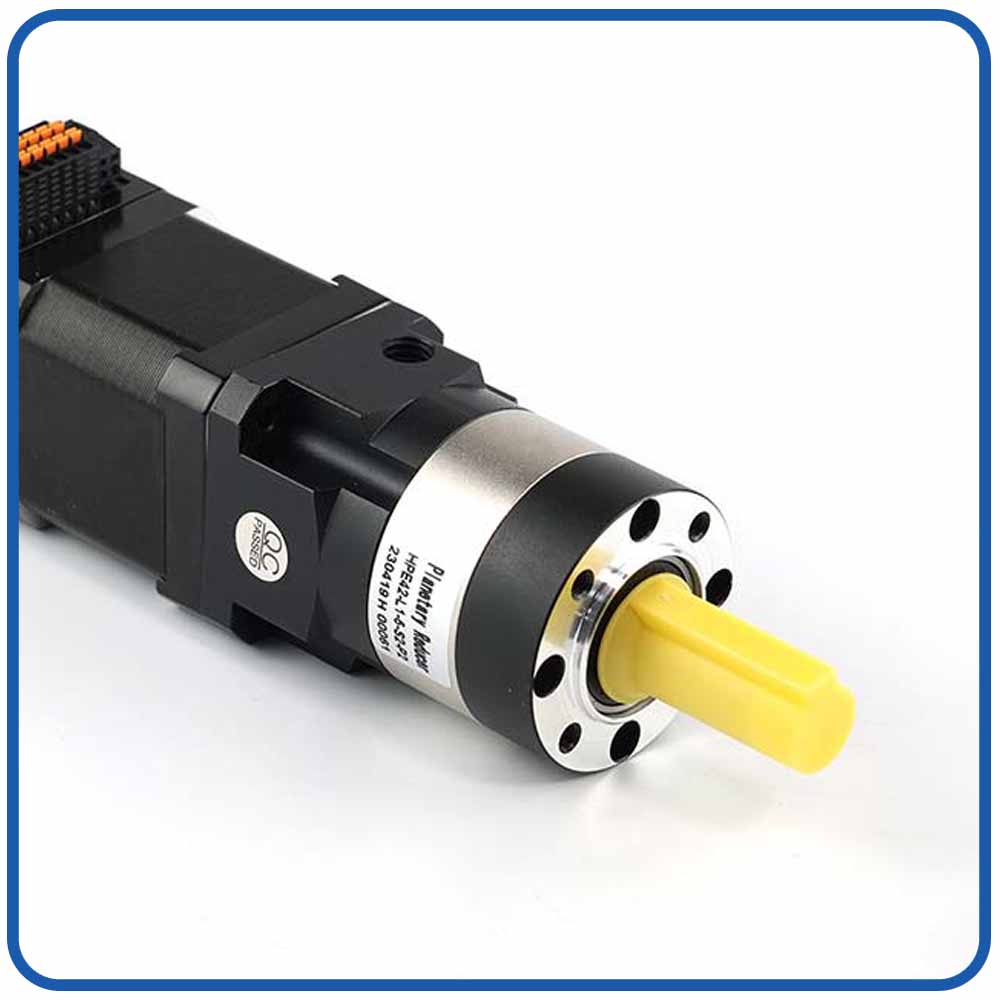 | 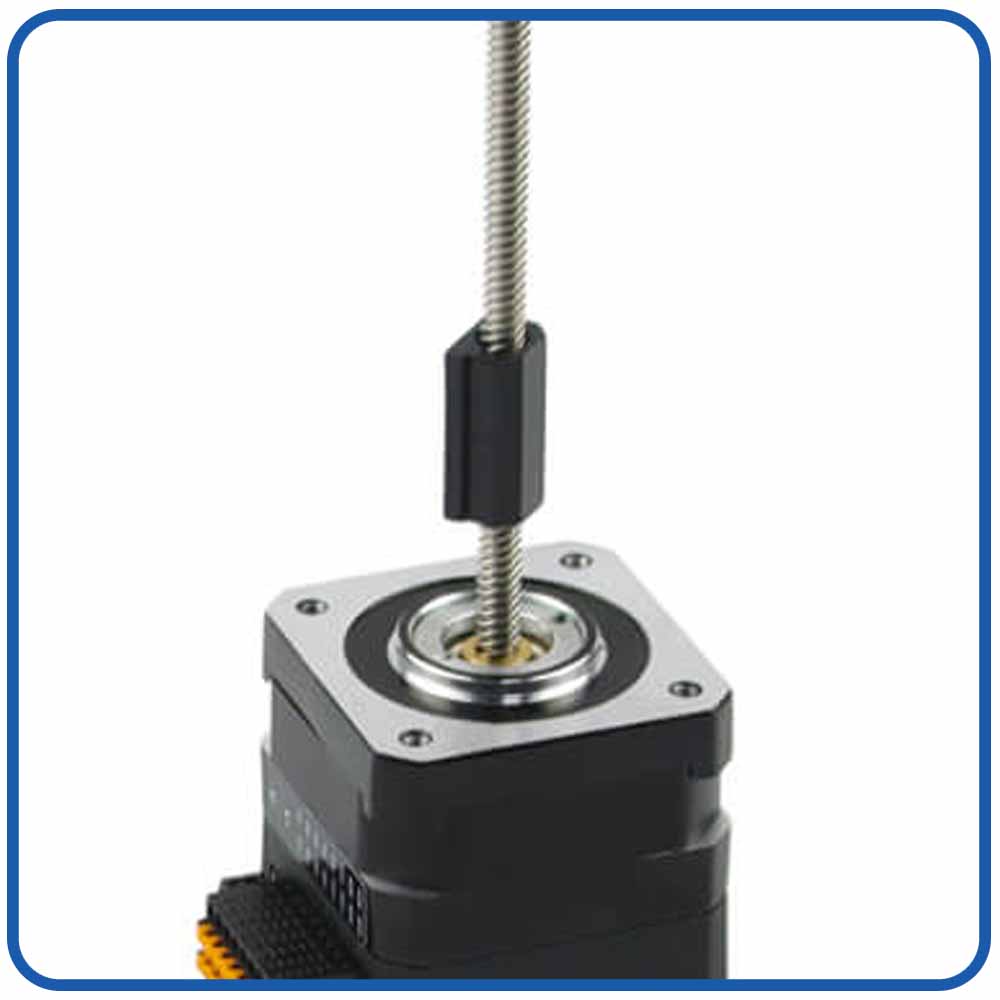 | BesFoc Customized Motors:
According to the application needs, provide a variety of customized motor solutions, common customization includes:
-
Sealed motor, suitable for dusty environment, dirty environment with small temperature change, etc
-
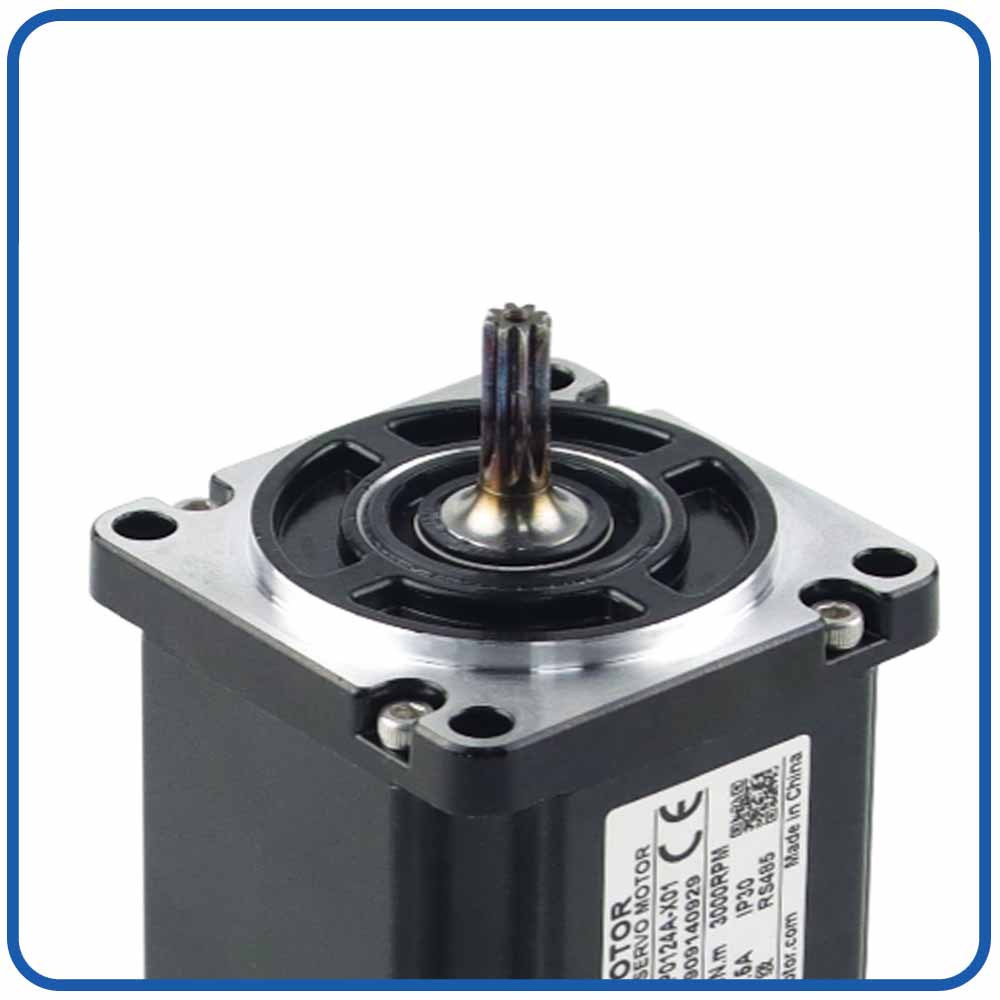
Special shaft, such as size, shape, etc
-
Belt wheels, gears and couplings etc
-
Encoders and other feedback components
-
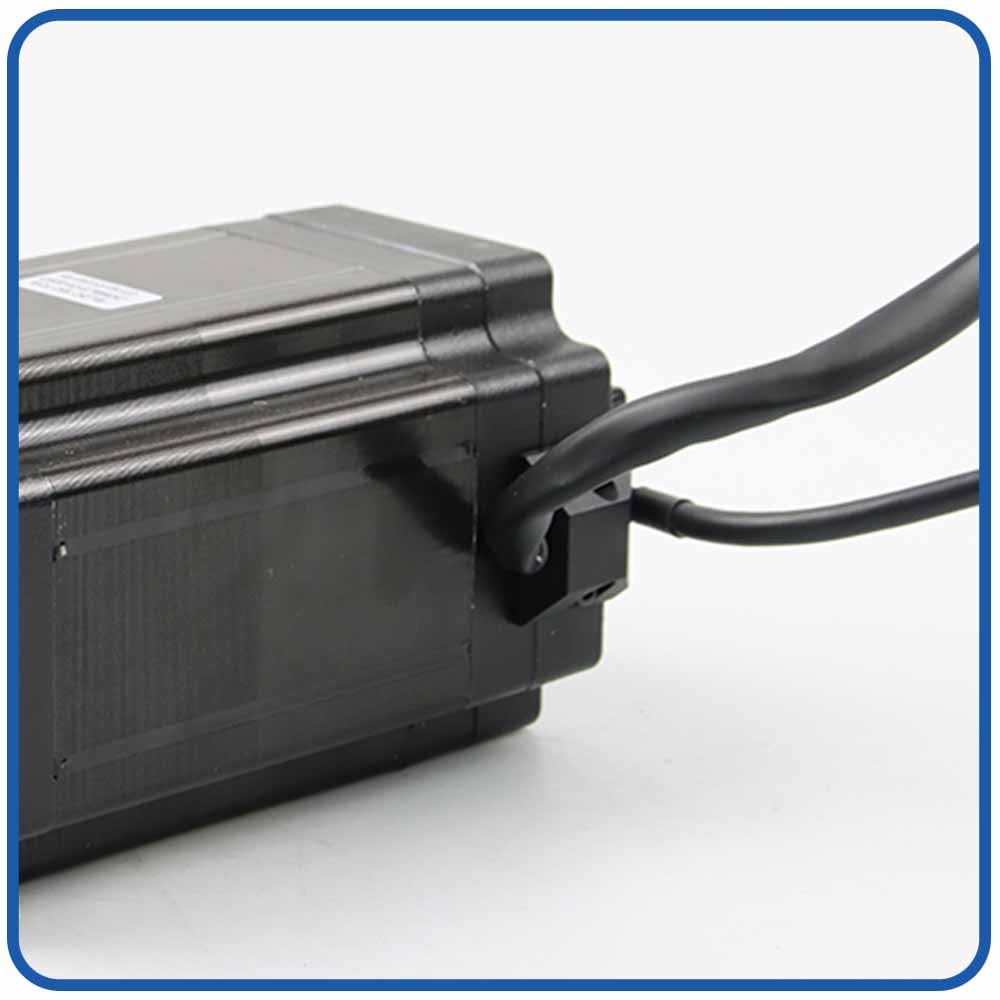
Encoders and other feedback components. Lead length and customer use termination plug-in |
| Shaft | Terminal housing | Worm Gearbox | Planetary Gearbox | Lead Screw |
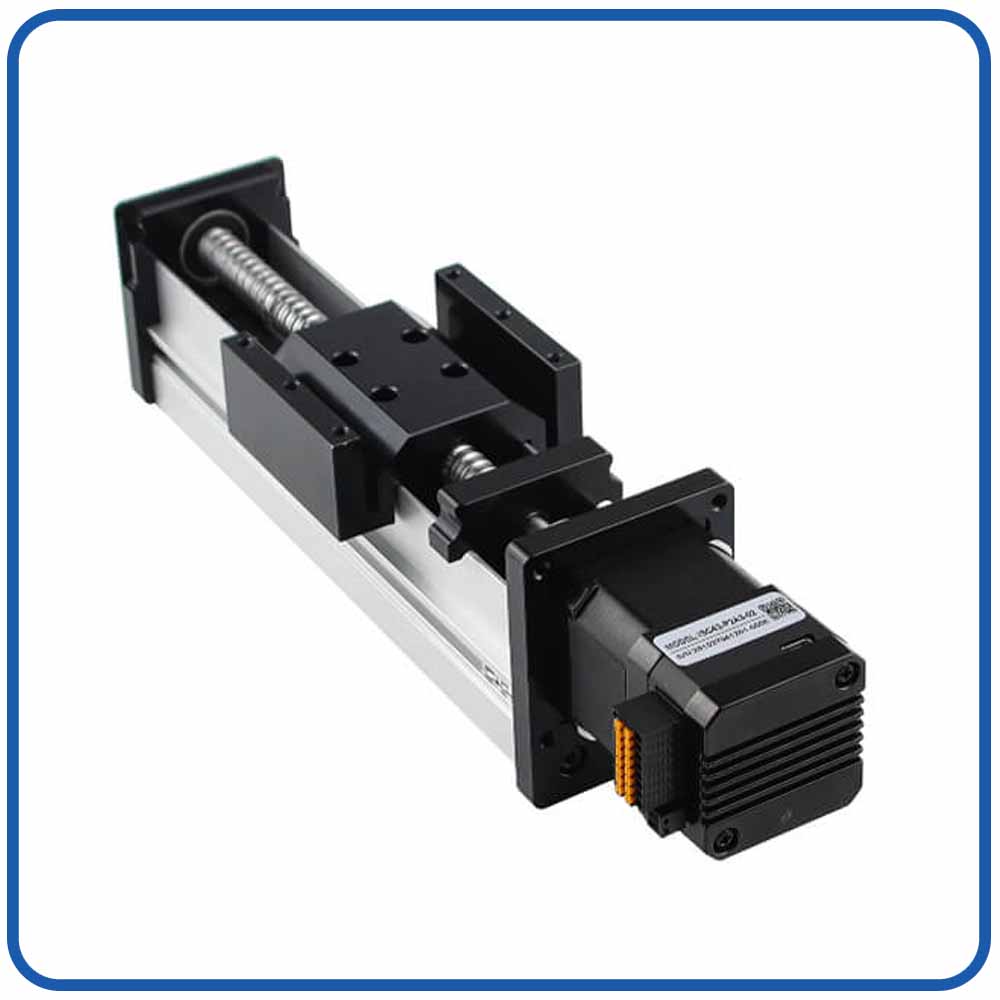 | 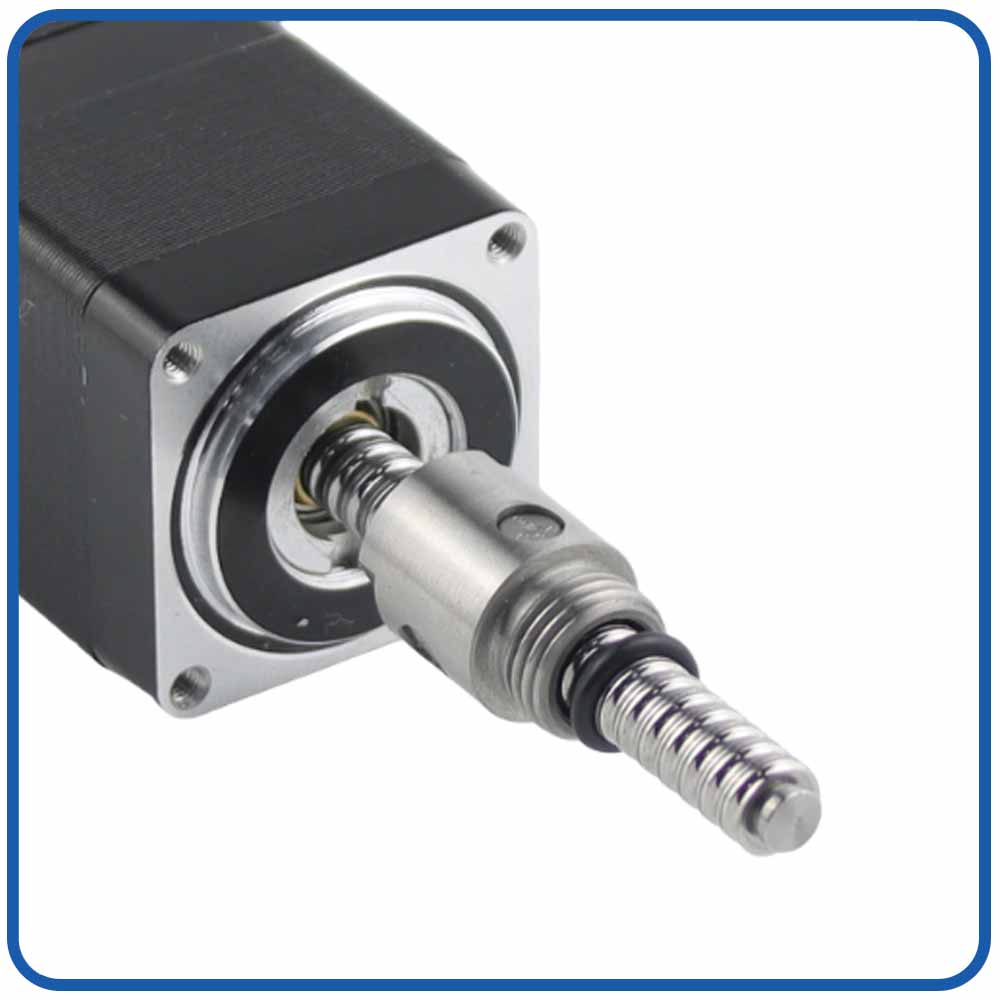 | 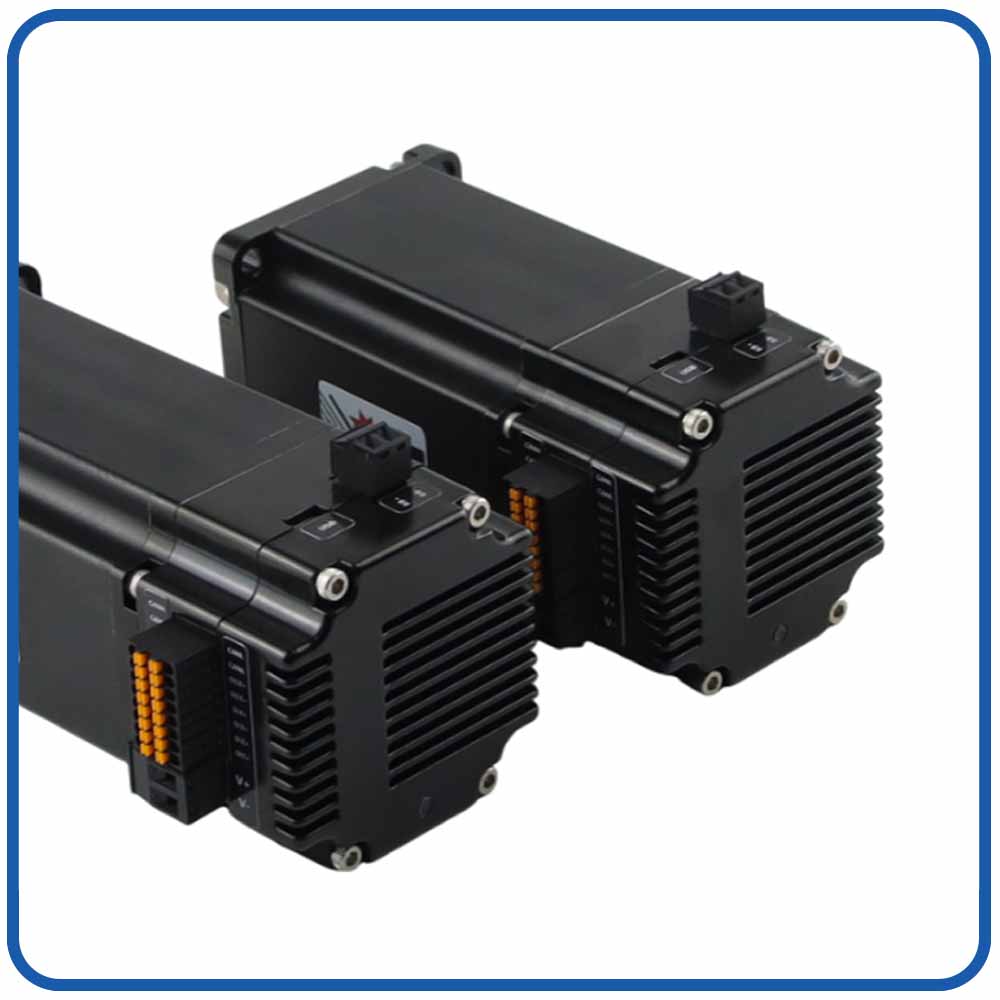 | 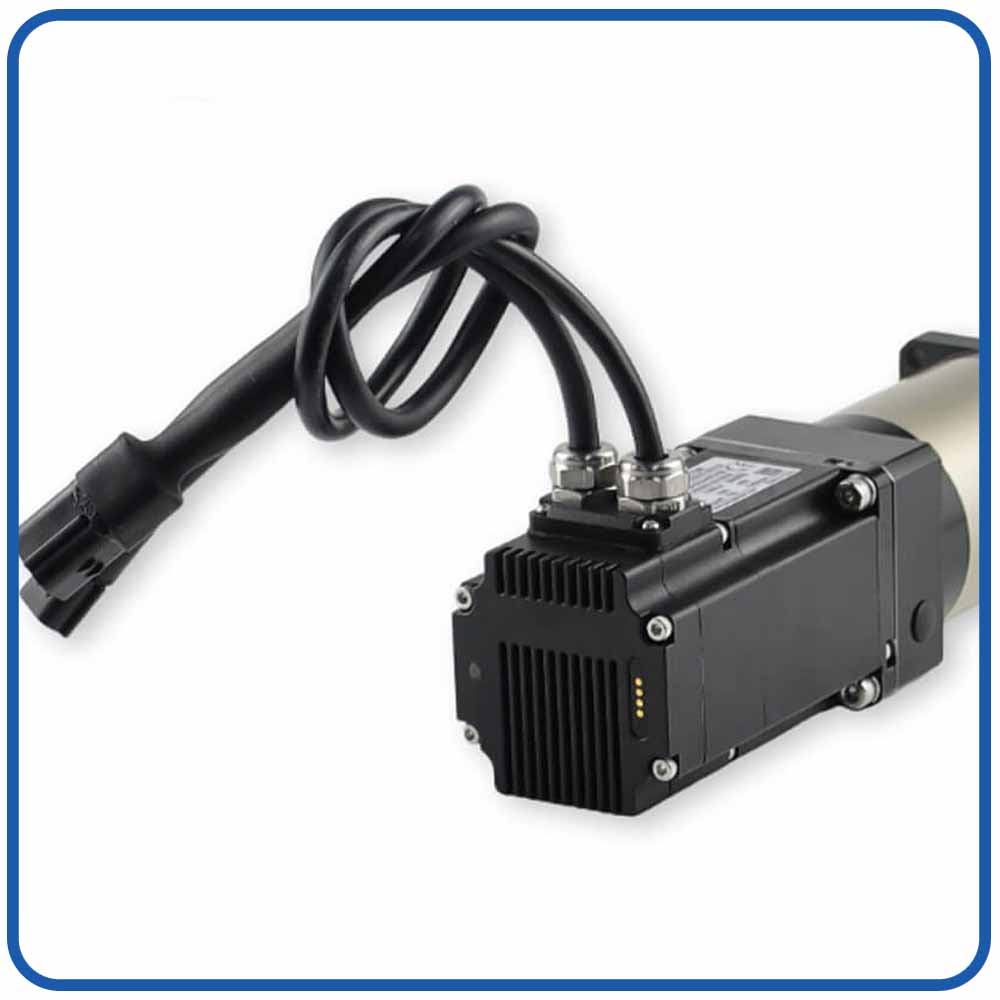 |  |
| Linear Motion | Ball Screw | Brake | IP-Level | More Products |
Besfoc Integrated servo Motor Shaft Customized Service
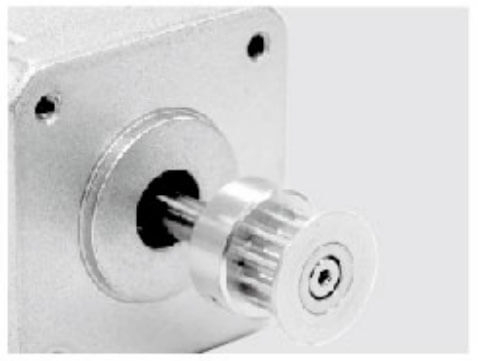 | 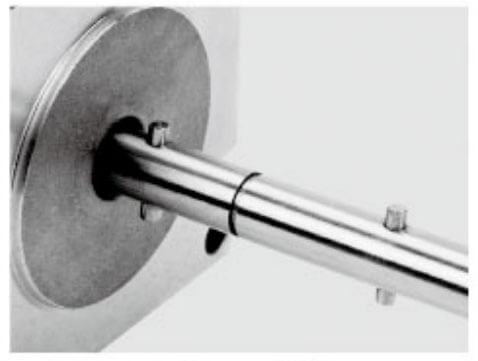 | 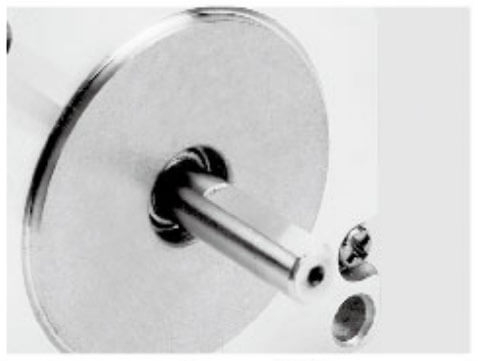 | 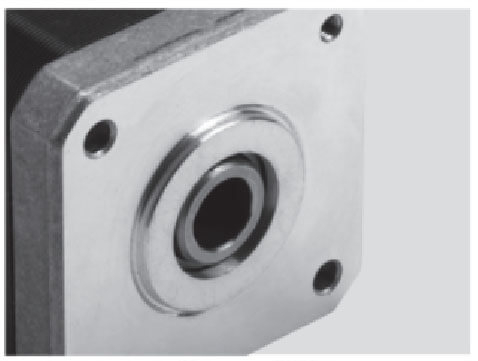 | 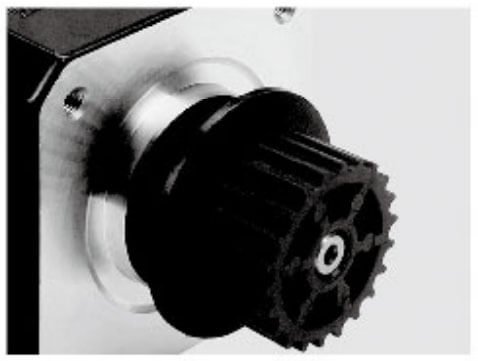 | 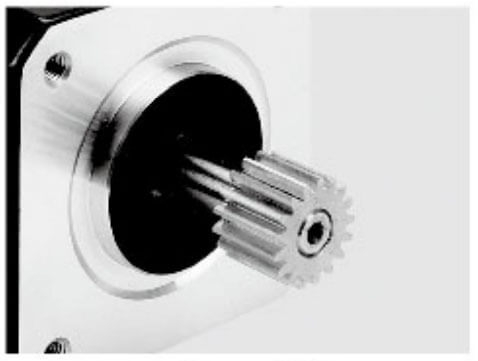 |
| Aluminum Pulley | Shaft Pin | Single D Shaft | Hollow Shaft | Plastic Pulley | Gear |
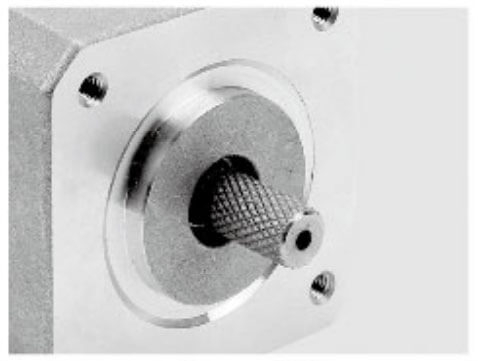 | 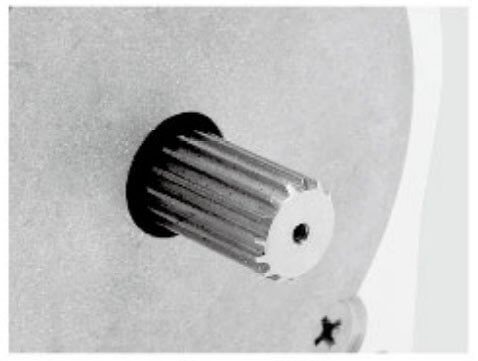 | 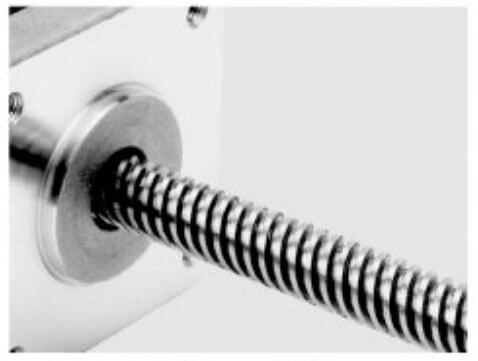 | 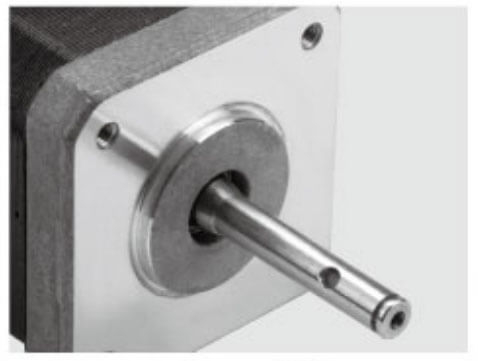 | 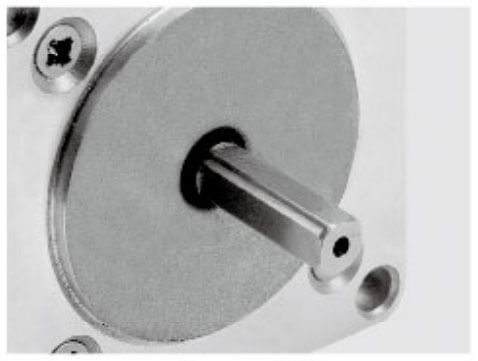 | 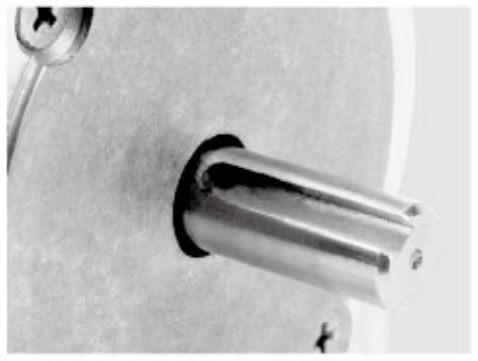 |
| Knurling | Hobbing Shaft | Screw Shaft | Hollow Shaft | Double D Shaft | Keyway |
Key Performance Parameters for Textile Applications
Selecting an integrated servo motor for textile machinery requires a precise evaluation of core performance parameters that directly influence production efficiency, fabric quality, and machine reliability. We focus on the following critical factors to ensure optimal performance in demanding textile environments.
Torque Characteristics and Load Handling
In textile applications, load conditions vary significantly depending on the process—whether it is weaving, spinning, or knitting. A high-performance integrated servo motor must deliver stable continuous torque for steady operation and high peak torque for dynamic load changes such as start-stop cycles and tension adjustments.
We emphasize:
Rated torque stability to maintain consistent machine output
Peak torque capacity for handling sudden load spikes
Torque linearity to ensure smooth fabric processing
Accurate torque delivery prevents yarn breakage and ensures uniform fabric structure, especially in high-speed production lines.
Speed Range and Control Accuracy
Textile machines operate across a wide range of speeds, from slow precision movements to high-speed continuous operation. An ideal integrated servo motor provides wide speed range capability combined with precise speed regulation.
Critical aspects include:
Low-speed stability for delicate processes like spinning
High-speed consistency for weaving and knitting machines
Minimal speed fluctuation under variable loads
Precise speed control ensures synchronized motion across machine components, reducing defects and improving overall product quality.
Positioning Accuracy and Feedback Resolution
Precision positioning is essential in textile automation, particularly in pattern control and yarn alignment. Integrated servo motors equipped with high-resolution encoders enable accurate position feedback and repeatability.
We prioritize:
High encoder resolution for fine motion control
Absolute positioning capability to eliminate homing delays
Repeatability accuracy for consistent production cycles
Enhanced positioning accuracy directly contributes to improved fabric uniformity and reduced material waste.
Dynamic Response and Acceleration Performance
Textile machinery often requires rapid acceleration and deceleration to meet production demands. Integrated servo motors must exhibit fast dynamic response and low inertia characteristics.
Key performance indicators include:
Quick response time for real-time control adjustments
High acceleration and deceleration rates
Stable operation during frequent speed changes
Fast dynamic performance ensures precise execution of complex motion sequences, especially in automated and high-speed textile systems.
Thermal Performance and Continuous Duty Capability
Textile equipment typically operates for extended periods, making thermal management a critical parameter. Integrated servo motors must maintain performance under continuous operation without overheating.
We evaluate:
Efficient heat dissipation design
Thermal stability under full load conditions
High insulation class materials
Reliable thermal performance ensures long service life and minimizes unexpected downtime.
Energy Efficiency and Power Optimization
Energy consumption is a significant operational cost in textile manufacturing. High-efficiency integrated servo motors help reduce power usage while maintaining superior performance.
Important considerations include:
High energy conversion efficiency
Low power loss during operation
Support for regenerative energy systems
Optimized energy usage contributes to sustainable manufacturing and lower total cost of ownership.
Vibration Control and Mechanical Stability
Continuous vibration in textile machinery can affect motor performance and longevity. Integrated servo motors must be designed for mechanical robustness and vibration resistance.
We focus on:
Effective vibration control improves machine stability and enhances product consistency.
Protection Level and Environmental Resistance
Textile environments are often filled with dust, lint, and humidity. Integrated servo motors must provide high protection levels to ensure durability.
Key features include:
High IP rating (IP65 or higher)
Sealed construction to prevent contamination
Resistance to moisture and temperature variations
Environmental protection ensures reliable performance even in harsh factory conditions.
By carefully evaluating these key performance parameters, we ensure that the selected integrated servo motor delivers precision, efficiency, and durability required for advanced textile machinery applications.
Environmental and Operational Considerations
1. Temperature and Heat Dissipation
Textile factories often operate in high-temperature environments. Motors must feature efficient thermal management systems to prevent overheating during continuous operation.
We focus on:
Optimized heat dissipation design
High-temperature-resistant components
Stable performance under long duty cycles
2. Dust and Fiber Protection
Airborne fibers and dust are common in textile facilities and can affect motor performance. Choosing an integrated servo motor with a high IP protection rating (IP65 or above) ensures durability and minimal maintenance.
Sealed designs prevent contamination of internal components, maintaining consistent performance over time.
3. Vibration and Mechanical Stability
Textile machines generate continuous vibration, which can impact motor longevity. Integrated servo motors with robust housing and anti-vibration design enhance reliability and reduce wear.
Integration and Compatibility Factors
1. Communication Protocols
Modern textile machinery relies on advanced control systems. Compatibility with industrial communication protocols is essential for seamless integration.
We recommend support for:
EtherCAT
CANopen
Modbus
PROFINET
These protocols enable real-time data exchange and precise synchronization across multiple axes.
2. Compact Design and Space Efficiency
Integrated servo motors are ideal for textile machines where installation space is limited. Their compact, all-in-one structure reduces cabinet size and simplifies machine layout.
This results in:
Reduced wiring complexity
Faster installation and commissioning
Lower overall system cost
3. Plug-and-Play Installation
Simplified installation minimizes downtime and improves production efficiency. Integrated servo motors with pre-configured parameters and auto-tuning capabilities streamline setup.
Energy Efficiency and Cost Optimization
1. Power Consumption
Energy efficiency is a critical factor in textile manufacturing, where machines run continuously. High-efficiency integrated servo motors reduce energy consumption while maintaining performance.
Key features include:
Optimized electromagnetic design
Intelligent power management
Regenerative braking capability
2. Total Cost of Ownership (TCO)
Beyond initial purchase price, we evaluate:
Maintenance requirements
Operational lifespan
Energy savings
Integrated servo motors reduce TCO by eliminating external drives, minimizing wiring, and lowering failure rates.
Customization and Application-Specific Design
In textile machinery, standardized solutions often fall short of meeting complex and evolving production requirements. We prioritize customization and application-specific design when selecting an integrated servo motor, ensuring seamless alignment with machine architecture, process demands, and performance expectations.
Tailored Mechanical Configurations
Every textile machine has unique structural constraints and motion requirements. A high-quality integrated servo motor must support custom mechanical configurations to ensure perfect compatibility.
We focus on:
Custom shaft designs (hollow, keyed, or extended shafts) for direct coupling
Flexible mounting options to fit compact or unconventional machine layouts
Optimized flange dimensions for easy integration into existing systems
These mechanical adaptations reduce installation complexity and improve transmission efficiency, especially in high-speed textile operations.
Application-Specific Torque and Speed Profiles
Different textile processes require distinct motion characteristics. A reliable solution involves designing motors with application-specific torque curves and speed ranges.
We optimize:
High torque at low speeds for spinning and winding applications
Stable high-speed performance for weaving and knitting machines
Smooth torque transitions to maintain yarn tension consistency
This level of customization ensures that the motor performs precisely according to the operational demands of each textile process.
Integrated Control and Software Customization
Modern textile machinery relies heavily on intelligent control systems. Integrated servo motors must offer flexible software customization to support advanced automation.
Key capabilities include:
Custom motion profiles for specific fabric patterns
Adaptive tension control algorithms
Programmable acceleration and deceleration curves
We ensure that the motor's control system can be fine-tuned to match production requirements, enhancing both efficiency and product quality.
Communication and System Integration Flexibility
Seamless communication between machine components is essential for synchronized operation. Integrated servo motors should support customizable communication interfaces to integrate with various control systems.
We prioritize compatibility with:
EtherCAT, CANopen, Modbus, and PROFINET
Multi-axis synchronization systems
Centralized and decentralized control architectures
Flexible communication ensures smooth data exchange and precise coordination across the entire textile production line.
Environmental Adaptation and Protection Customization
Textile environments vary widely, from high-humidity dyeing units to dust-intensive spinning areas. Customization must address these environmental challenges.
We implement:
Enhanced sealing for dust and fiber resistance
Corrosion-resistant coatings for harsh environments
Specialized cooling solutions for high-temperature operation
These adaptations ensure consistent motor performance and extended service life under demanding conditions.
Cable Management and Connector Design
Efficient cable management is critical in reducing system complexity and improving reliability. Integrated servo motors can be customized with application-specific connectors and wiring solutions.
Advantages include:
Compact and well-designed connection systems are particularly valuable in space-constrained textile machinery.
For manufacturers and OEMs, integrated servo motors can be tailored to align with brand identity and product differentiation strategies.
We support:
Custom labeling and branding
Private labeling (OEM/ODM services)
Unique product configurations for specific markets
This enables textile machine manufacturers to deliver differentiated, high-value solutions to their customers.
Scalability and Future-Proof Design
Textile production demands are constantly evolving. Customized integrated servo motor should be designed with scalability and future upgrades in mind.
We ensure:
Modular design for easy upgrades
Firmware update capability
Compatibility with future automation technologies
Future-proof solutions protect investments and support long-term operational growth.
By focusing on customization and application-specific design, we ensure that integrated servo motors deliver maximum performance, seamless integration, and long-term reliability in textile machinery. This approach not only enhances machine efficiency but also provides a competitive edge in modern textile manufacturing.
Reliability and Maintenance Advantages
1. Reduced Wiring and Failure Points
Integrated designs eliminate external cables between motor and drive, significantly reducing potential failure points.
This leads to:
2. Long Service Life
High-quality integrated servo motors are designed for continuous operation with minimal degradation. Features such as high-grade bearings and advanced insulation materials extend lifespan.
3. Predictive Maintenance Capabilities
Modern integrated servo motors support condition monitoring through built-in sensors and diagnostics. This enables:
Application Examples in Textile Machinery
1. Weaving Machines
Integrated servo motors ensure precise synchronization of warp and weft, improving fabric consistency and reducing defects.
2. Knitting Machines
High-speed knitting requires rapid acceleration and deceleration, which integrated servo motors handle with exceptional precision.
3. Spinning Equipment
Smooth torque control is essential for maintaining yarn quality. Integrated servo motors provide stable low-speed operation and consistent tension.
4. Dyeing and Finishing Machines
Accurate speed control ensures uniform treatment, while robust motor design withstands harsh chemical environments.
Selecting a Reliable Integrated Servo Motor Manufacturer
Choosing the right supplier is as important as selecting the motor itself. We evaluate manufacturers based on:
Proven industry experience
Comprehensive product range
Customization capabilities
Technical support and after-sales service
A trusted integrated servo motor manufacturer ensures consistent product quality and long-term operational reliability.
Future Trends in Integrated Servo Technology for Textiles
The textile industry is undergoing rapid transformation driven by automation, digitalization, and sustainability demands. As a core component of modern machinery, the integrated servo motor continues to evolve with advanced technologies that enhance performance, flexibility, and efficiency. We outline the most significant future trends in integrated servo technology for textile applications, shaping the next generation of intelligent manufacturing.
AI-Driven Motion Control and Self-Optimization
Artificial intelligence is redefining motion control in textile machinery. Future integrated servo motors will incorporate AI-based algorithms capable of real-time learning and adaptive optimization.
We are seeing developments in:
Self-tuning control systems that automatically adjust parameters for optimal performance
Predictive motion correction to minimize positioning errors
Adaptive tension control based on fabric type and production conditions
These capabilities significantly improve fabric consistency, reduce manual intervention, and enhance overall production efficiency.
IoT Integration and Smart Factory Connectivity
The rise of Industry 4.0 is accelerating the adoption of IoT-enabled integrated servo motors. These motors act as intelligent nodes within a connected textile production ecosystem.
Key advancements include:
Real-time data monitoring and analytics
Remote diagnostics and control
Cloud-based performance tracking
We leverage these technologies to enable predictive maintenance, reduce downtime, and optimize machine utilization across the factory floor.
Higher Power Density and Compact Design
As textile machinery becomes more compact and efficient, Integrated servo motors are evolving toward higher power density without increasing physical size.
Future designs focus on:
Advanced magnetic materials for improved torque output
Optimized electromagnetic structures
Compact integrated electronics with enhanced processing power
This allows manufacturers to achieve greater performance within limited installation space, improving machine design flexibility.
Enhanced Energy Efficiency and Sustainability
Sustainability is a growing priority in textile manufacturing. Integrated servo technology is advancing to deliver maximum energy efficiency while reducing environmental impact.
Innovations include:
Low-loss motor designs for reduced power consumption
Regenerative energy systems that recycle braking energy
Smart power management algorithms
These improvements not only lower operating costs but also support environmentally responsible production practices.
Advanced Safety and Functional Integration
Future integrated servo motors will incorporate enhanced safety features directly within the motor-drive system, reducing the need for external safety components.
We anticipate:
Integrated functional safety (STO, SS1, SS2)
Real-time fault detection and protection mechanisms
Improved system reliability through redundancy design
This integration simplifies system architecture while ensuring compliance with industrial safety standards.
Edge Computing and Real-Time Processing
The integration of edge computing capabilities into servo systems enables faster decision-making and reduced latency in textile applications.
Key benefits include:
On-device data processing for immediate response
Reduced dependency on centralized controllers
Improved synchronization in multi-axis systems
This is particularly valuable in high-speed textile machinery where timing precision is critical.
Modular and Scalable System Architectures
Flexibility is essential in modern textile production. Integrated servo motors are evolving toward modular and scalable designs that allow easy system expansion and reconfiguration.
We focus on:
Plug-and-play modular components
Scalable multi-axis control systems
Flexible firmware upgrades
This approach supports rapid adaptation to changing production requirements and reduces system upgrade costs.
Improved Environmental Resistance and Durability
Future integrated servo motors will offer enhanced durability to withstand the challenging conditions of textile environments.
Advancements include:
Higher IP protection ratings
Improved resistance to dust, humidity, and chemicals
Advanced thermal management solutions
These improvements ensure long-term reliability and consistent performance in demanding industrial settings.
Seamless Human-Machine Interaction
User-friendly interfaces and intelligent diagnostics are becoming standard in integrated servo systems. Future solutions will emphasize simplified operation and intuitive control.
We expect:
Graphical configuration tools
Real-time performance visualization
Automated troubleshooting guidance
This reduces the skill barrier for operators and enhances productivity.
Summary
The future of integrated servo technology for textiles is defined by intelligence, connectivity, efficiency, and adaptability. With innovations such as AI-driven control, IoT integration, high power density, and sustainable design, integrated servo motors are becoming central to next-generation textile machinery.
By adopting these advanced technologies, we enable textile manufacturers to achieve higher precision, lower operational costs, and greater production flexibility, ensuring long-term competitiveness in an increasingly demanding global market.
Conclusion
Selecting the right integrated servo motor for textile machinery applications requires a detailed evaluation of performance, environmental conditions, integration requirements, and long-term cost efficiency. By focusing on torque performance, precision control, durability, and system compatibility, we ensure optimal machine operation and superior textile quality.
A carefully chosen integrated servo solution not only enhances productivity but also reduces maintenance, energy consumption, and overall operational complexity—delivering a decisive competitive advantage in modern textile manufacturing.

 English
 العربية
 Français
 Русский
 Español
 Português
 Deutsch
 italiano
 日本語
日本語 한국어
한국어 Nederlands
 Tiếng Việt
 ไทย
ไทย Polski
 Türkçe
 ພາສາລາວ
 ភាសាខ្មែរ
 Bahasa Melayu
 ဗမာစာ
ဗမာစာ Filipino
 Bahasa Indonesia
 magyar
 Română
 Čeština
 Монгол
 қазақ
қазақ Српски
 हिन्दी
 فارسی
فارسی Slovenčina
 Slovenščina
 Norsk
Norsk Svenska
 українська
 Ελληνικά
 Suomi
Suomi Հայերեն
 עברית
עברית Latine
 Dansk
Dansk Shqip
Shqip বাংলা
বাংলা Hrvatski
 Afrikaans
 Gaeilge
 Eesti keel
 Oʻzbekcha
 latviešu
 Azərbaycan dili
 Български
 Català