Understanding the Core Difference Between Linear Motion Technologies
When selecting a linear motion solution for industrial automation, precision equipment, or OEM machinery, the choice between a linear stepper motor and an electric linear actuator directly impacts system performance, integration complexity, and long-term reliability. While both technologies deliver controlled linear movement, their underlying mechanisms, performance characteristics, and application suitability differ significantly.
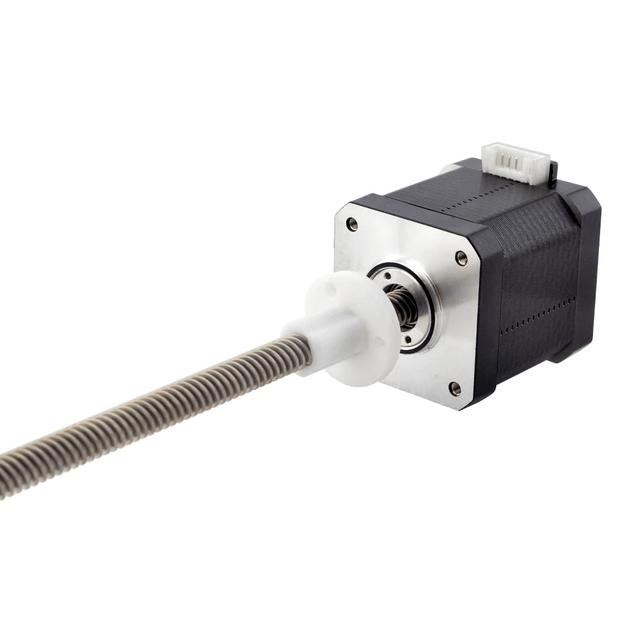
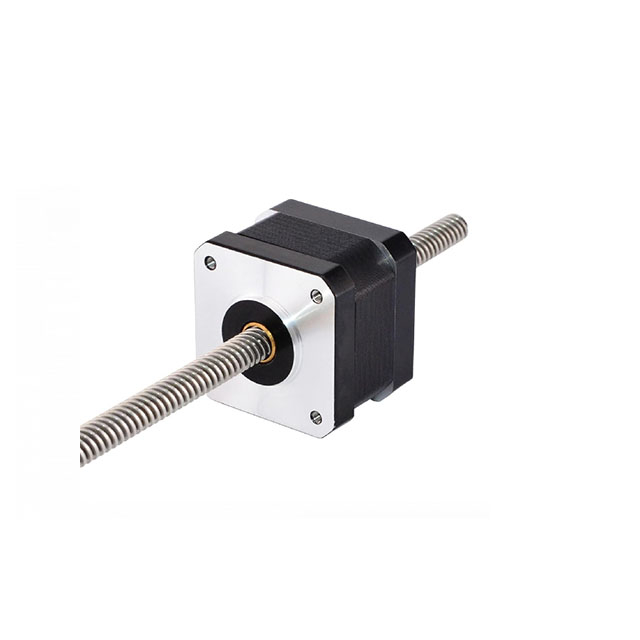
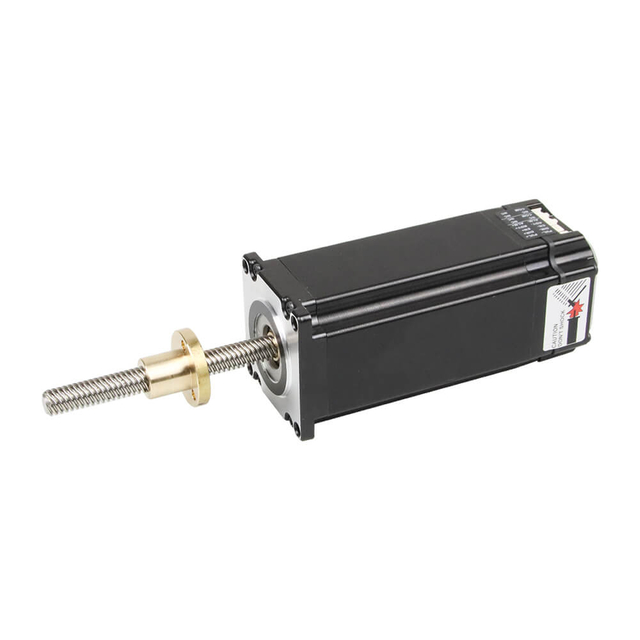
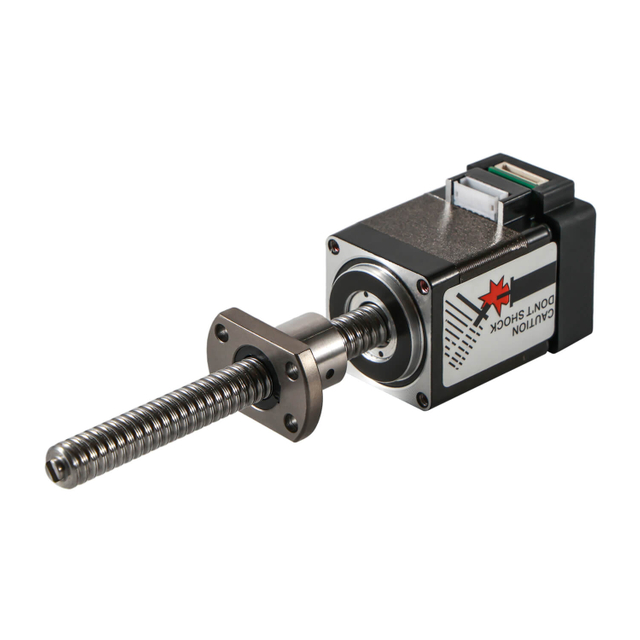
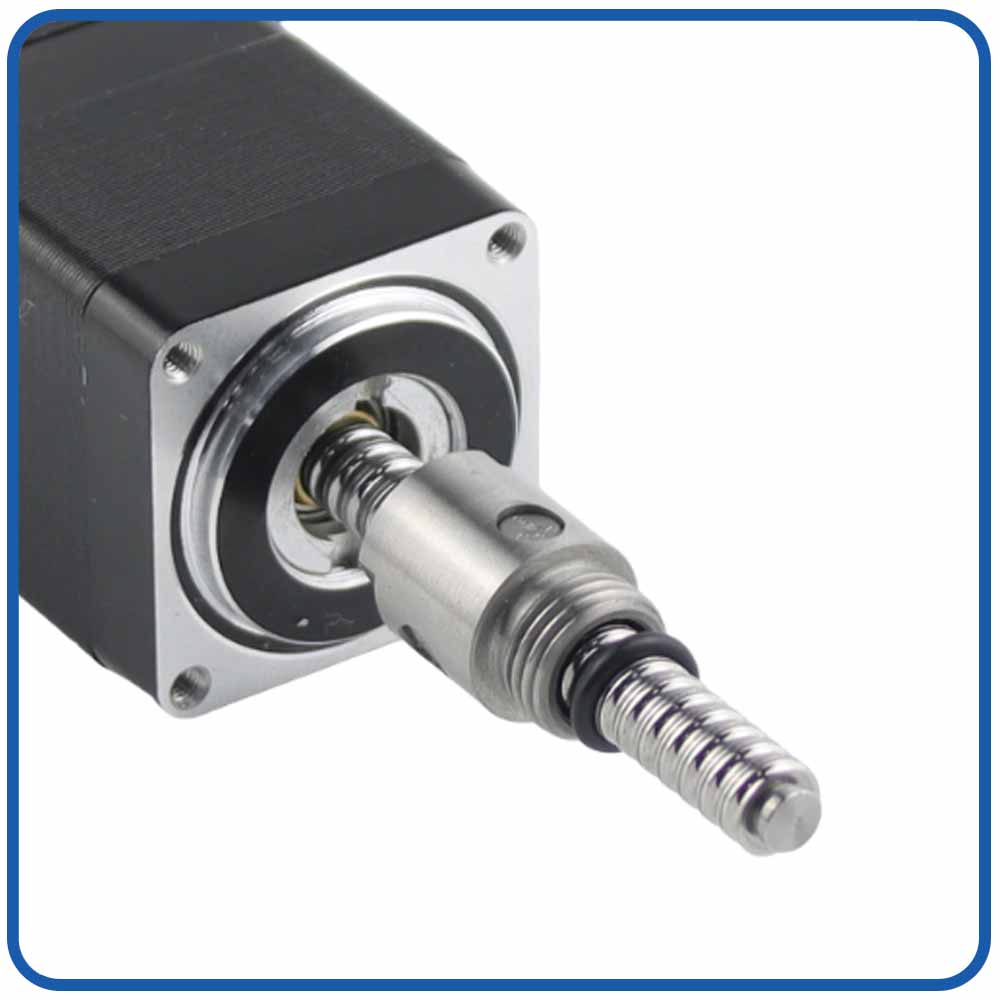
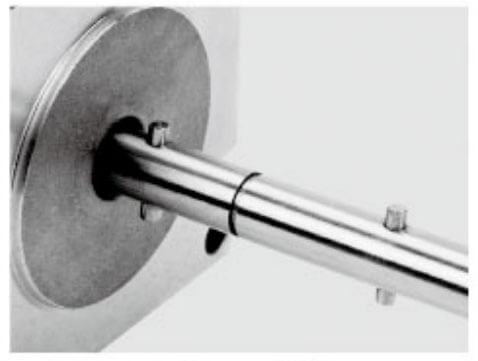
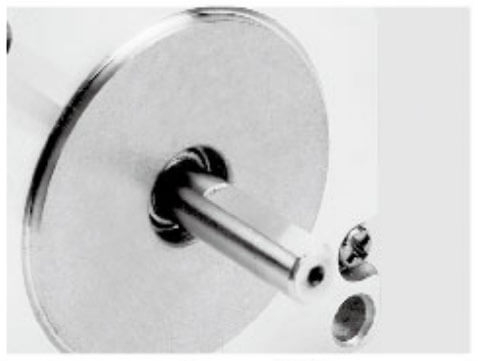
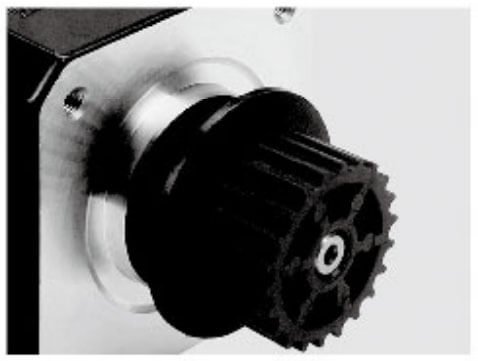
A linear stepper motor converts rotational motion into linear displacement internally, eliminating the need for mechanical transmission components such as lead screws or belts. In contrast, an electric linear actuator typically consists of a rotary motor (DC, AC, or servo) combined with a mechanical transmission system to generate linear motion.
Linear Stepper Motors: Precision Through Direct Drive
How Linear Stepper Motors Work
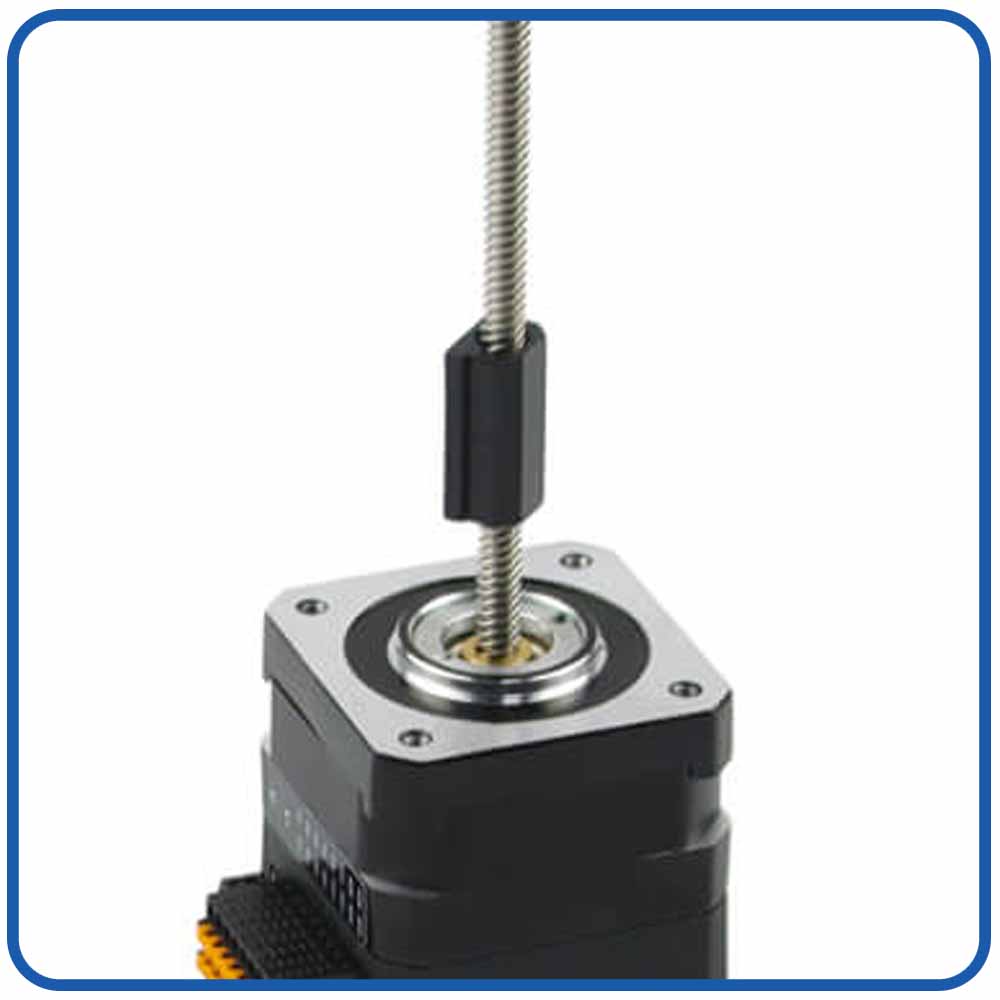
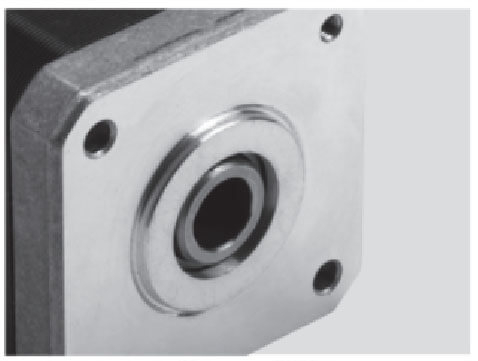
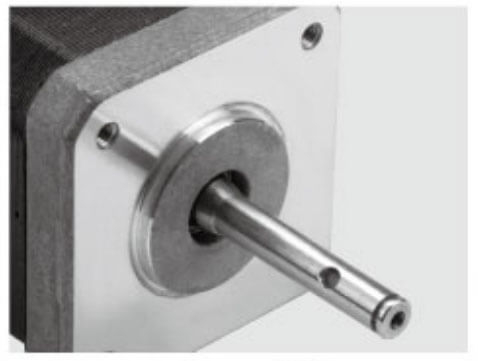
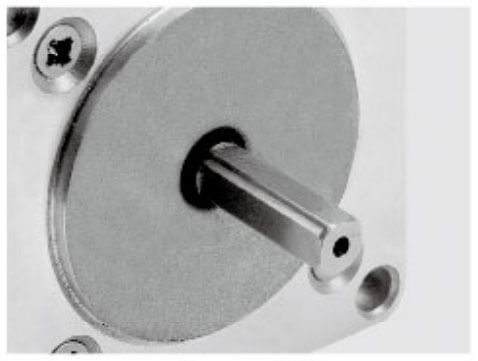
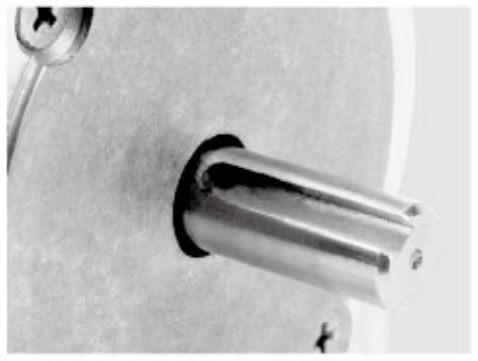
A linear stepper motor operates using electromagnetic fields to move a shaft or slider in precise increments. Unlike traditional rotary motors, it delivers direct linear motion without intermediate conversion mechanisms. This design inherently reduces backlash and improves positioning accuracy.
Key characteristics include:
High positioning accuracy due to step-based movement
Repeatable motion control without feedback systems (open-loop capability)
Compact and integrated structure
Minimal mechanical wear due to fewer moving parts
Advantages of Linear Stepper Motors
1. Exceptional Positioning Accuracy
Linear stepper motors excel in applications requiring micron-level precision, such as medical devices, semiconductor equipment, and laboratory automation.
2. Simplified Mechanical Design
With no need for couplings, screws, or gearboxes, system design becomes more compact and reliable.
3. Cost-Effective for Precision Applications
For short-stroke, high-precision tasks, linear steppers often deliver better cost-performance ratios than servo-based actuator systems.
4. Low Maintenance Requirements
Fewer mechanical components translate into reduced maintenance and longer operational life.
Limitations of Linear Stepper Motors
Limited force output compared to heavy-duty actuators
Efficiency decreases at higher speeds
Potential resonance issues if not properly controlled
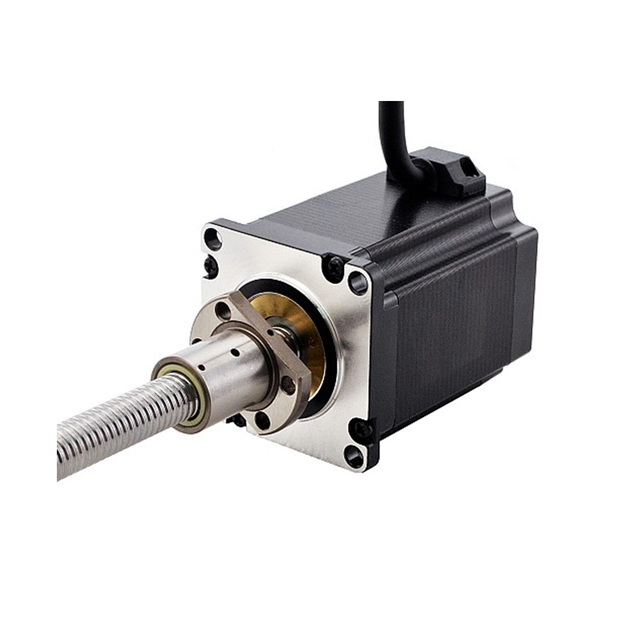
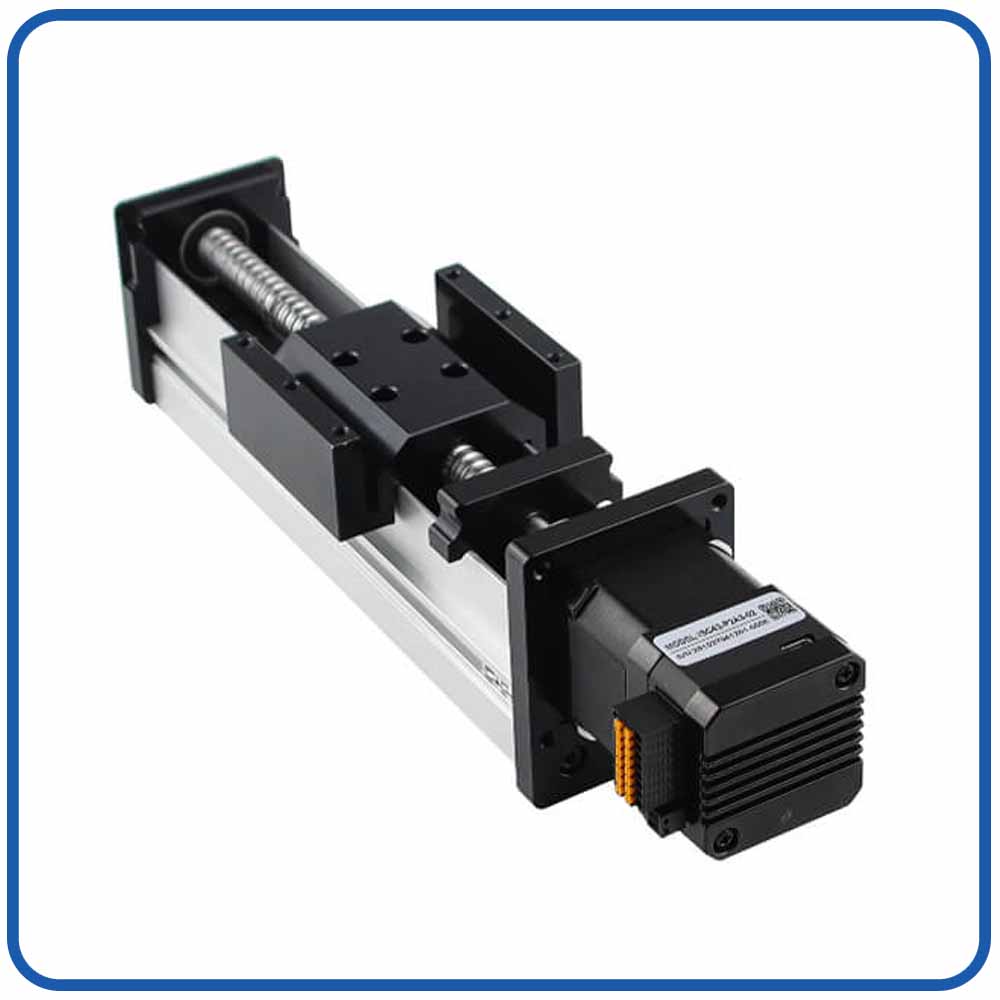
An electric linear actuator uses a motor-driven mechanism—typically a lead screw, ball screw, or belt system—to convert rotary motion into linear displacement. These systems are widely used in applications requiring higher force and longer stroke lengths.
Advantages of Electric Linear Actuators
1. High Load Capacity
Electric actuators are designed to handle heavy loads, making them ideal for industrial machinery, lifting systems, and automation lines.
2. Flexible Stroke Lengths
Unlike linear stepper motors, actuators can easily accommodate long travel distances, often exceeding several meters.
3. Wide Range of Motor Options
Electric actuators can integrate with DC motors, AC motors, or servo motors, allowing flexible performance tuning.
4. Robust Industrial Performance
These systems are built for harsh environments, offering durability in demanding conditions.
Selecting between a linear stepper motor and an electric linear actuator depends entirely on how the motion system will be used in real-world conditions. The right choice emerges when we align precision, load, speed, environment, and system complexity with the strengths of each technology.
1. Quick Selection Matrix by Application Type
Application Scenario
Recommended Solution
Reason
Medical dosing / pipetting systems
Linear Stepper Motor
Ultra-high precision and repeatability
Semiconductor wafer handling
Linear Stepper Motor
Clean, precise, compact motion
3D printing / micro-positioning
Linear Stepper Motor
Fine incremental control
Packaging machinery
Electric Linear Actuator
Higher force and continuous operation
Material handling / lifting systems
Electric Linear Actuator
Heavy load capability
Agricultural automation
Electric Linear Actuator
Long stroke and rugged design
Optical alignment systems
Linear Stepper Motor
Micron-level positioning accuracy
Industrial assembly lines
Electric Linear Actuator
Durability and scalability
2. Precision-Critical Applications
When applications demand tight tolerances and repeatable positioning, a linear stepper motor is typically the optimal solution.
Best-fit scenarios:
Laboratory stepper motor** is typically the optimal solution.
Best-fit scenarios:
Laboratory automation
Diagnostic and imaging devices
Microfluidics and life science equipment
Precision optics and laser systems
Why it works:
Direct linear motion eliminates backlash
Step-based control ensures consistent positioning
Compact design supports space-constrained systems
3. High-Load and Heavy-Duty Applications
For applications requiring significant force or load-bearing capability, electric linear actuators are the preferred choice.
Best-fit scenarios:
Industrial lifting platforms
Automated warehouses
Construction and agricultural machinery
Conveyor and sorting systems
Why it works:
Designed for high thrust output
Supports long stroke lengths
Compatible with servo systems for dynamic control
4. Short Stroke vs Long Stroke Requirements
Stroke length is often a decisive factor.
Stroke Requirement
Best Choice
Explanation
Short stroke (mm to a few hundred mm)
Linear Stepper Motor
Efficient, compact, precise
Long stroke (hundreds mm to meters)
Electric Linear Actuator
Mechanically suited for extended travel
5. Speed and Duty Cycle Considerations
Different motion profiles require different technologies.
Environmental factors significantly influence system reliability.
Environment
Recommended Solution
Key Advantage
Cleanroom / sterile environments
Linear Stepper Motor
Low contamination, minimal wear
Dusty / outdoor environments
Electric Linear Actuator
Sealed, rugged construction
High humidity / washdown areas
Electric Linear Actuator
Better protection (IP-rated designs)
Compact enclosed systems
Linear Stepper Motor
Space efficiency
7. Integration and System Complexity
System architecture plays a crucial role in component selection.
Linear Stepper Motor:
Easier integration with open-loop control
Fewer mechanical parts
Reduced assembly time
Electric Linear Actuator:
Requires mechanical alignment and assembly
Often paired with feedback systems
Greater flexibility in custom configurations
8. Cost vs Performance Optimization
Budget considerations should be aligned with performance expectations.
Priority
Recommended Option
Low cost + high precision (short travel)
Linear Stepper Motor
High power + long-term durability
Electric Linear Actuator
Balanced performance with flexibility
Actuator with servo system
Final Selection Logic
To determine the correct solution, we focus on the dominant requirement:
Choose a linear stepper motor when the priority is precision, compactness, and simplicity.
Choose an electric linear actuator when the priority is force, stroke length, and robustness.
When specifications overlap, the decision should be guided by load demands, motion profile, and environmental conditions, ensuring optimal system performance and long-term reliability.
Precision vs Power: The Key Decision Factor
In linear motion system design, the most critical trade-off is between precision and power. Choosing incorrectly doesn’t just reduce performance—it can introduce instability, increase costs, and shorten equipment lifespan. The decision must be anchored in which requirement dominates the application.
1. What “Precision” Really Means in Motion Control
Precision is not a single metric. It is a combination of:
Positioning accuracy (how close the system gets to the target position)
Repeatability (ability to return to the same position consistently)
Resolution (smallest incremental movement possible)
Linear stepper motors are engineered to excel in all three areas.
Key strengths:
Step-based movement enables predictable, incremental positioning
Direct drive eliminates mechanical backlash
High repeatability without requiring feedback systems
Typical precision range: micron-level positioning in controlled environments
Servo-driven linear actuators with high-resolution encoders
Ball screw actuators with minimized backlash
Hybrid Approach
Benefit
Closed-loop steppers
Improved reliability without losing simplicity
Servo actuators
High force with enhanced positioning accuracy
Precision ball screws
Reduced backlash in high-load systems
These solutions are ideal when applications demand both controlled accuracy and moderate force.
Final Insight
The decision between precision and power is not about choosing the “better” technology—it is about selecting the right tool for the dominant requirement.
Precision-driven systems demand control, repeatability, and compact design—best served by linear stepper motors.
Power-driven systems require strength, durability, and long-range motion—best delivered by electric linear actuators.
Aligning your choice with this principle ensures maximum efficiency, reliability, and performance across any linear motion application.
Integration Considerations for OEMs and Engineers
Control Systems
Linear stepper motors typically operate in open-loop systems, simplifying control architecture.
Linear steppers offer space-saving designs, ideal for compact equipment.
Electric actuators require additional space for mechanical assemblies and motor housing.
Energy Efficiency
Linear stepper motors are efficient for intermittent, precise movements.
Electric actuators are more suitable for continuous, high-load operations.
Future Trends in Linear Motion Technology
The landscape of linear motion technology is evolving rapidly, driven by the increasing demand for precision, efficiency, and intelligent automation. Both linear stepper motors and electric linear actuators are undergoing significant advancements, reshaping how engineers design next-generation systems.
1. Smart Motion Systems and IoT Integration
Modern linear motion devices are no longer standalone components. They are becoming part of connected ecosystems.
Key Developments:
Embedded sensors for real-time position, temperature, and load monitoring
Integration with Industrial IoT (IIoT) platforms
Predictive maintenance using data analytics
Impact:
Reduced downtime through early fault detection
Improved system optimization via data-driven insights
Seamless integration into smart factories
2. Miniaturization Without Performance Loss
As industries such as medical devices, robotics, and semiconductor equipment advance, there is growing demand for compact yet powerful motion solutions.
Trend
Description
Benefit
Micro Linear Steppers
Smaller form factors with high precision
Ideal for lab automation and optics
Compact Actuators
High force density in reduced size
Space-saving machine design
Integrated Designs
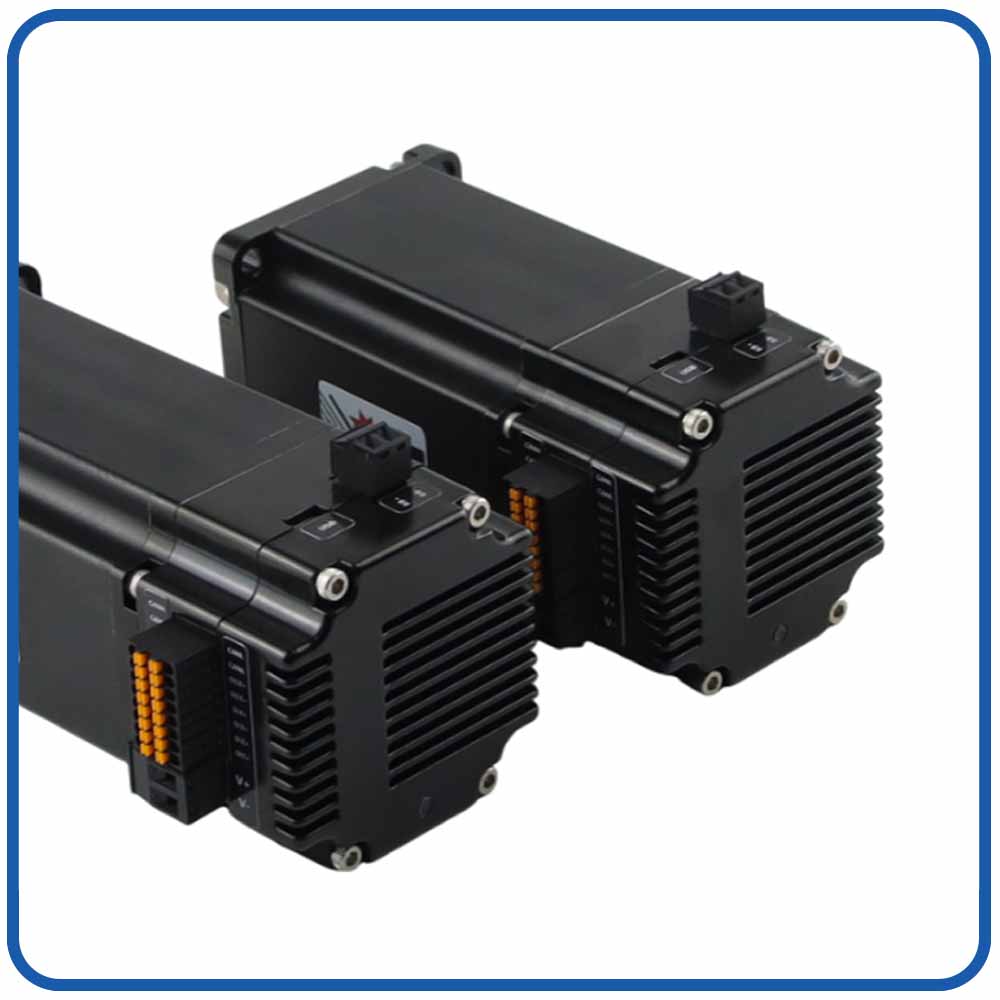
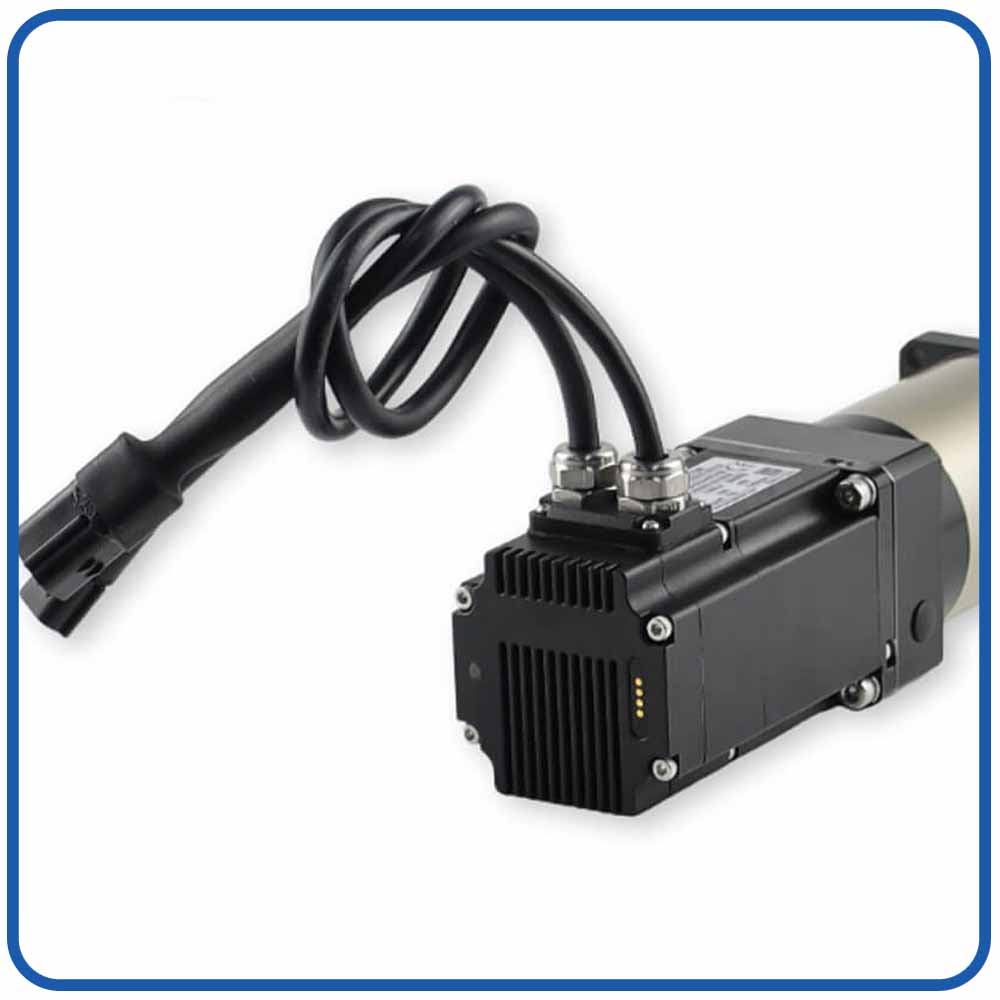
Motor, drive, and screw in one unit
Simplified installation
Result: Engineers can achieve higher performance in tighter spaces without sacrificing accuracy or القوة.
3. Increased Focus on Energy Efficiency
Energy consumption is becoming a critical design factor in automation systems.
Innovations Include:
Low-power drive electronics
Optimized electromagnetic designs
Intelligent motion control algorithms
Comparison Insight:
Technology
Efficiency Trend
Linear Stepper Motors
Improved for intermittent, precision tasks
Electric Actuators
Enhanced for continuous, load-heavy operations
Outcome: Lower operational costs and improved sustainability compliance.
4. Customization and Modular Design
Manufacturers are moving toward modular and highly customizable solutions.
Feature
Linear Stepper Motors
Electric Linear Actuators
Customization Level
High (stroke, nut, shaft options)
Very high (motor, screw, housing)
Modularity
Integrated compact units
Configurable multi-component systems
Industry Adaptability
Precision industries
Heavy-duty and industrial sectors
Trend Direction: Faster deployment and easier scalability for OEMs.
Outlook: Where Linear Motion Is Heading
The future of linear motion technology is defined by intelligence, integration, and efficiency.
Linear stepper motors will continue dominating high-precision, compact applications with smarter control and feedback capabilities.
Electric linear actuators will evolve into more powerful, efficient, and configurable systems, ideal for demanding industrial environments.
The convergence of these technologies, supported by AI, IoT, and advanced materials, will enable a new generation of adaptive, high-performance automation systems that are both precise and powerful.
Final Recommendation
Choosing between a linear stepper motor and an electric linear actuator should never be based on general assumptions. Instead, the decision must align with specific application requirements, including precision, load, speed, and system complexity.
For engineers and machine builders seeking high-precision, compact, and low-maintenance solutions, linear stepper motors represent a highly efficient choice. Conversely, for applications demanding strength, durability, and long-range motion, electric linear actuators remain the industry standard.
By aligning your selection with performance priorities, you ensure optimal efficiency, reliability, and long-term value in your motion control system.

 English
 العربية
 Français
 Русский
 Español
 Português
 Deutsch
 italiano
 日本語
日本語 한국어
한국어 Nederlands
 Tiếng Việt
 ไทย
ไทย Polski
 Türkçe
 ພາສາລາວ
 ភាសាខ្មែរ
 Bahasa Melayu
 ဗမာစာ
ဗမာစာ Filipino
 Bahasa Indonesia
 magyar
 Română
 Čeština
 Монгол
 қазақ
қазақ Српски
 हिन्दी
 فارسی
فارسی Slovenčina
 Slovenščina
 Norsk
Norsk Svenska
 українська
 Ελληνικά
 Suomi
Suomi Հայերեն
 עברית
עברית Latine
 Dansk
Dansk Shqip
Shqip বাংলা
বাংলা Hrvatski
 Afrikaans
 Gaeilge
 Eesti keel
 Oʻzbekcha
 latviešu
 Azərbaycan dili
 Български
 Català