Laboratory automation is rapidly transforming modern research, diagnostics, pharmaceutical production, and biotechnology workflows. As laboratories increasingly rely on robotic systems to handle delicate samples, perform repetitive procedures, and maintain consistent precision, positioning accuracy becomes one of the most critical performance metrics. Even minor positioning deviations can result in sample contamination, inaccurate measurements, workflow interruptions, or costly experimental failures.
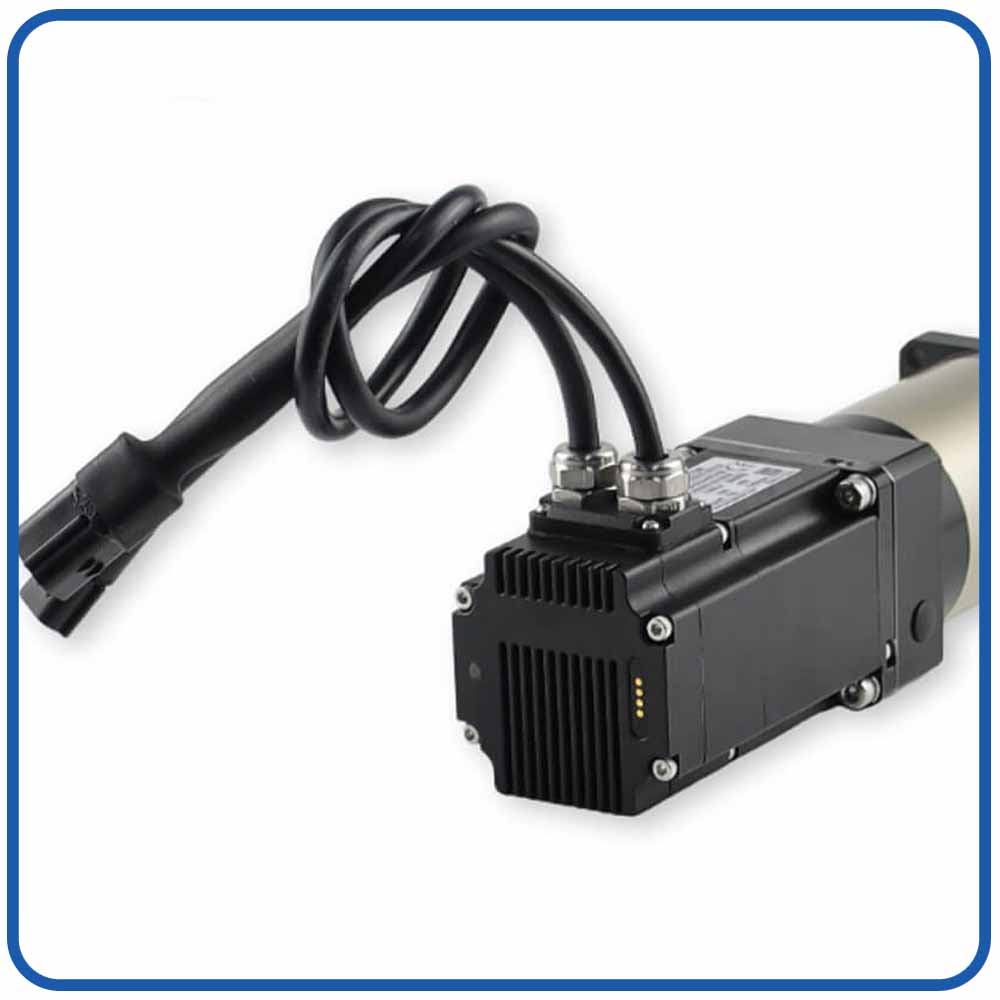
To address these challenges, Integrated Servo Motors have emerged as a key enabling technology for lab automation robots. By combining motor, drive, encoder, and controller into a compact, unified unit, integrated servo motors deliver superior positioning accuracy, improved repeatability, faster response times, and enhanced system reliability.
In this article, we explore how integrated servo motors significantly improve positioning accuracy in laboratory automation robots, and why they are becoming the preferred motion control solution for advanced laboratory automation systems.
Understanding Positioning Accuracy in Lab Automation Robots
Positioning accuracy in laboratory robots refers to the ability of robotic systems to move precisely to a defined coordinate repeatedly without deviation. In laboratory environments, this precision directly impacts:
Liquid handling accuracy
Sample placement precision
Micropipetting reliability
Automated plate handling
Microscope positioning
Robotic arm coordination
High-throughput screening consistency
Traditional motion systems often struggle with mechanical backlash, signal delays, and complex wiring, which can degrade positioning accuracy over time. Integrated servo motors eliminate these limitations, offering a high-performance motion control architecture designed specifically for precision-sensitive applications.
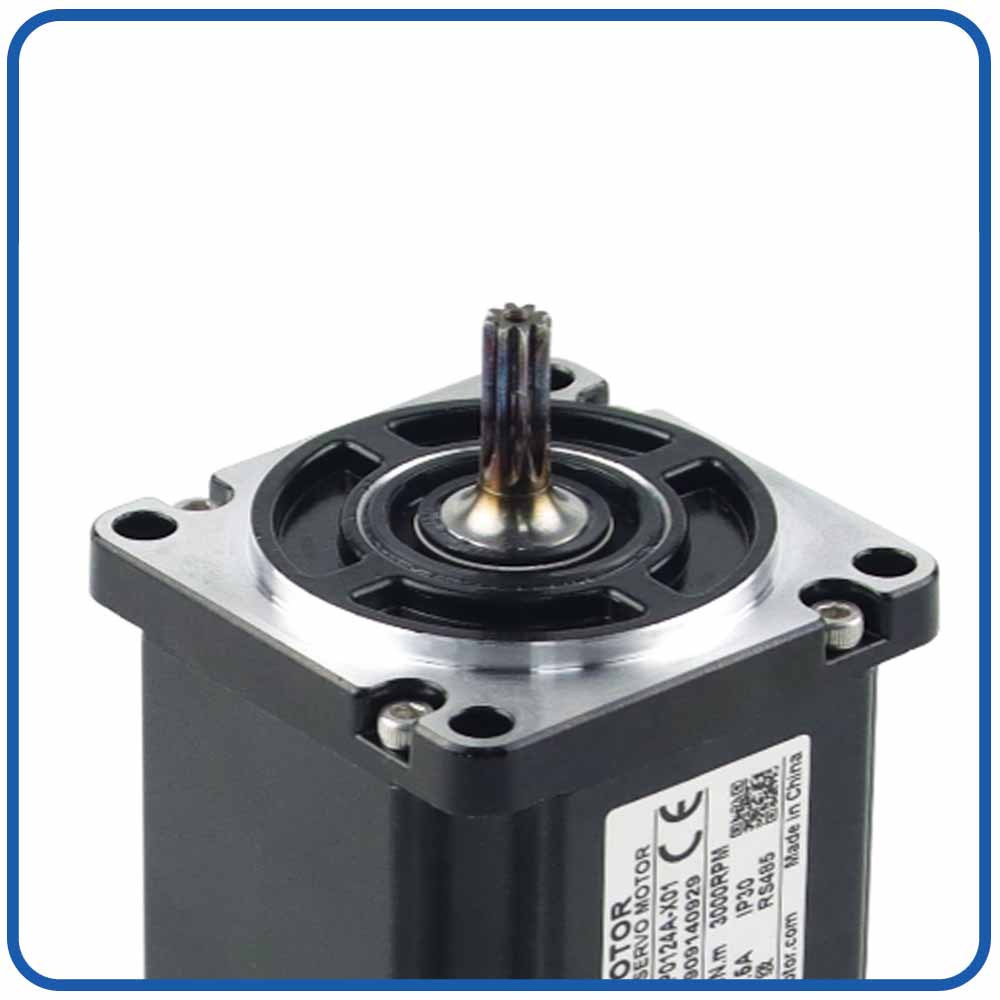
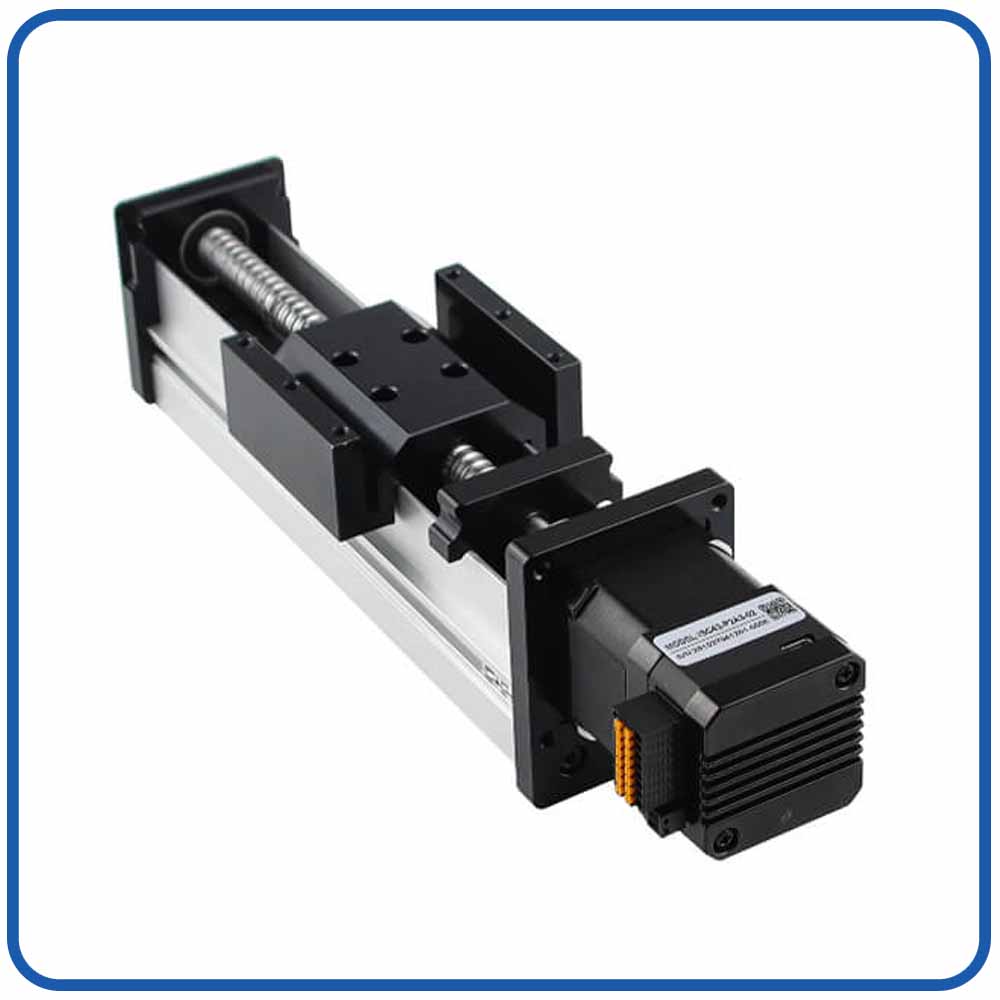
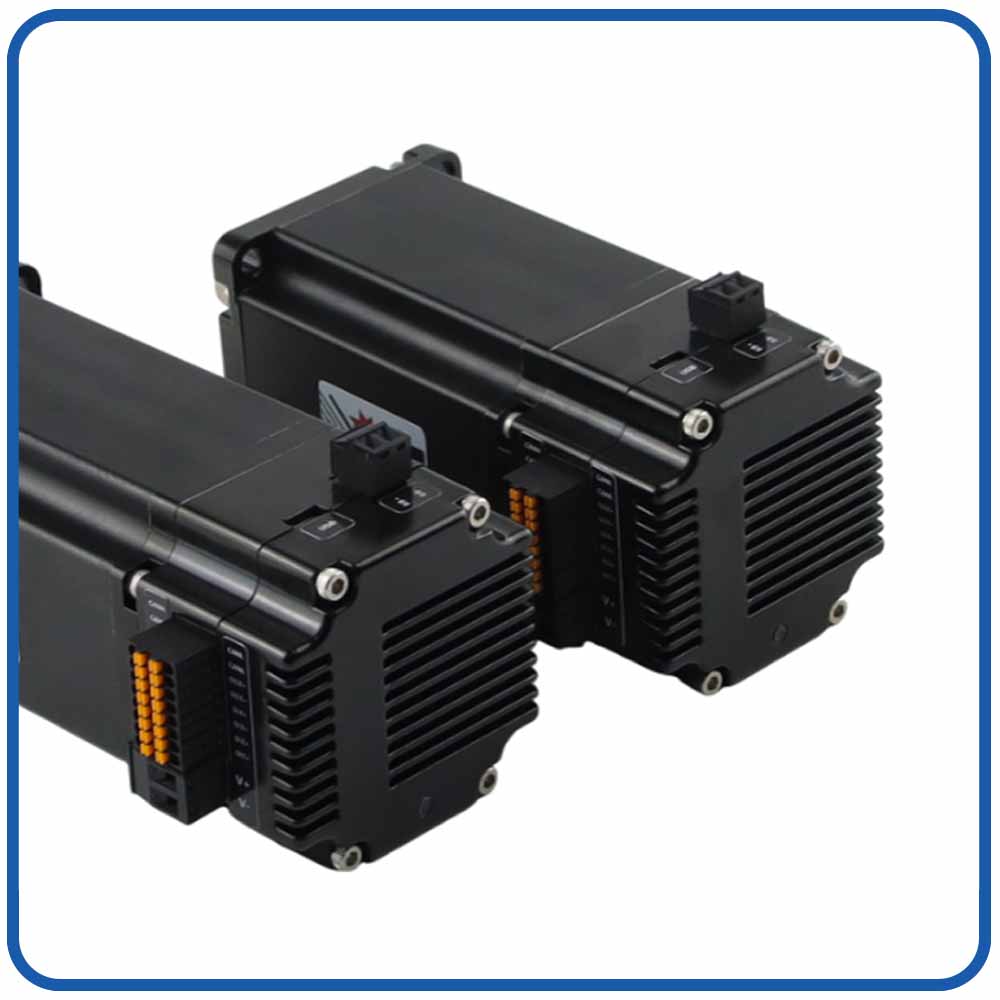
Integrated servo motors are compact motion control units that combine multiple components into a single housing, including:
Servo Motor
Servo Drive
High-Resolution Encoder
Motion Controller
Communication Interface
This all-in-one architecture significantly reduces signal latency, electrical interference, and mechanical alignment errors, all of which contribute to improved positioning accuracy.
One of the most significant advantages of integrated servo motors is the built-in high-resolution encoder. These encoders provide real-time feedback on motor position, speed, and torque.
Benefits of High-Resolution Feedback
Sub-micron positioning accuracy
Real-time error correction
Improved repeatability
Enhanced motion smoothness
Reduced overshoot
Laboratory robots handling microplates, test tubes, or liquid samples require extremely precise movements. Integrated servo motors continuously monitor position data and instantly adjust motion, ensuring accurate and repeatable positioning every cycle.
This capability is particularly important in:
Automated pipetting systems
DNA sequencing equipment
Sample sorting robots
Laboratory transport robots
Reduced Signal Latency Improves Motion Control Accuracy
Traditional servo systems rely on separate controllers, drives, and motors, connected through long cables. This architecture introduces:
Signal delay
Communication lag
Electrical interference
Synchronization errors
Integrated servo motors eliminate these issues by placing all control components within the motor housing.
Advantages of Reduced Signal Latency
Faster command execution
Immediate feedback response
Improved synchronization
Reduced positioning errors
In high-speed laboratory automation systems, milliseconds matter. Integrated servo motors ensure precise motion execution even at high operating speeds, significantly improving robot positioning performance.
Compact Design Minimizes Mechanical Vibration
Mechanical vibration is a major contributor to positioning inaccuracies in lab automation robots. Integrated servo motors feature compact, lightweight designs that reduce vibration and improve stability.
How Compact Design Enhances Accuracy
Reduced mechanical inertia
Improved structural rigidity
Lower resonance frequency
Smooth motion control
These features are essential for:
Automated microscope positioning
Precision dispensing robots
Sample handling arms
Laboratory conveyor systems
By minimizing vibration, integrated servo motors ensure stable, repeatable, and accurate positioning.
Closed-Loop Control Improves Repeatability
Closed-loop control technology is one of the most important advantages of integrated servo motors in laboratory automation robots. This advanced control method continuously monitors motor performance and automatically adjusts movement in real time, ensuring exceptional repeatability and positioning consistency.
Unlike open-loop systems, which execute commands without verifying actual movement, closed-loop systems use encoder feedback to compare commanded positions with actual positions. If any deviation occurs, the integrated servo motor instantly corrects the motion, maintaining high precision throughout operation.
How Closed-Loop Control Enhances Repeatability
Closed-loop control improves robotic performance in several key ways:
Real-time position correction — Ensures accurate placement every cycle
Automatic error compensation — Reduces mechanical and environmental influence
Consistent movement accuracy — Maintains precision during repetitive tasks
Reduced positioning drift — Prevents accuracy degradation over time
These capabilities are essential in laboratory automation where robots must perform thousands or even millions of repetitive movements with minimal variation.
Importance of Repeatability in Lab Automation Robots
Repeatability is critical in many laboratory processes, including:
Automated liquid handling and pipetting
Sample loading and unloading
Microplate positioning
Test tube sorting
Laboratory storage and retrieval
Precision dispensing systems
For example, in automated pipetting systems, even a slight positioning deviation can affect liquid volume accuracy. Integrated servo motors with closed-loop control ensure consistent positioning accuracy, allowing robotic systems to deliver precise results every time.
Encoder Feedback Enables High Repeatability
Integrated servo motors typically include high-resolution encoders that provide continuous motion feedback. This allows the system to:
Detect micro-level positioning errors
Adjust speed and torque dynamically
Maintain consistent positioning under varying loads
Improve multi-axis coordination
This real-time feedback ensures that each robotic movement remains identical, even under changing operational conditions.
Benefits for Continuous Laboratory Operation
Laboratory automation systems often run 24/7 in high-throughput environments. Closed-loop control helps maintain repeatability by:
Reducing thermal drift
Compensating for mechanical wear
Maintaining long-term accuracy
Minimizing recalibration requirements
These benefits improve system reliability, operational efficiency, and experimental consistency.
Closed-Loop Control in Multi-Axis Lab Robots
Modern laboratory robots frequently operate with multiple axes, such as robotic arms or gantry systems. Closed-loop control enables:
Precise multi-axis synchronization
Smooth coordinated movements
Reduced collision risk
Improved path accuracy
This level of precision is essential for complex laboratory automation tasks, including sample transfers, microscope positioning, and automated testing.
Why Closed-Loop Control Matters
By implementing closed-loop control, integrated servo motors provide:
High repeatability
Improved positioning accuracy
Real-time error correction
Consistent robotic performance
Enhanced reliability
These advantages make integrated servo motors the ideal solution for precision-driven laboratory automation robots, where repeatability and accuracy are essential for reliable results.
Improved Synchronization in Multi-Axis Robot Systems
Modern lab automation robots often require multi-axis coordination. Integrated servo motors provide precise synchronization between multiple motion axes.
Multi-Axis Synchronization Advantages
Accurate robotic arm movement
Coordinated sample handling
Smooth trajectory control
Reduced collision risk
Integrated servo motors support advanced communication protocols, including:
EtherCAT
CANopen
Modbus
Ethernet/IP
These communication capabilities enable precise coordination across multiple robotic axes, ensuring accurate and efficient laboratory automation operations.
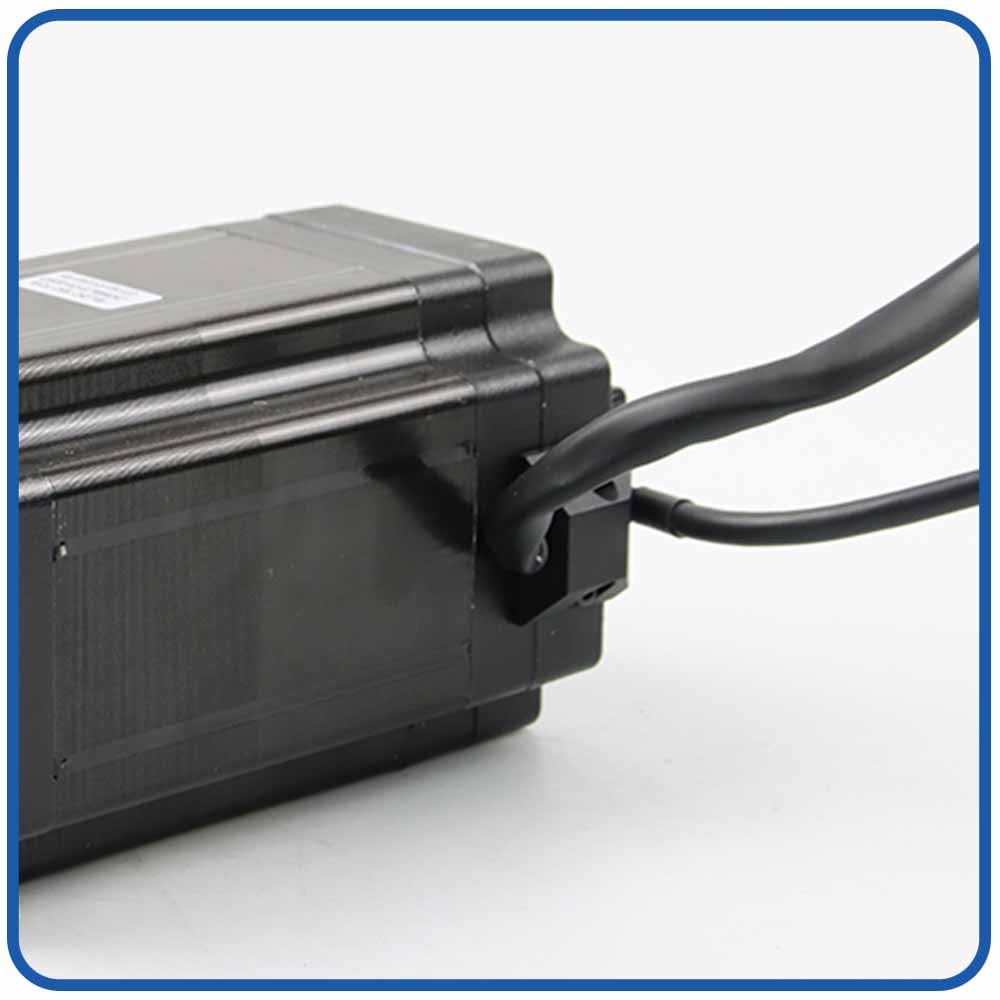
Reduced Wiring Enhances Signal Integrity
Traditional servo systems require complex wiring, increasing the risk of:
Signal interference
Connection failures
Maintenance issues
Installation complexity
Integrated servo motorsreduce wiring significantly, improving signal integrity and positioning accuracy.
Benefits of Reduced Wiring
Lower electrical noise
Faster installation
Improved reliability
Simplified maintenance
This streamlined design is ideal for compact laboratory equipment where space and reliability are critical.
Fast Dynamic Response for High-Speed Lab Automation
Laboratory automation robots must perform rapid movements without sacrificing accuracy. Integrated servo motors deliver fast acceleration and deceleration with precise control.
Dynamic Response Benefits
Faster cycle times
Improved productivity
Accurate high-speed motion
Reduced positioning errors
These capabilities are crucial for:
Automated liquid handling systems
Robotic sample transport
Pharmaceutical testing robots
Clinical laboratory automation
Enhanced Reliability for Continuous Operation
Laboratory automation systems often operate 24/7. Integrated servo motors provide high reliability and long operational life.
Reliability Features
Fewer components
Reduced wiring failures
Lower heat generation
Built-in protection systems
This reliability ensures consistent positioning accuracy over long operational periods, reducing downtime and maintenance costs.
Applications of Integrated Servo Motors in Lab Automation Robots
Integrated servo motors are widely used in:
Automated pipetting robots
Microplate handling systems
Sample sorting robots
Laboratory transport robots
DNA sequencing automation
Clinical testing equipment
Pharmaceutical automation systems
Laboratory storage and retrieval robots
Each of these applications benefits from high positioning accuracy, improved repeatability, and fast response times.
Future Trends in Integrated Servo Motors for Laboratory Automation
Laboratory automation continues to evolve toward higher precision, faster throughput, and smarter robotics systems. As a result, integrated servo motors are also advancing rapidly to meet the growing demands of modern laboratories. Emerging technologies such as AI-driven control, miniaturization, high-resolution feedback, and smart connectivity are shaping the future of motion control in laboratory automation robots.
These innovations are designed to improve positioning accuracy, reliability, efficiency, and flexibility, enabling laboratories to achieve greater productivity and consistent experimental outcomes.
Smarter Motion Control with AI and Intelligent Algorithms
One of the most significant future trends in integrated servo motors is the integration of Artificial Intelligence (AI) and advanced motion control algorithms. These intelligent systems allow servo motors to automatically optimize performance based on real-time operating conditions.
AI-Driven Motion Control Benefits
Self-tuning motion parameters
Adaptive positioning accuracy
Automatic load compensation
Reduced vibration and overshoot
Optimized acceleration and deceleration
For laboratory automation robots, this means higher repeatability and more consistent performance, even when handling different sample types or operating under varying conditions. AI-enabled servo motors can learn from previous motion cycles and continuously improve accuracy over time.
This advancement is particularly valuable for:
Automated liquid handling robots
Sample sorting systems
Laboratory transport robots
High-throughput screening platforms
Higher Resolution Encoders for Ultra-Precision Positioning
Future integrated servo motors will feature next-generation high-resolution encoders, delivering ultra-precise positioning accuracy. As laboratory automation tasks become more delicate and complex, sub-micron positioning capabilities will become increasingly important.
Advantages of High-Resolution Encoders
Improved positioning precision
Enhanced repeatability
Reduced motion errors
Better multi-axis synchronization
Improved robotic stability
These improvements are essential for applications such as:
DNA sequencing automation
Microscopy positioning systems
Microfluidic handling robots
Pharmaceutical testing equipment
With higher-resolution encoder feedback, integrated servo motors will provide extreme accuracy required for advanced laboratory processes.
Miniaturization for Compact Laboratory Equipment
Laboratory automation systems are becoming smaller, more compact, and space-efficient. Integrated servo motor manufacturers are responding by developing miniaturized, high-performance servo motors that deliver high torque in smaller footprints.
Benefits of Miniaturized Integrated Servo Motors
Reduced robot size
Improved system flexibility
Lightweight robotic arms
Faster response times
Lower energy consumption
Compact servo motors enable more flexible robotic designs, making them ideal for:
Desktop laboratory robots
Compact diagnostic machines
Microplate handling systems
Portable laboratory automation devices
Miniaturization also improves thermal management and energy efficiency, further enhancing system reliability.
Smart Connectivity and Industry 4.0 Integration
The future of laboratory automation is closely linked to Industry 4.0 and smart manufacturing technologies. Integrated servo motors are increasingly equipped with advanced communication interfaces and smart connectivity features.
Smart Connectivity Features
EtherCAT communication
CANopen support
Ethernet/IP connectivity
Real-time data monitoring
Remote diagnostics and control
These capabilities allow integrated servo motors to connect seamlessly with laboratory management systems, improving automation efficiency and system coordination.
Smart connectivity enables:
Remote monitoring of robot performance
Predictive maintenance scheduling
Real-time motion optimization
Improved system diagnostics
These features help laboratories reduce downtime and improve operational efficiency.
Predictive Maintenance and Smart Diagnostics
Future integrated servo motors will incorporate predictive maintenance capabilities using built-in sensors and diagnostic software. These systems monitor temperature, vibration, load, and operational data to detect potential issues before they cause failures.
Predictive Maintenance Advantages
Reduced unexpected downtime
Lower maintenance costs
Improved system reliability
Extended motor lifespan
Continuous performance optimization
For laboratory automation robots operating 24/7, predictive maintenance ensures consistent positioning accuracy and reliable operation.
This technology is especially beneficial in:
Clinical laboratories
Pharmaceutical production facilities
High-throughput research laboratories
Biotechnology automation systems
Energy-Efficient Integrated Servo Motor Designs
Energy efficiency is becoming a major focus in laboratory automation. Future integrated servo motors will feature advanced energy-saving technologies.
Energy Efficiency Improvements
Optimized motor winding designs
Smart power management
Reduced heat generation
High-efficiency drive electronics
Regenerative braking systems
These innovations reduce operating costs while maintaining high positioning accuracy and performance.
Energy-efficient servo motors also contribute to:
Sustainable laboratory operations
Reduced equipment cooling requirements
Improved long-term reliability
Enhanced Multi-Axis Synchronization
Laboratory robots increasingly rely on multi-axis motion systems. Future integrated servo motors will offer enhanced synchronization capabilities for complex robotic movements.
Multi-Axis Motion Benefits
Improved robotic coordination
Smooth trajectory control
Faster cycle times
Reduced mechanical stress
Higher positioning accuracy
This is particularly important for:
Robotic arms
Gantry systems
Automated sample handling
Laboratory transport robots
Improved synchronization enables more complex automation workflows, increasing laboratory productivity.
Customizable Integrated Servo Motor Solutions
Customization is becoming a major trend in laboratory automation. Manufacturers are developing application-specific integrated servo motors tailored to laboratory robot requirements.
Collaborative robots (cobots) are becoming more common in laboratories. Integrated servo motors designed for safe and smooth human-robot interaction will play an important role.
Collaborative Robot Advantages
Smooth motion control
Safe operation
Precise force control
Quiet operation
These features allow robots to work alongside laboratory staff safely and efficiently.
Conclusion
The future of integrated servo motors in laboratory automation is driven by AI intelligence, miniaturization, smart connectivity, predictive maintenance, and ultra-precision positioning technologies. These advancements will significantly improve accuracy, reliability, efficiency, and flexibility in laboratory automation robots.
As laboratories continue to adopt advanced robotics, integrated servo motors will remain a core motion control solution, enabling next-generation laboratory automation systems to deliver higher precision, faster performance, and smarter operation.
Why Integrated Servo Motors Are the Ideal Choice for Lab Automation Robots
Integrated servo motors provide:
Superior positioning accuracy
Compact design
Reduced wiring complexity
High-speed response
Improved reliability
Multi-axis synchronization
Closed-loop control precision
These advantages make integrated servo motors the preferred motion control solution for modern laboratory automation systems.
Conclusion
Integrated servo motors play a critical role in improving positioning accuracy, repeatability, and performance in lab automation robots. By combining advanced control technology, compact architecture, and high-resolution feedback, these motors enable precise and reliable robotic motion required for modern laboratory environments.
As laboratory automation continues to expand across biotechnology, pharmaceuticals, and clinical diagnostics, integrated servo motors will remain a core technology driving accuracy, efficiency, and innovation in next-generation lab automation robots.

 English
 العربية
 Français
 Русский
 Español
 Português
 Deutsch
 italiano
 日本語
日本語 한국어
한국어 Nederlands
 Tiếng Việt
 ไทย
ไทย Polski
 Türkçe
 ພາສາລາວ
 ភាសាខ្មែរ
 Bahasa Melayu
 ဗမာစာ
ဗမာစာ Filipino
 Bahasa Indonesia
 magyar
 Română
 Čeština
 Монгол
 қазақ
қазақ Српски
 हिन्दी
 فارسی
فارسی Slovenčina
 Slovenščina
 Norsk
Norsk Svenska
 українська
 Ελληνικά
 Suomi
Suomi Հայերեն
 עברית
עברית Latine
 Dansk
Dansk Shqip
Shqip বাংলা
বাংলা Hrvatski
 Afrikaans
 Gaeilge
 Eesti keel
 Oʻzbekcha
 latviešu
 Azərbaycan dili
 Български
 Català