Bottom Line: The Z-axis is the heart of every pick-and-place machine, and linear stepper motors provide the most compact, precise, and cost-effective solution for this vertical motion. By eliminating rotary-to-linear conversion components, linear steppers deliver higher placement accuracy, better multi-head density, and simplified machine design.
In SMT assembly and desktop pick-and-place machines, the Z-axis determines placement accuracy, component safety, and cycle time. Traditional rotary motors struggle with backlash, alignment, and footprint limitations. Linear stepper motors solve these engineering constraints with direct-drive precision and compact integration, making them the preferred choice for modern pick-and-place systems.
1. The Core Challenge of the Z-Axis in Pick-and-Place
The "Soft Touch" Requirement
Pick-and-place machines must pick fragile components and place them with controlled force and micro-level depth precision. SMT components such as 0402, 0201, and micro-BGA packages are extremely sensitive to vertical pressure.
Z-axis challenges include:
Precise depth control to avoid component damage
Soft landing capability to prevent board impact
Repeatable vertical motion for consistent placement
Fast cycle speed without sacrificing accuracy
Traditional rotary stepper + lead screw assemblies introduce multiple mechanical issues:
Backlash from couplings and nuts
Misalignment during assembly
Increased vertical height
Higher maintenance requirements
Each additional mechanical interface reduces repeatability and increases tolerance stack-up, directly affecting placement yield.
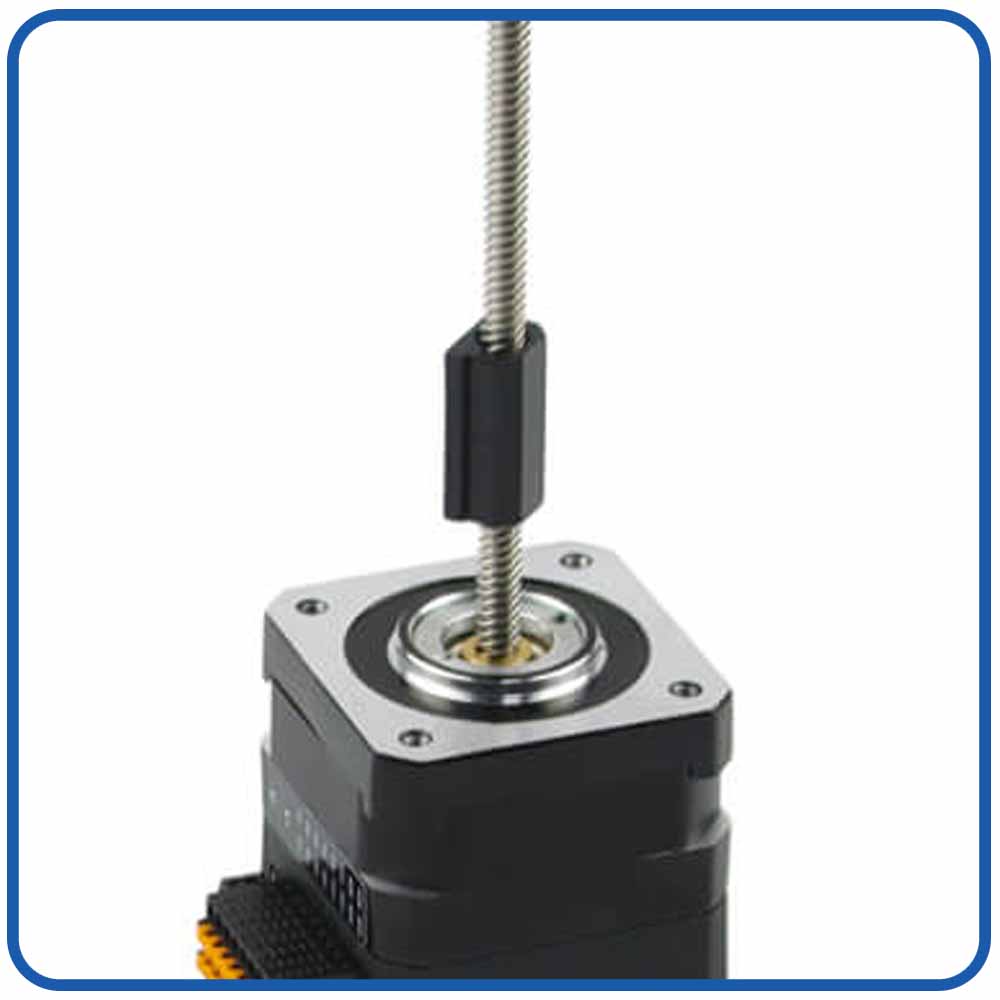
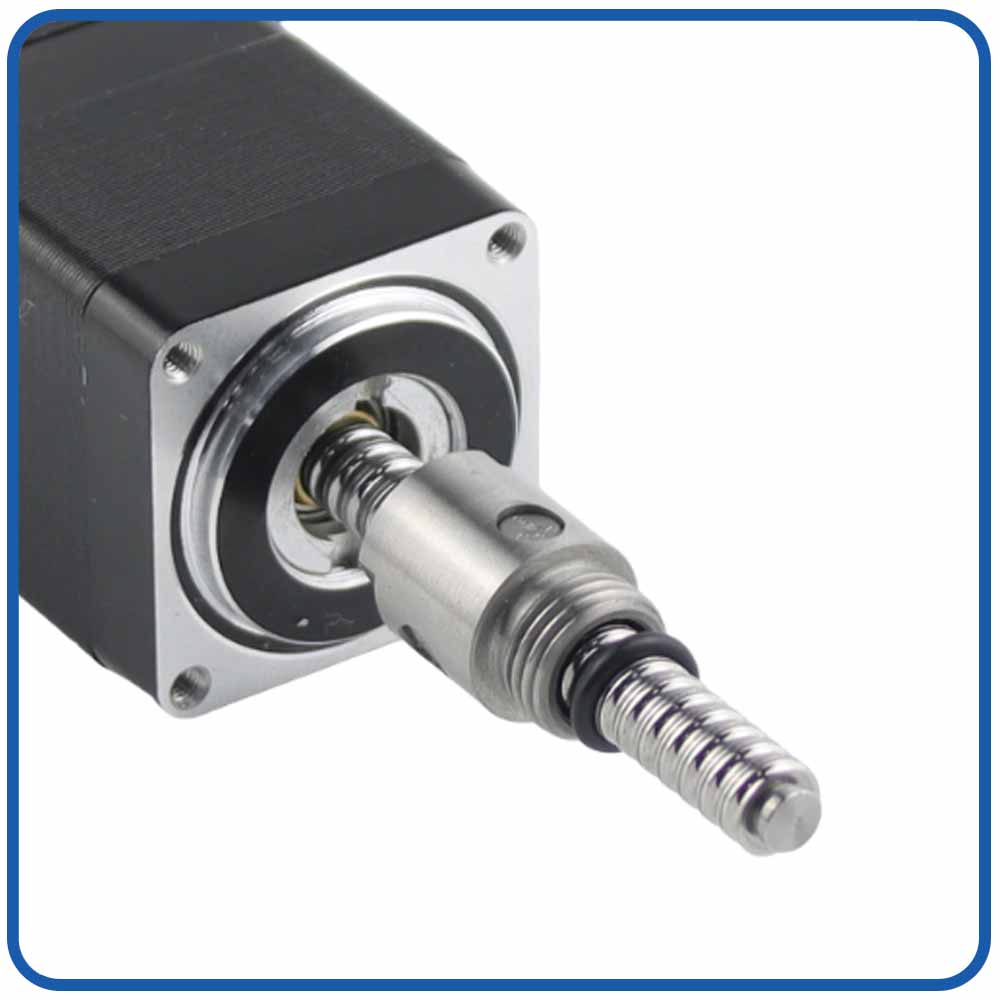
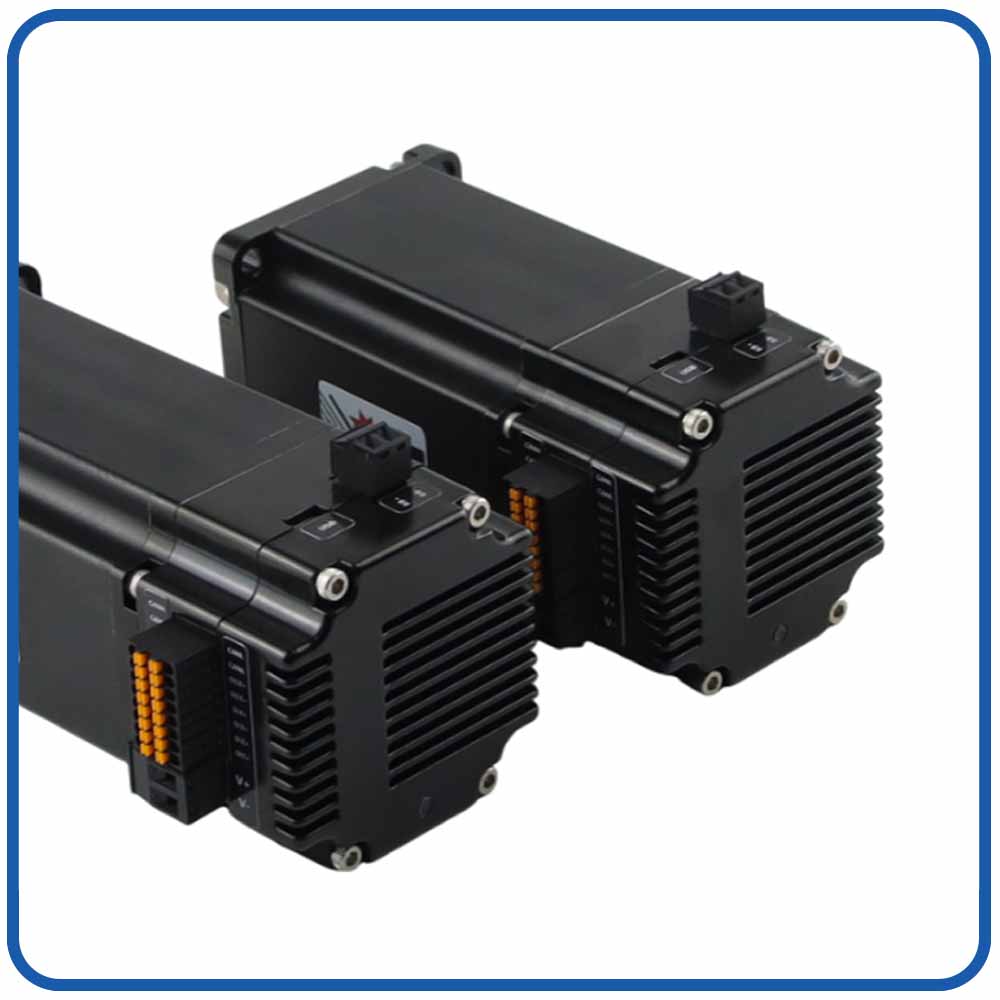
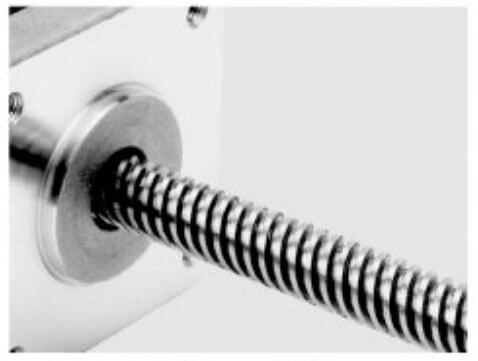
Linear stepper motors eliminate these issues by integrating the lead screw directly inside the motor, enabling direct linear motion with minimal mechanical loss.
How Linear Steppers Master Force Control
Crushing a microchip is the single biggest risk in SMT Z-axis design, making precise downward force control essential for reliable pick-and-place performance.
Linear stepper motors enable precise "Soft Touch" placement through direct electrical force control rather than mechanical damping.
Programmable Current Limits:
Linear stepper motors allow precise current limiting at the driver level, which directly caps the available thrust force of the Z-axis. By reducing current during the final placement stage, engineers can limit downward force to safe levels, preventing component cracking, PCB flexing, or solder paste displacement. This enables consistent placement pressure across varying component heights.
Advanced Microstepping:
High-resolution microstepping (up to 1/256 or higher) enables ultra-smooth incremental motion during the final millimeters of descent. Instead of step-wise vertical movement, the Z-axis achieves continuous, low-vibration motion, minimizing impact force when the nozzle contacts the PCB. This is critical for placing ultra-small components such as 0201, 01005, and fine-pitch ICs.
Sensorless Feedback (Closed-Loop Detection):
Closed-loop linear stepper systems can detect stall conditions or increased load resistance the moment the nozzle contacts the PCB surface. The controller immediately halts downward movement or reduces holding current, preventing excessive force. This sensorless contact detection eliminates the need for external force sensors, reducing system complexity while improving placement reliability.
Together, these capabilities allow linear stepper motors to deliver repeatable, controlled "Soft Touch" placement, ensuring high-yield SMT assembly and protecting fragile electronic components.
Linear steppers remove these issues by reducing mechanical interfaces, allowing precise Z-axis positioning for micro-components.
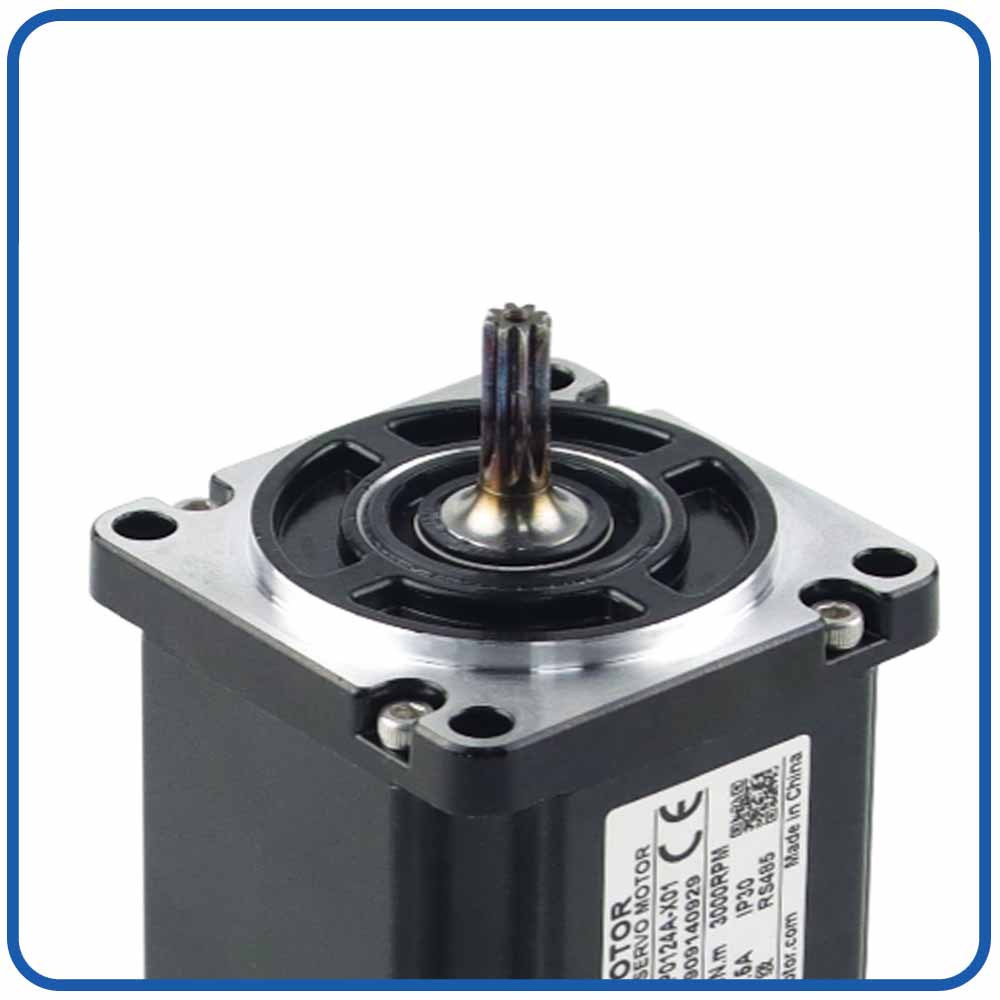
Hollow Shaft Capabilities (Vacuum Integration)
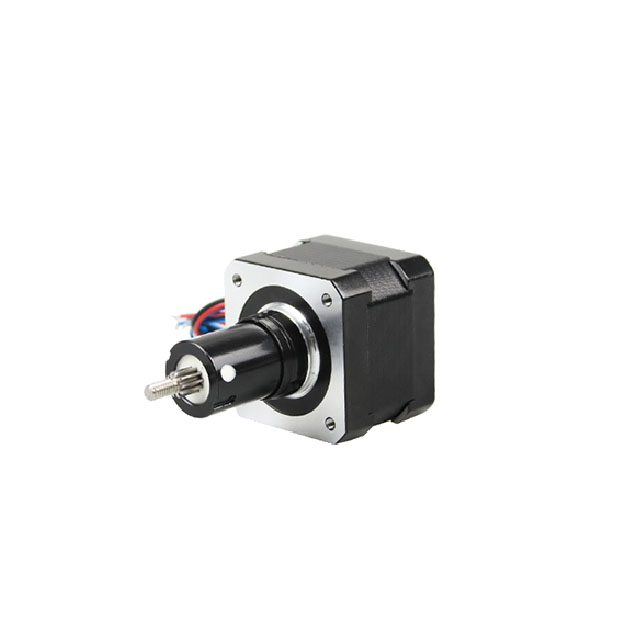
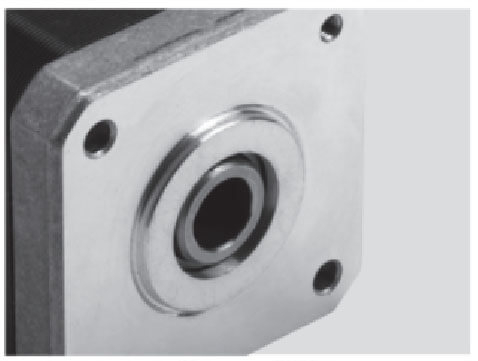
Certain linear and hollow shaft stepper motors allow vacuum tubes to pass directly through the motor center.
This creates clean and efficient nozzle designs:
Engineering Benefits:
Direct vacuum routing
Reduced tubing complexity
Lower moving mass
Improved reliability
This design is especially useful in:
Multi-nozzle pick-and-place heads
Compact desktop pick-and-place machines
High-speed SMT placement systems
Hollow shaft linear steppers dramatically simplify vacuum nozzle integration.
The Vacuum Tubing Nightmare (And How to Fix It)
Vacuum routing for pick-and-place nozzles is often one of the most overlooked mechanical bottlenecks in high-speed SMT machine design. Poor vacuum tube management directly affects gantry size, placement speed, and long-term reliability.
Here is the stark engineering comparison:
❌ Traditional Design:
Vacuum tubing is routed externally around the motor body, creating several mechanical risks:
External Vacuum Tubes Wrapped Around the Motor Tubing must bend and flex during every Z-axis movement, increasing wear and fatigue.
Tangling Risk During High-Speed Motion Multi-head gantries operating at high acceleration can cause tubes to twist, snag, or interfere with adjacent nozzles.
Wider Gantry Footprint External tubing requires extra lateral spacing, forcing engineers to increase nozzle spacing and reduce placement density.
Increased Moving Mass External tubing adds drag and inertia, limiting high-speed placement performance.
Maintenance Complexity Tubes require frequent inspection and replacement, increasing downtime.
✅ Hollow Shaft Innovation:
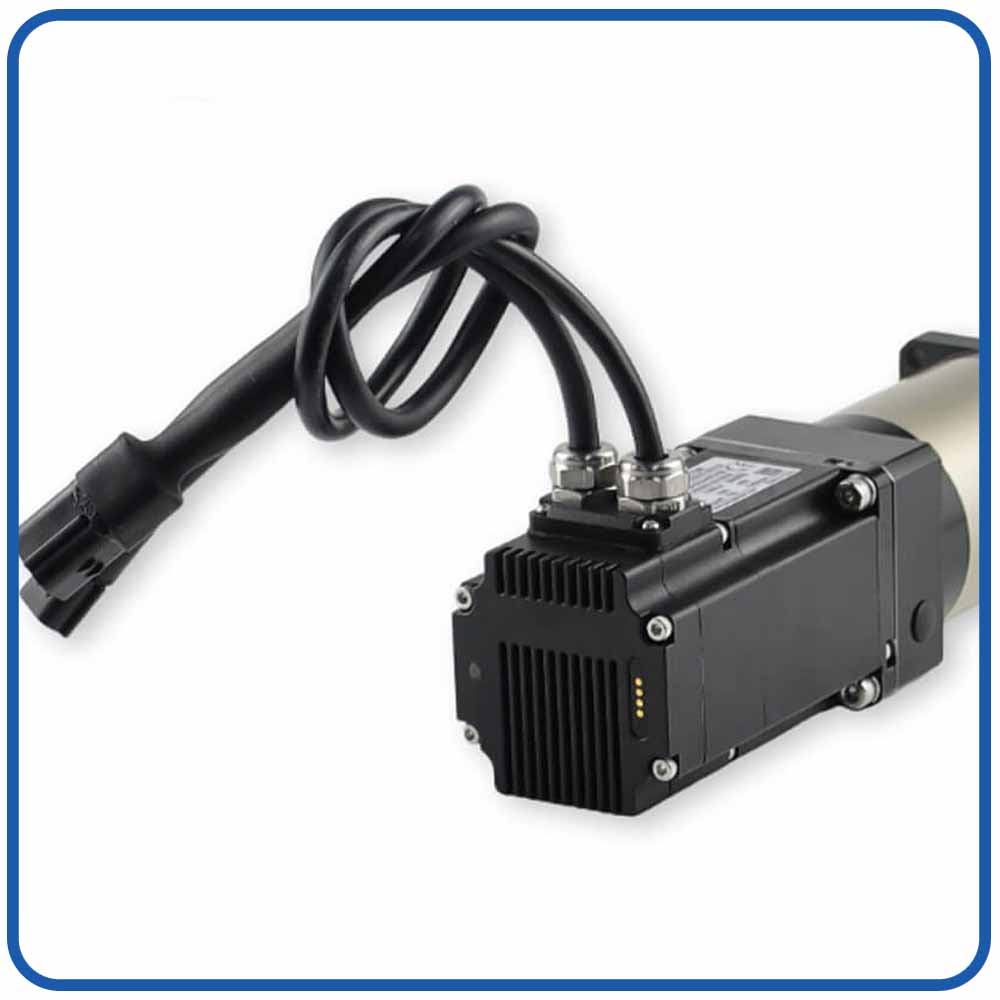
Hollow shaft linear stepper motors allow the vacuum line to pass directly through the motor center, creating a dramatically cleaner design.
Internal Vacuum Routing Through Motor Shaft The vacuum tube runs straight through the motor, eliminating external cable loops.
Zero Tangling Risk With no external tubing movement, high-speed Z-axis motion remains interference-free.
This slimmer nozzle architecture allows machine builders to pack 12 or even 16 placement nozzles side-by-side on a single gantry head. The result is higher placement throughput, reduced machine footprint, and improved productivity without increasing mechanical complexity.
For modern SMT and desktop pick-and-place machines, hollow shaft linear stepper motors unlock maximum nozzle density and cleaner mechanical integration.
3. Head-to-Head: Linear Steppers vs. Pneumatics vs. Servos
Feature
Linear Stepper Motors
Pneumatic Cylinders
Linear Servo Motors
Motion Control
Variable, programmable
Bang-bang only
Fully variable
Force Control
Excellent
Poor
Excellent
Component Cost
Medium
Low
High
Footprint / Size
Compact
Bulky (air lines)
Larger electronics
Precision
High
Low
Very High
Maintenance
Low
High (air leaks)
Medium
Best Use Case
SMT Z-axis placement
Simple up/down motion
Ultra-precision machines
The Verdict:
Linear stepper motors offer the ideal balance between low cost pneumatics and high-precision servo systems. They provide programmable motion, compact design, and reliable accuracy without the complexity and cost of linear servo solutions.
For most SMT pick-and-place machines, linear stepper motors deliver the best performance-to-cost ratio.
4. Which Type of Linear Stepper Fits Your P&P Machine?
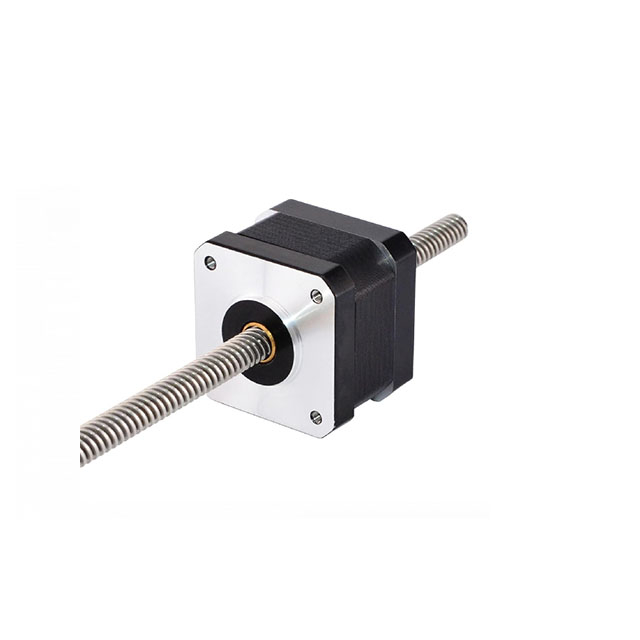
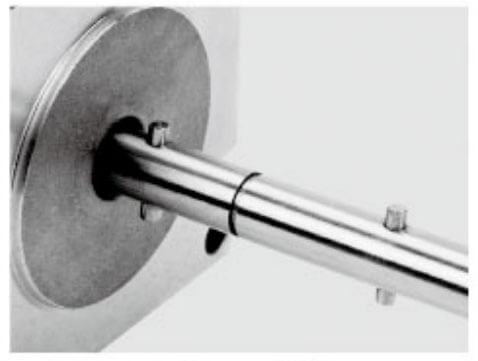
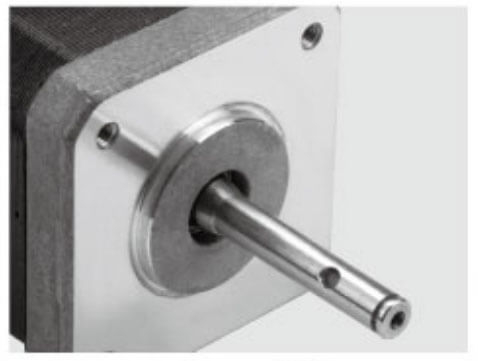
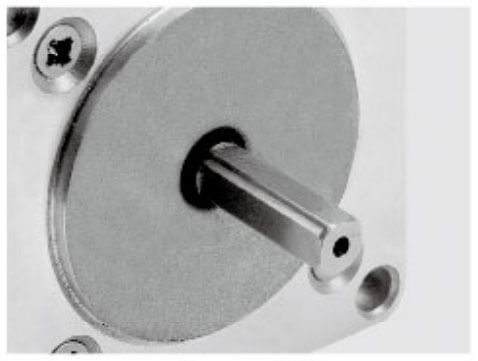
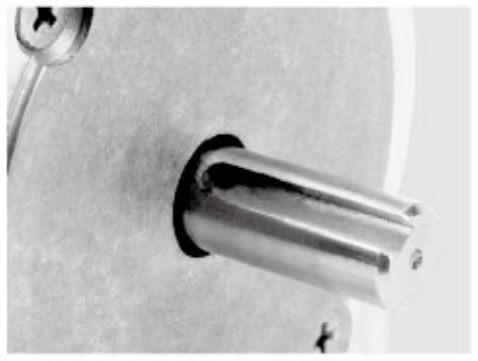
This design is widely used in SMT pick-and-place machines because it allows each nozzle to move independently.
Best Applications:
Multi-head pick-and-place machines
Desktop SMT machines
High-speed placement systems
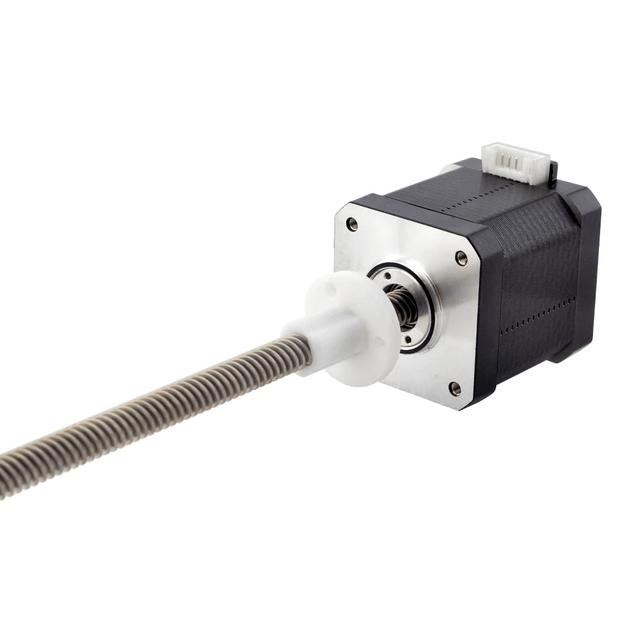
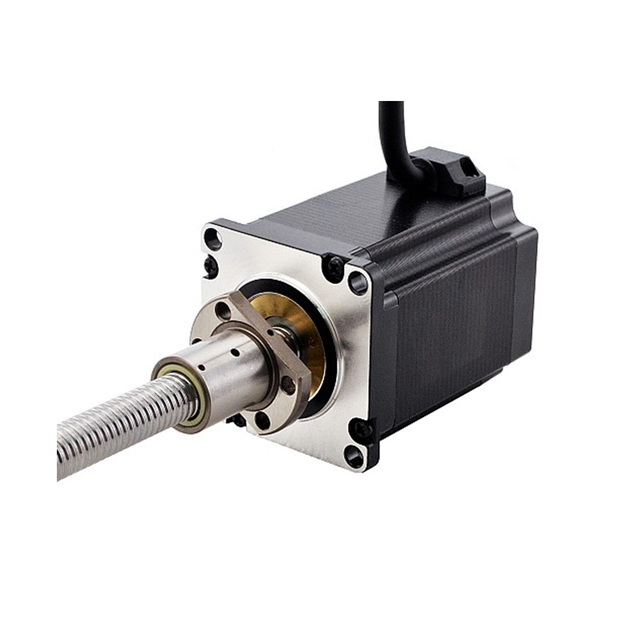
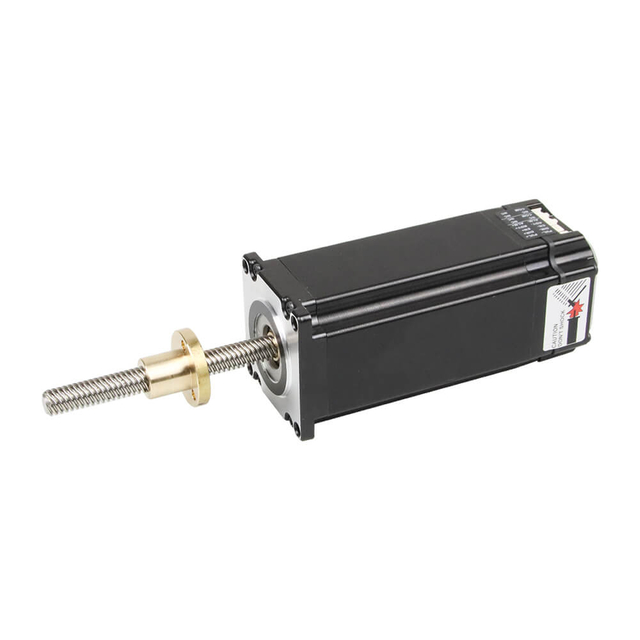
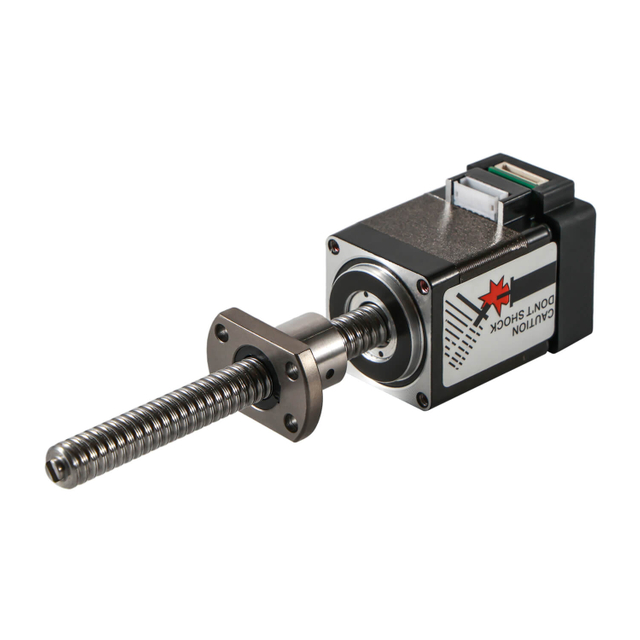
External Nut Linear Steppers
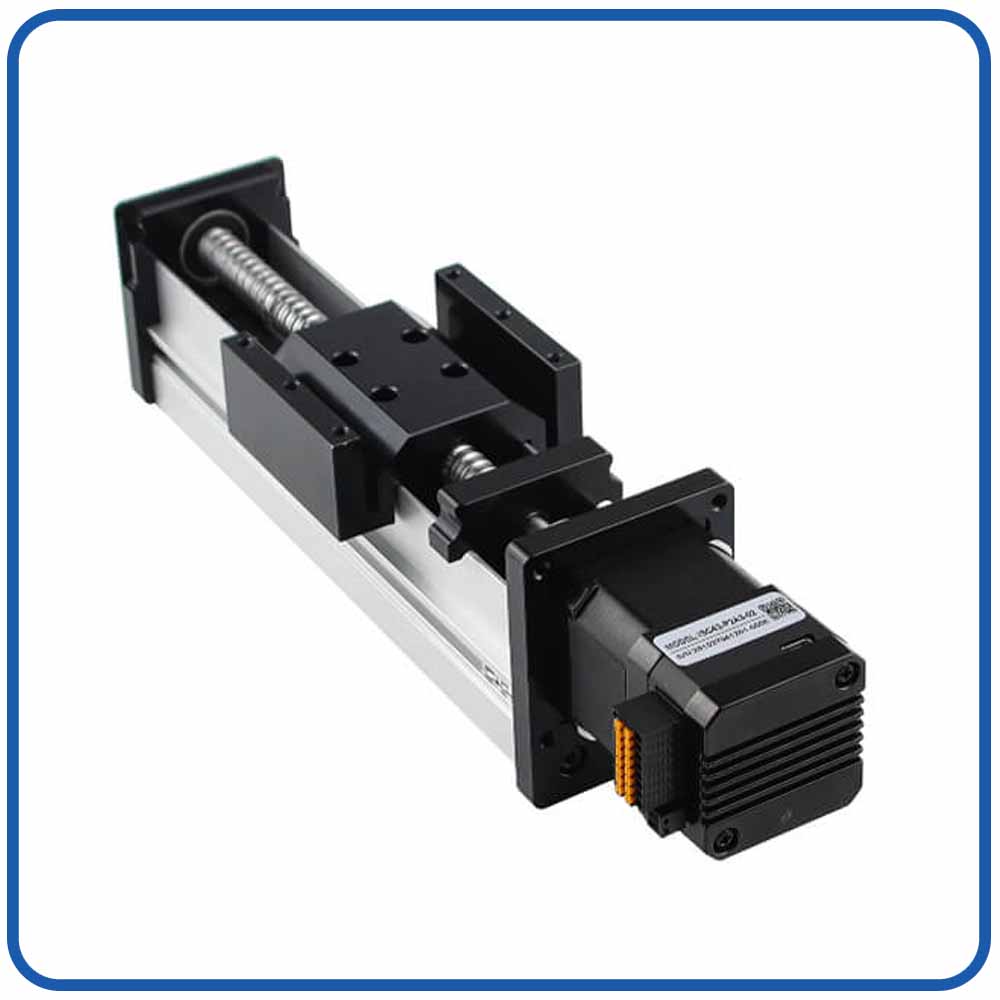
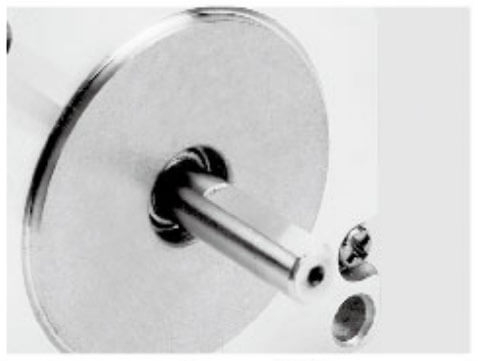
External nut linear stepper motors place the lead screw fixed inside the motor while the external nut moves.
Advantages:
Greater load capacity
Stable horizontal movement
Better for feeder adjustments
Best Applications:
Component tray positioning
X/Y micro adjustments
Feeder positioning systems
External nut designs provide stable motion for non-Z-axis movement in pick-and-place machines.
Which Type of Linear Stepper Fits Your P&P Machine?
Selecting the correct linear stepper architecture directly impacts gantry size, placement speed, and mechanical simplicity. Use the quick decision matrix below to determine the best option for your pick-and-place design.
Feature / Spec
Non-Captive Design
External Nut Design
How it Works
The lead screw passes completely through the motor, and the shaft extends/retracts as the motor rotates
The lead screw is fixed inside the motor, while the external nut moves linearly along the screw
Best for P&P Applications
Independent Z-axis nozzles, vacuum pickup heads, multi-head placement systems
If you are designing the up/down motion of the placement nozzle, choose Non-Captive Linear Steppers.
If you are designing the horizontal push mechanism for the component feeder, choose External Nut Linear Steppers.
5. Total Cost of Ownership (TCO) for Machine Builders
For OEM machine builders and procurement managers, linear stepper motors reduce total system cost significantly.
Key Cost Reduction Factors:
✓ Drastically reduced assembly time
No coupling alignment required. Integrated design simplifies production.
✓ Fewer components to stock
Integrated motor + lead screw replaces:
Motor
Coupling
Lead screw
Nut
✓ Lower maintenance costs
Fewer moving parts result in:
Less wear
Higher reliability
Reduced downtime
✓ Faster machine development cycles
Simplified mechanical integration accelerates:
Prototyping
Testing
Production
✓ Reduced machine footprint
Compact motors allow smaller gantry heads and more compact machine design.
These benefits make linear stepper motors the preferred choice for OEM pick-and-place machine builders.
Conclusion & Technical Support
Linear stepper motors deliver the precision, compactness, and reliability required for modern pick-and-place Z-axis systems. Their direct-drive architecture enables multi-head density, soft-touch placement, and reduced total cost of ownership.
Download our Linear Motor Selection Guide or contact the Besfoc engineering team to prototype a custom Z-axis linear stepper motor for your next pick-and-place machine project.

 English
 العربية
 Français
 Русский
 Español
 Português
 Deutsch
 italiano
 日本語
日本語 한국어
한국어 Nederlands
 Tiếng Việt
 ไทย
ไทย Polski
 Türkçe
 ພາສາລາວ
 ភាសាខ្មែរ
 Bahasa Melayu
 ဗမာစာ
ဗမာစာ Filipino
 Bahasa Indonesia
 magyar
 Română
 Čeština
 Монгол
 қазақ
қазақ Српски
 हिन्दी
 فارسی
فارسی Slovenčina
 Slovenščina
 Norsk
Norsk Svenska
 українська
 Ελληνικά
 Suomi
Suomi Հայերեն
 עברית
עברית Latine
 Dansk
Dansk Shqip
Shqip বাংলা
বাংলা Hrvatski
 Afrikaans
 Gaeilge
 Eesti keel
 Oʻzbekcha
 latviešu
 Azərbaycan dili
 Български
 Català