
Integrated Servo Motors & Linear Motions Supplier
- All
- Product Name
- Product Keyword
- Product Model
- Product Summary
- Product Description
- Multi Field Search
Views: 0 Author: Site Editor Publish Time: 2026-04-13 Origin: Site


In modern automation systems, linear motion control plays a crucial role in determining precision, efficiency, and reliability. Among the most widely used motion solutions are External Linear Stepper Motors and Captive Linear Stepper Motors. Each offers distinct structural advantages, performance characteristics, and application suitability.
Choosing between these two types is not simply a technical decision — it directly impacts system footprint, cost efficiency, motion accuracy, load capacity, and maintenance requirements. In this comprehensive guide, we analyze the differences, advantages, disadvantages, and selection criteria to help engineers, designers, and procurement professionals choose the right solution.
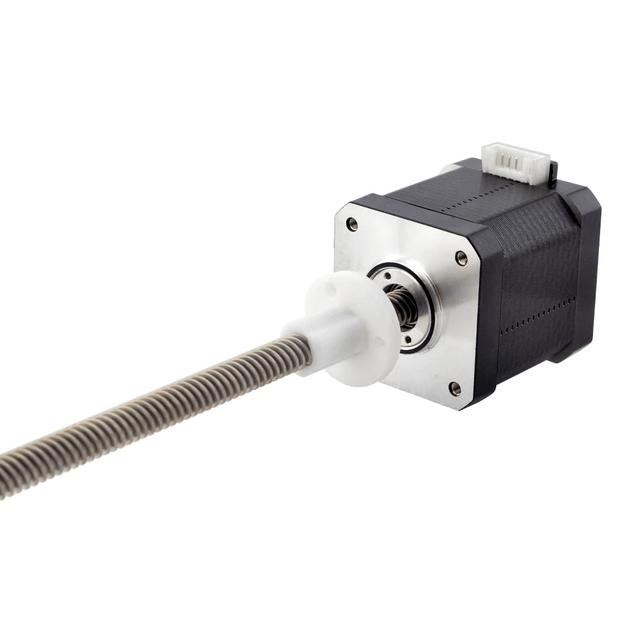 | 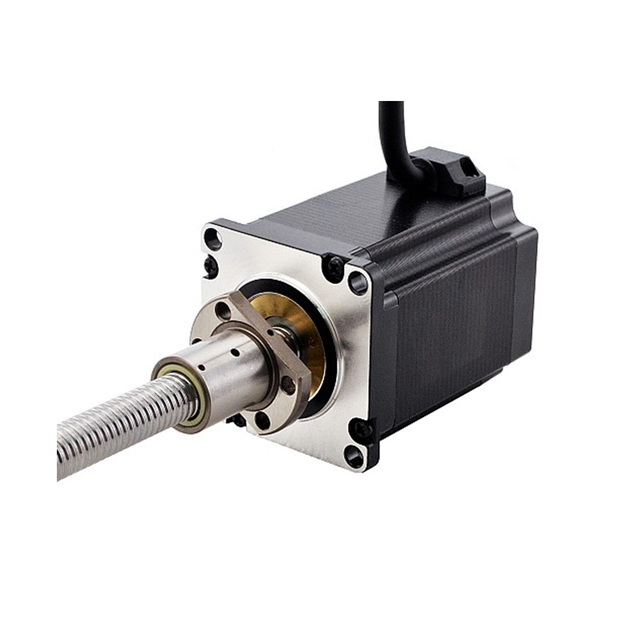 | 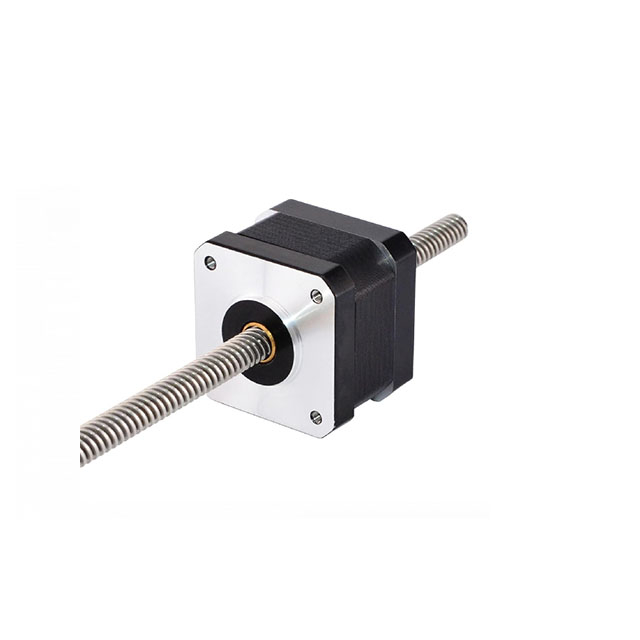 | 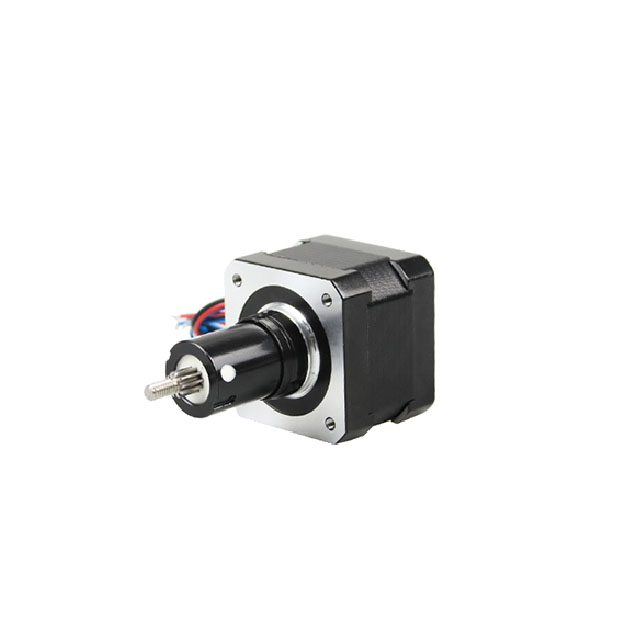 | 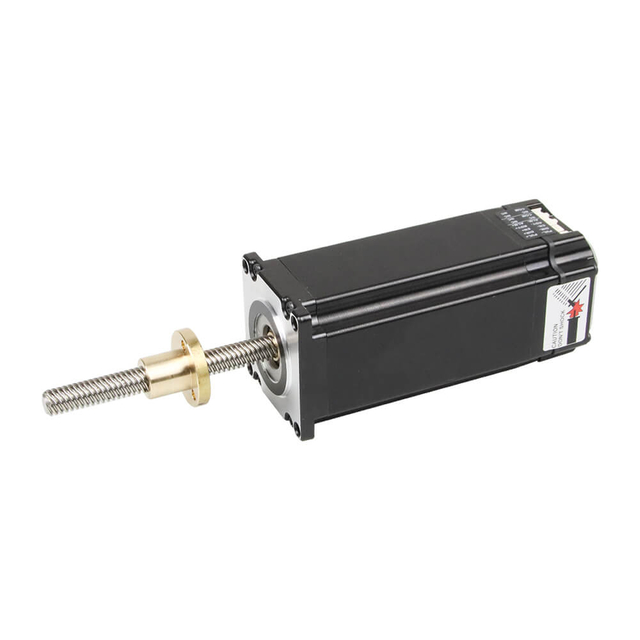 | 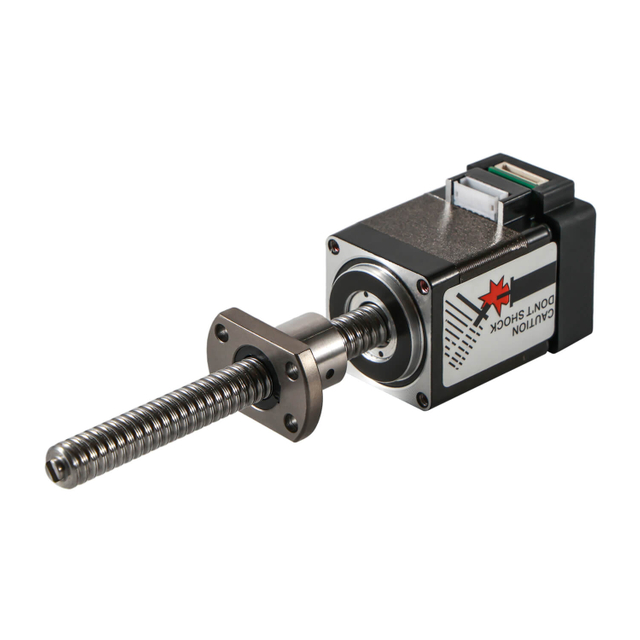 |
Captive Linear Stepper Motor | Integrated External T-type Linear Stepper Motor | Integrated External Ball Screw Linear Stepper Motor |
An External Linear Stepper Motor converts rotary motion into linear motion using a non-captive lead screw design. The motor rotor contains an internal thread, while the lead screw moves freely in and out of the motor.
Unlike captive designs, the external linear stepper motor does not include a built-in anti-rotation mechanism. Therefore, the load must be externally guided to prevent rotation.
Longer stroke capability
Higher flexibility in design
External anti-rotation system required
Compact motor body with extended shaft movement
Customizable lead screw lengths
Higher load adaptability depending on external guide
These characteristics make external linear stepper motors ideal for applications requiring long travel distances and flexible mounting configurations.
A Captive Linear Stepper Motor integrates a built-in anti-rotation mechanism inside the motor housing. The lead screw moves linearly while the nut is constrained internally, preventing rotation automatically.
This design provides plug-and-play linear motion without requiring external guides for anti-rotation.
Built-in anti-rotation mechanism
Compact integrated structure
Short to medium stroke length
Simplified installation
Higher stability in compact systems
Reduced mechanical complexity
Captive linear stepper motors are commonly used where space is limited and installation simplicity is critical.
 |  |  |  |  |
|---|---|---|---|---|
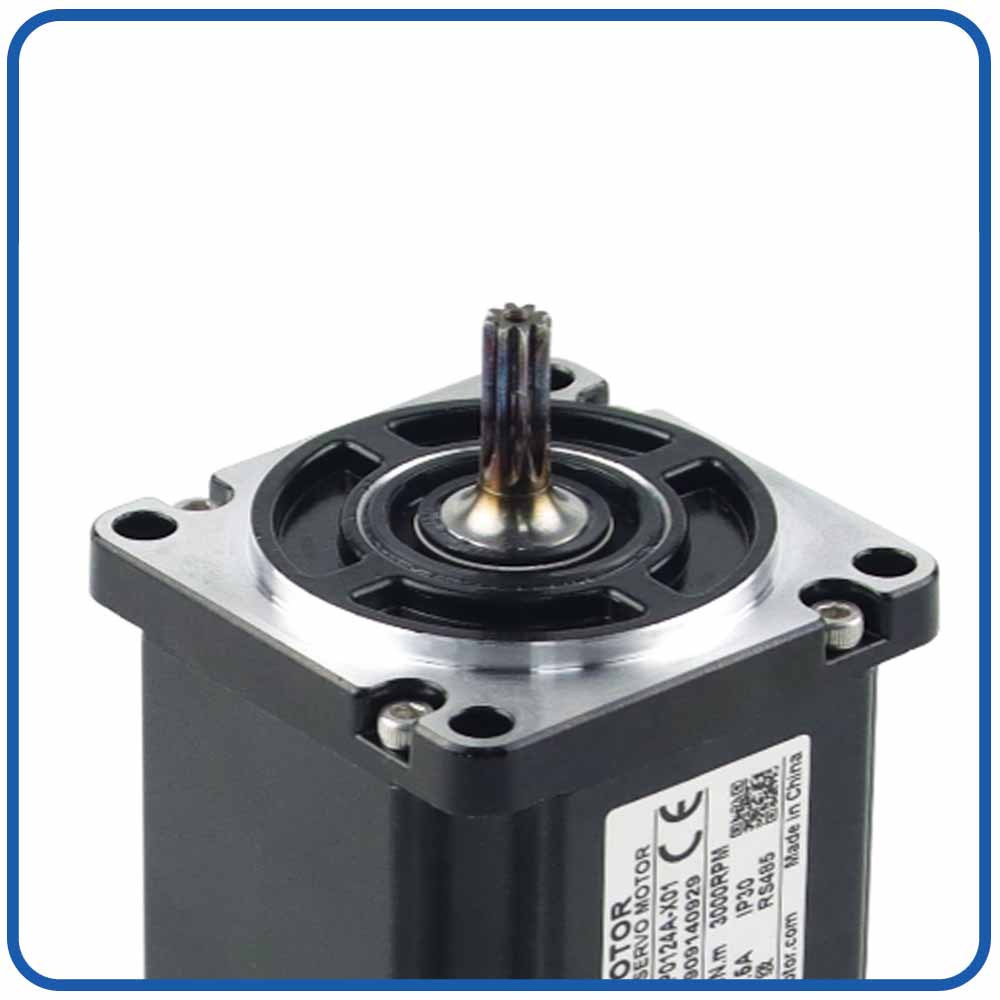
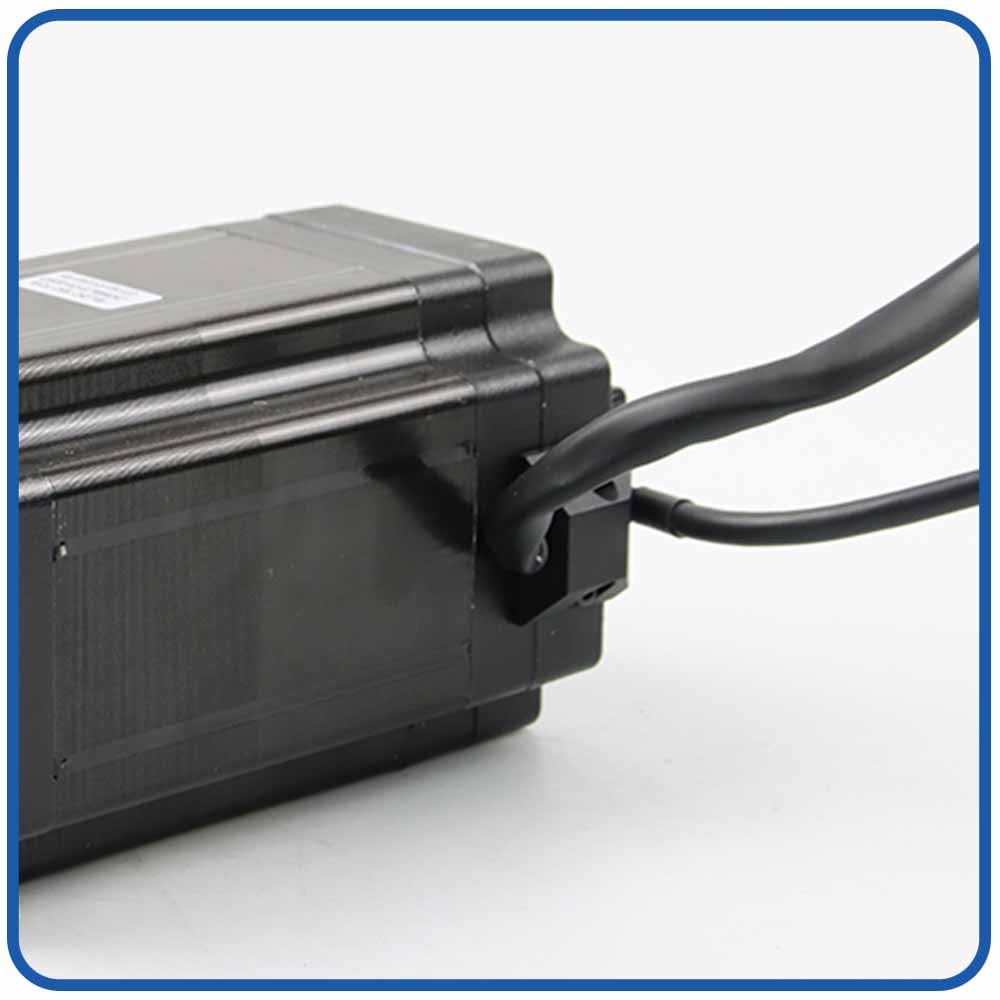
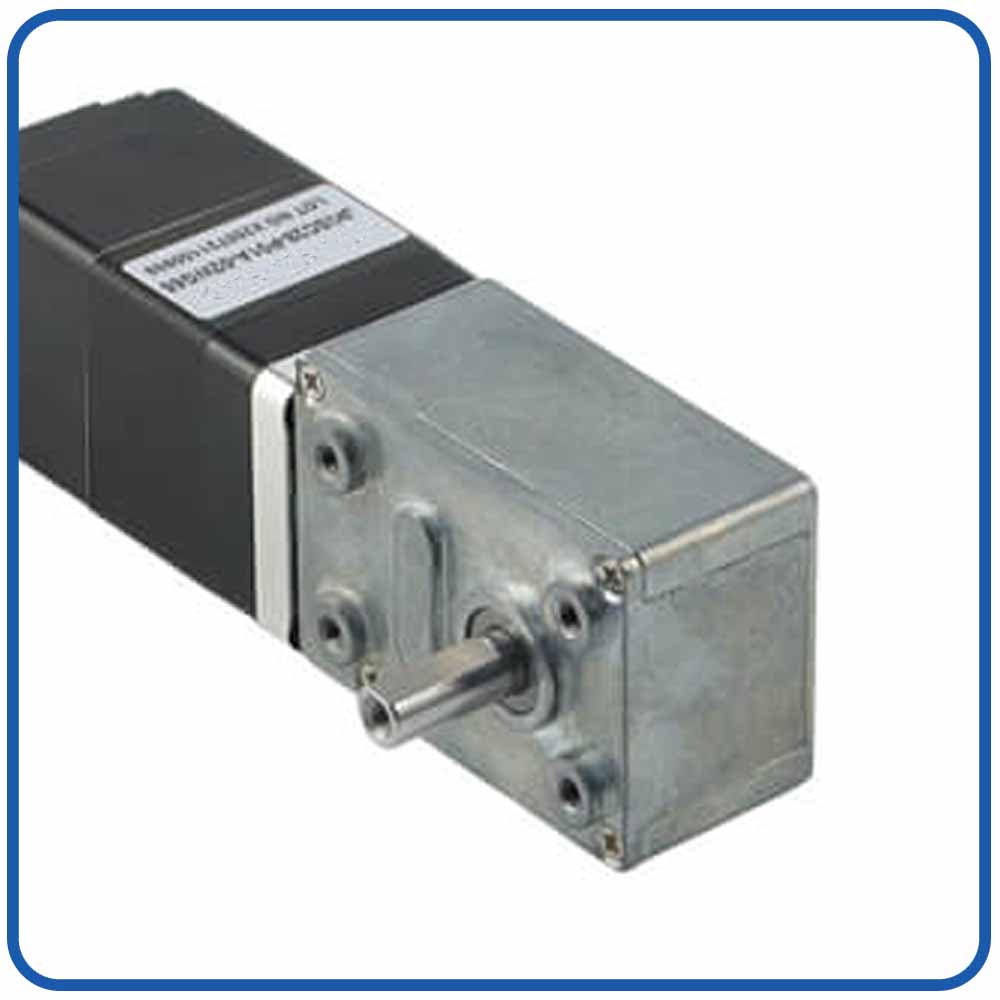
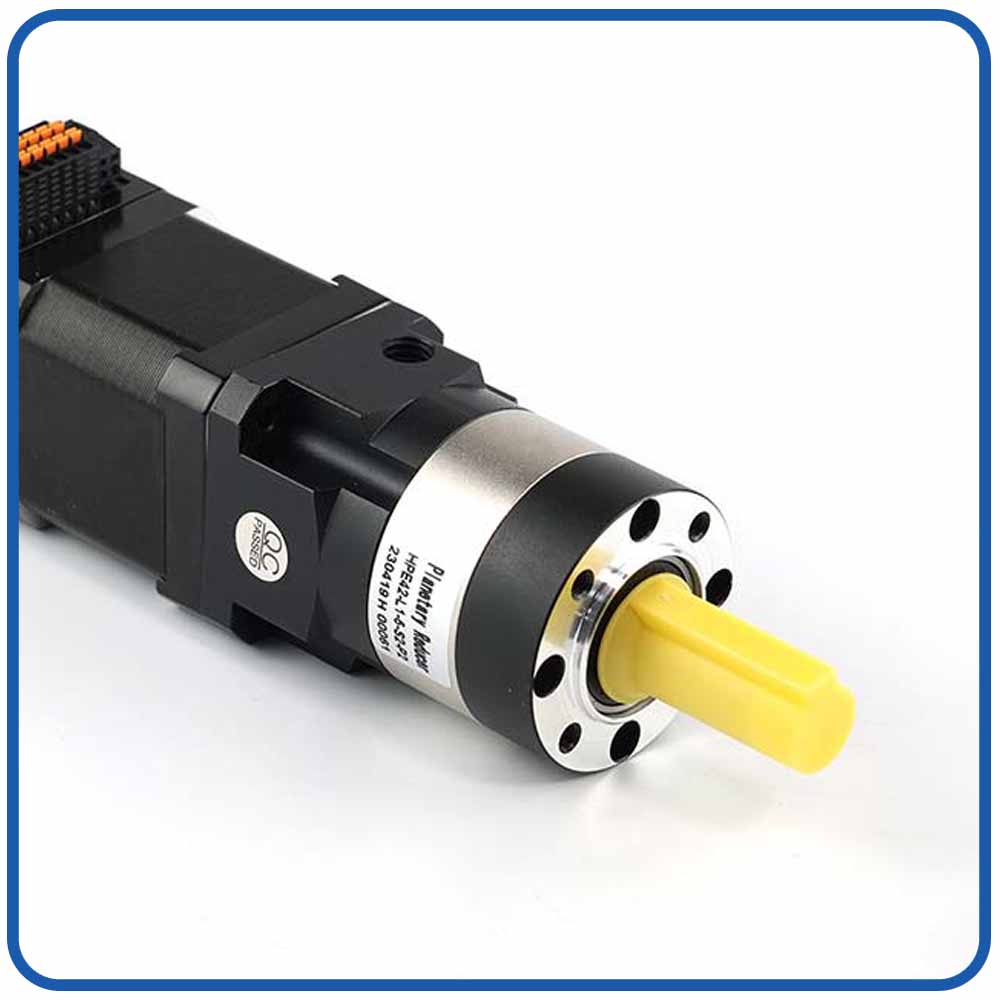
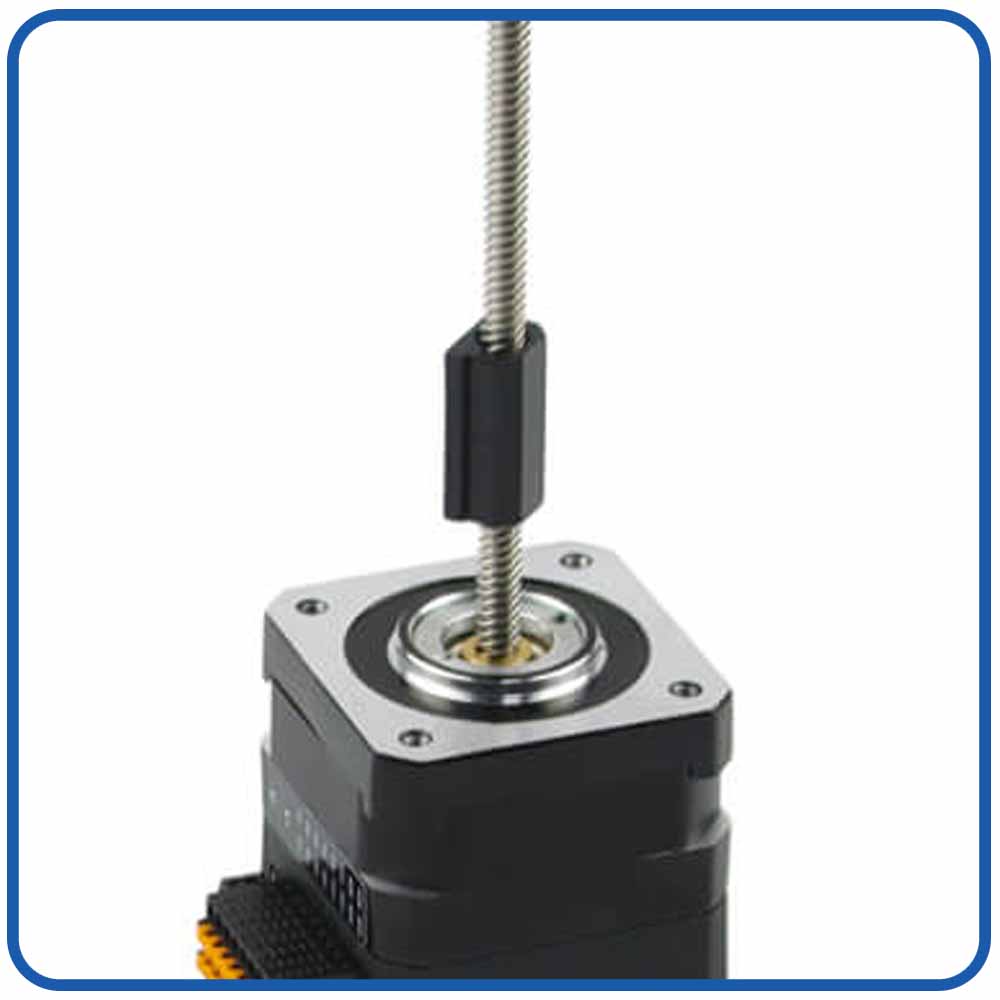
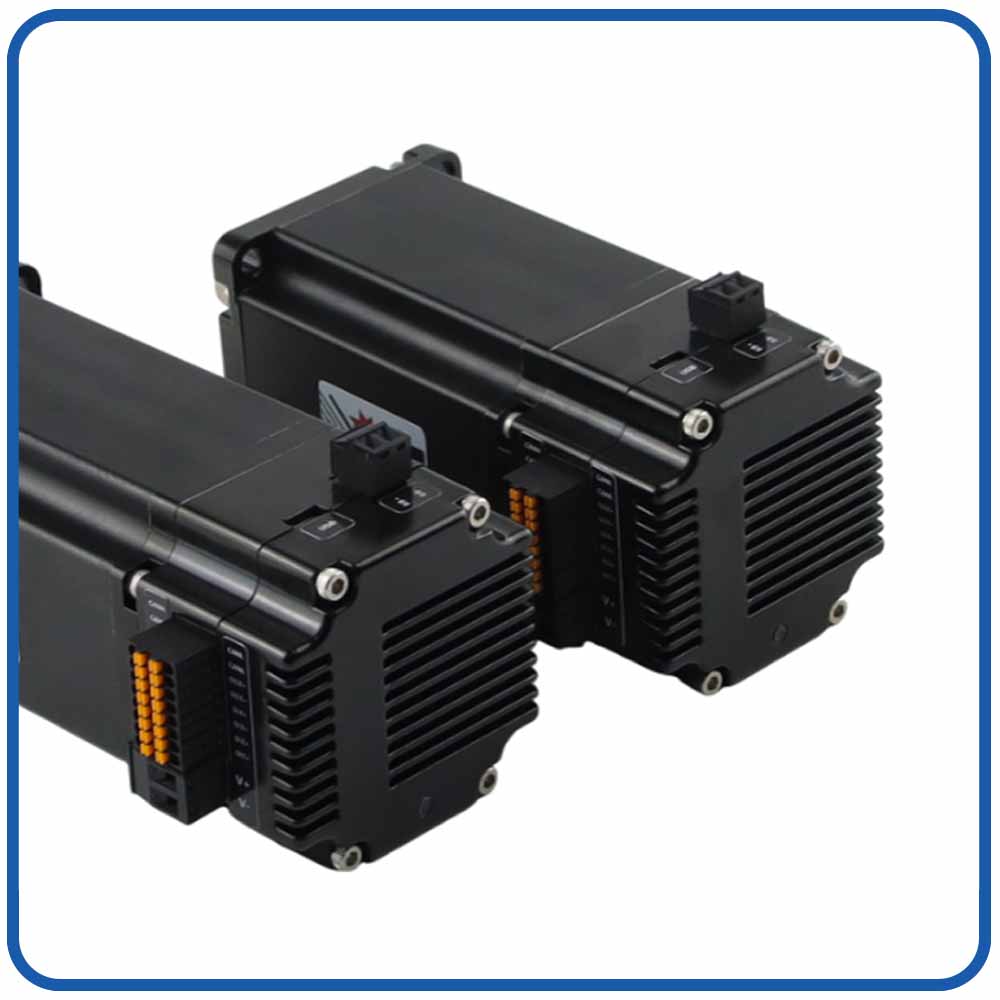
Shaft | Terminal housing | Worm Gearbox | Planetary Gearbox | Lead Screw |
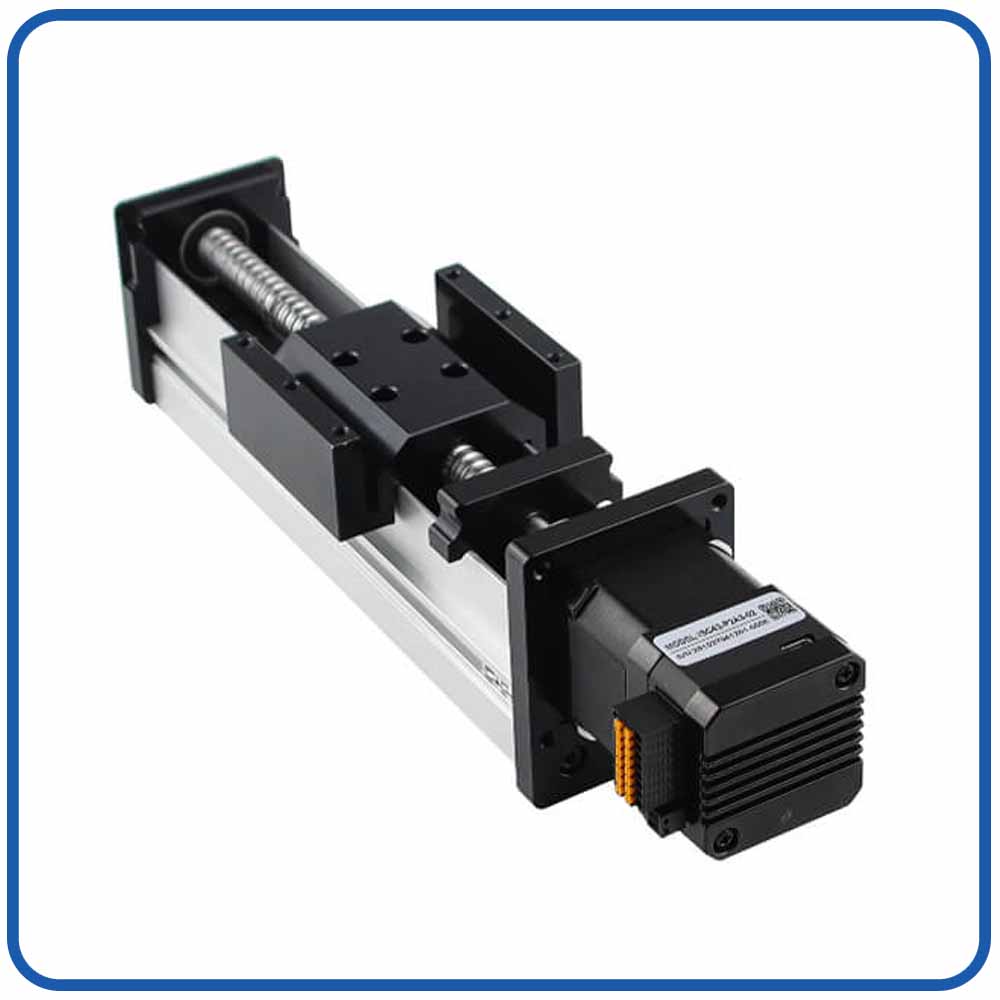 | 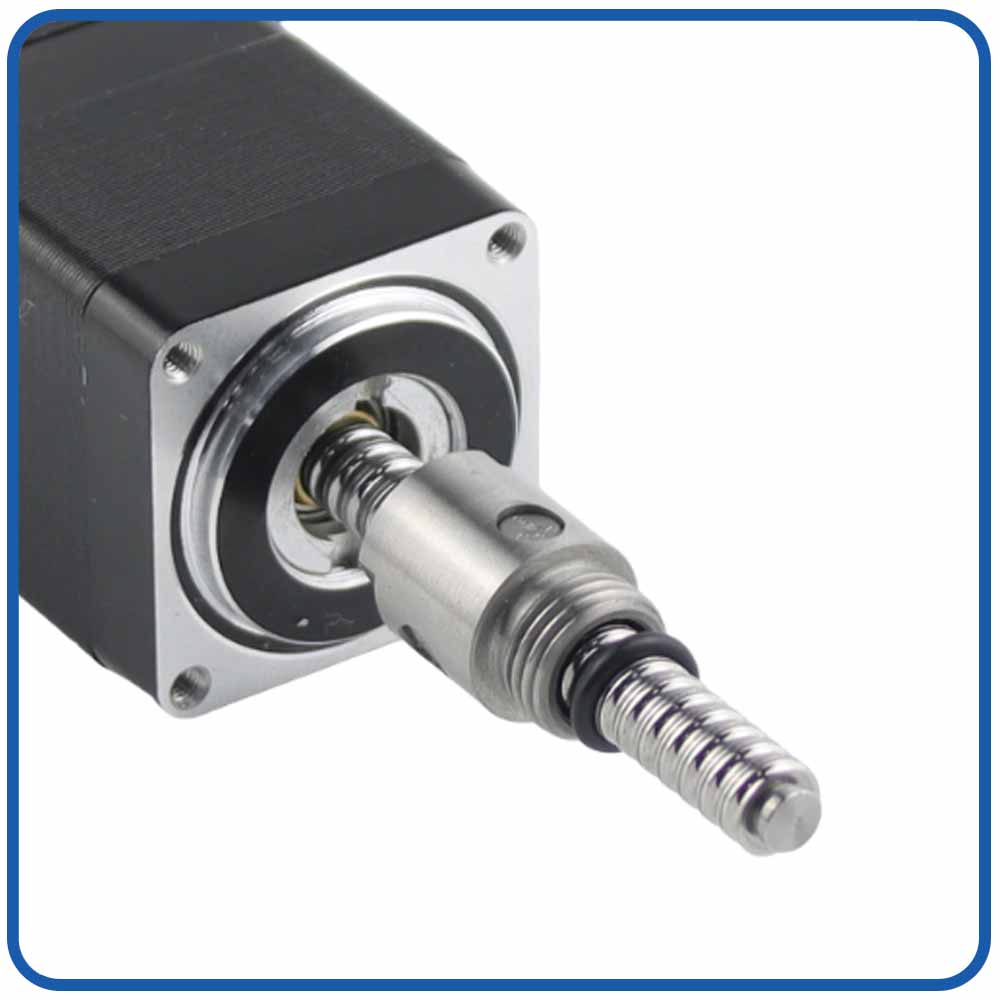 |  | 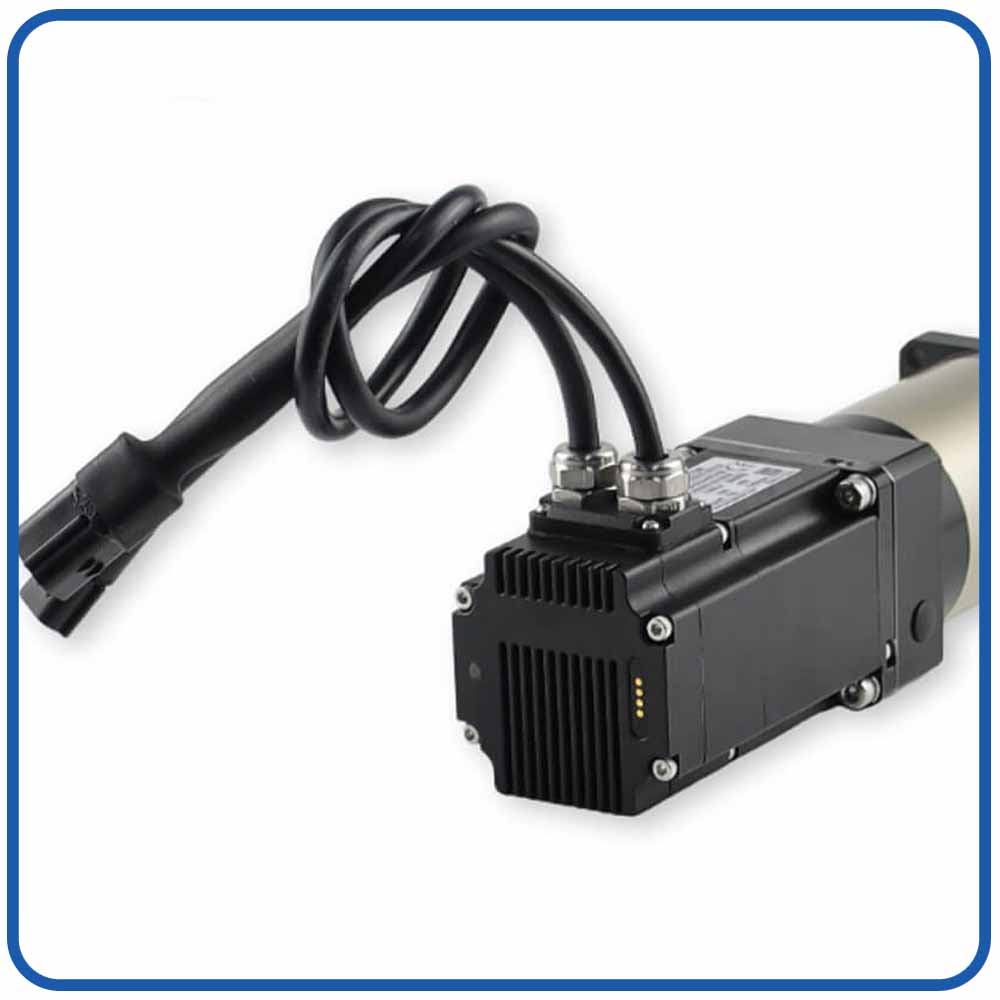 |  |
Linear Motion | Ball Screw | Brake | IP-Level |
 |  |  |  |  |  |
|---|---|---|---|---|---|
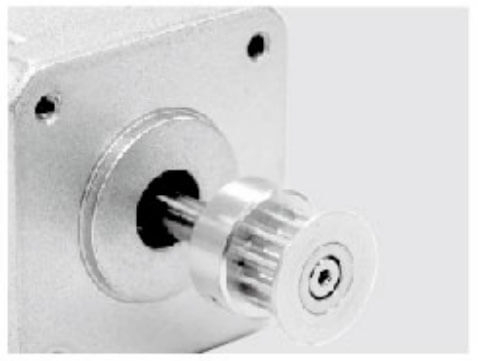
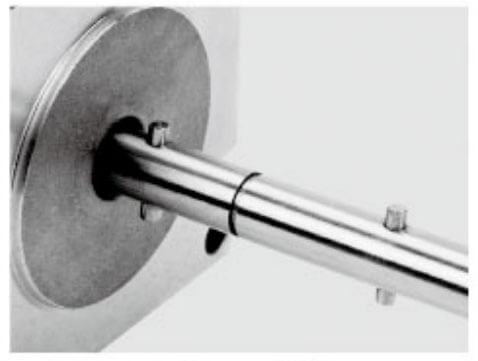
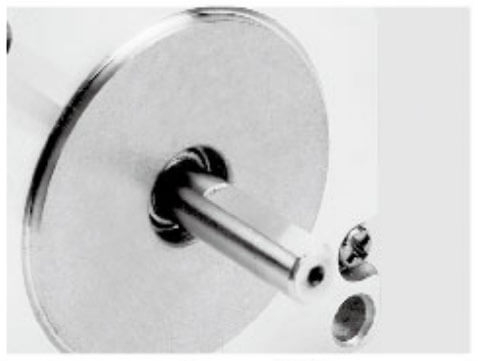
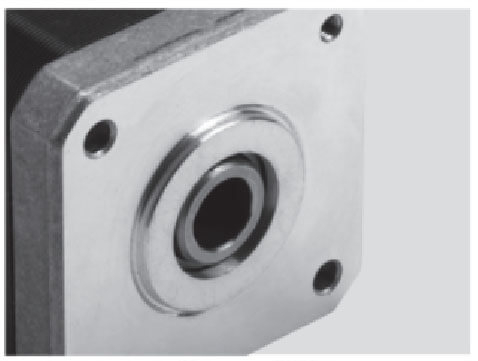
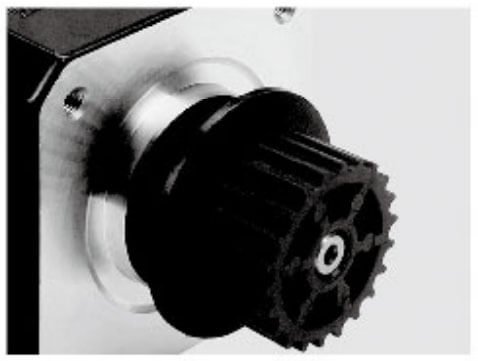
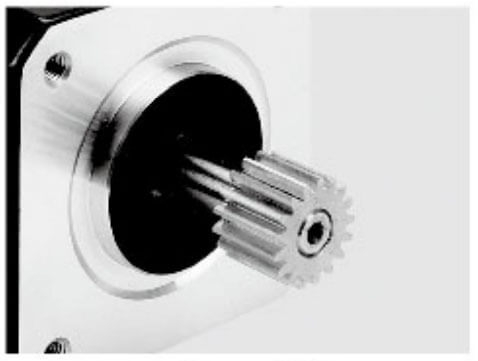
Aluminum Pulley | Shaft Pin | Single D Shaft | Hollow Shaft | Plastic Pulley | Gear |
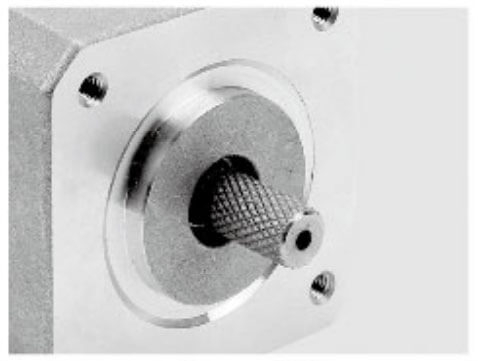 | 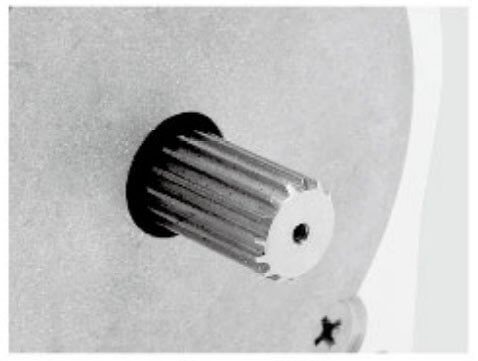 | 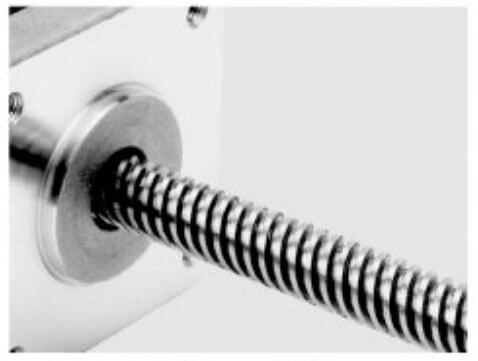 | 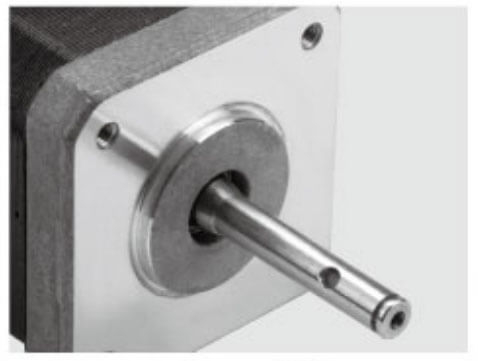 | 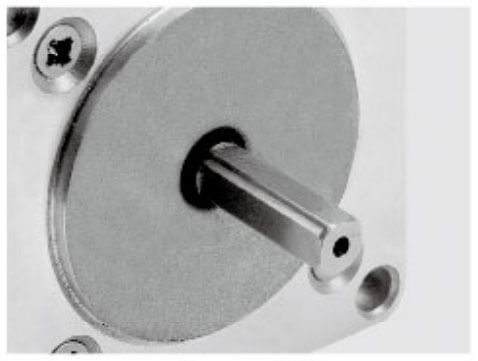 | 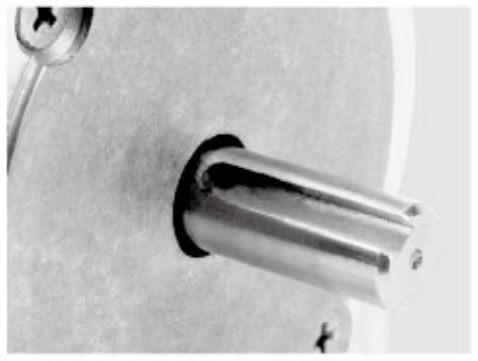 |
Knurling | Hobbing Shaft | Screw Shaft | Hollow Shaft | Double D Shaft | Keyway |
Understanding the structural differences between External Linear Stepper Motor and Captive Linear Stepper Motors is essential for selecting the right motion solution. These two motor types differ significantly in mechanical design, motion mechanism, installation requirements, and performance characteristics.
Below is a detailed breakdown of how their structures compare and how those differences affect real-world applications.
An External Linear Stepper Motor features a free-moving lead screw that extends through the motor body. The rotor inside the motor contains an internal threaded nut, which drives the lead screw linearly when the motor rotates.
However, the lead screw is not constrained from rotating, meaning an external anti-rotation mechanism must be added to ensure proper linear motion.
An External Linear Stepper Motor typically includes:
Stepper motor housing
Threaded rotor (internal nut)
External lead screw
Bearings
External anti-rotation guide (required in system design)
The lead screw moves freely in and out of the motor
The load must be externally guided
The stroke length can be customized to long distances
The mechanical structure is flexible
This structure makes external linear stepper motors ideal for applications requiring long travel and flexible mounting.
A Captive Linear Stepper Motor features a built-in anti-rotation mechanism integrated inside the motor housing. The lead screw is prevented from rotating, allowing it to move only in linear motion.
This integrated design simplifies system assembly and reduces external mechanical requirements.
A Captive Linear Stepper Motor typically includes:
Stepper motor housing
Threaded rotor
Lead screw
Internal anti-rotation mechanism
Linear shaft extension
Guide bushing or slider
Lead screw is constrained internally
No external anti-rotation required
Compact integrated structure
Shorter maximum stroke length
Simplified installation
This structure makes captive linear stepper motors ideal for compact and precision applications.
Feature | External Linear Stepper Motor | Captive Linear Stepper Motor |
|---|---|---|
Lead Screw Movement | Free moving | Guided internally |
Anti-Rotation Mechanism | External required | Built-in internal mechanism |
Stroke Length | Long stroke supported | Limited stroke |
Mechanical Complexity | Higher system-level complexity | Lower system complexity |
Installation | Requires additional components | Plug-and-play design |
Flexibility | Highly customizable | Compact and integrated |
Load Guidance | External linear rail needed | Internal guidance included |
External Linear Stepper Motor offer longer stroke lengths because the lead screw is not limited by internal motor housing. This makes them suitable for:
Long travel positioning systems
Conveyor positioning
Industrial automation equipment
Captive linear stepper motors typically support short to medium stroke lengths due to **internal anti- due to internal anti-rotation limitations.
External linear stepper motors provide:
Custom linear guides
Heavy-duty rails
Multi-axis configurations
Captive linear stepper motors prioritize:
Compact integration
Simple installation
Reduced mechanical design
External Linear Stepper Motor often handle higher loads because engineers can select external guide rails designed for heavy-duty motion.
Captive linear stepper motors rely on internal anti-rotation structures, which typically support moderate loads.
External Linear Stepper Motor:
Requires external guide rails
More installation space needed
Higher mechanical design complexity
Captive Linear Stepper Motor:
Compact integrated structure
Minimal installation space
Faster assembly
Neither structure is universally better. The optimal choice depends on:
Required stroke length
Available installation space
Load requirements
Mechanical design complexity
Precision requirements
External linear stepper motors offer maximum flexibility and long travel, while captive linear stepper motors deliver compact integration and simplified design.
Understanding these structural differences ensures optimal performance, reliability, and cost efficiency in your automation system.
External Linear Stepper Motors support significantly longer stroke lengths compared to captive models. This makes them ideal for:
Laboratory automation
Industrial positioning systems
Conveyor positioning systems
Medical diagnostic equipment
Semiconductor manufacturing
Long travel distances provide greater design flexibility and expanded application possibilities.
Because external linear stepper motors rely on external guide systems, engineers can design:
Custom linear rails
Heavy-duty load guides
Multi-axis positioning systems
Precision motion assemblies
This flexibility enables optimized system-level performance.
External designs often allow better airflow and cooling, which improves:
Motor lifespan
Performance stability
Continuous operation reliability
This makes them suitable for high-duty cycle industrial applications.
Captive linear stepper motors integrate motor, lead screw, and anti-rotation mechanism into one compact unit.
This results in:
Reduced assembly time
Smaller installation footprint
Lower mechanical complexity
Compact integration is especially beneficial in:
Medical devices
Optical instruments
Laboratory automation
Robotics
Captive linear stepper motors require minimal mechanical integration. Engineers do not need to design additional anti-rotation systems.
Benefits include:
Faster product development
Lower engineering cost
Reduced mechanical alignment issues
This significantly shortens time-to-market.
Because the anti-rotation mechanism is internal, captive linear stepper motors provide:
Smooth linear motion
Reduced vibration
Improved repeatability
Better positioning accuracy
This is critical for precision automation systems.
External linear stepper motors are widely used in:
Pick-and-place systems
Conveyor positioning
Packaging machines
Blood analyzers
Diagnostic machines
Imaging positioning systems
Wafer positioning
Inspection systems
Micro assembly platforms
Linear actuators
Collaborative robots
Assembly automation
These applications benefit from long stroke and flexible mounting.
Captive linear stepper motors are ideal for:
Liquid handling systems
Sample positioning
Test automation
Syringe pumps
Ventilators
Diagnostic equipment
Lens positioning
Focus adjustment
Laser alignment
Service robots
Small automation devices
Micro positioning systems
These applications prioritize compact size and easy integration.
When selecting between an External Linear Stepper Motor and a Captive Linear Stepper Motor, precision and load capacity are two of the most critical performance factors. These characteristics directly affect positioning accuracy, motion stability, system reliability, and long-term operational efficiency.
Although both motor types deliver accurate linear motion, their structural differences result in distinct performance advantages depending on the application requirements.
Precision in linear stepper motors typically refers to:
Positioning accuracy
Repeatability
Backlash performance
Motion smoothness
Vibration control
Both external and captive linear stepper motors provide high-resolution step control, but their mechanical designs influence overall precision performance.
Captive linear stepper motors typically provide better inherent precision due to their integrated anti-rotation mechanism. Since the lead screw is guided internally, motion remains stable and controlled, reducing mechanical play and misalignment.
Reduced backlash due to internal guidance
Improved repeatability in short travel motion
Lower vibration levels
Better alignment consistency
Smooth linear movement
These advantages make captive linear stepper motors ideal for:
Medical devices
Laboratory automation
Optical positioning systems
Semiconductor inspection equipment
Precision dispensing machines
In applications where micron-level positioning accuracy is required, captive linear stepper motors often provide more stable performance.
External Linear Stepper Motors can also achieve high precision, but performance depends largely on the external anti-rotation and guide system.
Because the lead screw is free-moving, system alignment and guide quality play a major role in accuracy.
Precision depends on external linear guide
Potential for higher flexibility in precision tuning
Capable of high accuracy with proper mechanical design
Slightly higher risk of vibration without proper support
When paired with high-quality linear rails, external linear stepper motors can achieve excellent positioning accuracy suitable for:
Industrial automation
Robotics systems
Long stroke positioning
Packaging equipment
Semiconductor handling systems
Load capacity refers to the maximum force or weight a linear stepper motor can handle while maintaining stable motion and positioning accuracy.
Due to structural differences, external linear stepper motors typically offer higher load capacity.
External linear stepper motors allow engineers to use external linear guides, rails, and support structures, which significantly increase load handling capability.
Supports heavier loads
External rails improve load distribution
Suitable for long stroke heavy-duty applications
Better performance in industrial environments
Flexible load-bearing system design
These advantages make external linear stepper motors ideal for:
Industrial automation equipment
Pick-and-place systems
Packaging machinery
Conveyor positioning
Heavy-duty robotics
The external guide system allows designers to optimize load support based on application requirements.
Captive linear stepper motors rely on internal anti-rotation mechanisms, which typically limit load capacity compared to external designs.
Moderate load capability
Best suited for light to medium loads
Ideal for compact systems
Reduced mechanical complexity
Captive linear stepper motors are commonly used in:
Medical devices
Laboratory automation
Small robotics
Optical positioning equipment
Compact automation machines
While load capacity is lower, captive motors excel in precision and compactness.
Performance Factor | External Linear Stepper Motor | Captive Linear Stepper Motor |
|---|---|---|
Positioning Accuracy | High (depends on external guide) | Very high (built-in guidance) |
Repeatability | High | Very high |
Backlash Control | Depends on system design | Lower backlash |
Motion Smoothness | Good with proper support | Excellent |
Load Capacity | High | Moderate |
Long Stroke Performance | Excellent | Limited |
Heavy Load Handling | Excellent | Moderate |
Compact Precision Applications | Moderate | Excellent |
Heavy load required
Long stroke needed
Flexible mechanical design available
Industrial automation applications
External guide system available
High precision required
Compact design needed
Light to medium load application
Easy installation preferred
Stable short-stroke positioning required
In many automation systems, engineers must balance precision and load requirements. The choice depends on which performance factor is more critical:
High precision + compact size → Captive Linear Stepper Motor
Heavy load + long travel → External Linear Stepper Motor
Both motor types provide reliable and efficient linear motion, but understanding precision and load capacity differences ensures optimal system performance and long-term reliability.
By carefully evaluating these performance factors, manufacturers and engineers can select the most suitable linear stepper motor solution for their automation applications.
When selecting between external and captive linear stepper motors, consider:
Long stroke required
Heavy load supported
Custom guide system available
Flexible mechanical design needed
Industrial automation application
Compact system required
Simple installation preferred
Medium stroke sufficient
High precision required
Limited installation space
Cost comparison should consider total system cost, not just motor price.
External Linear Stepper Motor:
Lower motor cost
Higher mechanical integration cost
More design effort
Captive Linear Stepper Motor:
Higher motor cost
Lower integration cost
Faster implementation
Captive designs often reduce overall engineering expenses.
Both External Linear Stepper Motor and Captive Linear Stepper Motors offer practical customization options to match different automation requirements. Selecting the right configuration helps improve motion accuracy, load performance, and system compatibility.
The lead screw pitch determines how far the shaft moves per motor step.
Fine pitch → Higher precision, lower speed
Coarse pitch → Higher speed, lower resolution
This is one of the most important parameters affecting motion performance.
The stroke length defines the maximum linear travel distance.
Short stroke for compact equipment
Long stroke for positioning systems
External linear stepper motors typically support longer custom stroke lengths, while captive designs are suited for short to medium strokes.
Different motor sizes provide varying torque and load capability. Common options include:
NEMA 8
NEMA 11
NEMA 14
NEMA 17
NEMA 23
Larger sizes deliver higher thrust and better load performance.
The lead screw length can be customized to match installation requirements.
This ensures proper travel distance and improves mechanical integration.
Motors can be customized with different connector styles such as:
JST connectors
Molex connectors
Flying leads
Custom cable length
This improves compatibility with control systems.
The most common customization options include:
Lead screw pitch
Stroke length
Motor frame size
Lead screw length
Connector type
These essential customizations allow linear stepper motors to fit specific application requirements while maintaining optimal performance.
The industry continues to evolve with:
Integrated encoders
Closed-loop stepper motors
Compact high-torque designs
Smart motion control integration
IoT-enabled automation systems
Both external and captive linear stepper motors are becoming more efficient, compact, and intelligent.
Selecting between External Linear Stepper Motor and Captive Linear Stepper Motor depends on:
Stroke length
Installation space
Load requirements
Precision level
System complexity
External linear stepper motors provide maximum flexibility and long travel, while captive linear stepper motors deliver compact integration and simplified installation.
By understanding your application requirements, you can choose the most efficient, reliable, and cost-effective linear motion solution for your automation system.


