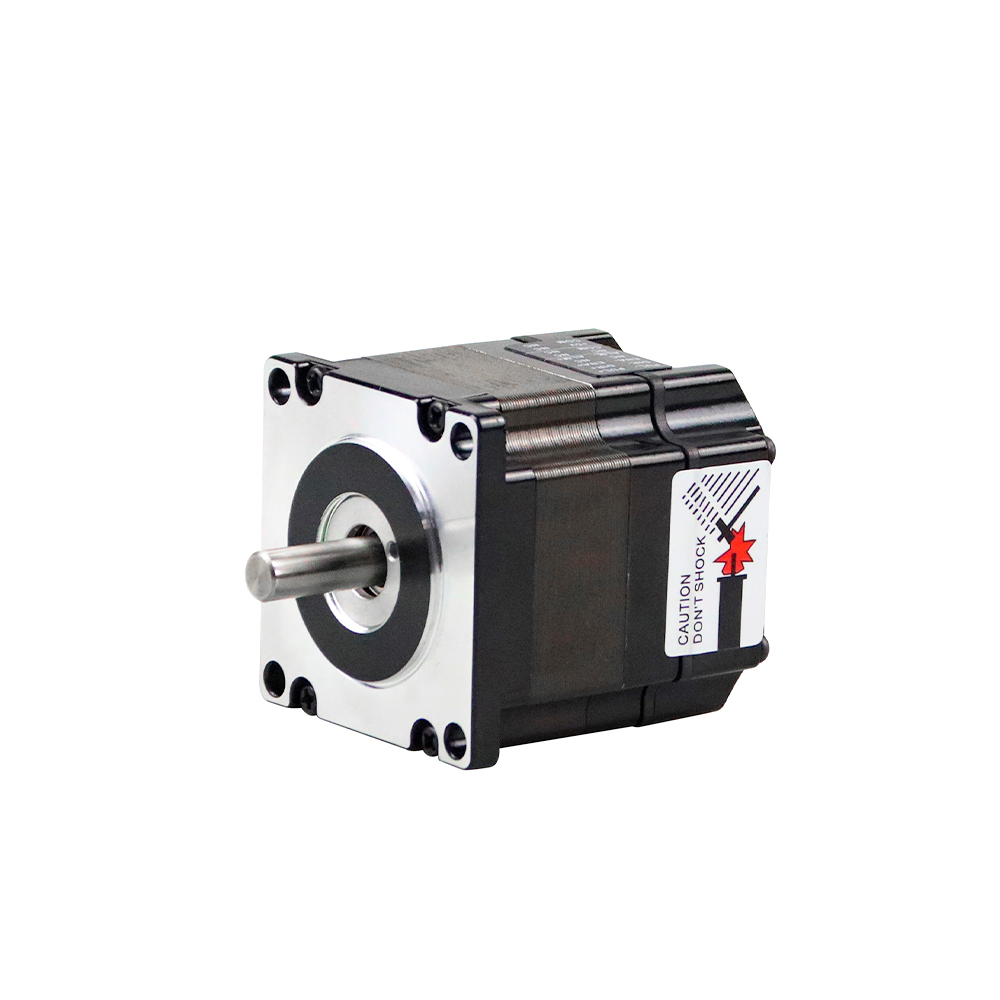
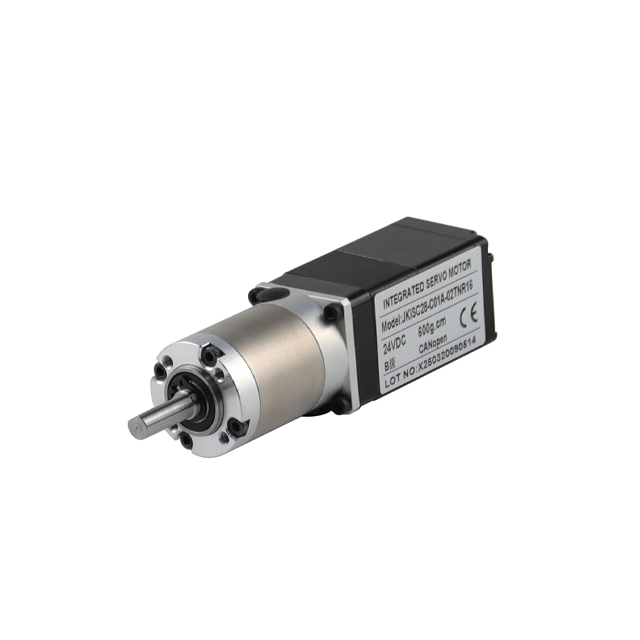
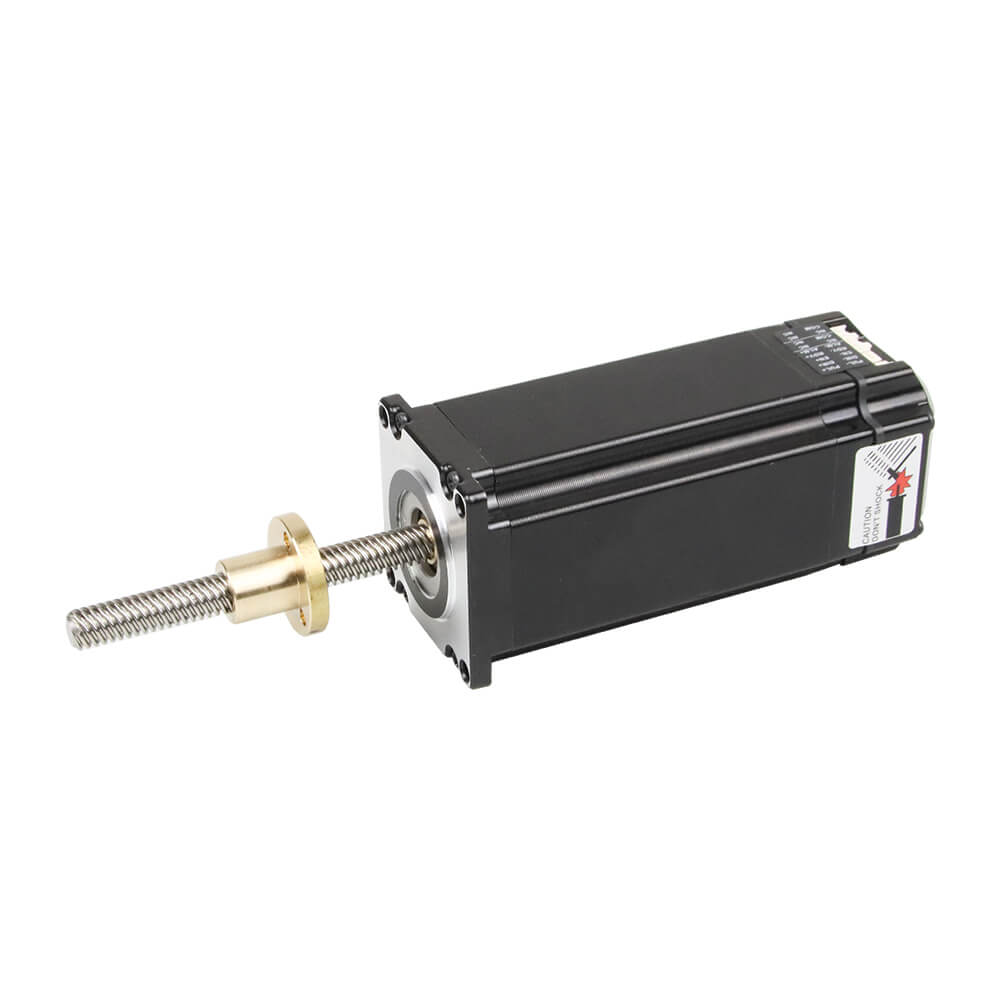
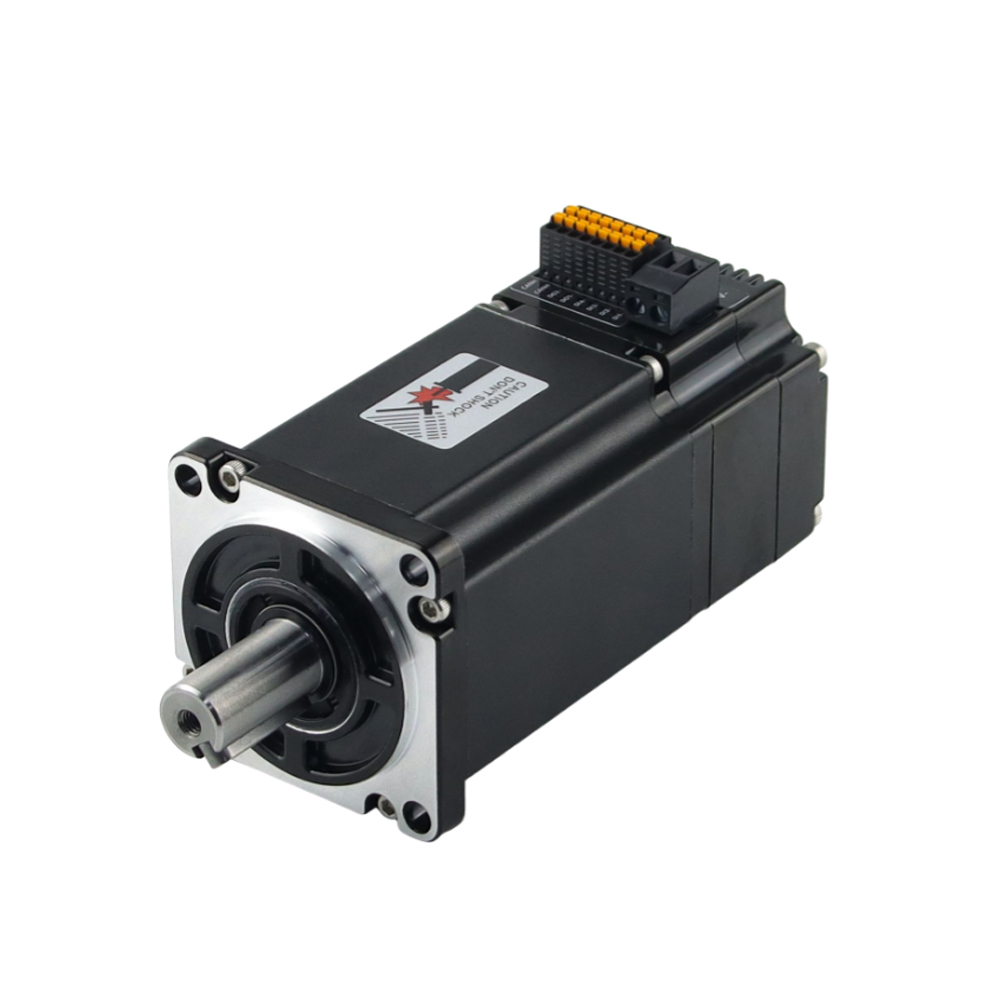
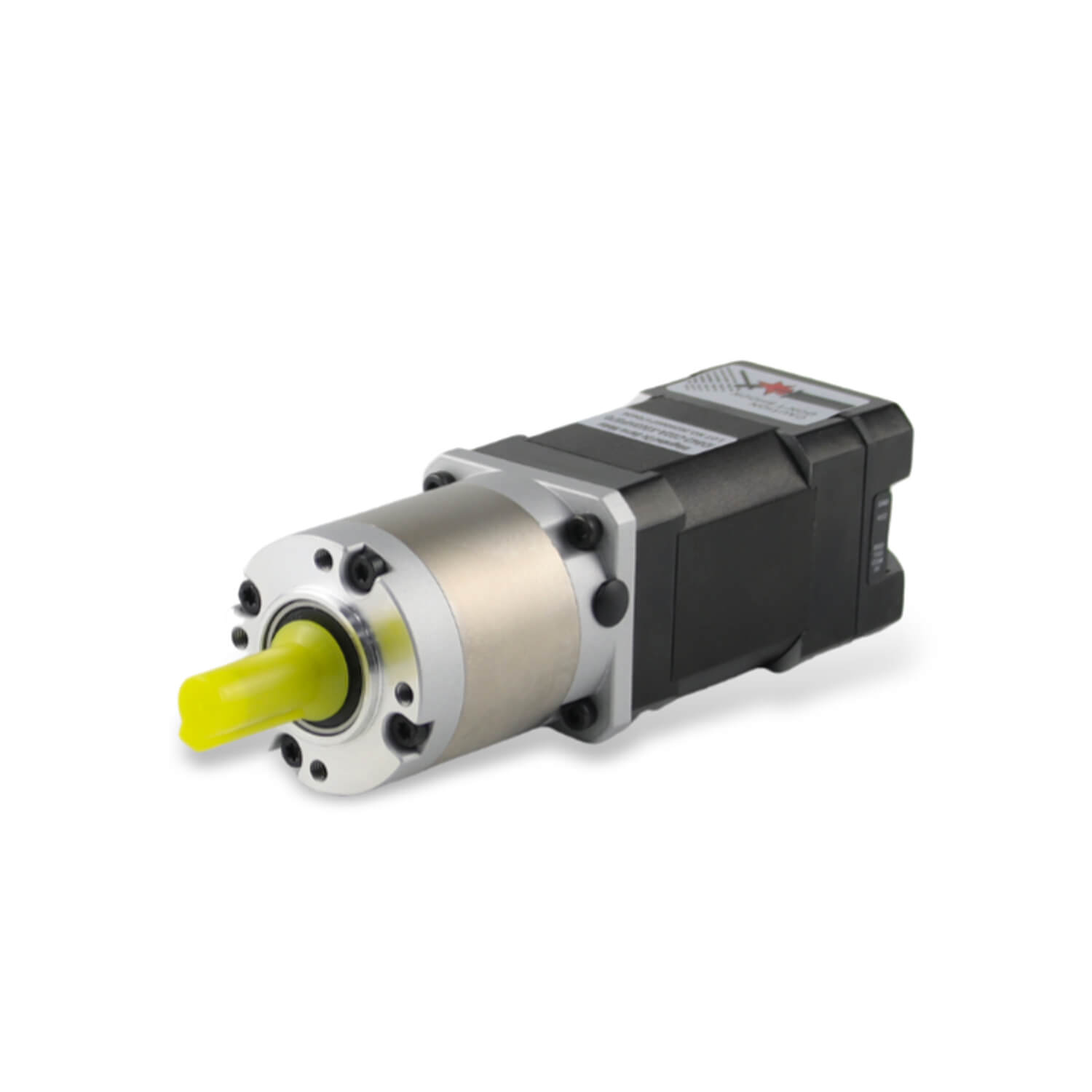
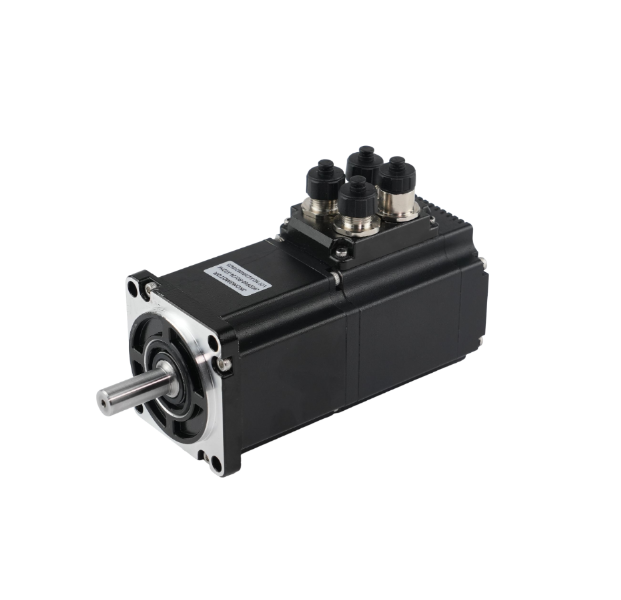
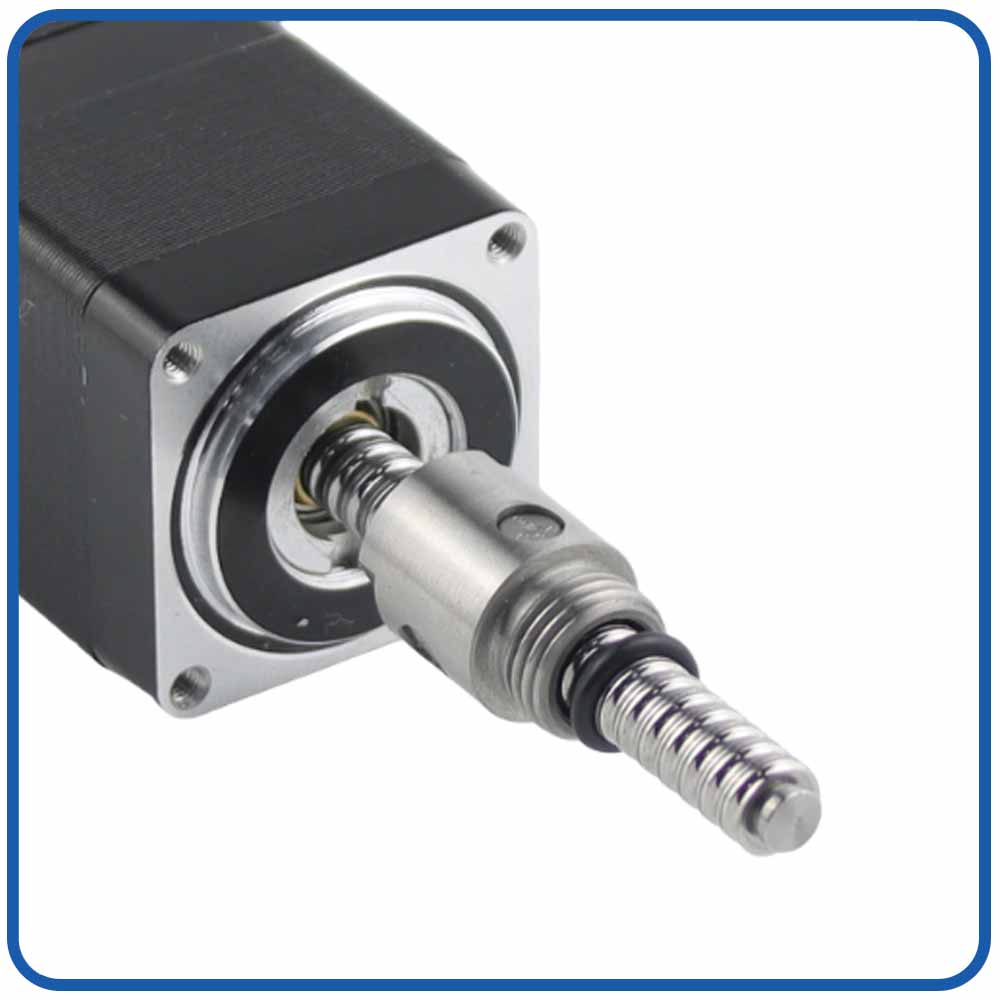
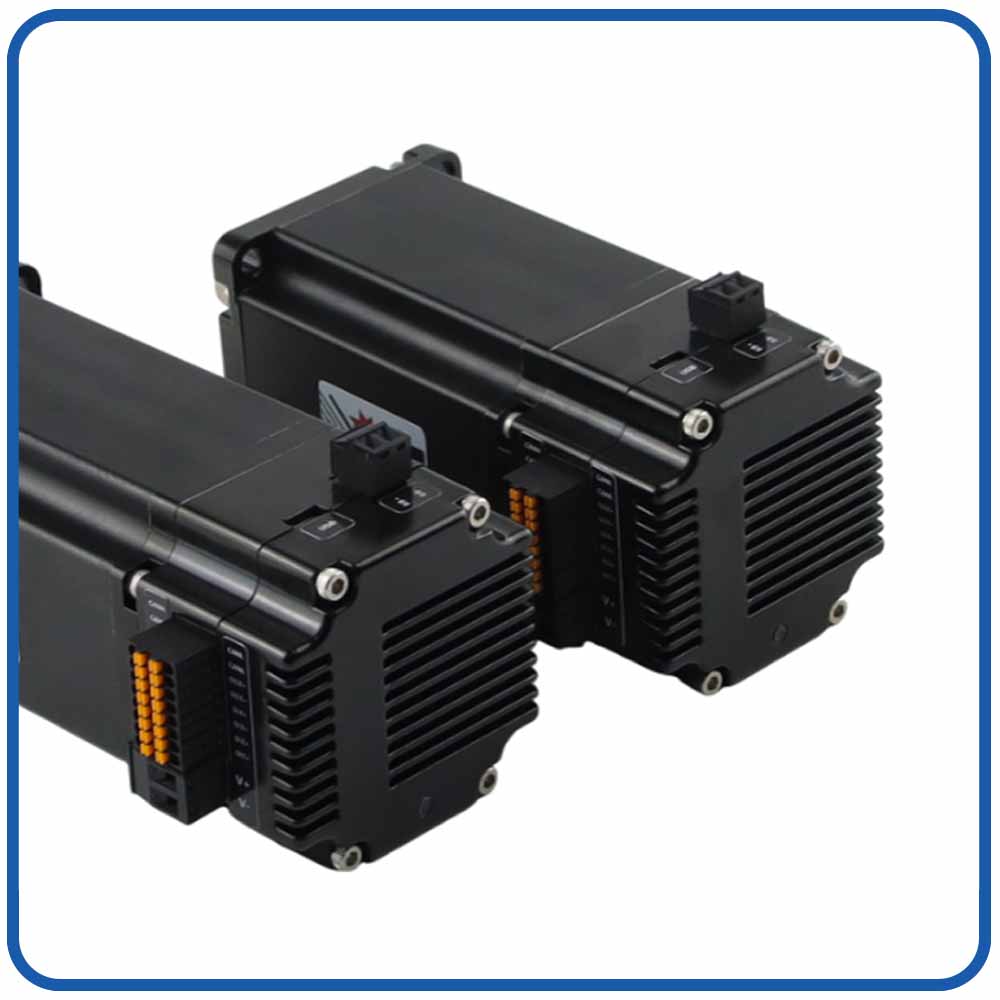
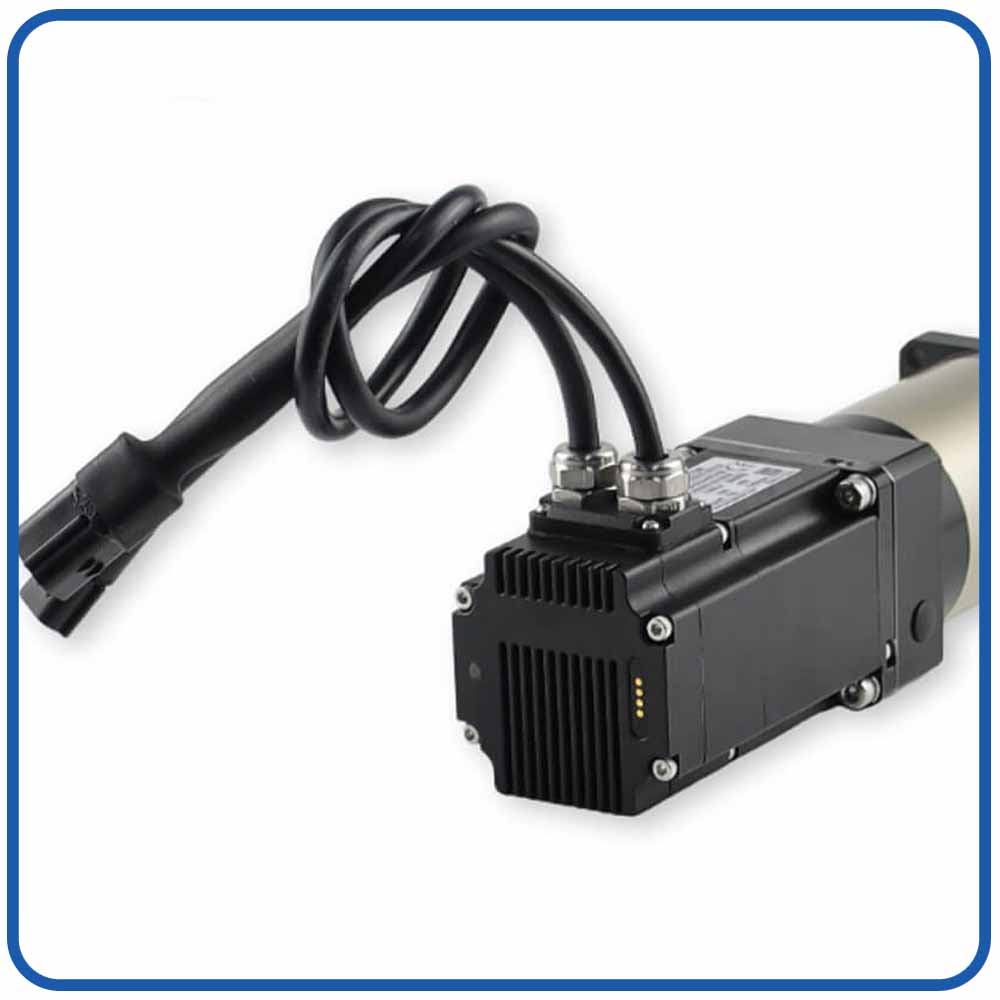
Modern warehouses, smart factories, and logistics centers are rapidly adopting robotic forklifts to improve efficiency, safety, and operational precision. At the core of these intelligent machines lies one of the most critical components — the Integrated Servo Motor. Unlike traditional motor systems, integrated servo motors combine motor, driver, encoder, and controller into a single compact unit, making them ideal for robotic forklift applications where space efficiency, precision, and reliability are essential.
In this article, we explore the essential features an integrated servo motor for robotic forklifts must have, helping manufacturers, system integrators, and automation engineers select the optimal solution for high-performance robotic forklift systems.
Robotic forklifts operate in dynamic environments that demand accurate positioning, smooth motion control, and fast response times. Traditional motor setups often require separate controllers, complex wiring, and additional installation space, which increases system complexity and maintenance costs.
Integrated servo motors eliminate these challenges by providing:
Compact design
Reduced wiring complexity
Enhanced reliability
Improved motion accuracy
Simplified installation
For robotic forklifts, these advantages directly translate into higher operational efficiency, lower downtime, and better safety performance.
Robotic forklifts must perform accurate pallet handling, precise lifting, and stable navigation. This requires integrated servo motors equipped with high-resolution encoders.
Essential Precision Capabilities:
High-resolution absolute encoders
Accurate positioning feedback
Minimal positioning error
Smooth motion control at low speeds
High precision enables robotic forklifts to:
Align perfectly with shelves
Handle fragile goods safely
Perform repeatable operations
Improve warehouse automation efficiency
Precision is not optional — it is fundamental for robotic forklift performance.
2. Compact All-in-One Design
Warehouse robots and robotic forklifts often have limited installation space. Integrated servo motors offer compact architecture by combining:
Motor
Driver
Encoder
Controller
Communication interface
Benefits of Compact Integrated Design:
Feature
Benefit for Robotic Forklifts
Reduced wiring
Faster installation
Compact footprint
Space-saving robot design
Integrated electronics
Improved reliability
Fewer components
Lower maintenance cost
Compact integrated servo motors allow robotic forklifts to operate efficiently in narrow aisles and confined warehouse environments.
3. High Torque Density for Heavy Load Handling
Robotic forklifts are designed to lift and transport heavy pallets, requiring motors with high torque output.
Important Torque Characteristics:
High starting torque
Stable low-speed torque
High overload capacity
Continuous duty operation
High torque density ensures robotic forklifts can:
Lift heavy goods safely
Move smoothly under load
Maintain consistent performance
Reduce mechanical wear
Integrated servo motors with optimized torque-to-size ratio improve forklift performance without increasing system size.
4. Advanced Communication Protocol Support
Modern robotic forklifts are part of intelligent automation ecosystems. Integrated servo motors must support advanced communication protocols for seamless integration.
Common Communication Interfaces:
CANopen
EtherCAT
Modbus
RS485
Ethernet/IP
These communication protocols allow:
Real-time motion control
Centralized system monitoring
Smart diagnostics
Remote parameter adjustment
Integrated servo motors with multi-protocol support provide maximum flexibility for robotic forklift manufacturers.
5. Smooth Low-Speed Performance
Robotic forklifts frequently operate at low speeds, especially during:
Shelf alignment
Pallet placement
Obstacle avoidance
Docking operations
Integrated servo motors must deliver smooth and stable low-speed motion.
Low-Speed Performance Features:
Anti-vibration control
Smooth acceleration/deceleration
Stable torque output
Precise micro-movement capability
Smooth motion improves:
Safety
Accuracy
Product protection
Operator confidence
6. Built-In Safety Features
Safety is a critical requirement for robotic forklifts operating around human workers and valuable goods.
Applications of Integrated Servo Motors in Robotic Forklifts
Integrated servo motors are transforming robotic forklift technology by delivering compact structure, high precision control, and reliable performance. These advanced motors are widely used across multiple functions within robotic forklifts, enabling autonomous navigation, accurate lifting, and intelligent material handling.
Below are the key applications of integrated servo motors in robotic forklifts and how they enhance operational efficiency in modern warehouses and smart factories.
Autonomous Driving and Navigation Systems
One of the most critical applications of integrated servo motors in robotic forklifts is autonomous driving and navigation. Robotic forklifts rely on precise motion control to move safely and efficiently in dynamic warehouse environments.
Key Functions in Autonomous Navigation
Wheel drive control
Steering system control
Speed regulation
Direction adjustment
Smooth acceleration and deceleration
Integrated servo motors provide high responsiveness and precise control, allowing robotic forklifts to:
Navigate narrow warehouse aisles
Avoid obstacles automatically
Follow pre-programmed routes
Operate safely around workers
The compact integrated design also reduces wiring complexity, improving system reliability and installation efficiency.
Fork Lifting and Lowering Mechanisms
The fork lifting system is one of the most important parts of a robotic forklift. Integrated servo motors enable precise vertical movement for safe and efficient pallet handling.
Benefits in Lifting Applications
Smooth lifting and lowering
Accurate height positioning
Stable load control
Reduced vibration during lifting
Improved load safety
Integrated servo motors allow robotic forklifts to handle fragile or high-value goods with enhanced precision. This ensures:
Accurate pallet placement
Reduced product damage
Improved operational efficiency
High torque output and stable low-speed control make integrated servo motors ideal for heavy load lifting applications.
Steering Control Systems
Robotic forklifts require precise steering control to operate effectively in tight warehouse spaces. Integrated servo motors provide high-precision steering capabilities.
Precise pallet positioning is essential in automated warehouse operations. Integrated servo motors enable robotic forklifts to accurately align forks with pallets and storage racks.
Positioning Capabilities
Fine positioning control
Micro-movement adjustments
Stable low-speed performance
Repeatable positioning accuracy
These capabilities allow robotic forklifts to:
Place pallets accurately
Reduce operational errors
Improve warehouse automation efficiency
Minimize product damage
High-resolution encoder feedback ensures consistent and repeatable positioning performance.
Load Handling and Transport Operations
Integrated servo motors play a key role in load transportation, enabling robotic forklifts to move goods safely and efficiently.
Load Handling Functions
Smooth load movement
Controlled acceleration
Stable speed operation
Shock-free transportation
These features help robotic forklifts:
Move heavy pallets smoothly
Maintain stability during transport
Reduce vibration damage
Improve warehouse productivity
High torque density allows integrated servo motors to handle heavy loads without compromising performance.
Autonomous Docking and Charging Systems
Robotic forklifts often include automatic docking and charging functions. Integrated servo motors provide precision motion control during docking procedures.
Robotic forklifts operate in dynamic environments with moving workers and equipment. Integrated servo motors allow precise motion control for safe navigation.
Modern robotic forklifts often require multi-axis motion control for advanced functionality. Integrated servo motors support synchronized motion across multiple axes.
Multi-Axis Applications
Fork movement control
Steering axis control
Lift mechanism control
Tilting mechanism control
Multi-axis synchronization improves:
Movement precision
Operational flexibility
Load stability
System efficiency
Integrated servo motors provide high-performance coordination for complex robotic forklift movements.
Automated Warehouse Integration
Robotic forklifts are commonly integrated into smart warehouse management systems. Integrated servo motors support advanced communication protocols.
Integration Features
Real-time communication
Remote monitoring
Smart diagnostics
Centralized control
Supported protocols may include:
CANopen
EtherCAT
Modbus
Ethernet/IP
These capabilities allow robotic forklifts to operate as part of fully automated warehouse systems.
Heavy-Duty Robotic Forklift Applications
Integrated servo motors are also used in heavy-duty robotic forklifts designed for industrial environments.
Heavy-Duty Application Benefits
High torque output
Durable construction
Continuous operation capability
Industrial-grade reliability
These features enable robotic forklifts to:
Handle large loads
Operate continuously
Work in harsh environments
Maintain consistent performance
Integrated servo motors ensure long service life and reduced maintenance costs.
By delivering high precision, compact design, and reliable performance, integrated servo motors significantly improve robotic forklift efficiency, safety, and automation capabilities.
As warehouse automation continues to expand, integrated servo motors will play a critical role in powering intelligent robotic forklifts for the future of logistics automation.
Future Trends in Integrated Servo Motors for Robotic Forklifts
The rapid growth of warehouse automation, smart logistics, and intelligent manufacturing is accelerating the evolution of robotic forklifts. At the center of this transformation, integrated servo motors are becoming more advanced, compact, and intelligent to meet the increasing demands of autonomous material handling systems.
As robotic forklifts continue to evolve, integrated servo motors are expected to incorporate smarter technologies, higher performance capabilities, and enhanced energy efficiency. These innovations will significantly improve operational precision, reliability, and overall automation efficiency.
Below are the key future trends in integrated servo motors for robotic forklifts that are shaping the next generation of intelligent logistics solutions.
Smarter Integrated Servo Motors with AI-Based Motion Control
Artificial intelligence is increasingly being integrated into robotic forklift systems. Future integrated servo motors will incorporate AI-based motion control algorithms that enhance performance and adaptability.
Key AI-Driven Capabilities
Adaptive motion control
Self-optimization of motor performance
Intelligent load detection
Real-time movement adjustments
Learning-based path optimization
AI-enabled integrated servo motors allow robotic forklifts to:
Improve navigation accuracy
Adapt to changing warehouse conditions
Optimize lifting and transport performance
Reduce operational errors
This trend will lead to smarter, more autonomous robotic forklift operations.
Higher Torque Density with More Compact Designs
As warehouse space becomes more valuable, robotic forklift manufacturers require smaller and more powerful motors. Future integrated servo motors will feature higher torque density within more compact housing designs.
Benefits of Higher Torque Density
Reduced robot size
Improved payload capacity
Enhanced lifting performance
Increased design flexibility
Compact high-torque integrated servo motors allow robotic forklifts to:
Operate in narrow aisles
Handle heavier loads
Improve maneuverability
Optimize robot architecture
This trend supports more efficient warehouse space utilization.
Enhanced Energy Efficiency and Battery Optimization
Battery-powered robotic forklifts require energy-efficient components to maximize operating time. Future integrated servo motors will incorporate advanced energy-saving technologies.
Energy Efficiency Improvements
High-efficiency motor designs
Intelligent power management
Regenerative braking technology
Low heat generation
Energy-efficient integrated servo motors help robotic forklifts:
Extend battery life
Reduce charging frequency
Lower operating costs
Improve sustainability
Energy optimization will become increasingly important as electric robotic forklifts dominate automated warehouses.
Advanced Communication and Industrial Connectivity
Future robotic forklifts will operate as part of fully connected smart warehouse ecosystems. Integrated servo motors will support advanced industrial communication protocols and IoT connectivity.
Communication Technology Trends
EtherCAT integration
CANopen communication
Industrial Ethernet support
Wireless communication options
Cloud connectivity
Enhanced communication capabilities allow:
Real-time system monitoring
Remote diagnostics
Predictive maintenance
Centralized control
These features enable robotic forklifts to function as intelligent nodes within automated logistics systems.
Predictive Maintenance and Smart Diagnostics
Future integrated servo motors will include predictive maintenance features to improve reliability and reduce downtime.
Smart Diagnostic Features
Real-time condition monitoring
Temperature monitoring
Vibration detection
Performance analytics
Failure prediction algorithms
Predictive maintenance enables robotic forklifts to:
Reduce unexpected downtime
Lower maintenance costs
Improve operational efficiency
Extend equipment lifespan
Smart diagnostics will significantly improve system reliability in automated warehouses.
Improved Safety and Functional Safety Standards
As robotic forklifts operate alongside human workers, safety requirements will become more stringent. Future integrated servo motors will include advanced safety features.
Future Safety Enhancements
Safe torque off (STO)
Safe limited speed (SLS)
Emergency braking functions
Collision prevention support
Functional safety certification
These features improve:
Workplace safety
Equipment protection
Regulatory compliance
System reliability
Integrated servo motors with advanced safety capabilities will support collaborative warehouse environments.
Multi-Axis Integration and Modular Motion Systems
Future robotic forklifts will require more complex motion control systems. Integrated servo motors will support multi-axis integration and modular motion architecture.
Multi-Axis Integration Benefits
Coordinated motion control
Reduced system complexity
Improved performance synchronization
Flexible robot design
Multi-axis integrated servo motors enable robotic forklifts to:
Perform complex movements
Improve load handling accuracy
Enhance operational efficiency
Support advanced robotic functions
This trend will support next-generation robotic forklift designs.
Improved Environmental Resistance and Durability
Future robotic forklifts will operate in more demanding industrial environments. Integrated servo motors will be designed with enhanced durability and environmental protection.
Environmental Protection Features
Higher IP protection ratings
Dust-resistant design
Temperature-resistant components
Vibration-resistant construction
These improvements ensure:
Long service life
Reliable performance
Reduced maintenance requirements
Continuous operation capability
Durability enhancements will support heavy-duty robotic forklift applications.
Customization and Application-Specific Solutions
Future integrated servo motors will offer greater customization options to meet specific robotic forklift requirements.
Customization Options
Custom torque ranges
Voltage flexibility
Encoder selection
Mounting configurations
Communication interfaces
Customized integrated servo motors allow robotic forklift manufacturers to:
Optimize robot performance
Improve system integration
Meet application-specific requirements
Increase design flexibility
Customization will become increasingly important as robotic forklift applications diversify.
Integration with Autonomous Navigation Technologies
Future robotic forklifts will incorporate advanced navigation technologies such as:
LiDAR navigation
Vision-based navigation
SLAM technology
AI-driven path planning
Integrated servo motors will support these technologies by providing:
High precision motion control
Smooth speed adjustment
Fast response time
Stable movement
These capabilities enhance autonomous robotic forklift performance.
Future Role of Integrated Servo Motors in Smart Warehouses
Integrated servo motors will continue to play a critical role in smart warehouse automation. Their future development will support:
Fully autonomous robotic forklifts
High-speed warehouse operations
Intelligent logistics systems
Collaborative robotics environments
As automation demand increases, integrated servo motors will become more intelligent, compact, and efficient, enabling next-generation robotic forklift innovation.
Summary
The future of integrated servo motors for robotic forklifts is driven by innovation, intelligence, and efficiency. Key trends include:
AI-based motion control
Higher torque density
Enhanced energy efficiency
Advanced communication protocols
Predictive maintenance
Improved safety features
Multi-axis integration
Increased durability
Customization capabilities
Autonomous navigation support
These advancements will significantly enhance robotic forklift performance, reliability, and automation capabilities.
As smart warehouses and intelligent logistics systems continue to expand, integrated servo motors will remain the core technology powering the future of robotic forklift automation.
Conclusion
Selecting the right integrated servo motor is essential for high-performance robotic forklift systems. The most important features include:
High precision control
Compact integrated design
High torque density
Advanced communication protocols
Smooth low-speed performance
Built-in safety features
Energy efficiency
Industrial-grade durability
Easy installation
Customization capabilities
By integrating these features, robotic forklifts achieve maximum efficiency, reliability, and performance in modern automated warehouses and industrial environments.
As automation continues to evolve, integrated servo motors will remain the core technology powering intelligent robotic forklifts, enabling smarter, safer, and more efficient logistics operations worldwide.

 English
 العربية
 Français
 Русский
 Español
 Português
 Deutsch
 italiano
 日本語
日本語 한국어
한국어 Nederlands
 Tiếng Việt
 ไทย
ไทย Polski
 Türkçe
 ພາສາລາວ
 ភាសាខ្មែរ
 Bahasa Melayu
 ဗမာစာ
ဗမာစာ Filipino
 Bahasa Indonesia
 magyar
 Română
 Čeština
 Монгол
 қазақ
қазақ Српски
 हिन्दी
 فارسی
فارسی Slovenčina
 Slovenščina
 Norsk
Norsk Svenska
 українська
 Ελληνικά
 Suomi
Suomi Հայերեն
 עברית
עברית Latine
 Dansk
Dansk Shqip
Shqip বাংলা
বাংলা Hrvatski
 Afrikaans
 Gaeilge
 Eesti keel
 Oʻzbekcha
 latviešu
 Azərbaycan dili
 Български
 Català