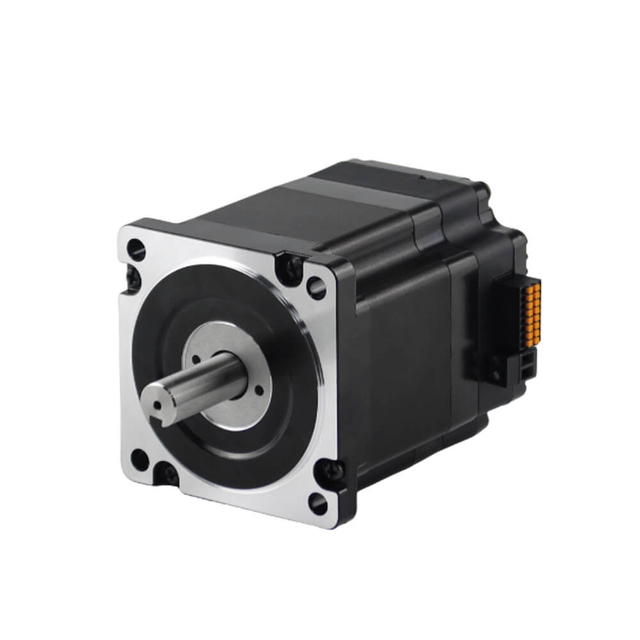
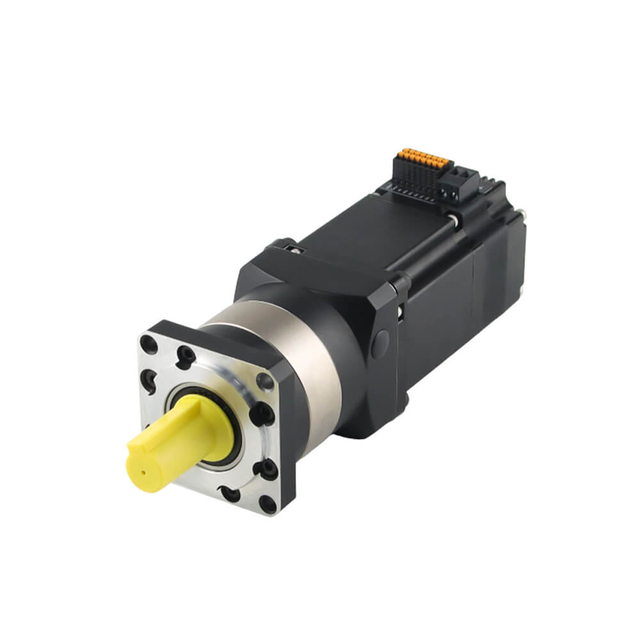
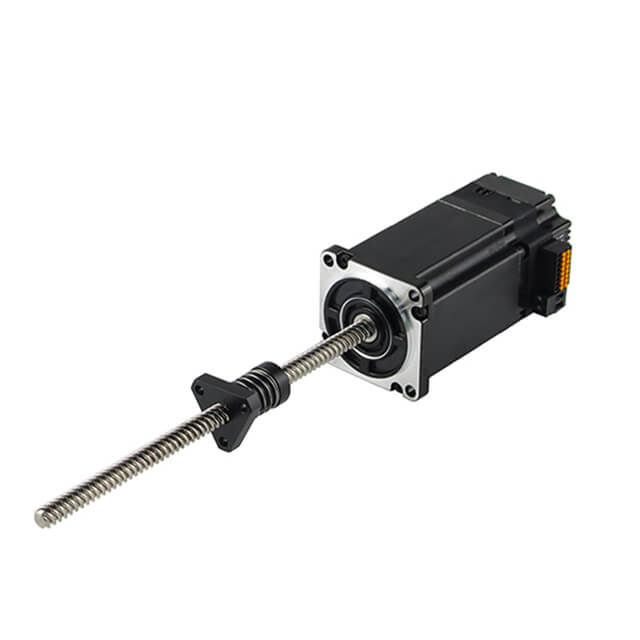
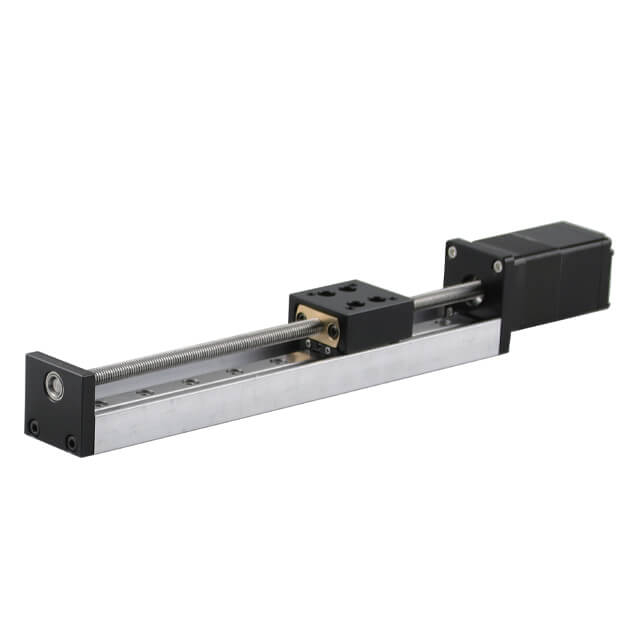
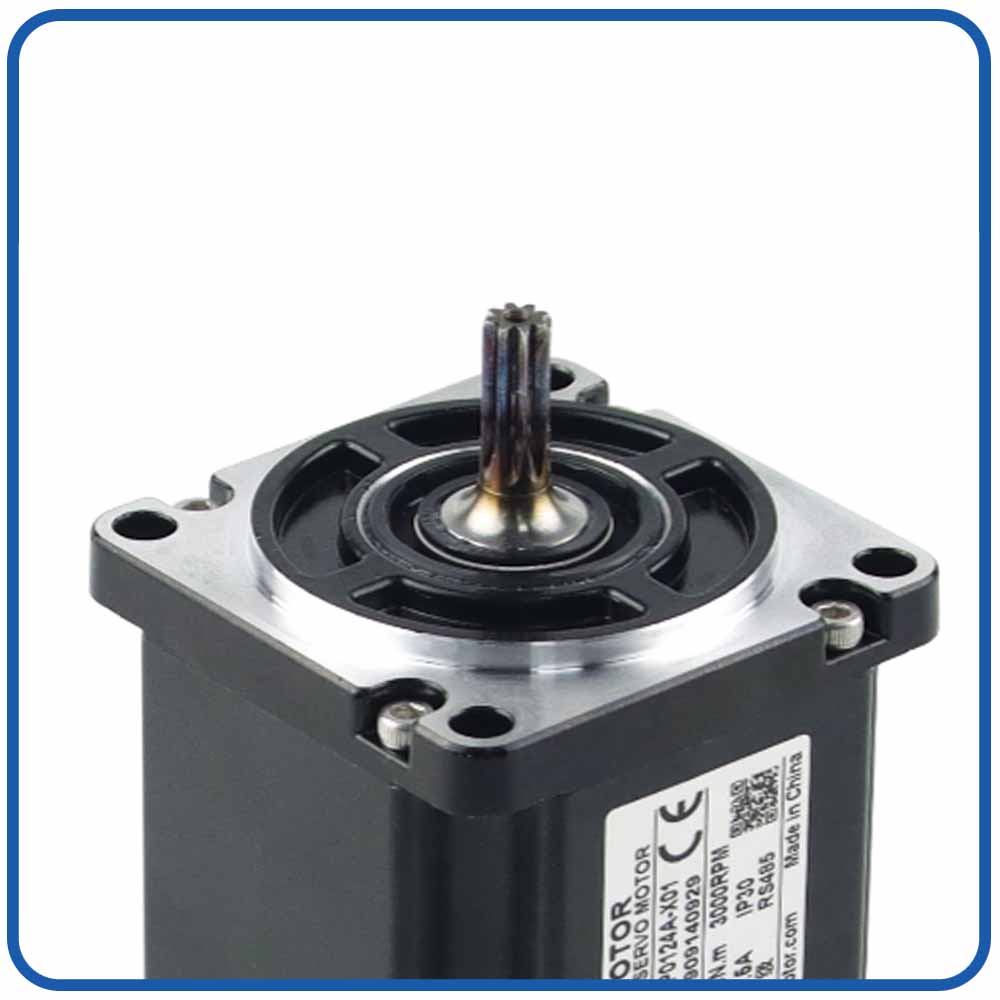
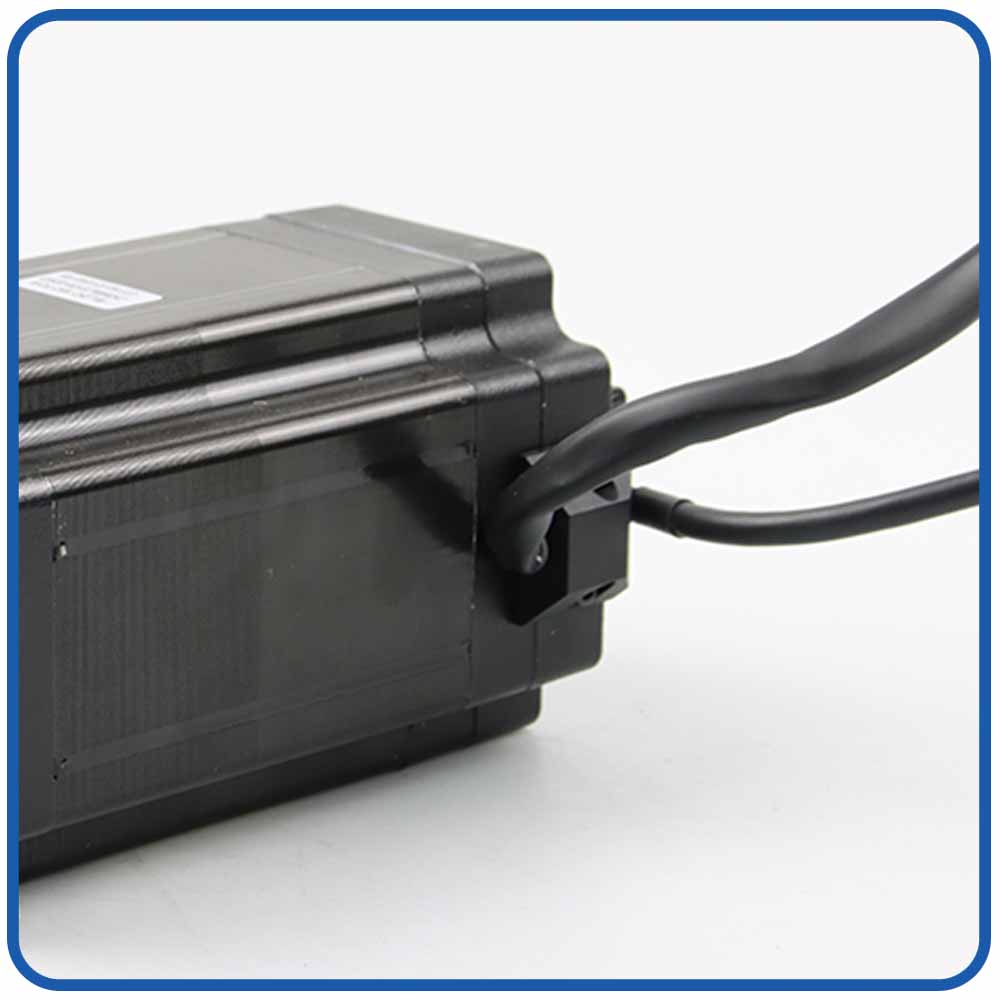
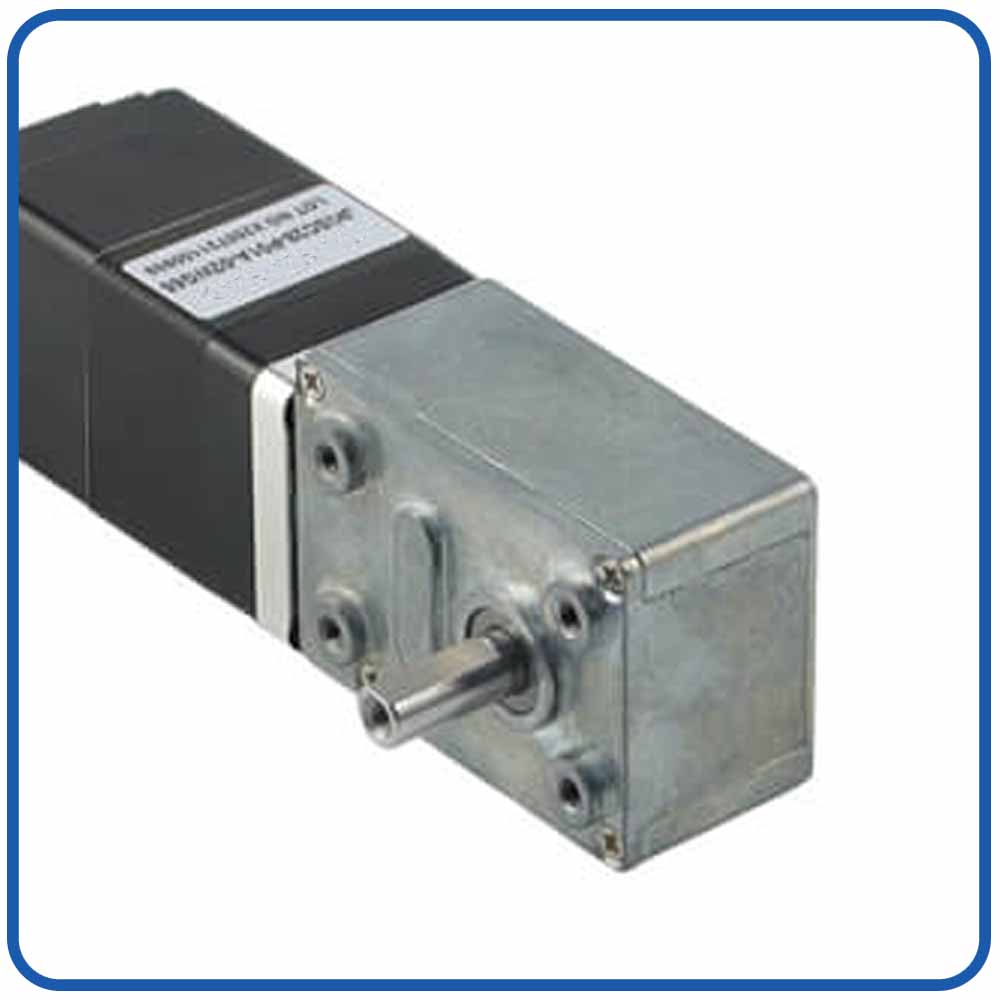
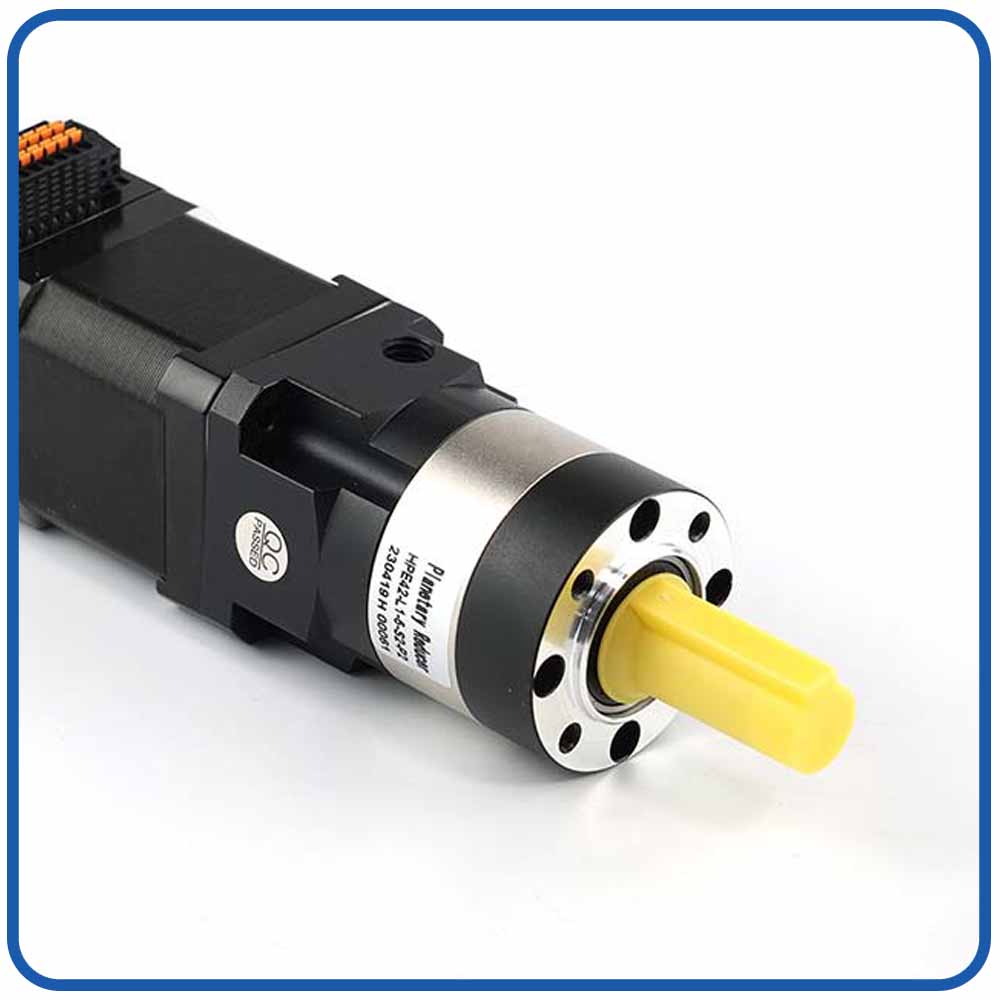
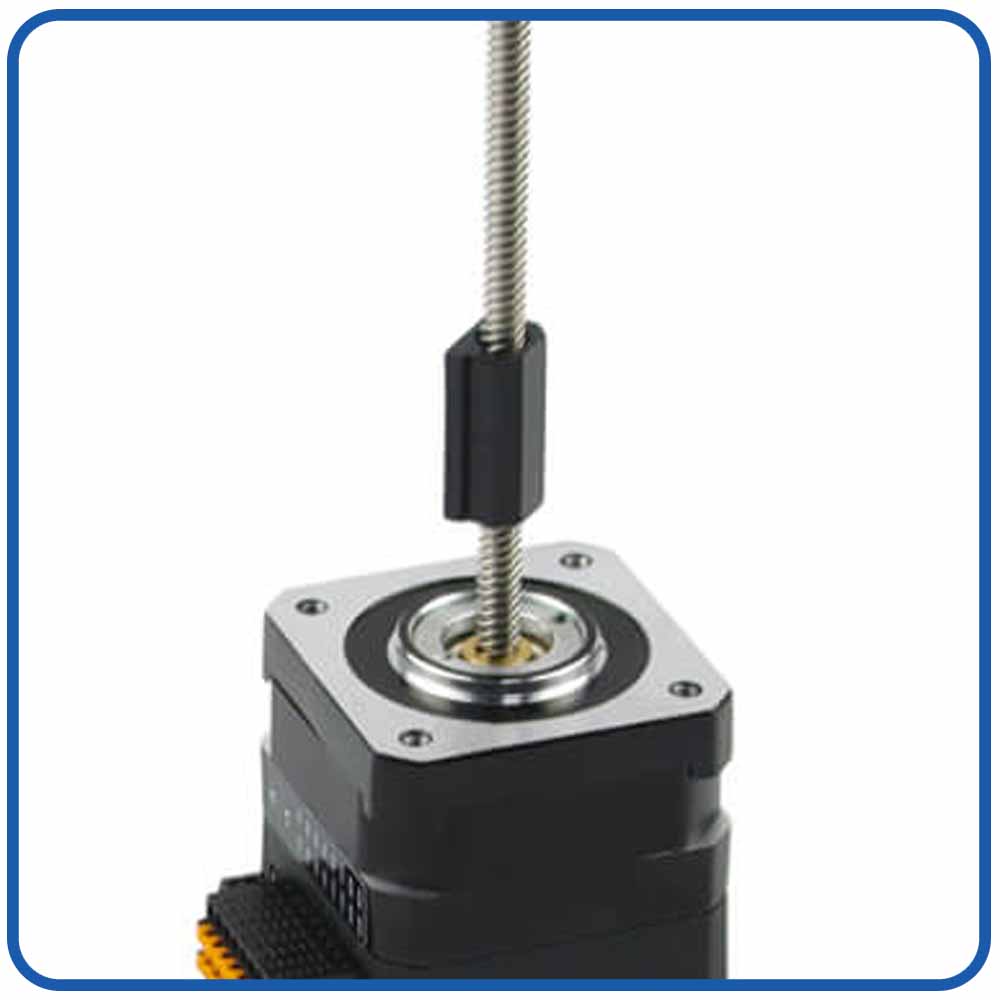
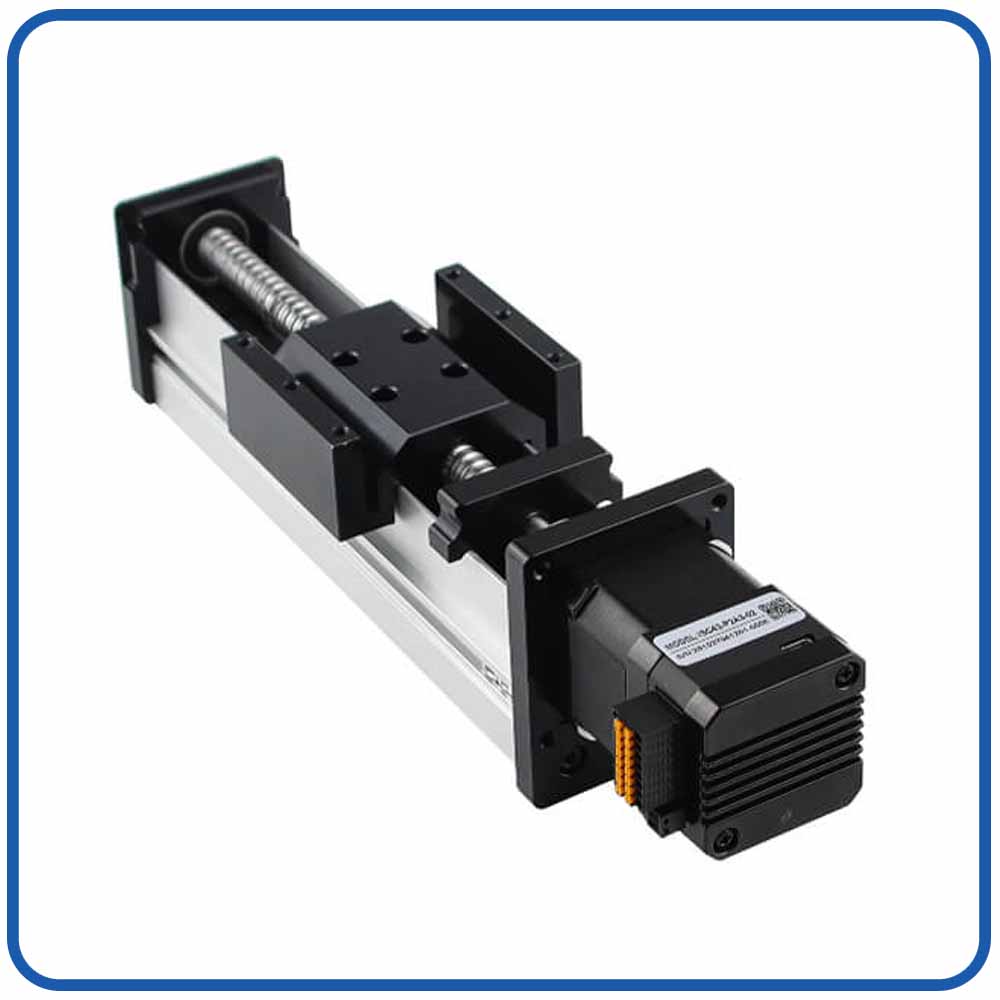
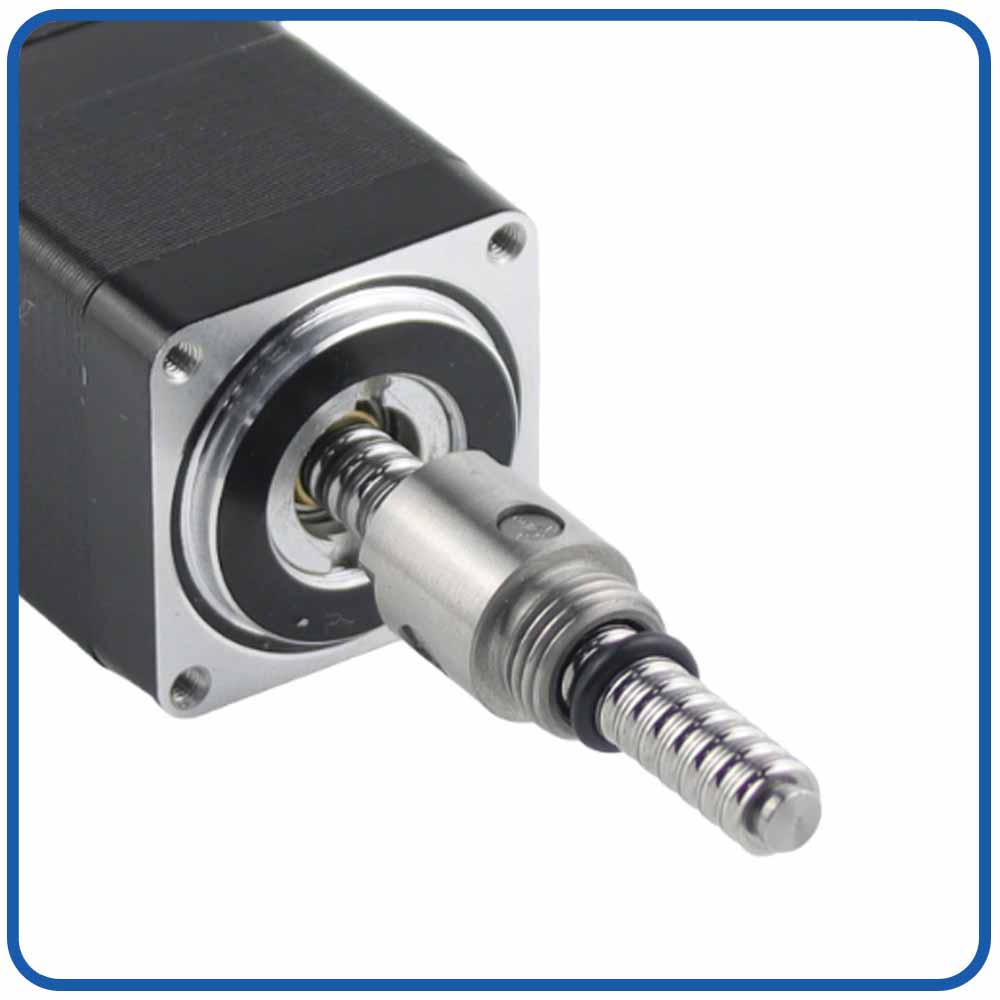
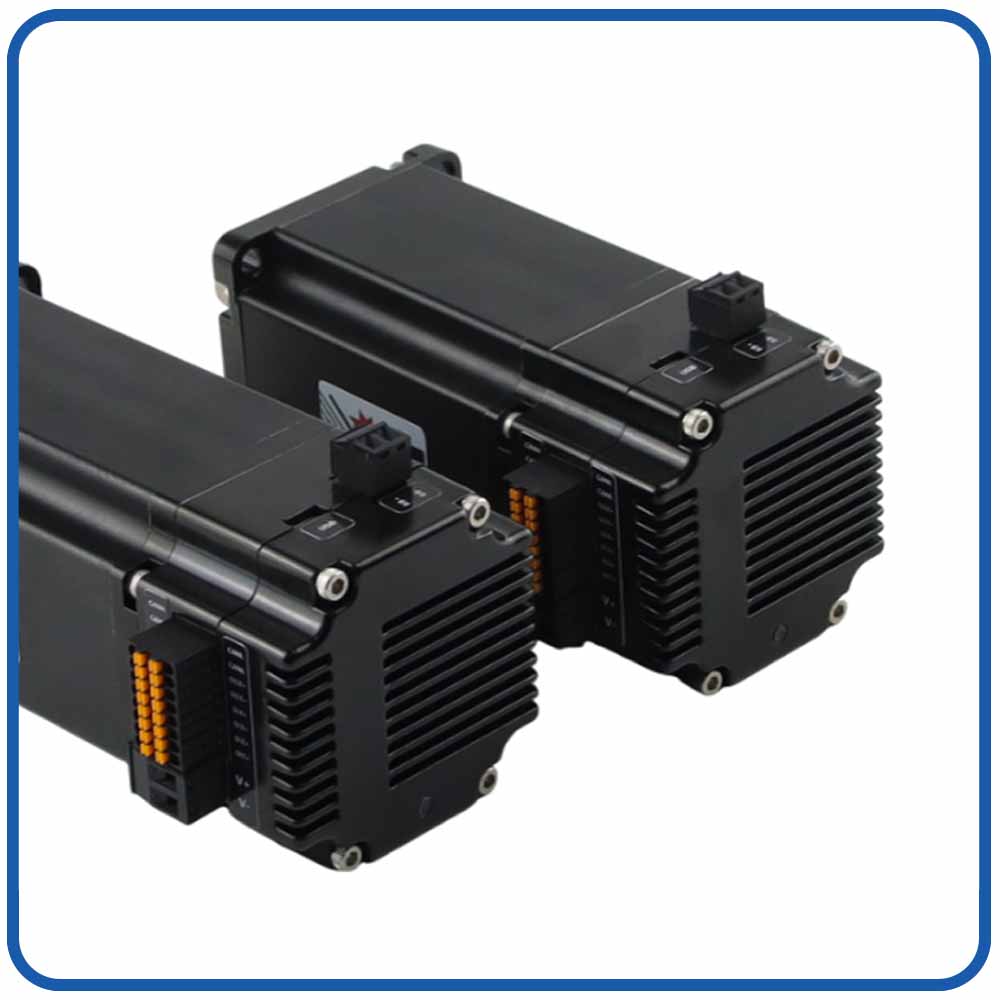
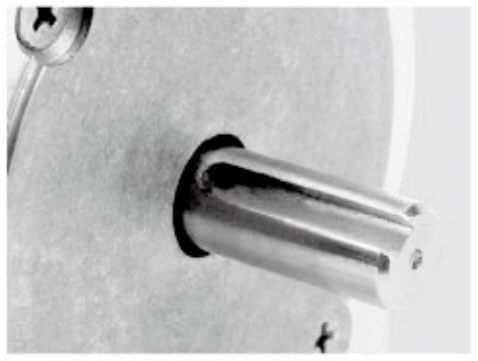
In summary, selecting the right integrated closed-loop stepper motor for compact medical syringe pumps requires evaluating torque, operating speed, encoder feedback, positioning reliability, and installation space. Integrated closed-loop stepper motors combine a stepper motor, encoder, and driver in one compact unit, helping improve motion control and simplify system integration. For reliable fluid delivery, engineers should also consider transmission backlash, plunger friction, fluid pressure, thermal performance, and system calibration. By matching motor specifications to the pump's requirements, medical equipment manufacturers can achieve more consistent positioning, efficient integration, and dependable liquid handling performance.
Compact medical syringe pumps require precise fluid delivery, stable motion control, compact mechanical integration, and reliable long-term operation. Selecting the right motor is essential for maintaining consistent flow rates, accurate dosing, and dependable performance in medical applications. Among the available motion control solutions, an integrated closed-loop stepper motor offers a practical combination of positioning accuracy, torque control, and space-saving design.
However, not every integrated closed-loop stepper motor is suitable for a compact medical syringe pump. Motor selection depends on syringe specifications, required flow rates, linear drive mechanisms, operating conditions, control interfaces, and safety requirements. Engineers must evaluate these factors together rather than selecting a motor based solely on frame size or rated torque.
In this guide, we examine the key considerations for selecting an integrated closed-loop stepper motor for compact medical syringe pumps, from force and speed requirements to feedback performance, thermal management, and system integration.
1.Understand the Motion Requirements of a Medical Syringe Pump
Before selecting a motor, we need to understand how the syringe pump converts rotary motion into controlled linear displacement.
A typical syringe pump consists of a motor, transmission mechanism, lead screw or ball screw, syringe holder, plunger driver, and electronic control system. The motor rotates the transmission mechanism, which moves the plunger forward at a controlled speed. This displacement determines the amount of fluid delivered.
The required motor performance depends on several application parameters:
Syringe size: Different syringe diameters produce different fluid volumes for the same plunger displacement.
Fluid viscosity: More viscous fluids may require greater force to maintain the target delivery rate.
Backpressure: Resistance in tubing, needles, catheters, and other downstream components affects the force required to move the plunger.
Positioning resolution: Small-volume delivery requires sufficiently fine and repeatable plunger movement.
Operating duration: Continuous operation places greater demands on motor thermal management and mechanical reliability.
These parameters establish the foundation for motor selection. A compact syringe pump designed for low-flow laboratory applications may have very different requirements from a medical infusion system that must deliver fluid over extended periods.
We should therefore define the pump's operating envelope before comparing individual motor models.
2.What is a integrated closed loop stepper motor?
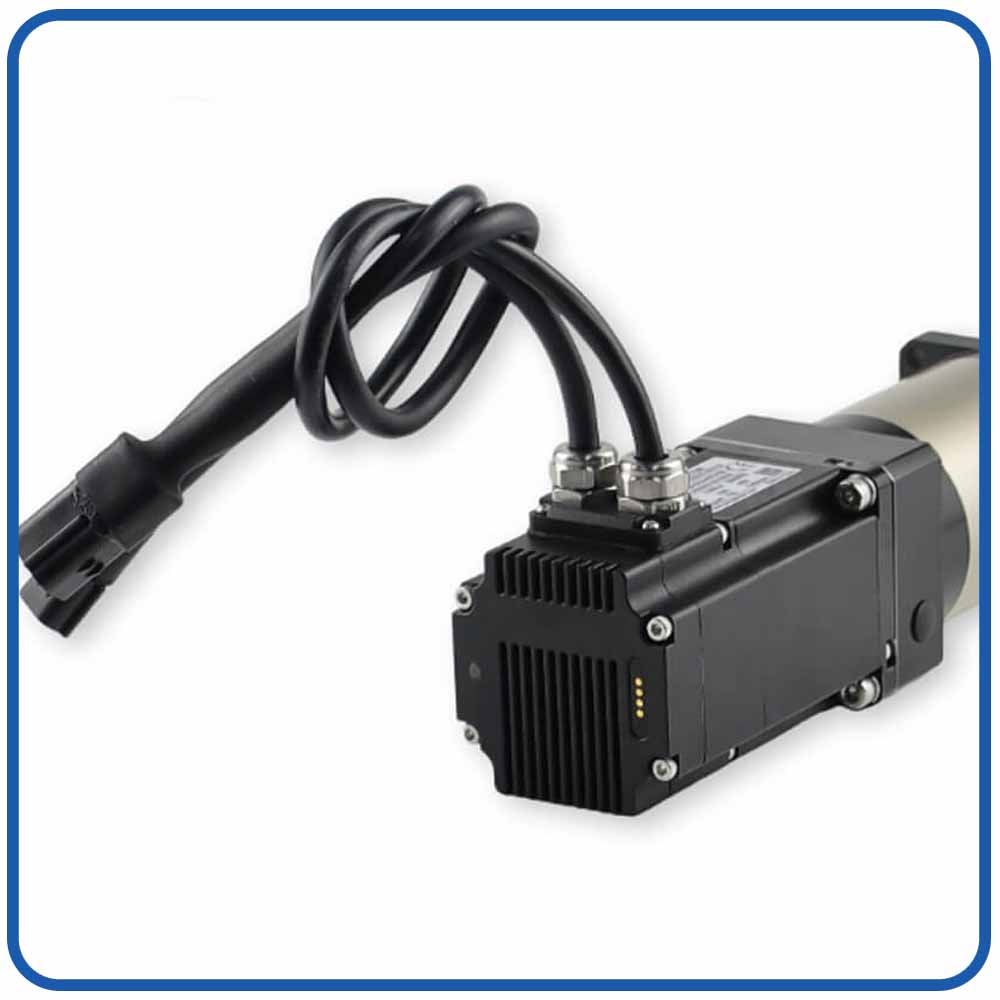
An integrated closed-loop stepper motor is a motion control device that combines a stepper motor, encoder, and motor driver into a single compact unit. It uses position feedback to monitor actual motor movement and adjust its operation when the actual position differs from the commanded position.
Compared with a traditional open-loop stepper motor, an integrated closed-loop stepper motor can detect position errors, reduce the risk of missed steps, and improve motion reliability under changing loads.
How Does an Integrated Closed-Loop Stepper Motor Work?
An integrated closed-loop stepper motor typically works through three main components:
Stepper Motor
Converts electrical pulses into controlled rotational movement. Its precise step-based operation makes it suitable for positioning applications that require repeatable motion.
Encoder
Measures the motor's actual position and provides feedback to the control system. Depending on the design, the encoder may also support speed monitoring and position-error detection.
Integrated Motor Driver
Receives motion commands, controls motor current, compares commanded movement with feedback, and adjusts motor operation according to its control strategy.
Working Principle
The controller sends a position or motion command to the motor.
The integrated driver energizes the motor windings to produce rotation.
The encoder measures the actual motor position.
The driver compares the actual position with the commanded position.
If a deviation occurs, the closed-loop control system adjusts motor operation within its capabilities.
This feedback mechanism helps the motor maintain commanded movement more reliably under varying loads.
Important: Closed-loop control does not eliminate every positioning error or guarantee absolute accuracy. Performance depends on the encoder, control algorithm, mechanical transmission, load, and system configuration.
Key Advantages of Integrated Closed-Loop Stepper Motors
Improved positioning reliability: Encoder feedback helps detect deviations between commanded and actual motor position.
Compact design: Integrated electronics reduce the need for separate motor drivers and associated wiring.
Better load response: The drive can respond to changes in mechanical load within its control limits.
Reduced risk of undetected missed steps: Position feedback helps identify motion errors that an open-loop system may not detect.
Simplified system integration: Fewer separate components can reduce installation and wiring complexity.
Potentially improved energy efficiency: Some models can adjust current according to operating conditions, depending on their control strategy.
Common Applications
Medical Syringe Pumps
Supports controlled plunger movement for fluid delivery. Actual dosing accuracy also depends on syringe dimensions, transmission mechanics, pressure, and system calibration.
Robotics and Automated Handling
Provides controlled positioning for compact actuators, pick-and-place mechanisms, and automated equipment.
Laboratory and Analytical Equipment
Enables repeatable movement in sample handling, dispensing, and precision positioning systems.
Industrial Automation
Supports linear actuators, inspection equipment, automated assembly systems, and other applications requiring controlled motion.
When Should You Choose an Integrated Closed-Loop Stepper Motor?
An integrated closed-loop stepper motor is worth considering when your application requires:
Repeatable positioning and feedback-based error detection.
Reliable movement under changing mechanical loads.
A compact motor-and-driver assembly.
Simplified electrical wiring and installation.
Controlled low-speed motion and frequent positioning adjustments.
When selecting a model, evaluate rated torque, torque-speed performance, encoder resolution, supply voltage, communication interfaces, thermal characteristics, mounting dimensions, and protection functions.
For applications requiring very high dynamic performance, exceptionally smooth motion, or demanding continuous-speed control, a conventional servo motor may also be worth evaluating.
In summary: An integrated closed-loop stepper motor combines a stepper motor, encoder, and driver in one unit to provide compact, feedback-based motion control. It is particularly useful when positioning reliability, integration simplicity, and controlled movement are important design priorities.
3.Integrated Closed-Loop Stepper Motor vs. Open-Loop Stepper Motor vs. Servo Motor
Choosing the right motor is essential for achieving reliable positioning, smooth motion, and efficient system integration. Integrated closed-loop stepper motors, open-loop stepper motors, and servo motors are widely used in industrial automation, medical syringe pumps, robotics, and precision liquid handling systems. However, they differ in feedback control, positioning reliability, dynamic performance, cost, and integration requirements.
Understanding these differences helps engineers select the most suitable motor for their applications.
3.1 What Is an Open-Loop Stepper Motor?
An open-loop stepper motor moves in discrete steps according to electrical commands, typically without encoder feedback to verify actual rotor position.
Key Advantages
Cost-effective design: Generally requires fewer components.
Simple control: Works with straightforward pulse-and-direction commands.
Good holding torque: Suitable for many stationary positioning applications.
Easy integration: Widely supported by motion controllers.
Limitations
Cannot normally detect missed steps without additional feedback.
May lose synchronization under excessive loads.
Requires sufficient torque margin to operate reliably.
Typical applications: Basic positioning systems, 3D printers, small CNC equipment, and cost-sensitive automation.
3.2 What Is a Servo Motor?
A servo motor is designed for feedback-based control of position, speed, and torque. Servo systems commonly use encoder feedback and advanced control algorithms to achieve responsive, accurate motion.
Depending on the configuration, a servo motor may require a separate drive or may be available as an integrated solution.
Key Advantages
High dynamic performance: Suitable for rapid acceleration and deceleration.
Actual performance depends on motor specifications, drive electronics, control settings, and mechanical design.
3.4 Which Motor Is Best for Medical Syringe Pumps?
Medical syringe pumps require controlled plunger movement, stable low-speed operation, compact construction, and reliable fault monitoring.
Open-loop stepper motor: Suitable for cost-sensitive systems with manageable loads and additional measures to address motion errors.
Integrated closed-loop stepper motor: A practical choice when compact integration and encoder-based position monitoring are priorities.
Servo motor: Worth considering when the application requires demanding dynamic performance, a wide speed range, or advanced motion coordination.
For many compact syringe pump designs, an integrated closed-loop stepper motor provides a useful balance between control capability, system size, and integration complexity.
However, motor positioning accuracy does not automatically guarantee fluid delivery accuracy. Syringe tolerances, plunger friction, screw backlash, fluid pressure, and calibration must also be evaluated.
3.5 How to Choose the Right Motor
Before selecting a motor, compare these essential factors:
Torque and speed: Verify the available torque at the required operating speed.
Positioning requirements: Determine whether encoder feedback and error detection are necessary.
Installation space: Compare motor dimensions, driver placement, and wiring requirements.
Motion profile: Assess acceleration, deceleration, and continuous operation.
Control compatibility: Check communication interfaces and controller requirements.
Budget and complexity: Balance purchase cost against integration effort and performance needs.
Summary
Open-loop stepper motors are suitable for simple, cost-sensitive positioning. Integrated closed-loop stepper motors add encoder feedback and compact drive integration, making them attractive for applications such as medical syringe pumps and liquid handling systems. Servo motors are often preferable when high dynamic performance and advanced motion control are essential.
The best choice depends on the application's torque, speed, accuracy, space, and control requirements. By evaluating these factors together, engineers can select a motor that delivers the right balance of performance, reliability, and cost.
4.Evaluate the Advantages of an Integrated Closed-Loop Stepper Motor
An integrated closed-loop stepper motor combines a stepper motor, position feedback device, and motor drive electronics in a compact assembly. Depending on the model, it may also incorporate communication interfaces, programmable motion functions, and additional protection features.
This architecture can simplify the design of compact medical syringe pumps.
4.1 Closed-Loop Position Control
Traditional open-loop stepper motors execute commanded steps without directly verifying the actual rotor position. If the applied load exceeds the available torque, the motor may lose synchronization without the controller immediately detecting the error.
A closed-loop stepper motor uses feedback from an encoder or another position sensor to monitor actual motion. The drive compares the commanded position with the measured position and adjusts motor operation according to its control strategy.
For syringe pumps, this feedback can help improve position tracking, motion consistency, and resistance to missed-step errors.
However, closed-loop control does not automatically guarantee accurate fluid delivery. Overall performance also depends on transmission backlash, screw lead accuracy, plunger compliance, syringe dimensions, fluid pressure, and the control system's calibration.
4.2 Compact Mechanical and Electrical Integration
Conventional motor systems often require a separate motor driver, encoder interface, and additional wiring. Integrated solutions combine key components into one assembly, reducing the number of external connections and simplifying equipment layout.
This can be particularly beneficial when a syringe pump must fit into a portable medical device, a multi-channel infusion platform, or a compact laboratory instrument.
The main advantages include:
Reduced external driver space.
Simplified motor and encoder wiring.
Fewer separate components to mount and connect.
More straightforward electrical integration.
Potential reductions in assembly time and system complexity.
When evaluating integrated motors, we should still verify the complete assembly dimensions, connector positions, cable bending radius, heat dissipation requirements, and accessibility for maintenance.
4.3 Stable Motion at Low Speeds
Many syringe pumps operate at low linear speeds to deliver small fluid volumes over extended periods. At these speeds, torque consistency, vibration, and transmission smoothness become particularly important.
Stepper motors provide discrete positioning capability, while microstepping can improve command resolution and reduce certain forms of vibration. Closed-loop feedback adds position monitoring and can help the drive respond to load disturbances.
Nevertheless, microstep resolution is not the same as absolute positioning accuracy. The achievable fluid delivery precision must be validated at the complete pump level.
For applications requiring extremely low flow rates, engineers should assess motor behavior under actual operating loads rather than relying exclusively on unloaded motor specifications.
5. Calculate the Required Linear Force and Motor Torque
The motor must generate sufficient torque to overcome the forces acting on the syringe plunger and the resistance of the transmission system.
Selecting a motor with insufficient torque may cause position errors, interrupted movement, or inconsistent delivery. Conversely, choosing an unnecessarily large motor can increase cost, power consumption, and thermal load.
5.1 Determine the Required Plunger Force
The required plunger force depends on the pressure inside the syringe, the syringe's internal diameter, friction between the plunger and barrel, and mechanical resistance in the drive system.
A practical assessment should include:
Maximum expected fluid pressure.
Plunger seal friction across the operating range.
Variations between syringe manufacturers and batches.
Friction in guide rails, bearings, and screw assemblies.
Additional force caused by acceleration or mechanical misalignment.
We should evaluate the maximum credible operating load rather than relying only on nominal conditions.
For medical syringe pumps, this is especially important when the same platform must support multiple syringe sizes or fluid types.
5.2 Match Motor Torque to the Transmission Mechanism
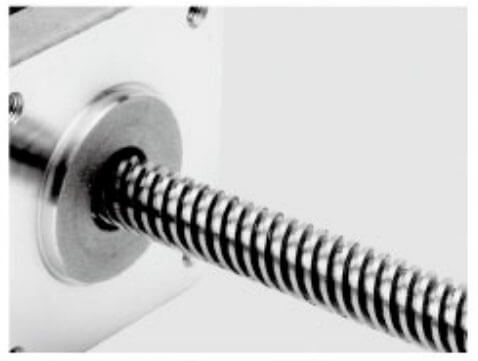
The motor's rotational torque is converted into linear force through a lead screw, ball screw, or another transmission mechanism.
The amount of linear force available depends on the screw lead, transmission efficiency, and motor torque at the actual operating speed.
A smaller screw lead generally provides greater mechanical advantage and finer linear displacement per motor revolution. However, it also requires more motor revolutions to achieve the same plunger travel.
A larger screw lead allows faster linear movement but requires greater torque for the same output force.
When selecting an integrated closed-loop stepper motor, we should therefore evaluate the motor and transmission as a complete system.
5.3 Check Torque at the Required Operating Speed
A motor's holding torque is not an adequate basis for selecting a syringe pump motor.
Stepper motor torque generally decreases as rotational speed increases. The available torque also depends on supply voltage, winding characteristics, drive current, and control settings.
We should review the manufacturer's torque-speed curve and confirm that the motor can maintain the required force across the complete operating range.
A suitable selection should provide sufficient margin for expected load variations, acceleration, mechanical friction, and aging effects without generating excessive heat.
6. Select the Appropriate Motor Size for a Compact Syringe Pump
The physical dimensions of the motor directly affect the pump's enclosure, internal layout, mounting structure, and portability.
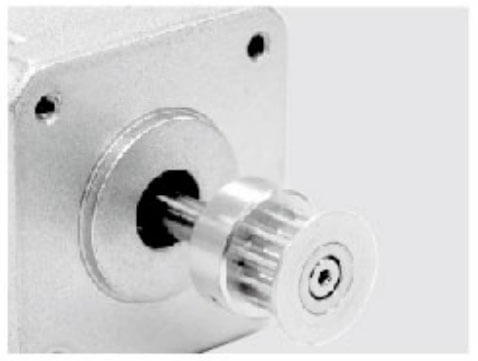
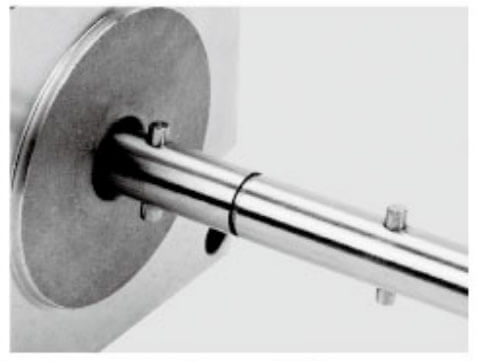
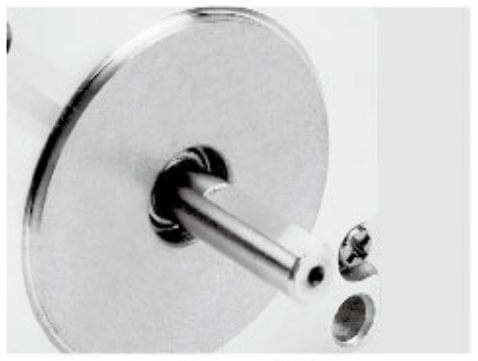
Common selection considerations include motor frame size, body length, shaft diameter, mounting-hole pattern, connector orientation, and the space required for electrical connections.
A smaller motor may be attractive for a portable device, but compact dimensions should not take priority over required torque, thermal performance, or positioning stability.
6.1 Balance Size, Torque, and Thermal Performance
A compact motor must operate within the thermal limits of the complete medical device. Limited ventilation and close proximity to other electronic components can increase the difficulty of dissipating heat.
When comparing motor models, we should examine:
Rated current and power consumption.
Winding temperature limits.
Permitted operating temperature.
Heat transfer through the mounting surface.
Continuous-duty performance.
Temperature rise under realistic loads.
An integrated motor may reduce the overall system footprint, but its drive electronics also generate heat. The thermal characteristics of the complete assembly must therefore be considered.
6.2 Consider Mounting and Transmission Alignment
Mechanical alignment is critical for consistent plunger movement.
Misalignment between the motor shaft, coupling, and screw assembly can increase friction, introduce vibration, accelerate bearing wear, and reduce the effective torque available at the load.
We should verify mounting rigidity, coupling compatibility, screw alignment, bearing support, and access for assembly.
For high-precision syringe pumps, mechanical tolerances throughout the transmission system can be just as important as the motor's nominal positioning resolution.
5. Choose the Right Encoder Resolution and Feedback Performance
The encoder provides position information to the closed-loop control system. Its resolution affects the feedback system's ability to detect rotor movement and position deviations.
However, encoder resolution alone does not determine the final fluid delivery accuracy.
5.1 Understand the Difference Between Encoder Resolution and Pump Accuracy
A high-resolution encoder can provide detailed rotor position feedback, but the syringe pump's output accuracy also depends on several mechanical and fluid-related factors.
These include:
Lead screw lead accuracy.
Transmission backlash.
Coupling compliance.
Syringe barrel dimensional tolerances.
Plunger seal deformation.
Fluid compressibility and trapped air.
Changes in fluid pressure.
Control-loop response and calibration.
For example, a motor may track its commanded angular position accurately while mechanical backlash delays the corresponding plunger movement. Similarly, a compliant fluid path may absorb part of the initial plunger displacement before fluid begins to flow.
Consequently, motor positioning performance and delivered-volume accuracy must be evaluated separately.
5.2 Evaluate Position Error Detection and Recovery
Different integrated closed-loop stepper motors use different feedback and error-handling strategies.
When selecting a motor for a medical syringe pump, we should determine whether the drive can detect excessive following error, report an alarm, stop motion, or initiate a defined recovery procedure.
The appropriate response depends on the medical device's risk analysis and intended function.
For critical fluid delivery, a detected position error should not simply be treated as a routine motion disturbance. The pump controller may need to coordinate motor alarms with delivery monitoring, fault reporting, and a safe system response.
6. Match Motor Speed to the Required Fluid Delivery Rate
The syringe pump must translate the required volumetric flow rate into a corresponding plunger speed.
This relationship depends on the syringe's internal cross-sectional area. A larger syringe generally requires a different plunger speed from a smaller syringe to deliver the same volume per unit of time.
Therefore, the motor's speed range must be evaluated alongside syringe dimensions and the transmission's linear travel per revolution.
6.1 Support Both Low-Flow and High-Flow Operation
Some syringe pumps must operate across a wide range of delivery rates.
At low flow rates, the system may need to minimize vibration, friction-induced stick-slip behavior, and small variations in plunger movement.
At higher flow rates, the motor must maintain adequate torque while meeting the required acceleration and steady-state speed.
A suitable integrated closed-loop stepper motor should provide stable operation across the required range rather than performing well only at one nominal speed.
6.2 Assess Acceleration and Deceleration
Sudden changes in motor speed can produce mechanical disturbances and increase the likelihood of position errors.
Controlled acceleration and deceleration help reduce these effects by allowing the motor and transmission to respond progressively to changes in motion commands.
We should examine whether the integrated drive supports configurable acceleration profiles, smooth speed transitions, and appropriate motion limits.
For applications requiring highly consistent fluid delivery, motion profiles should be validated using the actual syringe, transmission, and fluid path.
7. Evaluate Communication Interfaces and Control Integration
An integrated closed-loop stepper motor must communicate effectively with the syringe pump's main controller.
The appropriate interface depends on the device architecture, control requirements, wiring constraints, and integration strategy.
Common options include pulse-and-direction control, UART, RS-485, CAN-based interfaces, and industrial Ethernet protocols on suitable motor models.
7.1 Pulse-and-Direction Control
Pulse-and-direction control provides a straightforward method of commanding position and direction.
It can be appropriate when the pump controller generates motion commands directly and the integrated motor drive handles local closed-loop control.
Engineers should verify input voltage compatibility, maximum pulse frequency, electrical isolation, timing requirements, and alarm signaling.
7.2 Serial and Network Communication
Serial or network-based interfaces may support parameter configuration, status monitoring, diagnostics, and coordinated control of multiple motors.
For multi-channel syringe pumps, communication capabilities can simplify system management and help centralize fault reporting.
However, we should distinguish between ordinary motion-control communication and functions required for safety-related control. A standard communication interface should not be assumed to provide a certified safety function unless the complete implementation supports the relevant requirements.
7.3 Verify the Required Software Functions
Before finalizing a motor model, we should confirm that its control software and communication protocol support the required operating functions.
These may include:
Position and speed commands.
Acceleration and deceleration settings.
Position feedback and following-error monitoring.
Motor enable and disable control.
Alarm and fault reporting.
Parameter storage and configuration.
Recovery behavior after power interruption.
Diagnostics for commissioning and maintenance.
Clear documentation and accessible configuration tools can significantly reduce integration effort during product development.
8. Consider Power Consumption and Thermal Management
Compact medical devices often have strict limits on electrical power and available cooling space.
The integrated motor's power requirements depend on winding current, supply voltage, operating speed, mechanical load, and drive configuration.
A motor that consumes excessive power may increase battery requirements or generate unwanted heat inside the enclosure.
8.1 Select Appropriate Operating Current
Higher current can increase available torque within the motor's operating limits, but it also increases electrical losses and heat generation.
The drive current should be configured to meet the required mechanical load while maintaining acceptable temperature rise.
We should not assume that the highest available current setting is the best choice for a syringe pump.
8.2 Evaluate Holding Current and Standstill Behavior
Some syringe pumps must maintain plunger position when motion stops. Others may permit reduced motor current during periods of inactivity.
Reducing holding current can lower power consumption and heat generation, but it may also reduce the available holding torque.
The appropriate strategy depends on the mechanical transmission, external forces, required position retention, and the consequences of unintended plunger movement.
Where the application requires reliable position retention under power loss or other fault conditions, the design may need a suitable mechanical restraint or other independently evaluated solution.
9. Compare Integrated Closed-Loop Stepper Motors Using a Practical Checklist
A structured comparison helps engineers identify suitable candidates and avoid overlooking critical specifications.
Selection criterion
What to evaluate
Why it matters
Motor torque
Torque at the required operating speed
Ensures sufficient force for plunger movement
Motor size
Frame dimensions, body length, and mounting pattern
Determines mechanical fit
Encoder performance
Resolution, feedback accuracy, and error detection
Supports position monitoring
Speed range
Minimum and maximum operating speeds
Covers required delivery rates
Motion smoothness
Microstepping, current control, and resonance behavior
Helps reduce vibration and flow disturbances
Communication
Pulse-and-direction, serial, or network interfaces
Simplifies controller integration
Thermal performance
Current settings, temperature rise, and duty cycle
Supports reliable continuous operation
Protection functions
Fault detection, alarms, and recovery behavior
Supports system-level fault handling
Mechanical compatibility
Shaft, coupling, screw, and mounting alignment
Reduces friction and transmission errors
Documentation
Technical drawings, control manuals, and test data
Accelerates development and verification
We should compare candidate motors against the same operating conditions. Using different assumptions for load, speed, or duty cycle can lead to misleading comparisons.
It is also useful to request detailed torque-speed curves, encoder specifications, communication documentation, thermal data, and mechanical drawings directly from the manufacturer.
10. Common Mistakes When Selecting a Syringe Pump Motor
Several common selection errors can increase engineering costs or compromise the performance of the final pump.
Choosing a Motor Based Only on Holding Torque
Holding torque describes the motor's ability to resist rotation under specified conditions when stationary. It does not establish the torque available during operation.
We should use the manufacturer's torque-speed data and assess the actual load profile.
Encoder resolution is only one part of the position feedback system. Transmission errors, plunger friction, fluid pressure, and calibration can significantly affect the final delivered volume.
System-level testing remains essential.
Ignoring Thermal Performance
A motor may meet the required torque specification while exceeding acceptable temperature limits during prolonged operation.
Thermal testing should reflect the actual enclosure, mounting arrangement, ambient temperature, and operating duty cycle.
Overlooking Mechanical Backlash
Backlash can cause a delay between a change in motor direction and the corresponding movement of the syringe plunger.
This is particularly relevant when the pump performs frequent start-stop cycles, reversals, or small incremental movements.
Selecting an Incompatible Communication Interface
A motor with suitable mechanical performance may still require substantial additional integration work if its interface or control functions do not match the main controller.
Interface compatibility should be confirmed early in the design process.
Treating Motor Selection as the Final Accuracy Verification
The motor's rated performance cannot independently establish the pump's delivered-volume accuracy.
The completed system must be tested using representative syringes, fluids, flow rates, pressures, and environmental conditions.
Conclusion: Selecting an Integrated Closed-Loop Stepper Motor for Reliable Syringe Pump Performance
Selecting the right integrated closed-loop stepper motor for compact medical syringe pumps requires a balanced assessment of torque, speed, feedback performance, mechanical integration, thermal behavior, and control compatibility.
An integrated closed-loop design can simplify the drive architecture, reduce external wiring, and improve position monitoring. These characteristics make it a valuable option for compact medical instruments that require controlled linear movement and dependable motion performance.
However, motor selection should always begin with the syringe pump's mechanical and fluid-delivery requirements. The selected motor must provide adequate torque across the operating speed range, fit within the available enclosure, support the required control interface, and maintain acceptable thermal performance during continuous operation.
Most importantly, accurate motor positioning does not automatically guarantee accurate fluid delivery. The screw mechanism, syringe, plunger, fluid path, sensing system, and control software all contribute to the final result.
By evaluating these factors together and validating the complete system under realistic operating conditions, engineers can select an integrated closed-loop stepper motor that supports compact design, consistent motion, and reliable syringe pump performance.
FAQ:
FAQ 1: What is an integrated closed-loop stepper motor for medical syringe pumps?
An integrated closed-loop stepper motor combines a stepper motor, encoder, and motor driver in one assembly. Encoder feedback allows the drive to monitor actual motor position and detect deviations from commanded movement, making it suitable for compact medical syringe pumps that require controlled plunger motion and reliable position monitoring.
FAQ 2: Why are integrated closed-loop stepper motors suitable for compact medical syringe pumps?
Integrated closed-loop stepper motors provide position feedback, compact installation, and simplified wiring. These features help equipment manufacturers develop space-efficient syringe pumps with reliable motion control. Actual fluid delivery accuracy still depends on the syringe, transmission mechanism, fluid pressure, and system calibration.
FAQ 3: How do I select the right torque for a medical syringe pump motor?
Motor torque selection should consider plunger friction, fluid pressure, syringe diameter, transmission efficiency, screw lead, and required operating speed. Engineers should evaluate the motor's torque-speed curve and ensure sufficient torque margin under the maximum expected operating load.
FAQ 4: What encoder resolution is required for a syringe pump stepper motor?
The required encoder resolution depends on the positioning requirements, transmission design, syringe dimensions, and target delivery performance. Higher encoder resolution can improve feedback granularity, but it does not automatically guarantee higher fluid delivery accuracy. The complete pump should be validated under representative operating conditions.
FAQ 5: What is the difference between open-loop and closed-loop stepper motors in syringe pumps?
An open-loop stepper motor typically operates without encoder feedback, so it generally cannot directly detect missed steps. A closed-loop stepper motor uses feedback to monitor position deviations and adjust motor operation. This can improve motion reliability when the motor and drive are properly sized and configured.
FAQ 6: Are integrated closed-loop stepper motors suitable for low-flow liquid dispensing?
Yes. They can support controlled low-speed movement and repeatable positioning in low-flow dispensing systems. Performance depends on motor torque, drive settings, transmission friction, backlash, syringe characteristics, and fluid-path compliance. Testing at the intended flow rate is essential.
FAQ 7: Which communication interfaces are available for integrated closed-loop stepper motors?
Depending on the model, interfaces may include pulse-and-direction inputs, UART, RS-485, CAN-based communication, or industrial Ethernet protocols. Engineers should confirm the interface, electrical requirements, command functions, and diagnostic capabilities before integrating the motor with the syringe pump controller.
FAQ 8: How can an integrated closed-loop stepper motor improve syringe pump reliability?
Encoder feedback helps detect deviations between commanded and actual motor movement. Depending on the drive, the system may adjust operation or report a fault when position errors exceed configured limits. Additional monitoring may still be needed to detect fluid-path problems such as occlusion or leakage.
FAQ 9: What factors affect the accuracy of a motor-driven syringe pump?
Syringe pump accuracy depends on motor positioning, screw lead accuracy, mechanical backlash, plunger friction, syringe tolerances, fluid pressure, fluid compressibility, trapped air, and calibration. Reliable performance requires evaluating the complete fluid delivery system rather than relying only on motor specifications.
FAQ 10: What should I consider when integrating a closed-loop stepper motor into a compact syringe pump?
Key considerations include motor dimensions, available torque at operating speed, encoder performance, drive interface, thermal management, mounting alignment, transmission backlash, and fault reporting. The completed pump should also undergo performance verification and applicable medical device safety and risk assessments.

 English
 العربية
 Français
 Русский
 Español
 Português
 Deutsch
 italiano
 日本語
 한국어
 Nederlands
 Tiếng Việt
 ไทย
 Polski
 Türkçe
 ພາສາລາວ
 ភាសាខ្មែរ
 Bahasa Melayu
 ဗမာစာ
 Filipino
 Bahasa Indonesia
 magyar
 Română
 Čeština
 Монгол
 қазақ
 Српски
 हिन्दी
 فارسی
 Slovenčina
 Slovenščina
 Norsk
 Svenska
 українська
 Ελληνικά
 Suomi
 Հայերեն
 עברית
 Latine
 Dansk
 Shqip
 বাংলা
 Hrvatski
 Afrikaans
 Gaeilge
 Eesti keel
 Oʻzbekcha
 latviešu
 Azərbaycan dili
 Български
 Català