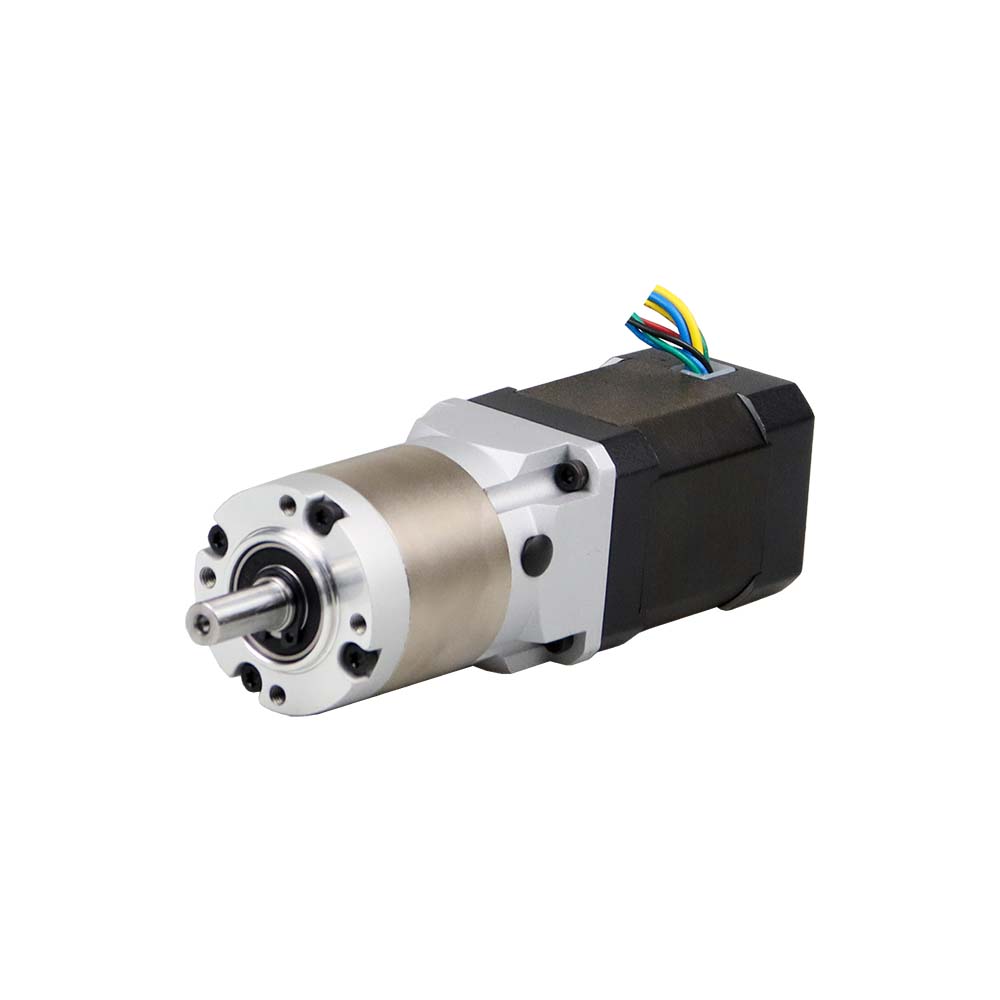
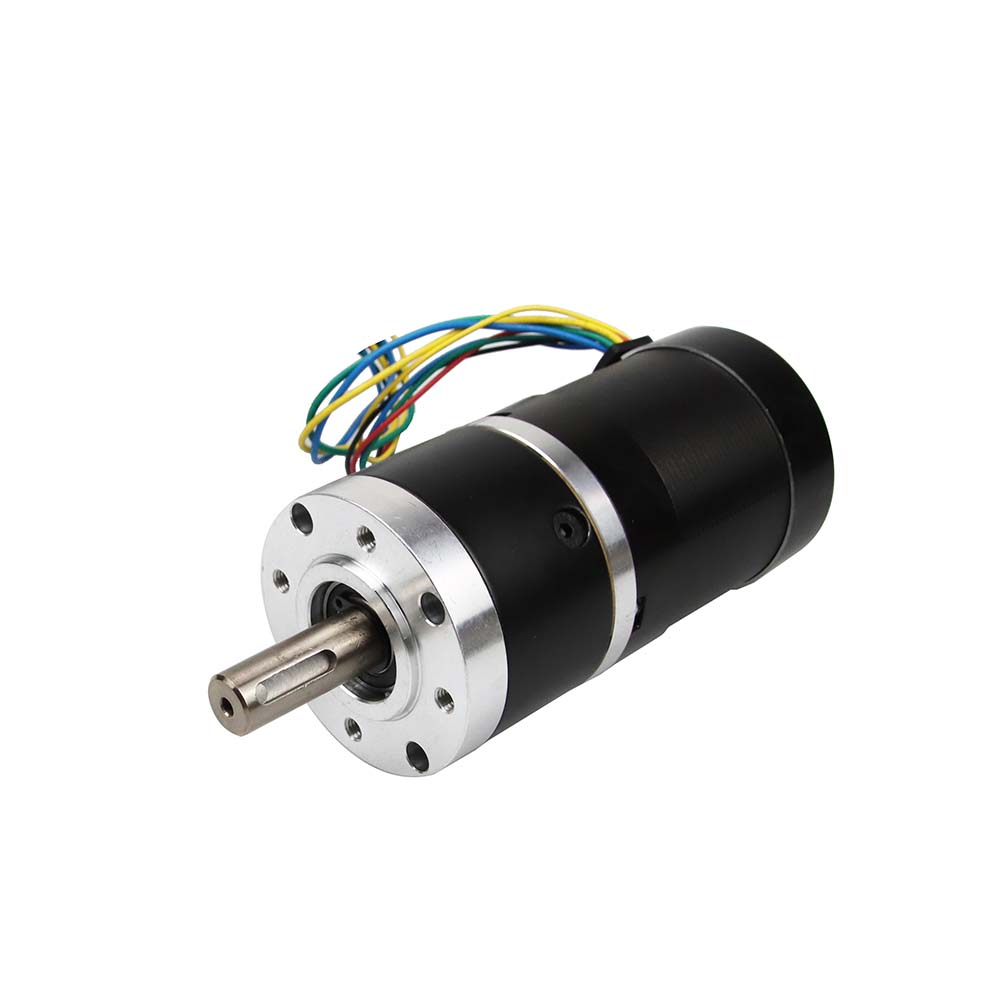
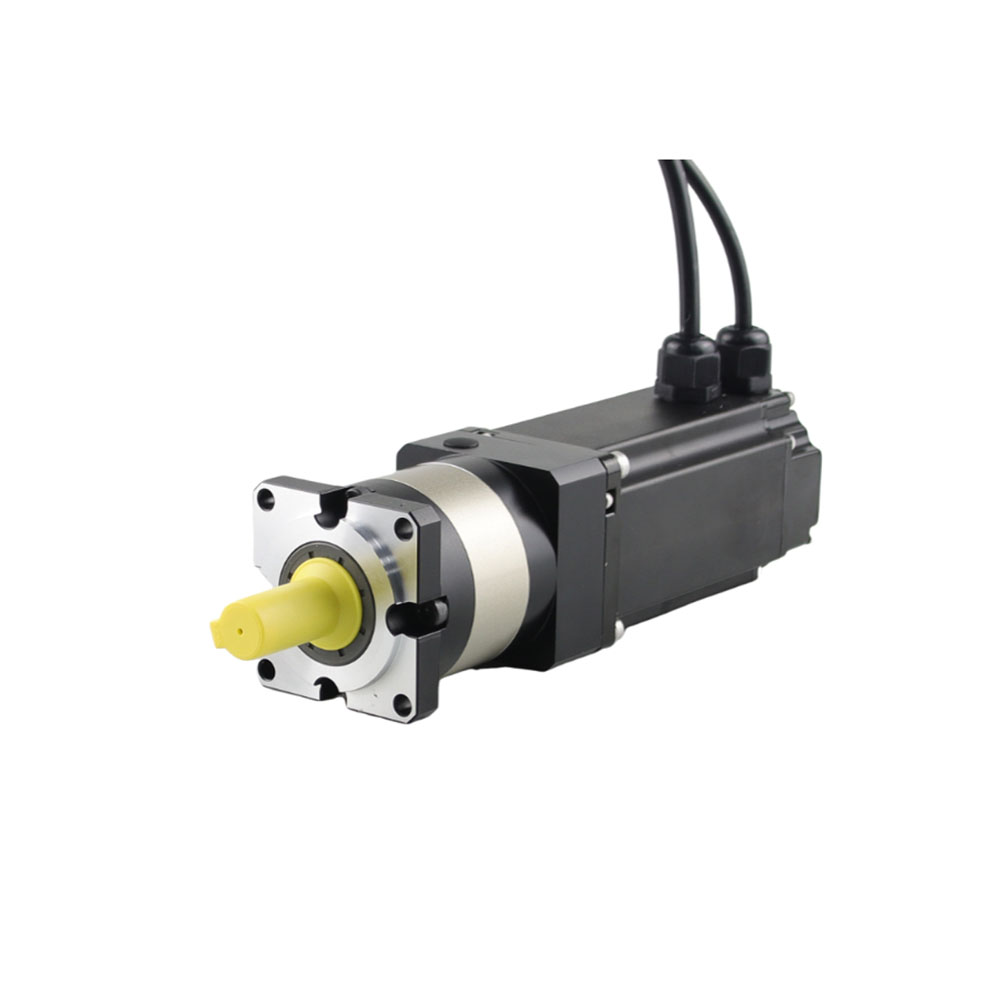
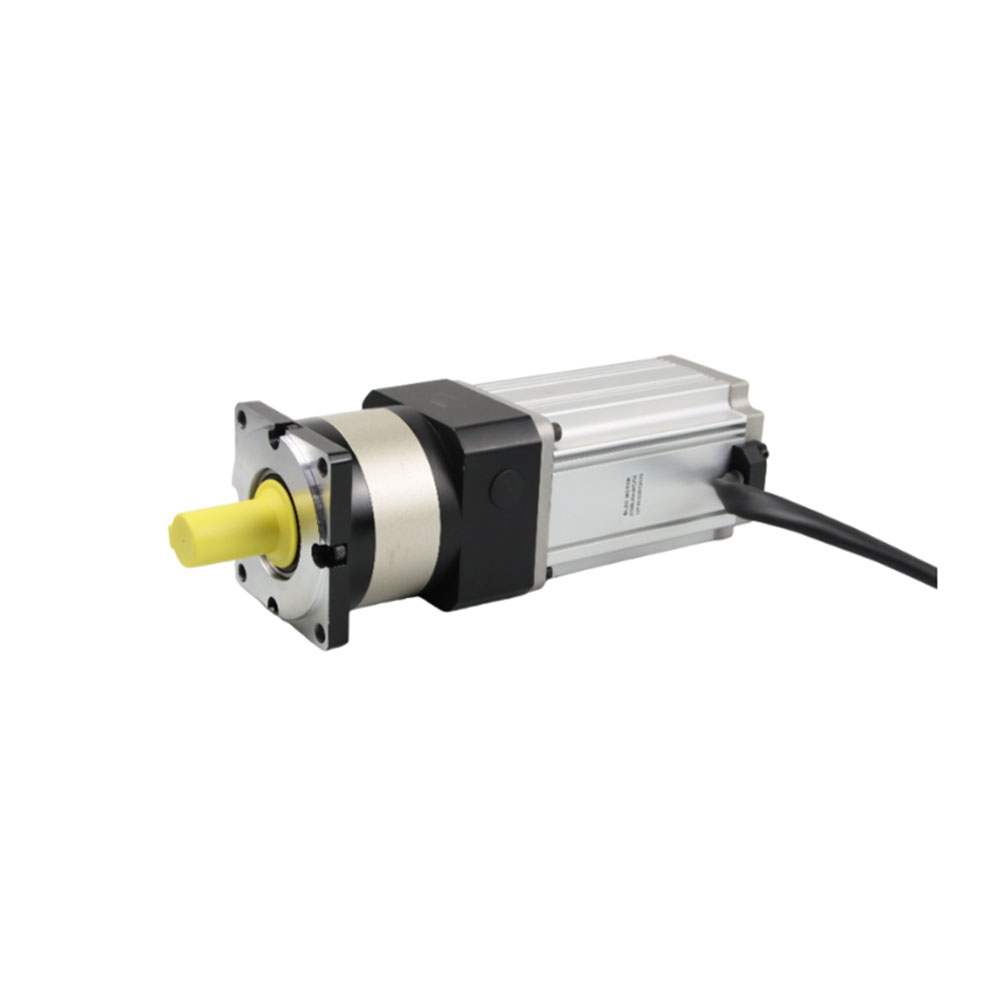
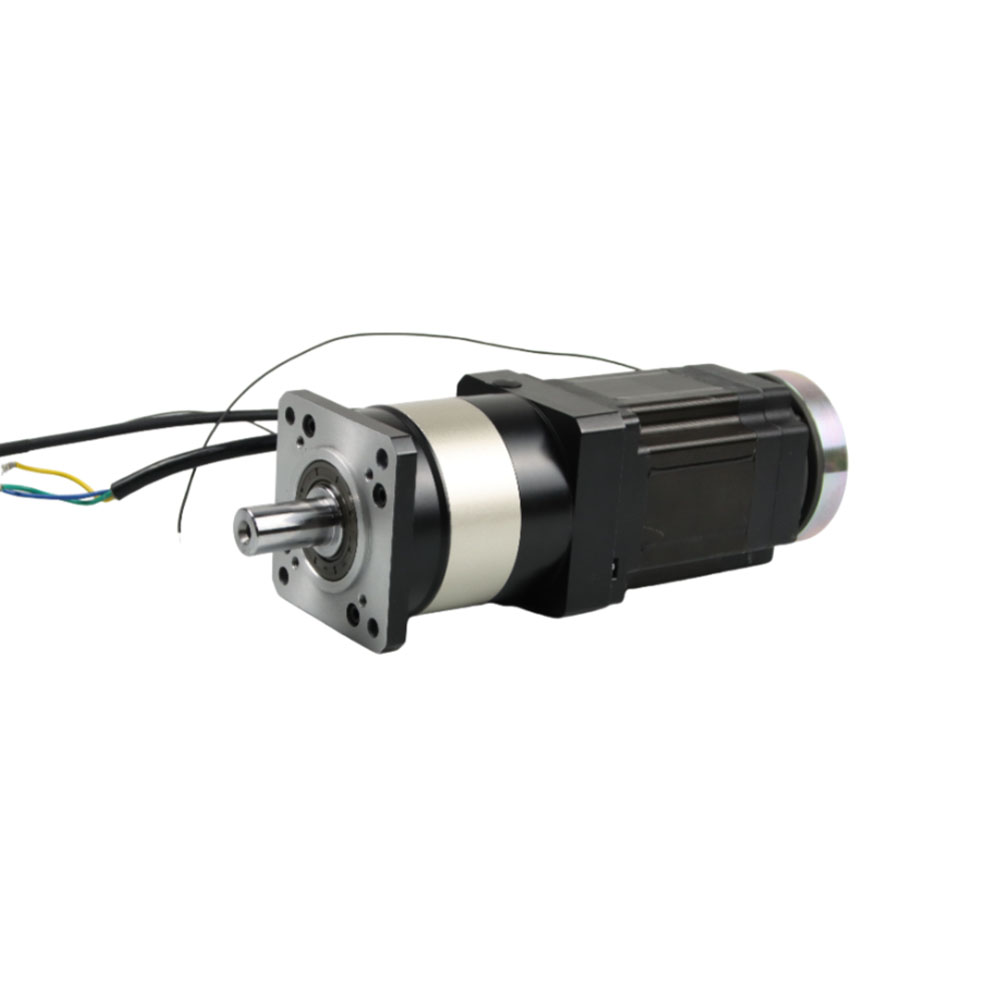
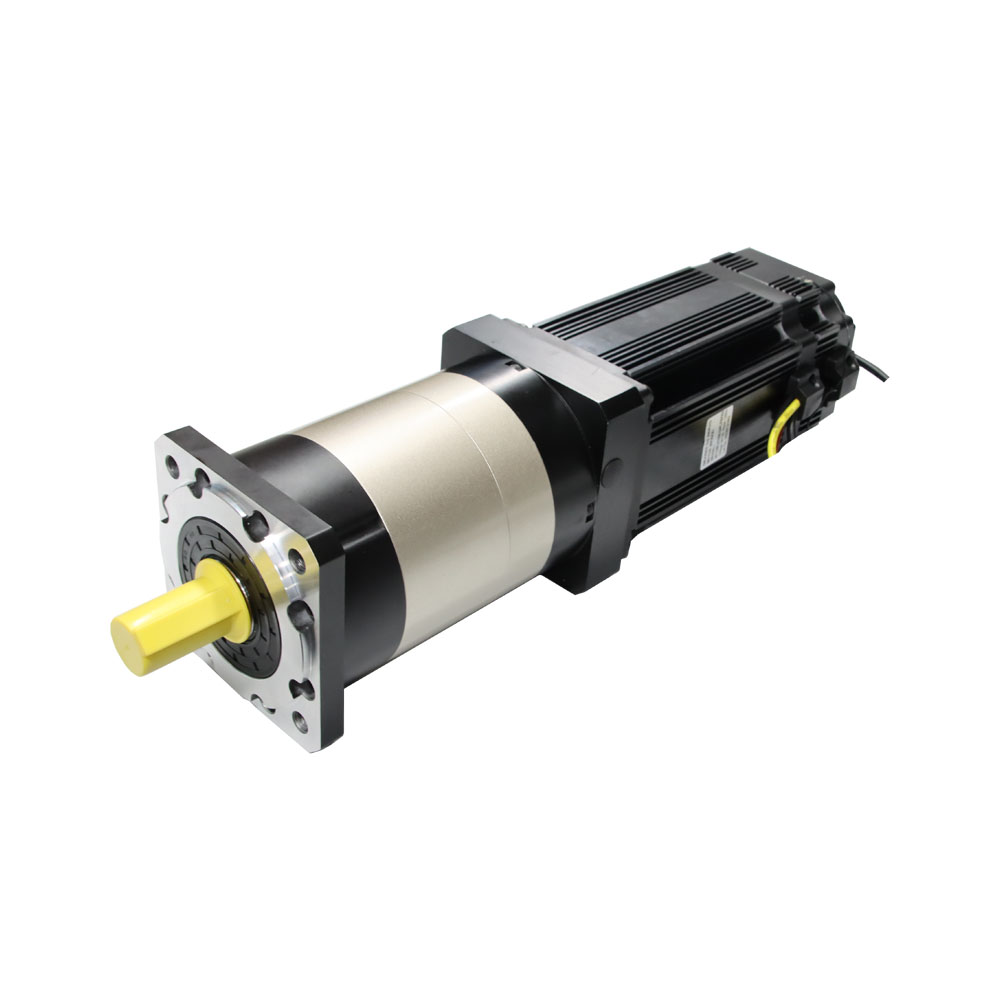
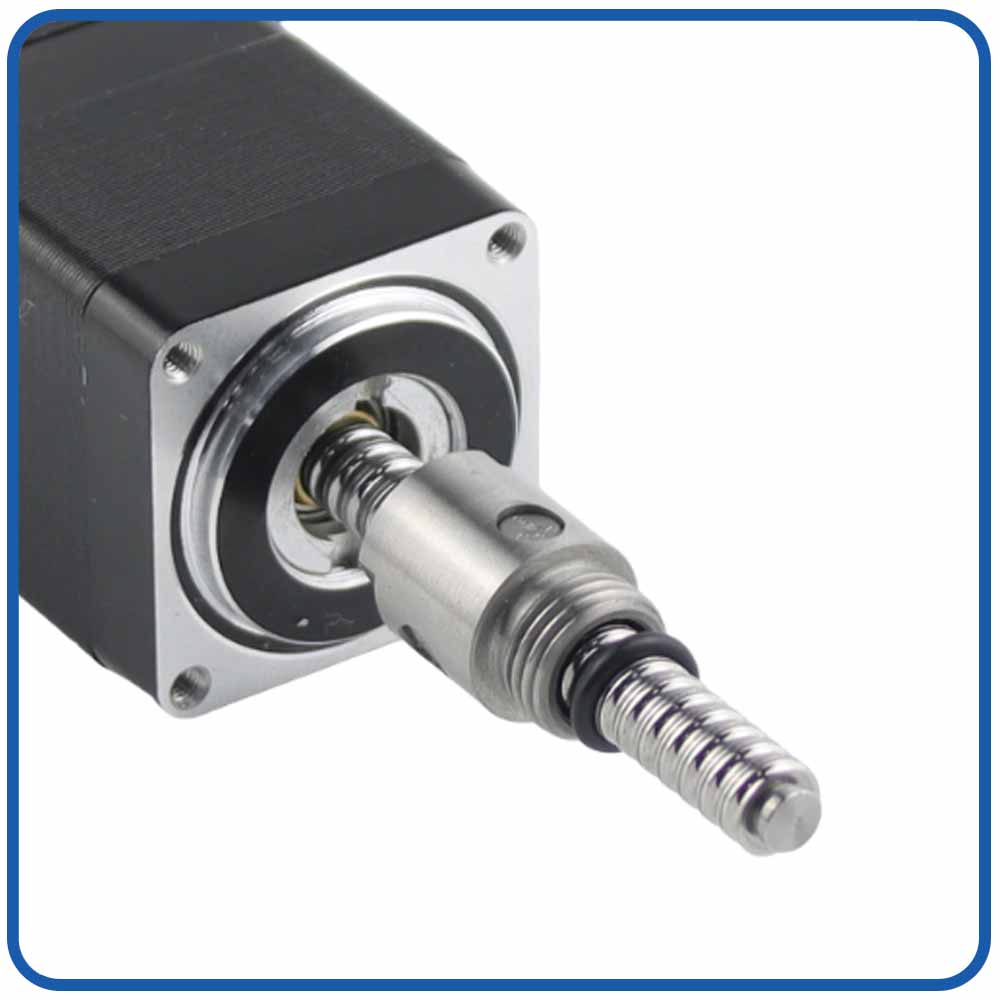
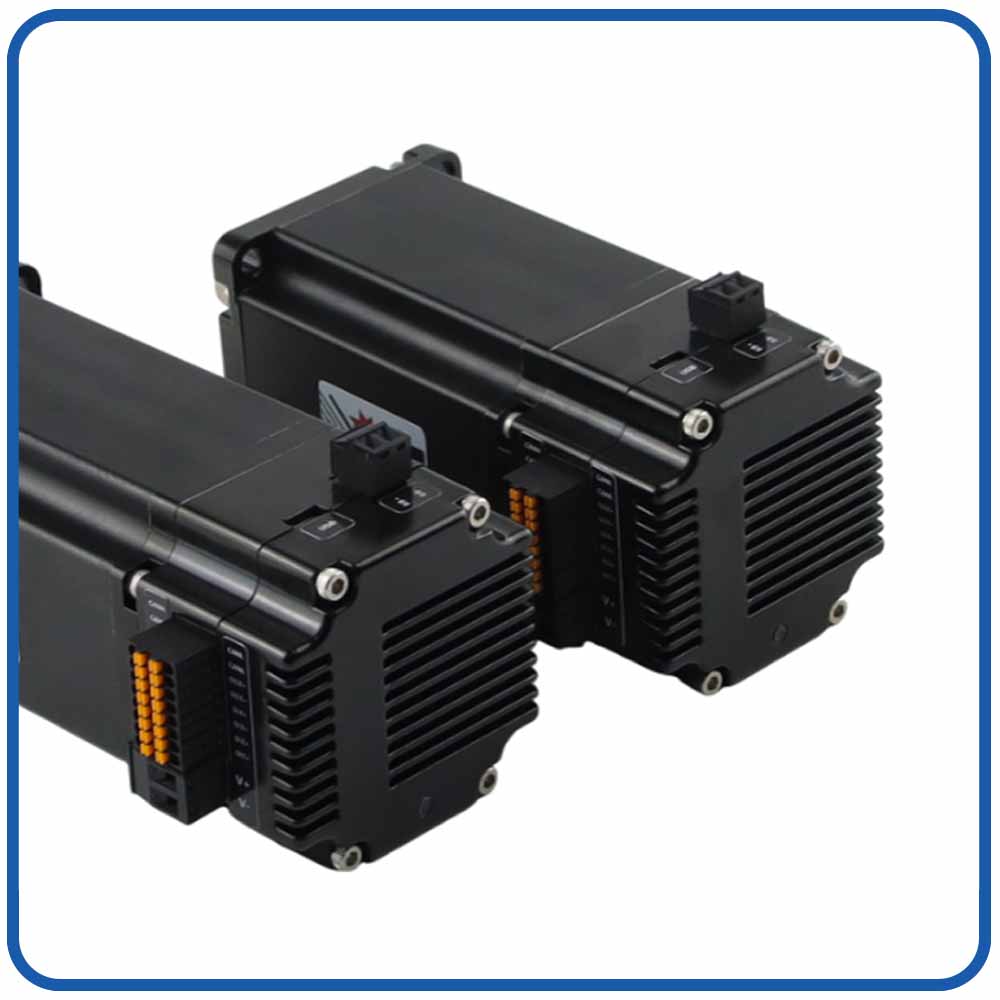
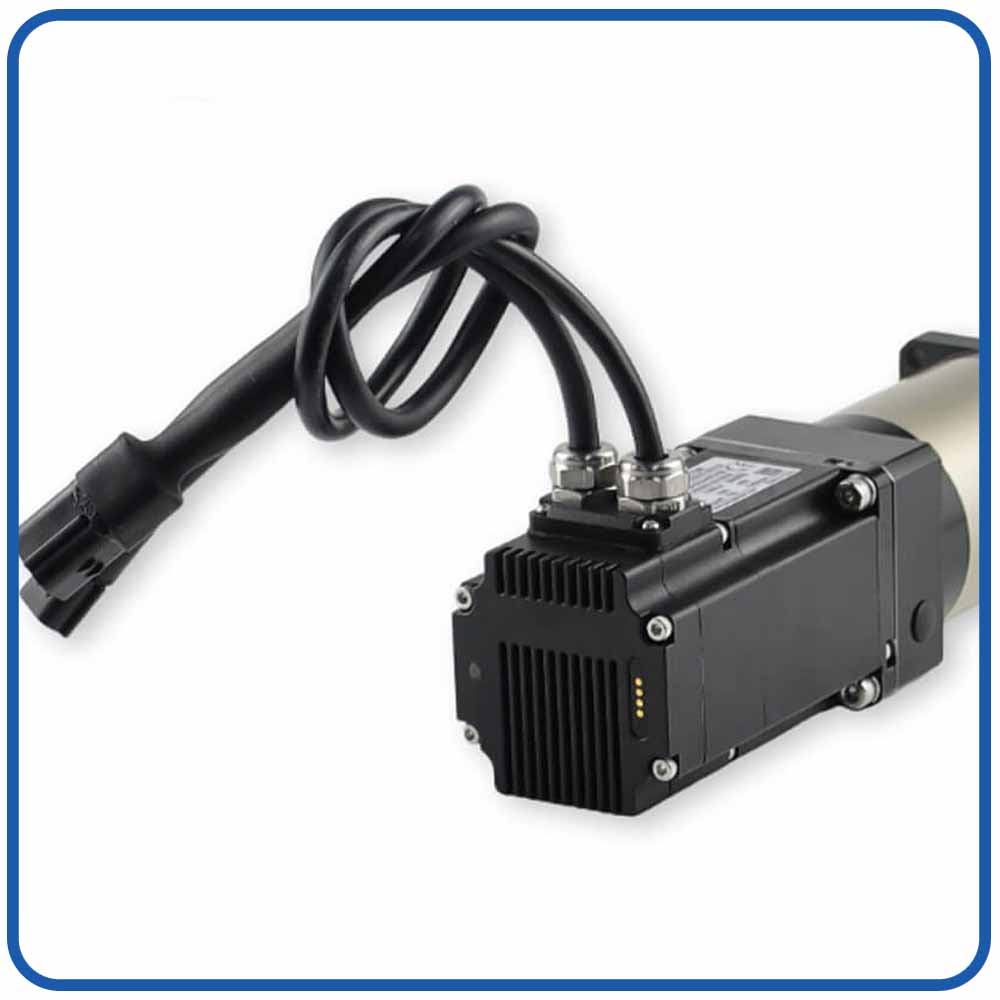
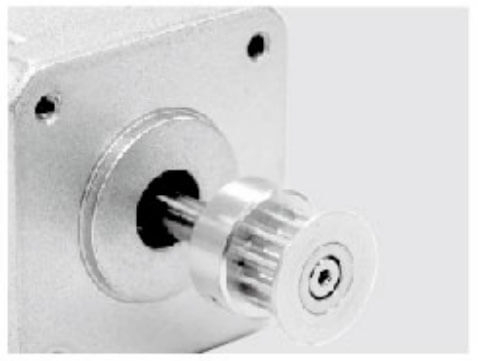
BesFoc low-noise geared BLDC motors combine quiet operation, precise motion control, high efficiency, and long-term reliability, making them an ideal solution for laboratory automation systems, robotics, diagnostic equipment, and analytical instruments.
Laboratory automation systems demand exceptional precision, reliability, and operational consistency. From automated liquid handling platforms and diagnostic analyzers to robotic sample storage systems and laboratory conveyors, every component must contribute to accurate and repeatable performance. Among the most critical motion control components in modern laboratory equipment are low-noise geared BLDC (Brushless DC) motors.
By combining the efficiency of brushless motor technology with the torque multiplication advantages of precision gearboxes, low-noise geared BLDC motors have become the preferred solution for laboratory automation manufacturers worldwide. Their ability to deliver smooth motion, minimal vibration, high positioning accuracy, and long service life makes them particularly valuable in environments where precision and reliability are essential.
The Growing Importance of Laboratory Automation
Laboratories across pharmaceutical, biotechnology, clinical diagnostics, genomics, and research sectors increasingly rely on automation to improve throughput and reduce human error. Automated systems perform repetitive tasks such as:
Sample preparation
Pipetting and dispensing
Reagent handling
Plate transportation
Automated testing
Specimen storage and retrieval
Laboratory robotics
These applications require motors capable of operating continuously while maintaining stable performance. Excessive noise, vibration, or inconsistent movement can compromise system accuracy and negatively impact laboratory productivity.
This is where low-noise geared BLDC motors provide significant advantages.
Brushless motors eliminate mechanical brushes, reducing friction, wear, and electrical noise while increasing efficiency.
Precision Gear Reduction
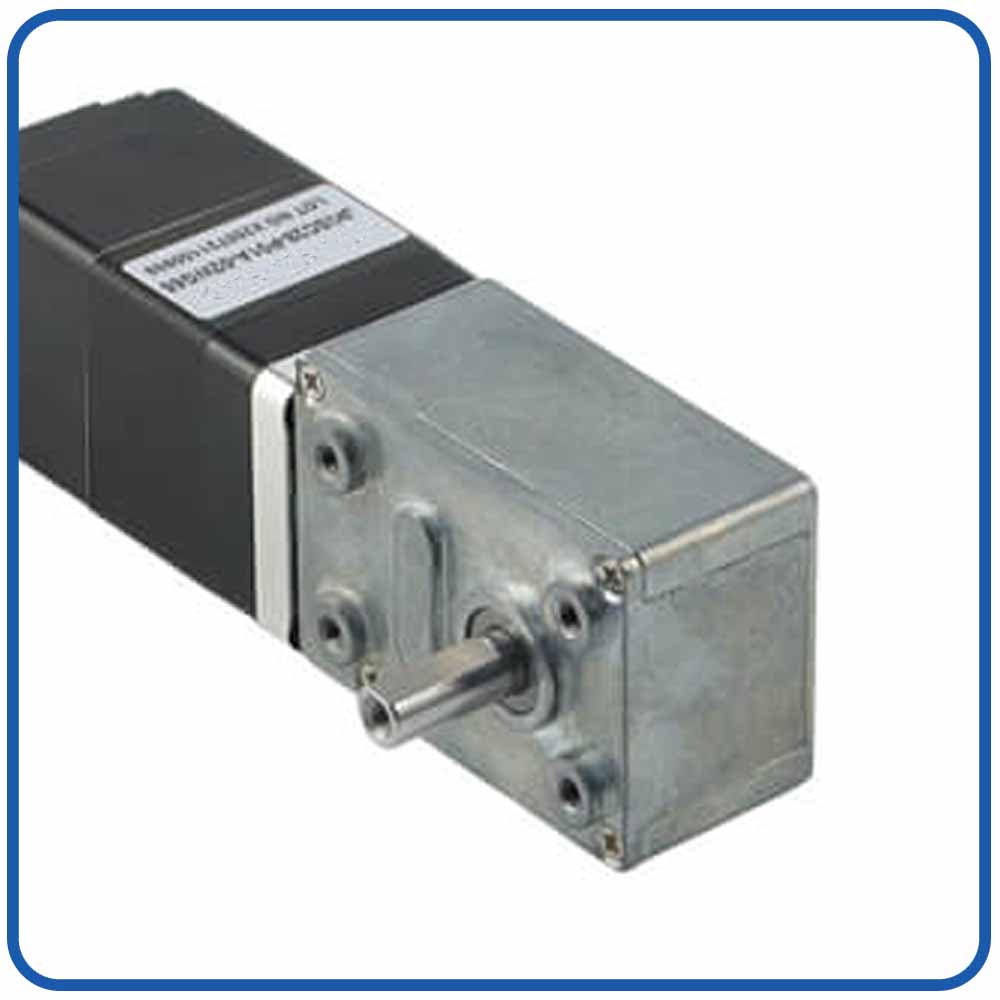
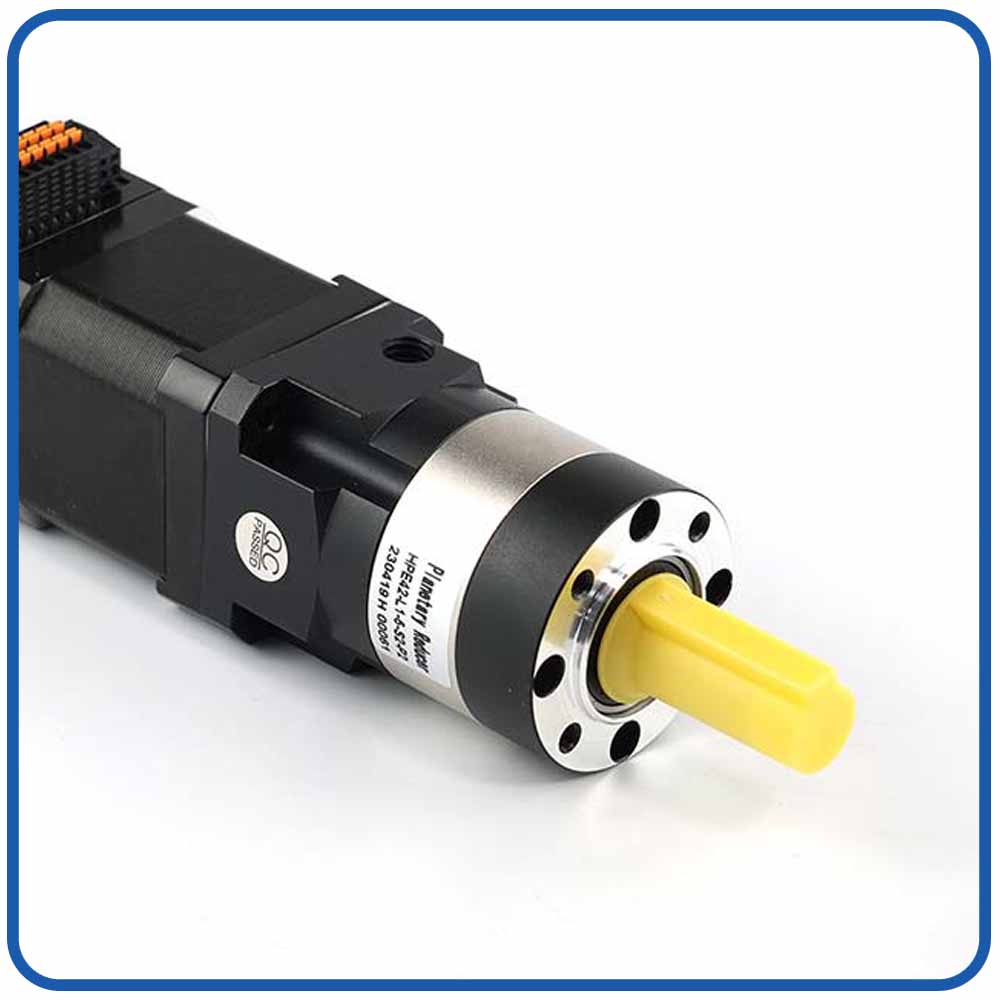
Integrated planetary or spur gearboxes reduce output speed and increase torque, allowing precise motion control.
Noise Reduction Engineering
Advanced motor designs utilize optimized electromagnetic structures, balanced rotors, high-quality bearings, and precision-machined gears to minimize acoustic noise and vibration.
The result is a compact, highly efficient drive system capable of delivering smooth and quiet operation in sensitive laboratory environments.
Why Noise Reduction Matters in Laboratory Equipment
Laboratories often contain multiple automated instruments operating simultaneously. Excessive motor noise can create several challenges:
Operator discomfort
Reduced workplace concentration
Increased perceived equipment wear
Acoustic interference with sensitive instruments
Lower overall laboratory efficiency
Low-noise geared BLDC motors help create a quieter working environment while improving equipment performance.
Enhanced User Experience
Technicians and researchers frequently work near automated equipment for extended periods. Quiet operation contributes to a more comfortable workspace and reduces operator fatigue.
Reduced Mechanical Stress
Noise often indicates vibration, backlash, or mechanical inefficiencies. Lower noise levels generally reflect smoother mechanical operation and improved component longevity.
Superior Positioning Accuracy for Precision Laboratory Tasks
Laboratory automation frequently requires movement accuracy measured in fractions of a millimeter.
Stable motor operation helps maintain the integrity of:
Optical measurements
Liquid dispensing
Sample transportation
Robotic handling processes
This contributes directly to improved laboratory accuracy and repeatability.
High Torque Output in Compact Designs
Laboratory equipment often has strict space limitations.
Engineers must integrate motion systems into compact instruments without sacrificing performance.
Benefits of Geared BLDC Motors
The gearbox increases available output torque while maintaining a compact footprint.
Advantages include:
Smaller overall machine size
Higher load capacity
Reduced motor dimensions
Improved design flexibility
Applications such as robotic arms, automated storage systems, and laboratory conveyors benefit significantly from the increased torque density provided by geared BLDC motors.
Exceptional Energy Efficiency
Laboratory facilities operate numerous instruments continuously, making energy efficiency an important consideration.
Brushless Motor Efficiency
Compared with brushed motors, BLDC motors offer:
Lower power consumption
Reduced heat generation
Higher efficiency ratings
Improved performance under varying loads
Reduced Operating Costs
Lower energy consumption contributes to:
Reduced utility expenses
Lower cooling requirements
Improved system sustainability
Enhanced operational efficiency
For laboratories operating around the clock, these savings become substantial over time.
Extended Service Life and Reduced Maintenance
Reliability is a critical requirement for laboratory automation systems.
Unexpected downtime can result in:
Delayed testing
Sample loss
Reduced productivity
Increased maintenance costs
Brushless Design Advantages
Because BLDC motors eliminate brushes, they avoid many common wear-related issues.
Benefits include:
Longer operational life
Reduced maintenance requirements
Consistent performance
Increased system reliability
Durable Gearbox Construction
High-quality planetary gearboxes further enhance system longevity through:
Efficient load distribution
Reduced gear wear
High torque handling capability
Stable long-term performance
These characteristics make geared BLDC motors ideal for demanding laboratory environments.
Improved Motion Control for Robotic Laboratory Systems
Modern laboratories increasingly utilize robotic automation.
Examples include:
Automated sample loading
Specimen sorting
Robotic pipetting
Plate handling systems
Laboratory transport robots
Accurate Speed and Torque Control
Low-noise geared BLDC motors provide:
Smooth acceleration
Precise deceleration
Stable low-speed operation
Excellent torque consistency
These features help robotic systems achieve reliable and repeatable movement cycles.
Enhanced Process Repeatability
Consistent motor performance supports:
Higher testing accuracy
Reduced process variation
Improved laboratory throughput
Better quality control outcomes
Integration with Advanced Control Systems
Modern laboratory automation relies on intelligent motion control for higher accuracy and efficiency. Low-noise geared BLDC motors integrate seamlessly with advanced control platforms, including:
PLC systems
Motion controllers
Encoder feedback systems
Closed-loop automation networks
Key Benefits
Precise Positioning: Accurate speed and position control for automated laboratory tasks.
Real-Time Feedback: Continuous monitoring of motor performance and operating status.
Stable Operation: Consistent torque and smooth motion improve process reliability.
Predictive Maintenance: Diagnostic data helps identify potential issues before failures occur.
By combining intelligent control capabilities with quiet, precise operation, low-noise geared BLDC motors help laboratory systems achieve greater accuracy, reliability, and automation efficiency.
Applications of Low-Noise Geared BLDC Motors in Laboratories
Automated Liquid Handling Systems
Precise motion ensures accurate reagent dispensing and sample preparation.
Clinical Diagnostic Equipment
Reliable motor control supports high-throughput testing and sample analysis.
Laboratory Robotics
Smooth operation enables accurate robotic movement and positioning.
Sample Storage and Retrieval Systems
High torque and precision facilitate efficient specimen management.
Automated Microscopy Platforms
Low vibration protects imaging accuracy and measurement quality.
Analytical Instruments
Stable motion improves consistency in scientific testing procedures.
Laboratory equipment manufacturers continuously seek motion control solutions that deliver high precision, reliable performance, low maintenance, and quiet operation. As laboratory automation systems become more advanced, the demand for motors that can operate accurately in sensitive environments has increased significantly. For this reason, low-noise geared BLDC (Brushless DC) motors have become a preferred choice in a wide range of laboratory instruments and automation platforms.
Laboratories often contain multiple automated instruments operating simultaneously. Excessive motor noise can create distractions for technicians and researchers, especially in clinical, pharmaceutical, and research facilities where concentration is essential.
These features significantly reduce acoustic noise and vibration, creating a quieter and more productive working environment.
2. High Positioning Accuracy for Critical Applications
Many laboratory processes require precise movement and positioning. Applications such as liquid handling, sample dispensing, automated microscopy, and specimen transportation demand consistent accuracy.
Geared BLDC motors provide:
Smooth low-speed operation
Precise speed regulation
Excellent repeatability
Enhanced positioning resolution through gear reduction
This ensures accurate handling of samples and reagents while minimizing the risk of process errors.
3. Low Vibration Protects Sensitive Instruments
Laboratory instruments frequently rely on delicate optical, imaging, and analytical systems that can be affected by vibration.
Low-noise geared BLDC motors help reduce:
Mechanical resonance
Motion instability
Measurement disturbances
Equipment wear
The result is improved test accuracy, better imaging quality, and more reliable analytical performance.
4. High Torque in Compact Equipment Designs
Modern laboratory instruments are becoming increasingly compact while handling more complex tasks. Manufacturers need motors capable of delivering high torque without occupying excessive space.
By combining a BLDC motor with a precision gearbox, geared BLDC motors offer:
Increased output torque
Lower operating speeds
Compact dimensions
Improved load-handling capability
This makes them ideal for robotic laboratory systems, sample storage units, and automated transport mechanisms.
5. Long Service Life Reduces Maintenance Costs
Reliability is essential in laboratory automation because unexpected downtime can disrupt workflows and delay testing procedures.
For laboratory equipment manufacturers, this translates into lower lifecycle costs and greater customer satisfaction.
6. Energy Efficiency Supports Continuous Operation
Many laboratory systems operate around the clock. Energy-efficient components help reduce operational costs while minimizing heat generation.
Low-noise geared BLDC motors offer:
High electrical efficiency
Reduced power consumption
Lower thermal output
Improved system sustainability
These benefits are especially valuable in large laboratories running multiple automated systems simultaneously.
7. Excellent Compatibility with Advanced Automation Systems
Modern laboratory equipment often integrates sophisticated control technologies, including:
Encoders
Motion controllers
PLC systems
Closed-loop feedback systems
Low-noise geared BLDC motors can easily integrate with these platforms, enabling:
Precise motion control
Real-time monitoring
Automated calibration
Predictive maintenance capabilities
This compatibility supports the growing trend toward smart laboratory automation.
8. Improved Process Consistency and Repeatability
Repeatability is a key requirement in scientific testing and diagnostics. Inconsistent motor performance can introduce variability into automated processes.
Low-noise geared BLDC motors provide:
Stable torque output
Smooth acceleration and deceleration
Accurate speed control
Consistent cycle-to-cycle performance
These characteristics help laboratories achieve more reliable results and maintain strict quality standards.
Final
Laboratory equipment manufacturers prefer low-noise geared BLDC motors because they combine quiet operation, high precision, low vibration, compact design, energy efficiency, and long-term reliability in a single motion control solution. Whether used in automated liquid handling systems, diagnostic analyzers, laboratory robotics, or sample management equipment, these motors help improve performance, reduce maintenance requirements, and support the growing demands of modern laboratory automation. As laboratories continue to pursue higher accuracy and greater efficiency, low-noise geared BLDC motors remain a critical technology for next-generation laboratory equipment.
Conclusion
Low-noise geared BLDC motors play a vital role in advancing laboratory automation by delivering precise motion control, quiet operation, high torque output, and exceptional reliability. Their combination of brushless efficiency and gearbox-enhanced performance enables automated laboratory systems to achieve higher accuracy, greater productivity, and longer service life. As laboratories continue to adopt increasingly sophisticated automation technologies, low-noise geared BLDC motors will remain a critical component for ensuring stable, efficient, and repeatable scientific processes.
FAQs:
1. Why are low-noise geared BLDC motors important in laboratory automation systems?
BesFoc Answer: Low-noise geared BLDC motors help create a quieter laboratory environment while maintaining precise motion control. Their reduced acoustic noise and vibration improve operator comfort, minimize disturbances to sensitive equipment, and support higher measurement accuracy in automated laboratory applications.
2. How do geared BLDC motors improve positioning accuracy in laboratory equipment?
BesFoc Answer: BesFoc geared BLDC motors combine precise electronic speed control with high-precision gear reduction, enabling accurate positioning and repeatable motion. This makes them ideal for automated liquid handling, sample transport systems, and laboratory robotics that require micron-level precision.
3. Can low-noise geared BLDC motors reduce vibration in analytical instruments?
BesFoc Answer: Yes. BesFoc low-noise geared BLDC motors are engineered with precision-balanced rotors, high-quality bearings, and optimized gear systems that significantly reduce vibration. Lower vibration levels help improve the performance of imaging systems, microscopes, spectrometers, and other sensitive analytical instruments.
4. Why are geared BLDC motors preferred over brushed motors in laboratory automation?
BesFoc Answer: Unlike brushed motors, BesFoc BLDC motors operate without mechanical brushes, eliminating brush wear and reducing maintenance requirements. They offer higher efficiency, longer service life, quieter operation, and better reliability, making them a superior choice for laboratory automation equipment.
5. How do geared BLDC motors support compact laboratory equipment designs?
BesFoc Answer: By integrating a precision gearbox with a brushless motor, BesFoc geared BLDC motors provide higher torque output within a compact footprint. This allows equipment manufacturers to design smaller, more efficient laboratory instruments without sacrificing performance.
6. Are low-noise geared BLDC motors energy efficient?
BesFoc Answer: Yes. BesFoc geared BLDC motors deliver high efficiency across a wide operating range. Their reduced energy consumption and lower heat generation help laboratories decrease operating costs while improving system reliability during continuous operation.
7. What laboratory applications commonly use low-noise geared BLDC motors?
BesFoc Answer: BesFoc geared BLDC motors are widely used in automated liquid handling systems, clinical diagnostic equipment, laboratory robotics, automated storage systems, DNA sequencing platforms, imaging devices, and sample transportation systems.
8. How do low-noise geared BLDC motors improve laboratory robotics?
BesFoc Answer: These motors provide smooth acceleration, precise speed regulation, stable torque output, and excellent repeatability. BesFoc geared BLDC motors enable robotic systems to perform accurate sample handling, positioning, and transport operations with high consistency.
9. Can geared BLDC motors integrate with advanced laboratory control systems?
BesFoc Answer: Absolutely. BesFoc geared BLDC motors can be integrated with encoders, PLCs, motion controllers, and closed-loop feedback systems. This enables real-time monitoring, precise motion control, automated diagnostics, and predictive maintenance capabilities.
10. What are the key benefits of choosing BesFoc low-noise geared BLDC motors for laboratory automation?
BesFoc Answer: Key advantages include low noise, low vibration, high torque density, precise positioning, long service life, energy efficiency, compact design, and seamless integration with modern automation systems. These features help laboratories improve productivity, accuracy, and operational reliability.

 English
 العربية
 Français
 Русский
 Español
 Português
 Deutsch
 italiano
 日本語
日本語 한국어
한국어 Nederlands
 Tiếng Việt
 ไทย
ไทย Polski
 Türkçe
 ພາສາລາວ
 ភាសាខ្មែរ
 Bahasa Melayu
 ဗမာစာ
ဗမာစာ Filipino
 Bahasa Indonesia
 magyar
 Română
 Čeština
 Монгол
 қазақ
қазақ Српски
 हिन्दी
 فارسی
فارسی Slovenčina
 Slovenščina
 Norsk
Norsk Svenska
 українська
 Ελληνικά
 Suomi
Suomi Հայերեն
 עברית
עברית Latine
 Dansk
Dansk Shqip
Shqip বাংলা
বাংলা Hrvatski
 Afrikaans
 Gaeilge
 Eesti keel
 Oʻzbekcha
 latviešu
 Azərbaycan dili
 Български
 Català