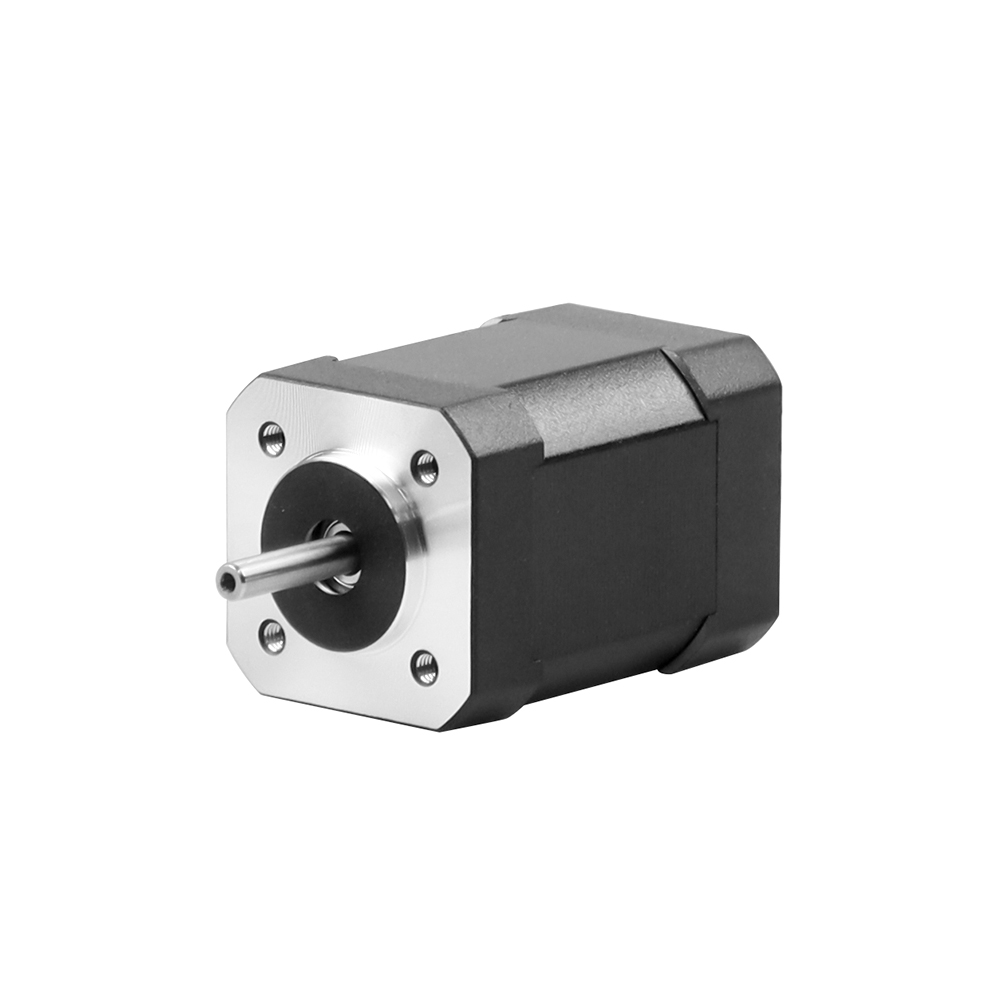
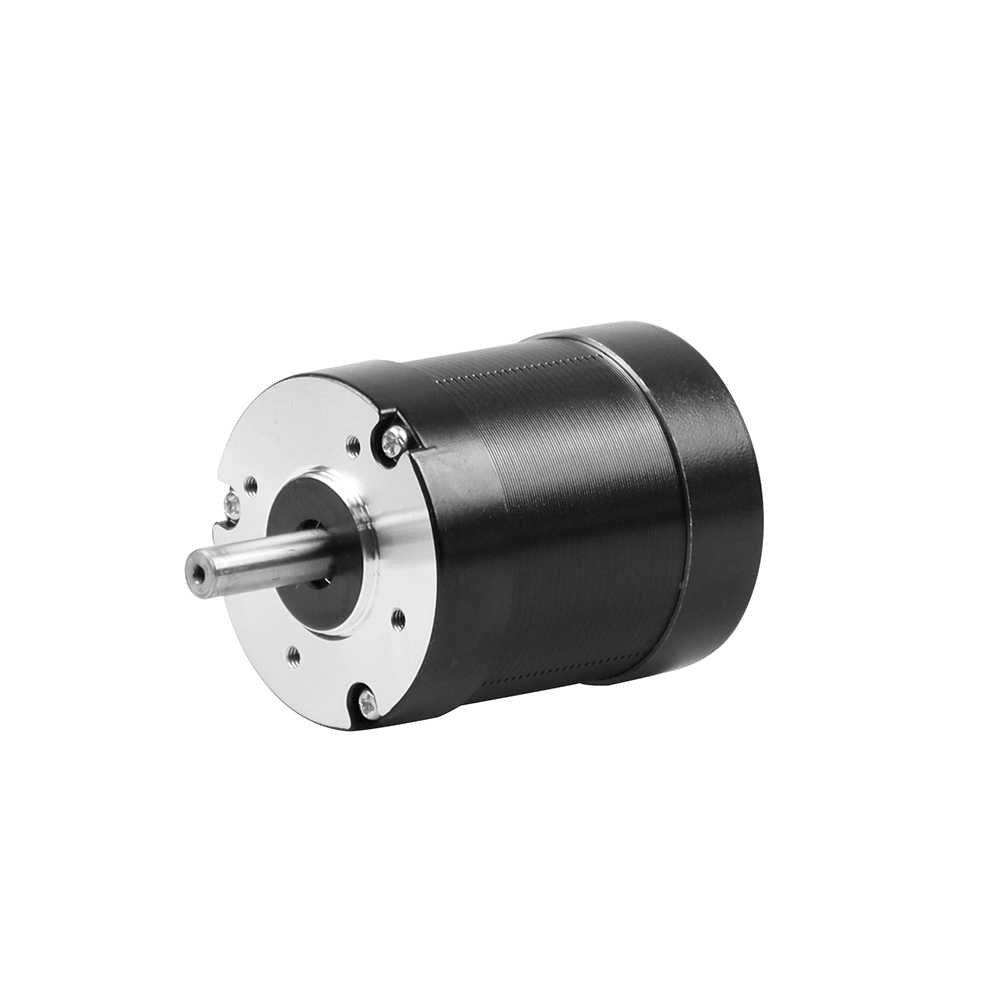
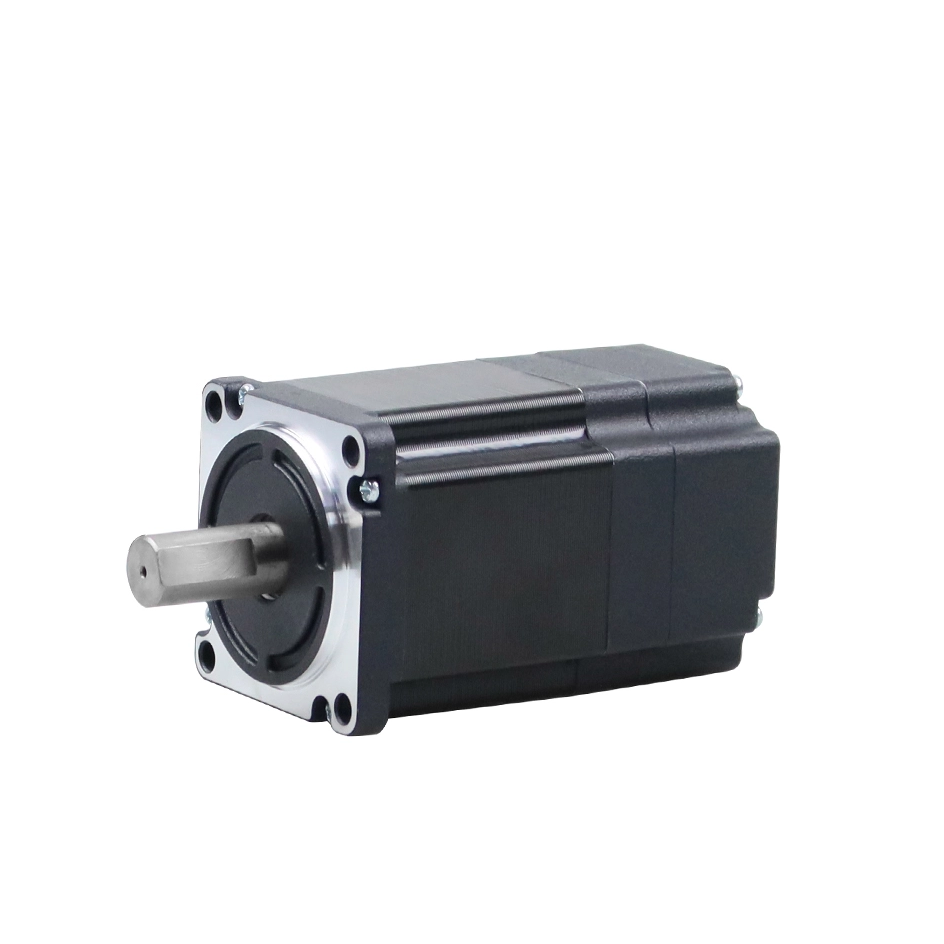
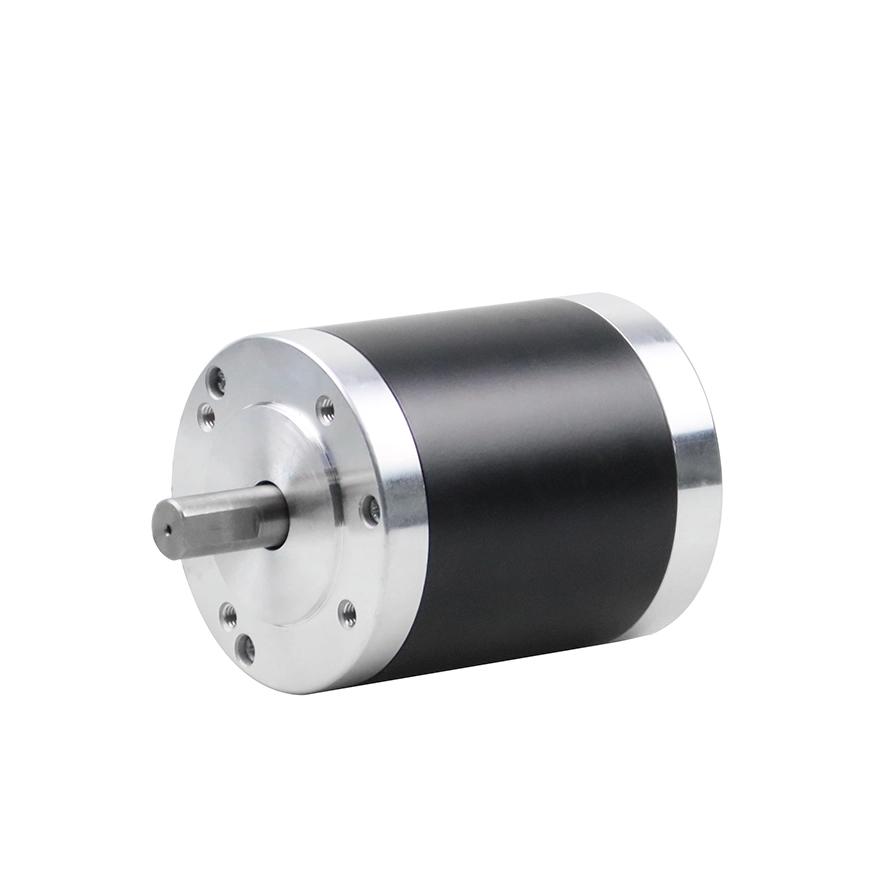
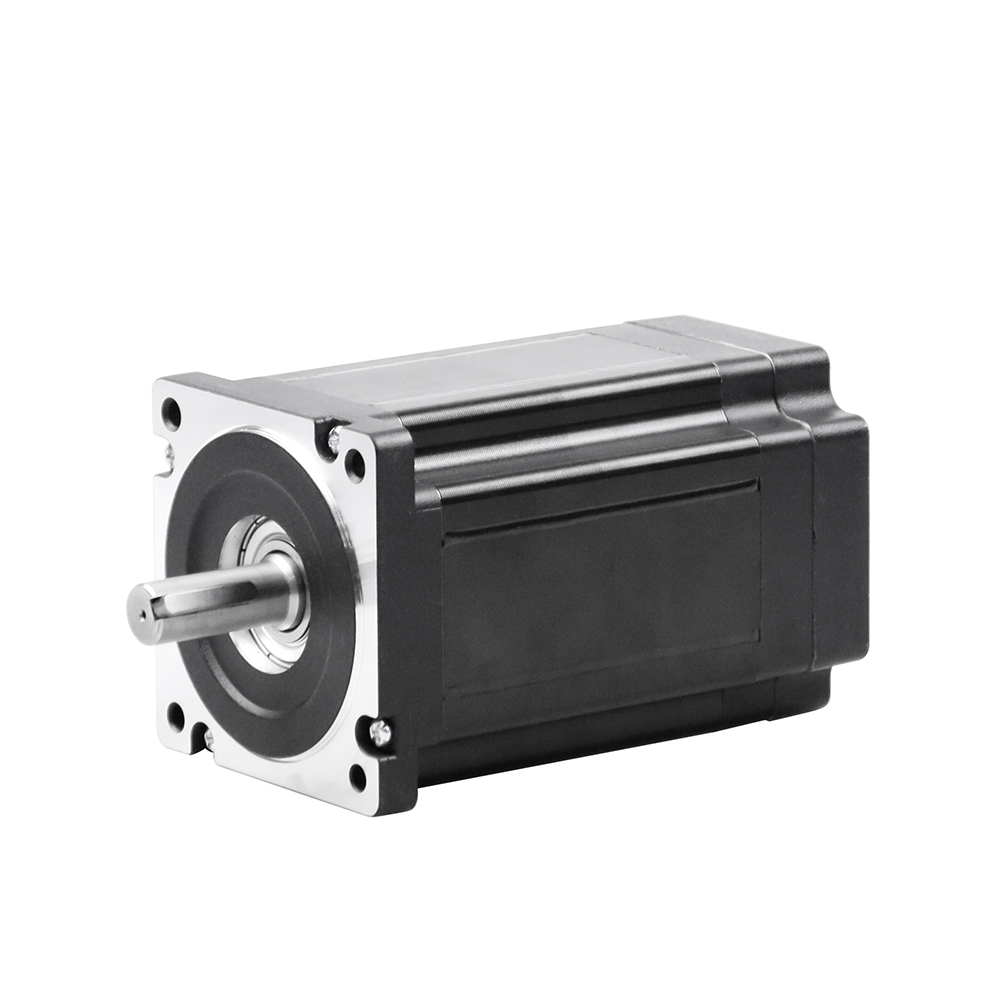
Brushless motors are known for their efficiency, durability, and high performance, but even these robust machines are not immune to failure. Understanding why brushless motors go bad is essential for maximizing reliability, preventing downtime, and extending service life. In this comprehensive guide, we examine the real reasons brushless motors fail, how to identify early warning signs, and what maintenance actions can stop issues long before they become irreversible.
Understanding How Brushless Motors Operate
Brushless motors, commonly known as Brushless DC (BLDC) motors, are at the core of today’s most efficient motion-control systems. Their design eliminates physical brushes and commutators, replacing them with electronically controlled switching, which allows smoother operation, higher efficiency, and dramatically longer lifespan. To fully understand why these motors outperform brushed motors, it’s essential to break down their structure, control method, and internal electromagnetic operation.
1. Core Structure of a Brushless Motor
A brushless motor is built around two fundamental components:
● Rotor (Moving Component)
The rotor contains permanent magnets—typically Neodymium (NdFeB) due to their high magnetic strength. These magnets create a constant magnetic field necessary for torque generation.
● Stator (Stationary Component)
The stator features copper windings arranged in precise patterns. When energized, these windings generate rotating magnetic fields that pull the rotor into motion.
Because the magnets are on the rotor and the coils are stationary, heat dissipation is greatly improved compared to brushed motors.
2. The Role of Electronic Commutation
Unlike brushed motors that use mechanical brushes to switch current, brushless motors rely entirely on electronic commutation. This is accomplished through a dedicated controller or ESC (Electronic Speed Controller).
The ESC performs three essential tasks:
Sends controlled current pulses to the stator windings
Determines rotor position using sensors or back-EMF feedback
Adjusts speed and torque by altering voltage, current, and timing
Removing brushes eliminates friction, sparking, and carbon dust—leading directly to higher efficiency and reliability.
3. Sensor-Based vs. Sensorless Operation
Brushless motors operate using one of two systems to detect rotor position:
● Hall Sensor-Based Motors
Hall-effect sensors inside the stator provide real-time rotor position feedback.
Advantages:
● Sensorless Motors
Rotor position is inferred from back-EMF (voltage induced in the coils as the rotor spins).
Advantages:
Both systems ensure the ESC always energizes the correct winding at the correct moment.
4. How Electromagnetic Rotation Occurs
The operation follows a highly coordinated sequence:
The ESC energizes a stator coil.
A magnetic field forms, attracting or repelling the rotor magnets.
As the rotor begins to move, sensors (or back-EMF) detect its position.
The ESC switches current to the next coil in the sequence.
A continuously rotating magnetic field is created.
The rotor follows this field, producing smooth rotational motion.
This electronically timed switching enables extremely efficient and precise control.
5. Advantages of Brushless Motor Operation
Because of their sophisticated design, brushless motors provide several operational benefits:
● High Efficiency
No brush friction means minimal energy loss.
● Excellent Speed Control
The ESC can adjust speed instantly by controlling voltage and switching frequency.
● Lower Heat Generation
Stator-mounted windings dissipate heat more effectively.
● Silent Operation
No mechanical contact eliminates electrical noise and audible scratching.
● Long Service Life
With no brushes to wear out, lifespan is typically 5–10 times longer than brushed motors.
6. Why Brushless Operation Is Ideal for Modern Applications
This highly controlled, efficient design makes brushless motors ideal for:
Their stability, precision, and efficiency allow them to power anything from delicate instruments to high-performance industrial machines.
Common Causes of Brushless Motor Failure
1. Bearing Wear — The Leading Cause of Motor Failure
Despite the electronic sophistication of BLDC motors, simple mechanical bearings are often the first components to fail. Bearings degrade due to:
Dust or debris intrusion
Lack of lubrication
Overloading the motor shaft
Operating at extreme speeds
Misalignment caused by poor mounting
As bearings deteriorate, friction increases, causing heat buildup that eventually damages internal components, including the stator windings and rotor magnets.
Signs of bearing failure:
High-pitched whining or grinding sound
Motor vibration
Reduced speed or efficiency
Excessive heat near the shaft
Regular inspection and using sealed, high-quality bearings significantly reduces these risks.
2. Overheating From Excessive Load or Poor Cooling
Heat is the silent killer of brushless motors. Thermal stress increases electrical resistance, weakens magnet strength, and accelerates insulation breakdown. Motors overheat when:
Operating under continuous overload
Running in poorly ventilated enclosures
Installed in high-temperature environments
Forced to run at high current for extended periods
Overheating also damages the ESC, leading to cascading system failures.
Symptoms of thermal stress:
Motor casing becomes hot to touch
Burning smell from insulation
Sudden motor shutdown (thermal protection triggers)
Proper cooling, heat sinks, and ensuring the motor is sized correctly for the load are essential to long-term reliability.
3. Electronic Control Failure — Driver or ESC Malfunction
The electronic speed controller is as crucial as the motor itself. When the ESC fails, it can destroy the motor’s windings within seconds. Common reasons ESCs fail include:
Incorrect voltage selection
Poor wiring connections
Overcurrent beyond rated capacity
Voltage spikes or electrical noise
Insufficient cooling of the ESC
A failing ESC often causes erratic startup behavior, jittering, stuttering, or complete motor lock-up.
Because the ESC dictates commutation timing, even a minor malfunction leads to catastrophic motor behavior.
4. Stator Winding Damage or Insulation Breakdown
Brushless motor windings are insulated with thin varnish coatings. These can fail due to:
Overcurrent conditions
Repeated overheating cycles
Manufacturing defects
Foreign metal particles entering the motor
Vibration-induced abrasion
When insulation breaks down, short circuits form between windings, causing rapid temperature spikes and total motor failure.
Indicators of winding issues:
Motor smells like burnt plastic
Low torque and uneven rotation
Brown discoloration on windings
Using motors within their rated current and ensuring proper ventilation preserves winding life.
5. Rotor Magnet Degradation
Brushless motors rely on permanent rare-earth magnets (typically Neodymium). These magnets can weaken or demagnetize due to:
Excessive heat
Exposure to strong external magnetic fields
Mechanical impact or vibration
Poor-quality magnet material
Once the rotor magnets lose strength, motor torque and efficiency drop drastically.
6. Contamination From Dust, Moisture, or Corrosive Chemicals
Environmental contamination is another major contributor to brushless motor failure. Dust, moisture, sand, and corrosive particles can enter through ventilation holes or poor sealing.
Moisture effects:
Rusted bearings
Stator corrosion
Short-circuited windings
Dust effects:
For industrial or outdoor environments, motors should be IP-rated and appropriately sealed.
7. Mechanical Overloading and Improper Application
Brushless motors must be correctly sized for torque, load, and duty cycle. Common application errors include:
Using a motor too small for the required torque
Frequent stall conditions
Coupling misalignment
Excessive radial or axial load on the shaft
When a BLDC motor is forced beyond its mechanical limits, premature wear is inevitable.
8. Incorrect Wiring, Poor Soldering, or Loose Connectors
Electrical connection issues often mimic more complex failures. Poor connections lead to:
Loose connectors cause intermittent power delivery, resulting in repeated stress cycles that damage both motor and controller.
Regularly checking solder joints, connectors, and harnesses helps prevent these failures.
How to Diagnose Failing Brushless Motors
Diagnosing a failing brushless motor requires a systematic approach to identify electrical, mechanical, and thermal issues before they cause complete failure. Because brushless motors depend on precision electronics and coordinated magnetic fields, even minor irregularities can lead to significant performance problems. Below is a comprehensive guide that outlines the most effective methods for identifying early signs of brushless motor failure.
1. Check for Abnormal Noise and Vibration
Noise and vibration are among the earliest indicators that a brushless motor is starting to fail.
Symptoms to look for:
Grinding or rattling sounds caused by worn bearings
High-pitched whine due to unbalanced rotor or electrical timing issues
Intermittent knocking from misaligned parts or damaged magnets
If the noise intensifies over time, it strongly suggests internal mechanical degradation.
2. Inspect Motor Temperature During Operation
Overheating is one of the most common causes and symptoms of motor failure.
Warning signs include:
Motor casing hotter than normal
Sudden ESC shutdown (thermal protection activated)
Smell of overheated insulation or burnt plastic
Use an infrared thermometer or onboard thermal monitoring to confirm if the motor consistently runs hotter than its rated temperature.
3. Measure Winding Resistance Across Phases
The motor's three-phase windings should have identical resistance values.
How to test:
Disconnect the motor from the ESC.
Use a digital multimeter to measure resistance between any two phases.
Repeat for all three phase combinations.
Interpretation:
Equal readings → windings are healthy.
One phase significantly lower → possible short circuit.
One phase significantly higher → damaged or partially broken winding.
Unequal resistance is a strong indicator of internal electrical failure.
4. Perform a Spin Test to Check Bearing Health
Manually rotating the motor shaft can reveal several mechanical issues.
What to evaluate:
Smoothness: Any roughness indicates bearing wear or contamination.
Free rotation: Resistance or “sticky spots” may point to bent shafts or misaligned magnets.
Noise: Scraping or grinding sounds suggest internal damage.
Healthy motors should spin freely and quietly with minimal resistance.
5. Analyze Motor Performance Under Load
Brushless motors show distinct signs when performance begins to deteriorate.
Symptoms include:
Reduced torque output
Inconsistent or jerky acceleration
Difficulty reaching maximum speed
Loss of responsiveness at low RPM
Increased power consumption for the same workload
Using a dynamometer or load-testing setup can help confirm performance loss.
6. Inspect ESC Function and Timing
Many motor issues originate from the ESC rather than the motor itself.
Signs of ESC-related failure:
Motor stutters or fails to start
Sudden cut-offs during operation
Irregular speed fluctuations
Overcurrent warnings
Verify:
A failing ESC can mimic motor failure, so checking both is essential.
7. Look for Physical Damage and Contamination
Brushless motors can suffer from visible external or internal issues.
Check for:
Cracked or bent motor housing
Rust or corrosion
Dust, dirt, or metallic debris inside the motor
Damaged insulation or exposed copper windings
Loose mounting screws causing vibration
Contamination and structural damage can quickly lead to electrical shorts or magnet misalignment.
8. Use Back-EMF or Sensor Feedback Tools
Advanced diagnostic tools help verify rotor position sensing and commutation accuracy.
What to test:
Hall sensor signals (for sensored motors)
Back-EMF waveform uniformity (for sensorless motors)
Phase alignment and switching timing
Irregular feedback patterns often indicate:
Damaged sensors
Demagnetized rotor
ESC timing errors
These tools provide precise insight into internal electromagnetic conditions.
9. Monitor Current Draw and Power Efficiency
A failing motor often draws more current than normal due to internal resistance or mechanical friction.
Signs to look for:
Sudden spikes or instability in current consumption
Increased power usage at the same output
ESC entering overcurrent protection mode
Use a power analyzer or telemetry system to monitor amps and watts during operation.
10. Check for Rotor Magnet Damage or Demagnetization
Weakened or shifted magnets are a frequent cause of poor performance.
Indicators include:
Visual inspection and magnetic field strength testing help confirm magnet integrity.
Final Diagnosis Strategy
To accurately diagnose failing brushless motors, follow this order:
Check noise, vibration, and temperature
Inspect bearings and spin quality
Measure phase resistance
Test under load
Verify ESC and wiring
Examine physical condition
Analyze sensor feedback or back-EMF
Monitor current consumption
This systematic approach ensures even subtle issues are identified early, preventing premature failure and costly downtime.
How to Prevent Brushless Motor Failure
Brushless motors deliver exceptional efficiency, long service life, and reliable performance—but only when properly maintained and operated within their intended limits. Preventing brushless motor failure requires understanding how mechanical stress, thermal overload, electrical imbalance, and environmental contamination can degrade the system over time. With the right preventive strategies, you can dramatically extend motor lifespan, reduce downtime, and preserve peak performance.
1. Choose the Correct Motor for the Application
Proper sizing is the foundation of motor reliability. A brushless motor that is too small or under-rated for the load will overheat, draw excessive current, and fail prematurely.
Key considerations:
Required continuous torque
Peak torque and overload duration
Operating RPM range
Duty cycle (intermittent vs. continuous)
Ambient temperature and cooling conditions
Selecting a motor based on exact operating requirements prevents chronic stress and unnecessary wear.
2. Ensure Proper Cooling and Heat Management
Heat is the most common cause of BLDC motor degradation. Every 10°C rise in temperature can shorten insulation life dramatically.
Effective cooling practices:
Improve airflow around the motor
Use heatsinks or forced-air cooling where needed
Avoid enclosing the motor in tight, sealed spaces
Keep ventilation holes clear of dust and debris
Select motors with higher temperature ratings for demanding environments
Monitoring temperature during operation helps detect early signs of overload or insufficient cooling.
3. Maintain and Inspect Bearings Regularly
Bearings are the most failure-prone mechanical component in brushless motors. Proper maintenance greatly extends motor life.
Preventive actions:
Check for noise, roughness, or shaft play
Replace worn bearings before damage spreads
Avoid excessive radial or axial loads
Use high-quality sealed bearings in dusty or humid environments
Well-maintained bearings protect the rotor and stator from alignment issues, friction, and heat.
4. Protect Against Dust, Moisture, and Contaminants
Environmental contaminants can cause short circuits, corrosion, and mechanical wear.
Protection methods:
Use IP-rated motors when operating outdoors or in harsh industrial settings
Install protective housings or filters
Keep motors clean and dry
Avoid exposure to corrosive chemicals or conductive debris
Apply conformal coatings to exposed electronics when necessary
Preventing contamination is far easier than repairing damage caused by moisture or dust intrusion.
5. Avoid Overloading and Mechanical Stress
Mechanical overload quickly leads to overheating and reduced motor lifespan.
Steps to prevent overload:
Never exceed the motor’s rated torque or current
Ensure proper alignment between motor and driven load
Avoid sudden shock loads or impacts
Use flexible couplings when appropriate
Make sure the motor is mounted securely to prevent vibration
Reducing mechanical stress protects bearings, shafts, and windings from premature wear.
6. Use a Quality ESC and Proper Electrical Settings
The Electronic Speed Controller (ESC) is responsible for precise commutation. Errors in ESC settings or poor-quality controllers can cause severe motor damage.
Preventive measures:
Use an ESC with the correct current and voltage rating
Enable current-limiting features
Set proper timing advance (especially for sensorless motors)
Use soft-start functions to reduce startup stress
Keep ESC firmware updated
Provide sufficient cooling for the ESC
A well-configured ESC significantly enhances motor safety and performance.
7. Maintain Clean, Secure, and Balanced Wiring
Electrical issues caused by loose or poorly soldered connections can mimic motor failure or create dangerous conditions.
Best practices:
Inspect connectors and solder joints regularly
Use high-quality cables capable of carrying the required current
Avoid long wire runs that can introduce resistance and voltage drop
Secure wires to prevent vibration-induced damage
Prevent phase imbalance by ensuring equal length wiring where possible
Reliable wiring ensures stable power delivery and smooth commutation.
8. Monitor Motor Performance and Telemetry
Consistent monitoring helps you spot irregularities before they become failures.
Metrics to track:
Temperature
Current draw
RPM stability
Power consumption
Torque output
Vibration levels
Modern ESCs and controllers with telemetry greatly simplify ongoing diagnostics.
9. Use Proper Lubrication Practices (Where Applicable)
While most brushless motors use sealed bearings, some industrial models require periodic lubrication.
Important guidelines:
Follow manufacturer lubrication intervals
Avoid over-lubricating, which can attract dust
Use lubricant types recommended by the motor supplier
Correct lubrication reduces internal friction and extends bearing life.
10. Avoid Prolonged Operation at Maximum Limits
Operating at full throttle or maximum torque for extended periods accelerates wear.
Prevention methods:
Maintain a performance buffer (e.g., operate at 70–80% of max rating)
Allow rest periods during heavy-duty cycles
Select higher-rated motors for demanding continuous-load applications
This approach prevents thermal and electrical stress from building up over time.
Final Strategies to Maximize Motor Lifespan
To effectively prevent brushless motor failure:
Choose the correct motor and ESC
Provide proper cooling and ventilation
Maintain bearings and mechanical alignment
Protect against contaminants
Monitor electrical and thermal performance
Avoid pushing the motor to its extreme limits
When these preventive measures are consistently applied, brushless motors can deliver exceptionally long, reliable service—often lasting thousands of hours without performance degradation.
Final Thoughts
Brushless motors are exceptionally reliable when used correctly, but they can still fail due to bearing wear, overheating, ESC malfunction, winding damage, contamination, or mechanical overload. By understanding these failure modes and implementing proactive maintenance, service life can be dramatically extended.
For engineers, hobbyists, manufacturers, and automation professionals, mastering these principles ensures stable performance, reduced downtime, and maximum operational efficiency.

 English
 العربية
 Français
 Русский
 Español
 Português
 Deutsch
 italiano
 日本語
日本語 한국어
한국어 Nederlands
 Tiếng Việt
 ไทย
ไทย Polski
 Türkçe
 ພາສາລາວ
 ភាសាខ្មែរ
 Bahasa Melayu
 ဗမာစာ
ဗမာစာ Filipino
 Bahasa Indonesia
 magyar
 Română
 Čeština
 Монгол
 қазақ
қазақ Српски
 हिन्दी
 فارسی
فارسی Slovenčina
 Slovenščina
 Norsk
Norsk Svenska
 українська
 Ελληνικά
 Suomi
Suomi Հայերեն
 עברית
עברית Latine
 Dansk
Dansk Shqip
Shqip বাংলা
বাংলা Hrvatski
 Afrikaans
 Gaeilge
 Eesti keel
 Oʻzbekcha
 latviešu
 Azərbaycan dili
 Български
 Català