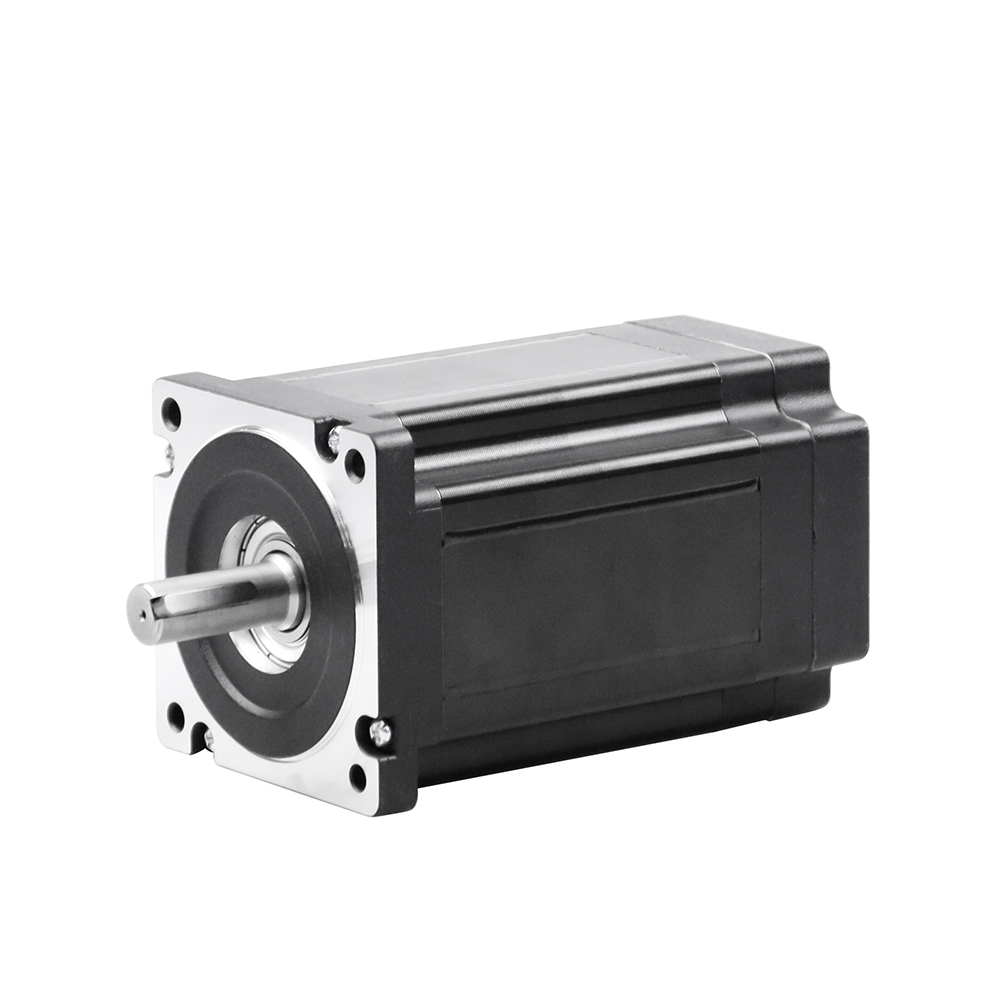
Introduction to BLDC Motors in Industrial Automation
In modern industrial automation, precision, efficiency, and long-term reliability define competitive advantage. Brushless DC motors (BLDC motors) have become the preferred motion solution across automated production lines, robotics, material handling systems, and intelligent manufacturing equipment. Their ability to deliver high torque density, accurate speed control, and low maintenance operation makes them indispensable for industries aiming to optimize uptime and energy efficiency.
We recognize that selecting the right BLDC motor for industrial automation applications is not a generic decision. It requires a structured evaluation of electrical, mechanical, and environmental parameters to ensure seamless integration and long-term performance stability.
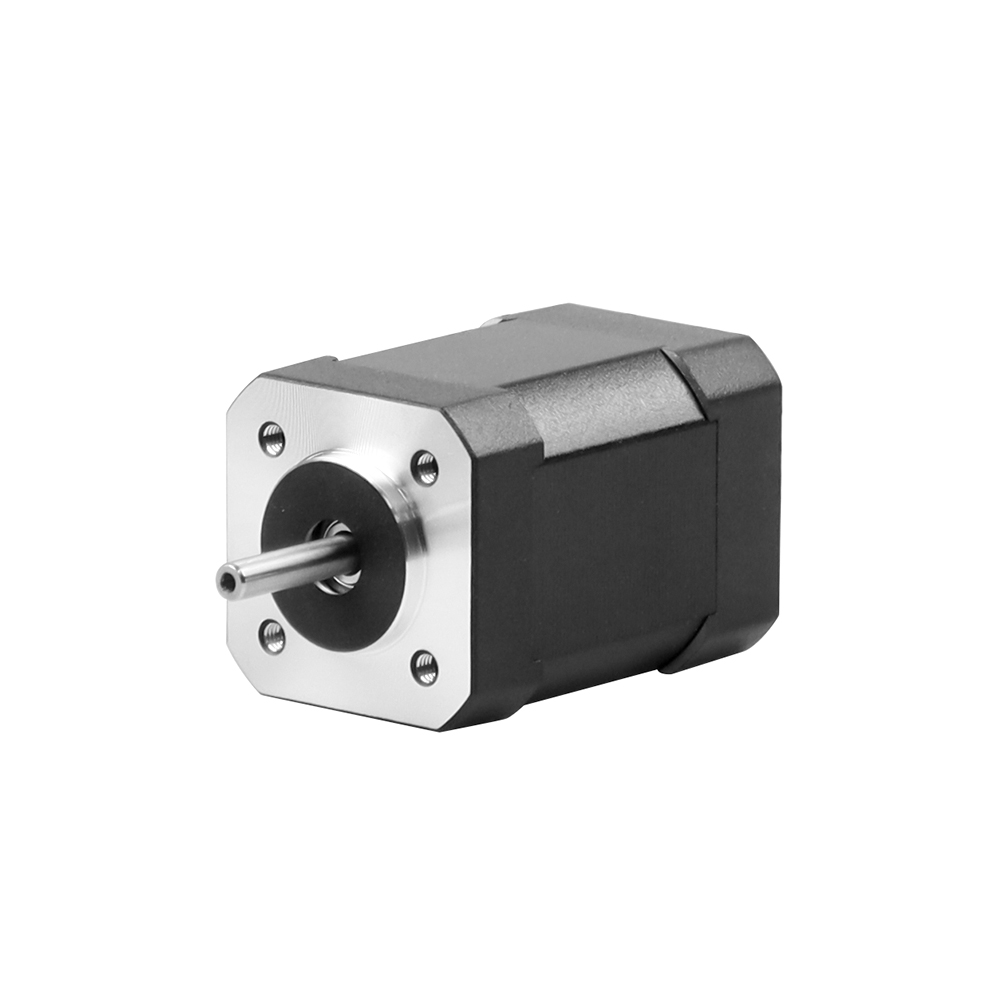
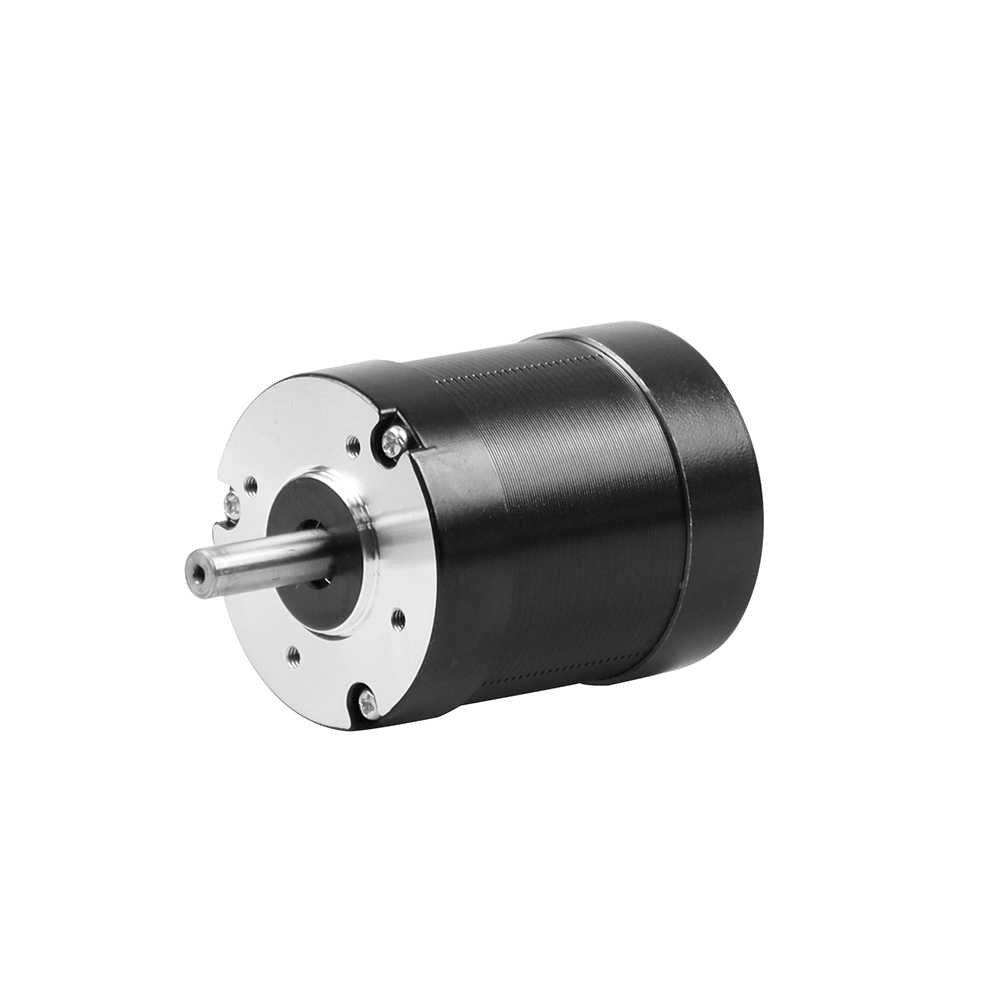
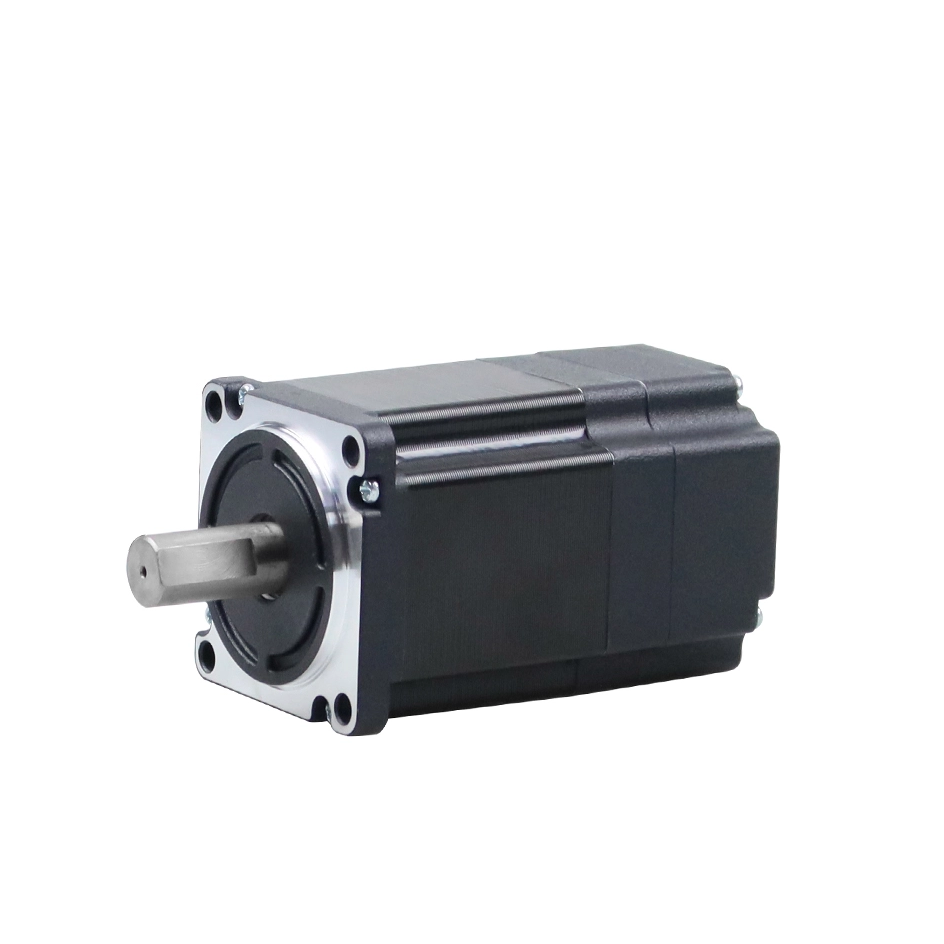
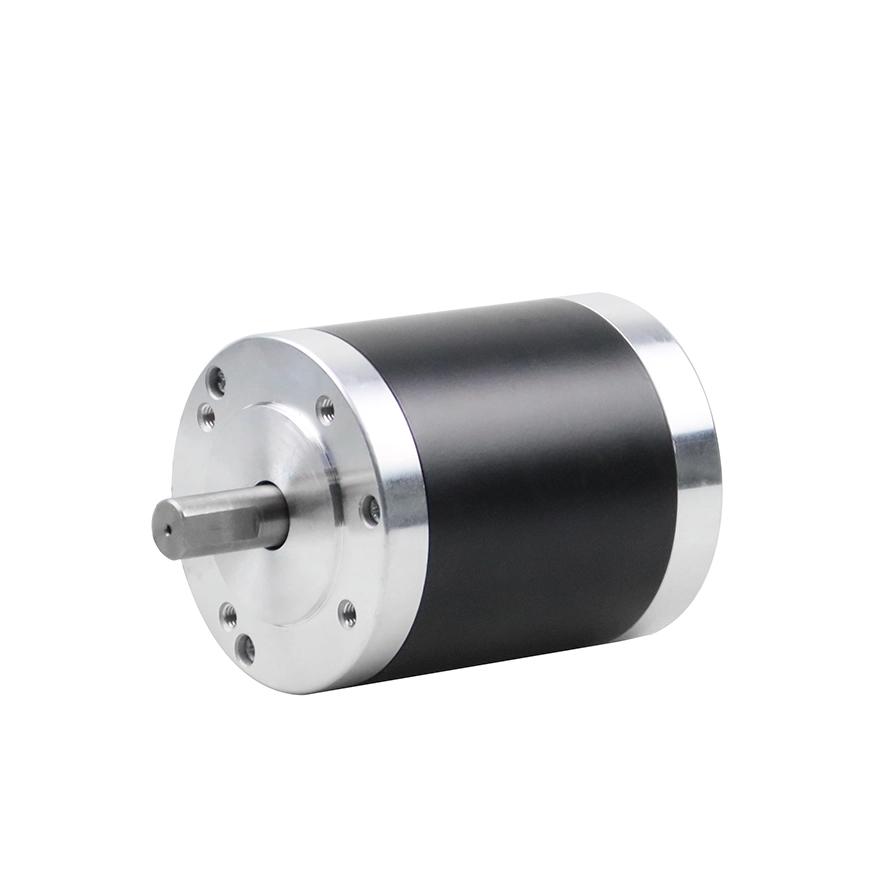
Besfoc BLDC Motor Product
Understanding BLDC Motor Fundamentals
Brushless DC motors (BLDC motors) are a core drive technology in modern industrial, commercial, and automation systems. Their operating principle, structural design, and performance advantages distinguish them clearly from traditional brushed DC motors and make them highly suitable for precision-driven applications.
What Is a BLDC Motor
A BLDC motor is an electrically commutated motor that replaces mechanical brushes and commutators with electronic switching circuitry. Instead of physical contact for current transfer, the motor relies on a controller to sequentially energize the stator windings based on rotor position. This design eliminates friction-related wear and enables higher operational efficiency.
At its core, a BLDC motor consists of:
A stator with distributed or concentrated windings
A rotor embedded with permanent magnets
An electronic controller (driver) that manages commutation and speed regulation
This architecture allows the motor to deliver consistent performance across a wide operating range.
How BLDC Motors Work
BLDC motors operate on the principle of electromagnetic attraction and repulsion. The controller switches current through stator windings in a precise sequence, generating a rotating magnetic field. The rotor magnets follow this field, producing continuous rotation.
Rotor position is determined through:
Hall effect sensors for real-time feedback
Encoders for high-precision speed and position control
Sensorless algorithms using back-EMF detection
This electronically controlled commutation ensures smooth torque output, even at high speeds or under varying loads.
Key Characteristics of BLDC Motors
BLDC motors are defined by several performance-critical characteristics:
High efficiency, often exceeding 85–90%
High torque-to-size ratio, enabling compact system design
Wide speed range with stable torque delivery
Low electrical and acoustic noise
Minimal maintenance requirements
These traits make BLDC motors especially attractive for continuous-duty and high-precision applications.
BLDC vs Brushed DC Motors
Compared to brushed DC motors, BLDC motors offer significant structural and operational advantages:
No brushes means no sparking and no brush replacement
Improved thermal performance due to stator-mounted windings
Greater speed accuracy and control flexibility
Longer service life under high duty cycles
This transition from mechanical to electronic commutation is a fundamental reason BLDC motors dominate modern motion control systems.
Role of the Motor Controller
The controller is an integral part of any BLDC motor system. It regulates:
Voltage and current levels
Commutation timing
Speed, torque, and acceleration profiles
Advanced controllers support field-oriented control (FOC), enabling precise torque control, higher efficiency, and smoother low-speed operation—critical in automation and robotics environments.
Typical BLDC Motor Configurations
BLDC motors are available in multiple configurations to suit different applications:
Inner rotor BLDC motors for high-speed performance
Outer rotor BLDC motors for high torque at lower speeds
Integrated BLDC motor systems with built-in drivers and feedback
Each configuration offers unique advantages in terms of inertia, thermal dissipation, and mechanical integration.
Why BLDC Motor Fundamentals Matter
Understanding BLDC motor fundamentals is essential for:
Accurate motor selection
Proper controller matching
Optimized system efficiency
Long-term operational reliability
A solid grasp of how BLDC motors function enables engineers and system designers to build more efficient, scalable, and reliable motion control solutions.
Torque and Speed Requirements Analysis
Accurate torque and speed requirements analysis is the foundation of selecting and applying a BLDC motor successfully. In industrial, automation, and motion control systems, improper torque or speed matching leads to inefficiency, instability, overheating, and premature system failure. A structured analysis ensures the motor operates within its optimal performance envelope while delivering reliable, repeatable motion.
Defining Load Torque Requirements
Torque represents the rotational force required to drive a load. For BLDC motor selection, we evaluate multiple torque components rather than relying on a single nominal value.
Key torque factors include:
Load torque generated by the driven mechanism
Friction torque from bearings, seals, and transmission components
Inertia torque required for acceleration and deceleration
Disturbance torque caused by process variations or external forces
The total required torque must be calculated under worst-case operating conditions to ensure stable motor performance.
Continuous Torque vs Peak Torque
BLDC motors are rated for both continuous torque and peak torque, and understanding the difference is critical.
Continuous torque is the maximum torque the motor can deliver indefinitely without exceeding thermal limits
Peak torque is the short-duration torque available during acceleration, start-up, or transient load spikes
Industrial automation systems must be designed so that normal operation remains within the continuous torque rating, while peak torque is reserved for brief dynamic events.
Speed Requirements and Operating Range
Speed requirements are defined by application functionality and process timing. BLDC motors support wide speed ranges, but correct analysis ensures efficiency and control stability.
Important speed considerations include:
Base operating speed under steady-state conditions
Maximum speed during rapid motion or indexing
Minimum controllable speed for precision or low-speed torque applications
Operating too close to maximum speed continuously can increase thermal stress and reduce motor lifespan.
Torque–Speed Curve Interpretation
The torque–speed curve illustrates how available torque varies with speed. Proper motor selection involves aligning the application's operating points within the motor's optimal curve region.
Key insights from torque–speed analysis:
Torque decreases as speed increases beyond the base speed
Power remains relatively constant within the rated operating zone
Efficient operation occurs where torque demand intersects the motor's nominal speed range
Understanding this relationship prevents underpowered or oversized motor selection.
Inertia Matching and Acceleration Performance
Acceleration performance depends on the relationship between motor inertia and load inertia. Excessive mismatch leads to slow response or unstable control.
Best practice guidelines:
Load inertia should be kept within a manageable ratio relative to motor inertia
High-inertia loads may require gear reduction or higher torque motors
Smooth acceleration profiles reduce mechanical stress and energy consumption
Proper inertia matching ensures fast response while maintaining control accuracy.
Duty Cycle and Motion Profile Considerations
Industrial automation systems rarely operate at constant speed. Most applications involve repeated start-stop cycles, indexing, or variable speed operation.
Duty cycle analysis includes:
Acceleration time
Constant-speed run time
Deceleration time
Idle or dwell periods
Thermal calculations must account for the complete motion profile to avoid overheating under intermittent high-load conditions.
Effect of Gearboxes and Transmission Systems
Gearboxes significantly influence torque and speed requirements. Gear reduction increases output torque while reducing speed, allowing smaller motors to drive larger loads.
Key considerations:
Accurate torque and speed analysis must include transmission effects to reflect real-world operating conditions.
Safety Margins and Performance Stability
A properly selected BLDC motor includes adequate safety margins without excessive oversizing.
Typical design margins:
Torque margin to handle load variations
Speed margin to avoid saturation
Thermal margin for ambient temperature fluctuations
Balanced safety margins enhance reliability while maintaining system efficiency.
Importance of Precise Torque and Speed Analysis
Thorough torque and speed requirements analysis delivers:
In BLDC motor applications, precise analysis transforms motor selection from guesswork into a controlled engineering decision, ensuring consistent and high-performance operation across demanding industrial environments.
Voltage, Power, and Electrical Compatibility
Operating Voltage Selection
BLDC motors are commonly available in 24V, 48V, 72V, and higher industrial voltage ratings. Voltage choice affects:
Power density
Current draw
Thermal behavior
Higher voltage systems reduce current losses, improving efficiency in continuous-duty industrial environments.
Power Rating and Efficiency
We align motor power ratings with real-world load conditions rather than theoretical maxima. This approach ensures:
Stable thermal margins
Consistent output torque
Extended motor lifespan
High-efficiency BLDC motors significantly reduce energy consumption across automated production systems.
Control Methods and Feedback Integration
Sensorless vs Sensored BLDC Motors
Industrial automation often demands precise motion feedback. Selection depends on application complexity:
Sensorless BLDC motors offer simplicity and cost advantages in steady-speed applications
Hall sensor or encoder-equipped BLDC motors provide accurate position and speed feedback for dynamic control systems
For robotics, pick-and-place machines, and automated assembly lines, sensored BLDC motors ensure repeatable positioning and high system accuracy.
Controller Compatibility
The motor controller must support:
Required voltage and current levels
Communication protocols (CAN, RS485, EtherCAT)
Advanced control algorithms such as FOC (Field-Oriented Control)
Seamless motor-controller integration is critical for achieving high-performance automation outcomes.
Mechanical Design and Mounting Considerations
Frame Size and Form Factor
BLDC motors used in industrial automation are available in standardized frame sizes to simplify mechanical integration. Key factors include:
Shaft diameter and length
Mounting flange standards
Axial and radial load capacities
Compact motor designs are increasingly favored in space-constrained automation equipment.
Gearbox Integration
Many applications require high torque at low speed, making BLDC motor gearbox combinations a practical solution. Planetary gearboxes offer:
Integrated motor-gearbox assemblies reduce alignment errors and installation time.
Thermal Management and Duty Cycle
Continuous Operation Capability
Industrial automation systems often operate 24/7. We prioritize BLDC motors with:
High-quality winding insulation
Optimized stator lamination design
Efficient heat dissipation paths
Thermal stability ensures consistent torque output even under prolonged operation.
Environmental Protection Ratings
Industrial environments expose motors to dust, oil mist, humidity, and temperature variations. Selecting motors with appropriate IP protection ratings safeguards against premature failure and unplanned downtime.
Reliability, Lifespan, and Maintenance Factors
Reduced Maintenance Advantages
Without brushes or commutators, BLDC motors inherently require less maintenance. This advantage is critical for:
Automated production lines
Hard-to-access installations
Mission-critical industrial systems
Lower maintenance demands translate into higher equipment availability.
Component Quality and Manufacturing Standards
Motor lifespan is directly influenced by bearing quality, magnet stability, and manufacturing precision. Industrial-grade BLDC motors are designed to withstand:
Vibration
Load fluctuations
Electrical stress
Selecting motors from experienced manufacturers ensures consistent quality and performance reliability.
Application-Specific BLDC Motor Selection
Selecting a BLDC motor based on application-specific requirements is essential for achieving optimal performance, efficiency, and long-term reliability. Each industrial and commercial application imposes unique mechanical, electrical, and environmental demands. A generic motor choice often results in compromised performance, while a targeted selection strategy ensures the motor operates precisely as intended within its application context.
BLDC Motors for Industrial Automation Systems
In industrial automation, BLDC motors are expected to deliver continuous operation, precise speed control, and high reliability.
Key selection criteria include:
High continuous torque capability for sustained loads
Stable performance under varying speed profiles
Compatibility with industrial control systems such as PLCs and motion controllers
Applications such as automated assembly lines, CNC auxiliary drives, and packaging machinery benefit from BLDC motors with advanced control interfaces and robust thermal management.
BLDC Motors in Robotics and Motion Control
Robotics applications demand exceptional dynamic response, positioning accuracy, and repeatability.
Selection priorities include:
High torque density to minimize robot arm weight
Integrated feedback devices such as encoders for closed-loop control
Low rotor inertia for rapid acceleration and deceleration
BLDC motors with encoder feedback and field-oriented control enable smooth, precise motion in articulated robots, collaborative robots, and automated pick-and-place systems.
Material Handling and Conveyor Applications
Conveyor systems prioritize reliability, energy efficiency, and smooth operation.
BLDC motor selection focuses on:
Consistent torque delivery at low to medium speeds
High efficiency for continuous-duty cycles
Compatibility with gearboxes for torque multiplication
These motors reduce operational costs by minimizing energy consumption and maintenance requirements in logistics and warehouse automation environments.
BLDC Motors for Pumps, Fans, and Compressors
In fluid and air movement systems, BLDC motors offer precise speed modulation and improved efficiency.
Critical selection factors include:
Wide speed control range for variable flow demand
High efficiency at partial loads
Resistance to environmental factors such as moisture and dust
BLDC motors are widely used in industrial pumps, ventilation systems, and cooling equipment where energy savings and quiet operation are essential.
Medical and Laboratory Equipment Applications
Medical and laboratory devices require quiet operation, accuracy, and reliability.
BLDC motor requirements typically include:
Low vibration and low acoustic noise
Compact design for space-constrained equipment
High precision speed and position control
Applications such as diagnostic devices, infusion pumps, and laboratory automation systems rely on BLDC motors for consistent and contamination-free operation.
Electric Mobility and Automated Guided Vehicles (AGVs)
AGVs and mobile robots require motors capable of handling variable loads and frequent speed changes.
Selection considerations include:
High torque at low speeds for start-up and incline operation
Efficient power usage to extend battery life
Robust construction for continuous movement and shock resistance
BLDC motors provide smooth traction control and high efficiency in battery-powered industrial transport systems.
Environmental and Mechanical Constraints
Application-specific selection must also account for environmental conditions.
Important factors include:
Operating temperature range
Exposure to dust, moisture, or chemicals
Required ingress protection (IP rating)
Selecting a BLDC motor designed for the operating environment prevents premature failure and ensures consistent performance.
Customization and Integration Requirements
Many applications benefit from customized BLDC motor solutions.
Customization options may include:
Specialized winding configurations
Integrated gearboxes or brakes
Custom shafts, flanges, or housings
Tailored motor designs simplify system integration and improve overall application efficiency.
Strategic Value of Application-Specific Selection
Application-specific BLDC motor selection ensures:
Maximum operational efficiency
Improved control accuracy
Reduced maintenance and downtime
Long-term system reliability
By aligning motor characteristics with precise application demands, BLDC motors deliver superior performance across a wide range of industrial, commercial, and specialized use cases.
Cost Optimization and Long-Term Value
Total Cost of Ownership Perspective
Initial motor cost is only one factor. We evaluate:
High-quality BLDC motors deliver superior long-term value in industrial automation environments.
Scalability and Future-Proofing
Automation systems evolve. Selecting BLDC motors with flexible control interfaces and scalable power ranges ensures compatibility with future upgrades and system expansions.
Conclusion: Strategic BLDC Motor Selection for Industrial Automation
Choosing the right BLDC motor for industrial automation applications requires a comprehensive assessment of torque, speed, electrical compatibility, control precision, and environmental conditions. By aligning motor specifications with application demands, industrial systems achieve higher efficiency, improved reliability, and sustainable operational performance.
Strategic BLDC motor selection is not merely a component choice—it is a foundational decision that defines the success and longevity of modern automated systems.
FAQs: How to Choose the Right BLDC Motor
I. Product Perspective: Performance, Efficiency & Application Fit
1. What is a BLDC motor and how does it differ from a brushed motor?
A BLDC motor uses electronic commutation instead of brushes, offering higher efficiency, longer lifespan, and lower maintenance compared with brushed motors. A standard BLDC motor is widely used in industrial and consumer applications.
2. What are the key factors when choosing the right BLDC motor?
Important factors include torque, speed range, voltage, efficiency, duty cycle, and environmental conditions. A professional BLDC motor manufacturer can help match these parameters to your application.
3. How do I determine the required torque for a BLDC motor?
Torque depends on load inertia, acceleration needs, and operating speed. Selecting the correct torque ensures stable performance of a standard BLDC motor.
4. How does speed rating affect BLDC motor selection?
The rated speed determines whether the BLDC motor can meet application demands without overheating or efficiency loss.
5. What voltage options are available for BLDC motors?
BLDC motors are commonly available in 12V, 24V, 36V, and 48V. A BLDC motor manufacturer can also provide custom voltage designs.
6. What is the difference between inner rotor and outer rotor BLDC motors?
Inner rotor motors offer higher speed and power density, while outer rotor BLDC motors provide higher torque at lower speeds.
7. Are standard BLDC motors suitable for continuous operation?
Yes, most standard BLDC motors are designed for continuous duty, provided they operate within rated load and temperature limits.
8. How important is efficiency when selecting a BLDC motor?
High efficiency reduces power consumption and heat, making BLDC motors ideal for energy-sensitive applications.
9. Can BLDC motors operate with gearboxes?
Yes, BLDC motors can be combined with planetary, spur, or worm gearboxes to increase torque and control speed.
10. What industries commonly use BLDC motors?
BLDC motors are widely used in automation, robotics, medical devices, HVAC systems, and electric vehicles.
II. Factory Customization Capability: OEM & Manufacturing Support
11. Can a BLDC motor manufacturer customize motor specifications?
Yes, a BLDC motor manufacturer can customize torque, speed, voltage, winding design, and mechanical dimensions.
12. What customization options are available beyond a standard BLDC motor?
Custom BLDC motors may include special shafts, housings, mounting flanges, or integrated gearboxes.
13. Can controllers or drivers be integrated with BLDC motors?
Yes, many manufacturers offer integrated solutions combining the BLDC motor with a matched driver or controller.
14. Are custom BLDC motors available for low-noise applications?
Yes, optimized magnetic design and precision balancing help reduce vibration and noise.
15. Can BLDC motors be customized for harsh environments?
A BLDC motor manufacturer can add IP-rated sealing, corrosion-resistant coatings, or high-temperature insulation.
16. Is small-batch or prototype production supported?
Many manufacturers support prototyping and low-MOQ orders before mass production.
17. How does a manufacturer ensure quality in customized BLDC motors?
Quality control includes torque testing, efficiency testing, thermal analysis, and endurance testing.
18. Can lead time be shortened for custom BLDC motor projects?
Yes, experienced manufacturers reduce lead time by using modular designs and standard components.
19. Can a standard BLDC motor be upgraded later to a custom design?
Yes, many projects start with a standard BLDC motor and evolve into a custom version as requirements grow.
20. Why choose an experienced BLDC motor manufacturer for your project?
An experienced BLDC motor manufacturer provides technical guidance, reliable quality, and scalable production for both standard and custom BLDC motors.

 English
 العربية
 Français
 Русский
 Español
 Português
 Deutsch
 italiano
 日本語
日本語 한국어
한국어 Nederlands
 Tiếng Việt
 ไทย
ไทย Polski
 Türkçe
 ພາສາລາວ
 ភាសាខ្មែរ
 Bahasa Melayu
 ဗမာစာ
ဗမာစာ Filipino
 Bahasa Indonesia
 magyar
 Română
 Čeština
 Монгол
 қазақ
қазақ Српски
 हिन्दी
 فارسی
فارسی Slovenčina
 Slovenščina
 Norsk
Norsk Svenska
 українська
 Ελληνικά
 Suomi
Suomi Հայերեն
 עברית
עברית Latine
 Dansk
Dansk Shqip
Shqip বাংলা
বাংলা Hrvatski
 Afrikaans
 Gaeilge
 Eesti keel
 Oʻzbekcha
 latviešu
 Azərbaycan dili
 Български
 Català