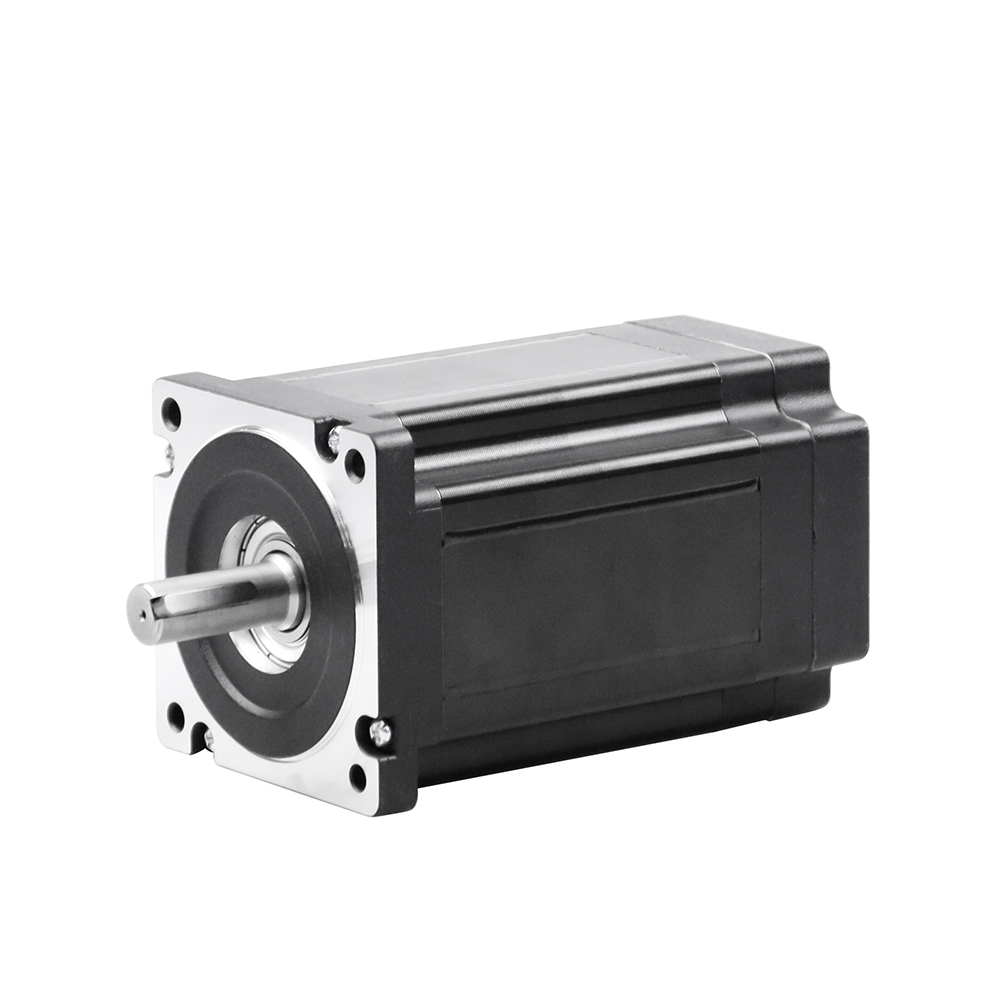
Introduction to Motor Selection in Modern Textile Machinery
In today’s highly competitive textile industry, motor selection directly impacts production efficiency, fabric quality, energy consumption, and long-term operating costs. As textile equipment evolves toward higher speeds, tighter tolerances, and smarter automation, two motor technologies dominate critical motion systems: BLDC motors and servo motors.
We present a comprehensive, side-by-side comparison of BLDC motors vs servo motors in textile equipment, focusing on cost structure, performance characteristics, control precision, reliability, and application suitability. This analysis is written for decision-makers seeking measurable advantages in weaving, spinning, knitting, dyeing, and finishing machinery.
Understanding BLDC Motors in Textile Applications
What Defines a BLDC Motor
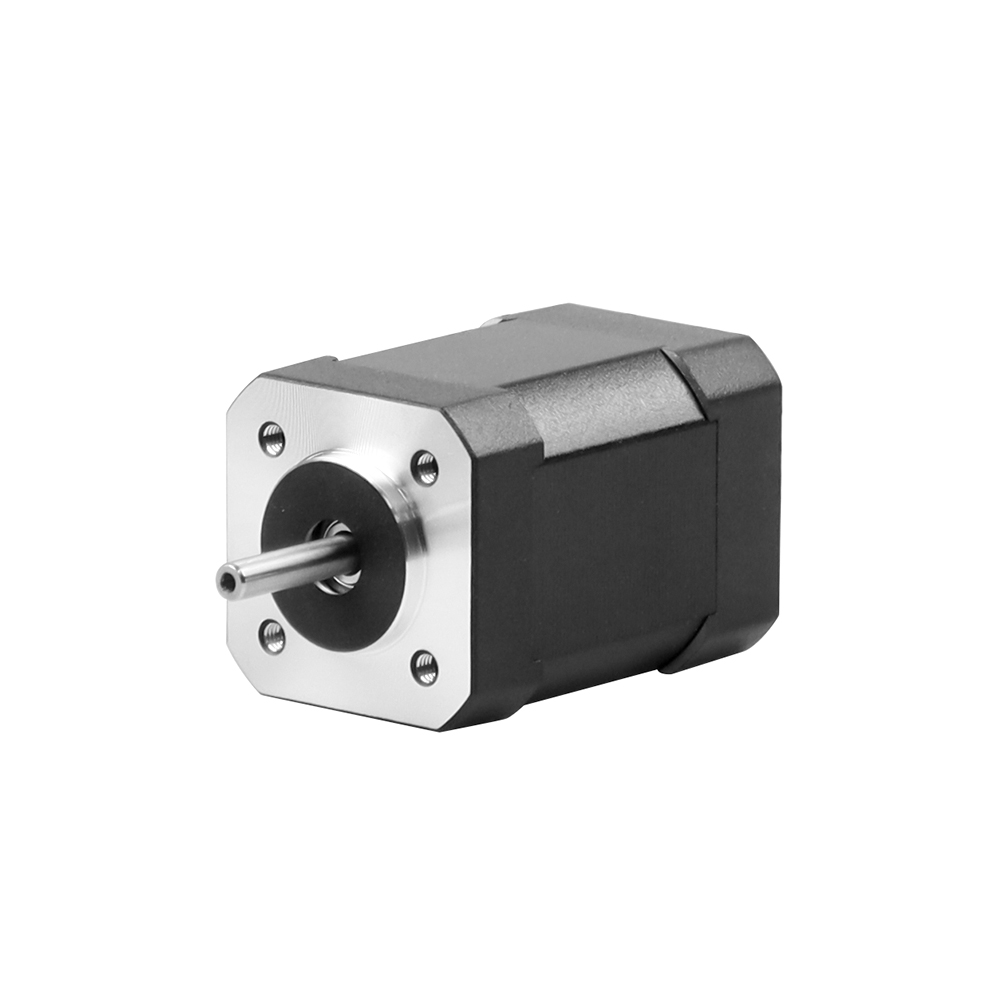
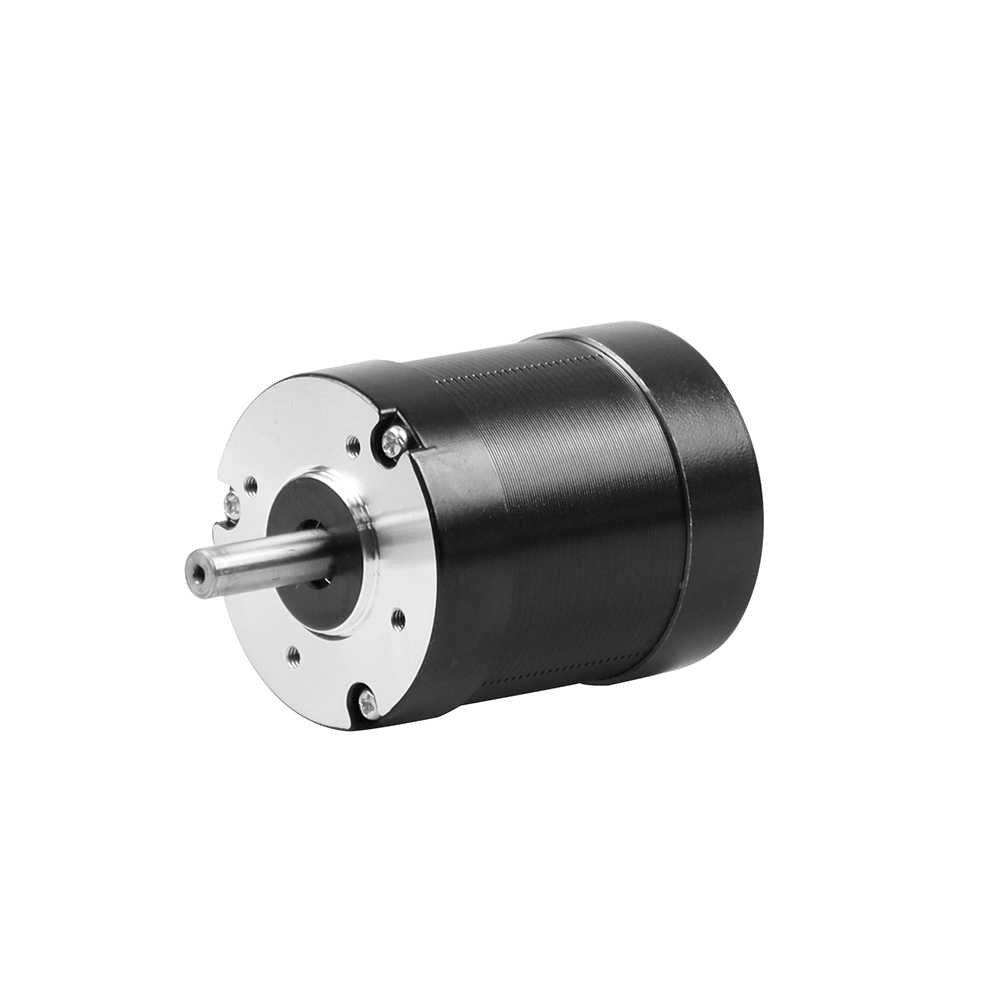
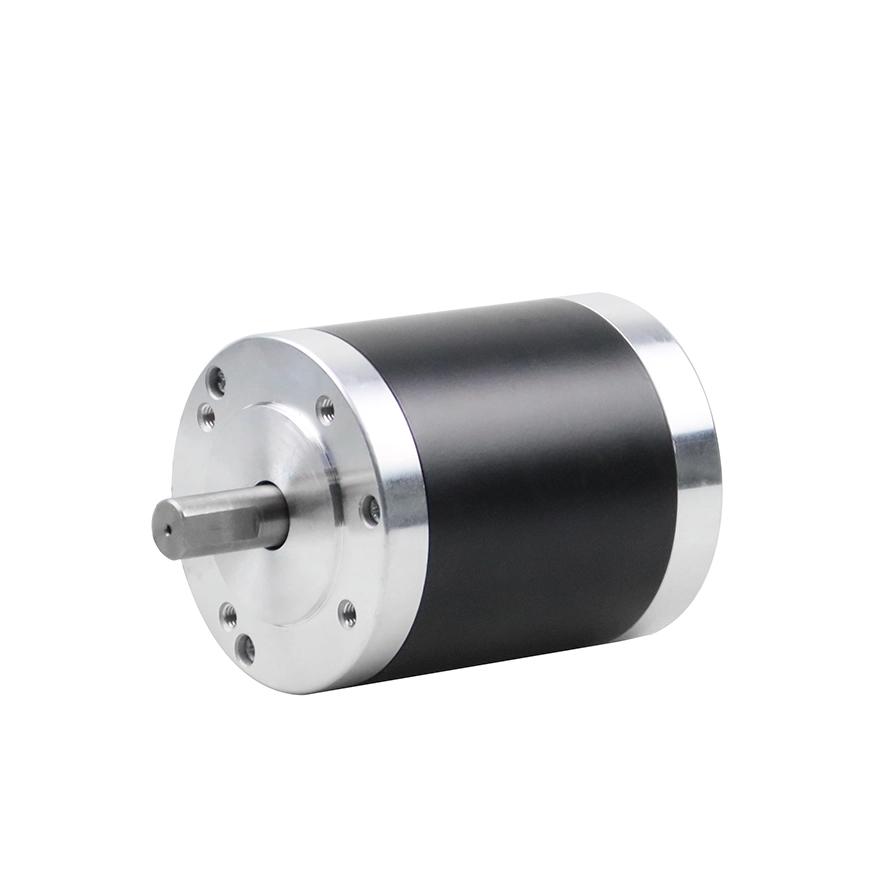
A Brushless DC motor (BLDC motor) operates using electronic commutation instead of mechanical brushes. This design significantly reduces wear, increases efficiency, and improves lifespan—key requirements for continuous-duty textile equipment.
Key Performance Characteristics of BLDC Motors
High energy efficiency due to reduced electrical and mechanical losses
Low maintenance requirements because of brushless construction
Stable speed control under variable loads
Compact design ideal for space-constrained textile machines
Lower initial system cost compared to servo systems
BLDC motors are widely used in rollers, conveyors, winding systems, fans, pumps, and auxiliary motion units within textile production lines.
Understanding Servo Motors in Textile Equipment
What Makes a Servo Motor Different
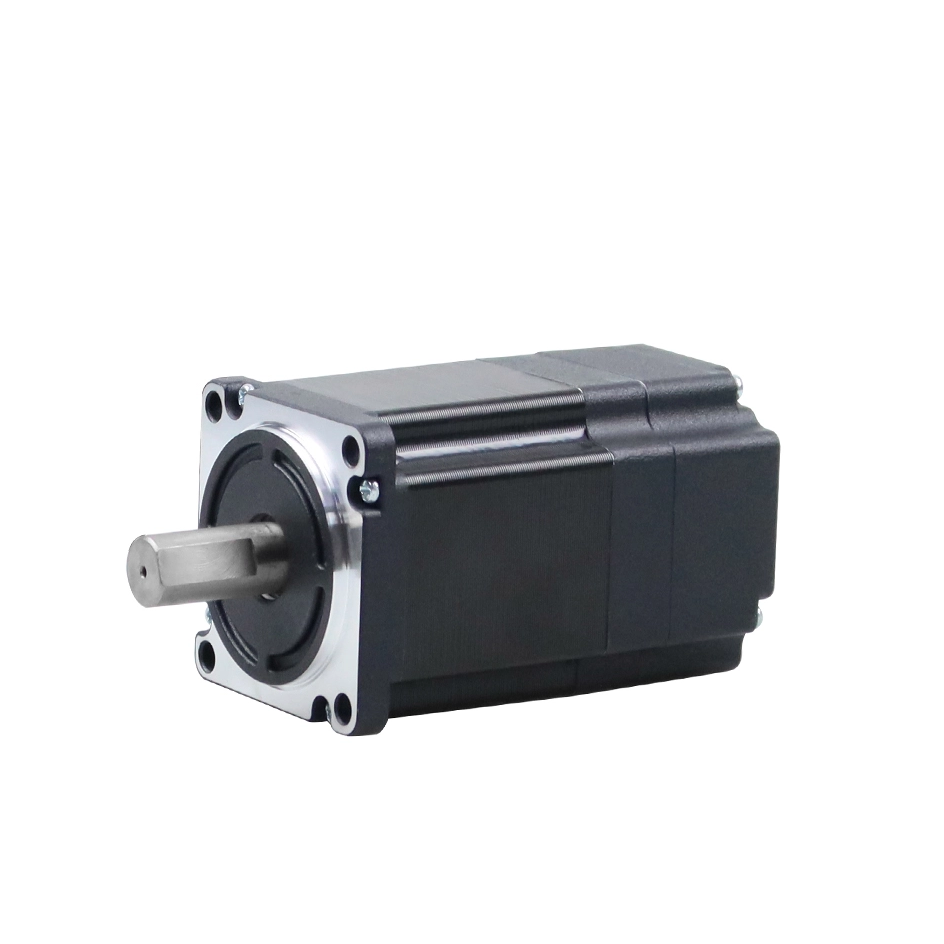
A servo motor is a closed-loop motion system consisting of a motor, encoder, and servo drive. It continuously monitors position, speed, and torque, allowing ultra-precise motion control even under dynamic load changes.
Key Performance Characteristics of Servo Motors
Exceptional positioning accuracy (often within microns)
High torque at low speed, ideal for start-stop cycles
Fast acceleration and deceleration
Advanced feedback control via encoders or resolvers
Superior dynamic response for complex motion profiles
Servo motors are commonly deployed in needle control, pattern positioning, yarn tension control, cutting systems, and robotic textile automation.
Cost Comparison: BLDC Motor vs Servo Motor
Initial Investment Cost
From a cost perspective, BLDC motors offer a clear advantage:
BLDC motor systems require a simpler controller and no high-resolution encoder
Servo motor systems include motor, encoder, servo drive, and tuning software
On average:
For textile manufacturers operating multiple machines, this difference can translate into significant CAPEX savings.
Installation and Commissioning Cost
BLDC motors:
Simple wiring
Minimal parameter tuning
Faster commissioning
Servo motors:
For high-volume textile equipment installations, BLDC motors reduce deployment time and engineering overhead.
Maintenance and Lifecycle Cost
BLDC motors excel in long-term cost control:
No brushes to replace
Lower heat generation
Reduced downtime
Servo motors, while durable, incur:
Over a 5–10 year lifecycle, BLDC motors often deliver lower total cost of ownership (TCO) in standard textile motion tasks.
Performance Comparison in Textile Operations
Speed Control Performance
BLDC Motors in Constant-Speed Textile Operations
BLDC motors provide stable and efficient speed regulation under continuous operating conditions. They are well suited for rollers, conveyors, winding systems, and auxiliary drives, where consistent RPM ensures uniform fabric handling and process reliability.
Servo Motors in Variable-Speed Textile Processes
Servo motors excel in applications requiring frequent speed changes. With closed-loop feedback, they maintain precise speed synchronization during start-stop cycles, pattern transitions, and automated textile handling.
Torque Characteristics
BLDC Motor Torque Stability
BLDC motors deliver dependable torque across a wide speed range, supporting general textile loads such as take-up units and feeding mechanisms where moderate torque accuracy is sufficient.
Servo Motor Precision Torque Control
Servo motors provide accurate torque output at low and zero speeds. This capability is critical for yarn tension control, synchronized motion, and quality-sensitive textile processes.
Positioning Accuracy and Repeatability
BLDC Motors for Non-Critical Positioning
BLDC motors offer basic positioning using Hall sensors, suitable for coarse positioning and non-precision textile movements.
Servo Motors for High-Precision Motion
Servo motors achieve high-resolution positioning and repeatability, making them essential for embroidery, jacquard systems, fabric cutting, and pattern alignment.
Dynamic Response Capability
BLDC Motors in Steady-State Operations
BLDC motors perform best in applications with gradual speed changes and continuous motion, supporting long-duration textile production runs.
Servo Motors in High-Response Systems
Servo motors deliver rapid acceleration and deceleration while maintaining accuracy, enabling high-speed automation and robotic textile equipment.
Smoothness, Noise, and Vibration
BLDC Motor Operational Smoothness
BLDC motors operate with low vibration and noise, contributing to stable operation and reduced mechanical stress in continuous textile machinery.
Servo Motor Precision-Focused Operation
Servo motors prioritize motion accuracy and responsiveness, with slightly higher acoustic output during aggressive motion profiles.
Performance Summary
Application-Based Motor Selection
In textile operations, BLDC motors provide efficient and cost-effective performance for continuous and speed-controlled tasks, while servo motors are the preferred solution where precision, dynamic response, and positional accuracy are critical to product quality.
Energy Efficiency and Power Consumption
Energy efficiency is a decisive factor in textile factories operating 24/7.
In large-scale textile plants, BLDC motors contribute to lower electricity bills and reduced carbon footprint, especially in auxiliary and continuous-duty systems.
Reliability in Harsh Textile Environments
Textile manufacturing environments place continuous stress on drive systems due to fiber dust, high humidity, temperature variation, and long operating hours. Motor reliability under these conditions directly affects equipment uptime, maintenance frequency, and overall production efficiency.
BLDC Motors in Dust-Intensive Conditions
BLDC motors feature a simplified internal structure with no brushes and minimal mechanical contact points. This design reduces sensitivity to cotton lint, synthetic fibers, and airborne dust, allowing stable operation in spinning, weaving, and finishing areas. With fewer wear components, BLDC motors maintain consistent performance over extended duty cycles.
Servo Motors and Environmental Sensitivity
Servo motors rely on high-resolution encoders and complex feedback systems. While mechanically robust, these components can be more sensitive to contamination, vibration, and thermal fluctuation. In textile environments, additional sealing, filtration, or enclosure measures are often required to ensure long-term reliability.
Thermal Stability and Continuous Operation
BLDC Motor Heat Management
BLDC motors generate lower heat during constant-speed operation, supporting 24/7 textile production without significant thermal stress. Improved heat dissipation extends insulation life and reduces the risk of premature failure.
Servo Motor Thermal Load Considerations
Servo motors experience higher thermal variation due to frequent acceleration and deceleration. Without proper cooling or derating, sustained high-duty cycles may impact system longevity in demanding textile applications.
Maintenance Requirements and Downtime Risk
BLDC Motors and Low Maintenance Demand
With fewer electronic and mechanical dependencies, BLDC motors require minimal maintenance. This translates to lower downtime risk and reduced service intervention, particularly in large-scale textile facilities.
Servo Motors and Preventive Maintenance
Servo systems demand periodic inspection of encoders, cables, and drives. While highly reliable when properly maintained, they introduce higher maintenance complexity in harsh textile environments.
Reliability Summary
Operational Reliability in Textile Equipment
For harsh textile environments, BLDC motors offer superior reliability, environmental tolerance, and long-term stability. Servo motors remain dependable for precision-driven tasks but require enhanced protection and maintenance strategies to ensure consistent operation under challenging conditions.
Application-Based Recommendations
Best Applications for BLDC Motors in Textile Equipment
In these applications, BLDC motors provide the optimal balance of cost, efficiency, and durability.
Best Applications for Servo Motors in Textile Equipment
Servo motors justify their higher cost when precision and synchronization directly impact product quality.
Scalability and Customization
From an OEM & ODM perspective:
BLDC motors are easier to customize for voltage, speed, and mounting
Servo motors offer advanced programmability but require deeper integration
For textile machinery manufacturers targeting cost-sensitive markets, BLDC motors enable scalable product lines. For high-end automated equipment, servo motors support premium positioning capabilities.
Future Trends in Textile Motor Technology
The textile industry is moving toward:
BLDC motors are increasingly paired with IoT-enabled controllers, closing the intelligence gap with servo systems at a lower cost. Meanwhile, Servo motors continue evolving with higher-resolution feedback and AI-assisted tuning.
Conclusion: Choosing the Right Motor for Textile Equipment
The decision between BLDC motor vs servo motor in textile equipment is not about superiority—it is about application alignment.
Choose BLDC motors for cost efficiency, durability, and continuous operation
Choose servo motors for precision, dynamic control, and advanced automation
By aligning motor technology with operational requirements, textile manufacturers achieve higher productivity, lower costs, and consistent fabric quality.

 English
 العربية
 Français
 Русский
 Español
 Português
 Deutsch
 italiano
 日本語
日本語 한국어
한국어 Nederlands
 Tiếng Việt
 ไทย
ไทย Polski
 Türkçe
 ພາສາລາວ
 ភាសាខ្មែរ
 Bahasa Melayu
 ဗမာစာ
ဗမာစာ Filipino
 Bahasa Indonesia
 magyar
 Română
 Čeština
 Монгол
 қазақ
қазақ Српски
 हिन्दी
 فارسی
فارسی Slovenčina
 Slovenščina
 Norsk
Norsk Svenska
 українська
 Ελληνικά
 Suomi
Suomi Հայերեն
 עברית
עברית Latine
 Dansk
Dansk Shqip
Shqip বাংলা
বাংলা Hrvatski
 Afrikaans
 Gaeilge
 Eesti keel
 Oʻzbekcha
 latviešu
 Azərbaycan dili
 Български
 Català