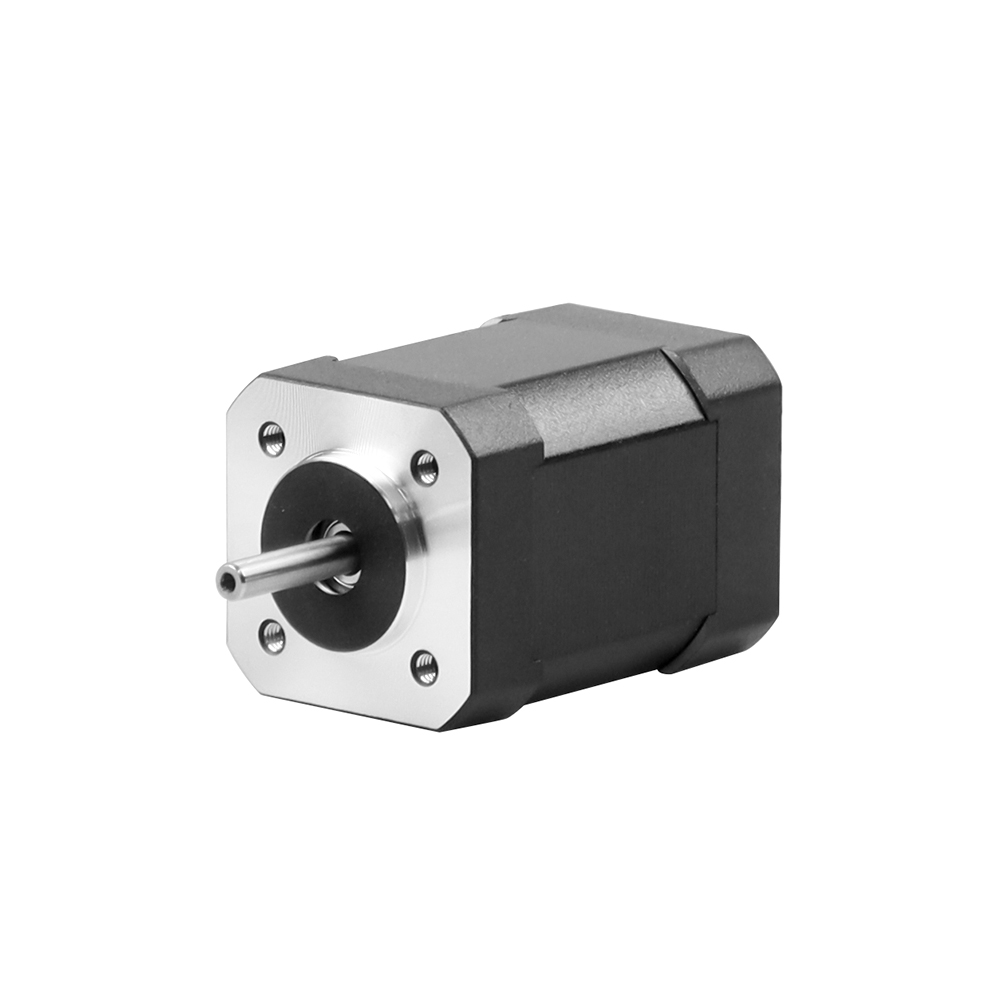
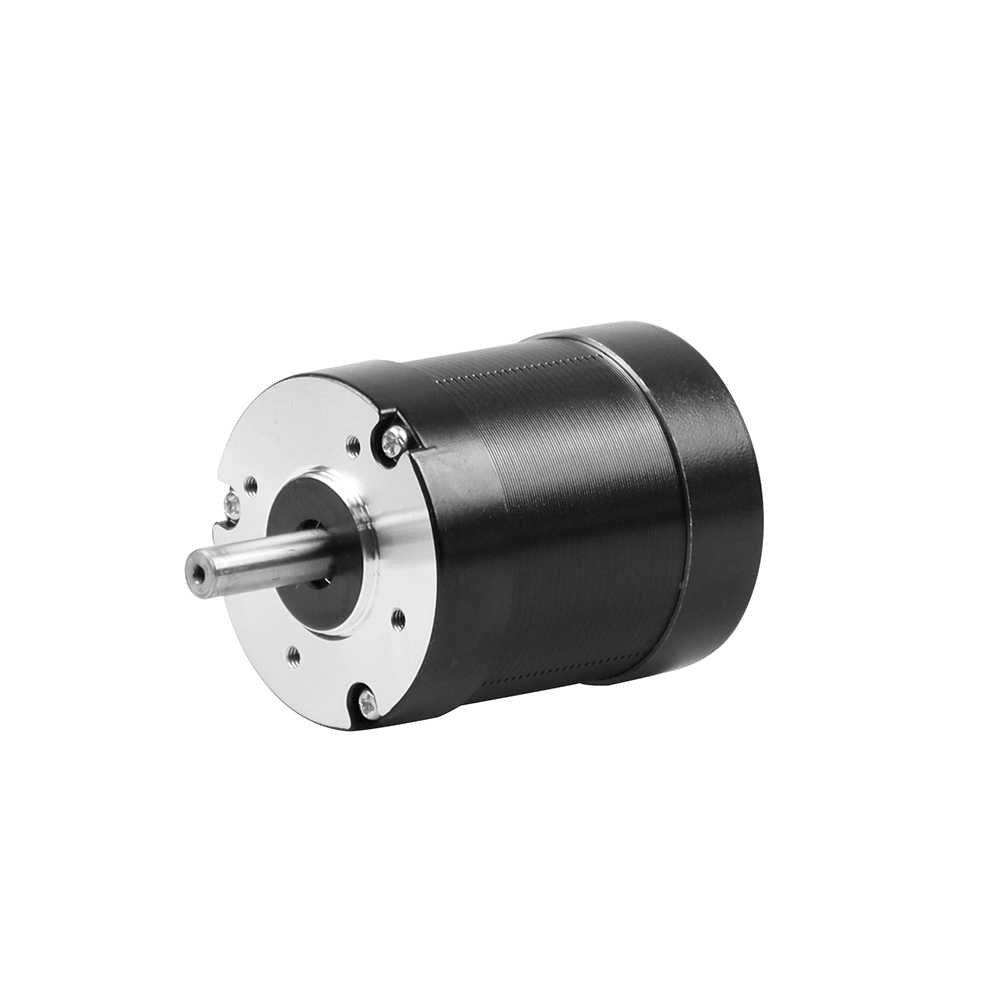
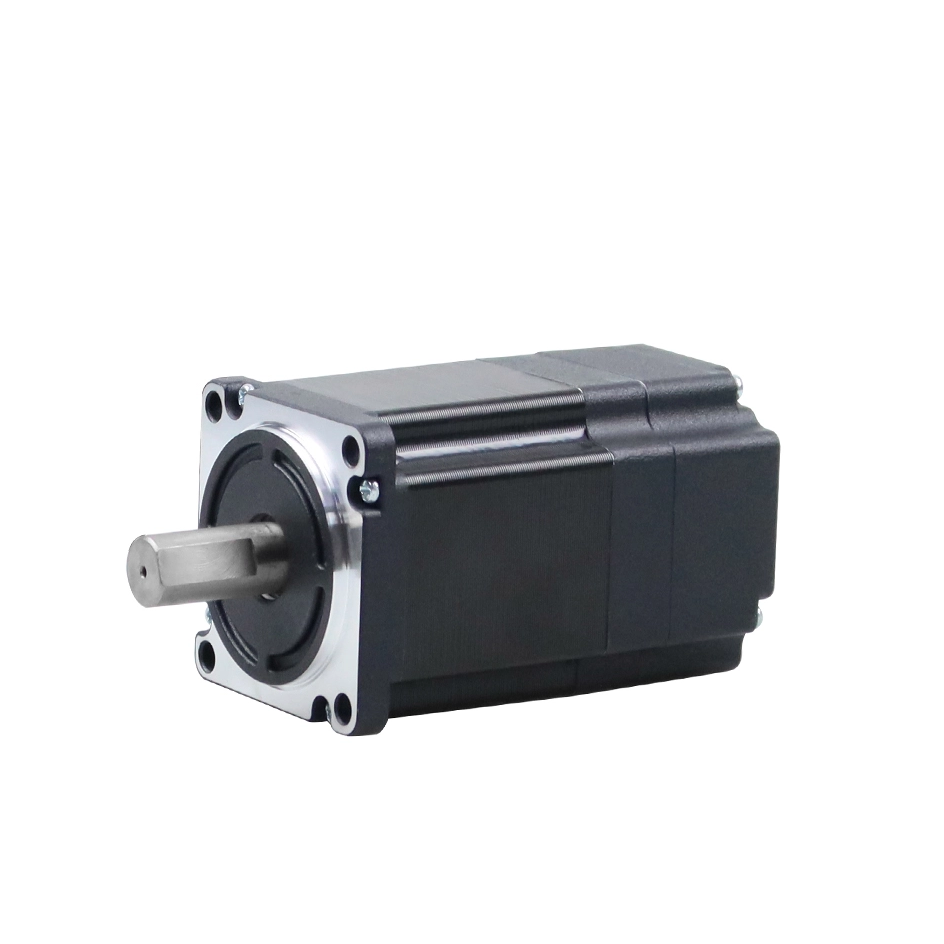
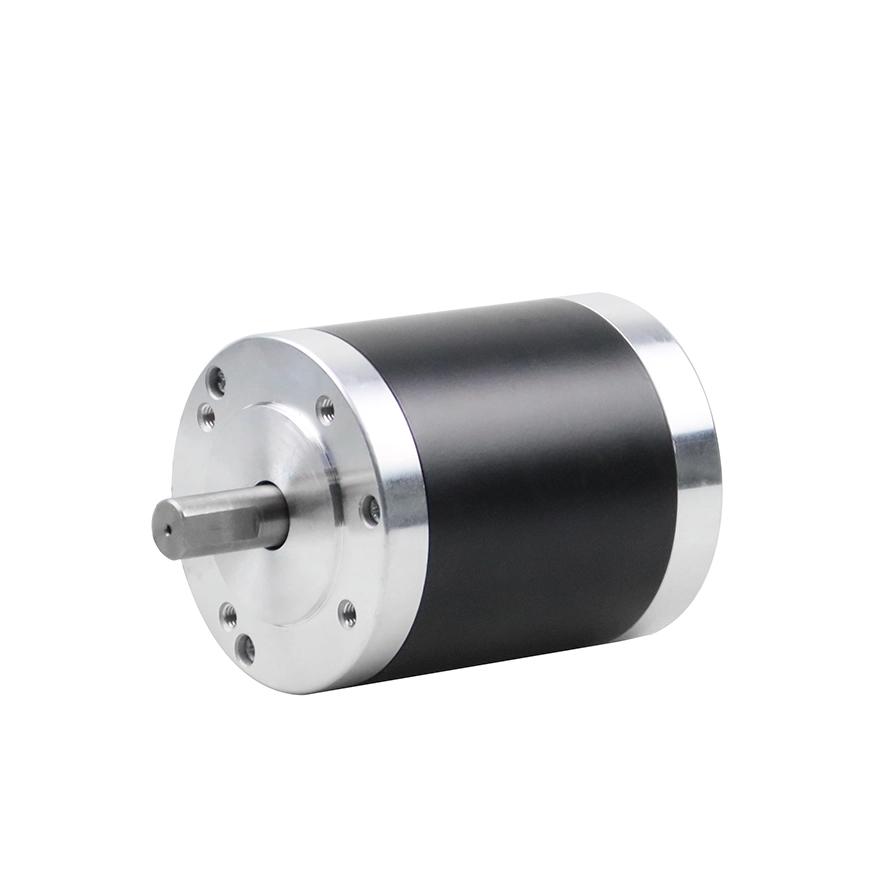
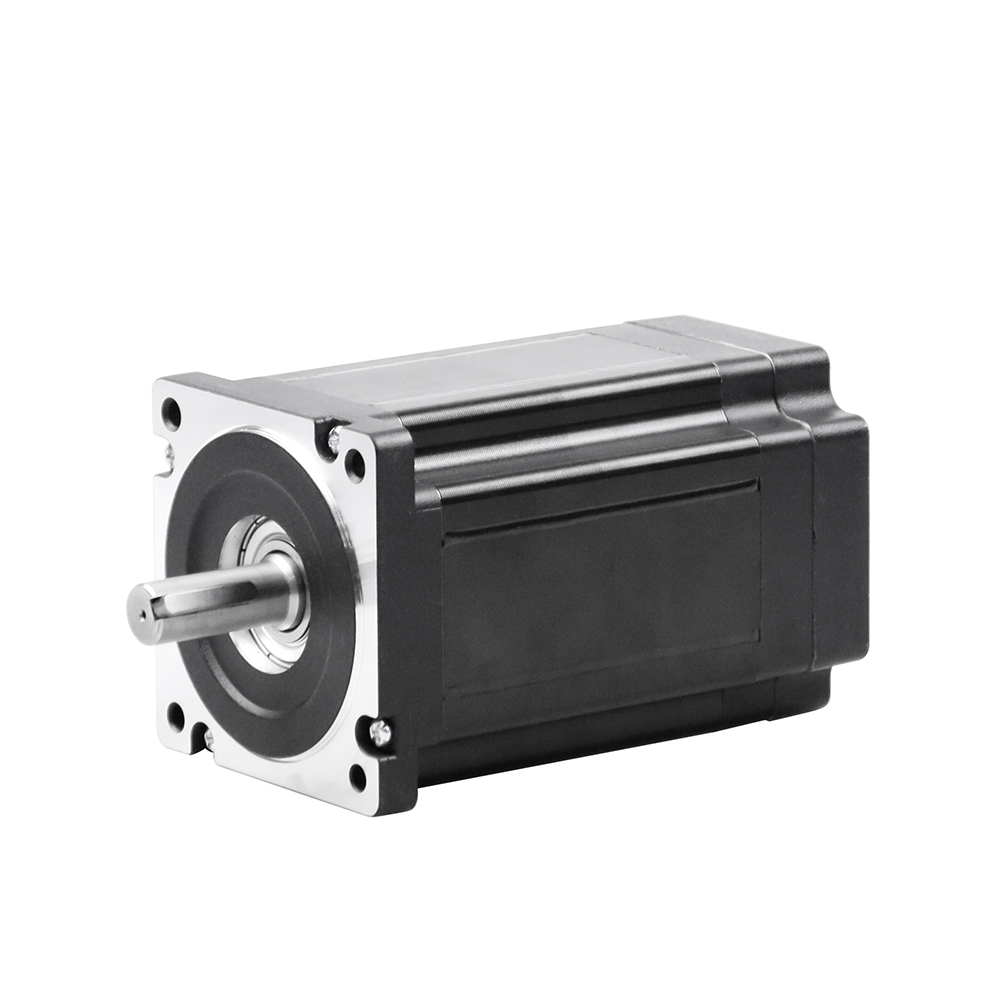
Brushless DC (BLDC) motors are widely recognized for their high efficiency, compact design, and superior thermal performance compared to brushed DC motors. However, in practical applications, engineers and system integrators sometimes encounter a counterintuitive issue: a BLDC motor overheating under light load conditions. This phenomenon can compromise reliability, reduce service life, and lead to premature system failure if not properly addressed.
In this comprehensive technical guide, we analyze the core electrical, mechanical, and control-related causes of BLDC motor overheating at light loads and provide actionable engineering solutions to prevent thermal instability.
Understanding BLDC Motor Thermal Behavior
Thermal behavior in a Brushless DC (BLDC) motor directly determines its reliability, efficiency, and operational lifespan. Heat generation and dissipation within the motor are governed by electrical, magnetic, mechanical, and environmental factors. A precise understanding of these mechanisms allows us to design systems that maintain stable temperature profiles under varying load conditions.
Primary Heat Sources in a BLDC motor
BLDC motor temperature rise originates from four fundamental loss categories:
1. Copper Losses (Stator Winding Losses)
Copper losses, also known as I²R losses, are generated by current flowing through the stator windings. The heat produced is proportional to the square of the current:
Pcopper=I2×RP_{copper} = I^2 \times R
Pcopper=I2×R
Where:
I = phase current
R = winding resistance
Since copper loss increases exponentially with current, even a moderate rise in phase current can significantly elevate winding temperature. This is the dominant heat source in most BLDC motors, especially under high torque demand.
2. Core Losses (Iron Losses)
Core losses occur within the laminated stator core and are divided into:
Core losses increase with electrical frequency, meaning:
Unlike copper losses, core losses exist even under light load conditions, particularly at high speeds.
3. Switching and Conduction Losses from the Inverter
A BLDC motor relies on an Electronic Speed Controller (ESC) for commutation. The inverter contributes to heat generation through:
High PWM frequencies improve torque smoothness but increase switching losses. Poor dead-time configuration or inefficient semiconductor selection further elevates system heat.
4. Mechanical Losses
Mechanical heat sources include:
Although generally smaller than electrical losses, mechanical losses become proportionally significant at light load or idle speeds.
Heat Transfer Mechanisms in BLDC Motors
Understanding thermal generation alone is insufficient; heat must be dissipated effectively to prevent overheating. BLDC motors dissipate heat through:
1. Conduction
Heat transfers from windings to stator core, then to housing. Thermal conductivity of materials plays a critical role. Aluminum housings enhance heat conduction efficiency.
2. Convection
Heat dissipates into surrounding air. This may occur via:
Reduced airflow drastically increases steady-state temperature.
3. Radiation
A smaller but continuous mechanism where heat radiates from the motor surface. Surface finish and temperature difference influence effectiveness.
Thermal Time Constant and Temperature Rise
BLDC motors do not reach maximum temperature instantly. The rate of temperature increase depends on the thermal time constant, which is influenced by:
Motor mass
Material heat capacity
Cooling design
Mounting configuration
Large industrial motors have longer thermal time constants, meaning they heat and cool more slowly. Compact high-power-density motors heat rapidly due to limited thermal mass.
Continuous vs Peak Thermal Ratings
Manufacturers specify two critical thermal ratings:
Exceeding continuous rating results in gradual insulation degradation. Repeated peak overload accelerates aging of winding insulation and magnets.
Insulation Class and Thermal Limits
Motor windings are protected by insulation materials classified by temperature tolerance:
Class B – 130°C
Class F – 155°C
Class H – 180°C
The maximum allowable winding temperature must remain below insulation limits to avoid breakdown and short circuits.
Impact of Ambient Temperature
Ambient conditions significantly affect BLDC motor thermal performance.
High surrounding temperature:
A motor rated for 40°C ambient may require derating in hotter industrial environments.
Thermal Interaction Between Motor and Controller
Motor temperature is closely linked to controller performance linked to controller performance. High current ripple or unstable DC bus voltage increases copper losses. Conversely, motor overheating raises winding resistance, causing further I²R losses—a thermal runaway cycle if unmanaged.
Integrated motor-drive systems must be thermally coordinated to ensure balanced heat distribution.
Temperature Monitoring and Protection
Advanced BLDC systems incorporate:
NTC or PTC thermistors embedded in windings
Digital temperature sensors
Thermal shutdown protection in ESC firmware
Real-time monitoring enables current limiting and prevents catastrophic failure.
Efficiency and Thermal Stability Relationship
Thermal behavior is directly tied to motor efficiency. Higher efficiency means:
Efficiency depends on proper motor sizing, optimal operating point selection, and precise control tuning.
Key Engineering Considerations for Thermal Optimization
To ensure stable thermal performance, we prioritize:
Accurate motor parameter identification
Optimized PWM frequency
Proper current loop tuning
High-conductivity housing materials
Adequate airflow and ventilation
Correct mechanical alignment
Thermal modeling and real-world testing under worst-case conditions validate system reliability before deployment.
Conclusion
Understanding BLDC motor thermal behavior requires a complete evaluation of electrical losses, magnetic dynamics, mechanical friction, and cooling mechanisms. By analyzing copper loss, core loss, inverter efficiency, and heat dissipation pathways, we can design systems that maintain optimal temperature control under both light and heavy load conditions. Proper thermal management is not an optional enhancement—it is a foundational requirement for long-term motor reliability and performance stability.
Incorrect Current Control and High Idle Current
One of the most common causes of BLDC motor overheating under light load is improper current regulation.
Excessive Phase Current at Low Torque
In well-tuned systems, phase current should scale proportionally with torque demand. However:
Poorly configured FOC (Field-Oriented Control) parameters
Incorrect current loop gains
Sensor misalignment
Inadequate current feedback filtering
can cause the controller to inject unnecessarily high phase current, even when torque demand is minimal.
Since copper loss is proportional to the square of current (I²R loss), even a small increase in current can cause significant heat generation.
Solution
We ensure:
Accurate motor parameter identification (Rs, Ld, Lq, flux linkage)
Proper current loop tuning
Stable feedback filtering
Adaptive current limiting
Low-Speed Operation and Poor Back-EMF Efficiency
BLDC motors rely on back electromotive force (Back-EMF) for efficient commutation and energy conversion. At low speeds or near-idle operation:
This forces the controller to supply higher current to maintain rotation stability.
As a result, electrical losses increase while mechanical output remains minimal, leading to overheating.
Solution
We optimize:
High PWM Switching Losses at Light Load
Switching losses in MOSFETs or IGBTs within the Electronic Speed Controller (ESC) can significantly impact thermal performance.
At light load:
If PWM frequency is set too high, switching losses may dominate total heat generation. These losses are dissipated partly in the controller and partly transferred to the motor windings.
Solution
We implement:
Adaptive PWM frequency control
Synchronous rectification
Optimized dead-time compensation
Reducing unnecessary switching events improves efficiency at light load.
Magnetic Core Losses at High Speed with Light Torque
Operating a BLDC motor at high speed but low torque demand is a common industrial scenario. In such cases:
Rotor speed remains elevated
Core losses increase proportionally with frequency
Mechanical output is negligible
Core losses (hysteresis and eddy current losses) rise with rotational frequency. Without sufficient torque load to balance the energy conversion process, excess magnetic energy converts into heat.
Solution
We recommend:
Avoiding sustained no-load high-speed operation
Selecting low-loss lamination materials
Designing optimized stator core geometry
Improper Commutation Timing and Phase Advance Errors
BLDC motors require precise electrical commutation timing to maintain optimal efficiency.
Incorrect phase advance can result in:
At light load, these inefficiencies become more pronounced because the motor operates further from its optimal torque-speed curve.
Solution
We ensure:
Accurate Hall sensor alignment
Encoder calibration
Auto phase-detection routines
Dynamic phase advance optimization
Overvoltage Conditions and Excessive Supply Voltage
Applying a voltage significantly higher than required for the torque demand leads to:
Higher switching stress
Increased ripple current
Elevated stator heating
In lightly loaded systems, voltage may not be properly modulated downward, especially in open-loop configurations.
Solution
We implement:
Closed-loop speed control
DC bus voltage optimization
Voltage scaling under low torque demand
Mechanical Factors: Bearing Friction and Imbalance
While electrical causes dominate, mechanical inefficiencies also contribute to overheating.
Common mechanical contributors include:
Bearing preload errors
Shaft misalignment
Rotor imbalance
Inadequate lubrication
At light load, these parasitic mechanical losses represent a larger proportion of total system losses, increasing temperature despite low torque demand.
Solution
We prioritize:
Precision shaft alignment
Dynamic rotor balancing
High-grade, low-friction bearings
Regular maintenance scheduling
Poor Thermal Dissipation and Enclosure Design
Sometimes the issue is not excessive heat generation, but insufficient heat removal.
Factors include:
Inadequate airflow
Enclosed housing without ventilation
Poor thermal contact between stator and housing
Incorrect IP-rated enclosure without cooling design
Under light load, reduced shaft speed may also lower fan-based cooling efficiency in self-cooled motors.
Solution
We design:
Enhanced finned housings
Integrated forced-air cooling
Thermal interface materials
Optimized mounting configurations
Harmonic Distortion and Current Ripple
Poor-quality inverters or unstable power supplies introduce:
Harmonic distortion
High current ripple
Torque pulsations
These distortions increase copper losses and generate localized hot spots in windings.
At light load, torque smoothing becomes more sensitive to harmonic interference.
Solution
We apply:
Operating Outside Optimal Efficiency Zone
Every BLDC motor has an efficiency map showing optimal operating regions.
Running the motor far below its rated torque at moderate-to-high speeds often places it outside peak efficiency zones. In this region:
Solution
We recommend:
Oversized motors frequently exhibit overheating under light load because they operate inefficiently at low torque ratios.
Controller Firmware and Parameter Mismatch
Mismatched motor-controller combinations are a frequent root cause.
Improper settings such as:
lead to inefficient energy conversion and unnecessary heat buildup.
Solution
We ensure:
Motor parameter auto-identification
ESC firmware optimization
Matched controller-motor pairing from certified manufacturers
Preventive Engineering Checklist for BLDC Motor Thermal Stability
A structured preventive engineering checklist is essential to eliminate overheating risks, extend motor lifespan, and maintain consistent performance across varying load conditions. By systematically evaluating electrical control, mechanical integrity, thermal management, and system integration, we ensure stable and efficient BLDC motor operation.
Below is a comprehensive engineering checklist designed to prevent thermal issues before they occur.
1. Verify Accurate Motor Parameter Identification
Accurate motor parameters are fundamental for stable control and efficient operation. Always confirm:
Incorrect parameter configuration results in inefficient current control, excessive reactive current, and increased copper losses. Use automated motor identification tools within the ESC whenever available.
2. Optimize Current Loop Tuning
Improper current control is one of the leading causes of unnecessary heat generation. Ensure:
Proper PI controller gain tuning
Stable current feedback filtering
Accurate phase current sensing
Minimal current ripple
Well-tuned Field-Oriented Control (FOC) ensures that only the required current is supplied for the demanded torque, minimizing I²R losses.
3. Confirm Proper Commutation Timing
Incorrect commutation increases reactive current and torque ripple. Check:
Precise rotor position detection ensures optimal electromagnetic torque production and reduced heat buildup.
4. Validate PWM Frequency Settings
Excessive PWM frequency increases switching losses, while too low a frequency may increase torque ripple. Verify:
PWM frequency matches application requirements
Dead-time compensation is optimized
Switching losses are within safe limits
Adaptive PWM strategies improve efficiency under light-load conditions.
5. Inspect DC Bus Voltage Stability
Unstable or excessive supply voltage increases stress on both motor and controller. Confirm:
Proper DC bus filtering
Stable power supply regulation
Voltage scaling under light load
Correct overvoltage protection settings
Voltage should match motor design specifications to prevent unnecessary heat generation.
6. Analyze Operating Point on Efficiency Map
Every BLDC motor has an optimal efficiency zone. Ensure:
Operating speed and torque fall within peak efficiency range
The motor is not oversized for the application
Gear reduction is used when necessary to shift operating point
Running far below rated torque at high speed reduces efficiency and increases thermal losses.
7. Evaluate Mechanical Integrity
Mechanical inefficiencies convert energy directly into heat. Perform checks for:
Bearing condition and lubrication
Shaft alignment
Rotor dynamic balance
Proper mounting configuration
Absence of abnormal vibration
Low-friction mechanical components significantly improve thermal stability.
8. Confirm Adequate Cooling and Ventilation
Thermal dissipation is as critical as minimizing heat generation. Inspect:
Airflow availability
Cooling fan functionality
Ventilation path clearance
Heat sink integrity
Thermal interface material condition
For enclosed systems, consider forced-air or liquid cooling if passive dissipation is insufficient.
9. Check Thermal Contact Between Stator and Housing
Poor thermal conduction traps heat within windings. Verify:
Tight stator-to-housing fit
Proper use of thermal adhesives or compounds
No air gaps reducing conduction efficiency
Aluminum housings with high thermal conductivity improve heat transfer.
10. Monitor Winding Temperature in Real Time
Temperature feedback allows preventive action before overheating occurs. Confirm:
Embedded NTC/PTC thermistor functionality
ESC thermal protection configuration
Accurate temperature calibration
Current limiting response when thresholds are reached
Real-time monitoring prevents insulation degradation and magnet damage.
11. Inspect Magnetic Core Material and Lamination Quality
Core losses contribute to heat, especially at high speed. Evaluate:
High-quality electrical steel reduces hysteresis and eddy current losses.
12. Examine Current Harmonics and Ripple
Harmonic distortion increases copper losses. Test:
Phase current waveform quality
Total harmonic distortion (THD)
Proper grounding and shielding
Inverter switching waveform integrity
Clean sinusoidal current improves thermal efficiency and torque smoothness.
13. Confirm Environmental Operating Conditions
External conditions directly affect motor cooling. Assess:
Apply appropriate derating when operating in high-temperature or enclosed environments.
14. Perform Load Profile Analysis
Evaluate the actual duty cycle rather than relying on nominal specifications. Confirm:
Accurate duty cycle assessment prevents unexpected thermal accumulation.
15. Ensure Proper Motor-Controller Matching
Controller compatibility is essential for thermal stability. Verify:
Mismatched systems frequently cause overheating even under light load.
16. Conduct Thermal Imaging and Stress Testing
Before deployment, perform:
Infrared thermal imaging under load
Continuous runtime stress testing
Worst-case ambient condition simulation
Overload scenario evaluation
Thermal testing validates design assumptions and prevents field failures.
17. Prevent Thermal Runaway Conditions
Be aware of resistance-temperature dependency. As temperature rises:
Winding resistance increases
Copper losses increase further
Additional heat is generated
Implement current limiting and thermal shutdown protocols to break this cycle.
18. Document Maintenance and Inspection Schedule
Long-term thermal stability requires consistent monitoring. Establish:
Routine bearing inspection intervals
Periodic current waveform analysis
Cooling system cleaning schedule
Thermal sensor recalibration timeline
Preventive maintenance extends operational lifespan and ensures safety.
Final Engineering Summary
A preventive engineering checklist for BLDC motors must address the complete system—electrical control, mechanical structure, thermal design, and environmental influence. Overheating under light load is rarely random; it is typically the result of inefficiencies in current control, improper operating point selection, insufficient cooling, or mechanical resistance.
By systematically validating each parameter in this checklist, we ensure:
Stable operating temperature
Maximum energy efficiency
Extended insulation lifespan
Reliable long-term performance
Thermal management is not a reactive solution—it is a proactive engineering discipline that safeguards both motor integrity and system reliability.
Conclusion: Thermal Stability Requires System-Level Optimization
A BLDC motor overheating under light load is rarely caused by a single issue. Instead, it results from a combination of:
By optimizing current control, commutation timing, PWM strategy, voltage regulation, and cooling architecture, we achieve reliable thermal stability even under minimal load conditions.
Proper motor sizing, matched ESC integration, and detailed parameter tuning are essential to prevent overheating and maximize lifespan.
FAQs: Why Does a BLDC Motor Overheat Under Light Load?
I. Product Perspective: Causes, Performance & Technical Factors
1. Why does a standard BLDC motor overheat under light load?
A standard BLDC motor may overheat under light load due to improper driver settings, excessive current, poor ventilation, or inefficient commutation.
2. Is BLDC motor overheating common in light-load conditions?
BLDC motor overheating can occur if the motor is oversized, improperly matched with the driver, or operating outside its optimal efficiency range.
3. Can incorrect driver configuration cause BLDC motor overheating?
Yes, improper current limits or PWM settings from the controller can cause unnecessary heat buildup even under light load.
4. Does oversizing a BLDC motor lead to overheating?
Yes, using a high-power motor for a small load can reduce efficiency and increase heat due to poor operating point alignment.
5. How does poor cooling affect a standard BLDC motor?
Insufficient airflow or heat dissipation can trap heat, leading to BLDC motor overheating.
6. Can high switching frequency cause overheating?
Yes, excessive switching frequency from the driver can increase electrical losses in a BLDC motor.
7. Is voltage mismatch a cause of BLDC motor overheating?
Operating a motor at higher-than-rated voltage can increase heat generation and reduce lifespan.
8. Does light load reduce efficiency in BLDC motors?
Some standard BLDC motors operate most efficiently near their rated load, and light load conditions may reduce efficiency.
9. Can poor-quality bearings contribute to overheating?
Yes, mechanical friction from low-quality bearings increases internal heat.
10. How can BLDC motor overheating be prevented?
Proper motor selection, driver tuning, adequate cooling, and selecting the right standard BLDC motor for the application are key solutions.
II. Factory Customization Capability: Engineering Solutions & Optimization
11. Can a BLDC motor manufacturer design motors to reduce overheating?
Yes, a professional BLDC motor manufacturer can optimize winding design and magnetic circuits to reduce heat generation.
12. What customization options help prevent BLDC motor overheating?
Custom BLDC motors may include enhanced insulation, improved ventilation design, high-temperature magnets, and optimized copper fill.
13. Can manufacturers optimize motors for light-load efficiency?
Yes, a custom BLDC motor can be engineered specifically for high efficiency under light-load conditions.
14. Is it possible to integrate thermal protection into a BLDC motor?
Yes, a BLDC motor manufacturer can integrate temperature sensors or thermal cut-off protection.
15. Can integrated drivers reduce overheating risk?
Yes, integrated motor-driver systems allow precise current control and improved thermal management.
16. What is the role of electromagnetic design in heat reduction?
Optimized electromagnetic design minimizes core loss and copper loss, reducing BLDC motor overheating.
17. How does customization affect lead time?
A standard BLDC motor has shorter lead times, while thermal-optimized custom BLDC motors require additional engineering validation.
18. Can manufacturers provide thermal simulation and testing?
Yes, reputable BLDC motor manufacturers conduct thermal analysis and endurance testing to ensure reliability.
19. Are high-efficiency BLDC motors more resistant to overheating?
Yes, high-efficiency motors generate less waste heat and are more suitable for sensitive applications.
20. Why choose a professional BLDC motor manufacturer to solve overheating issues?
A professional BLDC motor manufacturer provides engineering support, custom optimization, and validated thermal solutions to prevent BLDC motor overheating under light or full load.

 English
 العربية
 Français
 Русский
 Español
 Português
 Deutsch
 italiano
 日本語
日本語 한국어
한국어 Nederlands
 Tiếng Việt
 ไทย
ไทย Polski
 Türkçe
 ພາສາລາວ
 ភាសាខ្មែរ
 Bahasa Melayu
 ဗမာစာ
ဗမာစာ Filipino
 Bahasa Indonesia
 magyar
 Română
 Čeština
 Монгол
 қазақ
қазақ Српски
 हिन्दी
 فارسی
فارسی Slovenčina
 Slovenščina
 Norsk
Norsk Svenska
 українська
 Ελληνικά
 Suomi
Suomi Հայերեն
 עברית
עברית Latine
 Dansk
Dansk Shqip
Shqip বাংলা
বাংলা Hrvatski
 Afrikaans
 Gaeilge
 Eesti keel
 Oʻzbekcha
 latviešu
 Azərbaycan dili
 Български
 Català