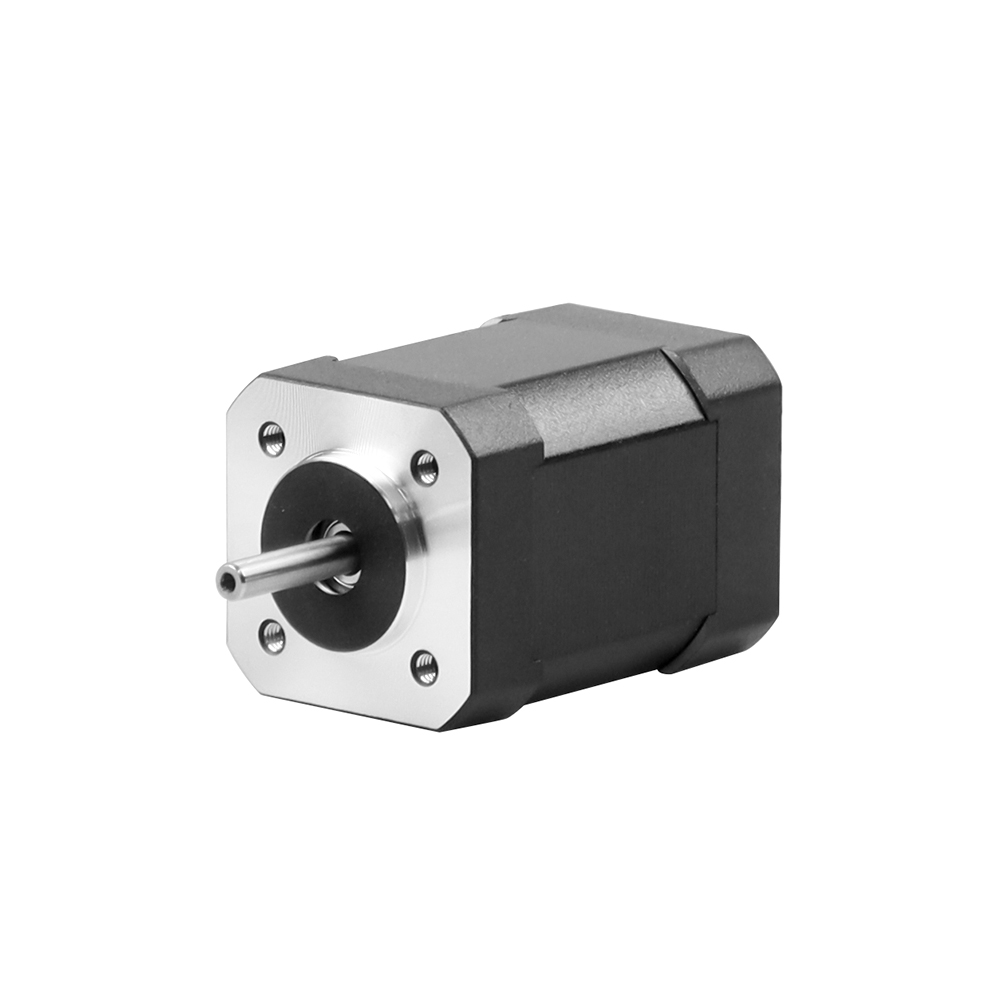
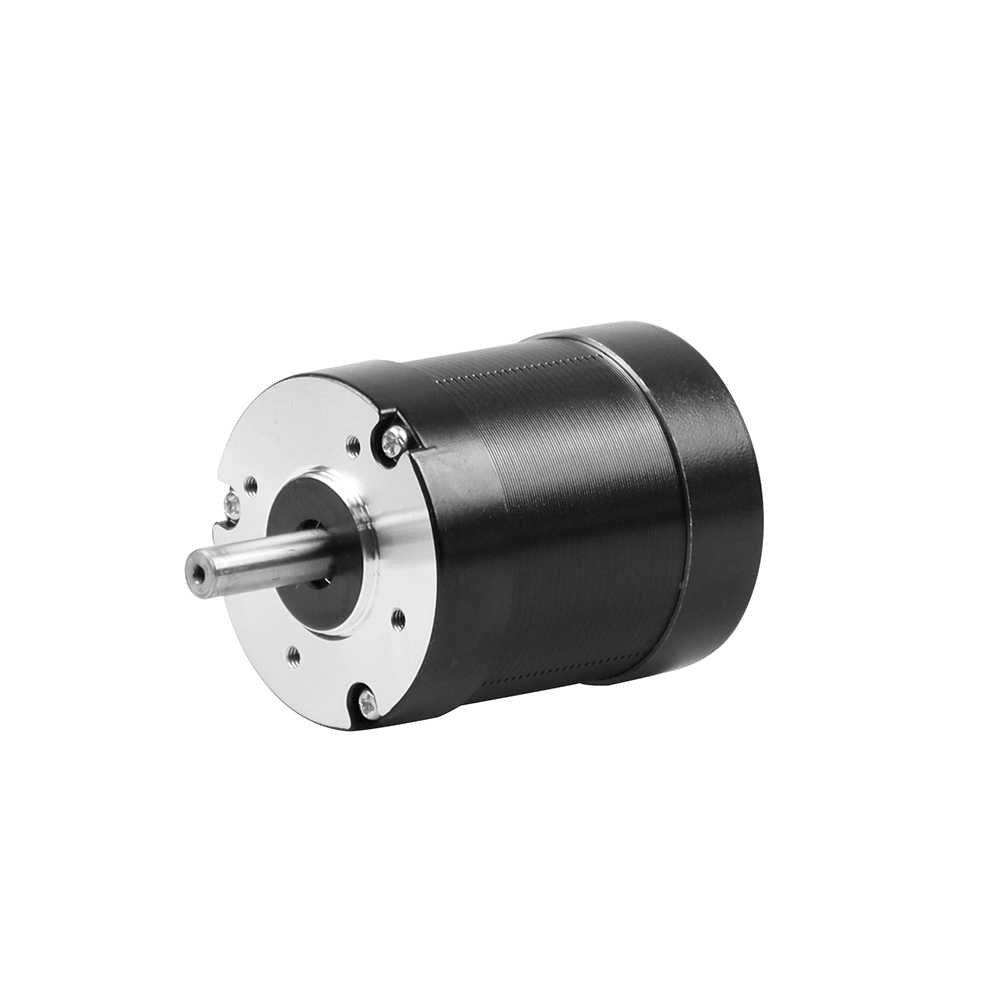
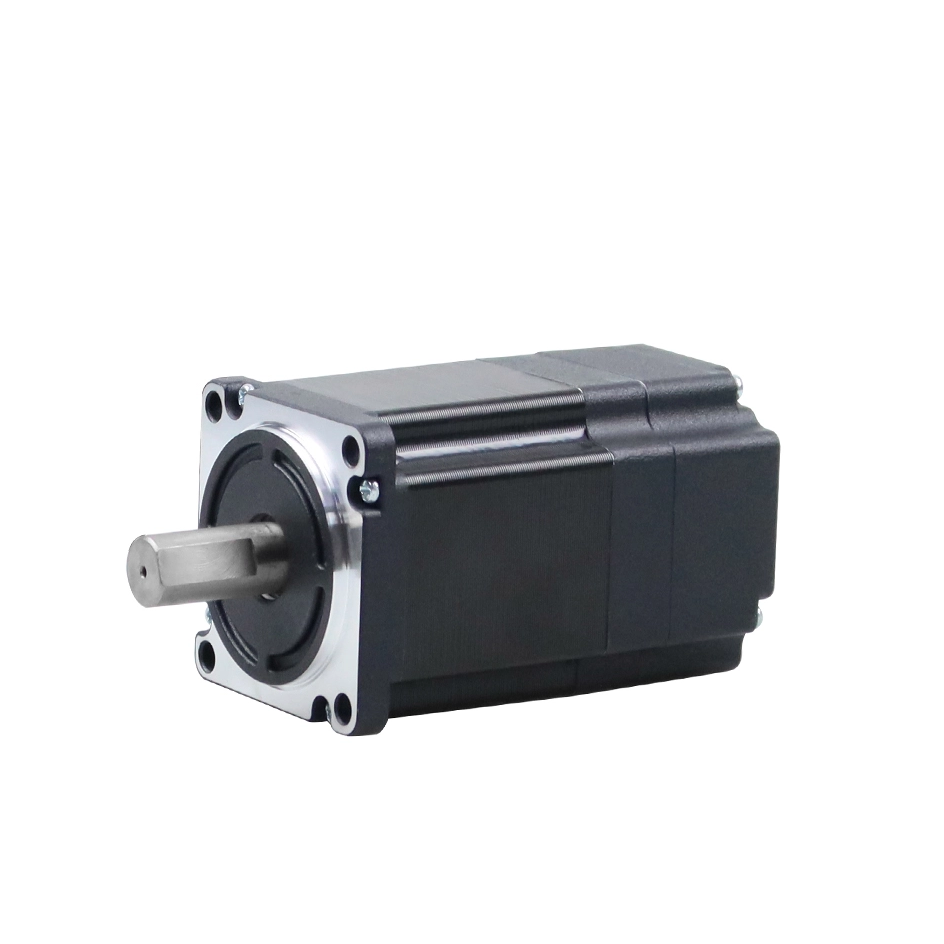
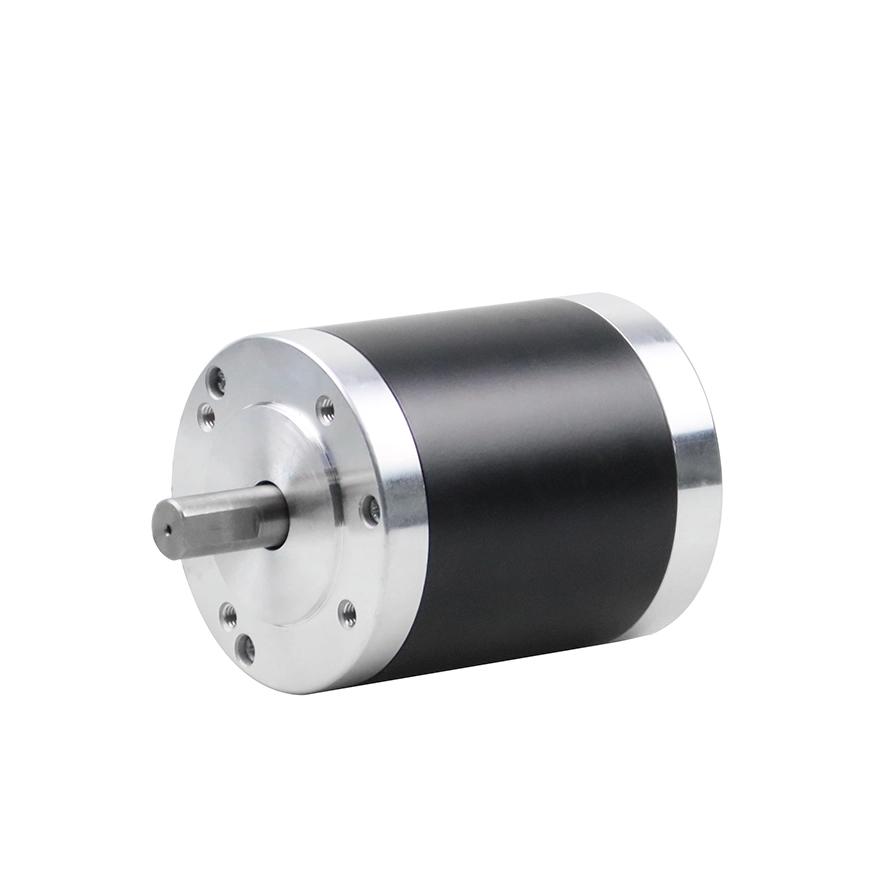
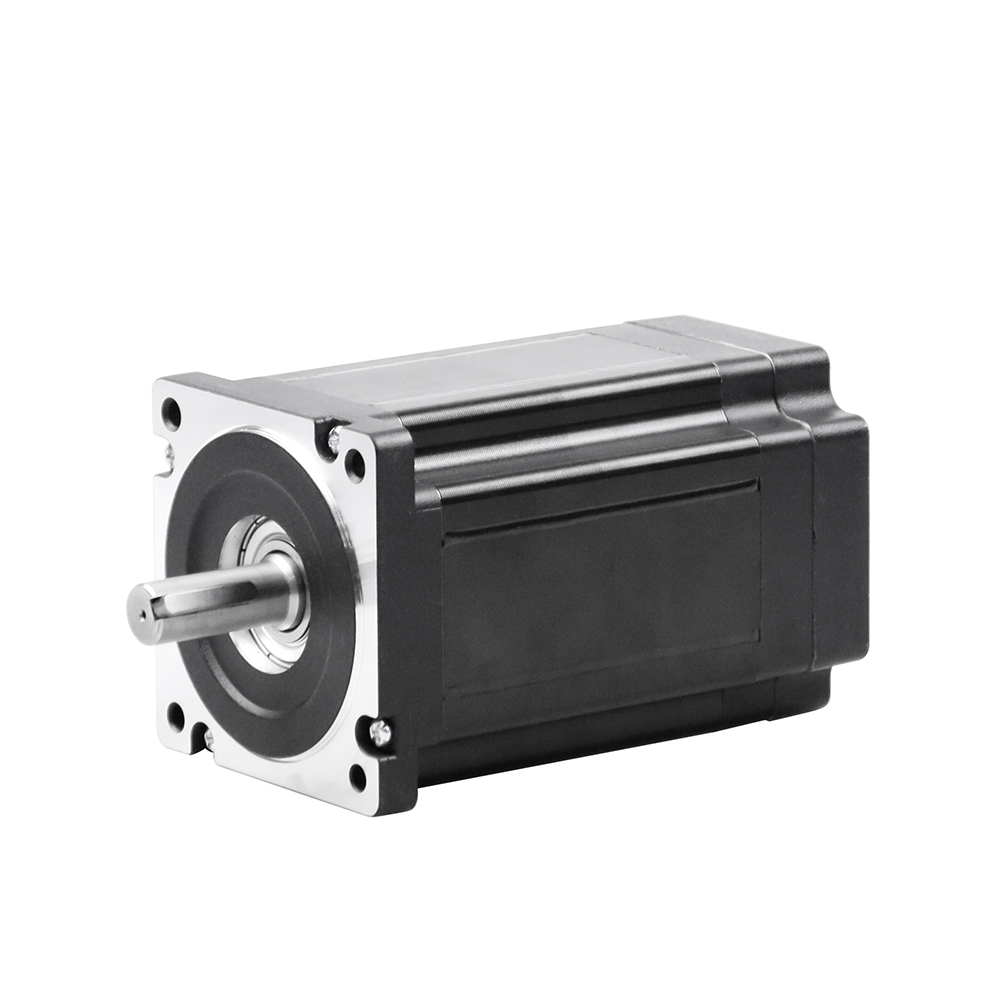
In modern motion control systems, the transition from brushed DC motors to brushless DC (BLDC) motors has become increasingly common across industrial automation, robotics, medical devices, electric vehicles, and precision equipment. While brushed motors have served engineering applications for decades due to their simplicity and low initial cost, the technological advantages of BLDC motor technology now make it the superior choice for many performance-critical systems.
Understanding exactly when to replace a brushed DC motor with a BLDC motor requires evaluating efficiency, maintenance demands, operating environment, lifespan, noise levels, and overall system performance. In this comprehensive guide, we outline the key indicators that signal the right time to upgrade and explain how BLDC motor solutions deliver superior reliability, efficiency, and long-term value.
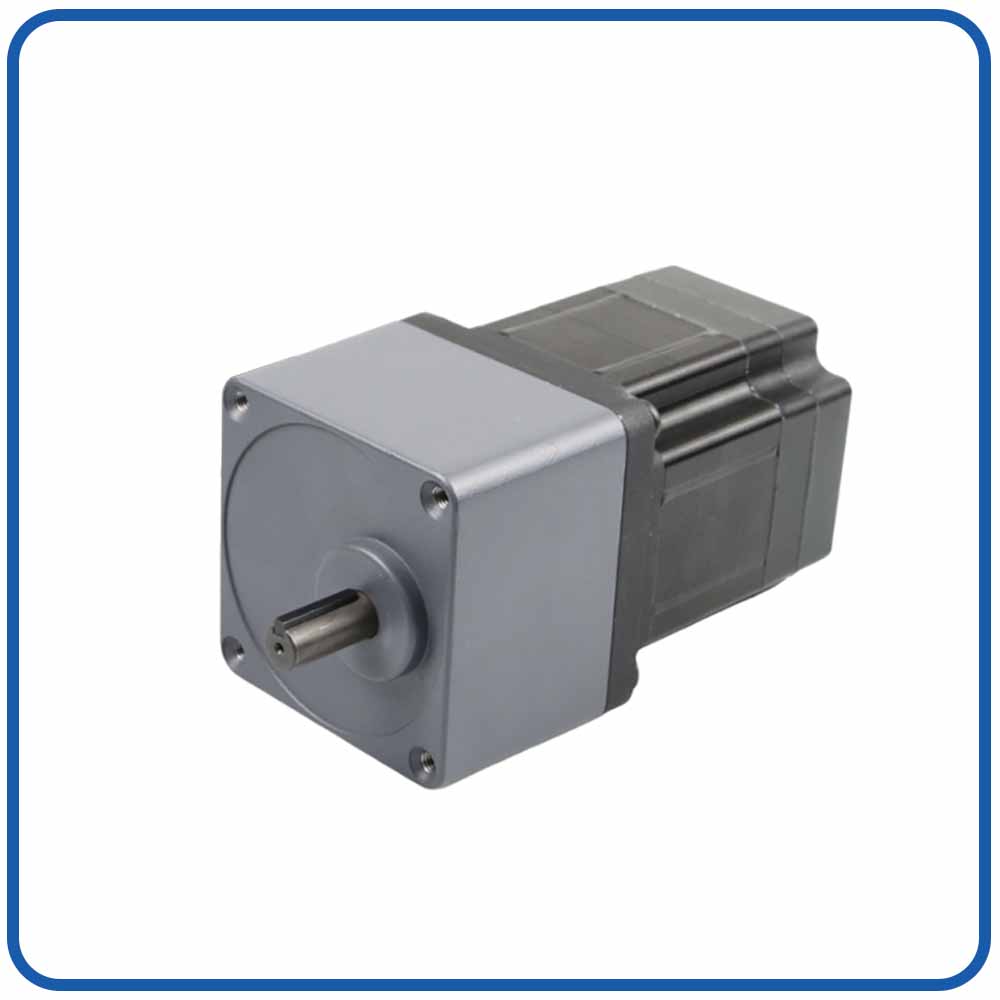
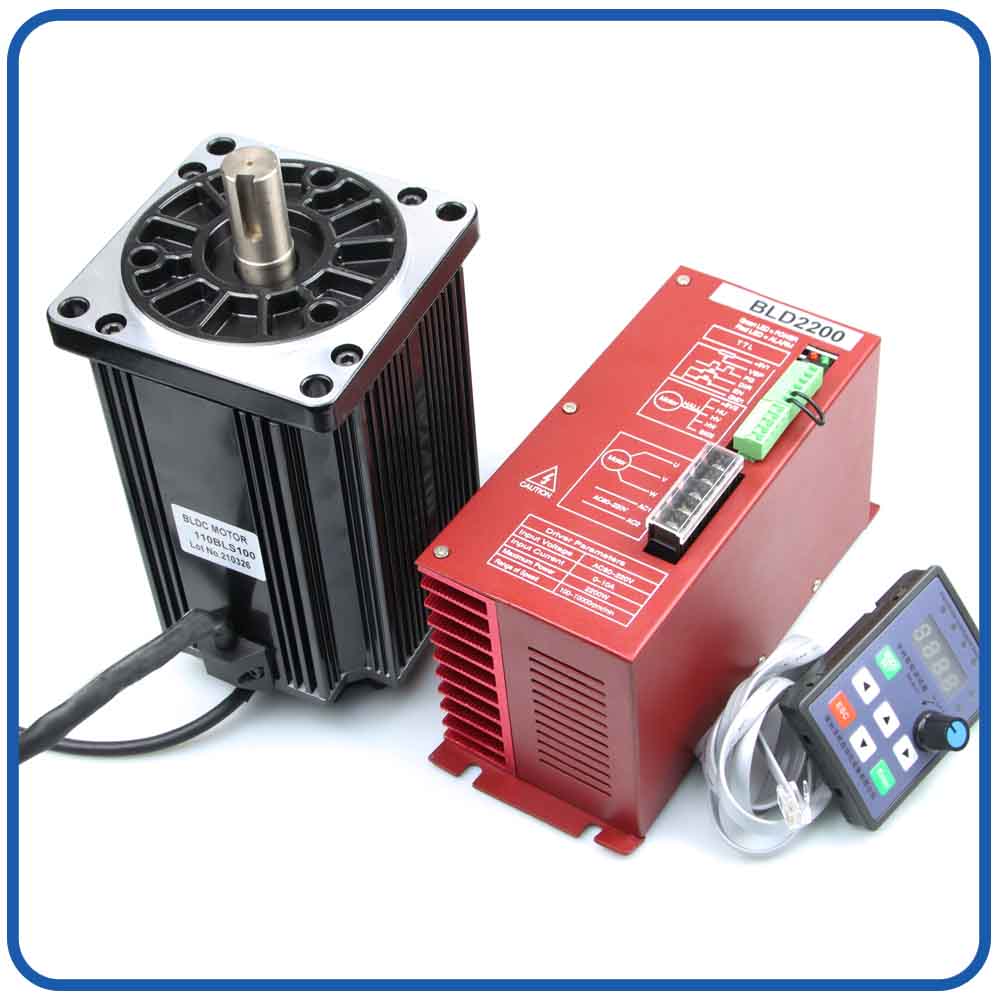
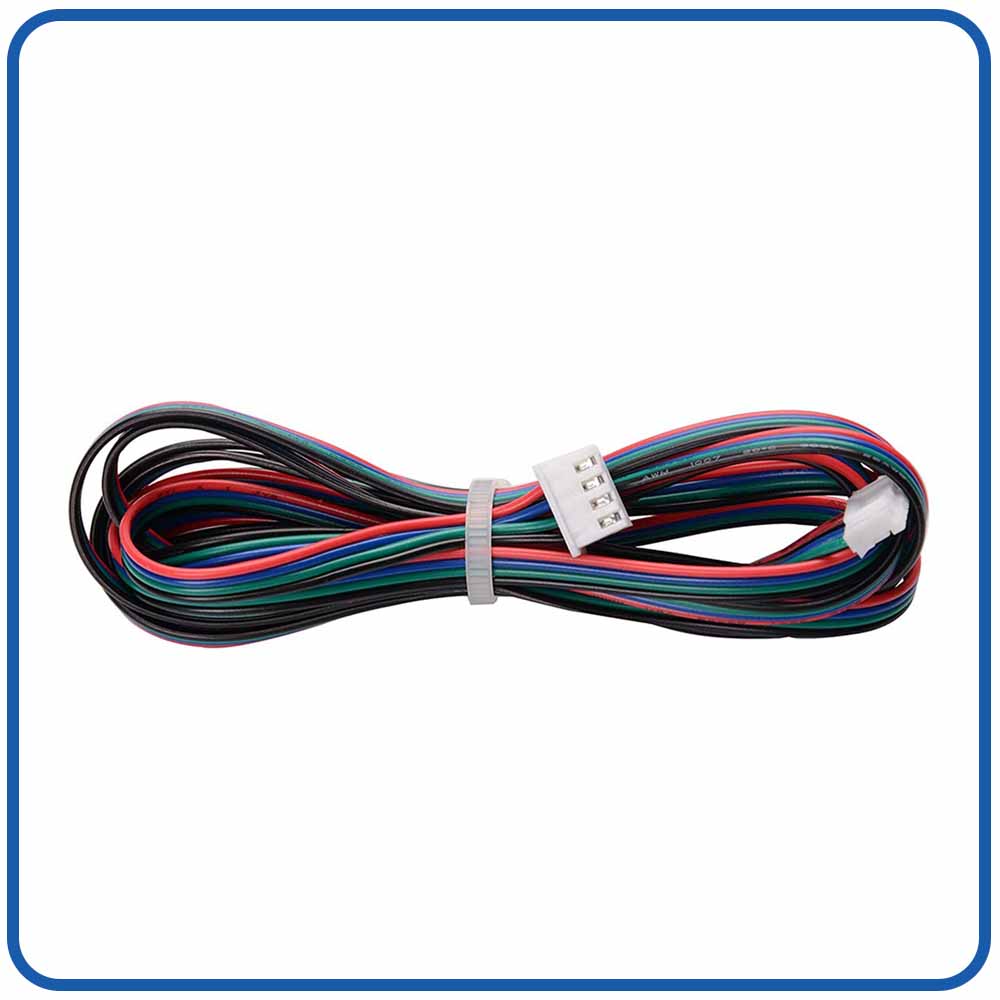 | 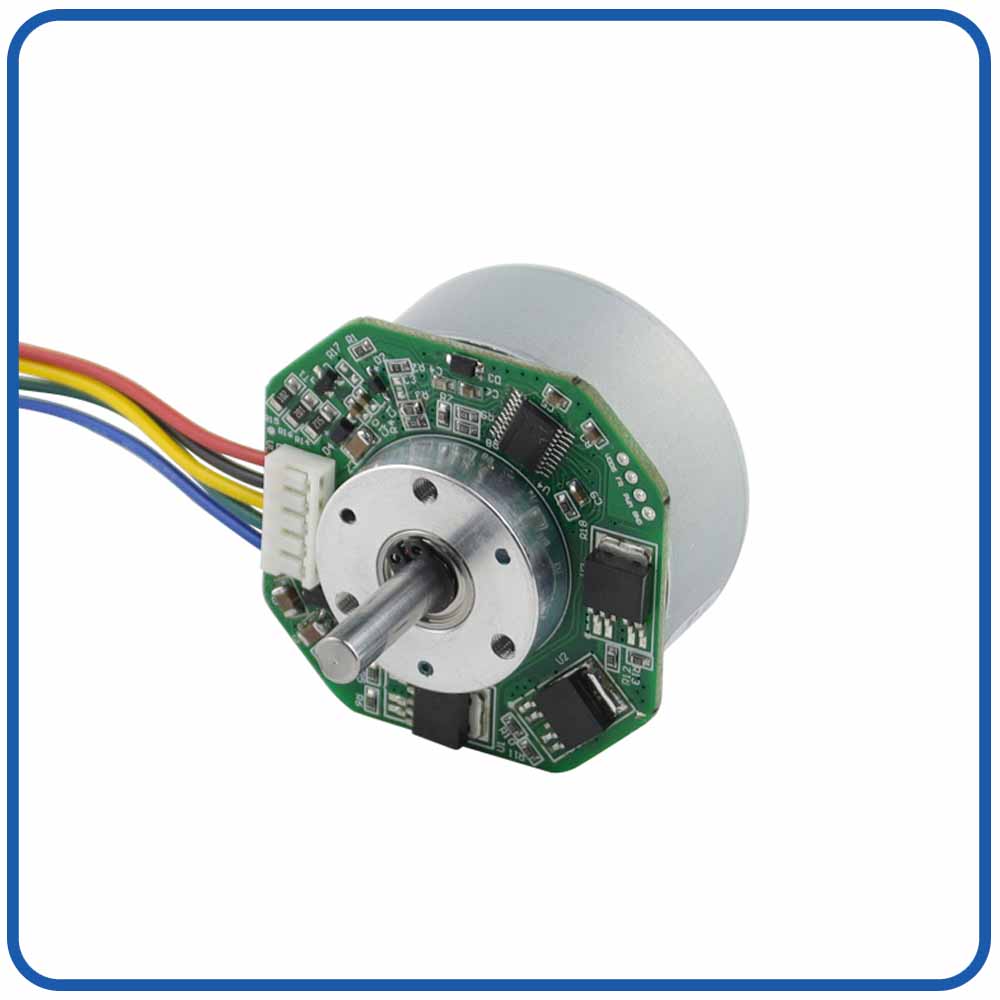 | 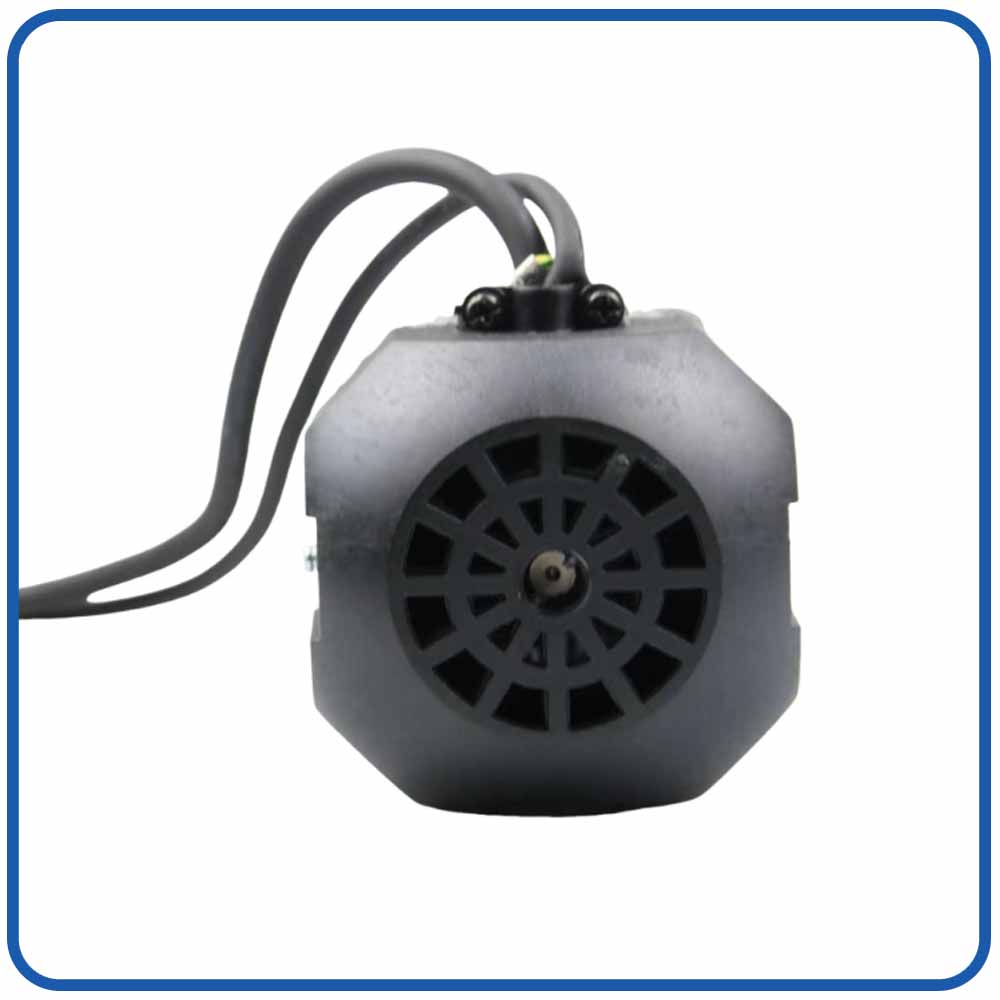 | 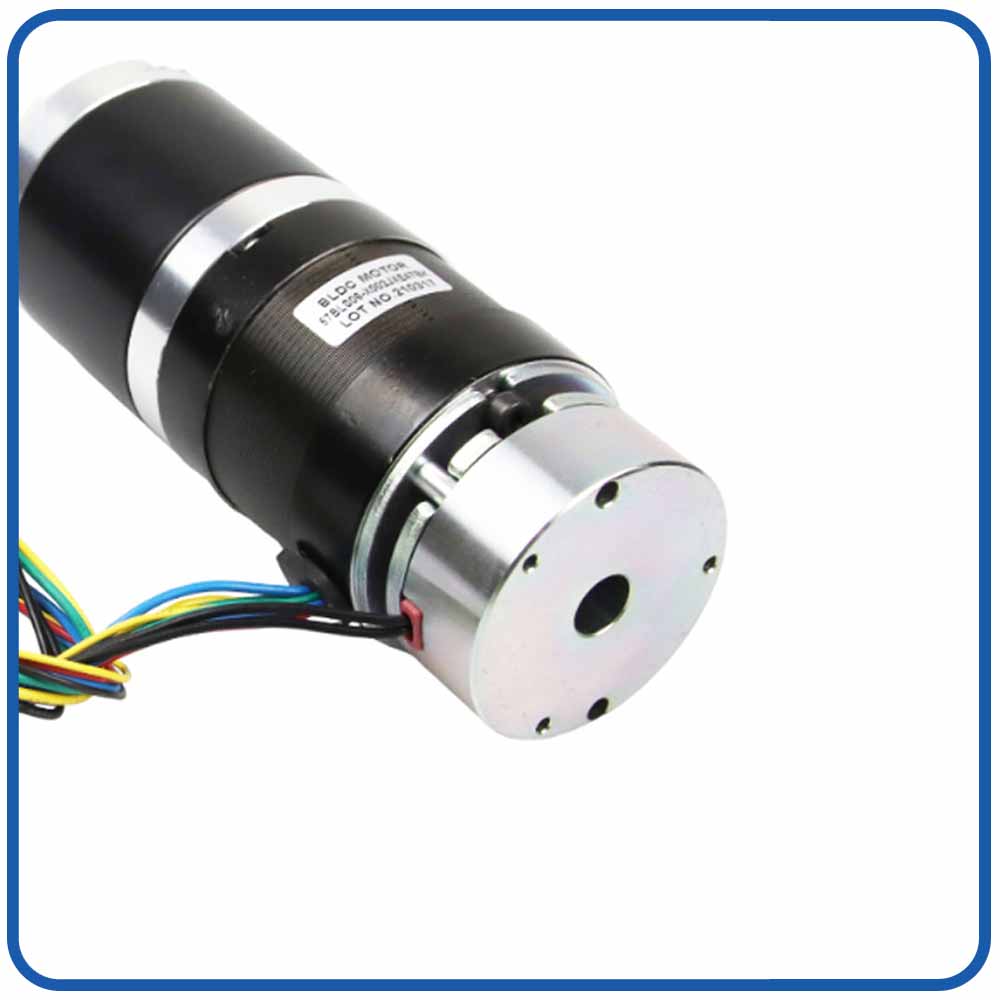 | 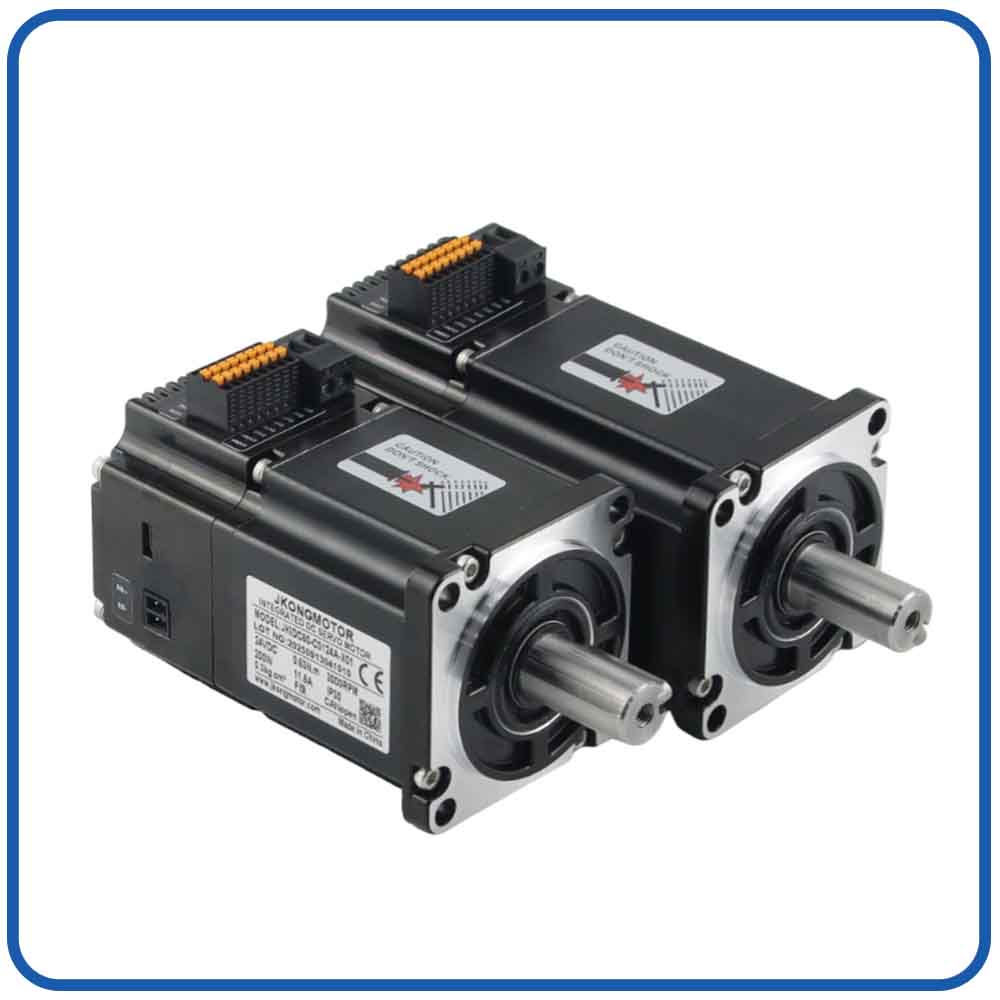 | BesFoc Customized Motors:
According to the application needs, provide a variety of customized motor solutions, common customization includes:
-
Sealed motor, suitable for dusty environment, dirty environment with small temperature change, etc
-
Special shaft, such as size, shape, etc
-
Belt wheels, gears and couplings etc
-
Encoders and other feedback components
-
Encoders and other feedback components. Lead length and customer use termination plug-in |
| Wires | Out Rotors
| Fans | Brakes | Integrated Driver |
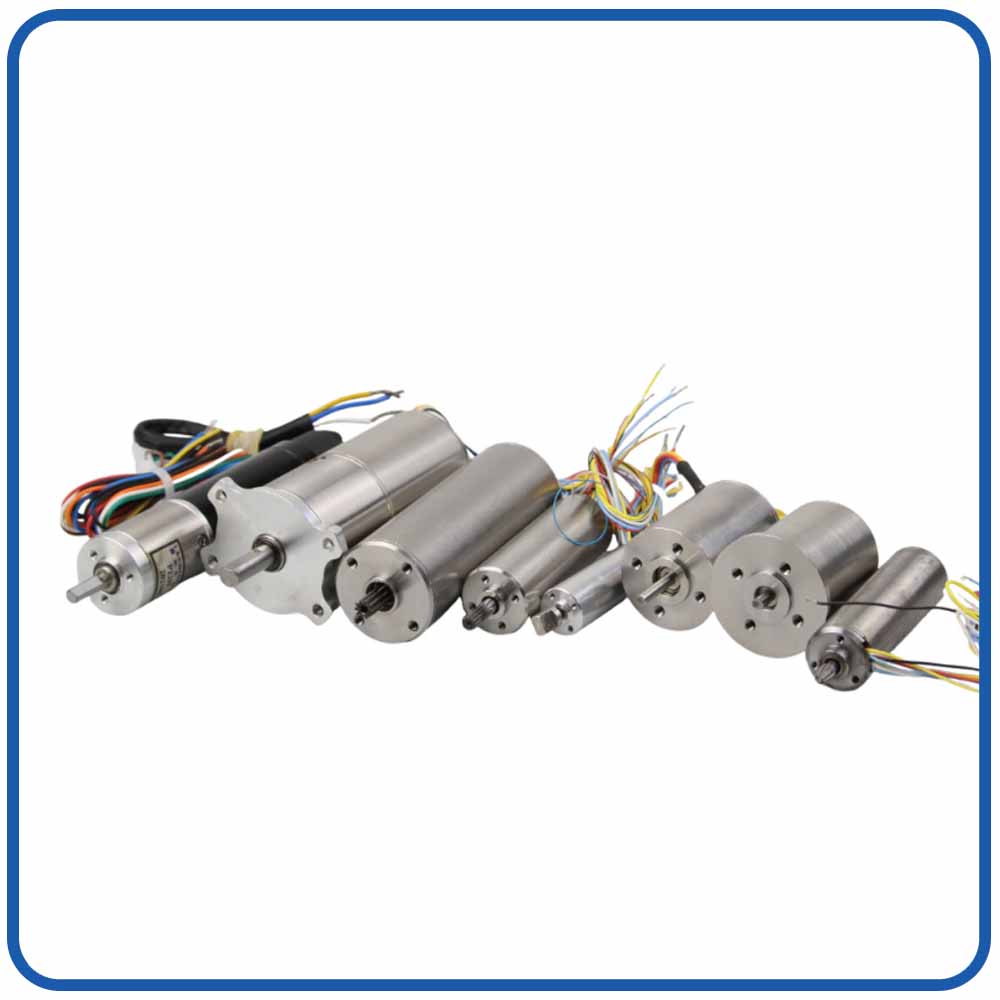 | 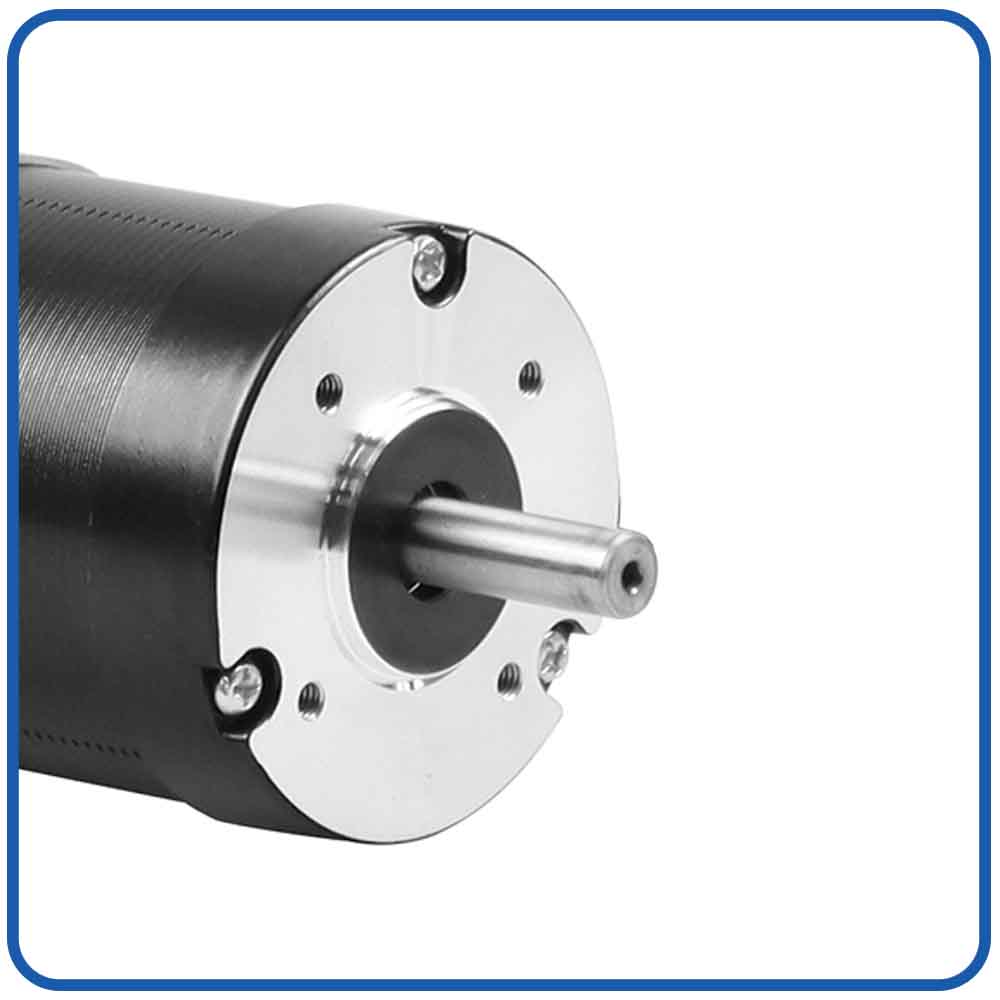 |  |  |  |
Coreless DC
| Shaft | Motor Gearbox | Drivers | More Products |
Besfoc BLDC Motor Shaft Customized Service
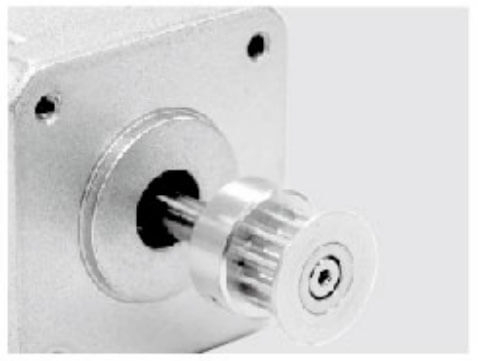 | 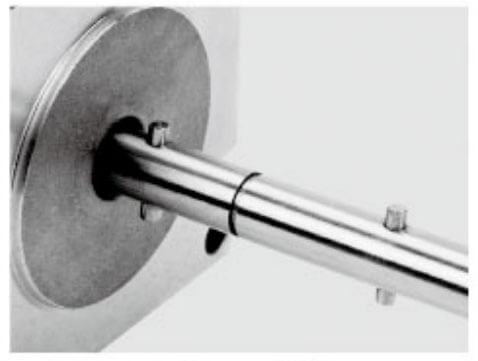 | 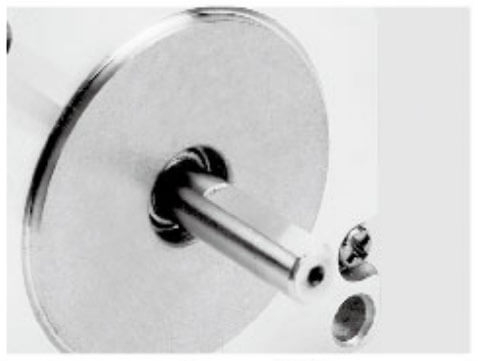 | 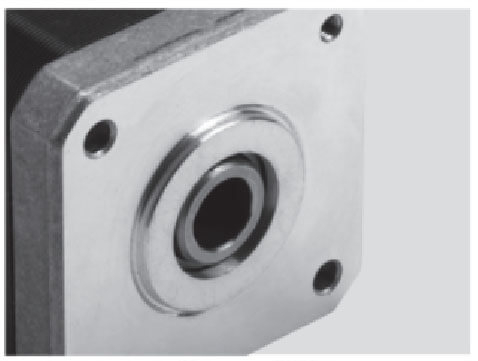 | 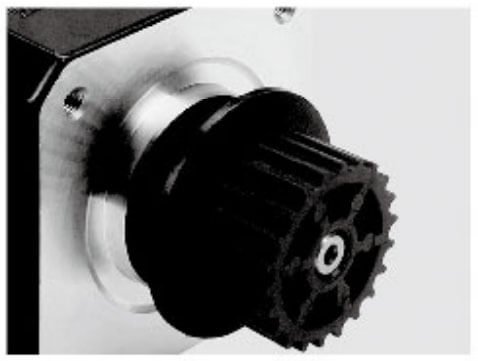 | 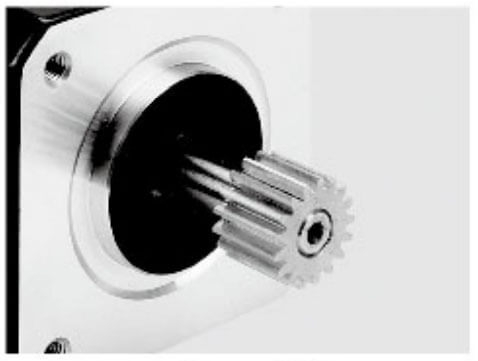 |
| Aluminum Pulley | Shaft Pin | Single D Shaft | Hollow Shaft | Plastic Pulley | Gear |
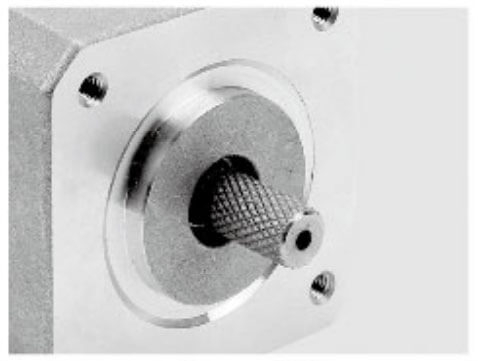 | 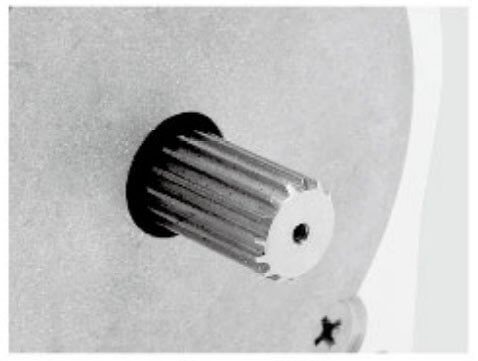 | 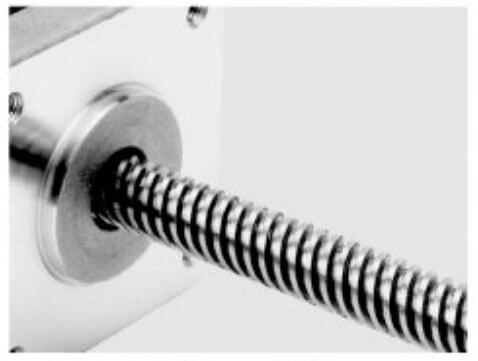 | 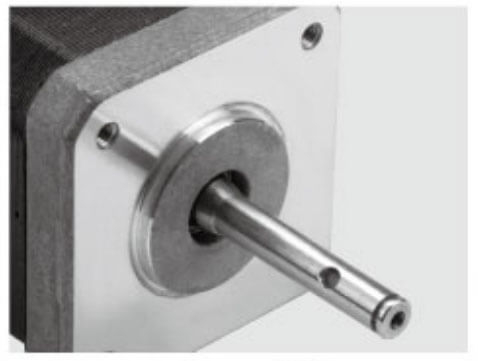 | 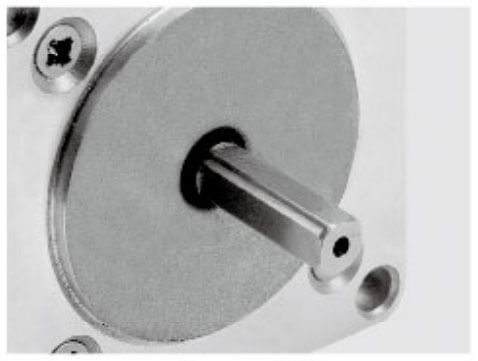 | 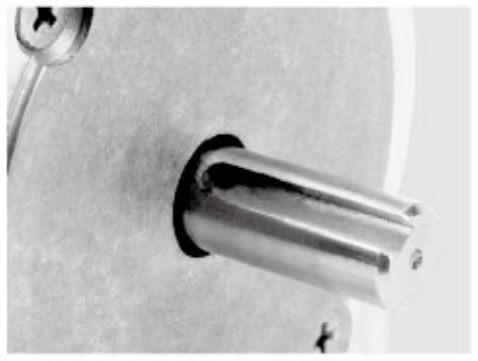 |
| Knurling | Hobbing Shaft | Screw Shaft | Hollow Shaft | Double D Shaft | Keyway |
Understanding the Core Differences Between Brushed DC and BLDC Motors
When selecting the right motor for modern motion systems, understanding the fundamental differences between Brushed DC motors and Brushless DC (BLDC) motors is essential. Both motor types operate using direct current and are widely used in industrial equipment, automation systems, consumer electronics, and electric mobility devices. However, their internal design, operating principles, efficiency levels, maintenance requirements, and overall performance differ significantly.
These differences directly affect motor lifespan, energy efficiency, reliability, and application suitability. As technology advances and industries demand higher performance and lower maintenance, many systems are transitioning from traditional brushed DC motors to advanced BLDC motor solutions.
1. Structural Design and Commutation Mechanism
The most significant difference between these two motor types lies in how electrical current is transferred to the rotating component.
A brushed DC motor uses mechanical commutation. Inside the motor, carbon brushes press against a rotating commutator connected to the rotor windings. As the rotor spins, the brushes physically switch the current direction within the coils, maintaining continuous rotation.
While this design is simple and cost-effective, the mechanical contact creates friction, wear, heat, and electrical sparking during operation.
In contrast, a brushless DC motor (BLDC motor) eliminates mechanical brushes entirely. Instead, it relies on electronic commutation controlled by a motor driver or controller. Permanent magnets are mounted on the rotor, while the stator contains the windings. Electronic circuits sequentially energize the stator coils to generate a rotating magnetic field that drives the rotor.
This design removes the need for physical contact, allowing smoother operation and improved reliability.
2. Efficiency and Energy Performance
Another key distinction between the two motor technologies is energy efficiency.
Because brushed motors rely on mechanical contact between brushes and the commutator, a portion of electrical energy is lost through friction, electrical resistance, and heat generation. As a result, typical brushed DC motor efficiency ranges between 70% and 80%.
A BLDC motor, however, operates with minimal mechanical losses since there are no brushes or commutators creating friction. Electronic commutation also optimizes the switching of current, allowing the motor to maintain efficient torque production.
As a result, BLDC motors commonly achieve efficiency levels between 85% and 95%. This improved efficiency reduces power consumption and heat generation, making BLDC motors especially suitable for energy-sensitive and high-duty applications.
3. Maintenance Requirements
Maintenance is one of the most critical factors when comparing brushed DC motors and BLDC motors.
In brushed motors, brush wear is inevitable due to continuous friction against the commutator. Over time, brushes gradually degrade and must be replaced to maintain proper motor operation. Additionally, carbon dust from worn brushes can accumulate inside the motor, potentially affecting performance and reliability.
This means brushed motors often require regular inspection and periodic maintenance, particularly in high-speed or continuous-duty environments.
BLDC motors eliminate this issue entirely because they do not use brushes or mechanical commutation components. With fewer moving parts and no friction-based electrical contact, BLDC motors require significantly less maintenance. This makes them highly attractive for systems where reliability and minimal servicing are essential.
4. Motor Lifespan and Reliability
Because of brush wear and commutator degradation, the lifespan of a brushed DC motor is typically limited. Frequent maintenance and part replacement are often necessary to keep the motor functioning properly over time.
BLDC motors, on the other hand, benefit from **longer operational lifespDC motors, on the other hand, benefit from longer operational lifespans due to their simplified mechanical design. Since there are no brushes to wear out, the motor's life expectancy depends primarily on bearing durability and operating conditions.
In many applications, a BLDC motor can last several times longer than a brushed DC motor, making it a preferred solution for mission-critical systems such as medical equipment, robotics, aerospace devices, and industrial automation systems.
5. Speed Control and Precision
Speed control capabilities also differ significantly between these two motor types.
Brushed DC motors are relatively easy to control. Adjusting the supply voltage directly changes the motor speed, making them convenient for simple applications requiring basic speed regulation.
However, precise control becomes challenging when operating under variable loads or demanding performance conditions.
BLDC motors use advanced electronic controllers, allowing for highly accurate speed and torque regulation. These controllers can integrate with feedback systems such as Hall sensors or encoders, enabling real-time monitoring and precise adjustment of motor behavior.
This level of control is essential in applications such as:
6. Noise and Electromagnetic Interference
Mechanical commutation in brushed motors produces sparks and electrical noise, which can generate electromagnetic interference (EMI). Additionally, the friction between brushes and the commutator creates audible mechanical noise during operation.
In environments where quiet operation is critical, this can be a significant disadvantage.
BLDC motors operate through smooth electronic commutation, which dramatically reduces both acoustic noise and electrical interference. As a result, they are widely used in noise-sensitive environments, including medical equipment, laboratory instruments, and high-end consumer appliances.
7. Size, Power Density, and Performance
Another important difference lies in power density and performance efficiency.
BLDC motors often deliver higher torque relative to their size and weight, thanks to their advanced design and efficient magnetic structure. This allows engineers to develop more compact systems without sacrificing power output.
Brushed motors typically require larger physical sizes to achieve the same level of performance, especially when operating at high loads or speeds.
For applications requiring compact designs with high output performance, BLDC motors are generally the preferred choice.
8. Cost Considerations
From an initial investment perspective, brushed DC motors are usually less expensive. Their simple design and lack of electronic control systems make them cost-effective for basic applications.
However, BLDC motors require electronic controllers, driver circuits, and sometimes sensors, which increases the upfront cost.
Despite this higher initial investment, BLDC motors often provide lower total cost of ownership due to:
Reduced maintenance
Lower energy consumption
Longer lifespan
Improved reliability
Over time, these advantages frequently outweigh the initial price difference.
Conclusion
Both brushed DC motors and BLDC motors serve important roles in modern motion systems, but their performance characteristics differ substantially. Brushed motors offer simplicity and lower upfront costs, making them suitable for basic or low-duty applications. However, they require regular maintenance and have limited lifespan due to brush wear.
BLDC motors provide higher efficiency, longer operational life, lower maintenance requirements, quieter operation, and superior performance control. As industries increasingly prioritize reliability, precision, and energy efficiency, BLDC technology continues to replace brushed motor solutions in many advanced applications.
Understanding these core differences allows engineers and system designers to select the most effective motor technology for their specific performance requirements and operational environments.
Key Signs It's Time to Replace a Brushed DC Motor
1. Frequent Maintenance Due to Brush Wear
One of the clearest indicators is excessive maintenance caused by worn brushes.
Brushes gradually degrade due to friction against the commutator, leading to:
In high-duty applications, brushes may require replacement every 1,000–3,000 operating hours. For equipment running continuously, this maintenance downtime becomes costly.
Switching to a brushless DC motor eliminates this issue entirely. Since there are no brushes to wear out, maintenance intervals are dramatically extended, often allowing motors to run 20,000–50,000 hours without service.
2. Overheating in High-Duty Cycle Applications
Another major limitation of brushed motors is heat generation. Friction from brushes and commutation sparks contributes to thermal buildup.
This becomes problematic in applications such as:
A BLDC motor replacement significantly improves heat management because:
There is no brush friction
Efficiency levels are typically 85–95%
Heat is generated mainly in the stator, making cooling easier
For equipment experiencing repeated thermal shutdowns or reduced lifespan due to overheating, upgrading to a high-efficiency BLDC motor is often the best solution.
3. High Energy Consumption
Energy efficiency is a critical factor in modern engineering systems.
Typical efficiency ranges:
| Motor Type | Efficiency Range |
| Brushed DC Motor | 70% – 80% |
| BLDC Motor | 85% – 95% |
The difference may appear small, but over thousands of operating hours the energy savings can be substantial.
Organizations operating large fleets of motors—such as in HVAC systems, conveyor automation, robotics, or electric tools—often replace brushed motors with BLDC motors purely for energy optimization.
Lower power consumption also reduces:
4. Precision Speed and Torque Control Requirements
Many modern systems demand highly precise speed regulation and torque control.
Brushed DC motors rely primarily on voltage adjustments, which limits their ability to maintain consistent speed under varying loads.
A BLDC motor with electronic control enables advanced capabilities such as:
This level of control is critical in applications including:
If your system requires stable speed accuracy and responsive torque performance, replacing a brushed motor with a precision BLDC servo motor provides immediate improvement.
5. Excessive Noise and Electrical Interference
Mechanical commutation produces sparking and electrical noise, which can cause both acoustic noise and electromagnetic interference (EMI).
This is particularly problematic in environments such as:
Medical devices
Laboratory instruments
Audio equipment
Aerospace electronics
Communication systems
BLDC motors operate using electronic commutation, which significantly reduces noise levels and eliminates brush sparks.
Benefits include:
For noise-sensitive systems, replacing brushed motors with low-noise BLDC motors dramatically improves operational stability.
6. Limited Motor Lifespan
Brush wear and commutator degradation ultimately limit the lifespan of brushed motors.
Typical lifespans:
Brushed DC Motor: 2,000 – 5,000 hours
BLDC Motor: 20,000 – 50,000+ hours
When equipment must operate continuously or in remote environments where maintenance is difficult, BLDC motors provide unmatched durability.
This makes them ideal for:
Replacing brushed motors with long-life brushless DC motors significantly improves system reliability and reduces unexpected downtime.
Industries Rapidly Transitioning to BLDC Motors
As global industries move toward higher efficiency, smarter automation, and reduced maintenance costs, the adoption of Brushless DC (BLDC) motors is accelerating across a wide range of sectors. Compared with traditional brushed motors, BLDC motors offer superior energy efficiency, longer service life, quieter operation, and precise speed control, making them an ideal solution for modern electromechanical systems.
With advances in motor controller technology, power electronics, and digital automation, many industries are rapidly replacing conventional motors with standard BLDC motors and customized brushless motor solutions. Below are the major industries leading this transition and the reasons behind their shift toward BLDC technology.
Industrial Automation and Smart Manufacturing
One of the fastest-growing adopters of BLDC motors is the industrial automation sector. Modern manufacturing facilities require equipment that can operate continuously with minimal downtime while maintaining precise motion control.
Traditional brushed motors often struggle in high-duty industrial environments due to brush wear, heat generation, and maintenance requirements. BLDC motors eliminate these limitations by providing high efficiency, long operational life, and consistent performance under heavy workloads.
Applications in industrial automation include:
Robotic arms and collaborative robots
Automated conveyor systems
Packaging and labeling machines
Pick-and-place equipment
Precision assembly systems
By integrating high-performance BLDC motors, manufacturers can significantly improve production efficiency while reducing maintenance interruptions.
Electric Vehicles and E-Mobility
The electric mobility industry has become one of the most significant drivers of BLDC motor adoption. Electric vehicles demand motors that deliver high torque, excellent efficiency, and reliable performance across varying speeds.
BLDC motors speeds**.
BLDC motors are widely used in:
The advantages of BLDC motors in electric mobility include high torque-to-weight ratio, extended battery range, low maintenance, and smooth acceleration. Their ability to operate efficiently at different speeds makes them ideal for transportation systems powered by rechargeable batteries.
As the global push for clean energy transportation continues, the demand for high-efficiency BLDC drive systems is expected to grow rapidly.
Consumer Electronics and Smart Appliances
Consumer electronics manufacturers are increasingly incorporating BLDC motors into smart appliances to improve energy efficiency, reduce noise, and enhance product reliability.
Modern appliances require motors that can operate quietly, efficiently, and with precise speed control. BLDC motors meet these requirements and support the growing demand for energy-efficient household products.
Common consumer applications include:
Smart fans and air circulators
High-efficiency washing machines
Refrigeration compressors
Robotic vacuum cleaners
Hair dryers and personal care devices
Compared to traditional motors, BLDC motors provide lower vibration, reduced power consumption, and longer product lifespan, which significantly improves overall appliance performance.
Medical Devices and Healthcare Equipment
The medical industry demands equipment that delivers precision, reliability, and quiet operation, making BLDC motors an ideal solution for critical healthcare applications.
Because BLDC motors operate without brush friction or sparking, they produce minimal noise and electromagnetic interference, which is essential in medical environments where sensitive electronics are present.
Key medical applications include:
In these applications, precise speed control and consistent torque output are crucial. BLDC motors provide the accuracy needed to ensure safe and reliable medical device operation.
Robotics and Autonomous Systems
Robotics is another industry experiencing rapid adoption of brushless DC motor technology. Robots require motors that can deliver precise motion control, high torque density, and responsive acceleration.
BLDC motors are widely used in robotic systems such as:
These motors support advanced motion control algorithms, enabling robots to perform delicate movements and complex tasks with exceptional accuracy. The compact size and high power density of BLDC motors also make them ideal for lightweight robotic designs.
Aerospace and Drone Technology
The aerospace and unmanned aerial vehicle (UAV) industry relies heavily on BLDC motors due to their lightweight construction, high efficiency, and excellent power-to-weight ratio.
Drone propulsion systems require motors capable of delivering high rotational speeds and rapid response to control inputs. BLDC motors provide the precision needed for stable flight control and efficient energy use.
Common applications include:
Because drones depend on battery power, the energy efficiency of BLDC motors directly impacts flight time and operational range.
HVAC Systems and Energy-Efficient Building Technology
The heating, ventilation, and air conditioning (HVAC) industry is rapidly transitioning to BLDC motors to improve energy efficiency and reduce operational costs.
Traditional AC or brushed motors used in HVAC systems consume more energy and generate higher noise levels. In contrast, BLDC motors offer variable speed control and optimized power consumption, making them ideal for modern smart building systems.
Applications include:
Using BLDC motor-driven HVAC components can significantly reduce electricity consumption while maintaining consistent environmental control in residential, commercial, and industrial buildings.
Power Tools and Professional Equipment
Professional power tools require motors capable of delivering high torque, durability, and efficient performance under demanding conditions. BLDC motors have quickly become the preferred choice in this sector.
Many modern tools now feature brushless motor technology because it provides several key advantages:
Examples include:
Cordless drills
Impact drivers
Angle grinders
Circular saws
Electric screwdrivers
By adopting BLDC motors, manufacturers can produce tools that are lighter, more powerful, and more energy-efficient than traditional brushed motor designs.
Agricultural Technology and Smart Farming
Modern agriculture increasingly relies on automated equipment and precision farming technologies, which often require efficient electric motors.
BLDC motors are being integrated into:
Automated irrigation systems
Agricultural drones
Greenhouse ventilation systems
Seed planting machines
Autonomous farming robots
Their low maintenance requirements and high reliability make them suitable for outdoor agricultural environments where consistent operation is essential.
Future Outlook for BLDC Motor Adoption
The transition toward BLDC motor technology will continue accelerating as industries pursue greater automation, improved energy efficiency, and lower lifecycle costs.
Several technological developments are driving this growth:
Advanced motor controllers
High-performance permanent magnet materials
Smart sensor integration
AI-driven predictive maintenance systems
Compact high-torque motor designs
These innovations are enabling BLDC motors to deliver even higher performance while reducing system complexity and energy consumption.
Conclusion
Across industries ranging from industrial automation and electric vehicles to healthcare, robotics, and smart appliances, the shift toward BLDC motors is transforming modern electromechanical systems. Their high efficiency, long service life, precise control, and minimal maintenance requirements make them an essential component in next-generation technologies.
As global industries continue to prioritize energy efficiency, reliability, and intelligent automation, BLDC motors will play an increasingly central role in powering the equipment and systems that drive modern innovation.
Cost Considerations: Initial Investment vs Long-Term Value
The primary barrier to upgrading is often initial cost.
BLDC motors typically require:
However, long-term benefits outweigh the initial cost due to:
Lower maintenance expenses
Reduced energy consumption
Longer operational lifespan
Higher reliability
Less downtime
For most industrial applications, the total cost of ownership (TCO) of a BLDC motor becomes significantly lower than that of a brushed motor after only a few years of operation.
How to Plan a Successful BLDC Motor Replacement
Replacing a brushed motor with a BLDC motor requires careful system evaluation.
Key considerations include:
Power and Torque Requirements
Select a BLDC motor with equal or higher torque output to maintain system performance.
Voltage Compatibility
Ensure the motor operates within the existing system voltage or adjust the power supply accordingly.
Motor Driver Selection
BLDC motors require electronic speed controllers (ESCs) or dedicated drivers for proper operation.
Space and Mounting Dimensions
Modern standard BLDC motors often match the mounting dimensions of traditional motors, simplifying integration.
Control System Integration
Advanced systems may benefit from Hall sensors, encoders, or sensorless control algorithms for precision motion control.
Advantages of Custom BLDC Motor Solutions
Many manufacturers now provide custom BLDC motor development to replace legacy brushed motors without redesigning the entire system.
Customization options include:
Working with an experienced BLDC motor manufacturer ensures that replacement motors deliver optimal performance while maintaining compatibility with existing equipment.
Future Trends Driving the Shift Toward BLDC Motors
The global transition toward Brushless DC (BLDC) motors is accelerating as industries demand higher efficiency, greater reliability, and more intelligent motion control solutions. While brushed motors once dominated many electromechanical systems, technological advancements in power electronics, motor design, automation, and digital control are rapidly positioning BLDC motors as the preferred choice for modern applications.
Several powerful trends are shaping the future of the motor industry and driving widespread adoption of high-performance BLDC motor technology. These trends are not only transforming existing applications but also opening new opportunities across sectors such as robotics, smart manufacturing, electric mobility, and energy-efficient appliances.
1. Increasing Global Demand for Energy Efficiency
Energy efficiency has become one of the most significant drivers behind the adoption of BLDC motors. Governments, industries, and consumers are actively seeking technologies that reduce energy consumption and support sustainability initiatives.
Compared with traditional motors, BLDC motors operate with significantly higher efficiency, often reaching 85% to 95% efficiency levels, while many brushed motors operate at much lower efficiency levels. This improved energy performance reduces electricity consumption, operational costs, and environmental impact.
Industries such as HVAC systems, manufacturing equipment, and household appliances are rapidly integrating BLDC motors to meet strict global energy efficiency standards. As regulations continue to tighten worldwide, manufacturers are increasingly turning to BLDC motor solutions to meet compliance requirements while improving system performance.
2. Rapid Growth of Electric Mobility
The global shift toward electric mobility and sustainable transportation is a major factor accelerating the demand for BLDC motors. Electric vehicles require motors that deliver high torque, lightweight design, and efficient power usage, all of which are core strengths of brushless motor technology.
BLDC motors are widely used in:
Their excellent torque-to-weight ratio and energy efficiency make them ideal for battery-powered transportation systems. As electric mobility continues expanding globally, transportation systems. As electric mobility continues expanding globally, the need for high-efficiency BLDC drive motors will grow significantly.
3. Expansion of Robotics and Intelligent Automation
The rapid development of robotics and intelligent automation systems is another key factor driving the shift toward BLDC motors. Modern robotic systems require motors capable of delivering precise motion control, rapid response, and consistent torque output.
BLDC motors provide these capabilities through advanced electronic commutation and integrated feedback systems, enabling accurate control over speed, position, and torque.
Applications benefiting from this technology include:
Industrial robots
Collaborative robots (cobots)
Autonomous mobile robots (AMRs)
Warehouse automation systems
Medical robotics
As factories continue transitioning toward Industry 4.0 smart manufacturing environments, the demand for precision BLDC motors will continue to rise.
4. Advances in Motor Controller Technology
Another critical trend supporting the widespread adoption of BLDC motors is the rapid improvement in motor control electronics. Modern controllers allow BLDC motors to operate with highly optimized efficiency and precise performance characteristics.
Advanced motor drivers now support features such as:
Field-oriented control (FOC)
Sensorless motor control
Real-time torque monitoring
Dynamic speed optimization
Integrated diagnostic capabilities
These technologies allow engineers to design highly responsive motion systems that deliver smooth acceleration, stable speed control, and improved energy management. As electronic control systems become more compact and cost-effective, the integration of BLDC motors becomes easier across a wider range of applications.
5. Development of High-Performance Permanent Magnet Materials
BLDC motors rely on permanent magnets mounted on the rotor, and recent advancements in magnet technology have significantly improved motor performance.
New generations of high-strength rare-earth magnets, such as neodymium-based materials, enable motors to produce higher torque while maintaining compact dimensions. This allows manufacturers to design smaller, lighter motors without sacrificing power output.
Improved magnet materials also enhance thermal stability and magnetic efficiency, contributing to the overall reliability and durability of BLDC motor systems.
6. Miniaturization and Compact Motor Design
As electronic devices and automation systems become more compact, the demand for high power density motors continues to grow. BLDC motors are particularly well suited for compact designs because they provide strong torque output relative to their size and weight.
This trend is especially important in industries such as:
Consumer electronics
medical devices
portable equipment
aerospace systems
drone technology
Manufacturers are developing ultra-compact BLDC motors that deliver powerful performance in limited spaces, enabling the creation of smaller, lighter, and more efficient products.
7. Integration with Smart Technologies and IoT
The rise of smart devices and Internet of Things (IoT) technologies is reshaping the future of motor-driven systems. Modern equipment increasingly requires motors that can communicate with control networks and provide operational data.
BLDC motors integrated with smart controllers and sensors can deliver real-time performance information such as:
These capabilities allow manufacturers and operators to implement data-driven maintenance strategies, reducing unexpected downtime and improving system reliability.
Smart BLDC motors are becoming a core component in connected industrial environments, intelligent home appliances, and automated infrastructure systems.
8. Demand for Low-Noise and Low-Vibration Systems
Many modern applications require motors that operate quietly and with minimal vibration. Traditional brushed motors often produce noise due to brush friction and electrical sparking.
BLDC motors eliminate these issues by using electronic commutation instead of mechanical brushes, resulting in smoother and quieter operation.
Low-noise motor performance is particularly valuable in environments such as:
medical facilities
office equipment
laboratory instruments
smart home appliances
consumer electronics
As product design increasingly prioritizes user comfort and acoustic performance, the adoption of low-noise BLDC motors will continue expanding.
9. Growth of Custom Motor Solutions
Another emerging trend is the demand for customized BLDC motor designs tailored to specific industry applications. Rather than relying solely on standard motor configurations, manufacturers are increasingly developing motors optimized for unique performance requirements.
Customization options may include:
integrated gearboxes
specialized shaft designs
custom voltage ratings
built-in encoders or sensors
application-specific cooling systems
These tailored solutions allow companies to optimize their systems for maximum efficiency, durability, and performance.
10. Sustainability and Reduced Carbon Footprint
Sustainability is becoming a key priority for global industries, and electric motor efficiency plays a major role in reducing energy consumption.
Because BLDC motors operate with higher efficiency and longer lifespan, they contribute directly to lower carbon emissions and reduced environmental impact. Their improved durability also reduces the frequency of motor replacements, minimizing material waste.
As organizations increasingly pursue sustainable manufacturing and energy conservation strategies, the transition toward BLDC motor technology will continue to accelerate.
Summary
The growing demand for energy-efficient, intelligent, and high-performance motion systems is rapidly accelerating the global shift toward BLDC motor technology. Advances in motor control electronics, magnet materials, automation systems, and smart connectivity are enabling brushless motors to deliver exceptional performance across a wide range of industries.
From electric mobility and industrial robotics to smart appliances and medical equipment, BLDC motors are becoming the foundation of next-generation motion control systems. As these technological trends continue to evolve, the role of high-efficiency BLDC motors will only become more central in powering the future of modern engineering and automation.
Conclusion
Replacing a brushed DC motor with a Brushless DC motor becomes the optimal choice when systems demand higher efficiency, longer lifespan, reduced maintenance, precise control, and quieter operation. When equipment experiences frequent maintenance, overheating, unstable performance, or excessive energy consumption, upgrading to a high-performance BLDC motor provides a clear technological advantage.
As industries continue transitioning toward high-efficiency electric motion systems, BLDC motors are redefining the standards for reliability, performance, and energy optimization. Organizations that adopt this technology gain long-term operational advantages while preparing their systems for the next generation of intelligent automation.

 English
 العربية
 Français
 Русский
 Español
 Português
 Deutsch
 italiano
 日本語
日本語 한국어
한국어 Nederlands
 Tiếng Việt
 ไทย
ไทย Polski
 Türkçe
 ພາສາລາວ
 ភាសាខ្មែរ
 Bahasa Melayu
 ဗမာစာ
ဗမာစာ Filipino
 Bahasa Indonesia
 magyar
 Română
 Čeština
 Монгол
 қазақ
қазақ Српски
 हिन्दी
 فارسی
فارسی Slovenčina
 Slovenščina
 Norsk
Norsk Svenska
 українська
 Ελληνικά
 Suomi
Suomi Հայերեն
 עברית
עברית Latine
 Dansk
Dansk Shqip
Shqip বাংলা
বাংলা Hrvatski
 Afrikaans
 Gaeilge
 Eesti keel
 Oʻzbekcha
 latviešu
 Azərbaycan dili
 Български
 Català