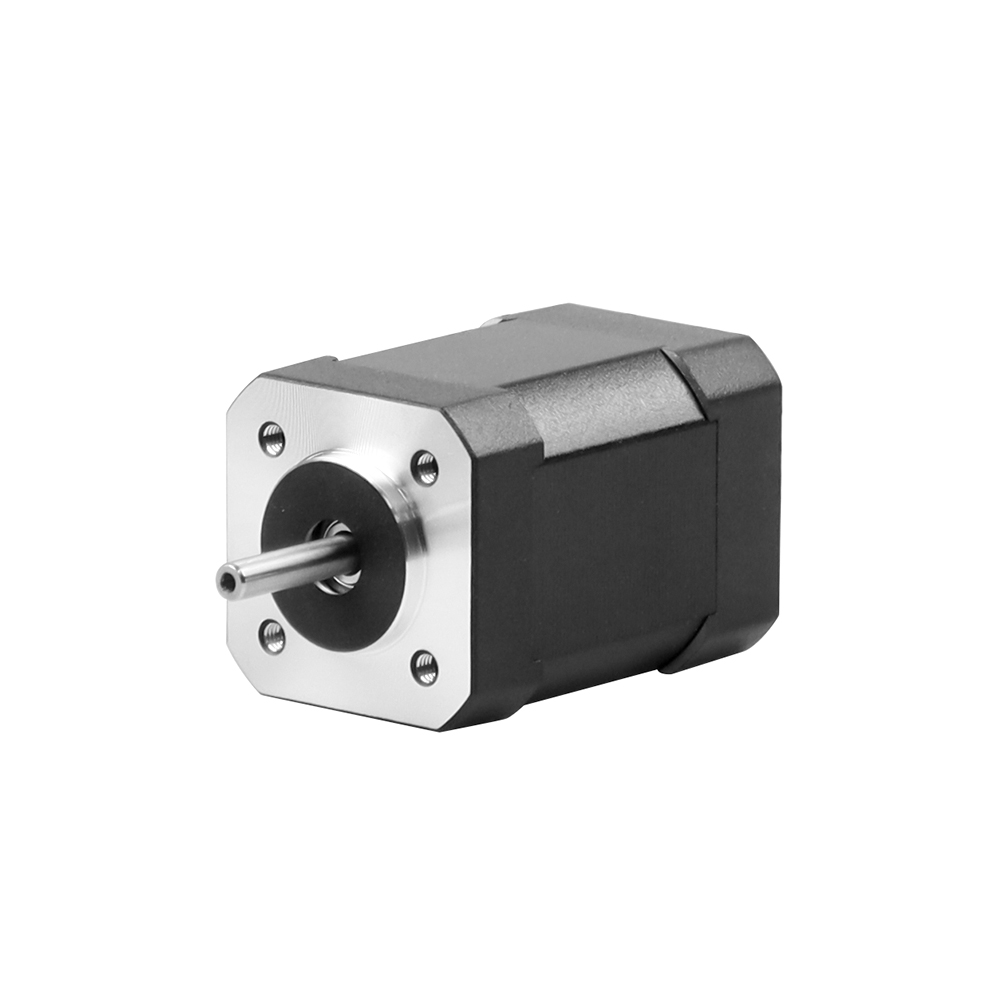
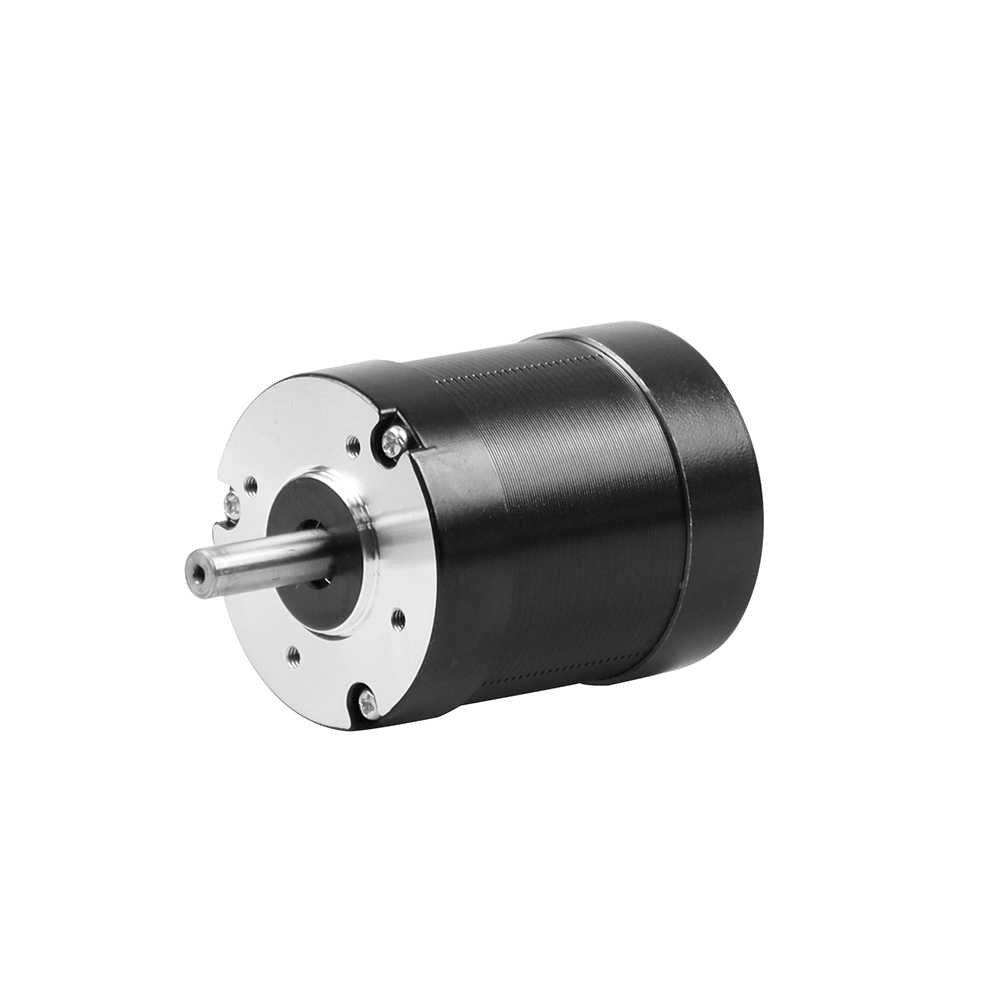
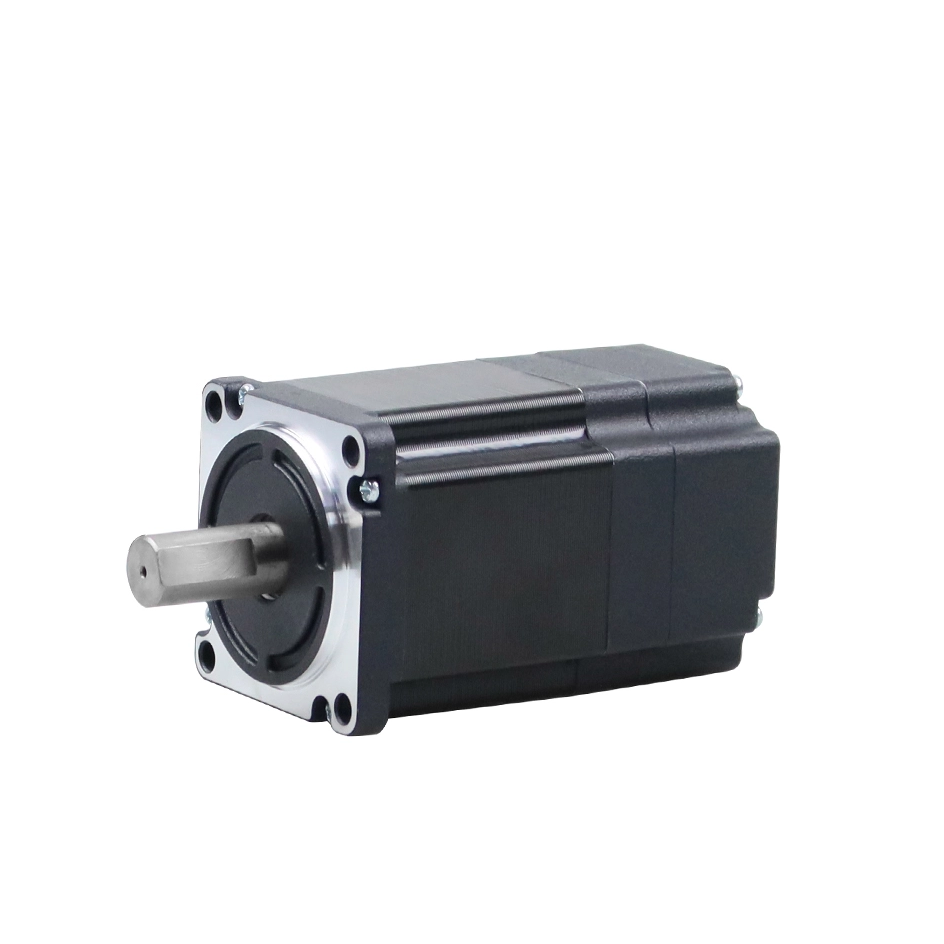
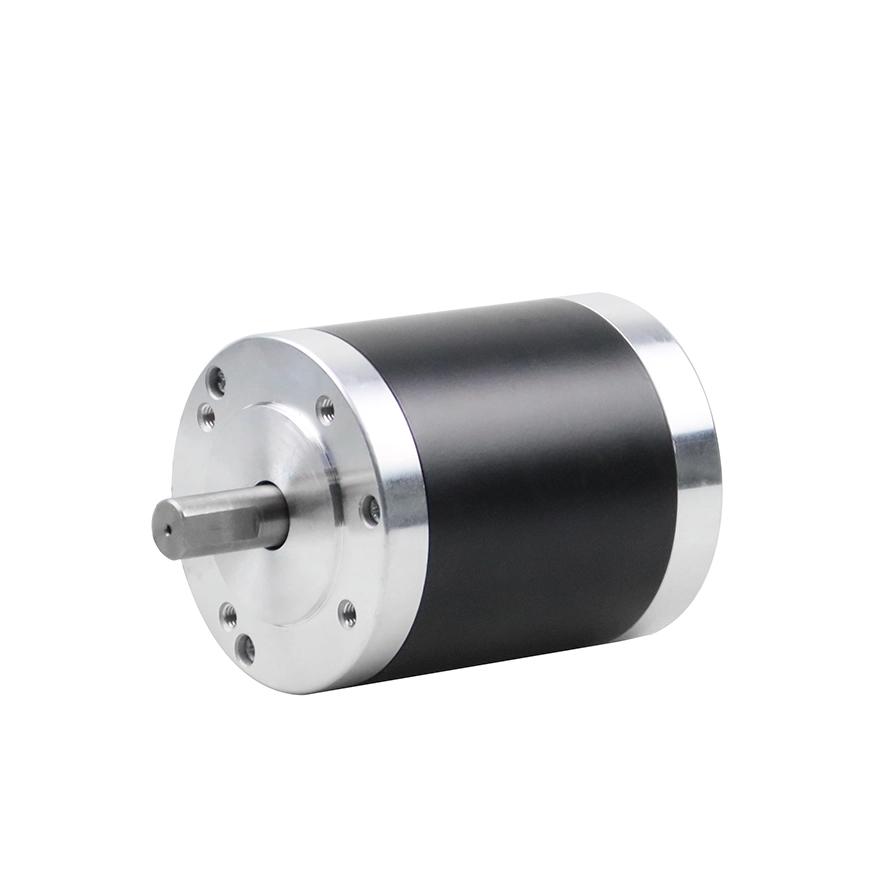
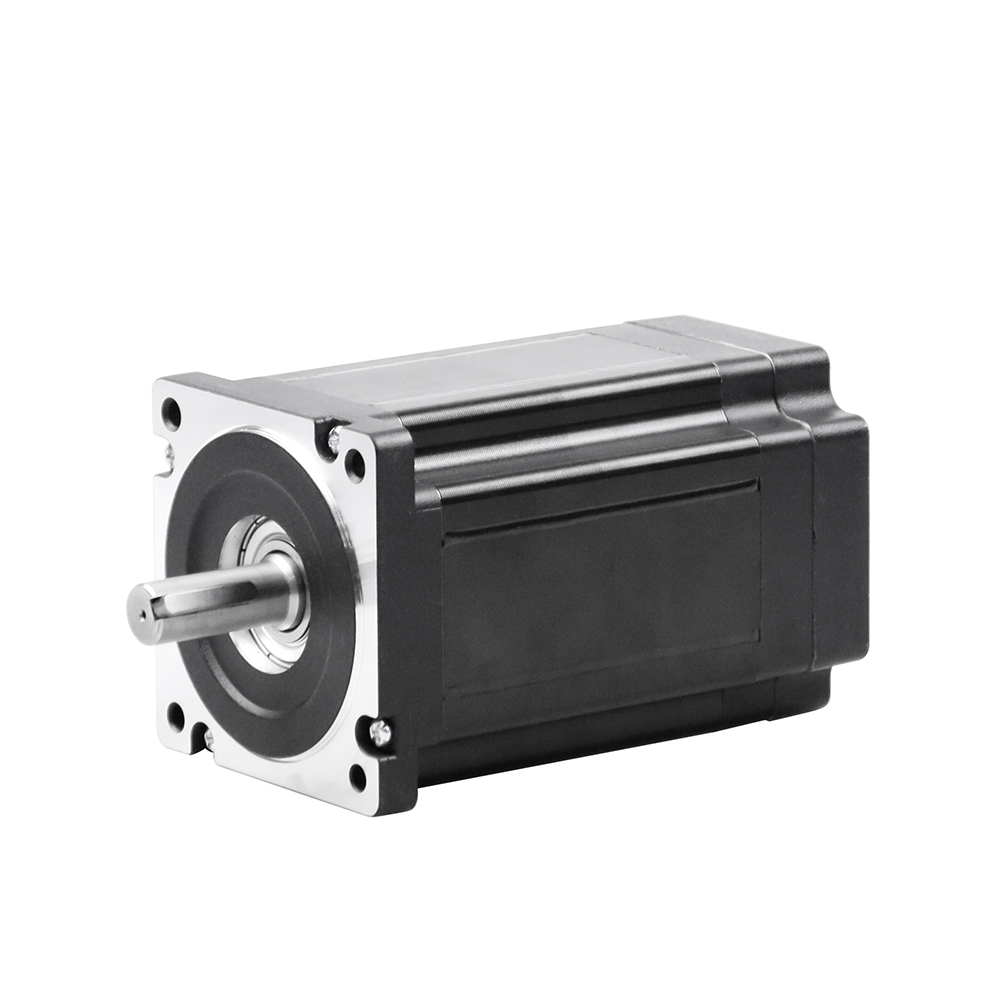
Electric motors are fundamental components in modern industrial equipment, consumer electronics, robotics, automotive systems, and automation technologies. Among the most widely used types are Brushless DC (BLDC) motors and Brushed DC motors. Each motor technology has unique characteristics that influence performance, efficiency, durability, maintenance requirements, and total ownership cost.
In this comprehensive analysis, we compare BLDC motors vs brushed DC motors from engineering, economic, and operational perspectives. This guide highlights the key differences in performance, cost structure, efficiency, lifespan, and application suitability, helping engineers, product designers, and procurement teams make informed decisions.
Understanding Brushed DC Motors
A brushed DC motor is one of the simplest and most historically established electric motor designs. It operates using mechanical brushes and a commutator, which supply current to the rotating armature windings.
Key Structural Components
Stator – permanent magnets generating a static magnetic field
Rotor (armature) – windings that rotate within the stator field
Commutator – segmented ring reversing current direction
Carbon brushes – maintain electrical contact with the commutator
When electric current flows through the armature, electromagnetic forces cause the rotor to spin. The brush–commutator system continuously switches the current direction, ensuring continuous rotation.
Advantages of Brushed DC Motors
Because of their simplicity, brushed motors are widely used in low-cost devices such as power tools, toys, automotive actuators, and household appliances.
Limitations of Brushed DC Motors
Despite their simplicity, brushed motors face inherent mechanical limitations:
Brush wear leading to frequent maintenance
Electrical sparking and electromagnetic interference
Lower efficiency compared to brushless motors
Shorter operational lifespan
These constraints have led many industries to adopt brushless motor technology for demanding applications.
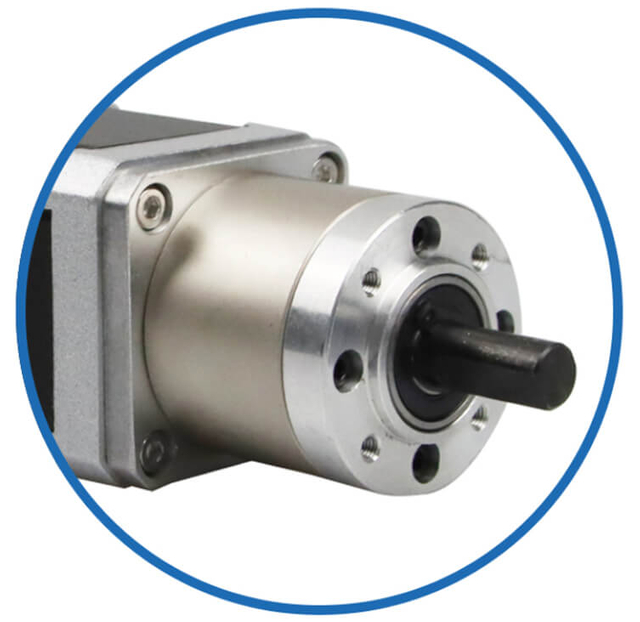
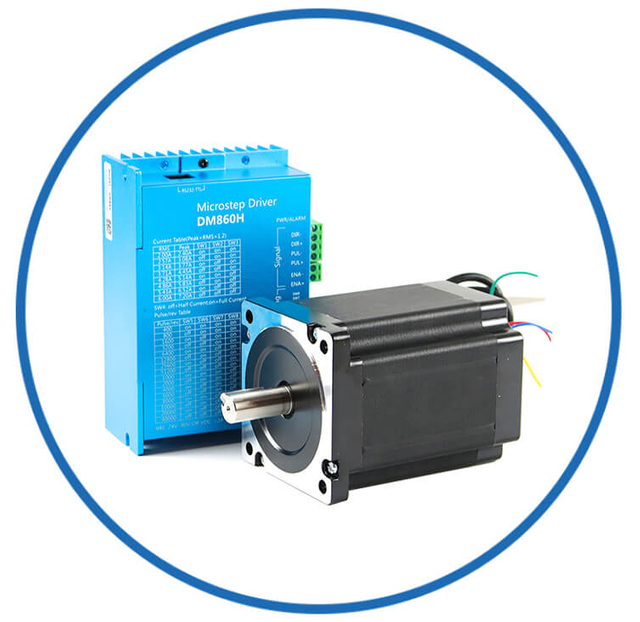
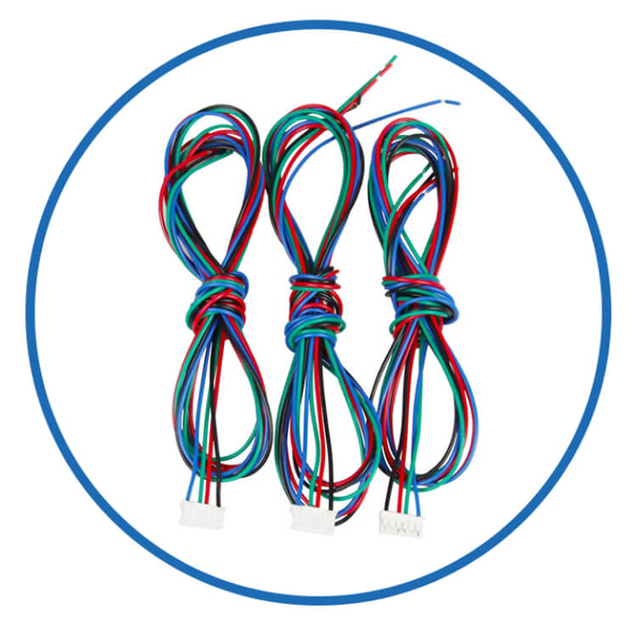 | 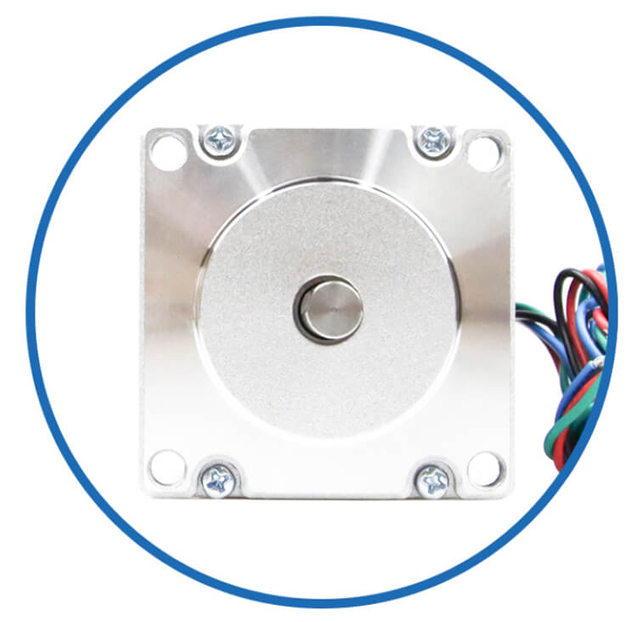 | 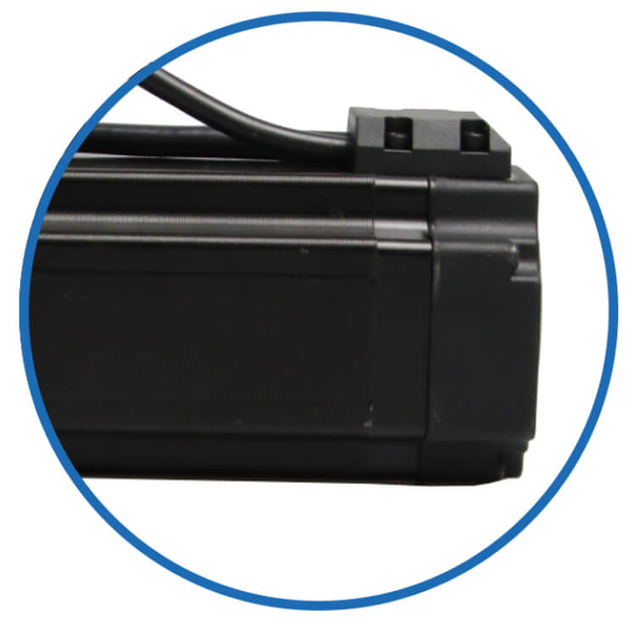 | 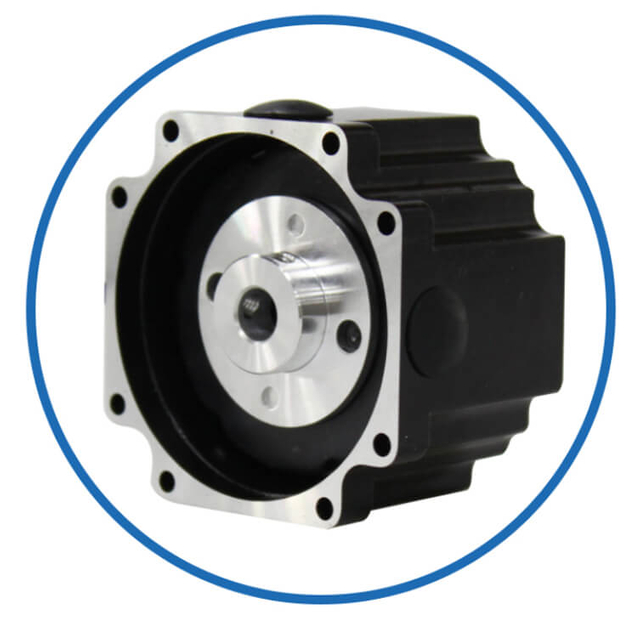 | 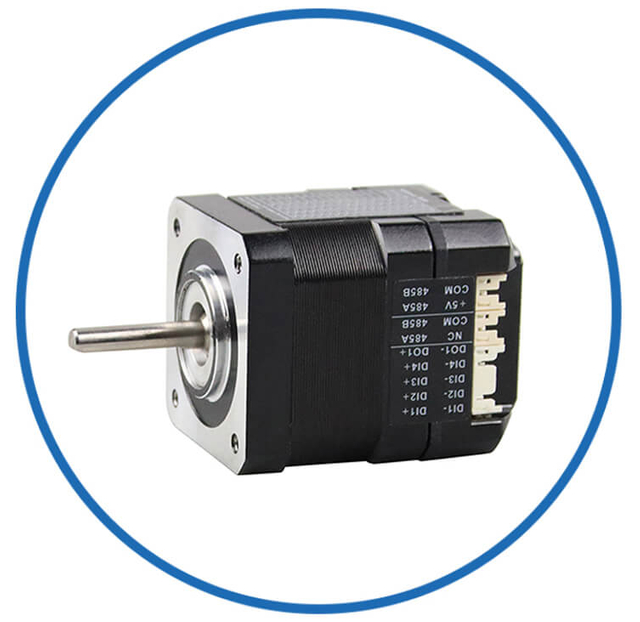 | BesFoc Customized Motors:
According to the application needs, provide a variety of customized motor solutions, common customization includes:
-
Sealed motor, suitable for dusty environment, dirty environment with small temperature change, etc
-
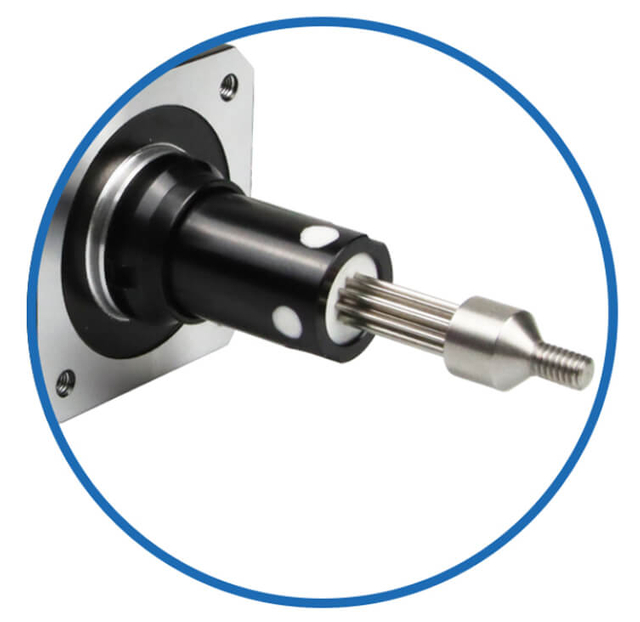
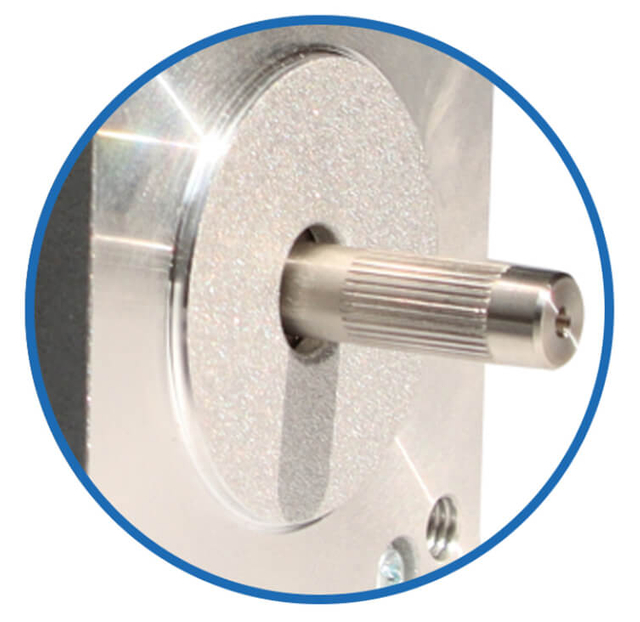
Special shaft, such as size, shape, etc
-
Belt wheels, gears and couplings etc
-
Encoders and other feedback components
-
Encoders and other feedback components. Lead length and customer use termination plug-in |
WIres Cables
| BLDC Motor Covers
| Closed Loop System
| BLDC Motor Brakes
| Integrated Systems
|
 |  |  |  |  |
Linear Actuator
| Motor Shaft
| Motor Gearbox | Driver System
| More Custom Service |
Besfoc BLDC Motor Shaft Customized Service
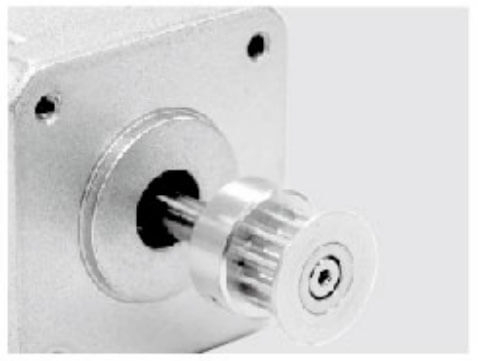 | 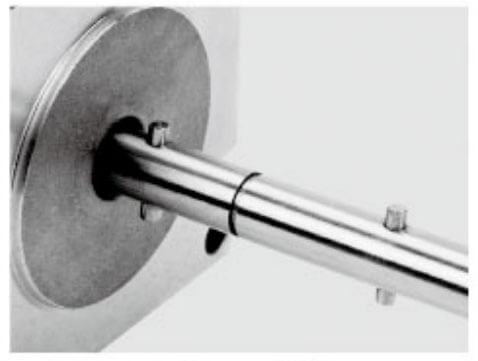 | 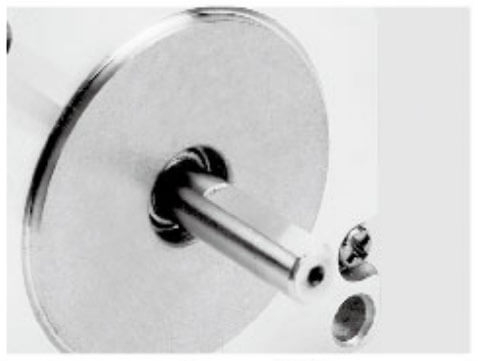 | 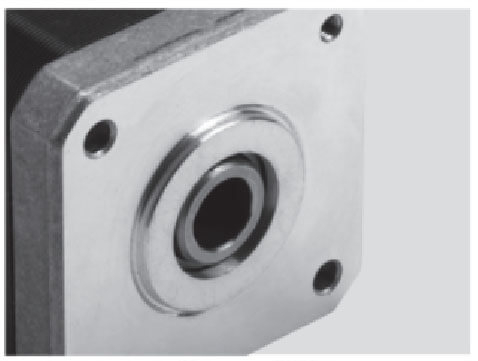 | 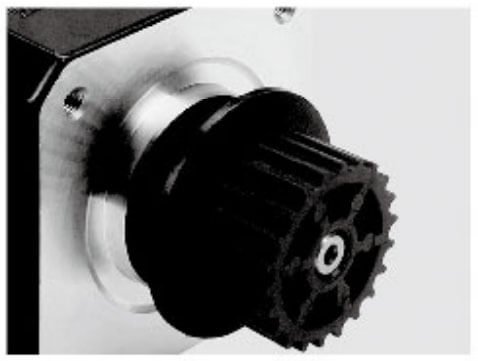 | 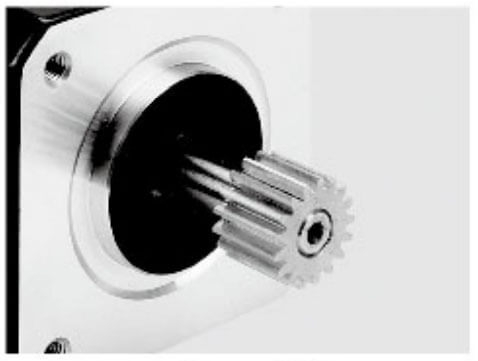 |
| Aluminum Pulley | Shaft Pin | Single D Shaft | Hollow Shaft | Plastic Pulley | Gear |
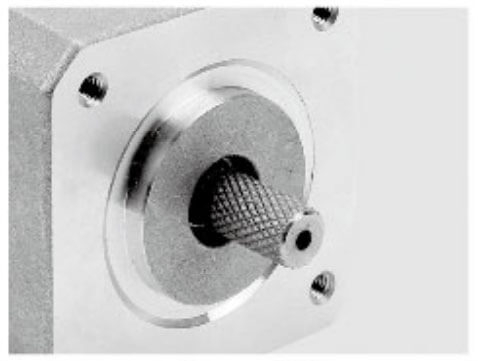 | 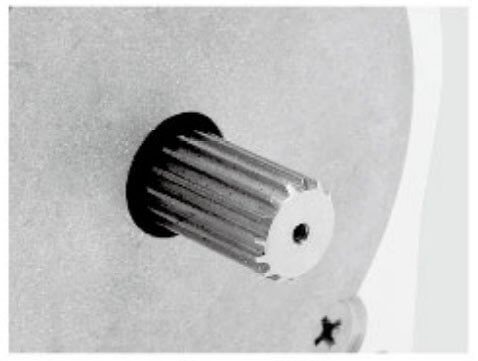 | 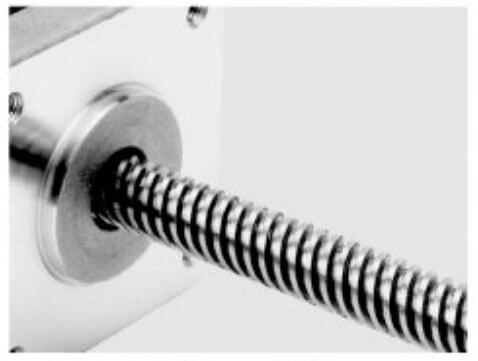 | 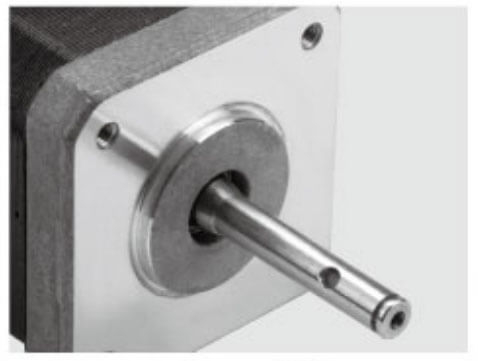 | 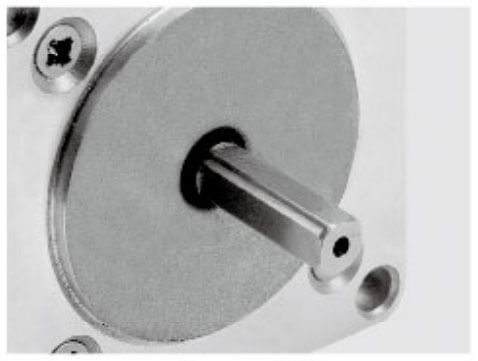 | 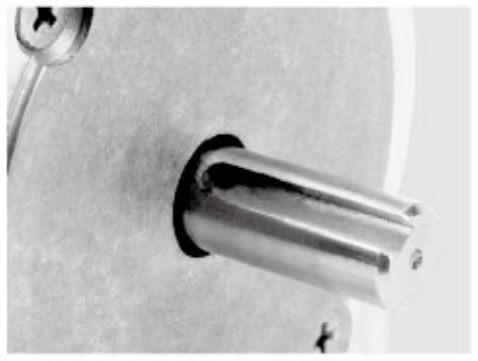 |
| Knurling | Hobbing Shaft | Screw Shaft | Hollow Shaft | Double D Shaft | Keyway |
Understanding Brushless DC (BLDC) Motors
A BLDC motor eliminates the mechanical commutator and brushes found in traditional DC motors. Instead, it relies on electronic commutation controlled by a motor driver or controller.
Core Structural Elements
In a BLDC system, the controller switches current between stator windings based on rotor position. This electronic switching generates a rotating magnetic field that drives the rotor.
Advantages of BLDC Motors
BLDC motors provide significant improvements in multiple areas:
Because of these benefits, BLDC motors are widely used in robotics, drones, electric vehicles, HVAC systems, medical devices, and industrial automation.
Performance Comparison: BLDC vs Brushed DC Motors
Motor performance depends on parameters such as torque, speed stability, power density, and efficiency.
Torque Characteristics
Brushed DC Motors
BLDC Motors
BLDC motors often deliver more stable torque under dynamic loads, making them ideal for precision motion control applications.
Speed Control and Accuracy
Speed regulation plays a critical role in modern electromechanical systems.
Brushed Motors
BLDC Motors
Electronic control allows precise speed regulation
Supports advanced algorithms such as PWM control and field-oriented control
Ideal for high-precision robotics and automation
As a result, BLDC motors outperform brushed motors in applications requiring accurate speed and positioning control.
Energy Efficiency
Energy efficiency directly affects operational costs and thermal performance.
| Motor Type | Typical Efficiency |
| Brushed DC Motor | 70%–80% |
| BLDC Motor | 85%–95% |
Because BLDC motors eliminate brush friction and mechanical commutation losses, they convert electrical energy into mechanical output more efficiently.
Higher efficiency also means:
In energy-sensitive applications like electric vehicles or battery-powered devices, BLDC motors are significantly more advantageous.
Cost Comparison: Initial Cost vs Total Cost of Ownership
When selecting an electric motor for industrial equipment, consumer products, or automated systems, cost considerations extend far beyond the initial purchase price. A comprehensive financial evaluation must include initial procurement cost, operating expenses, maintenance requirements, energy consumption, and expected service life.
The comparison between BLDC motors and brushed DC motors often reveals that while brushed motors have a lower upfront price, BLDC motors frequently deliver lower total cost of ownership (TCO) over the lifetime of the equipment. Understanding this distinction helps engineers and procurement teams make economically sound decisions for both short-term projects and long-term production systems.
Initial Purchase Cost
The most immediate difference between brushed DC motors and BLDC motors is the initial acquisition cost. This difference primarily results from design complexity, manufacturing processes, and required control electronics.
Brushed DC motors are mechanically simple and have been produced at large scale for decades. Their basic structure includes a stator, rotor windings, commutator, and carbon brushes. Because the control method is straightforward—often requiring only direct voltage supply or a basic speed controller—the overall system cost remains low.
Typical cost advantages of brushed motors include:
Simplified mechanical design
Minimal electronic components
Lower manufacturing complexity
Reduced integration requirements
These characteristics make brushed DC motors an economical solution for low-cost consumer products, portable tools, automotive accessories, and short-duty-cycle devices.
In contrast, BLDC motors involve a more advanced design. The rotor typically contains high-performance permanent magnets, while the stator incorporates multi-phase windings optimized for electronic commutation. In addition, BLDC systems require an electronic motor controller to manage switching sequences based on rotor position.
This leads to higher initial costs due to:
Permanent magnet materials
Electronic control units (ECUs)
Position sensors or sensorless control technology
More complex system integration
As a result, the upfront investment for BLDC motors is generally higher compared to brushed motor solutions.
Energy Consumption and Operating Costs
Operating cost is a critical factor when motors run for extended periods. Even small efficiency differences can translate into significant electricity savings over time.
Brushed DC motors experience energy losses due to:
These factors reduce efficiency and increase energy consumption during operation.
BLDC motors, by contrast, eliminate mechanical commutation and operate through precise electronic switching. This design significantly improves efficiency, typically reaching 85% to 95%, compared to 70% to 80% for brushed motors.
Higher efficiency leads to multiple cost advantages:
In applications such as industrial automation, electric vehicles, HVAC systems, and robotics, where motors may operate continuously, the energy savings from BLDC motors can be substantial.
Maintenance and Service Costs
Maintenance requirements play a major role in the total lifetime cost of a motor system.
Brushed DC motors require regular servicing due to brush wear. The brushes and commutator gradually degrade because of constant friction and electrical contact. Over time, worn brushes must be replaced to maintain motor performance and prevent failure.
Maintenance considerations for brushed motors include:
Periodic brush replacement
Commutator cleaning or resurfacing
Increased downtime during servicing
Potential replacement of damaged components
For equipment operating in demanding environments or continuous duty cycles, these maintenance tasks can significantly increase operational costs.
BLDC motors eliminate brushes entirely, which removes the primary wear component found in traditional DC motors. As a result, routine maintenance requirements are dramatically reduced.
BLDC systems typically require only:
This maintenance simplicity results in lower service costs, reduced downtime, and improved productivity.
System Reliability and Downtime Costs
Downtime can be one of the most expensive aspects of equipment operation, particularly in industrial production lines, manufacturing systems, or automated processes.
Brushed motors are more vulnerable to unexpected failures because:
Brushes can wear unevenly
Electrical sparking may damage the commutator
Mechanical friction can accelerate component degradation
When failures occur, equipment must be stopped for repair or motor replacement, which leads to lost productivity and increased labor expenses.
BLDC motors offer higher reliability due to their contactless commutation design. With fewer mechanical wear points, the risk of unexpected failure is significantly reduced.
Benefits include:
For industrial environments where downtime costs can reach thousands of dollars per hour, the reliability of BLDC motors provides a major economic advantage.
Motor Lifespan and Replacement Frequency
Motor lifespan directly affects replacement costs and long-term investment planning.
Typical operational lifetimes include:
Brushed DC motors: approximately 1,000 to 5,000 operating hours
BLDC motors: often 10,000 to 30,000 hours or more
Because brushed motors require periodic brush replacement and experience higher mechanical wear, they tend to have shorter service intervals and higher replacement frequency.
BLDC motors, with their brushless architecture, can operate for many years without significant performance degradation. Their extended lifespan significantly reduces the need for motor replacement over the lifecycle of a machine or product.
For manufacturers producing long-life products or industrial equipment, this durability translates into substantial cost savings.
System Integration and Control Costs
Another financial consideration involves control electronics and system integration.
Brushed motors typically require only basic power supply control, which simplifies system design and reduces electronics cost. This advantage is particularly relevant in low-cost or high-volume consumer products.
BLDC motors require dedicated electronic motor controllers, which manage phase switching, speed regulation, and rotor position detection. While this adds to the initial system cost, modern integrated motor drivers and microcontrollers have significantly reduced the price of BLDC motor systems.
In many advanced applications, these controllers also provide additional features such as:
precise speed regulation
torque control
energy optimization
system diagnostics
These advanced capabilities can improve system performance and efficiency, indirectly contributing to cost savings.
Total Cost of Ownership (TCO) Analysis
When evaluating the full lifecycle cost, the financial comparison between brushed and BLDC motors becomes clearer.
| Cost Factor | Brushed DC Motor | BLDC Motor |
| Initial Purchase Price | Lower | Higher |
| Energy Efficiency | Moderate | High |
| Maintenance Costs | Higher | Minimal |
| Lifespan | Shorter | Much longer |
| Downtime Risk | Higher | Lower |
| Replacement Frequency | More frequent | Less frequent |
Although brushed motors appear cheaper at the point of purchase, the combined costs of maintenance, energy consumption, and replacement often exceed the higher upfront investment of BLDC motors.
Therefore, in many professional and industrial environments, BLDC motors deliver better economic value over time.
Strategic Cost Considerations for Different Applications
The decision between BLDC motors and brushed DC motors depends heavily on the operational context.
Brushed motors remain a practical option for:
BLDC motors are the preferred choice for:
industrial automation systems
electric vehicles
HVAC compressors and fans
robotics and precision machinery
long-life commercial equipment
In these applications, the superior efficiency, durability, and reduced maintenance requirements of BLDC motors provide a significantly lower total cost of ownership over the equipment lifecycle.
By considering both initial purchase price and long-term operational expenses, organizations can select the motor technology that delivers the best balance of performance, reliability, and economic efficiency.
Lifetime and Durability Comparison
Motor lifespan is heavily influenced by mechanical wear and thermal stress.
Brushed Motor Lifespan
Because brushes constantly contact the commutator, they gradually degrade due to:
friction
heat
electrical arcing
Typical lifespan ranges from:
1,000 to 5,000 hours
In high-duty-cycle environments, brush wear becomes a significant reliability concern.
BLDC Motor Lifespan
BLDC motors eliminate the most failure-prone component—the brush system.
Typical lifespan:
10,000 to 30,000+ hours
Since there is no brush friction, the primary wear components become bearings, which can be engineered for long operational cycles.
This extended durability makes BLDC motors ideal for:
industrial automation
electric vehicles
aerospace systems
medical equipment
The reliability advantage alone often justifies the higher initial investment.
Noise, Heat, and Electromagnetic Interference
Noise Levels
Brushed motors generate noise from:
brush friction
commutator contact
electrical sparking
BLDC motors operate significantly quieter, making them suitable for:
medical devices
consumer electronics
office equipment
Heat Generation
Lower efficiency in brushed motors leads to greater thermal losses.
BLDC motors:
Thermal management is particularly critical in compact devices and sealed environments.
Electromagnetic Interference (EMI)
Brush commutation produces electrical sparks that generate EMI.
BLDC motors eliminate this issue, making them suitable for:
Application Scenarios: When to Choose Each Motor
Selecting between a Brushless DC (BLDC) motor and a Brushed DC motor depends largely on the application requirements, performance expectations, cost constraints, and operating conditions. Each motor technology offers distinct advantages that make it more suitable for specific use cases. Understanding these application scenarios allows engineers and product designers to select the most efficient and cost-effective solution.
Applications Best Suited for Brushed DC Motors
Brushed DC motors remain widely used in many products because of their simple structure, low initial cost, and straightforward control requirements. They are particularly suitable for applications where high precision, long lifespan, or continuous operation are not critical factors.
Common applications include:
Power tools such as drills, screwdrivers, and grinders
Automotive accessories including windshield wipers, seat adjusters, and window motors
Household appliances like hair dryers, small fans, and mixers
Toys and hobby devices that require simple motor control
Portable equipment where low cost is a priority
In these scenarios, brushed motors provide sufficient performance while keeping product manufacturing costs low. Their ability to operate with basic voltage control circuits also simplifies product design.
Applications Best Suited for BLDC Motors
BLDC motors are increasingly preferred in applications requiring high efficiency, long operational life, precise speed control, and minimal maintenance. Because they eliminate brushes and rely on electronic commutation, they provide superior durability and reliability.
Typical applications include:
Electric vehicles and e-bikes requiring high efficiency and power density
Drones and unmanned aerial vehicles (UAVs) that demand lightweight, high-speed motors
Industrial automation systems such as conveyors, robotic arms, and CNC machines
HVAC systems including compressors, blowers, and ventilation fans
Medical devices where quiet operation and precision control are essential
Computer cooling systems and server fans requiring long-term reliability
These applications benefit from BLDC motors' low noise, high efficiency, and extended service life, making them ideal for continuous-duty environments.
Choosing Based on Operating Conditions
Different operating environments also influence the motor selection process.
Brushed motors are suitable when:
The device operates intermittently
Budget constraints are strict
Control systems must remain simple
Maintenance access is easy
BLDC motors are recommended when:
Equipment runs continuously or for long periods
Energy efficiency is important
High reliability is required
Maintenance opportunities are limited
In demanding industrial systems, BLDC motors often provide better long-term performance and lower operational costs.
Choosing Based on Performance Requirements
Performance demands also determine which motor technology is more appropriate.
| Requirement | Preferred Motor |
| Low initial cost | Brushed DC Motor |
| High efficiency | BLDC Motor |
| Long service life | BLDC Motor |
| Simple speed control | Brushed DC Motor |
| Precise motion control | BLDC Motor |
| Low noise operation | BLDC Motor |
This comparison highlights how BLDC motors dominate high-performance applications, while brushed motors remain practical for simple and cost-sensitive products.
Conclusion
Both BLDC motors and brushed DC motors continue to play important roles across modern industries. Brushed motors are ideal for low-cost, simple, and short-duty applications, while BLDC motors are better suited for high-efficiency, high-performance, and long-life systems.
As industries move toward automation, electrification, and energy efficiency, the adoption of BLDC motor technology continues to grow, especially in applications requiring precision, reliability, and long-term operational stability.
Future Trends in DC Motor Technology
Advancements in electronics, materials science, and digital control are rapidly transforming DC motor technology, particularly in the development and adoption of Brushless DC (BLDC) motors. As industries demand higher efficiency, compact designs, and intelligent systems, several key trends are shaping the future of DC motor applications.
Growth of High-Efficiency BLDC Motors
Energy efficiency regulations and sustainability goals are accelerating the shift toward high-efficiency BLDC motors. Compared with traditional brushed motors, BLDC designs offer greater power density, lower energy consumption, and reduced heat generation, making them ideal for applications such as electric vehicles, HVAC systems, robotics, and industrial automation.
Sensorless Motor Control Technologies
Modern motor controllers increasingly use sensorless control algorithms that eliminate the need for Hall sensors. By analyzing back-EMF signals, these controllers can determine rotor position electronically, enabling simpler motor structures, reduced cost, and improved reliability.
Integration of Smart Motor Controllers
The integration of microcontrollers, digital signal processors (DSPs), and intelligent drivers is enabling smarter motor systems. These integrated controllers support advanced features such as:
Such intelligent systems are becoming essential in Industry 4.0 and smart manufacturing environments.
Compact and High Power Density Designs
Advances in magnetic materials, winding techniques, and thermal management are enabling motors with significantly higher power density. Future DC motors will deliver greater torque and efficiency in smaller, lighter packages, which is especially valuable for drones, electric mobility devices, and portable automation equipment.
Integration with Electrification and Automation
Global trends toward electrification and automation are driving increased demand for efficient DC motors. Applications including electric vehicles, service robots, medical devices, and smart appliances rely on high-performance motor systems capable of precise and reliable operation.
Summary
The future of DC motor technology is centered on efficiency, intelligence, and compact design. With innovations in electronic control, advanced materials, and integrated systems, BLDC motors are expected to dominate next-generation electromechanical applications, delivering superior performance and long-term reliability across modern industries.
Conclusion: Choosing Between BLDC and Brushed DC Motors
The comparison between BLDC motors and brushed DC motors ultimately depends on application priorities.
| Factor | Brushed DC Motor | BLDC Motor |
| Initial Cost | Lower | Higher |
| Efficiency | Moderate | High |
| Maintenance | Frequent | Minimal |
| Lifespan | Shorter | Much longer |
| Noise | Higher | Lower |
| Control Precision | Limited | Excellent |
For low-cost and simple devices, brushed motors remain a practical solution. However, for high-performance, energy-efficient, and long-life applications, BLDC motors represent the superior technology.
As industries continue shifting toward automation, electrification, and smart systems, brushless motor technology is rapidly becoming the global standard.
FAQs: BLDC Motor vs Brushed DC Motor
I. Product Perspective: Performance, Efficiency & Application Comparison
1. What is the key difference between a standard BLDC motor and a brushed DC motor?
A standard BLDC motor uses electronic commutation through a controller, while a brushed DC motor relies on mechanical brushes and a commutator to switch current.
2. Why is a standard BLDC motor more efficient than a brushed DC motor?
A standard BLDC motor eliminates brush friction and electrical sparking, reducing energy loss and improving overall efficiency.
3. Which motor type has a longer service life?
A standard BLDC motor typically lasts much longer because it has no brushes that wear out like those in a brushed DC motor.
4. Are BLDC motors quieter than brushed DC motors?
Yes, a standard BLDC motor generally operates more quietly since it avoids brush contact noise and mechanical sparking.
5. Which motor requires less maintenance?
BLDC motors require significantly less maintenance because they do not have brushes that need periodic replacement.
6. Is a brushed DC motor cheaper than a BLDC motor?
Yes, brushed DC motors usually have lower upfront costs, while a standard BLDC motor offers better long-term value through efficiency and durability.
7. Which motor provides better speed control?
A standard BLDC motor provides more precise speed control because it uses electronic control systems.
8. Are BLDC motors better for high-speed applications?
Yes, many standard BLDC motors can operate at higher speeds with greater stability compared to brushed DC motors.
9. In which industries are BLDC motors commonly used?
Industries such as robotics, medical equipment, HVAC systems, electric vehicles, and industrial automation commonly use BLDC motors.
10. When is a brushed DC motor still a good choice?
A brushed DC motor may be suitable for simple, low-cost applications where advanced control or long lifespan is not critical.
II. Factory Customization Capability: OEM Manufacturing & Engineering Support
11. Can a BLDC motor manufacturer replace a brushed DC motor with a BLDC motor?
Yes, a professional BLDC motor manufacturer can design a custom BLDC motor that replaces a brushed DC motor while improving efficiency and lifespan.
12. What customization options are available beyond a standard BLDC motor?
A BLDC motor manufacturer can customize shaft size, winding parameters, housing design, mounting structures, and electrical characteristics.
13. Can a custom BLDC motor be designed for specific torque and speed requirements?
Yes, a BLDC motor manufacturer can optimize torque-speed curves to meet precise application requirements.
14. Can BLDC motors be integrated with drivers or controllers?
Yes, many BLDC motor manufacturers offer integrated motor-driver solutions that simplify system installation and control.
15. Can BLDC motors be customized for low-noise applications?
Yes, a custom BLDC motor can be engineered with improved rotor balancing, low-noise bearings, and optimized electromagnetic design.
16. What is the typical MOQ for custom BLDC motor projects?
MOQ varies depending on design complexity, but many manufacturers support prototype and small-batch production.
17. How does customization affect the lead time for BLDC motors?
A standard BLDC motor usually has shorter delivery times, while custom BLDC motor designs require additional engineering and testing.
18. Can BLDC motors be designed for harsh environments?
Yes, a BLDC motor manufacturer can design motors with waterproof housings, high-temperature insulation, and corrosion-resistant materials.
19. Do BLDC motor manufacturers provide performance testing?
Yes, reputable BLDC motor manufacturers conduct efficiency tests, durability tests, and thermal analysis to ensure quality.
20. Why work with a professional BLDC motor manufacturer for motor upgrades?
A professional BLDC motor manufacturer provides technical expertise, reliable production, and customized solutions for replacing brushed DC motors with more efficient BLDC motors.

 English
 العربية
 Français
 Русский
 Español
 Português
 Deutsch
 italiano
 日本語
日本語 한국어
한국어 Nederlands
 Tiếng Việt
 ไทย
ไทย Polski
 Türkçe
 ພາສາລາວ
 ភាសាខ្មែរ
 Bahasa Melayu
 ဗမာစာ
ဗမာစာ Filipino
 Bahasa Indonesia
 magyar
 Română
 Čeština
 Монгол
 қазақ
қазақ Српски
 हिन्दी
 فارسی
فارسی Slovenčina
 Slovenščina
 Norsk
Norsk Svenska
 українська
 Ελληνικά
 Suomi
Suomi Հայերեն
 עברית
עברית Latine
 Dansk
Dansk Shqip
Shqip বাংলা
বাংলা Hrvatski
 Afrikaans
 Gaeilge
 Eesti keel
 Oʻzbekcha
 latviešu
 Azərbaycan dili
 Български
 Català