In modern industrial automation, robotic arms have become essential tools in industries such as electronics manufacturing, automotive assembly, semiconductor processing, packaging, and medical robotics. As production systems evolve toward higher efficiency and smarter automation, the requirements for robotic motion control continue to rise. Manufacturers demand higher positioning accuracy, smoother motion, faster response times, and improved system stability.
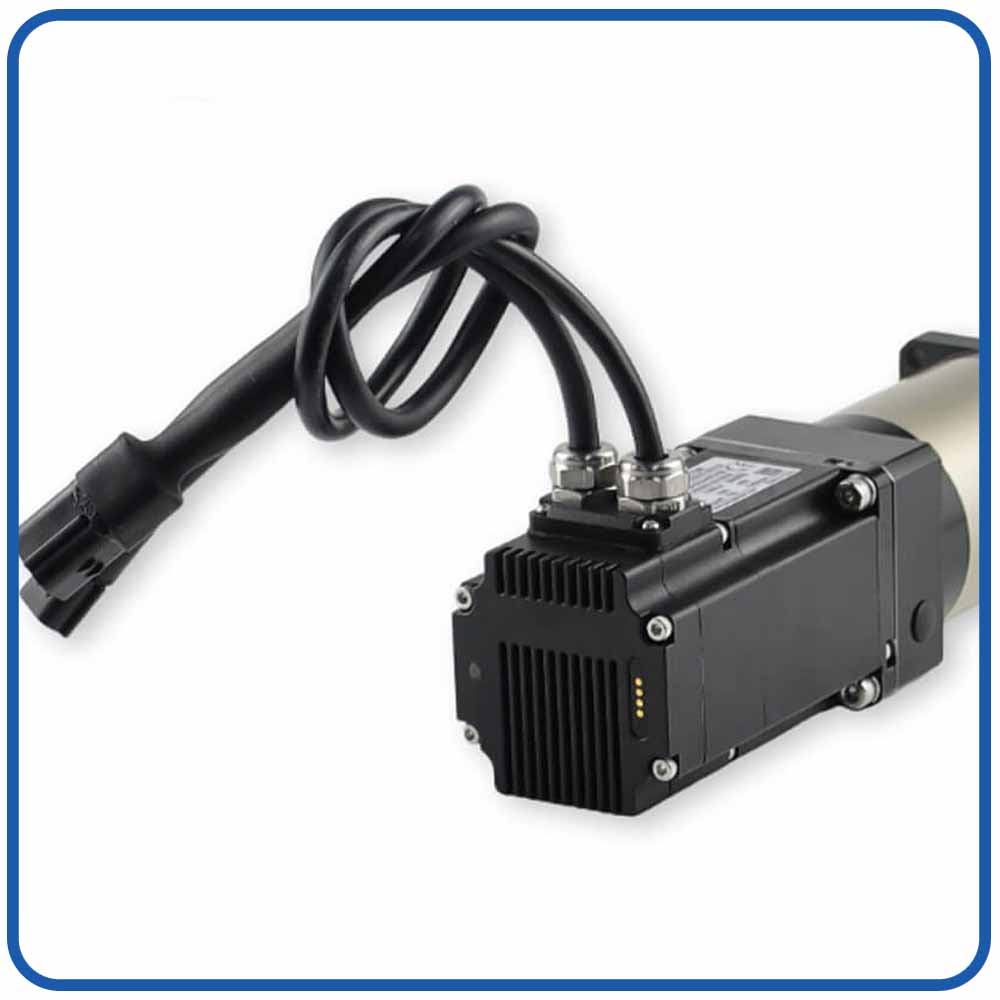
One of the most significant technological advancements enabling these improvements is the integrated servo motor. By combining the motor, servo drive, encoder, and control electronics into a single compact unit, integrated servo motors dramatically enhance robotic arm performance while simplifying system architecture. This article explores how integrated servo motors improve robotic arm accuracy and stability, and why they are becoming the preferred solution for next-generation robotic systems.
What Is an Integrated Servo Motor?
An integrated servo motor is a compact motion control solution that integrates several components traditionally separated in conventional systems. These components typically include:
In traditional robotic systems, the motor and driver are installed separately and connected through long power and feedback cables. Integrated servo motors eliminate this separation by embedding the drive electronics directly into the motor housing.
This design reduces wiring complexity, shortens signal paths, and improves communication between the motor and controller, which ultimately leads to better motion precision and system stability.
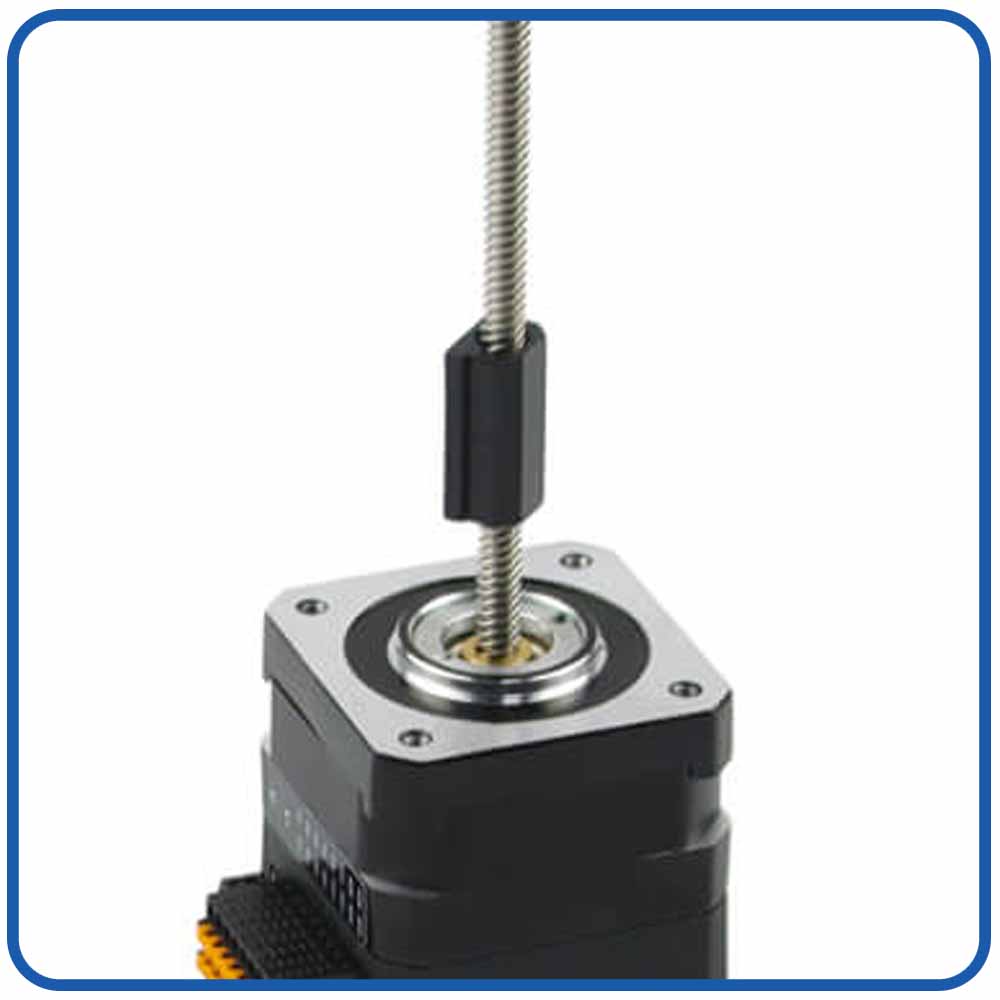
Besfoc Integrated Servo Motor System Customized Service
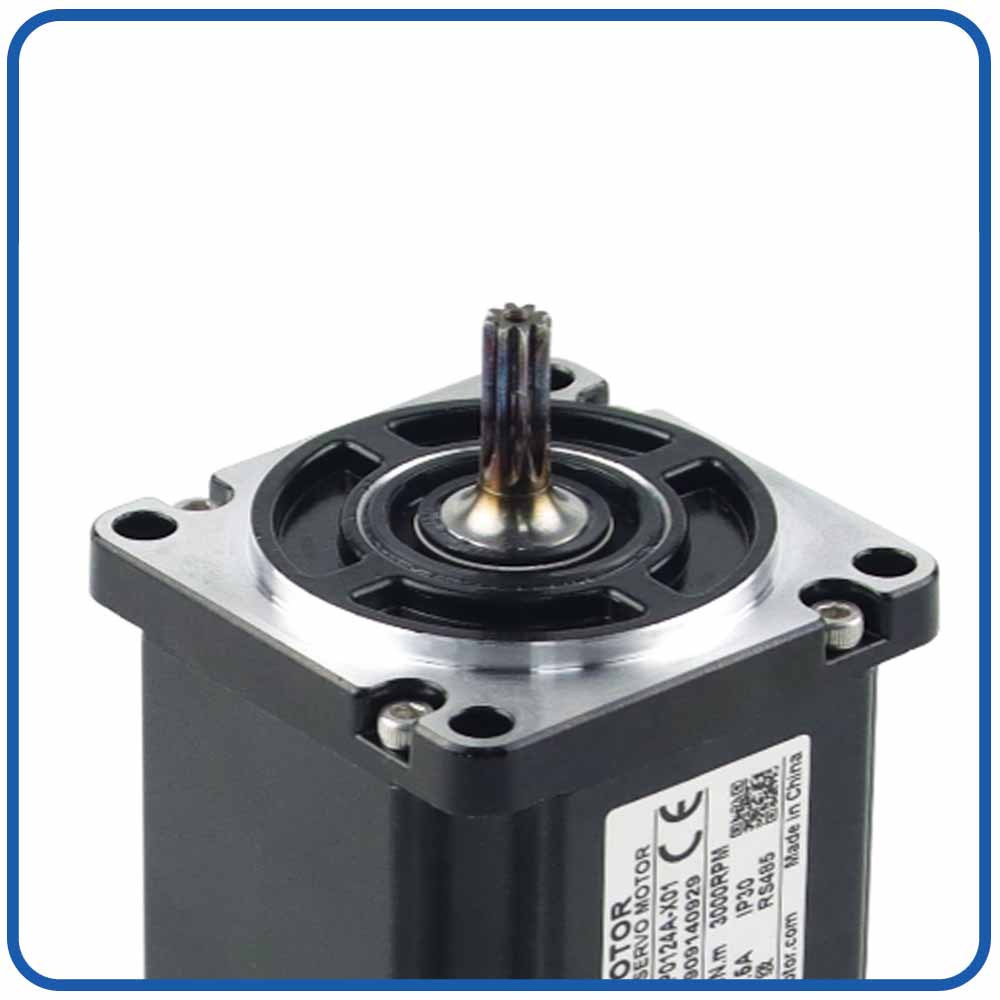 | 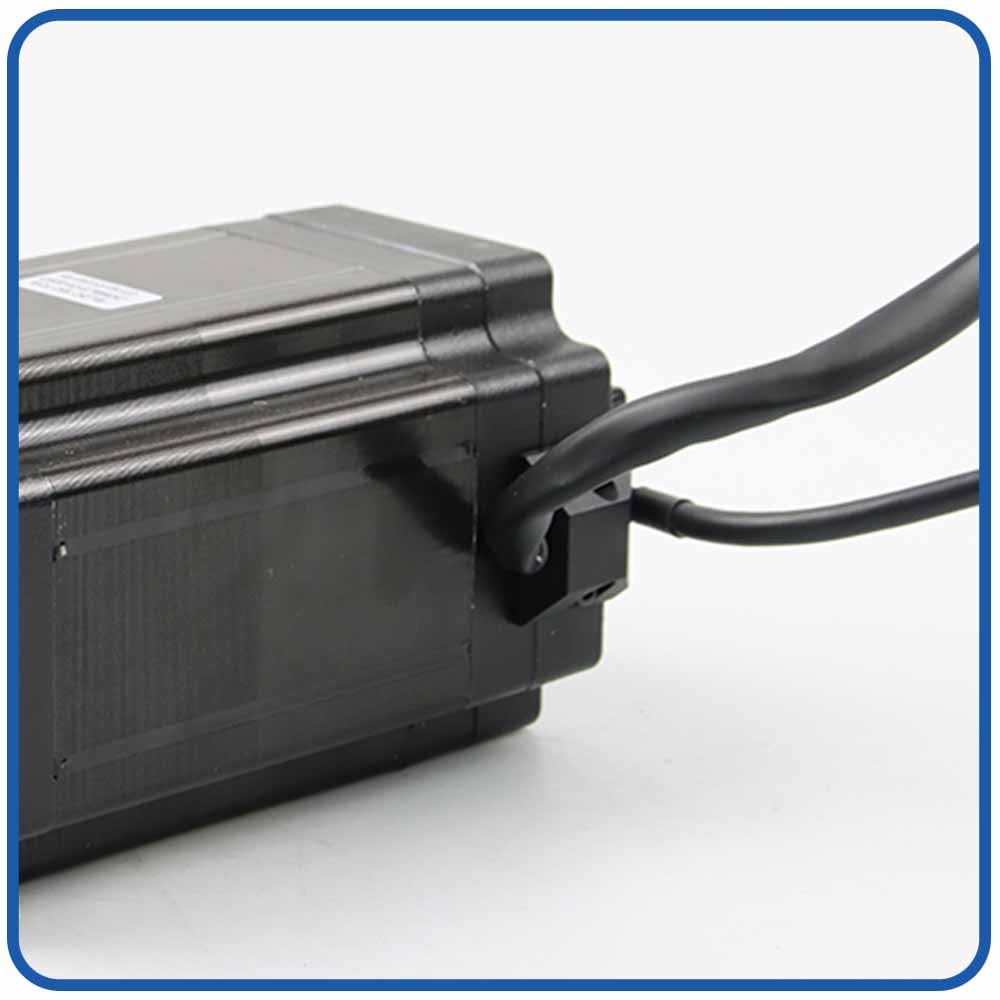 | 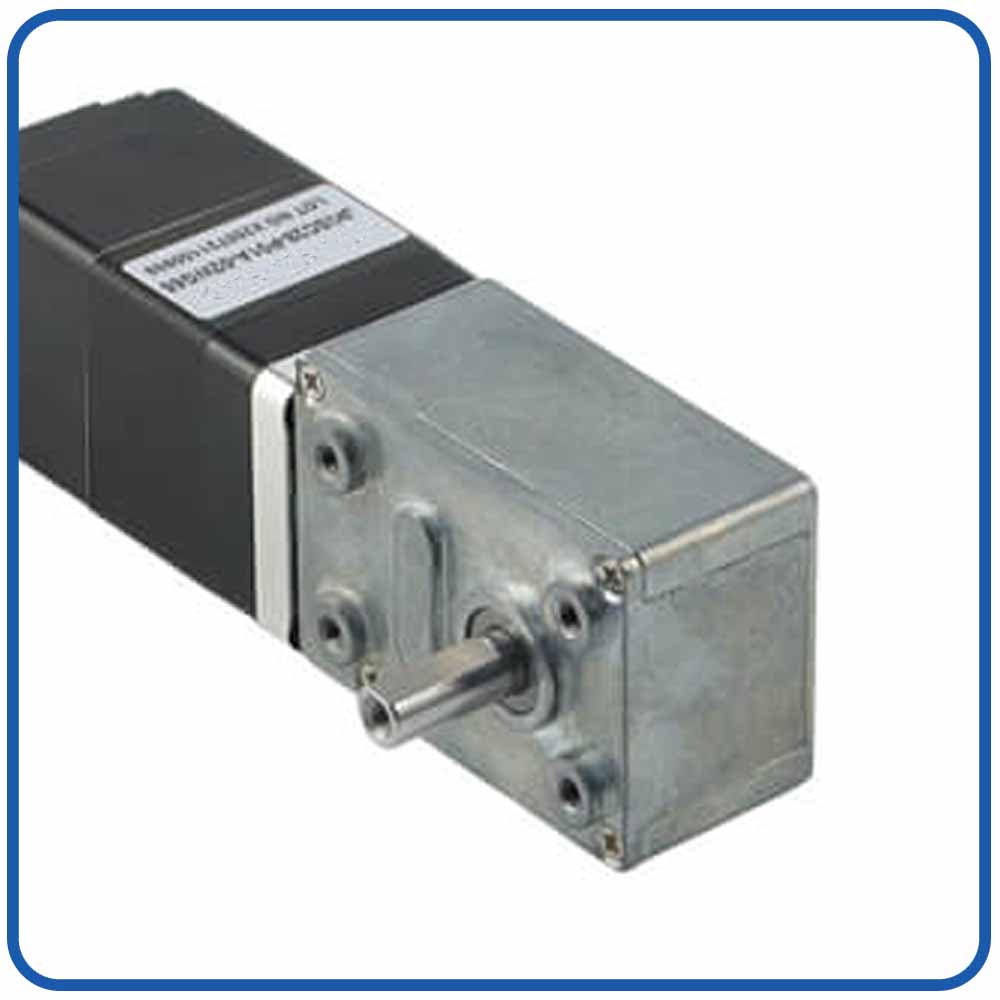 | 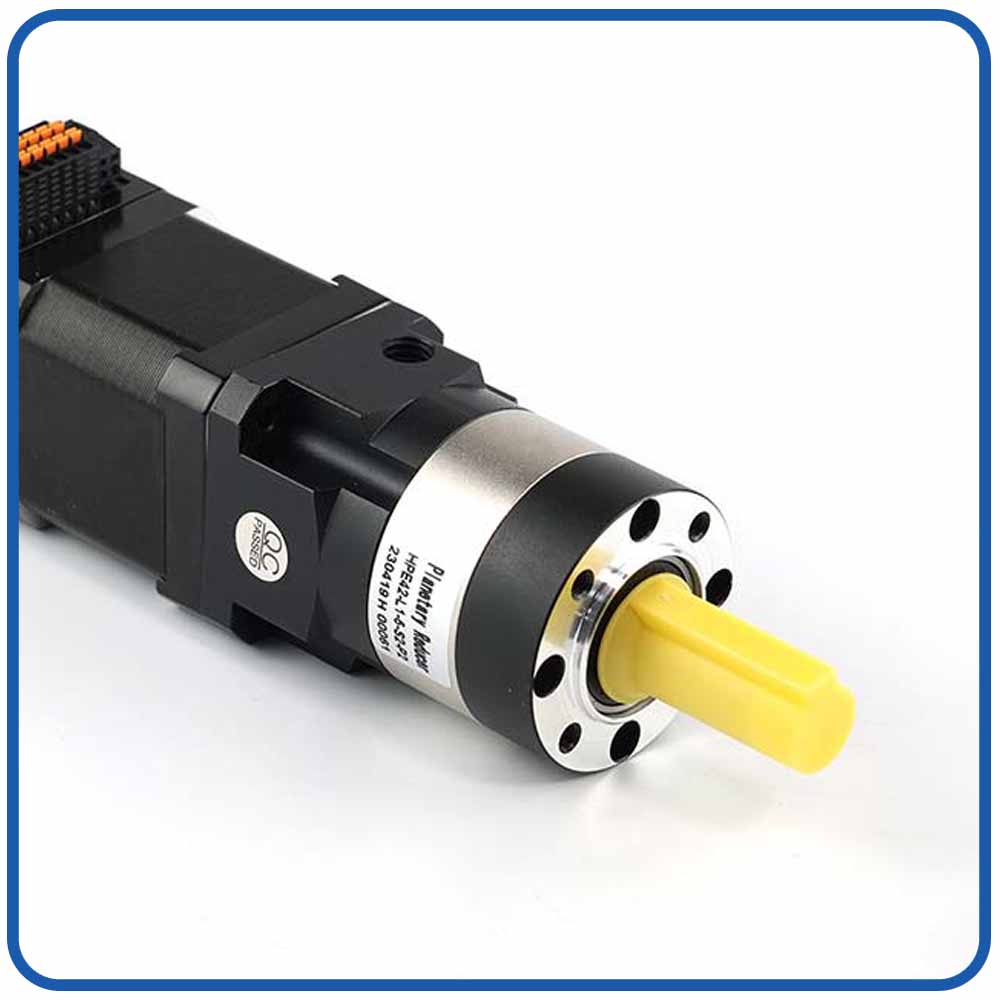 |  | BesFoc Customized Motors:
According to the application needs, provide a variety of customized motor solutions, common customization includes:
-
Sealed motor, suitable for dusty environment, dirty environment with small temperature change, etc
-
Special shaft, such as size, shape, etc
-
Belt wheels, gears and couplings etc
-
Encoders and other feedback components
-
Encoders and other feedback components. Lead length and customer use termination plug-in |
| Shaft | Terminal housing | Worm Gearbox | Planetary Gearbox | Lead Screw |
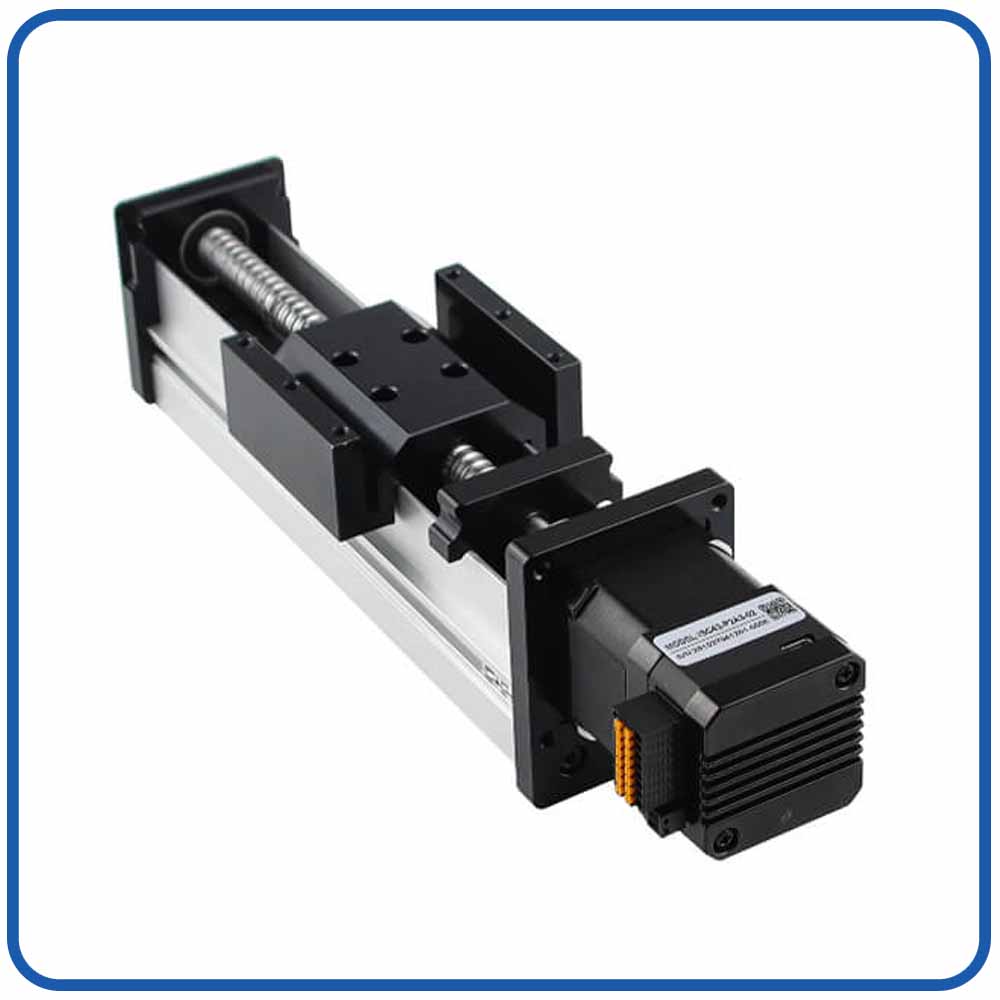 | 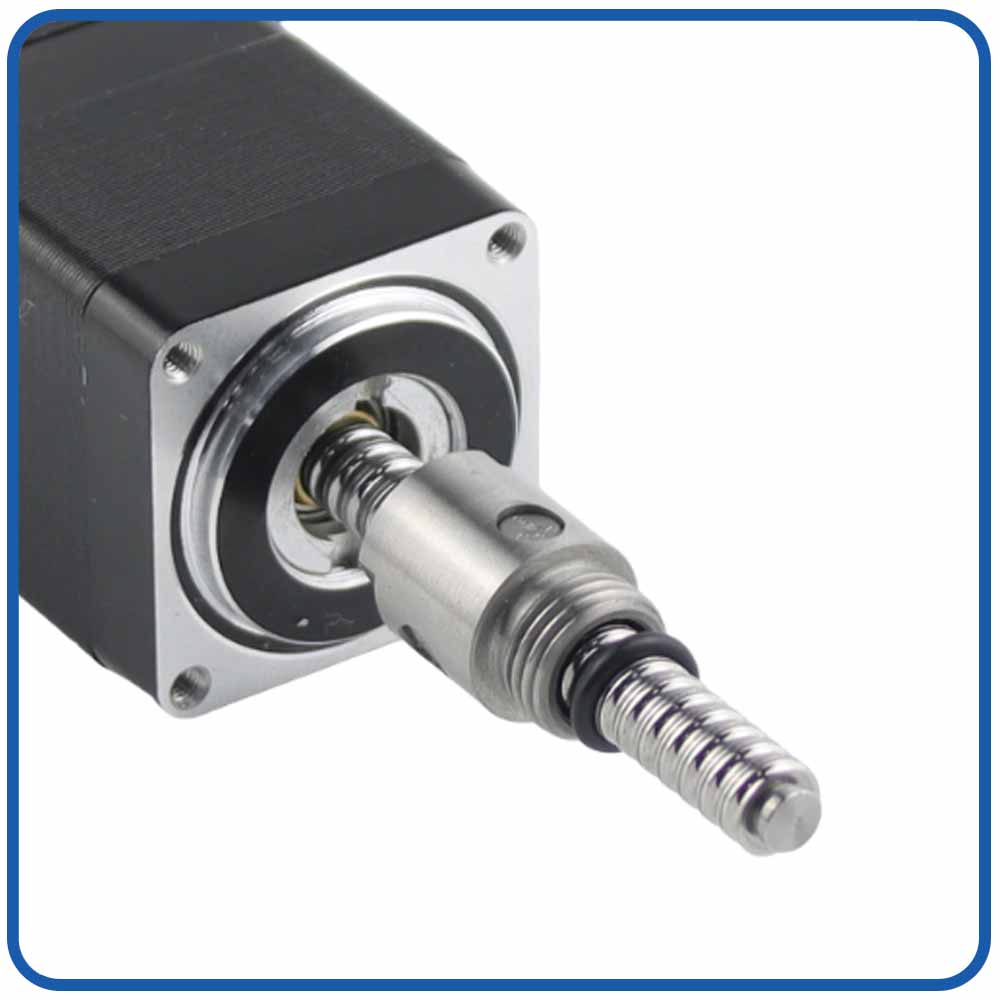 | 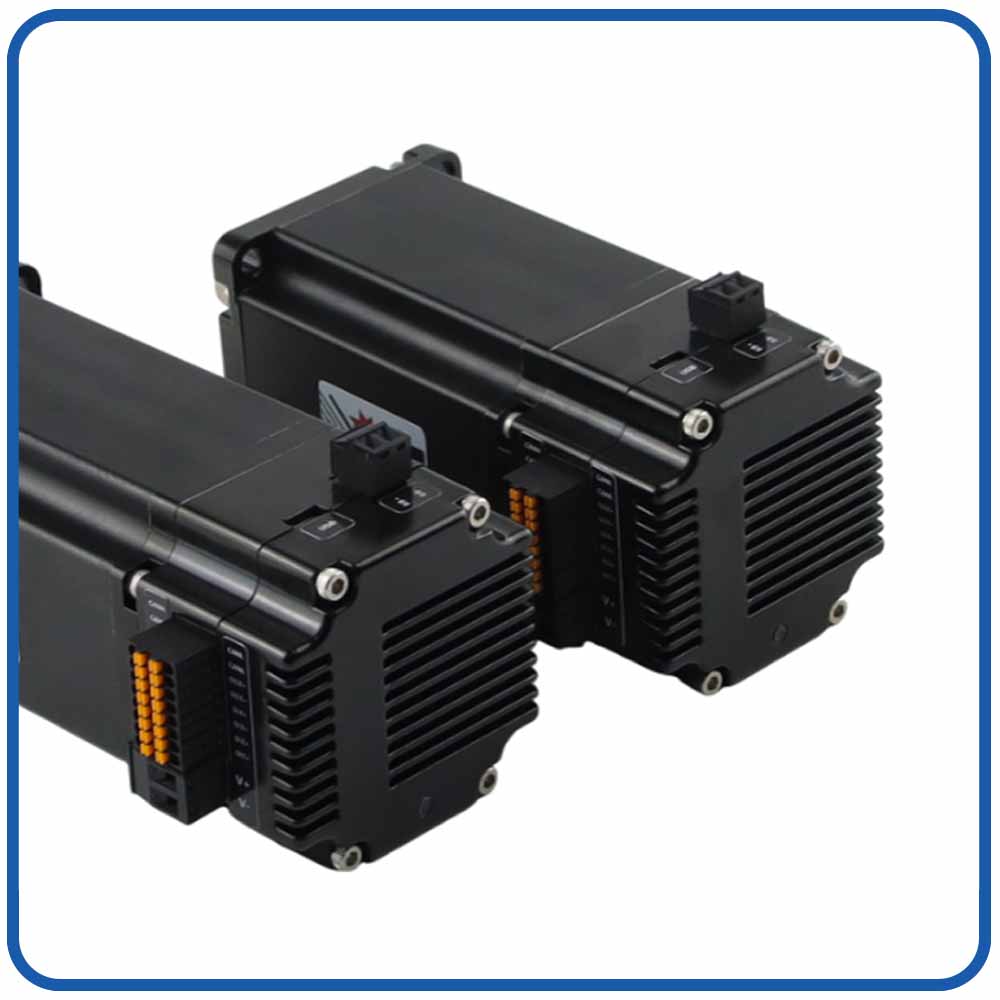 |  |  |
| Linear Motion | Ball Screw | Brake | IP-Level | More Products |
Besfoc Integrated servo Motor Shaft Customized Service
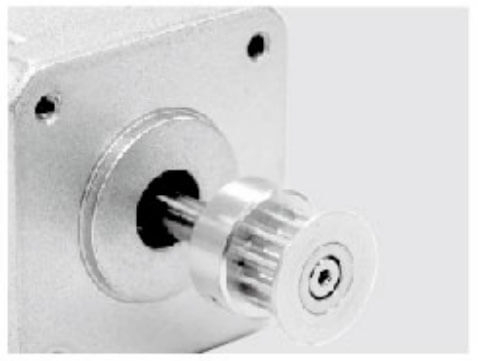 | 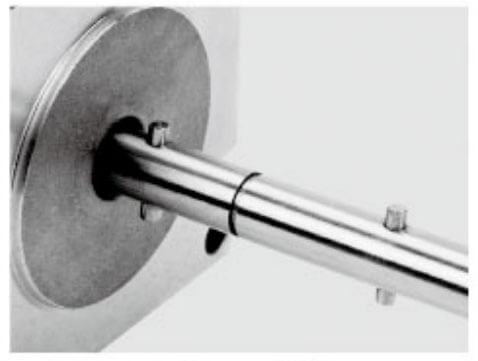 | 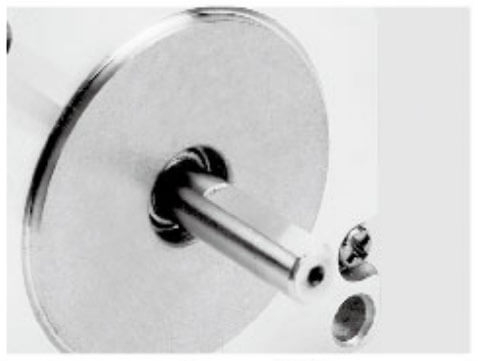 | 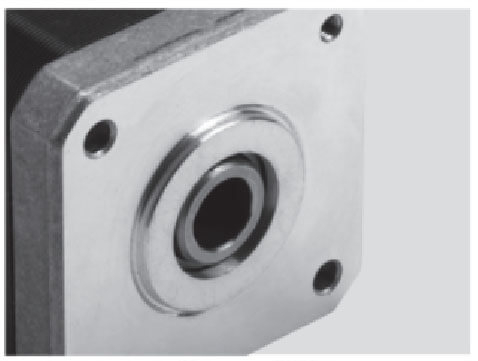 | 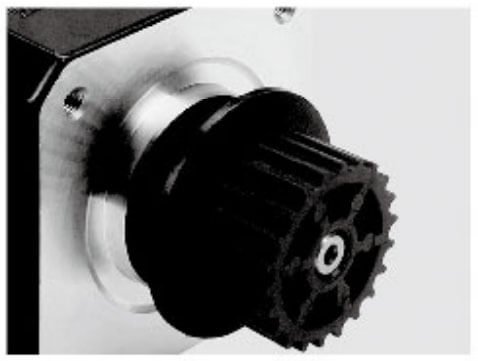 | 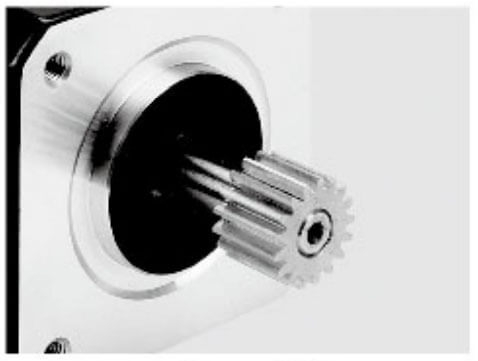 |
| Aluminum Pulley | Shaft Pin | Single D Shaft | Hollow Shaft | Plastic Pulley | Gear |
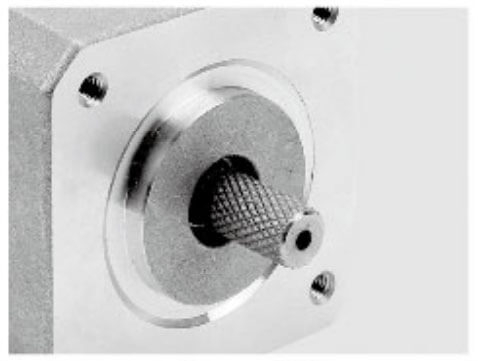 | 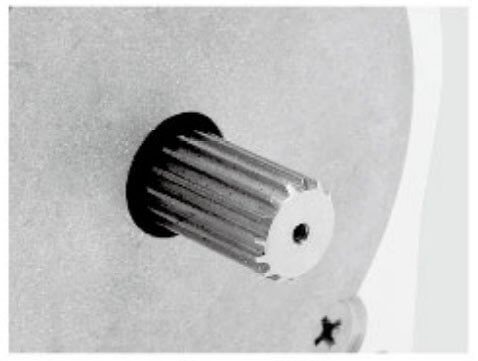 | 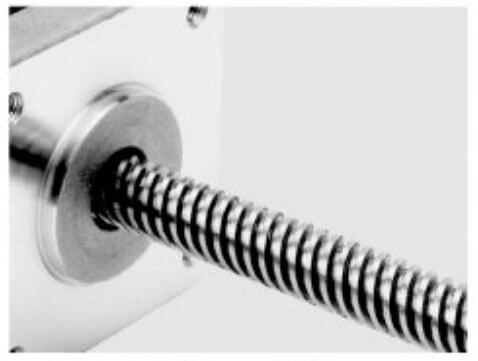 | 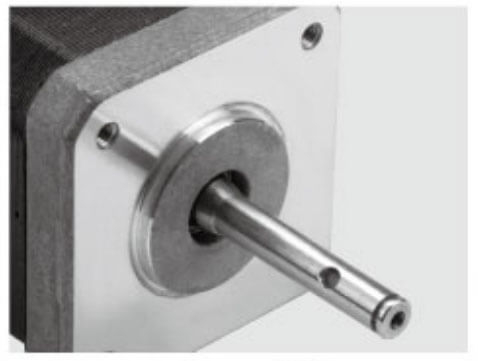 | 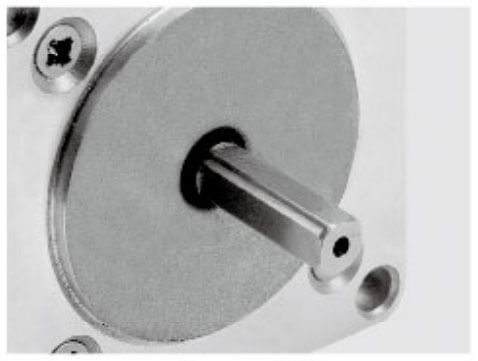 | 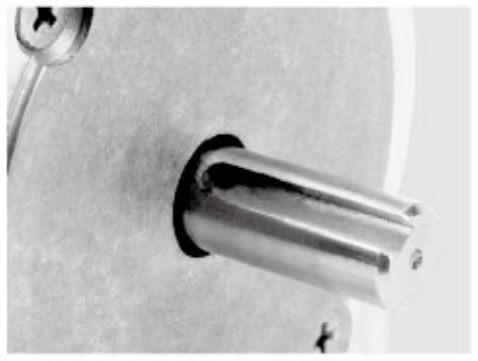 |
| Knurling | Hobbing Shaft | Screw Shaft | Hollow Shaft | Double D Shaft | Keyway |
Improving Robotic Arm Positioning Accuracy
Robotic arm positioning accuracy is a critical performance indicator in modern automation systems. Industries such as electronics manufacturing, semiconductor processing, precision assembly, and medical device production rely heavily on robotic arms capable of extremely precise and repeatable movements. Even the smallest positioning error can lead to product defects, assembly misalignment, or reduced production efficiency. To address these challenges, advanced motion control technologies—particularly integrated servo motors—play a vital role in improving robotic arm positioning accuracy.
High-Resolution Encoder Feedback
One of the most important factors influencing robotic arm accuracy is the quality of position feedback. Integrated servo motors typically incorporate high-resolution encoders, such as optical encoders, magnetic encoders, or absolute encoders, which continuously monitor the motor shaft's position and rotation.
These encoders generate precise feedback signals that allow the control system to detect even the smallest deviations from the desired motion path. With resolutions reaching millions of counts per revolution, the servo control system can adjust motor output in real time, ensuring that the robotic arm reaches its target position with exceptional precision.
Because the encoder and control electronics are integrated within the same housing, signal transmission distances are significantly shorter. This reduces latency and enhances the speed and accuracy of the feedback loop, enabling faster corrections during motion.
Closed-Loop Motion Control
Another key factor in improving positioning accuracy is the use of closed-loop control systems. Integrated servo motors operate within a closed-loop architecture where the motor continuously receives feedback from the encoder and adjusts torque and speed accordingly.
In this process:
The motion controller sends a target position command.
The encoder measures the actual motor position.
The servo drive compares the commanded position with the real position.
The system automatically compensates for any deviation.
This continuous correction ensures that the robotic arm maintains precise trajectory tracking throughout its movement cycle. Closed-loop control also enables accurate positioning even under varying loads or dynamic operating conditions.
Reduced Signal Noise and Electrical Interference
Traditional robotic systems often rely on long cables to transmit encoder feedback signals between the motor and an external servo drive. These cables can be affected by electromagnetic interference (EMI) from surrounding equipment, which may distort signals and reduce positioning accuracy.
Integrated servo motor solve this issue by placing the drive electronics and encoder directly inside the motor assembly. The shorter signal path significantly reduces exposure to electrical noise, ensuring clean and reliable feedback signals.
As a result, the control system receives highly accurate position data, enabling more precise motion corrections and better overall robotic arm accuracy.
Improved Dynamic Response
Robotic arms frequently operate at high speeds while performing complex trajectories. During rapid acceleration and deceleration, positioning errors can occur if the motor cannot respond quickly enough.
Integrated servo motors improve dynamic response through fast control loop processing. Since the motor driver is embedded within the motor, communication delays between the motor and drive are minimized. This allows the system to process motion commands and feedback signals at extremely high speeds.
The improved response time allows robotic arms to:
Execute precise micro-movements
Maintain stable motion at high speeds
Achieve accurate stop positions
Reduce overshoot and settling time
These capabilities are essential in applications like high-speed pick-and-place robots, where accuracy must be maintained even during rapid operation.
Advanced Motion Control Algorithms
Modern integrated servo motors often include sophisticated control algorithms designed to enhance positioning precision. These algorithms continuously optimize motor performance based on real-time feedback.
Examples include:
Field-Oriented Control (FOC) for smooth torque generation
Feedforward control to anticipate motion changes
Adaptive gain tuning to automatically optimize control parameters
Vibration suppression algorithms to minimize oscillations
By combining these technologies, integrated servo motors can maintain accurate positioning even when the robotic arm encounters mechanical disturbances or changing load conditions.
Mechanical Stability and Reduced Backlash
Positioning accuracy is not only determined by electronic control systems but also by mechanical stability. Integrated servo motors contribute to improved mechanical performance by reducing the number of external components and connection points.
A compact integrated structure helps reduce:
Mechanical backlash
Alignment errors
Cable-induced vibration
Structural instability
This simplified mechanical architecture allows robotic arms to achieve greater repeatability and smoother motion, especially in multi-axis robotic systems.
Thermal Stability and Consistent Performance
Temperature variations can affect motor performance and lead to positioning inaccuracies over time. Integrated servo motors are designed with optimized thermal management systems that help maintain stable operating temperatures.
By efficiently dissipating heat within the motor housing, these systems prevent performance degradation and ensure consistent positioning accuracy during long operating cycles.
This is particularly important in continuous production environments where robotic arms operate for extended periods without interruption.
Multi-Axis Synchronization
Many robotic arms operate with multiple joints and axes that must move in perfect coordination. Integrated servo motors support advanced communication protocols such as EtherCAT and CANopen, enabling high-speed synchronization between multiple axes.
Accurate synchronization ensures that all joints follow precise motion paths, allowing the robotic arm to perform complex tasks such as:
This level of coordination significantly enhances the overall positioning accuracy of robotic systems.
Conclusion
Improving robotic arm positioning accuracy requires a combination of advanced feedback systems, fast control loops, reliable signal transmission, and optimized mechanical design. Integrated servo motors address these requirements by combining the motor, drive, encoder, and control electronics into a unified system.
Through high-resolution feedback, closed-loop control, faster response times, and advanced motion algorithms, integrated servo motors enable robotic arms to achieve exceptional positioning precision and repeatability. As automation continues to evolve, these technologies will remain essential for building high-performance robotic systems capable of meeting the growing demands of modern industry.
Enhancing Motion Stability in Robotic Systems
Stability is equally important as precision in robotic arm operation. Unstable motion can lead to vibration, poor repeatability, and mechanical wear.
Faster Control Loop Response
Integrated servo motors offer faster control loop cycles because the drive electronics are embedded within the motor. The shorter communication path allows real-time processing of motion commands and feedback signals.
This faster response improves:
As a result, robotic arms can perform smooth acceleration and deceleration, reducing vibration and ensuring stable movement even during complex motion paths.
Optimized Motion Control Algorithms
Modern integrated servo motors are equipped with advanced control algorithms such as:
Field-Oriented Control (FOC)
Adaptive tuning
Torque ripple suppression
Vibration suppression algorithms
These technologies allow the motor to maintain stable torque output and smooth rotation, even when the robotic arm experiences sudden load changes.
This capability is especially important in applications like robotic welding, CNC automation, and collaborative robots (cobots), where consistent motion stability directly impacts product quality.
Reducing Mechanical Complexity and Wiring
In modern robotic arm systems, mechanical complexity and extensive wiring have traditionally been major challenges in motion control design. Conventional servo systems typically require separate components, including servo motors, external drives, controllers, power cables, and feedback cables. These multiple elements increase installation difficulty, occupy valuable space, and create potential points of failure within the system.
Integrated servo motors address these challenges by combining motor, drive electronics, encoder, and communication interfaces into a single compact unit. This integrated design significantly reduces mechanical complexity and simplifies wiring, resulting in more efficient, reliable, and streamlined robotic arm systems.
Simplified System Architecture
Traditional robotic arm architectures rely on centralized control cabinets where servo drives are installed separately from the motors. Each motor requires several cables connecting it to the external drive and control system. As the number of robotic joints increases, the wiring system becomes more complicated and difficult to manage.
Integrated servo motors eliminate the need for separate drives by embedding them directly inside the motor housing. This design simplifies the overall architecture of the robotic system. Instead of multiple connections between distributed components, the system only requires a power supply cable and a communication cable.
The simplified structure provides several benefits:
Reduced installation complexity
Lower risk of wiring errors
Faster machine assembly
Improved system organization
For robotic arm manufacturers, this streamlined architecture makes system integration much more efficient and reduces the engineering time required for machine development.
Reduced Cable Quantity
One of the most significant advantages of integrated servo motors is the dramatic reduction in cabling. Traditional servo motor setups often require multiple cables, including:
Power cables
Encoder feedback cables
Motor control cables
Brake control cables
These cables must run through the robotic arm structure, often passing through rotating joints and cable tracks. Over time, repeated movement can cause cable fatigue, wear, or failure.
Integrated servo motors minimize this issue by consolidating many functions into a single unit. With fewer cables required, the robotic arm experiences less cable movement stress, reducing the risk of mechanical failure and improving overall durability.
Additionally, fewer cables make cable routing inside robotic arms much easier, allowing designers to create cleaner and more compact mechanical layouts.
Improved Reliability and Maintenance
Complex wiring systems introduce more potential points of failure. Loose connectors, damaged cables, and signal interference can all affect system performance and lead to downtime.
By reducing the number of external connections, integrated servo motors improve the overall reliability of robotic arm systems. With fewer cables and connectors, there are fewer opportunities for electrical faults to occur.
Maintenance also becomes easier. Technicians can quickly identify and replace a faulty integrated unit without needing to troubleshoot multiple components across the system. This leads to:
For industrial automation environments where production continuity is critical, these reliability improvements are highly valuable.
Compact Design for Space Optimization
Robotic arms often operate in environments where space is limited, such as assembly lines, collaborative robot stations, or compact automation equipment. Traditional systems with external servo drives require additional space for control cabinets and cable routing.
Integrated servo motors help optimize space utilization by eliminating separate drive units and reducing cable bundles. The compact design allows robotic arm manufacturers to create smaller and lighter machines while maintaining high performance.
This is particularly beneficial for:
A more compact robotic structure also improves mechanical balance and reduces inertia, which contributes to smoother motion and better positioning accuracy.
Enhanced System Scalability
Modern robotic applications often require flexible and scalable motion systems. When additional axes or robotic modules are added, traditional systems require more drive units, cables, and cabinet space.
Integrated servo motors simplify scalability because each motor contains its own drive electronics. Adding a new axis simply involves installing another integrated motor and connecting it to the communication network.
This modular approach provides several advantages:
Simplified system expansion
Faster machine configuration
Flexible automation design
Reduced engineering complexity
For manufacturers developing customized robotic solutions, this flexibility is particularly valuable.
Improved Signal Integrity
Long cable runs between motors and drives can introduce signal degradation and electromagnetic interference. These issues can affect communication reliability and reduce motion control precision.
Integrated servo motors shorten the distance between key components such as the encoder and drive electronics. This results in cleaner signal transmission and improved communication stability.
Better signal integrity ensures that motion commands and feedback data are transmitted accurately, which supports precise and stable robotic arm operation.
Lower Installation Time and Cost
Reducing mechanical complexity and wiring also leads to significant cost savings during system installation. Traditional robotic systems require careful cable routing, connector assembly, and extensive testing to ensure reliable operation.
With integrated servo motors, installation becomes much faster because fewer components need to be connected. Engineers can install and configure the system more efficiently, which reduces labor costs and shortens project timelines.
These efficiencies are especially important for large-scale automation projects involving multiple robotic systems.
Supporting Modern Smart Factory Design
Integrated servo motors align well with modern Industry 4.0 and smart factory concepts. Many integrated systems support advanced communication protocols such as EtherCAT, CANopen, and Modbus, allowing seamless integration into digital manufacturing networks.
Because each motor includes built-in intelligence and communication capability, the robotic system becomes more adaptable and easier to monitor. This enables features such as:
Such capabilities help manufacturers build more efficient and intelligent automation systems.
Conclusion
Reducing mechanical complexity and wiring is a key factor in improving the efficiency and reliability of robotic arm systems. Integrated servo motors achieve this by combining multiple motion control components into a single compact unit.
Through simplified system architecture, reduced cabling, improved reliability, and easier scalability, integrated servo motors provide significant advantages for modern robotic applications. These benefits allow robotic arm manufacturers to design more compact, efficient, and high-performance automation systems, making integrated servo technology an increasingly important solution in advanced robotics and industrial automation.
Compact Design for Robotic Arm Integration
In robotic systems, especially multi-axis robotic arms, space efficiency and structural balance are critical design considerations. Engineers must integrate motors, sensors, control electronics, and transmission components within a limited mechanical structure while maintaining high performance and reliability. A compact drive system not only improves mechanical layout but also enhances motion precision and system stability. Integrated servo motors offer a highly compact solution by combining the motor, drive, encoder, and communication electronics into a single unit, making them ideal for robotic arm integration.
Space Optimization in Robotic Joint Design
Robotic arms typically consist of multiple joints and axes that require individual motion control units. In traditional systems, each joint requires a servo motor connected to an external drive through several cables, along with additional space for mounting the drive and routing cables through the robotic structure.
Integrated servo motors eliminate the need for separate drive units. By embedding the servo drive and control electronics directly inside the motor housing, the overall system footprint is significantly reduced. This allows engineers to optimize the internal layout of robotic joints, making it easier to integrate motors into tight spaces.
The compact structure enables robotic arms to maintain high functionality without increasing mechanical size, which is particularly valuable in applications where workspace is limited.
Reduced Weight for Improved Dynamic Performance
Weight distribution is another key factor in robotic arm design. Excessive weight at the end of robotic links increases inertia, which can reduce motion speed, increase energy consumption, and affect positioning accuracy.
Integrated servo motors help reduce overall system weight by removing the need for external drive modules and bulky cable assemblies. With fewer components required, robotic arms become lighter and better balanced, which leads to several performance advantages:
Faster acceleration and deceleration
Reduced mechanical stress on joints
Improved motion responsiveness
Higher payload-to-weight ratio
A lighter robotic structure enables smoother motion and contributes directly to improved precision and stability during operation.
Simplified Cable Management in Compact Structures
Cable routing within robotic arms can be challenging, especially in compact designs with multiple rotating joints. Traditional servo systems require separate cables for power, feedback signals, and communication, all of which must be routed through narrow mechanical channels.
Integrated servo motors significantly simplify cable management by reducing the number of required cables. In many systems, only a power cable and a communication cable are needed to operate the motor.
This reduction in wiring allows engineers to design more compact and efficient robotic arm structures, while also minimizing cable bending and wear during repeated joint movements. As a result, the system benefits from improved reliability and longer service life.
Greater Flexibility for Robotic System Designers
Compact integrated servo motors provide robotic system designers with greater flexibility when developing new automation solutions. Because the motor and drive are combined into a single module, the system can be installed directly at the robotic joint without requiring additional cabinet space.
This modular design approach allows engineers to:
Build smaller robotic arms for compact production environments
Develop portable or mobile robotic platforms
Optimize robot geometry for improved reach and maneuverability
Simplify the integration of additional axes or tools
Such flexibility is essential in modern manufacturing environments where machines must adapt quickly to different tasks and production layouts.
Improved Thermal Distribution
Another advantage of compact integrated servo motor design is optimized thermal management. Traditional systems often place the servo drive in a centralized control cabinet, which can create localized heat concentration and require additional cooling systems.
Integrated servo motors distribute heat generation more evenly across the robotic structure. Many designs include advanced heat dissipation mechanisms, such as optimized motor housings and efficient power electronics layouts. This helps maintain stable operating temperatures and ensures consistent performance even during long operating cycles.
Effective thermal management is especially important in robotic applications that require continuous operation and precise motion control.
Ideal for Collaborative Robots and Precision Automation
The compact nature of integrated servo motors makes them particularly suitable for emerging robotic applications such as collaborative robots (cobots), lightweight robotic arms, and precision automation equipment.
In these applications, compact design offers several advantages:
Smaller machine footprint
Safer human–robot interaction due to lighter structures
Easier installation in confined production spaces
Improved energy efficiency
Because collaborative robots often operate alongside human workers, minimizing the size and weight of robotic components helps improve safety and usability.
Supporting High-Density Automation Systems
Modern manufacturing facilities increasingly adopt high-density automation layouts, where multiple robotic systems operate within limited factory floor space. Compact robotic arms equipped with integrated servo motors allow manufacturers to install more automation equipment without expanding facility size.
This capability supports production environments such as:
Electronics assembly lines
Semiconductor fabrication facilities
Precision packaging systems
Automated inspection stations
With compact robotic designs, manufacturers can maximize productivity while maintaining efficient use of available space.
Enhancing Aesthetic and Structural Integration
Compact integrated servo motors also improve the overall structural integration and visual simplicity of robotic systems. With fewer external components and cables, robotic arms can be designed with cleaner mechanical lines and more streamlined enclosures.
This not only improves equipment aesthetics but also enhances system protection against dust, contaminants, and environmental factors in industrial environments.
Conclusion
Compact design is a crucial factor in modern robotic arm development. Integrated servo motors provide a powerful solution by combining multiple motion control components into a single compact unit. This integration reduces system size, simplifies cable routing, improves weight distribution, and enhances mechanical flexibility.
By enabling more efficient robotic structures, integrated servo motors allow manufacturers to design smaller, lighter, and more precise robotic arms that meet the growing demands of advanced automation. As robotics continues to evolve toward smarter and more space-efficient systems, compact integrated servo technology will remain a key driver of innovation in robotic arm design.
Improved Energy Efficiency and Thermal Management
Energy efficiency is an increasingly important consideration in modern automation systems. Integrated servo motors often include optimized power electronics and efficient motor designs that reduce energy losses.
Additionally, because the motor and drive are designed together, manufacturers can optimize thermal management within the integrated housing. Efficient heat dissipation improves performance stability and extends the lifespan of the motor.
Benefits include:
Advanced Communication for Smart Robotics
Integrated servo motors typically support modern industrial communication protocols, such as:
EtherCAT
CANopen
Modbus
RS485
PROFINET
These communication interfaces allow seamless integration into smart factory environments and Industry 4.0 systems.
Through real-time data exchange, integrated servo motors enable advanced capabilities such as:
This level of connectivity further enhances robotic arm performance and system stability.
Applications Where Integrated Servo Motors Excel
Integrated servo motors are widely used in robotic systems that demand high precision and stable motion control.
Typical applications include:
In these applications, integrated servo technology ensures reliable performance while simplifying machine design.
Future Trends in Integrated Servo Technology
As industrial automation, robotics, and smart manufacturing continue to evolve, integrated servo technology is rapidly advancing to meet the increasing demand for higher precision, greater efficiency, and more intelligent motion control. Integrated servo motors—combining the motor, drive, encoder, and communication interface into a single compact unit—are already transforming robotic systems and automated machinery. Looking ahead, several technological trends are shaping the future of integrated servo solutions and expanding their capabilities in next-generation automation environments.
Higher Precision Through Advanced Feedback Technology
One of the most important trends in integrated servo technology is the development of ultra-high-resolution feedback systems. As robotic applications demand increasingly precise motion control, manufacturers are integrating advanced encoders capable of delivering extremely detailed position information.
Future integrated servo motors are expected to include:
Higher resolution absolute encoders
Multi-turn position detection
Improved magnetic and optical sensing technologies
Integrated position and velocity monitoring
These advanced feedback systems allow robotic arms and automation equipment to achieve sub-micron positioning accuracy, which is particularly important for industries such as semiconductor manufacturing, electronics assembly, and medical robotics.
Smarter Motion Control with AI-Assisted Algorithms
Artificial intelligence and advanced control algorithms are beginning to play a major role in servo system development. Modern Integrated servo motors are increasingly equipped with adaptive motion control algorithms capable of automatically optimizing performance based on operating conditions.
Future systems may incorporate:
Self-tuning control loops
AI-assisted vibration suppression
Adaptive load compensation
Predictive performance optimization
These capabilities enable the servo system to dynamically adjust its parameters, improving motion stability, energy efficiency, and positioning accuracy without requiring manual tuning by engineers.
Enhanced Connectivity for Industry 4.0
The rise of Industry 4.0 and smart factories is driving the integration of advanced communication capabilities into servo systems. Future integrated servo motors will support faster and more reliable industrial communication protocols, enabling seamless connectivity with factory networks and control systems.
Common protocols already used include:
EtherCAT
PROFINET
CANopen
Modbus TCP
EtherNet/IP
In the future, integrated servo motors will act as intelligent nodes within industrial IoT networks, capable of exchanging large amounts of real-time data with controllers, sensors, and cloud platforms. This connectivity enables better system monitoring, improved process optimization, and enhanced automation flexibility.
Integrated Condition Monitoring and Predictive Maintenance
Downtime in automated production systems can lead to significant financial losses. To reduce unexpected failures, future integrated servo motors will increasingly include built-in condition monitoring capabilities.
These systems can monitor key operating parameters such as:
By analyzing this data, the system can detect early signs of mechanical wear or abnormal behavior. Predictive maintenance algorithms can then alert operators before failures occur, allowing scheduled maintenance to replace unexpected downtime.
This trend will greatly improve equipment reliability, system uptime, and maintenance efficiency in industrial environments.
Increased Power Density and Efficiency
Another major trend is the development of higher power density integrated servo motors. Advances in materials, magnetic design, and power electronics allow manufacturers to produce motors that deliver greater torque and power within smaller physical dimensions.
Technologies supporting this trend include:
High-performance permanent magnet materials
Improved stator winding techniques
Advanced semiconductor components
Optimized cooling systems
Higher power density allows robotic arms and automation equipment to become more compact while maintaining strong performance, which is essential for modern robotic applications where space and weight are critical constraints.
Improved Thermal Management
As integrated servo motors combine multiple electronic components within a single housing, effective heat management becomes increasingly important. Future designs will incorporate more sophisticated thermal control technologies to ensure stable performance.
Possible innovations include:
Advanced heat dissipation structures
High-efficiency cooling materials
Smart thermal monitoring systems
Optimized airflow or passive cooling designs
Better thermal management helps maintain consistent motor performance, increases component lifespan, and improves overall system reliability.
Greater Integration with Edge Computing
Edge computing is emerging as a powerful tool in industrial automation. In the future, integrated servo motors may include embedded processing capabilities that allow them to perform localized data analysis and motion optimization directly at the device level.
With edge computing integration, servo systems will be able to:
Process sensor data in real time
Execute advanced motion algorithms locally
Reduce reliance on centralized controllers
Improve system responsiveness
This decentralized intelligence can significantly enhance the efficiency and adaptability of complex robotic systems.
Modular and Scalable Motion Systems
As automation systems become more flexible, the demand for modular motion control solutions continues to grow. Integrated servo motors naturally support modular system design because each unit contains its own drive electronics and communication interface.
Future automation equipment will increasingly adopt plug-and-play motion modules, allowing engineers to easily expand or reconfigure robotic systems. This modular architecture will enable manufacturers to adapt production lines quickly in response to changing product requirements.
Enhanced Safety Features for Human-Robot Collaboration
With the rapid adoption of collaborative robots, safety features are becoming a critical aspect of servo system design. Future integrated servo motors are expected to incorporate advanced functional safety technologies that comply with international safety standards.
These features may include:
Such capabilities enable robots to operate safely alongside human workers while maintaining high levels of productivity.
Expanding Applications in Advanced Robotics
As integrated servo technology continues to improve, its applications will expand into a wide range of advanced robotic systems, including:
Collaborative robots (cobots)
Autonomous mobile robots
Medical and surgical robots
Precision inspection robots
High-speed industrial manipulators
These applications require compact, intelligent, and highly reliable motion systems—making integrated servo motors an ideal solution.
Summary
Integrated servo technology is playing an increasingly important role in the evolution of modern automation and robotics. Future advancements will focus on higher precision, smarter control algorithms, stronger connectivity, improved energy efficiency, and enhanced system intelligence.
With innovations such as AI-assisted motion control, predictive maintenance, high-resolution feedback systems, and edge computing integration, integrated servo motors will continue to drive the development of more capable, flexible, and intelligent robotic systems. As industries move toward fully connected smart factories, integrated servo technology will remain a key foundation for achieving the next generation of high-performance automation.
Conclusion
Integrated servo motors represent a major advancement in robotic motion control. By combining the motor, drive, feedback system, and communication interface into a single compact unit, they deliver superior precision, faster response times, improved stability, and simplified system architecture.
For robotic arms operating in high-performance automation environments, integrated servo motors provide the ideal balance of accuracy, efficiency, and reliability. As industries continue to pursue smarter and more compact robotic solutions, integrated servo technology will play an increasingly important role in shaping the future of industrial robotics.

 English
 العربية
 Français
 Русский
 Español
 Português
 Deutsch
 italiano
 日本語
日本語 한국어
한국어 Nederlands
 Tiếng Việt
 ไทย
ไทย Polski
 Türkçe
 ພາສາລາວ
 ភាសាខ្មែរ
 Bahasa Melayu
 ဗမာစာ
ဗမာစာ Filipino
 Bahasa Indonesia
 magyar
 Română
 Čeština
 Монгол
 қазақ
қазақ Српски
 हिन्दी
 فارسی
فارسی Slovenčina
 Slovenščina
 Norsk
Norsk Svenska
 українська
 Ελληνικά
 Suomi
Suomi Հայերեն
 עברית
עברית Latine
 Dansk
Dansk Shqip
Shqip বাংলা
বাংলা Hrvatski
 Afrikaans
 Gaeilge
 Eesti keel
 Oʻzbekcha
 latviešu
 Azərbaycan dili
 Български
 Català


