
Integrated Servo Motors & Linear Motions Supplier
- All
- Product Name
- Product Keyword
- Product Model
- Product Summary
- Product Description
- Multi Field Search
Views: 0 Author: Site Editor Publish Time: 2026-07-15 Origin: Site


Rail Guided Vehicles (RGVs) have become a core component of smart factories, automated warehouses, manufacturing plants, and logistics distribution centers. Their ability to transport materials quickly and accurately directly impacts production efficiency, operational costs, and system reliability. At the heart of every high-performance RGV is a Brushless DC (BLDC) motor, providing the power, efficiency, and precision required for continuous industrial automation.
Selecting the correct BLDC motor is not simply about matching speed or power ratings. The ideal solution must balance torque, acceleration, efficiency, reliability, control precision, installation space, and maintenance requirements while ensuring seamless integration with the vehicle's control system.
This guide explores every critical factor involved in choosing the right Brushless DC motor for Rail Guided Vehicles, helping engineers, equipment manufacturers, and automation integrators make informed decisions.
As Rail Guided Vehicles (RGVs) become increasingly essential in automated warehouses, smart factories, and intelligent material handling systems, the demand for efficient and reliable drive solutions continues to grow. Among the available motor technologies, Brushless DC (BLDC) motors have become the preferred choice due to their superior performance, long service life, and low maintenance requirements.
Unlike traditional brushed motors, BLDC motors eliminate mechanical brushes and commutators, reducing wear and minimizing maintenance while delivering smooth, precise, and efficient operation. Their ability to provide high torque, rapid acceleration, accurate speed control, and continuous-duty performance makes them ideally suited for the demanding operating conditions of modern RGVs.
High Energy Efficiency
BLDC motors typically achieve efficiencies above 90%, reducing power consumption and extending battery runtime in battery-powered RGV systems.
Maintenance-Free Operation
With no brushes to replace, BLDC motors require minimal maintenance, reducing downtime and lowering long-term operating costs.
Excellent Torque Performance
They deliver high starting torque and stable torque output across a wide speed range, enabling smooth vehicle acceleration and reliable transportation of heavy loads.
Precise Speed and Position Control
When combined with encoder feedback and closed-loop control, BLDC motors provide exceptional motion accuracy for precise stopping and repeatable positioning at loading and unloading stations.
Compact and Lightweight Design
High torque density allows BLDC motors to generate more power within a smaller footprint, making them ideal for space-constrained RGV platforms.
Low Noise and Smooth Operation
Electronic commutation minimizes vibration and mechanical noise, creating a quieter working environment and improving overall system stability.
Long Service Life
The brushless construction reduces mechanical wear, enabling reliable 24/7 operation in high-duty-cycle industrial environments.
Easy Integration with Automation Systems
Modern BLDC servo motors support industrial communication protocols such as CANopen, EtherCAT, Modbus RTU, and RS485, allowing seamless integration with PLCs, industrial PCs, and intelligent control systems.
Whether an RGV is transporting lightweight electronic components or moving heavy industrial materials, its drive system must deliver high efficiency, precise motion control, rapid response, and long-term reliability. Brushless DC motors meet these requirements while reducing maintenance costs and improving overall system performance. For today's automated logistics and manufacturing environments, integrated BLDC servo motors offer an even greater advantage by combining the motor, driver, encoder, and controller into a compact, all-in-one solution that simplifies installation and enhances operational efficiency.
60BLS01 BLDC Motor — Compact, Intelligent, and Reliable Brushless Motor Drive System | ||
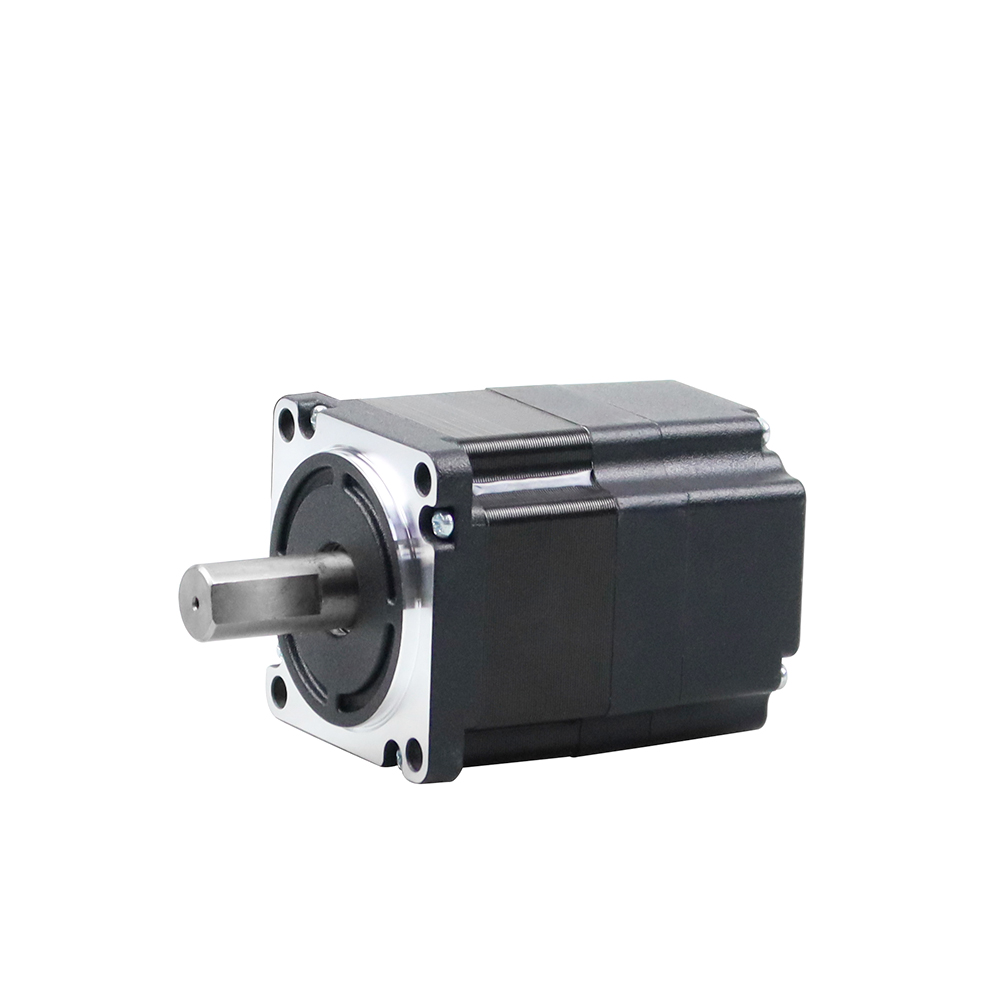 | Product Overview:The NEMA24 BF60BLS Brushless DC Motor is a compact, high-efficiency motor designed for precision motion applications. Featuring reliable performance, low noise operation, and excellent speed control, it provides stable power output for automation equipment, robotics, medical devices, and other space-constrained systems requiring efficient and durable motion solutions. | |
Key Technical Highlights
| ||
Typical Applications
| ||
Model | Power | Rated Voltage | Current | Rated Speed | Rated Torque | Rotor inertia | Length |
/ | W | Vdc | A | Rpm | N.m | kg.cm² | mm |
94 | 48 | 2.8 | 3000 | 0.3 | 0.24 | 78 | |
188 | 48 | 5.2 | 3000 | 0.6 | 0.48 | 99 | |
283 | 48 | 7.5 | 3000 | 0.9 | 0.72 | 120 | |
377 | 48 | 9.5 | 3000 | 1.2 | 0.96 | 141 |
 |  |  |  |  |
|---|---|---|---|---|
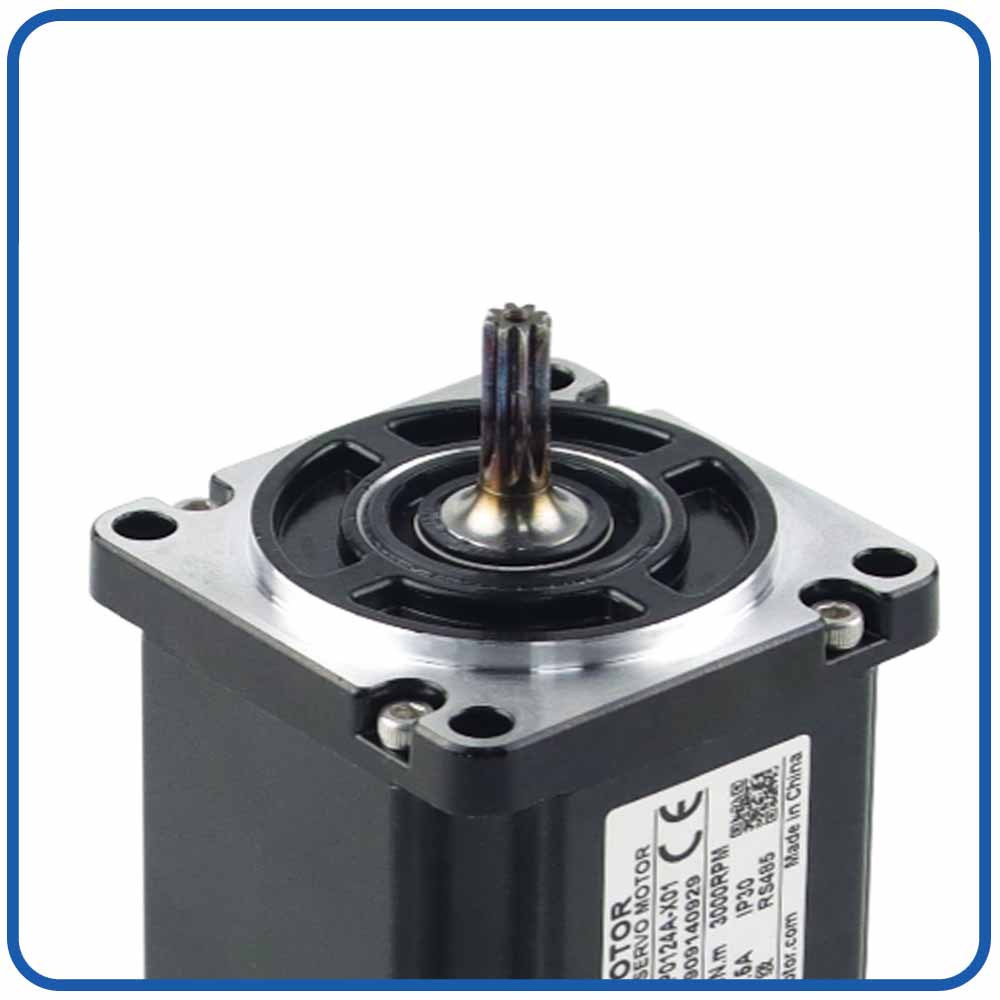
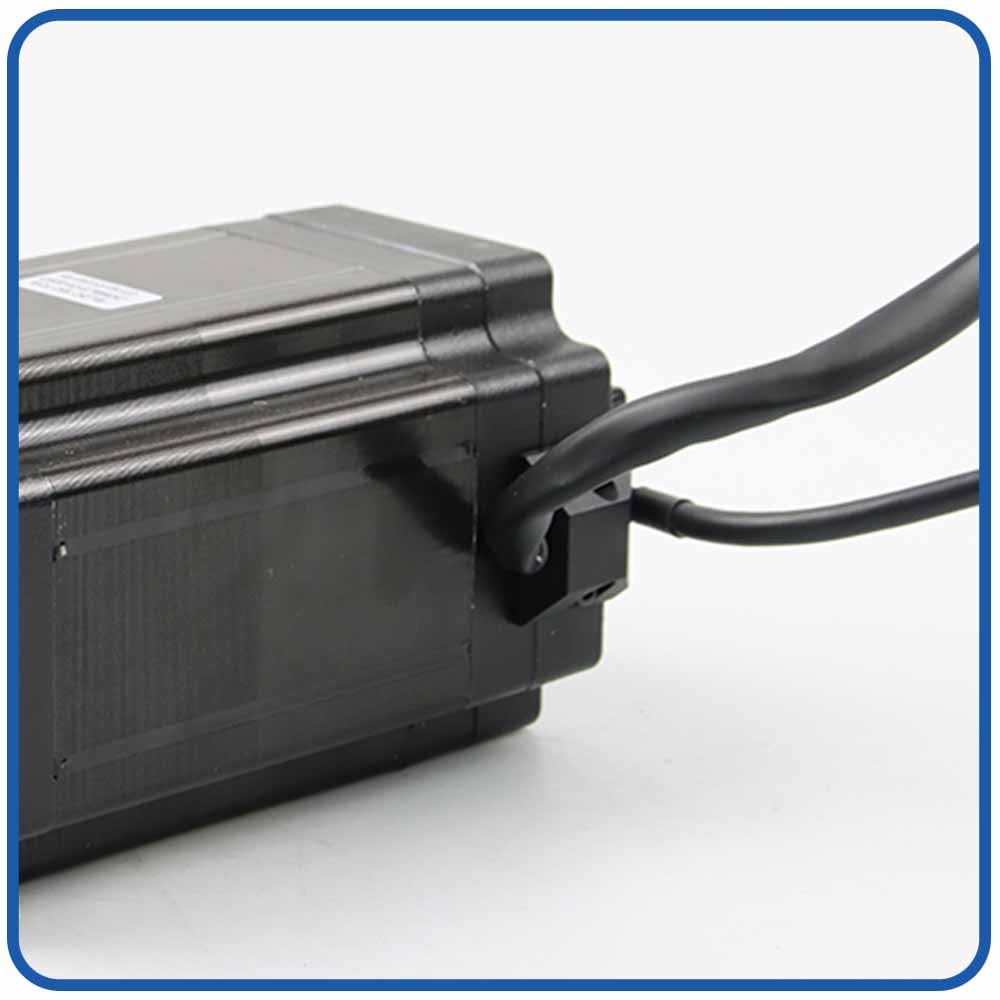
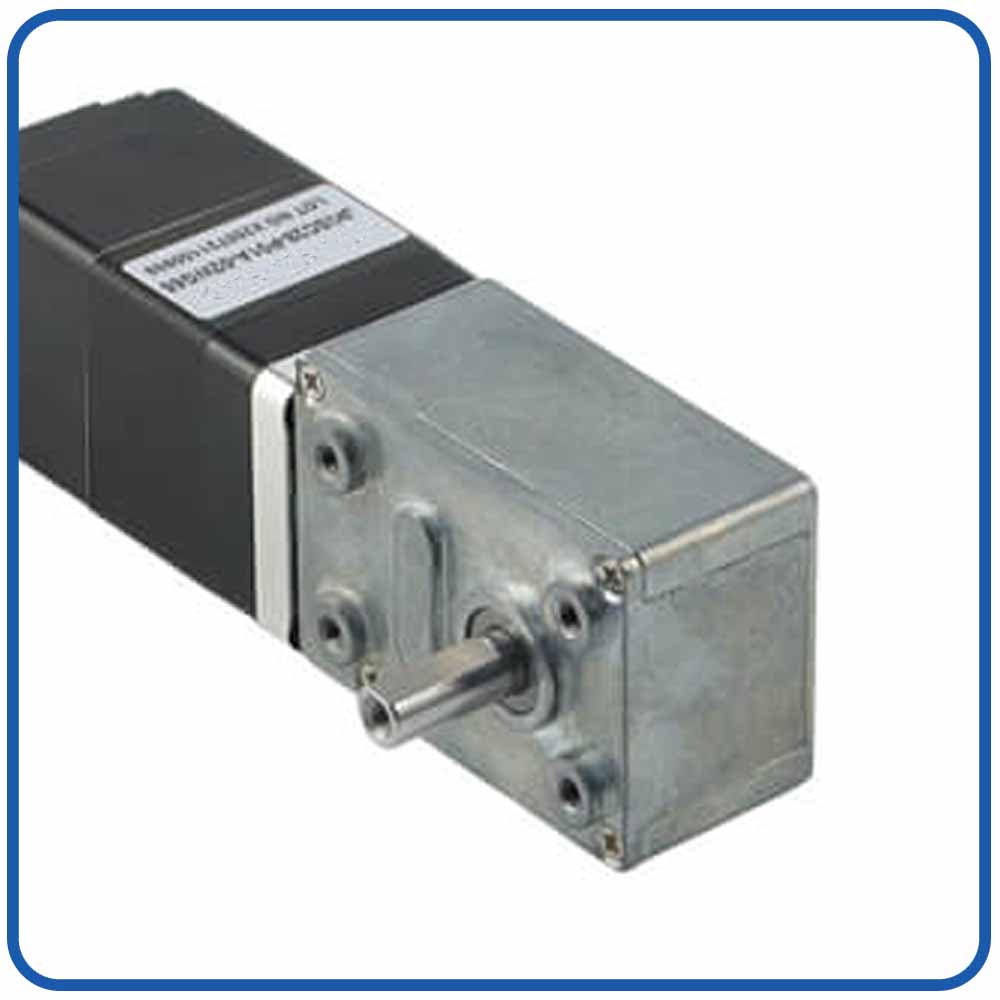
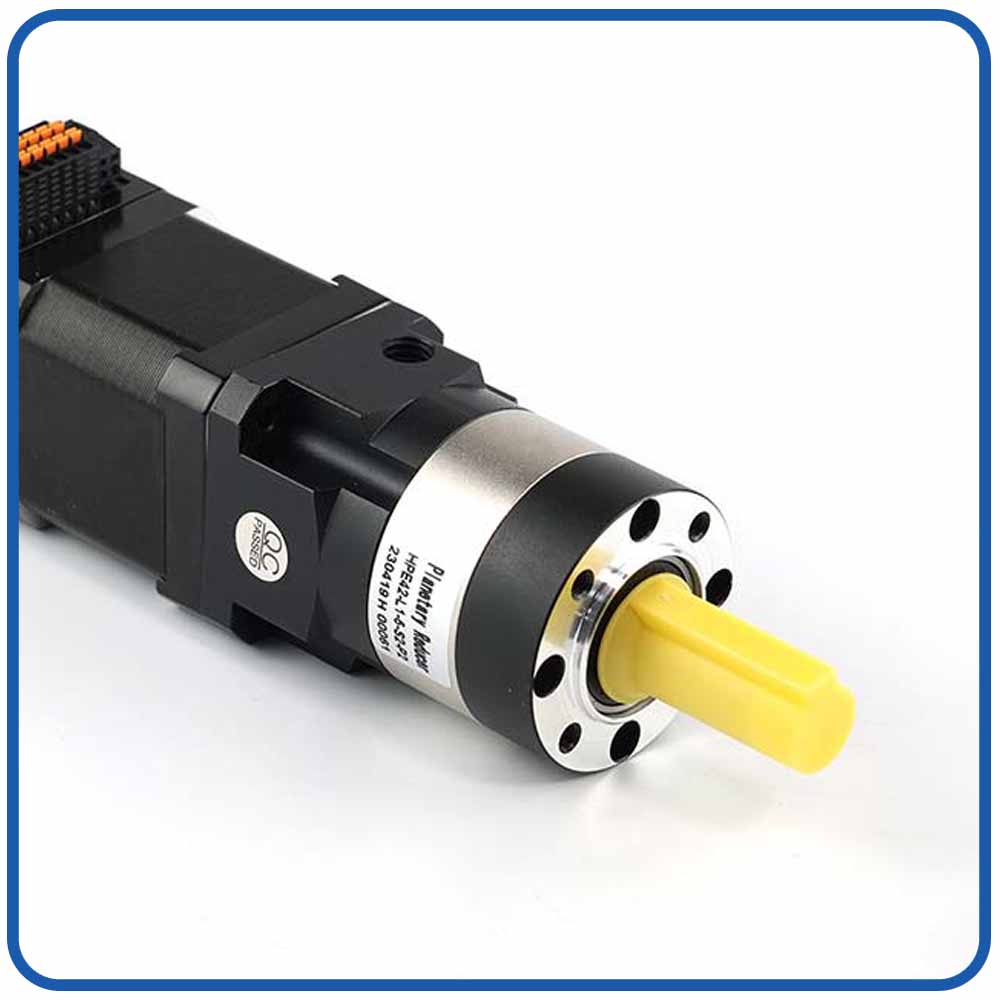
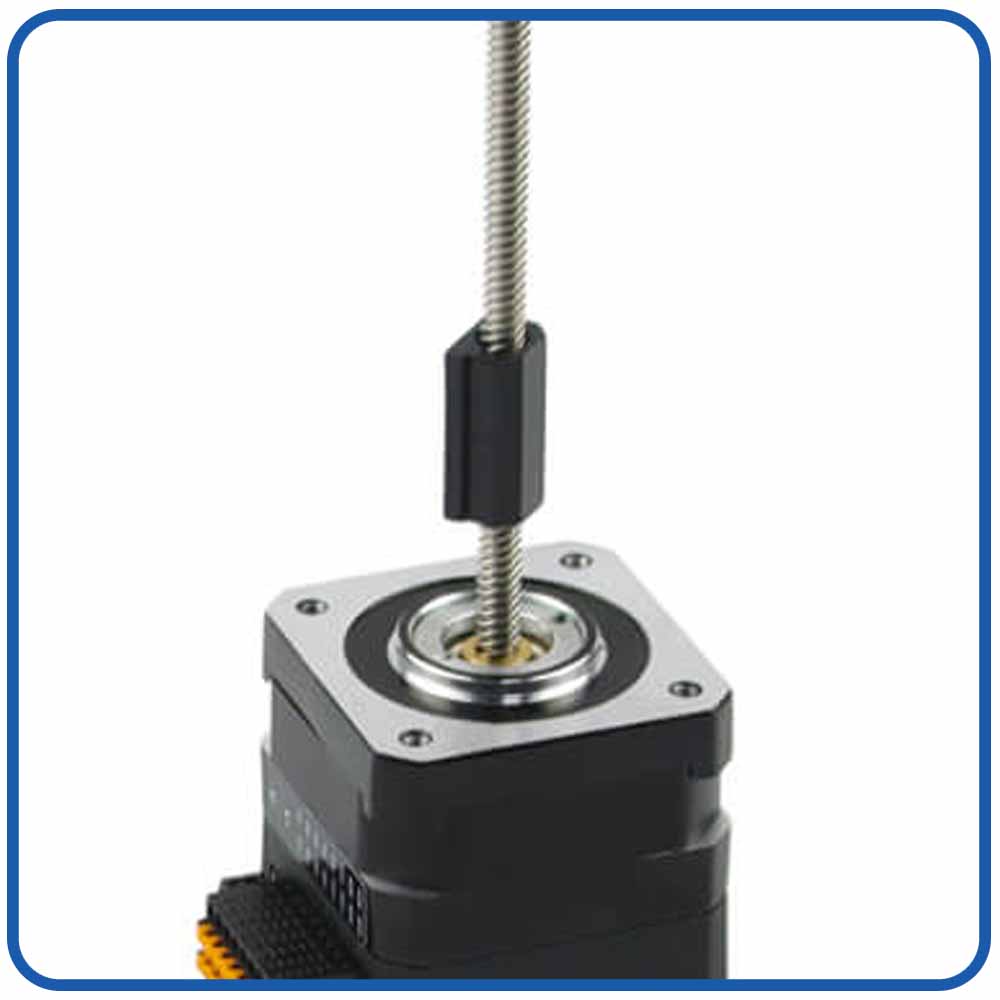
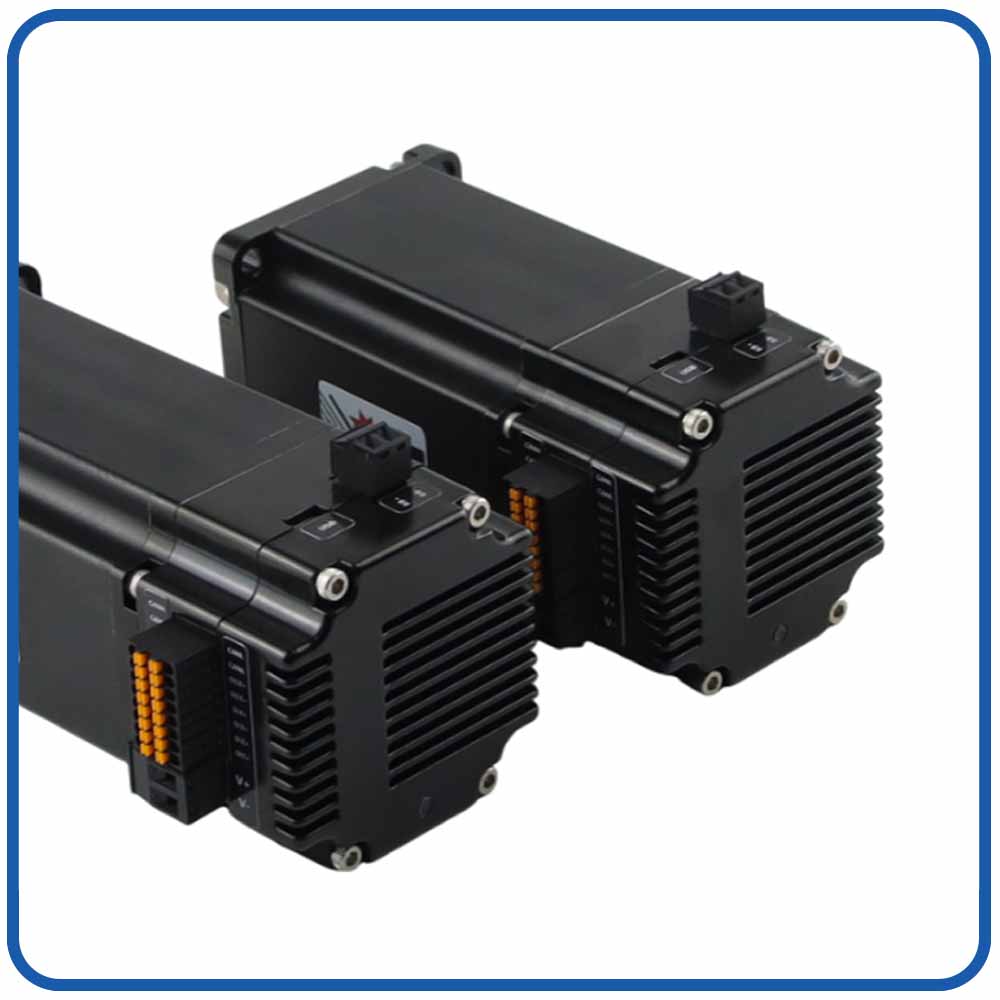
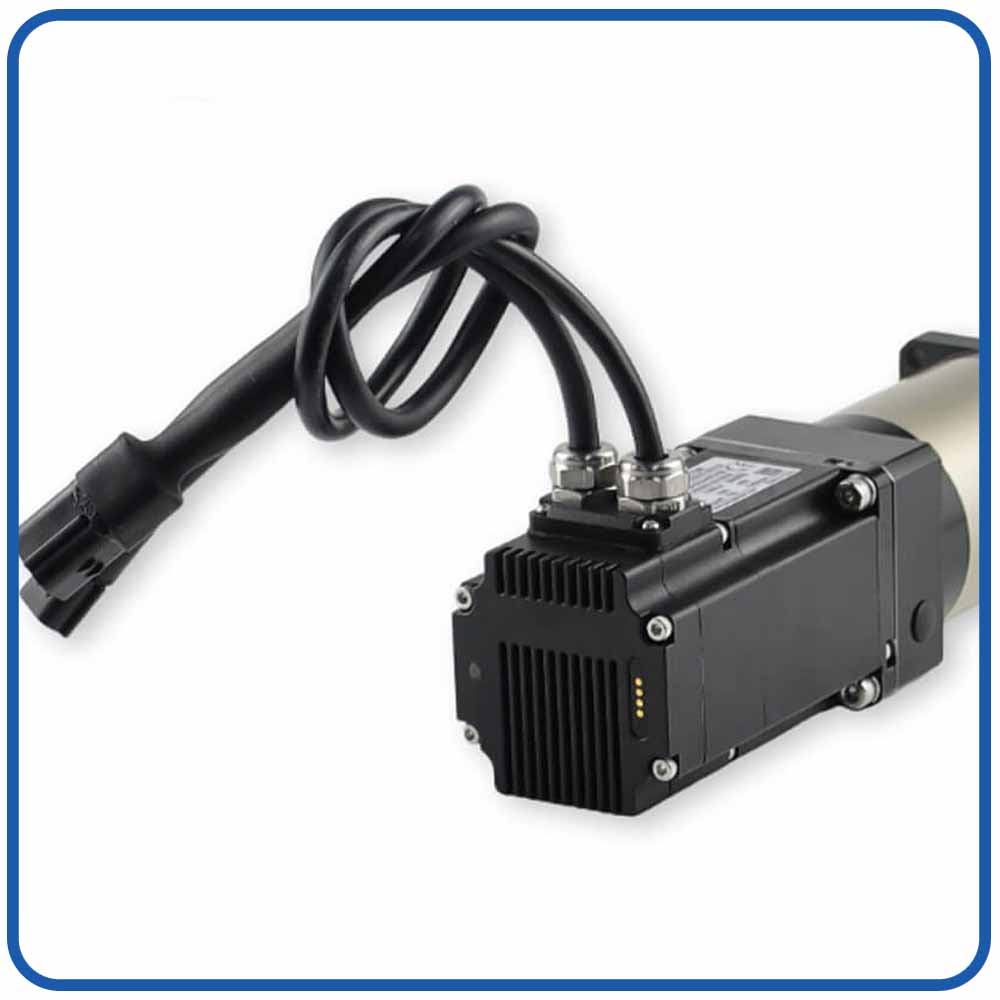
Shaft | Terminal housing | Worm Gearbox | Planetary Gearbox | Lead Screw |
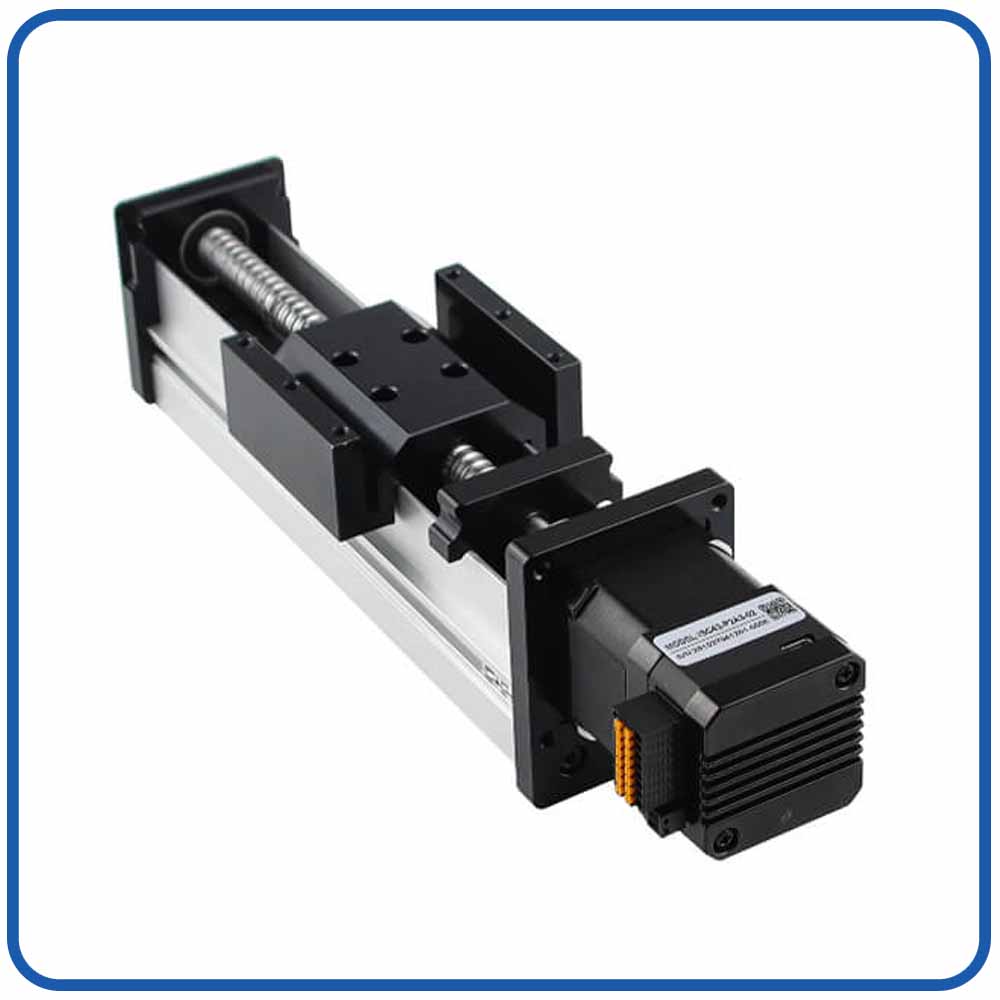 | 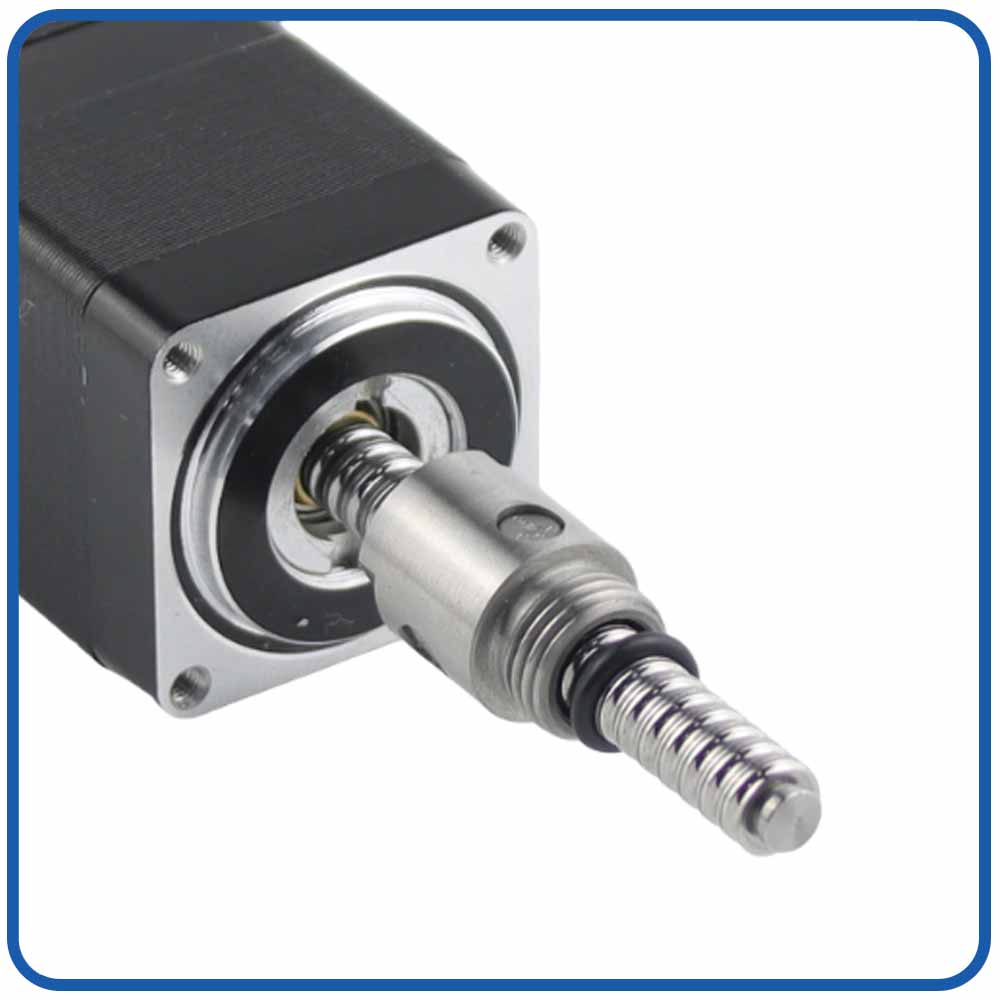 |  |  |  |
Linear Motion | Ball Screw | Brake | IP-Level |
 |  |  |  |  |  |
|---|---|---|---|---|---|
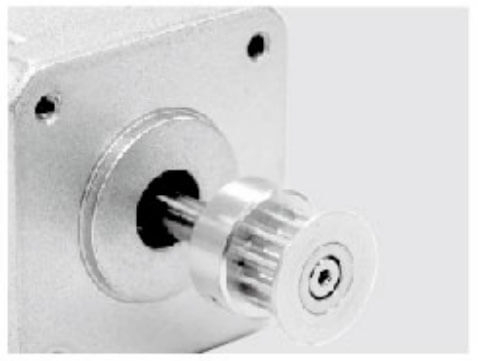
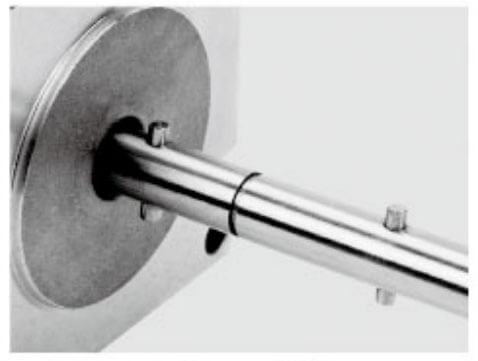
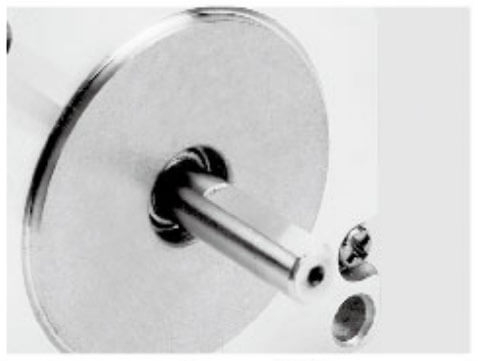
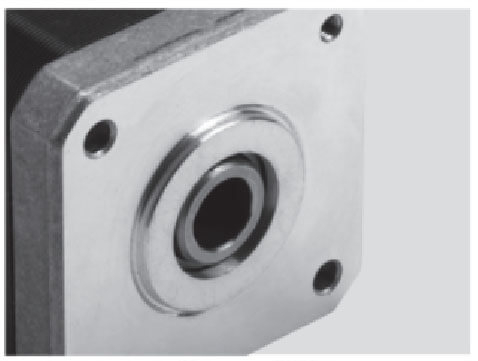
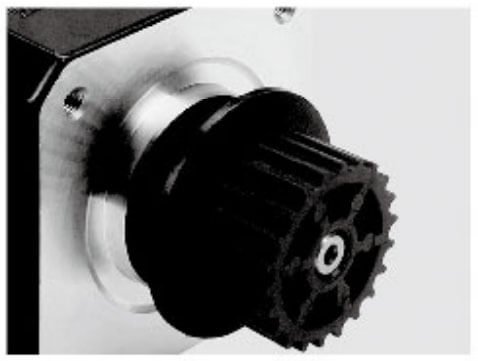
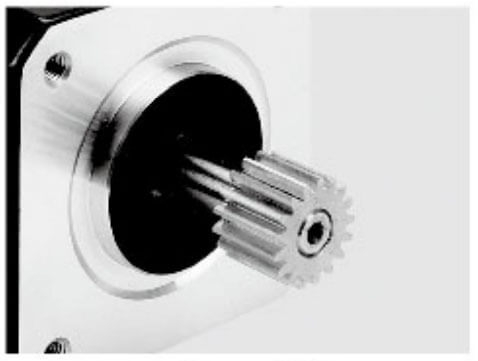
Aluminum Pulley | Shaft Pin | Single D Shaft | Hollow Shaft | Plastic Pulley | Gear |
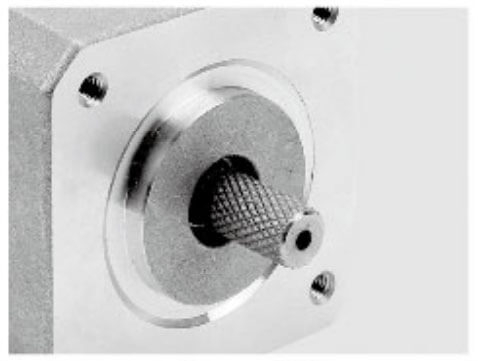 | 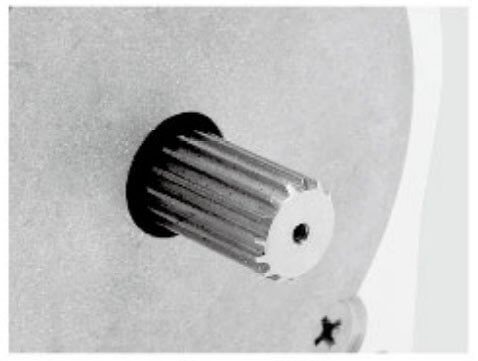 | 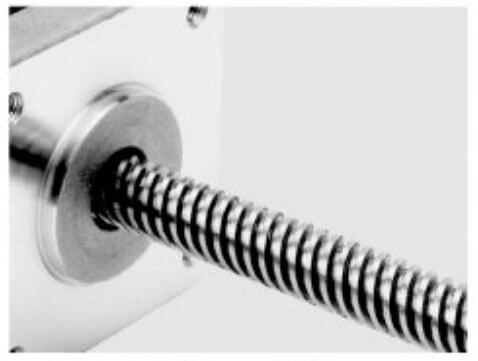 | 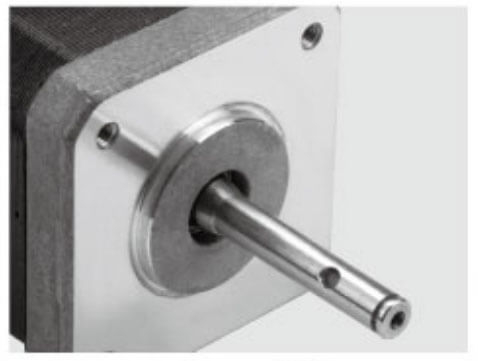 | 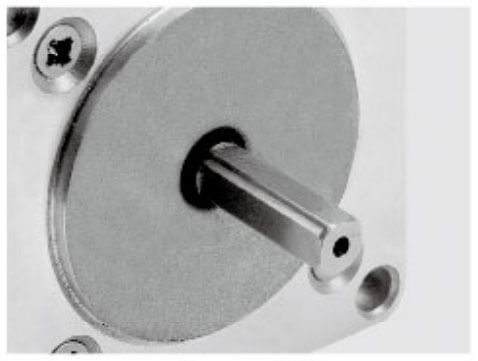 | 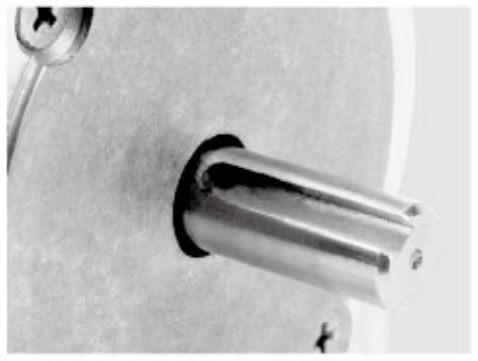 |
Knurling | Hobbing Shaft | Screw Shaft | Hollow Shaft | Double D Shaft | Keyway |
Before selecting a motor, it is essential to analyze the vehicle's operating conditions.
Typical RGV motion includes:
Straight-line transportation
Acceleration
Deceleration
Precise stopping
Continuous start-stop cycles
High-frequency shuttle operation
Heavy-load transportation
Multi-station positioning
Each operating mode places different demands on the motor.
For example:
An RGV transporting lightweight electronic components requires rapid acceleration and high positioning accuracy, while an RGV carrying heavy pallets requires significantly higher continuous torque.
The first step in motor selection is calculating the total moving load.
The motor must provide sufficient torque for:
Vehicle weight
Payload weight
Friction resistance
Track inclination
Acceleration forces
Emergency braking requirements
Typical payload ranges include:
RGV Type | Typical Load |
|---|---|
Mini RGV | 20–100 kg |
Medium RGV | 100–500 kg |
Heavy-duty RGV | 500–3000 kg |
Industrial Transfer RGV | 3–20 tons |
Larger loads require motors capable of delivering higher continuous torque without overheating.
One of the biggest mistakes in BLDC motor selection is focusing only on rated power.
Instead, engineers should calculate both:
Continuous torque determines whether the motor can operate for extended periods without overheating.
It depends on:
Vehicle weight
Rolling resistance
Operating speed
Continuous working cycle
Peak torque is required during:
Startup
Rapid acceleration
Emergency stops
Climbing slopes
Heavy-load operation
A properly selected BLDC motor should provide:
Stable continuous torque
Sufficient peak torque reserve
Low temperature rise
Motor speed affects overall vehicle performance.
Typical Rail Guided Vehicle speeds include:
Low-speed positioning: 0.2–0.5 m/s
Warehouse logistics: 1–2 m/s
High-speed shuttle RGV: 3–5 m/s
The motor's rated speed must match:
Wheel diameter
Gear ratio
Required travel speed
Oversized motor speed often reduces efficiency, while insufficient speed limits productivity.
Many automated production lines require RGVs to complete hundreds or even thousands of transport cycles each day.
Fast acceleration significantly improves throughput.
The selected BLDC motor should deliver:
High starting torque
Rapid dynamic response
Smooth acceleration
Stable deceleration
Accurate speed transitions
High-performance servo-controlled BLDC motors provide superior acceleration characteristics compared with conventional motor systems.
Modern RGVs often stop within a positioning tolerance of only a few millimeters.
High positioning accuracy depends on:
High-resolution encoder feedback
Closed-loop control
Stable speed regulation
Fast controller response
Integrated servo BLDC motors combine:
Motor
Driver
Encoder
Motion controller
into a compact solution that greatly improves positioning accuracy while reducing wiring complexity.
Rail Guided Vehicles commonly use:
24V DC
36V DC
48V DC
72V DC
Voltage selection depends on:
Vehicle size
Battery system
Required power
Safety regulations
Low-voltage BLDC motors provide:
Improved operational safety
Lower wiring costs
Higher system compatibility
Simplified maintenance
Many intelligent warehouse RGVs operate efficiently using 48V integrated BLDC servo motors.
Motor efficiency directly influences:
Battery life
Operating cost
Heat generation
Energy consumption
A highly efficient BLDC motor reduces:
Power loss
Thermal stress
Maintenance frequency
This becomes especially important in multi-shift warehouse operations where hundreds of RGVs run continuously.
Precise motion control requires accurate position feedback.
Common encoder options include:
Suitable for:
General logistics
Medium positioning accuracy
Cost-sensitive applications
Ideal for:
High-end automation
Position retention after power loss
Multi-axis synchronization
Smart manufacturing
Absolute encoders improve overall system reliability while minimizing recovery time after unexpected shutdowns.
Industrial environments vary significantly.
Motor protection should match application conditions.
Typical factors include:
Dust
Oil mist
Humidity
High temperatures
Low temperatures
Water exposure
Chemical contamination
For harsh environments, select motors featuring:
IP65 or higher protection
Corrosion-resistant housing
High-quality bearings
Sealed connectors
These features ensure stable operation and longer service life.
RGVs often operate continuously for long periods.
Duty cycles may include:
24/7 operation
Frequent start-stop motion
Continuous transportation
High-frequency dispatching
The selected BLDC motor must withstand continuous operation without excessive heat buildup or performance degradation.
Modern RGVs are becoming increasingly compact.
Space limitations require motors with:
High power density
Compact dimensions
Lightweight construction
Flexible mounting options
Integrated BLDC servo motors reduce the need for external drives, simplifying installation and freeing valuable space within the vehicle.
The motor should integrate seamlessly with the RGV control architecture.
Common communication protocols include:
CANopen
EtherCAT
Modbus RTU
RS485
Ethernet/IP
PROFINET
Selecting a motor with the appropriate communication interface simplifies commissioning and enhances compatibility with PLCs, industrial PCs, and factory automation systems.
Downtime in automated logistics systems can lead to costly production delays.
Brushless DC motors eliminate wear-prone brushes, significantly reducing maintenance requirements.
For maximum reliability, choose motors with:
High-quality permanent magnets
Precision bearings
Advanced thermal management
Robust housing
Long-life encoder systems
These features contribute to consistent performance and lower total cost of ownership.
Compared with traditional motor-and-driver combinations, integrated BLDC servo motors provide a more streamlined and intelligent solution for modern Rail Guided Vehicles.
Benefits include:
Compact all-in-one design
Reduced wiring complexity
Faster installation
Improved electromagnetic compatibility
Higher positioning accuracy
Built-in closed-loop control
Lower maintenance requirements
Enhanced diagnostic capabilities
Simplified system integration
These advantages make integrated servo solutions increasingly popular in automated warehouses, manufacturing facilities, and intelligent logistics systems.
Choosing the right Brushless DC (BLDC) motor for a Rail Guided Vehicle (RGV) requires more than comparing power ratings or motor dimensions. Overlooking key performance factors can lead to poor efficiency, inaccurate positioning, frequent maintenance, and increased operating costs. Avoiding the following common mistakes will help ensure reliable performance and long-term system stability.
Many users select a motor solely by its wattage without considering the actual application requirements. A motor should be selected based on continuous torque, peak torque, operating speed, and duty cycle, not just its rated power.
RGVs require significantly more torque during startup, rapid acceleration, and heavy-load transportation than during normal operation. Selecting a motor without sufficient peak torque can result in slow acceleration, overheating, or unstable performance.
An RGV operating continuously in a warehouse has different requirements than one used intermittently. Failing to match the motor to the expected duty cycle may shorten motor life and reduce overall reliability.
For applications involving automated loading, unloading, or docking, precise positioning is critical. Choosing a motor without encoder feedback or closed-loop control can reduce positioning accuracy and affect production efficiency.
Industrial environments often expose motors to dust, moisture, vibration, or high temperatures. Selecting a motor with an inadequate protection rating can lead to premature failure and increased maintenance costs.
The motor should support the communication protocol used by the automation system, such as CANopen, EtherCAT, Modbus RTU, or RS485. Compatibility issues can complicate integration and increase commissioning time.
Choosing an incorrect operating voltage may reduce efficiency or limit system performance. Ensure the motor voltage matches the RGV's battery system and overall power architecture.
Space inside an RGV is often limited. Selecting an oversized motor or a separate motor-and-driver combination may increase wiring complexity and reduce available installation space. Integrated BLDC servo motors offer a more compact alternative.
A lower-priced motor may seem attractive initially, but poor efficiency, frequent maintenance, and shorter service life can lead to much higher total ownership costs. Consider long-term reliability, energy savings, and maintenance requirements when making a selection.
Automation systems often evolve over time. Choosing a motor with limited performance or communication capabilities may make future upgrades more difficult. Selecting a scalable solution helps protect your investment and supports long-term system growth.
Avoiding these common mistakes can significantly improve the performance and reliability of your Rail Guided Vehicle. By evaluating factors such as torque, speed, duty cycle, positioning accuracy, environmental protection, communication compatibility, and system integration, you can select a BLDC motor that delivers efficient operation, lower maintenance costs, and dependable performance throughout the life of the equipment.
Selecting the right Brushless DC (BLDC) motor is only one part of building a reliable and efficient Rail Guided Vehicle (RGV). Equally important is choosing a motor manufacturer with the engineering expertise and industry experience to provide application-specific solutions and long-term technical support. An experienced supplier can help optimize motor performance, simplify system integration, and reduce development risks throughout the entire project lifecycle.
Application-Specific Motor Selection
An experienced manufacturer can recommend the most suitable motor based on your RGV's payload, speed, torque, duty cycle, and operating environment, ensuring optimal performance and efficiency.
Customized Drive Solutions
Every RGV application has unique requirements. A reliable supplier can offer customized motor parameters, gear ratios, encoder options, brake configurations, and communication interfaces to match specific project needs.
Integrated Servo Motor Technology
Manufacturers specializing in integrated servo systems provide compact all-in-one solutions that combine the motor, driver, encoder, and controller, reducing wiring complexity, installation time, and overall system costs.
Professional Engineering Support
From torque calculations and motor sizing to motion control optimization, experienced engineering teams help ensure the selected motor performs reliably under real operating conditions.
Reliable Product Quality
High-quality manufacturers follow strict quality control processes and use premium components to deliver motors with consistent performance, long service life, and dependable operation in demanding industrial environments.
Advanced Communication Compatibility
Support for industrial communication protocols such as CANopen, EtherCAT, Modbus RTU, RS485, and EtherNet/IP enables seamless integration with PLCs, industrial PCs, and factory automation systems.
Long-Term Technical Support
A trusted manufacturer provides comprehensive documentation, software assistance, troubleshooting, and responsive after-sales service to minimize downtime and maximize equipment availability.
Scalable Solutions for Future Automation
As automation systems evolve, experienced suppliers can provide compatible motor solutions for new RGV models, higher payload capacities, and expanded production requirements, protecting your long-term investment.
The right motor manufacturer does more than supply components—they become a long-term technology partner. By providing high-performance products, customized engineering support, and reliable technical service, they help manufacturers build RGV systems that achieve greater efficiency, higher positioning accuracy, lower maintenance costs, and improved operational reliability. Partnering with an experienced BLDC motor manufacturer ensures your Rail Guided Vehicle is equipped for the demands of modern industrial automation and future production growth.
Choosing the right Brushless DC motor for a Rail Guided Vehicle requires a comprehensive evaluation of load capacity, torque, speed, acceleration, positioning accuracy, voltage, efficiency, environmental conditions, duty cycle, installation space, and communication compatibility. A well-matched motor enhances transportation efficiency, reduces energy consumption, minimizes maintenance, and improves the overall reliability of automated material handling systems.
For many modern RGV applications, integrated low-voltage BLDC servo motors provide the ideal combination of compact design, intelligent control, precise motion, and easy integration. By selecting a high-quality motor solution tailored to your operational requirements, manufacturers can achieve greater productivity, longer equipment life, and lower total ownership costs in today's increasingly automated industrial environments.
Answer:
Brushless DC motors are ideal for Rail Guided Vehicles because they provide high efficiency, high torque density, precise speed control, and long service life. Compared with traditional brushed motors, BLDC motors eliminate brush wear, reduce maintenance requirements, and deliver stable performance during continuous operation. BESFOC integrated BLDC servo motors combine the motor, driver, and encoder into one compact solution, making them suitable for automated transportation systems requiring reliable and accurate motion control.
Answer:
Choosing the right BLDC motor for an RGV requires evaluating factors such as vehicle load, required torque, travel speed, acceleration performance, duty cycle, voltage, and positioning accuracy. BESFOC provides customized motor solutions based on different RGV applications, offering various motor sizes, power ratings, encoder options, and communication protocols to ensure optimal performance and system compatibility.
Answer:
Integrated BLDC servo motors simplify RGV system design by combining the brushless motor, servo driver, encoder, and control functions into a single compact unit. This reduces wiring complexity, saves installation space, improves electromagnetic compatibility, and enhances motion control accuracy. BESFOC integrated servo motors help RGV manufacturers achieve faster installation, higher reliability, and easier maintenance.
Answer:
The performance of a BLDC motor in a Rail Guided Vehicle is influenced by load capacity, torque requirements, operating speed, acceleration, control method, environmental conditions, and working cycles. BESFOC BLDC servo motors are designed with high-efficiency magnetic systems, precise feedback control, and durable components to maintain stable operation in demanding industrial environments.
Answer:
BESFOC specializes in providing high-performance low-voltage BLDC servo motor solutions for automation equipment, including Rail Guided Vehicles, AGVs, and intelligent logistics systems. With advanced motor design, flexible customization options, and professional engineering support, BESFOC helps customers achieve precise motion control, energy efficiency, and reliable long-term operation.


