Solar energy has become one of the most important renewable energy solutions worldwide. As the number of photovoltaic (PV) installations continues to grow, maintaining the efficiency of solar panels has become a critical challenge. Dust, sand, bird droppings, pollen, and other environmental contaminants can accumulate on solar modules, reducing sunlight absorption and lowering overall power generation efficiency.
To solve this problem, solar panel cleaning robots are increasingly being deployed in large-scale solar farms, commercial rooftop systems, and industrial photovoltaic projects. These intelligent cleaning machines require reliable, efficient, and precise motion systems to operate on inclined and large-area solar panels. Among various motor technologies, BLDC motors (Brushless DC motors) have become the preferred choice because they provide high efficiency, long service life, excellent control performance, and strong environmental adaptability.
The Role of Motors in Solar Panel Cleaning Robots
A solar panel cleaning robot is an automated device designed to move across photovoltaic modules while removing dust and debris through brushes, rollers, or cleaning mechanisms. Although the cleaning process appears simple, the robot must overcome multiple technical challenges during operation.
The motor system is responsible for several key functions:
Driving the robot along the solar panel surface
Providing sufficient torque to climb inclined photovoltaic modules
Maintaining stable movement during cleaning operations
Controlling speed according to different working conditions
Supporting long-duration outdoor operation
Unlike traditional industrial environments, solar farms expose equipment to harsh conditions, including strong sunlight, high temperatures, rain, dust, and wind. Therefore, the motor used in solar cleaning robots must deliver high reliability, low maintenance requirements, and consistent performance over thousands of operating hours.
This is where BLDC motors provide significant advantages compared with conventional brushed DC motors or standard AC motors.
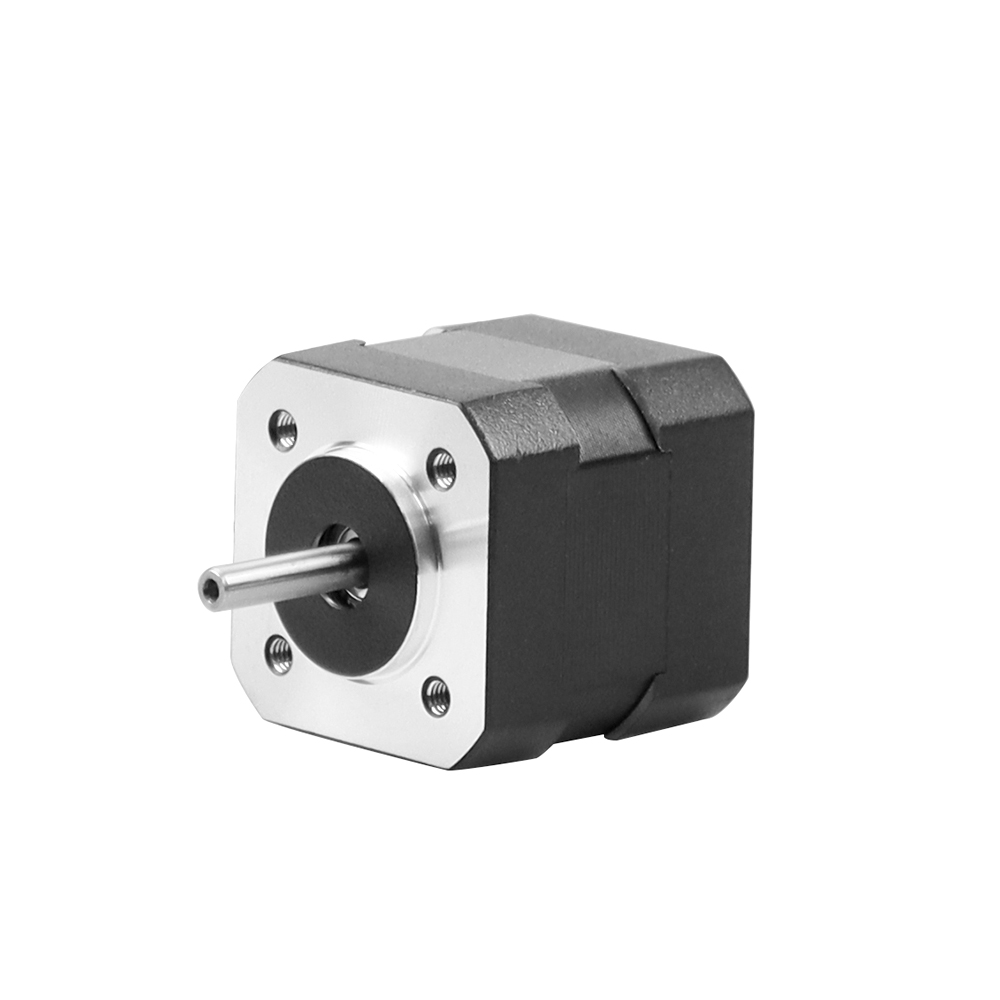
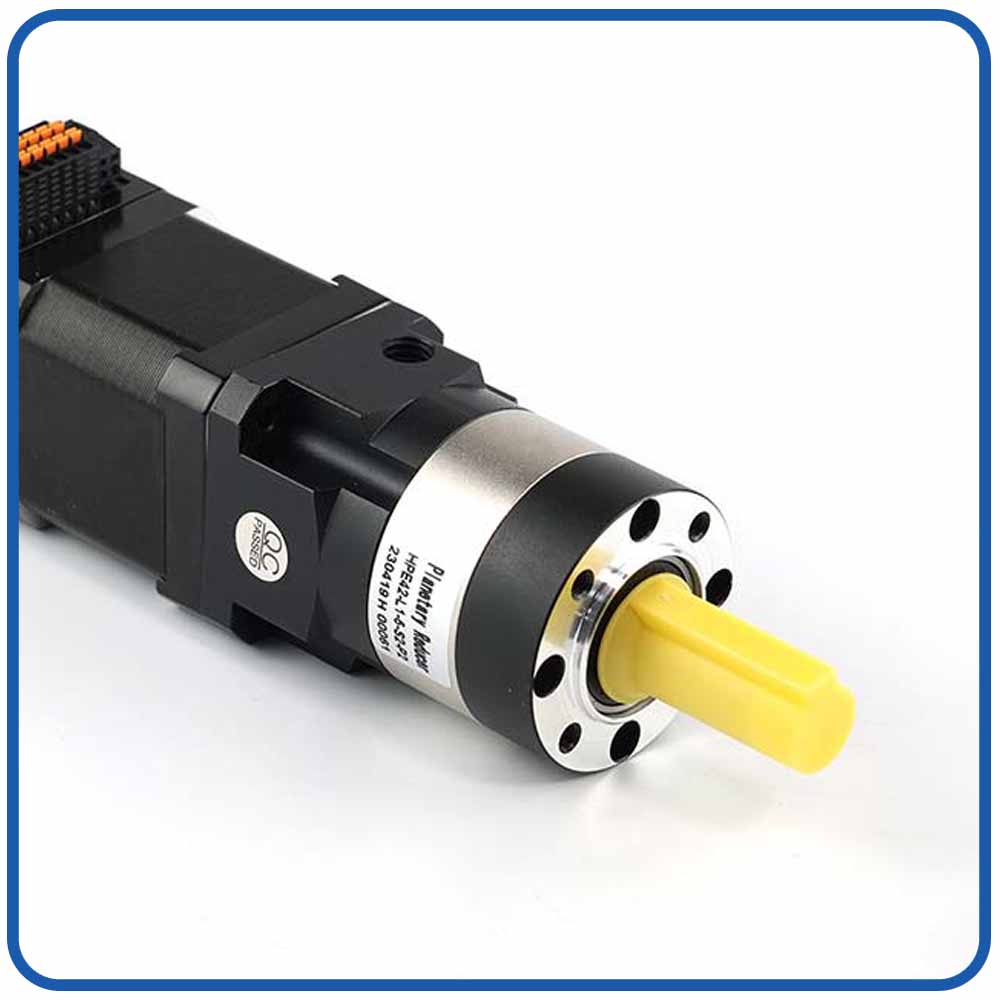
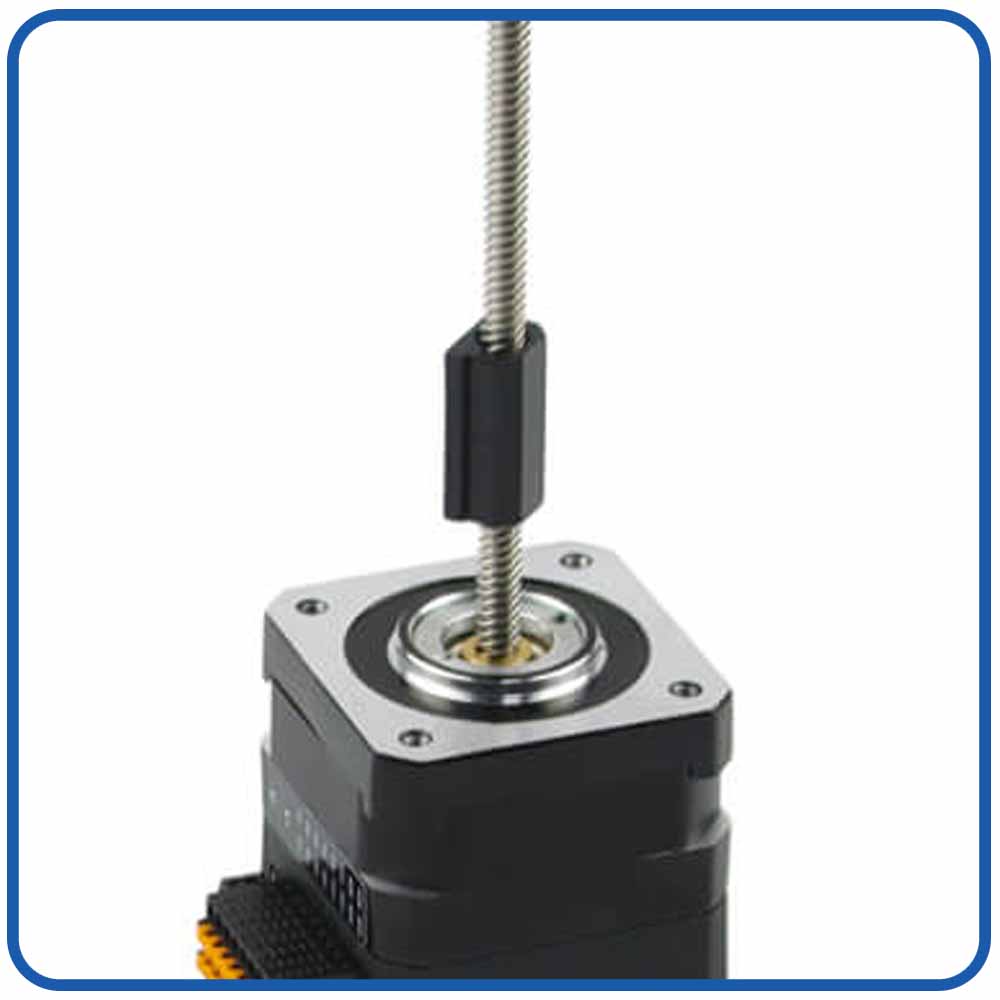
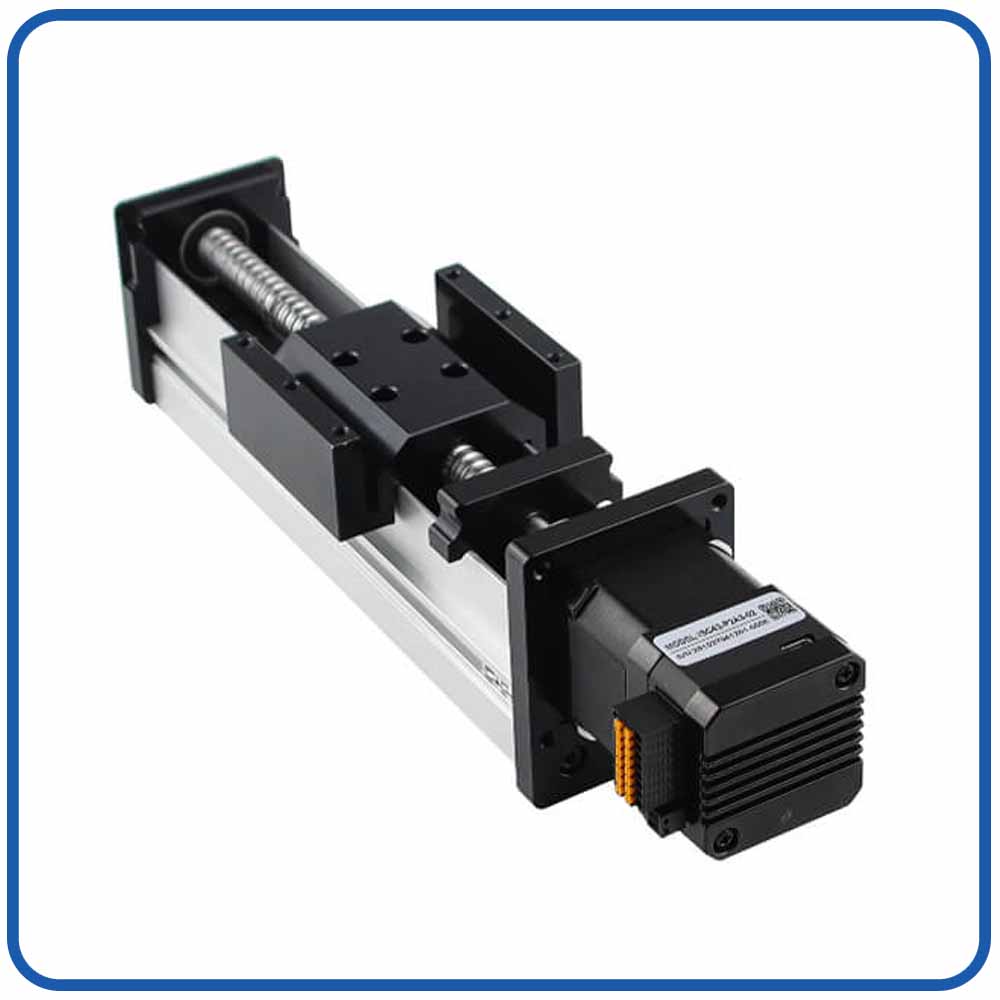
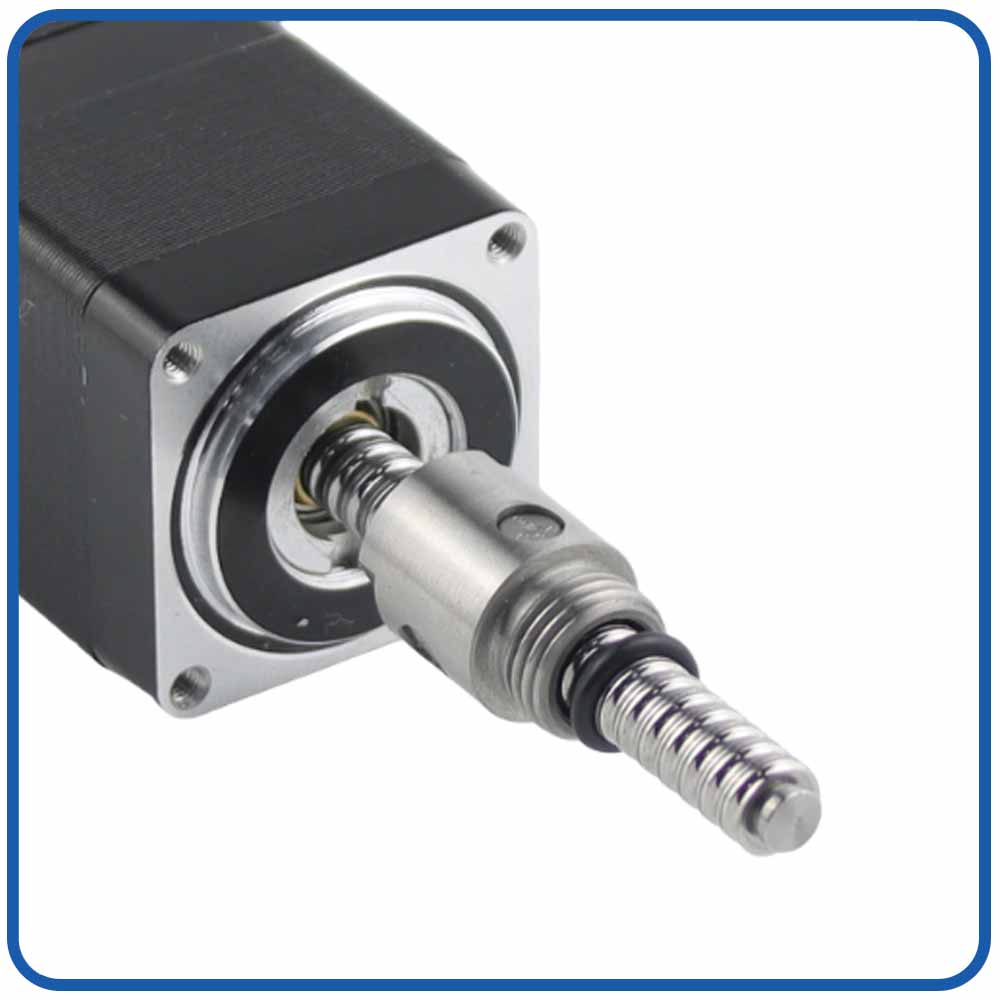
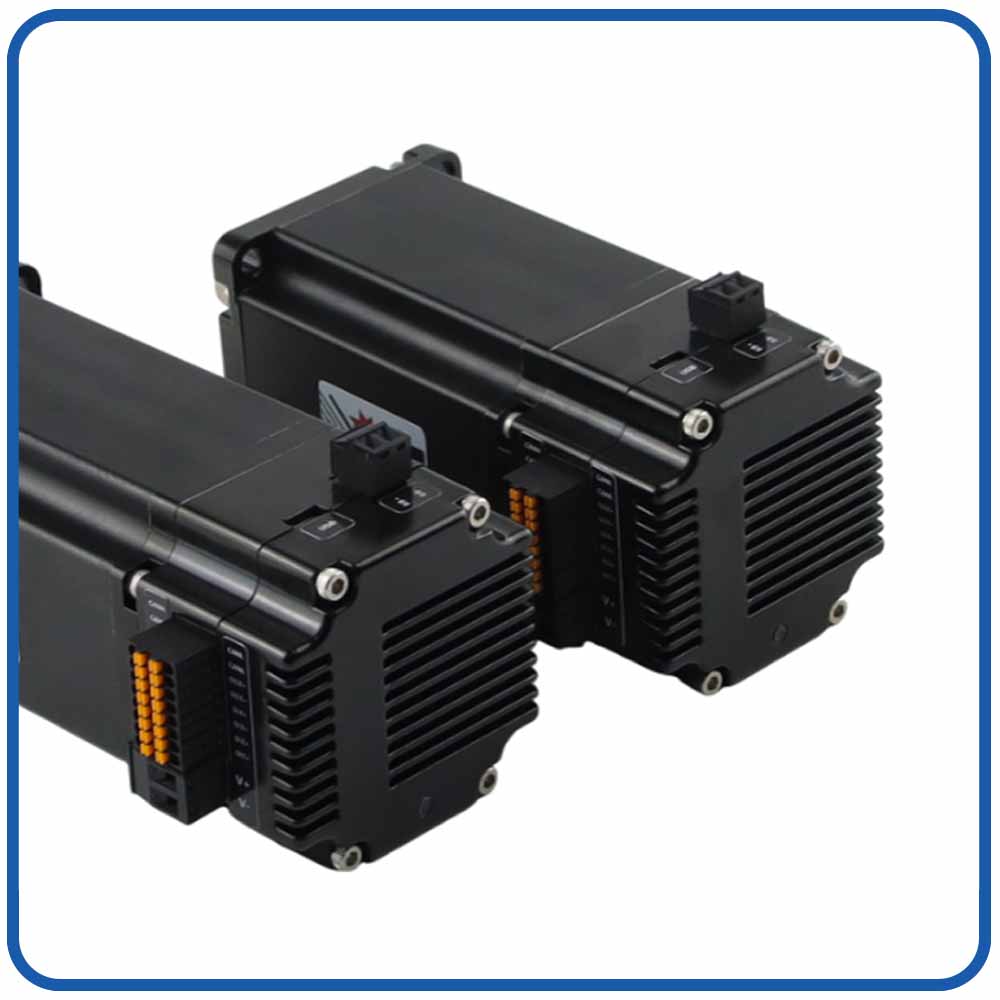
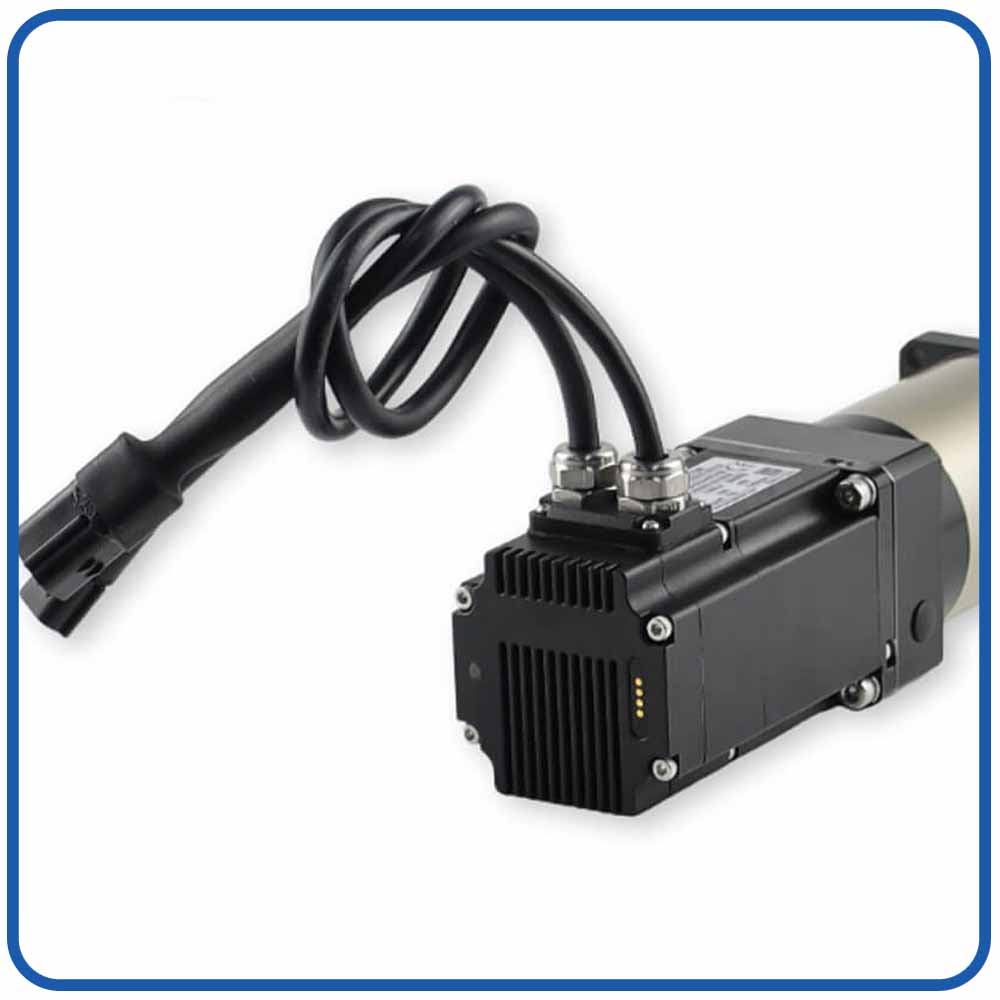
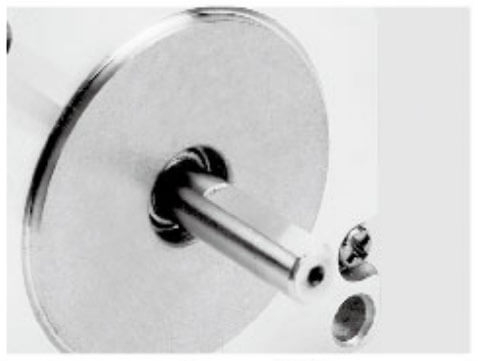
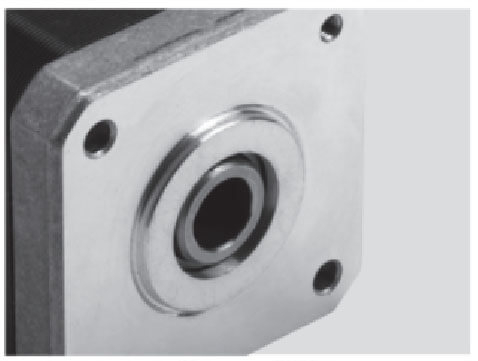
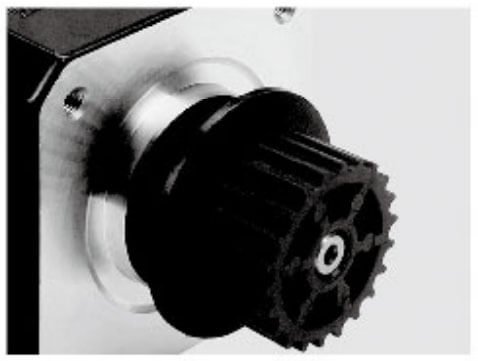
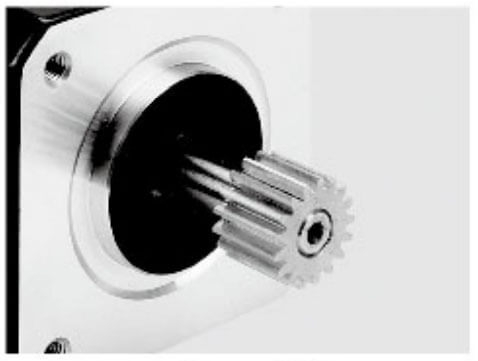
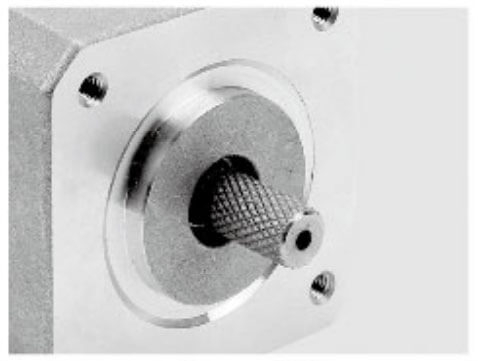
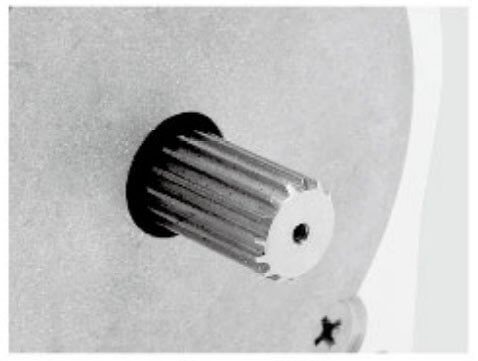
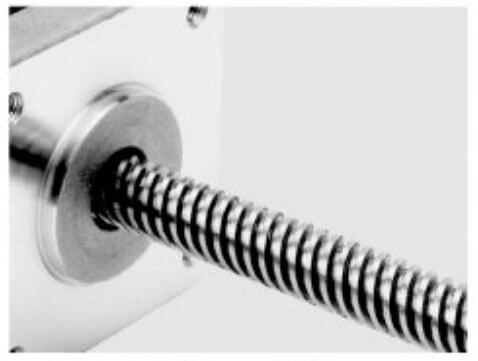
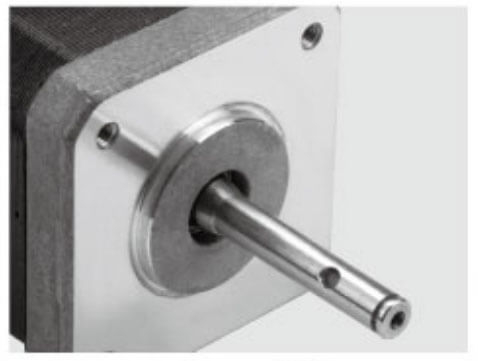
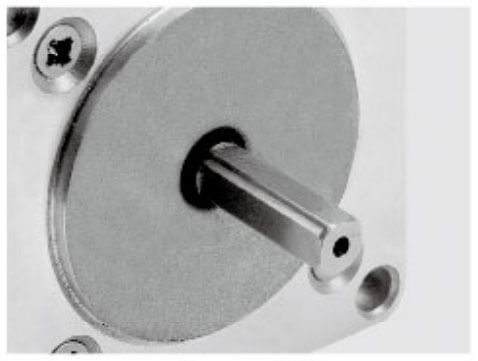
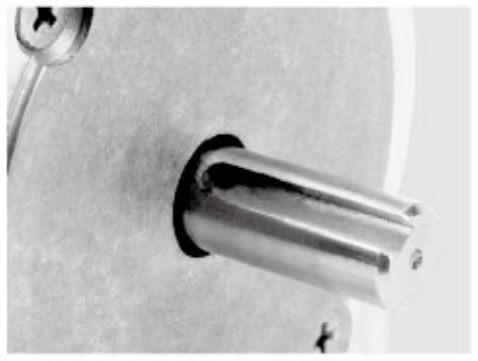
42BLS01 BLDC Motor — Compact, Intelligent, and Reliable Brushless Motor Drive System
Product Overview:The NEMA 17 BF42BLS Brushless DC Motor is a compact, high-efficiency motor designed for precision motion applications. Featuring reliable performance, low noise operation, and excellent speed control, it provides stable power output for automation equipment, robotics, medical devices, and other space-constrained systems requiring efficient and durable motion solutions.
Key Technical Highlights
Compact NEMA 17 Frame Size: Provides a space-saving design while delivering reliable torque output for compact automation and motion systems.
High Efficiency Brushless Design: Ensures low energy consumption, reduced heat generation, and longer service life compared with traditional brushed motors.
Low Noise & Smooth Operation: Optimized electromagnetic design enables stable rotation and quiet performance for precision applications.
Excellent Speed Control Capability: Supports accurate speed regulation and responsive dynamic performance for various motion requirements.
Durable & Maintenance-Free Operation: The brushless structure eliminates brush wear, improving reliability and reducing maintenance needs.
Wide Application Flexibility: Suitable for robotics, automation equipment, medical devices, and other compact motion control systems.
Typical Applications
Robotics and Automation Equipment – Provides precise and stable driving power for robotic mechanisms and automated systems.
Medical Devices – Suitable for compact medical instruments requiring quiet, reliable, and maintenance-free operation.
Laboratory and Testing Equipment – Delivers smooth speed control and consistent performance for precision motion applications.
3D Printers and CNC Equipment – Supports efficient and stable movement in compact manufacturing systems.
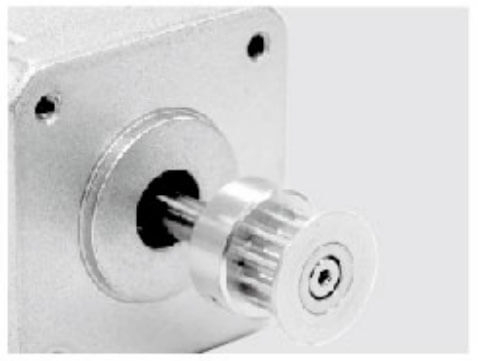
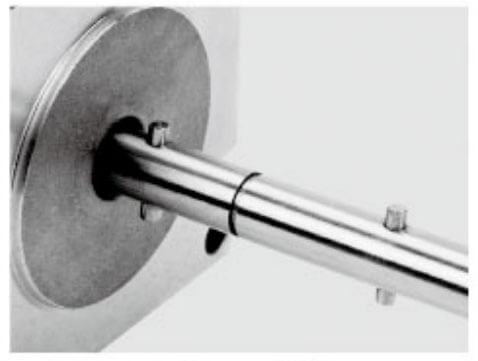
BF42BLS Series Integrated Brushless Dc Motor Parameters
Why BLDC Motors Are Ideal for Solar Panel Cleaning Robots
1. High Efficiency Reduces Energy Consumption
One of the biggest advantages of brushless DC motors is their high energy efficiency. Unlike brushed motors that rely on mechanical brushes and commutators, BLDC motors use electronic commutation through controllers and sensors.
This design eliminates friction losses caused by brushes, allowing BLDC motors to convert more electrical energy into mechanical power.
For solar panel cleaning robots, energy efficiency is extremely important because these robots often operate using:
Solar-powered batteries
Energy storage systems
Autonomous charging stations
A more efficient motor means:
Longer operating time per charge
Smaller battery requirements
Reduced energy consumption
Improved overall system efficiency
In large photovoltaic plants where hundreds or thousands of cleaning robots may operate regularly, the energy savings from using high-efficiency BLDC motors can significantly reduce operating costs.
2. Long Service Life for Continuous Outdoor Operation
Solar panel cleaning robots are designed for frequent operation with minimal human intervention. Therefore, motor durability is a key requirement.
Traditional brushed DC motors use carbon brushes that physically contact the rotating commutator. Over time, these components experience wear, resulting in:
Reduced performance
Increased maintenance frequency
Electrical noise
Eventual motor failure
BLDC motors eliminate this mechanical contact structure. Since there are no brushes to wear out, they provide:
Longer operating lifespan
Lower maintenance requirements
More stable performance
Better reliability in remote solar farms
A quality BLDC motor can operate for thousands of hours under demanding conditions, making it highly suitable for autonomous solar cleaning applications.
3. High Torque Output for Inclined Solar Panels
Solar panels are often installed at an angle to maximize sunlight exposure. For cleaning robots, this creates a major mechanical challenge because the robot must continuously overcome gravity while moving across inclined surfaces.
The motor must provide enough torque to:
Move the robot upward on tilted panels
Maintain stable contact with the panel surface
Drive cleaning brushes or rollers
Handle additional loads caused by dust accumulation
BLDC motors provide excellent torque density, meaning they can deliver strong output power while maintaining a compact size.
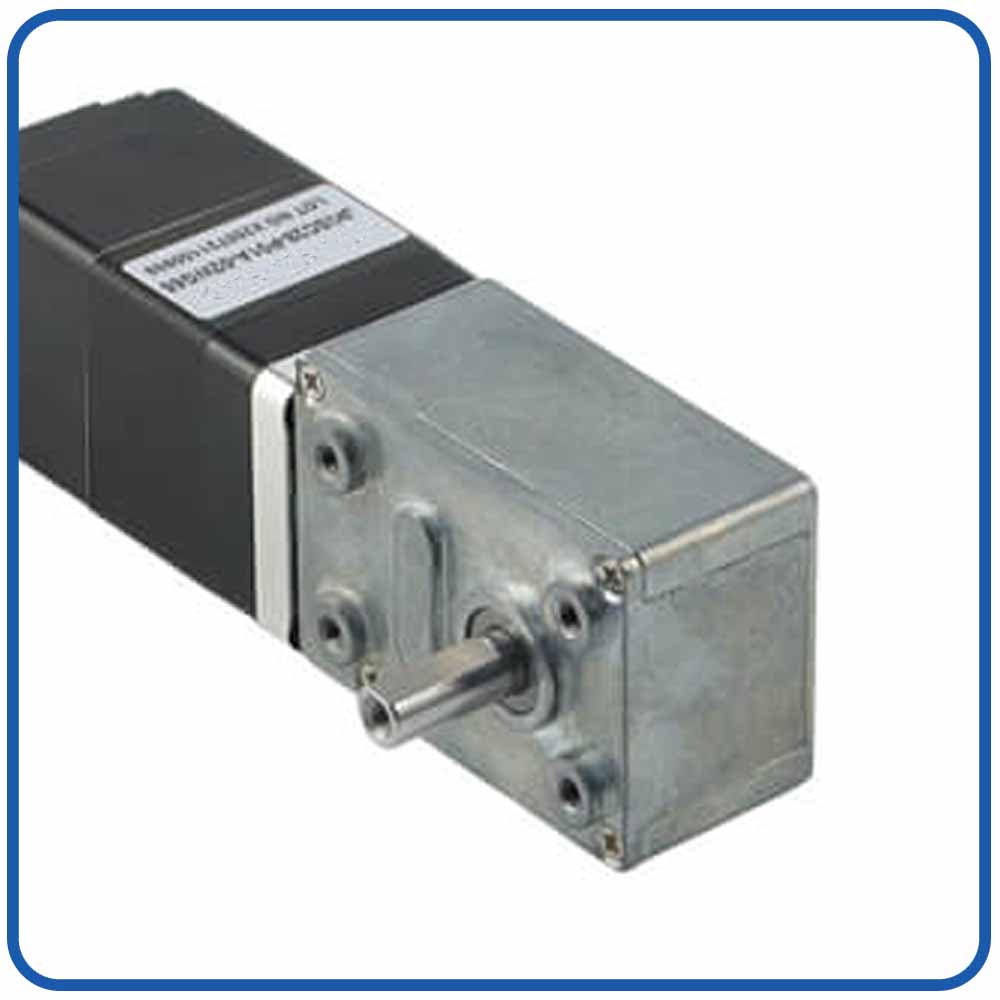
Combined with a suitable gearbox, BLDC motors can generate the high torque required for climbing photovoltaic modules while keeping the robot lightweight.
This compact and powerful design is especially valuable for portable solar cleaning robots where space and weight are limited.
4. Precise Speed Control Improves Cleaning Performance
Solar panel cleaning requires consistent movement speed. If the robot moves too quickly, cleaning effectiveness may decrease. If it moves too slowly, operating efficiency is reduced.
BLDC motors support accurate speed regulation through electronic controllers. The motor speed can be adjusted according to:
Panel contamination level
Cleaning method
Battery condition
Solar panel inclination
Environmental conditions
With closed-loop control systems, BLDC motors can maintain stable speed even when external loads change.
For example, when the cleaning brush encounters heavier dust buildup, the motor controller can automatically adjust output torque to maintain smooth operation.
The weight of a solar panel cleaning robot directly affects its mobility and energy consumption. A heavier robot requires more power to move and creates additional mechanical stress on photovoltaic modules.
BLDC motors offer a high power-to-weight ratio, allowing manufacturers to design smaller and lighter cleaning robots.
Compared with traditional motor solutions, BLDC motors provide:
Smaller installation size
Higher output power
Reduced mechanical complexity
Easier integration into robotic systems
For modern solar cleaning robots that require compact structures and autonomous operation, BLDC motors provide an ideal balance between performance and size.
6. Low Noise Operation for Residential and Commercial Solar Systems
Noise reduction is becoming increasingly important for solar automation equipment, especially for rooftop photovoltaic systems installed near residential or commercial buildings.
Because BLDC motors operate without mechanical brushes, they generate significantly less noise and vibration compared with brushed motors.
Low-noise operation provides several benefits:
Better user experience
Reduced mechanical vibration
Improved robot stability
Suitable operation in noise-sensitive environments
This makes BLDC motors suitable not only for large solar farms but also for commercial buildings, factories, and residential solar installations.
7. Better Protection Against Harsh Environmental Conditions
Solar cleaning robots operate outdoors throughout the year. Motors must withstand:
Dust exposure
Rainwater
Temperature fluctuations
UV radiation
Humidity
BLDC motors are typically designed with sealed structures and can achieve high protection ratings when properly configured.
Features such as:
Waterproof housing
Dust-resistant design
High-quality bearings
Corrosion-resistant materials
help ensure reliable operation in challenging environments.
For solar farms located in deserts, coastal areas, or regions with extreme weather conditions, the durability of BLDC motors provides a major advantage.
BLDC Motor vs Other Motor Types for Solar Cleaning Robots
BLDC Motors vs Brushed DC Motors
Feature
BLDC Motor
Brushed DC Motor
Efficiency
High
Medium
Maintenance
Very low
High
Lifespan
Long
Shorter
Noise
Low
Higher
Control Accuracy
Excellent
Limited
Outdoor Reliability
Strong
Moderate
BLDC motors outperform brushed motors in almost every area important for autonomous cleaning robots.
BLDC Motors vs AC Motors
Although AC motors are widely used in industrial equipment, they are generally less suitable for mobile solar cleaning robots because they require more complex power systems and usually have larger structures.
BLDC motors provide:
Direct DC power compatibility
Better efficiency
Smaller size
Easier battery integration
More flexible control
These advantages make BLDC motors more practical for robotic applications.
Integrated BLDC Servo Motors for Solar Panel Cleaning Robots
With the rapid growth of solar energy installations worldwide, maintaining photovoltaic (PV) panels efficiently has become increasingly important. Solar panel cleaning robots are widely adopted in large-scale solar farms and commercial photovoltaic systems to automatically remove dust, sand, and other contaminants that reduce power generation efficiency.
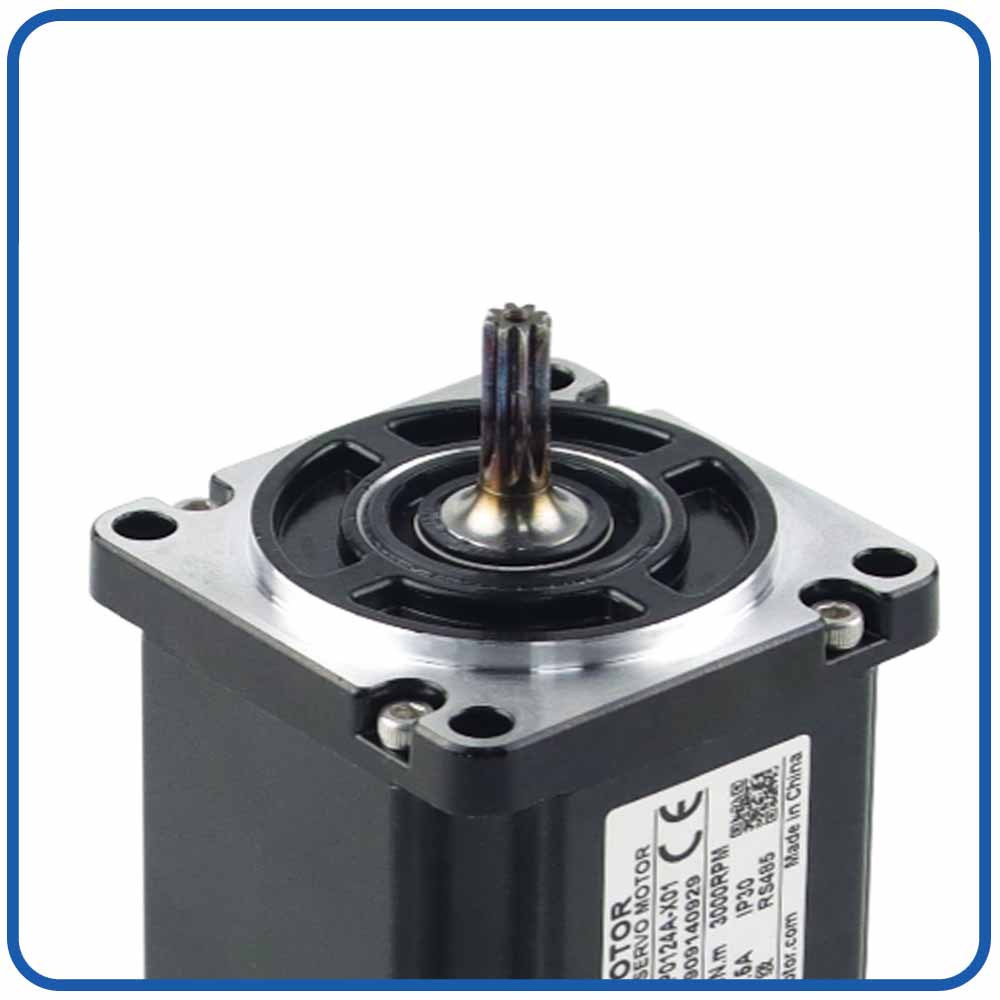
To achieve reliable autonomous operation, these robots require a highly efficient and intelligent motion system. Integrated BLDC servo motors have become an ideal drive solution for solar panel cleaning robots because they combine the advantages of brushless DC motors, servo control technology, encoders, and motor drivers into a compact all-in-one design.
This integrated architecture enables solar cleaning robots to achieve precise movement, stable climbing performance, lower energy consumption, and long-term outdoor reliability.
Why Solar Panel Cleaning Robots Need Integrated BLDC Servo Motors
1. Precise Motion Control for Stable Robot Movement
Solar panel cleaning robots must move smoothly across photovoltaic modules while maintaining consistent contact with the panel surface. Any unstable movement may affect cleaning performance or create unnecessary mechanical stress.
Integrated BLDC servo motors use encoder feedback and closed-loop control technology to monitor:
Motor position
Rotation speed
Torque output
Operating status
The controller can automatically adjust motor performance according to real-time conditions, ensuring:
Accurate movement control
Smooth acceleration and deceleration
Stable travel speed
Improved cleaning consistency
This precise control capability allows cleaning robots to operate effectively on different panel angles and surface conditions.
2. High Torque Density for Inclined Solar Panels
Many solar panels are installed at an angle to maximize sunlight exposure. For cleaning robots, climbing inclined surfaces requires continuous torque output to overcome gravity and friction.
Integrated BLDC servo motors provide:
High torque-to-weight ratio
Strong overload capability
Fast dynamic response
Compact mechanical structure
When combined with a suitable gearbox, these motors can provide sufficient driving force for:
Robot wheel movement
Track-based climbing systems
Cleaning brush rotation mechanisms
The compact size and high output performance allow manufacturers to design lightweight cleaning robots without sacrificing power.
3. Improved Energy Efficiency for Battery-Powered Robots
Most solar panel cleaning robots operate using rechargeable batteries or solar-powered energy systems. Therefore, reducing power consumption is essential for extending operating time.
Compared with traditional brushed motors, BLDCowered Robots**
Most solar panel cleaning robots operate using rechargeable batteries or solar-powered energy systems. Therefore, reducing power consumption is essential for extending operating time.
Compared with traditional brushed motors, BLDC servo motors eliminate brush friction losses through electronic commutation, resulting in:
Higher motor efficiency
Lower heat generation
Reduced battery consumption
Longer operation cycles
For large solar farms with hundreds of autonomous cleaning robots, improved motor efficiency can significantly reduce energy costs and maintenance requirements.
4. Compact Design Simplifies Robot Integration
Space is often limited inside solar panel cleaning robots. Traditional motion systems require additional installation space for separate drivers and controllers, increasing system complexity.
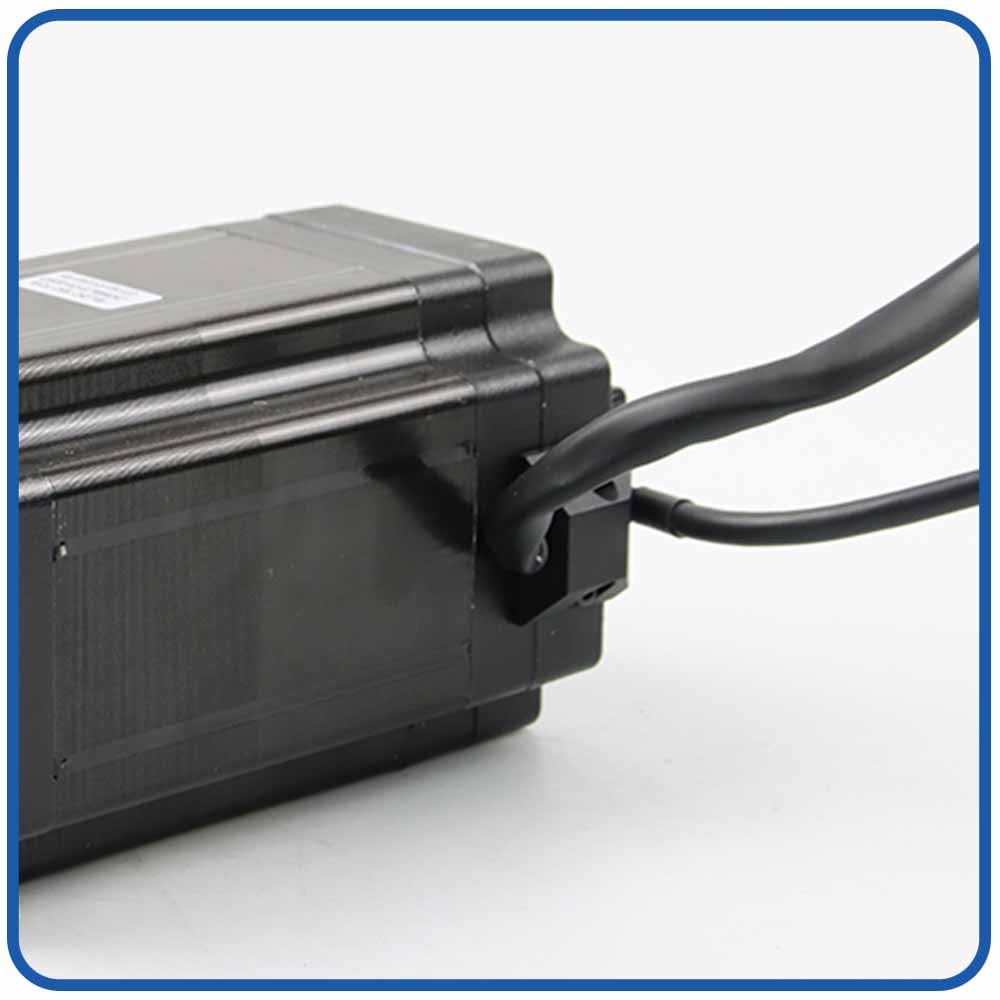
Integrated BLDC servo motors combine the complete drive system into one compact package, offering:
Reduced wiring
Smaller control cabinets
Easier installation
Lower system weight
This compact design allows robot manufacturers to optimize internal structures and develop smaller, lighter, and more efficient cleaning machines.
5. Intelligent Communication and Automation Capability
Modern solar panel cleaning robots require intelligent control systems to achieve autonomous operation. Integrated BLDC servo motors can support communication protocols such as:
CAN bus
RS485
Modbus
Pulse and direction control
These communication options allow the robot control system to monitor motor status and adjust operating parameters in real time.
Through intelligent communication, the robot can achieve:
Automatic route planning
Adaptive speed adjustment
Fault monitoring
Remote operation
This makes integrated BLDC servo motors an important component in next-generation solar maintenance robots.
Integrated BLDC Servo Motor Applications in Solar Cleaning Robots
Integrated BLDC servo motors can be applied in multiple motion modules of solar panel cleaning robots.
Robot Driving System
The driving motor provides the main movement force, allowing the robot to travel across solar modules. The servo feedback system ensures accurate speed regulation and stable movement.
Cleaning Brush Drive System
The motor controls the rotation speed of cleaning brushes or rollers. Precise speed control helps achieve effective dust removal while preventing excessive pressure on solar panels.
Automatic Position Adjustment Mechanism
Some advanced cleaning robots include automatic adjustment systems for different panel layouts. Integrated servo motors provide accurate positioning and responsive control for these mechanisms.
Integrated BLDC Servo Motors vs Traditional Motor Solutions
Feature
Integrated BLDC Servo Motor
Traditional Motor System
Motor + Driver Integration
Yes
No
Wiring Complexity
Low
High
Control Accuracy
High
Medium
Installation Space
Compact
Larger
Maintenance
Low
Higher
Feedback Control
Built-in
Requires additional components
Robot Integration
Easy
More complex
For autonomous solar panel cleaning robots, integrated BLDC servo motors provide a more efficient and reliable solution.
How Integrated BLDC Servo Motors Improve Solar Cleaning Robot Performance
By combining powerful BLDC motor technology with intelligent servo control, integrated BLDC servo motors help solar cleaning robots achieve:
Higher cleaning efficiency
Longer operating time
More accurate movement
Lower maintenance costs
Improved system reliability
These advantages make them increasingly important in automated photovoltaic maintenance applications.
Final
Integrated BLDC servo motors are an advanced motion solution for solar panel cleaning robots, providing the efficiency, precision, and reliability required for autonomous photovoltaic maintenance.
Their compact structure, high torque output, intelligent feedback control, and low maintenance design enable cleaning robots to operate efficiently in demanding outdoor environments. As solar energy systems continue to expand, integrated BLDC servo motor technology will play an essential role in improving the automation and performance of solar panel cleaning solutions.
How BLDC Motors Improve the Future of Solar Cleaning Automation
The rapid expansion of solar energy has created a growing demand for more efficient photovoltaic (PV) maintenance solutions. As solar farms become larger and solar panels are installed in more challenging environments, traditional manual cleaning methods are becoming less practical due to high labor costs, safety risks, and inconsistent cleaning results.
To address these challenges, solar cleaning automation has emerged as an important technology for improving solar panel efficiency and reducing maintenance expenses. At the core of these automated systems, BLDC motors (Brushless DC motors) provide the reliable, efficient, and intelligent motion performance required for next-generation solar panel cleaning robots.
With advantages such as high efficiency, precise control, compact design, long service life, and strong environmental adaptability, BLDC motors are helping transform solar cleaning robots from simple mechanical devices into advanced autonomous maintenance systems.
The Growing Need for Automated Solar Panel Cleaning
Solar panels require regular cleaning to maintain optimal energy output. Dust, sand, industrial pollution, bird droppings, and other contaminants can accumulate on photovoltaic surfaces, blocking sunlight and reducing power generation efficiency.
For large-scale solar installations, manual cleaning creates several challenges:
High labor costs
Difficult access to large solar fields
Safety risks on elevated or inclined panels
Inconsistent cleaning frequency
Increased water consumption
Automated solar cleaning robots provide a more efficient alternative by performing regular maintenance with minimal human involvement.
However, these robots must operate reliably under demanding conditions. They need to move across uneven or inclined solar panels, maintain stable cleaning pressure, consume limited energy, and continue operating in outdoor environments. These requirements make the choice of motor technology extremely important.
BLDC Motors Enable More Efficient Solar Cleaning Robots
One of the biggest advantages of BLDC motors in solar cleaning automation is their high energy efficiency.
Traditional brushed DC motors generate mechanical losses because carbon brushes continuously contact the rotating commutator. This friction reduces efficiency and causes component wear over time.
BLDC motors use electronic commutation instead of mechanical brushes, which eliminates these losses and provides:
Higher energy conversion efficiency
Lower heat generation
Reduced power consumption
Longer operating cycles
Since many solar cleaning robots rely on batteries or solar-powered energy systems, efficient motor operation directly improves working time and reduces charging frequency.
For large photovoltaic plants where hundreds of cleaning robots may operate, the energy savings provided by BLDC motors can significantly improve overall system efficiency.
Improving Robot Mobility with High Torque Performance
Solar cleaning robots must frequently travel across inclined photovoltaic modules. Maintaining movement stability on sloped surfaces requires sufficient torque output from the drive system.
BLDC motors provide excellent torque density, allowing them to deliver strong mechanical output while maintaining a compact size.
This enables solar cleaning robots to:
Climb inclined solar panels smoothly
Carry cleaning mechanisms efficiently
Maintain consistent movement speed
Handle changing surface resistance
When combined with gear reduction systems, BLDC motors can generate the high torque required for demanding solar maintenance applications without increasing robot size and weight.
Enhancing Cleaning Accuracy Through Intelligent Motion Control
Future solar cleaning automation will rely increasingly on intelligent control systems. Robots must not only move but also make real-time adjustments according to environmental and operational conditions.
BLDC motors support advanced control technologies through:
Encoder feedback
Closed-loop speed control
Position monitoring
Torque adjustment
This allows cleaning robots to automatically optimize performance based on:
Solar panel inclination
Dust accumulation level
Battery status
Cleaning route requirements
For example, when a robot encounters increased resistance caused by heavy dust buildup, the motor controller can automatically adjust torque output to maintain stable operation.
This intelligent control improves cleaning consistency and reduces unnecessary mechanical stress.
Compact BLDC Motor Design Supports Smaller and Smarter Robots
The future of solar cleaning automation requires robots that are lightweight, compact, and highly integrated.
Large and complex motor systems increase robot weight, energy consumption, and installation difficulty. BLDC motors provide a better solution through their compact structure and high power-to-weight ratio.
Modern integrated BLDC servo motors combine:
BLDC motor
Motor driver
Encoder
Control electronics
into one compact unit.
This integrated design offers several benefits:
Reduced wiring complexity
Smaller robot architecture
Easier system integration
Improved reliability
As solar cleaning robots become more intelligent and autonomous, compact integrated motor solutions will become increasingly important.
Reducing Maintenance Costs with Long-Term Reliability
Solar cleaning robots are designed to operate with minimal human intervention. Therefore, motor reliability directly affects the overall maintenance cost of the system.
BLDC motors improve long-term reliability because they eliminate common failure points found in brushed motors.
Key advantages include:
No brush replacement requirements
Reduced mechanical wear
Stable performance over long periods
Lower maintenance frequency
For remote solar farms located in deserts, mountains, or offshore areas, reliable motor operation is essential because frequent maintenance visits can be expensive and time-consuming.
Supporting Autonomous Solar Maintenance Systems
The future of solar cleaning automation is moving toward fully autonomous operation. Advanced robots will require intelligent communication between motors, sensors, and central control systems.
BLDC motors with integrated servo control can support communication technologies such as:
CAN bus
RS485
Modbus
Industrial control interfaces
These communication capabilities enable robots to achieve:
Real-time status monitoring
Automatic fault detection
Remote control
Intelligent scheduling
By providing precise and connected motion control, BLDC motors help create smarter solar maintenance ecosystems.
Improving Environmental Adaptability for Outdoor Applications
Solar cleaning robots operate in some of the harshest environments, including deserts, industrial areas, and coastal regions. Motor systems must withstand:
Dust and sand
High temperatures
Humidity
Rain exposure
Continuous outdoor operation
BLDC motors are naturally suitable for these environments because of their sealed structure and brushless design.
With proper protection levels and thermal management, BLDC motors can provide stable operation even under extreme weather conditions.
This durability makes them an ideal choice for future solar cleaning automation systems worldwide.
The Future Development of BLDC Motors in Solar Cleaning Robots
As solar power continues to expand, solar cleaning robots will become more intelligent, efficient, and autonomous. Future developments will focus on:
Higher motor efficiency
More compact integrated designs
Advanced servo control
AI-based operation optimization
Improved environmental protection
BLDC motor technology will continue to serve as a key driving force behind these innovations.
By combining efficient power conversion, precise motion control, and intelligent communication capabilities, BLDC motors will help solar cleaning robots achieve higher productivity and lower operational costs.
Summary
BLDC motors are becoming a critical technology for the future of solar cleaning automation. Their high efficiency, powerful torque output, precise control, compact design, and long service life make them the ideal motion solution for modern photovoltaic cleaning robots.
As the solar industry moves toward smarter and more automated maintenance solutions, integrated BLDC servo motors will continue to improve robot performance, reduce maintenance costs, and support the global transition toward cleaner renewable energy.
Conclusion: BLDC Motors Are the Ideal Drive Solution for Solar Panel Cleaning Robots
Solar panel cleaning robots require motors that combine efficiency, durability, torque performance, and precise control. BLDC motors meet these requirements through their brushless structure, high efficiency, long service life, compact design, and intelligent control capability.
By using BLDC motors or integrated BLDC servo motors, solar cleaning robots can achieve more reliable movement, lower maintenance costs, and improved cleaning efficiency. As solar energy continues to expand globally, BLDC motor technology will remain a key component in the development of smarter and more efficient photovoltaic maintenance robots.
FAQs
1: Why do solar panel cleaning robots use BLDC motors?
Answer: Solar panel cleaning robots use BLDC motors (Brushless DC motors) because they provide high efficiency, long service life, low maintenance, and precise speed control. BLDC motors help robots move smoothly across photovoltaic panels, provide sufficient torque for inclined surfaces, and reduce energy consumption during long-term automated cleaning operations.
2: What advantages do BLDC motors provide for solar panel cleaning robots?
Answer: BLDC motors provide several advantages for solar panel cleaning robots, including high torque density, excellent energy efficiency, low noise operation, and reliable outdoor performance. Their brushless design eliminates mechanical wear caused by carbon brushes, allowing cleaning robots to operate continuously with fewer maintenance requirements.
3: How do BLDC motors improve the performance of solar cleaning robots?
Answer: BLDC motors improve solar cleaning robot performance by providing accurate motion control, stable speed regulation, and efficient power output. With encoder feedback and closed-loop control, BLDC motors allow robots to maintain consistent movement, adjust torque according to working conditions, and achieve more effective solar panel cleaning.
4: Are BLDC motors suitable for outdoor solar panel cleaning applications?
Answer: Yes. BLDC motors are highly suitable for outdoor solar panel cleaning applications because they can be designed with strong environmental protection against dust, moisture, and temperature variations. Their brushless structure improves reliability and enables long-term operation in demanding environments such as solar farms and rooftop photovoltaic systems.
5: What type of BLDC motor is best for solar panel cleaning robots?
Answer: An integrated BLDC servo motor is an ideal choice for solar panel cleaning robots because it combines the motor, driver, encoder, and control electronics into one compact unit. This design simplifies installation, reduces wiring complexity, improves motion accuracy, and helps robots achieve more intelligent and efficient automated cleaning.

 English
 العربية
 Français
 Русский
 Español
 Português
 Deutsch
 italiano
 日本語
日本語 한국어
한국어 Nederlands
 Tiếng Việt
 ไทย
ไทย Polski
 Türkçe
 ພາສາລາວ
 ភាសាខ្មែរ
 Bahasa Melayu
 ဗမာစာ
ဗမာစာ Filipino
 Bahasa Indonesia
 magyar
 Română
 Čeština
 Монгол
 қазақ
қазақ Српски
 हिन्दी
 فارسی
فارسی Slovenčina
 Slovenščina
 Norsk
Norsk Svenska
 українська
 Ελληνικά
 Suomi
Suomi Հայերեն
 עברית
עברית Latine
 Dansk
Dansk Shqip
Shqip বাংলা
বাংলা Hrvatski
 Afrikaans
 Gaeilge
 Eesti keel
 Oʻzbekcha
 latviešu
 Azərbaycan dili
 Български
 Català