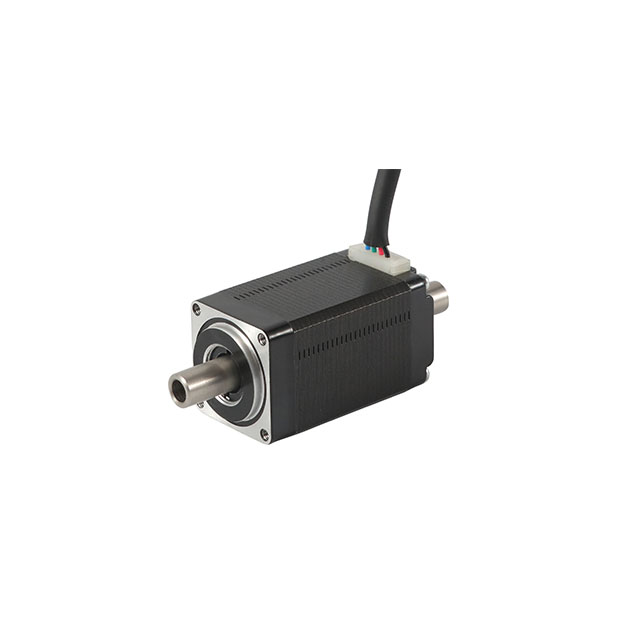
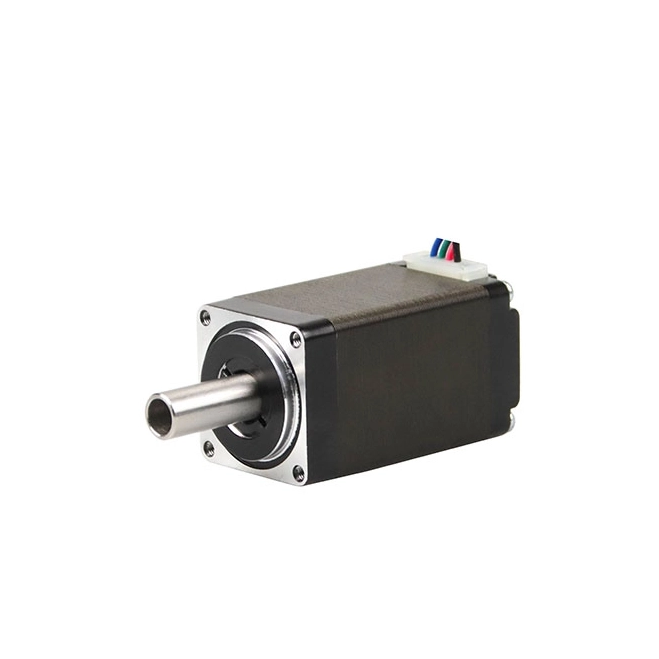
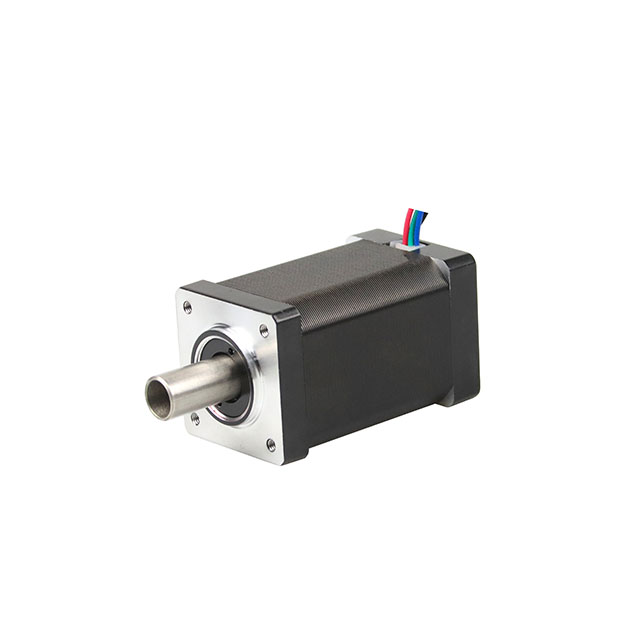
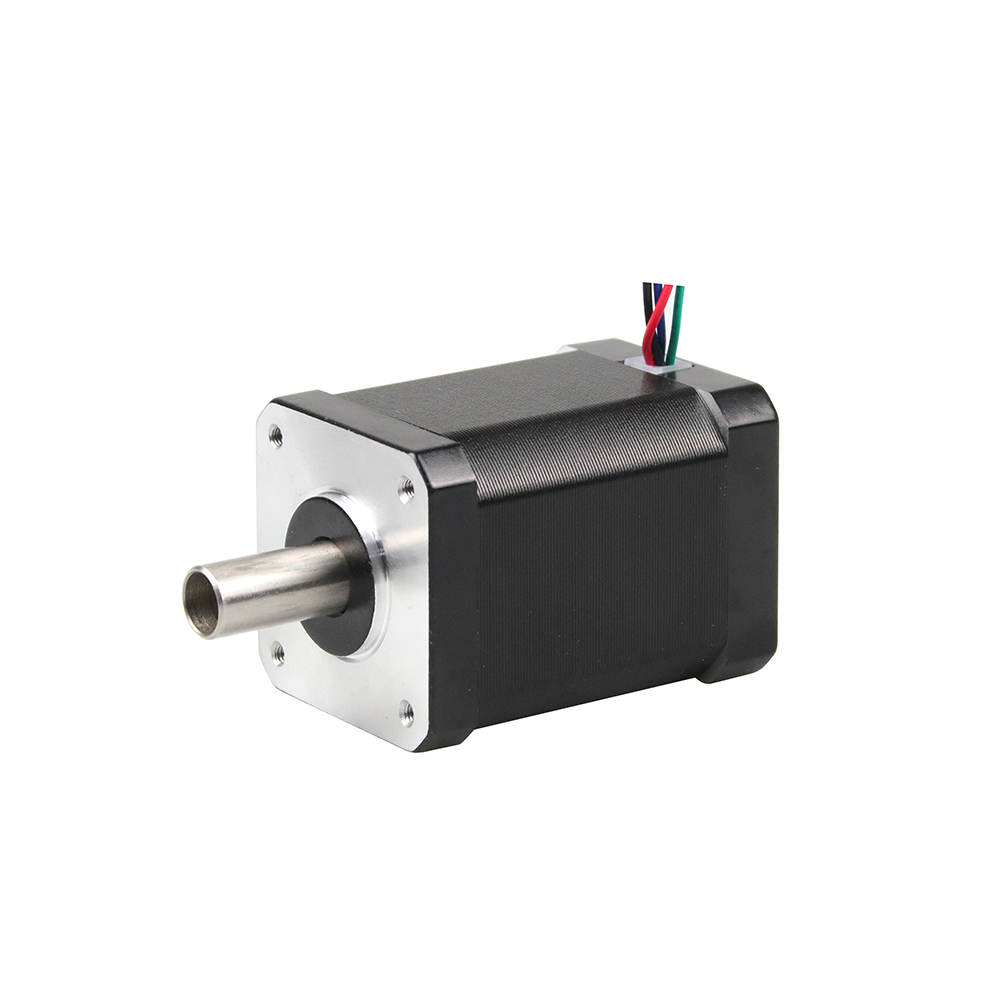
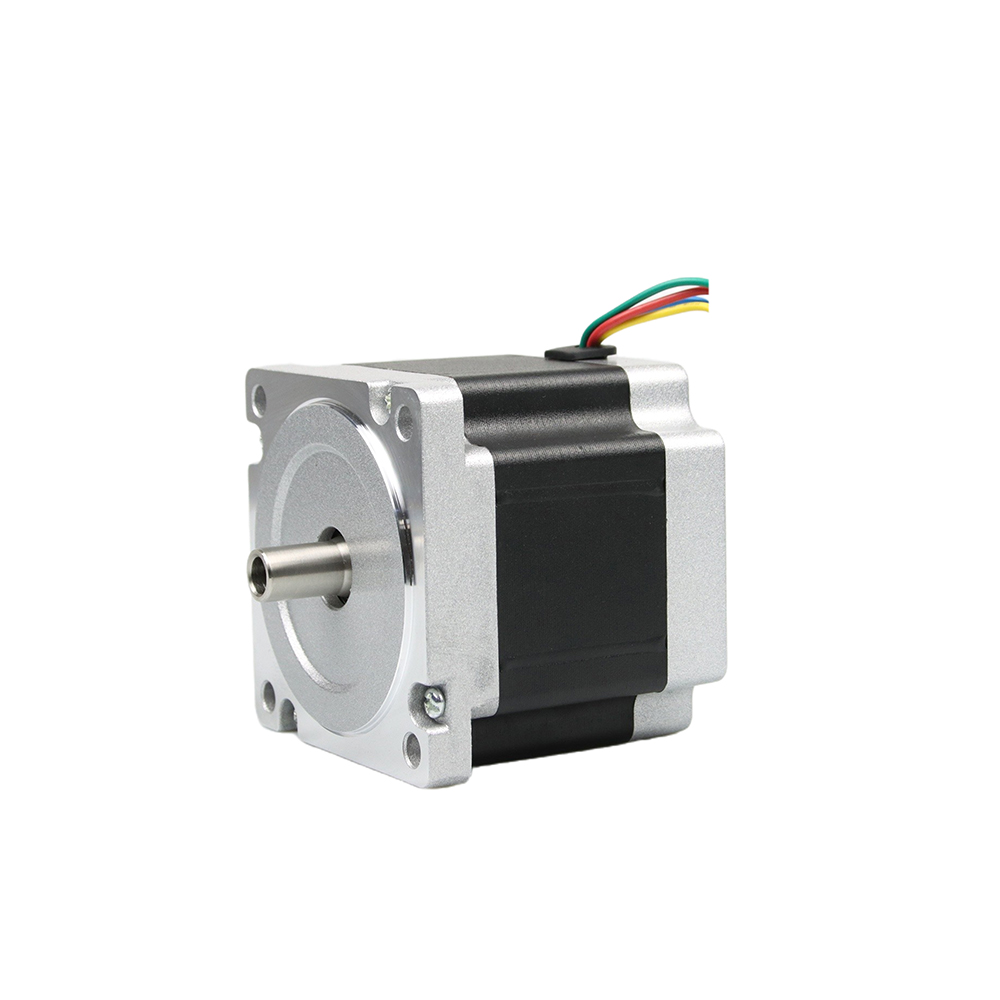
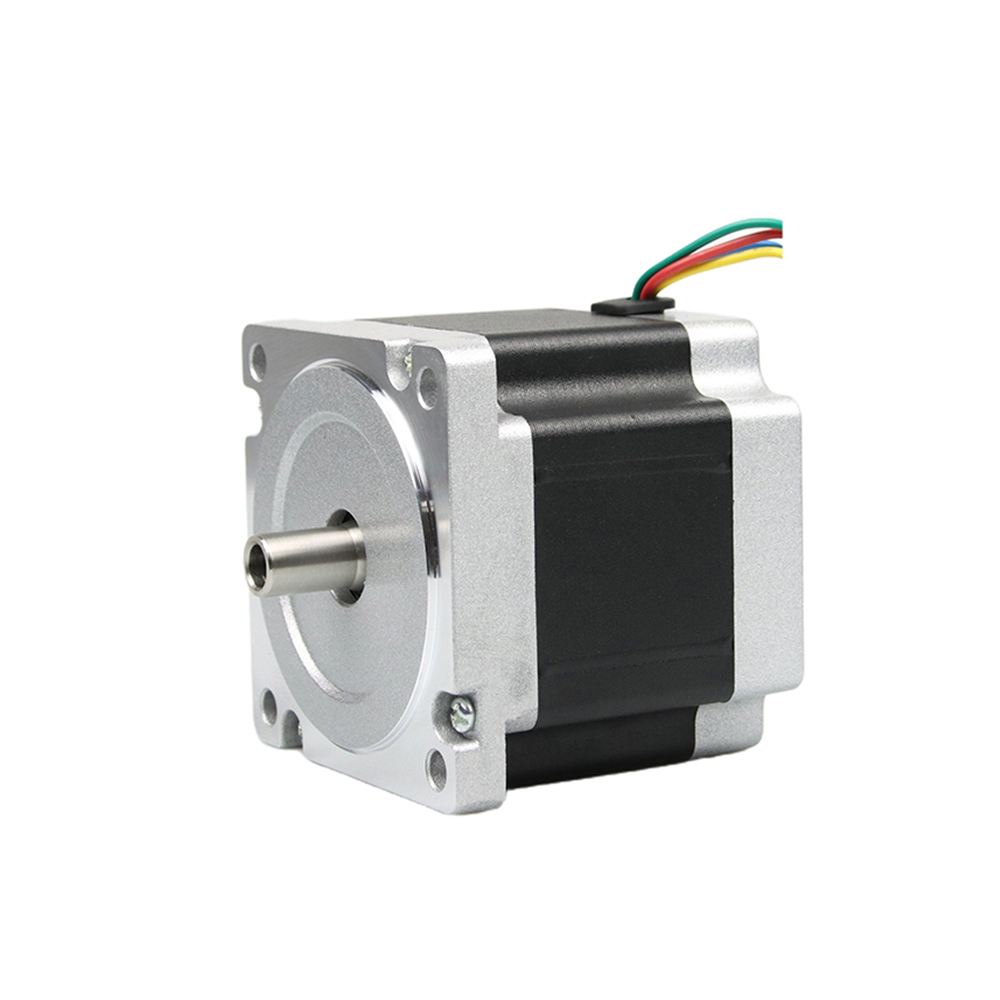
A hollow shaft motor is a specialized type of electric motor engineered with a central shaft that is intentionally hollow rather than solid. This unique structural design allows the shaft to accommodate cables, drive components, or mechanical elements directly through its core—offering remarkable flexibility, compactness, and mechanical integration benefits. As industries push toward more efficient, compact, and high-precision motion systems, hollow shaft motors have become essential in robotics, automation, CNC machinery, and advanced industrial equipment.
This comprehensive guide explores every aspect of hollow shaft motors, including their design principles, working mechanisms, advantages, variations, and real-world applications.
Understanding the Structure and Working Principle of Hollow Shaft Motors
A hollow shaft motor is an electric motor designed with a central opening running through the axis of rotation. Instead of using a solid shaft like traditional motors, it incorporates a hollow bore, allowing cables, drive shafts, air lines, or mechanical elements to pass directly through the center.
This design provides unique advantages in compact machinery, precise motion control, and applications where cable management is critical.
1. Core Structural Components
A hollow shaft motor shares the same fundamental components as other electric motors, but each part is engineered to support the open central structure.
a. Stator
The stationary outer part of the motor
Consists of laminated steel cores and copper windings
Generates a rotating magnetic field when energized
b. Hollow Rotor
The rotating component with a precision-machined hollow center
Designed to maintain mechanical strength despite having an internal bore
Can be cylindrical or integrated with a hub to mount external loads
c. Bearings
d. Housing
e. Central Hollow Shaft / Bore
The defining feature
Allows wiring, optics, shafts, or tubing to pass through
Improves cable management and system compactness
2. Working Principle of a Hollow Shaft Motor
Although the structural geometry differs from traditional designs, the operating principle remains the same: electromagnetic interaction between the stator and rotor creates rotation.
Here's how it works:
Step 1: Stator Energization
When current flows through the stator windings, they generate a rotating magnetic field.
Step 2: Rotor Motion
This magnetic field interacts with the rotor—whether it is a permanent magnet or an electromagnetic rotor—causing it to rotate around the central bore.
Step 3: Torque Transmission
The rotor's motion delivers torque to the connected load through a coupling or direct mounting.
Step 4: Pass-Through Functionality
While the rotor is spinning, the hollow center allows:
Signal cables
Pneumatic lines
Fiber optics
Drive shafts
Lead screws
to pass uninterrupted through the motor, reducing mechanical complexity and eliminating external cable loops.
3. Why the Hollow Structure Works Without Reducing Performance
The hollow rotor is engineered to maintain structural strength and magnetic efficiency despite the absence of a solid core. Manufacturers achieve this by:
Using stronger magnetic materials
Optimizing rotor thickness
Reinforcing the surrounding frame
Balancing the rotor to avoid vibration
As a result, hollow shaft motors can provide high torque, excellent precision, and smooth rotation, comparable to or even surpassing many conventional motors.
4. Advantages of This Working Principle
The hollow shaft design directly enhances performance in many ways:
✔ Space Efficiency
Eliminates the need for external cable loops or separate routing openings.
✔ Improved Cable Management
Rotating joints no longer stress wires or tubes, increasing reliability.
✔ Direct Integration
Mechanical components like screws or shafts can be placed directly through the motor.
✔ Higher System Precision
The ability to mount loads closer to the motor axis reduces backlash and vibration.
How It Works
A hollow shaft motor operates using the same electromagnetic principles as traditional electric motors, but with an internal geometry designed to accommodate a hollow passage through the center. This structure enables torque generation while allowing cables, mechanical shafts, or fluid lines to pass directly through the motor body.
Below is a step-by-step breakdown of how it works:
1. Creation of a Rotating Magnetic Field (Stator Operation)
The process begins in the stator, the stationary outer part of the motor. When electrical current flows through the stator windings, it produces a rotating magnetic field. This rotating field is the driving force that makes the rotor spin.
In AC motors, the field is created by alternating current phases.
In BLDC and servo motors, electronic controllers energize the windings in precise sequences.
In stepper motors, the field moves in small steps for accurate positioning.
Despite the hollow center, the stator's magnetic circuit is designed to provide strong and uniform magnetic flux.
2. Rotor Interaction and Rotation
Inside the stator is the hollow rotor, which contains magnets or conductive laminations depending on the motor type. The rotating magnetic field from the stator pulls and pushes on the rotor's magnetic elements, forcing it to rotate around its axis.
Even though the rotor is hollow, it remains structurally rigid and magnetically optimized to:
Maintain strong torque output
Resist deformation
Operate smoothly at high speeds
Provide precise angular movement
The magnetic interaction between stator and rotor is identical in principle to a solid-shaft motor.
3. Torque Transmission Through the Hollow Shaft
As the rotor spins, torque is transferred to the attached mechanical load through the motor's hollow shaft or mounting hub. This can occur in different ways:
Direct drive: Load attaches directly to the rotor, eliminating gears.
Coupled drive: A coupling or flange connects the rotor to external drive components.
Integrated drive: Lead screws, tubes, or shafts run through the hollow bore and rotate along with the rotor.
This direct transfer of torque improves mechanical efficiency and reduces play or backlash.
4. Simultaneous Pass-Through of Cables or Mechanisms
The key advantage of a hollow shaft motor is the central pass-through channel. While the motor rotates, the hollow center allows:
to run through the motor without interference.
Because these elements rotate with the motor, there is no twisting, snagging, or strain on cables—greatly improving reliability.
5. Continuous Closed-Loop or Open-Loop Control
Depending on the type, the motor operates under different control modes:
Open-Loop (Stepper Motors)
Closed-Loop (Servo and BLDC)
Many hollow shaft motors integrate optical or magnetic encoders directly into the rotor for improved accuracy.
6. Efficient Operation Under Load
The hollow rotor is engineered to balance structural strength with the central bore. Advanced materials and precise machining ensure:
This allows hollow shaft motors to operate continuously in demanding industrial environments.
In Summary
A hollow shaft motor works by:
Generating a rotating magnetic field in the stator
Inducing rotation in the hollow rotor
Transmitting torque through the hollow shaft
Allowing simultaneous pass-through of cables or mechanical elements
Maintaining precise control via open-loop or closed-loop electronics
Its ability to rotate while keeping the central path free makes it uniquely valuable in robotics, automation, medical devices, and compact machinery.
Why Hollow Shaft Motors Are Superior for Modern Motion Systems
Hollow shaft motors have become a preferred choice in advanced automation, robotics, medical equipment, and precision machinery because they deliver a unique combination of performance, flexibility, and compact integration that traditional solid-shaft motors cannot match. Their ability to provide rotational torque while maintaining an open central pathway significantly enhances design efficiency and system reliability.
Below are the key reasons why hollow shaft motors stand out in modern motion engineering.
1. Exceptional Space Optimization
One of the most valuable benefits of a hollow shaft motor is its ability to reduce overall system size. By using the internal hollow bore for cable routing or mechanical components, engineers eliminate the need for:
This compact integration allows designers to build smaller, cleaner, and more efficient devices, especially in robotics and compact automation modules.
2. Superior Cable and Media Management
In rotating systems, managing cables and fluid lines is often a major challenge. Hollow shaft motors solve this by allowing cables and tubes to pass directly through the motor’s center.
Benefits include:
This makes hollow shaft motors ideal for continuous-rotation joints, robotic wrists, gimbals, and inspection equipment where unrestricted cable movement is essential.
3. Enhanced Mechanical Integration
The central bore of a hollow shaft motor enables seamless integration with other mechanical components, such as:
This ability to combine multiple functions in one unit reduces mechanical complexity and enhances system performance. Mechanical alignment also becomes more precise because the load can be mounted closer to the motor’s rotational axis.
4. High Torque Density and Precision Performance
Though they contain a hollow core, these motors are engineered to maintain or even exceed the torque output of comparable solid-shaft designs. Modern hollow shaft motors use:
High-strength rotor materials
Optimized electromagnetic geometry
Advanced laminations and magnet configurations
As a result, they deliver:
Strong continuous and peak torque
High accuracy and repeatability
Smooth, low-vibration rotation
Excellent dynamic response
This makes them highly suitable for precision machinery and direct-drive systems.
5. Improved System Reliability and Reduced Wear
In traditional rotary systems, cables wrapped around the motor often experience:
Bending fatigue
Torsional twisting
Connector failures
Insulation wear
By routing cables internally, hollow shaft motors significantly reduce mechanical stress, extending both cable life and system lifespan. The simplified mechanical design also reduces points of failure and the need for routine maintenance.
6. Ideal for High-Precision and High-Duty Applications
Because hollow shaft motors enable direct-drive configurations, they eliminate backlash and improve positional accuracy—critical advantages for:
Their smooth, precise motion is invaluable in applications requiring micrometer-level accuracy and continuous operation.
7. Greater Design Flexibility for Engineers
The hollow shaft design gives engineers more freedom when planning system layouts. They can:
Install sensors directly through the motor
Use smaller enclosures
Build cleaner, modular systems
Combine rotary and linear functions in a single axis
This design flexibility supports innovation in next-generation automation, compact robots, and advanced motion platforms.
8. Reduced Overall Cost in Complex Systems
Although the motor itself may cost slightly more, the overall system cost is often reduced thanks to:
Fewer mechanical components
Less wiring hardware
Reduced installation time
Lower maintenance demands
Longer cable and component life
In many industrial systems, these savings are significant over the lifetime of the equipment.
In Summary
Hollow shaft motors are superior for modern motion systems because they offer:
Better use of space
Cleaner cable management
Strong torque performance
Superior integration with mechanical components
Higher precision and reliability
Reduced system complexity and long-term cost
For engineers building compact, efficient, and high-performance machines, hollow shaft motors provide a powerful and versatile foundation.
Types of Hollow Shaft Motors
Several motor technologies offer hollow shaft variations. Each serves different performance needs and application environments.
1. Hollow Shaft Stepper Motors
Known for high precision and open-loop control, hollow shaft stepper motors are ideal for:
The hollow core allows direct coupling to threaded rods or lead screws.
2. Hollow Shaft Servo Motors
These motors deliver high torque, precise speed control, and advanced feedback capabilities. They are widely used in:
Servo versions often integrate high-resolution encoders.
3. Hollow Shaft Brushless DC Motors (BLDC)
BLDC hollow shaft motors provide:
High efficiency
Long life
Silent operation
Low thermal load
They are common in medical devices, lab automation, and compact robotic units.
4. Direct-Drive Hollow Shaft Motors
These motors eliminate gearboxes and link directly to the load. Benefits include:
Zero backlash
Smooth motion
Very high precision
Minimal maintenance
They are used in semiconductor manufacturing, robotic arms, and precision rotary stages.
Engineering Applications of Hollow Shaft Motors
Hollow shaft motors play a critical role across numerous industries due to their flexibility and mechanical advantages.
Robotics
Robotic joints and articulated arms rely on hollow shaft motors for:
They are essential in collaborative robots (cobots).
CNC Machinery and Automation
In CNC rotary tables and positioning systems, the hollow shaft allows:
Medical and Laboratory Equipment
Hollow shafts enable clinical and scientific machines to incorporate:
This supports sterilized environments and smooth operation.
Surveillance, Aerospace, and Defense
Gimbal systems, antennas, and satellite components benefit from:
Packaging and Industrial Machinery
Hollow shaft motors provide adjustable mounting and robust performance required for high-speed manufacturing environments.
Choosing the Right Hollow Shaft Motor for Your System
When selecting a hollow shaft motor, engineers should consider:
1. Bore Diameter Requirements
The internal hollow size must accommodate your:
Cable bundle
Shaft coupling
Tubing
Mechanical components
2. Torque and Speed Specifications
Select according to:
Load requirements
Acceleration needs
Duty cycle
Expected precision
3. Motor Type
Choose between:
Stepper (simpler, cost-effective)
Servo (high performance)
BLDC (efficient, compact)
Direct drive (maximum precision)
4. Environmental Conditions
Consider:
5. Integration and Mounting
Verify compatibility with:
Gearboxes
Harmonic drives
Bearings
Feedback sensors
The right combination ensures long-term reliability and optimal mechanical synergy.
Conclusion
A hollow shaft motor is one of the most innovative solutions in modern motion engineering, providing unique advantages in compactness, cable management, integration flexibility, and precise motion control. Its ability to combine torque output with a central pass-through channel makes it indispensable in robotics, CNC systems, medical devices, and advanced industrial automation.
Engineers who understand the design principles and application benefits of hollow shaft motors can build smarter, more reliable, and more efficient motion systems that push the boundaries of performance and innovation.

 English
 العربية
 Français
 Русский
 Español
 Português
 Deutsch
 italiano
 日本語
日本語 한국어
한국어 Nederlands
 Tiếng Việt
 ไทย
ไทย Polski
 Türkçe
 ພາສາລາວ
 ភាសាខ្មែរ
 Bahasa Melayu
 ဗမာစာ
ဗမာစာ Filipino
 Bahasa Indonesia
 magyar
 Română
 Čeština
 Монгол
 қазақ
қазақ Српски
 हिन्दी
 فارسی
فارسی Slovenčina
 Slovenščina
 Norsk
Norsk Svenska
 українська
 Ελληνικά
 Suomi
Suomi Հայերեն
 עברית
עברית Latine
 Dansk
Dansk Shqip
Shqip বাংলা
বাংলা Hrvatski
 Afrikaans
 Gaeilge
 Eesti keel
 Oʻzbekcha
 latviešu
 Azərbaycan dili
 Български
 Català