Introduction to Linear Actuator Motors in Height-Adjustable Desks
Electric height-adjustable desks have become an essential component of modern ergonomic workspaces. At the core of these systems lies the linear actuator motor, a compact yet powerful device responsible for delivering smooth, stable, and precise vertical motion. We focus on delivering high-performance linear actuator motors specifically engineered for electric sit-stand desks, ensuring reliability, user comfort, and long-term durability.
A linear actuator motor converts rotational motion into controlled linear movement, allowing desk surfaces to raise and lower seamlessly. This motion must be accurate, quiet, synchronized, and capable of handling repeated daily use under varying loads. Our expertise in actuator motor design ensures optimal performance across all these parameters.
Types of Linear Stepper Motors
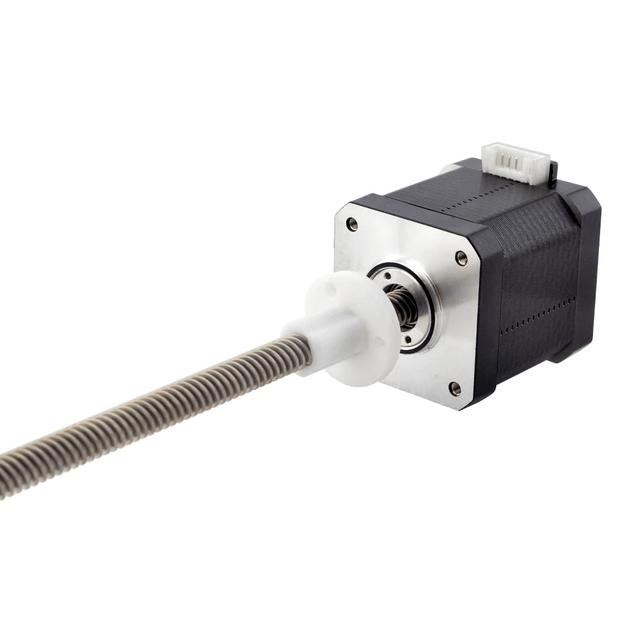
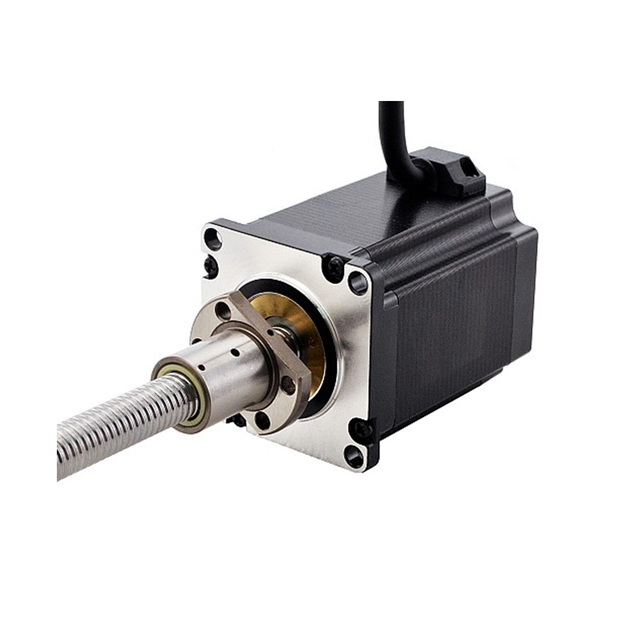
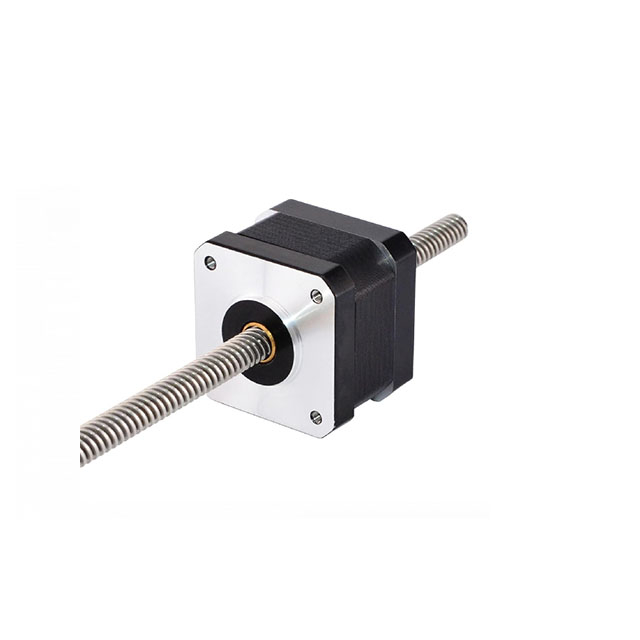
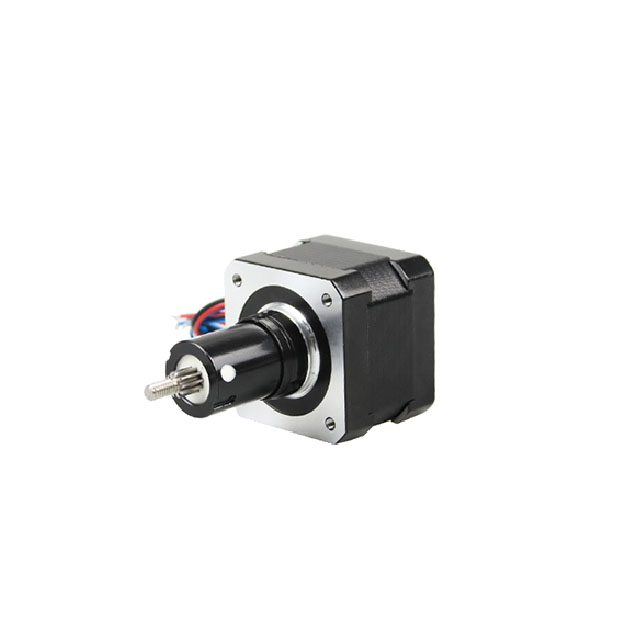
Linear stepper motors convert rotational motion into precise linear movement without the need for additional transmission components such as belts or gears. Based on mechanical structure and integration level, linear stepper motors can be categorized into several major types, each suited to different motion control requirements.
Key Features
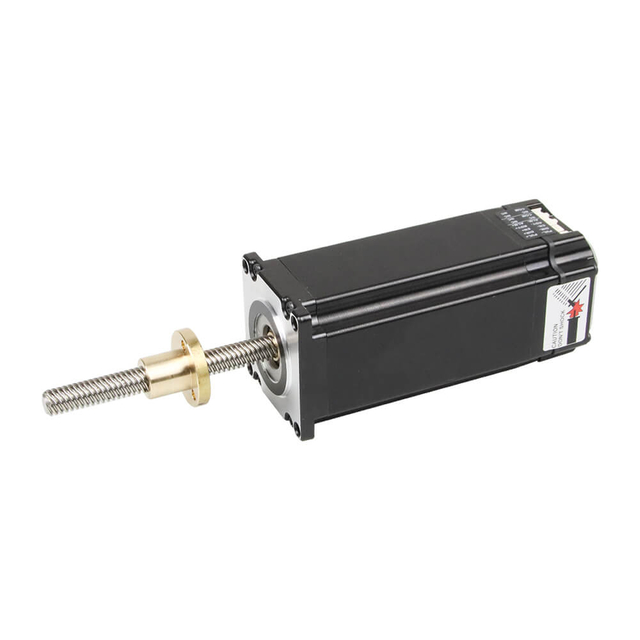
Uses a T-type lead screw with trapezoidal threads
High self-locking capability, preventing back-driving when power is off
Simple mechanical structure with excellent reliability
Cost-effective solution for standard linear motion
Available in multiple sizes such as NEMA 8, NEMA 11, NEMA 14, NEMA 17, and NEMA 23
Supports customizable stroke lengths and screw pitches
Applications
Electric height-adjustable desks
Medical equipment positioning systems
Office automation devices
Light industrial actuators
Smart home mechanisms
Key Features
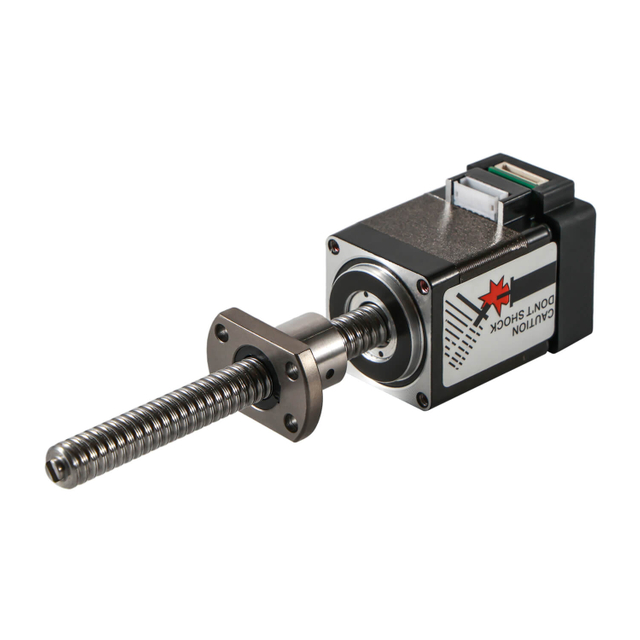
Equipped with a ball screw mechanism for rolling friction
Significantly higher efficiency than T-type lead screws
Low friction enables higher speed and longer service life
Minimal wear and reduced heat generation
Suitable for applications requiring high precision and frequent motion
Applications
Semiconductor manufacturing equipment
Precision inspection systems
Laboratory automation
CNC auxiliary axes
High-end industrial automation platforms
Key Features
Motor shaft moves linearly while the lead screw passes through the motor
External anti-rotation mechanism required
Compact motor body with unlimited stroke length
Lightweight design with high positioning accuracy
Ideal for designs where system structure already provides guidance
Applications
Pick-and-place systems
Automated dispensing equipment
Labeling and packaging machinery
Optical alignment systems
Robotic linear motion modules
Key Features
Integrated anti-rotation mechanism within the motor assembly
Lead screw is fully contained and guided
Fixed stroke length with high structural rigidity
Easy to install and align
Excellent resistance to side loads
Applications
Medical diagnostic equipment
Valve control systems
Industrial automation actuators
Aerospace instrumentation
Precision measurement devices
Key Features
Combines motor, lead screw, and driver into a single compact unit
Simplified wiring and installation
Optimized system-level performance
Enhanced electromagnetic compatibility
Reduced commissioning and maintenance time
Applications
Key Features
Fully integrated motor, ball screw, and control electronics
High positioning accuracy with smooth motion profiles
Superior energy efficiency and thermal performance
Supports closed-loop control with encoders
Designed for high-duty-cycle operation
Applications
Precision manufacturing equipment
Industrial robots and cobots
Automated testing systems
Semiconductor and electronics assembly
High-speed positioning platforms
Summary of Linear Stepper Motor Selection
Choosing the right linear stepper motor depends on:
Required precision and load capacity
Duty cycle and operational speed
Installation space and stroke length
Budget and system complexity
Need for integration or standalone components
From cost-effective external T-type linear stepper motors to high-performance integrated ball screw solutions, linear stepper motors provide scalable and reliable linear motion for modern automation systems.
What Is a Linear Actuator Motor for Electric Desks
A linear actuator motor for an electric height-adjustable desk is an electromechanical assembly consisting of a DC motor, gear reduction system, lead screw or ball screw, housing, and control electronics. When powered, the motor rotates the screw mechanism, generating linear displacement that adjusts desk height.
Unlike generic actuators, desk-specific linear actuator motors are optimized for:
These features are critical in professional office, home office, medical, and industrial workstation environments.
Core Components of a Desk Linear Actuator Motor
A desk linear actuator motor is a precision electromechanical system designed to deliver smooth, stable, and reliable height adjustment for electric sit-stand desks. Each component plays a critical role in ensuring lifting capacity, motion accuracy, safety, and long-term durability. Below are the core components of a desk linear actuator motor and their functional significance.
Electric Drive Motor
The electric drive motor is the primary power source of the linear actuator. Most height-adjustable desks use a DC motor, typically operating at 24V, due to its safety, efficiency, and compatibility with modern control systems.
Key characteristics include:
Consistent torque output for vertical lifting
Optimized motor windings for thermal stability
Brushed or brushless designs depending on performance requirements
Long service life under frequent start-stop operation
The quality of the drive motor directly affects lifting speed, noise level, and overall actuator reliability.
Gear Reduction System
The gear reduction system converts the high-speed, low-torque output of the motor into low-speed, high-torque motion suitable for lifting a desk load.
Important features include:
Precision-cut metal or reinforced polymer gears
Optimized gear ratios for smooth acceleration
Reduced backlash to maintain height accuracy
Noise-dampening gear profiles for quiet operation
A well-designed gearbox ensures stable motion even when the desk is fully loaded.
Lead Screw or Ball Screw Assembly
The screw mechanism transforms rotational motion into linear displacement. Two common designs are used in desk linear actuators:
Lead screw (T-type screw): Offers self-locking capability, preventing desk drift when power is off.
Ball screw: Provides higher efficiency, smoother motion, and reduced friction for premium applications.
The screw pitch determines lifting speed and resolution, making this component critical for ergonomic precision.
Guide System and Internal Bearings
Internal guides and bearings ensure accurate alignment and smooth linear travel. These components reduce friction, support axial loads, and prevent lateral movement during operation.
Key benefits include:
High-quality bearings are essential for maintaining consistent performance over thousands of cycles.
Actuator Housing and Telescopic Tube
The housing and telescopic tube structure provide mechanical support and protection for internal components.
Key functions include:
Structural rigidity to handle vertical loads
Protection from dust and debris
Alignment of moving parts
Integration with desk frame and legs
Precision-machined or extruded housings ensure wobble-free lifting and long-term stability.
Position Feedback Sensors
Position feedback sensors enable precise height control and synchronization between multiple actuators.
Common sensor types include:
Hall effect sensors
Magnetic encoders
Incremental encoders
These sensors provide real-time position data to the control system, ensuring accurate and repeatable desk height adjustment.
Control Electronics Interface
The actuator connects to a central control box or integrated driver, which manages power distribution, motion logic, and safety functions.
Core control functions include:
Advanced electronics significantly improve user experience and operational safety.
Power Cable and Connectors
Power and signal cables transmit electrical energy and communication signals between the actuator and control unit.
Design considerations include:
Flexible, fatigue-resistant wiring
Secure connectors for reliable signal transmission
Strain relief to prevent cable damage
Compatibility with industry-standard control boxes
Robust cabling ensures stable operation over repeated motion cycles.
Safety and Protection Mechanisms
Desk linear actuator motors incorporate multiple safety features to protect users and equipment.
These include:
Mechanical self-locking mechanisms
Thermal overload protection
Current sensing for obstacle detection
End-of-stroke limit protection
Safety mechanisms are essential for compliance with international furniture and electrical standards.
Conclusion
The performance of a desk linear actuator motor depends on the precise integration of its core components. From the electric drive motor and gearbox to the screw mechanism, sensors, and control electronics, each element contributes to smooth, quiet, and reliable height adjustment. High-quality component design ensures ergonomic comfort, operational safety, and long-term durability in modern electric height-adjustable desks.
Key Performance Parameters of Linear Actuator Motors
Load Capacity
Linear actuator motors for height-adjustable desks are typically rated between 600N and 6000N per actuator, depending on desk size and application. Dual- or triple-motor systems distribute load evenly, allowing desks to support heavy desktops, monitors, and accessories.
Stroke Length
Common stroke lengths range from 200 mm to 700 mm, enabling wide height adjustment suitable for both seated and standing positions. Custom stroke options allow adaptation to specific ergonomic requirements.
Speed and Smoothness
Optimal actuator speed ranges from 20 mm/s to 40 mm/s, balancing responsiveness with comfort. Smooth acceleration and deceleration profiles prevent sudden movements and enhance user experience.
Noise Level
Advanced linear actuator motors are engineered for ultra-quiet operation, often below 45 dB, making them suitable for offices, homes, libraries, and shared workspaces.
Synchronization and Control Technology
Modern electric height-adjustable desks frequently use multiple Linear actuator motors. To ensure even lifting, synchronization control systems are integrated into the motor driver or external control box.
Key control features include:
Hall sensors or encoders for position feedback
Anti-collision detection to prevent damage
Memory height settings
Soft start and soft stop algorithms
Overload and thermal protection
These intelligent controls guarantee precise alignment between desk legs and extend actuator service life.
Durability and Lifecycle Performance
Durability and lifecycle performance are critical benchmarks for evaluating the quality of motion systems used in electric height-adjustable desks and industrial linear actuation solutions. A well-engineered actuator or motor system must maintain consistent performance, structural integrity, and positional accuracy over years of repeated operation under varying loads over years of repeated operation under varying loads and environmental conditions.
High Cycle Life Design
Modern linear actuator motors are designed to withstand tens of thousands of full extension and retraction cycles without degradation in performance. This long cycle life is achieved through:
Optimized mechanical load distribution
Precision-machined transmission components
Controlled acceleration and deceleration profiles
Reduced start-stop mechanical shock
High cycle life ensures reliable operation in environments where desks or actuators are adjusted multiple times per day.
Robust Mechanical Construction
Mechanical durability begins with material selection and structural design. Key durability factors include:
Hardened steel or surface-treated lead screws
Wear-resistant nuts and ball screw assemblies
Reinforced gearbox housings
High-strength telescopic tubes and guide rails
These elements resist deformation, fatigue, and wear, maintaining stability and load capacity throughout the product lifespan.
Motor Thermal Stability
Thermal management is essential for long-term motor reliability. Efficient winding design, optimized current control, and proper heat dissipation prevent excessive temperature rise during operation.
Thermal stability delivers:
Consistent torque output
Reduced risk of insulation breakdown
Extended motor service life
Improved efficiency under continuous or high-duty operation
Low Wear Transmission Systems
Durable actuator systems minimize internal wear by:
Using low-friction bearing materials
Applying long-life lubricants
Optimizing gear meshing geometry
Reducing backlash and vibration
Ball screw mechanisms, in particular, offer superior lifecycle performance in high-precision or high-duty applications due to rolling rather than sliding friction.
Resistance to Load Variation
Electric desk actuators must perform reliably under dynamic load conditions, including uneven weight distribution and sudden load changes. Durable systems feature:
High safety margins in load ratings
Even force distribution across components
Anti-back-drive and self-locking mechanisms
This resistance prevents premature mechanical fatigue and maintains smooth, controlled motion.
Environmental and Operational Reliability
Long-term performance is influenced by resistance to environmental factors such as:
Sealed housings, corrosion-resistant coatings, and stable electrical interfaces protect internal components and ensure consistent operation over time.
Stable Positioning Accuracy Over Time
Lifecycle durability is not only mechanical but also functional. High-quality systems maintain:
Repeatable positioning accuracy
Stable synchronization in multi-actuator setups
Minimal drift or backlash after extended use
This stability is essential for ergonomic consistency and professional workspace standards.
Reduced Maintenance Requirements
Durable linear actuator systems are designed for maintenance-free or low-maintenance operation. Long-life bearings, sealed gearboxes, and robust electrical connections reduce the need for periodic servicing, lowering total cost of ownership.
Compliance and Long-Term Safety
Durability is closely tied to safety compliance. Reliable systems continue to meet safety requirements throughout their lifecycle, including:
Overcurrent and overload protection
Thermal shutdown functionality
Mechanical end-of-stroke protection
These safeguards ensure safe operation even after years of daily use.
Conclusion
Durability and lifecycle performance define the long-term value of linear actuator and motor systems. Through robust mechanical design, thermal stability, wear reduction, and intelligent protection mechanisms, high-quality actuators deliver consistent, safe, and precise performance across extended service lifespans. This reliability is essential for modern electric desks and motion systems that demand uninterrupted operation and user confidence over time.
Energy Efficiency and Power Consumption
Energy efficiency is increasingly important in electric desks. Linear actuator motors are typically powered by 24V DC systems, offering a safe and efficient operating voltage. Advanced motor control reduces standby power consumption and improves overall energy efficiency.
Efficient actuator systems contribute to:
Customization Options for Height-Adjustable Desk Actuators
We support extensive customization capabilities to meet diverse desk design requirements. Custom options include:
Stroke length and retracted length
Load rating and speed tuning
Motor type selection
Connector and cable configuration
Mounting interface design
Firmware and control protocol customization
These options allow manufacturers to integrate linear actuator motors seamlessly into unique desk architectures.
Applications Beyond Standard Office Desks
While primarily used in electric height-adjustable desks, linear actuator motors are also widely applied in:
The same core technology supports a wide range of vertical motion requirements.
Safety Standards and Compliance
Linear actuator motors for electric desks are designed to meet international safety and quality standards, including:
Overcurrent protection
Overtemperature shutdown
Mechanical self-locking
EMC compliance
These safety features protect both users and furniture structures during operation.
Why High-Quality Linear Actuator Motors Matter
The actuator motor is the heart of an electric height-adjustable desk. Superior actuator design directly impacts:
Desk stability
User comfort
Product lifespan
Brand reputation
Investing in high-quality linear actuator motors ensures reliable performance, reduced maintenance, and enhanced end-user satisfaction.
Conclusion
A linear actuator motor for an electric height-adjustable desk is far more than a simple lifting device. It is a sophisticated electromechanical system engineered for precision, strength, quiet operation, and long-term reliability. By focusing on optimized motor design, intelligent control systems, robust materials, and customization flexibility, we deliver actuator solutions that meet the highest expectations of modern ergonomic furniture.
Choosing the right linear actuator motor is a decisive factor in creating desks that perform flawlessly, adapt seamlessly, and stand the test of time.

 English
 العربية
 Français
 Русский
 Español
 Português
 Deutsch
 italiano
 日本語
日本語 한국어
한국어 Nederlands
 Tiếng Việt
 ไทย
ไทย Polski
 Türkçe
 ພາສາລາວ
 ភាសាខ្មែរ
 Bahasa Melayu
 ဗမာစာ
ဗမာစာ Filipino
 Bahasa Indonesia
 magyar
 Română
 Čeština
 Монгол
 қазақ
қазақ Српски
 हिन्दी
 فارسی
فارسی Slovenčina
 Slovenščina
 Norsk
Norsk Svenska
 українська
 Ελληνικά
 Suomi
Suomi Հայերեն
 עברית
עברית Latine
 Dansk
Dansk Shqip
Shqip বাংলা
বাংলা Hrvatski
 Afrikaans
 Gaeilge
 Eesti keel
 Oʻzbekcha
 latviešu
 Azərbaycan dili
 Български
 Català