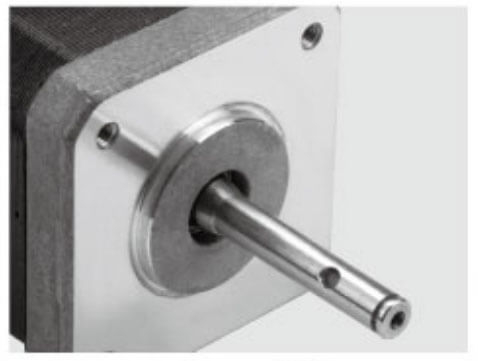
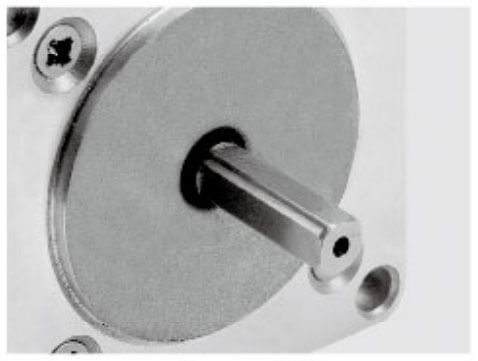
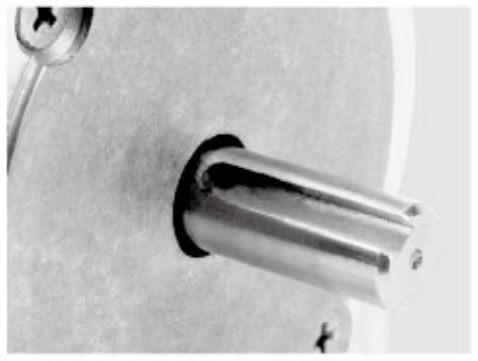
Precision motion control plays a critical role in modern automation, robotics, semiconductor equipment, medical devices, and laboratory instrumentation. When engineers evaluate motion solutions, linear stepper motors and servo systems frequently emerge as the two leading technologies. Each offers unique advantages, but when accuracy becomes the deciding factor, understanding the true performance differences is essential.
In this comprehensive guide, we examine how accurate linear stepper motors are compared to servo systems, explore performance metrics, and identify which technology is best suited for high-precision applications.
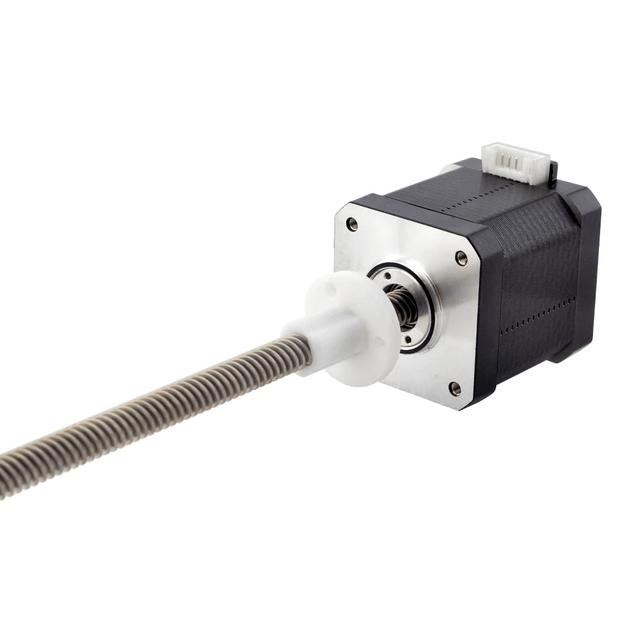
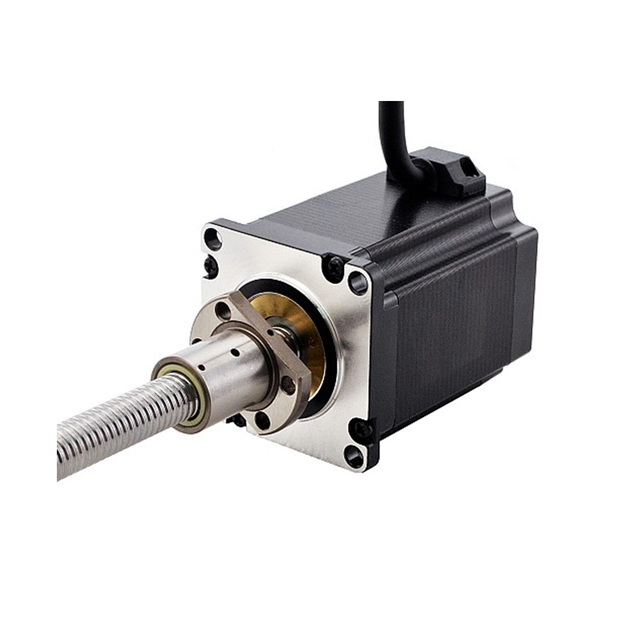
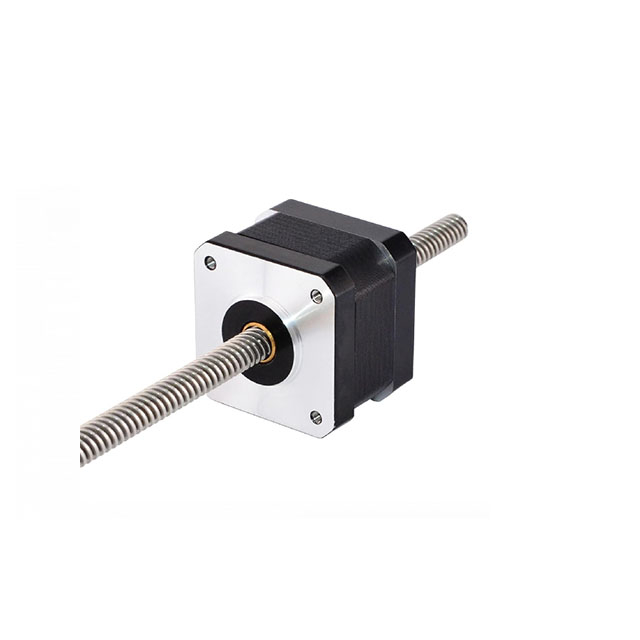
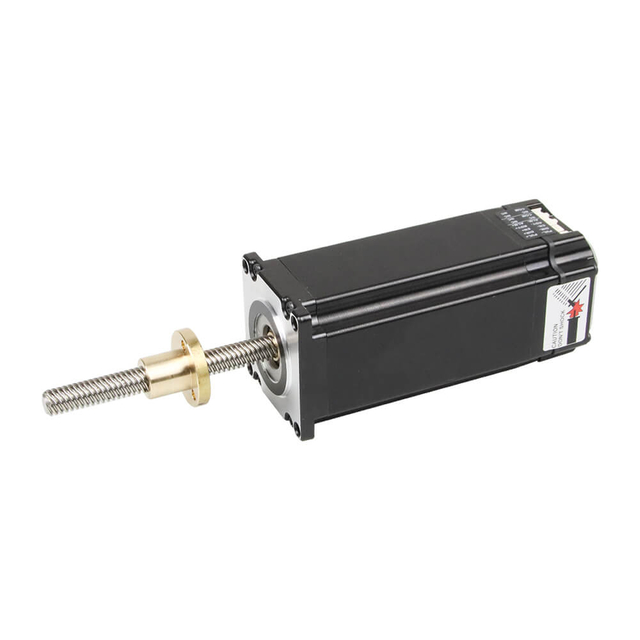
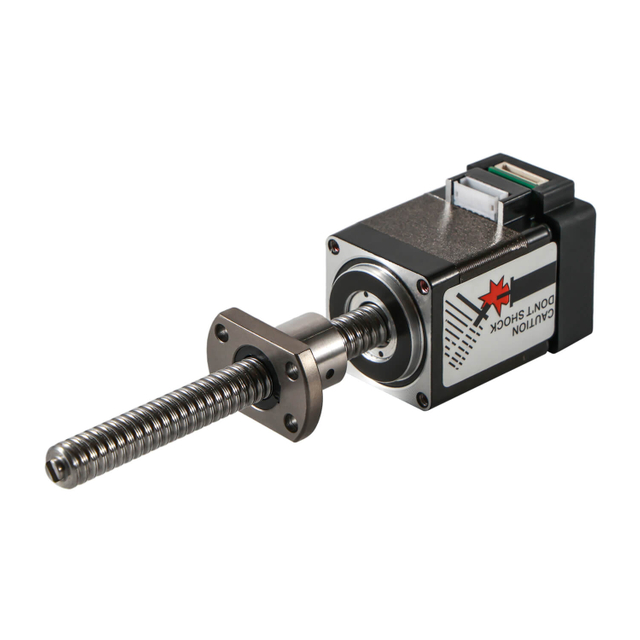
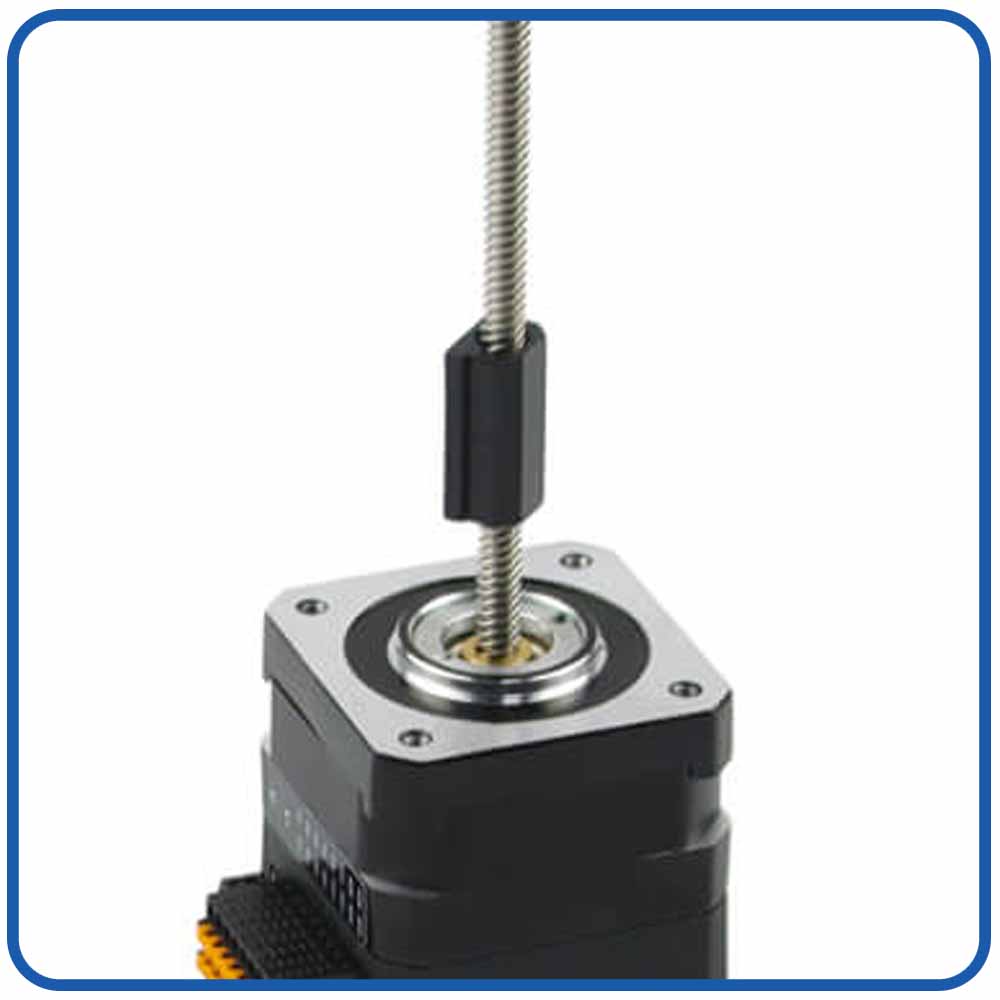
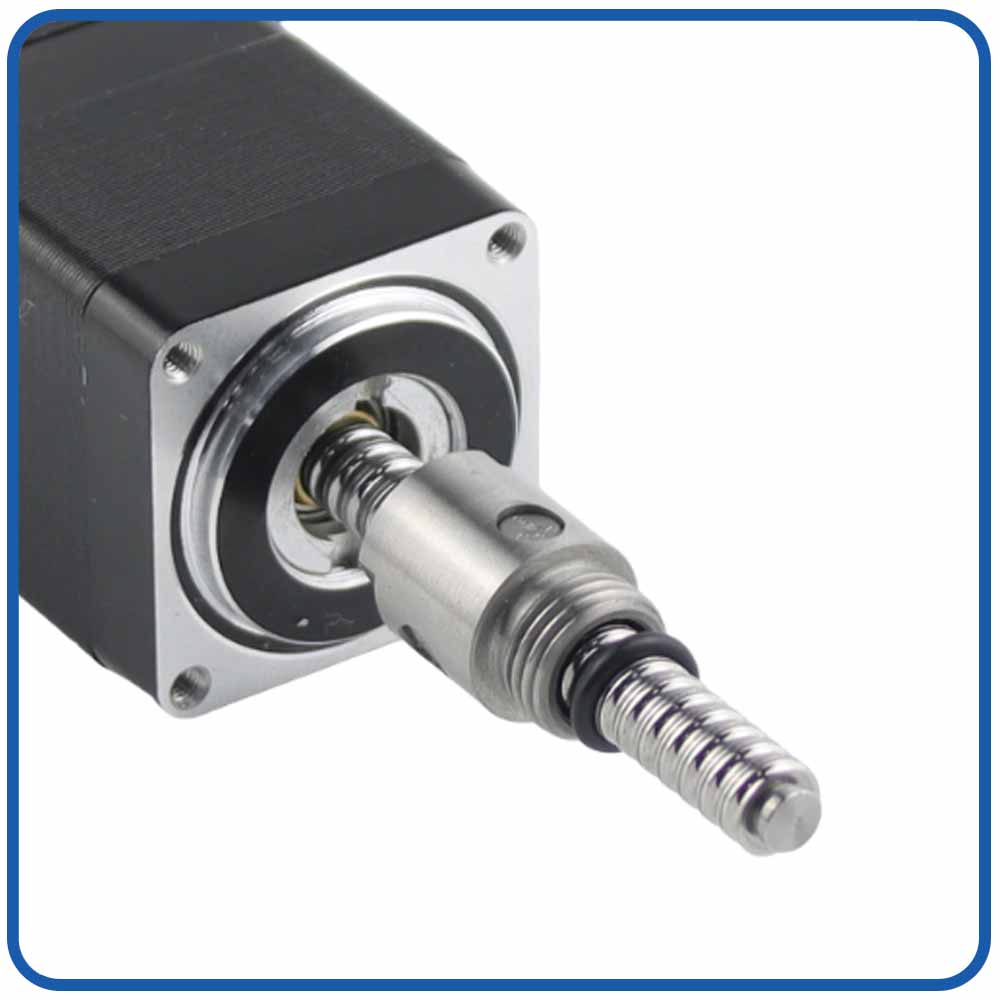
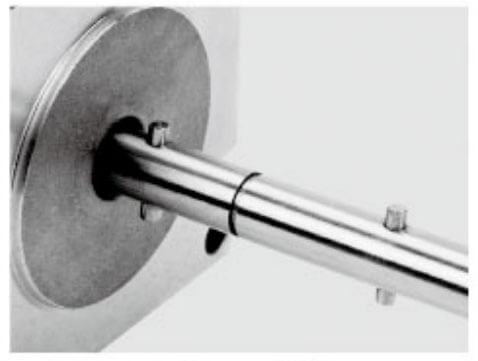
Linear stepper motors convert electrical pulses directly into linear motion, eliminating the need for rotary-to-linear conversion mechanisms such as ball screws or belt drives. This direct-drive structure significantly improves positioning accuracy and reduces mechanical complexity.
Typical Linear Stepper Motor Accuracy Specifications
Linear stepper motor accuracy is typically defined by:
Step resolution
Repeatability
Positioning accuracy
Backlash elimination
Holding force stability
Most high-quality linear stepper motors offer:
Parameter
Typical Performance
Step Resolution
0.01 mm to 0.0005 mm
Repeatability
±0.005 mm to ±0.02 mm
Positioning Accuracy
±0.02 mm to ±0.05 mm
Backlash
Zero (Direct Drive)
Holding Force
High without feedback
Because linear stepper motors operate in open-loop systems, they maintain consistent positioning accuracy without requiring encoders or feedback devices.
This simplicity translates into stable and predictable motion control, particularly in applications requiring short stroke precision movements.
Linear stepper motors provide deterministic resolution, meaning:
Every pulse equals a fixed movement
No overshoot
No hunting behavior
This makes linear stepper motors highly reliable in precision applications.
Speed vs Accuracy Tradeoff
Servo systems excel at:
High speed motion
Dynamic acceleration
Long travel positioning
Linear stepper motors excel at:
Short travel precision
Micro positioning
Stable incremental movement
Feature
Linear Stepper Motor
Servo System
Low-Speed Accuracy
Excellent
Excellent
High-Speed Accuracy
Moderate
Excellent
Short Stroke Precision
Excellent
Very Good
Long Stroke Precision
Good
Excellent
Micro Movement
Excellent
Very Good
Mechanical Complexity and Accuracy Stability
When evaluating motion control accuracy, one critical factor often overlooked is mechanical complexity. The number of components between the motor and the load directly influences accuracy stability, repeatability, maintenance requirements, and long-term performance. Linear stepper motors and servo systems differ significantly in mechanical structure, which directly impacts their accuracy stability over time.
Understanding these differences helps engineers select the most reliable solution for precision-driven applications.
Mechanical Structure of Linear Stepper Motors
Linear stepper motors typically feature a direct-drive design, which converts electrical pulses directly into linear motion without requiring intermediate mechanical components. This simple architecture reduces potential sources of positioning error.
A typical linear stepper motor system includes:
Motor stator
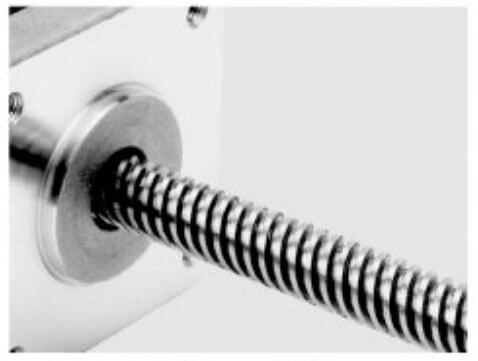
Linear shaft or lead screw
Nut or slider assembly
Bearings or guide system
Because linear stepper motors eliminate complex transmission systems, they reduce tolerance stacking, which is a common source of positioning inaccuracies.
Advantages of Simple Mechanical Design
The simplified mechanical structure provides several key benefits:
Reduced backlash
Improved repeatability
Lower mechanical wear
Higher long-term accuracy stability
Minimal maintenance requirements
With fewer moving components, linear stepper motors maintain consistent positioning accuracy even after extended operational cycles.
Mechanical Structure of Servo Systems
Servo systems often require rotary-to-linear conversion mechanisms when linear motion is needed. This typically involves additional components such as:
Ball screws
Timing belts
Gearboxes
Couplings
Linear guides
Each additional component introduces mechanical tolerances, which accumulate and impact overall accuracy.
Tolerance Stack-Up in Servo Systems
Tolerance stack-up occurs when multiple mechanical components contribute to small positioning errors. These errors accumulate and result in:
Reduced positioning accuracy
Increased repeatability variation
Greater calibration requirements
For example:
Gearbox backlash
Coupling misalignment
Ball screw pitch variation
Guide rail friction
These mechanical factors can significantly affect long-term accuracy stability.
Backlash and Its Impact on Accuracy
Backlash is one of the most critical factors affecting motion accuracy.
Linear Stepper Motors
Direct-drive structure
Minimal or zero backlash
Consistent positioning
Because linear stepper motors eliminate intermediate components, they minimize backlash-related errors.
Servo Systems
Backlash from gearboxes
Ball screw clearance
Coupling looseness
Over time, mechanical wear increases backlash, which reduces positioning accuracy and repeatability.
This makes linear stepper motors more stable in long-term precision applications.
Maintenance and Calibration Requirements
Mechanical complexity also affects maintenance and recalibration frequency.
Linear Stepper Motors
Minimal maintenance
No gearbox tuning
Stable long-term calibration
Linear stepper motors typically require less frequent recalibration, improving productivity and reducing downtime.
Servo Systems
Servo-based linear motion systems may require:
Periodic backlash adjustment
Ball screw maintenance
Encoder recalibration
Coupling alignment
These maintenance tasks can increase operational costs and affect accuracy stability.
Accuracy Stability Comparison Table
Feature
Linear Stepper Motor
Servo System
Mechanical Complexity
Low
High
Backlash
Minimal
Possible
Maintenance Frequency
Low
Higher
Long-Term Accuracy
Stable
Variable
Calibration Needs
Minimal
Periodic
Conclusion
Mechanical complexity plays a significant role in accuracy stability. Linear stepper motors, with their simple direct-drive structure, offer reduced backlash, minimal wear, and consistent long-term accuracy. Servo systems, while powerful and flexible, rely on multiple mechanical components that can introduce tolerance variations and maintenance requirements. For applications requiring stable, repeatable, and long-term precision, linear stepper motors provide a reliable and efficient motion control solution.
Cost vs Accuracy Consideration
Accuracy performance must also be evaluated against cost.
Linear Stepper Motors
Advantages:
No encoder required
Simple driver
Lower system cost
Easy integration
High accuracy at lower cost.
Servo Systems
Advantages:
Advanced motion control
High-speed accuracy
Disadvantages:
Higher cost
Complex tuning
Encoder dependency
Quick Selection Guide
Choose Linear Steppers For:
Strengths: Micro-positioning, short-stroke motion, low-speed precision, and budget-sensitive projects (No encoder required).
Ideal Applications: Medical syringe pumps, micro-fluidic dispensers, laboratory optical alignment.
Choose Servo Systems For:
Strengths: High-speed motion, long-travel positioning, heavy load handling, and multi-axis synchronization.
Ideal Applications: Industrial gantry systems, high-speed packaging, heavy robotic arms.
The Future: Hybrid Motion Architecture
Modern automation often demands both ultra-high speed and sub-micron precision. Relying on a single technology limits overall machine capability. The optimal solution is a Hybrid Architecture:
Linear stepper motors and servo systems excel in different performance areas:
Feature
Linear Stepper Motors
Servo Systems
Micro Positioning
Excellent
Very Good
High-Speed Motion
Moderate
Excellent
Repeatability
Excellent
Excellent
Long Travel Motion
Good
Excellent
System Complexity
Low
Higher
Cost Efficiency
High
Moderate
By combining both, machine designers can maximize performance while minimizing cost and complexity.
Top 3 Engineering Benefits:
Reduced Cycle Times: Fast coarse movement paired with instant fine-tuning.
Superior Accuracy: Achieves micro-level precision without sacrificing dynamic speed.
Optimized System Cost: Deploys expensive servo loops only where high-speed macro-motion is strictly required.
Summary & Next Steps
Hybrid motion systems that combine linear stepper motors and servo systems offer the best of both worlds. Servo motors provide speed, while linear steppers deliver micro-level precision.
Looking for the optimal motion control solution for your project? Whether you need high-speed servo systems, precise linear steppers, or a customized hybrid architecture, our engineering team can help you maximize performance and minimize costs.
Linear stepper motors and servo systems both offer high accuracy, but linear stepper motors excel in predictable, stable, and repeatable positioning, while servo systems dominate dynamic, high-speed precision environments. Selecting the right technology ultimately depends on stroke length, speed requirements, and system complexity, but for many modern automation applications, linear stepper motors deliver exceptional accuracy with superior efficiency and reliability.

 English
 العربية
 Français
 Русский
 Español
 Português
 Deutsch
 italiano
 日本語
日本語 한국어
한국어 Nederlands
 Tiếng Việt
 ไทย
ไทย Polski
 Türkçe
 ພາສາລາວ
 ភាសាខ្មែរ
 Bahasa Melayu
 ဗမာစာ
ဗမာစာ Filipino
 Bahasa Indonesia
 magyar
 Română
 Čeština
 Монгол
 қазақ
қазақ Српски
 हिन्दी
 فارسی
فارسی Slovenčina
 Slovenščina
 Norsk
Norsk Svenska
 українська
 Ελληνικά
 Suomi
Suomi Հայերեն
 עברית
עברית Latine
 Dansk
Dansk Shqip
Shqip বাংলা
বাংলা Hrvatski
 Afrikaans
 Gaeilge
 Eesti keel
 Oʻzbekcha
 latviešu
 Azərbaycan dili
 Български
 Català