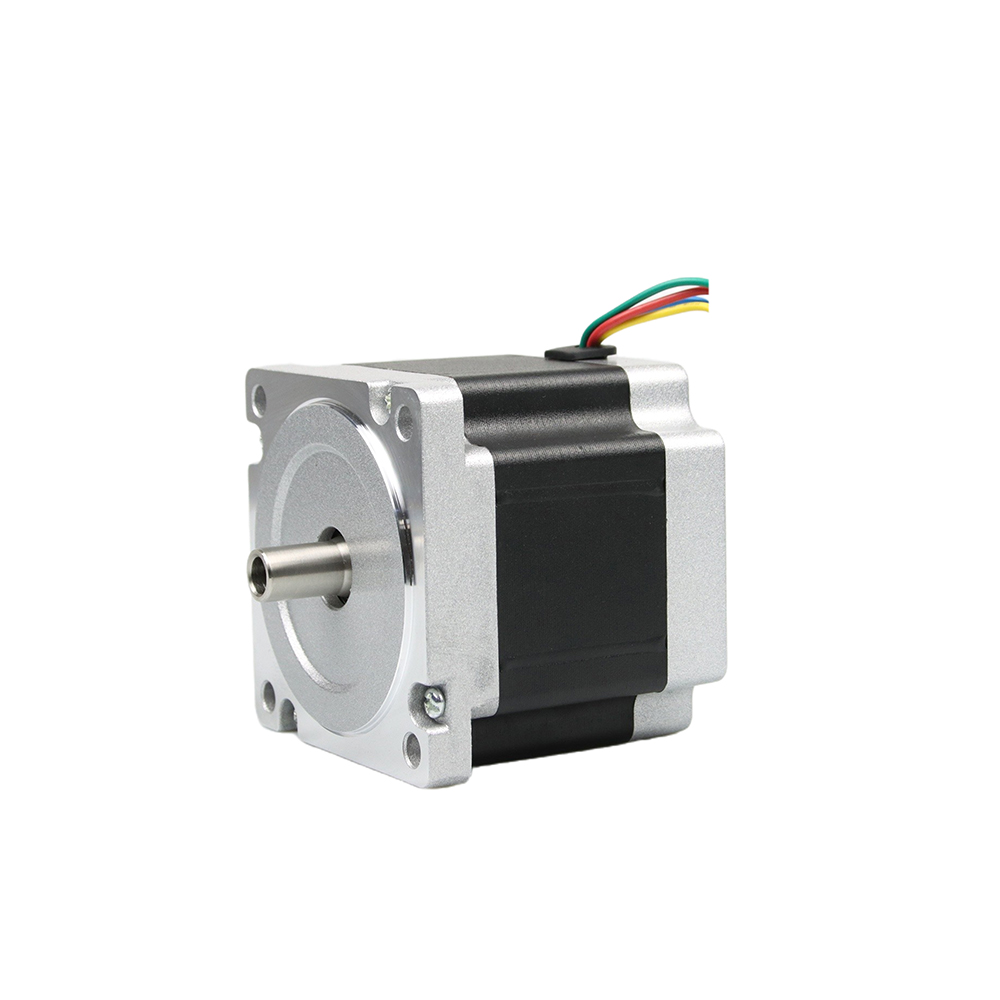
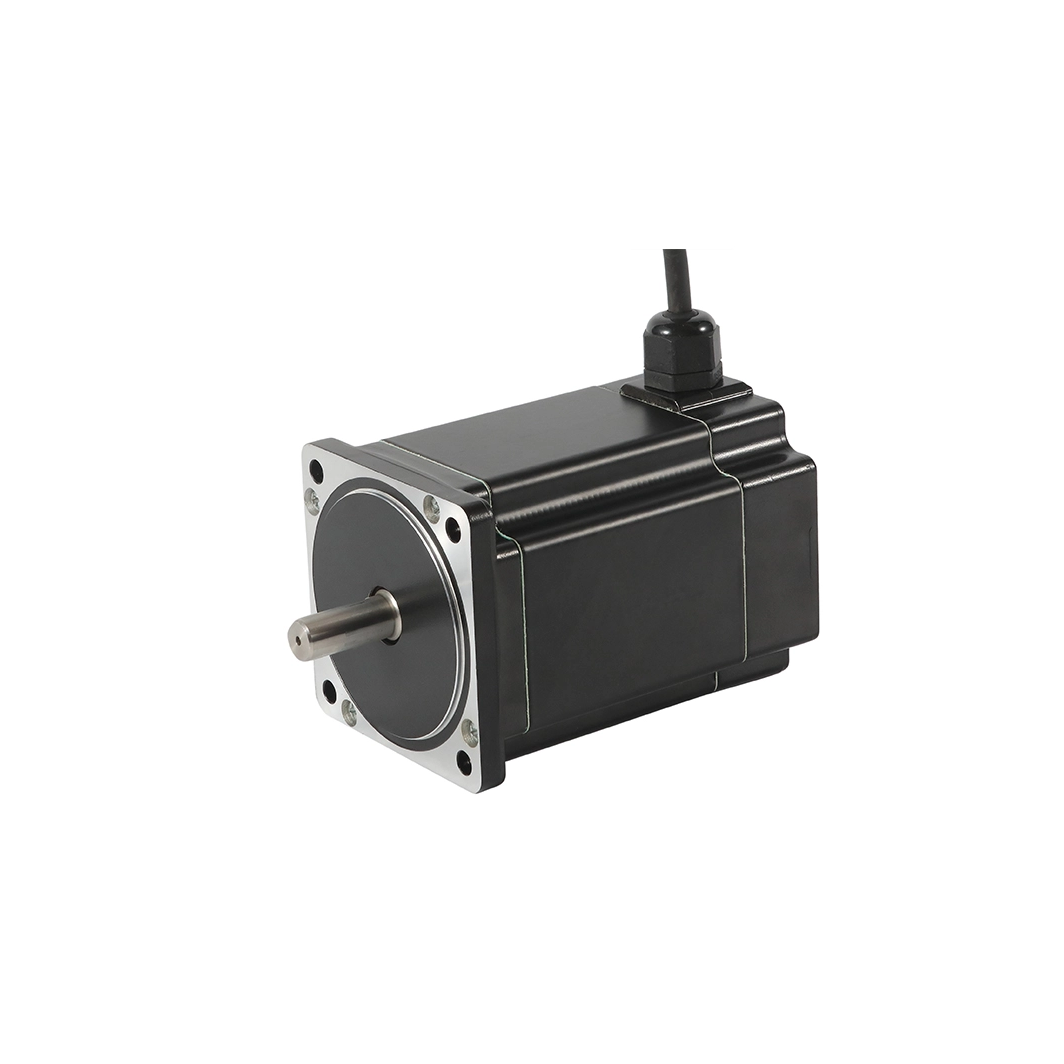
Stepper motors are widely valued for their precision, repeatability, and cost-effectiveness, yet noise and vibration remain two of the most common challenges faced by engineers, manufacturers, and system integrators. Excessive noise not only affects user experience but also signals mechanical stress, positioning errors, and reduced system lifespan. Vibration, when left unaddressed, can compromise accuracy and damage surrounding components.
In this comprehensive guide, we analyze every major cause of stepper motor noise and vibration and provide practical, field-proven solutions suitable for industrial, commercial, and high-precision applications.
Stepper motor noise and vibration are mainly caused by resonance, control settings, and load mismatch. By selecting the right stepper motor and working with an experienced stepper motor manufacturer for customized design, noise and vibration can be effectively minimized.
Understanding Stepper Motor Noise and Vibration Characteristics
Stepper motors operate by moving in discrete steps, unlike continuous-rotation motors. This stepwise motion naturally introduces torque ripple, which becomes the primary source of vibration and audible noise.
Key characteristics include:
Understanding these characteristics allows us to address the root cause rather than masking symptoms.
Electrical Causes of Stepper Motor Noise and Vibration
Improper Drive Current Settings
Incorrect current configuration is one of the most overlooked causes of noise.
Overcurrent increases magnetic saturation, leading to harsh vibration and heat
Undercurrent reduces torque, causing missed steps and oscillation
Practical Solution:
Set the driver current to 70–90% of the motor's rated current, ensuring sufficient torque without excessive magnetic stress.
Outdated or basic drivers generate square-wave current, which creates abrupt torque transitions.
Practical Solution:
Use microstepping drivers with:
Modern digital drivers significantly reduce audible noise and mechanical resonance.
Insufficient Power Supply Stability
Voltage ripple or undersized power supplies introduce inconsistent current flow, amplifying vibration.
Practical Solution:
Use a regulated power supply
Maintain voltage margins of 20–30% above motor back-EMF
Add bulk capacitors near the driver input
Mechanical Causes of Stepper Motor Noise and Vibration
Resonance at Low and Mid Speeds
Stepper motors exhibit natural resonance frequencies, typically between 50–200 RPM, where vibration peaks dramatically.
Practical Solution:
Rigid or Misaligned Motor Mounting
Direct mounting to thin metal plates or poorly aligned shafts transmits vibration into the entire structure.
Practical Solution:
Use precision-machined mounting surfaces
Install rubber isolation dampers
Ensure coaxial alignment between motor and load
Coupling and Load Imbalance
Improper couplings amplify vibration instead of absorbing it.
Practical Solution:
Select couplings based on application:
Flexible jaw couplings for vibration isolation
Bellows couplings for high-precision alignment
Oldham couplings for parallel misalignment
Control and Motion Profile-Related Causes
Abrupt Acceleration and Deceleration
Instantaneous speed changes introduce shock loads that excite resonance.
Practical Solution:
Implement:
Low Microstepping Resolution
Full-step or half-step operation generates strong torque ripple.
Practical Solution:
Operate at:
Higher microstepping smooths motion and dramatically reduces audible noise.
Environmental and Structural Factors
Environmental and structural conditions have a direct and often underestimated impact on stepper motor noise and vibration. Even when electrical tuning and mechanical design are optimized, unfavorable surroundings or poor structural integration can amplify noise and reduce motion stability. Addressing these factors at the system level is essential for long-term, low-noise operation.
Machine Frame Resonance and Structural Rigidity
Lightweight or poorly reinforced frames act as vibration amplifiers, turning minor oscillations into audible noise.
Thin metal panels resonate at specific frequencies
Long unsupported spans increase structural flex
Inadequate bracing allows vibration to propagate
Best Practice:
Use rigid frames with reinforced mounting points, add structural ribs where necessary, and increase mass in vibration-prone areas to shift resonance frequencies away from operating speeds.
Motor Mounting Surface Quality
Uneven or flexible mounting surfaces introduce micro-movements that intensify vibration.
Best Practice:
Mount stepper motors on flat, machined surfaces using high-strength fasteners. When noise sensitivity is critical, integrate vibration isolation pads or dampers without compromising alignment accuracy.
Enclosure Design and Acoustic Amplification
Enclosures can unintentionally magnify sound through reflection and resonance.
Best Practice:
Apply acoustic damping materials, avoid large flat reflective surfaces, and introduce internal baffles to disrupt sound paths and reduce perceived noise levels.
Ambient Temperature and Thermal Effects
Temperature variations affect bearing preload, lubrication viscosity, and magnetic behavior.
Best Practice:
Maintain a stable operating temperature range and ensure proper ventilation. Consistent thermal conditions help preserve mechanical balance and reduce noise over time.
Dust, Moisture, and Contaminant Exposure
Environmental contaminants significantly increase long-term noise and vibration.
Dust particles degrade bearings and couplings
Moisture leads to corrosion and uneven friction
Oil mist alters lubrication properties
Best Practice:
Use motors with appropriate IP ratings, sealed bearings, and protective covers when operating in harsh environments.
Floor and Base Isolation
External vibration from nearby machinery can transfer into stepper motor systems.
Best Practice:
Isolate machine bases using vibration-damping mounts or pads to prevent external vibration from influencing motor performance.
System-Level Impact
Optimizing environmental and structural factors delivers clear advantages:
Lower transmitted vibration
Reduced acoustic amplification
Improved motion smoothness
Extended mechanical lifespan
By treating the motor, structure, and environment as a single integrated system, we achieve quiet, stable, and reliable stepper motor operation even in demanding industrial conditions.
Advanced Solutions for Noise and Vibration Reduction
Closed-Loop Stepper Systems
Traditional open-loop systems cannot compensate for resonance dynamically.
Practical Solution:
Adopt closed-loop stepper motors with encoders:
Real-time position feedback
Automatic current adjustment
Reduced oscillation under load changes
Use of Vibration Dampers
Tuned mass dampers absorb specific resonance frequencies.
Practical Solution:
Install shaft-mounted inertia dampers or viscous dampers tailored to motor size and speed range.
Optimized Motor Selection
Not all stepper motors are equal in vibration performance.
Practical Solution:
Choose motors with:
Application-Specific Noise Mitigation Strategies
3D Printers and Desktop Equipment
Medical and Laboratory Equipment
Preventive Maintenance to Minimize Noise Over Time
Preventive maintenance plays a decisive role in keeping stepper motor noise and vibration under control throughout the service life of a motion system. Even a well-designed system will gradually become noisier if routine inspection and optimization are neglected. By implementing a structured maintenance strategy, we ensure stable motion performance, reduced acoustic output, and extended component lifespan.
Regular Bearing Inspection and Lubrication
Motor bearings are a primary mechanical noise source as systems age. Dry, contaminated, or worn bearings increase friction and generate high-frequency noise.
Inspect bearings at scheduled intervals based on duty cycle
Replace bearings showing signs of wear, pitting, or discoloration
Avoid over-lubrication, which can increase drag and vibration
Using motors with sealed, high-quality bearings significantly reduces long-term noise risk.
Fastener and Mounting Integrity Checks
Loose mounting screws and brackets amplify vibration and allow resonant frequencies to develop.
Verify motor mounting torque periodically
Inspect base plates and frames for metal fatigue or deformation
Re-tighten couplings, pulleys, and load-side fasteners
A rigid and stable mounting interface prevents vibration from propagating into the machine structure.
Cable Management and Connector Maintenance
Poor electrical connections introduce current fluctuations that lead to audible noise and unstable torque.
Inspect power and signal cables for wear or insulation damage
Ensure connectors are clean, tight, and strain-relieved
Avoid routing motor cables near high-frequency or high-current lines
Proper cable routing minimizes electrical interference that can translate into mechanical vibration.
Driver and Firmware Optimization
Stepper drivers evolve over time, and outdated configurations may increase noise.
Periodically verify current settings and decay modes
Update driver firmware when available
Re-tune microstepping parameters after system changes
Optimized drivers maintain smooth current waveforms, reducing torque ripple and acoustic noise.
Thermal Management and Environmental Control
Excessive heat accelerates mechanical wear and alters magnetic characteristics.
Monitor operating temperatures under real load conditions
Ensure adequate airflow or heat dissipation
Prevent dust, moisture, and oil contamination
Stable thermal conditions preserve bearing life and magnetic balance.
Load and Alignment Verification
As machines age, alignment can drift due to vibration and thermal cycling.
Check shaft alignment between motor and load
Inspect couplings for wear or fatigue
Confirm load balance and inertia matching
Proper alignment reduces radial stress and suppresses long-term vibration growth.
Long-Term Maintenance Benefits
A disciplined preventive maintenance program delivers measurable results:
Lower operational noise levels
Reduced vibration-related failures
Improved positioning accuracy
Extended motor and driver lifespan
By addressing small deviations early, we prevent noise escalation and maintain quiet, reliable stepper motor operation over time.
FAQs: Stepper Motor Noise and Vibration
Why does a stepper motor produce noise and vibration?
Stepper motor noise and vibration are mainly caused by resonance, torque ripple, and improper drive settings.
How does resonance affect stepper motor performance?
Resonance amplifies vibration at certain speeds, reducing motion smoothness and positioning accuracy.
Can microstepping reduce stepper motor noise?
Yes, microstepping smooths current transitions and significantly reduces stepper motor noise and vibration.
Does step angle influence stepper motor vibration?
Larger step angles generally increase vibration, while smaller step angles improve smoothness.
How does driver quality affect stepper motor noise?
A high-quality stepper motor driver provides smoother current control, reducing audible noise.
Can improper current settings increase stepper motor vibration?
Yes, incorrect current settings can cause excess heat, noise, and unstable motor operation.
Does load inertia contribute to stepper motor vibration?
High load inertia can worsen vibration if the motor is not properly matched to the application.
Are closed-loop stepper motors quieter than open-loop motors?
Closed-loop stepper motors use feedback to correct motion, often resulting in quieter operation.
How does encoder feedback help reduce noise and vibration?
Encoder feedback enables real-time correction, minimizing oscillation and mechanical resonance.
Are integrated stepper servo motors suitable for low-noise applications?
Yes, integrated stepper servo motors combine feedback and control to deliver smoother and quieter motion.
Can a stepper motor manufacturer customize motors to reduce noise?
Yes, manufacturers can optimize winding design, rotor balance, and magnetic structure.
Can stepper motor drivers be matched or integrated by the manufacturer?
Stepper motor manufacturers can supply matched or integrated driver solutions for noise reduction.
Is it possible to customize stepper motors for low-speed, low-vibration operation?
Yes, pole design and winding optimization can improve low-speed smoothness.
Can damping solutions be integrated by a stepper motor manufacturer?
Mechanical dampers or structural damping can be added to reduce vibration.
Can stepper motors be customized for noise-sensitive industries?
Yes, stepper motors can be customized for medical, laboratory, and precision equipment.
Do stepper motor manufacturers offer closed-loop upgrades?
Many manufacturers provide closed-loop stepper motors to improve stability and reduce noise.
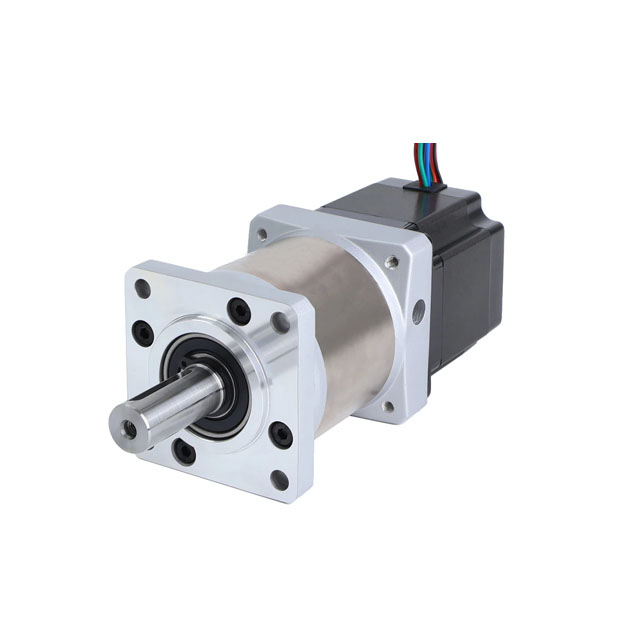
Can gearboxes be integrated without increasing vibration?
Precision planetary gearboxes can be integrated with minimal noise increase.
How does factory testing help control stepper motor vibration?
Vibration, resonance, and load testing verify performance before shipment.
Can stepper motors be customized for continuous-duty, low-noise operation?
Thermal design, insulation class, and cooling options can be tailored for quiet, continuous use.
Do stepper motor manufacturers support OEM and ODM noise-optimized designs?
Yes, OEM and ODM services allow full customization for noise and vibration control.
Key Takeaways for Eliminating Stepper Motor Noise and Vibration
Noise originates from electrical, mechanical, and control factors
Microstepping, proper current tuning, and rigid alignment offer immediate improvements
Advanced solutions like closed-loop control and dampers deliver long-term stability
System-level design is just as important as motor selection
By applying these proven strategies, we achieve smoother motion, quieter operation, higher accuracy, and extended service life across all stepper motor applications.

 English
 العربية
 Français
 Русский
 Español
 Português
 Deutsch
 italiano
 日本語
日本語 한국어
한국어 Nederlands
 Tiếng Việt
 ไทย
ไทย Polski
 Türkçe
 ພາສາລາວ
 ភាសាខ្មែរ
 Bahasa Melayu
 ဗမာစာ
ဗမာစာ Filipino
 Bahasa Indonesia
 magyar
 Română
 Čeština
 Монгол
 қазақ
қазақ Српски
 हिन्दी
 فارسی
فارسی Slovenčina
 Slovenščina
 Norsk
Norsk Svenska
 українська
 Ελληνικά
 Suomi
Suomi Հայերեն
 עברית
עברית Latine
 Dansk
Dansk Shqip
Shqip বাংলা
বাংলা Hrvatski
 Afrikaans
 Gaeilge
 Eesti keel
 Oʻzbekcha
 latviešu
 Azərbaycan dili
 Български
 Català