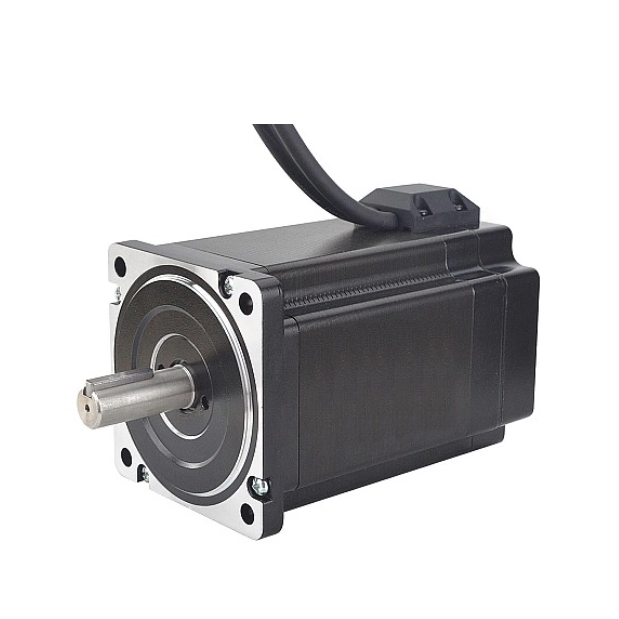
Stepper motors are a cornerstone of modern automation, robotics, and precision machinery. Selecting the correct type—open loop or closed loop—can drastically impact the performance, efficiency, and reliability of your system. In this comprehensive guide, we dive deep into the technical, practical, and economic considerations that define the choice between open loop and closed loop stepper motors.
Understanding Stepper Motors
Stepper motors are electromechanical devices that convert electrical pulses into discrete mechanical movements. Unlike traditional motors that rotate continuously, stepper motors move in fixed increments or steps, enabling precise control over position, speed, and acceleration. They are widely used in 3D printers, CNC machines, medical devices, and automation systems.
Stepper motors are primarily categorized into two types of control systems:
Open Loop Stepper Motors
Closed Loop Stepper Motors
The difference lies in feedback control and the motor's ability to respond to load variations, positional errors, and dynamic operating conditions.
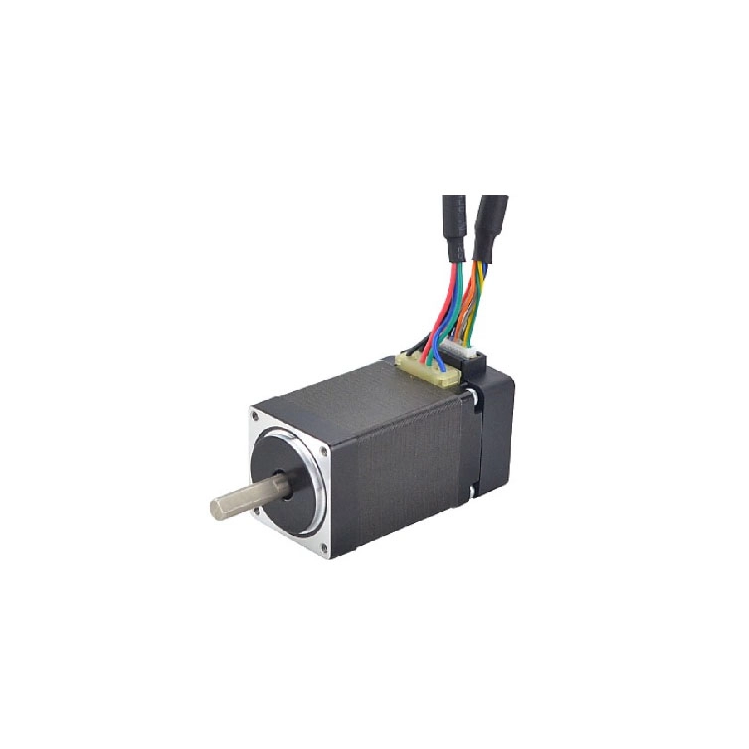
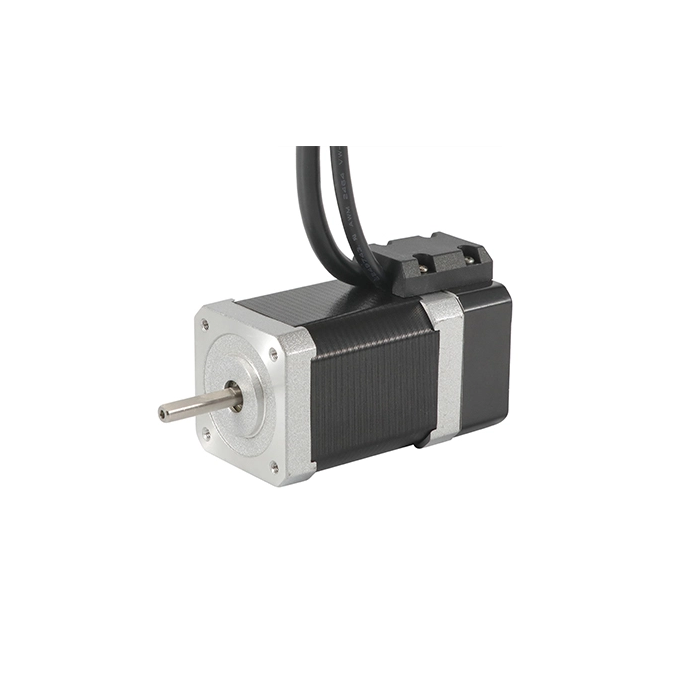
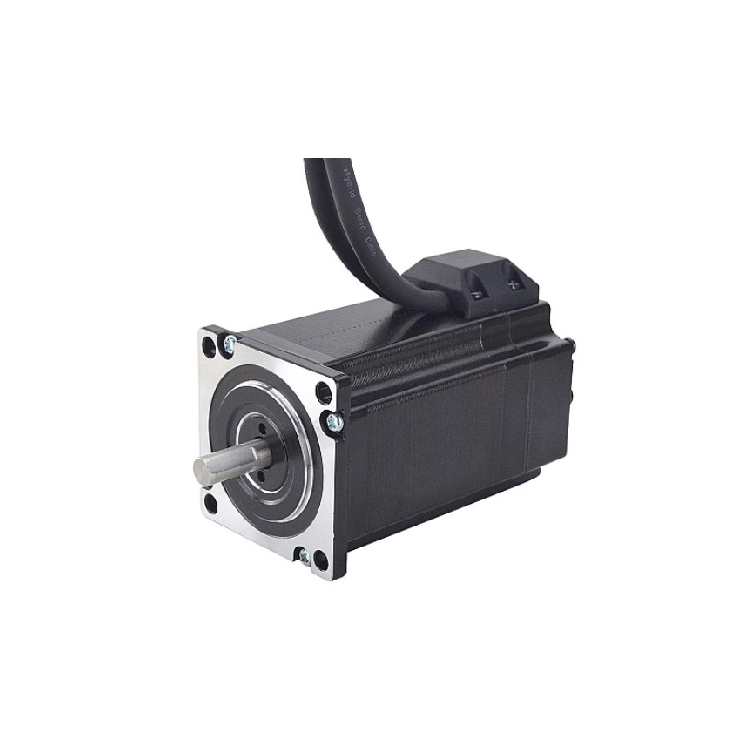
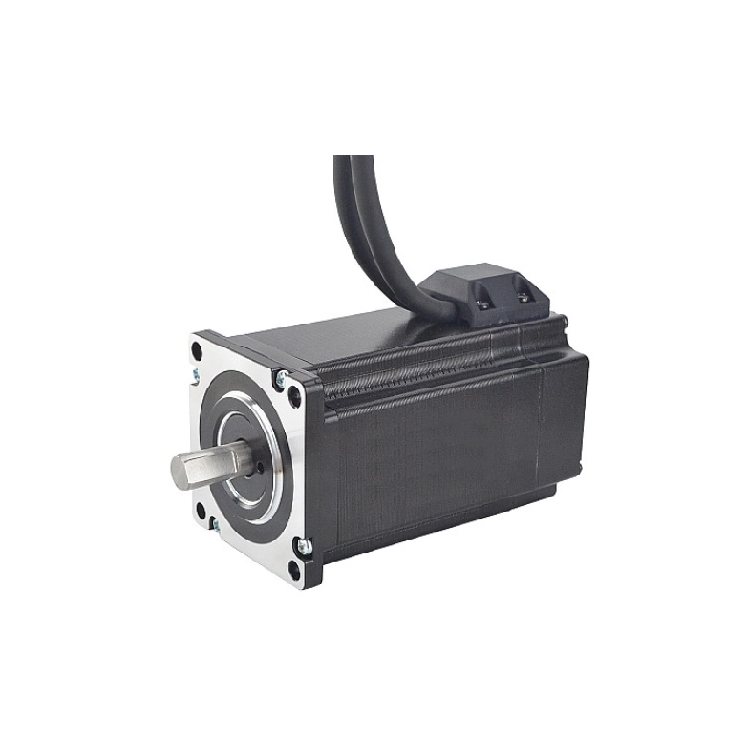
Besfoc's Closed-Loop Stepper Motor Products
Open Loop Stepper Motors: Characteristics and Applications
Definition and Mechanism
Open loop stepper motors operate without feedback sensors. The control system sends electrical pulses to the motor, and the motor is expected to move the corresponding number of steps. The system assumes no load variations or disturbances and does not verify the actual position.
Key Advantages
Simplicity: Open loop systems are straightforward to implement, with fewer components, reducing system complexity.
Cost-Effective: With no sensors or feedback controllers, these motors are more economical.
Reliability in Simple Applications: Ideal for systems with predictable loads, such as conveyor belts or small robotics, where positional accuracy is sufficient without real-time corrections.
Limitations
Loss of Steps: When subjected to high torque or sudden load changes, open loop motors can miss steps, leading to positional errors.
Limited Speed and Torque: Open loop stepper motors struggle in high-speed or high-torque applications due to lack of dynamic adjustment.
No Error Detection: Without feedback, it is impossible to know if the motor failed to reach the intended position.
Ideal Applications
3D printers with light extruders
Textile machines with constant load
Low-cost automation projects
Light CNC applications with predictable torque demands
Closed Loop Stepper Motors: Characteristics and Applications
Definition and Mechanism
Closed loop stepper motors integrate feedback devices such as encoders or resolvers to continuously monitor the motor's position and speed. The controller adjusts the drive signals based on this feedback, effectively correcting any positional errors in real-time.
Key Advantages
Precision and Accuracy: Closed loop systems ensure that the motor reaches its target position, even under varying loads.
Higher Torque Capability: The controller can increase current when higher torque is required, maximizing performance.
Energy Efficiency: The motor uses only the current needed to maintain position, reducing heat generation and energy consumption.
Error Detection and Protection: Automatic correction minimizes step loss, and some systems can trigger alarms or safe shutdowns if overload conditions are detected.
Limitations
Higher Cost: Encoders and sophisticated controllers increase the initial cost of the system.
Complexity: Closed loop systems require more intricate setup and tuning.
Maintenance Considerations: Additional sensors and electronics can increase maintenance needs.
Ideal Applications
High-speed CNC machining
Robotics requiring precise positioning
Medical devices with safety-critical movement
Industrial automation under variable load conditions
| Feature | Open Loop Stepper Motor | Closed Loop Stepper Motor |
| Feedback | None | Encoder/Resolver based |
| Accuracy | Moderate, loss of steps possible | High, real-time error correction |
| Torque Handling | Limited | High, adjusts dynamically |
| Speed Capability | Moderate | High, stable under load |
| Complexity | Low | High |
| Cost | Low | High |
| Energy Efficiency | Lower | Higher, optimized current |
| Ideal Use | Simple, predictable load | High precision, variable load |
Key Considerations When Choosing Between Open Loop and Closed Loop
1. Load Characteristics
Evaluate whether your application has variable loads, sudden torque spikes, or heavy-duty operation. Closed loop motors excel in dynamic environments, whereas open loop motors suffice for stable and predictable loads.
2. Required Accuracy
If your system demands micrometer-level positioning or must maintain repeatability under changing conditions, a closed loop stepper is essential. For general-purpose movements, open loop motors remain effective and cost-efficient.
3. Speed and Acceleration
Open loop systems can falter at high speeds due to missed steps. Closed loop stepper motors maintain accurate performance across a wider speed range, making them ideal for high-speed automated machinery.
4. System Complexity and Cost
Open loop motors offer simpler wiring, controllers, and setup. Closed loop motors require encoder integration, more complex drives, and tuning, which increases upfront cost but enhances long-term reliability.
5. Energy Consumption and Heat Management
In applications where thermal buildup or energy efficiency is critical, closed loop systems can dynamically reduce current, avoiding unnecessary heat and energy waste.
Technological Innovations in Stepper Motor Systems
Stepper motors have undergone significant advancements in recent years, transforming their capabilities and expanding their applications across industrial automation, robotics, medical equipment, and precision machinery. Modern innovations focus on enhancing accuracy, efficiency, reliability, and ease of integration, enabling stepper motors to perform in demanding environments where they were previously limited.
1. Adaptive Microstepping for Smoother Motion
Traditional stepper motors operate in discrete steps, which can cause vibration, noise, and resonance at certain speeds. Adaptive microstepping technology divides each full step into multiple smaller steps, allowing for smoother and quieter motion. Advanced microstepping drives can dynamically adjust the step resolution based on speed, load, and torque requirements, improving both positioning accuracy and overall performance.
2. Real-Time Torque Control
Modern closed loop stepper motors integrate sophisticated controllers that can dynamically adjust the current supplied to the motor based on the real-time torque demand. This innovation allows the motor to deliver higher torque when needed without overheating or wasting energy when load requirements are low. Real-time torque control not only enhances system reliability but also reduces energy consumption and thermal stress.
3. Enhanced Feedback Systems
Closed loop stepper motors increasingly employ high-resolution encoders and resolvers, allowing precise detection of the rotor position and velocity. Innovations in feedback technology enable instantaneous error correction, preventing step loss and ensuring consistent repeatability under varying loads. Some systems now offer absolute position feedback, which eliminates the need for homing procedures during power cycles.
4. Smart Controllers and IoT Integration
Integration of stepper motors with smart controllers and IoT-enabled systems is becoming standard in advanced automation. These controllers provide predictive maintenance, monitor motor health in real-time, and automatically adjust parameters to prevent failures. IoT-enabled stepper motors allow remote diagnostics, performance logging, and adaptive optimization, ensuring maximum uptime and efficiency in industrial environments.
5. Hybrid Stepper Motor Designs
Hybrid stepper motors combine the simplicity of open loop systems with the precision of closed loop control. These motors feature improved rotor and stator designs, higher torque density, and advanced control electronics. Hybrid designs are particularly useful in applications where moderate accuracy is sufficient, but higher efficiency and reliability are desired without the full complexity of closed loop systems.
6. Resonance Suppression Techniques
Stepper motors are prone to mechanical resonance at certain speeds, which can reduce performance and create vibration or noise. Resonance suppression technologies—such as chopper drives, damping algorithms, and automatic gain adjustments—mitigate these effects, allowing stepper motors to operate at higher speeds and under variable loads without sacrificing stability or accuracy.
7. Energy-Efficient Drives
Modern stepper motor drives focus on reducing power consumption and heat generation. Techniques like current optimization, dynamic braking, and energy recovery ensure that motors use only the necessary current to maintain torque, improving both energy efficiency and motor lifespan. This is particularly important in applications with continuous operation or where thermal management is critical.
8. Integration with Advanced Automation Systems
Stepper motors now seamlessly integrate with advanced motion control platforms. Using CANopen, EtherCAT, or Modbus interfaces, stepper motors can communicate directly with PLCs, CNC controllers, and robotic systems. This integration allows complex multi-axis coordination, synchronized motion, and high-speed automation with precise control over position, speed, and torque.
Summary:
Technological innovations have significantly expanded the capabilities of stepper motors, bridging the gap between traditional open loop simplicity and high-performance closed loop precision. Modern advancements in adaptive microstepping, real-time torque control, feedback systems, smart IoT integration, hybrid designs, resonance suppression, and energy-efficient drives have enabled stepper motors to perform reliably in high-speed, high-precision, and dynamically varying environments. These innovations ensure that stepper motors remain a preferred choice for modern automation, robotics, and industrial machinery.
Cost-Benefit Analysis: Open Loop vs Closed Loop
| Criteria | Open Loop | Closed Loop |
| Initial Investment | Low | High |
| Maintenance Costs | Minimal | Moderate |
| Downtime Risk | Higher (due to missed steps) | Low (automatic error correction) |
| Long-Term Reliability | Moderate | High |
| Performance Under Variable Loads | Limited | Excellent |
| Application Suitability | Budget projects, low precision | High precision, high torque, critical applications |
Understanding the true operational costs is key. While closed loop systems require higher initial investment, they reduce maintenance, downtime, and error-related losses, making them economically favorable in long-term, high-performance setups.
Practical Recommendations for Choosing Stepper Motors
Selecting the right stepper motor—open loop or closed loop—requires careful consideration of your application’s performance requirements, load characteristics, cost constraints, and long-term reliability. Below, we outline practical recommendations to guide engineers, designers, and automation professionals in making the best decision.
1. Assess Your Load Requirements
Understanding the type of load your system will handle is critical:
Predictable, constant loads: Open loop stepper motors are sufficient for applications where torque and resistance remain steady. Examples include conveyor belts, simple pick-and-place systems, or light 3D printing setups.
Variable or heavy loads: Closed loop stepper motors are recommended when your system encounters dynamic torque changes, sudden load spikes, or fluctuating resistance. This ensures accurate positioning and reduces the risk of step loss.
Tip: Calculate peak torque and assess whether an open loop system can safely handle it without skipping steps.
2. Define Required Accuracy and Precision
Moderate precision: Open loop stepper motors can achieve reasonable accuracy, especially with microstepping, but step loss can occur under stress.
High precision: Closed loop stepper motors with encoder feedback are essential when you need micrometer-level positioning, repeatable accuracy, or exact speed control under variable loads.
Tip: For critical processes like medical equipment, high-speed CNC machining, or robotic arms, closed loop systems minimize positional errors and improve reliability.
3. Consider Speed and Acceleration Needs
Open loop stepper motors perform well at low to moderate speeds, but their accuracy may decline at higher RPMs due to missed steps or vibration.
Closed loop stepper motors can maintain stable performance across a wide speed range, making them ideal for high-speed automation and applications with rapid acceleration/deceleration cycles.
Tip: Match the motor type to the maximum expected speed and acceleration of your application.
4. Factor in System Complexity and Cost
Budget-conscious, simple applications: Open loop systems are less expensive and easier to implement, with fewer components and straightforward wiring.
High-performance, demanding applications: Closed loop systems require encoders, feedback controllers, and more sophisticated drives, increasing upfront cost but improving long-term reliability and operational efficiency.
Tip: Evaluate total cost of ownership, including maintenance, downtime, and energy consumption, not just initial purchase price.
5. Evaluate Energy Efficiency and Heat Management
Closed loop stepper motors optimize current based on load demand, which reduces heat buildup and improves energy efficiency. Open loop motors run at constant current, which can lead to higher energy consumption and thermal stress, especially during prolonged operation.
Tip: For continuous or high-duty-cycle applications, closed loop systems offer better thermal management and operational stability.
6. Consider Hybrid Solutions for Balanced Performance
Hybrid stepper motors offer a middle ground, combining the simplicity of open loop systems with some benefits of closed loop feedback. They are suitable when:
Moderate precision is needed
Cost needs to remain controlled
Load varies slightly but not drastically
Tip: Hybrid designs are ideal for mid-level automation projects or when you want enhanced reliability without fully investing in a closed loop system.
7. Plan for Future Expansion or Automation Integration
If your system may later be upgraded or integrated into advanced automation, consider:
Closed loop motors with networked controllers compatible with PLCs or robotic systems
Motors with IoT-enabled monitoring for predictive maintenance
Drives that support multi-axis synchronization
Tip: Investing in slightly more advanced motors upfront can prevent costly upgrades in the future.
Summary of Practical Recommendations
| Recommendation | Open Loop Stepper Motor | Closed Loop Stepper Motor |
| Load Type | Constant, predictable | Variable, heavy, dynamic |
| Precision Requirement | Moderate | High, error-free positioning |
| Speed & Acceleration | Low to moderate | Moderate to high, precise control |
| System Complexity | Low | High (requires feedback, tuning) |
| Cost | Low upfront | Higher upfront, better ROI long-term |
| Energy & Heat Management | Less efficient | Optimized, reduced thermal stress |
| Upgrade & Integration | Limited | Easily integrated with advanced automation |
By carefully assessing load, speed, precision, cost, and long-term system needs, engineers can select the best motor type for their application, ensuring optimal performance, reliability, and efficiency. Following these practical recommendations allows systems to maximize uptime, minimize errors, and deliver consistent results across a wide range of industrial and automation applications.
Conclusion: Making the Right Choice
Selecting between open loop and closed loop stepper motors requires a careful balance of performance, cost, complexity, and reliability. Open loop motors remain a cost-effective solution for simple and predictable applications, while closed loop systems dominate in environments demanding precision, speed, and dynamic load adaptability. By considering load characteristics, accuracy requirements, speed, energy efficiency, and long-term reliability, engineers can make informed decisions that optimize both operational efficiency and ROI.
Step carefully, evaluate your application in detail, and match the motor type to the specific demands of your system—this ensures maximum performance, efficiency, and reliability for years to come.

 English
 العربية
 Français
 Русский
 Español
 Português
 Deutsch
 italiano
 日本語
日本語 한국어
한국어 Nederlands
 Tiếng Việt
 ไทย
ไทย Polski
 Türkçe
 ພາສາລາວ
 ភាសាខ្មែរ
 Bahasa Melayu
 ဗမာစာ
ဗမာစာ Filipino
 Bahasa Indonesia
 magyar
 Română
 Čeština
 Монгол
 қазақ
қазақ Српски
 हिन्दी
 فارسی
فارسی Slovenčina
 Slovenščina
 Norsk
Norsk Svenska
 українська
 Ελληνικά
 Suomi
Suomi Հայերեն
 עברית
עברית Latine
 Dansk
Dansk Shqip
Shqip বাংলা
বাংলা Hrvatski
 Afrikaans
 Gaeilge
 Eesti keel
 Oʻzbekcha
 latviešu
 Azərbaycan dili
 Български
 Català