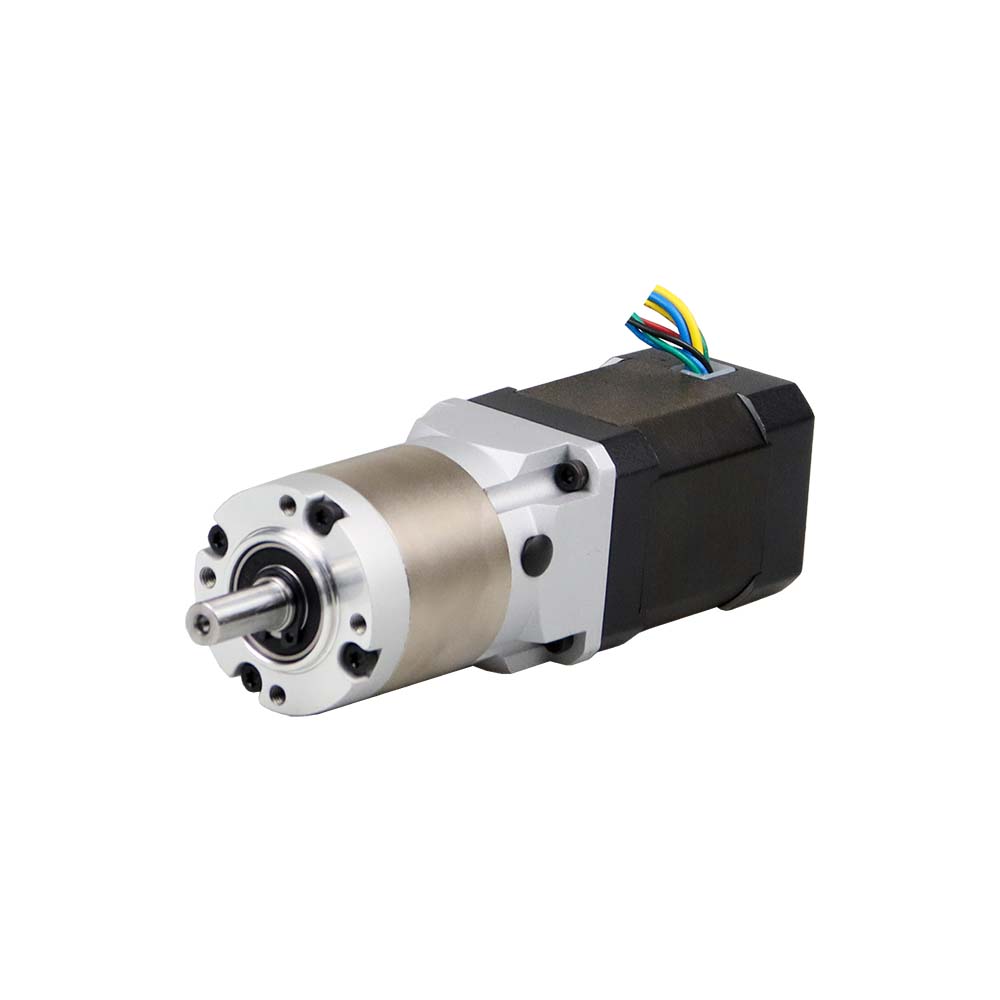
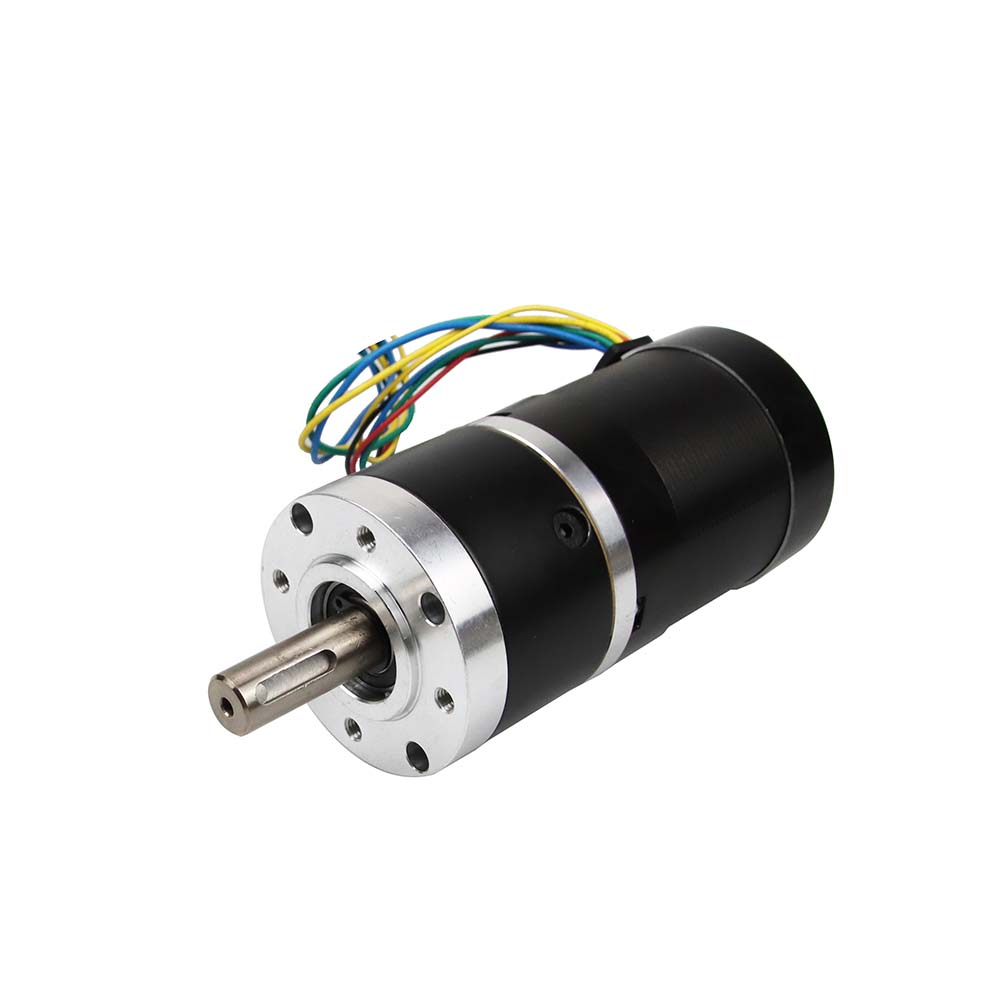
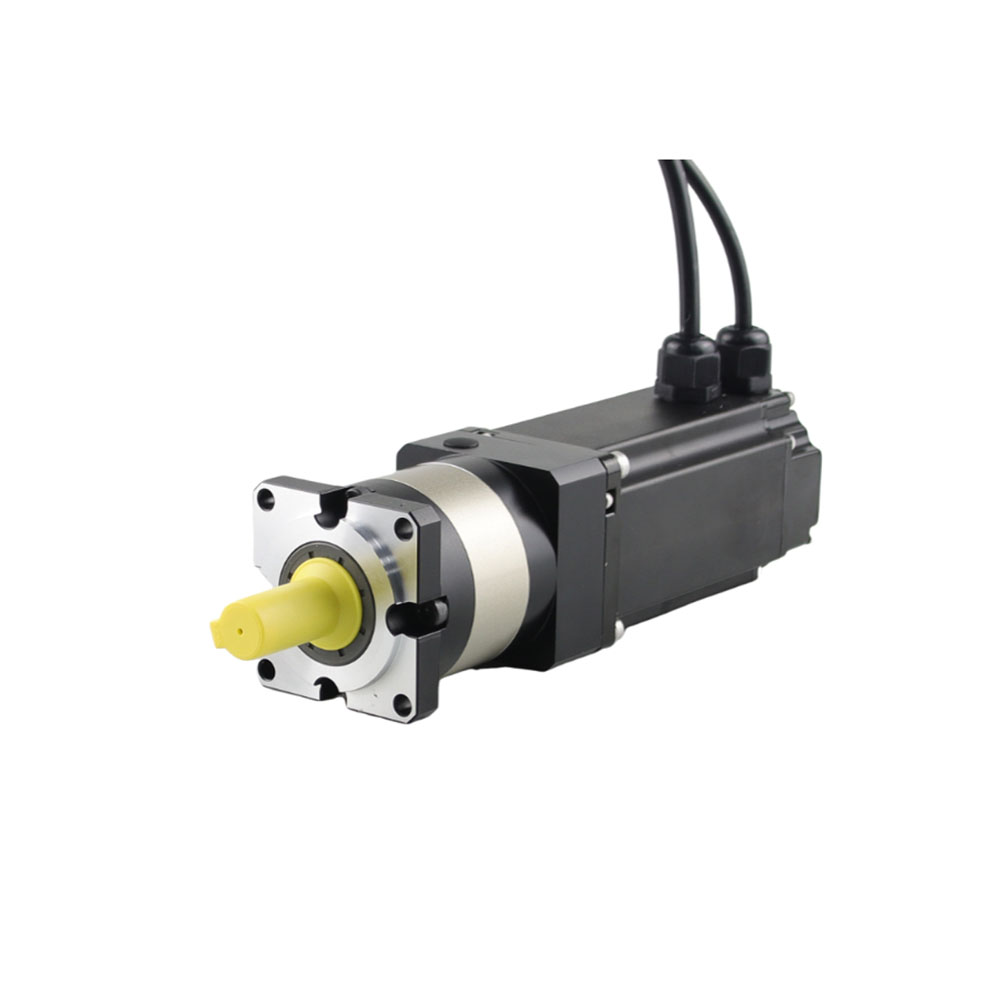
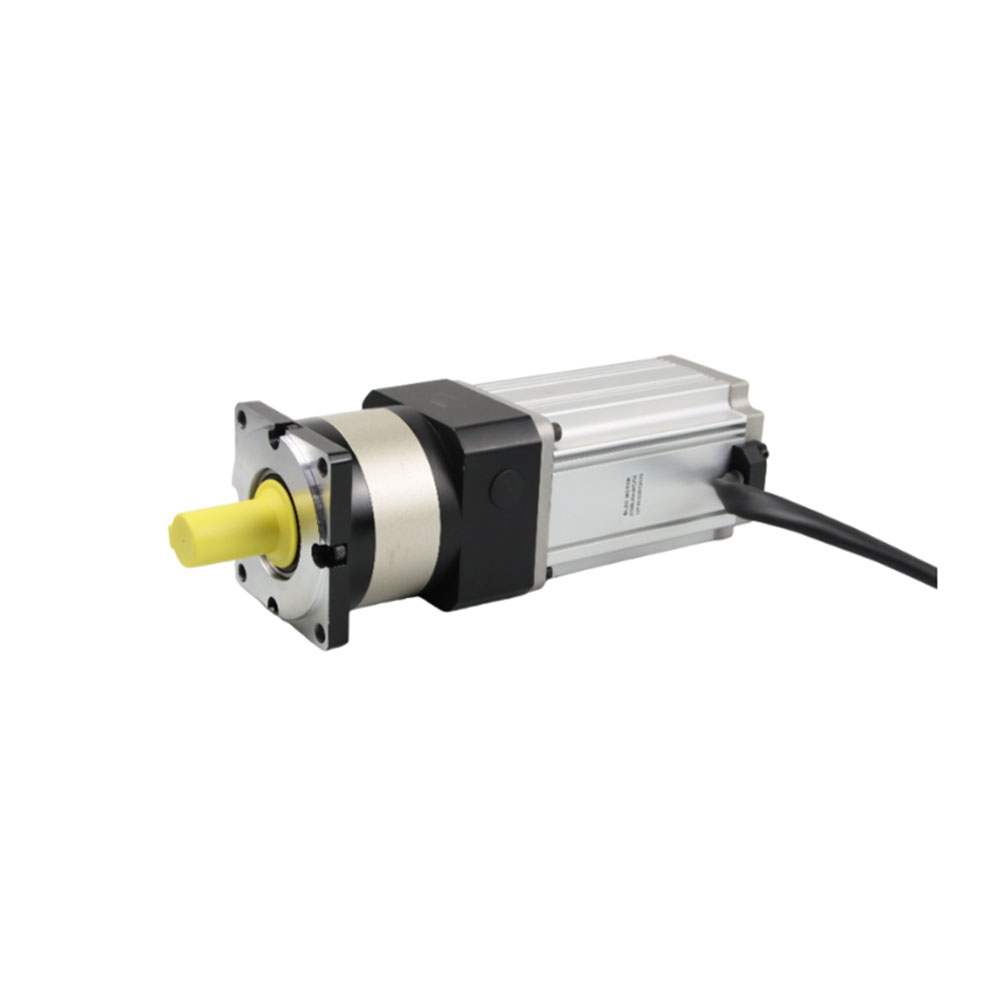
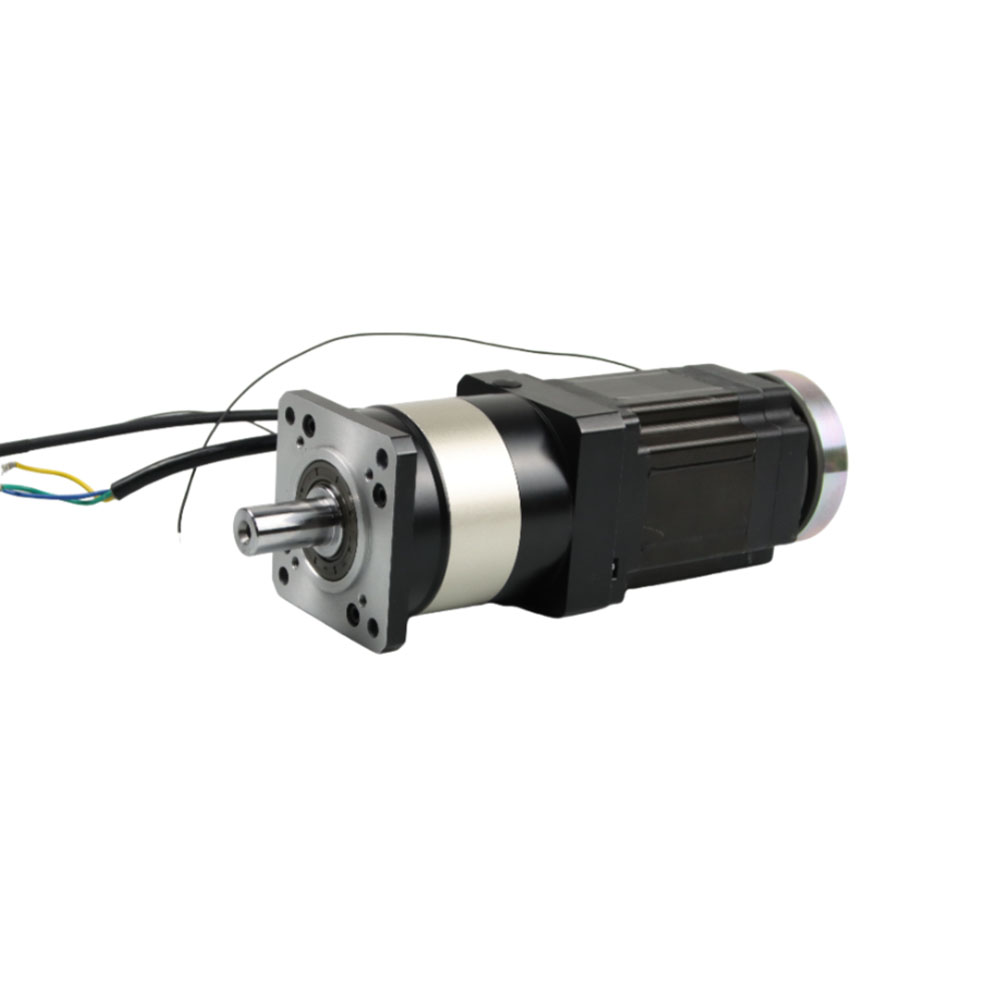
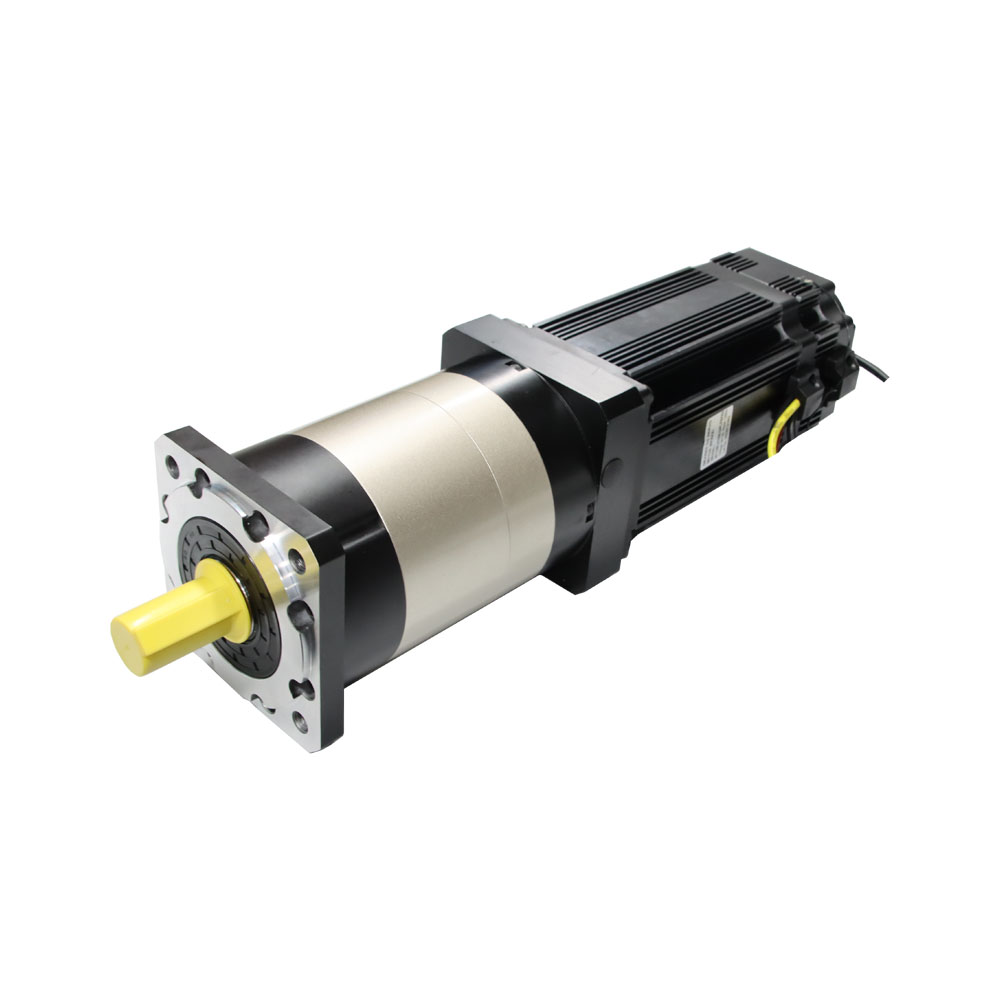
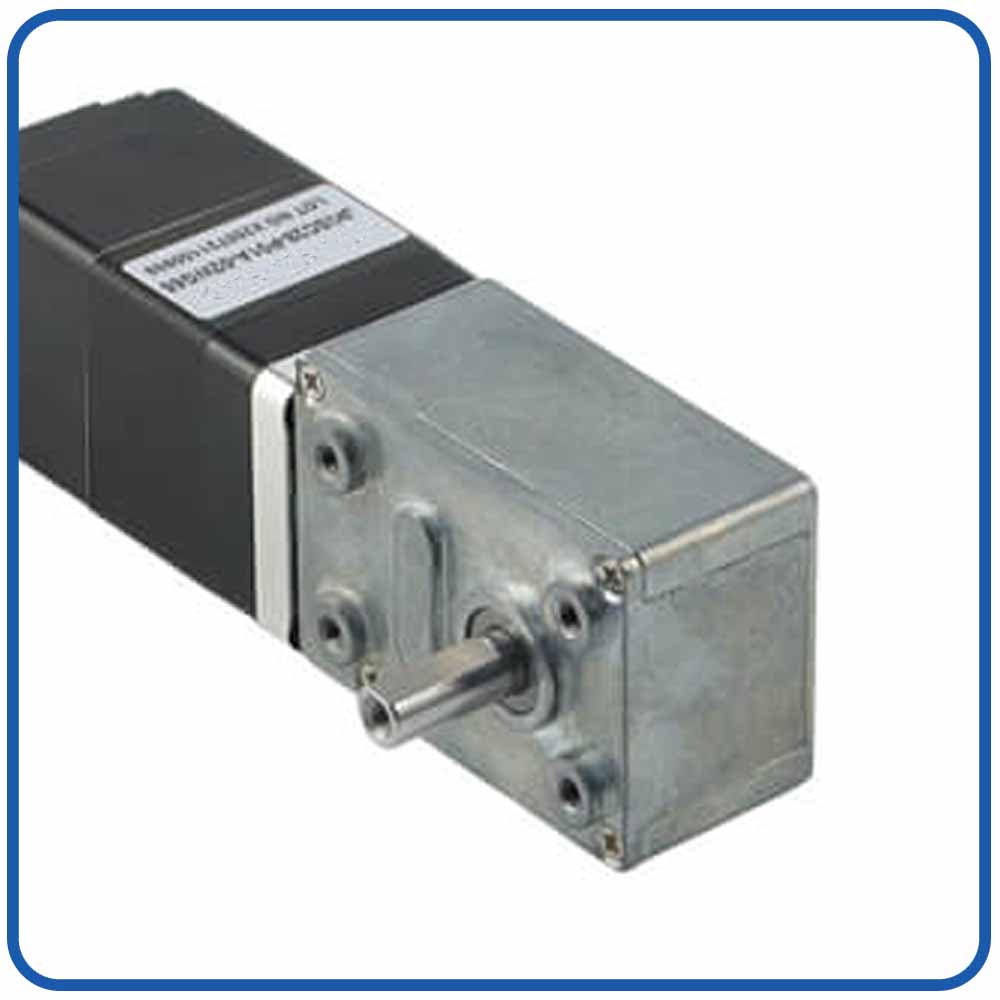
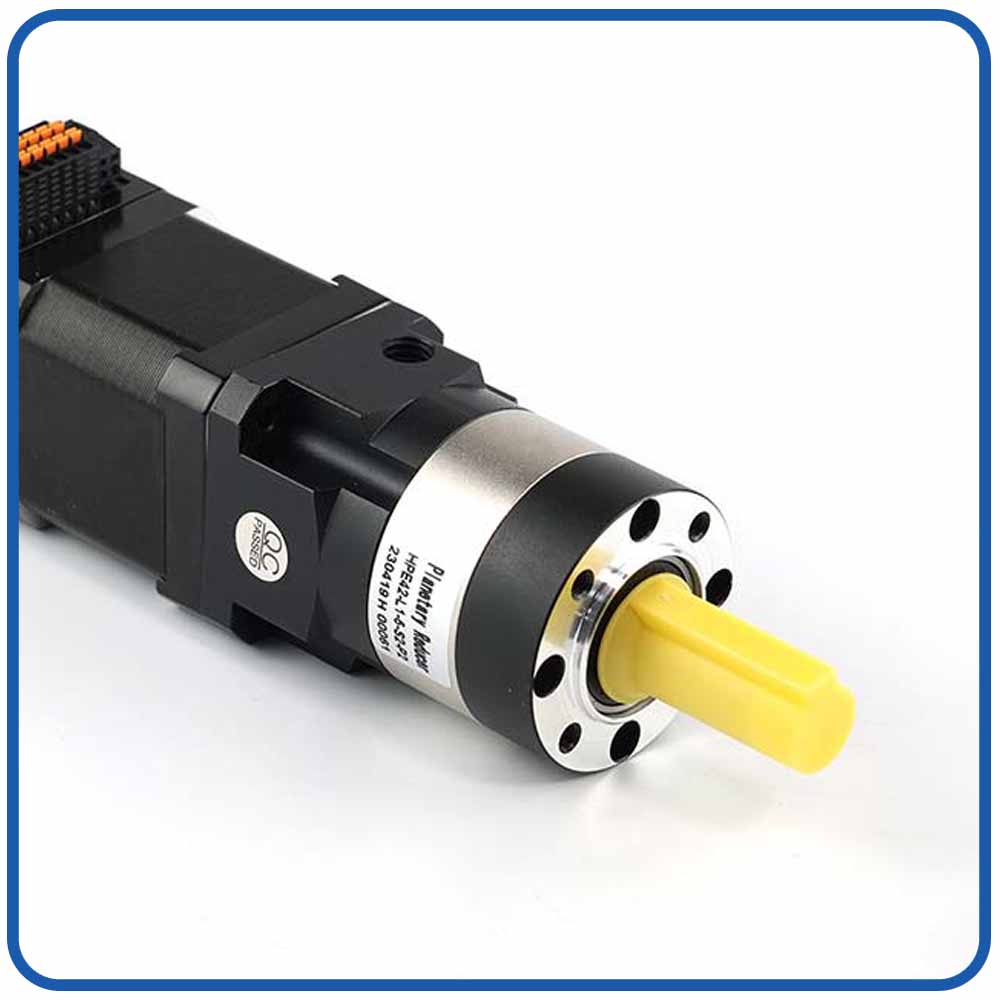
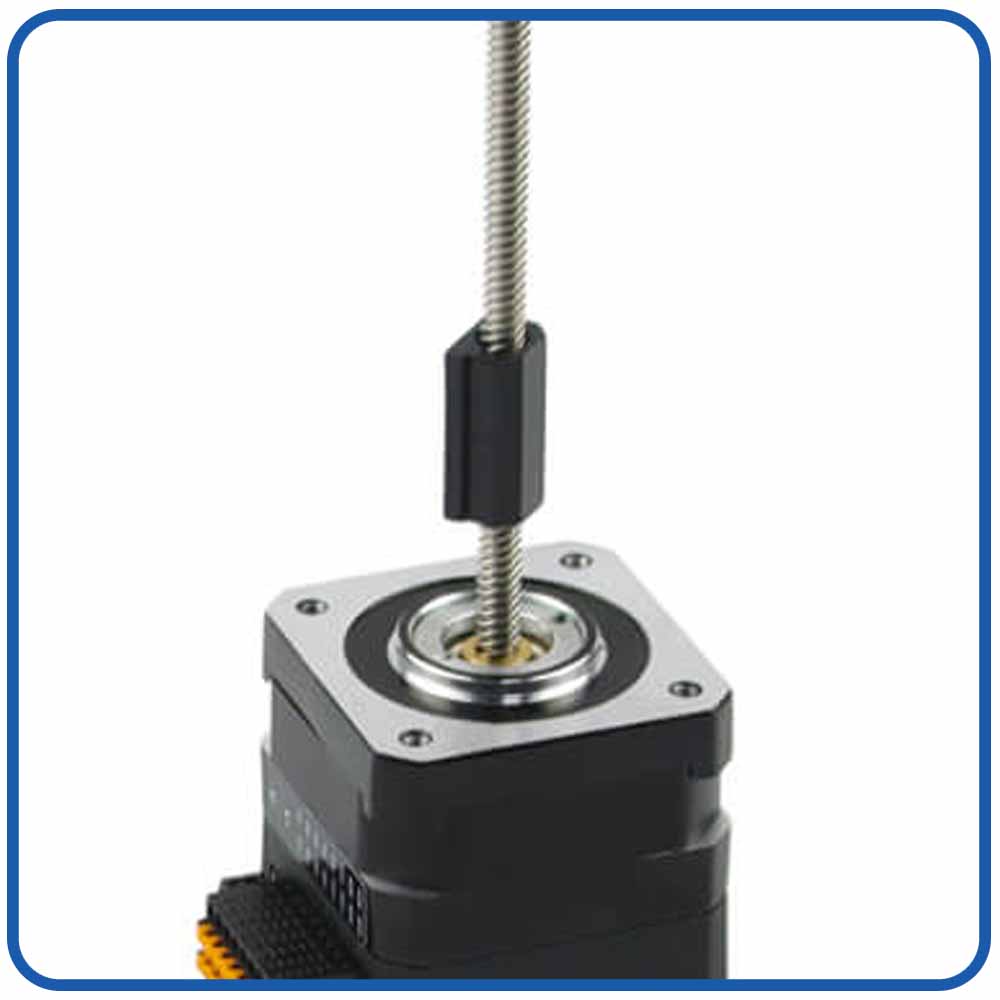
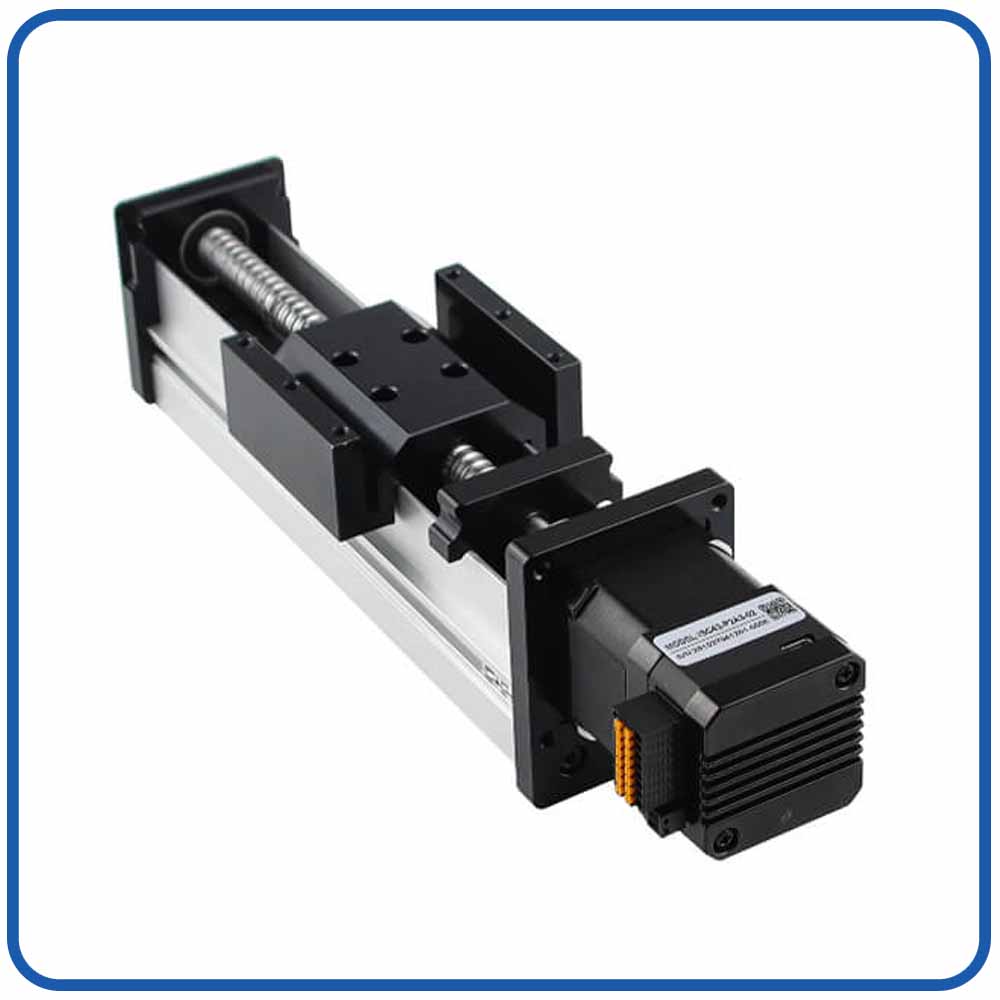
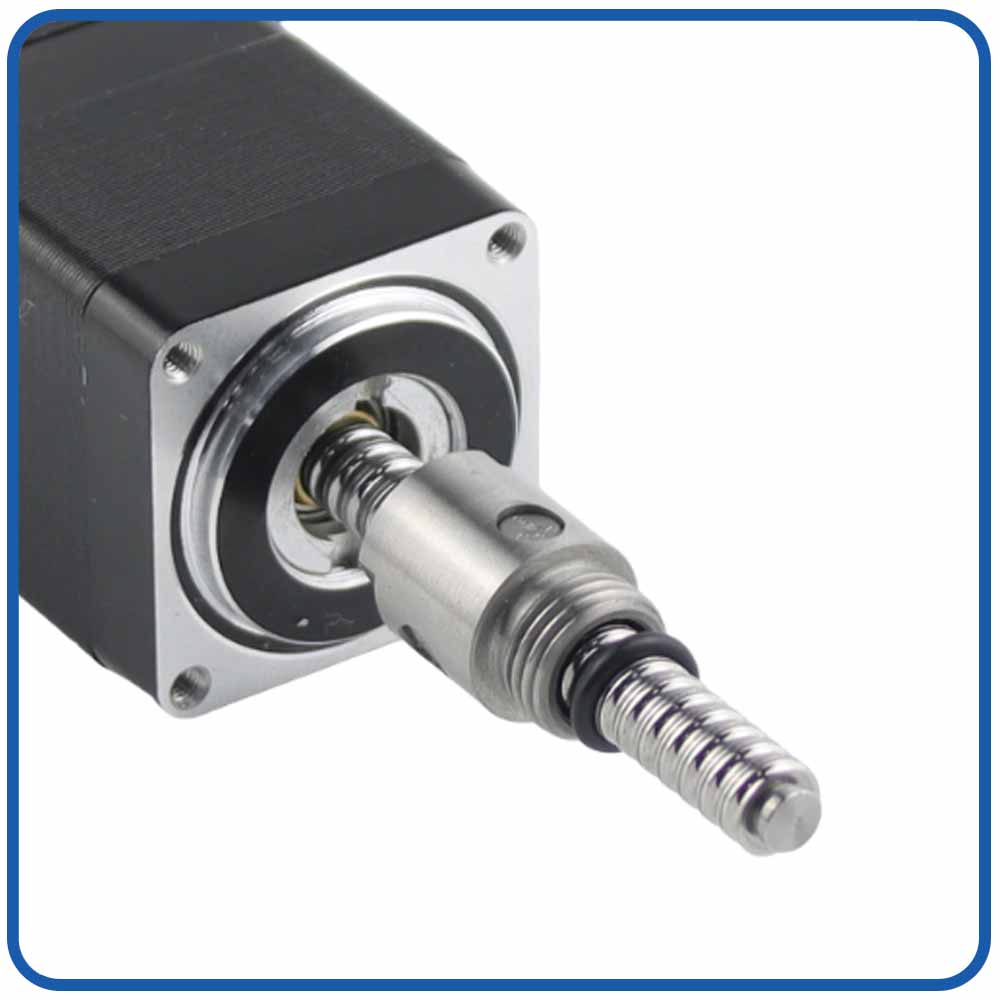
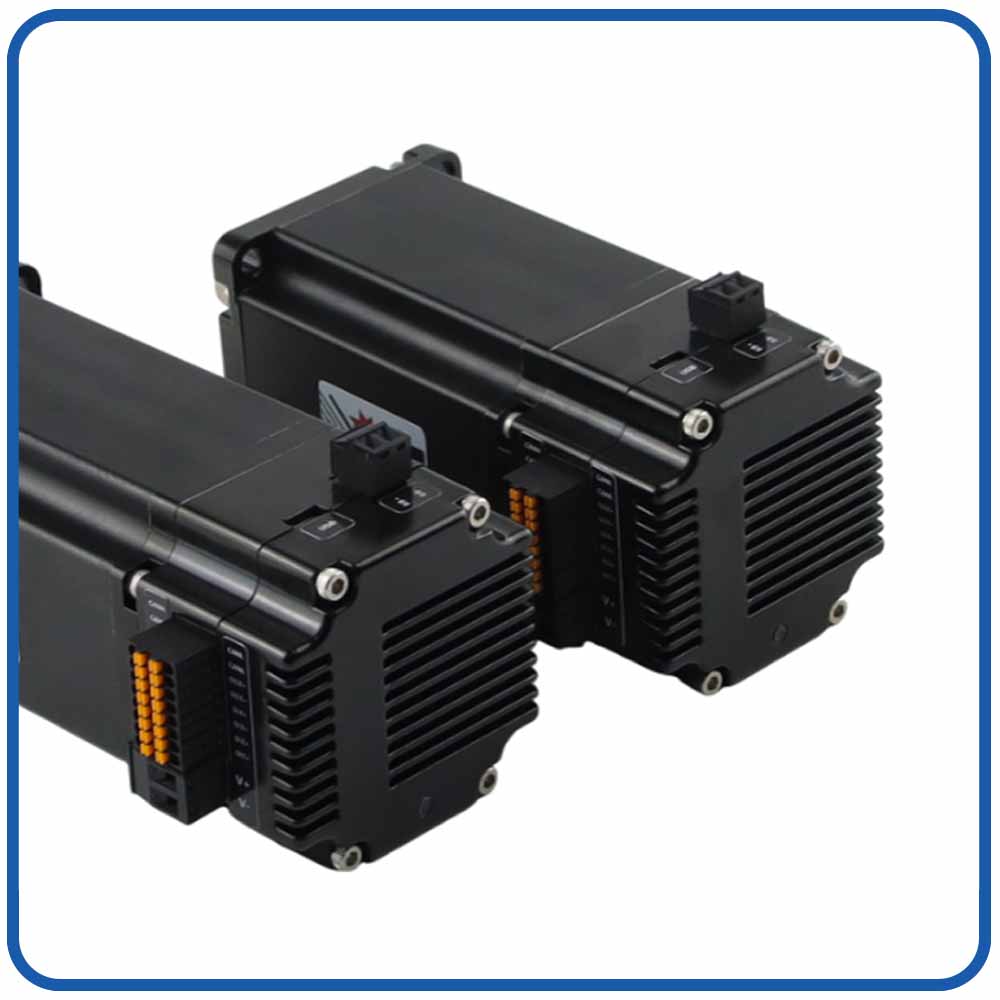
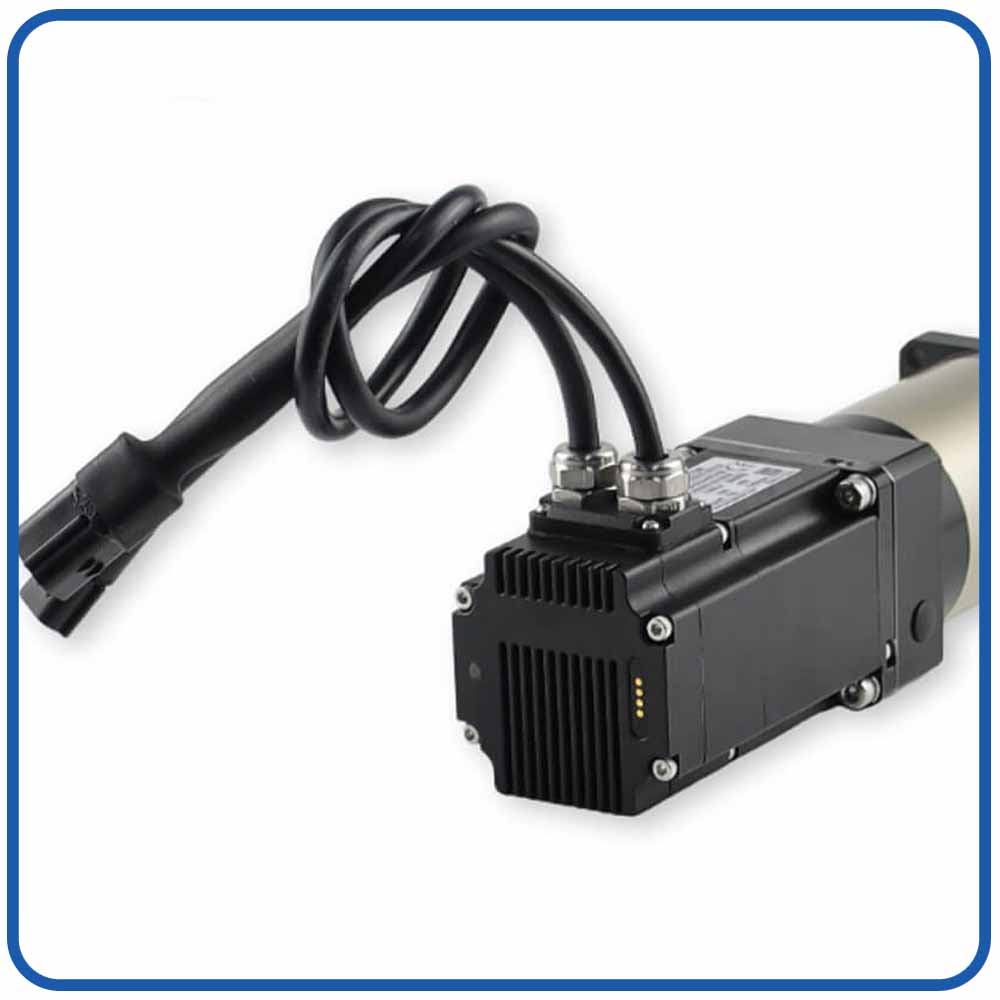
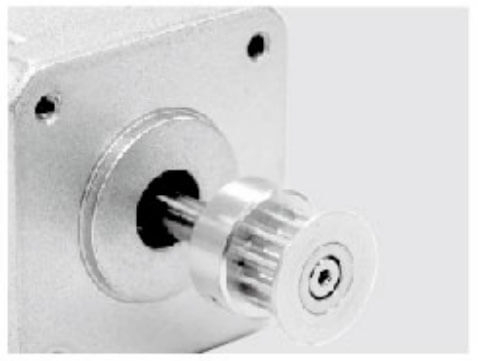
Besfoc geared BLDC motors provide the torque, efficiency, precision, low noise, and reliability required for hospital delivery and logistics robots. Proper motor selection ensures smooth autonomous operation, longer battery life, accurate navigation, and dependable healthcare automation.
Hospital delivery and logistics robots are transforming healthcare facilities by automating the transportation of medicines, laboratory samples, medical supplies, linens, meals, and sterile equipment. The performance of these robots depends heavily on the motor system that drives their movement, navigation, and payload handling capabilities. Among the available motion solutions, the Geared BLDC Motor (Geared Brushless DC Motor) has become one of the most reliable and efficient choices for hospital robotics.
Selecting the right geared BLDC motor requires a comprehensive evaluation of torque, speed, efficiency, noise levels, reliability, control precision, gearbox performance, and operating lifespan. In this guide, we examine the critical factors engineers, OEMs, and robotics developers should consider when choosing geared BLDC motors for hospital delivery and logistics applications.
Why Geared BLDC Motors Are Ideal for Hospital Robots
Hospital delivery and logistics robots operate in environments where reliability, precision, efficiency, and safety are critical. These autonomous systems must transport medications, laboratory samples, medical supplies, meals, and equipment throughout healthcare facilities while maintaining smooth and uninterrupted operation. To meet these demanding requirements, many robot manufacturers choose Geared Brushless DC (BLDC) Motors as their preferred motion solution.
High Torque for Heavy Payload Transportation
Hospital robots are often required to carry substantial loads while navigating corridors, elevators, ramps, and crowded areas. A gearbox attached to a BLDC motor multiplies the motor's output torque, allowing the robot to move heavier payloads without increasing motor size.
Key benefits include:
Improved load-carrying capability
Better acceleration under load
Enhanced climbing performance on ramps
Reduced motor stress during operation
This combination enables compact robotic platforms to deliver reliable performance even when transporting heavy medical supplies.
Excellent Energy Efficiency
Battery life is a major consideration for autonomous hospital robots that operate continuously throughout the day. BLDC motors are known for their high electrical efficiency, often achieving efficiencies above 85%.
Advantages of high efficiency include:
Longer operating time between charges
Reduced power consumption
Lower operating costs
Less heat generation
Efficient energy usage helps maximize robot productivity and minimizes downtime caused by battery charging.
Quiet Operation for Sensitive Healthcare Environments
Hospitals require a calm and quiet atmosphere to support patient recovery and comfort. Traditional motor technologies can generate excessive noise due to mechanical brushes and vibration.
Geared BLDC motors offer:
Low acoustic noise levels
Smooth rotational performance
Reduced vibration
Minimal mechanical wear
When paired with precision planetary gearboxes, these motors provide nearly silent operation, making them suitable for patient wards, intensive care units, and overnight logistics tasks.
Long Service Life and Low Maintenance
Hospital robots often operate around the clock, making reliability a top priority. Because BLDC motors eliminate brushes, they experience significantly less mechanical wear compared to brushed DC motors.
Key reliability benefits include:
Extended operational lifespan
Reduced maintenance requirements
Fewer unexpected failures
Lower total ownership costs
A high-quality geared BLDC motor system can provide tens of thousands of hours of dependable service, supporting continuous healthcare operations.
Precise Motion Control and Navigation
Modern hospital robots rely on advanced navigation systems to move safely through complex indoor environments. Accurate motion control is essential for avoiding obstacles, stopping at designated locations, and maintaining smooth travel paths.
Geared BLDC motors support:
Closed-loop speed control
Accurate positioning
Smooth acceleration and deceleration
Consistent movement at low speeds
When integrated with high-resolution encoders, these motors deliver the precision required for autonomous navigation and fleet management systems.
Compact Design with High Torque Density
Space inside a hospital robot is limited due to batteries, sensors, controllers, communication modules, and payload compartments. Geared BLDC motors provide a high torque output while maintaining a compact footprint.
Benefits include:
Easier mechanical integration
Reduced overall robot size
Improved weight distribution
Greater design flexibility
This allows engineers to build smaller, more efficient robots without sacrificing performance.
Superior Speed Regulation
Hospital logistics robots frequently start, stop, and change speeds as they navigate hallways and interact with people. BLDC motors offer excellent speed stability across varying load conditions.
This results in:
Consistent travel speed
Improved safety
Better route accuracy
Enhanced passenger and staff confidence
Stable speed control is particularly important when transporting sensitive medical materials or laboratory specimens.
Low Backlash and Improved Positioning Accuracy
Many geared BLDC motors utilize precision planetary gearboxes that offer low backlash characteristics. Reduced backlash improves robot responsiveness and positioning accuracy.
Advantages include:
More accurate stopping positions
Better path tracking performance
Smoother directional changes
Enhanced autonomous navigation
Low-backlash gear systems are especially valuable in narrow hospital corridors and crowded environments.
Compatibility with Advanced Control Systems
Hospital robots increasingly rely on intelligent control architectures and industrial communication networks. Geared BLDC motors can easily integrate with modern control systems through various interfaces.
Common communication options include:
CAN Bus
CANopen
EtherCAT
RS485
Modbus
Pulse & Direction
This compatibility simplifies system integration and supports advanced fleet management and diagnostic functions.
Reliable Performance in Continuous Operation
Unlike many industrial environments, hospitals operate 24 hours a day. Delivery robots must maintain reliable performance throughout extended duty cycles without overheating or losing efficiency.
Geared BLDC motors provide:
Continuous-duty capability
Stable thermal performance
Consistent output torque
High operational reliability
These characteristics make them well suited for healthcare facilities where uninterrupted service is essential.
Summary
Geared BLDC motors have become the preferred drive solution for hospital delivery and logistics robots because they combine high torque, energy efficiency, low noise, precise motion control, long service life, and compact design. Their ability to support continuous operation while delivering smooth, reliable, and accurate movement makes them an ideal choice for modern healthcare automation systems. By integrating a precision gearbox with advanced brushless motor technology, hospitals can achieve safer, more efficient, and more dependable robotic logistics operations.
The first step in motor selection is understanding the robot's payload requirements.
Hospital logistics robots typically transport:
Application
Typical Payload
Medicine Delivery
5–20 kg
Laboratory Samples
5–15 kg
Meal Distribution
20–50 kg
Linen Transportation
30–100 kg
Sterile Supply Delivery
20–80 kg
As payload increases, motor torque requirements rise significantly.
When calculating motor specifications, engineers should consider:
Payload weight
Robot chassis weight
Battery weight
Wheel diameter
Acceleration requirements
Floor inclination
Rolling resistance
Selecting a geared BLDC motor with adequate torque reserves helps ensure consistent performance under varying load conditions.
Calculate the Required Output Torque
Torque is one of the most important selection parameters.
Hospital robots frequently start, stop, and maneuver in narrow corridors. Insufficient torque can lead to:
Poor acceleration
Reduced climbing ability
Navigation errors
Increased motor heating
Reduced battery efficiency
A geared BLDC motor increases output torque through gear reduction.
For example:
Motor torque: 0.5 Nm
Gear ratio: 20:1
Gearbox efficiency: 90%
Output torque:
0.5 × 20 × 0.9 = 9 Nm
This torque multiplication allows compact motors to move heavy robotic platforms efficiently.
Engineers should typically select motors with a safety margin of 20–30% above the calculated operating torque.
Choose the Optimal Gear Ratio
Selecting the right gear ratio is essential for achieving the desired balance between torque, speed, and efficiency in hospital delivery and logistics robots. The gearbox determines how the motor's speed is reduced and how much torque is multiplied at the output shaft.
A higher gear ratio increases torque but reduces output speed, while a lower gear ratio provides higher speed with less torque multiplication.
Gear Ratio Effects
Gear Ratio
Characteristics
Typical Applications
5:1–10:1
Higher speed, lower torque
Light-duty delivery robots
10:1–30:1
Balanced speed and torque
General hospital logistics robots
30:1–100:1
Maximum torque, lower speed
Heavy-load transport robots
Key Selection Factors
When choosing a gear ratio, consider:
Robot payload weight
Required travel speed
Wheel diameter
Ramp-climbing requirements
Acceleration performance
Battery efficiency
For most hospital logistics robots, gear ratios between 10:1 and 30:1 provide an effective balance of speed, torque, and energy consumption.
Avoid Over-Sizing the Gear Ratio
An excessively high gear ratio may:
Limit robot speed
Reduce system efficiency
Increase gearbox wear
Conversely, a ratio that is too low may not provide enough torque for carrying payloads or climbing ramps.
Why Planetary Gearboxes Are Preferred
Planetary gearboxes are widely used in hospital robots because they offer:
High torque density
Compact size
High efficiency
Low backlash
Long service life
Key Takeaway
The optimal gear ratio should provide sufficient torque for payload handling while maintaining the travel speed required for efficient hospital operations. A properly matched planetary gearbox helps ensure smooth movement, reliable performance, and maximum energy efficiency.
Evaluate Speed Requirements
Hospital robots generally operate in controlled indoor environments.
Typical travel speeds range between:
0.5 m/s to 2.0 m/s
Excessive speed is usually unnecessary and may create safety concerns around patients and healthcare staff.
The geared BLDC motor should provide:
Smooth low-speed operation
Stable cruising speed
Precise speed control
Fast response to navigation commands
Motor speed and gearbox ratio should be optimized together to achieve the desired wheel speed while maintaining adequate torque reserves.
Prioritize Quiet Operation
Noise control is a critical factor in healthcare facilities.
Hospitals require a calm environment that supports patient recovery and minimizes disturbance.
Motor systems should exhibit:
Low acoustic noise
Minimal vibration
Smooth gear engagement
Stable rotational performance
Brushless DC motors inherently generate less noise than brushed alternatives because they eliminate brush friction.
For further noise reduction, engineers should select:
Precision planetary gearboxes
High-quality bearings
Optimized gear profiles
Low-backlash gear systems
Quiet operation significantly improves the suitability of robots for patient wards, ICUs, and nighttime logistics tasks.
Focus on Energy Efficiency
Hospital robots often operate continuously throughout the day.
Energy efficiency directly affects:
Battery runtime
Charging frequency
Operational costs
Fleet productivity
BLDC motors typically achieve efficiencies between 85% and 95%, substantially outperforming traditional brushed motors.
An efficient geared BLDC motor offers:
Lower power consumption
Reduced heat generation
Longer battery life
Improved system reliability
When evaluating motor options, engineers should review efficiency curves across the expected operating speed and load ranges.
Consider Encoder and Feedback Requirements
Modern hospital robots rely on sophisticated navigation systems.
Accurate motion control requires high-quality feedback devices such as:
Incremental encoders
Absolute encoders
Hall sensors
Magnetic encoders
Encoder feedback enables:
Precise positioning
Closed-loop speed control
Odometry calculations
Navigation accuracy
Obstacle avoidance integration
High-resolution encoders improve robot localization and movement precision, particularly in complex hospital layouts.
Assess Gearbox Backlash Performance
Backlash refers to the small amount of mechanical play within a gearbox.
Excessive backlash can negatively affect:
Positioning accuracy
Path tracking
Motion smoothness
Navigation consistency
For autonomous hospital robots, low-backlash planetary gearboxes are highly recommended.
Advantages include:
Better directional control
Improved stopping accuracy
Reduced vibration
Enhanced autonomous navigation performance
Low-backlash designs contribute significantly to overall system precision.
Environmental durability contributes to dependable long-term operation.
Evaluate Control System Compatibility
The geared BLDC motor must integrate seamlessly with the robot's control architecture.
Common communication interfaces include:
CAN Bus
CANopen
EtherCAT
Modbus
RS485
Pulse and Direction
Advanced motor controllers provide:
Closed-loop control
Speed regulation
Torque control
Position control
Diagnostic monitoring
Compatibility with the robot's existing electronics simplifies development and deployment.
Select a Compact and Lightweight Design
In hospital delivery and logistics robots, available installation space is often limited by batteries, sensors, controllers, communication modules, safety systems, and payload compartments. Choosing a compact and lightweight geared BLDC motor helps maximize space utilization while improving overall robot performance.
A smaller motor system allows engineers to design robots with a lower profile, better maneuverability, and greater flexibility for integrating additional components. At the same time, reducing the weight of the drive system can improve energy efficiency and extend battery operating time.
Benefits of Compact Geared BLDC Motors
A compact motor design offers several advantages for healthcare robotics:
Easier integration into space-constrained robot platforms
Reduced overall vehicle weight
Improved mobility and maneuverability
More room for batteries and payload storage
Greater flexibility in mechanical design
Lower energy consumption during operation
These benefits are especially important for robots that must navigate narrow corridors, elevators, patient rooms, and crowded hospital environments.
Importance of High Torque Density
When evaluating motor size, engineers should focus on torque density, which refers to the amount of torque a motor can produce relative to its size and weight.
High torque-density geared BLDC motors provide:
Strong output torque in a compact package
Improved acceleration and climbing performance
Reduced system footprint
Higher payload capacity without increasing robot dimensions
This enables hospital robots to transport heavier loads while maintaining a streamlined and efficient design.
Optimize Weight for Better Battery Efficiency
The weight of the motor and gearbox directly affects battery consumption. A lighter drive system requires less energy to accelerate, decelerate, and maintain movement.
Advantages of a lightweight motor solution include:
Extended battery runtime
Reduced charging frequency
Lower operating costs
Increased daily productivity
Improved fleet efficiency
For autonomous robots operating continuously throughout a hospital, these efficiency gains can significantly improve overall performance.
Consider Installation and Integration Requirements
A compact geared BLDC motor should also simplify mechanical and electrical integration.
Important considerations include:
Mounting dimensions
Shaft configuration
Gearbox length
Cable routing options
Encoder integration
Driver compatibility
Selecting a motor that fits seamlessly within the robot architecture can reduce development time and simplify maintenance procedures.
Balance Size, Torque, and Reliability
While compactness is important, motor selection should not compromise performance or durability. The ideal geared BLDC motor delivers:
Sufficient torque for the required payload
High efficiency across operating conditions
Long service life
Reliable continuous-duty performance
Low noise and vibration levels
A well-balanced design ensures that the robot can meet operational demands while maintaining a small footprint.
Key Takeaway
For hospital delivery and logistics robots, a compact and lightweight geared BLDC motor helps optimize space utilization, improve battery efficiency, and enhance overall mobility. By selecting a motor with high torque density, efficient power consumption, and a compact form factor, manufacturers can develop more capable, reliable, and cost-effective robotic systems for modern healthcare environments.
Why Planetary Geared BLDC Motors Are Often the Best Choice
Planetary gearboxes have become the preferred solution for hospital logistics robots because they provide:
High torque output
Compact dimensions
Excellent efficiency
Low backlash
Smooth transmission
Long service life
Combined with a brushless DC motor, a planetary geared motor delivers the ideal balance of power, precision, efficiency, and reliability required for healthcare automation.
Key Selection Checklist for Hospital Delivery Robots
By systematically evaluating these criteria, robotics engineers can select a motor solution that delivers optimal performance, reliability, and operational efficiency in demanding hospital environments.
Conclusion
Choosing the right Geared BLDC Motor for hospital delivery and logistics robots requires balancing torque, speed, efficiency, precision, reliability, and noise performance. A properly matched motor and gearbox combination ensures smooth navigation, long battery life, accurate positioning, and dependable operation in healthcare facilities. High-efficiency planetary geared BLDC motors with low backlash, advanced encoder feedback, and industrial-grade durability remain the preferred choice for modern autonomous hospital logistics systems, enabling safer, smarter, and more efficient healthcare automation.
FAQs:
1. Why are geared BLDC motors preferred for hospital delivery robots?
Besfoc Answer: Geared BLDC motors combine the high efficiency and long service life of brushless motors with the torque multiplication provided by precision gearboxes. This enables hospital robots to transport medical supplies, medications, meals, and equipment smoothly while maintaining low noise levels, precise control, and reliable 24/7 operation.
2. How do I determine the required torque for a hospital logistics robot?
Besfoc Answer: The required torque depends on the robot's total weight, payload capacity, wheel size, acceleration requirements, and ramp-climbing capability. Besfoc recommends calculating the total drive force needed and adding a safety margin of 20–30% to ensure reliable performance under varying operating conditions.
3. What gear ratio is best for hospital delivery robots?
Besfoc Answer: The ideal gear ratio depends on the robot's speed and load requirements. Ratios between 10:1 and 30:1 are commonly used for hospital logistics robots because they provide a balanced combination of torque, speed, and energy efficiency. Besfoc can also provide customized gearbox ratios based on specific application requirements.
4. Why is low noise important in healthcare robotics?
Besfoc Answer: Hospitals require a quiet environment to support patient comfort and recovery. Besfoc geared BLDC motors are designed with precision gears and high-quality bearings to minimize vibration and noise, making them suitable for patient wards, intensive care units, and nighttime delivery operations.
5. How does a geared BLDC motor improve battery life?
Besfoc Answer: Brushless DC motors operate with high electrical efficiency, reducing energy losses during operation. Combined with an optimized gearbox, Besfoc geared BLDC motors deliver the required torque while consuming less power, helping extend battery runtime and reduce charging frequency.
6. What type of gearbox is recommended for hospital robots?
Besfoc Answer: Planetary gearboxes are typically the preferred choice because they offer high torque density, compact dimensions, low backlash, and excellent durability. Besfoc planetary geared BLDC motors provide smooth motion and accurate positioning for autonomous healthcare robots.
7. How important is encoder feedback in hospital delivery robots?
Besfoc Answer: Encoder feedback is critical for precise speed regulation, positioning, and navigation. Besfoc geared BLDC motors can be integrated with various encoder options to support closed-loop control, ensuring accurate movement and reliable autonomous operation.
8. What factors affect the lifespan of a geared BLDC motor?
Besfoc Answer: Motor lifespan is influenced by operating load, gearbox quality, bearing design, temperature management, and maintenance conditions. Besfoc motors are engineered with high-quality components and robust construction to deliver long service life in continuous-duty applications.
9. Why is low backlash important for autonomous hospital robots?
Besfoc Answer: Low backlash improves positioning accuracy, path tracking, and overall motion control. Besfoc precision planetary gearboxes are designed to minimize backlash, helping robots navigate narrow corridors and stop accurately at delivery points.
10. What should be considered when selecting a geared BLDC motor supplier?
Besfoc Answer: A reliable supplier should offer application engineering support, customizable motor and gearbox configurations, quality manufacturing standards, and long-term technical assistance. Besfoc provides customized geared BLDC motor solutions tailored to the performance requirements of healthcare automation and logistics robotics.

 English
 العربية
 Français
 Русский
 Español
 Português
 Deutsch
 italiano
 日本語
日本語 한국어
한국어 Nederlands
 Tiếng Việt
 ไทย
ไทย Polski
 Türkçe
 ພາສາລາວ
 ភាសាខ្មែរ
 Bahasa Melayu
 ဗမာစာ
ဗမာစာ Filipino
 Bahasa Indonesia
 magyar
 Română
 Čeština
 Монгол
 қазақ
қазақ Српски
 हिन्दी
 فارسی
فارسی Slovenčina
 Slovenščina
 Norsk
Norsk Svenska
 українська
 Ελληνικά
 Suomi
Suomi Հայերեն
 עברית
עברית Latine
 Dansk
Dansk Shqip
Shqip বাংলা
বাংলা Hrvatski
 Afrikaans
 Gaeilge
 Eesti keel
 Oʻzbekcha
 latviešu
 Azərbaycan dili
 Български
 Català